

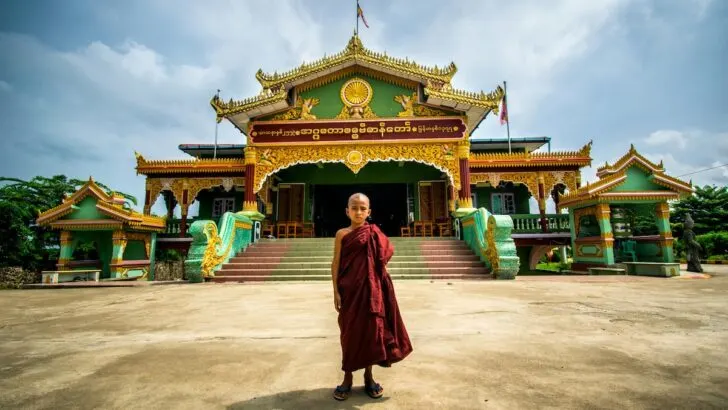
Myanmar, once a beloved destination for adventurous travelers, has faced significant turmoil in recent years. With ongoing political instability, security concerns, and restricted areas, many potential visitors are left wondering: Is it safe to travel to Myanmar? In this guide, we’ll break down the current situation, safety risks, and essential precautions to take before planning a trip.
Is It Safe To Travel To Myanmar? Read This BEFORE You Go!
The Current Situation in Myanmar
Myanmar has been in a state of political and social unrest since the military coup in February 2021. The coup led to widespread protests, civil disobedience, and armed resistance movements. As a result, some areas of the country have become dangerous for both locals and foreigners. Additionally, the economy has suffered, leading to fuel shortages, power outages, and disruptions in essential services.
However, while certain regions remain unstable, not all of Myanmar is off-limits. Some major tourist destinations, such as Yangon and Bagan, continue to operate relatively normally, though with a significantly lower number of visitors.
Travel Risks and Safety Concerns
Here are the primary safety concerns travelers should be aware of when considering a trip to Myanmar:
1. Political Unrest and Protests
Public demonstrations and clashes between security forces and protestors are still occurring, particularly in urban centers. Travelers should avoid any political gatherings or discussions about the government, as expressing opinions on these matters can be risky.
2. Armed Conflict and Restricted Areas
Several regions in Myanmar, especially in border areas such as Rakhine, Kachin, and Shan states, are experiencing armed conflicts between ethnic militias and the military. Many of these areas are under martial law or have travel restrictions, making them extremely unsafe for visitors.
3. Crime and Scams
While violent crime against tourists remains relatively low, petty crimes such as theft, scams, and corruption are concerns. There have also been reports of foreign nationals being scammed into working in illegal online operations, particularly in border areas controlled by criminal groups.
4. Health and Medical Facilities
Myanmar’s healthcare system has been heavily impacted by the political crisis, with shortages of medical supplies and staff. Travelers should carry essential medications and be prepared for limited access to quality medical care outside major cities.
5. Internet and Communication Restrictions
Internet access and mobile networks are frequently disrupted in certain areas. Travelers should have backup communication options and avoid relying entirely on digital maps or online services.
Areas Considered Safer for Tourists
Despite the risks, some parts of Myanmar remain relatively stable for travelers. These include:
- Yangon – The former capital remains one of the safer areas, with functioning hotels, restaurants, and tourist attractions.
- Bagan – The famous temple complex is still open to visitors, though tourism has significantly declined.
- Inle Lake – This picturesque destination continues to welcome visitors, albeit with some restrictions in nearby areas.
- Mandalay – While generally accessible, some parts of the city have experienced unrest.
Before visiting any of these places, it is crucial to check for updated travel advisories from your government.
Travel Tips for Visiting Myanmar Safely
If you decide to visit Myanmar, follow these safety precautions:
- Check Government Travel Advisories – Many countries, including the U.S., U.K., and Australia, have issued warnings about travel to Myanmar. Stay updated with the latest information.
- Avoid Protests and Political Discussions – Engaging in political conversations can put you at risk.
- Register with Your Embassy – If your country offers a travel registration service, sign up before departure.
- Use Trusted Transport and Accommodation – Avoid unofficial taxis and book accommodations in reputable hotels.
- Carry Cash – ATMs may be unreliable, and credit card acceptance is limited.
- Have a Contingency Plan – Be prepared for sudden changes, including curfews, transport disruptions, or evacuation scenarios.
- Stay Connected – Have a VPN installed to bypass internet restrictions and keep emergency contacts informed of your whereabouts.
- Travel with Insurance – Make sure your travel insurance covers political unrest, medical emergencies, and evacuation if needed.
Final Verdict: Should You Travel to Myanmar?
While Myanmar remains a beautiful country with a rich cultural heritage, the current situation presents significant risks. For most travelers, it may not be worth the uncertainties and potential dangers. However, if you choose to go, thorough research, careful planning, and strict adherence to safety precautions are essential.
For those looking for an alternative Southeast Asian adventure, destinations like Thailand, Vietnam, and Cambodia offer similar cultural experiences with far fewer risks.
Would you still consider traveling to Myanmar? Let us know your thoughts in the comments!
Leave a comment