

Bangkok is a fascinating blend of history, modernity, and culture, drawing millions of tourists each year. However, its bustling streets and popular attractions also make it a hotspot for scams targeting unsuspecting visitors. Here’s an expanded guide to the top scams in Bangkok, complete with tips, detailed descriptions, and strategies to avoid falling prey.
1. The Grand Palace is Closed Scam
How it works:
This is one of Bangkok’s most infamous scams. As you approach the Grand Palace—one of the city’s most iconic attractions—you might be intercepted by a seemingly helpful individual or tuk-tuk driver. They’ll tell you the palace is closed for a “special ceremony,” “holiday,” or “maintenance.” To make their claim convincing, they may wear uniforms or badges resembling official staff. They’ll then offer to take you on a “private tour” to alternative attractions like temples, gem shops, or tailors.
Once you agree, you’ll be led to overpriced stores or fake attractions where they earn commissions for every purchase you make. Some tourists end up spending hours away from the palace, wasting both time and money.
Where it happens:
This scam typically occurs near the entrance to the Grand Palace and Wat Phra Kaew, especially at busy tourist times.
How to avoid it:
- Always verify opening hours on the official Grand Palace website.
- Politely decline unsolicited advice from strangers and continue toward the main entrance.
- Check with a trusted source, like your hotel concierge, before heading out.
- Remember that the Grand Palace rarely closes to the public without prior announcements.
2. The Gem Scam
How it works:
The gem scam is one of Bangkok’s longest-running cons. A friendly local or tuk-tuk driver might strike up a conversation and mention a “once-a-year sale” or “special export day” at a nearby gem store. Intrigued by the idea of purchasing precious stones at a discount, you’re taken to a shop that appears reputable and high-end.
The sales pitch is smooth, with staff showing you glittering gemstones and certifications. They’ll promise massive returns if you sell the gems in your home country. However, the stones are usually low-quality or outright fakes, and you’ll likely find them to be worth far less—or nothing—when you try to sell them later.
Where it happens:
Near tourist hubs like the Grand Palace, Wat Arun, and other major temples. Tuk-tuk drivers and touts are often accomplices.
How to avoid it:
- Avoid gem shops recommended by strangers or drivers.
- Reputable gem shops don’t rely on street touts to attract customers.
- If you want to buy gems, research certified stores, such as those registered with the Thai Gem and Jewelry TradersAssociation.
- Always remember: if the deal sounds too good to be true, it probably is.
3. Tuk-Tuk Overcharging and Detours
How it works:
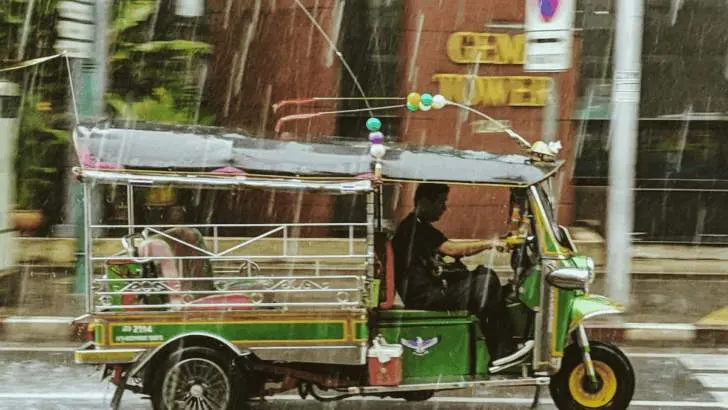
Tuk-tuks are a quintessential part of the Bangkok experience, but they’re also a common source of scams. Drivers may quote you an extremely low fare, such as 10-20 THB, for a ride. This suspiciously cheap offer comes with a catch—they’ll detour to gem stores, tailor shops, or restaurants where they earn commissions. Some drivers might outright refuse to take you to your destination unless you agree to visit these places.
Alternatively, some tuk-tuk drivers overcharge tourists by quoting inflated fares, often double or triple the standard rate, especially around popular tourist attractions.
Where it happens:
Areas around Khao San Road, Wat Arun, and the Grand Palace.
How to avoid it:
- Always negotiate and agree on a fare before getting in the tuk-tuk. A reasonable fare for short distances within the city is 50-100 THB.
- If a fare seems too good to be true, expect detours or hidden costs.
- Use ride-hailing apps like Grab or Bolt for transparent pricing and to avoid unnecessary haggling.
4. Fake Taxis and the No-Meter Scam
How it works:
Tourists arriving in Bangkok might encounter taxis that refuse to use the meter, instead quoting inflated flat rates for trips. Drivers might justify this by claiming the meter is “broken” or by emphasizing heavy traffic. In some cases, taxis without official markings or proper licensing may offer their services, leading to safety risks or price gouging.
Another version involves drivers intentionally taking longer routes to increase the meter fare, a tactic often aimed at tourists unfamiliar with Bangkok’s layout.
Where it happens:
Around airports (Suvarnabhumi and Don Mueang), train stations, and tourist-heavy areas like Sukhumvit, Silom, and Chinatown.
How to avoid it:
- Use official taxi stands at airports, which provide regulated services.
- Only take taxis with a functioning meter. Insist the driver turns it on or find another taxi.
- Use Grab or Bolt apps to book rides with upfront pricing.
- Familiarize yourself with routes using Google Maps to ensure drivers aren’t taking unnecessary detours.
5. Fake Monks Soliciting Donations
How it works:
Men dressed as monks roam tourist areas holding alms bowls or offering bracelets in exchange for cash donations. They might chant blessings or appear deeply spiritual to earn your trust. While real monks exist in Thailand, they do not solicit money on the streets.
These scammers exploit tourists’ goodwill and lack of understanding about local customs, leaving you feeling obligated to donate.
Where it happens:
Khao San Road, Chatuchak Market, and popular temple entrances.
How to avoid it:
- Politely decline and walk away if approached.
- If you wish to donate, do so at official temples or charity organizations.
- Educate yourself about genuine Thai Buddhist practices to spot impostors.
6. Ping Pong Show Scam
How it works:
Bangkok’s nightlife is infamous for its “ping pong shows,” often promoted by touts offering free entry or cheap drinks. Once inside the venue, tourists are subjected to hidden fees, mandatory drink purchases, and even threats if they refuse to pay. Bills can skyrocket to thousands of baht for services you didn’t request.
Some venues are outright dangerous, involving intimidation tactics to extract payments.
Where it happens:
Patpong, Nana Plaza, and Soi Cowboy.
How to avoid it:
- Avoid engaging with touts promoting ping pong shows or similar adult entertainment.
- Research reputable nightlife venues before going out.
- Stick to bars and clubs with transparent pricing and avoid shady establishments.
7. Fake Tour Agencies
How it works:
Bangkok has countless tour agencies, but not all are legitimate. Some promise luxury buses, VIP treatment, or exclusive access to attractions, only to deliver substandard services or nothing at all. In worst-case scenarios, they vanish with your money after you’ve booked.
Where it happens:
Khao San Road and other tourist-heavy areas.
How to avoid it:
- Check reviews on trusted platforms like TripAdvisor or GetYourGuide.
- Avoid agencies with suspiciously low prices or lack of clear documentation.
- Book through well-known travel platforms or directly through your hotel.
8. Fake Police Extortion
How it works:
Scammers impersonating police officers stop tourists and accuse them of minor infractions, like littering or jaywalking. They demand an on-the-spot fine, often threatening arrest if you refuse. These fake officers may even produce fake IDs or uniforms to appear legitimate.
Where it happens:
Quiet areas, train stations, or near nightlife hubs.
How to avoid it:
- Always ask for official identification and confirm their credentials.
- Insist on settling disputes at a police station rather than paying on the spot.
- Call the Thai tourist police hotline at 1155 if you’re unsure.
9. Cheap Tailor Scams
How it works:
“Suit in 24 hours” deals from street-side tailors often result in poorly made garments using low-quality materials. After taking your measurements and full payment upfront, they rush the production, delivering ill-fitting or poorly stitched suits. Some tailors even vanish before completing your order.
Where it happens:
Sukhumvit Road and near major tourist spots.
How to avoid it:
- Research reputable tailors with verified reviews online.
- Avoid tailor shops recommended by tuk-tuk drivers or touts.
- Request multiple fittings to ensure quality before finalizing payment.
10. Floating Market Tour Scams
How it works:
While Bangkok’s floating markets are iconic, some tours exaggerate the experience or take tourists to tourist traps with inflated prices and hidden costs. Vendors may aggressively push overpriced souvenirs or charge extra for boat rides.
Where it happens:
Damnoen Saduak Floating Market and similar tourist-heavy locations.
How to avoid it:
- Opt for authentic markets like Amphawa or Taling Chan.
- Research tour packages on trusted platforms and avoid deals that seem too cheap.
- Confirm all costs upfront before booking.
General Tips
- Stay alert, especially in crowded areas.
- Use trusted apps like Grab, Bolt, or Google Maps to navigate.
- Familiarize yourself with local customs to avoid cultural misunderstandings.
By understanding these scams and staying vigilant, you can focus on enjoying Bangkok’s vibrant charm while avoiding unnecessary hassles.
Leave a comment