

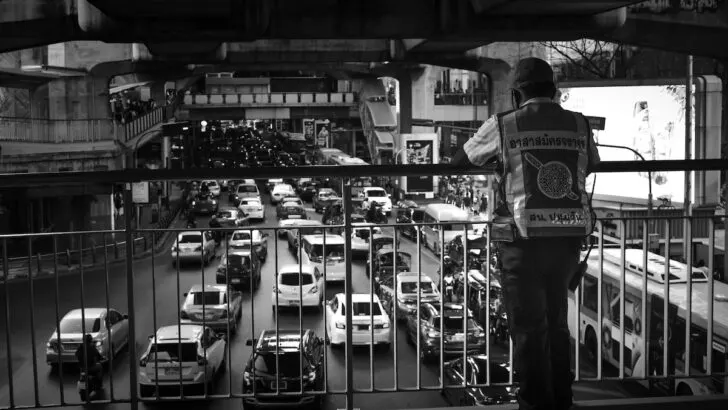
Bangkok, the vibrant capital city of Thailand, is a mesmerizing blend of the traditional and the modern. From its bustling street markets to its serene temples, and from its mouth-watering street food to its luxurious shopping malls, Bangkok offers a plethora of experiences that cater to every kind of traveler. To ensure you have an unforgettable trip, here are the top 10 things you must know before going to Bangkok.
1. Weather and Best Time to Visit
Weather:
Bangkok has a tropical climate, characterized by high humidity and temperatures ranging from 25°C to 35°C (77°F to 95°F) year-round. There are three main seasons:
- Hot Season (March to June): Temperatures can soar above 35°C (95°F). This is also the period leading up to the Songkran festival, Thailand’s New Year, which involves a nationwide water fight.
- Rainy Season (July to October): Monsoon rains are frequent but often short-lived, usually occurring in the late afternoon or evening.
- Cool Season (November to February): This is the most pleasant time to visit, with temperatures averaging between 25°C and 30°C (77°F and 86°F).
Best Time to Visit:
The best time to visit Bangkok is during the cool season, from November to February. The weather is more comfortable for sightseeing and outdoor activities. However, this is also the peak tourist season, so expect higher prices and larger crowds.
2. Visa and Entry Requirements
Visa Exemption:
Many nationalities can enter Thailand without a visa for stays of up to 30 days when arriving by air and up to 15 days when arriving by land. Check the Thai embassy website for the latest information regarding visa exemptions.
Tourist Visa:
If you plan to stay longer, you can apply for a 60-day tourist visa from a Thai embassy or consulate before your trip. This can be extended for an additional 30 days once you are in Thailand.
Documents Required:
- A passport valid for at least six months from the date of entry.
- Proof of onward travel (return flight ticket).
- Proof of sufficient funds (10,000 THB per person or 20,000 THB per family).
3. Cultural Etiquette and Local Customs
Respect for the Monarchy:
The Thai monarchy is deeply revered. Avoid any negative comments about the royal family, as this is illegal and considered highly disrespectful.
Dress Modestly:
When visiting temples, dress modestly. Men should wear long pants and shirts with sleeves, while women should wear skirts or pants that cover the knees and tops that cover the shoulders.
Greetings:
The traditional Thai greeting is the “wai,” which involves pressing your palms together in a prayer-like gesture and bowing slightly. This is a sign of respect and is commonly used instead of shaking hands.
Removing Shoes:
It is customary to remove your shoes before entering someone’s home or a temple. Look for signs and follow the lead of locals.
Head and Feet:
The head is considered the most sacred part of the body, while the feet are considered the lowest. Avoid touching anyone on the head and pointing your feet at people or religious objects.
4. Transportation
Public Transport:
Bangkok’s public transportation system is efficient and affordable. Key options include:
- BTS Skytrain: An elevated train system that covers major areas of the city.
- MRT Subway: An underground train system that complements the BTS.
- Buses: Extensive network but can be confusing for newcomers.
- Boats: Chao Phraya River and canal boats offer a scenic way to travel.
Taxis and Tuk-Tuks:
- Taxis: Metered taxis are plentiful. Ensure the driver uses the meter to avoid overcharging.
- Tuk-Tuks: These three-wheeled vehicles are iconic in Bangkok. Negotiate the fare before the ride.
Motorbike Taxis:
A quick way to navigate through traffic, but they can be risky. Always wear a helmet.
Ride-Hailing Apps:
Grab is the most popular app, offering a range of vehicles from motorbikes to cars.
5. Currency and Payment Methods
Currency:
The Thai Baht (THB) is the official currency. It’s best to carry small denominations for convenience.
ATMs and Currency Exchange:
- ATMs are widely available, but fees can be high for foreign cards.
- Currency exchange booths offer competitive rates. SuperRich and Vasu Exchange are popular options.
Credit Cards:
Widely accepted in hotels, restaurants, and malls, but less so in street markets and small shops. Carry some cash for smaller transactions.
6. Accommodation
Areas to Stay:
- Sukhumvit: A vibrant area with a mix of restaurants, bars, and shopping options.
- Silom: Known for its business district, nightlife, and proximity to Lumpini Park.
- Khao San Road: Popular with backpackers, offering budget accommodations and a lively atmosphere.
- Riverside: Offers luxury hotels with stunning views of the Chao Phraya River.
Types of Accommodation:
- Budget: Hostels and guesthouses.
- Mid-Range: Boutique hotels and serviced apartments.
- Luxury: High-end hotels and resorts.
7. Food and Dining
Street Food:
Bangkok is famous for its street food, offering everything from pad thai and mango sticky rice to more adventurous options like insects. Popular street food areas include Yaowarat (Chinatown) and Khao San Road.
Restaurants:
- Local Cuisine: Experience authentic Thai dishes at local eateries.
- Fine Dining: Bangkok boasts several Michelin-starred restaurants offering both Thai and international cuisine.
Food Safety:
- Stick to busy stalls where food turnover is high.
- Avoid raw or undercooked foods unless you’re sure of the source.
- Drink bottled water and avoid ice in street beverages.
8. Language and Communication
Language:
Thai is the official language. While English is widely understood in tourist areas, learning a few basic Thai phrases can be helpful:
- Hello: Sawasdee (krub/kah)
- Thank you: Khob khun (krub/kah)
- Yes/No: Chai/Mai chai
Communication:
- SIM cards are inexpensive and available at the airport and convenience stores.
- Free Wi-Fi is common in hotels, cafes, and shopping centers.
9. Shopping
Markets:
- Chatuchak Weekend Market: One of the largest markets in the world, offering everything from clothing and accessories to home decor and antiques.
- Pratunam Market: Known for wholesale fashion.
- Patpong Night Market: Popular for souvenirs, but be prepared to haggle.
Malls:
- Siam Paragon: High-end shopping mall with luxury brands.
- MBK Center: Affordable shopping for electronics, clothing, and souvenirs.
- Terminal 21: Each floor is themed after a different international destination.
Bargaining:
Haggling is expected in markets. Start by offering half the asking price and negotiate from there.
10. Safety and Health
Safety Tips:
- Petty Crime: Be vigilant against pickpocketing, especially in crowded areas.
- Scams: Common scams include tuk-tuk drivers offering tours at inflated prices and gem scams. Always be cautious and do your research.
- Traffic: Traffic can be chaotic. Use pedestrian bridges and crossings, and be cautious when navigating the streets.
Health Tips:
- Vaccinations: Ensure you are up-to-date on routine vaccines. Consider vaccines for Hepatitis A and B, Typhoid, and Rabies, depending on your activities.
- Mosquito Protection: Use insect repellent and wear long sleeves to protect against mosquito-borne diseases like dengue fever.
- Travel Insurance: Highly recommended to cover medical emergencies and other unforeseen incidents.
By keeping these essential tips in mind, you can navigate Bangkok with confidence and make the most of your visit to this dynamic and enchanting city. Enjoy the rich culture, delectable cuisine, and the endless array of experiences that Bangkok has to offer!
Leave a comment