

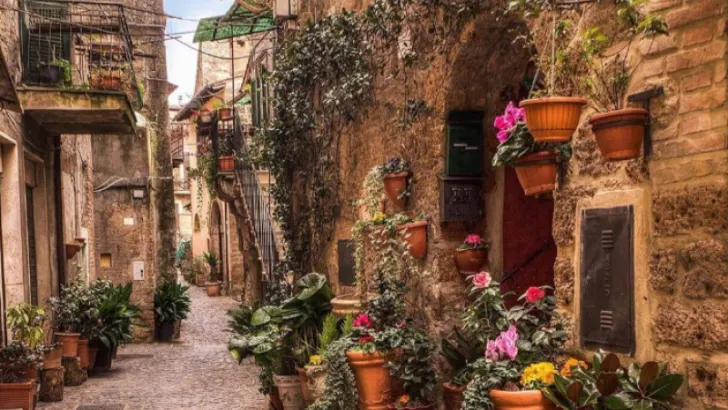


Viterbo, nestled in the lush greenery of central Italy’s Lazio region, is a city steeped in history, culture, and architectural charm. Known as the “City of the Popes” due to its historical significance as a papal residence during the 13th century, Viterbo offers visitors a captivating journey through centuries of Italian heritage.
Historical Significance: Founded by the Etruscans in the 7th century BC, Viterbo boasts a rich tapestry of historical influences. It flourished during the Middle Ages and Renaissance as a center of political and cultural power, serving as a papal seat during times when Rome was deemed unsafe for pontiffs.
Architectural Marvels: The city’s architecture reflects its storied past, with medieval quarters like San Pellegrino showcasing narrow cobblestone streets, ancient palaces, and picturesque squares. Highlights include the Palazzo dei Priori, a striking example of medieval civic architecture, and the Rocca Albornoz, a formidable fortress that overlooks the city.
Cultural Heritage: Viterbo’s cultural legacy is celebrated through its museums, such as the Museo Civico and the Museo Nazionale Etrusco, which house artifacts ranging from Etruscan relics to Renaissance art. The city’s annual festivals, including the medieval-themed “Macchina di Santa Rosa,” offer insights into local traditions and folklore.
Culinary Delights: Food enthusiasts can indulge in Viterbo’s traditional cuisine, featuring dishes like “Pasta alla Viterbese” and “Acquacotta,” alongside local wines and cheeses. The city’s markets, trattorias, and pizzerias provide opportunities to savor authentic flavors amid a backdrop of historical ambiance.
Natural Beauty: Surrounded by rolling hills and lush countryside, Viterbo offers natural attractions such as the thermal baths at Terme dei Papi and the gardens of Villa Lante, where visitors can unwind amidst Renaissance landscapes.
Modern Viterbo: While preserving its historical charm, modern Viterbo also thrives as a university town, blending ancient traditions with vibrant student life and contemporary amenities. Its proximity to Rome and other major cities makes it an accessible and enriching destination for travelers seeking to delve into Italy’s cultural heritage.
In essence, Viterbo invites visitors to explore its rich history, architectural wonders, cultural diversity, and culinary delights—a city where the past merges seamlessly with the present, offering an unforgettable experience in the heart of Italy.
1. Palazzo dei Papi (Papal Palace)

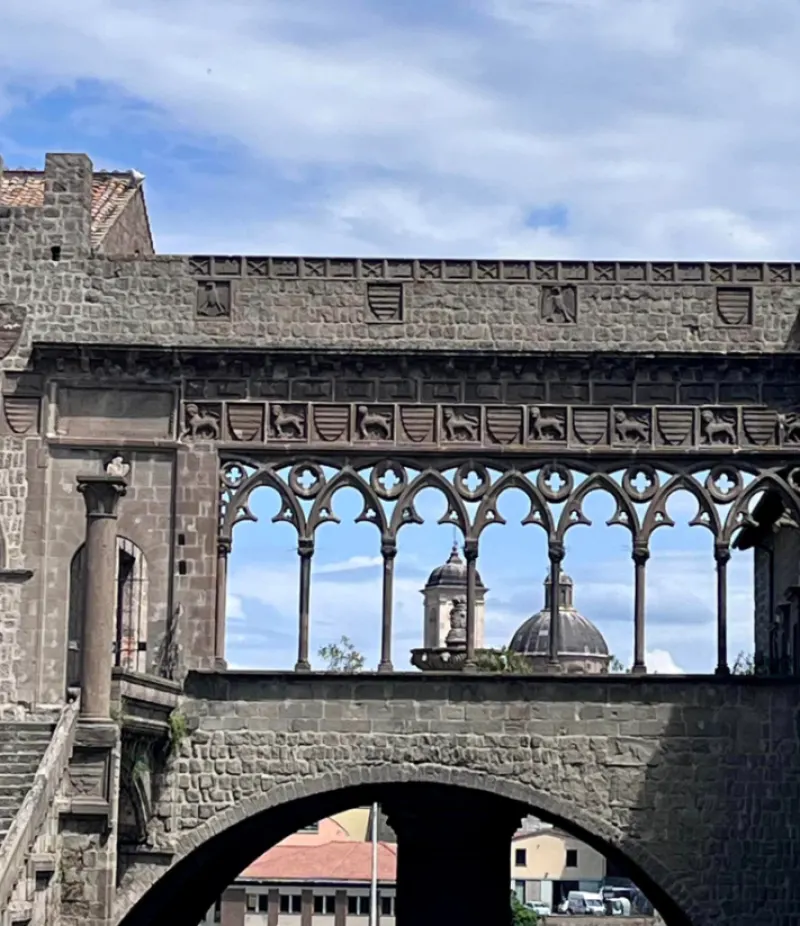
The Palazzo dei Papi, or Papal Palace, is a historical structure located in Viterbo, Italy. Built in the 13th century, it served as the residence of the popes during the turbulent times of the 13th century when Rome was considered unsafe.
The palace is notable for its medieval architecture and historical significance, especially the Sala del Conclave, where several papal elections (conclaves) took place, including the one that established the precedent for locking cardinals in a room until a new pope is elected.
Key features of the Palazzo dei Papi include its fortified walls, a large audience hall, and a beautiful loggia offering a panoramic view of the surrounding area.
The palace stands as a symbol of the political and religious power of the papacy during the Middle Ages and is an important tourist attraction, reflecting the rich history of Viterbo and the Catholic Church.
2. Viterbo Cathedral (Cattedrale di San Lorenzo)

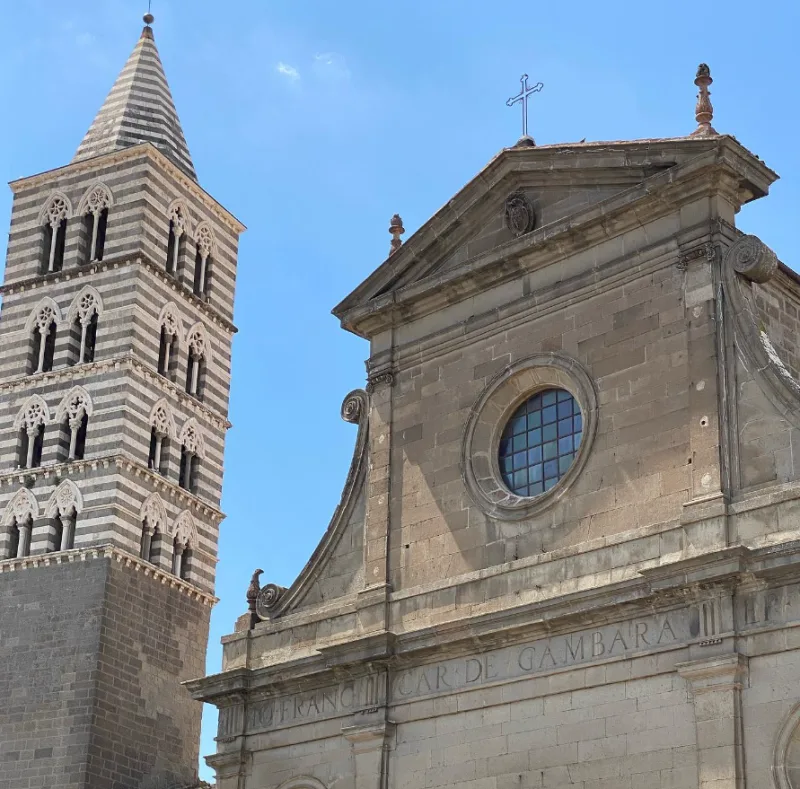
Viterbo Cathedral, also known as the Cattedrale di San Lorenzo, is a Roman Catholic cathedral located in Viterbo, Italy. Dedicated to Saint Lawrence, it is the main church of the city and serves as the seat of the Bishop of Viterbo.
The cathedral was originally constructed in the Romanesque style during the 12th century, though it underwent significant modifications in the Renaissance period. Its facade, characterized by its simplicity and elegance, contrasts with the more ornate interiors.
Key features of Viterbo Cathedral include its bell tower, which dates back to the 14th century, and the Chapel of the Holy Sacrament, which houses beautiful frescoes and artwork. The cathedral is also known for its historical significance, as it was the site of several important events in the church’s history, including the papal conclaves of the 13th century.
Inside, visitors can find notable artworks, including a wooden choir from the 15th century and a marble baptismal font from the 12th century. The cathedral remains an important religious and historical landmark in Viterbo, reflecting the architectural and cultural heritage of the region.
3. Medieval Quarter of San Pellegrino

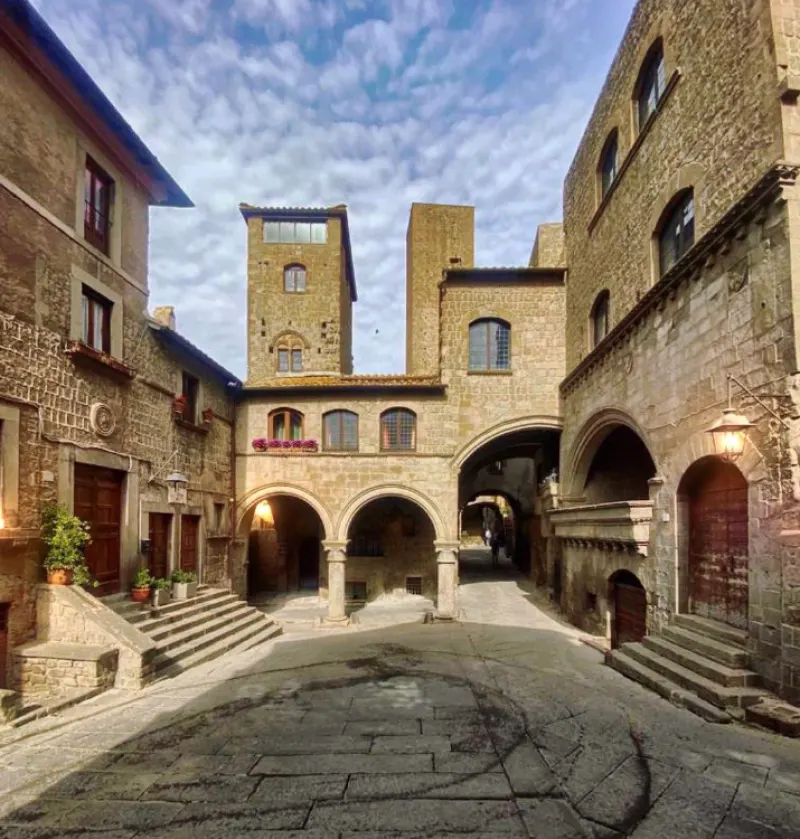
The Medieval Quarter of San Pellegrino is a historic district located in Viterbo, Italy, renowned for its well-preserved medieval architecture and charming atmosphere. This quarter is characterized by narrow winding streets, ancient stone buildings adorned with intricate details, and picturesque squares.
San Pellegrino Quarter is particularly famous for its medieval palaces, churches, and towers that date back to the Middle Ages. It was once home to noble families and served as a center of political and cultural life in Viterbo during that time. The quarter retains much of its original layout and architectural integrity, offering visitors a glimpse into the medieval past of the city.
Key landmarks within the Medieval Quarter include the Palazzo dei Priori, which houses the city’s municipal offices and features a beautiful facade adorned with coats of arms, and the Church of San Pellegrino, known for its Romanesque architecture and historical significance.
Today, the Medieval Quarter of San Pellegrino is a popular destination for tourists and history enthusiasts seeking to explore Viterbo’s rich heritage and medieval ambiance. The area also hosts various cultural events and festivals throughout the year, adding to its vibrant charm and historical allure.
4. Terme dei Papi (Papal Baths)


Terme dei Papi, or the Papal Baths, is a renowned thermal spa located near Viterbo, Italy. These baths are celebrated for their hot springs, which have been renowned since ancient Roman times for their therapeutic properties. The name “Papal Baths” originates from their historical association with the popes who once frequented the area.
The thermal complex is set amidst a picturesque natural landscape and offers visitors a chance to relax and rejuvenate in its mineral-rich waters. The facilities include various pools of different temperatures, hydro-massage features, and wellness treatments.
Terme dei Papi also features elegant Renaissance-style architecture, with elements that reflect its historical significance and cultural heritage.
It remains a popular destination for both locals and tourists seeking to experience the healing properties of thermal waters in a serene and scenic environment.
5. Villa Lante

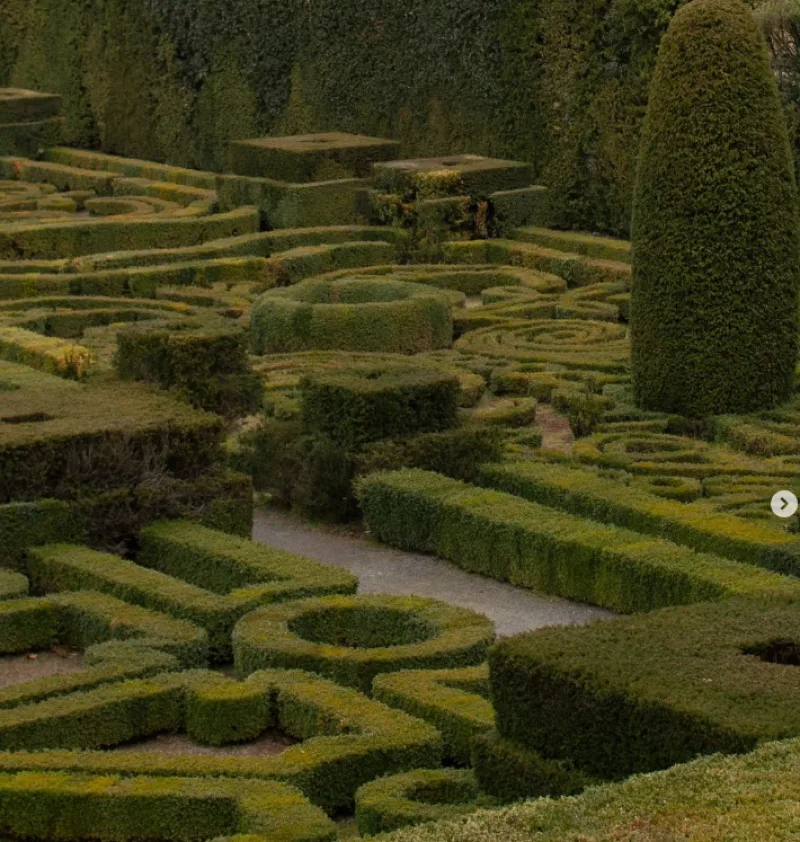
Villa Lante is an exquisite Renaissance villa located near Viterbo, Italy, renowned for its stunning gardens and architectural elegance. Built in the 16th century, the villa exemplifies the principles of Italian Renaissance garden design and remains one of the finest examples of this style.
The villa’s gardens are meticulously laid out in terraces, adorned with lush greenery, colorful flowers, and intricate water features. Central to the garden’s design are cascading fountains, reflecting pools, and sculpted hedges that create a harmonious balance between architecture and nature.
Designed by prominent architects and artists of the Renaissance, including Giacomo Barozzi da Vignola and Tommaso Ghinucci, Villa Lante showcases the era’s fascination with symmetry, perspective, and the interplay of light and shade. The architecture of the villa itself is characterized by its elegant facade, adorned with columns, arches, and decorative elements that evoke a sense of grandeur and refinement.
Visitors to Villa Lante can explore the various terraces and pathways that lead through the gardens, offering picturesque views of the surrounding countryside. Each garden terrace unfolds a new vista or hidden feature, inviting contemplation and appreciation of the villa’s artistic and cultural significance.
Villa Lante stands as a UNESCO World Heritage Site and a testament to the artistic achievements of the Renaissance period. It remains a popular destination for tourists and garden enthusiasts alike, providing a serene retreat where history, architecture, and natural beauty converge in perfect harmony.
6. Museo Civico di Viterbo

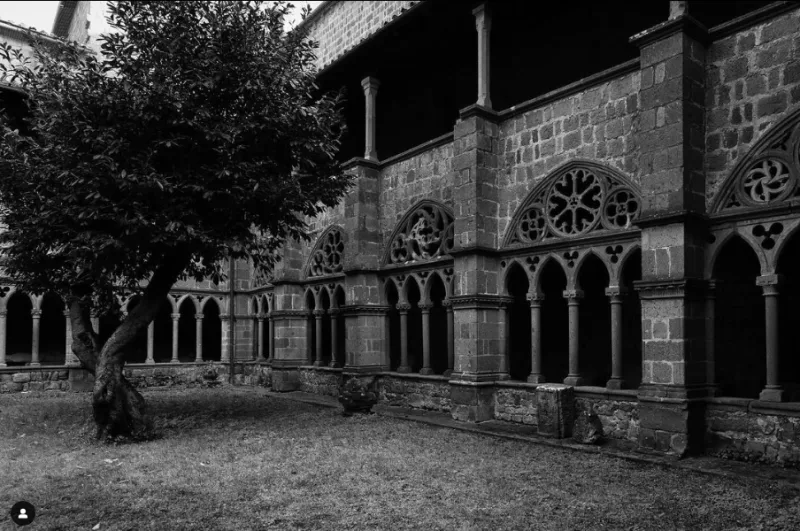
The Museo Civico di Viterbo, or Viterbo Civic Museum, is a cultural institution located in Viterbo, Italy, dedicated to preserving and showcasing the history and art of the region. Housed in the Palazzo dei Priori, a historic medieval palace, the museum offers visitors a comprehensive journey through Viterbo’s past.
The museum’s collections encompass a wide range of artifacts and artworks spanning from ancient Etruscan times to the Renaissance and beyond.
Highlights include Etruscan pottery, medieval sculptures, Renaissance paintings, and artifacts documenting the city’s historical and cultural development.
Visitors to the Museo Civico di Viterbo can explore various themed rooms and galleries, each offering insights into different aspects of Viterbo’s rich heritage. The museum provides an opportunity to delve into the art, history, and archaeology of the region, making it a significant cultural attraction in Viterbo for both locals and tourists alike.
7. Palazzo dei Priori

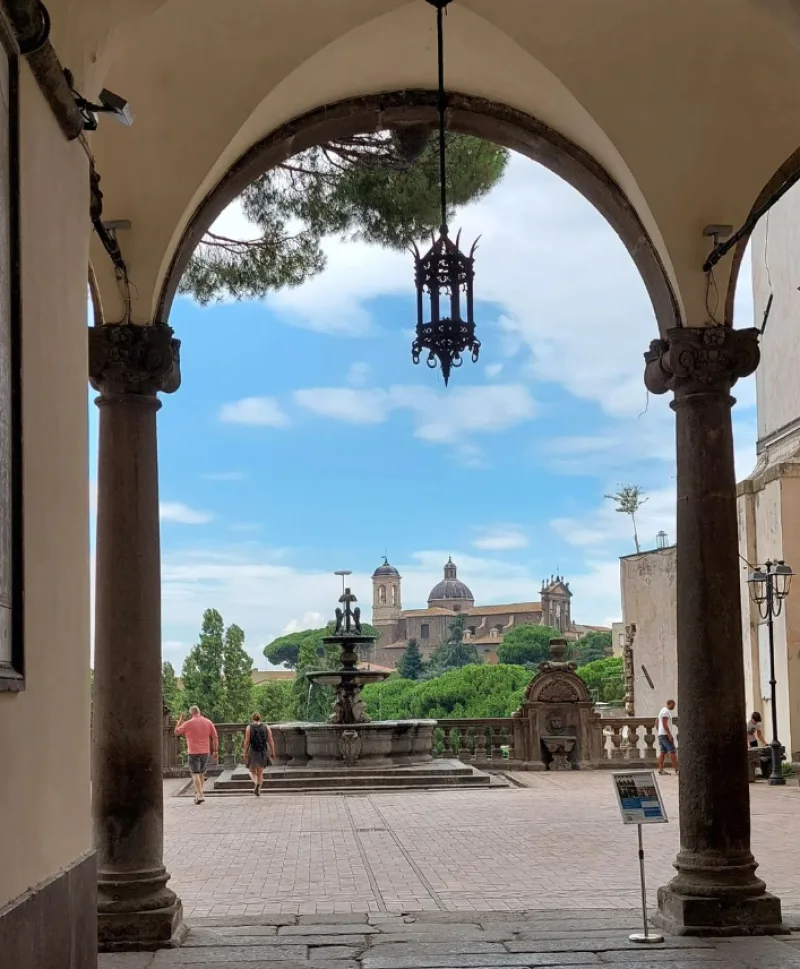
The Palazzo dei Priori is a historic building located in the heart of Viterbo, Italy, dating back to the 13th century. It serves as the city’s Town Hall and is one of the most prominent landmarks in Viterbo’s medieval quarter, San Pellegrino.
This impressive palace is characterized by its robust medieval architecture, featuring a distinctive facade adorned with coats of arms and intricate details. It is built around a central courtyard and includes various halls and chambers that have served administrative, judicial, and civic functions throughout history.
Key features of the Palazzo dei Priori include the Sala del Consiglio, or Council Hall, where important decisions and meetings were traditionally held, and the Torre del Podesta, a tower that offers panoramic views of the city and surrounding countryside.
Today, the Palazzo dei Priori not only houses the municipal offices of Viterbo but also serves as a cultural center, hosting exhibitions, events, and concerts. It stands as a symbol of Viterbo’s historical and civic pride, reflecting its medieval origins and enduring significance.
8. Fontana Grande

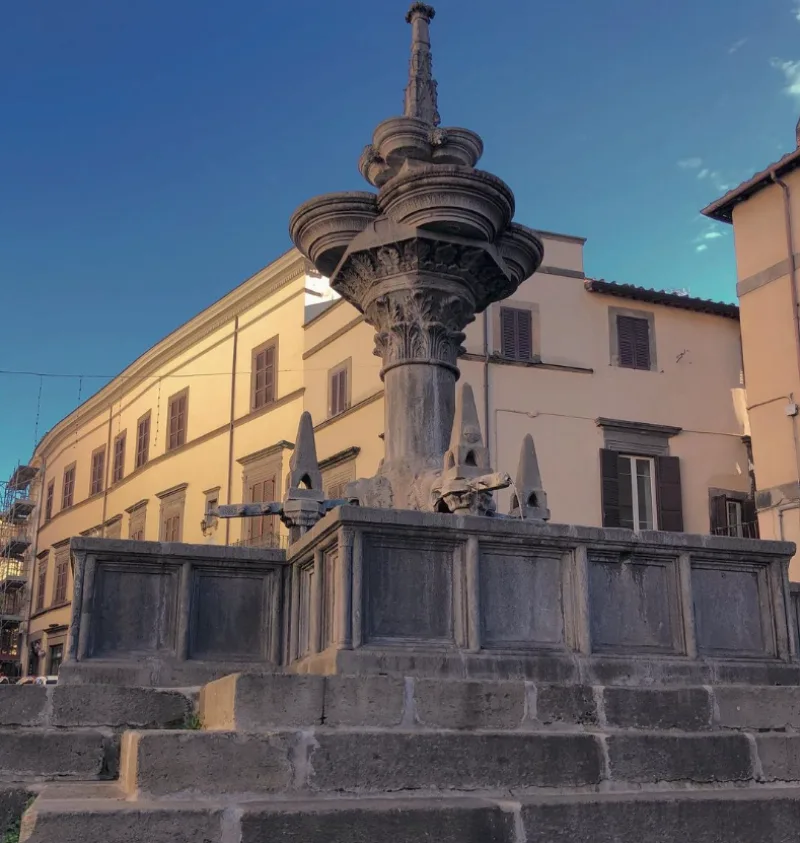
The Fontana Grande, or Great Fountain, is a prominent landmark located in the heart of Viterbo, Italy. Dating back to the 13th century, it is one of the most notable and well-preserved medieval fountains in the city.
The Fontana Grande is characterized by its impressive size and intricate architectural design, typical of medieval civic structures. The fountain features a large basin adorned with sculpted figures and decorative motifs, showcasing the skilled craftsmanship of its time. Water flows from several spouts into the basin, creating a soothing ambiance that complements the surrounding historic architecture.
Located in Piazza San Lorenzo, the Fontana Grande served as a vital water source for the local population during the Middle Ages, offering both practical utility and aesthetic beauty. Its central location in the city center makes it a focal point for gatherings and events, as well as a popular spot for locals and tourists to relax and admire its historical significance.
The Fontana Grande stands as a symbol of Viterbo’s medieval heritage and civic pride, embodying the city’s rich history and architectural legacy. It remains an iconic monument that invites visitors to experience the charm and cultural depth of Viterbo’s past.
9. Rocca Albornoz

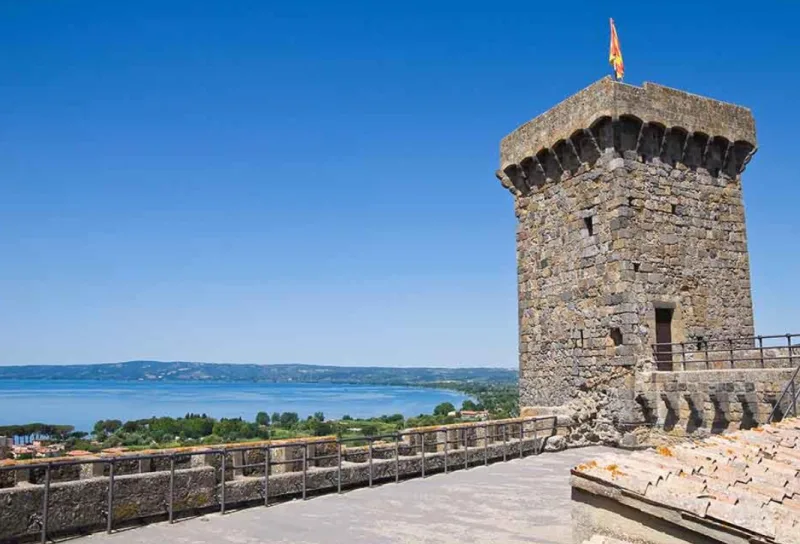
Rocca Albornoz is a medieval fortress located in the historic center of Viterbo, Italy. Built in the 14th century by Cardinal Albornoz, the fortress served as a strategic stronghold during a period of political turmoil and papal authority consolidation.
The fortress is characterized by its robust defensive walls and towers, which reflect the military architecture of the time. It includes a central keep and various courtyards, providing a glimpse into the fortified structures typical of medieval Italy.
Today, Rocca Albornoz is used for cultural events and exhibitions, showcasing its historical significance and offering visitors panoramic views of Viterbo and the surrounding countryside from its battlements.
It stands as a testament to the city’s medieval past and the power struggles of the papal states during the 14th century.
10. Piazza del Plebiscito

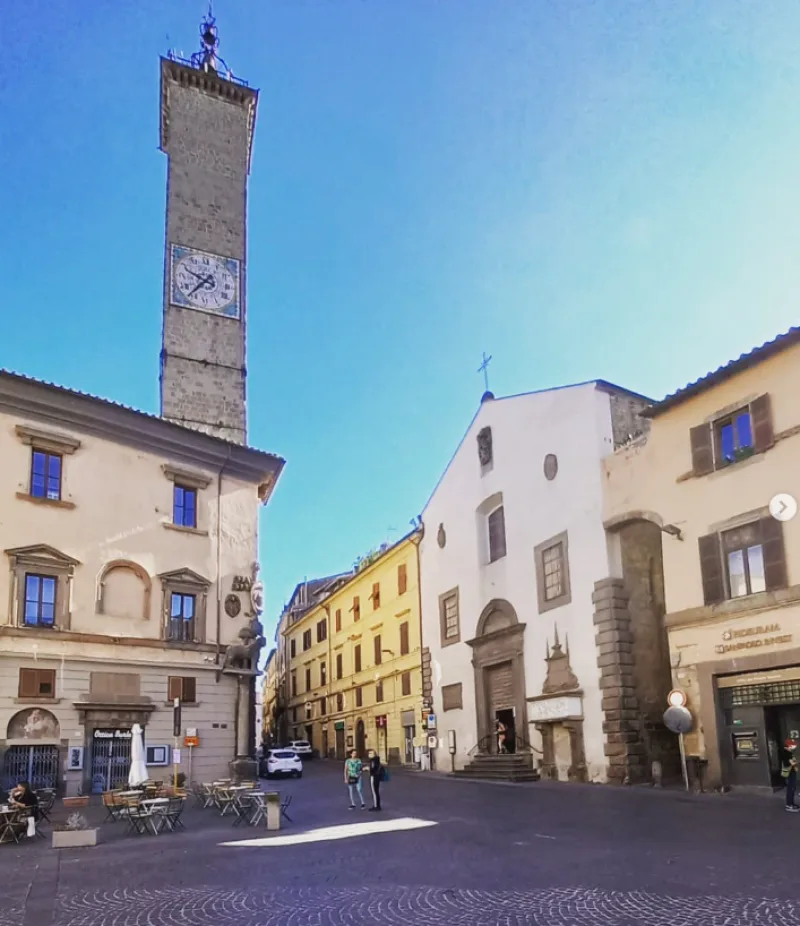
Piazza del Plebiscito is a charming square located in the heart of Viterbo, Italy. It is renowned for its historical significance and picturesque ambiance, surrounded by elegant buildings and lively cafes.
The square is notable for its distinctive elliptical shape, which sets it apart from other traditional Italian piazzas. At its center stands a monument dedicated to Pope Pius IX, who was born in Viterbo. The monument features a bronze statue of the pope atop a tall pedestal, surrounded by decorative elements.
Surrounding Piazza del Plebiscito, visitors can find historic palaces, churches, and civic buildings that reflect the architectural styles of different periods, including Renaissance and Baroque influences. The square is often bustling with activity, serving as a gathering place for locals and tourists alike.
Piazza del Plebiscito is not only a cultural and architectural landmark but also a vibrant hub where visitors can enjoy the atmosphere, explore nearby attractions, and immerse themselves in the historical charm of Viterbo.
11. Museo Nazionale Etrusco di Viterbo

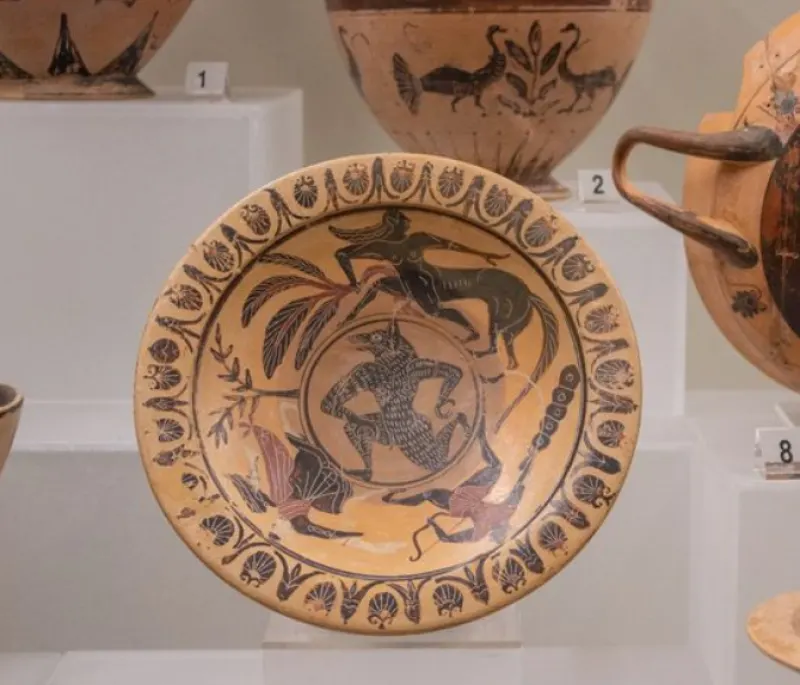
The Museo Nazionale Etrusco di Viterbo, or National Etruscan Museum of Viterbo, is a significant archaeological museum located in Viterbo, Italy. It is dedicated to preserving and displaying artifacts from the Etruscan civilization, which thrived in central Italy before the rise of the Roman Empire.
The museum’s collection includes a wide range of artifacts such as pottery, sculptures, jewelry, funerary objects, and architectural fragments. These artifacts offer insights into the daily life, religious practices, art, and cultural achievements of the Etruscan people.
Housed in the Palazzo Castellesi, a historic building in the heart of Viterbo’s medieval quarter, the museum itself is an architectural treasure. Visitors can explore various themed rooms and galleries that showcase the rich archaeological heritage of Viterbo and its surroundings.
The Museo Nazionale Etrusco di Viterbo provides a compelling glimpse into the ancient Etruscan civilization, making it a must-visit destination for history enthusiasts, scholars, and anyone interested in the cultural history of Italy.
12. Chiesa di San Francesco

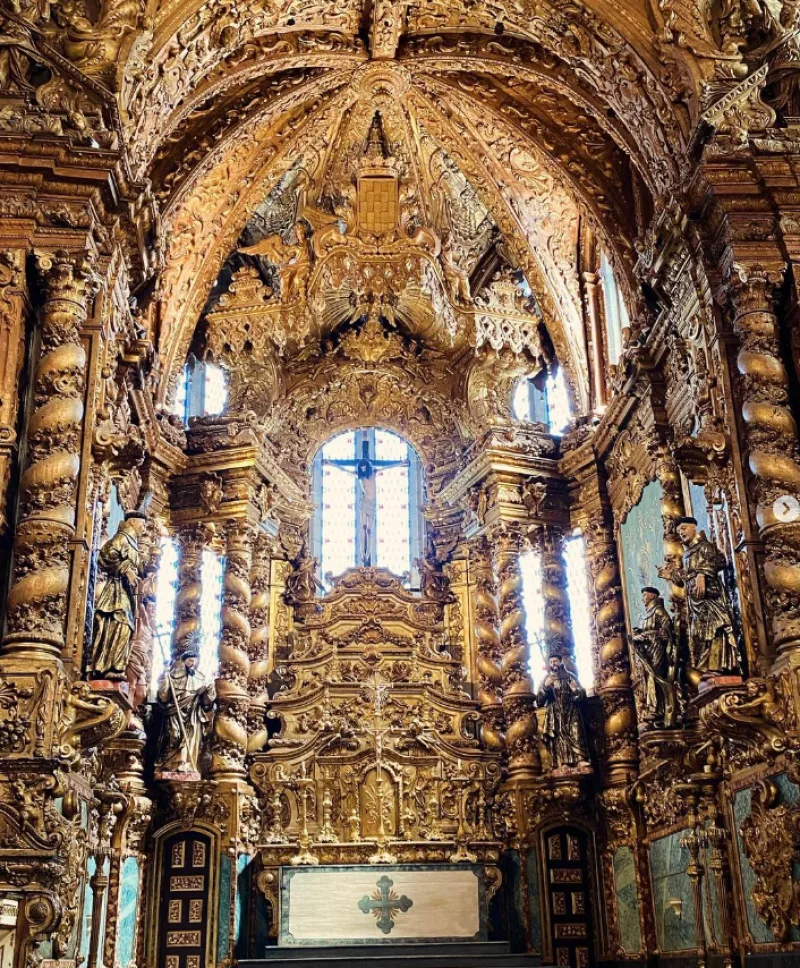
The Chiesa di San Francesco, or Church of Saint Francis, is a historic church located in Viterbo, Italy. It is notable for its Gothic-Romanesque architecture and its association with the Franciscan order.
The church dates back to the 13th century and was originally built in the Romanesque style, though it underwent renovations and additions over the centuries, including Gothic elements. Its facade is simple yet elegant, typical of medieval churches in Italy.
Inside the Chiesa di San Francesco, visitors can admire impressive frescoes and artworks that depict religious themes and scenes from the life of Saint Francis of Assisi, the founder of the Franciscan order. The church also houses tombs and memorials of notable figures from Viterbo’s history.
The atmosphere inside the Chiesa di San Francesco is serene and evocative, reflecting its long history as a place of worship and spiritual contemplation. It remains an important cultural and religious landmark in Viterbo, attracting visitors who appreciate both its architectural beauty and its religious significance.
13. Palazzo dei Priori Gardens

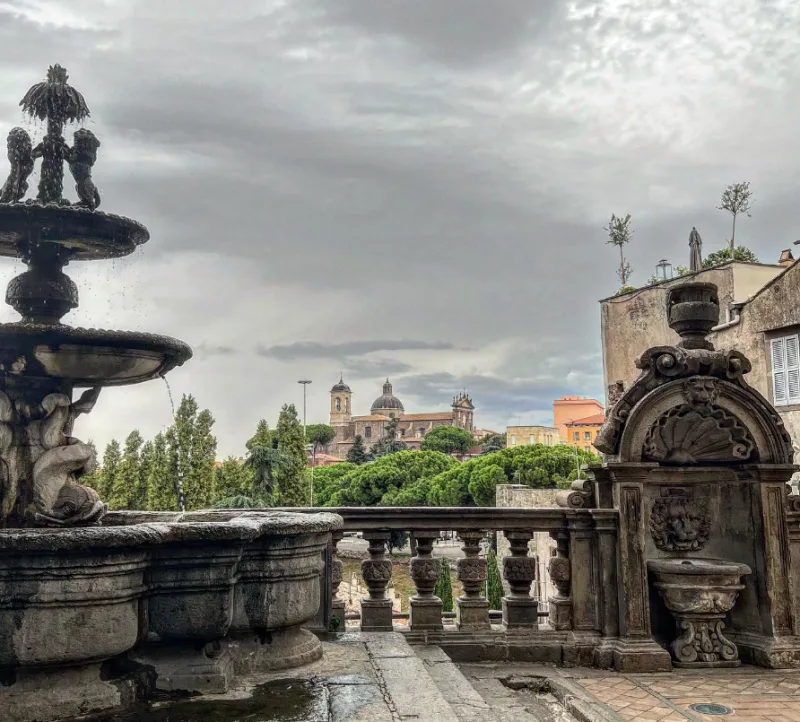
The Palazzo dei Priori Gardens are a serene and historic green space located adjacent to the Palazzo dei Priori in Viterbo, Italy. These gardens offer a tranquil escape in the heart of the city’s medieval quarter, San Pellegrino.
The gardens are characterized by their formal layout, featuring neatly trimmed hedges, gravel paths, and shaded areas provided by ancient trees. They provide a peaceful setting for visitors to relax and enjoy the surrounding architectural beauty of the Palazzo dei Priori.
Within the gardens, there are also sculptures, fountains, and benches where visitors can sit and admire the historical ambiance. The gardens are often used for cultural events, exhibitions, and occasional markets, adding to their vibrant atmosphere.
The Palazzo dei Priori Gardens offer a picturesque backdrop for exploring the rich history and cultural heritage of Viterbo, making them a pleasant destination for both locals and tourists seeking a moment of tranquility amidst the city’s bustling streets.
14. Viterbo Underground (Viterbo Sotterranea)

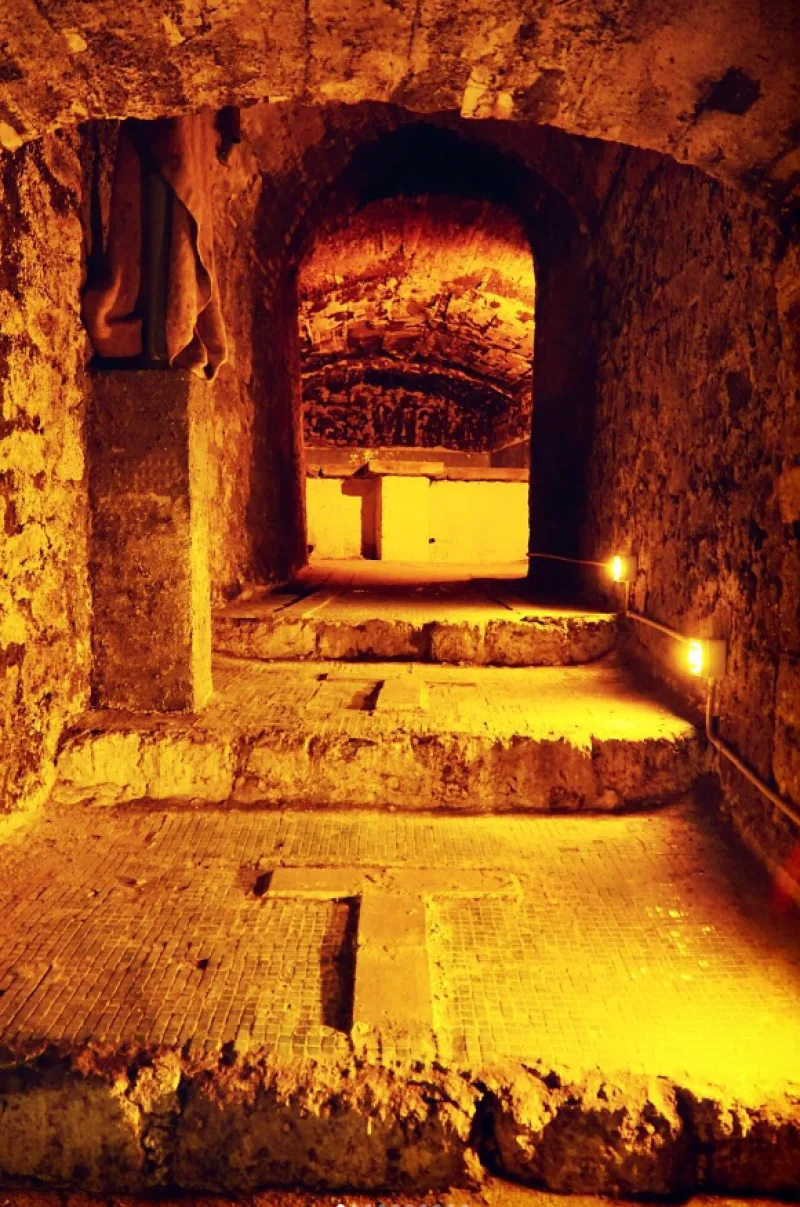
Viterbo Underground, known as Viterbo Sotterranea in Italian, is an intriguing network of tunnels, caves, and cellars located beneath the historic city of Viterbo, Italy. These underground passages are an extensive labyrinth that dates back to various historical periods, including the Etruscan, Roman, and medieval eras.
Visitors to Viterbo Sotterranea can explore these subterranean spaces, which reveal fascinating aspects of the city’s past. The tunnels served multiple purposes over the centuries, including as storage areas, water cisterns, and escape routes during times of siege.
Guided tours of Viterbo Underground provide insights into the daily life, architecture, and engineering of ancient Viterbo. Visitors can see remnants of ancient wells, intricate stone carvings, and other archaeological finds that illustrate how people lived and worked underground centuries ago.
Viterbo Sotterranea offers a unique perspective on the city’s history and cultural evolution, providing an immersive experience that contrasts with the bustling streets above. It is a must-visit for history enthusiasts and those curious about the hidden layers of Viterbo’s past.
15. Etruscan Necropolis of Castel d’Asso

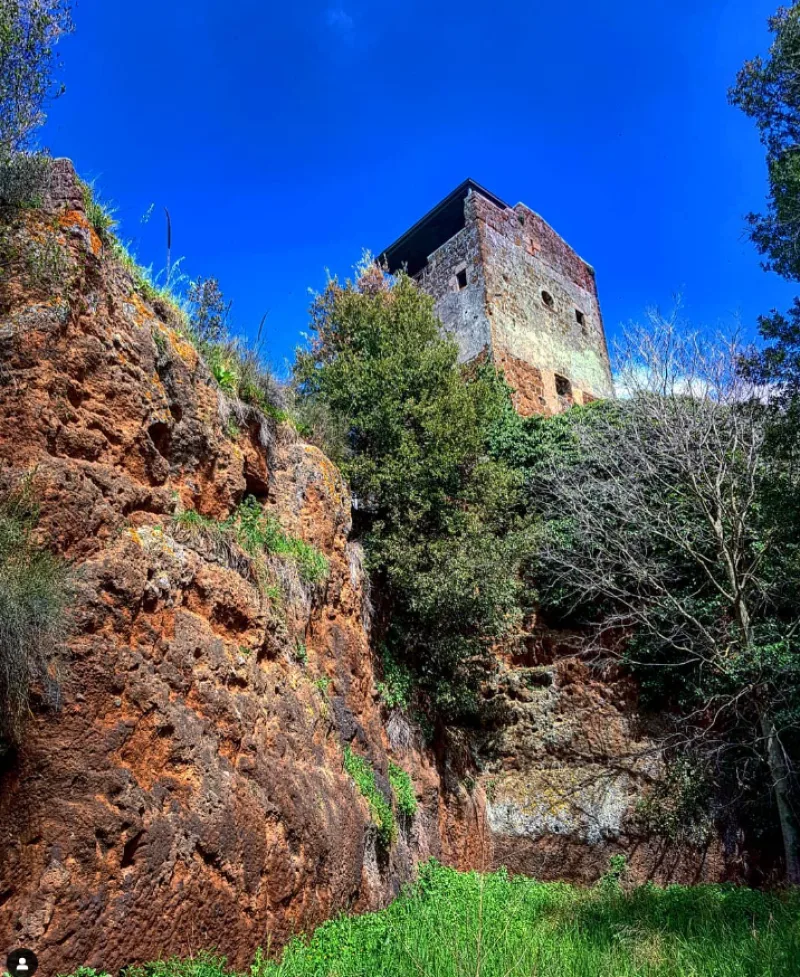
The Etruscan Necropolis of Castel d’Asso is an ancient burial site located near Viterbo, Italy, dating back to the Etruscan civilization. This archaeological site is renowned for its well-preserved rock-cut tombs and necropolis, which offer insights into Etruscan funerary practices and beliefs.
The necropolis consists of numerous tombs carved into the natural tuff rock formations of the area. These tombs vary in size and complexity, ranging from small chambers to larger, elaborately decorated structures. Many of the tombs feature intricate carvings, reliefs, and paintings that depict scenes from Etruscan mythology, daily life, and rituals.
Visitors to the Etruscan Necropolis of Castel d’Asso can explore the site on foot, following paths that lead through the rocky terrain and past the ancient burial chambers. The landscape surrounding the necropolis is scenic and evocative, providing a glimpse into the cultural and artistic achievements of the Etruscans.
The site is significant not only for its archaeological value but also for its historical importance in understanding the Etruscan civilization, which thrived in central Italy before the rise of Rome. It offers a compelling journey into the past and is a notable destination for archaeologists, historians, and travelers interested in ancient Mediterranean cultures.
Food In Viterbo


Nestled in the heart of Italy, Viterbo offers not only a rich tapestry of history and culture but also a vibrant culinary heritage that delights locals and visitors alike. Known for its traditional dishes deeply rooted in local ingredients and centuries-old recipes, Viterbo’s food scene is a reflection of its agricultural bounty and historical influences.
Local Flavors and Ingredients
Central to Viterbo’s cuisine are its fresh, locally-sourced ingredients that form the backbone of traditional dishes. The fertile lands surrounding the city yield a variety of produce, from vegetables like artichokes (carciofi) and asparagus (asparagi) to legumes such as lentils (lenticchie) and beans (fagioli). These ingredients often star in soups, stews, and side dishes, adding depth and flavor to Viterbo’s gastronomic offerings.
Pasta and Regional Specialties
Pasta holds a cherished place in Viterbo’s culinary repertoire, with dishes like “Pasta alla Viterbese” showcasing the region’s culinary craftsmanship. This hearty dish features handmade pasta tossed with a savory sauce made from tomatoes, guanciale (cured pork cheek), pecorino cheese, and aromatic herbs—a testament to the simplicity and quality of local ingredients.
Another regional specialty is “Acquacotta,” a rustic soup originating from peasant traditions. It combines stale bread, vegetables, tomatoes, and eggs poached in a flavorful broth, offering a comforting and nutritious meal that warms both body and soul.
Meats and Cheeses
Viterbo’s cuisine also celebrates meats and cheeses sourced from nearby farms and pastures. Cured meats such as “Porchetta” (roast pork seasoned with herbs and garlic) and “Salsiccia di Norcia” (sausage from nearby Norcia) are beloved for their robust flavors and artisanal preparation.
Cheese enthusiasts will delight in tasting local varieties such as “Pecorino Romano,” a sheep’s milk cheese aged to perfection, and “Ricotta Salata,” a salted and aged ricotta cheese used in both savory dishes and desserts.
Sweet Endings
No culinary journey through Viterbo would be complete without indulging in its delightful desserts. “Torta Margherita” is a local favorite—a dense almond cake named after Queen Margherita of Savoy, renowned for its simplicity and richness. Pastries like “Biscotti di Viterbo” (Viterbo biscuits), often enjoyed with a glass of Vin Santo or espresso, provide a sweet conclusion to a memorable meal.
Wine and Beverages
Complementing its flavorful cuisine, Viterbo boasts a selection of excellent wines from nearby vineyards. The region is known for producing robust reds like “Montefiascone Est! Est!! Est!!! di Montefiascone,” a white wine with a storied history dating back to Roman times.
Experiencing Viterbo’s Food Culture
Beyond its traditional dishes, Viterbo’s food culture thrives in its bustling markets, family-run trattorias, and festive food festivals. The “Sagra della Castagna” celebrates chestnuts, while the “Festa della Pizza Viterbese” showcases the city’s unique take on pizza—a thin, crispy crust topped with local ingredients.
Whether savoring a leisurely meal in a centuries-old trattoria or sampling street food in the lively piazzas, dining in Viterbo is an experience that blends history, tradition, and the warmth of Italian hospitality. From its ancient Etruscan roots to modern-day culinary innovations, Viterbo invites visitors to taste the flavors of its past and present, ensuring a gastronomic journey that leaves a lasting impression.
Top 20 Best Restaurant In Viterbo

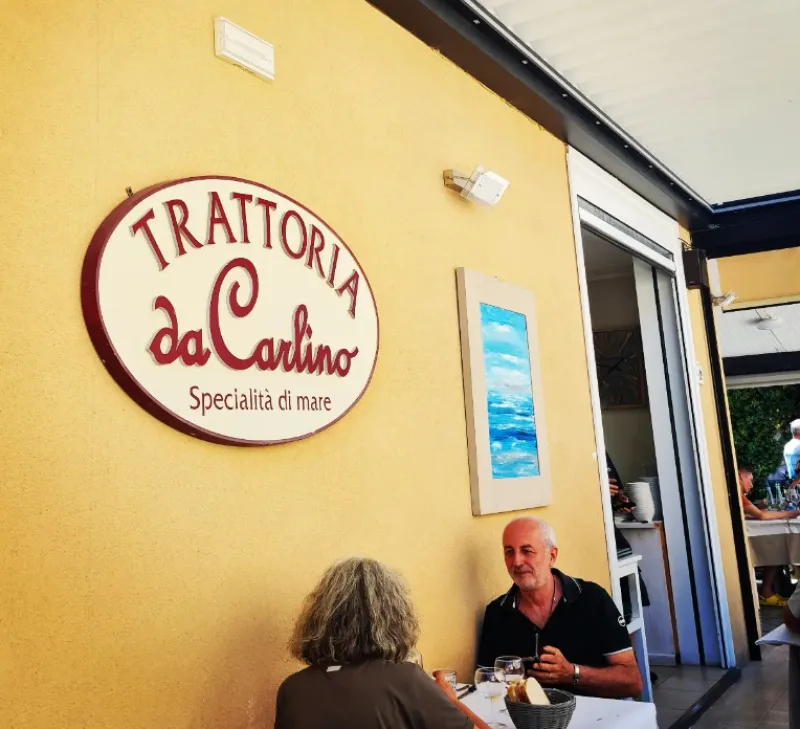
- Antica Trattoria da Carlino
- Ristorante Il Grottino
- Ristorante Pizzeria del Carmine
- Osteria San Giuseppe
- Ristorante La Palomba
- Il Ceppo
- Trattoria da Giggetto
- La Tana Gourmet
- Trattoria da Alfredo
- Osteria dell’Angelo
- Trattoria da Nilo
- Ristorante Pizzeria Antica Taverna
- Il Cacciatore
- Ristorante Il Sestante
- Ristorante La Taverna del Ghetto
- Trattoria del Ponte
- Osteria del Vecchio Orologio
- Ristorante Pizzeria Mastro Titta
- La Cantina dei Sapori
- Locanda da Alceo
Transportation In Viterbo


- Walking: Viterbo’s historic center, especially the medieval quarter of San Pellegrino, is largely pedestrian-friendly. Many of the city’s attractions, such as the Palazzo dei Priori, Chiesa di San Francesco, and Fontana Grande, are within walking distance of each other. Exploring Viterbo on foot allows visitors to appreciate its ancient streets, charming alleys, and historical landmarks.
- Public Transportation: Viterbo has a network of buses operated by the ATC (Azienda Trasporti Consorziale) that connect various parts of the city and its surroundings. Buses provide convenient access to neighborhoods outside the city center, including residential areas and nearby attractions like Villa Lante and the Etruscan Necropolis of Castel d’Asso.
- Taxi Services: Taxis are available in Viterbo and can be found at designated taxi stands or booked through local taxi companies. Taxis provide a flexible means of transportation for those who prefer not to drive or use public buses.
- Car Rental: Renting a car is another option for exploring Viterbo and its surrounding countryside, including nearby towns and attractions. Several car rental agencies operate in the city, offering a range of vehicles to suit different travel needs.
- Cycling: Cycling enthusiasts can explore Viterbo and its surroundings by bike. While the historic center’s narrow streets may pose challenges for cycling, the outskirts and rural areas offer scenic routes ideal for cycling enthusiasts.
- Train Connections: Viterbo is not directly served by a train station; however, the nearby town of Orte (approximately 20 kilometers away) has a major train station with connections to Rome and other cities in Italy. Travelers can reach Viterbo from Orte via regional buses or taxis.
In conclusion, Viterbo stands as a captivating blend of ancient grandeur, cultural richness, and natural beauty in the heart of Italy. From its origins as an Etruscan settlement to its pivotal role as a papal retreat during medieval times, the city’s history is etched into its cobblestone streets and towering palaces. Viterbo’s architectural marvels, including the Palazzo dei Priori and Rocca Albornoz, speak of a time when it was a center of political and cultural power.
Today, Viterbo charms visitors with its well-preserved medieval quarters like San Pellegrino, where narrow alleys lead to hidden piazzas adorned with centuries-old fountains and churches. The city’s museums, from the Museo Civico to the Museo Nazionale Etrusco, offer glimpses into its rich artistic and archaeological heritage.
Culinary enthusiasts are treated to traditional dishes rooted in local ingredients, served in trattorias and restaurants that celebrate Viterbo’s gastronomic delights. The city’s annual festivals, such as the vibrant “Macchina di Santa Rosa,” bring its history and folklore to life in colorful processions and cultural events.
Surrounded by rolling hills and verdant landscapes, Viterbo invites exploration of its natural wonders, from the rejuvenating thermal baths of Terme dei Papi to the Renaissance gardens of Villa Lante.
Modern Viterbo embraces its historical legacy while thriving as a lively university town, offering a dynamic blend of ancient traditions and contemporary vibrancy. Its accessibility from Rome makes it a convenient yet enriching destination for travelers seeking a deeper understanding of Italy’s cultural tapestry.
In essence, Viterbo beckons visitors to immerse themselves in its timeless allure—an invitation to discover a city where history, culture, and natural beauty converge to create an unforgettable journey through the heart of Italy.
Leave a comment