

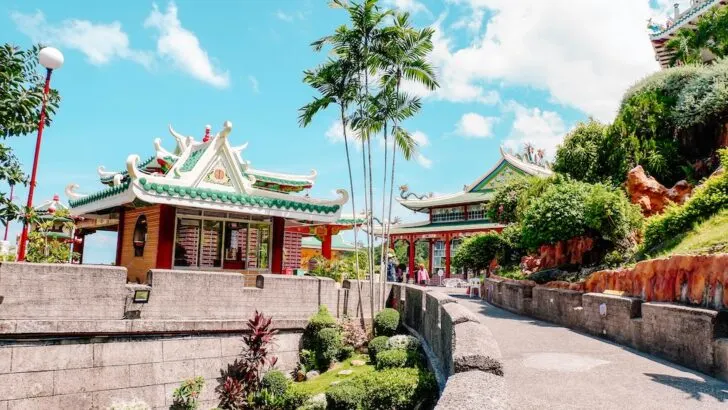
Cebu City is a vibrant and historically significant urban center located in the Philippines. It is the capital city of Cebu province, which is part of the Central Visayas region.
Known for its rich history, diverse culture, and economic significance, Cebu City holds a prominent place in the Philippines’ landscape.
Geography and Location: Cebu City is situated on the eastern coast of Cebu Island, the largest island in the Visayas region. It is strategically positioned within the central part of the Philippines, making it a hub for trade, commerce, and transportation. The city is bordered by the municipalities of Mandaue and Lapu-Lapu, forming an important urban and economic corridor.
Historical Significance: Cebu City is often referred to as the “Queen City of the South” due to its historical significance as the site of the first Spanish settlement in the Philippines.
In 1521, Portuguese explorer Ferdinand Magellan arrived in Cebu and introduced Christianity to the archipelago. The city played a pivotal role in the early interactions between Spanish colonizers and indigenous communities.
Culture and Heritage: The city’s rich history is reflected in its cultural heritage. Cebu City boasts a blend of indigenous, Spanish, and modern influences.
Historical landmarks such as Magellan’s Cross, Fort San Pedro, and the Basilica Minore del Santo Niño stand as testaments to its past.
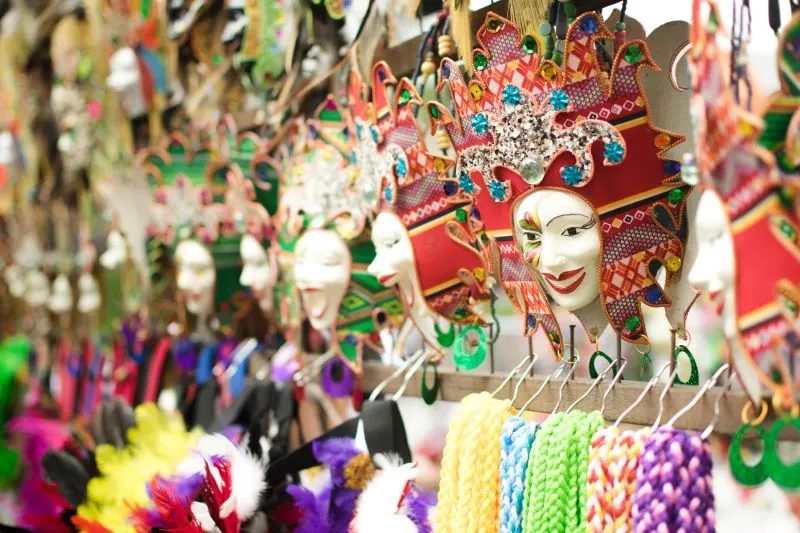
The city’s annual Sinulog Festival, held in honor of the Santo Niño (the Holy Child), is a grand celebration characterized by lively street processions, traditional dances, and vibrant costumes.
Economic Hub: Cebu City is a major economic center in the Philippines. It serves as a hub for industries such as manufacturing, commerce, trade, and business process outsourcing (BPO).
The city’s strategic location and well-developed infrastructure have contributed to its role as a gateway to the Visayas and Mindanao regions. The Mactan-Cebu International Airport, located nearby, facilitates domestic and international travel.
Education and Innovation: Cebu City is home to several reputable educational institutions, including the University of San Carlos and the University of the Philippines Cebu.
These universities contribute to the city’s reputation as an educational and research center. The city also embraces technology and innovation, fostering a growing tech industry and startup ecosystem.
Tourism and Attractions: Tourists are drawn to Cebu City for its historical landmarks, cultural festivals, and nearby attractions.
The city’s bustling markets, shopping centers, and vibrant street life offer visitors a taste of local culture. Additionally, the city serves as a gateway to explore other attractions in Cebu province, such as stunning beaches, diving spots, and natural wonders.
Transportation: As mentioned earlier, transportation in Cebu City is diverse, with options ranging from jeepneys and buses to taxis and motorcycle taxis.
The city’s urban layout accommodates both modern infrastructure and historical sites, contributing to its dynamic character.
Cebu City’s blend of history, culture, economic significance, and modernity makes it a captivating destination and an integral part of the Philippines’ socio-economic landscape.
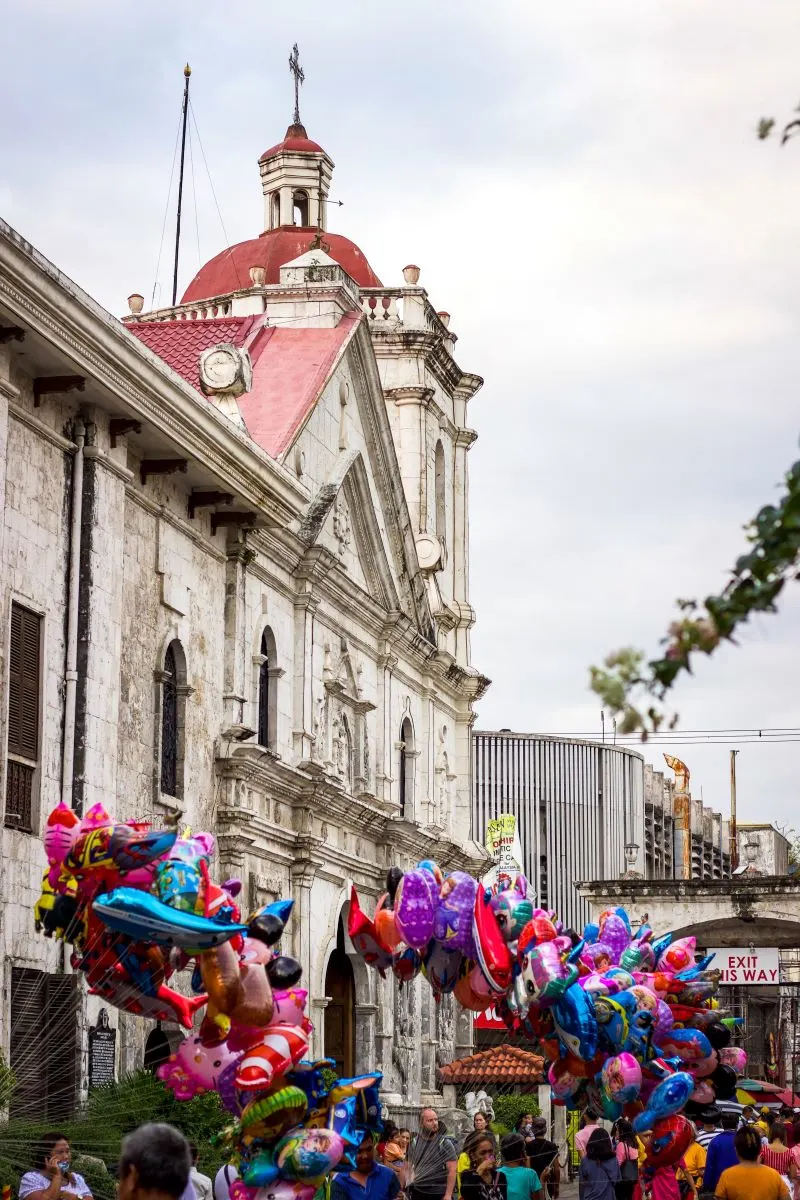
1. Basilica del Santo Niño: Visit the oldest Roman Catholic church in the Philippines, housing the revered Santo Niño statue

The Basilica del Santo Niño, located in Cebu City, Philippines, is one of the most important religious and historical sites in the country. It is known for being the oldest Roman Catholic church in the Philippines and holds a significant place in the hearts of the Filipino people.
The basilica houses the revered Santo Niño de Cebu, a statue of the Child Jesus, which is considered to be miraculous and holds deep religious significance.
The history of the basilica dates back to the arrival of Spanish explorer Ferdinand Magellan in 1521, who gifted the Santo Niño statue to Rajah Humabon’s wife, Queen Juana, upon her conversion to Christianity.
The Basilica del Santo Niño features a distinctive architecture that blends Spanish and Filipino styles. Its façade is adorned with intricate carvings, and inside, the main altar holds the revered Santo Niño statue.
The basilica’s interior is adorned with religious art, murals, and statues that depict the history of Christianity in the Philippines.
The basilica is not only a place of worship but also a symbol of Cebu’s cultural and historical heritage. It’s a popular pilgrimage site, drawing thousands of devotees and visitors, especially during the Sinulog Festival in January.
The festival is a vibrant celebration that honors the Santo Niño and showcases Cebu’s rich cultural traditions through dances, processions, and lively festivities.
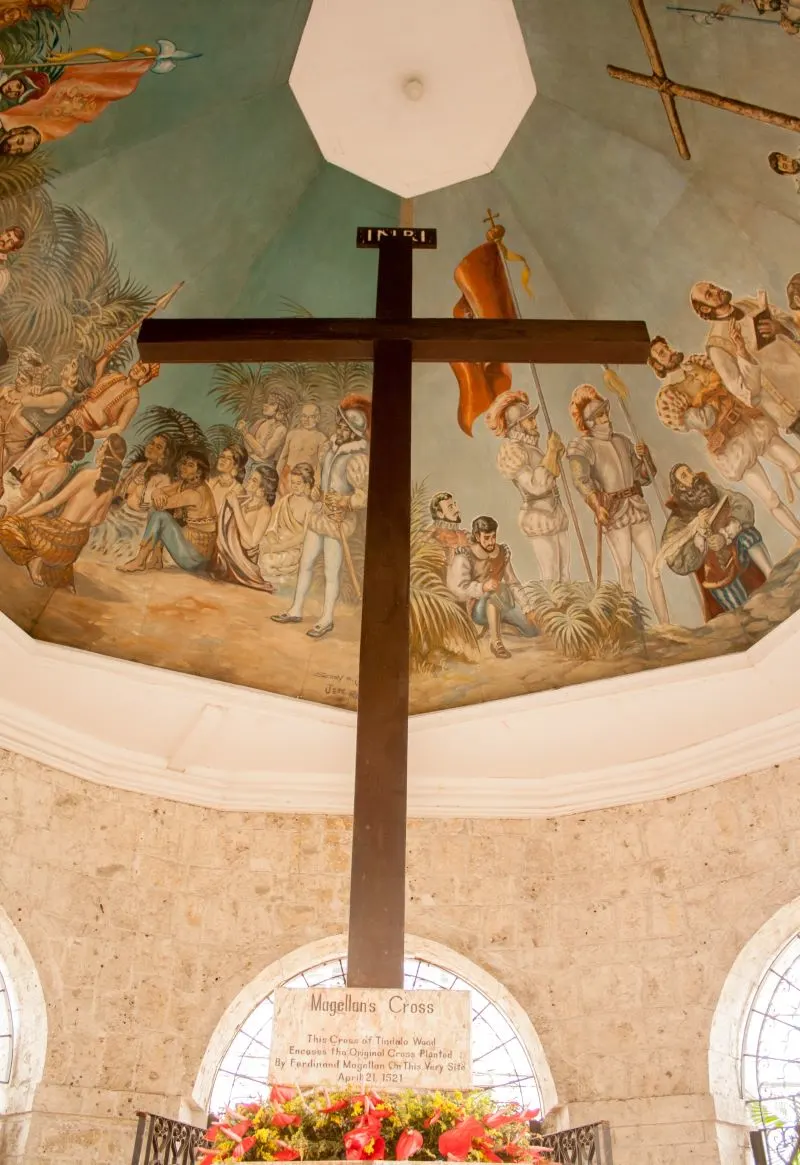
2. Magellan’s Cross: See the historic cross planted by Ferdinand Magellan upon his arrival in the Philippines in 1521

Magellan’s Cross is a historical and religious landmark located in Cebu City, Philippines. It is a significant symbol of the arrival of Christianity in the Philippines and commemorates the moment when Portuguese explorer Ferdinand Magellan planted a wooden cross on the shores of Cebu in 1521.
The cross itself is encased in a small chapel-like structure made of coral stone and wood, designed to protect it from the elements.
This protective shrine was constructed in the 18th century after the original cross was believed to have been chipped away by devotees seeking to possess its supposed miraculous powers.
Magellan’s Cross is located in a plaza near the Basilica del Santo Niño, and it’s a popular stop for tourists and pilgrims alike. The cross is a tangible link to the country’s early colonial history and its conversion to Christianity.
Visitors can reflect on the significance of this historical event and its lasting impact on the culture and spirituality of the Philippines.
3. Fort San Pedro: Explore this centuries-old fort, which served as a military defense structure during Spanish colonial times

Fort San Pedro is a historic military structure located in Cebu City, Philippines. It holds the distinction of being the oldest and smallest fort in the Philippines, with a rich history dating back to the Spanish colonial era.
The fort was built by the Spanish under the command of Miguel López de Legazpi, the first Spanish governor-general of the Philippines, in 1565.
Its original purpose was to serve as a defensive structure against local uprisings, pirate attacks, and potential invaders. Over the centuries, the fort underwent various modifications and restorations, but it still retains its original triangular shape, characteristic of Spanish colonial fortifications.
Fort San Pedro is made of coral stone and features strong walls, bastions, and cannons. It played a role in various historical events, including battles and conflicts during Spanish rule.
Today, the fort has been preserved and transformed into a museum and park, providing visitors with a glimpse into Cebu’s colonial past.
Visitors to Fort San Pedro can explore its interior, which houses artifacts, exhibits, and displays that showcase the history of the fort, Cebu, and the Philippines during the Spanish era.
The park surrounding the fort offers a peaceful space to enjoy lush gardens, courtyards, and scenic views of the city’s waterfront.
4. Taoist Temple: Climb up to the Taoist Temple for panoramic views of the city and experience Taoist practices and architecture

The Taoist Temple in Cebu City is a prominent religious and cultural site located in the Beverly Hills Subdivision. It boasts traditional Chinese architectural features, vibrant colors, and intricate designs
. To reach the temple, visitors can ascend a long flight of stairs, which not only leads to the temple itself but also offers breathtaking panoramic views of Cebu City and its surroundings.
Once at the temple, visitors can immerse themselves in the Taoist practices and ambiance. The temple provides an opportunity to experience elements of Taoist philosophy and rituals, allowing visitors to gain insights into this ancient Chinese spiritual tradition.
Exploring the temple grounds, one can discover various halls, courtyards, and shrines that showcase Taoist architecture and symbolism.
Apart from its religious significance, the Taoist Temple is a popular tourist destination due to its striking aesthetics and the opportunity it offers for sightseeing.
The combination of spiritual exploration, cultural immersion, and stunning vistas makes the Taoist Temple a unique and memorable stop for those visiting Cebu City.
5. Cebu Metropolitan Cathedral: Admire the beautiful architecture of this cathedral, another significant religious site in the city


The Cebu Metropolitan Cathedral, also known as the Metropolitan Cathedral of the Most Holy Name of Jesus and of St. Vitales and St. James, is a significant religious and historical landmark located in Cebu City, Philippines.
It stands as the ecclesiastical seat of the Archdiocese of Cebu and serves as a central place of worship for Catholics in the region.
The cathedral’s architecture is a blend of various styles, with influences from Spanish and Filipino design elements. It features a grand façade adorned with intricate carvings and decorative details.
Inside, visitors can find a spacious and solemn interior with elegant arches, ornate altars, and beautiful stained glass windows that depict religious scenes.
The cathedral holds historical importance due to its connection to the arrival of Christianity in the Philippines. It was established in the 16th century, making it one of the oldest churches in the country.
Over the years, the cathedral has undergone renovations and reconstructions, but it continues to be a place of worship, pilgrimage, and cultural significance.
The Cebu Metropolitan Cathedral serves not only as a spiritual hub for Catholics but also as a heritage site that reflects the rich history and religious traditions of the Philippines.
6. Cebu Heritage Monument: Learn about Cebu’s history through intricate sculptures and artworks at this monument

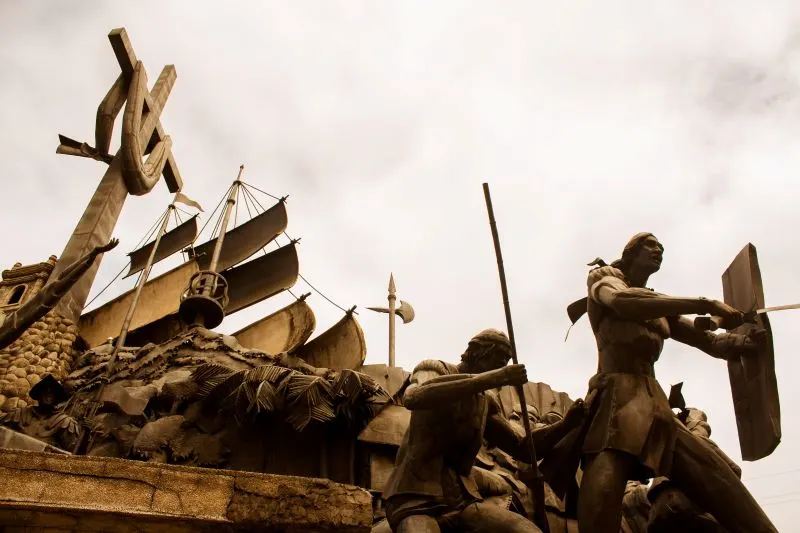
The Cebu Heritage Monument is a captivating and artistic landmark located in Cebu City, Philippines. It stands as a tribute to the historical events and significant figures that have shaped the city’s past. The monument is a large, intricately crafted sculpture created by artist Eduardo Castrillo.
This monument consists of various sculptural vignettes intricately arranged to form a cohesive narrative. It depicts pivotal moments in Cebu’s history, including the arrival of Spanish explorer Ferdinand Magellan, the Battle of Mactan led by Lapu-Lapu against Magellan, and other key events from the colonial and cultural history of the Philippines.
The monument serves as a visual representation of Cebu’s rich heritage and the various influences that have contributed to its identity. It is a blend of artistry and historical storytelling, making it a significant attraction for tourists and a source of local pride.
Visitors to the Cebu Heritage Monument can appreciate the attention to detail in the sculptures and gain a deeper understanding of the city’s historical significance.
The monument’s location in the Parian District, near the Basilica Minore del Santo Niño and other historical sites, makes it a convenient stop for those interested in exploring Cebu’s cultural heritage.
7. Colon Street: Stroll along one of the oldest streets in the Philippines, lined with shops, markets, and historical buildings


Colon Street is one of the most historic and iconic streets in Cebu City, Philippines. It holds the distinction of being one of the oldest streets in the country, with a history dating back to the Spanish colonial period.
Named after Christopher Columbus (known as Cristobal Colon in Spanish), the street has played a crucial role in shaping the city’s development and culture.
Colon Street is known for its bustling atmosphere, lined with shops, markets, and various commercial establishments. It has long been a center of commerce and trade, making it a hub for shopping, dining, and local business activities. The street’s vibrant energy reflects the urban character of Cebu City.
Throughout its history, Colon Street has undergone changes and developments, but it remains a significant landmark that captures the city’s past and present. It has witnessed the evolution of Cebu City, from its colonial origins to its modern urban identity.
Visitors to Colon Street can experience a blend of historical significance and contemporary city life. It offers a glimpse into Cebu’s cultural and commercial heritage, making it a must-visit destination for those interested in exploring the heart of the city.
8. Cebu Provincial Capitol: Take photos of this stunning government building known for its white facade and Greco-Roman architecture

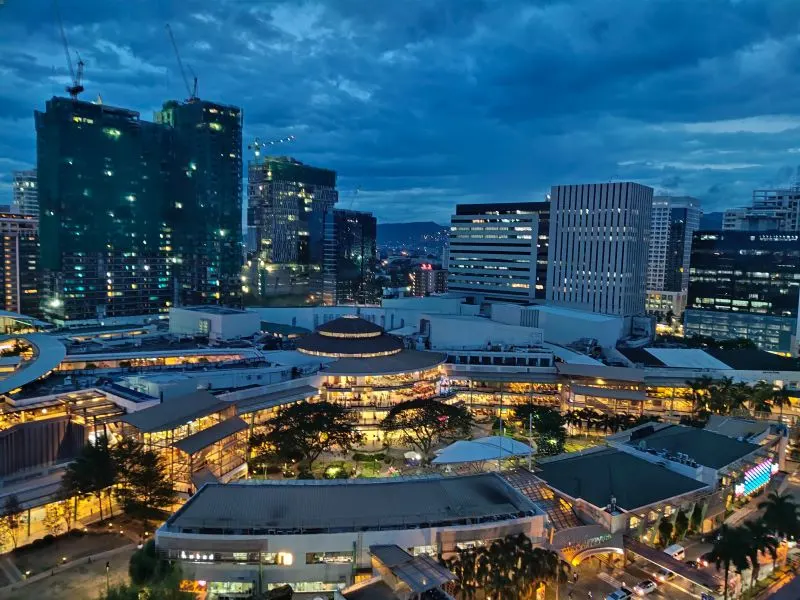
The Cebu Provincial Capitol is a stately government building located in Cebu City, Philippines. It serves as the seat of the provincial government of Cebu and houses various government offices and departments.
The capitol building is characterized by its neoclassical architecture, featuring grand columns, a prominent central dome, and intricate detailing. It stands as an architectural landmark and a symbol of the province’s governance and administration.
Inside, the building houses offices responsible for various administrative functions, including those related to governance, public services, and policymaking.
The Provincial Capitol also plays a role in hosting official events, meetings, and ceremonies related to provincial matters.
The capitol grounds are often open to the public and may feature gardens, open spaces, and monuments. The area can serve as a place for both government-related activities and public engagement.
9. Museo Sugbo: Explore Cebu’s history and culture through various exhibits and displays in this former provincial jail turned museum

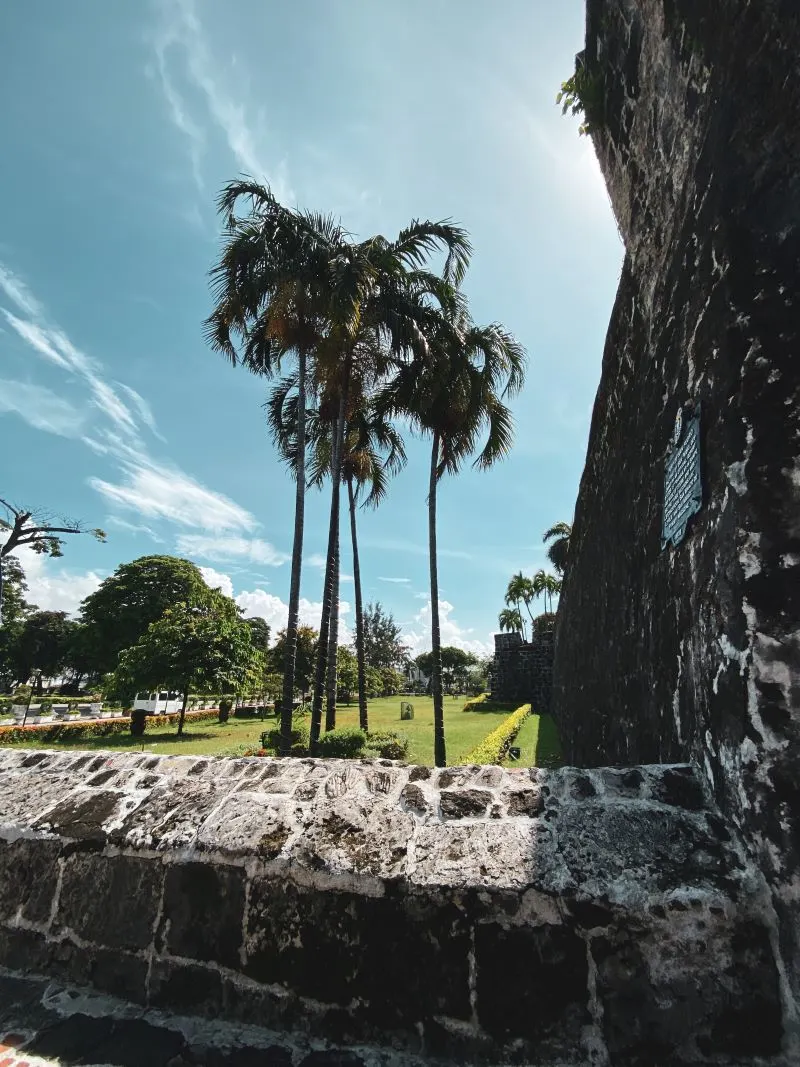
Museo Sugbo, located in Cebu City, Philippines, is a historical and cultural museum that offers visitors insights into the rich heritage and history of the province of Cebu.
Housed within what used to be a provincial jail, the museum itself has historical significance as it was built during the Spanish colonial period.
The museum’s exhibits are organized chronologically and thematically, showcasing artifacts, photographs, documents, and artworks that highlight various periods in Cebu’s history.
It covers pre-colonial times, Spanish colonization, the Philippine Revolution, World War II, and more recent events. Visitors can explore the evolution of Cebu’s culture, traditions, and society through the diverse collection of items on display.
Museo Sugbo also includes interactive displays, dioramas, and multimedia presentations, enhancing the visitor’s understanding of Cebu’s past.
The museum aims to educate and engage visitors in a comprehensive exploration of Cebu’s history, making it an important educational and cultural institution in the region.
By preserving and presenting Cebu’s heritage in an engaging manner, Museo Sugbo contributes to the appreciation and understanding of the province’s historical roots and cultural identity.
10. Yap-Sandiego Ancestral House: Step back in time as you explore this well-preserved ancestral house showcasing colonial-era artifacts

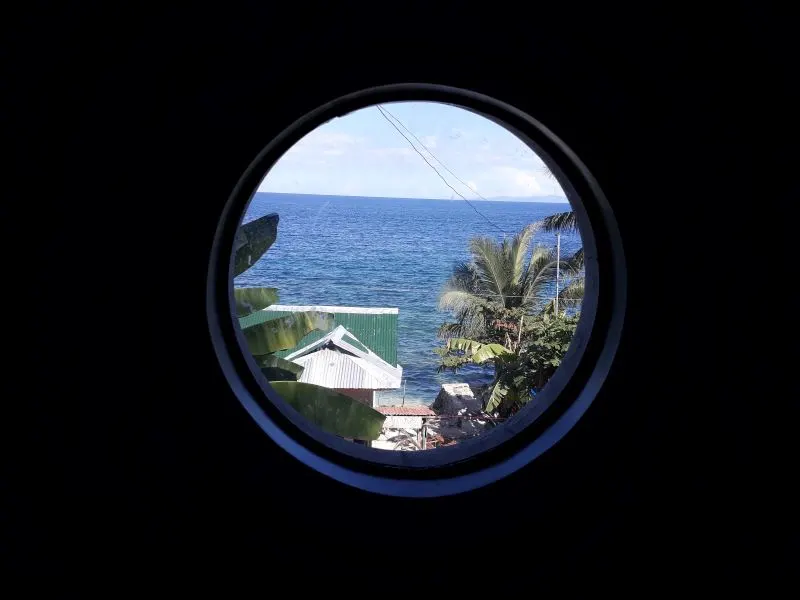
The Yap-Sandiego Ancestral House is a well-preserved historical residence located in Cebu City, Philippines. It stands as a testament to the colonial architecture and lifestyle of the Spanish colonial period in the Philippines.
The house is named after the two prominent Cebuano families, Yap and Sandiego, who have owned and inhabited the house over generations.
The house itself is a captivating example of 17th-century Filipino-Spanish architecture. Its design reflects the fusion of Spanish influences with local materials and craftsmanship. The structure is made of coral stone, with wooden features and period furnishings that transport visitors back in time.
Inside the Yap-Sandiego Ancestral House, visitors can explore various rooms, corridors, and open courtyards. The interior is adorned with antique furniture, religious artifacts, porcelain, and other historical items that provide a glimpse into the lifestyle and culture of the past.
The house serves as a museum and cultural heritage site, offering guided tours that narrate the history of the families who lived there and the historical context of the Cebuano society during the colonial era.
The Yap-Sandiego Ancestral House offers visitors an immersive experience into Cebu’s colonial past, making it a popular destination for tourists and history enthusiasts.
11. SM Seaside City Cebu: Shop, dine, and catch a movie at one of the largest malls in the Philippines, offering breathtaking seaside views

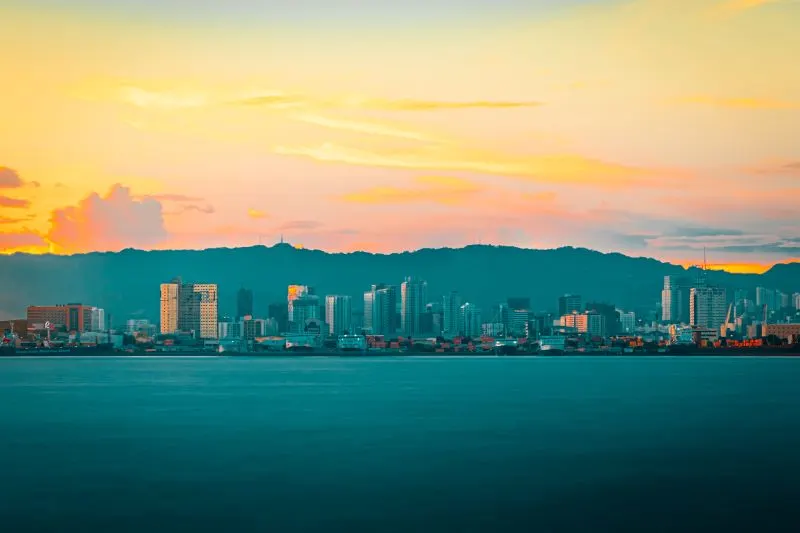
SM Seaside City Cebu is a sprawling shopping mall and entertainment complex located in Cebu City, Philippines. It is known for its impressive architecture, vast array of retail outlets, dining options, entertainment facilities, and various attractions.
The mall’s design is notable for its unique and modern architecture, featuring a curved, futuristic aesthetic. The complex is divided into different sections, housing a wide range of stores that cater to diverse shopping preferences, from high-end brands to more affordable options.
SM Seaside City Cebu offers a comprehensive shopping experience with its various departments, including fashion, electronics, home goods, and more.
Additionally, the mall boasts an extensive food court and a variety of restaurants, cafes, and fast-food outlets to cater to visitors’ dining needs.
Beyond shopping and dining, the mall provides entertainment options such as a cinema complex, an indoor amusement park, and other recreational facilities.
The Sky Park, located on the roof deck, offers a panoramic view of Cebu City and the nearby sea, making it a popular spot for relaxation and sightseeing.
12. Cebu IT Park: Experience the modern side of Cebu at this business and leisure hub with a range of restaurants, bars, and green spaces


Cebu IT Park, also known as Cebu Business Park, is a dynamic business and lifestyle district situated in Cebu City, Philippines.
It is a hub of technology companies, business process outsourcing (BPO) firms, offices, residential spaces, dining establishments, and recreational facilities.
The IT Park is characterized by its modern and well-planned urban development. It serves as a home for numerous global and local IT and BPO companies, making it a significant contributor to the city’s economy. The park’s design combines office spaces with green areas, creating a balanced environment for work and leisure.
The park’s amenities include state-of-the-art office buildings equipped with advanced technology infrastructure to cater to the needs of tech and business enterprises.
Beyond business, Cebu IT Park offers a range of dining options, cafes, and restaurants, providing choices for various cuisines and preferences.
Additionally, the park features open spaces, landscaped gardens, and pathways for relaxation and recreation. These areas are often used for outdoor activities, events, and gatherings, contributing to the vibrant atmosphere of the park.
13. Ayala Center Cebu: Enjoy shopping, dining, and entertainment at this upscale mall in the heart of the city

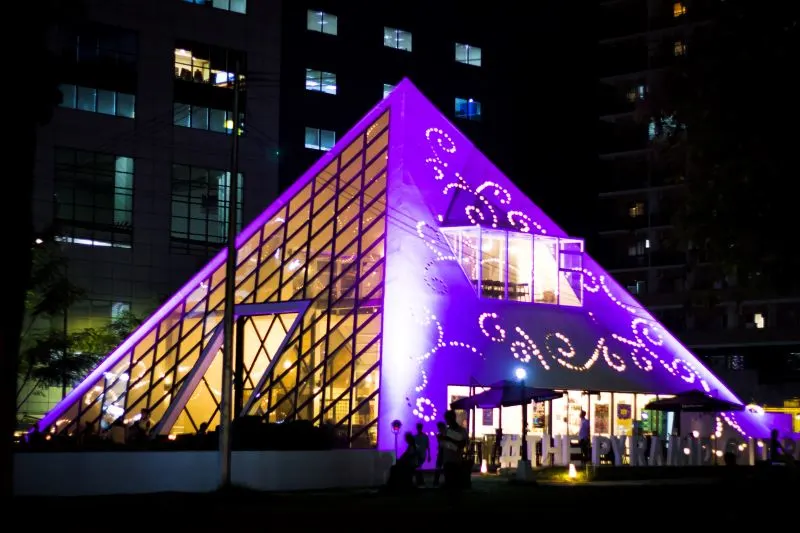
Ayala Center Cebu is a premier shopping and entertainment complex located in Cebu City, Philippines. It is part of the larger Ayala Center brand known for its upscale shopping malls and mixed-use developments across the Philippines. Ayala Center Cebu is a prominent destination for shopping, dining, entertainment, and leisure activities.
The mall offers a diverse selection of retail stores, ranging from high-end fashion brands to local and international shops. It provides a comprehensive shopping experience with various departments, including fashion, beauty, electronics, home goods, and more.
Ayala Center Cebu is also known for its wide array of dining options. The complex features a multitude of restaurants, cafes, food courts, and specialty eateries, offering a variety of cuisines to cater to different tastes.
Beyond shopping and dining, the mall provides entertainment facilities such as a modern cinema complex, providing the latest movie releases and a comfortable viewing experience. The mall’s events area often hosts live performances, concerts, and other cultural events.
14. Mountain View Nature’s Park: Escape the city and enjoy outdoor activities like zip-lining, horseback riding, and panoramic views


Mountain View Nature’s Park is a scenic and tranquil nature destination located in Cebu City, Philippines. It is situated on a hilltop, offering visitors panoramic views of the surrounding landscape and a serene escape from the urban environment.
The park is known for its lush greenery, well-maintained gardens, and a range of outdoor activities. Visitors can enjoy leisurely walks along trails surrounded by trees and plants, making it a perfect spot for nature lovers and those seeking a peaceful retreat.
One of the main attractions of Mountain View Nature’s Park is its butterfly sanctuary, where visitors can witness various species of butterflies in their natural habitat.
The park also features a swimming pool area, picnic spots, and areas for outdoor games, making it a suitable destination for families and friends looking to spend quality time together.
Additionally, Mountain View Nature’s Park has a restaurant that offers a variety of dishes, providing visitors with the opportunity to enjoy a meal while admiring the scenic views.
The park’s high vantage point also makes it a popular spot for watching sunsets and taking photographs of the city and the surrounding landscape.
15. Sirao Flower Garden: Immerse yourself in colorful blooms at this picturesque flower garden, often referred to as the “Little Amsterdam” of Cebu


Sirao Flower Garden, often referred to as the “Little Amsterdam of Cebu,” is a picturesque and vibrant attraction located in Cebu City, Philippines.
It is renowned for its colorful flower displays, particularly during the blooming season, and has become a popular spot for both locals and tourists looking to capture stunning photos and enjoy a whimsical environment.
The garden features a variety of flowers, including celosias, sunflowers, and other vibrant blooms, creating a riot of colors that make for breathtaking photo opportunities.
The carefully arranged flower beds and rows of blossoms form a beautiful backdrop that appeals to photographers, nature enthusiasts, and anyone seeking a visually appealing experience.
Beyond the flowers, the Sirao Flower Garden also offers panoramic views of the surrounding hills and the city. Visitors can explore the garden’s different sections, walkways, and viewpoints, creating a multi-sensory experience that combines natural beauty with stunning vistas.
Over time, the Sirao Flower Garden has evolved to include additional attractions such as colorful windmills, decorative elements, and other artistic installations, further enhancing its visual appeal.
16. Tops Lookout: Witness stunning views of the city and beyond from this hilltop vantage point


Tops Lookout is a scenic viewpoint located in Cebu City, Philippines, renowned for its breathtaking panoramic views of the cityscape, neighboring islands, and surrounding natural landscape. Perched on a hilltop, Tops Lookout offers visitors a vantage point to appreciate the beauty and expanse of Cebu’s scenery.
The lookout is a popular destination, especially during the evening and sunset hours, when the city’s lights begin to twinkle and create a magical atmosphere.
The unobstructed view extends from the urban skyline to the coastline, providing a captivating sight that photographers, nature lovers, and tourists find captivating.
Visitors can reach Tops Lookout by car or motorbike, traveling along a winding road that adds to the adventure. The site itself features open spaces, viewing decks, and spots where visitors can relax, take photographs, and enjoy the panoramic vistas. The cool breeze and serene ambiance contribute to the overall experience.
Tops Lookout is a favored spot for couples seeking a romantic setting, families looking to bond over the view, and individuals wanting to escape the urban environment for a while.
Whether you’re there to capture stunning photos or simply to enjoy the tranquility, Tops Lookout provides a memorable and picturesque escape from the bustling city below.
17. Sky Experience Adventure: Brave thrilling activities like the Edge Coaster and Sky Walk at the Crown Regency Hotel


The Sky Experience Adventure at the Crown Regency Hotel in Cebu City, Philippines, offers an exhilarating and unique adventure for thrill-seekers and adrenaline enthusiasts.
This attraction provides visitors with the opportunity to engage in daring activities while enjoying panoramic views from a high vantage point.
The centerpiece of the adventure is the Edge Coaster, an exciting ride that takes participants along a track that circles the outer edge of the Crown Regency Hotel’s tower.
Riders are securely strapped into a seat that tilts outwards, giving them the sensation of hovering over the city skyline. As the coaster moves along the track, participants can experience both the thrill of the ride and the stunning vistas below.
Another attraction within the Sky Experience Adventure is the Sky Walk. This activity involves walking along a transparent glass-floored platform that encircles the tower’s edge.
Participants can look down to see the ground beneath their feet, providing a heart-pounding experience that combines excitement with breathtaking views.
Both the Edge Coaster and the Sky Walk offer an element of adventure and a rush of adrenaline, making them appealing to adventure seekers and those looking to overcome their fears of heights.
18. Taboan Public Market: Purchase dried fish and other local delicacies at this bustling market, perfect for food souvenirs


Taboan Public Market is a bustling and vibrant market located in Cebu City, Philippines, known for its diverse selection of dried fish and other seafood products.
It is a significant trading hub for both locals and tourists seeking a taste of Cebu’s culinary offerings and a glimpse into the region’s traditional market culture.
The market is particularly renowned for its wide array of dried fish, locally known as “danggit.” These dried and preserved fish come in various sizes, flavors, and preparation styles, making them a staple in Filipino cuisine.
In addition to danggit, Taboan Public Market also offers other dried seafood products like squid, shrimp, and other types of fish.
Visitors to Taboan Public Market can explore the bustling stalls, interact with vendors, and sample or purchase a variety of dried seafood products to take home. The market’s lively atmosphere and the unique aromas of dried fish contribute to an authentic sensory experience.
Taboan Public Market is a popular destination for tourists looking to bring home Cebu’s delicacies as souvenirs or to experience local flavors. It also serves as a source of livelihood for many vendors, showcasing the local culture and traditions associated with the sea.
19. Carbon Market: Experience the lively atmosphere of one of Cebu’s oldest and largest markets, selling a variety of goods

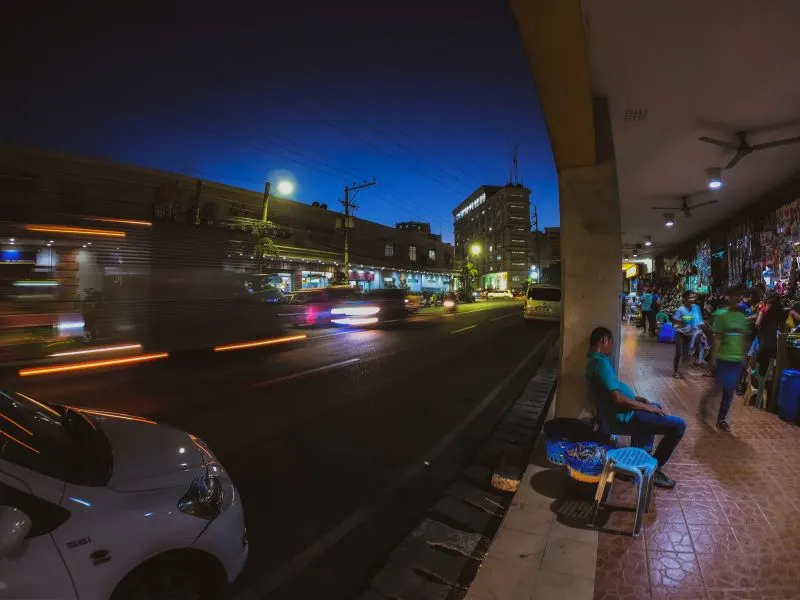
Carbon Market, located in Cebu City, Philippines, is a historic and bustling public market that serves as a central hub for a wide variety of products, goods, and local produce. It is one of the oldest and largest public markets in Cebu, renowned for its diverse offerings and vibrant atmosphere.
The market is a bustling marketplace where visitors can find everything from fresh fruits, vegetables, seafood, and meat to textiles, clothing, accessories, household items, and other goods. It’s a go-to destination for both locals and tourists seeking a wide range of products at affordable prices.
Carbon Market’s vibrant and energetic ambiance is a reflection of the city’s diverse culture and economy. Vendors and stalls are spread across a sprawling area, creating a maze of bustling activity and an opportunity for visitors to immerse themselves in the local market culture.
Aside from being a shopping destination, Carbon Market also offers a taste of Cebu’s street food and local delicacies, making it an ideal spot for those looking to experience the region’s culinary scene.
It’s a place where one can explore local flavors, interact with vendors, and get a sense of the everyday life of Cebu’s residents.
20. Cebu City Zoo: Spend a family-friendly day exploring the animal exhibits and attractions at this local zoo


Cebu City Zoo, located in Cebu City, Philippines, is a zoological park that houses a variety of animals from different parts of the world.
It serves as an educational and recreational destination for locals and tourists alike, offering a chance to observe and learn about various animal species.
The zoo is home to a diverse collection of animals, including mammals, birds, reptiles, and more. Visitors can encounter species such as tigers, crocodiles, pythons, monkeys, birds of prey, and various exotic creatures.
The zoo provides opportunities to get up close and personal with these animals, making it an engaging experience for families, students, and wildlife enthusiasts.
In addition to animal exhibits, Cebu City Zoo may have other features such as aviaries, gardens, and recreational areas.
The zoo aims to promote environmental awareness and wildlife conservation by offering educational programs and activities that highlight the importance of protecting these animals and their habitats.
21. Casa Gorordo Museum: Discover Cebu’s colonial past by visiting this well-preserved museum showcasing a 19th-century residence

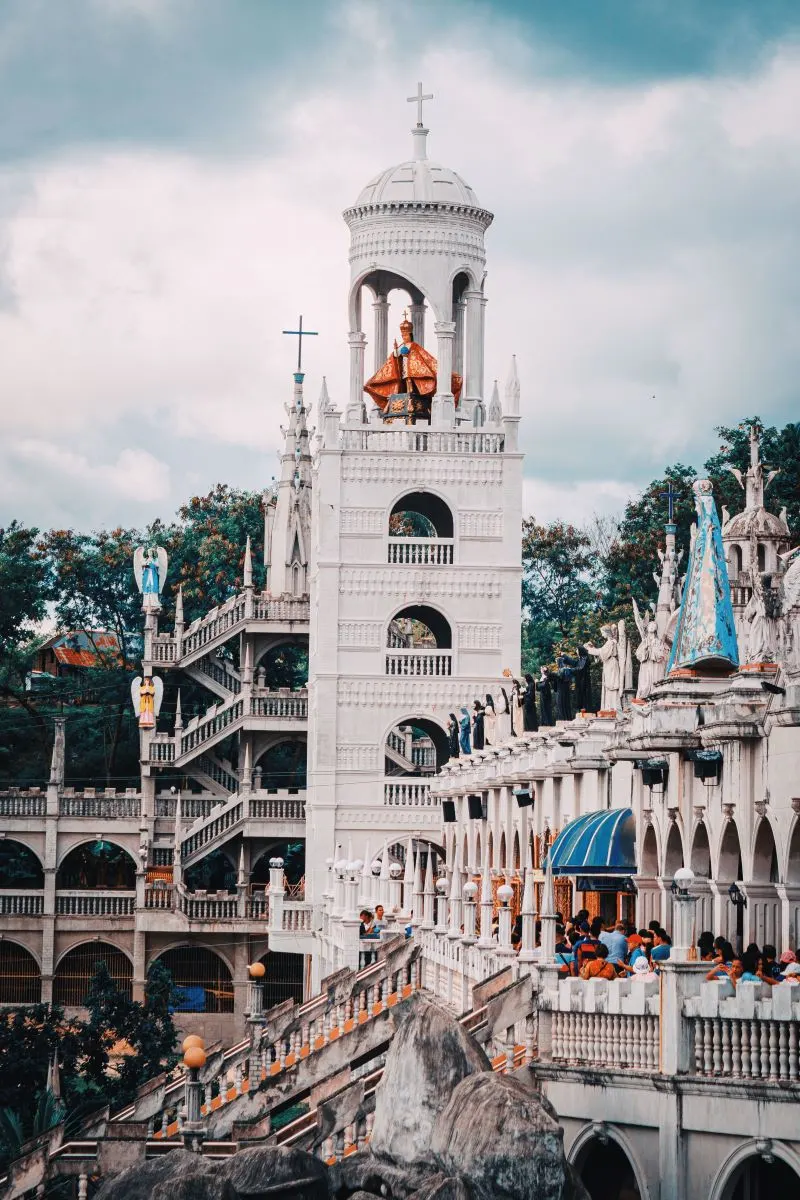
Casa Gorordo Museum is a historic house turned museum located in Cebu City, Philippines. It offers visitors a glimpse into the colonial lifestyle and heritage of the Philippines during the 19th century.
The museum is dedicated to preserving the history and culture of the Gorordo family, who were prominent figures in Cebu’s history.
The museum is housed in a well-preserved ancestral home that showcases the architectural style of the Spanish-Filipino elite during that era.
Visitors can explore various rooms and areas, each carefully furnished and adorned with period-appropriate items, artifacts, and memorabilia.
The museum’s layout reflects the lifestyle of the Gorordo family, providing insights into their daily lives, traditions, and social status.
Exhibits at Casa Gorordo Museum include vintage furniture, religious artifacts, household items, and historical documents. Visitors can learn about the family’s history, the role they played in Cebu’s development, and the cultural context of the time.
The museum also hosts educational programs, workshops, and cultural events that highlight Cebu’s history and heritage. It serves as a valuable resource for those interested in Philippine history, colonial architecture, and the cultural evolution of the region.
22. Larsian BBQ: Indulge in a delicious barbecue feast at this open-air food market known for its variety of grilled meats

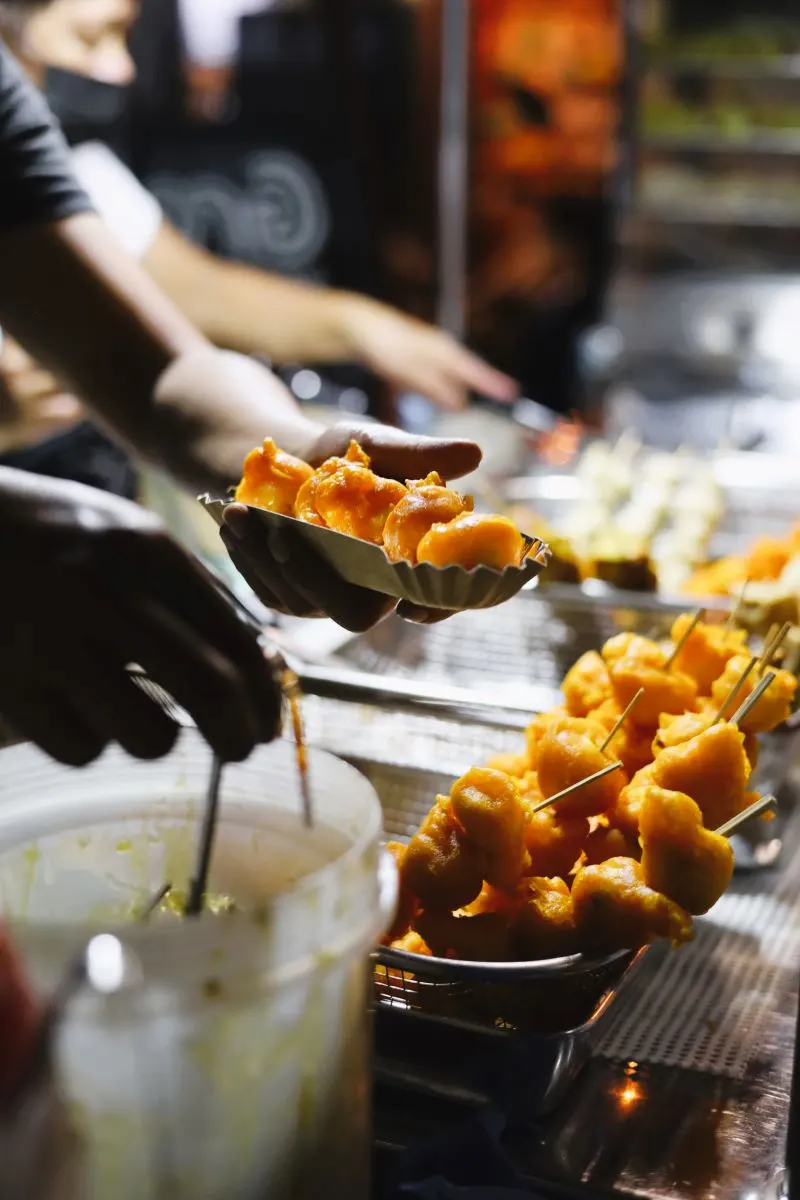
Larsian BBQ is a popular and bustling food market located in Cebu City, Philippines. It is known for its casual and vibrant atmosphere, where visitors can indulge in a wide variety of grilled and barbecued dishes in an open-air setting.
At Larsian BBQ, visitors can enjoy a diverse selection of skewered and grilled foods, including meats such as pork, chicken, and seafood, as well as vegetables. The grilling is done right before your eyes, infusing the food with smoky flavors and a mouthwatering aroma.
What sets Larsian BBQ apart is its interactive dining experience. Upon entering, patrons are greeted with rows of stalls and vendors.
Guests can select their preferred skewers and meats, which are then grilled to perfection over open flames. The market also offers various dipping sauces and side dishes to complement the main courses.
Larsian BBQ is not only about the food but also the lively ambiance. The market is known for its energetic atmosphere, often accompanied by live music and a convivial vibe.
It’s a popular spot for locals and tourists alike to enjoy a casual meal, socialize, and immerse themselves in the local street food culture.
23. Cebu Westown Lagoon: Enjoy swimming, slides, and other water activities at this waterpark, perfect for families


Cebu Westown Lagoon is a water park and leisure destination located in Mandaue City, Cebu, Philippines. It offers visitors a combination of water-based attractions, recreational facilities, and accommodations for a fun and relaxing getaway.
The centerpiece of Cebu Westown Lagoon is its large lagoon-style swimming pool. The pool features various sections, including shallow areas for kids and deeper sections for adults.
The water is complemented by slides, waterfalls, and other aquatic features, providing a range of experiences for visitors of all ages.
In addition to the pool, the water park may offer amenities such as water slides, Jacuzzis, fountains, and play areas. These attractions make Cebu Westown Lagoon a popular destination for families, friends, and tourists looking for a day of aquatic fun and relaxation.
Cebu Westown Lagoon also offers accommodations for those who want to extend their visit. The resort typically provides rooms, suites, and cottages where guests can stay overnight or longer. This makes it suitable for travelers seeking an all-in-one experience of leisure, entertainment, and lodging.
24. Mactan Island: Visit the nearby island for its beautiful beaches, water sports, and historical sites

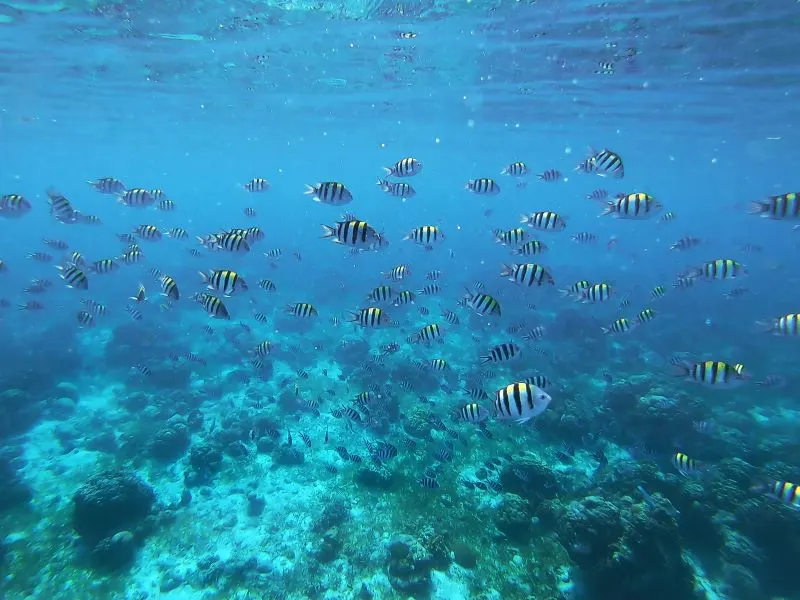
Mactan Island is a tropical paradise located in the Philippines, specifically in the province of Cebu. It is known for its stunning beaches, crystal-clear waters, and vibrant marine life, making it a popular destination for tourists seeking sun, sea, and relaxation.
Connected to the mainland of Cebu by bridges, Mactan Island is easily accessible and offers a range of accommodations, resorts, and recreational activities for visitors. The island’s coastline is lined with picturesque beaches that are ideal for swimming, sunbathing, and water sports.
One of Mactan Island’s notable attractions is its world-class diving and snorkeling sites. The waters surrounding the island are teeming with marine biodiversity, including colorful coral reefs and diverse fish species.
This makes it a paradise for underwater enthusiasts and those looking to explore the underwater world.
Mactan Island is also steeped in history, as it was the site of the Battle of Mactan where Lapu-Lapu, a native chieftain, defeated Spanish explorer Ferdinand Magellan. Visitors can learn about this historical event and its significance at the Lapu-Lapu Shrine.
The island offers a variety of dining options, from beachfront seafood eateries to upscale restaurants within resorts. Additionally, Mactan Island is known for its craftsmanship, particularly in the production of guitars, which can be found in various shops and markets.
25. Island-hopping: Take a boat tour to nearby islands for snorkeling, diving, and relaxing on pristine beaches

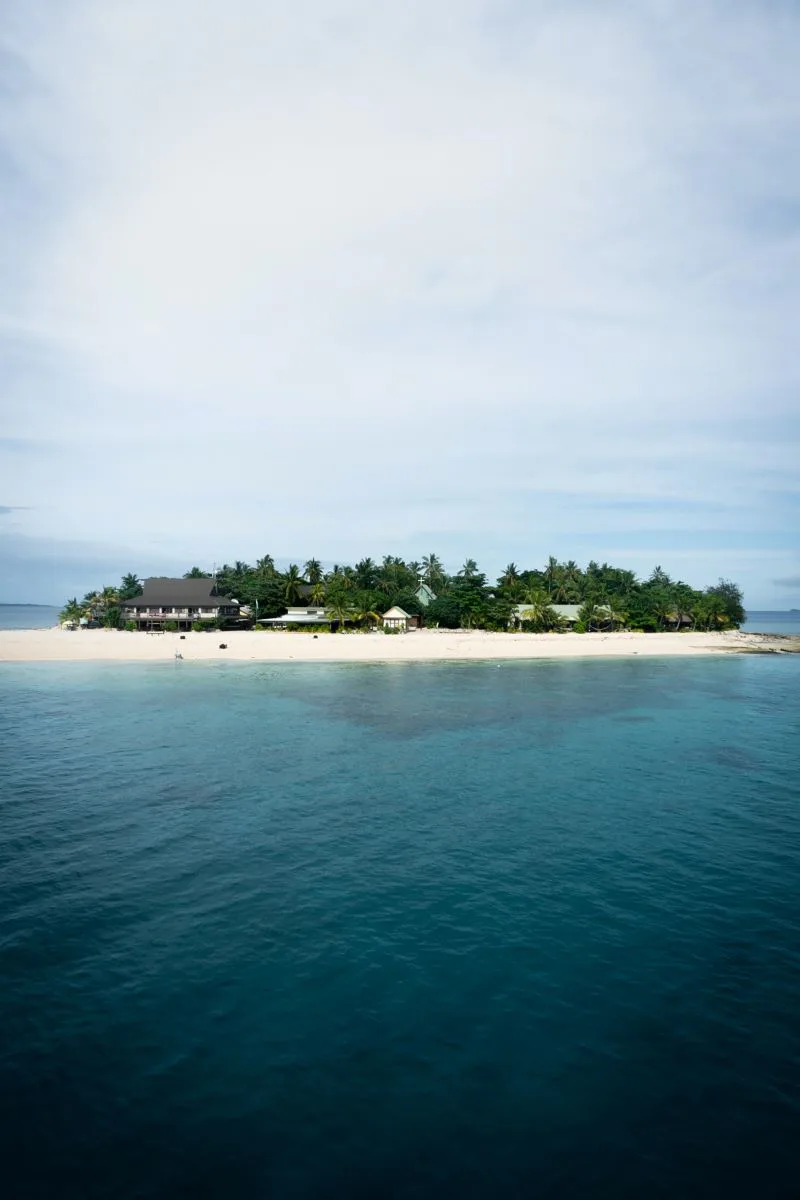
Island-hopping in Cebu City refers to the popular recreational activity of visiting multiple islands and islets around Cebu, Philippines. Cebu City is strategically located within the Visayas region, offering easy access to a variety of stunning tropical destinations.
Island-hopping tours typically involve cruising on boats or ferries to explore different islands, enjoying their beaches, watersports, marine life, and natural attractions.
Cebu’s island-hopping destinations often include places like:
Mactan Island: Known for its resorts, beaches, and water activities like snorkeling and diving.
Hilutungan Island: A popular spot for snorkeling and diving due to its vibrant coral reefs and marine life.
Nalusuan Island: Another snorkeling and diving paradise, famous for its crystal-clear waters and underwater biodiversity.
Pandanon Island: Known for its sandbar and shallow waters, making it an ideal spot for swimming, picnics, and relaxation.
Caohagan Island: Offers a more tranquil environment with white sandy beaches and clear waters.
Olango Island: Home to a wildlife sanctuary and a paradise for birdwatching.
Sumilon Island: Features a shifting sandbar, marine sanctuary, and stunning underwater landscapes.
Camotes Islands: Although a bit farther from Cebu City, these islands are famous for their pristine beaches, caves, and laid-back atmosphere.
During an island-hopping tour, you can engage in activities such as swimming, snorkeling, diving, beach picnics, and exploring the natural beauty of each island.
Many tour operators offer packages that include transportation, guides, and equipment rental for various water activities. Island-hopping in Cebu City provides a chance to experience the breathtaking beauty of the Philippines’ tropical islands and immerse yourself in its rich marine ecosystems.
Food In Cebu City

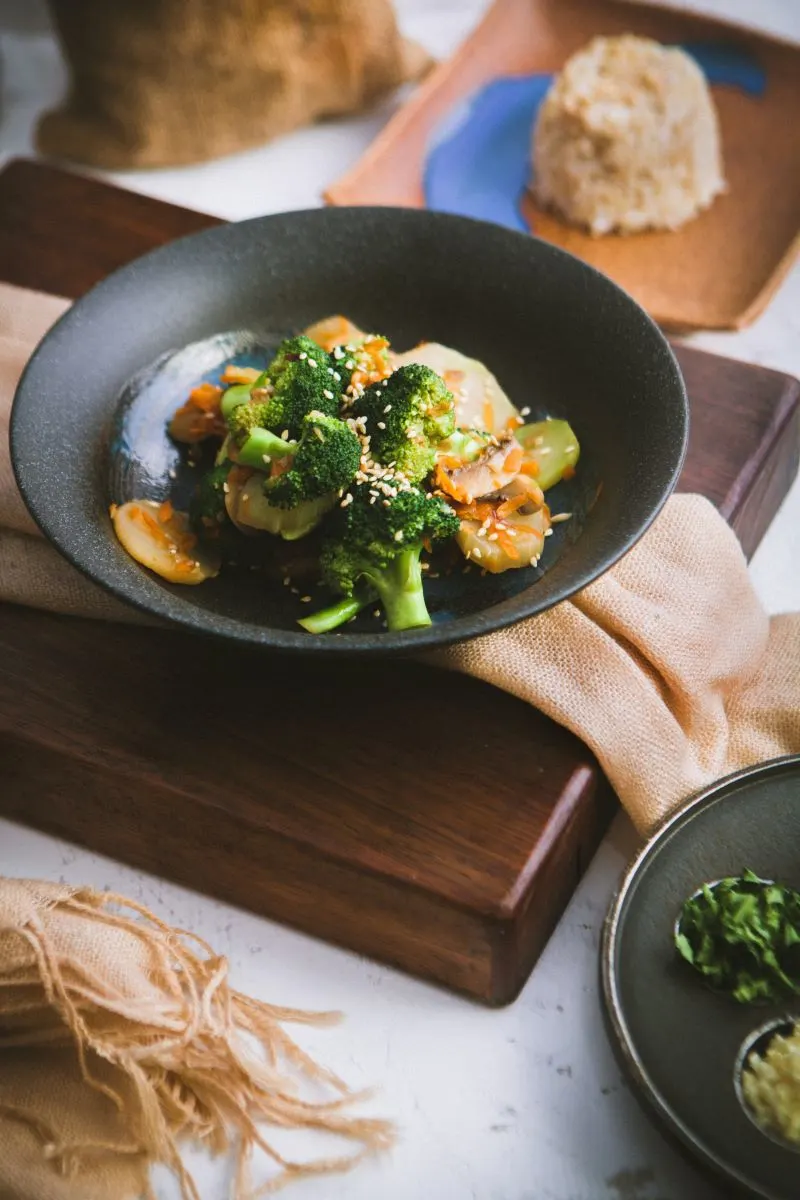
Nestled in the heart of the Philippines, Cebu City is a vibrant metropolis that offers not only stunning landscapes and rich history but also a diverse and tantalizing culinary scene.
From traditional Filipino dishes to international cuisines, Cebu City’s food culture is a melting pot of flavors that will leave any food enthusiast craving for more. Let’s embark on a gastronomic adventure through the delectable offerings of Cebu City.
Lechon: The King of Cebuano Cuisine
No journey through Cebu City’s culinary landscape is complete without savoring the world-famous Cebu Lechon. Often hailed as the “best pig ever,” Cebu’s version of the roast pig is celebrated for its crispy skin and succulent meat.
Cooked over an open flame, the lechon is seasoned with a unique blend of spices that infuse the meat with an irresistible aroma and flavor. The pinnacle of Filipino celebrations, Cebu Lechon is a must-try for anyone visiting the city.
Seafood Sensations
Given its coastal location, Cebu City boasts an array of seafood delights that cater to every palate. From the bustling markets to high-end restaurants, the city offers an abundance of fresh catches prepared in various ways.
The “sutukil” experience is a popular choice, allowing diners to choose their seafood (sugba or grilled, tula or broth-based soup, and kilaw or ceviche-style) and have it cooked to perfection.
Dried Fish and Danggit
For a true taste of Cebuano authenticity, explore the local markets and discover the world of dried fish and danggit. These dried and salted fish varieties are a staple in Cebuano breakfasts and add a burst of umami to any meal.
Danggit, in particular, is renowned for its distinct flavor and crunchy texture, often paired with garlic rice and eggs for a traditional morning feast.
Sinulog Festival and Street Food Delights
Cebu City’s Sinulog Festival, a grand celebration of faith and culture, is the perfect opportunity to explore a plethora of street food options.
As you revel in the festivities, sample skewers of “tempura” (battered and fried seafood), “balut” (fertilized duck egg), and “isaw” (grilled chicken intestines). These street food offerings embody the vibrant and diverse essence of Cebu’s culinary scene.
Global Flavors in Cebu
While rooted in its local traditions, Cebu City’s culinary landscape also embraces global influences. The city hosts a wide range of international restaurants serving Japanese, Korean, Chinese, and Western cuisines. Visitors can relish in sushi, Korean barbecue, dim sum, and gourmet burgers without having to leave the city.
Sweet Endings
No meal is complete without a sweet conclusion, and Cebu City delivers with its array of delectable desserts. Indulge in the famous “chocolate hills” – chocolate mounds filled with rich chocolate goodness, or satisfy your cravings with traditional Filipino sweets like “budbud kabog” (sticky millet wrapped in banana leaves) and “masareal” (peanut candy).
Cebu City: A Culinary Voyage
Cebu City is a destination where history, culture, and flavors converge to create a unique gastronomic experience. From the iconic lechon to the humble danggit, the city’s food offerings tell a story of tradition, innovation, and the fusion of diverse influences.
Whether you’re a food enthusiast seeking authentic flavors or a traveler eager to explore new tastes, Cebu City’s culinary scene promises a journey that will tantalize your taste buds and leave you craving for more.
Top 20 Best Restaurants In Cebu City, Philippines

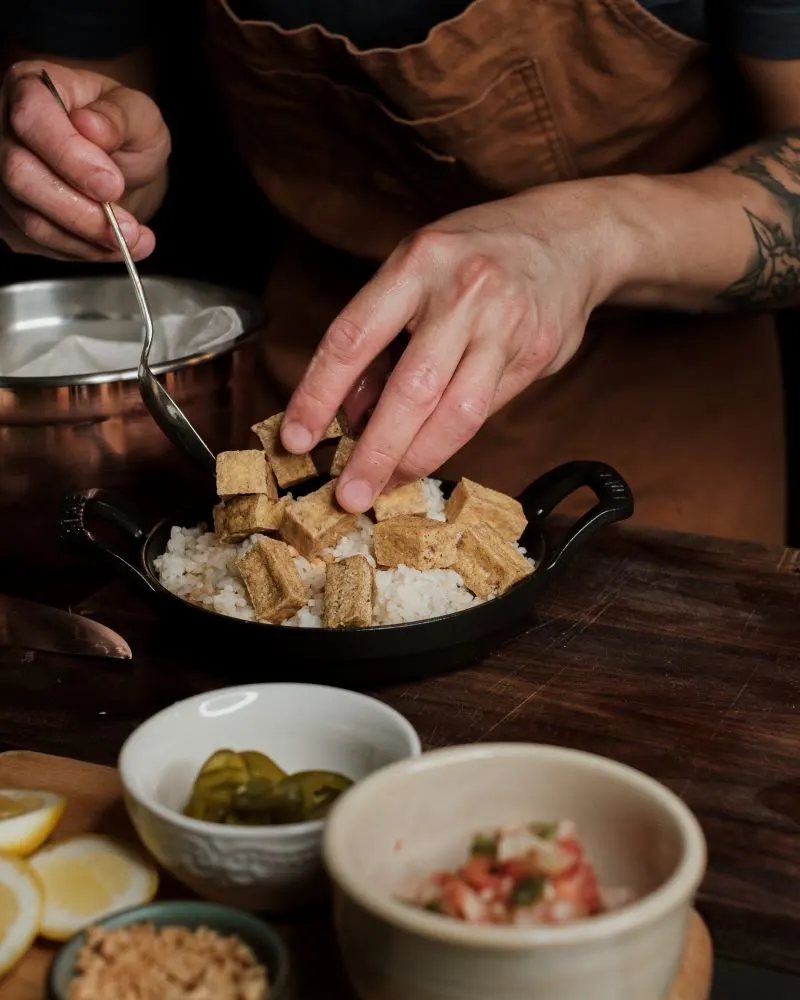
- Abaca Baking Company – Known for its artisanal bread, pastries, and all-day brunch menu.
- Anzani – Offers Mediterranean cuisine in a sophisticated setting with panoramic city views.
- LéMon – Offers a mix of international and Filipino dishes with a modern twist.
- Circa 1900 Casa Dos – A heritage restaurant known for its farm-to-table concept and classic Filipino dishes.
- La Maison Rose – French-inspired restaurant with a romantic ambiance and a menu of European dishes.
- Maya Mexican Restaurant – Serves authentic Mexican cuisine, including tacos, burritos, and margaritas.
- Ibiza Beach Club – Offers a Mediterranean-inspired menu and live entertainment, situated by the sea.
- Cafe Marco (Marco Polo Plaza Cebu) – Known for its extensive buffet spread with international dishes.
- The Pig & Palm – A collaboration between a renowned chef and a mixologist, offering innovative dishes and cocktails.
- Blue Elephant – Serves Thai cuisine in a vibrant setting, with a focus on traditional flavors.
- Casa Verde – A local favorite known for its hearty American and Filipino comfort food.
- Lantaw Native Restaurant – Offers Filipino dishes in a native-inspired setting, often with scenic views.
- Harbour City Dimsum House – Popular for its affordable and delicious dim sum offerings.
- Anzani Prime – A sister restaurant of Anzani, offering prime cuts of meat and a fine dining experience.
- Sugbo Mercado – A food market that features a wide variety of street food and local specialties.
- Alejandro’s – Known for its traditional Filipino cuisine, including “lechon” and other classic dishes.
- Cowrie Cove (Shangri-La’s Mactan Resort & Spa) – Offers seafood and grill dishes in an upscale beachfront setting.
- No. 9 Restaurant – Specializes in Asian fusion cuisine and is known for its creative dishes.
- Orange Karenderia – Offers a fusion of Filipino flavors and international cuisine with a modern twist.
- Birdseed Breakfast Club + Café – A popular breakfast spot known for its creative breakfast and brunch options.
Transportation In Cebu City
Cebu City is a bustling urban center and the capital of Cebu province in the Philippines. Transportation in the city is diverse and includes various modes to cater to the needs of its residents and visitors. Some of the primary modes of transportation in Cebu City are:
- Jeepneys: These colorful and iconic vehicles are the most common mode of public transportation in Cebu City. Jeepneys are repurposed jeeps that can accommodate a significant number of passengers. They follow designated routes and are a cost-effective way to navigate the city.
- Buses: Public buses provide transportation along major routes in Cebu City and its neighboring areas. They offer a relatively more comfortable and spacious option compared to jeepneys.
- Taxis: Metered taxis are available for those seeking a more convenient and private mode of transportation. Taxis can be hailed on the street or hired through ride-hailing apps.
- Motorcycle Taxis: In recent years, motorcycle taxis, commonly referred to as “habal-habal,” have become increasingly popular for short-distance travel. They are especially useful in navigating through narrow streets and heavy traffic.
- Tricycles: Tricycles are three-wheeled vehicles often used for short trips within neighborhoods and areas where larger vehicles might not be able to access easily.
- V-Hires and Mini-Buses: These are larger vehicles that operate on specific routes, serving as an alternative to jeepneys. They are commonly used for medium-distance travel within the city and its surrounding areas.
- Private Vehicles: Many residents of Cebu City rely on private vehicles for their daily commute. However, traffic congestion can be a challenge during peak hours.
- Walking: In certain areas of the city, walking can be a convenient and pleasant way to get around, especially for short distances.
- Cycling: While cycling infrastructure might not be as developed as in some other cities, cycling enthusiasts do use bikes to move around in certain areas.
It’s worth noting that traffic congestion can be an issue in Cebu City, particularly during rush hours. In conclusion, Cebu City offers a diverse array of experiences that capture the heart and soul of the Philippines.
From its rich historical landmarks to its vibrant festivals, the city provides a captivating blend of the past and the present. Travelers can explore its religious and cultural heritage at sites like Magellan’s Cross and the Basilica Minore del Santo Niño, gaining insights into the city’s pivotal role in the country’s history.
For those seeking adventure, the city offers opportunities to encounter nature’s wonders, whether it’s trekking to Osmena Peak for panoramic views or swimming with whale sharks off the coast of Oslob.
The bustling markets and street scenes showcase the lively spirit of Cebu City, while the serene Taoist Temple offers a peaceful retreat for reflection.
Culinary enthusiasts will delight in the local delicacies, from the savory lechon to the tropical fruits that are emblematic of the region’s flavors.
The modern side of Cebu City, with its shopping centers and burgeoning tech scene, reflects the city’s forward-looking aspirations.
Whether you’re captivated by the grandeur of the Sinulog Festival, the warmth of the locals, or the breathtaking beauty of the surrounding islands, Cebu City promises an unforgettable journey.
The city’s unique blend of history, culture, and contemporary developments invites travelers to experience the Philippines in all its glory.
As with any dynamic destination, Cebu City continues to evolve, offering new experiences and discoveries with each visit. From its historic roots to its bustling present, Cebu City invites you to explore, engage, and immerse yourself in its vibrant tapestry of experiences.
Leave a comment