

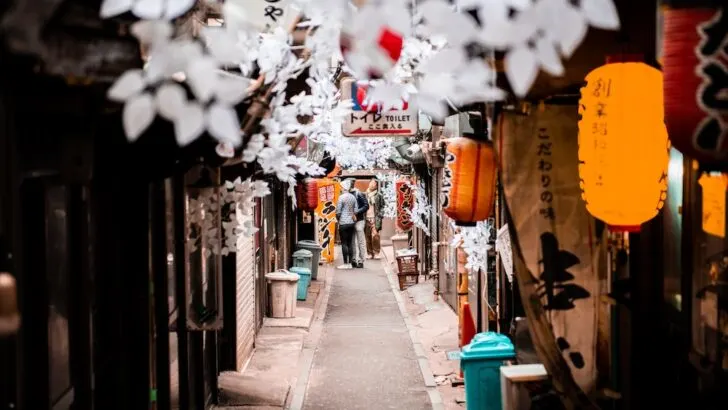
Shinjuku is one of Tokyo’s most vibrant and dynamic districts, renowned for its bustling urban energy, diverse entertainment offerings, and iconic cityscape.
As a central hub of Tokyo, Shinjuku encapsulates the modern essence of Japan while also embracing its historical and cultural roots.
From towering skyscrapers to serene gardens, from neon-lit streets to traditional alleys, Shinjuku offers a multifaceted experience that caters to a wide range of interests.
In essence, Shinjuku embodies Tokyo’s ever-evolving identity, seamlessly blending modernity with tradition, high-energy excitement with serene respites.
Its eclectic mix of attractions caters to travelers seeking entertainment, cultural exploration, shopping, dining, and the unique experience of being at the pulsating heart of Tokyo’s urban fabric.
1. Shinjuku Gyoen National Garden: Explore this beautiful park with traditional Japanese gardens, wide lawns, and serene ponds

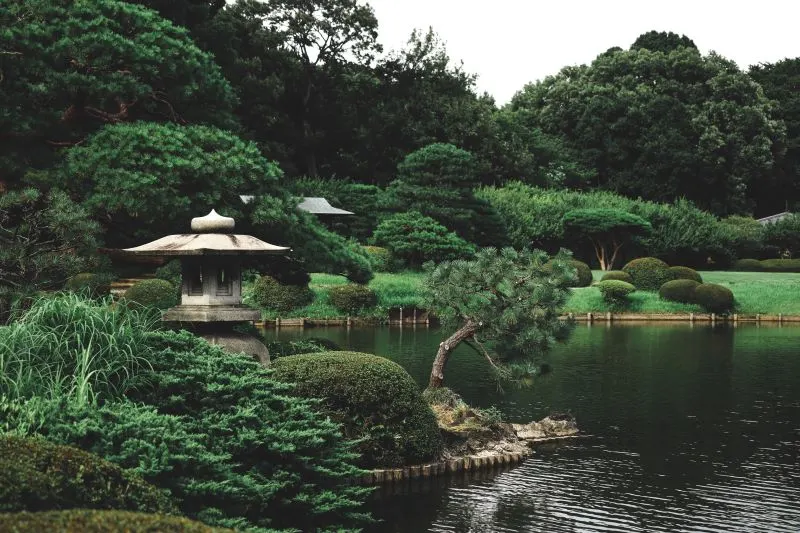
Shinjuku Gyoen National Garden is a picturesque and expansive park located in the heart of Tokyo’s bustling Shinjuku district. It offers a serene escape from the urban hustle and bustle, providing a harmonious blend of traditional Japanese garden design and various international influences.
The garden features meticulously manicured lawns, tranquil ponds, and diverse plant life, including cherry blossoms in spring and vibrant foliage in autumn.
Visitors can explore three distinct styles of gardens within the park: the English Landscape Garden with its open spaces and walking paths, the traditional Japanese Garden with its teahouses and serene water features, and the French Formal Garden with geometric designs and symmetrical arrangements.
Shinjuku Gyoen is an ideal place for relaxation, picnics, and leisurely strolls. Its peaceful ambiance attracts both locals and tourists seeking a moment of tranquility amid Tokyo’s urban energy.
The garden’s beauty changes with the seasons, making it a popular spot for hanami (cherry blossom viewing) and koyo (autumn foliage) during their respective seasons.
2. Tokyo Metropolitan Government Building: Visit the observation decks for panoramic views of the city skyline

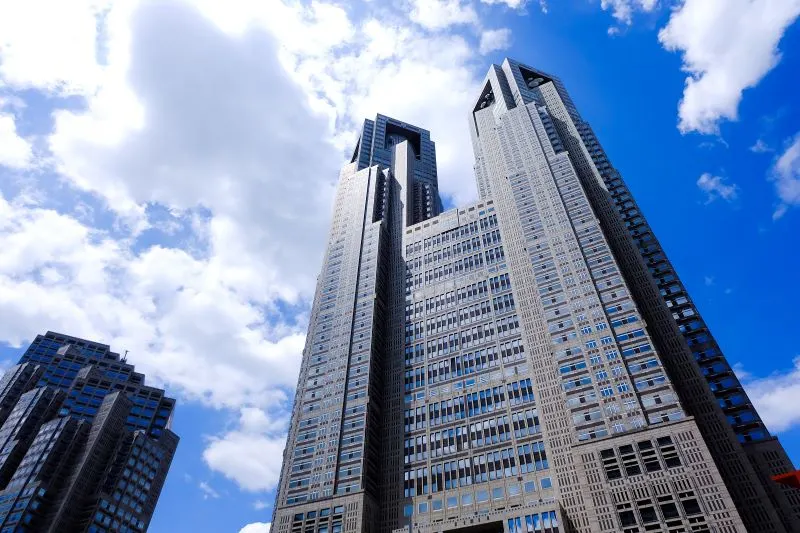
The Tokyo Metropolitan Government Building, often referred to simply as “Tokyo Met Gov” or “Tochō,” is a prominent landmark and government complex in the Shinjuku district of Tokyo.
Designed in a modern architectural style, the building is composed of twin towers that rise to a height of approximately 243 meters (797 feet). It serves as the headquarters for the Tokyo Metropolitan Government.
One of the main attractions of the Tokyo Metropolitan Government Building is its observation decks, located on the 45th floor of both towers.
These observation decks offer breathtaking panoramic views of Tokyo’s skyline, allowing visitors to gaze out over the sprawling cityscape, including iconic landmarks like Mount Fuji (on clear days), Tokyo Tower, and the surrounding neighborhoods of Shinjuku.
The best part? Admission to the observation decks is free of charge, making it a popular choice for both tourists and locals alike. The observation decks are open during daytime and evening hours, offering different perspectives of the city depending on the time of day you visit.
Aside from its tourist appeal, the Tokyo Metropolitan Government Building is a functional administrative center where various governmental functions and services are carried out.
It stands as a symbol of Tokyo’s modernity and efficient urban planning, while also providing visitors with a unique opportunity to see the city from above without the need for an entrance fee.
3. Kabukicho: Experience the lively nightlife in Tokyo’s famous red-light district, with bars, restaurants, and entertainment options

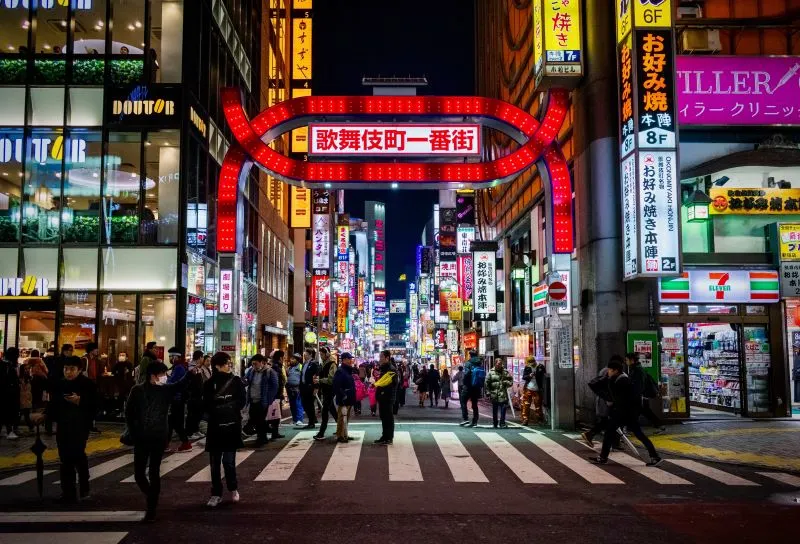
Kabukicho is a vibrant and bustling entertainment district located in the Shinjuku ward of Tokyo. It’s known for its lively nightlife, plethora of entertainment options, and unique atmosphere.
While Kabukicho has gained a reputation as Tokyo’s red-light district, it offers much more than that, encompassing a diverse range of experiences.
Kabukicho’s neon-lit streets come alive after dark, creating a dynamic and energetic atmosphere that draws visitors from all walks of life.
The district is home to an array of entertainment venues, including bars, nightclubs, host and hostess clubs, karaoke bars, themed cafes, and theaters. It’s a place where you can find everything from traditional Japanese entertainment to modern pop culture experiences.
One of the iconic features of Kabukicho is its narrow alleys and side streets that are packed with various establishments.
Golden Gai, a small area within Kabukicho, is famous for its historical and charming collection of tiny bars and pubs, each with its own unique theme or atmosphere.
While Kabukicho does offer adult-oriented venues, it has evolved into a multifaceted entertainment district that caters to a wide range of interests.
Visitors can enjoy performances, live music, dance shows, and interactive experiences. The district also features numerous restaurants serving various types of cuisine, from Japanese izakayas to international flavors.
4. Golden Gai: Wander through narrow alleys filled with small, unique bars and pubs

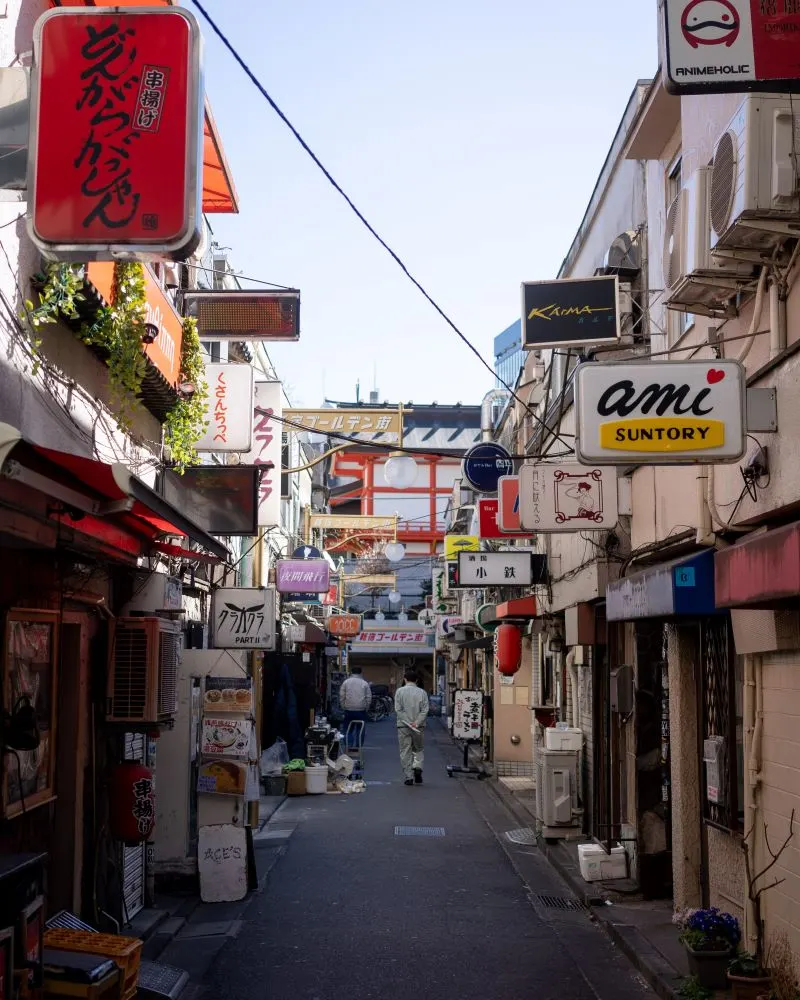
Golden Gai is a unique and historic area within the Kabukicho district of Shinjuku, Tokyo. It’s renowned for its collection of small, old-fashioned bars and pubs, creating an atmospheric and nostalgic experience.
Golden Gai is a maze-like network of narrow alleyways and passageways, each lined with compact and intimate bars that typically accommodate only a handful of customers at a time.
These bars, often referred to as “yokocho,” have a distinctly retro and rustic feel, with many of them retaining the original architecture and decor from decades past.
What sets Golden Gai apart is its diversity. Each bar has its own unique theme, atmosphere, and style, catering to various tastes and interests.
You might find bars dedicated to jazz music, rock ‘n’ roll, movie memorabilia, art, and much more. Some bars are known for their warm and welcoming hosts, while others might have a more mysterious or exclusive vibe.
Due to their small size, Golden Gai bars encourage close interactions among patrons and bar staff, creating an intimate and friendly environment.
The conversations and connections you make in these bars often lead to memorable experiences and insights into Tokyo’s local culture.
It’s important to note that while Golden Gai has become a popular tourist destination, the area retains its character and charm.
Be respectful of the local customs and etiquette when visiting these establishments. Additionally, some bars might have cover charges or specific rules, so it’s a good idea to observe and inquire before entering.
5. Omoide Yokocho (Memory Lane): Enjoy traditional yakitori (grilled skewers) and immerse yourself in the nostalgic atmosphere

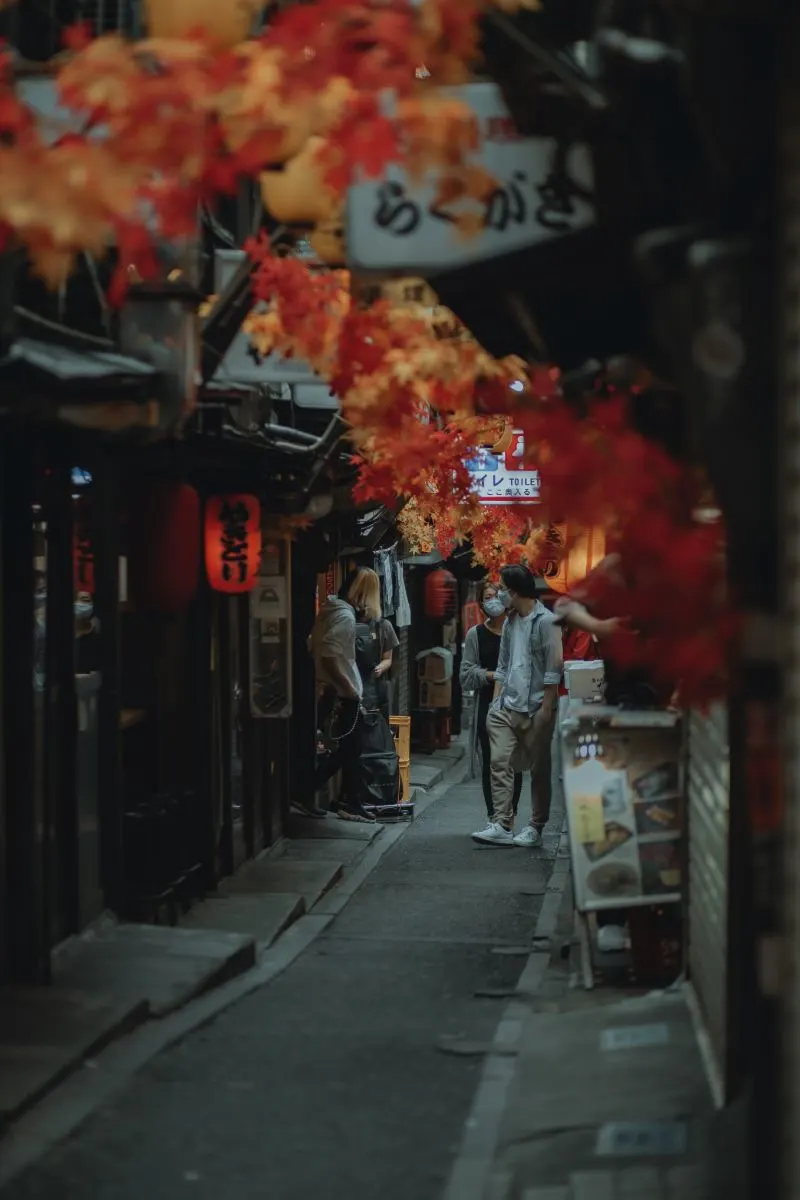
Omoide Yokocho, also known as Memory Lane or Piss Alley, is a narrow and atmospheric alleyway located near the west exit of Shinjuku Station in Tokyo.
This charming and nostalgic alley is known for its old-school, post-war ambiance and its array of small eateries and izakayas (Japanese pubs).
Omoide Yokocho translates to “Memory Lane,” and the name perfectly captures the essence of this unique spot. The alleyway is lined with small, cramped establishments, many of which have been family-run for generations.
These eateries are often tiny, seating just a few patrons at a time, and they offer a glimpse into Tokyo’s past, evoking a sense of nostalgia and history.
The alleyway is a maze of narrow pathways, tightly packed with stalls, counters, and small dining spaces. The wooden facades, lantern-lit entrances, and the hustle and bustle of customers create an authentic and intimate atmosphere. Omoide Yokocho’s rustic and traditional aesthetic is a stark contrast to the modern city that surrounds it.
The food offerings in Omoide Yokocho are diverse, but they typically focus on grilled skewers (yakitori), izakaya-style dishes, and comfort food like ramen and soba.
You can enjoy various cuts of meat, vegetables, seafood, and other local delicacies. The fragrant smells and sizzling sounds add to the sensory experience.
6. Robot Restaurant: Witness a bizarre and entertaining show featuring robots, lasers, and music

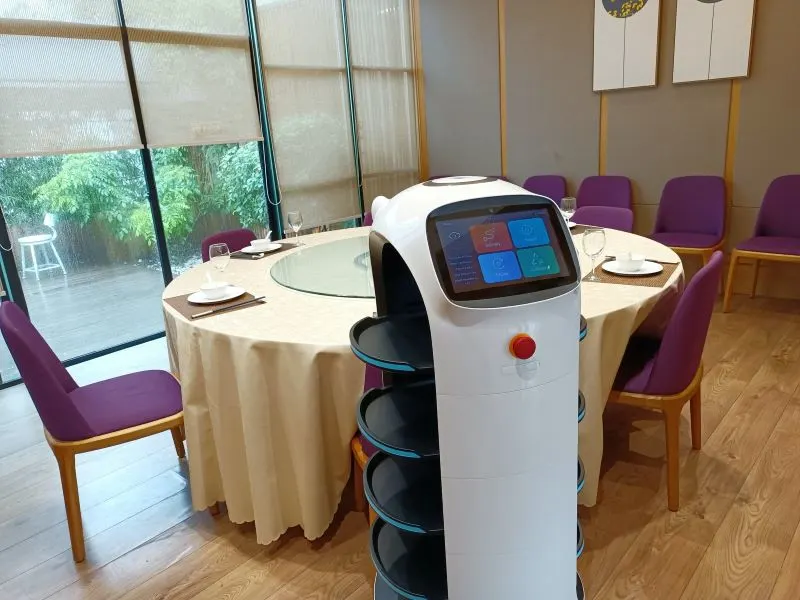
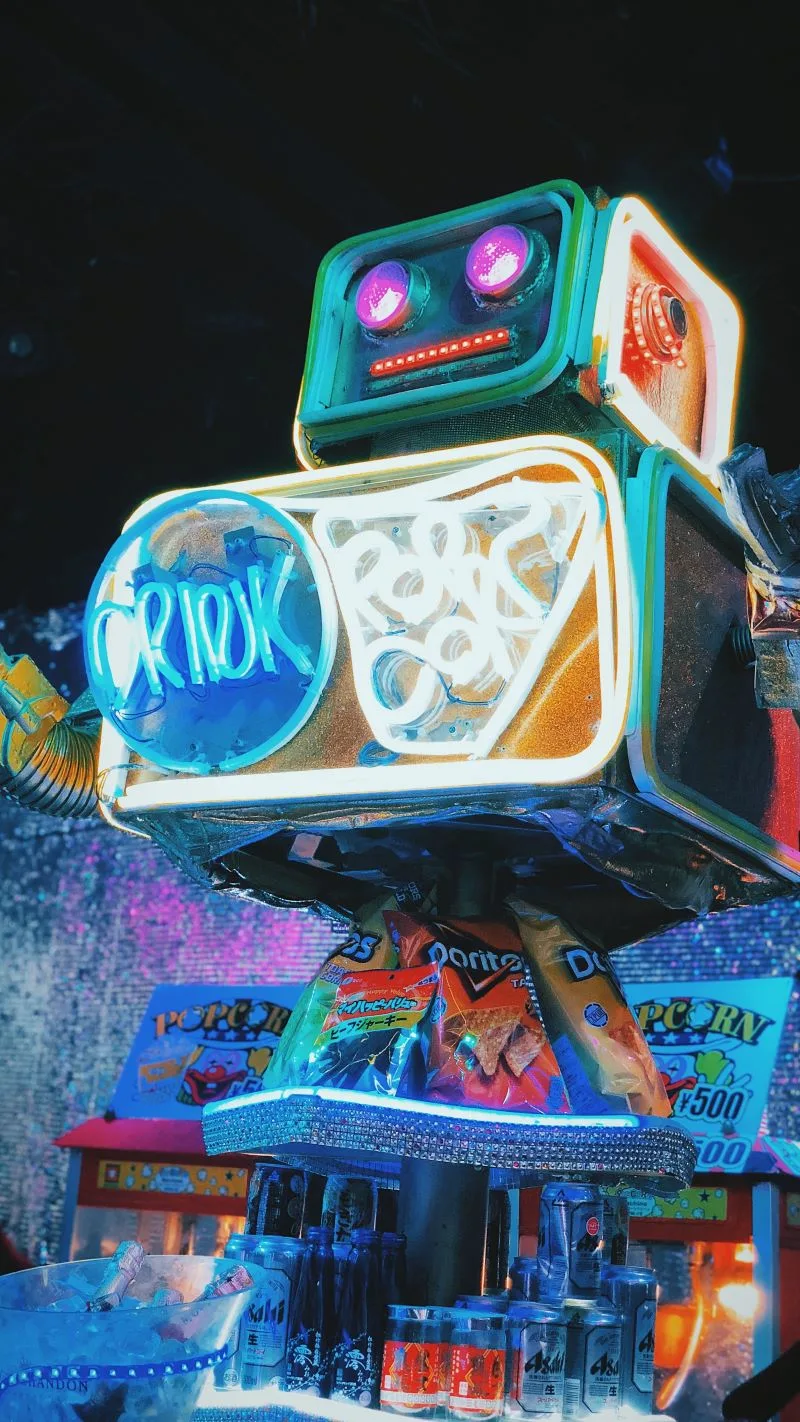
The Robot Restaurant is a quirky and flamboyant entertainment venue located in the Kabukicho district of Shinjuku, Tokyo. It’s known for its extravagant and over-the-top performances featuring a combination of high-energy dance routines, elaborate costumes, neon lights, and, of course, robots.
The Robot Restaurant offers a unique and surreal experience that’s a blend of cabaret, theater, and science fiction. The performances are a sensory overload of dazzling visuals, loud music, and vibrant choreography.
The show features performers in futuristic outfits, giant robots, lasers, and a kaleidoscope of colors, creating a surreal and immersive spectacle.
While robots are a central theme, the show is more about entertainment and spectacle than technological prowess. The robots themselves are often large, glittering creations that are part of the larger visual extravaganza.
The show’s narrative is somewhat loose, focusing more on creating a visual and auditory spectacle that captivates the audience’s attention.
The venue itself is decorated with a mix of neon lights, mirrors, and reflective surfaces, adding to the futuristic and fantastical atmosphere.
The Robot Restaurant is known for embracing Japan’s pop culture, blending traditional elements with modern trends to create a unique and eye-popping experience.
7. VR Zone Shinjuku: Try cutting-edge virtual reality experiences and games

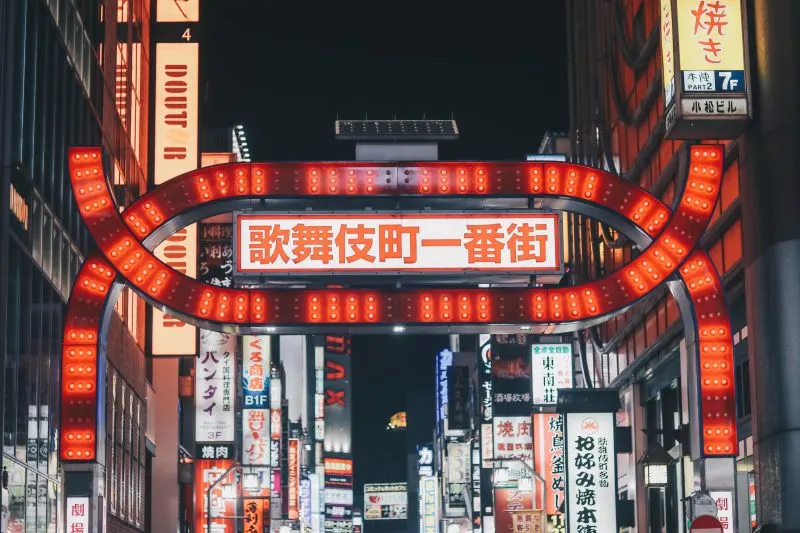
VR Zone Shinjuku is a cutting-edge virtual reality entertainment facility located in the heart of Shinjuku, Tokyo. It offers a range of immersive VR experiences and games that allow visitors to step into virtual worlds and engage with interactive scenarios.
VR Zone Shinjuku is a sprawling VR entertainment complex that caters to both casual visitors and dedicated gamers. The facility features a variety of VR attractions, each designed to provide a unique and captivating experience. The offerings include:
Virtual Reality Games: From action-packed shooters to adventure games, VR Zone offers a diverse selection of game genres, allowing players to physically move, interact, and experience the virtual environment.
Simulation Experiences: Visitors can try their hand at piloting a giant robot, driving a race car, or even experiencing a virtual version of popular sports like skiing or baseball.
Collaborative and Multiplayer Games: Some attractions allow multiple players to team up or compete against each other in the virtual world.
Cinematic VR: Experience immersive cinematic storytelling with 360-degree videos that transport you to different locations and scenarios.
Physical Interaction: Many attractions utilize motion-tracking technology and haptic feedback to enhance the feeling of immersion.
The facility’s high-quality VR technology, combined with its diverse range of experiences, aims to provide visitors with an exciting and memorable time.
VR Zone Shinjuku is suitable for a wide audience, from individuals looking to try VR for the first time to experienced gamers seeking innovative and dynamic gameplay.
8. Shinjuku Isetan: Shop for luxury brands and unique Japanese products in this renowned department store

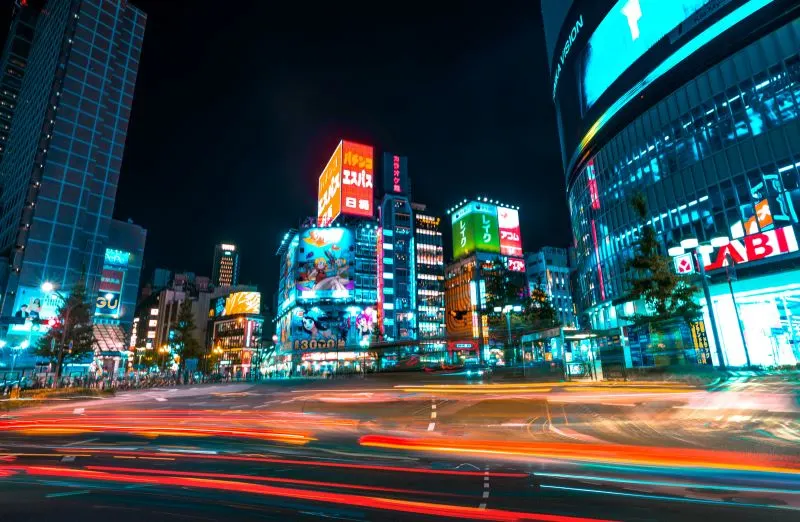
Shinjuku Isetan is a renowned and upscale department store located in the bustling Shinjuku district of Tokyo. It’s known for offering a wide range of luxury brands, high-quality merchandise, and an array of dining options.
Shinjuku Isetan is one of the flagship stores of the Isetan Mitsukoshi Holdings group, which operates some of Japan’s most prestigious department stores.
The store is housed within a modern and impressive building, attracting shoppers with its elegant design and high-end atmosphere.
The department store features several floors that showcase a curated selection of fashion, beauty, accessories, homeware, and more. Visitors can expect to find a mix of international luxury brands, designer labels, and Japanese brands known for their craftsmanship and quality.
One of the highlights of Shinjuku Isetan is its exceptional food and dining section. The basement floor often houses a depachika (food hall) where you can discover a wide array of gourmet foods, sweets, snacks, and even bento boxes. It’s a culinary paradise for food enthusiasts and those seeking premium Japanese delicacies.
The store also hosts seasonal events, pop-up shops, and exhibitions, making it a dynamic and evolving shopping destination. Additionally, Shinjuku Isetan frequently collaborates with designers and artists to create unique and limited-edition items.
While the main building offers an opulent shopping experience, there are also other Isetan-related buildings nearby, collectively forming a shopping complex known as “Isetan Shinjuku.”
This includes Isetan Men’s and Isetan Women’s buildings, each focusing on specialized fashion and lifestyle products.
9. Takashimaya Times Square: Explore various fashion, food, and lifestyle stores across multiple floors

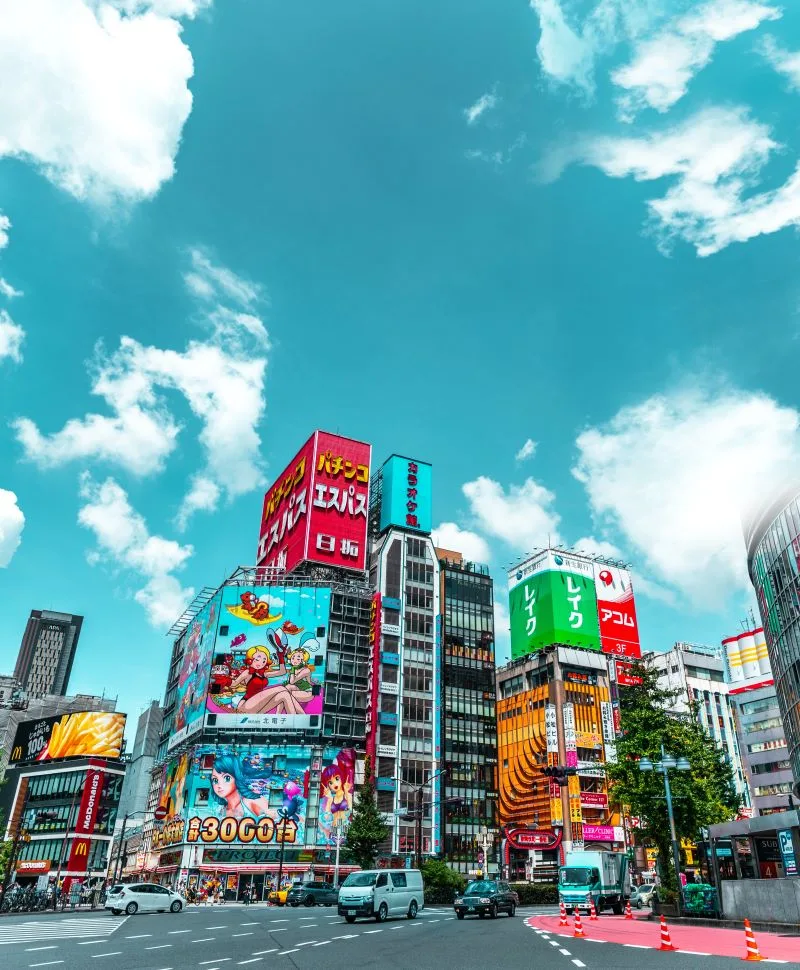
Takashimaya Times Square is a prominent shopping complex located in the bustling Shinjuku district of Tokyo. It’s known for its expansive retail offerings, a diverse range of shops, dining options, and a central location.
Takashimaya Times Square is a multi-story shopping and entertainment complex that is part of the Takashimaya department store chain.
The complex consists of multiple interconnected buildings, offering a comprehensive shopping experience that caters to various tastes and preferences.
The shopping complex is home to a wide array of retail stores, including fashion boutiques, beauty and cosmetics brands, lifestyle and home goods shops, and more.
You can find both international and Japanese brands, catering to different price ranges and styles. This makes Takashimaya Times Square a popular destination for shoppers looking for clothing, accessories, cosmetics, and other fashion-related items.
In addition to fashion and retail, Takashimaya Times Square features a range of dining options. From cafes and restaurants to food courts and gourmet food shops, visitors can enjoy a diverse selection of culinary delights, including both Japanese and international cuisines.
Takashimaya Times Square also hosts various events, pop-up shops, and seasonal displays throughout the year. This adds an element of excitement and novelty to the shopping experience, as there’s always something new to discover.
10. Shopping Streets: Stroll along Shinjuku’s shopping streets like Takeshita Street and Meiji Street for trendy fashion and accessories


Shinjuku is a bustling district in Tokyo, Japan, known for its vibrant atmosphere and diverse range of activities. When it comes to shopping streets in Shinjuku, two main areas stand out:
Shinjuku Sanchome: This area is famous for its shopping streets and department stores. You’ll find a mix of trendy boutiques, international brands, and local shops.
The district is especially known for its modern fashion and cosmetics outlets. Places like Lumine Est and MYLORD are popular shopping complexes in this area, offering a wide array of fashion, accessories, and beauty products.
Omoide Yokocho: While not a traditional shopping street, Omoide Yokocho (Memory Lane) is a unique culinary destination in Shinjuku.
It’s a narrow alley lined with cozy restaurants and stalls serving various types of Japanese street food, especially yakitori (grilled skewers) and izakaya-style dishes. It’s a great place to immerse yourself in local flavors and the nostalgic ambiance of old Tokyo.
11. Yodobashi Camera: Shop for electronics, gadgets, and more in this massive electronics store

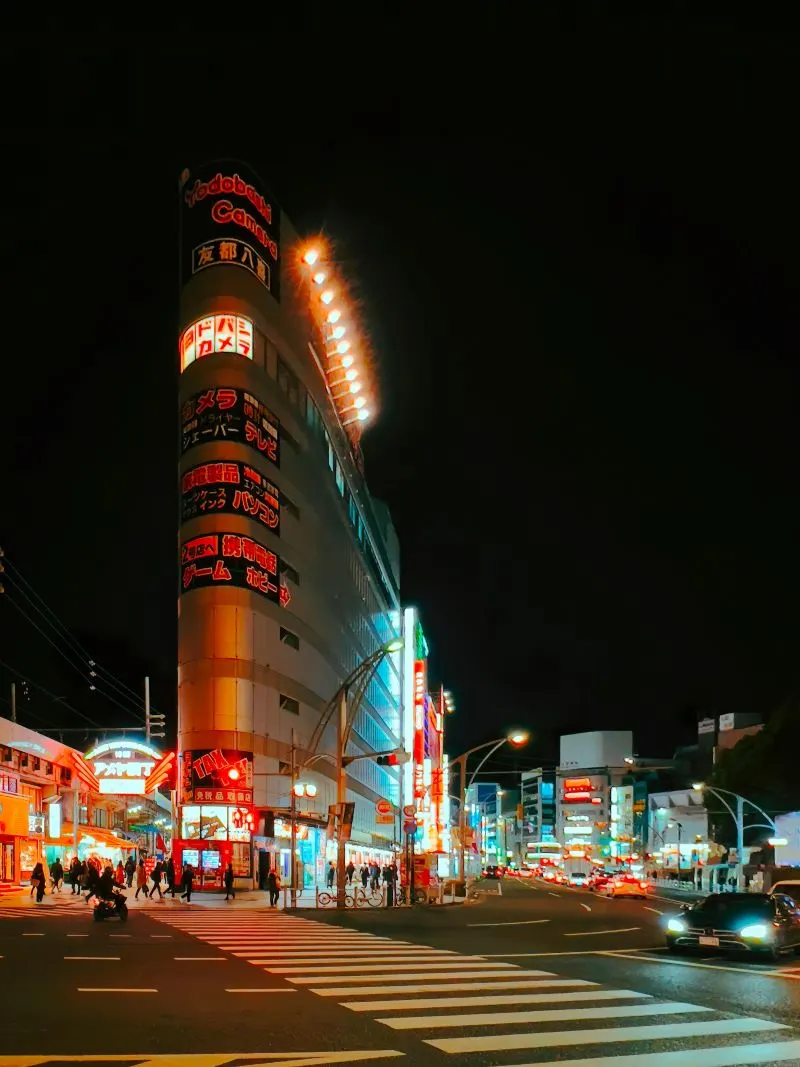
Yodobashi Camera is a prominent Japanese retail chain that specializes in consumer electronics and other related products. It’s one of the largest and most well-known electronics retailers in Japan, with its flagship store located in the bustling Shinjuku district of Tokyo.
The Yodobashi Camera store in Shinjuku is an iconic landmark, often referred to as a “electronics wonderland.” It occupies several floors of a massive building and offers an extensive range of products, including:
Electronics: Yodobashi Camera is renowned for its comprehensive selection of electronics, ranging from the latest smartphones, cameras, laptops, and home appliances to audio equipment, gaming consoles, and more.
Computers and Accessories: The store features a wide variety of computers, peripherals, and accessories, catering to both casual users and professionals.
Photography and Imaging: Yodobashi Camera is a paradise for photography enthusiasts, offering an impressive collection of cameras, lenses, accessories, and photography-related gear.
Home Appliances: You can find a diverse array of household appliances, from kitchen gadgets to vacuum cleaners, all showcasing the latest technological innovations.
Entertainment and Media: The store also has an extensive selection of DVDs, Blu-rays, CDs, and other media items, including anime, movies, music, and video games.
Books and Stationery: Yodobashi Camera often includes a section dedicated to books, magazines, and stationery items, making it a one-stop shop for a variety of interests.
The Shinjuku flagship store is not only known for its immense product range but also for its vibrant atmosphere and the sheer scale of the shopping experience.
It’s a popular destination for locals and tourists alike, attracting tech enthusiasts, hobbyists, and shoppers looking for the latest gadgets and electronics.
12. Shin-Okubo Koreatown: Indulge in Korean cuisine and experience a taste of Korean culture

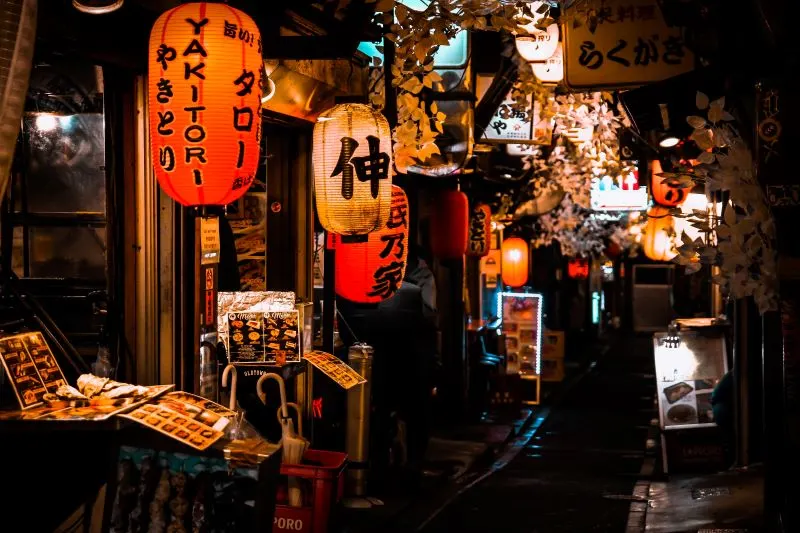
Shin-Okubo Koreatown is a vibrant and bustling district located in the Shinjuku ward of Tokyo, Japan. It is renowned for its strong Korean cultural presence and is often referred to as “Little Korea” or “Koreatown” due to its concentration of Korean shops, restaurants, and entertainment venues.
The area is characterized by its numerous Korean supermarkets, cosmetic stores, clothing boutiques, and eateries that serve authentic Korean cuisine.
Visitors to Shin-Okubo Koreatown can experience a taste of Korean culture through the diverse range of food options, including traditional dishes like bibimbap, bulgogi, and kimchi.
Additionally, the district often hosts cultural events, performances, and festivals that showcase aspects of Korean art, music, and traditions.
Shin-Okubo Koreatown has become a popular destination for locals and tourists alike, offering a unique opportunity to immerse oneself in Korean culture without leaving Tokyo.
The district’s lively atmosphere, rich flavors, and vibrant street life make it a must-visit spot for those interested in experiencing a slice of Korea while in Japan.
13. Don Quijote: Explore this mega-store for a wide range of discounted items, from souvenirs to cosmetics

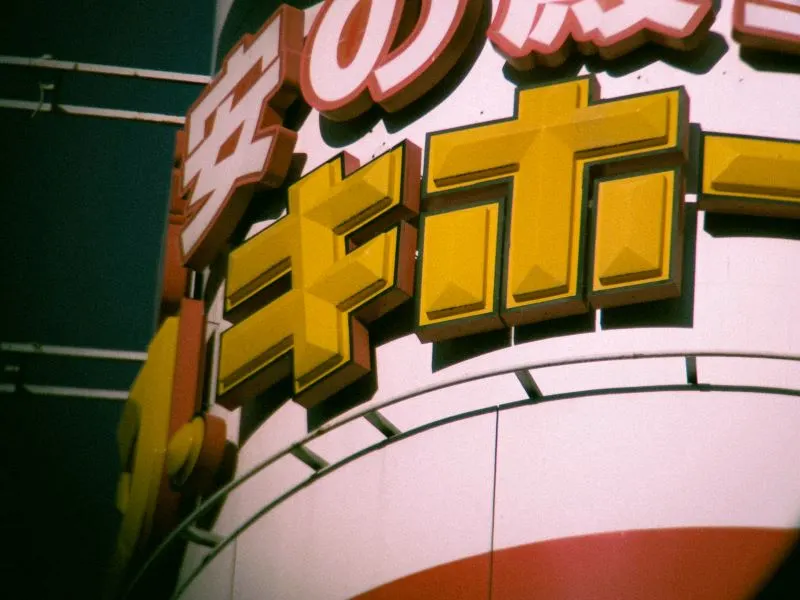
Don Quijote, often referred to simply as “Donki,” is a famous and iconic discount store chain in Japan. The Don Quijote store in Shinjuku, Tokyo, is one of its flagship locations and is particularly noteworthy due to its size and diverse range of products.
The Shinjuku Don Quijote store is known for its distinctive yellow and black exterior and is open 24 hours a day, seven days a week.
It offers a vast selection of goods, ranging from groceries, electronics, clothing, cosmetics, toys, home goods, souvenirs, and even unique and quirky items.
The store is known for its competitive pricing, and visitors often find items at lower prices compared to other retailers.
Inside the Shinjuku Don Quijote, you can expect a bustling and somewhat chaotic shopping experience, with aisles packed with products and a lively atmosphere. The store’s layout might seem a bit labyrinthine, but it adds to the charm of exploring its diverse offerings.
One of the unique features of Don Quijote is its extensive selection of Japanese souvenirs and novelty items, which makes it a popular destination for tourists looking for gifts and mementos to take back home.
14. Hanazono Shrine: Discover a peaceful oasis amidst the urban chaos, featuring a vibrant market on weekends

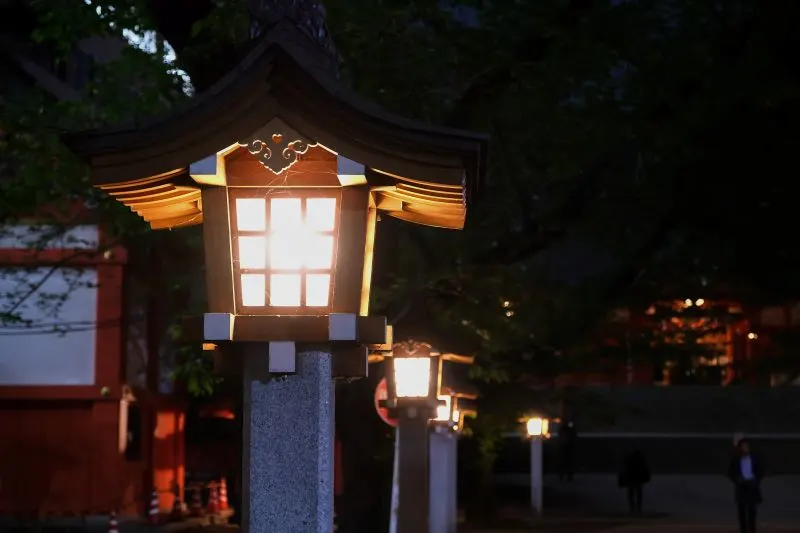
Hanazono Shrine, located in the bustling Shinjuku district of Tokyo, is a historic Shinto shrine that holds a significant place in the city’s cultural and religious landscape. The shrine is dedicated to Inari Okami, the Shinto deity associated with rice, fertility, and prosperity.
Hanazono Shrine is known for its serene and peaceful atmosphere, providing a contrast to the busy streets of Shinjuku surrounding it.
The main entrance is marked by a torii gate, which is a traditional symbol of Shinto shrines. As you enter the shrine grounds, you’ll find a path lined with stone lanterns and lush greenery, creating a sense of tranquility.
The main hall of Hanazono Shrine features a simple yet elegant design, characterized by the distinctive Shinto architectural style with a thatched roof and wooden structure.
Visitors can pay their respects by making offerings, saying prayers, and participating in rituals to seek blessings for various aspects of life, such as health, relationships, and success.
One notable feature of Hanazono Shrine is its connection to commerce and business. The shrine is believed to bring good luck and prosperity to businesses and traders, making it a popular destination for those seeking success in their professional endeavors.
As a result, you might find many local shop owners and businesspeople visiting the shrine to offer prayers for their ventures.
Throughout the year, Hanazono Shrine hosts various festivals and events, including traditional celebrations like the New Year’s festivities and the Tori-no-Ichi festival, which is dedicated to business prosperity and held in November.
15. Bicqlo: Visit the combination of Bic Camera and Uniqlo, offering tech gadgets and clothing in one location

“Bicqlo” is a portmanteau of two well-known Japanese retailers, Bic Camera and Uniqlo, and it refers to a unique concept store that combines the offerings of these two brands in a single location.
This concept was brought to life by a collaboration between Bic Camera, a popular electronics and tech gadget retailer, and Uniqlo, a renowned clothing brand.
In a Bicqlo store, you’ll find an intriguing fusion of tech gadgets and clothing under one roof. The store typically features sections dedicated to both Bic Camera’s electronic products and Uniqlo’s clothing lines.
This combination aims to offer shoppers a convenient and diverse shopping experience, allowing them to explore a range of products in one visit.
On one hand, you can browse through the latest electronic gadgets, appliances, cameras, smartphones, and various tech accessories offered by Bic Camera.
On the other hand, you can explore Uniqlo’s stylish and functional clothing selections, including casual wear, activewear, and seasonal fashion.
Bicqlo’s concept capitalizes on the convenience of bringing together products from different categories that often complement each other.
For example, you might find tech enthusiasts checking out gadgets while also shopping for clothing that fits their active lifestyle.
16. Shinjuku Piccadilly: Watch the latest movies in style at this modern cinema complex

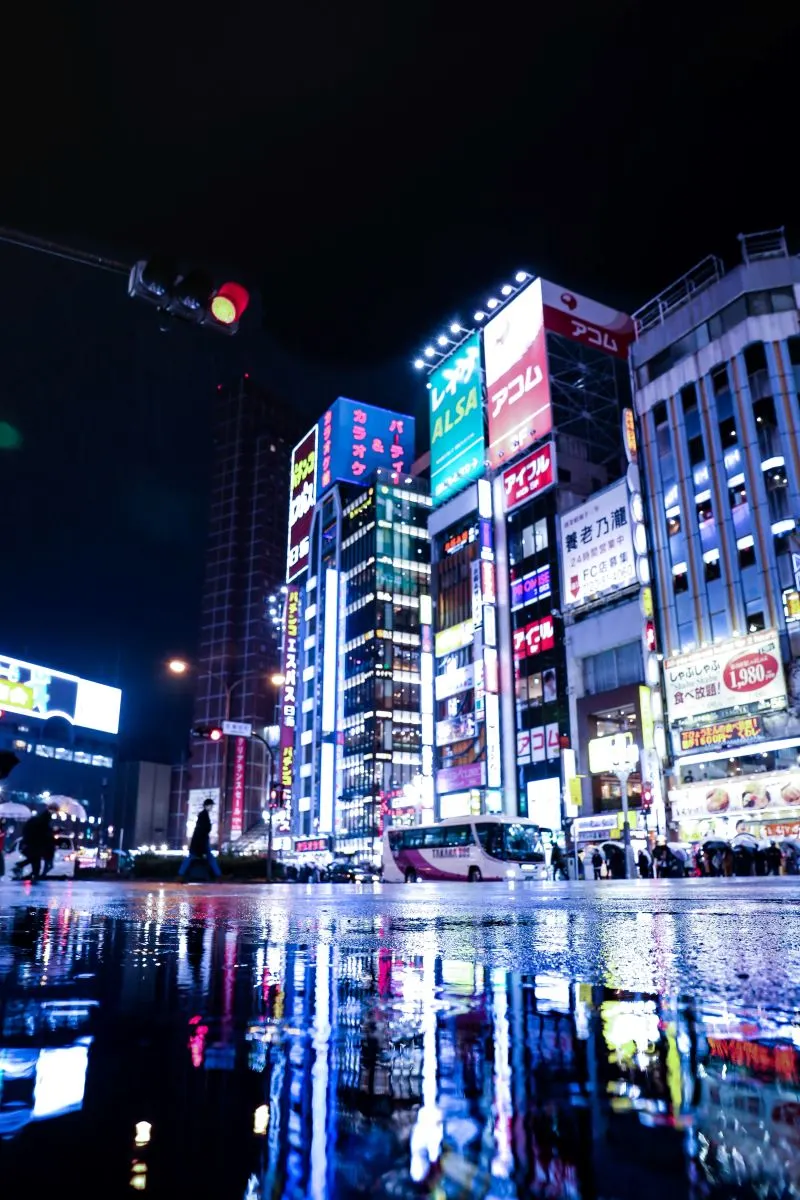
Shinjuku Piccadilly is a modern cinema complex located in the vibrant Shinjuku district of Tokyo, Japan. This multiplex offers moviegoers the opportunity to watch the latest films in a stylish and contemporary setting.
The complex typically features multiple screens, each equipped with state-of-the-art audio and visual technology to provide a high-quality cinematic experience. Comfortable seating, including options like recliners, might be available for an enhanced level of enjoyment.
Shinjuku Piccadilly caters to a diverse range of movie preferences, offering a mix of international blockbusters, local Japanese films, independent movies, and special screenings.
It’s a popular destination for both locals and tourists who are looking to catch the latest releases or enjoy a classic film in a modern setting.
In addition to the movie screenings, Shinjuku Piccadilly might also provide a range of amenities such as concession stands offering popcorn, snacks, and beverages, creating a complete moviegoing experience.
17. Shinjuku Southern Terrace: Enjoy outdoor shopping, dining, and events in a modern open-air space

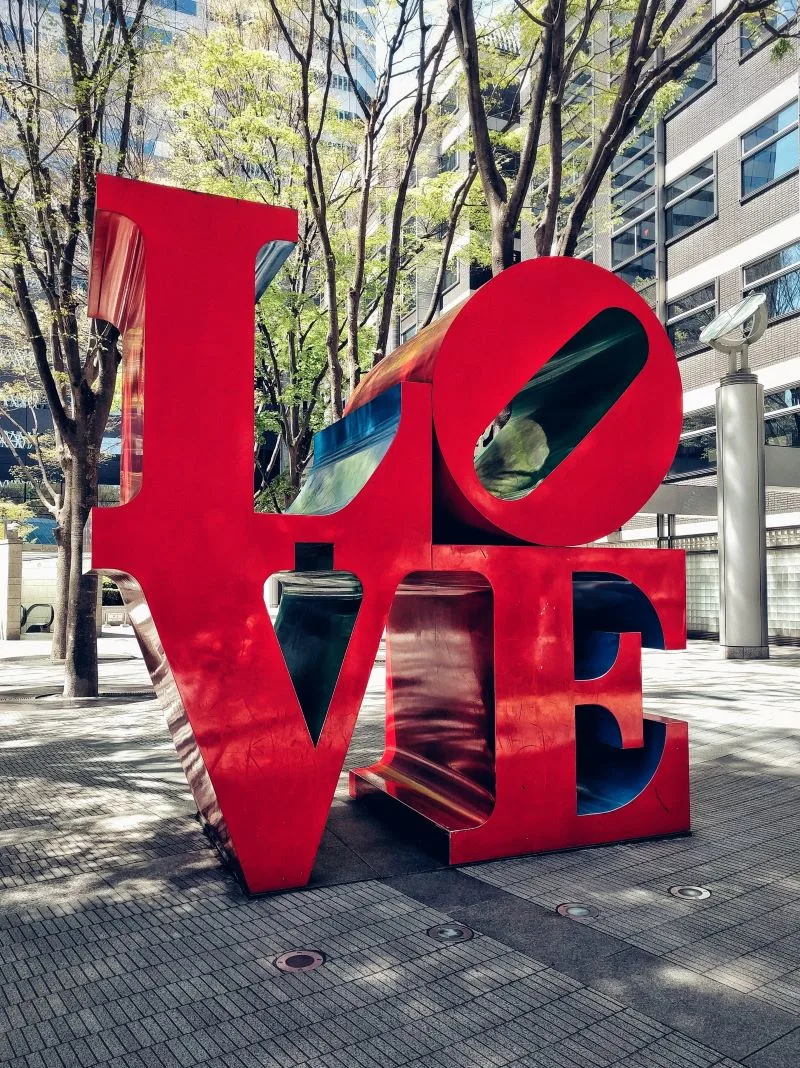
Shinjuku Southern Terrace is a commercial complex located in the Shinjuku district of Tokyo, Japan. It is situated adjacent to the Shinjuku Station’s Southern Exit, making it a convenient destination for both commuters and tourists.
The complex is known for its modern and stylish design, featuring a blend of open-air spaces, shopping areas, dining establishments, and entertainment options.
Shinjuku Southern Terrace offers a range of shops, including fashion boutiques, cafes, restaurants, and specialty stores. The layout often includes pleasant pedestrian walkways, green spaces, and seating areas, creating a more relaxed and comfortable atmosphere for visitors.
The combination of shopping, dining, and leisure facilities in close proximity to the bustling Shinjuku Station makes Shinjuku Southern Terrace a popular spot for locals and tourists to unwind and explore.
18. Odakyu Department Store: Shop for fashion, cosmetics, and souvenirs while enjoying a vast food hall

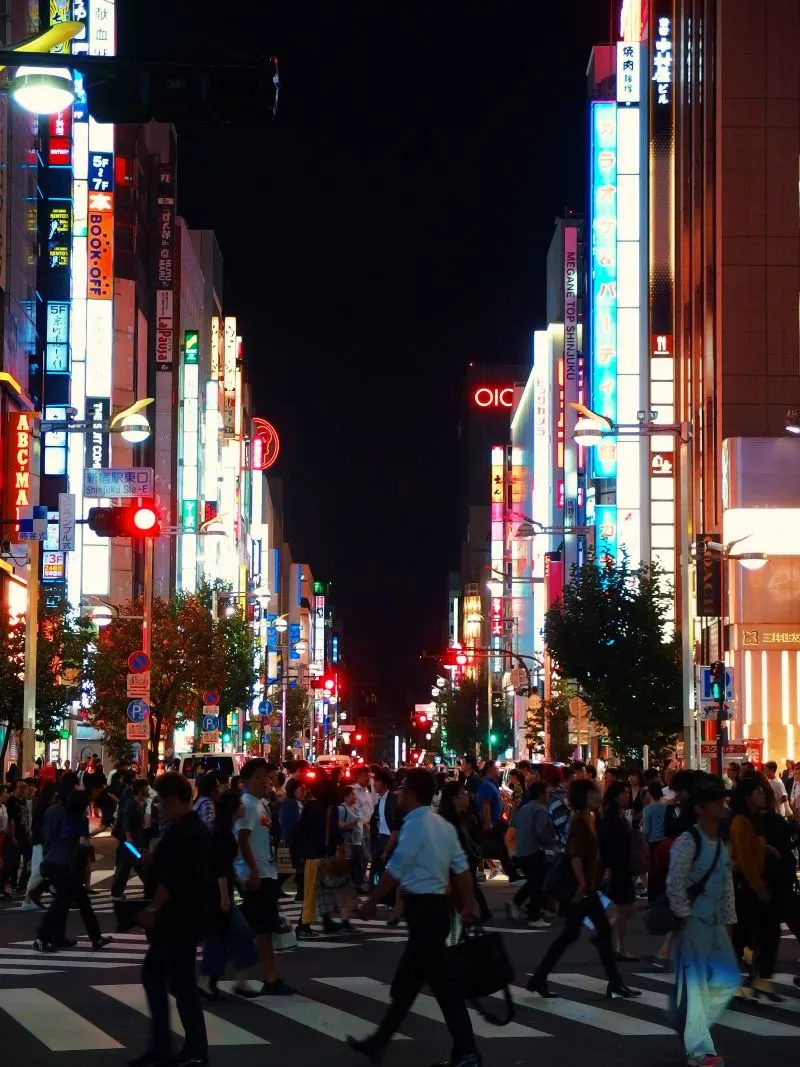
The Odakyu Department Store is a prominent retail establishment located in the bustling Shinjuku district of Tokyo, Japan. It is part of the larger Odakyu Group, which includes the Odakyu Railway and other businesses.
The department store is conveniently situated near Shinjuku Station, one of Tokyo’s busiest transportation hubs.
The Odakyu Department Store offers a wide range of products and services, catering to diverse shopping needs. It typically features multiple floors dedicated to various categories such as fashion apparel, accessories, cosmetics, home goods, electronics, and gourmet food items.
The store is known for offering both domestic and international brands, providing shoppers with a diverse selection to choose from.
In addition to shopping, the Odakyu Department Store often includes dining options, cafes, and sometimes event spaces that host special promotions or exhibitions.
The store’s location near the station makes it easily accessible and a popular destination for both locals and tourists looking for a convenient and comprehensive shopping experience.
19. Tokyo Opera City Art Gallery: Explore contemporary art exhibitions and installations

The Tokyo Opera City Art Gallery is a prominent cultural institution located in the Shinjuku district of Tokyo, Japan. It is known for hosting contemporary art exhibitions and installations, providing visitors with the opportunity to engage with a diverse range of modern artistic expressions.
The gallery typically showcases works by both Japanese and international artists, offering a platform for creative experimentation and exploration.
The exhibitions may span various mediums such as painting, sculpture, photography, video art, and interactive installations. The curatorial approach often seeks to reflect current artistic trends and engage with contemporary social, cultural, and political themes.
The Tokyo Opera City Art Gallery is often regarded as a space that fosters dialogue between artists and the public, encouraging viewers to contemplate and interpret the meaning behind the artworks.
Its central location in the vibrant Shinjuku area makes it accessible to both locals and tourists, and it contributes to Tokyo’s rich cultural scene.
20. Shinjuku VR Zone Portal: Engage in immersive virtual reality experiences and games

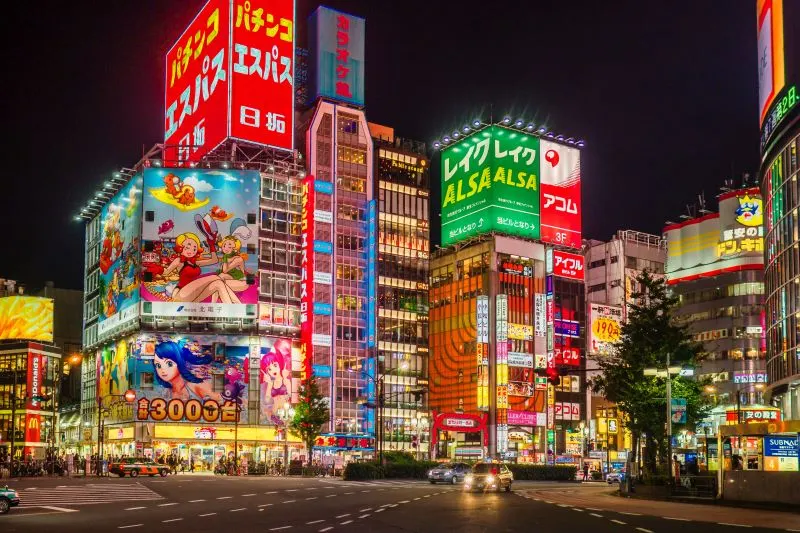
The Shinjuku VR Zone Portal is an immersive virtual reality entertainment facility located in the Shinjuku district of Tokyo, Japan. Operated by Bandai Namco Amusement, it offers visitors a unique and interactive VR experience that combines cutting-edge technology with popular entertainment franchises.
The VR Zone Portal typically features a variety of VR attractions, games, and experiences that allow participants to engage with their favorite characters and worlds in a virtual environment.
These experiences often incorporate motion-tracking technology, specialized VR equipment, and sensory effects to create a more immersive and realistic adventure.
Attractions within the Shinjuku VR Zone Portal might include scenarios based on well-known anime, video game, and movie franchises.
Visitors can step into the shoes of characters and participate in activities that range from thrilling rides and combat simulations to puzzle-solving adventures.
21. Studio Alta: Watch live performances, fashion shows, and events in this multi-purpose complex

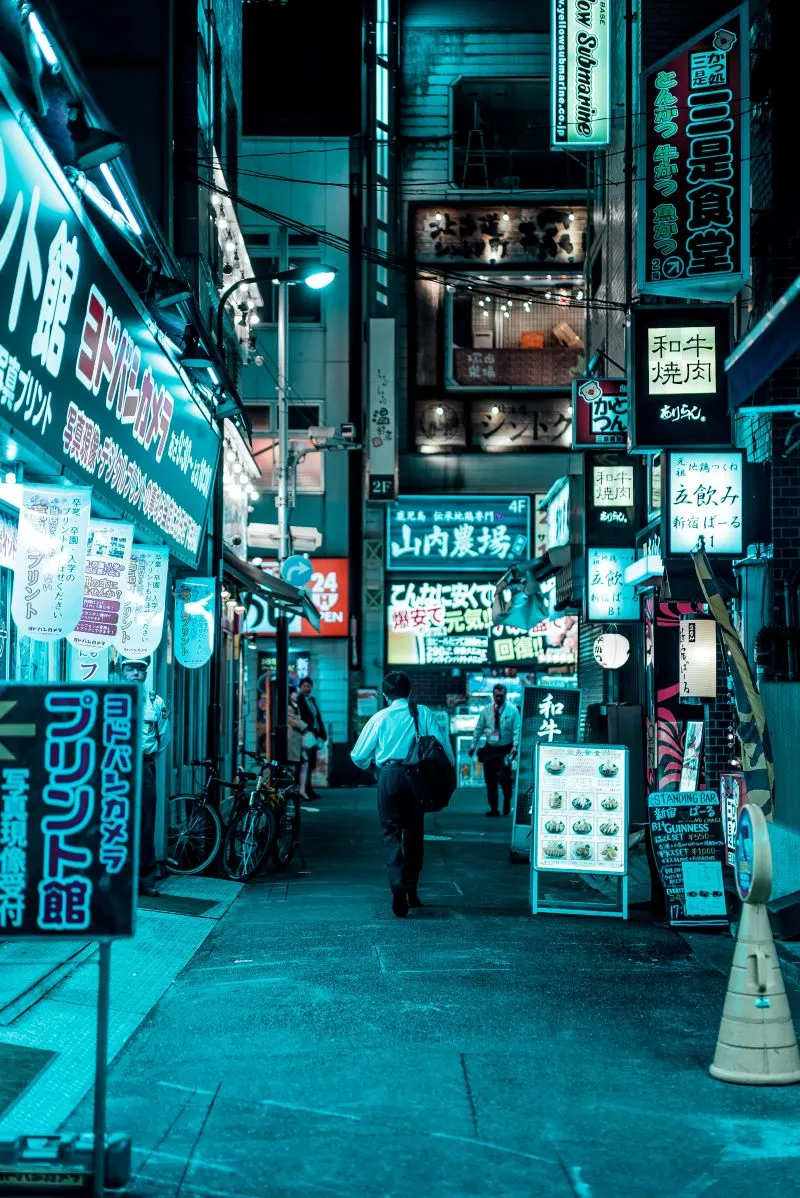
Studio Alta is a multi-purpose complex located in the lively Shinjuku district of Tokyo, Japan. It is known for hosting a variety of live performances, fashion shows, events, and entertainment activities.
Situated in close proximity to the bustling Shinjuku Station, Studio Alta is a popular destination for locals and tourists alike.
The complex typically includes a spacious event area or stage where live performances and fashion shows are held. These events can feature a diverse range of content, from music concerts and dance performances to fashion showcases and product launches. The space is designed to accommodate both performers and audiences, creating an engaging and dynamic atmosphere.
Studio Alta’s central location and its role as a hub for entertainment and cultural events contribute to its popularity.
Its connection to Shinjuku Station makes it easily accessible for visitors exploring the area, and its dynamic lineup of events ensures there’s often something exciting happening.
22. Nishi-Shinjuku Skyscrapers: Admire Tokyo’s skyline from observation decks in skyscrapers like the Park Hyatt Tokyo

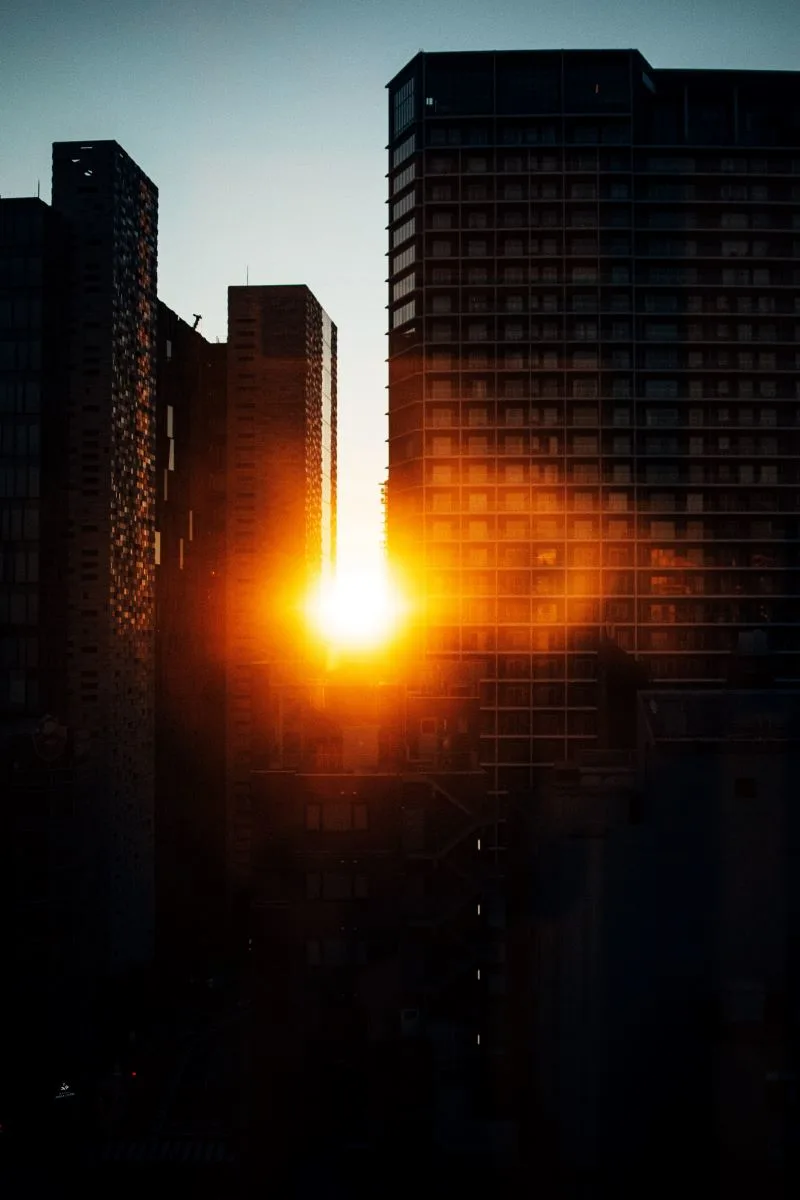
Nishi-Shinjuku Skyscrapers refer to a cluster of tall buildings situated in the Nishi-Shinjuku area of Tokyo, Japan. Nishi-Shinjuku is a major business and commercial district within the larger Shinjuku ward. This area is known for its impressive skyline characterized by modern skyscrapers and office buildings.
The Nishi-Shinjuku Skyscrapers are a prominent feature of Tokyo’s cityscape and contribute to the vibrant and bustling atmosphere of the district.
These skyscrapers often house offices, corporate headquarters, commercial spaces, and sometimes even hotels or observation decks. The architecture in this area is typically modern and reflective of Japan’s contemporary urban design.
These buildings are notable not only for their height but also for their role in Tokyo’s business and financial sectors.
Some of the skyscrapers might have observation decks or other public spaces where visitors can enjoy panoramic views of the city.
23. Hanazono Nishimachi Park: A quiet park where you can relax amidst nature and escape the city buzz

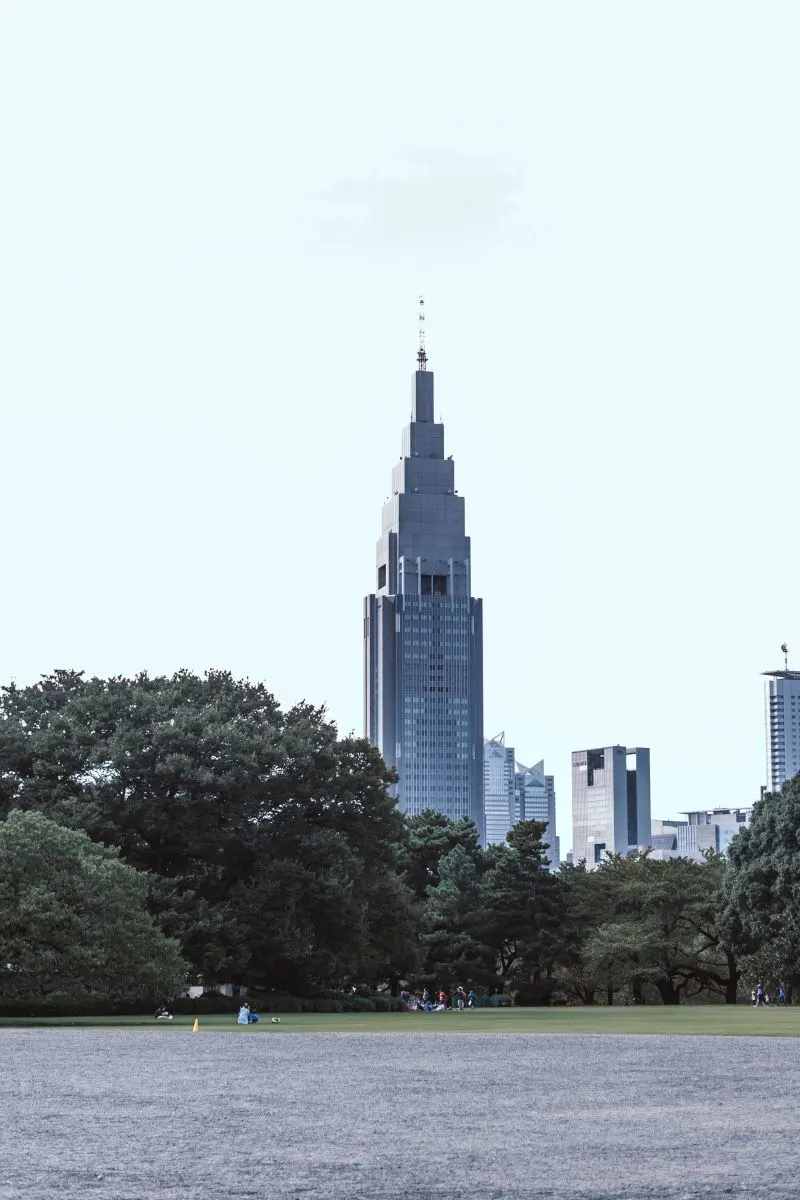
Hanazono Nishimachi Park is a peaceful and verdant oasis nestled amidst the bustling urban landscape of Shinjuku, Tokyo. This park offers visitors a serene escape from the city’s vibrant energy, providing a tranquil environment for relaxation and leisure.
With its lush greenery, well-maintained pathways, and benches, the park serves as a delightful spot for a leisurely stroll, a quiet moment of contemplation, or a simple picnic.
The park’s design combines elements of traditional Japanese landscaping with modern amenities, creating a harmonious space where visitors can unwind and reconnect with nature.
Tall trees provide ample shade during warmer months, creating a comfortable atmosphere for both locals and tourists seeking respite from the urban hubbub.
24. Samurai Museum: Learn about samurai history and culture through exhibits and live demonstrations

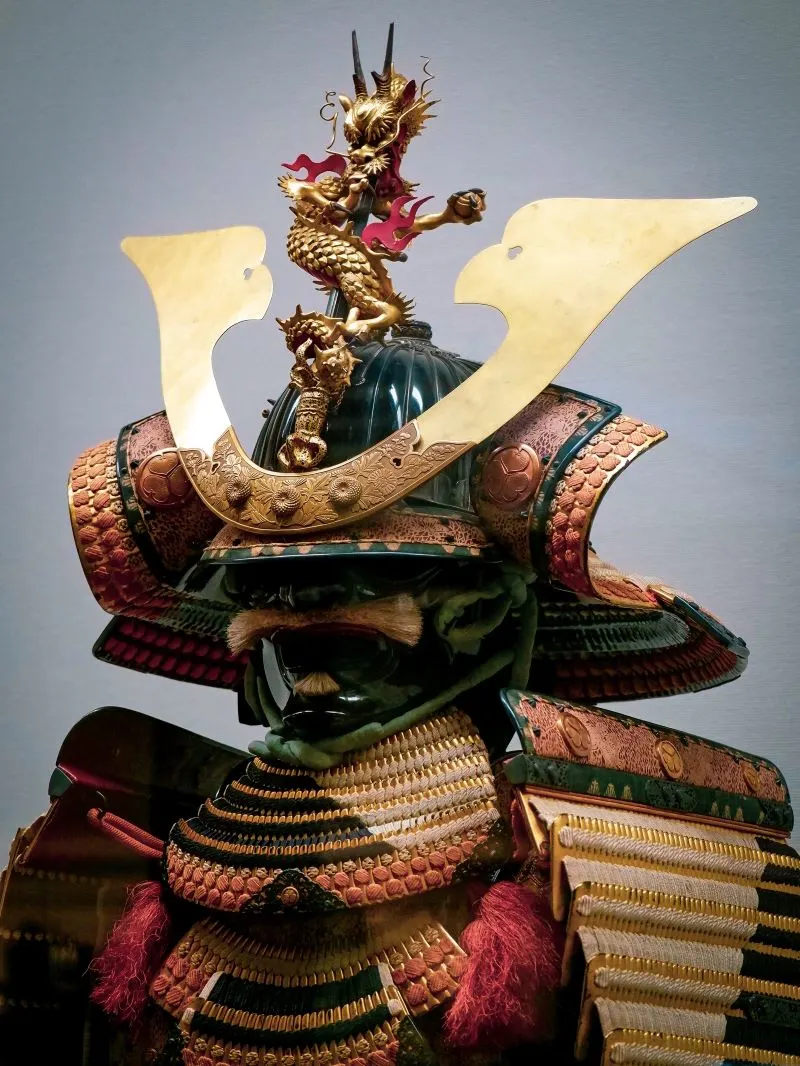
The Samurai Museum in Shinjuku is an engaging and immersive cultural attraction that offers visitors a captivating insight into Japan’s rich samurai heritage.
This museum provides an interactive experience that allows guests to learn about the history, traditions, and lifestyle of the samurai warriors who once played a significant role in Japanese society.
Visitors to the museum can explore a diverse collection of authentic samurai armor, weapons, and artifacts, showcasing the craftsmanship and artistry of these historical figures.
Knowledgeable guides provide informative explanations and demonstrations, shedding light on the significance of each piece and offering stories of legendary samurai figures.
One of the highlights of the museum is the opportunity for guests to don traditional samurai attire for memorable photo opportunities.
This hands-on experience allows visitors to step into the shoes of these revered warriors and gain a deeper appreciation for their unique culture.
25. Shinjuku Creators Festa: An annual art and culture festival featuring various exhibitions and performances

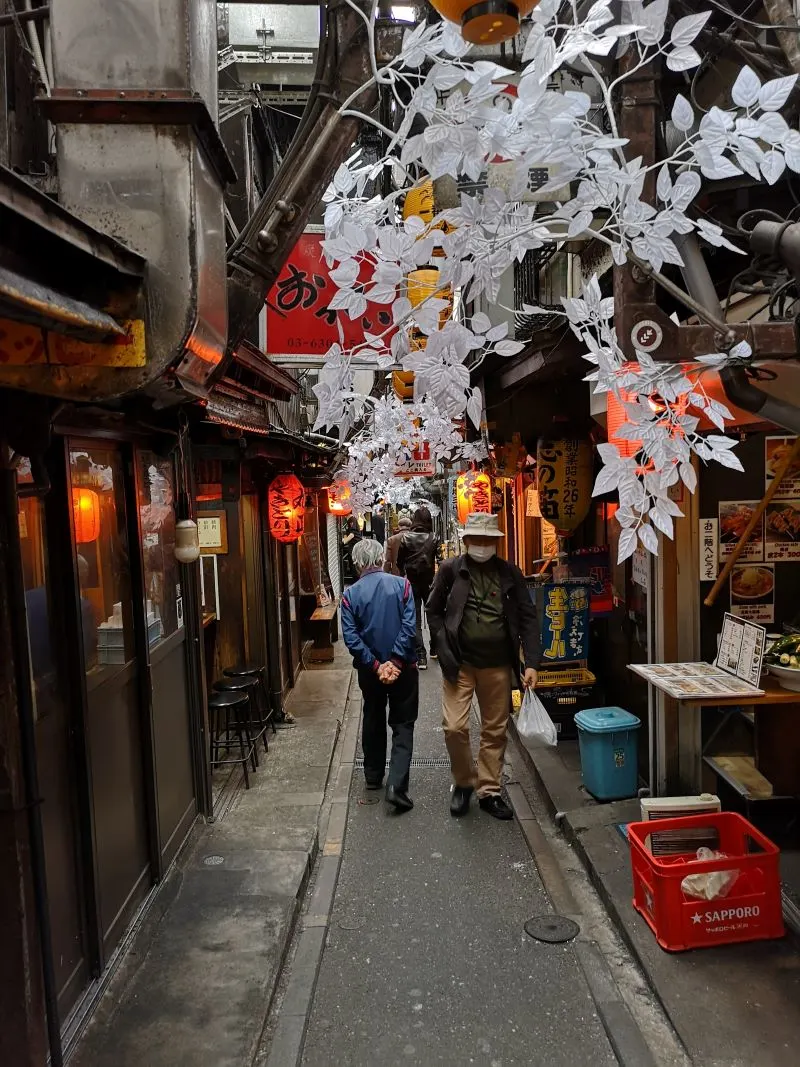
The Shinjuku Creators Festa is an annual art and culture festival held in Shinjuku, Tokyo. This vibrant event brings together a diverse range of creative expressions, including art exhibitions, performances, workshops, and interactive installations. It serves as a platform for both established and emerging artists to showcase their talents and engage with a wide audience.
During the Creators Festa, various venues throughout Shinjuku, such as galleries, event spaces, and public areas, transform into artistic hubs, offering visitors a chance to experience a multitude of artistic genres.
Attendees can enjoy contemporary art exhibitions, live performances ranging from music and dance to theater and spoken word, and even participate in hands-on workshops led by artists.
The festival aims to foster a sense of community engagement and cultural exploration, encouraging locals and tourists alike to immerse themselves in the dynamic and ever-evolving artistic scene of Shinjuku.
The Shinjuku Creators Festa celebrates creativity in its various forms, providing a unique opportunity for individuals to connect with art, culture, and the creative minds behind them.
Remember that this list provides a variety of options to suit different interests, from shopping and dining to cultural experiences and entertainment. Enjoy your time in Shinjuku!
Food In Shinjuku

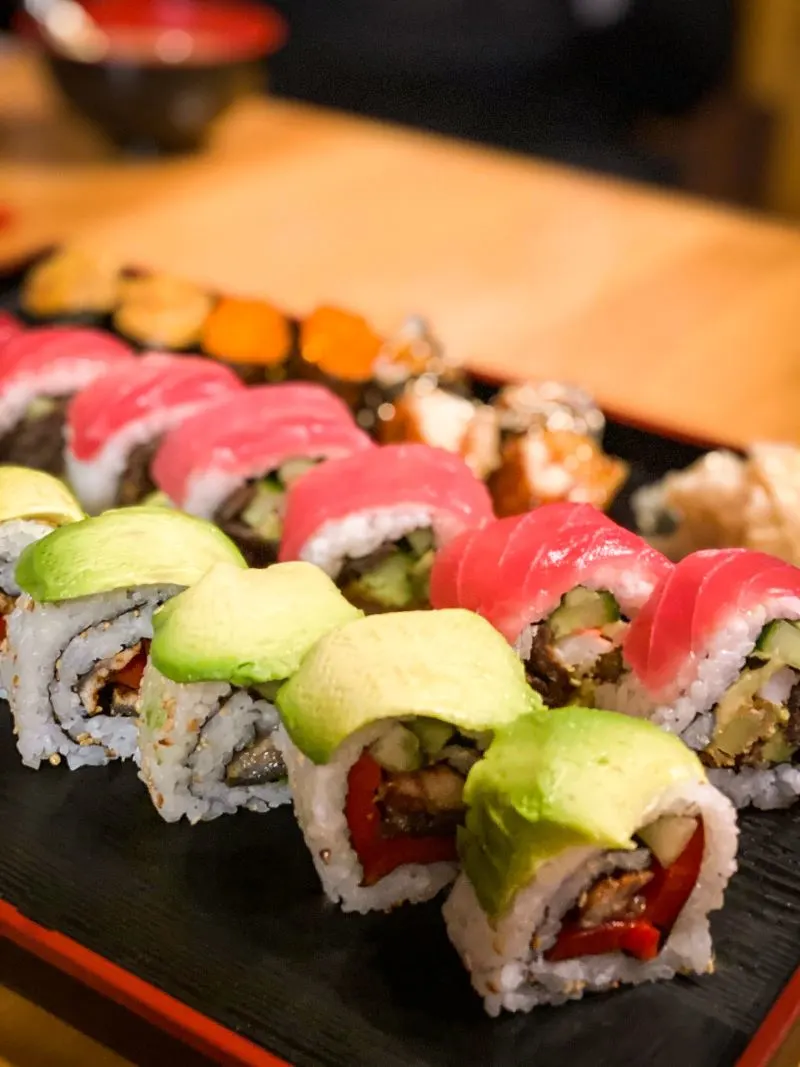
Nestled at the heart of Tokyo, the bustling district of Shinjuku is a haven for food enthusiasts seeking an extraordinary culinary journey.
From vibrant street food stalls to upscale dining establishments, Shinjuku offers a kaleidoscope of flavors that cater to diverse palates. Let’s delve into the gastronomic delights that await in this dynamic neighborhood.
Yakitori Galore: Savoring Grilled Delights
Shinjuku’s alleys come alive in the evening with the aroma of sizzling skewers. Memory Lane (Omoide Yokocho) and Shinjuku Omoide Yokochō are iconic spots where you can enjoy yakitori – succulent, skewered pieces of grilled chicken accompanied by a variety of seasonings and sauces. These traditional alleyways are a must-visit for an authentic taste of Japanese street food culture.
Ramen Paradise: Navigating Noodle Heaven
Ramen enthusiasts will be in heaven in Shinjuku, where numerous shops specialize in this beloved dish. Whether you’re craving classic tonkotsu, rich miso, or spicy tantanmen, you’ll find a ramen joint to suit your preferences.
The annual Gyoen Ramen Festival is a special treat, offering an array of regional ramen varieties from across Japan.
Gourmet Escapades: High-End Dining
For those seeking an upscale dining experience, Shinjuku delivers with its range of gourmet restaurants. From traditional kaiseki multi-course meals to innovative fusion cuisine, Michelin-starred establishments like “Ishikawa” and “Hyotei” offer a gastronomic journey through artfully crafted dishes using the finest ingredients.
Korean Flavors: Exploring Shin-Okubo
Shinjuku’s neighboring Shin-Okubo area, also known as Korea Town, is a treasure trove of Korean cuisine. From sizzling barbecue (samgyeopsal) to comforting hot pots (jjigae), the streets are lined with restaurants and eateries offering a taste of Korea’s rich culinary heritage.
Sweet Indulgences: Dessert Paradises
Shinjuku doesn’t disappoint dessert lovers either. Take a stroll through the shopping complexes, and you’ll find a plethora of sweet options.
From traditional Japanese sweets (wagashi) to innovative crepes and decadent parfaits, stores like “Takashimaya Times Square” and “My Lord” offer delightful treats to satisfy your sweet tooth.
Global Eateries: Beyond Japanese Cuisine
Shinjuku’s international appeal is reflected in its diverse array of global cuisine. Explore hidden gems offering Italian pasta, Thai curries, authentic Indian dishes, and much more. The district’s cosmopolitan vibe ensures that you can embark on a culinary world tour without leaving its confines.
Shinjuku’s food scene is a microcosm of Tokyo’s culinary diversity, where traditional Japanese flavors harmonize with global influences.
Whether you’re strolling through yakitori alleys, indulging in gourmet dining, or savoring international delights, Shinjuku invites you to embark on a gastronomic adventure that promises to tantalize your taste buds and leave you craving more.
So, the next time you find yourself in this vibrant district, remember to treat your senses to the extraordinary flavors that Shinjuku has to offer.
Top 20 Best Restaurants In Shinjuku, Tokyo

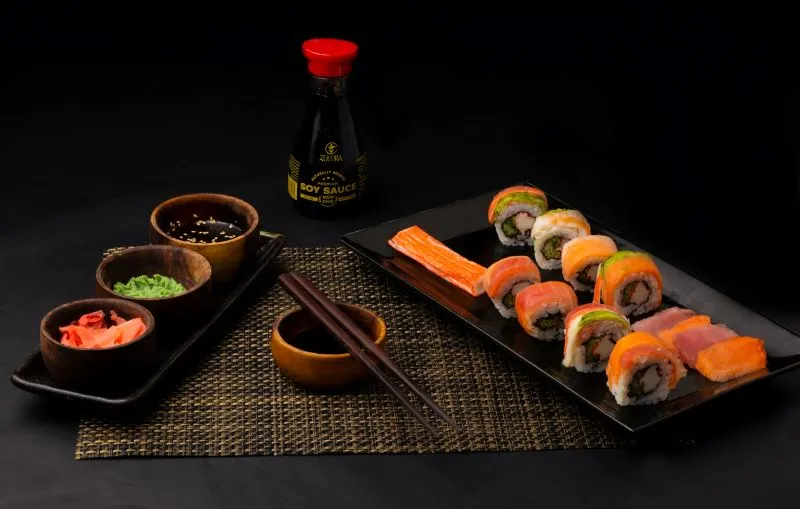
- Ishikawa: A Michelin three-star restaurant offering exquisite kaiseki (traditional multi-course) dining.
- Hyotei: Another Michelin three-star restaurant known for its refined kaiseki cuisine.
- Narisawa: A renowned restaurant with a focus on innovative and sustainable French-Japanese cuisine.
- New York Grill: Located in the Park Hyatt Tokyo, this restaurant offers panoramic views and a blend of international cuisines.
- Jiro Honten: A legendary sushi restaurant specializing in traditional Edomae-style sushi.
- Kagurazaka Ishikawa: An elegant restaurant serving creative kaiseki cuisine with a modern twist.
- Ryugin: A three-star Michelin restaurant offering contemporary interpretations of traditional Japanese dishes.
- Shinjuku Kappo Nakajima: A hidden gem for kappo-style dining, offering seasonal ingredients in beautifully presented dishes.
- Butagumi: A must-visit for pork lovers, specializing in various types of tonkatsu (breaded and deep-fried pork cutlets).
- Tonkatsu Marugo: Another top spot for exceptional tonkatsu, known for its tender and flavorful pork.
- Nihonbashi Yukari: A refined restaurant serving top-notch tempura using the finest ingredients.
- Ginza Kyubey: A respected sushi restaurant branch that serves Edo-mae style sushi with skillful craftsmanship.
- Toraji Yakiniku: Offers high-quality yakiniku (Japanese barbecue) using premium meats.
- Fuunji: Known for its rich and flavorful tsukemen (dipping ramen) noodles.
- Yakitori Imai: A cozy spot for delicious grilled skewers of yakitori.
- Zauo Shinjuku: A unique dining experience where you can catch your own fish and have it prepared for you.
- Omoide Yokocho Dining Sumiyakiya: Offers a variety of grilled dishes in the nostalgic setting of Memory Lane.
- Tsukemen Hōtō Fūfu: A popular spot for tsukemen (dipping noodles) and hōtō (thick wheat noodles) dishes.
- Tonkotsu Ramen Ouka: Serves rich and flavorful tonkotsu (pork bone broth) ramen.
- Afuri: Known for its light and refreshing yuzu-flavored ramen.
Transportation In Shinjuku
Transportation in Shinjuku, Tokyo, is a seamlessly integrated network that offers convenient access within the district and connects it to the rest of the city and beyond.
As one of Tokyo’s major transportation hubs, Shinjuku boasts a variety of transportation options that cater to the needs of both locals and tourists.
- Shinjuku Station: Often referred to as the world’s busiest train station, Shinjuku Station is a central transportation hub connecting multiple train lines, including the JR Yamanote Line, Chūō Line, Saikyō Line, Shōnan-Shinjuku Line, and more. It provides easy access to various parts of Tokyo and beyond, including Yokohama, Nagoya, and Kyoto.
- Subway Lines: Shinjuku is serviced by several subway lines, such as the Tokyo Metro Marunouchi Line, Toei Shinjuku Line, Toei Ōedo Line, and more.
- These subway lines offer efficient travel within the city and connect Shinjuku to other major districts like Shibuya, Ginza, and Akihabara.
- Buses: Shinjuku has an extensive bus network that provides access to various neighborhoods and attractions within the city. Additionally, long-distance highway buses operate from Shinjuku’s expressway bus terminal, connecting to destinations across Japan.
- Shinjuku Expressway Bus Terminal: This terminal offers long-distance bus services to various destinations outside Tokyo, including major cities and tourist spots throughout Japan.
- Walking and Biking: Shinjuku is pedestrian-friendly, with well-maintained sidewalks and crosswalks. Many areas are also bike-friendly, with designated bike lanes and parking spaces.
- Taxis and Ride-Sharing: Taxis are readily available throughout Shinjuku, providing a convenient mode of transportation for those who prefer door-to-door service. Some ride-sharing services are also available in Tokyo.
- Airport Access: Shinjuku offers various options for getting to and from the city’s major airports. The Narita Express (N’EX) and the Keisei Skyliner provide direct train services between Shinjuku and Narita International Airport. For Haneda Airport, travelers can take the Tokyo Monorail and transfer to other lines.
- Bicycle Rentals: Some areas in Shinjuku offer bicycle rental services, allowing you to explore the district at your own pace.
- Car Rentals: While not as common as public transportation, car rental services are available for those who wish to explore areas outside of Tokyo or have more flexibility in their travel.
- Hotels and Accommodations: Many hotels in Shinjuku provide shuttle services to and from major transportation hubs, offering added convenience for travelers.
The comprehensive transportation options in Shinjuku make it easy for visitors to navigate the district and access other parts of Tokyo and Japan.
Whether you’re looking for quick train connections, exploring on foot, or using taxis, Shinjuku’s transportation infrastructure ensures that you can get around efficiently and comfortably.
In conclusion, Shinjuku stands as a captivating district in Tokyo that beckons travelers with an array of experiences that capture the essence of modern Japan.
From the tranquil serenity of Shinjuku Gyoen National Garden to the neon-lit energy of Kabukicho, this multifaceted district offers a dynamic blend of attractions that cater to diverse interests.
Whether you’re an art enthusiast, a food lover, a nightlife seeker, or a cultural explorer, Shinjuku presents a tapestry of possibilities to weave unforgettable memories.
As you navigate the labyrinthine streets and towering skyscrapers, you’ll find yourself immersed in the rich tapestry of Shinjuku’s offerings:
Cultural Riches: Delve into the samurai legacy at the Samurai Museum, step into traditional alleyways like Memory Lane and Golden Gai, and discover hidden gems like Hanazono Shrine, where the past harmonizes with the present.
Entertainment Extravaganza: Experience the futuristic spectacle of the Robot Restaurant, be captivated by captivating performances at the VR Zone, and immerse yourself in the vibrant nightlife of Kabukicho.
Shopping Splendor: Embark on a shopping spree at iconic department stores like Isetan and Takashimaya, explore youth fashion at Shinjuku ALTA, and discover quirky finds at Don Quijote.
Culinary Adventures: Indulge your taste buds with an array of Japanese and international cuisines, savor traditional yakitori in the alleyways, and traverse the globe through the district’s diverse dining options.
Natural Retreats: Seek refuge in the green havens of Shinjuku Gyoen National Garden, Hanazono Nishimachi Park, and the captivating views from observation decks.
Transportation Nexus: Navigate the city with ease, thanks to Shinjuku’s well-connected train and subway stations, ensuring seamless exploration within the district and beyond.
From the nostalgic charm of Omoide Yokocho to the modern marvels of Shinjuku Skyscraper District, each facet of Shinjuku weaves a narrative that speaks to the dynamic spirit of Tokyo.
Whether you’re captivated by historical landmarks, captivated by futuristic shows, or captivated by the diverse cuisine, Shinjuku promises an enchanting voyage through the myriad facets that define Tokyo’s soul.
As you bid farewell to this vibrant district, the memories you’ve woven into its fabric will linger, leaving you with an everlasting connection to the heart of Tokyo’s urban tapestry.
Leave a comment