

Saitama Prefecture: Where Tradition and Modernity Harmonize
Saitama Prefecture, located in the Kanto region of Japan, is a vibrant and diverse area known for its rich blend of tradition, modernity, and natural beauty.
Despite its close proximity to Tokyo, Saitama has carved its own identity, offering a unique cultural experience that showcases both the past and the present.
Geography and Landscape:
Saitama is characterized by its varied landscape, which encompasses urban centers, lush countryside, and picturesque mountains.
The Chichibu-Tama-Kai National Park covers a significant portion of the prefecture, providing a haven for nature enthusiasts, hikers, and outdoor adventurers. The Arakawa River runs through Saitama, contributing to the region’s scenic charm.
Historical and Cultural Heritage:
Saitama’s history dates back centuries, and the prefecture is dotted with historical landmarks and cultural treasures. Traditional festivals, shrines, and temples pay homage to Japan’s storied past.
The city of Kawagoe, often referred to as “Little Edo,” offers a glimpse into the Edo period with its well-preserved architecture and charming streets.
Culinary Delights:
Saitama’s culinary scene is a culinary journey in itself. From delicious street food in bustling markets to refined dining experiences, the prefecture’s cuisine highlights its agricultural abundance and creative flair. Ramen, local specialties, and seasonal ingredients take center stage, catering to a wide range of tastes.
Modern Urban Centers:
Saitama also embraces modernity, with bustling cities like Saitama City, Omiya, and Kawaguchi offering a plethora of shopping, entertainment, and cultural experiences.
Modern architecture blends harmoniously with traditional elements, showcasing Saitama’s ability to balance progress with heritage.
Transportation Hub:
Thanks to its strategic location, Saitama serves as a key transportation hub. Well-connected by trains, buses, and highways, the prefecture offers convenient access to Tokyo and neighboring regions. The efficient transportation system makes exploring Saitama and its surroundings a breeze.
Local Festivals and Events:
Throughout the year, Saitama hosts a myriad of festivals and events that celebrate its cultural richness. Fireworks festivals, traditional parades, and local celebrations bring communities together, providing a glimpse into the region’s festive spirit.
Community Spirit:
Saitama is renowned for its warm and friendly locals. The sense of community is strong, and residents take pride in sharing their traditions, history, and local treasures with visitors.
Sports and Recreation:
Saitama is a haven for sports enthusiasts. The Saitama Super Arena, a versatile stadium, hosts various events including sports matches and concerts.
The prefecture also offers ample opportunities for outdoor activities, from hiking and skiing to enjoying the serene beauty of its parks and natural reserves.
Saitama Prefecture is a captivating blend of past and present, offering a multifaceted experience for residents and visitors alike.
Its ability to seamlessly weave together history, culture, nature, and modernity makes Saitama a destination that beckons exploration and invites travelers to immerse themselves in its unique tapestry of experiences.
1. Chichibu Night Festival: Experience the stunning floats and traditional performances at one of Japan’s three major float festivals


The Chichibu Night Festival, also known as the Chichibu Yomatsuri, is a spectacular traditional festival held annually in Chichibu, Saitama Prefecture, Japan.
It is counted among the three major float festivals in the country, alongside the Gion Matsuri in Kyoto and the Takayama Matsuri in Gifu. The festival is celebrated on December 2nd and 3rd, with its origins dating back over 300 years.
The festival is famous for its elaborate and ornate floats, which are paraded through the streets of Chichibu during the evening and night.
These floats, known as “yatai,” are massive structures adorned with intricate wood carvings, lanterns, and colorful decorations. Each float represents different themes from Japanese mythology, history, and culture.
During the Chichibu Night Festival, the floats are pulled by groups of dedicated participants, and the event is accompanied by traditional music and performances.
The highlight of the festival is the “Yatai Kaikan” procession, where the floats are paraded through the streets illuminated by lanterns and lights, creating a magical and festive atmosphere.
The festival not only showcases the craftsmanship and artistry of the float constructions but also provides a unique opportunity to witness traditional Japanese culture and community spirit.
The Chichibu Night Festival has been recognized as an Intangible Cultural Heritage by the Japanese government, and it continues to attract both locals and tourists who come to marvel at the stunning floats and immerse themselves in the lively atmosphere of the event.
2. Kawagoe: Explore the “Little Edo” district with well-preserved Edo-period architecture, historic streets, and the iconic Bell Tower

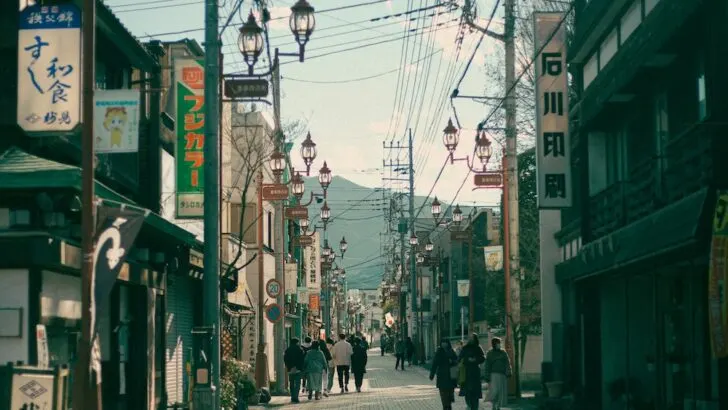
Kawagoe, often referred to as “Little Edo,” is a historic city located in Saitama Prefecture, Japan. Known for its well-preserved Edo-period (17th to 19th century) architecture and charming streets, Kawagoe offers visitors a glimpse into Japan’s past.
Kawagoe’s quaint streets are lined with traditional warehouses, merchant houses, and buildings that have retained their Edo-era architectural style.
The city’s main attraction is its Kurazukuri (clay-walled warehouse) Zone, where the narrow streets are flanked by wooden and clay-walled structures that evoke a sense of the bygone Edo period.
One of the most iconic landmarks in Kawagoe is the Bell Tower (Toki no Kane), a symbol of the city that dates back to the 17th century and still rings out the time today.
Visitors to Kawagoe can explore various historical sites, including shrines, temples, and museums that offer insights into the city’s cultural heritage.
Additionally, the Kita-in Temple features a beautiful garden, historic artifacts, and the Thousand Jizo Statues that create a serene and spiritual atmosphere.
The city is also known for its traditional confections and snacks, making it an excellent place to try local sweets and treats.
Kawagoe’s festivals and events, such as the Kawagoe Festival, provide opportunities to witness traditional performances, parades, and celebrations that bring the past to life.
3. Mitsumine Shrine: Visit this sacred Shinto shrine nestled in the Chichibu Mountains and enjoy the serene surroundings

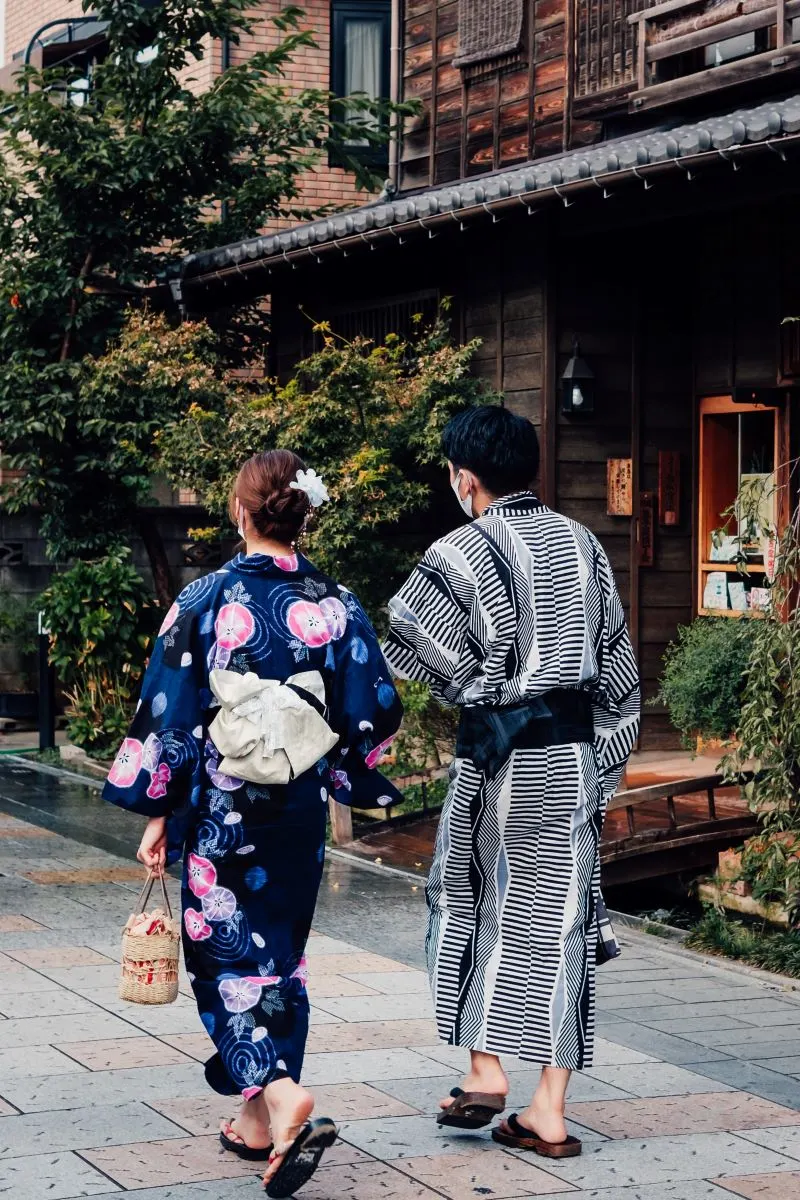
Mitsumine Shrine is a Shinto shrine located in the Chichibu Mountains of Saitama Prefecture, Japan. Known for its serene and picturesque setting, as well as its spiritual significance, the shrine offers visitors a chance to connect with nature and Japanese religious traditions.
Nestled in a lush forested area, Mitsumine Shrine holds a tranquil and sacred atmosphere. The shrine is dedicated to a deity believed to provide protection against disasters, including fires and accidents. It’s a popular destination for both pilgrims and nature enthusiasts seeking a peaceful retreat.
The main hall of the shrine, adorned with traditional architectural elements, sits against the backdrop of the Chichibu Mountains, creating a harmonious blend of man-made structures and natural beauty.
The area around the shrine is surrounded by dense forests, making it a popular spot for hiking and enjoying the changing seasons.
One of the shrine’s distinctive features is the “Fudo-Myo,” a large, fierce-looking statue that represents the deity of fire and wisdom. This statue is often covered in bibs and clothing left by visitors seeking protection and blessings.
Throughout the year, various festivals and events take place at Mitsumine Shrine, attracting both locals and tourists. The autumn foliage and the cherry blossoms in spring enhance the shrine’s beauty and provide visitors with breathtaking views of the surrounding landscape.
4. Hitsujiyama Park: Admire the breathtaking Shibazakura (moss pink) flower fields during spring, offering a colorful and picturesque landscape

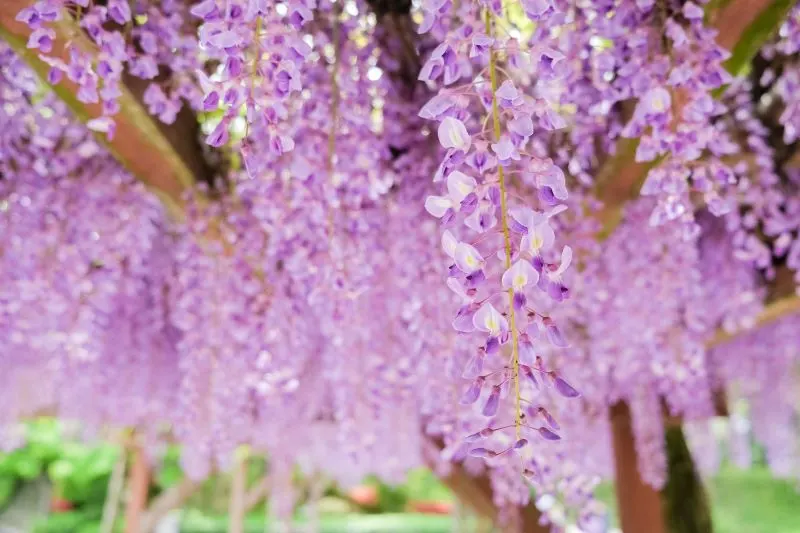
Hitsujiyama Park is a popular park located in Chichibu, Saitama Prefecture, Japan, renowned for its stunning displays of Shibazakura, also known as moss pink or phlox subulata.
Hitsujiyama Park is a seasonal delight that comes to life during the spring months, typically from late April to early May. The park is known for its vibrant and meticulously cultivated Shibazakura flower fields that carpet the landscape with a stunning array of colors.
These low-growing flowers create a mesmerizing tapestry of pinks, purples, whites, and other shades, resembling a living, flowing carpet.
Visitors to Hitsujiyama Park can take leisurely strolls along pathways that wind through the flower fields, offering breathtaking panoramic views of the blossoms against the backdrop of the surrounding mountains.
The sight of the colorful blooms harmonizing with the natural landscape is a photographer’s dream and a captivating experience for all who visit.
In addition to the flower displays, Hitsujiyama Park often hosts events and festivals during the Shibazakura season. These festivities include food stalls, cultural performances, and opportunities to partake in traditional Japanese customs.
5. Saitama Super Arena: Catch a live concert, sports event, or exhibition at this impressive multi-purpose arena


Saitama Super Arena is a state-of-the-art multi-purpose indoor arena located in Saitama City, Saitama Prefecture, Japan.
Renowned for its impressive architectural design and versatility, the arena hosts a wide range of events, including concerts, sports matches, exhibitions, and more.
Saitama Super Arena is a sprawling complex that combines innovative design with cutting-edge technology. The arena is characterized by its distinctive dome-shaped roof, which can be opened or closed depending on the event and weather conditions.
This adaptable feature allows the arena to accommodate both indoor and outdoor events, creating a dynamic and versatile space.
The arena’s capacity varies depending on the event configuration but can accommodate tens of thousands of spectators.
It has hosted numerous international and domestic events, including concerts by world-famous artists, sports events like basketball and soccer matches, martial arts competitions, and even large-scale exhibitions and conventions.
Inside, the arena offers modern facilities and amenities, ensuring a comfortable and enjoyable experience for attendees.
The seating layout is designed to provide excellent views of the stage or playing field from various angles, ensuring that all visitors can fully enjoy the event.
6. Omiya Bonsai Village: Witness the intricate art of bonsai cultivation in the heart of Omiya and explore various bonsai gardens

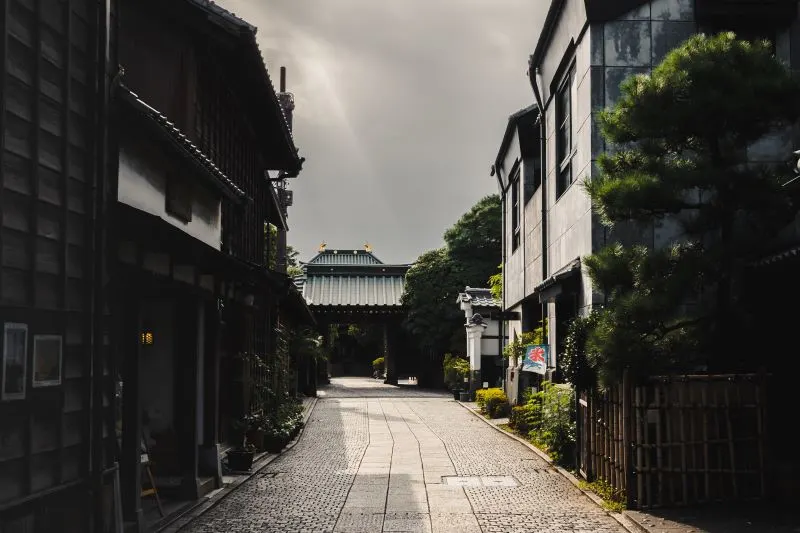
Omiya Bonsai Village is a renowned destination for bonsai enthusiasts and visitors interested in the art of bonsai cultivation.
Located in Saitama City, Saitama Prefecture, Japan, the village is a collection of bonsai nurseries and gardens where the intricate and revered practice of growing miniature trees is showcased.
Omiya Bonsai Village is a unique enclave that consists of multiple bonsai nurseries and gardens, each with its own distinctive style and approach to bonsai cultivation.
Bonsai, the art of carefully shaping and pruning trees to mimic their full-sized counterparts in miniature form, is deeply ingrained in Japanese culture, and Omiya Bonsai Village is a testament to this tradition.
Visitors to the village can explore a variety of bonsai species, styles, and techniques. The bonsai nurseries and gardens feature an impressive collection of meticulously groomed trees, ranging from elegant pines to delicate flowering specimens. Each garden showcases a curated selection of bonsai, providing insight into the diversity of the art form.
Aside from admiring the bonsai on display, visitors can learn about the history, techniques, and care involved in bonsai cultivation through informative exhibits and demonstrations.
The knowledgeable staff and bonsai experts in the village are often eager to share their expertise and insights with enthusiasts and curious visitors.
7. Railway Museum: Delve into Japan’s rich railway history through interactive exhibits and a diverse collection of trains and locomotives


The Railway Museum is a popular attraction located in Saitama City, Saitama Prefecture, Japan. As the name suggests, it is a comprehensive museum dedicated to the history and evolution of railways in Japan.
The Railway Museum offers an engaging and educational experience for visitors interested in trains, railways, and transportation history.
The museum boasts an extensive collection of actual train cars, locomotives, and various exhibits that showcase the development of Japan’s railway system over the years.
Visitors can explore a wide range of exhibits, from vintage steam locomotives to modern high-speed trains. Interactive displays allow visitors to learn about the technical aspects of trains, railway engineering, and the role of railways in shaping Japan’s society and economy.
The museum provides a hands-on experience, offering opportunities for visitors to operate model trains, simulate train driving, and engage with interactive displays that demonstrate the inner workings of different train systems. These activities make the museum especially appealing to families and children.
Additionally, the Railway Museum often hosts special exhibitions, workshops, and events related to railways and transportation.
Visitors can learn about the history of rail travel in Japan, the development of iconic train models, and the significance of railways in Japan’s cultural landscape.
8. Moomin Valley Park: Step into the world of the beloved Moomin characters at this theme park, complete with attractions and themed areas

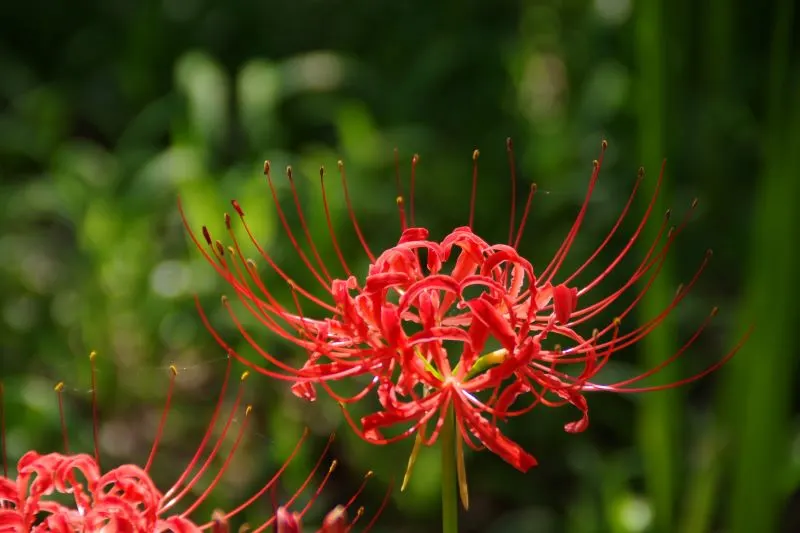
Moomin Valley Park is a theme park based on the beloved Finnish-Swedish comic strip and book series “Moomins” created by Tove Jansson.
Located in Hanno, Saitama Prefecture, Japan, the park brings to life the whimsical world of Moomins and their adventures.
Moomin Valley Park is a delightful and immersive destination that transports visitors into the enchanting universe of the Moomins.
The park is divided into various themed areas that closely resemble the landscapes and settings described in the original stories. It’s a place where fans of all ages can experience the charm of Moomin characters and their magical world.
Visitors can explore replicas of Moomin characters’ homes, such as the Moominhouse, and wander through lush gardens, forests, and lakes that mirror the settings in the books.
The attention to detail in recreating the Moomin world creates a sense of wonder and nostalgia for fans of the series.
Throughout the park, guests have the chance to meet and interact with costumed characters representing the Moomin family and their friends.
Interactive attractions and live performances bring the stories to life, allowing visitors to engage with the characters and participate in the world of Moomins.
Moomin Valley Park also offers a variety of dining options, gift shops selling Moomin-related merchandise, and creative workshops where visitors can engage in arts and crafts activities inspired by the series.
9. Nagatoro River Rafting: Enjoy a thrilling experience of river rafting along the scenic Nagatoro River in Chichibu


Nagatoro River Rafting offers a thrilling and scenic adventure along the Nagatoro River in Saitama Prefecture, Japan. This popular outdoor activity allows participants to navigate the river’s rapids and enjoy the picturesque natural surroundings.
Nagatoro River Rafting is an exciting water activity that takes place in the beautiful Nagatoro area, known for its lush landscapes and serene ambiance.
Participants, equipped with life jackets and paddles, board inflatable rafts and venture down the river, guided by experienced instructors who ensure safety and provide instructions.
As the rafts navigate the river’s twists and turns, participants experience a mix of calm stretches and exhilarating rapids, creating a balance between serene moments and adrenaline-pumping excitement.
The clear waters of the Nagatoro River provide a refreshing and invigorating experience, especially during the warmer months.
One of the highlights of Nagatoro River Rafting is the opportunity to enjoy the breathtaking natural beauty of the surrounding area.
The river passes through scenic valleys, cliffs, and lush forests, offering participants a unique perspective of Saitama’s landscape that’s otherwise inaccessible.
Nagatoro is also known for its distinctive rock formations, including the “Iwadatami” or “Rock Tatami” formations. These flat, natural rock surfaces create a visually stunning backdrop as the rafts make their way downstream.
10. Musashi Ichinomiya Hikawa Shrine: Discover the historical significance of this ancient Shinto shrine and its beautiful grounds


Musashi Ichinomiya Hikawa Shrine, commonly referred to as Hikawa Shrine, is a significant Shinto shrine located in Kawagoe, Saitama Prefecture, Japan.
It holds historical and cultural importance, drawing visitors with its serene atmosphere, beautiful architecture, and spiritual significance.
Musashi Ichinomiya Hikawa Shrine is an ancient shrine that has been a central place of worship for the local community for centuries. It is considered the primary shrine (“Ichinomiya”) of the former Musashi Province, a designation that signifies its historical and religious importance.
The shrine’s architecture features traditional Japanese design elements, including wooden structures, torii gates, and stone lanterns.
Visitors are welcomed by a grand entrance gate leading to a path lined with tall cedar trees, creating a tranquil atmosphere as they approach the main shrine buildings.
The main hall of Hikawa Shrine is dedicated to a deity associated with protection, well-being, and the prosperity of the land. Many visitors come to the shrine to offer prayers for various aspects of their lives, seeking blessings and guidance from the enshrined deity.
One of the distinctive features of Hikawa Shrine is the presence of an underground water spring known as “Hikawa no Mizu.”
This clear and pure spring water has been revered for its supposed healing properties, and visitors can partake of it as a symbolic act of purification.
Throughout the year, Hikawa Shrine hosts a variety of festivals and events that celebrate Japanese traditions and customs.
These festivals often feature colorful processions, performances, and rituals that provide insight into the local culture and spirituality.
11. Iwatsuki Doll Festival: Attend the annual doll festival featuring stunning traditional Hina dolls displayed in a grand setting

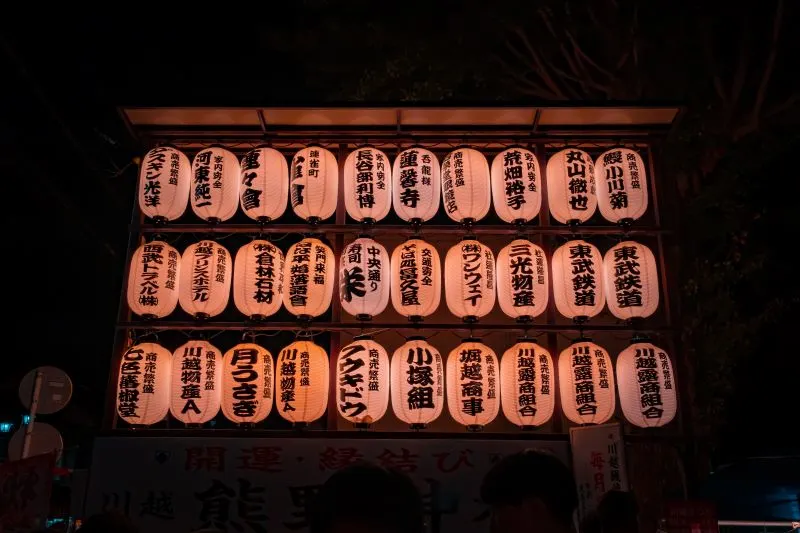
The Iwatsuki Doll Festival, also known as Iwatsuki Ningyo Maturi, is an annual traditional festival held in Iwatsuki, Saitama Prefecture, Japan.
It is a celebration centered around the art of doll making, featuring a grand display of beautifully crafted dolls and elaborate doll-themed decorations.
The Iwatsuki Doll Festival is a vibrant and enchanting event that takes place during the spring season, typically in March.
The festival is known for its impressive showcase of hina dolls, also called “hinamatsuri” dolls, which are intricately designed and dressed to represent the Emperor and Empress along with their court.
During the festival, the city of Iwatsuki comes alive with color and creativity as shops, homes, and public spaces are adorned with hina dolls and related decorations.
Display platforms known as “hina-dan” are set up, often consisting of multiple tiers on which the dolls are arranged in an elaborate manner, reflecting the traditional court hierarchy.
Visitors can enjoy walking through the streets of Iwatsuki, taking in the exquisite hina doll displays that vary in size and design.
Many of these displays are set up in private homes, allowing visitors to catch glimpses of the meticulous craftsmanship and artistry that goes into creating these ornate dolls.
In addition to the doll displays, the Iwatsuki Doll Festival often includes various events and activities, such as traditional performances, parades, workshops, and food stalls that offer local delicacies.
The festival not only celebrates the beauty of hina dolls but also provides a window into Japanese culture, history, and the significance of hina matsuri, or Girls’ Day, which is a special day in Japan dedicated to celebrating the health and happiness of young girls.
12. Gyoda City Peace Museum: Learn about the local history and significance of peace through exhibitions and informative displays

 g
g
The Gyoda City Peace Museum, located in Gyoda City, Saitama Prefecture, Japan, is a museum dedicated to promoting peace, understanding, and the lessons learned from the tragedies of war.
It focuses on historical events, particularly those related to World War II and the bombings of Hiroshima and Nagasaki.
The Gyoda City Peace Museum serves as a solemn reminder of the devastating impact of war on individuals, communities, and societies.
The museum’s exhibits and displays offer insights into the experiences of those who lived through and were affected by wartime events, with a particular emphasis on promoting peace and preventing such tragedies from occurring again.
Visitors to the museum can explore various artifacts, photographs, documents, and personal testimonies that shed light on the realities of war, the suffering endured by those caught in its path, and the importance of working towards a world free from violence and conflict.
The museum also provides educational programs and workshops aimed at fostering a deeper understanding of the consequences of war and the value of peaceful coexistence.
By presenting historical context and stories, the museum aims to encourage critical thinking and empathy among visitors of all ages.
In addition to its permanent exhibitions, the Gyoda City Peace Museum may host temporary displays, events, and lectures related to peace, human rights, and the impact of armed conflicts on individuals and societies.
13. Kawaguchi Suijo Park: Relax by the lake, rent a boat, or take a leisurely stroll around this picturesque park

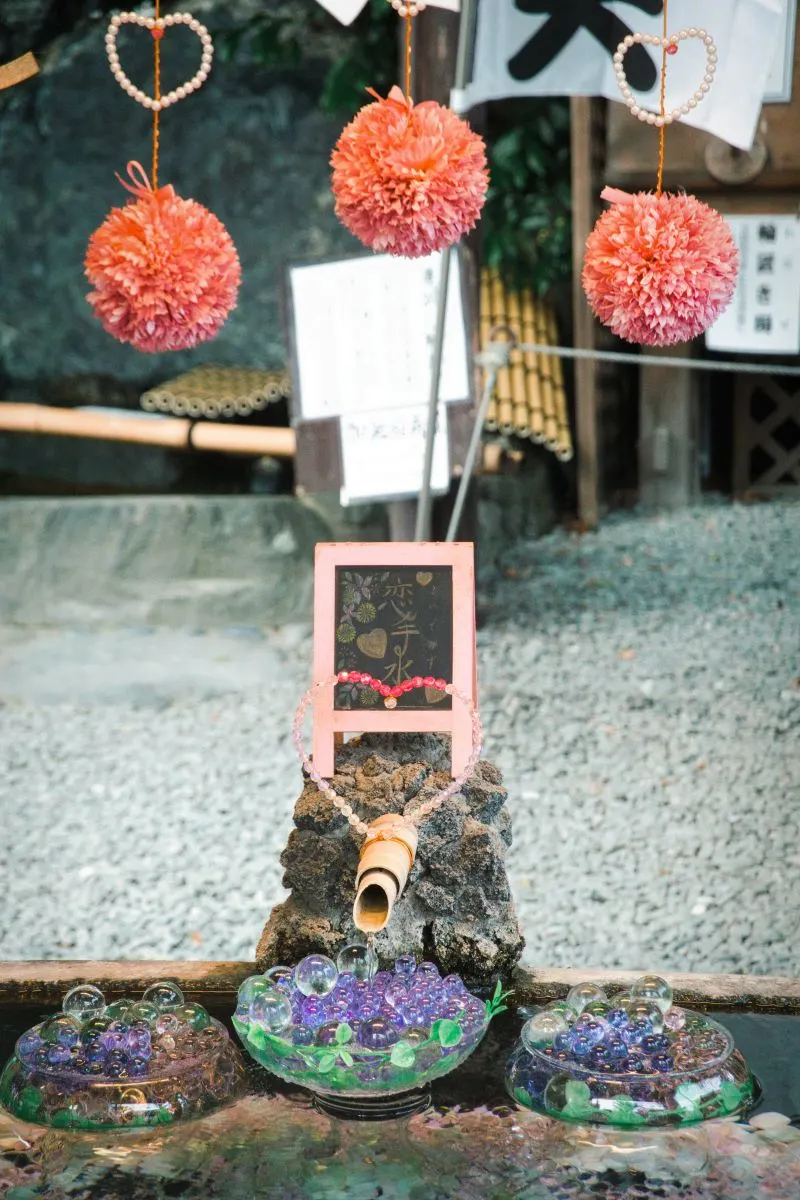
Kawaguchi Suijo Park is a picturesque park located in Kawaguchi City, Saitama Prefecture, Japan. Situated around a serene lake, the park offers a peaceful and scenic environment for relaxation, outdoor activities, and enjoying nature.
Kawaguchi Suijo Park is characterized by its tranquil ambiance and the centerpiece of the park – a large lake surrounded by greenery and walking paths.
The park’s layout is designed to provide visitors with a place of respite from the urban environment, making it a popular destination for both locals and tourists seeking a peaceful escape.
Visitors can enjoy leisurely walks along the paths that meander around the lake, offering picturesque views of the water and the surrounding landscape.
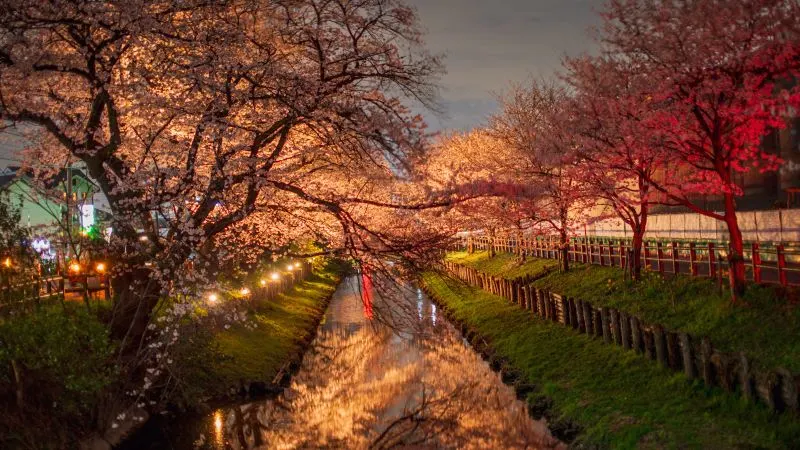
The park’s setting changes with the seasons, showcasing cherry blossoms in spring, lush greenery in summer, vibrant foliage in autumn, and serene beauty in winter.
Boat rentals are a popular activity at Kawaguchi Suijo Park, allowing visitors to paddle across the lake and admire the scenery from the water.
The park’s relaxed atmosphere also makes it an excellent spot for picnics, yoga, or simply unwinding while enjoying the view.
Children can have fun in the park’s playground areas, and families often come to spend quality time together. The park’s open spaces are perfect for outdoor games and recreational activities.
Kawaguchi Suijo Park frequently hosts seasonal events and festivals, enhancing the park’s allure and providing additional reasons for visitors to gather and enjoy the natural surroundings.
14. Soka Matsubara: Experience the seasonal beauty of the pine-lined Soka Matsubara, a designated National Natural Monument

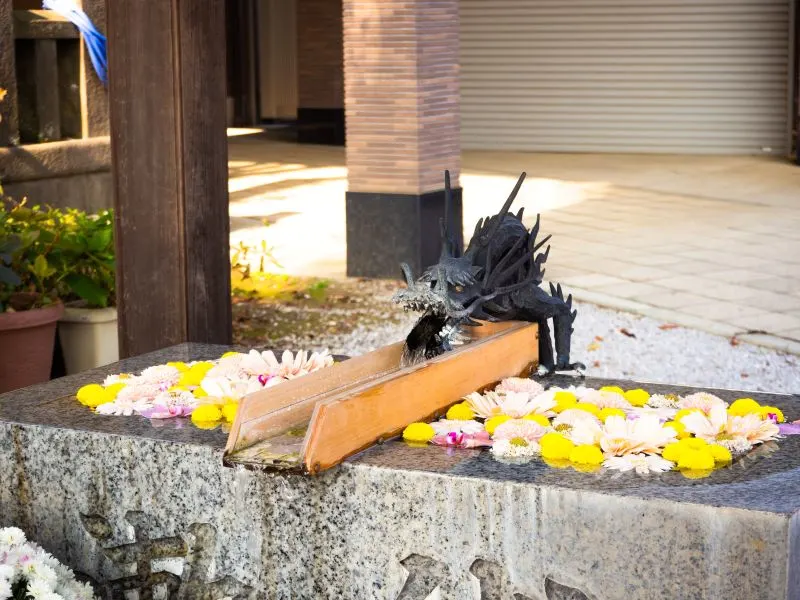
Soka Matsubara is a scenic natural area located in Soka City, Saitama Prefecture, Japan. It is known for its expansive pine-lined shore, providing a tranquil and picturesque landscape.
Soka Matsubara is characterized by its vast stretch of shoreline adorned with tall pine trees, creating a peaceful and serene atmosphere.
The word “Matsubara” translates to “pine grove,” and this area lives up to its name by featuring a dense line of towering pine trees that run along the coastline.
The pine trees of Soka Matsubara are not only visually appealing but also serve an important ecological purpose, acting as a natural barrier against coastal erosion and offering protection to the shore.
The harmonious blend of the pine trees, sandy shoreline, and the nearby ocean creates a breathtaking landscape that changes with the shifting light and seasons.
The area is often frequented by locals and visitors seeking a tranquil escape from the urban hustle and bustle. Many come to Soka Matsubara for leisurely walks, picnics, or simply to enjoy the calming sound of the waves and the rustling of the pine needles.
Soka Matsubara is also a popular destination during certain times of the year, such as hanami season (cherry blossom viewing) in spring, when visitors can enjoy the cherry blossoms amidst the pine trees, creating a unique and charming scenery.
15. Gyoda Park: Enjoy cherry blossoms in spring and vibrant autumn foliage in this spacious park known for its serene atmosphere

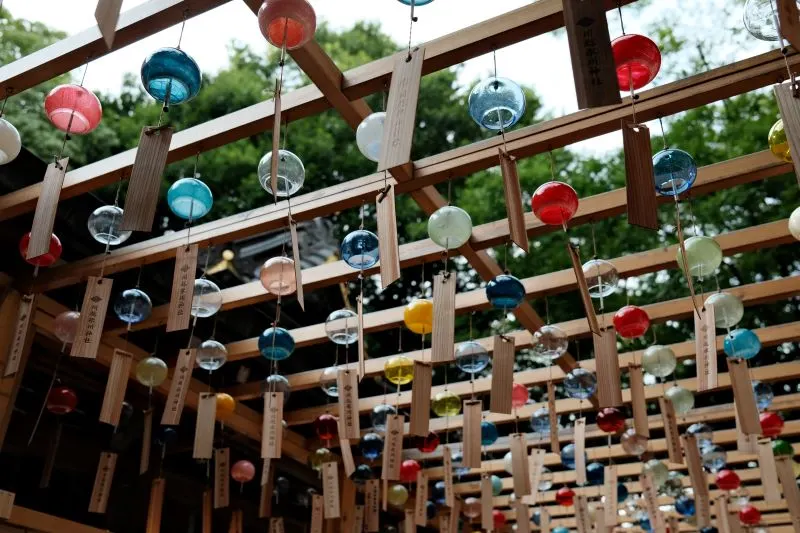
Gyoda Park is a spacious and scenic park located in Gyoda City, Saitama Prefecture, Japan. With its abundant greenery, tranquil ponds, and recreational facilities, the park serves as a popular destination for relaxation, outdoor activities, and enjoying nature.
Gyoda Park is a large urban park that offers a refreshing and natural retreat within the city. The park is characterized by its lush landscapes, open spaces, and various amenities that cater to visitors of all ages.
It’s a place where families, friends, and individuals can come together to enjoy the outdoors and engage in recreational activities.
Visitors to Gyoda Park can take leisurely walks along pathways that wind through well-manicured lawns, ornamental gardens, and shaded groves of trees.
The park’s serene ponds create picturesque views and serve as habitats for various bird species, adding to the park’s tranquil ambiance.
The park features playgrounds and play areas for children, making it an ideal destination for families. Children can enjoy swings, slides, and climbing structures, allowing them to expend their energy in a safe and enjoyable environment.
Gyoda Park is a popular spot for seasonal activities, such as cherry blossom viewing in spring, when the park’s cherry trees burst into bloom, creating a stunning display of pink and white blossoms.
Similarly, the park’s trees transform into vibrant hues of red, orange, and yellow during the autumn months, making it a great spot for enjoying fall foliage.
The park’s open spaces are also suitable for sports, picnics, and outdoor gatherings. With facilities for sports like soccer, tennis, and baseball, as well as picnic tables and shelters, Gyoda Park provides a versatile setting for various recreational pursuits.
16. Kinchakuda Red Spider Lily Festival: Witness the mesmerizing sight of countless red spider lilies in bloom during the annual festival

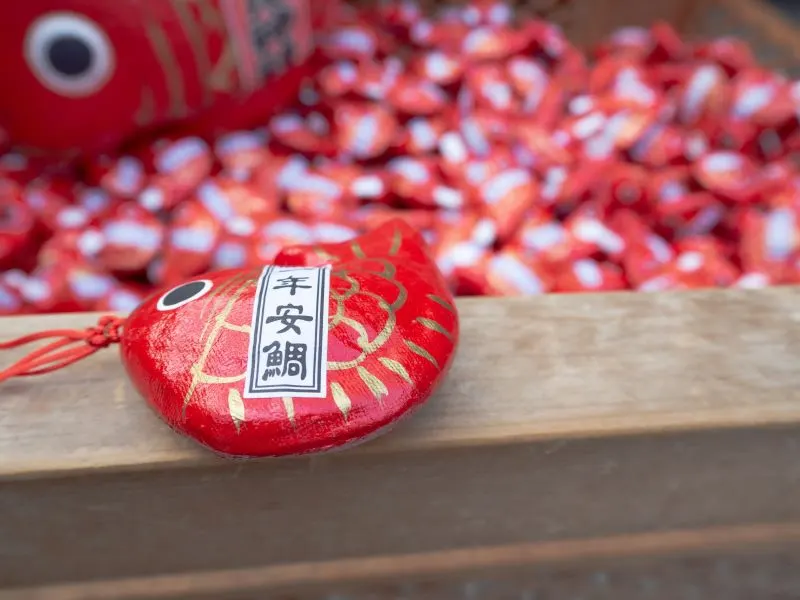
The Kinchakuda Red Spider Lily Festival is an annual event held in the Kinchakuda Park located in Saitama, Japan. It is celebrated during the late summer and early autumn months, typically from mid-September to early October. The festival is renowned for its breathtaking display of red spider lilies (Lycoris radiata), also known as “higanbana” in Japanese.
During this festival, the vast fields of Kinchakuda Park come alive with a sea of vibrant red spider lilies, creating a visually striking and mesmerizing sight. Visitors flock to the park to witness this natural spectacle and enjoy leisurely walks amidst the countless crimson flowers.
The festival also features various cultural activities, food stalls, and entertainment options, making it a popular event for both locals and tourists.
The red spider lily holds cultural significance in Japanese folklore and literature, often symbolizing death, the afterlife, and the fleeting nature of life.
The Kinchakuda Red Spider Lily Festival thus offers a unique blend of natural beauty, cultural heritage, and community celebration, making it a must-visit event for those interested in experiencing the charm of Japanese seasonal traditions.
17. Kasukabe Fureai Park: Ideal for families, this park offers a zoo, playgrounds, and various activities for kids

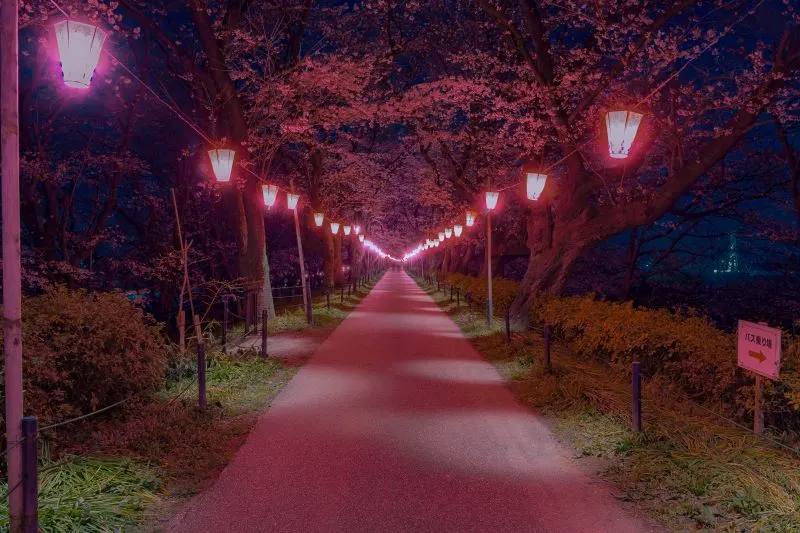
Kasukabe Fureai Park is a recreational and green space located in Kasukabe, Saitama, Japan. The park is designed to provide a peaceful and enjoyable environment for visitors of all ages.
It offers various facilities and attractions, making it a popular destination for families, couples, and individuals seeking outdoor activities and relaxation.
The park features expansive lawns, walking paths, and gardens that are perfect for leisurely strolls, picnics, and outdoor gatherings.
It also includes recreational amenities like playgrounds for children, sports fields, and courts for activities such as soccer, baseball, tennis, and basketball. These facilities cater to both locals and visitors looking to engage in physical activities.
One of the notable features of Kasukabe Fureai Park is its large pond, which provides a serene atmosphere for visitors.
The pond might offer opportunities for fishing or simply enjoying the tranquility of the water. There are often benches and seating areas strategically placed around the park, allowing visitors to take in the natural surroundings.
Throughout the year, the park hosts various events and festivals, ranging from seasonal flower exhibitions to cultural performances. These events enhance the park’s community engagement and contribute to its vibrant atmosphere.
18. Omiya Park: Explore the tranquil Omiya Park featuring ponds, gardens, and the Saitama Prefectural Museum of History and Folklore


Omiya Park, located in Saitama, Japan, is a spacious and picturesque urban park that offers a blend of natural beauty, recreational facilities, and cultural attractions. It serves as a prominent green oasis within the bustling cityscape of Saitama.
The park’s landscape includes expansive lawns, meandering paths, and lush gardens, making it a popular spot for leisurely walks, picnics, and outdoor activities.
Omiya Park is especially renowned for its cherry blossoms in spring, when the cherry trees bloom and create a stunning backdrop for visitors to enjoy hanami (cherry blossom viewing) gatherings.
Within the park, you’ll find various amenities such as playgrounds for children, open spaces for sports and games, and designated areas for relaxation.
The park’s central area often hosts seasonal events, cultural festivals, and concerts that contribute to a lively and engaging atmosphere.
One of the notable features of Omiya Park is the Hikawa Shrine, a Shinto shrine located within its grounds. The shrine is a spiritual and cultural center and attracts visitors seeking a place for prayer, reflection, and cultural exploration.
Additionally, the Omiya Bonsai Village, a renowned hub for bonsai enthusiasts, is situated near the park. This village is home to numerous bonsai nurseries and shops, providing visitors with a unique opportunity to explore the world of Japanese bonsai art.
19. Saitama Stadium 2002: Catch a soccer match and experience the vibrant atmosphere of Japanese sports culture


Saitama Stadium 2002, also known as Saitama Stadium, is a modern sports venue located in Saitama, Japan. It was constructed to host matches during the 2002 FIFA World Cup, which was co-hosted by Japan and South Korea.
The stadium is notable for its impressive design, capacity, and the role it played in hosting international sporting events.
The stadium features a bowl-like design with a curved roof that partially covers the seating areas, offering protection from the elements while maintaining an open-air feel.
With a seating capacity of around 63,700, Saitama Stadium 2002 is one of Japan’s largest sports arenas. Its large capacity and modern amenities make it suitable for hosting various sporting events, concerts, and other entertainment activities.
The stadium primarily serves as the home ground for Urawa Red Diamonds, a professional football (soccer) team that competes in the J.League, Japan’s top-tier football league.
It has also hosted international football matches, music concerts, and other major events, contributing to its status as a versatile and iconic venue in the region.
Saitama Stadium 2002’s construction and role in hosting the 2002 FIFA World Cup helped increase the visibility of Saitama Prefecture and contribute to its reputation as a hub for sports and cultural activities.
Its accessibility and modern facilities have made it a popular destination for sports fans, spectators, and event-goers alike.
20. Saitama Prefectural Museum of History and Folklore: Learn about the rich history and culture of Saitama through engaging exhibits


The Saitama Prefectural Museum of History and Folklore, located in Saitama City, Japan, is a cultural institution dedicated to preserving and showcasing the history, heritage, and traditional way of life of Saitama Prefecture.
The museum serves as a valuable resource for both locals and visitors interested in learning about the region’s past and cultural identity.
The museum’s exhibitions are designed to offer insights into the historical development of Saitama Prefecture, from its early days to modern times.
Through artifacts, displays, interactive exhibits, and multimedia presentations, visitors can explore the diverse aspects of the prefecture’s history, including its social, economic, and cultural transformations.
Focusing on the folklore and traditions of the area, the museum also provides a window into the daily lives, customs, and beliefs of the people who have inhabited Saitama over the centuries.
This includes exhibitions featuring traditional crafts, clothing, tools, and other items that were integral to the local way of life.
In addition to its permanent exhibits, the Saitama Prefectural Museum of History and Folklore often hosts special exhibitions related to various historical and cultural themes.
These temporary displays offer opportunities for deeper exploration and engagement with specific topics of interest.
21. Sayama Tea Festival: Experience traditional Japanese tea culture and indulge in various types of teas and sweets


The Sayama Tea Festival is an annual event held in the city of Sayama in Saitama Prefecture, Japan. This festival celebrates the rich tradition of tea cultivation and production in the region, offering visitors a chance to experience the world of Japanese tea culture.
At the Sayama Tea Festival, attendees can engage in various activities related to tea, including tea tastings, workshops on tea preparation, and demonstrations of traditional tea ceremonies.
Participants can learn about different types of tea, their characteristics, and the proper methods of brewing and enjoying them.
The festival often takes place in picturesque tea fields or gardens, providing a scenic backdrop for visitors to immerse themselves in the serene ambiance of the tea-growing environment.
Local tea producers and artisans may showcase their products, offering attendees the opportunity to purchase high-quality teas and tea-related items.
In addition to the tea-related experiences, the Sayama Tea Festival might also include cultural performances, food stalls serving local delicacies, and other forms of entertainment that celebrate the cultural heritage of the area.
22. Iwadatami: Explore the unique rock formations in the Arakawa Riverbed, created through natural erosion

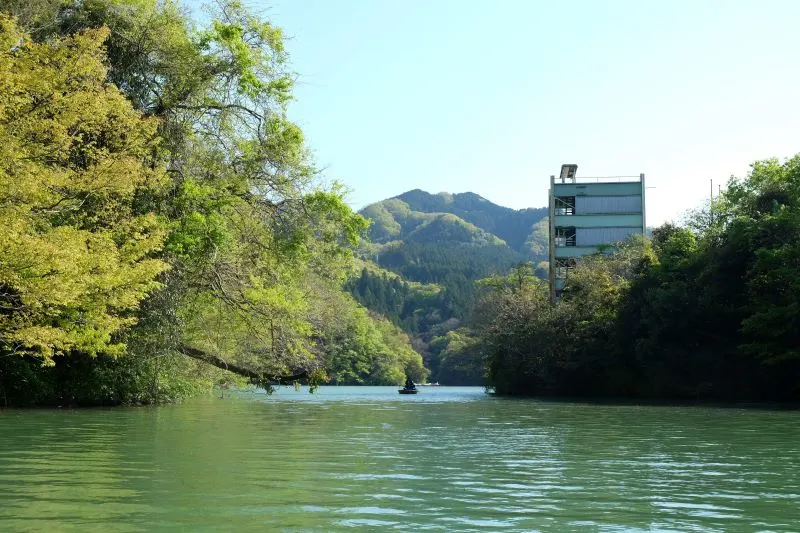
Iwadatami, also known as “rock tatami,” refers to a natural geological formation found in various coastal areas of Japan, including Saitama Prefecture.
The term “iwadatami” translates to “rock tatami” in English, and it describes a unique pattern of flat rock formations that resemble the traditional tatami mat used in Japanese flooring.
These formations are created through the natural erosion of coastal rocks by the sea waves over an extended period. The repetitive action of waves gradually wears away softer portions of the rock, leaving behind flat, elevated platforms that resemble the appearance of tatami mats.
Iwadatami formations often become a visually appealing and intriguing sight, drawing visitors to these coastal areas. The interplay of the natural environment, with its rugged cliffs and the geometric patterns of the rock formations, creates a captivating and picturesque scene.
People often enjoy walking or exploring along these formations, and they may even sit or stand on them to take in the view of the sea. Iwadatami showcases the beauty of nature’s artistry and the powerful impact of natural forces on the landscape.
23. Koshigaya Lake Town: Shop, dine, and enjoy entertainment in this large shopping complex located near a scenic lake


Koshigaya Lake Town features a variety of retail stores, ranging from popular fashion brands and electronics shops to home goods and lifestyle stores. Visitors can explore a wide selection of products, from clothing and accessories to gadgets and household items.
The complex often includes a mix of indoor and outdoor spaces, providing a comfortable environment for shopping and relaxation regardless of the weather.
Some areas might feature landscaped gardens, fountains, and seating areas for visitors to enjoy a leisurely stroll or take a break.
In addition to shopping, Koshigaya Lake Town often includes dining options such as restaurants, cafes, and food courts. Visitors can indulge in a diverse array of cuisines, from Japanese dishes to international flavors.
Entertainment is a key component of Koshigaya Lake Town, with facilities that might include movie theaters, arcades, and indoor amusement centers. This makes it a popular destination for families, friends, and individuals looking for recreational activities.
Cultural events and performances might also be hosted at the complex, adding a layer of cultural enrichment to the overall experience.
24. Saitama City Space Theater: Discover the wonders of space through interactive exhibitions and planetarium shows

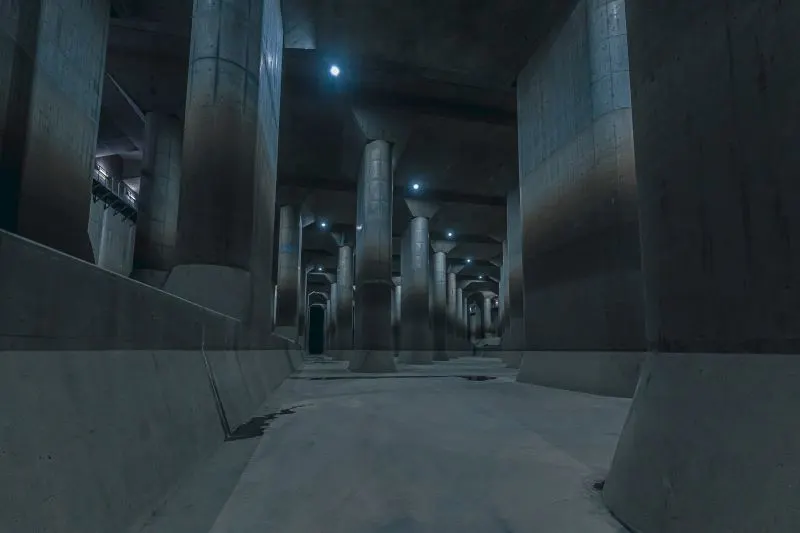
The Saitama City Space Theater is a unique and educational venue in Saitama, Japan, that offers visitors the opportunity to explore and learn about the wonders of space through interactive exhibitions and planetarium shows.
At the Saitama City Space Theater, visitors can engage with hands-on exhibits that showcase various aspects of space science, astronomy, and space exploration.
These interactive displays might include models of celestial bodies, simulations of cosmic phenomena, and informative panels about the universe.
One of the highlights of the space theater is its planetarium, a domed theater that uses advanced projection technology to create immersive and realistic depictions of the night sky, planets, stars, and galaxies.
Planetarium shows provide a captivating experience where visitors can learn about astronomical concepts, cosmic events, and the mysteries of the universe.
The space theater often offers a range of programs suitable for different age groups and levels of interest. This includes educational workshops, guided tours, and special events that promote a deeper understanding of space science.
25. Chichibu Tama Kai National Park: Immerse yourself in nature by hiking, camping, and enjoying the stunning landscapes

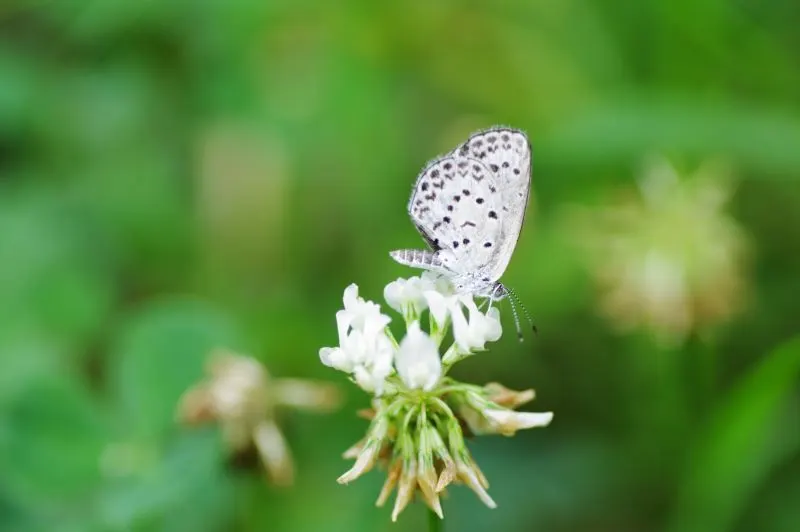
Chichibu Tama Kai National Park is a picturesque and diverse national park located in the Kanto region of Japan, encompassing parts of Saitama, Yamanashi, Nagano, and Tokyo Prefectures.
The park is renowned for its stunning natural landscapes, encompassing a wide range of environments from mountains to valleys, rivers, and forests.
The park is characterized by its rich biodiversity, making it a haven for outdoor enthusiasts and nature lovers. Visitors to Chichibu Tama Kai National Park can enjoy a variety of activities, including hiking, camping, bird-watching, and photography.
The park’s mountainous terrain offers numerous trails that lead to panoramic viewpoints, waterfalls, and serene natural settings.
One of the park’s notable features is the Chichibu Mountains, which include several peaks and offer opportunities for both experienced and casual hikers to explore.
The Okutama region within the park is famous for its crystal-clear Tama River and lush forests, providing a tranquil escape from the urban bustle.
Chichibu Tama Kai National Park is also culturally significant, with historic shrines, temples, and traditional villages scattered throughout the area. The park often hosts seasonal festivals and events that celebrate the local culture and traditions.
Wildlife enthusiasts might have the chance to spot a variety of animals, including deer, boars, and various bird species.
During the fall, the park’s foliage transforms into vibrant shades of red, orange, and yellow, making it a popular destination for autumn foliage viewing.
Remember that the availability of certain activities may vary depending on the time of year and any specific events or circumstances. Always check in advance and plan accordingly to make the most of your visit to Saitama, Japan.
Food In Saitama


Exploring Culinary Delights: A Gastronomic Journey Through Saitama’s Food Scene
Nestled within the heart of Japan’s Kanto region, Saitama offers a culinary experience that blends traditional flavors with modern creativity. From savory street snacks to refined dining establishments, Saitama’s food scene is a reflection of its rich cultural heritage and vibrant local communities.
A Fusion of Flavors
Saitama’s cuisine is a fusion of old and new, where time-honored recipes meet contemporary culinary techniques. The region boasts an array of dishes that showcase its agricultural abundance and culinary innovation.
1. Saitama’s Ramen Culture:
Ramen enthusiasts will find their palate pleased in Saitama, with its diverse ramen offerings catering to various tastes. From rich tonkotsu (pork bone) broth to soy-based varieties, each bowl is crafted with precision. The city of Omiya, in particular, is known for its “Omiya Nagasaki Champon,” a noodle dish brimming with vegetables, seafood, and a delightful balance of flavors.
2. Local Specialties:
Saitama takes pride in its unique local dishes. The “Konnyaku Pot,” a hotpot featuring konnyaku (yam cake) and various vegetables, is a comforting dish perfect for colder months. “Ika-no-Shiokara,” fermented squid marinated in salt, is a traditional treat that exemplifies the region’s love for seafood.
3. Snack Culture:
Street food vendors and snack stalls offer an opportunity to savor quick bites. Takoyaki (octopus-filled dough balls), yakitori (grilled skewered chicken), and imagawayaki (sweet pancake filled with red bean paste) are popular choices that embody the spirit of Saitama’s bustling streets.
4. Farm-to-Table Freshness:
Saitama’s agricultural heritage translates into a focus on locally sourced ingredients. Restaurants often showcase seasonal produce, and you can find farm-to-table experiences that celebrate the region’s bounty. Fresh vegetables, mushrooms, and fruit play a significant role in both traditional and contemporary dishes.
5. Saitama Sake:
For those seeking a drink to complement their meal, Saitama offers a variety of local sake. Made from carefully selected rice and pure water, Saitama’s sake reflects the dedication to quality that characterizes Japanese craftsmanship.
Culinary Destinations
Saitama’s food culture extends beyond individual dishes. The prefecture is home to bustling markets, cozy izakayas (Japanese pubs), and modern dining establishments that cater to diverse tastes.
1. Kawagoe Candy Alley:
Kawagoe, often referred to as “Little Edo,” is a historic city that houses “Kashiya Yokocho” or Candy Alley. This nostalgic street is lined with traditional confectionery shops offering treats that transport visitors to another era.
2. Kumagaya Local Market:
Kumagaya’s market is a hub for fresh produce and local delicacies. It’s a must-visit for those looking to immerse themselves in Saitama’s culinary offerings and connect with the region’s vibrant food culture.
3. Modern Gastronomy:
Saitama City offers contemporary dining experiences that cater to cosmopolitan tastes. High-end restaurants blend international influences with Japanese techniques, presenting dishes that are as visually appealing as they are delicious.
4. Saitama Food Festivals:
Throughout the year, Saitama hosts various food festivals that celebrate its culinary heritage. These events offer a chance to sample a wide array of dishes, from traditional to innovative, all in one place.
A Taste of Saitama’s Heart and Soul
Saitama’s food culture embodies its people’s passion for flavor, tradition, and innovation. With each bite, visitors can discover the essence of the region’s history, its connection to the land, and the warmth of its communities.
Whether enjoying street food in bustling markets or savoring a sophisticated meal in a modern restaurant, Saitama’s culinary offerings are a journey of taste and culture waiting to be explored.
Top 20 Best Restaurants In Saitama, Japan


- Ramen Shops: Saitama is known for its diverse ramen scene, with options ranging from tonkotsu (pork bone) to soy-based broths.
- Izakayas: Japanese pubs where you can enjoy a variety of small dishes along with drinks.
- Sushi Restaurants: Offering fresh and delicious sushi made from high-quality seafood.
- Yakitori Shops: Grilled skewered chicken served with a variety of flavorful sauces.
- Soba and Udon Shops: Serving traditional Japanese buckwheat or wheat noodles in a variety of broths.
- Tempura Restaurants: Delighting patrons with crispy tempura-fried dishes.
- Kaiseki Restaurants: Offering multi-course traditional Japanese meals with seasonal ingredients.
- Yakiniku Restaurants: Grilled meat (often Wagyu beef) enjoyed with various dipping sauces.
- Kaiseki: Elegant, traditional multi-course meals that showcase the harmony of flavors and presentation.
- Sukiyaki and Shabu-Shabu: Enjoy thin slices of meat cooked in a shared hot pot.
- Unagi (Eel) Restaurants: Serving grilled eel, a Japanese delicacy, over rice.
- Okonomiyaki and Monjayaki Shops: Preparing savory Japanese pancakes filled with various ingredients.
- Vegetarian and Vegan Restaurants: Saitama has options for those seeking plant-based meals.
- Local Specialty Restaurants: Offering dishes unique to Saitama’s culinary heritage.
- Seafood Restaurants: Serving a variety of fresh seafood from the nearby coastal areas.
- French, Italian, and Western-style Restaurants: Offering international cuisine with a Japanese twist.
- Coffee Shops and Cafes: A relaxing spot for coffee, tea, and light meals.
- Bakeries and Dessert Shops: Satisfy your sweet tooth with delightful treats.
- Food Markets and Food Courts: Explore local flavors and international cuisines in one place.
- Teishoku Restaurants: Offering well-balanced, set meals with rice, main dish, and sides.
Transportation In Saitama
Transportation in Saitama, like many other regions in Japan, is well-developed, efficient, and offers a variety of options to navigate within the prefecture and to nearby areas.
1. Trains: Saitama is well-connected by train services, with several major train lines crisscrossing the prefecture. The JR East lines, such as the Saikyo Line, Keihin-Tohoku Line, and Takasaki Line, provide access to key areas within Saitama and link to Tokyo and neighboring prefectures.
Additionally, private railway companies like Tobu Railway and Seibu Railway offer extensive networks that connect Saitama with Tokyo and other regions.
2. Subways: Saitama doesn’t have its own subway system, but Tokyo’s subway lines extend into parts of Saitama, offering convenient access to Tokyo and its surrounding areas.
3. Buses: Buses are an essential part of Saitama’s public transportation network, serving areas not directly connected by train.
Local buses provide access to neighborhoods, residential areas, and attractions within the prefecture. Long-distance buses connect Saitama with other prefectures, offering an alternative mode of travel.
4. Expressways and Highways: Saitama is well-connected by roadways, including expressways and highways. The Shuto Expressway and national highways provide convenient routes for driving within and beyond the prefecture. These roadways offer accessibility to major cities and attractions.
5. Bicycle Rentals: Bicycles are a popular mode of transportation, especially for short distances and within local neighborhoods. Many cities in Saitama provide bicycle rental services, making it easy to explore the surroundings at a leisurely pace.
6. Taxis: Taxis are widely available throughout Saitama and can be a convenient option for reaching specific destinations that might not be directly accessible by public transportation. Taxis are typically clean, safe, and well-regulated in Japan.
7. Walking: Saitama’s urban areas are designed with pedestrian-friendly pathways, making walking a practical and enjoyable way to explore the city. Many local attractions, shops, and restaurants are within walking distance of train stations and bus stops.
8. Car Rental: Renting a car is an option for those who prefer more flexibility and want to explore the prefecture at their own pace. Saitama’s well-maintained road infrastructure and clear signage make driving relatively straightforward.
9. Saitama New Shuttle: The Saitama New Shuttle is a unique transportation system that connects Urawa, Omiya, and Yono in Saitama Prefecture. It’s an automated guideway transit (AGT) system, providing convenient and efficient transportation between these areas.
10. Transportation Cards: IC cards like Suica and Pasmo can be used for seamless travel on trains, buses, and even some taxis, making payment and transfers hassle-free.
Saitama’s transportation network is integrated, making it easy for residents and visitors to move around the prefecture and beyond.
With its efficient public transportation systems, well-maintained roads, and various options to choose from, getting around Saitama is both convenient and enjoyable.
Saitama, Japan’s hidden gem, offers a wealth of experiences that captivate the senses and enrich the soul. From its vibrant festivals to its serene natural landscapes, Saitama invites travelers to delve into a tapestry of culture, history, and modernity.
As we conclude our journey through the 25 best things to do in Saitama, it’s evident that this prefecture is a destination that holds something for everyone.
Whether you’re wandering through the historic streets of Kawagoe, marveling at the intricate details of shrines and temples, or savoring the diverse flavors of its culinary scene, Saitama promises an immersive adventure that lingers in memory.
The prefecture’s dedication to preserving tradition while embracing innovation showcases its unique character and its ability to adapt to changing times.
As you traverse the Chichibu-Tama-Kai National Park, relishing the tranquility of its natural beauty, or soak in the electric atmosphere of Saitama Super Arena during a thrilling sports match or concert, you’ll find that Saitama’s offerings are as diverse as its landscapes.
From vibrant city centers to charming rural villages, Saitama beckons travelers to explore its nooks and crannies, each revealing a facet of its identity.
Whether you’re drawn to its rich historical heritage, its warm and welcoming communities, or its bustling urban life, Saitama promises to be an adventure that opens your eyes, heart, and mind to the beauty of Japan’s cultural tapestry.
As you bid farewell to Saitama, take with you the memories of its festivals, the flavors of its cuisine, the serenity of its natural wonders, and the vibrancy of its local culture.
And as you depart, remember that the treasures of Saitama are not merely memories; they are an invitation to return, to discover anew, and to continue exploring the depths of this captivating prefecture.
Leave a comment