

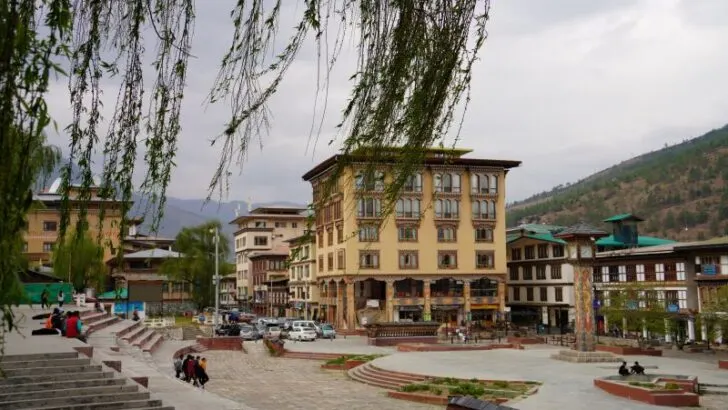
Nestled in the picturesque mountains of the Eastern Himalayas, Thimphu is the charming capital city of the Kingdom of Bhutan.
With its unique blend of tradition and modernity, Thimphu offers a captivating glimpse into the heart of Bhutanese culture and history. As the political, economic, and cultural center of the country, Thimphu serves as the beating heart of Bhutan, where ancient traditions seamlessly coexist with progressive developments.
Thimphu’s character is shaped by its low-rise buildings adorned with traditional Bhutanese architecture, showcasing colorful woodwork, painted facades, and intricate designs.
Despite being the largest city in Bhutan, Thimphu retains a laid-back and welcoming atmosphere, where visitors can experience the true essence of Bhutanese life.
Cultural Heritage:
Thimphu is steeped in Bhutanese cultural heritage and is home to numerous monasteries, dzongs (fortresses), and temples that reflect the country’s deep-rooted Buddhist traditions.
The Tashichho Dzong, a majestic fortress-monastery, serves as the seat of the government and the central monastic body, representing the fusion of spiritual and administrative power in Bhutan.
Cuisine and Cuisine:
Bhutanese cuisine takes center stage in Thimphu, with its unique flavors and love for spicy dishes. The national dish, Ema Datshi, a fiery chili and cheese stew, is a culinary adventure for those who dare to savor the Bhutanese heat.
The city’s markets and eateries also offer an array of delicious momos (dumplings), phaksha paa (pork with radishes and chilies), and other traditional delights.
Cultural Festivals:
Thimphu comes alive during the vibrant festivals, or “tsechus,” celebrated throughout the year. These colorful events feature masked dances, religious rituals, and processions that commemorate Guru Padmasambhava’s teachings and important historical events. The atmosphere is filled with joyous celebrations, attracting both locals and tourists to partake in the festivities.
Nature and Adventure:
Despite its urban setting, Thimphu is surrounded by pristine nature, offering opportunities for outdoor enthusiasts. From scenic hikes to nearby monasteries like the iconic Tiger’s Nest (Paro Taktsang) to mountain biking and white-water rafting adventures, Thimphu provides a plethora of activities to connect with Bhutan’s stunning landscapes.
Hospitality and Happiness:
Thimphu is renowned for its warm hospitality and the pursuit of Gross National Happiness (GNH) – a unique development philosophy that places emphasis on the overall well-being and happiness of its citizens.
Visitors to Thimphu will encounter the genuine warmth of the Bhutanese people, making it a destination where happiness is truly contagious.
Thimphu, the heart of Bhutan, beckons travelers with its blend of tradition and modernity, inviting them to immerse themselves in the captivating culture, exquisite cuisine, and enchanting landscapes.
As the gateway to the mystical kingdom of Bhutan, Thimphu offers an unforgettable journey into the essence of this unique and blissful nation.
1. Visit Tashichho Dzong: Explore the impressive fortress and administrative center of Bhutan

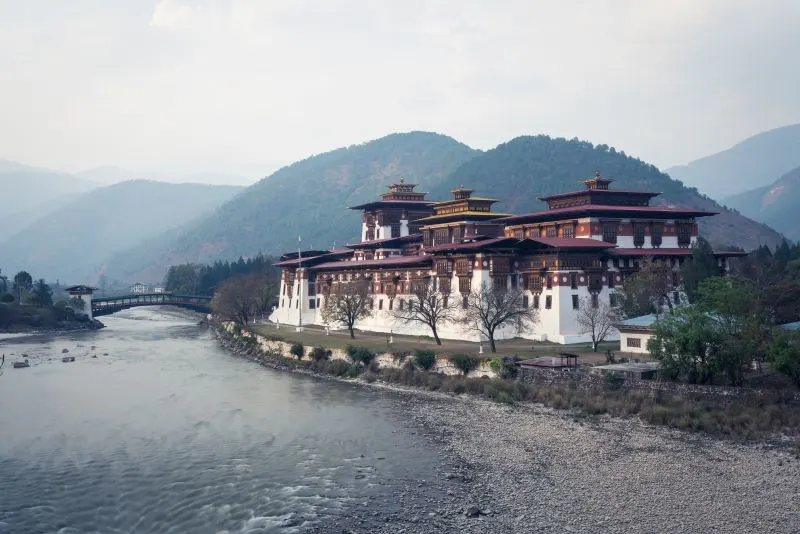
Tashichho Dzong is a prominent landmark and one of the most important buildings in Thimphu, Bhutan. It is a large fortress and monastery, which serves as the seat of the Bhutanese government and houses the throne room of the King of Bhutan.
The name “Tashichho Dzong” translates to “Fortress of the Glorious Religion,” reflecting its significant religious and administrative functions. The dzong’s construction dates back to the 13th century, but the current structure was rebuilt in the 1960s after a fire.
Tashichho Dzong is a beautiful example of traditional Bhutanese architecture, with whitewashed walls, red and gold-painted wooden window frames, and elegant golden roofs.
The fortress is strategically located at the confluence of the Thimphu and Wang Chhu rivers, providing a stunning backdrop for photographs.
While the dzong is primarily a government building, it also houses several temples and monastic quarters where Buddhist monks reside and perform religious rituals.
Visitors can explore the courtyards and some parts of the dzong when it is not in official use. The intricate woodwork, elaborate murals, and sacred statues inside offer glimpses of Bhutanese religious art and culture.
Tashichho Dzong is also famous for hosting the annual Thimphu Tshechu, a colorful religious festival where locals and tourists gather to witness traditional mask dances, cultural performances, and religious ceremonies.
2. National Memorial Chorten: Pay your respects and experience the serene atmosphere of this important religious monument

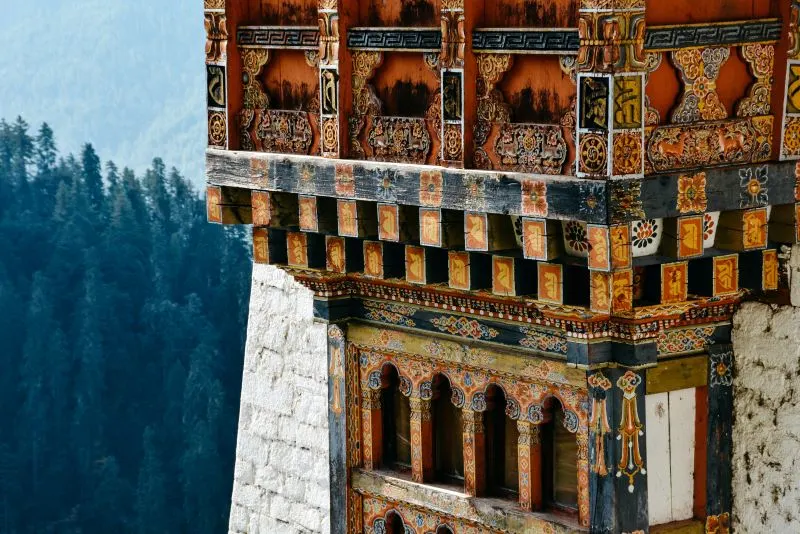
The National Memorial Chorten, also known simply as the Memorial Chorten, is a prominent religious monument and a revered landmark in Thimphu, the capital city of Bhutan.
The chorten was built in 1974 as a tribute to the third Druk Gyalpo (Dragon King) of Bhutan, King Jigme Dorji Wangchuck, who played a significant role in modernizing and unifying the country.
The word “chorten” translates to “stupa” in English, which is a type of Buddhist shrine or monument that symbolizes enlightenment and serves as a place of meditation and devotion.
The Memorial Chorten is an impressive white structure with a golden spire on top, set amidst a spacious square. It follows the traditional Bhutanese architectural style, adorned with colorful paintings and intricate carvings that depict various Buddhist deities and religious motifs.
Inside the chorten, there are several levels, each containing statues, religious paintings, and sacred relics. It serves as a place of worship and pilgrimage for locals, who come here to offer prayers and circumambulate the monument in a clockwise direction, as is customary in Buddhist traditions.
Visitors to the Memorial Chorten can experience the peaceful and spiritual atmosphere, and they may witness devotees, including monks and laypeople, engaged in prayers and rituals. The chorten is particularly bustling during early morning and late afternoon hours.
One notable feature of the Memorial Chorten is its accessibility to people from all walks of life, making it a place where locals, young and old, gather to find solace and engage in religious activities.
3. Buddha Dordenma: Marvel at the giant Buddha statue, one of the largest in the world, and enjoy panoramic views of Thimphu

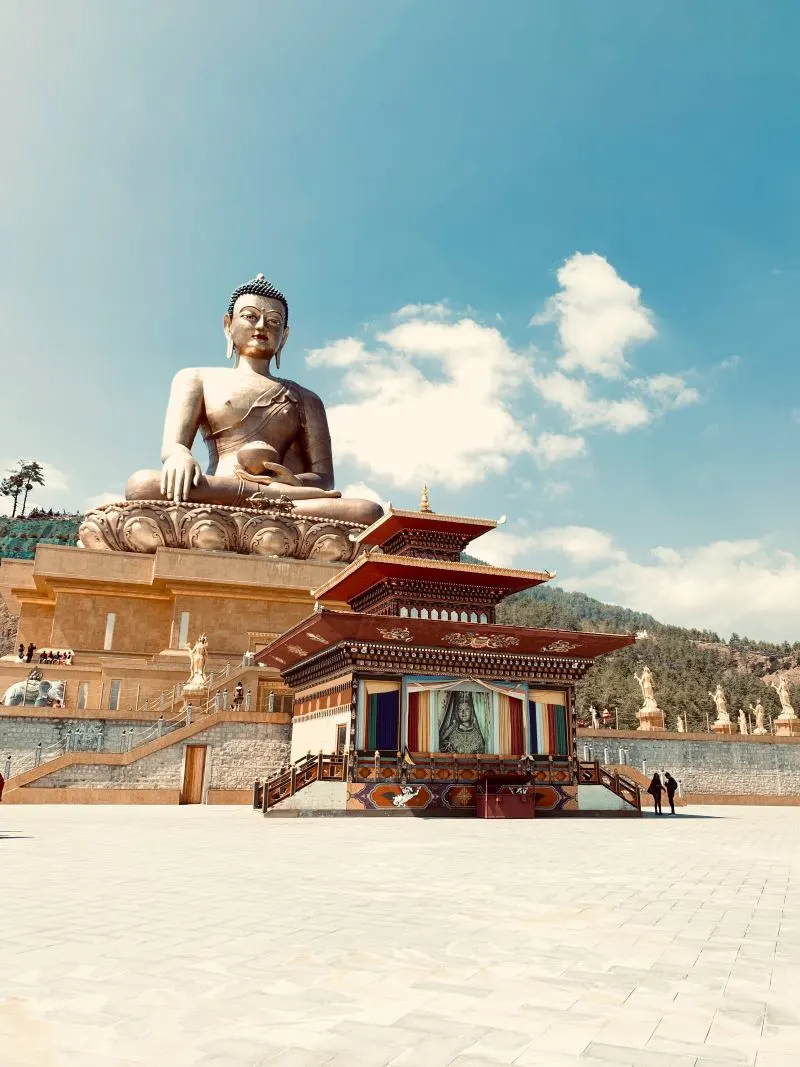
Buddha Dordenma, also known as the Buddha Point, is a magnificent and iconic statue of Lord Buddha located in Thimphu, the capital city of Bhutan.
The statue is one of the largest sitting Buddha statues in the world, standing at an impressive height of approximately 169 feet (51.5 meters). It is made of bronze and gilded in gold, giving it a stunning and radiant appearance that can be seen from various parts of Thimphu.
The construction of Buddha Dordenma began in 2006 to commemorate the 60th birth anniversary of the fourth Druk Gyalpo (Dragon King) of Bhutan, King Jigme Singye Wangchuck. The statue was completed a few years later and officially consecrated in 2015.
Buddha Dordenma sits atop a hill in Kuensel Phodrang Nature Park, overlooking the Thimphu valley. The location not only provides an excellent vantage point for visitors to admire the statue but also offers breathtaking panoramic views of the surrounding mountains and the city below.
The statue’s serene facial expression and the gentle posture of the Buddha exude a sense of peace and tranquility. Inside the statue, there are 125,000 smaller Buddha statues, further adding to the spiritual significance of the monument.
Visitors can reach Buddha Dordenma either by driving or by hiking up the hill. The site has become a popular tourist attraction and a place of pilgrimage for Buddhists. Many locals and visitors come here to offer prayers, meditate, and enjoy the peaceful surroundings.
4. Folk Heritage Museum: Learn about Bhutanese culture, traditions, and lifestyle in this well-preserved traditional house

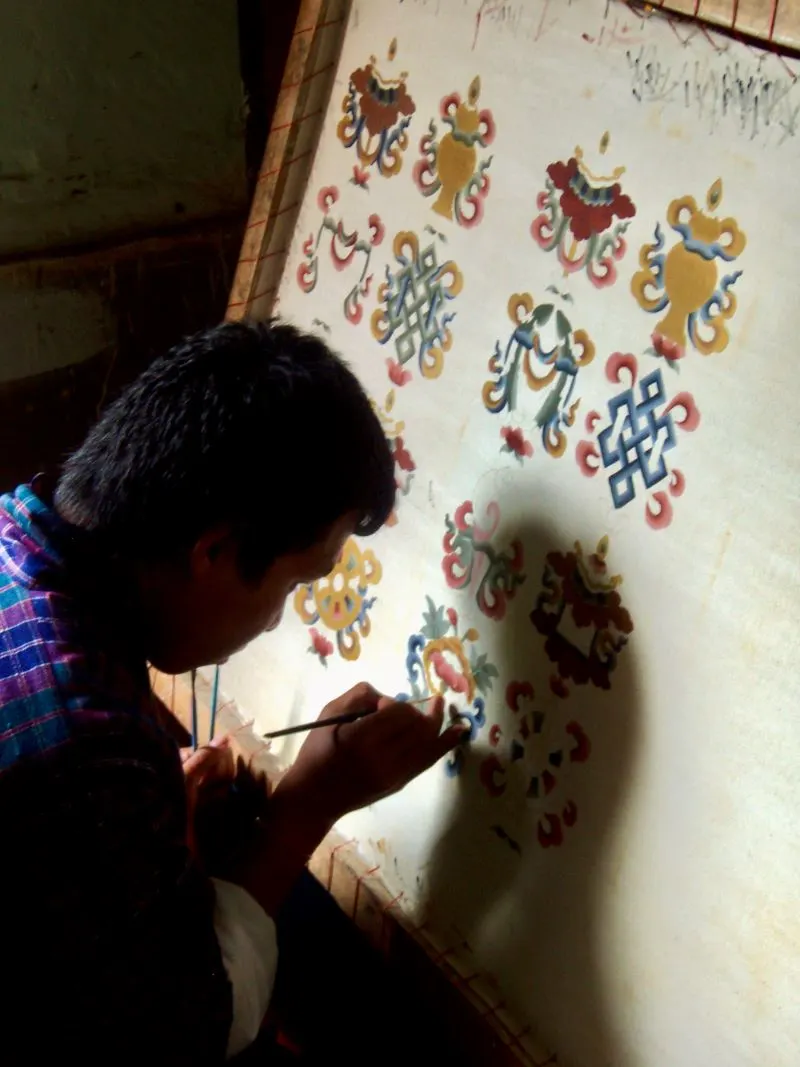
The Folk Heritage Museum, also known as the Phelchey Toenkhyim, is a living museum located in Thimphu, the capital city of Bhutan. It offers visitors a fascinating glimpse into traditional Bhutanese rural life, culture, and customs.
The museum is housed in a beautifully preserved three-story traditional Bhutanese farmhouse, which dates back to the 19th century.
The building itself is an excellent example of Bhutanese architecture, featuring rammed mud walls, intricately carved woodwork, and a steeply sloping roof with wooden shingles.
Inside the Folk Heritage Museum, each floor showcases various aspects of Bhutanese rural life. The ground floor exhibits ancient household tools, equipment, and artifacts that were used in everyday chores and traditional craftsmanship. This section allows visitors to understand the rural lifestyle and the skills passed down through generations.
The first floor of the museum recreates a typical Bhutanese household, displaying traditional furniture, utensils, and other household items used in daily life. This setup gives visitors an immersive experience of how families lived in Bhutan in the past.
On the top floor, visitors can witness demonstrations of traditional Bhutanese arts and crafts, such as weaving, textile making, and other handmade items. Local artisans often engage with visitors, providing insights into their skills and techniques.
5. Simply Bhutan Museum: Immerse yourself in Bhutanese heritage, art, and customs

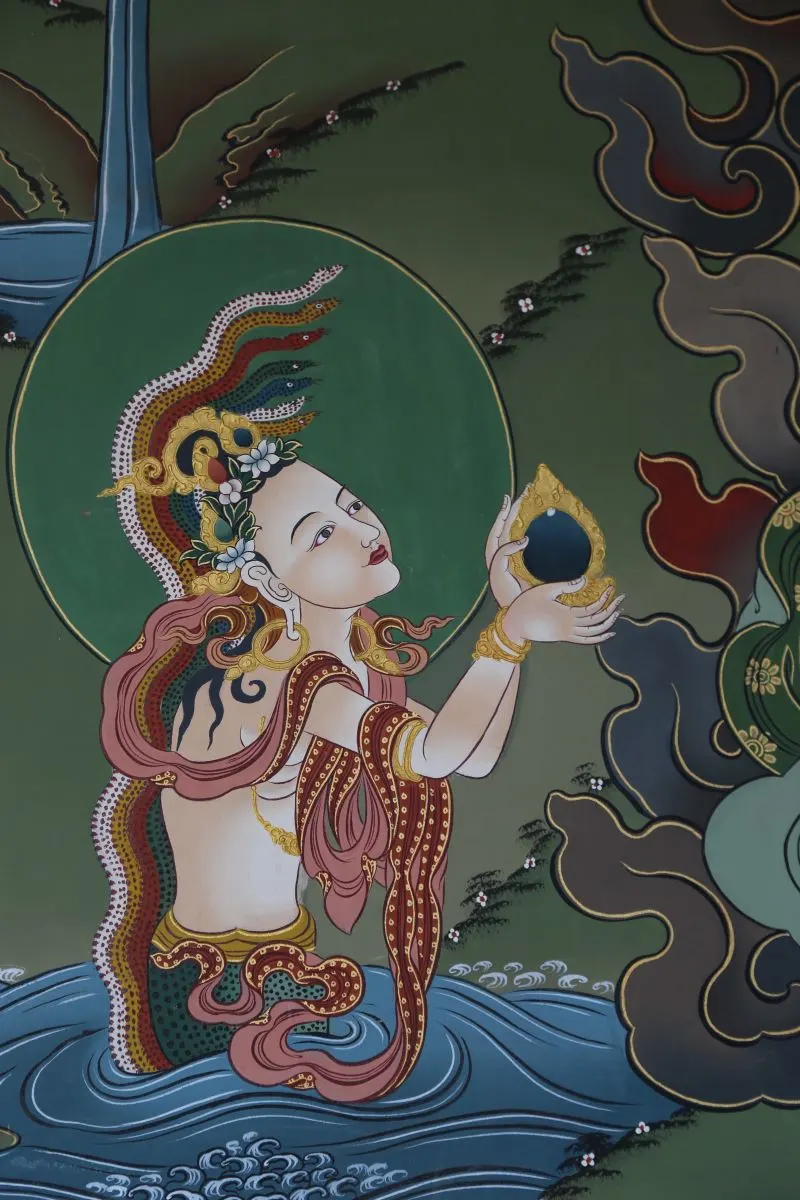
Simply Bhutan Museum is a cultural museum located in Thimphu, the capital city of Bhutan. It offers visitors an interactive and immersive experience of Bhutanese culture, traditions, and way of life.
The museum is housed in a traditional Bhutanese building, showcasing the country’s unique architectural style with ornate woodwork and beautifully painted walls.
It was established with the aim of preserving and promoting Bhutan’s rich cultural heritage, particularly in the face of modernization and global influences.
Inside Simply Bhutan Museum, visitors can participate in various hands-on activities and demonstrations that provide a glimpse into Bhutanese customs and practices.
Some of the interactive experiences include trying on traditional Bhutanese attire (gho for men and kira for women), participating in archery, and learning to cook local dishes.
The museum also features exhibits of traditional Bhutanese crafts, artifacts, and household items, allowing visitors to understand the cultural significance and craftsmanship of various objects used in everyday life.
Throughout the museum, cultural performances and dances are often held to entertain and educate visitors about Bhutan’s vibrant performing arts.
6. Changangkha Lhakhang: Seek blessings for your journey at this ancient temple perched on a hill

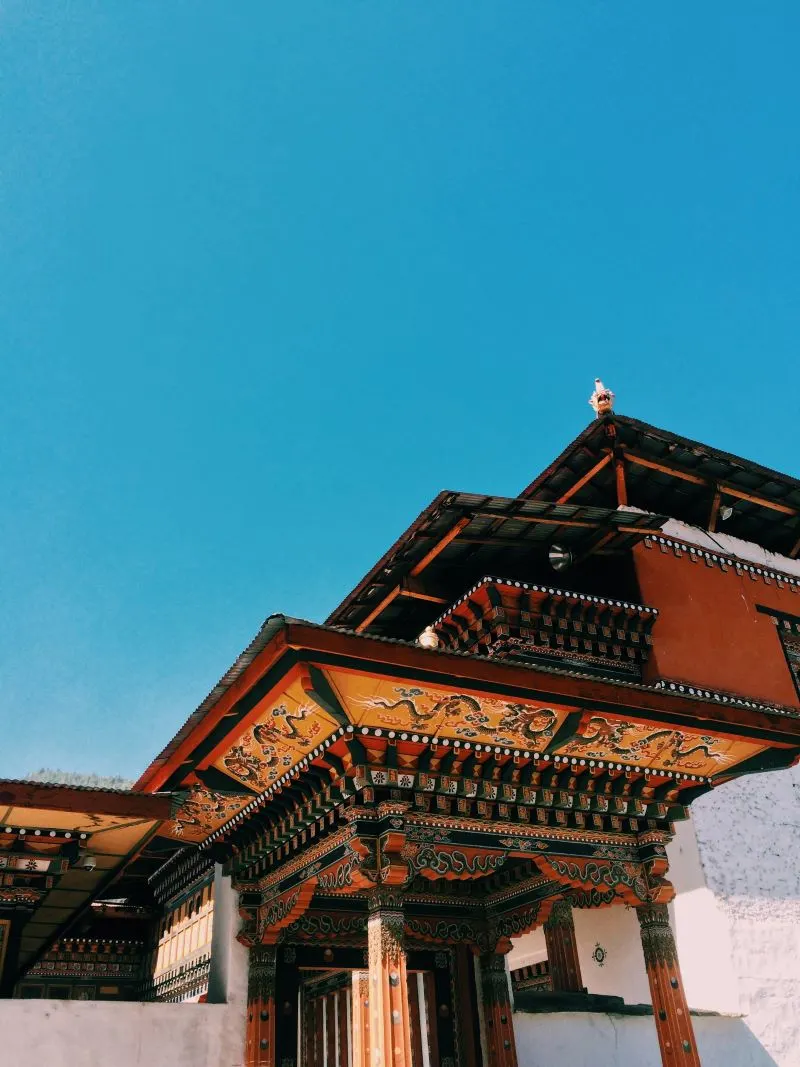
Changangkha Lhakhang is an ancient and revered Buddhist temple located in Thimphu, the capital city of Bhutan. Perched on a ridge overlooking the Thimphu valley, the temple holds significant religious and cultural importance for the locals.
The temple was built in the 12th century by the Lama Phajo Drugom Zhigpo, who was a renowned saint and scholar in Bhutanese history. It is one of the oldest and most important religious sites in Thimphu.
Changangkha Lhakhang is dedicated to the protective deity Tamdrin (Hayagriva) and is believed to bless newborn babies and protect them from evil spirits.
As a result, it is a popular destination for Bhutanese families who come to seek blessings for their infants shortly after birth.
The temple’s architecture reflects traditional Bhutanese style, with intricately carved woodwork and colorful paintings adorning the walls and ceilings.
Inside, visitors will find religious statues, scriptures, and sacred relics that hold spiritual significance for the local community.
The serene and tranquil ambiance of the temple, combined with its elevated location, offers visitors stunning panoramic views of Thimphu city and the surrounding mountains.
Changangkha Lhakhang is an active place of worship, and visitors are likely to encounter devotees engaged in prayers and religious rituals. The temple also serves as a center for religious and cultural activities, including religious teachings and festivals.
7. Motithang Takin Preserve: Witness the rare takin, Bhutan’s national animal, in a natural sanctuary


The Motithang Takin Preserve, located in Thimphu, Bhutan, is a unique wildlife sanctuary dedicated to the preservation and protection of the takin, Bhutan’s national animal.
The takin is a rare and fascinating creature that resembles a blend of a goat and a cow with a unique appearance. According to Bhutanese legend, the takin was created by the country’s famous saint, Lama Drukpa Kunley, also known as the “Divine Madman.” The story goes that he miraculously combined the bones of a goat and the head of a cow to form the takin.
The Motithang Takin Preserve was established to provide a natural habitat for these intriguing animals and to protect them from extinction. The preserve is located on a forested hillside, which closely resembles the takin’s natural habitat.
Visitors to the preserve can observe the takins up close, roaming freely within the spacious enclosure. The sight of these unique creatures grazing peacefully against the backdrop of the Himalayan mountains adds to the charm of the experience.
The preserve also houses other indigenous wildlife and bird species, making it a small but valuable sanctuary for Bhutan’s diverse flora and fauna.
8. Weekend Market: Explore the vibrant market and discover traditional Bhutanese crafts, textiles, and local produce

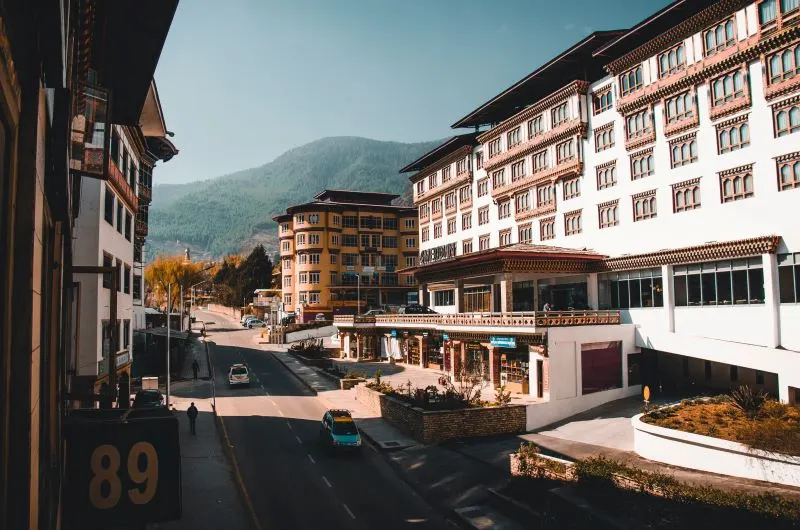
The Weekend Market in Thimphu, Bhutan, is a bustling and vibrant marketplace that takes place every Friday, Saturday, and Sunday. It is a popular gathering spot for locals and a must-visit destination for tourists seeking an authentic Bhutanese shopping experience.
The market is located near the banks of the Wang Chhu River and offers a wide array of products, including fresh produce, local handicrafts, traditional clothing, household items, and various souvenirs.
Visitors can explore rows of colorful stalls and vendors selling an assortment of fruits, vegetables, dairy products, spices, and other locally grown and sourced goods. It’s a great opportunity to sample fresh and organic produce from Bhutan’s fertile valleys.
One of the highlights of the Weekend Market is the handicraft section, where local artisans showcase their skills and craftsmanship. Visitors can find beautifully woven textiles, intricately carved wooden items, handmade paper products, and unique Bhutanese artworks.
The market’s vibrant atmosphere is enhanced by the friendly interactions between vendors and shoppers, creating a lively and engaging experience for all. It also provides an excellent opportunity to observe the daily life of Bhutanese people and immerse oneself in the country’s culture and traditions.
Tourists often visit the Weekend Market to collect authentic Bhutanese souvenirs and gifts, such as prayer flags, traditional clothing (gho for men and kira for women), and various handicrafts that reflect the country’s rich cultural heritage.
9. National Textile Museum: Admire Bhutan’s intricate textiles and weaving techniques

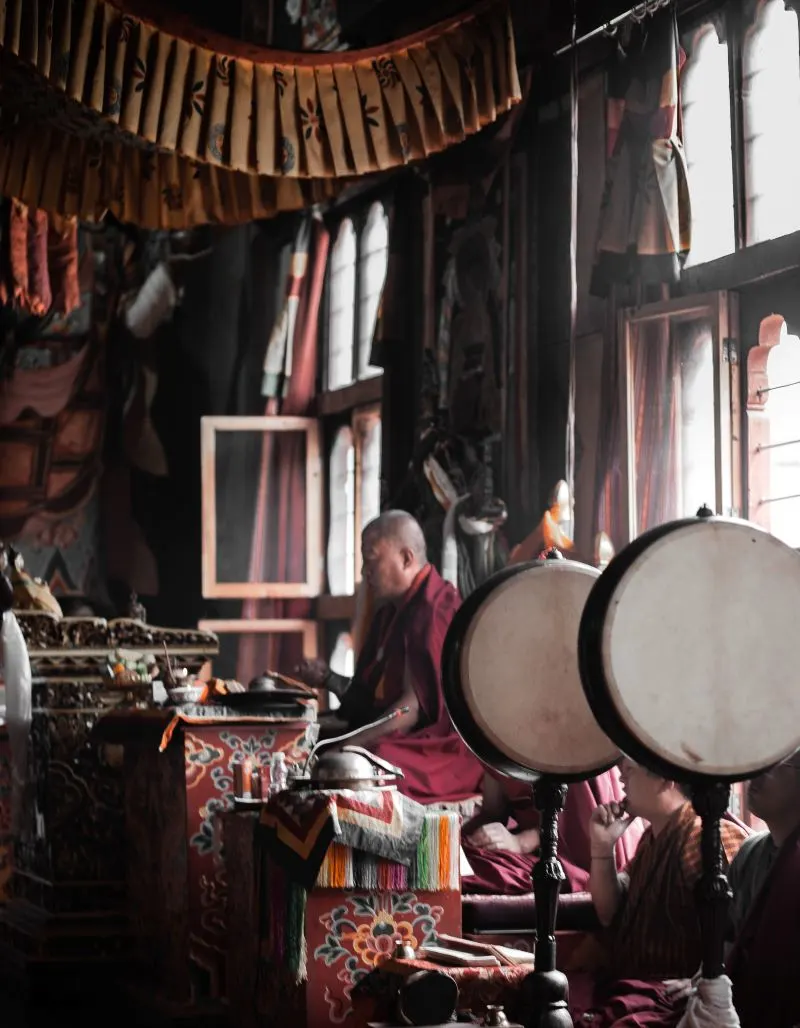
The National Textile Museum, located in Thimphu, Bhutan, is a captivating museum dedicated to preserving and showcasing the country’s rich textile heritage.
It provides visitors with a comprehensive insight into Bhutanese weaving traditions, textile arts, and the cultural significance of fabrics in Bhutanese life.
The museum building itself is an impressive traditional Bhutanese structure, adding to the overall cultural experience. Inside, visitors can explore a wide range of exhibits displaying a diverse collection of textiles, ranging from intricately woven garments, tapestries, and traditional costumes to ancient textiles and contemporary designs.
The National Textile Museum not only exhibits textiles but also offers demonstrations by skilled weavers, allowing visitors to witness the intricate weaving techniques and craftsmanship firsthand.
The artisans’ work often involves delicate patterns, vibrant colors, and elaborate motifs that hold deep cultural meanings.
Visitors have the opportunity to learn about the historical importance of textiles in Bhutan, including their role in ceremonies, religious practices, and as symbols of status and identity.
The museum also emphasizes Bhutan’s efforts to preserve and promote traditional weaving skills in the face of modernization.
10. Jungshi Handmade Paper Factory: Observe the traditional art of papermaking using ancient methods


Jungshi Handmade Paper Factory, located in Thimphu, Bhutan, is a traditional papermaking facility that preserves and promotes the art of handmade paper production, an ancient craft deeply rooted in Bhutanese culture.
Established in 1990, the factory was initiated to revive the traditional Bhutanese papermaking technique, which had been on the decline due to the advent of modern paper mills and materials.
At the Jungshi Handmade Paper Factory, visitors can observe the entire papermaking process, starting from the collection of raw materials to the final stages of production.
The factory primarily uses the inner bark of the Daphne plant, locally known as “Daphne papyracea,” to create the paper. This plant is sustainable and grows abundantly in Bhutan’s high-altitude regions.
Skilled artisans at the factory manually boil, beat, and process the plant fibers into a pulp, which is then poured into wooden frames and left to dry in the sun. The result is a unique, durable, and textured paper that showcases the natural charm of Bhutanese craftsmanship.
The Jungshi Handmade Paper Factory not only preserves the traditional papermaking techniques but also promotes sustainable practices by using locally sourced, eco-friendly materials.
11. Bhutan Post Office Headquarters: Get personalized postage stamps featuring your own photo

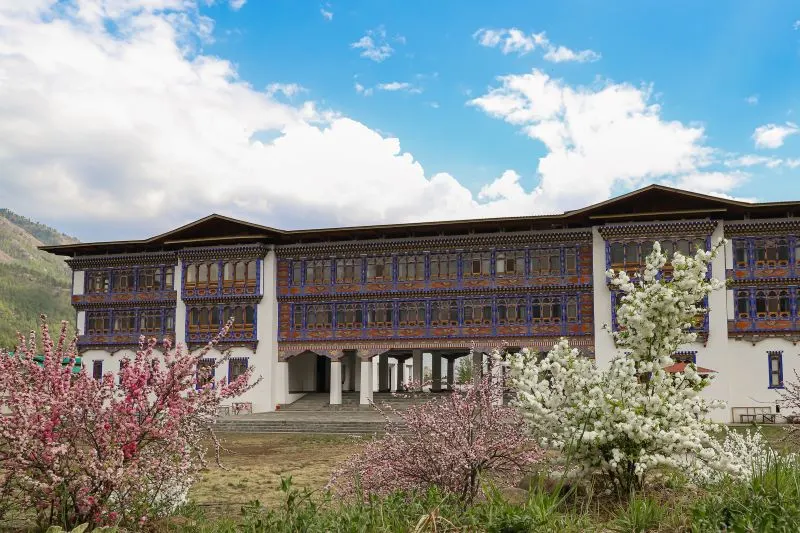
The Bhutan Post Office Headquarters, located in the capital city of Thimphu, is not just an ordinary post office but a unique attraction that offers visitors the opportunity to create personalized postage stamps featuring their own photographs.
Established in 2015, the Bhutan Post Office Headquarters introduced the concept of “My Own Stamp,” making it the first country in the world to allow tourists and visitors to personalize their postage stamps.
Visitors can have their photographs taken at the post office or provide their own images. The chosen photograph is then printed on a set of official postage stamps, which can be used to send mail internationally or kept as a unique souvenir from Bhutan.
The initiative by Bhutan Post aims to promote tourism and provide visitors with a memorable experience during their stay in Bhutan.
The idea of personalized stamps has become a popular activity for tourists, allowing them to carry a piece of their Bhutanese adventure back home.
In addition to the “My Own Stamp” feature, the post office also operates as a standard postal service facility, offering various mailing and shipping services to both locals and visitors.
12. Clock Tower Square: Experience the heart of Thimphu with its iconic clock tower
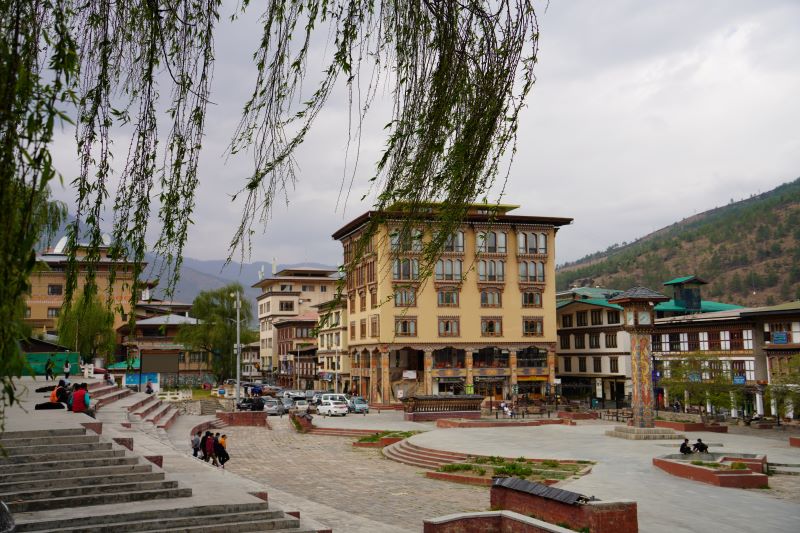
Clock Tower Square, located in the heart of Thimphu, Bhutan, is a bustling public square and a prominent landmark in the city. The square is named after the iconic clock tower that stands tall in the center, making it a popular gathering spot for locals and tourists alike.
The clock tower is a four-story traditional Bhutanese structure with richly painted woodwork and intricate carvings. It was built in 1972 to celebrate the coronation of the third Druk Gyalpo (Dragon King) of Bhutan, King Jigme Dorji Wangchuck.
The clock tower itself is not just a timekeeping device but also a symbol of Bhutanese cultural identity and the country’s commitment to preserving its traditional architectural style.
Surrounding the clock tower are several shops, restaurants, and cultural centers, adding to the vibrant ambiance of the square.
The area is known for its colorful and bustling weekend markets, where locals and visitors gather to buy fresh produce, traditional crafts, and various other items.
Clock Tower Square serves as a central meeting point and a venue for community events and festivals. Visitors can often enjoy traditional Bhutanese performances and cultural displays held in the square, adding to the immersive experience of Bhutanese culture.
13. National Institute for Zorig Chusum: Watch students learn traditional Bhutanese arts and crafts


The National Institute for Zorig Chusum, also known as the Thangka Painting School or the Painting School of Arts and Crafts, is an esteemed institution in Thimphu, Bhutan, dedicated to preserving and promoting traditional Bhutanese arts and crafts.
Established in 1971 by the Royal Government of Bhutan, the institute offers comprehensive training in 13 traditional art forms known as “Zorig Chusum.” These traditional arts include thangka painting, wood carving, sculpting, embroidery, weaving, and other intricate crafts.
Buddhism heavily influences many of these art forms, and they play a significant role in Bhutanese religious rituals, temple decorations, and cultural celebrations.
The institute aims to ensure the continuity of these traditional arts by providing education and training to new generations of artisans.
Students at the National Institute for Zorig Chusum undergo rigorous training under the guidance of skilled master craftsmen.
The curriculum focuses on both theoretical knowledge and hands-on practical work, emphasizing the cultural and spiritual significance of each art form.
14. Dechen Phodrang Monastery: Attend the monastic school’s morning prayers for a spiritual experience


Dechen Phodrang Monastery, also known as Dechen Phodrang Dzong, is an ancient and historically significant Buddhist monastery located in Thimphu, Bhutan. It is one of the oldest dzongs in the country, with its origins dating back to the 12th century.
The monastery was originally established as a meditation center by the Tibetan saint and scholar, Lama Phajo Drugom Zhigpo. Over the centuries, it has been expanded and renovated, becoming one of the important religious and administrative centers in Bhutan.
Dechen Phodrang Monastery is nestled on a hillside overlooking the Thimphu valley, offering panoramic views of the surrounding landscape.
The complex features a traditional Bhutanese architectural design with whitewashed walls, red and gold accents, and beautifully carved wooden window frames.
Within the monastery, visitors can explore the assembly hall, prayer rooms, and sacred chapels adorned with religious paintings, statues, and intricate frescoes depicting Buddhist deities and stories. The peaceful and serene ambiance of the monastery creates a conducive environment for contemplation and spiritual reflection.
15. Dochula Pass: Take a scenic drive to this mountain pass and enjoy breathtaking views of the Himalayas

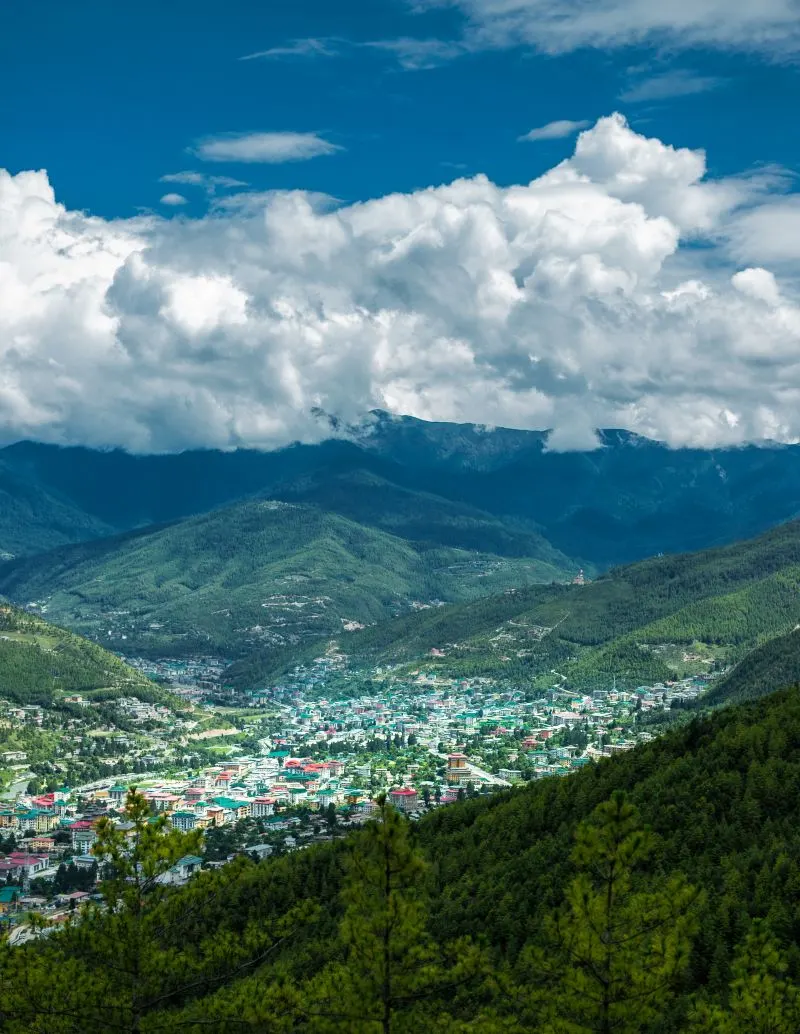
Dochula Pass is a picturesque mountain pass located approximately 30 kilometers from Thimphu, the capital city of Bhutan. Situated at an elevation of about 3,100 meters (10,171 feet) above sea level, the pass offers breathtaking panoramic views of the Eastern Himalayas on clear days.
One of the main attractions of Dochula Pass is the 108 chortens (stupas) known as “Druk Wangyal Chortens,” which were built to honor Bhutanese soldiers who lost their lives in a military operation against Indian insurgents.
The chortens add a sense of solemnity and spirituality to the pass, making it a unique and revered site for both locals and visitors.
In addition to the chortens, Dochula Pass is surrounded by pristine natural beauty with verdant hillsides and lush rhododendron forests, creating a stunning backdrop for photography and sightseeing.
The pass is not only a scenic spot but also a popular resting point for travelers journeying between Thimphu and Punakha or other parts of Bhutan.
The cool and refreshing climate makes it an ideal place to take a break, stretch one’s legs, and savor the majestic views of the snow-capped Himalayan peaks.
Dochula Pass offers a tranquil and serene ambiance, making it a peaceful location for meditation and reflection. Many visitors also partake in prayer flag rituals, where colorful flags are hung to send prayers and wishes for peace and prosperity.
16. Simtokha Dzong: Visit Bhutan’s oldest dzong and learn about its history and significance

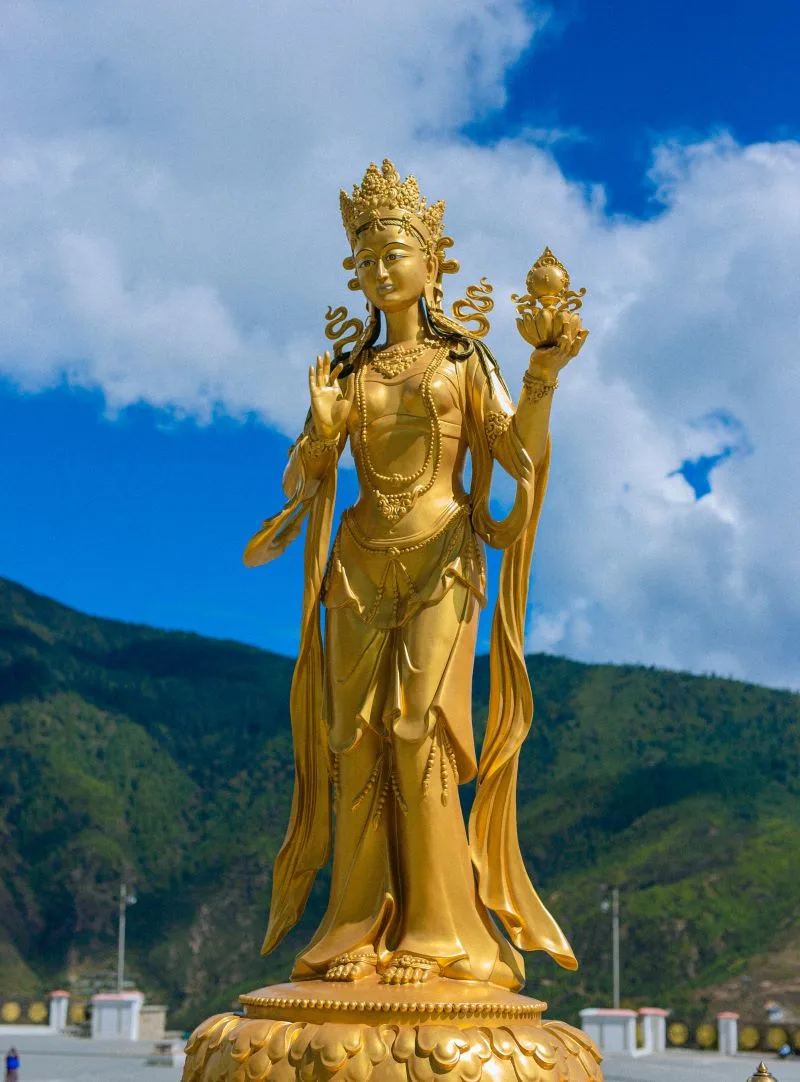
Simtokha Dzong, also known as Sangak Zabdhon Phodrang, is one of the oldest and smallest dzongs in Bhutan, located just a short distance from Thimphu, the capital city.
Built in 1629 by Zhabdrung Ngawang Namgyal, the founder of Bhutan, Simtokha Dzong holds significant historical and religious importance. It is considered the first dzong of its kind in Bhutan, marking the establishment of the country as a unified nation.
The dzong is strategically perched on a hilltop, offering commanding views of the Thimphu valley and surrounding mountains. Its location was chosen to guard the main entrance to the valley and to protect the region from potential invasions.
Simtokha Dzong’s architecture follows traditional Bhutanese design with white-washed walls, red and gold-painted woodwork, and elegant golden roofs. The fortress contains several courtyards, temples, and administrative offices.
The main temple within the dzong houses statues of Buddhist deities and religious figures, and its walls are adorned with elaborate frescoes and murals portraying various aspects of Bhutanese culture and history.
17. Royal Textile Academy of Bhutan: Discover the rich heritage of Bhutanese textiles and witness expert weavers at work


The Royal Textile Academy of Bhutan, located in Thimphu, is a cultural institution dedicated to preserving, promoting, and showcasing Bhutan’s rich textile heritage.
Established in 2005 under the patronage of Her Majesty Queen Mother Ashi Sangay Choden Wangchuck, the academy plays a crucial role in preserving Bhutanese textile arts and supporting local weavers.
The academy houses a comprehensive collection of Bhutanese textiles, including traditional costumes, intricate tapestries, and exquisite fabrics woven with unique designs and patterns.
These textiles hold significant cultural and religious importance and are intricately linked to Bhutanese identity and history.
Visitors to the Royal Textile Academy can explore the exhibits that display various textile techniques, weaving styles, and the cultural significance of different patterns and motifs.
The museum provides an educational experience, offering insights into the traditional weaving processes and the symbolism behind the designs.
The academy also serves as a center for textile conservation, research, and training. It collaborates with local weavers and artisans to revive and maintain traditional techniques and ensures the continuity of these arts for future generations.
18. National Library of Bhutan: Explore an extensive collection of Bhutanese literature and ancient manuscripts

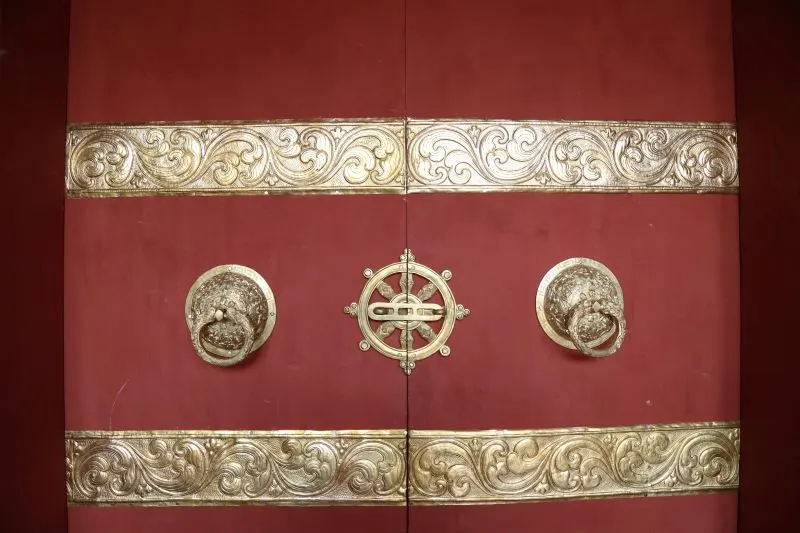
The National Library of Bhutan, located in Thimphu, is a prestigious institution dedicated to preserving and promoting the rich literary heritage of Bhutan.
Established in 1967, the library plays a vital role in collecting, cataloging, and conserving ancient manuscripts, religious texts, and important documents from across the country.
The library’s impressive building showcases traditional Bhutanese architecture, with beautifully painted walls and intricate woodwork. It stands as a symbol of Bhutan’s commitment to its cultural heritage.
The National Library houses an extensive collection of ancient manuscripts, books, and documents, including some of the oldest and rarest texts in the country. The collection covers various subjects, including religion, history, philosophy, medicine, astrology, and literature.
One of the most valuable treasures preserved at the National Library is the world’s largest published book, “Bhutan: A Visual Odyssey Across the Last Himalayan Kingdom.”
The book measures 5 feet by 7 feet and weighs over 130 pounds, showcasing stunning photographs of Bhutan’s landscapes, culture, and people.
The library also serves as a resource center for researchers, scholars, and students interested in Bhutanese studies. It provides access to an extensive collection of books, reference materials, and digital resources, contributing to the advancement of knowledge about Bhutan.
Additionally, the National Library houses a beautiful reading room where visitors can delve into the literary wonders of Bhutan’s past and gain a deeper understanding of the country’s unique cultural heritage.
19. Memorial Stupa: Offer prayers and pay tribute at the stupa dedicated to the late King of Bhutan

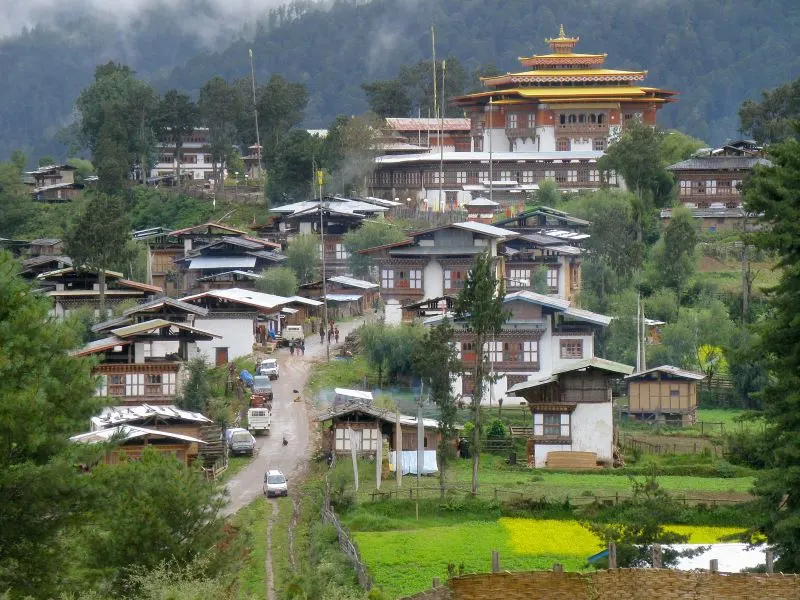
The Memorial Stupa, also known as the National Memorial Chorten, is a prominent religious monument and a revered landmark in Thimphu, the capital city of Bhutan.
Built-in 1974 to honor the third Druk Gyalpo (Dragon King) of Bhutan, King Jigme Dorji Wangchuck, the stupa serves as a place of worship, meditation, and remembrance.
It was constructed by the queen mother, Her Majesty Ashi Phuntsho Choden Wangchuck, to pay tribute to her late husband and to bring peace and harmony to the nation.
The Memorial Stupa follows the traditional Bhutanese architectural style, with a whitewashed exterior and golden spires. The structure stands tall and elegant, surrounded by a spacious courtyard adorned with prayer wheels and colorful prayer flags.
Inside the stupa, visitors will find religious statues, paintings, and sacred relics. The main hall is filled with devotees offering prayers, lighting butter lamps, and circumambulating the central shrine in a clockwise direction, as is customary in Buddhist traditions.
The Memorial Stupa is a significant spiritual and cultural center for Bhutanese people, who come here daily to seek blessings, offer prayers, and engage in religious activities.
It is particularly popular among the elderly and families who visit to seek peace, good health, and protection from misfortunes.
The stupa is open to both locals and tourists, providing an opportunity for visitors to experience the spiritual essence of Bhutanese culture and witness the strong devotion and reverence that the Bhutanese hold for their monarchy and religious traditions.
20. Bhutanese Cooking Class: Learn how to cook traditional Bhutanese dishes and enjoy the flavors


A Bhutanese cooking class offers visitors the opportunity to learn about Bhutanese cuisine and traditional cooking techniques in a hands-on and immersive environment.
Typically held in a local home or cooking school, the cooking class is conducted by experienced Bhutanese chefs or home cooks who are passionate about sharing their culinary heritage.
During the class, participants are introduced to a variety of Bhutanese ingredients, spices, and cooking methods. They learn to prepare authentic Bhutanese dishes, such as Ema Datshi (spicy chili and cheese), Phaksha Paa (pork with red chili), and Kewa Datshi (potatoes with cheese).
Participants are encouraged to get involved in the cooking process, from chopping vegetables and seasoning dishes to simmering stews and stir-frying ingredients. The chefs provide guidance and insights into the cultural significance of each dish and the use of local ingredients.
The cooking class also offers an opportunity to understand Bhutanese food customs and the importance of meals in Bhutanese culture. Participants learn about the concept of “Ema Datshi” (chili and cheese), which is considered Bhutan’s national dish and a staple in Bhutanese cuisine.
At the end of the class, participants get to savor the fruits of their labor by enjoying the dishes they helped prepare. It’s a delightful moment of sharing a meal together and experiencing the authentic flavors of Bhutan.
21. Paro Taktsang (Tiger’s Nest): Take a day trip to this iconic cliffside monastery, one of Bhutan’s most famous landmarks

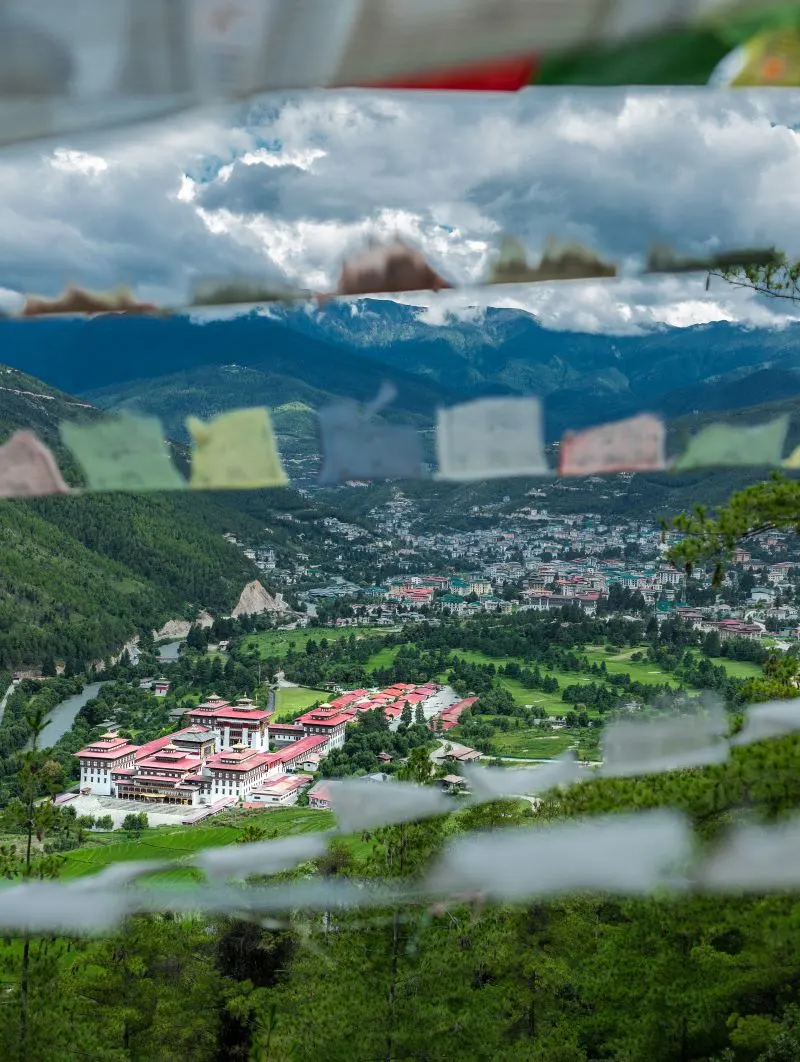
Paro Taktsang, commonly known as Tiger’s Nest, is one of the most iconic and sacred sites in Bhutan. It is a stunningly located monastery perched on the edge of a cliff in the Paro Valley.
The monastery’s name, Tiger’s Nest, comes from a legend that dates back to the 8th century. It is believed that the great Indian saint, Guru Padmasambhava (also known as Guru Rinpoche), flew to this location on the back of a tigress, hence the name “Tiger’s Nest.”
He meditated in a cave on the mountainside for three years, three months, three weeks, three days, and three hours, blessing the place and sanctifying it.
The hike to Paro Taktsang is a popular pilgrimage for both locals and tourists. The trail winds through a pine forest, offering stunning views of the valley and surrounding mountains. Along the way, there are several viewpoints where visitors can rest and admire the monastery from a distance.
The final stretch of the hike involves climbing a series of stone steps, passing through prayer flag-adorned paths until reaching the entrance of the monastery. Visitors are required to leave their bags and cameras in designated storage areas before entering the monastery.
Inside the complex, visitors can explore various temples, shrines, and meditation caves. The main temple houses a stunning statue of Guru Padmasambhava and several religious artifacts.
The panoramic view from the monastery’s terrace is awe-inspiring, making the effort to reach Tiger’s Nest even more rewarding.
Paro Taktsang is not only a religious and cultural treasure but also an architectural marvel, clinging to the cliffside and blending harmoniously with the natural landscape.
For those with average fitness levels, the hike to Tiger’s Nest can take around 2 to 4 hours round trip. It’s essential to wear comfortable clothing and sturdy footwear, and also carry some water and snacks for the journey.
22. Goemba: Hike to this sacred site to gain insight into Bhutanese Buddhist traditions

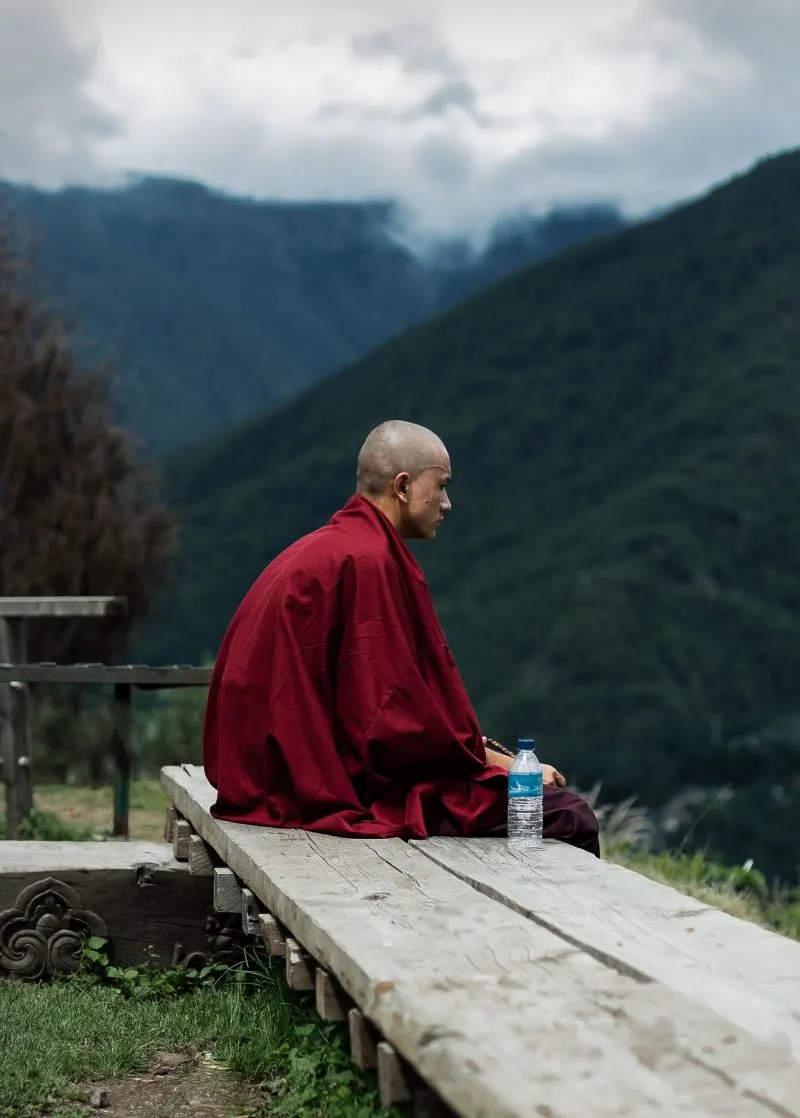
A goemba, also known as a monastery or temple in Bhutan, offers a profound and insightful experience into Bhutanese Buddhist traditions. Bhutan is dotted with numerous goembas, each with its unique history, architecture, and spiritual significance.
Hiking to a goemba is not only a physical journey but also a spiritual one, allowing visitors to connect with Bhutan’s religious and cultural heritage. Many goembas are situated in serene and picturesque locations, providing stunning views of the surrounding landscapes.
During the hike, visitors may encounter prayer flags and prayer wheels along the trail, symbolizing prayers and good wishes for all sentient beings.
The journey itself becomes a form of meditation, offering moments of solitude and reflection amidst the peaceful mountain scenery.
Upon reaching the goemba, visitors can witness monks engaged in prayers and rituals, gaining insights into their spiritual practices and way of life.
The tranquil and sacred ambiance of the goemba creates a serene atmosphere, inviting contemplation and a deeper understanding of Buddhism’s teachings.
Inside the goemba’s main hall, visitors may find beautifully adorned statues of Buddha and other religious deities, colorful murals depicting Buddhist stories, and various religious artifacts. The resident monks may offer blessings to visitors, fostering a sense of harmony and goodwill.
23. Motithang Royal Botanical Garden: Enjoy a peaceful stroll through the diverse flora of Bhutan

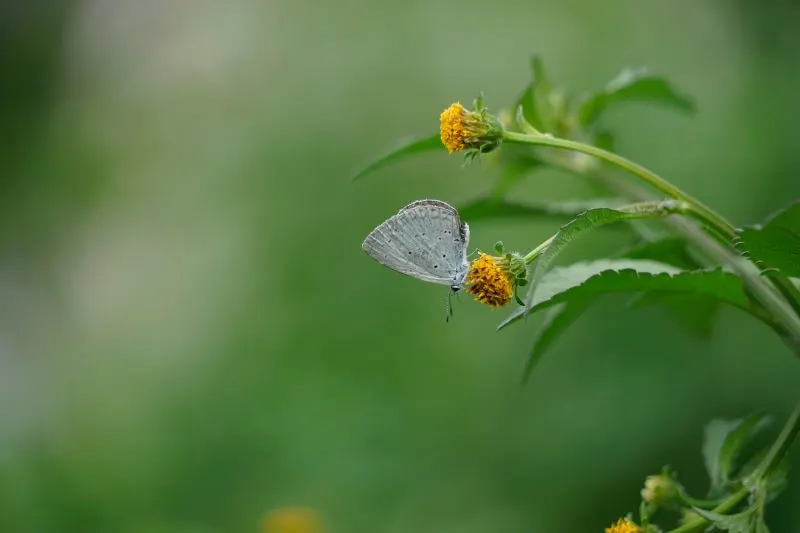
The Motithang Royal Botanical Garden, located in Thimphu, Bhutan, is a beautiful and serene natural sanctuary that showcases the country’s diverse plant life and ecological richness.
Established in 1999, the botanical garden spans over 82 acres and is situated near the Motithang area, offering visitors a peaceful retreat from the bustling city life.
The garden features a wide variety of native and exotic plant species, including rare and endangered plants that are unique to Bhutan’s rich biodiversity.
It serves as a center for conservation efforts, preserving and propagating native flora and promoting sustainable gardening practices.
The Motithang Royal Botanical Garden is an ideal place for nature enthusiasts, horticulturists, and photographers to explore Bhutan’s diverse vegetation.
Visitors can enjoy leisurely walks along well-maintained trails, providing opportunities to admire various plant species and enjoy the natural beauty of the surroundings.
The garden also offers scenic picnic spots, making it an excellent place for families and groups to spend quality time amidst lush greenery and picturesque landscapes.
One of the highlights of the botanical garden is the stunning rhododendron collection, which blooms in a riot of colors during the spring season, creating a mesmerizing spectacle for visitors.
24. Royal Thimphu Golf Course: Play a round of golf in the picturesque surroundings


The Royal Thimphu Golf Course is an esteemed golfing destination located in the capital city of Bhutan. Situated amidst the stunning backdrop of the Himalayas, this golf course offers a unique and picturesque experience for golfers.
Built-in 1971, the Royal Thimphu Golf Course is one of the oldest golf courses in Bhutan and was initially a 9-hole course. However, it underwent significant renovations and expansion in 2002, becoming an 18-hole course.
The course is set at a high altitude of around 7,700 feet (2,350 meters) above sea level, providing golfers with the opportunity to enjoy a challenging and scenic game in the crisp mountain air.
Playing golf at the Royal Thimphu Golf Course is a memorable experience due to its beautiful natural surroundings and the peaceful ambiance that comes with being away from the city’s hustle and bustle.
In addition to its scenic beauty, the golf course also boasts a clubhouse that offers various amenities for players, including rental equipment, changing rooms, and a restaurant where golfers can relax and enjoy local and international cuisines.
The Royal Thimphu Golf Course is known for its well-maintained greens and fairways, providing an excellent golfing experience for both beginners and seasoned players.
25. Archery Match: Watch Bhutan’s national sport and cheer on the competitors

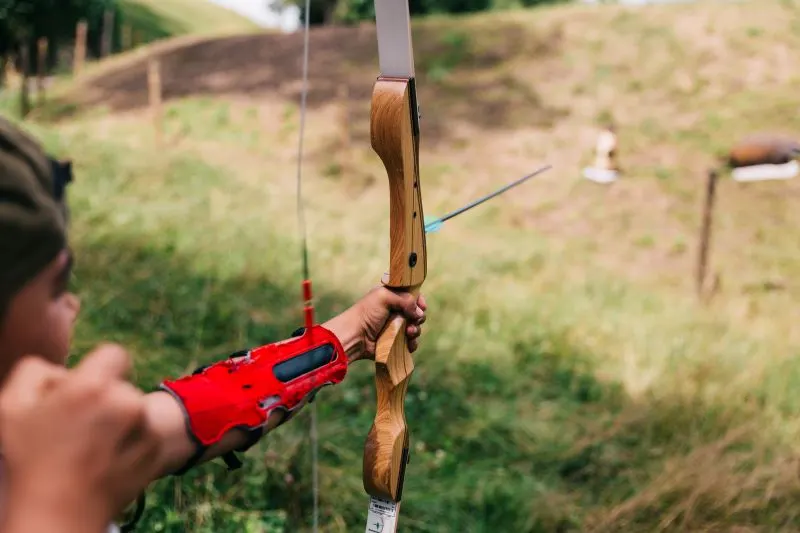
Archery is the national sport of Bhutan and holds immense cultural significance in the country. An archery match, known as “Nyee,” is a lively and spirited event that brings together players and spectators from various communities.
During an archery match, two teams compete against each other, each consisting of skilled archers. The teams take turns shooting arrows at the target, which is placed at a considerable distance from the archers.
The players shoot traditional Bhutanese bows, which are made of bamboo and wood and can measure up to six feet in length. The arrows are typically made of bamboo with feather fletchings.
What sets Bhutanese archery matches apart is the lively and vibrant atmosphere that surrounds the event. Spectators cheer for their teams, and the players engage in friendly banter and celebration with every successful shot. Traditionally, the Bhutanese wear their distinctive national dress, adding a touch of color and tradition to the occasion.
An essential element of the archery match is the traditional Bhutanese songs and dances performed by the archers and their supporters. These songs and dances, known as “Zhungdra” and “Boedra,” add to the festive and joyful ambiance of the event.
Scoring in Bhutanese archery is unique as well. When a player successfully hits the target, a teammate standing near the target does a dance to celebrate, and the scorekeeper yells out the score to the players. The team members on the shooting line then respond with cheers and gestures to acknowledge the score.
Remember that Bhutan is a country with a unique culture and strong focus on preserving its traditions and environment. Enjoy your time in Thimphu and respect the local customs and values while exploring these attractions.
Food In Thimphu


Thimphu, the vibrant capital city of Bhutan, not only boasts stunning landscapes and rich cultural heritage but also offers a diverse and flavorsome culinary experience.
The city’s food scene is a blend of traditional Bhutanese cuisine, international influences, and innovative culinary creations. From spicy stews to delectable snacks, Thimphu’s food offerings are sure to captivate the taste buds of locals and visitors alike.
- Ema Datshi – The Beloved National Dish:
Thimphu proudly serves its national treasure, Ema Datshi, in various forms. This spicy chili and cheese stew are a delightful explosion of flavors. From the classic version to variations with mushrooms, potatoes, or dried chilies, Ema Datshi takes center stage on every local menu and is a must-try for those who crave the fiery side of Bhutanese cuisine.
- Red Rice – The Wholesome Staple:
Accompanying almost every Bhutanese meal in Thimphu is the nutty and nutritious red rice. This organic grain is a source of pride for Bhutan, and its distinct taste complements the local dishes. Be it paired with curries or enjoyed with a simple Ema Datshi, red rice offers a wholesome and satisfying dining experience.
- Momos – The Savory Delights:
Momos are ubiquitous in Thimphu, and locals take great pride in preparing these steamed dumplings to perfection. With fillings ranging from minced meat to vegetables and cheese, momos are a popular street food and a favorite choice for a quick and delicious snack.
- Phaksha Paa – The Heavenly Pork Dish:
Pork lovers will be delighted by Thimphu’s Phaksha Paa, a flavorful stew of succulent pork cooked with radishes and fiery red chilies. The tantalizing aroma and tender meat make this dish a heavenly delight for those craving rich and spicy flavors.
- Suja – A Warming Beverage:
To complete the culinary experience in Thimphu, don’t miss trying Suja, the traditional Bhutanese butter tea. Made with tea leaves, yak butter, and a touch of salt, Suja is not only a comforting beverage but also an integral part of Bhutanese hospitality.
- Street Food and Local Treats:
Thimphu’s bustling streets offer a variety of street food and local treats that cater to every palate. From crispy potato chips (hoentay) to sweet jellies (zow shungo), exploring the local street food is an adventure in itself and a great way to taste the city’s diverse flavors.
Thimphu’s culinary landscape is an enriching blend of tradition and innovation, offering a myriad of flavors that reflect Bhutan’s cultural heritage.
The city’s vibrant markets and charming eateries are a treasure trove for food enthusiasts seeking authentic Bhutanese dishes and delightful surprises.
Exploring the food scene in Thimphu is not just a gastronomic journey but also an opportunity to connect with the warmth and hospitality of the Bhutanese people, making it an essential aspect of any visit to this enchanting capital city.
Top 20 Best Restaurants In Thimphu, Bhutan


- Ambient Cafe
- Babesa Village Restaurant
- Bhutan Kitchen
- Chig-Ja-Gye Restaurant
- Cloud 9
- Folk Heritage Museum Restaurant
- Galingkha
- The Green Bistro
- Kalden Restaurant
- Lungta Restaurant
- Mo Café
- My Kind of Place (MKOP)
- Namsay Artisanal Brew Pub
- Palden Highland Tours Restaurant
- Seasonal Tastes
- Thimphu Bistro
- Yeedzin Restaurant
- Yangkhil Resort Restaurant
- Zombala Restaurant
- Zombala 2 Restaurant
Transportation In Thimphu
Transportation in Thimphu, the capital city of Bhutan, is characterized by a mix of modern and traditional modes of travel.
While Thimphu is a relatively small city, it serves as the main economic and administrative hub of the country, and its transportation system caters to the needs of locals and tourists alike.
Taxis and Cabs: Taxis and cabs are a common mode of transportation in Thimphu. These vehicles are readily available and are usually painted in a distinct black and yellow color. Taxis can be hired for short trips within the city or for longer journeys to nearby towns and tourist destinations.
City Buses: Thimphu has a limited but efficient city bus service. These buses connect various parts of the city, making it easier for residents and visitors to move around. The buses are recognizable by their blue color and offer an affordable means of transportation.
Walking and Cycling: Thimphu is a pedestrian-friendly city, and many areas within the city center are easily accessible on foot. Walking allows visitors to explore the city at a leisurely pace, and it is a great way to discover hidden gems and interact with locals.
Cycling is also becoming increasingly popular in Thimphu, and some hotels and guesthouses offer bicycle rentals for tourists who wish to explore the city on two wheels.
Private Vehicles: Private vehicles are commonly used by locals and expatriates living in Thimphu. The city has seen an increase in the number of cars in recent years, leading to some traffic congestion during peak hours.
Tourist Buses: For tourists, especially those on guided tours, tourist buses are often used to travel between major tourist attractions and destinations. These buses provide a comfortable and convenient way to explore Thimphu and other parts of Bhutan.
Motorcycles and Scooters: Motorcycles and scooters are also used for transportation within Thimphu, particularly by locals and delivery services.
Hired Vehicles: For travelers who wish to explore Thimphu and the surrounding areas independently, hiring a private vehicle with a driver is a popular option. This allows for flexibility in itinerary planning and access to remote destinations.
In conclusion, Thimphu, Bhutan, is a city that truly captures the essence of the mystical kingdom. As the charming capital, Thimphu offers an enchanting blend of tradition and modernity, where ancient cultural practices seamlessly coexist with progressive developments. Its low-rise buildings adorned with intricate Bhutanese architecture exude a sense of timelessness and authenticity.
Thimphu’s cultural heritage is vividly evident in its sacred monasteries, dzongs, and vibrant festivals. The city’s numerous cultural landmarks, such as Tashichho Dzong and the National Memorial Chorten, provide a glimpse into the spiritual heart of Bhutanese life. The colorful celebrations, known as tsechus, showcase the country’s devotion to preserving its age-old traditions.
Beyond its cultural treasures, Thimphu boasts breathtaking natural beauty. Surrounded by lush mountains and serene landscapes, the city offers opportunities for outdoor adventures like hiking to the legendary Tiger’s Nest or exploring the scenic Dochula Pass.
The warm hospitality of the Bhutanese people is evident throughout Thimphu, as visitors are welcomed with genuine smiles and open hearts. Bhutan’s unique development philosophy of Gross National Happiness (GNH) permeates the city, creating an atmosphere of contentment and well-being that resonates with all who visit.
As the gateway to Bhutan’s wonders, Thimphu invites travelers on a soul-stirring journey, where happiness and harmony are cherished above all else.
A visit to Thimphu is not just an exploration of a city; it is an immersion into a way of life that cherishes tradition, embraces modernity, and fosters a profound connection with nature and spirituality.
In Thimphu, one can find tranquility amidst the bustle, enlightenment within ancient teachings, and an overwhelming sense of wonder at the beauty that surrounds. It is a place where the old and the new harmonize, and where the pursuit of happiness becomes a shared endeavor.
Thimphu is an enchanting city that leaves a lasting impression on the soul. It is a destination that captivates the heart, making it a timeless and cherished memory for all who have the privilege to experience the magic of the Land of the Thunder Dragon.
Leave a comment