
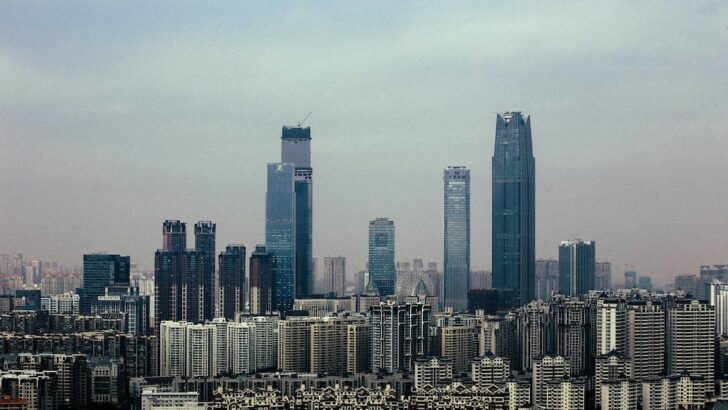
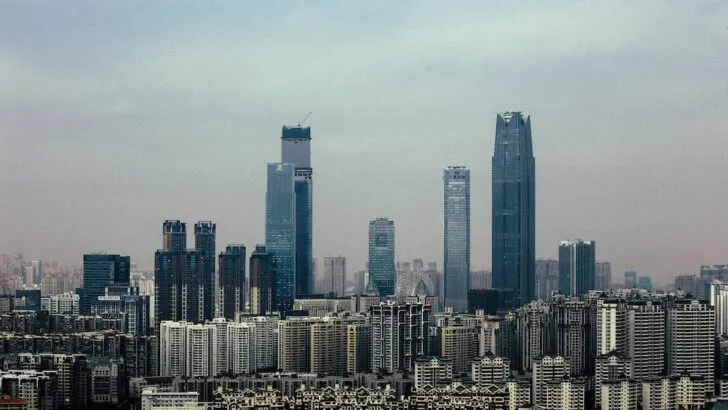
Nanning is a vibrant and picturesque city located in the southern part of China. As the capital city of Guangxi Zhuang Autonomous Region, Nanning serves as the political, economic, and cultural center of the region.
With its lush green landscapes, rich cultural heritage, and warm climate, Nanning has earned its nickname as the “Green City” and is a popular destination for both domestic and international travelers.
Geographically, Nanning is nestled along the banks of the Yong River, which adds to its scenic charm. The city’s history dates back more than 1,600 years, and its strategic location near the borders of Vietnam and Guangdong Province has played a significant role in shaping its cultural diversity and influences.
Cultural Diversity:
One of Nanning’s defining characteristics is its cultural diversity. As a regional hub, the city is home to multiple ethnic groups, with the Zhuang people being the largest ethnic minority.
The coexistence of various ethnicities enriches Nanning’s culture, evident in its art, music, dance, festivals, and culinary traditions.
Tourist Attractions:
Nanning offers a range of tourist attractions that showcase the region’s natural beauty and cultural heritage. Some of the city’s must-visit sites include:
- People’s Park: A picturesque urban park with beautiful gardens, pavilions, and a lake, making it a popular spot for locals to relax and unwind.
- Guangxi Science and Technology Museum: A fascinating interactive museum that offers insight into scientific and technological advancements.
- Detian Waterfall: Located near Nanning, Detian Waterfall is one of the largest transnational waterfalls shared between China and Vietnam.
- Qingxiu Mountain: A scenic mountain park with lush forests, hiking trails, and stunning viewpoints overlooking the city.
- Guangxi Museum: An architectural masterpiece that houses a vast collection of artifacts representing the region’s history and culture.
Culinary Delights:
Nanning’s cuisine is another highlight for visitors. Influenced by the local Zhuang culture and neighboring regions, the city’s food scene boasts unique dishes such as Luosifen (spicy sour rice noodles), Mifen (rice noodle soup), and various seafood delicacies.
Local Festivals:
Throughout the year, Nanning hosts vibrant festivals celebrating its cultural diversity. The most famous is the China-ASEAN Expo, promoting economic cooperation between China and Southeast Asian countries.
Accessibility:
Nanning is well-connected to other major cities in China through its high-speed rail network and an international airport, making it easily accessible for travelers from around the world.
With its mix of natural beauty, diverse culture, and modern amenities, Nanning offers an enriching and enjoyable experience for anyone eager to explore the heart of Guangxi and discover the charms of southern China.
1. Guangxi Museum: Explore the regional history, culture, and art at this comprehensive museum
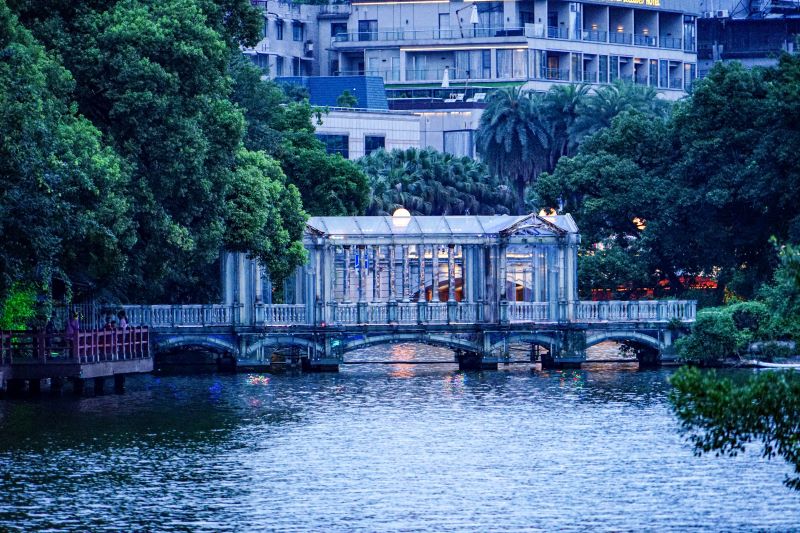
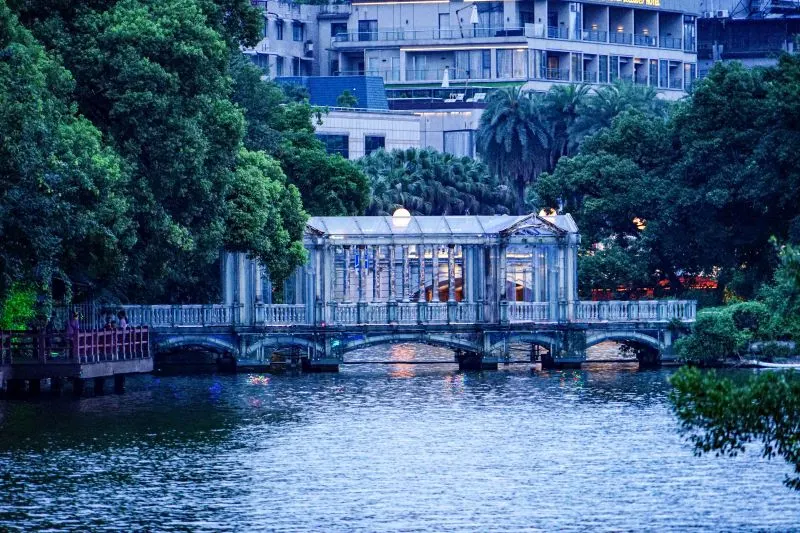
The Guangxi Museum houses an extensive collection of artifacts, exhibits, and cultural relics that offer insights into the historical, social, and cultural development of Guangxi.
The museum’s exhibits cover a wide range of topics, including prehistoric periods, ancient civilizations, ethnic minorities, traditional crafts, and modern developments in Guangxi.
Visitors to the museum can expect to see ancient pottery, bronze ware, calligraphy, paintings, traditional costumes, and folk art, among other fascinating exhibits.
Through its extensive displays, the museum aims to educate visitors about the unique blend of ethnic cultures that make Guangxi a diverse and culturally rich region.
The architecture of the Guangxi Museum itself is noteworthy, featuring a modern design that reflects the region’s connection to its historical and natural heritage.
The museum offers a comprehensive and engaging experience for history enthusiasts, art lovers, and anyone interested in understanding the cultural roots of Guangxi.
Whether you’re a history buff, an art enthusiast, or just curious about Guangxi’s fascinating cultural heritage, the Guangxi Museum is a must-visit destination in Nanning, China.
2. Qingxiu Mountain: Hike or take a cable car to enjoy stunning views of the city and surrounding landscape
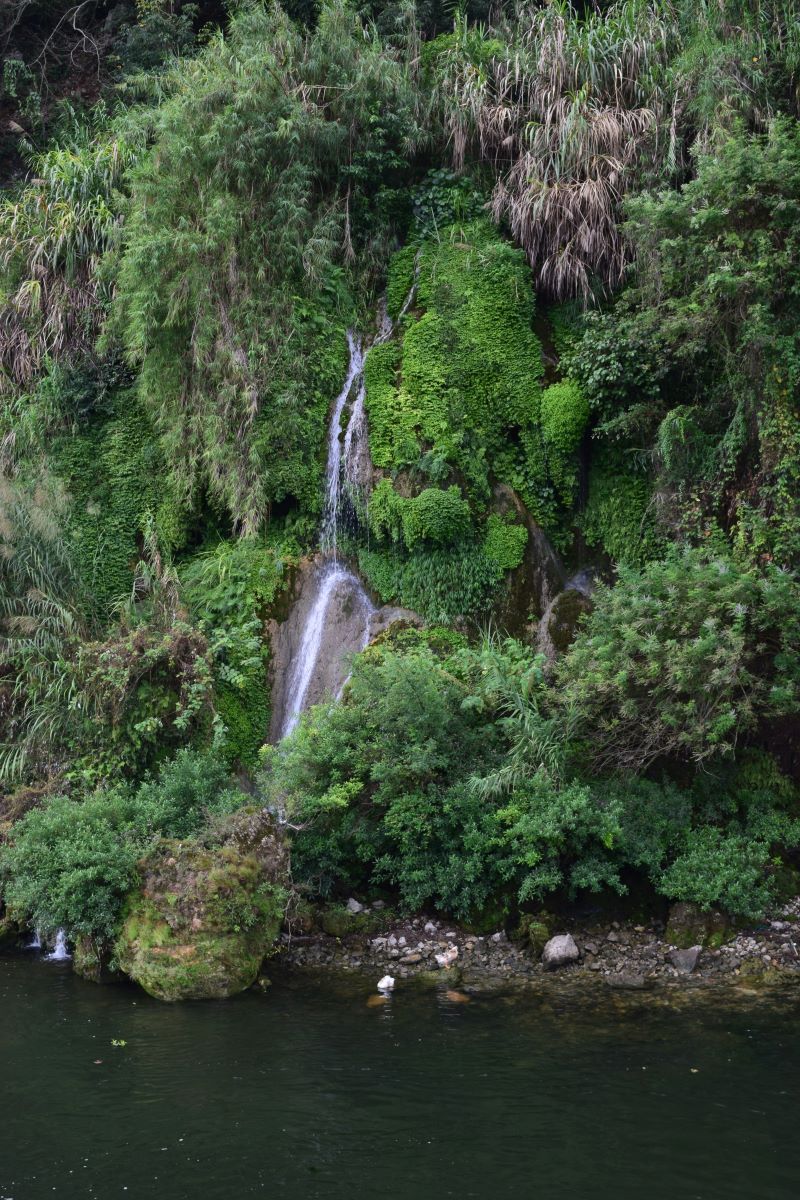
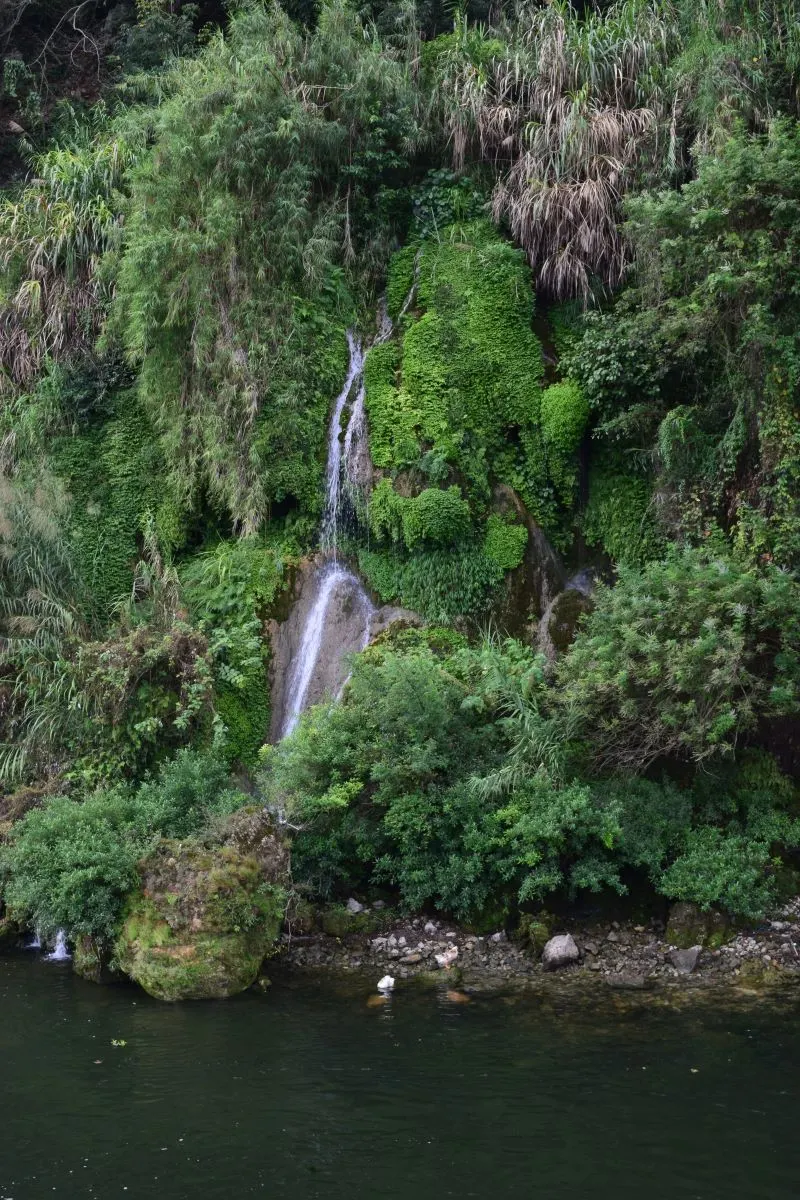
Qingxiu Mountain is a low-lying mountain range characterized by its lush greenery, serene landscapes, and scenic viewpoints. It covers an area of approximately 133 square kilometers and is a popular destination for both locals and tourists seeking a peaceful retreat and a connection with nature.
The mountain features several peaks, the highest being Mingxiu Peak, which offers breathtaking panoramic views of Nanning and the surrounding countryside.
Visitors can hike to the summit or take a cable car for a more relaxed journey while enjoying the scenic beauty along the way.
At the foot of the mountain, you’ll find a beautiful lake called Nanhu (South Lake) with clear water and charming pavilions dotting the shoreline. This area is a popular spot for locals and tourists alike to stroll, have picnics, and take in the tranquil ambiance.
Throughout the mountain, there are well-maintained pathways and walking trails, making it an excellent destination for outdoor enthusiasts and those looking to escape the city for a while.
The mountain is also home to several parks, gardens, and temples, providing opportunities for cultural exploration and spiritual contemplation.
Qingxiu Mountain is a year-round destination, with each season offering its own unique charm. In spring, the mountain is adorned with blooming flowers and lush vegetation.
In summer, it provides a cool and refreshing respite from the heat. Autumn brings a riot of colors as the leaves change, creating a picturesque landscape. And in winter, the mountain’s serene beauty remains, offering a peaceful environment for contemplation and relaxation.
3. Detian Waterfall: Take a day trip to witness one of the largest transnational waterfalls on the border with Vietnam
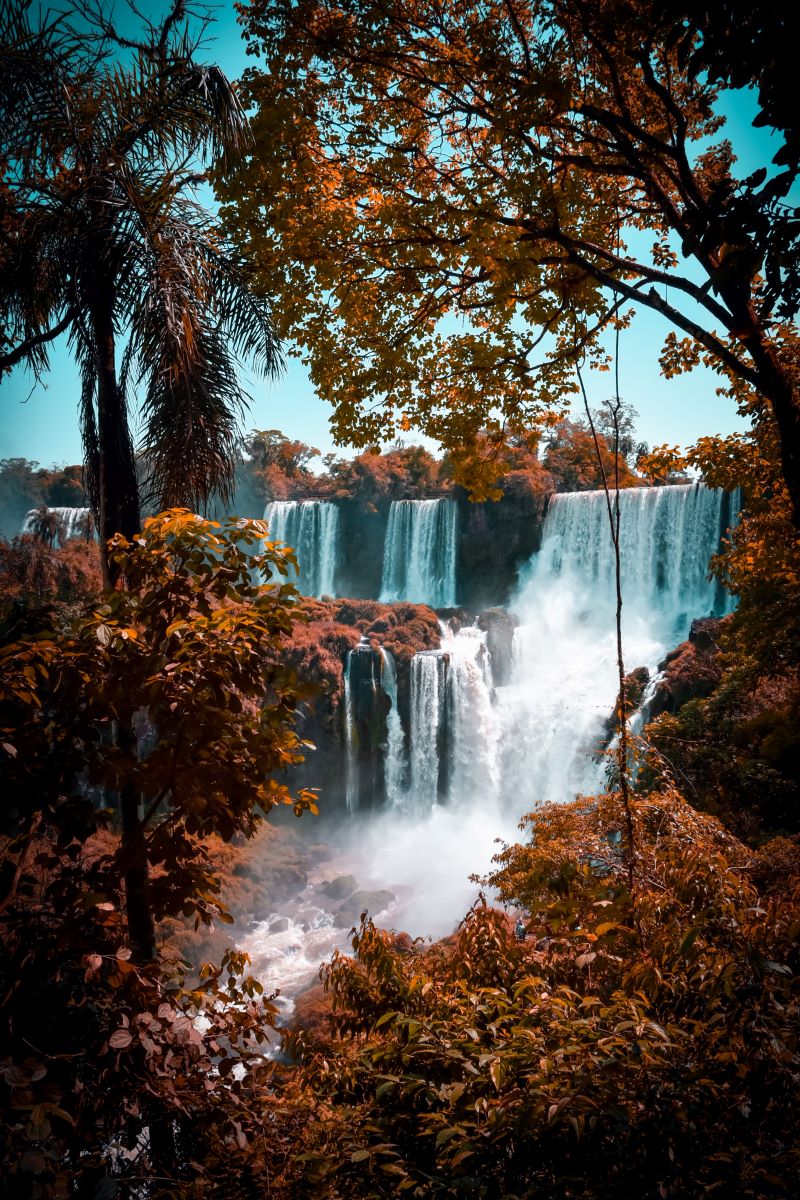
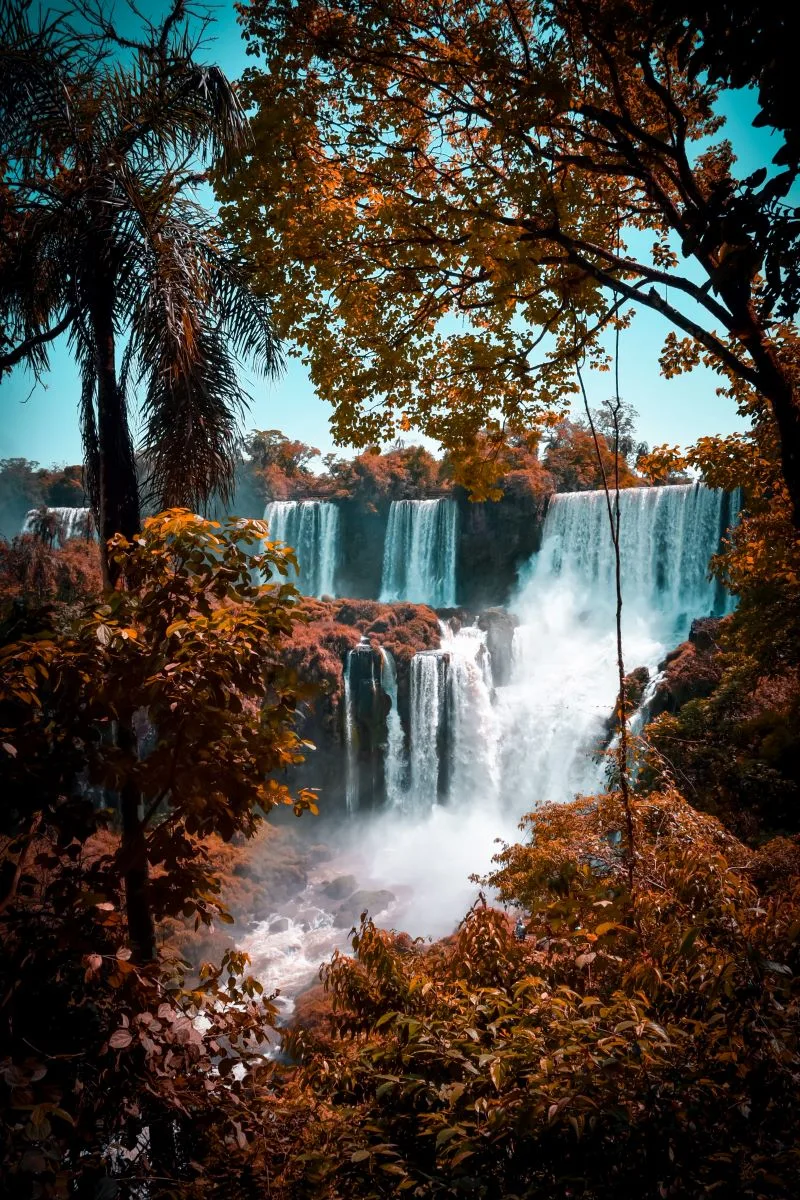
Detian Waterfall is situated in Guangxi Zhuang Autonomous Region, China, but it is closely connected to its Vietnamese counterpart, Ban Gioc Waterfall, located just across the border in Cao Bang province, Vietnam. Together, they form a spectacular natural wonder that straddles the boundary between the two countries.
The waterfall is formed by the convergence of the Guichun River from China and the Quay Son River from Vietnam. The cascading waters tumble down a series of limestone cliffs, creating a mesmerizing scene of mist, spray, and rainbows. The thunderous roar of the falling water adds to the awe-inspiring experience.
The entire area surrounding Detian Waterfall is covered in lush vegetation and dense forests, providing a picturesque and serene setting for visitors.
The combination of the majestic waterfall and the surrounding greenery makes it a popular destination for nature lovers, photographers, and travelers seeking an unforgettable natural spectacle.
Visitors can explore the area around the waterfall on foot, taking in the breathtaking views and enjoying the refreshing atmosphere. Boat rides are also available, allowing you to get closer to the falls and experience the spray and mist up close.
Detian Waterfall and Ban Gioc Waterfall are jointly managed by China and Vietnam as a cross-border tourist destination, and there are facilities on both sides to accommodate visitors.
As the waterfalls are situated in a border area, it’s essential to check the current border-crossing regulations and visa requirements if you plan to visit both sides.
4. Nanhu Lake Park: Relax and enjoy the serene lake, gardens, and pavilions in this beautiful park
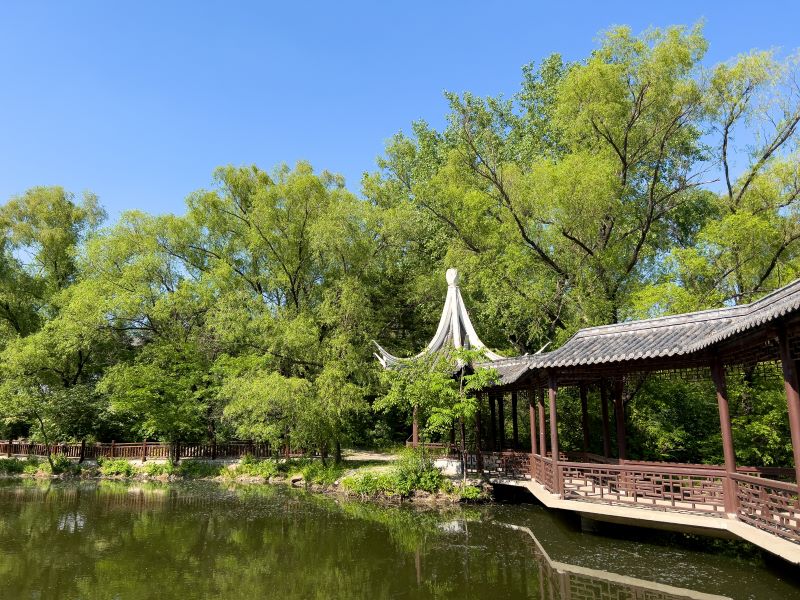
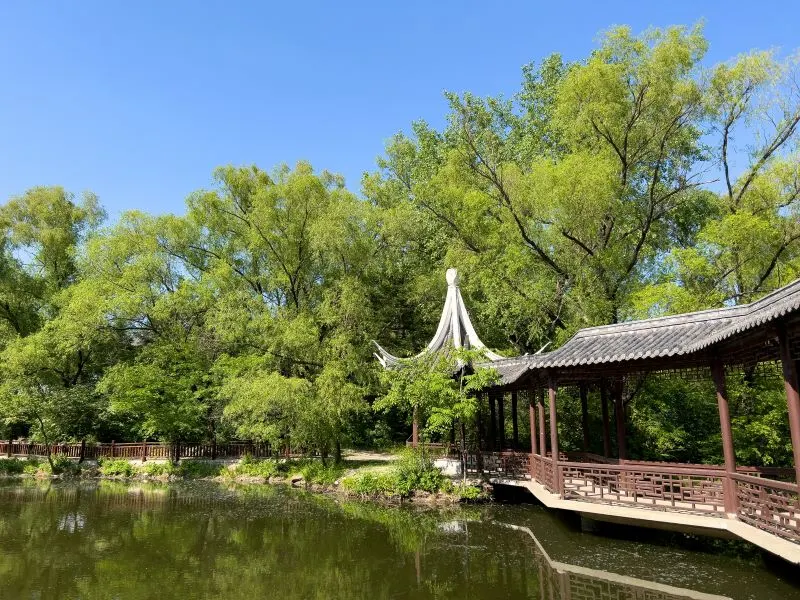
Nanhu Lake Park is centered around Nanhu Lake, a serene and picturesque lake that covers an area of approximately 150 hectares. The park is situated in the southern part of Nanning and is easily accessible from various parts of the city.
The park is designed to showcase the natural beauty of the lake and its surroundings, making it a perfect place for leisurely walks, picnics, and relaxation.
The lake is bordered by well-maintained pathways, lush greenery, and colorful flowers, creating a pleasant atmosphere for visitors to enjoy.
Within Nanhu Lake Park, you’ll find several pavilions and gazebos where visitors can sit and admire the peaceful scenery. These structures also serve as great vantage points for taking in views of the lake and the city skyline in the distance.
The park is popular among locals, especially during weekends and holidays, when families and friends gather for outdoor activities and socializing.
You’ll often see people flying kites, boating on the lake, practicing tai chi, or simply enjoying a leisurely stroll along the lakeside.
One of the highlights of Nanhu Lake Park is the Nanhu Lake Music Fountain, which features spectacular water displays synchronized with music and colorful lights.
The fountain show is a popular evening attraction and draws crowds of spectators who come to be enchanted by the captivating spectacle.
The park also hosts various cultural events, performances, and festivals throughout the year, adding to its lively and festive atmosphere.
5. Nanning Zoo: Visit to see various animals, including the famous white-headed langurs


Nanning Zoo covers an extensive area, providing a spacious and naturalistic environment for the animals in its care. The zoo is home to a wide variety of wildlife, including mammals, birds, reptiles, and aquatic species.
As you explore the zoo, you’ll have the chance to see animals from different parts of the world, as well as some unique species native to China and Southeast Asia.
Some of the notable animals you may encounter at Nanning Zoo include giant pandas, white-headed langurs (a critically endangered primate species), tigers, elephants, giraffes, zebras, various bird species, and more.
The zoo’s enclosures are designed to mimic the natural habitats of the animals as closely as possible, providing them with space to roam and engage in their natural behaviors. This approach aims to enhance the welfare and well-being of the animals in captivity.
Apart from animal exhibits, Nanning Zoo also offers educational and recreational activities for visitors. There are animal shows and performances, educational presentations, and opportunities for children and families to learn about wildlife conservation and environmental protection.
While the zoo is a popular attraction, it’s essential to keep in mind the welfare of the animals and the importance of responsible tourism.
Ethical considerations, such as avoiding feeding animals or supporting any activities that may cause distress to the animals, are vital to ensure their well-being.
6. Guangxi Medicinal Botanical Garden: Discover a wide variety of medicinal plants and herbs
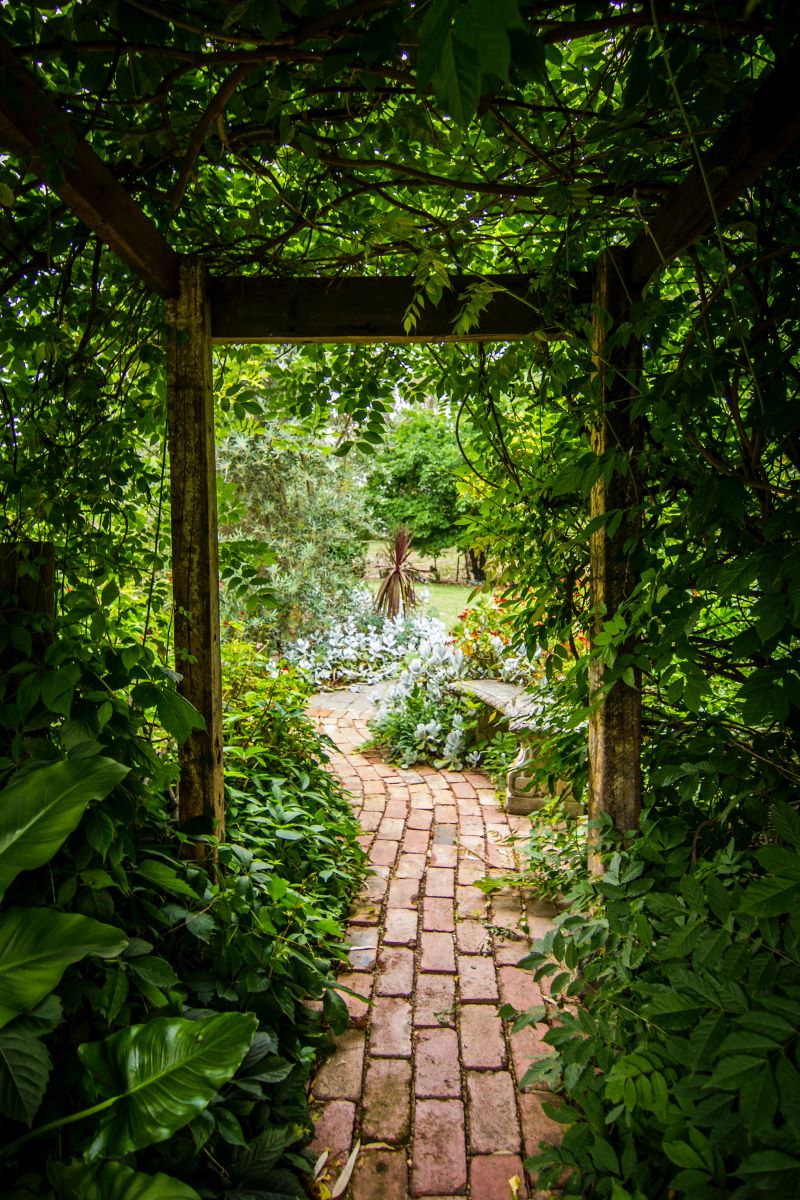
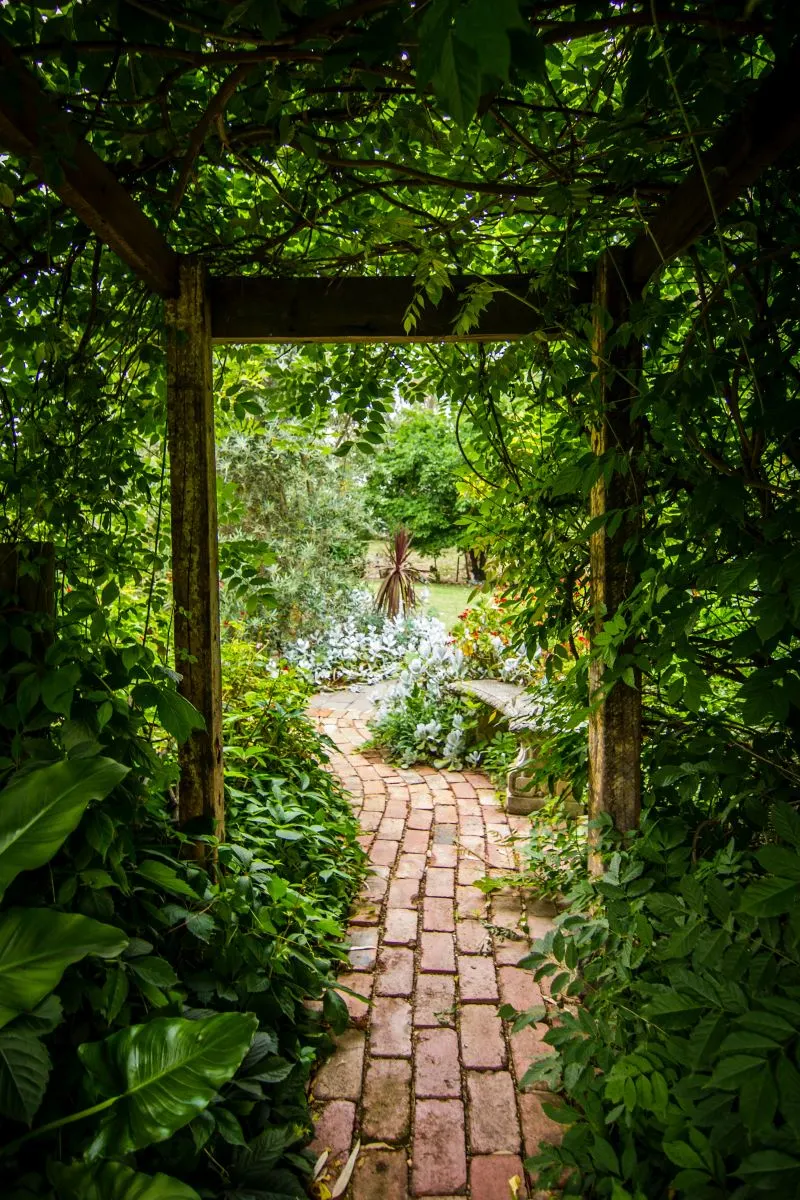
The Guangxi Medicinal Botanical Garden is a significant center for the study and preservation of medicinal flora in the Guangxi region.
It covers a substantial area and houses an extensive collection of medicinal plants, many of which have been traditionally used in Chinese medicine for their healing properties.
The garden serves as both a research facility and a public attraction, offering visitors a unique opportunity to learn about the medicinal properties of various plants and their cultural importance.
As you stroll through the garden’s pathways, you’ll encounter a diverse range of medicinal species, each with its distinct characteristics and uses.
In addition to its scientific and educational purposes, the Guangxi Medicinal Botanical Garden plays a vital role in the conservation of endangered medicinal plant species.
The garden’s efforts to propagate and protect these valuable plants contribute to their preservation and safeguard against the depletion of rare medicinal resources.
The garden offers a tranquil and green environment, providing a serene setting for visitors to appreciate the beauty and significance of medicinal plants.
It is a valuable resource for researchers, herbalists, and anyone interested in traditional medicine and the cultural heritage of Guangxi.
7. Guangxi Science and Technology Museum: A great place for interactive learning and exhibits


The Guangxi Science and Technology Museum is a state-of-the-art facility designed to promote science education and foster curiosity about technology and innovation. It offers a wide range of interactive exhibits and displays that cater to visitors of all ages.
The museum covers various fields of science and technology, including physics, biology, astronomy, geology, robotics, and more.
Each section of the museum is designed to be informative and engaging, allowing visitors to participate actively and learn through practical experiences.
Visitors can expect to find hands-on activities, multimedia presentations, 3D models, and interactive simulations throughout the museum. These exhibits provide a fun and immersive way to understand complex scientific concepts and principles.
One of the highlights of the Guangxi Science and Technology Museum is its focus on showcasing the region’s technological achievements and contributions.
It often features exhibitions and displays that highlight local innovations and advancements in science and industry.
The museum also hosts special events, workshops, and educational programs that cater to students, families, and science enthusiasts. These activities further enhance the museum’s mission of promoting scientific literacy and fostering a culture of innovation.
8. Nanning People’s Park: Stroll through this charming park, perfect for people-watching


Nanning People’s Park is a well-maintained green oasis in the midst of the urban landscape. Spanning a considerable area, the park features lush gardens, open spaces, and scenic spots that attract people seeking relaxation, leisure, and outdoor activities.
The park’s design incorporates elements of traditional Chinese garden aesthetics, with pavilions, bridges, and ponds adding to its charm. As you explore the park, you’ll find beautiful pathways lined with trees and flowers, making it an ideal place for leisurely strolls or jogging.
One of the main attractions within Nanning People’s Park is the large central lake, where visitors can enjoy paddle boating or simply sit by the water’s edge and take in the tranquil atmosphere.
Surrounding the lake are numerous pavilions and teahouses, providing peaceful spots to sit and appreciate the natural surroundings.
Nanning People’s Park is a favorite spot for locals, especially during weekends and holidays, when families and friends gather for picnics, games, and socializing.
It’s a vibrant place where you can witness community life and observe the various activities people engage in, from group exercises like tai chi to dancing and singing performances.
Throughout the park, there are also small food stalls and vendors selling snacks and refreshments, allowing visitors to indulge in local treats and specialties.
9. Guangxi Ethnic Relics Center: Learn about the diverse ethnic cultures of Guangxi through traditional artifacts and exhibitions
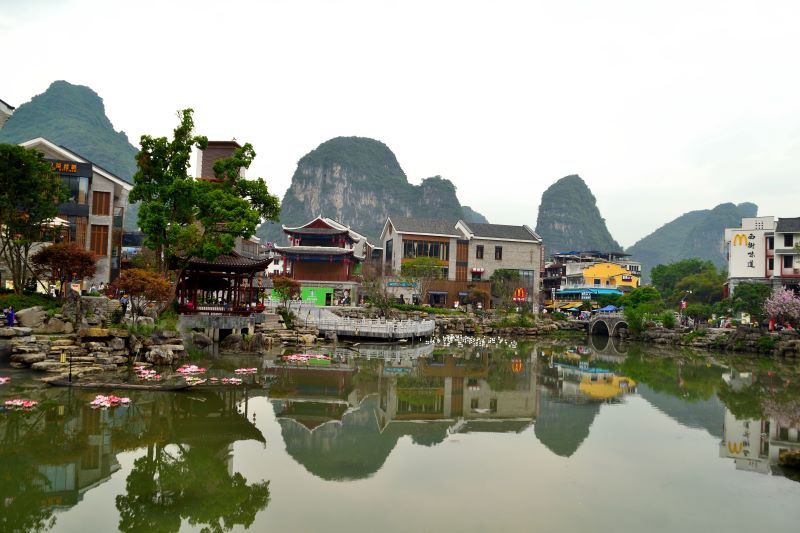
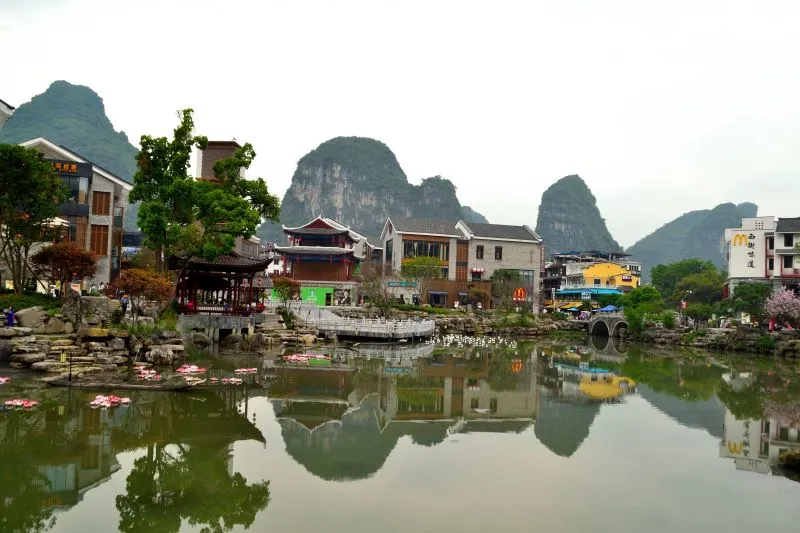
The Guangxi Ethnic Relics Center is a museum and research center that focuses on the diverse cultures and traditions of the various ethnic groups that call Guangxi home. The region is known for its ethnic diversity, with numerous ethnic communities living harmoniously side by side.
The center houses an extensive collection of artifacts, historical relics, traditional crafts, clothing, and artworks that represent the unique customs and lifestyles of Guangxi’s ethnic minorities.
Through its exhibits, the center aims to promote intercultural understanding, celebrate ethnic diversity, and raise awareness about the importance of preserving these invaluable cultural traditions.
Visitors to the Guangxi Ethnic Relics Center can explore the exhibits and displays to learn about the history, customs, rituals, festivals, and daily life of different ethnic groups in Guangxi.
The museum provides insights into the traditions, folklore, music, dance, and distinctive architecture of the region’s ethnic communities.
The center also plays a crucial role in cultural research and documentation. Scholars and researchers visit the center to study and document the cultural heritage of Guangxi’s ethnic minorities, contributing to the broader understanding of China’s diverse cultural landscape.
10. Guangxi University: Take a walk around this picturesque campus and admire its architecture
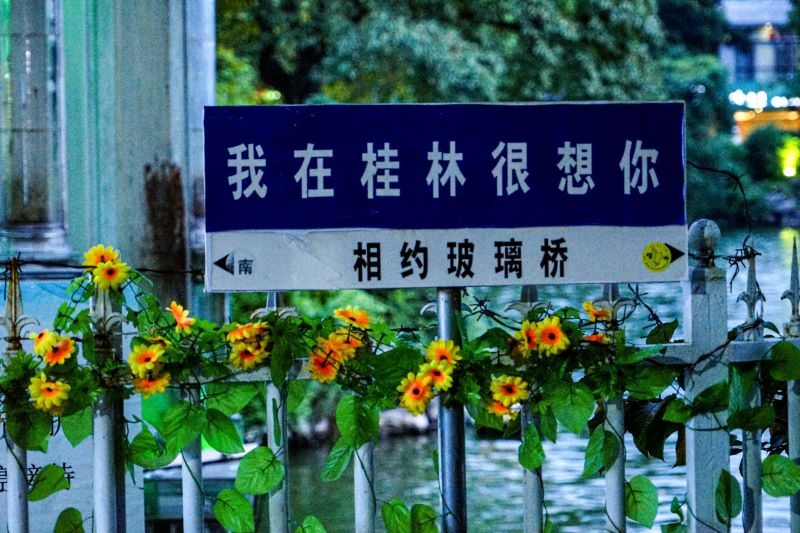
Guangxi University, often abbreviated as GXU, was founded in 1928 and has since grown into a large and prestigious university with a diverse range of academic disciplines and faculties.
The university offers undergraduate, postgraduate, and doctoral programs across various fields of study, including arts, sciences, engineering, medicine, agriculture, economics, and more. It is committed to providing quality education and promoting academic excellence among its students.
Guangxi University is known for its focus on research and innovation. The university houses several research institutes and laboratories that conduct cutting-edge research in areas such as environmental science, agricultural technology, and traditional Chinese medicine.
The campus of Guangxi University is well-equipped with modern facilities, including state-of-the-art classrooms, libraries, laboratories, and sports facilities.
The university provides a conducive learning environment for students and encourages participation in extracurricular activities and cultural events.
As an important higher education institution in Guangxi, the university plays an essential role in contributing to the region’s development and nurturing a skilled and educated workforce.
11. Liangfengjiang National Forest Park: Experience the beauty of nature, waterfalls, and lush forests


Liangfengjiang National Forest Park is characterized by its lush forests, rolling hills, and crystal-clear water bodies. The park covers a considerable area and is known for its diverse flora and fauna, making it a haven for biodiversity and ecological conservation.
The park’s name, “Liangfengjiang,” is derived from the Liangfeng River that flows through the park, adding to the park’s natural beauty with its meandering streams and waterfalls.
Visitors to Liangfengjiang National Forest Park can explore a network of well-maintained hiking trails, offering opportunities for both leisurely walks and more challenging treks.
The park’s elevated viewpoints provide stunning panoramic views of the surrounding landscape, making it a paradise for photographers and nature enthusiasts.
Throughout the park, you’ll find peaceful picnic areas and designated spots where you can relax and immerse yourself in the tranquil atmosphere of nature.
Liangfengjiang National Forest Park is also known for its rich cultural heritage, with historical sites and ancient trees adding an extra layer of interest for visitors looking to explore the region’s past.
12. Guangxi Revolutionary Museum: Delve into the region’s revolutionary history and its role in modern China
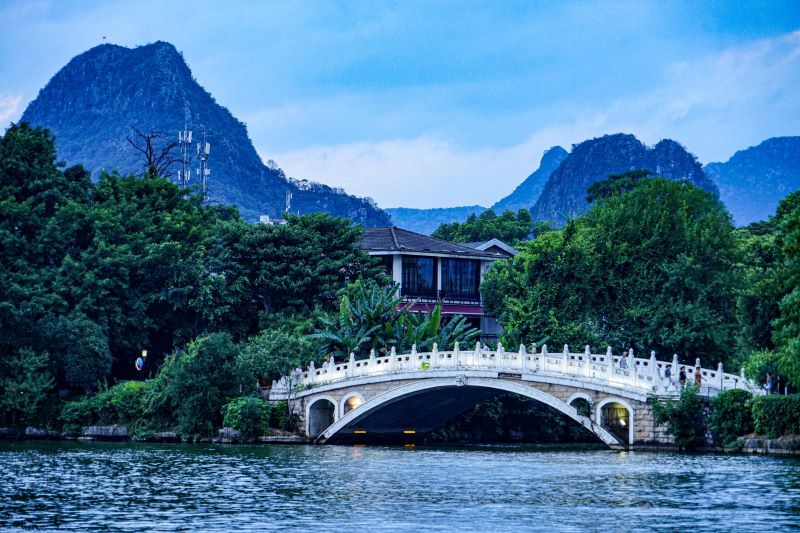
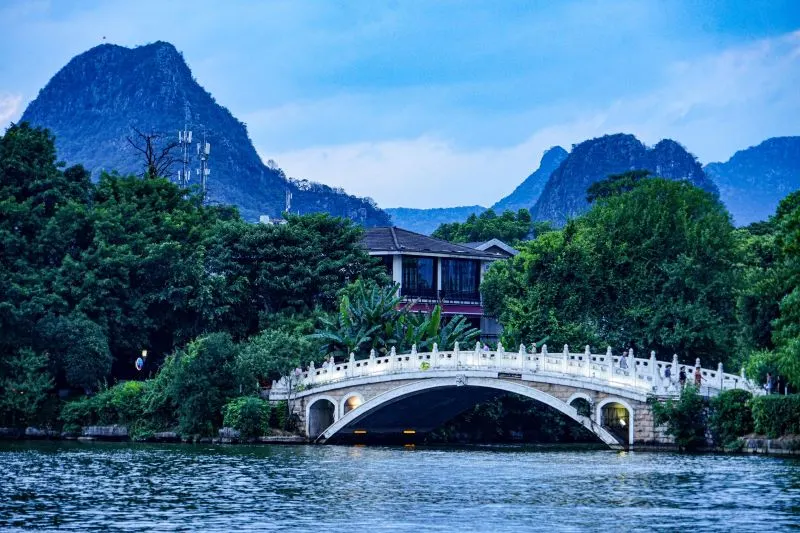
The Guangxi Revolutionary Museum is housed in a prominent building and serves as a testament to the region’s role in China’s revolutionary past.
It focuses on documenting and narrating the events and struggles that took place during China’s revolutionary period, particularly in Guangxi.
Through its exhibits and displays, the museum offers insights into the key events, revolutionary figures, and movements that shaped Guangxi’s history during the late 19th and early 20th centuries.
It highlights the contributions and sacrifices made by the people of Guangxi in the fight for national independence and social transformation.
Visitors to the Guangxi Revolutionary Museum can expect to see historical artifacts, photographs, documents, and multimedia presentations that provide a comprehensive view of the region’s revolutionary journey.
The museum also showcases the cultural heritage of Guangxi and its ethnic diversity, highlighting the various contributions made by different ethnic groups during the revolutionary era.
13. Yongjiang River Cruise: Take a boat tour to enjoy the scenic beauty of the city along the river
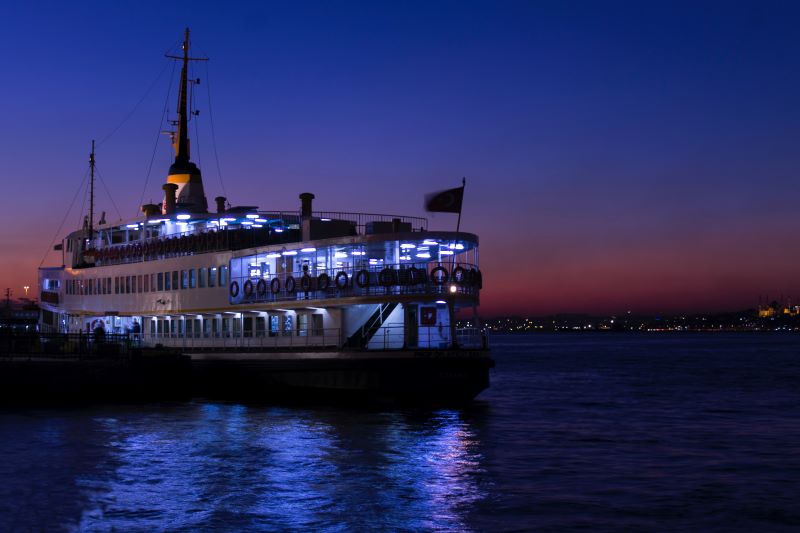
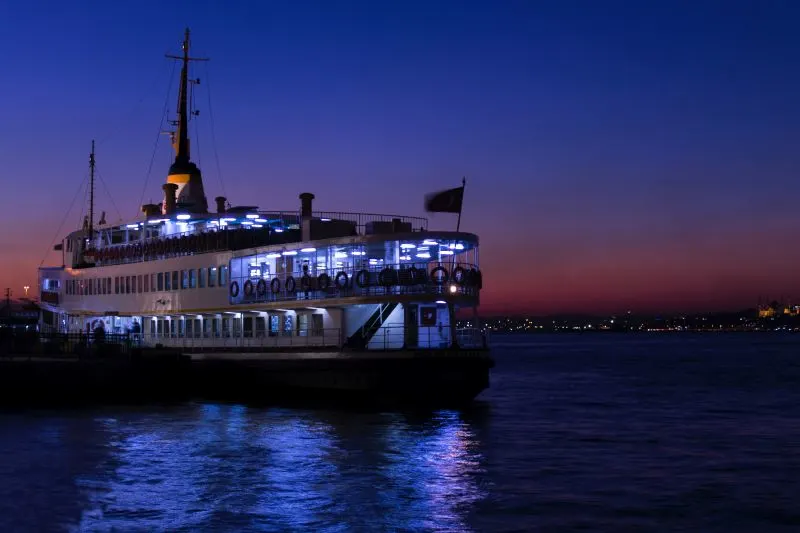
The Yongjiang River Cruise takes visitors on a relaxing and pleasant boat journey along the meandering Yongjiang River, which flows through the heart of Nanning. The cruise offers stunning views of the city’s skyline, lush greenery, and the surrounding hills.
The cruise typically takes place on traditional-style boats equipped with comfortable seating and open decks, allowing passengers to fully immerse themselves in the scenery and fresh air.
The boats are often adorned with colorful decorations, creating a festive and joyful atmosphere during the journey.
As you glide along the river, you’ll pass by iconic landmarks and bridges, including the Yongjiang Bridge, which is beautifully illuminated at night, adding to the charm of the experience.
The Yongjiang River Cruise is especially popular in the evening when the city lights illuminate the riverbanks, creating a magical and romantic ambiance.
Many cruises offer dinner options or special evening packages, making it an excellent choice for a memorable date night or a relaxing outing with family and friends.
During the day, the river cruise allows visitors to appreciate the natural beauty of Nanning, with its verdant landscapes and serene waters providing a soothing escape from the urban hustle and bustle.
14. Nanning International Convention and Exhibition Center: Attend trade shows, exhibitions, and events held here
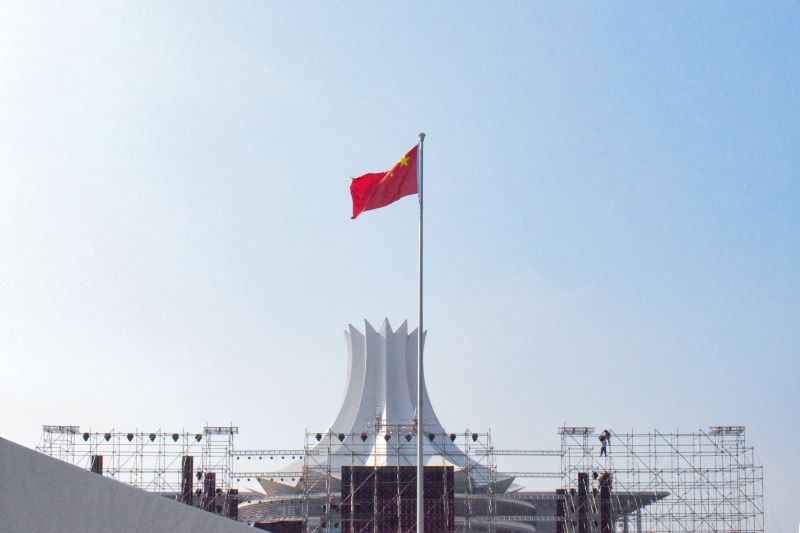
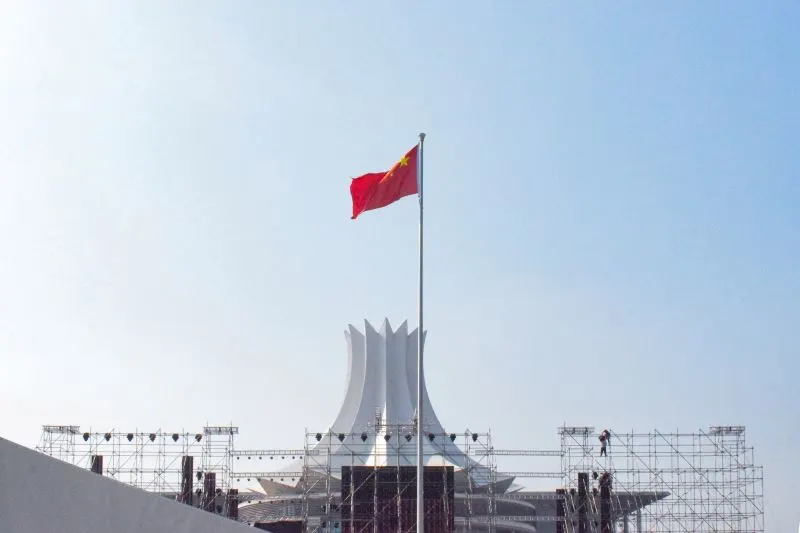
The Nanning International Convention and Exhibition Center is a modern and well-equipped facility designed to accommodate large-scale events and gatherings.
The center’s strategic location and state-of-the-art amenities make it an ideal venue for both domestic and international events.
The center boasts a vast exhibition hall with ample space for showcasing products, technologies, and innovations from various industries. It regularly hosts trade fairs, expos, and business conventions that attract exhibitors and visitors from different parts of the world.
Additionally, the Nanning International Convention and Exhibition Center features multiple conference rooms and meeting spaces equipped with advanced audiovisual facilities.
This makes it suitable for hosting seminars, workshops, and symposiums on diverse topics, ranging from business and industry-related discussions to academic and cultural exchanges.
The center’s central location within Nanning ensures easy accessibility for both participants and attendees. It is well-connected to transportation networks, making it convenient for visitors to reach the venue from various parts of the city and beyond.
The Nanning International Convention and Exhibition Center plays a crucial role in promoting economic and cultural exchanges between Guangxi and the international community.
It serves as a platform for showcasing local industries and businesses while also fostering international cooperation and investment opportunities.
15. Guangxi National Forest Park: Enjoy nature and outdoor activities like hiking and picnicking


Guangxi National Forest Park is characterized by its lush greenery, pristine forests, and diverse ecosystems. The park covers a considerable area and is home to a wide variety of flora and fauna, making it a paradise for nature enthusiasts, hikers, and wildlife enthusiasts.
The park’s landscape features dense mangrove forests, which are unique and ecologically vital ecosystems found in coastal regions. These mangrove forests provide important habitats for various bird species, marine life, and other wildlife.
Visitors to Guangxi National Forest Park can explore a network of hiking trails and walking paths that lead through the natural beauty of the park.
Along the trails, you can witness various species of plants and trees, including the distinctive mangrove trees, as well as enjoy the tranquility of the natural surroundings.
The park is also an excellent destination for birdwatching, as it attracts numerous migratory bird species throughout the year. Birdwatchers can spot a wide array of avian life, from colorful kingfishers to elegant egrets and herons.
For those interested in ecotourism and environmental conservation, the park provides an opportunity to learn about the importance of mangrove ecosystems and the efforts taken to protect and preserve them.
16. Daming Mountain: Trek through this scenic area and visit the ancient Daming Palace ruins
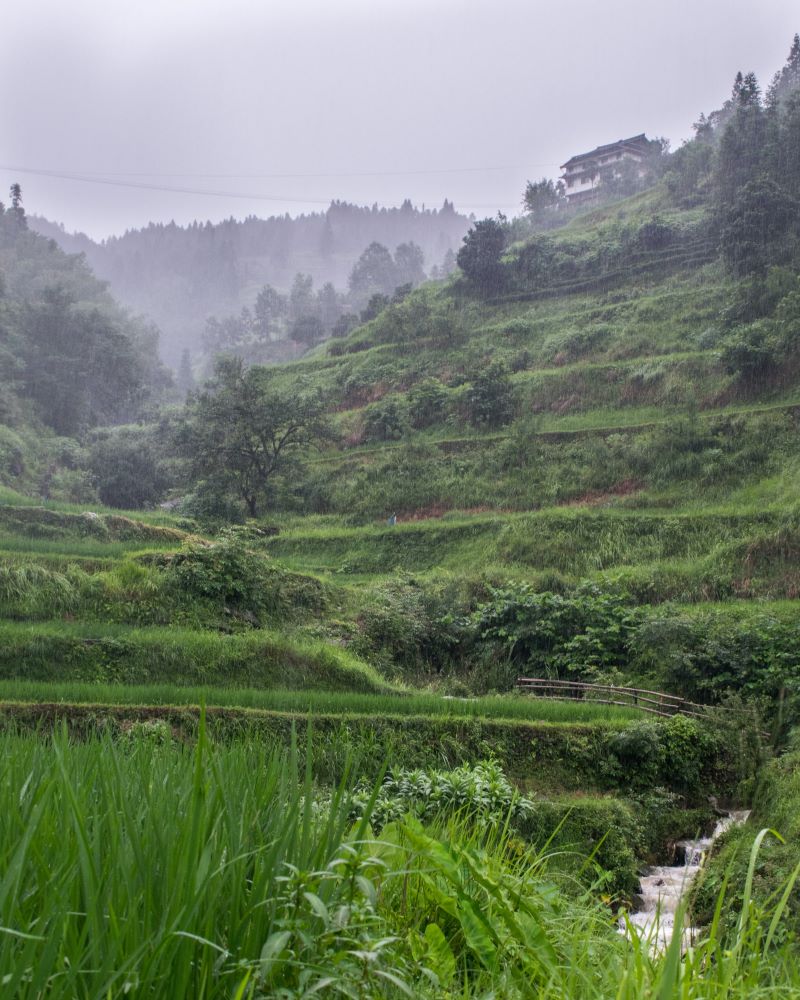
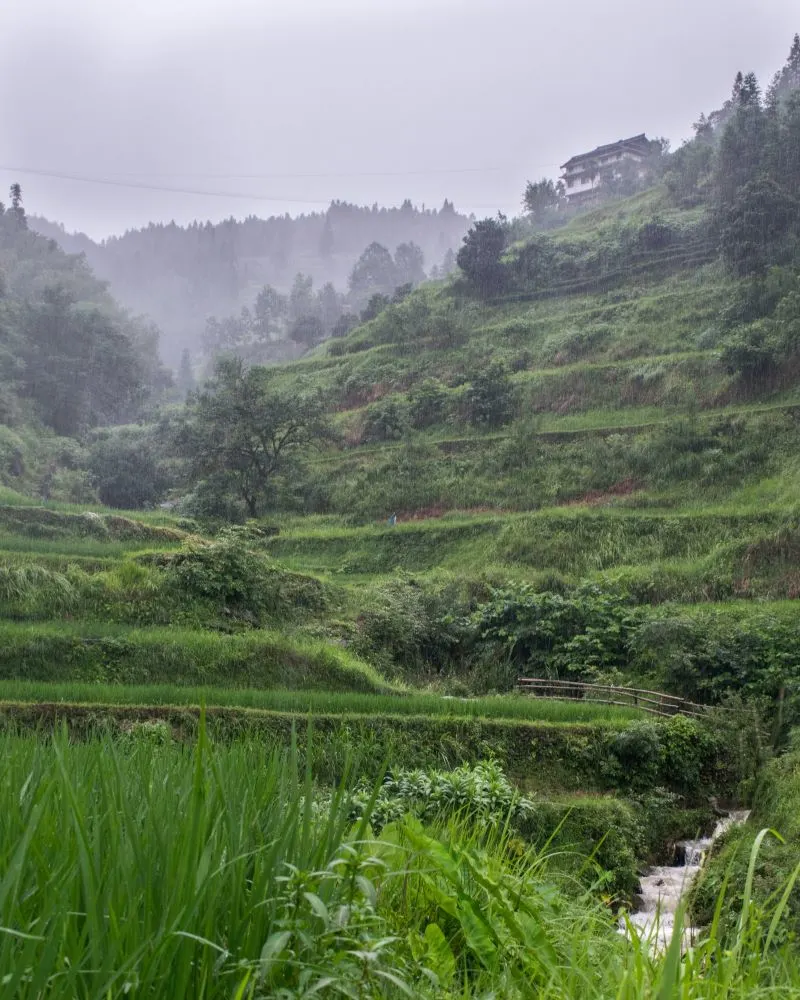
Daming Mountain is characterized by its rolling hills, dense forests, and serene atmosphere. The mountain covers a considerable area, and its highest peak reaches an elevation of approximately 924 meters (3,031 feet) above sea level.
The mountain is renowned for its breathtaking scenery, especially during spring and autumn when the landscape comes alive with vibrant colors.
In spring, the mountainside is adorned with blooming flowers, while in autumn, the foliage turns into a beautiful tapestry of red, orange, and golden hues.
Daming Mountain offers various hiking trails and pathways that cater to different skill levels. Whether you’re an experienced hiker looking for a challenging climb or a casual walker seeking a leisurely stroll, there are options available to suit your preferences.
Throughout the mountain, you’ll find ancient temples, pavilions, and cultural relics that add a touch of history and spirituality to the experience.
One of the most notable sites is the Daming Temple, an ancient Buddhist temple that has been standing for over a thousand years.
The temple is an important cultural and religious landmark in the region, attracting visitors seeking moments of tranquility and spiritual contemplation.
The natural beauty and cultural significance of Daming Mountain make it a popular destination for both locals and tourists. It offers a refreshing escape from the city’s urban atmosphere and a chance to reconnect with nature and history.
17. Guangxi Ethnic Culture Park: Experience the cultures of different ethnic groups with traditional performances and exhibits
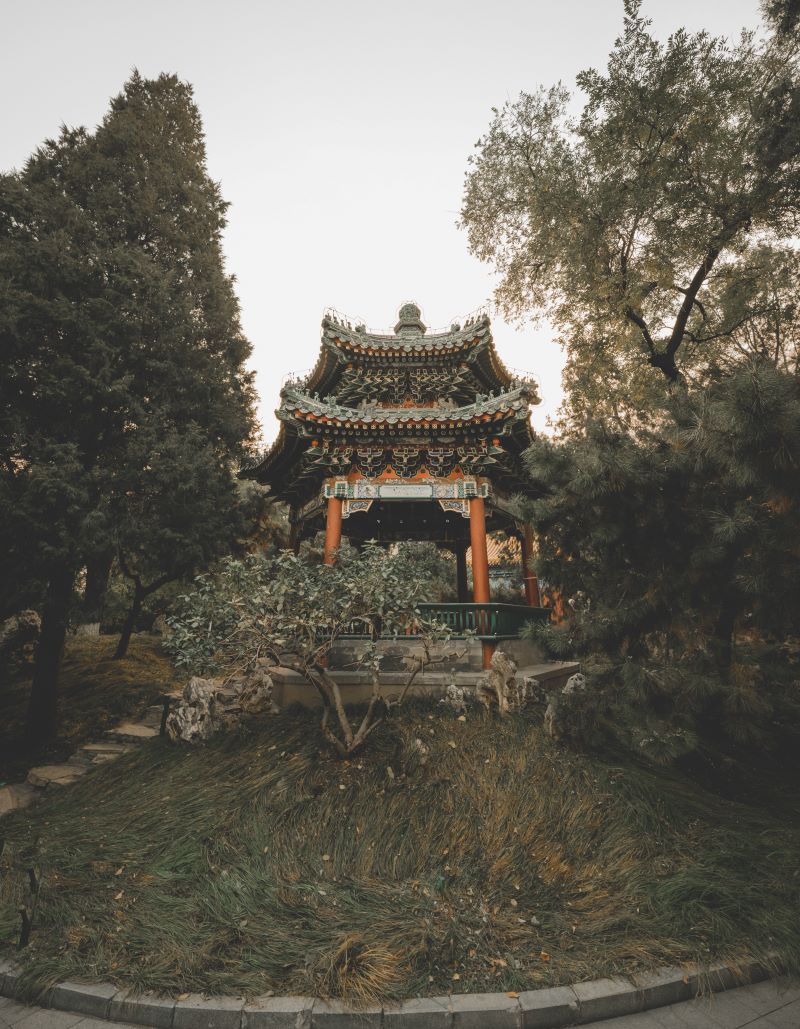
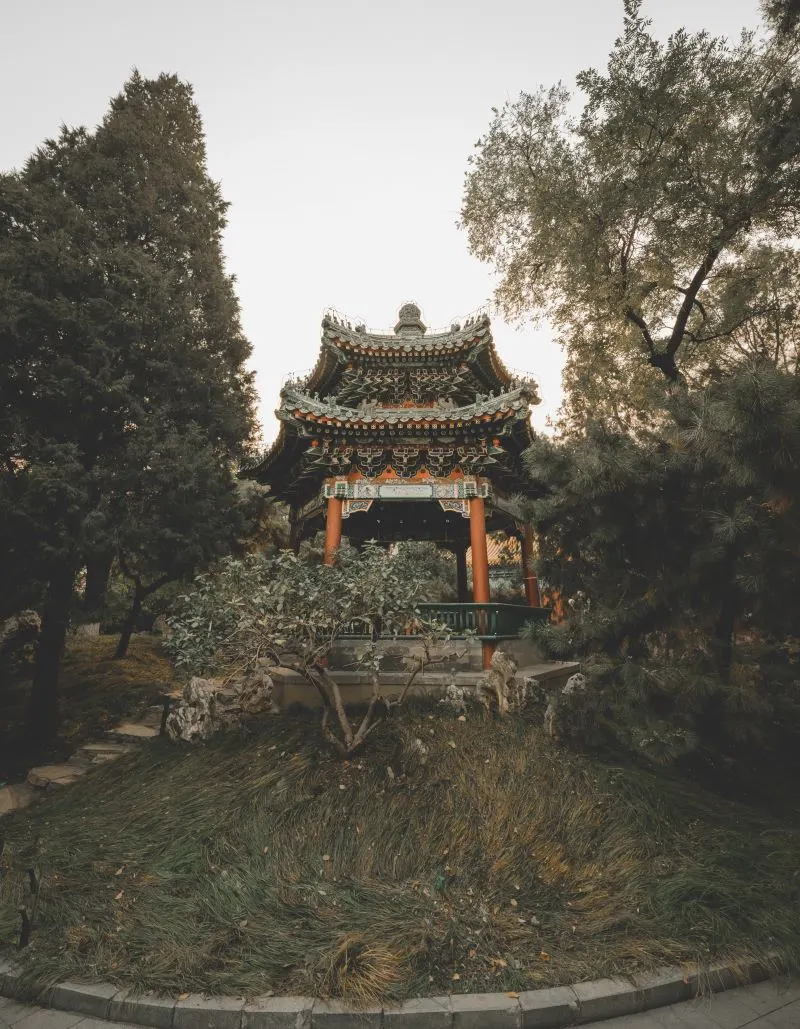
The Guangxi Ethnic Culture Park is designed to showcase the unique heritage, customs, and arts of the different ethnic communities that call Guangxi home.
The park spans a considerable area and features traditional architecture, exhibits, performances, and interactive experiences that provide insights into the customs and lifestyles of the region’s ethnic minorities.
Within the park, you’ll find replicas of traditional ethnic minority villages, each representing a distinct group, such as Zhuang, Miao, Yao, Dong, and others.
These villages are built in traditional architectural styles and showcase the characteristic features of each ethnic group’s homes, crafts, clothing, and daily activities.
Visitors to the Guangxi Ethnic Culture Park can immerse themselves in the vibrant and colorful world of Guangxi’s ethnic cultures.
They can participate in traditional crafts workshops, watch dance and music performances, and taste various ethnic delicacies, allowing for a comprehensive experience of the region’s diverse cultural heritage.
The park also serves as an educational platform, promoting intercultural understanding and appreciation among visitors.
It fosters a deeper appreciation for the rich traditions and ways of life of Guangxi’s ethnic minorities, enhancing cultural awareness and mutual respect.
18. Guangxi Medical University: Walk around the campus and appreciate its historical buildings and surroundings
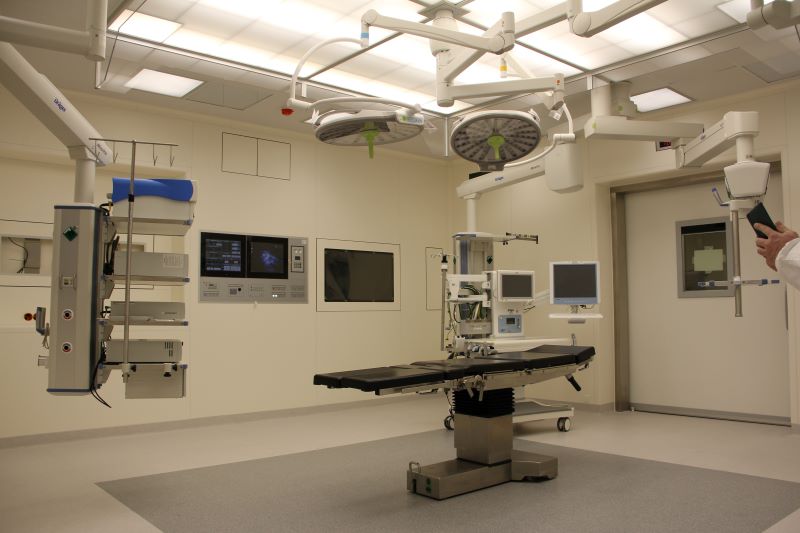
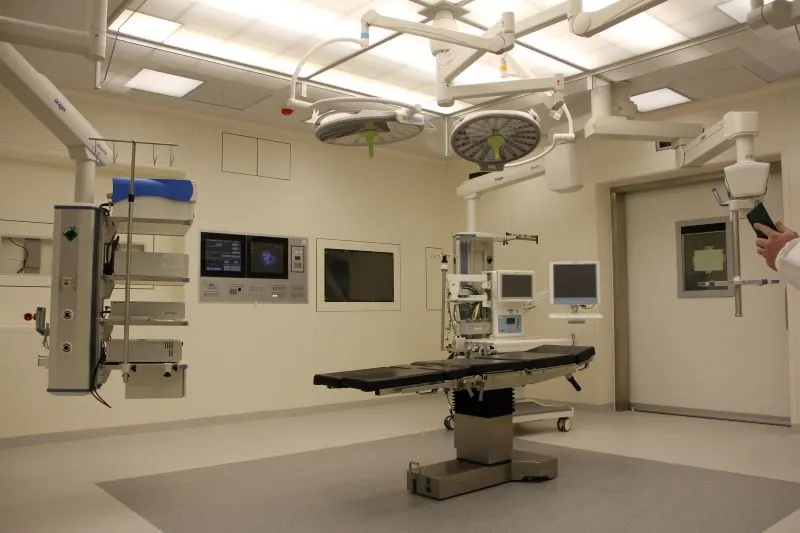
Guangxi Medical University is a comprehensive university focused on medical and health sciences education, research, and healthcare services.
It was founded in 1934 and has since grown into a prestigious institution with a commitment to producing skilled medical professionals and advancing medical knowledge.
The university offers a wide range of programs in various medical and health-related disciplines, including medicine, dentistry, nursing, pharmacy, public health, and more. It provides undergraduate, postgraduate, and doctoral programs to students from China and around the world.
Guangxi Medical University is known for its modern facilities and state-of-the-art medical equipment, providing students with a conducive learning environment and practical training opportunities.
The university places great emphasis on medical research, conducting studies in areas such as biomedical sciences, clinical medicine, and public health. Through its research efforts, it contributes to advancements in healthcare and medical knowledge.
As part of its mission to provide healthcare services to the community, the university operates affiliated hospitals and medical centers.
These hospitals serve as teaching hospitals, where students can gain hands-on experience and practical training under the guidance of experienced medical professionals.
Guangxi Medical University is dedicated to fostering academic excellence, cultivating medical professionals with strong ethical values, and promoting public health and well-being in Guangxi and beyond.
19. Nanning Wuxu International Airport: Visit the airport’s observation deck for plane-watching


Nanning Wuxu International Airport (IATA: NNG, ICAO: ZGNN) is a modern and well-equipped international airport located approximately 32 kilometers southwest of downtown Nanning. It serves as a major transportation hub for the region and offers both domestic and international flights.
Key features of Nanning Wuxu International Airport include:
Terminal Facilities: The airport has a spacious and well-organized terminal with a range of facilities and amenities for travelers, including restaurants, cafes, duty-free shops, souvenir stores, and banking services.
International and Domestic Flights: Nanning Wuxu Airport operates flights to and from major cities within China and international destinations across Asia and beyond.
Observation Deck: The airport boasts an observation deck where travelers and aviation enthusiasts can watch aircraft take off and land, offering a great vantage point for plane-watching.
Transport Options: Ground transportation to and from the airport is readily available, including taxis, buses, and private car services.
Modern Infrastructure: Nanning Wuxu Airport has undergone expansions and renovations to accommodate the increasing number of passengers and provide a pleasant travel experience.
Airline Carriers: Several domestic and international airlines operate at Nanning Wuxu Airport, connecting the city to various destinations.
20. Nanning Green Expo Garden: Visit the garden’s beautiful landscapes and attend flower exhibitions
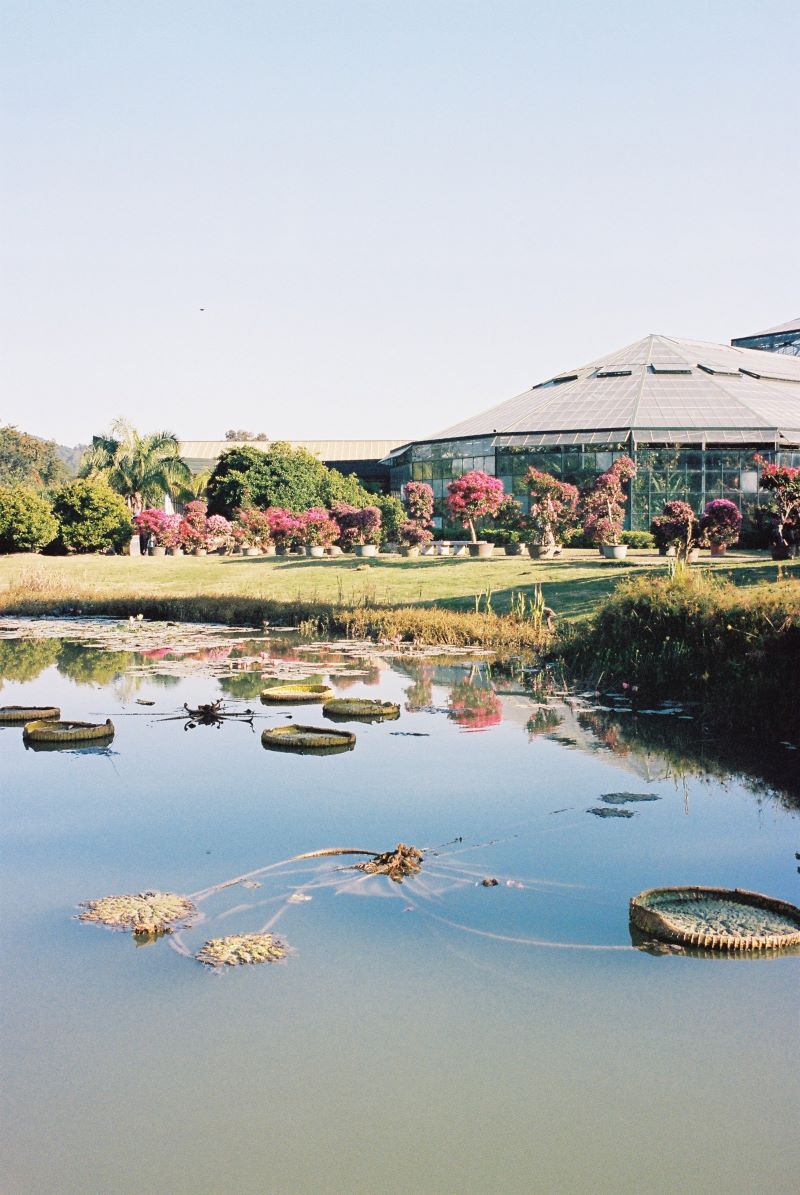
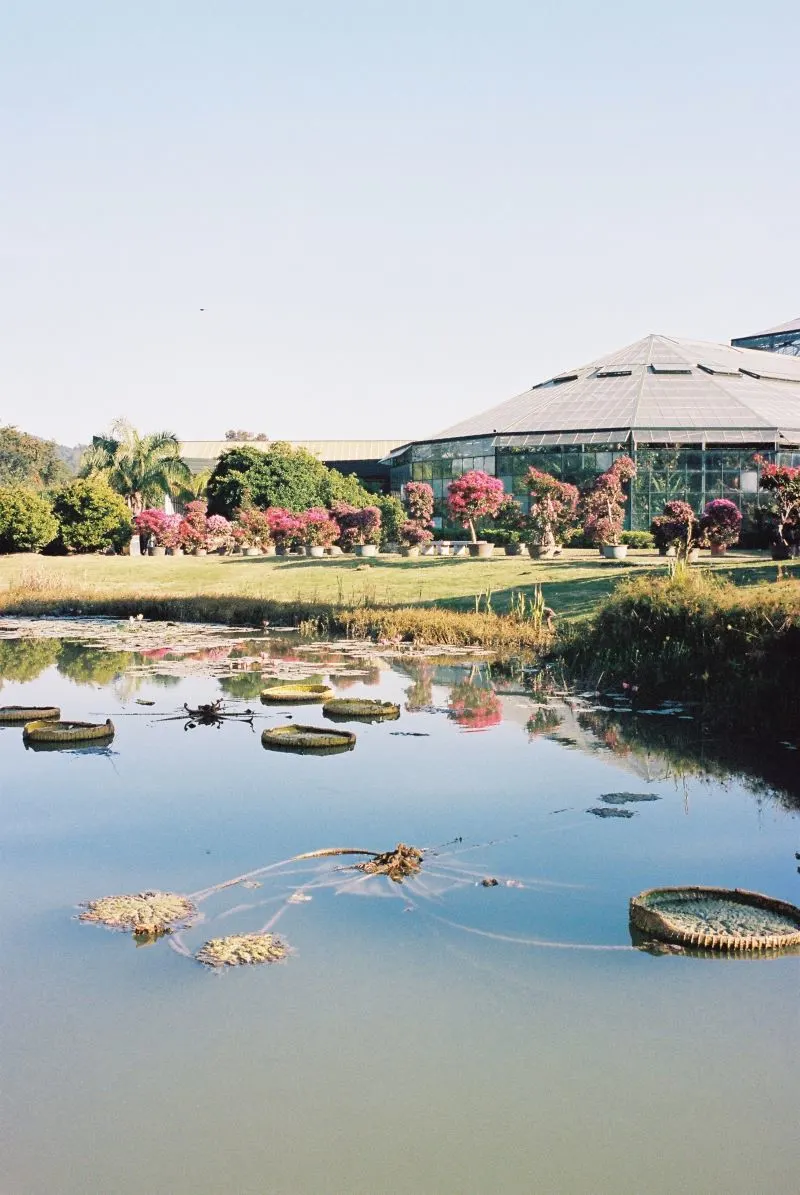
The Nanning Green Expo Garden is an ecological and horticultural park located in Nanning, the capital city of Guangxi Zhuang Autonomous Region in southern China.
It serves as an important venue for hosting various environmental and green-themed events, including the China-ASEAN Expo (CAEXPO), which promotes cooperation and economic exchange between China and the member countries of the Association of Southeast Asian Nations (ASEAN).
The Nanning Green Expo Garden covers a vast area and showcases an extensive collection of flora, landscape designs, and eco-friendly technologies.
Visitors can explore beautifully landscaped gardens, innovative green technologies, and sustainable practices, all aimed at promoting environmental awareness and conservation.
The garden often hosts exhibitions, seminars, and forums on environmental protection, energy conservation, and sustainable development.
21. Nanning Yangmei Ancient Town: Step back in time and explore the historical streets and architecture


Yangmei Ancient Town offers visitors a glimpse into the past with its quaint streets, traditional courtyard houses, and ancient temples.
The town’s architectural style reflects the influences of both Chinese and Southeast Asian cultures, showcasing intricate wood carvings and delicate stonework.
Visitors can wander through narrow alleys, admire the charming old buildings, and immerse themselves in the town’s unique ambiance. The friendly locals and various craft shops add to the appeal of the town, offering a chance to experience authentic regional arts, crafts, and delicacies.
The surrounding natural beauty, with lush greenery and picturesque landscapes, further enhances the allure of Nanning Yangmei Ancient Town.
It serves as a delightful escape from the bustling modern city, providing a serene setting to explore history and culture.
22. Golden Camellia National Nature Reserve: Discover rare camellia species and enjoy the lush surroundings


The reserve is dedicated to the conservation and preservation of the golden camellia (Camellia nitidissima), a rare and striking species of camellia with bright yellow flowers.
The golden camellia is native to the region and is one of the key attractions drawing visitors and researchers to the area.
The reserve covers a substantial area of natural habitat, which provides a home to a variety of plant and animal species, making it a biodiversity hotspot.
Apart from the golden camellia, visitors can also encounter other camellia species, as well as diverse wildlife like birds, insects, and small mammals.
The best time to visit the Golden Camellia National Nature Reserve is during the blooming season of the golden camellia, typically in late winter to early spring, when the landscape is awash with the vibrant yellow flowers, creating a breathtaking sight.
As with any protected nature reserve, the primary goal is to maintain the ecological balance and protect the unique species and natural habitats found within the area.
Therefore, visitors to the Golden Camellia National Nature Reserve should be respectful of the environment, adhere to park regulations, and ensure they leave no trace during their visit.
23. Guangxi National Arts Theater: Catch a live performance or cultural show


The theater is renowned for its modern and striking architectural design, resembling the shape of a butterfly spreading its wings. It stands as a landmark in Nanning, attracting both locals and tourists with its distinctive appearance.
The Guangxi National Arts Theater serves as a premier cultural hub for the region, hosting a wide array of artistic performances and events.
These may include traditional Chinese opera, dance shows, musical concerts, theater productions, ballet performances, and various cultural showcases that celebrate the rich heritage of Guangxi and China as a whole.
With state-of-the-art facilities and a spacious auditorium, the theater provides an excellent platform for both local and international artists to display their talents.
It plays a significant role in promoting arts and culture, contributing to the enrichment and appreciation of the performing arts in the region.
24. Guantang Hot Spring Resort: Relax in natural hot spring baths and enjoy the tranquil atmosphere
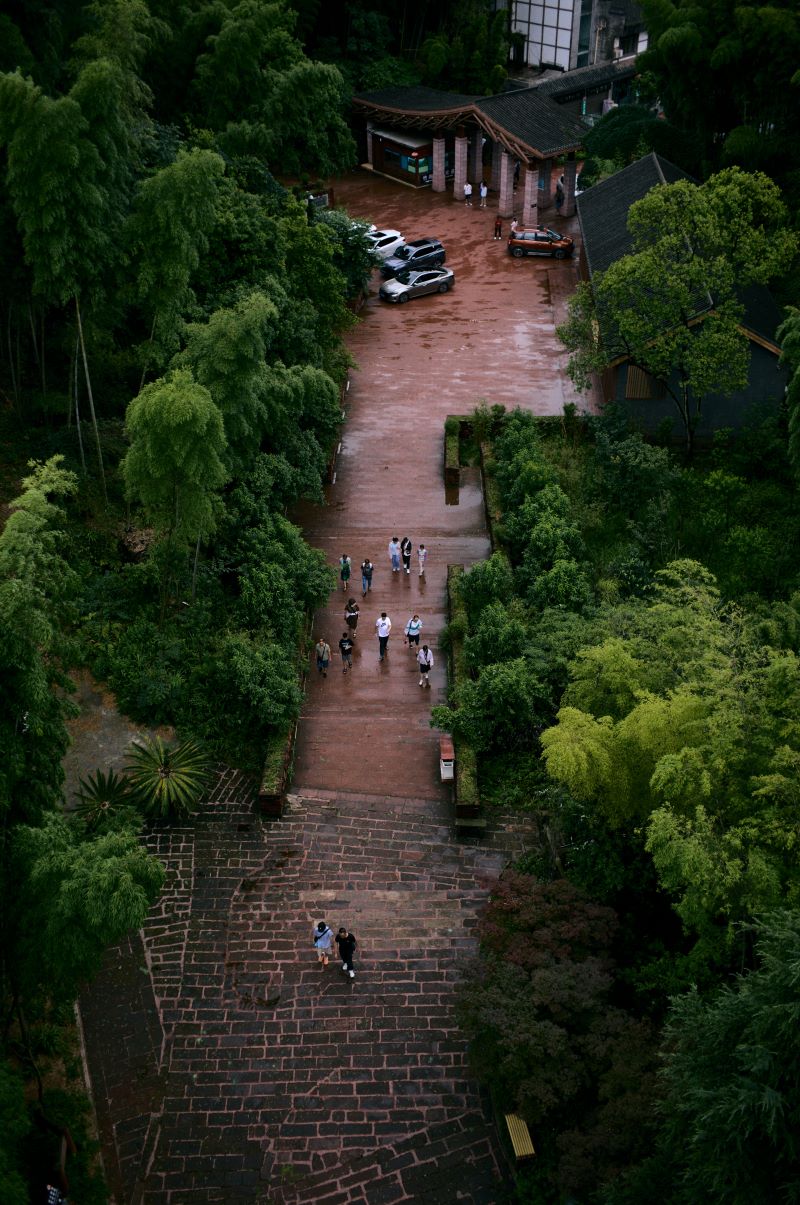
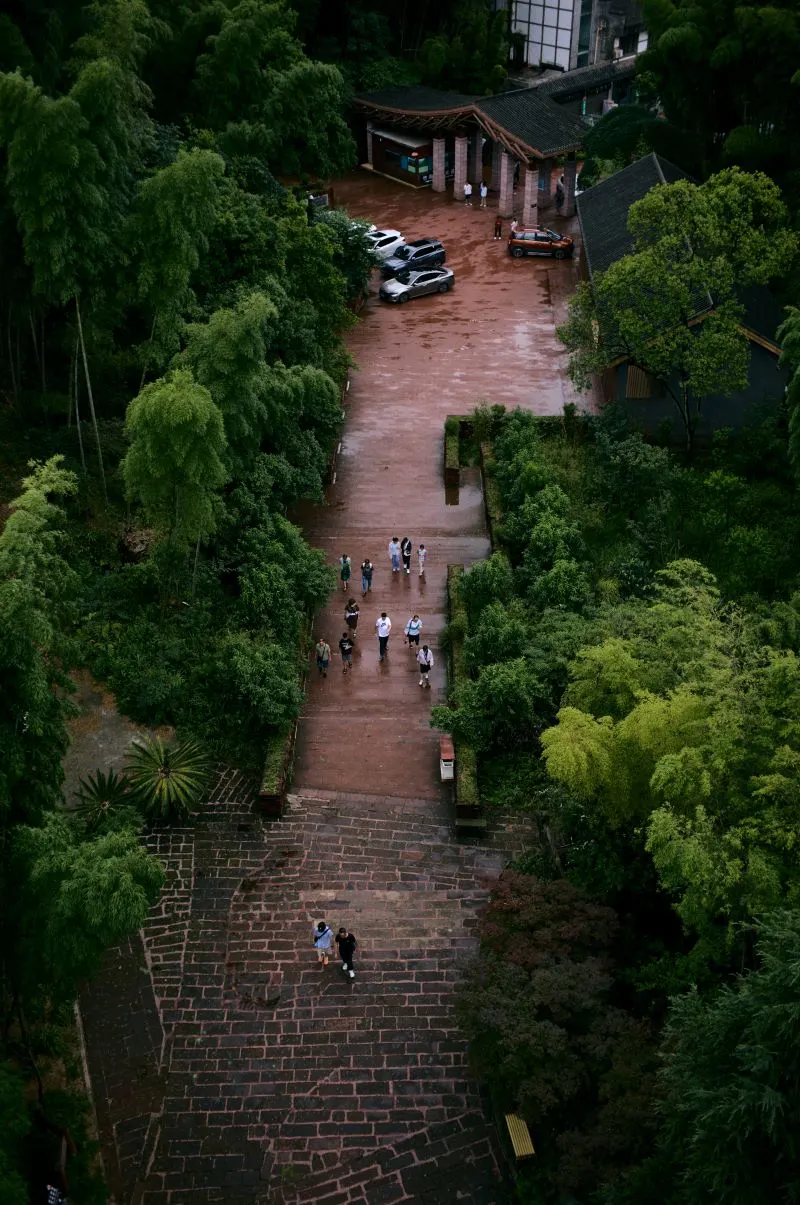
The resort is centered around its geothermal hot springs, which are believed to have therapeutic and healing properties.
The mineral-rich waters are renowned for their warmth and are known to provide a soothing and therapeutic effect on the body and mind.
Apart from the hot spring facilities, the resort typically offers a range of accommodations, from luxurious hotels to cozy cottages, providing visitors with various options to suit their preferences and budgets. The serene surroundings, often amidst lush greenery, add to the tranquil ambiance of the resort.
In addition to the hot spring baths, many Guantang Hot Spring Resort facilities include wellness centers, spa services, and recreational activities.
Visitors can indulge in massages, beauty treatments, and other wellness programs designed to promote relaxation and enhance well-being.
Moreover, the resort often provides outdoor activities and entertainment options, making it an ideal destination for families, couples, and solo travelers seeking a combination of natural beauty, comfort, and leisure.
25. Binyang Cave: Explore the impressive stalactites and stalagmites in this ancient limestone cavezxz


Binyang Cave is renowned for its stunning stalactites, stalagmites, and various other limestone formations, which have been shaped over millions of years by the slow deposition of mineral-rich water.
The cave’s interior is a mesmerizing display of intricate and otherworldly rock formations, illuminated by strategically placed lights that enhance the cave’s ethereal beauty.
Visitors to Binyang Cave can explore a network of underground passages and chambers, each revealing unique geological features.
The cave’s pathways are generally well-maintained and equipped with appropriate lighting to facilitate safe and enjoyable exploration.
While Binyang Cave may be known for its natural wonders, some caves have been adapted to include man-made walkways and platforms, making it accessible and suitable for tourists of all ages.
However, the focus remains on preserving the natural integrity and beauty of the cave.
Food In Nanning


Nanning, the vibrant capital city of Guangxi Zhuang Autonomous Region in southern China, is not only known for its picturesque landscapes but also for its rich and diverse culinary heritage.
With influences from various ethnic groups and neighboring countries, the food in Nanning is a delightful tapestry of flavors that cater to all taste buds. From fiery spices to savory delicacies and delectable desserts, Nanning offers a gastronomic adventure like no other.
Local Delicacies
- Luosifen: A must-try specialty of Nanning, Luosifen is a rice noodle soup dish infused with the distinct flavors of sour bamboo shoots, peanuts, pickled beans, and chili. The broth is a complex blend of sour, spicy, and savory elements, creating an explosion of taste with every spoonful.
- Mifen: Another popular noodle dish in Nanning, Mifen is a simple yet satisfying meal made with thin rice noodles served in a flavorful broth. Often garnished with green onions, minced meat, and various herbs, Mifen is a beloved comfort food among locals.
- Youcha: For those with a sweet tooth, Youcha is a delectable dessert unique to Nanning. These fried pastry puffs are filled with sweet mung bean paste and are often enjoyed during festivals and special occasions.
Ethnic Cuisine
- Zhuang Cuisine: The Zhuang ethnic group plays a significant role in Nanning’s cultural tapestry, and their cuisine is a reflection of their traditions. Don’t miss dishes like Sanhua Jiu (a fermented rice wine) and Lusheng Niurou (beef stewed with spices and local herbs), which offer a glimpse into the Zhuang culinary heritage.
- Yao Cuisine: The Yao ethnic group contributes their own delectable dishes to Nanning’s food scene. Yao people are skilled in the art of preserving food, and you can savor unique delicacies like Xiangli Fish (fish preserved with local herbs) and Babao Rice (rice cooked with eight kinds of glutinous grains).
Influence of Neighboring Regions
- Guangdong and Hunan Influences: Nanning’s proximity to the Guangdong and Hunan provinces brings a touch of their flavors to the local cuisine. Expect spicy delights like Hunan-style hot pot and Guangdong’s iconic dim sum dishes to tantalize your taste buds.
- Vietnamese Fusion: Nanning shares its border with Vietnam, and this influence is evident in the city’s food culture. Sample Vietnamese-inspired dishes such as Vietnamese spring rolls and Vietnamese-style noodle soups, which have gained popularity among locals and tourists alike.
Food Streets and Markets
- Nanhu Food Street: Located in the heart of Nanning, Nanhu Food Street is a bustling culinary destination. Stroll down the vibrant street, and you’ll find an array of food stalls and small restaurants serving everything from local delicacies to international cuisines.
- Mixc World Food Street: Situated within the Mixc World shopping complex, this food street is a haven for foodies. Enjoy a mix of regional Chinese dishes and international offerings, providing a diverse dining experience under one roof.
Nanning’s food scene is an enticing blend of tradition, innovation, and cultural diversity. Exploring the culinary delights of this city is not only a feast for the senses but also an opportunity to understand its history and multicultural influences. Whether you’re savoring the local delicacies, diving into ethnic cuisines, or discovering the fusion of neighboring flavors, Nanning promises a gastronomic journey that will leave you with unforgettable memories of delectable tastes and warm hospitality.
Top 20 Best Restaurants In Nanning
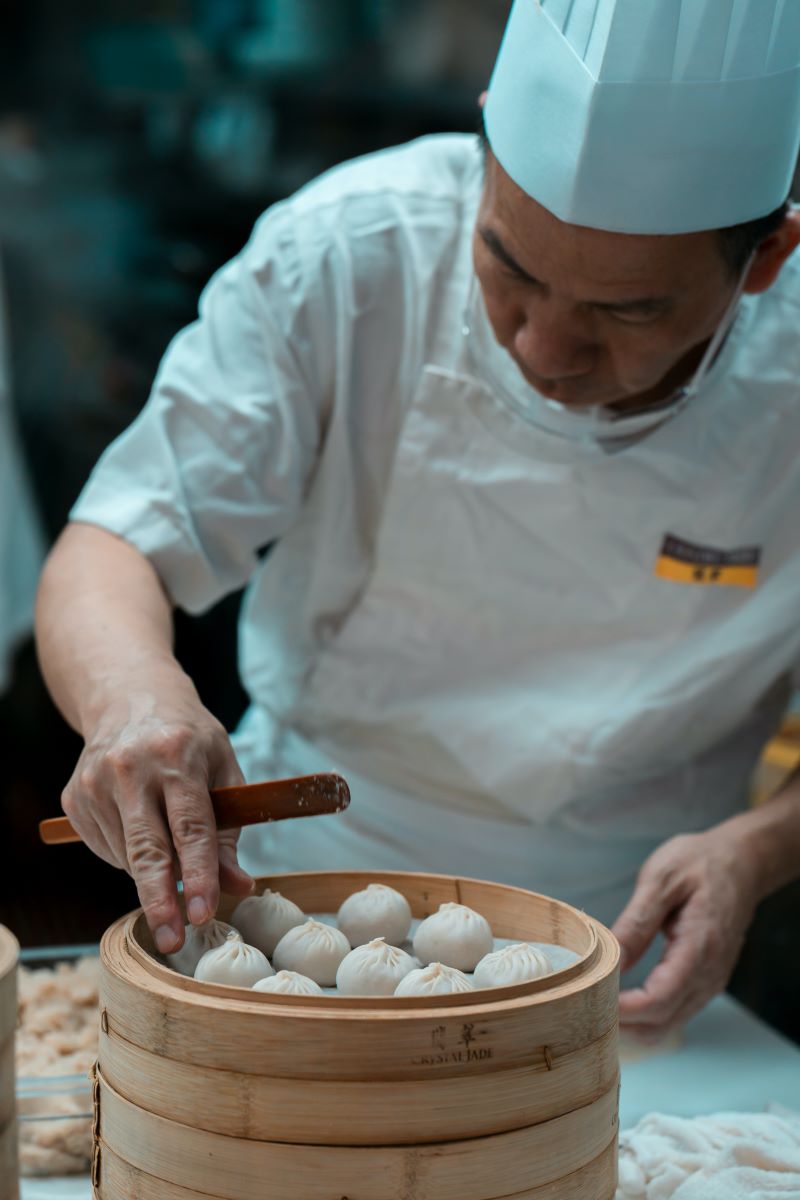
- Grandma’s Home Restaurant – Chinese cuisine
- A Fang Seafood Restaurant – Seafood
- Nanning Chunji Roast Goose Restaurant – Roast goose dishes
- Luosifen Wang – Specializes in Luosifen, a local rice noodle dish
- Wanji Grilled Fish – Spicy grilled fish
- Thai Palace – Thai cuisine
- Dong Bei Dumpling Restaurant – Dumplings and northeastern Chinese cuisine
- Quanjude – Peking duck
- Jingxiangzi Hot Pot – Hot pot with various broth options
- Xing Xing Restaurant – Guangxi and Hunan dishes
- Lotus Thai Restaurant – Thai and Southeast Asian dishes
- Fisherman’s Wharf – Seafood and international dishes
- Nanning Vegetarian Restaurant – Vegetarian and vegan options
- Korean Restaurant – Korean cuisine
- Pizza Hut – International chain serving pizza and other dishes
- Starbucks – Coffee and light snacks
- Dicos – Fast-food chain with a Chinese twist
- Xiangyang Market – Food stalls with local specialties
- Yiyunfu – Sichuan cuisine
- KFC – International chain serving fast food
Transportation In Nanning
Nanning, the capital city of Guangxi Zhuang Autonomous Region in China, offers a range of transportation options to get around the city and beyond.
The city’s transportation infrastructure is continually improving, providing residents and visitors with various convenient and efficient ways to travel.
- Metro: Nanning has a modern and expanding metro system, which is an efficient and comfortable mode of transportation within the city.
- Buses: Nanning has an extensive bus network that covers most areas of the city. Buses are an affordable option for getting around, and they operate on various routes throughout the day, connecting neighborhoods, tourist attractions, and commercial areas.
- Taxis: Taxis are readily available in Nanning and provide a convenient way to travel, especially for shorter distances or when public transportation is not as accessible. Taxis are metered, and it’s advisable to have the destination written in Chinese or use a ride-hailing app for smoother communication.
- Bicycles: Many areas in Nanning offer bicycle rental services, making cycling a popular and eco-friendly way to explore the city at a leisurely pace. Some neighborhoods also have dedicated bicycle lanes.
- High-Speed Rail: Nanning is well-connected to other major cities in China via high-speed trains. The Nanning East Railway Station serves as the main station for high-speed rail services, allowing travelers to access destinations like Guangzhou, Shenzhen, and Guilin conveniently.
- Long-Distance Buses: Nanning’s long-distance bus stations offer services to various cities and towns within Guangxi and neighboring provinces. These buses are a practical option for traveling to destinations not accessible by train.
- Air Travel: Nanning Wuxu International Airport serves as the primary gateway to the city, connecting Nanning to major domestic and international destinations. The airport is well-equipped and handles both domestic and international flights.
- Private Cars: Many residents in Nanning use private cars for their daily commute. The city’s road network is continually expanding and improving to accommodate the growing number of vehicles.
It’s worth noting that Nanning’s transportation system is subject to change and development. Therefore, for the most up-to-date and detailed information on transportation options in Nanning, including schedules, routes, and fare prices, it’s best to consult local transportation authorities, websites, or travel guides.
In conclusion, Nanning, China, offers an enchanting blend of natural wonders, cultural diversity, and modern amenities that cater to every traveler’s interests.
The city’s rich history, lush landscapes, and warm hospitality make it a captivating destination for both local and international visitors.
From exploring ancient relics to indulging in unique culinary delights, the 25 best things to do in Nanning offer an unforgettable journey through the heart of Guangxi Zhuang Autonomous Region.
Nature enthusiasts can immerse themselves in the breathtaking beauty of Qingxiu Mountain and Detian Waterfall, while culture seekers will be delighted by the Guangxi Museum’s fascinating artifacts and the vibrant festivities during the China-ASEAN Expo.
For a taste of local life, strolling through People’s Park and embracing the city’s ethnic diversity brings an authentic experience of Nanning’s vibrant culture. The traditional art forms and dances of the various ethnic groups showcase the region’s cultural richness and heritage.
Foodies will delight in Nanning’s gastronomic delights, with Luosifen and Mifen tantalizing their taste buds, and seafood lovers savoring the freshest catches at local markets and restaurants.
Shopping enthusiasts will find joy in exploring the bustling markets and shopping streets, where they can discover unique handicrafts, textiles, and souvenirs to cherish.
As Nanning continues to evolve, embracing its heritage while embracing modernity, the city offers a dynamic atmosphere that captivates the hearts of travelers from all walks of life.
Whether you are seeking relaxation in nature’s embrace, an immersive cultural experience, or an indulgent culinary adventure, Nanning promises a journey of discovery and unforgettable memories.
Embrace the charm of the “Green City” and explore the 25 best things to do in Nanning to create a travel experience filled with wonder, joy, and cherished moments in the heart of southern China.
Leave a comment