

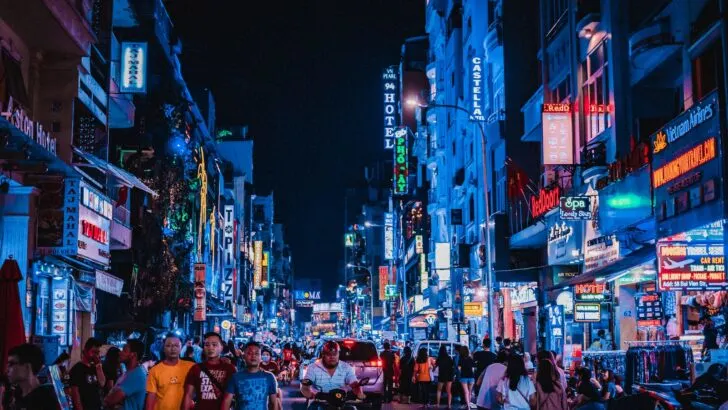
Ho Chi Minh City, formerly known as Saigon, is a bustling metropolis and the largest city in Vietnam. Located in the southern part of the country, it serves as a vibrant economic, cultural, and historical hub.
Named after the revolutionary leader Ho Chi Minh, the city seamlessly blends its colonial past with modern development, creating a unique and captivating atmosphere.
With a population exceeding nine million people, Ho Chi Minh City is a thriving and energetic metropolis. It offers a dynamic mix of traditional Vietnamese heritage and a cosmopolitan lifestyle, attracting visitors from around the globe.
The city’s streets buzz with motorbikes, colorful markets, colonial architecture, and an ever-expanding skyline, showcasing its rapid growth and urban transformation.
Ho Chi Minh City holds a significant place in Vietnam’s history. It served as the capital of the French colony of Cochinchina and later became the capital of South Vietnam during the Vietnam War.
Today, remnants of its historical past can be seen in landmarks such as the Reunification Palace, War Remnants Museum, and Notre-Dame Cathedral Basilica of Saigon.
The city’s vibrant culture is reflected in its culinary scene, where street food stalls and local eateries offer an array of tantalizing flavors.
From savoring a bowl of pho, the iconic Vietnamese noodle soup, to indulging in banh mi sandwiches and exploring the street food markets, Ho Chi Minh City is a food lover’s paradise.
Beyond its bustling streets, Ho Chi Minh City is also surrounded by lush countryside and the fertile Mekong Delta region, offering opportunities for day trips and excursions.
Visitors can explore floating markets, cruise along the Mekong River, and experience the vibrant rural life that thrives in the area.
Ho Chi Minh City is also known for its vibrant nightlife, with countless bars, clubs, and entertainment venues catering to all tastes. From rooftop bars offering stunning views of the cityscape to live music venues showcasing local talent, the city comes alive after sunset.
As Vietnam’s economic powerhouse, Ho Chi Minh City is a center for commerce, finance, and technology. Its modern infrastructure, growing business opportunities, and thriving entrepreneurial spirit contribute to its reputation as a major economic hub in Southeast Asia.
In summary, Ho Chi Minh City is a city of contrasts, blending its rich history, rapid urbanization, and traditional Vietnamese culture. Its energetic atmosphere, diverse culinary scene, historical landmarks, and warm hospitality make it an enticing destination for travelers seeking a vibrant and immersive experience in Vietnam.
1. Visit the War Remnants Museum

Visiting the War Remnants Museum in Ho Chi Minh City offers a powerful and thought-provoking experience that sheds light on the Vietnam War and its aftermath.
The War Remnants Museum is dedicated to documenting the harsh realities and consequences of the war from the Vietnamese perspective.
The museum houses a vast collection of photographs, artifacts, and exhibits that vividly depict the war’s impact on Vietnam and its people.
As you explore the museum, you’ll encounter powerful displays that highlight the devastating effects of the war, including the use of chemical warfare, the human toll, and the lasting impact on generations.
Exhibits feature photographs taken by renowned war photographers, showcasing the harsh realities faced by soldiers and civilians alike.
The museum also provides insights into the struggle for independence and reunification, as well as the ongoing efforts for peace and reconciliation. Additionally, there are displays documenting the international anti-war movement and the support Vietnam received from around the world.
While the museum’s exhibits can be emotionally challenging, they serve as a reminder of the importance of promoting peace and understanding among nations. It offers an opportunity to reflect on the consequences of war and the resilience of the Vietnamese people.
2. Explore the Cu Chi Tunnels
The Cu Chi Tunnels are a vast network of tunnels that played a significant role in the Vietnam War. These tunnels were used by the Viet Cong guerrilla fighters as hiding spots, communication routes, supply routes, and living quarters.
Today, they have been preserved as a historical site and a testament to the resilience and ingenuity of the Vietnamese people during the war.
As you explore the Cu Chi Tunnels, you’ll have the opportunity to crawl through sections of the tunnels, which were ingeniously designed with multiple levels, trapdoors, and hidden entrances.
You’ll gain firsthand insight into the challenging living conditions faced by the soldiers and their resourcefulness in surviving underground for extended periods.
Guides will accompany you during the tour, providing informative explanations about the tunnel system and its historical significance.
They’ll share stories about the guerrilla tactics employed by the Viet Cong, including booby traps, camouflage techniques, and the tunnel’s role in military operations.
In addition to exploring the tunnels, the site offers various exhibits, displays, and reconstructed areas that provide further context and understanding of the war.
You’ll have the chance to view weaponry and equipment used by the Viet Cong and witness demonstrations of trap mechanisms used to defend the tunnels.
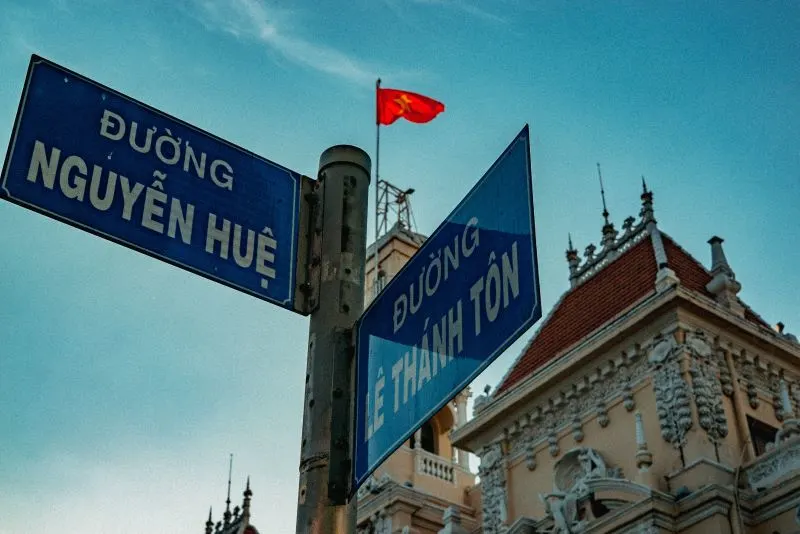
3. Stroll along Nguyen Hue Walking Street

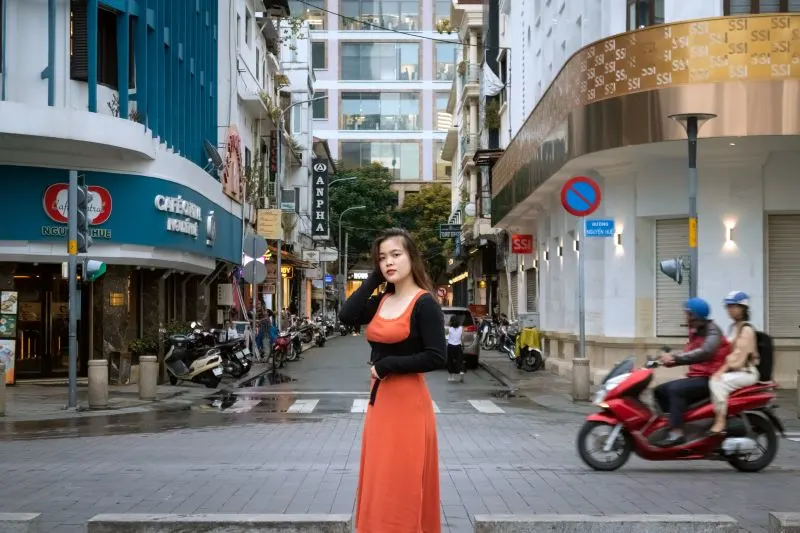
Nguyen Hue Walking Street is a pedestrian-friendly boulevard that stretches from City Hall to the Saigon River, creating a lively gathering place for locals and visitors alike. The street is closed to traffic, allowing pedestrians to freely explore and enjoy the vibrant atmosphere.
As you stroll along Nguyen Hue Walking Street, you’ll be surrounded by a mix of modern architecture and historical landmarks. The wide promenade is lined with trees, flower beds, and benches, providing a pleasant environment to relax and soak up the city’s energy.
The street is known for its lively atmosphere and often hosts various events and cultural activities, such as street performances, art installations, and festivals. You may encounter musicians, street artists, and performers showcasing their talents, adding to the vibrant ambiance of the area.
Nguyen Hue Walking Street is also home to a range of shops, boutiques, cafes, and restaurants. It’s a popular spot for locals and visitors to shop for trendy fashion items, enjoy a cup of coffee, or savor local and international cuisine at the numerous dining establishments.
At night, the street comes alive with colorful lights and illuminated fountains, creating a magical atmosphere. The area is particularly popular for evening walks, allowing you to enjoy the city’s skyline and take in the lively energy of the surrounding nightlife.
4. Discover the historic Reunification Palace

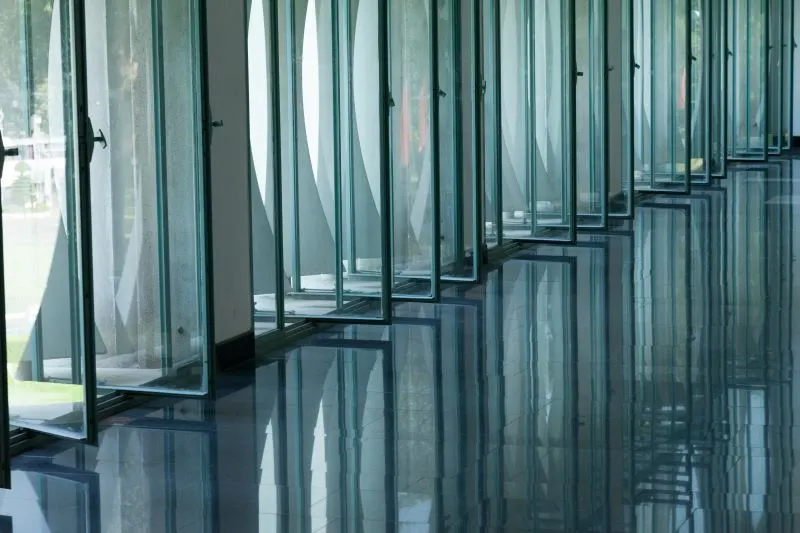
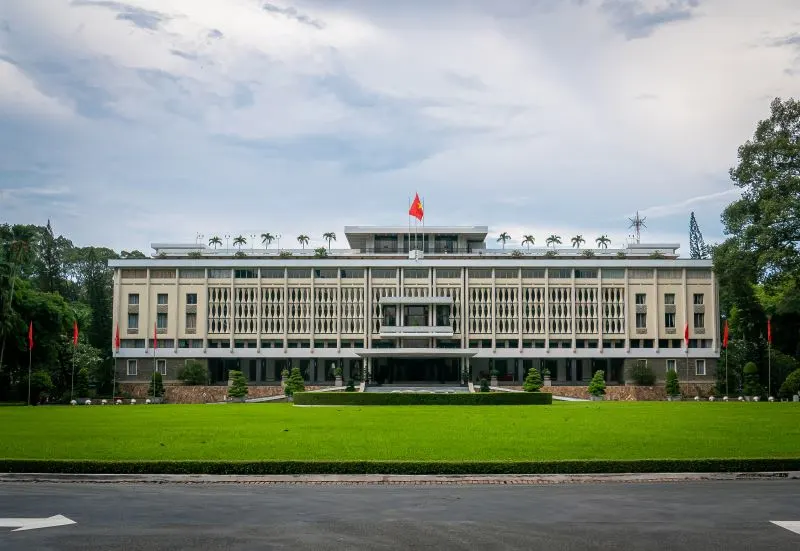
The Reunification Palace, also known as Independence Palace, served as the presidential palace during the Vietnam War and played a pivotal role in the country’s reunification in 1975.
The palace’s architecture combines modernist and traditional Vietnamese elements, making it a unique landmark in the city.
As you explore the Reunification Palace, you’ll have the opportunity to wander through its well-preserved rooms, including the presidential offices, meeting rooms, and living quarters.
The interior has been preserved to reflect the style and ambiance of the 1960s, allowing visitors to step back in time and envision the historical events that unfolded within its walls.
One of the most significant attractions of the palace is the basement, where a series of underground tunnels and command centers were used during the war.
The tunnels provide insight into the operational strategies and communication methods employed by the South Vietnamese government at the time.
The Reunification Palace also houses a museum that displays artifacts, photographs, and documents relating to the palace’s history and its role in the Vietnam War. Exhibits highlight the political context, significant events, and key figures associated with the palace’s past.
5. Experience the vibrant atmosphere of Ben Thanh Market

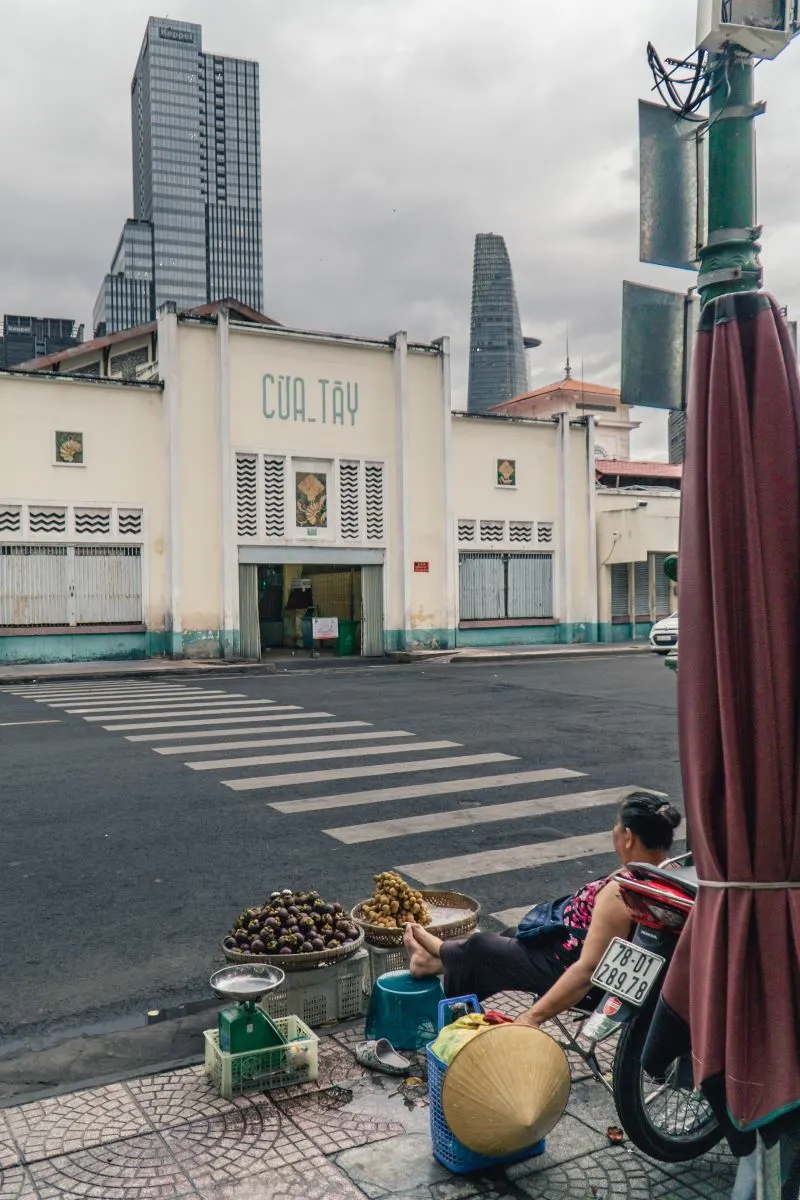
Ben Thanh Market is a bustling and iconic market located in the heart of Ho Chi Minh City (formerly known as Saigon), Vietnam. It is one of the city’s most popular tourist destinations and a vibrant hub of activity. The market offers a unique and immersive experience, showcasing the local culture, flavors, and handicrafts of Vietnam.
Upon entering Ben Thanh Market, visitors are greeted by a vibrant kaleidoscope of colors, sounds, and aromas. The market is divided into various sections, each offering a distinct range of products.
You can find an array of goods such as clothing, textiles, handicrafts, souvenirs, electronics, fresh produce, and an extensive selection of Vietnamese street food.
Exploring the market is an adventure in itself. The narrow alleys are lined with shops and stalls, with vendors enthusiastically promoting their merchandise.
Engaging in friendly haggling is common, so bargaining is an integral part of the experience. The lively atmosphere and interactions with vendors create a dynamic and energetic ambiance.
While wandering through the market, you’ll have the opportunity to taste authentic Vietnamese cuisine. Numerous food stalls offer an assortment of dishes, from popular street food like pho (Vietnamese noodle soup) and banh mi (baguette sandwiches) to local delicacies such as fresh seafood, tropical fruits, and Vietnamese coffee.
6. Wander through the beautiful Notre-Dame Cathedral Basilica of Saigon

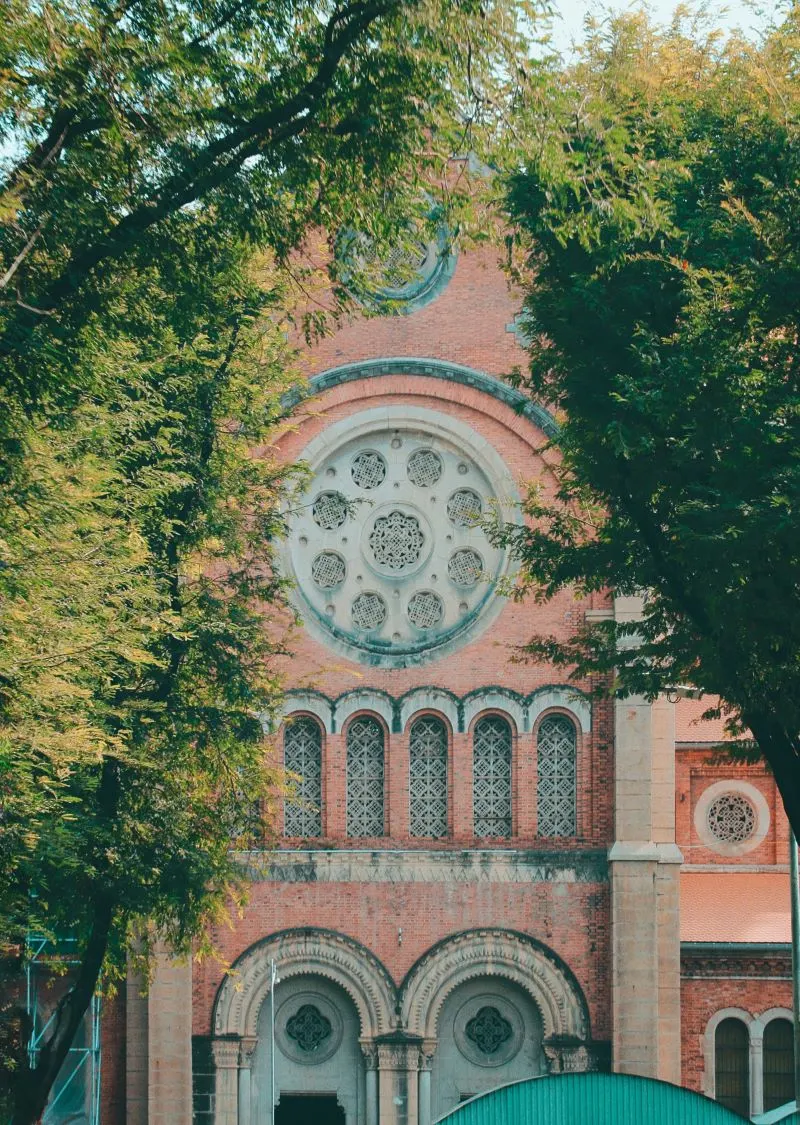
The Notre-Dame Cathedral Basilica of Saigon, also known as Saigon Notre-Dame Basilica, is a stunning architectural gem located in Ho Chi Minh City, Vietnam.
It is one of the city’s most prominent landmarks and a significant religious site. Stepping into the cathedral, visitors are captivated by its beauty and serene atmosphere.
Built in the 19th century, the cathedral showcases exquisite French Gothic architecture, characterized by its pointed arches, stained glass windows, and intricate detailing. The building’s exterior is adorned with red bricks imported from France, lending it a distinct and timeless charm.
As you wander through the cathedral, you’ll be mesmerized by the awe-inspiring interior. The high vaulted ceilings, adorned with beautiful paintings and intricate designs, create a sense of grandeur.
The stained glass windows, depicting biblical scenes and religious figures, filter sunlight into a kaleidoscope of colors, adding to the ethereal ambiance.
The cathedral’s peaceful atmosphere invites contemplation and reflection, making it a popular spot for both tourists and locals seeking solace or spiritual connection. Many visitors are drawn to the quiet beauty of the space, often lighting candles or offering prayers in the pews.
The Notre-Dame Cathedral Basilica of Saigon holds significant historical and cultural importance to the city. It has witnessed important events in Vietnam’s history and has become an enduring symbol of Ho Chi Minh City’s architectural heritage. Despite undergoing restorations in recent years, it continues to stand as a magnificent testament to the city’s past.
7. Take a boat cruise along the Saigon River

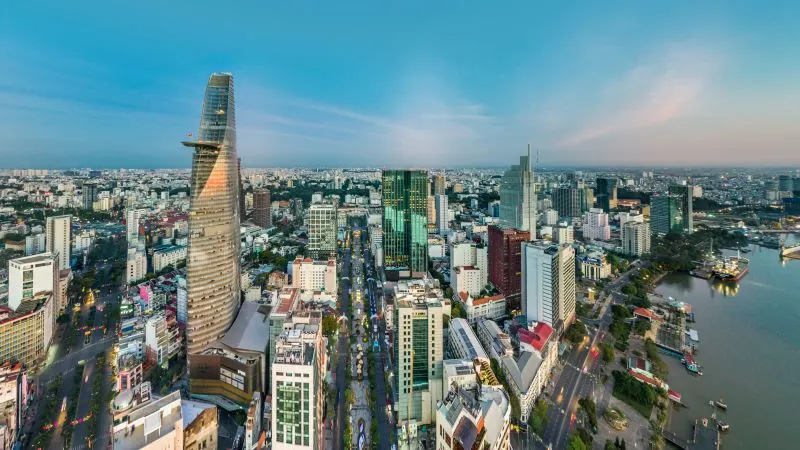
Taking a boat cruise along the Saigon River is a delightful and memorable experience in Ho Chi Minh City, Vietnam. The river, also known as the Sài Gòn River, flows through the city and offers a unique perspective on its vibrant scenery and bustling waterfront.
Boarding a river cruise allows you to witness the dynamic energy of the city from a different vantage point. As the boat glides along the water, you’ll be treated to panoramic views of Ho Chi Minh City’s skyline, with its modern skyscrapers juxtaposed against historic buildings. The riverbanks are lined with bustling markets, riverside cafes, and lush greenery, creating a picturesque backdrop.
During the cruise, you can relax and soak in the tranquility of the river. The gentle breeze and the rhythmic flow of the water create a serene atmosphere, providing a peaceful escape from the city’s hustle and bustle. It’s a perfect opportunity to unwind, enjoy the scenery, and take in the beauty of the surroundings.
As you sail along the Saigon River, you’ll pass by various landmarks and iconic sites. These might include the Bitexco Financial Tower, the majestic Saigon Opera House, the historic Thu Thiem Bridge, and the bustling Saigon Port. Your guide or audio commentary on the boat will likely provide interesting information about these landmarks, adding depth to your journey.
To enhance the experience, some boat cruises offer onboard dining options, allowing you to savor Vietnamese cuisine while enjoying the views. Others may have live music performances or traditional Vietnamese entertainment to further enrich your time on the river.
8. Explore the lively streets of Bui Vien Walking Street

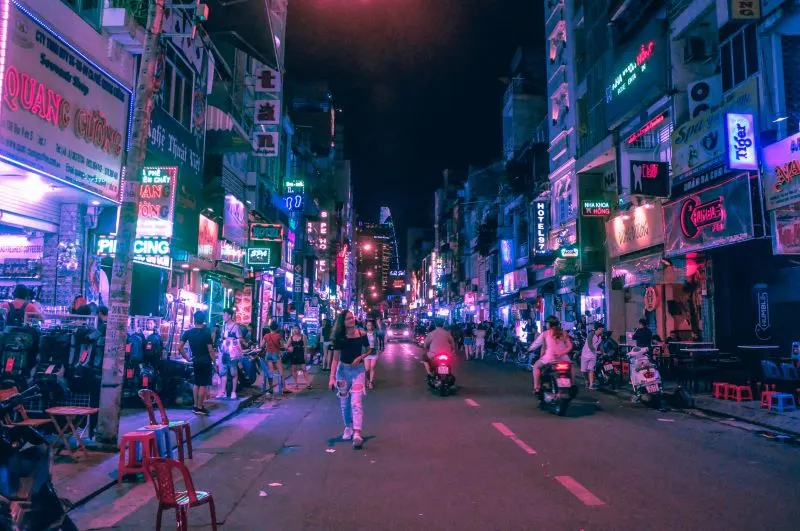
Bui Vien Walking Street is a vibrant and bustling pedestrian street located in the heart of Ho Chi Minh City’s District 1, Vietnam. It is known as the city’s main backpacker area and a popular destination for both locals and tourists seeking a lively and energetic atmosphere.
Exploring Bui Vien Walking Street is an immersive experience in Vietnamese street culture. The street comes alive in the evenings, with its neon lights, lively music, and the constant buzz of activity.
As you step onto the street, you’ll find yourself surrounded by a vibrant mix of restaurants, bars, cafes, street food vendors, souvenir shops, and entertainment venues.
The street is a melting pot of different cultures, attracting visitors from around the world. It offers a diverse range of dining options, from traditional Vietnamese street food stalls serving pho, banh mi, and fresh seafood to international cuisines like Italian, Mexican, and Indian. It’s a great place to indulge in local delicacies, sample exotic flavors, and enjoy a vibrant dining experience.
Bui Vien Walking Street is also known for its nightlife scene. The area is dotted with bars and clubs where you can enjoy live music, dance to the beats of both Western and Vietnamese DJs, and socialize with fellow travelers.
The street has a lively and energetic atmosphere, making it a popular destination for those looking to have a fun night out.
In addition to dining and nightlife, Bui Vien Walking Street is a hub for shopping. The street is lined with shops and stalls selling a wide variety of merchandise, including clothing, accessories, souvenirs, and artwork. It’s a great place to find unique items and bargain for a good deal.
9. Visit the Jade Emperor Pagoda

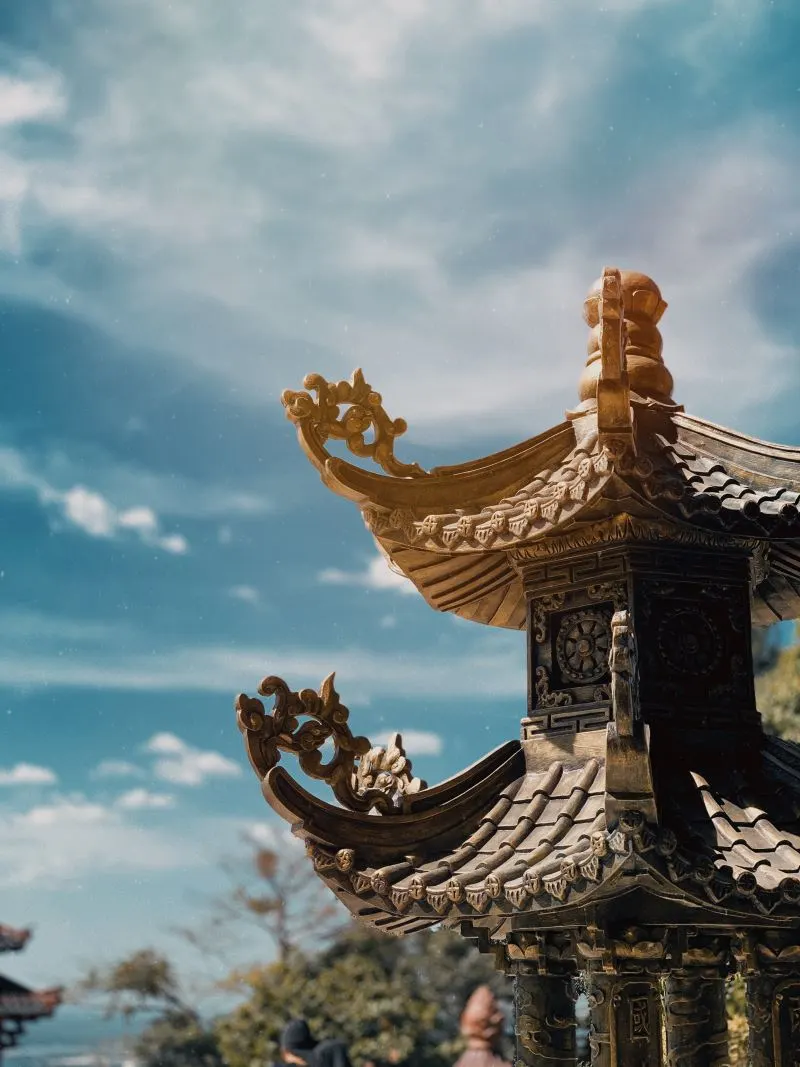
The Jade Emperor Pagoda, also known as Ngoc Hoang Pagoda, is a religious and cultural landmark located in Ho Chi Minh City, Vietnam. It is one of the most revered Taoist temples in the city and attracts visitors from both local and international communities.
The pagoda was built in the early 20th century by the local Cantonese community and is dedicated to the Jade Emperor, who is considered the supreme deity in Taoism.
The architecture of the pagoda showcases a blend of Chinese and Vietnamese styles, creating a unique and visually striking atmosphere.
Upon entering the pagoda, visitors are greeted by a large courtyard adorned with colorful statues of mythical creatures, gods, and goddesses from Chinese folklore.
The main hall is the focal point, housing a magnificent statue of the Jade Emperor surrounded by other divine beings. The interior is decorated with intricate wood carvings, elaborate altars, and smoky incense.
The pagoda is a place of worship and offers a serene and peaceful environment for contemplation and prayer. Devotees often come here to seek blessings, pay homage to ancestors, and make offerings.
During special occasions and festivals, the pagoda comes alive with vibrant celebrations, traditional rituals, and cultural performances.
Apart from its religious significance, the Jade Emperor Pagoda is also a popular tourist attraction for its cultural and historical value. It provides visitors with a glimpse into the rich tapestry of Taoist beliefs and practices, as well as the fusion of Chinese and Vietnamese cultural influences in the region.
10. Enjoy a traditional water puppet show

Enjoying a traditional water puppet show is a captivating and unique cultural experience that originates from Vietnam. This traditional art form has a long history and is deeply rooted in Vietnamese folklore and rural life.
During a water puppet show, wooden puppets are skillfully maneuvered on the surface of a water stage. The puppeteers stand hidden behind a bamboo screen or in waist-deep water, controlling the puppets with long poles and strings.
The puppets are beautifully crafted and painted, representing various characters such as farmers, mythical creatures, animals, and deities.
The performance is accompanied by live traditional music, including the haunting melodies of bamboo flutes, drums, and cymbals.
The puppeteers skillfully manipulate the puppets, making them dance, glide, and interact with one another on the water. The movements are synchronized with the music and narrated by a live traditional storyteller.
The stories depicted in water puppet shows often revolve around rural life, legends, and historical events. They showcase traditional Vietnamese values, humor, and cultural traditions.
You can expect to witness scenes of daily village activities, mythical creatures battling, dragon dances, and other colorful and lively performances.
The water puppet show provides a delightful and entertaining spectacle for both locals and visitors alike. The combination of artistry, music, and storytelling creates a magical atmosphere that transports the audience into the rich cultural heritage of Vietnam.
11. Sample street food at the bustling Binh Tay Market in Chinatown

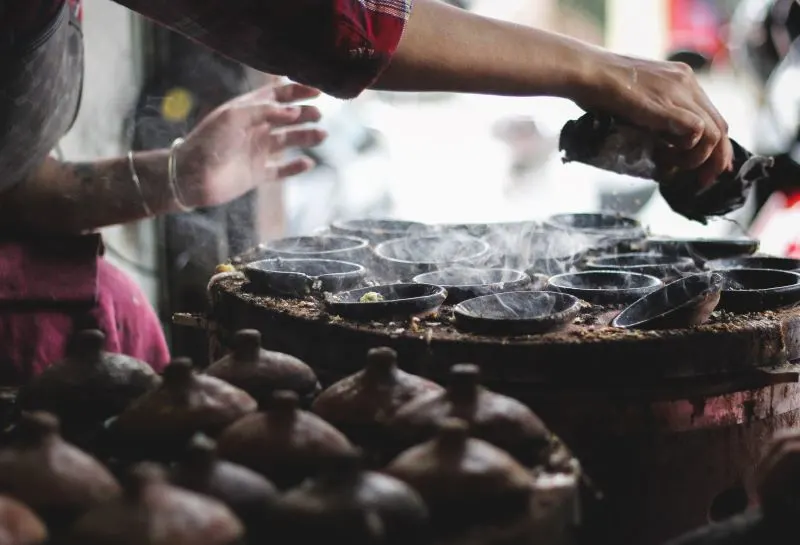
Binh Tay Market, located in the vibrant Chinatown area of Ho Chi Minh City, Vietnam, offers a bustling and flavorful street food experience. It is a popular destination for locals and tourists alike who want to savor authentic Vietnamese cuisine in a lively and bustling atmosphere.
As you wander through the market, you’ll be greeted by a wide array of food stalls and vendors, each offering a tempting selection of dishes. From savory to sweet, Binh Tay Market showcases the diverse flavors of Vietnamese street food.
You can start your culinary adventure by sampling delicious banh mi, a Vietnamese baguette sandwich filled with various fillings such as grilled pork, pate, pickled vegetables, and fresh herbs. It’s a flavorful and satisfying option loved by locals and visitors alike.
Next, you may want to try some fresh and aromatic spring rolls known as goi cuon. These translucent rice paper rolls are filled with shrimp, pork, vermicelli noodles, and a medley of herbs. They are typically served with a tangy dipping sauce, providing a refreshing and healthy snack.
If you’re in the mood for something heartier, look out for the famous pho. This traditional Vietnamese noodle soup consists of rice noodles, tender slices of beef or chicken, and a fragrant broth infused with herbs and spices. It’s a beloved dish that epitomizes Vietnamese cuisine.
For those seeking a unique taste experience, don’t miss the opportunity to try banh xeo, a Vietnamese savory pancake. Made from rice flour and turmeric, it is filled with shrimp, pork, bean sprouts, and green onions.
The pancake is folded over and served with fresh herbs and a dipping sauce, creating a delightful combination of textures and flavors.
To satisfy your sweet tooth, explore the dessert options available. Look for stalls selling che, a Vietnamese sweet soup made with ingredients like beans, coconut milk, fruits, and jelly. It’s a refreshing and indulgent treat to complete your street food adventure.
12. Discover the historic architecture of the Central Post Office

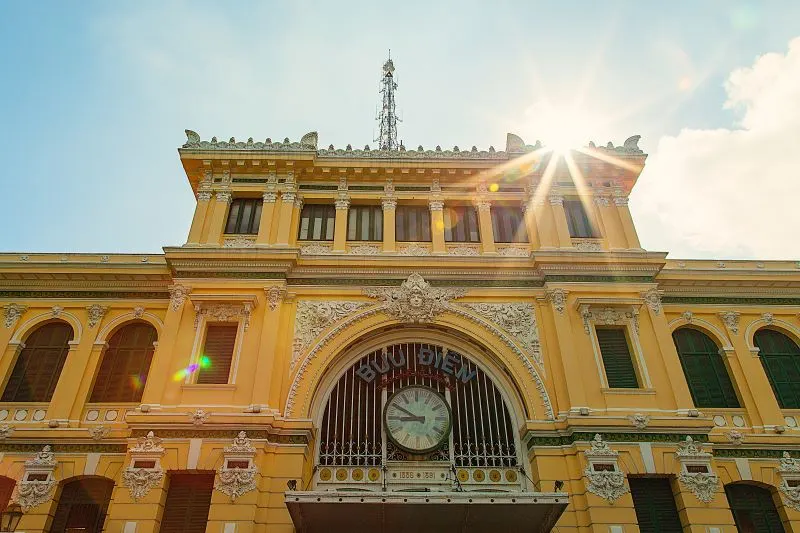
The Central Post Office in Ho Chi Minh City, Vietnam, is an iconic and historically significant architectural gem. Located in the heart of the city, it showcases a captivating blend of French colonial and Gothic architectural styles, making it a must-visit destination for architecture enthusiasts and history buffs.
The building was constructed between 1886 and 1891, during the French colonial period, by Gustave Eiffel, the renowned architect responsible for the Eiffel Tower in Paris. Its design features a grand façade adorned with arched windows, ornate ironwork, and a clock tower that stands tall and proud.
Stepping inside the Central Post Office, you’ll be greeted by a spacious interior characterized by high ceilings, intricate mosaic floors, and a sense of grandeur. The large arched windows allow ample natural light to filter in, creating a warm and inviting ambiance.
One of the highlights of the interior is the magnificent arched ceiling, which is adorned with maps depicting the former regions of Cochinchina, Laos, and Cambodia. These maps provide a glimpse into the historical context of the region during the French colonial era.
As you explore further, you’ll come across the main postal hall, which still functions as a bustling post office. The counters and wooden booths have an old-world charm, and the staff in their traditional uniforms add to the nostalgic atmosphere. You can send postcards, purchase stamps, or simply observe the daily operations of the post office.
The Central Post Office is not only a historic architectural landmark but also an important cultural symbol of Ho Chi Minh City. It represents a significant period in Vietnam’s history and serves as a reminder of the city’s colonial past.
13. Explore the unique culture of the city’s ethnic communities at the Museum of Vietnamese History

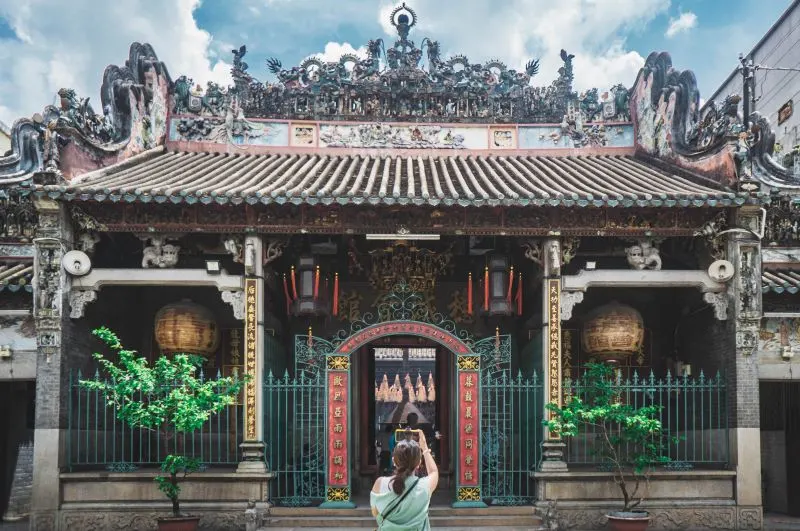
The Museum of Vietnamese History in Ho Chi Minh City provides a captivating window into the diverse and rich culture of the city’s ethnic communities.
This museum offers a comprehensive collection of artifacts, exhibits, and displays that showcase the unique heritage and traditions of Vietnam.
As you explore the museum, you’ll encounter a wide range of exhibits that span various periods of Vietnamese history. One of the highlights is the section dedicated to the country’s ethnic minorities, where you can delve into the vibrant cultures and traditions of these communities.
The exhibits feature intricately crafted costumes, jewelry, tools, musical instruments, and household items, giving you insights into the daily lives and customs of different ethnic groups. You’ll learn about their distinct languages, belief systems, agricultural practices, and artistic expressions.
The museum also sheds light on the historical influences and interactions between different ethnic communities, as well as their contributions to the broader Vietnamese society. It provides a deeper understanding of the cultural tapestry that makes up the identity of the country.
Apart from the exhibits, the Museum of Vietnamese History also offers informative displays on Vietnam’s ancient civilizations, including artifacts from the Cham and Khmer cultures.
These exhibits highlight the remarkable achievements in art, architecture, and religious practices of these historical periods.
14. Visit the Ho Chi Minh City Museum of Fine Arts

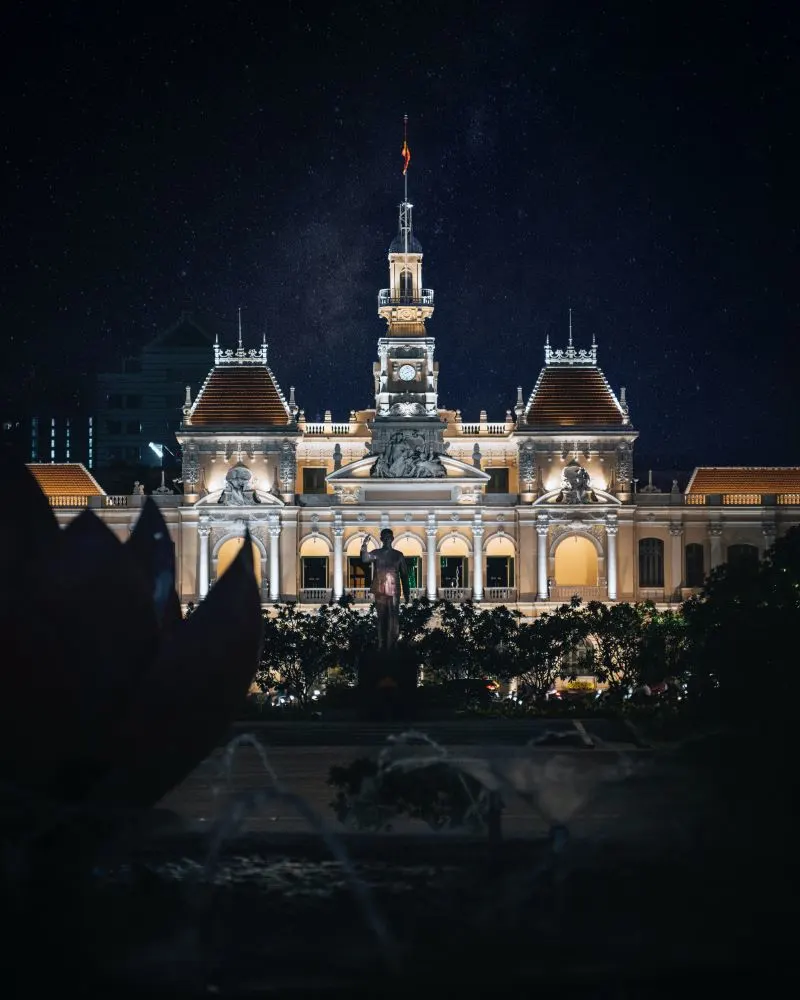
The Ho Chi Minh City Museum of Fine Arts is a prominent cultural institution located in Ho Chi Minh City, Vietnam. It showcases a diverse collection of Vietnamese art, spanning various periods and artistic styles.
The museum’s primary goal is to preserve and promote Vietnamese art and culture, making it accessible to both locals and visitors.
The museum building itself is a blend of French colonial and traditional Vietnamese architectural styles, adding to its cultural significance. Inside, visitors can explore multiple galleries featuring a wide range of artworks, including paintings, sculptures, ceramics, lacquerware, and more.
The collection encompasses both traditional and contemporary art, providing a comprehensive overview of Vietnamese artistic heritage. Traditional artworks often depict cultural and historical themes, while contemporary pieces reflect modern trends and influences.
The museum frequently hosts temporary exhibitions, further enriching its offerings and providing fresh perspectives on Vietnamese art.
15. Take a cyclo ride through the city’s bustling streets

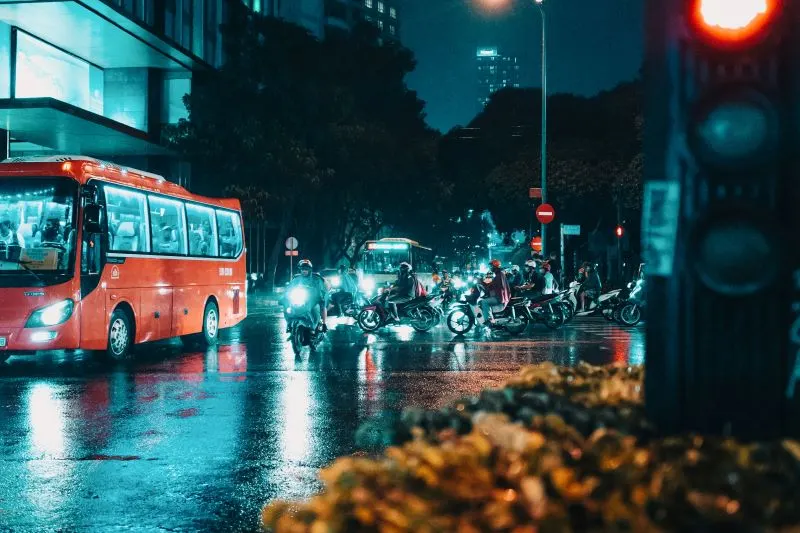
Taking a cyclo ride through the bustling streets of a city, such as Ho Chi Minh City in Vietnam, is an exhilarating and immersive experience. Cyclos are traditional three-wheeled pedicabs that serve as a popular mode of transportation in many Southeast Asian countries.
Embarking on a cyclo ride allows you to navigate through the vibrant streets, absorbing the sights, sounds, and energy of the city in a unique way.
As you sit comfortably in the passenger seat, your cyclo driver will pedal you through the bustling traffic, weaving skillfully through the narrow lanes and busy intersections.
During the ride, you’ll have the opportunity to observe the city’s daily life up close. You’ll pass by a myriad of street vendors, food stalls, shops, and markets, immersing yourself in the lively atmosphere.
The cyclo ride offers a slower pace compared to other means of transportation, allowing you to take in the details and absorb the local culture.
You’ll witness the city’s architectural wonders, from historic buildings to modern skyscrapers, all while soaking in the unique blend of old and new that characterizes many urban landscapes.
The streets will be abuzz with the honking of motorbikes, the chattering of pedestrians, and the tantalizing aromas of local cuisine.
Cyclo rides also provide an opportunity for spontaneous exploration. If something catches your eye, you can ask your cyclo driver to stop, giving you the chance to explore a particular area or take photographs of interesting landmarks.
16. Enjoy the views from the Saigon Skydeck at Bitexco Financial Tower

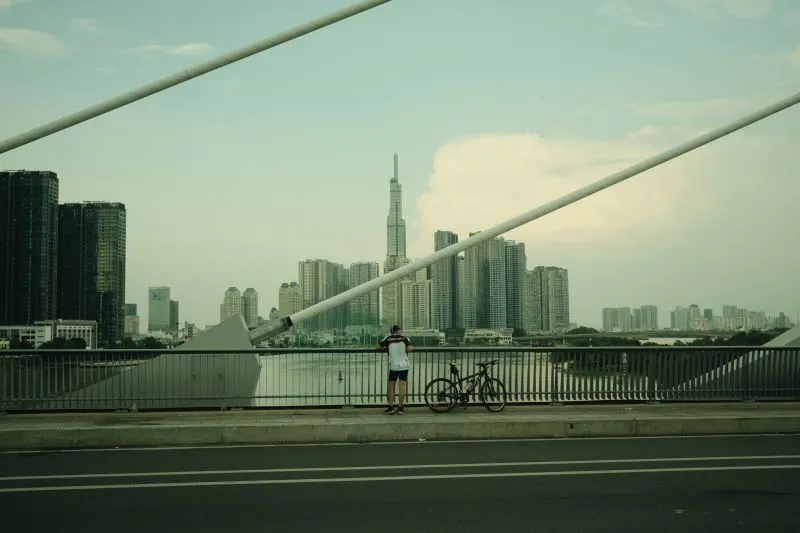
The Saigon Skydeck at Bitexco Financial Tower in Ho Chi Minh City, Vietnam, offers breathtaking views of the cityscape and is a popular attraction for locals and visitors alike.
Located in the heart of the city, the Bitexco Financial Tower is an iconic skyscraper that stands as one of the tallest buildings in Vietnam.
To enjoy the views, you can ascend to the Saigon Skydeck, which is located on the 49th floor of the tower. As you step onto the observation deck, you’ll be greeted by panoramic vistas that stretch across the city and beyond.
The floor-to-ceiling windows provide unobstructed views, allowing you to admire the sprawling urban landscape, the winding Saigon River, and the surrounding districts.
From the Skydeck, you can take in the dynamic cityscape of Ho Chi Minh City, with its mix of towering skyscrapers, historic landmarks, and bustling streets.
The views are particularly enchanting during sunrise, sunset, or in the evening when the city lights illuminate the skyline, creating a captivating display.
Apart from the stunning vistas, the Saigon Skydeck also offers interactive displays and informative panels that provide insights into the city’s history, landmarks, and cultural highlights.
These exhibits enhance your understanding of Ho Chi Minh City’s development and allow you to appreciate the significance of the surrounding landmarks.
For those seeking an elevated dining experience, the Bitexco Financial Tower also houses a stylish restaurant called EON51, located on the 51st floor.
With its floor-to-ceiling windows and exquisite cuisine, the restaurant offers a unique opportunity to enjoy a meal while gazing out over the cityscape.
17. Experience the bustling atmosphere of Cho Lon Market

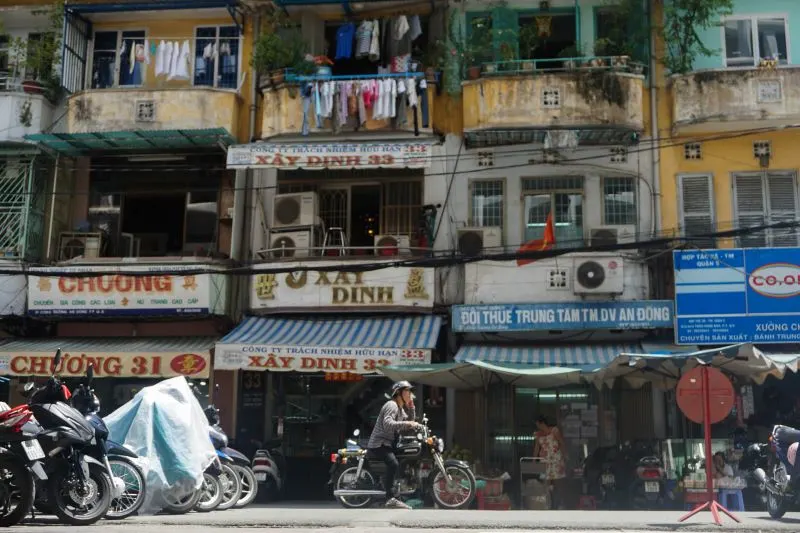
Cho Lon Market, located in Ho Chi Minh City’s District 5, is a bustling and vibrant market that offers a captivating and immersive experience. Also known as Binh Tay Market, it is one of the oldest and largest markets in the city, attracting both locals and tourists.
Stepping into Cho Lon Market, you’ll be greeted by a lively and energetic atmosphere. The market is a hub of activity, with vendors bustling about, customers bargaining for goods, and the constant hum of voices filling the air. The market’s architecture is influenced by Chinese design, reflecting the strong Chinese presence in the area.
The market is divided into different sections, each offering a unique array of products. You can explore narrow aisles filled with stalls selling a wide variety of goods, ranging from fresh produce, meats, and seafood to spices, textiles, and household items.
The market is particularly famous for its wholesale products, making it a popular destination for business owners and locals looking for affordable deals.
As you wander through the market, you’ll be surrounded by vibrant colors, enticing aromas, and the sights and sounds of everyday life. It’s a sensory experience that immerses you in the local culture and offers a glimpse into the daily lives of the people of Ho Chi Minh City.
In addition to shopping, Cho Lon Market is also a great place to sample delicious street food. Numerous food stalls and small eateries offer a wide range of Vietnamese and Chinese dishes, allowing you to savor the flavors of the local cuisine. From steaming bowls of pho to savory dumplings and delectable sweets, there’s something to tempt every palate.
18. Explore the vibrant neighborhoods of District 3 and District 5

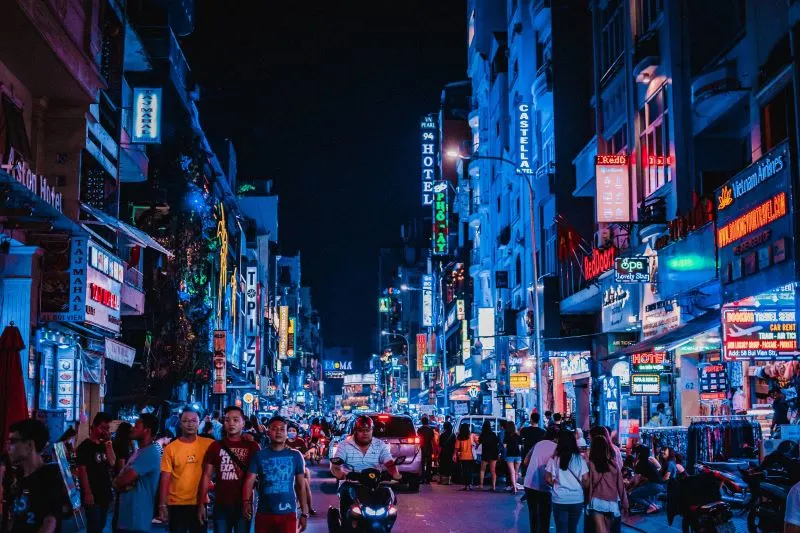
District 3 and District 5 are two vibrant neighborhoods in Ho Chi Minh City, Vietnam, each offering its own unique charm and attractions.
District 3, also known as the “Pink Church” area, is a dynamic district that blends the old with the new. It is characterized by its tree-lined streets, French colonial architecture, and a mix of residential and commercial areas.
One of the district’s highlights is the stunning Saigon Notre-Dame Basilica, a famous landmark known for its distinctive pink facade.
Exploring the streets of District 3 allows you to discover charming cafes, local eateries, boutique shops, and art galleries. The district is also home to the War Remnants Museum, where you can learn about Vietnam’s history and the impact of the Vietnam War.
District 5, also known as Cho Lon, is the city’s bustling Chinatown. It has a rich history and strong Chinese cultural influence.
The main attraction in District 5 is Binh Tay Market, also known as Cho Lon Market. This market is a vibrant hub of activity, offering an array of goods, street food, and a glimpse into the local way of life.
Walking through the streets of District 5, you’ll encounter ornate Chinese temples, incense-filled pagodas, and traditional Chinese herbal medicine shops. It’s a fascinating neighborhood to explore, with a fusion of Vietnamese and Chinese cultures.
19. Take a day trip to the Mekong Delta

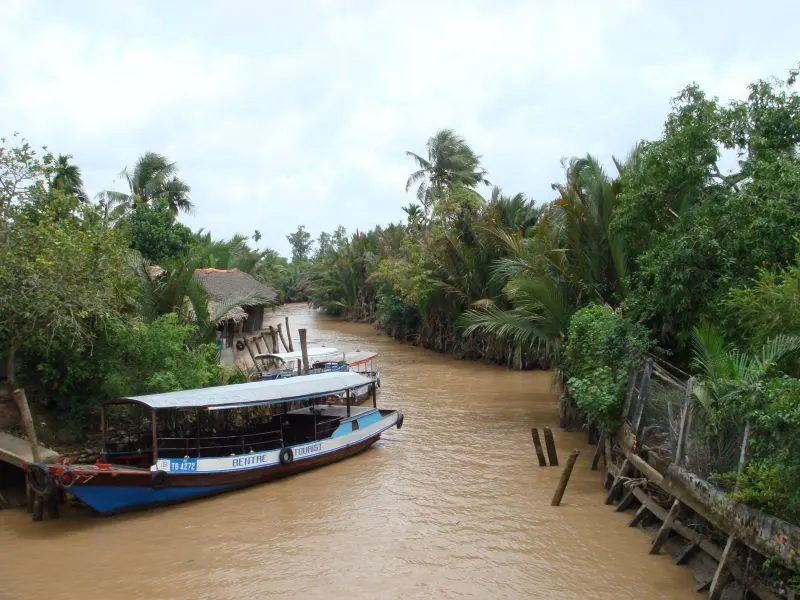
Taking a day trip to the Mekong Delta from Ho Chi Minh City is an exciting and enriching experience. The Mekong Delta is a vast region in southwestern Vietnam, known for its lush green landscapes, winding waterways, and vibrant agricultural activity.
The journey begins with a scenic drive from Ho Chi Minh City, where you’ll gradually transition from the bustling urban environment to the serene countryside.
Upon arrival in the Mekong Delta, you’ll embark on a boat cruise along the intricate network of canals and tributaries that crisscross the region.
The boat ride allows you to immerse yourself in the idyllic scenery, passing by verdant rice paddies, fruit orchards, and stilted houses.
Throughout the day, you’ll have the opportunity to explore different aspects of Mekong Delta life. You may visit local villages, where you can interact with friendly residents and learn about their traditional crafts, such as coconut candy making or rice paper production.
You might also visit bustling floating markets, where vendors in traditional boats sell an array of fresh produce and local goods. It’s a vibrant and colorful scene that provides insight into the region’s trading culture.
A visit to the Mekong Delta often includes sampling delicious local cuisine. You can indulge in fresh tropical fruits, taste regional specialties, and enjoy a traditional Vietnamese lunch prepared with locally sourced ingredients.
Additionally, you may have the chance to partake in activities like cycling along narrow village paths or taking a sampan (small wooden boat) ride through the narrower canals, offering a closer look at the daily lives of the locals and their close connection to the waterways.
20. Learn about Vietnamese history at the Ho Chi Minh City Museum

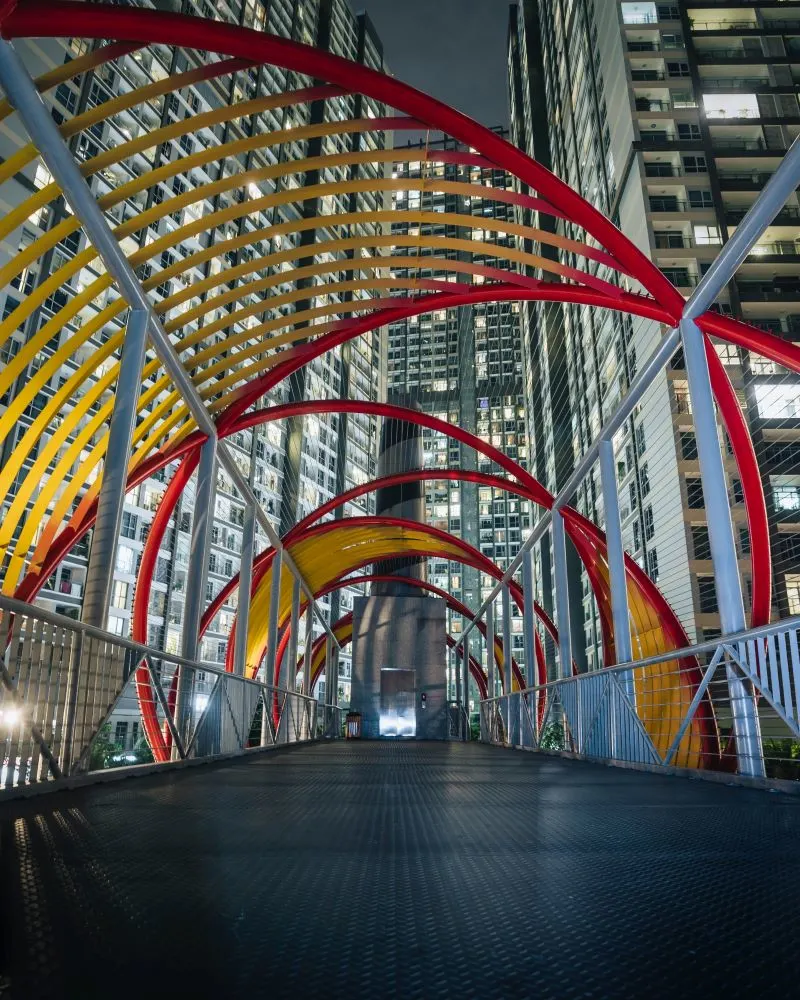
The Ho Chi Minh City Museum, also known as the Museum of Ho Chi Minh City or the City Museum, is a prominent historical institution located in Ho Chi Minh City, Vietnam.
The museum aims to preserve and exhibit artifacts and information related to the rich history and culture of the city, as well as the broader Vietnamese history.
Within the museum, visitors can delve into various aspects of Vietnamese history, including the prehistoric period, the ancient civilization of Funan, the Khmer influence, the arrival of the Vietnamese people, and the subsequent development of the region.
The exhibits showcase artifacts, documents, photographs, and multimedia presentations that provide insights into the city’s historical significance.
One of the main highlights of the museum is its depiction of Ho Chi Minh City’s colonial era, when it was known as Saigon.
The exhibits shed light on the French colonization, its impact on the city’s architecture, urban planning, and society. Visitors can explore the historical context leading up to the establishment of the Republic of South Vietnam and the subsequent events that unfolded during the Vietnam War.
The museum also covers the period of national reunification, documenting the struggles and triumphs of the Vietnamese people in the fight for independence.
The exhibits highlight the pivotal role of Ho Chi Minh City (formerly Saigon) in the reunification process and the subsequent transformation of the city into a vibrant economic and cultural hub.
21. Enjoy a leisurely walk in the Tao Dan Park

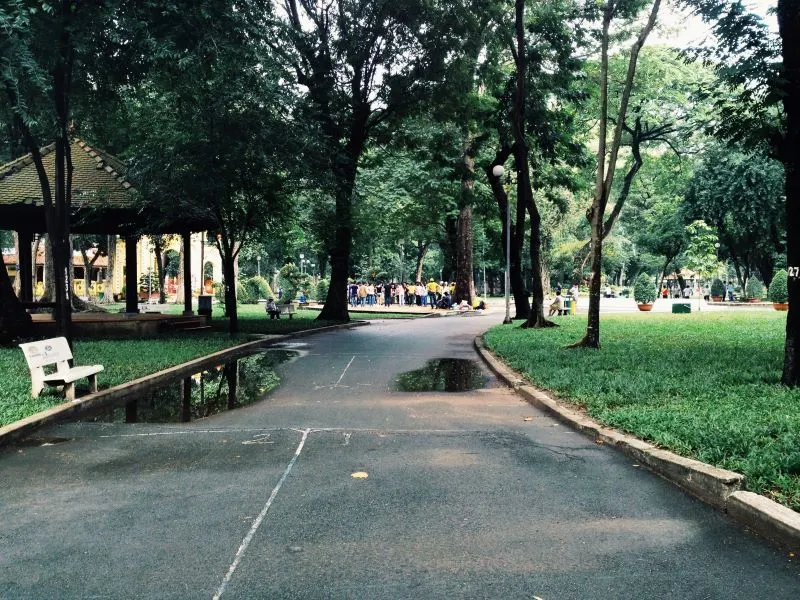
Tao Dan Park is a picturesque green oasis located in the heart of Ho Chi Minh City, Vietnam. It is a popular destination for locals and tourists alike, offering a tranquil escape from the bustling urban environment. A leisurely walk through Tao Dan Park provides a delightful experience filled with natural beauty and recreational activities.
As you enter the park, you’ll be greeted by lush greenery, vibrant flowers, and towering trees that provide shade and a refreshing atmosphere.
The park’s well-maintained pathways invite visitors to take a leisurely stroll and explore its various sections. Along the way, you’ll encounter serene ponds, charming bridges, and beautifully manicured gardens.
The park’s serene ambiance attracts people of all ages, making it a gathering place for families, friends, and fitness enthusiasts.
You can observe locals practicing tai chi, jogging, or engaging in group exercise sessions. There are also designated areas for badminton, soccer, and other sports, creating a lively atmosphere.
Tao Dan Park is particularly famous for its vibrant bird garden. As you walk through this section, you’ll come across numerous cages containing an array of colorful birds, including parrots, mynah birds, and canaries.
The melodious chirping of these feathered creatures adds to the park’s peaceful atmosphere and offers a unique experience for visitors.
For those seeking moments of relaxation, there are ample benches and shaded areas throughout the park where you can sit, unwind, and enjoy the surroundings.
You may witness locals engaged in traditional activities, such as playing traditional musical instruments or practicing calligraphy.
Tao Dan Park also houses several cafes and small food stalls, providing opportunities for a quick snack or a refreshing drink. It’s a great place to take a break, people-watch, and immerse yourself in the local culture.
22. Shop for souvenirs at the Saigon Square

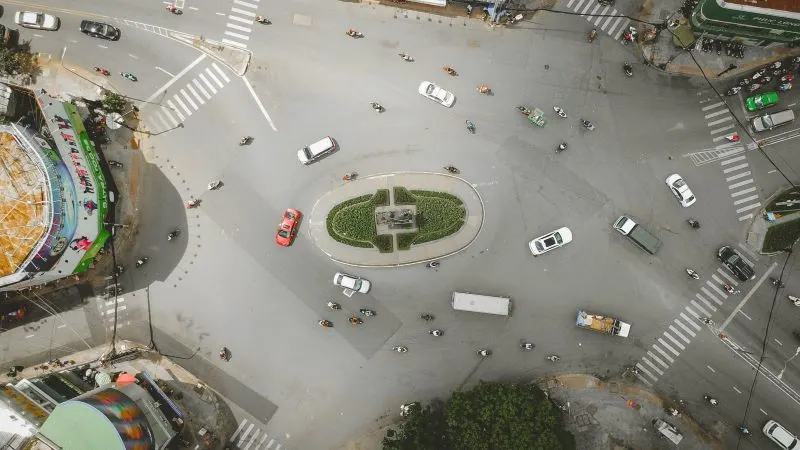
Saigon Square is a popular shopping destination in Ho Chi Minh City, Vietnam. It is a bustling marketplace known for its wide range of souvenirs, clothing, accessories, and other goods. Located in the city center, Saigon Square offers a vibrant shopping experience for both locals and tourists.
When you visit Saigon Square, you’ll find numerous small shops and stalls packed with merchandise. The market is particularly famous for its affordable prices and bargaining opportunities.
Here, you can explore a diverse selection of souvenirs, including traditional Vietnamese handicrafts, lacquerware, textiles, ceramics, and artwork.
Apart from souvenirs, Saigon Square is also a great place to shop for fashion items. You’ll discover a variety of clothing options such as dresses, shirts, pants, and shoes, both for men and women. The market is known for its trendy fashion at reasonable prices, making it a favorite spot for local fashion enthusiasts.
In addition to fashion and souvenirs, Saigon Square also offers a range of accessories, including jewelry, handbags, wallets, sunglasses, and watches.
Whether you’re looking for a unique piece to add to your collection or searching for a stylish gift, you’ll likely find something to suit your taste.
It’s important to note that Saigon Square can get crowded, especially during peak hours, so be prepared for a lively and bustling atmosphere. Also, keep in mind that bargaining is a common practice at the market, so feel free to negotiate the prices with the vendors to get the best deals.
23. Visit the Giac Lam Pagoda, one of the oldest pagodas in the city

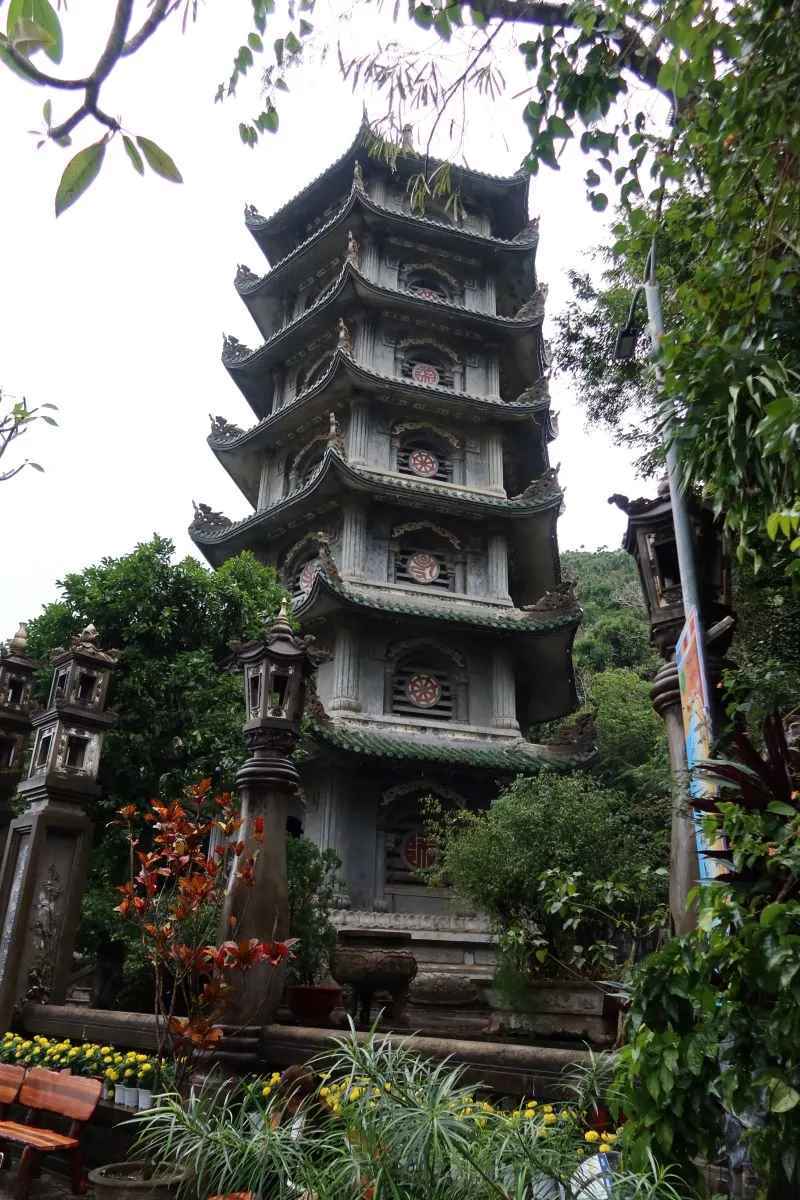
The Giac Lam Pagoda is a renowned Buddhist temple located in Ho Chi Minh City, Vietnam. It holds the distinction of being one of the oldest pagodas in the city, with a rich history and cultural significance.
Built in the 18th century, the Giac Lam Pagoda showcases traditional Vietnamese architectural style. The pagoda is adorned with intricate wood carvings, colorful paintings, and decorative statues, creating a serene and spiritual atmosphere.
Its design reflects a harmonious blend of Chinese, Indian, and Vietnamese influences, making it a captivating sight for visitors.
The pagoda is surrounded by a peaceful garden filled with beautiful bonsai trees and vibrant flowers, providing a tranquil escape from the bustling city outside. Many visitors come here to find solace and engage in contemplation or meditation.
Inside the pagoda, you will find numerous religious artifacts, including statues of Buddha and revered Buddhist figures. The main hall of the pagoda houses a large Amitabha Buddha statue, an important focal point for worshippers. The scent of incense permeates the air, adding to the spiritual ambiance.
Giac Lam Pagoda also serves as a center for Buddhist ceremonies and rituals. If you visit during auspicious occasions or festivals, you may have the opportunity to witness these vibrant and culturally significant events.
One of the unique features of Giac Lam Pagoda is the seven-story tower located on the temple grounds. This tower provides a panoramic view of the surrounding area and offers visitors an excellent vantage point to admire the pagoda’s architecture and the sprawling cityscape.
24. Explore the lively nightlife scene in District 1

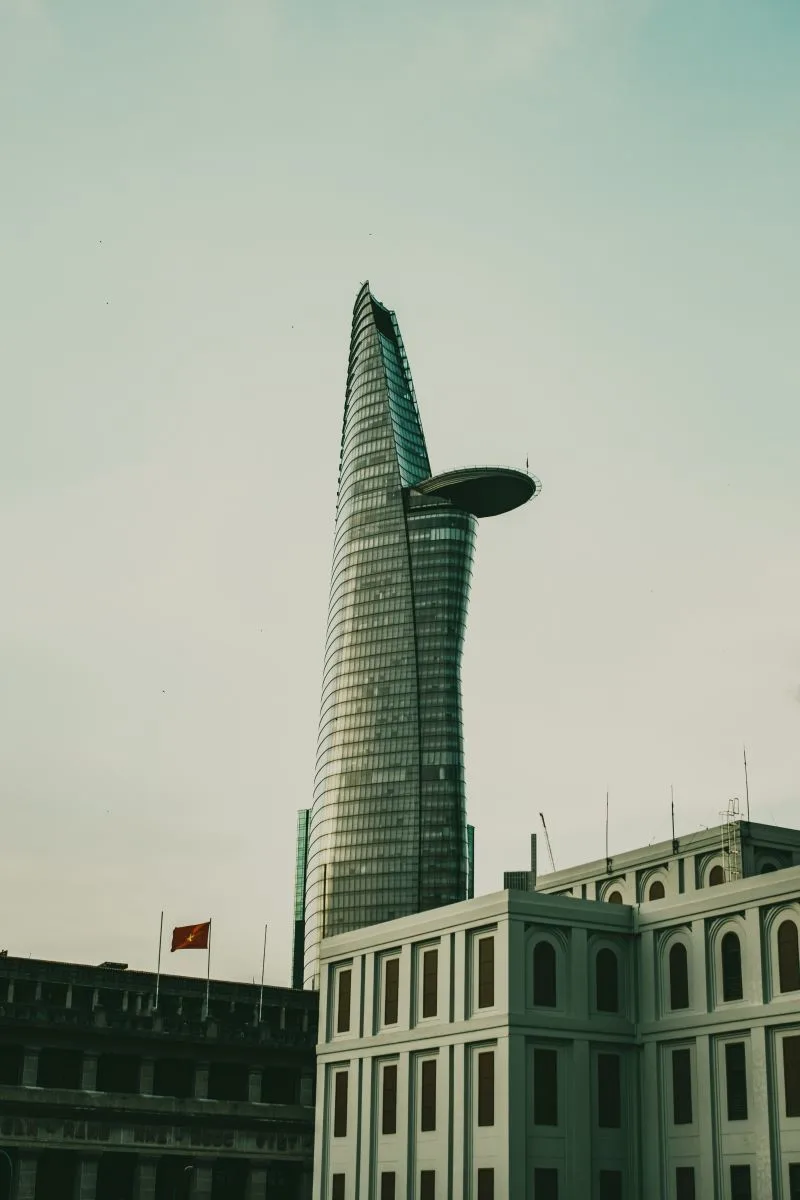
District 1 in Ho Chi Minh City, Vietnam, is well-known for its vibrant and diverse nightlife scene. It is the city’s central district and offers a wide range of entertainment options for locals and tourists alike.
When exploring the nightlife in District 1, you’ll find a plethora of trendy bars, clubs, live music venues, and lounges scattered throughout the area. These establishments cater to various tastes and preferences, ensuring that there’s something for everyone.
The famous Bui Vien Street, also known as the “backpacker street,” is a bustling hub of activity in District 1. It’s lined with a multitude of bars, pubs, and restaurants that come alive after sunset.
Here, you can enjoy a lively atmosphere, socialize with fellow travelers, indulge in local and international cuisine, and savor a wide range of beverages, from refreshing cocktails to local beers.
For those seeking a more upscale experience, District 1 offers chic rooftop bars and elegant lounges. These venues provide stunning views of the city skyline and a sophisticated ambiance.
Whether you’re looking to unwind with a signature cocktail or dance the night away to the latest beats, you’ll find plenty of options to suit your preferences.
If you’re a music lover, District 1 has a vibrant live music scene. Many venues host local bands and international performers, offering a diverse range of genres, including rock, jazz, blues, and electronic music. These establishments often attract a lively crowd and provide an energetic atmosphere for music enthusiasts.
Additionally, District 1 is home to several night markets where you can explore and shop for souvenirs, clothing, accessories, and local street food. These markets come alive in the evening, creating a vibrant and bustling atmosphere that immerses you in the local culture.
25. Learn about the country’s military history at the Military Museum

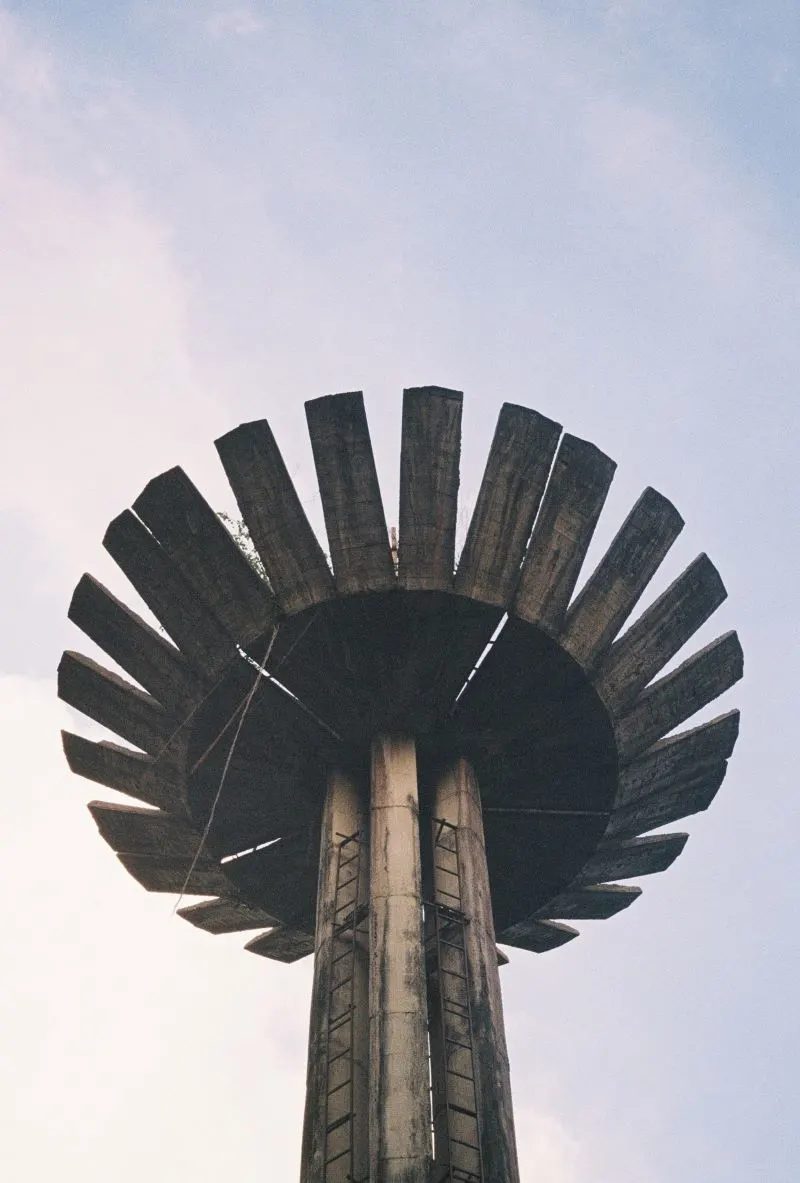
The Military Museum in Ho Chi Minh City, Vietnam, provides a fascinating opportunity to delve into the country’s military history. It is a significant cultural institution that showcases Vietnam’s struggles, victories, and sacrifices during various conflicts throughout its history.
The museum is located in a historic French colonial-era building, adding to its allure and architectural appeal. Inside, you’ll find a vast collection of artifacts, exhibits, and displays that chronicle Vietnam’s military past.
The exhibits at the Military Museum cover a broad range of periods, including the French colonial era, the Vietnam War, and other significant conflicts.
Visitors can explore a diverse array of military equipment, weapons, uniforms, and vehicles used by the Vietnamese armed forces. From tanks and artillery to aircraft and naval vessels, the museum offers a comprehensive display of Vietnam’s military capabilities.
In addition to the physical artifacts, the museum features photographs, documents, and multimedia presentations that provide deeper insights into the historical events and the people involved.
These exhibits aim to educate visitors about the struggles and sacrifices made by the Vietnamese people during times of conflict.
One of the highlights of the museum is the outdoor area, which features a collection of military hardware, including tanks, helicopters, and fighter jets. Visitors can get up close to these vehicles and appreciate their historical significance and engineering prowess.
The Military Museum also includes a section dedicated to the Vietnam War, known as the American War in Vietnam. This section provides a detailed account of the war, showcasing the experiences of both the Vietnamese people and the foreign soldiers involved.
Through photographs, artifacts, and narratives, visitors can gain a deeper understanding of this significant period in Vietnamese history.
26. Experience the local life at the Can Gio Mangrove Biosphere Reserve

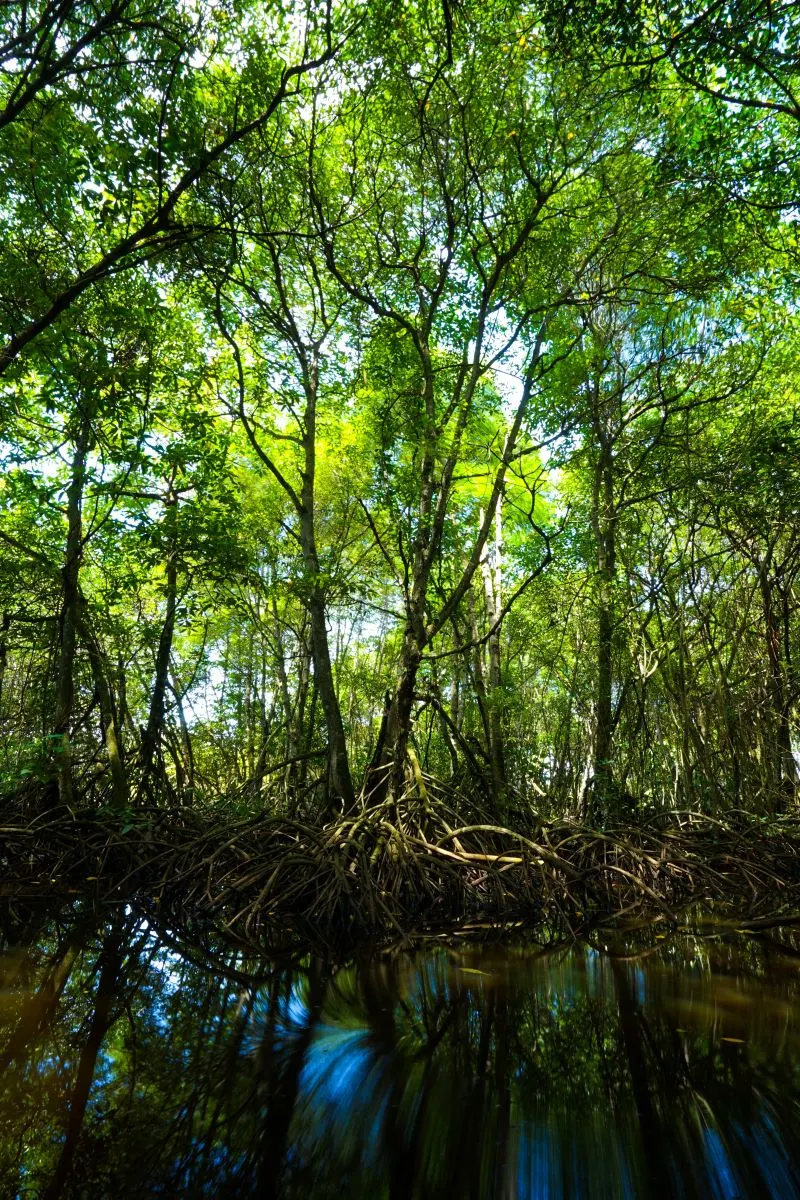
Experience the local life at the Can Gio Mangrove Biosphere Reserve offers visitors a unique opportunity to immerse themselves in the natural beauty and cultural heritage of this enchanting region. Located in Vietnam, Can Gio is a pristine mangrove forest and a designated biosphere reserve recognized by UNESCO.
As you venture into Can Gio, you will encounter a rich and diverse ecosystem comprising dense mangrove forests, winding waterways, and abundant wildlife.
The reserve is home to various species, including rare and endangered animals such as the saltwater crocodile and the black-shanked douc langur. Exploring the reserve’s trails and boardwalks allows you to observe these fascinating creatures in their natural habitat.
Apart from its natural wonders, Can Gio also offers a glimpse into the local way of life. The nearby fishing villages provide an authentic experience of the coastal communities that rely on the mangrove ecosystem for their livelihoods.
Here, you can witness traditional fishing techniques, visit local markets, and perhaps even try your hand at catching fish or crabbing alongside the fishermen.
To further enrich your understanding of the area, you can engage with the local community and learn about their customs, traditions, and sustainable practices.
Whether it’s participating in traditional crafts, enjoying a meal of freshly caught seafood, or listening to stories passed down through generations, the warm hospitality of the locals will ensure an unforgettable cultural exchange.
27. Enjoy a traditional Vietnamese coffee at a local café

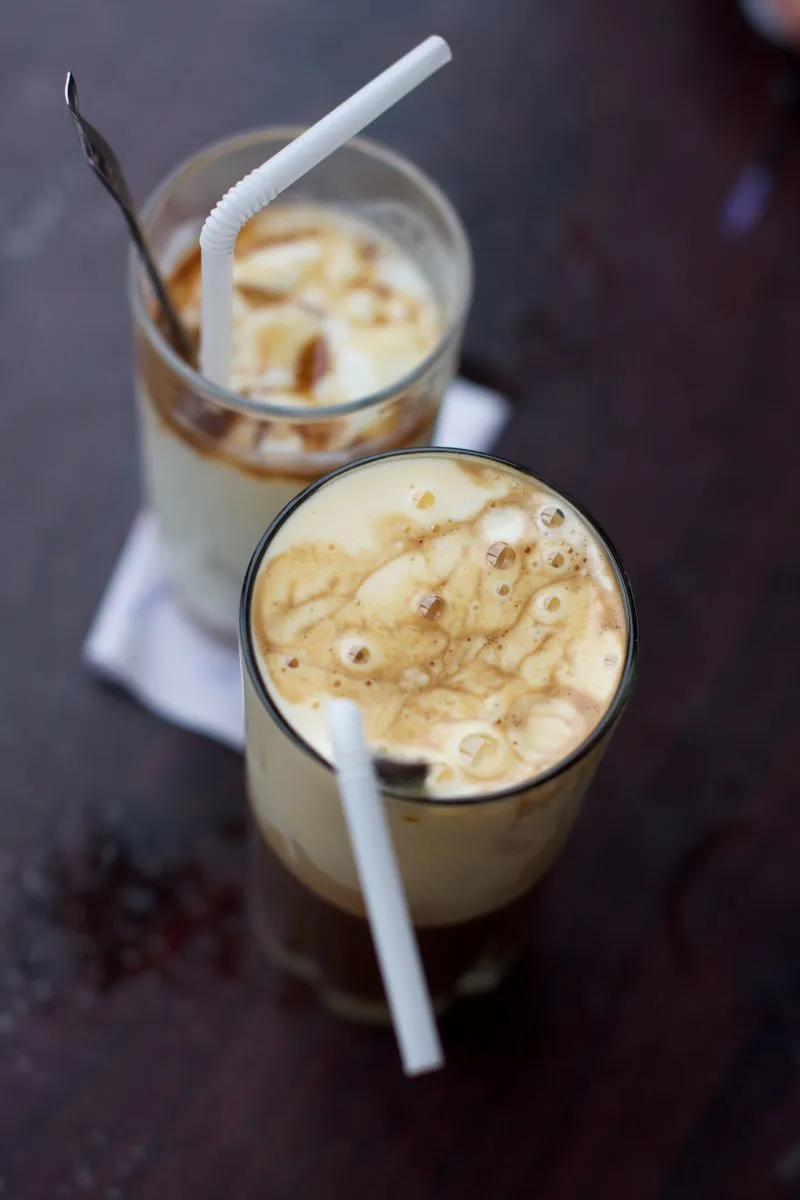
Enjoying a traditional Vietnamese coffee at a local café is an immersive experience that combines rich flavors, unique brewing methods, and a glimpse into Vietnamese coffee culture. Renowned for its distinctive taste and preparation style, Vietnamese coffee has gained popularity worldwide.
When you step into a local café in Vietnam, you’ll typically find a relaxed and inviting atmosphere. The café’s décor often reflects a blend of traditional and contemporary elements, creating a cozy and welcoming ambiance. As you settle into your seat, you’ll notice the tantalizing aroma of freshly brewed coffee that permeates the air.
The cornerstone of Vietnamese coffee is the robusta beans, known for their bold flavor and high caffeine content. Traditionally, Vietnamese coffee is brewed using a small metal filter called a “phin.” The phin is placed atop a cup or glass, and coarsely ground coffee is added to it. Hot water is poured over the coffee, and it slowly drips through the filter, resulting in a strong and concentrated brew.
As you watch the coffee slowly drip, you’ll have the opportunity to savor the moment and soak in the surroundings. Vietnamese coffee is often served with a small glass of iced water, allowing you to cleanse your palate between sips.
You may also notice condensed milk, a popular addition to Vietnamese coffee that adds a creamy and sweet element to the beverage.
When your coffee is ready, you can take your first sip and experience the distinct flavors that Vietnamese coffee offers. The taste is often described as rich, full-bodied, and slightly chocolatey, with a pleasant bitterness. It’s a flavor profile that is unique to Vietnamese coffee and sets it apart from other coffee varieties around the world.
While enjoying your coffee, you can engage in conversation, read a book, or simply observe the lively atmosphere of the café. Local cafés in Vietnam often serve as social hubs, where people gather to catch up with friends, conduct business meetings, or simply take a moment to relax and enjoy their coffee.
28. Take a food tour to sample the city’s diverse cuisine

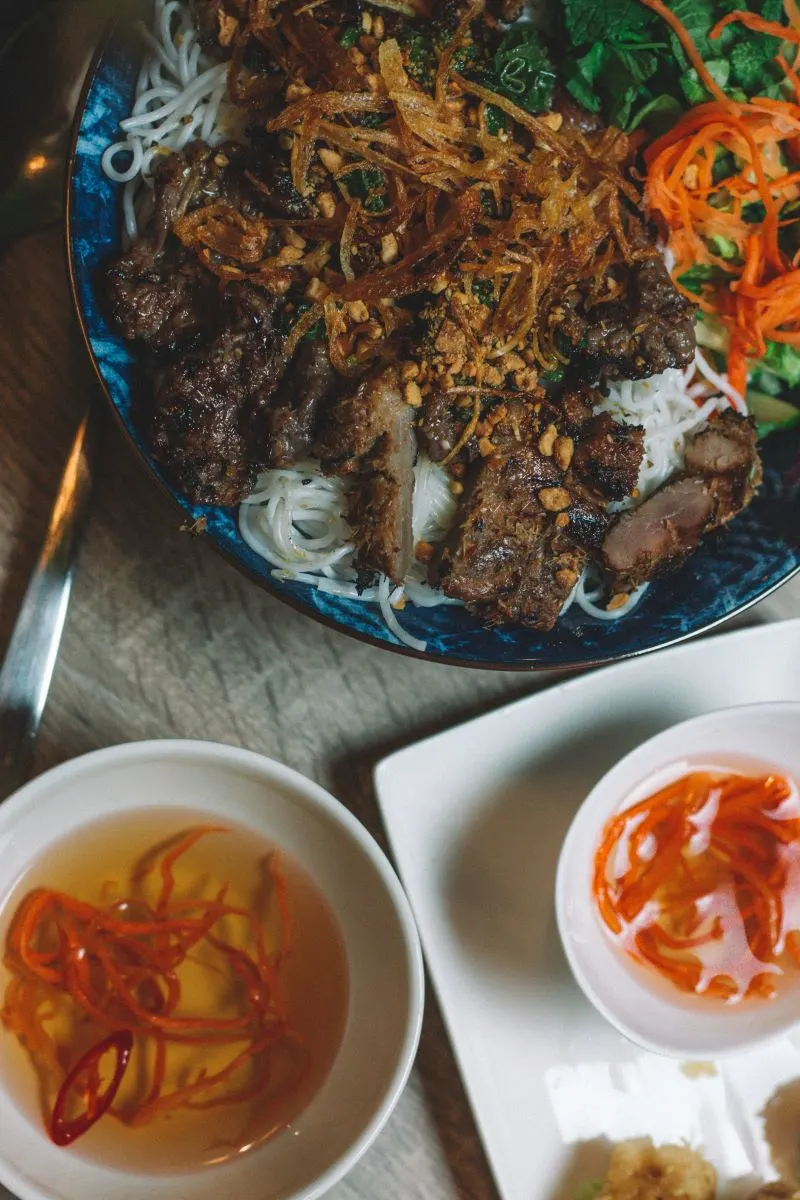
Take a food tour to sample the city’s diverse cuisine in Ho Chi Minh City, Vietnam. Ho Chi Minh City, formerly known as Saigon, is a vibrant and bustling metropolis renowned for its rich culinary scene. A food tour in this city is a delightful adventure that allows you to explore and savor the diverse flavors of Vietnamese cuisine.
During the tour, you’ll have the opportunity to try an array of authentic dishes and street food delicacies that reflect the cultural heritage of Vietnam.
From aromatic bowls of pho, a traditional Vietnamese noodle soup, to crispy banh xeo pancakes filled with savory ingredients, the food tour will introduce you to the vibrant flavors and unique cooking techniques of the region.
You’ll visit local markets, street food stalls, and family-owned restaurants, immersing yourself in the bustling atmosphere and interacting with friendly locals.
The knowledgeable guides will share fascinating stories and insights about the dishes, their origins, and the culinary traditions of Vietnam.
In addition to the popular Vietnamese dishes, you’ll also get to taste lesser-known specialties that highlight the city’s diverse food scene.
From the savory goodness of banh mi sandwiches to the refreshing flavors of tropical fruits, every stop on the food tour will be a delightful surprise.
29. Visit the FITO Museum, dedicated to Vietnamese traditional medicine

Visit the FITO Museum, a captivating destination dedicated to Vietnamese traditional medicine in Ho Chi Minh City, Vietnam. The FITO Museum is a unique institution that provides a fascinating glimpse into the rich history and practices of traditional medicine in Vietnam.
Upon entering the museum, you’ll be transported back in time as you explore the meticulously curated exhibits showcasing a wide range of artifacts, tools, and documents related to traditional medicine.
The collection spans several centuries and offers insights into the healing practices, herbal remedies, and medical philosophies that have been integral to Vietnamese culture.
As you wander through the museum, you’ll encounter a diverse array of displays, including ancient books, medicinal plants, beautifully crafted ceramic jars filled with herbs, and intricately carved wooden cabinets that once held precious remedies. These artifacts serve as a testament to the deep-rooted traditions and knowledge of Vietnamese herbal medicine.
The museum provides informative descriptions and explanations of the various exhibits, shedding light on the historical context and significance of each item.
You’ll learn about the different schools of thought, traditional diagnostic methods, and treatment techniques that have been passed down through generations.
In addition to the exhibits, the FITO Museum also hosts workshops and demonstrations, allowing visitors to witness traditional medicine practices firsthand.
You may have the opportunity to observe the preparation of herbal medicines, learn about acupuncture techniques, or even try traditional therapies like cupping or herbal baths.
30. Relax and unwind at the Suoi Tien Theme Park

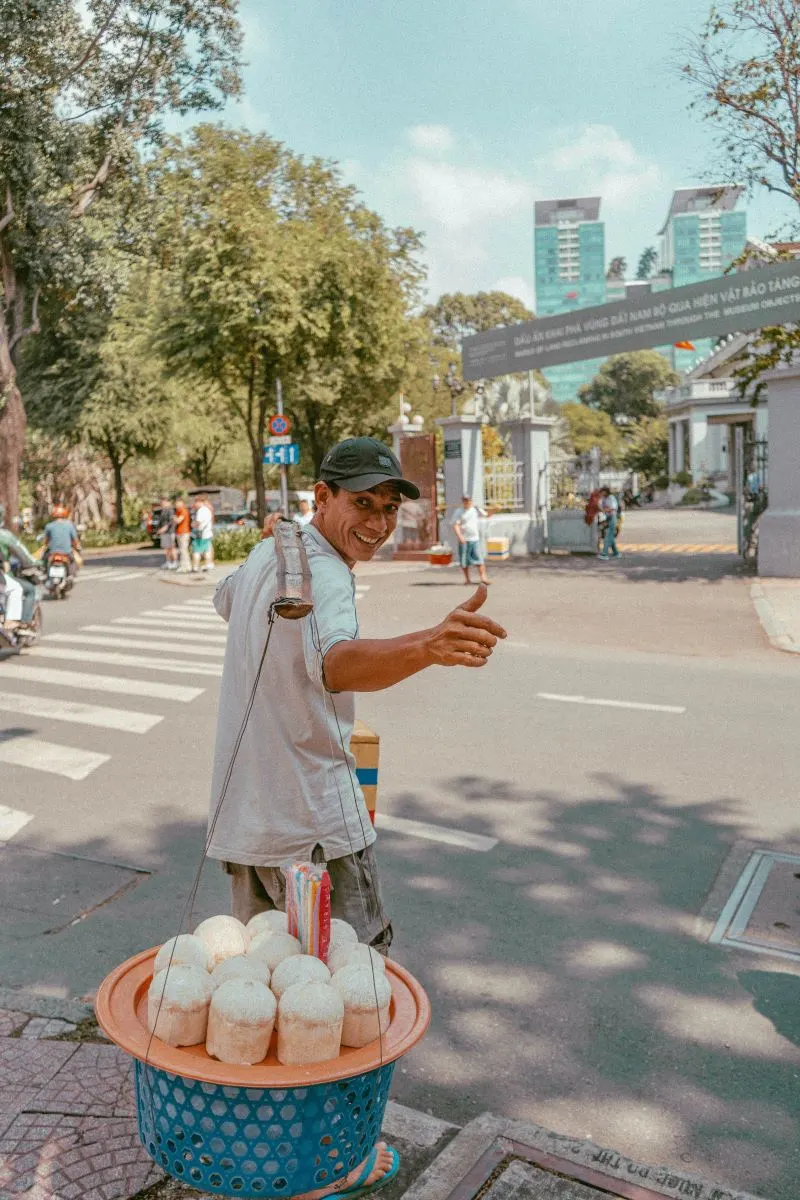
Relax and unwind at Suoi Tien Theme Park, a captivating recreational destination in Ho Chi Minh City, Vietnam. Suoi Tien Theme Park offers a perfect blend of entertainment, nature, and relaxation, making it an ideal place to escape the hustle and bustle of the city.
Nestled amidst lush greenery and scenic landscapes, Suoi Tien Theme Park provides a serene and tranquil atmosphere. As you explore the park, you’ll find yourself surrounded by beautiful gardens, winding streams, and picturesque waterfalls, creating a peaceful environment to unwind and rejuvenate.
The park offers a wide range of activities and attractions for visitors of all ages. You can embark on a leisurely stroll along the park’s pathways, immersing yourself in the natural beauty and enjoying the fresh air. The serene surroundings make it an excellent spot for a picnic or a leisurely rest on one of the park’s benches.
For those seeking adventure, Suoi Tien Theme Park also features thrilling rides and attractions. You can take a refreshing dip in the park’s water park, which includes pools, water slides, and wave pools, offering a fun-filled experience for both children and adults. Additionally, the park offers exciting roller coasters, carousels, and other amusement rides that will satisfy the adrenaline enthusiasts.
Suoi Tien Theme Park also boasts cultural elements that reflect Vietnam’s folklore and traditions. You’ll find statues and sculptures depicting mythical creatures and legendary figures from Vietnamese mythology, adding an element of cultural exploration to your visit.
Throughout the park, there are also various shows and performances that showcase traditional Vietnamese music, dance, and martial arts, providing an opportunity to immerse yourself in the local culture.
This list offers a diverse range of activities and attractions to explore the rich cultural heritage, history, cuisine, and vibrant atmosphere of Ho Chi Minh City.
Whether you’re interested in history, art, shopping, or simply immersing yourself in the local culture, there’s something for everyone in this dynamic city.
Food In Ho Chi Minh City

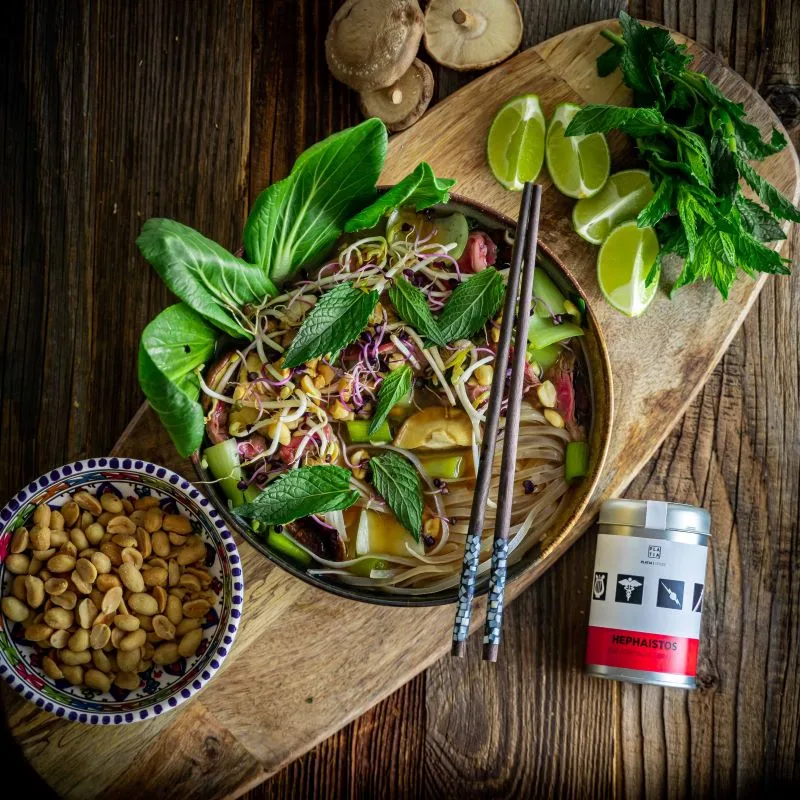
Ho Chi Minh City, formerly known as Saigon, is a vibrant and bustling metropolis in Vietnam that boasts a rich culinary heritage.
From aromatic bowls of pho to tantalizing street food, the city offers a gastronomic adventure that will delight any food lover. In this article, we will take a closer look at the diverse and exquisite flavors that await visitors in the dynamic food scene of Ho Chi Minh City.
A Symphony of Flavors: The food culture in Ho Chi Minh City is a symphony of flavors, blending traditional Vietnamese cuisine with influences from Chinese, French, and other Southeast Asian culinary traditions.
Visitors can expect to indulge in a harmonious combination of fresh herbs, bold spices, and savory ingredients that create a truly unforgettable dining experience.
- Street Food Delights: One cannot talk about the food scene in Ho Chi Minh City without mentioning the incredible street food culture. The city’s vibrant streets come alive with numerous food stalls and carts, offering an array of delectable treats. From banh mi sandwiches, with their crispy baguettes and flavorful fillings, to savory banh xeo pancakes and steaming bowls of pho, street food is an integral part of the local culinary landscape. Adventurous eaters can sample exotic delights like balut (duck embryo) or enjoy the comforting flavors of bun cha (grilled pork with noodles).
- Iconic Vietnamese Dishes: Ho Chi Minh City is known for its mastery of iconic Vietnamese dishes. Pho, a fragrant and hearty noodle soup, is a must-try. The combination of silky rice noodles, succulent beef or chicken, and aromatic herbs creates a harmonious blend of flavors. Com tam, or broken rice, is another local favorite. Served with grilled meat, pickled vegetables, and a fried egg, this dish showcases the city’s ability to turn humble ingredients into a delightful meal.
- Fresh and Flavorful Seafood: Being a coastal city, Ho Chi Minh City boasts a remarkable variety of fresh seafood. Ben Thanh Market and other local seafood markets are treasure troves for seafood lovers. From succulent prawns to grilled fish and fragrant seafood hotpots, the abundance of flavors and textures will satisfy even the most discerning palate.
- Fusion Delights: Ho Chi Minh City’s food scene also showcases its multicultural influences through fusion cuisine. The city’s history of French colonization is evident in dishes like banh mi pate, which combines traditional Vietnamese ingredients with French baguettes and pate. Additionally, there are trendy restaurants and cafes that infuse Vietnamese flavors into international cuisines, creating a delightful fusion of tastes.
- Sweet Treats: No culinary exploration is complete without indulging in the city’s sweet treats. Ho Chi Minh City is renowned for its rich and creamy Vietnamese coffee, which can be enjoyed hot or poured over ice. Don’t miss the opportunity to try che, a traditional Vietnamese dessert made from sweet beans, jelly, coconut milk, and various toppings. It’s a refreshing and indulgent way to end a meal.
Ho Chi Minh City’s food scene is a vibrant tapestry of flavors and culinary traditions that will leave visitors craving more. From the tantalizing street food to the iconic Vietnamese dishes and fusion delights, the city offers a remarkable array of options for every palate.
Exploring the diverse and exquisite flavors of Ho Chi Minh City is not just a culinary adventure; it’s a cultural immersion that will create lasting memories and a deeper appreciation for Vietnam’s rich culinary heritage.
So, grab a bowl of pho, venture into the bustling street food markets, and embark on a culinary journey that will satisfy both your taste buds and your sense of exploration.
Top 20 Best Restaurants In Ho Chi Minh City, Vietnam

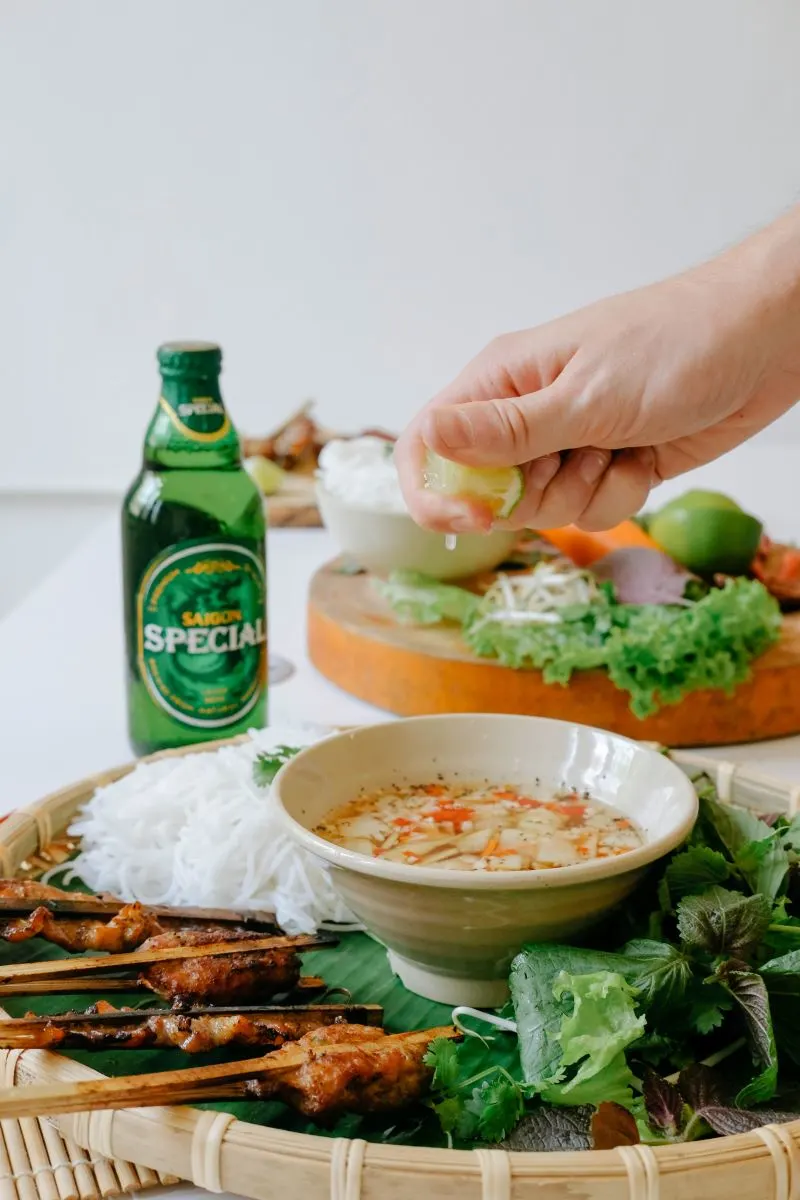
- Quan Ut Ut – A popular barbecue and American-style restaurant known for its mouthwatering ribs and burgers.
- The Deck Saigon – Located along the Saigon River, this elegant restaurant offers a diverse menu with a focus on seafood and international cuisine.
- Cuc Gach Quan – A charming restaurant serving traditional Vietnamese dishes in a cozy and rustic setting.
- Nha Hang Ngon – A vibrant eatery showcasing a wide range of Vietnamese street food dishes in a lively atmosphere.
- Secret Garden – Tucked away in a hidden rooftop garden, this restaurant offers a variety of Vietnamese dishes with a focus on fresh ingredients.
- Propaganda – A stylish and artistic restaurant known for its contemporary Vietnamese cuisine and unique interior design.
- Noir. Dining in the Dark – A sensory dining experience where guests dine in complete darkness, relying solely on taste, texture, and aroma.
- The Racha Room – A trendy restaurant serving modern Asian fusion cuisine, blending Vietnamese, Thai, and Malaysian flavors.
- Xu Restaurant Lounge – Combining traditional and modern Vietnamese cuisine, Xu offers a sophisticated dining experience in a sleek setting.
- Baba’s Kitchen – A beloved Indian restaurant known for its authentic flavors and extensive menu.
- Shri Restaurant & Lounge – Situated on the 23rd floor, this rooftop restaurant offers panoramic views of the city along with a diverse menu of international dishes.
- Mekong Merchant – A riverside restaurant serving a fusion of Vietnamese and Western cuisine in a relaxed and scenic setting.
- L’Usine – A trendy café-restaurant that combines a casual dining experience with a stylish boutique selling fashion and home goods.
- Bep Me In – This intimate restaurant specializes in traditional Vietnamese home-cooked dishes, offering a taste of authentic local cuisine.
- The Hungry Pig – Known for its delicious sandwiches and comfort food, The Hungry Pig is a popular spot for casual dining.
- Ciao Bella – An Italian restaurant offering a wide range of pasta, pizza, and other classic Italian dishes in a vibrant setting.
- The Refinery – A chic bistro serving European and Asian fusion cuisine, complemented by an extensive selection of wines and cocktails.
- Noir. Teahouse – A tea-centric establishment offering an extensive range of teas from around the world, along with delicious pastries and light bites.
- Vietnam House – A refined restaurant featuring Vietnamese haute cuisine, showcasing the artistry and flavors of the country’s culinary traditions.
- Mountain Retreat – A serene restaurant located outside the city center, offering beautiful views and a menu featuring Vietnamese specialties.
Transportation In Ho Chi Minh City
Transportation in Ho Chi Minh City, also known as Saigon, is a dynamic and diverse system that reflects the city’s bustling nature. The city offers several modes of transportation to navigate its busy streets and efficiently reach your desired destinations.
- Motorbikes (Scooters): Motorbikes are the primary mode of transportation in Ho Chi Minh City and are ubiquitous on the roads. They provide a quick and convenient way to navigate through the city’s traffic. Renting a motorbike is a popular option for tourists who prefer to explore the city independently. However, it’s important to note that traffic in Ho Chi Minh City can be chaotic, and it’s advisable to exercise caution and adhere to local traffic rules if you choose to ride a motorbike.
- Taxis and Ride-Hailing Services: Taxis are readily available throughout the city, and ride-hailing services like Grab are also popular and convenient options. Using a mobile app, you can easily book a taxi or private car for transportation. It’s advisable to use reputable taxi companies or ride-hailing services to ensure safety and avoid scams. Always check that the meter is running or agree on a fare before starting your journey.
- Public Buses: Ho Chi Minh City has an extensive network of public buses that serve various routes throughout the city and its surrounding areas. The buses are an affordable means of transportation, but they can be crowded during peak hours. It’s advisable to familiarize yourself with the bus routes and schedules in advance. Bus stops are usually marked with signs displaying the route numbers.
- Cyclos and Xe Om (Motorbike Taxis): Cyclos are three-wheeled pedicabs operated by cyclo drivers who pedal passengers around the city. They offer a leisurely and scenic way to explore certain areas of Ho Chi Minh City. Xe Om, or motorbike taxis, are motorbike drivers who offer rides to passengers. Negotiate the fare with the driver before starting the journey, as they generally do not use meters.
- Metro System (Under Construction): Ho Chi Minh City is currently developing a metro system to alleviate traffic congestion and provide an efficient means of transportation. While the metro system is still under construction, several lines are planned to connect different parts of the city, making it an anticipated addition to the transportation network in the future.
- Walking: Ho Chi Minh City’s central areas are relatively compact, and walking can be an enjoyable way to explore the city, particularly in areas with heavy traffic congestion. Walking allows you to soak in the vibrant atmosphere, experience the local culture up close, and discover hidden gems that may not be accessible by other modes of transportation.
It’s worth noting that traffic in Ho Chi Minh City can be busy and chaotic, so it’s essential to remain vigilant, follow traffic rules, and exercise caution when crossing roads.
Overall, the transportation options in Ho Chi Minh City offer flexibility, convenience, and a chance to immerse yourself in the energy of this bustling metropolis.
Ho Chi Minh City, Vietnam, offers a plethora of captivating experiences that cater to all interests and preferences. From its rich historical landmarks to its bustling street markets, and from mouthwatering culinary delights to vibrant cultural performances, the city provides a tapestry of diverse activities and attractions that will leave visitors in awe.
In this guide to the 30 best things to do in Ho Chi Minh City, we have uncovered the gems that make this dynamic metropolis so special.
Immersing yourself in the city’s history and culture, you can marvel at iconic sites like the Notre-Dame Cathedral Basilica of Saigon, the Reunification Palace, and the War Remnants Museum. Each holds a unique story, shedding light on Vietnam’s past and the resilience of its people.
For those seeking a culinary adventure, Ho Chi Minh City’s street food scene is a treasure trove of flavors. From indulging in delicious banh mi sandwiches and savoring the rich broth of a steaming bowl of pho to exploring vibrant street markets and trying exotic fruits, the city’s culinary offerings are sure to tantalize your taste buds.
Exploring the bustling streets of Ho Chi Minh City unveils a world of hidden gems. From the vibrant Ben Thanh Market, where you can haggle for souvenirs and taste local delicacies, to the bustling Chinatown of Cholon, filled with ornate temples and aromatic incense, the city’s markets and neighborhoods are a true reflection of its vibrant spirit.
Venturing beyond the city limits, the Mekong Delta beckons with its serene waterways, floating markets, and traditional river life.
A boat tour along the Mekong River provides a glimpse into the region’s picturesque landscapes and the daily activities of local communities.
Ho Chi Minh City also boasts a lively arts and entertainment scene. From traditional Vietnamese water puppet shows to contemporary art exhibitions and live music performances, the city offers cultural experiences that showcase its artistic prowess.
At night, the city comes alive with a vibrant nightlife scene. From rooftop bars that offer panoramic views of the glittering cityscape to atmospheric lounges and energetic nightclubs, there’s no shortage of options for those looking to unwind and enjoy the city after dark.
In conclusion, Ho Chi Minh City is a captivating destination that captivates visitors with its rich history, vibrant culture, and culinary delights.
Whether you’re exploring its historical landmarks, indulging in its street food, immersing yourself in its markets, or experiencing its arts and entertainment, the city offers an array of experiences that cater to all interests.
With its energy, warmth, and ever-evolving spirit, Ho Chi Minh City promises an unforgettable journey filled with memorable moments and a deeper appreciation for the wonders of Vietnam.
Leave a comment