

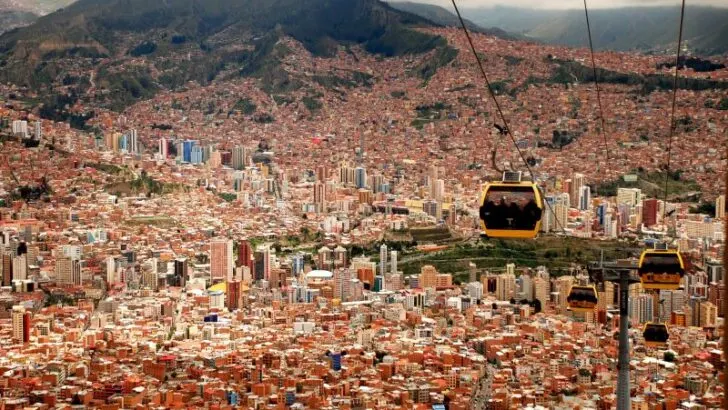
La Paz, the administrative capital of Bolivia, is a city that captivates visitors with its enchanting blend of rich history, vibrant culture, and awe-inspiring natural beauty.
Situated high in the Andes Mountains at an elevation of over 3,600 meters (11,800 feet), La Paz is one of the highest capital cities in the world. Its dramatic location, nestled in a valley surrounded by towering mountains, creates a stunning backdrop for the city’s unique charm.
Upon arrival in La Paz, visitors are immediately struck by the city’s striking contrasts. Modern high-rise buildings coexist with colonial architecture, and traditional indigenous customs blend harmoniously with contemporary urban life.
The city’s bustling streets are alive with activity, offering a sensory overload of sights, sounds, and aromas that reflect the vibrant spirit of Bolivia.
The heart of La Paz is its historic center, known as El Centro or the Casco Viejo. Here, narrow winding streets are lined with colonial buildings, grand plazas, and ornate churches.
The iconic San Francisco Church, with its intricate façade and towering bell towers, stands as a testament to the city’s rich religious heritage.
La Paz is a city deeply rooted in indigenous traditions and culture. The indigenous Aymara and Quechua communities, with their vibrant attire and distinct customs, contribute to the city’s unique identity. A visit to the Witches’ Market, where traditional herbal remedies, potions, and amulets are sold, offers a glimpse into the mystical beliefs and practices that have been passed down through generations.
For history enthusiasts, La Paz is home to a range of captivating museums that showcase the country’s fascinating past.
The Museum of Ethnography and Folklore provides insight into Bolivia’s indigenous cultures, while the National Museum of Art exhibits an impressive collection of Bolivian and international artwork. The Coca Museum sheds light on the historical and cultural significance of the coca leaf in Bolivia.
Beyond the city’s cultural riches, La Paz boasts breathtaking natural landscapes that lure adventurous travelers. The nearby Valle de la Luna (Moon Valley) features a surreal lunar-like terrain with eroded clay formations, providing an otherworldly experience.
For a panoramic vista of the city and surrounding mountains, a trip on the Teleférico, the cable car system that connects various neighborhoods, is a must-do.
La Paz also serves as a gateway to other remarkable destinations in Bolivia. Travelers often venture to the majestic Lake Titicaca, the highest navigable lake in the world, or explore the otherworldly Salar de Uyuni, the largest salt flat on Earth.
In La Paz, every turn reveals a new facet of its captivating tapestry, where ancient traditions meet modern aspirations and where natural wonders intertwine with urban vitality.
This city invites visitors to immerse themselves in its rich heritage, explore its stunning landscapes, and embrace the warm hospitality of its people. La Paz is a destination that will leave an indelible mark on the hearts of those who venture into its enchanting embrace.
1. Explore the Witches’ Market (Mercado de las Brujas) and discover traditional Bolivian remedies, potions, and charms

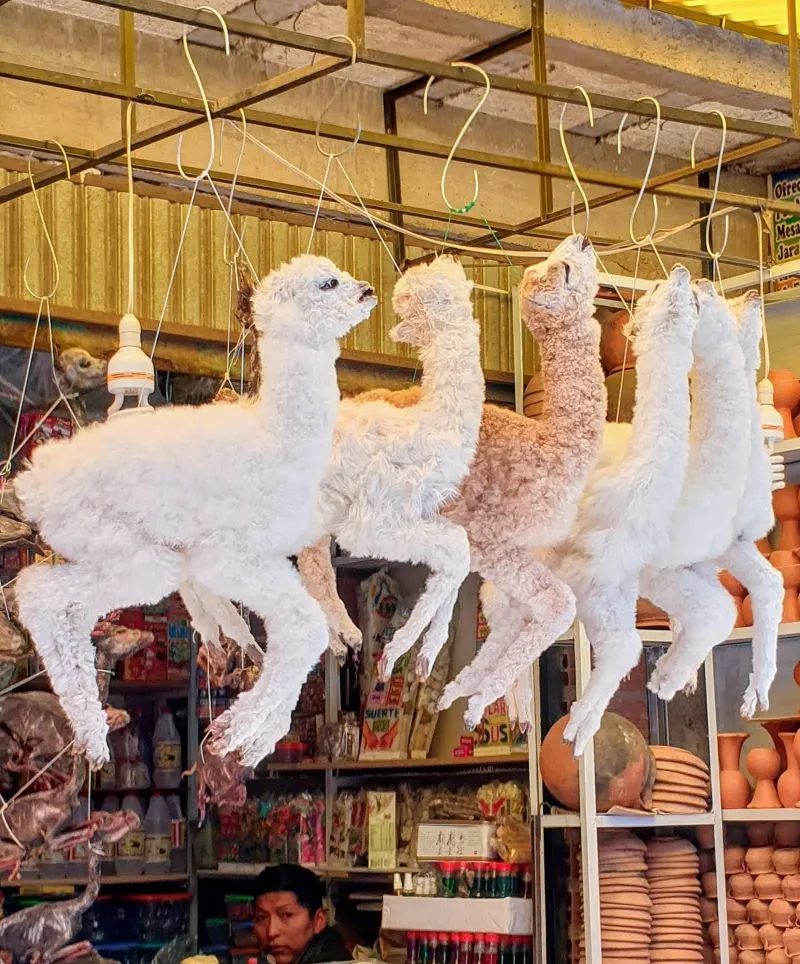
The Witches’ Market, also known as Mercado de las Brujas, is a popular tourist attraction in La Paz, Bolivia. Located in the heart of the city, it is a vibrant and bustling market where you can explore Bolivian folklore and traditional remedies.
The market is filled with stalls and shops selling a wide range of intriguing items. One of the main attractions is the variety of traditional remedies and herbal medicines. Here, you can find various dried herbs, plants, and roots believed to have healing properties according to Bolivian folk medicine.
In addition to medicinal herbs, you can also discover a fascinating assortment of potions, amulets, and charms. These items are often used in traditional rituals and ceremonies for protection, luck, and love.
From dried llama fetuses to colored powders, from aphrodisiacs to talismans, the market offers a glimpse into the mystical and spiritual beliefs of Bolivian culture.
While exploring the Witches’ Market, you’ll also encounter other interesting items such as traditional clothing, colorful textiles, handcrafted souvenirs, and even curious items like dried frogs or animal parts, believed to bring good luck and ward off evil spirits.
2. Visit the historical center of La Paz, including Plaza Murillo, the Presidential Palace, and the Metropolitan Cathedral

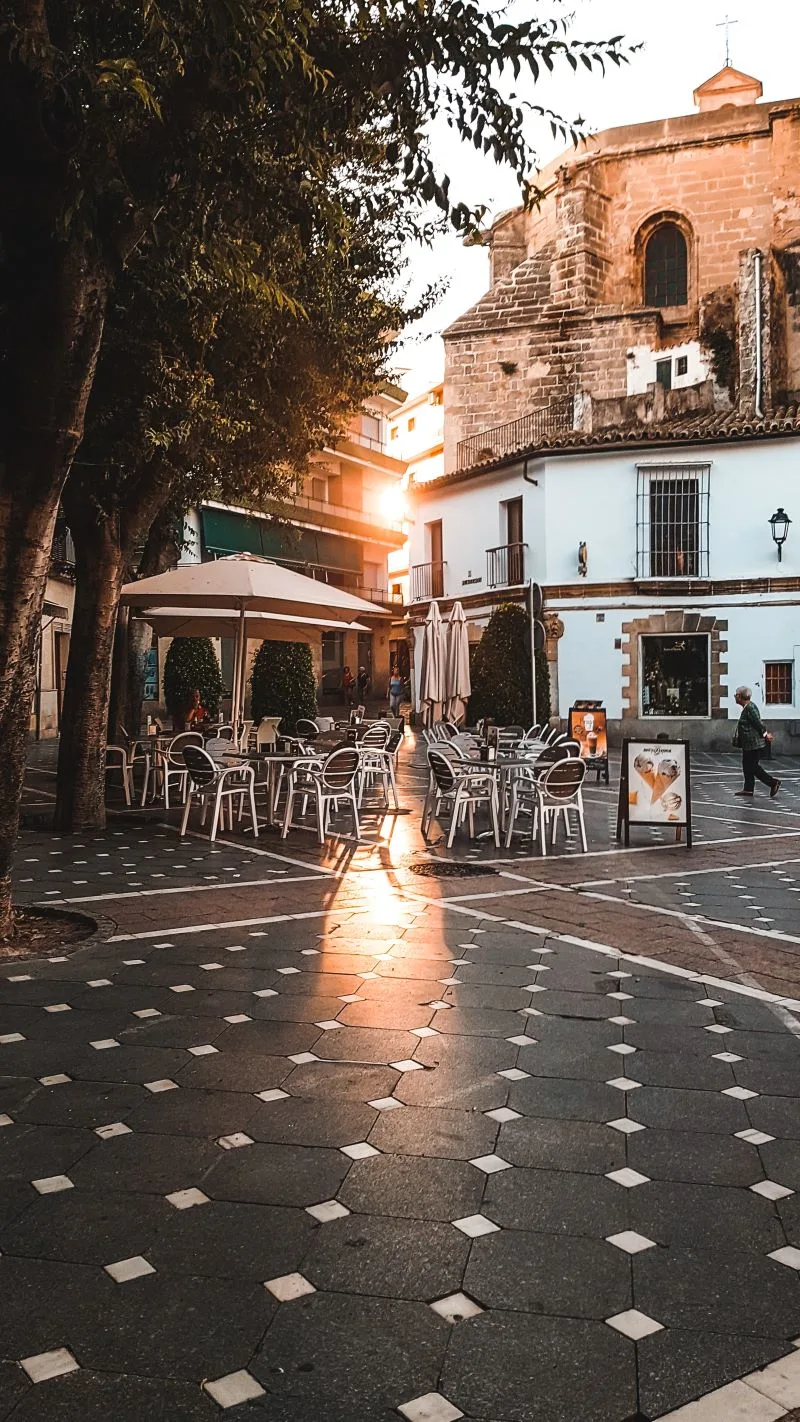
The historical center of La Paz in Bolivia is a captivating area that showcases the city’s rich history, architectural beauty, and cultural significance.
Plaza Murillo: Plaza Murillo is the central square of La Paz and serves as the heart of the historical center. It is named after Pedro Domingo Murillo, one of Bolivia’s independence heroes.
The square is surrounded by important buildings and landmarks, making it a hub of political and cultural activity. It is a popular gathering place for locals and visitors alike.
Presidential Palace (Palacio Quemado): Located on one side of Plaza Murillo, the Presidential Palace is the official residence and workplace of Bolivia’s president. The palace has a significant historical background and is known for its distinctive neoclassical architecture.
While visitors cannot enter the palace itself, it is still worth visiting to admire its grandeur and the changing of the guard ceremony that takes place outside.
Metropolitan Cathedral: Situated on another side of Plaza Murillo, the Metropolitan Cathedral, also known as the Cathedral Basilica of Our Lady of Peace, is an impressive religious landmark.
The cathedral showcases a blend of architectural styles, including neoclassical and baroque influences. Inside, you can find beautiful altars, religious artwork, and ornate decorations.
3. Take a cable car ride on the Mi Teleférico system for panoramic views of the city and surrounding mountains

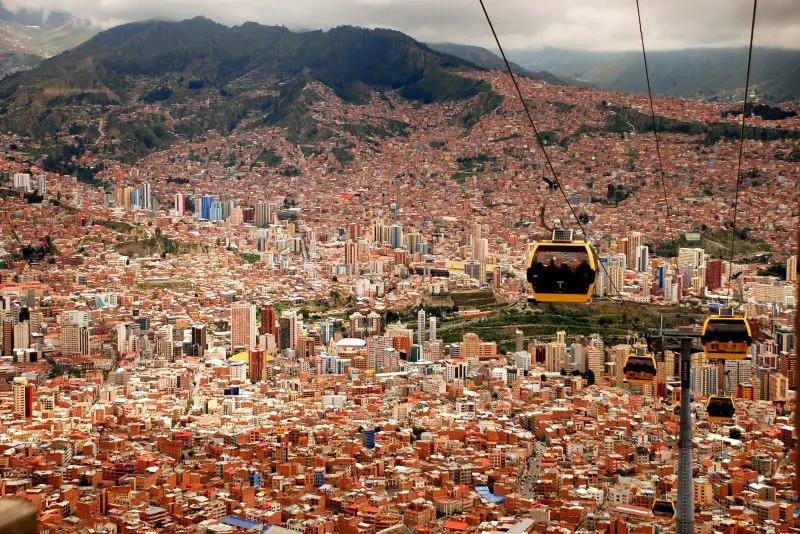
Taking a cable car ride on the Mi Teleférico system in La Paz, Bolivia, offers a unique and exhilarating way to experience panoramic views of the city and the stunning surrounding mountains.
The Mi Teleférico system is a network of cable cars that serves as a public transportation system in La Paz. However, it is also a popular tourist attraction due to the breathtaking views it offers.
The cable cars traverse the city, connecting different neighborhoods and providing commuters and visitors with an efficient and scenic mode of transportation.
As you embark on a cable car ride, you’ll be treated to stunning vistas of La Paz and its picturesque surroundings. The cable cars elevate you above the bustling streets, offering unobstructed views of the city’s unique geography, the surrounding mountains, and the vast expanse of the Andean landscape.
The views from the cable car cabins are especially awe-inspiring, as you’ll witness the dramatic contrast between the urban landscape and the natural beauty of the mountains. The journey allows you to appreciate the city’s layout, nestled within a deep valley and surrounded by towering peaks.
4. Visit the Valle de la Luna (Valley of the Moon) and admire its unique rock formations

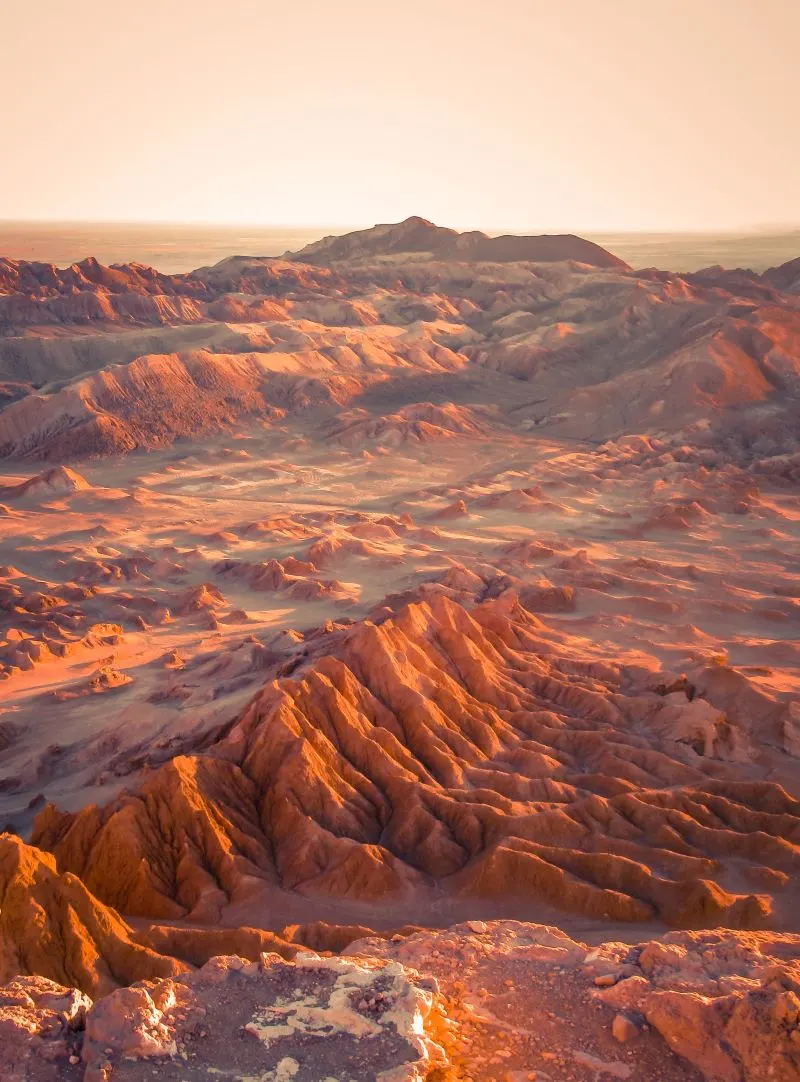
Visiting the Valle de la Luna (Valley of the Moon) near La Paz, Bolivia, offers a remarkable opportunity to admire a landscape unlike any other.
The Valle de la Luna is a natural wonder located just outside of La Paz. Its name, which translates to “Valley of the Moon,” accurately describes the otherworldly appearance of this place. The valley is characterized by its unique rock formations, eroded over time by wind and water into extraordinary shapes and textures.
As you explore the Valle de la Luna, you’ll encounter a surreal landscape that resembles a lunar or Martian surface. The geological formations consist of tall spires, jagged ridges, deep crevices, and labyrinth-like formations, all composed of clay and sandstone. The rocks showcase various hues, including shades of red, brown, and gray, further adding to the otherworldly atmosphere.
The Valle de la Luna offers walking trails and viewpoints that allow visitors to immerse themselves in this enchanting environment.
You can wander through the labyrinthine formations, hike up to viewpoints for panoramic vistas, and even explore narrow pathways that wind between the rocks.
One of the highlights of the Valle de la Luna is witnessing the unique play of light and shadow as the sun moves across the sky. The interplay of sunlight on the rock formations creates a visually stunning experience, enhancing the already mesmerizing scenery.
5. Explore the Museum of Contemporary Art (Museo de Arte Contemporáneo Plaza) and admire Bolivian art


Exploring the Museum of Contemporary Art (Museo de Arte Contemporáneo Plaza) in La Paz, Bolivia, offers a fascinating journey into the realm of Bolivian art.
The Museum of Contemporary Art is a prominent institution dedicated to showcasing contemporary artistic expressions in Bolivia. Located in the heart of La Paz, the museum houses a diverse collection of artworks that highlight the talent and creativity of Bolivian artists.
As you enter the museum, you’ll be greeted by a vibrant and dynamic space filled with a wide range of artistic mediums, including paintings, sculptures, installations, photography, and multimedia works. The artworks on display reflect the social, political, and cultural themes relevant to Bolivia and its people.
The museum serves as a platform for both established and emerging Bolivian artists, providing them with a space to showcase their creativity and share their perspectives.
It often hosts temporary exhibitions that introduce visitors to various artistic movements, styles, and techniques prevalent in the contemporary art scene of Bolivia.
While exploring the Museum of Contemporary Art, you’ll have the opportunity to admire the diversity of artistic expressions and engage with the thought-provoking ideas presented by the artworks.
The museum’s exhibits are curated to encourage dialogue and reflection on the social and cultural issues that shape Bolivia’s identity.
6. Take a walking tour of the city to learn about its history, architecture, and culture


Taking a walking tour of the city of La Paz, Bolivia, provides an immersive and informative experience that allows you to learn about its rich history, architectural wonders, and vibrant culture.
A walking tour of La Paz offers the opportunity to explore the city on foot, guided by knowledgeable experts who share captivating stories and insights along the way.
As you navigate the bustling streets and picturesque neighborhoods, you’ll discover the historical, cultural, and architectural gems that define La Paz.
During the tour, you’ll delve into the city’s history, learning about its colonial past, indigenous heritage, and significant events that have shaped its identity.
Your guide will provide fascinating anecdotes, legends, and historical facts, giving you a deeper understanding of La Paz’s evolution over time.
As you stroll through the city, you’ll encounter a diverse array of architectural styles, from colonial buildings with their ornate facades and balconies to modern structures that reflect contemporary design trends.
Your guide will point out noteworthy landmarks and explain their historical and cultural significance, providing a comprehensive overview of the city’s architectural heritage.
Additionally, the walking tour will introduce you to the local culture and way of life. You’ll have the chance to witness daily activities, observe local customs, and engage with the vibrant street life that characterizes La Paz.
Your guide may take you to markets, plazas, and other cultural hubs where you can immerse yourself in the city’s traditions, arts, and cuisine.
7. Discover the San Francisco Church and its impressive colonial architecture


Discovering the San Francisco Church in La Paz, Bolivia, provides a captivating experience immersed in colonial architecture and historical significance.
The San Francisco Church is a significant religious and architectural treasure located in the heart of La Paz. Built during the Spanish colonial era, this church stands as a testament to Bolivia’s rich colonial heritage.
As you approach the San Francisco Church, you’ll be captivated by its imposing facade and intricate details. The architectural style of the church reflects a blend of Spanish baroque and mestizo influences, creating a visually stunning structure that stands out amidst the cityscape.
Upon entering the church, you’ll step into a sanctuary adorned with ornate decorations and religious artwork. The interior features exquisite altars, gilded accents, and beautifully painted ceilings that showcase the craftsmanship of the era. The church’s rich history is palpable as you walk through its nave and soak in the tranquil atmosphere.
One notable highlight of the San Francisco Church is its cloister, a serene courtyard surrounded by covered walkways.
The cloister is often adorned with lush greenery, creating a peaceful oasis amidst the bustling city. It offers a tranquil space for reflection and contemplation.
Within the church complex, you may also find a museum or exhibition spaces that further explore the history and cultural significance of the San Francisco Church and its surrounding area. These spaces provide additional context and insights into the colonial period and its impact on Bolivia.
8. Visit the National Museum of Ethnography and Folklore (Museo Nacional de Etnografía y Folklore) to learn about Bolivia’s indigenous cultures


Visiting the National Museum of Ethnography and Folklore (Museo Nacional de Etnografía y Folklore) in La Paz, Bolivia, offers a fascinating opportunity to delve into the rich tapestry of Bolivia’s indigenous cultures.
The National Museum of Ethnography and Folklore is dedicated to preserving and showcasing the diverse indigenous cultures that form the backbone of Bolivia’s heritage.
Located in La Paz, the museum houses a vast collection of artifacts, exhibits, and interactive displays that provide insights into the traditions, customs, and beliefs of Bolivia’s indigenous communities.
As you explore the museum, you’ll encounter a wealth of cultural artifacts that illustrate the multifaceted nature of Bolivian indigenous cultures.
The exhibits feature traditional clothing, intricately woven textiles, musical instruments, pottery, masks, tools, and religious objects. These items offer a glimpse into the artistic expressions, craftsmanship, and daily lives of different indigenous groups across the country.
The museum also provides educational displays and information about indigenous rituals, ceremonies, and belief systems.
You’ll have the opportunity to learn about ancient myths and legends, spiritual practices, agricultural traditions, and the ways in which indigenous communities have adapted to the changing times while preserving their cultural heritage.
Interactive exhibits and multimedia presentations enhance the learning experience, allowing visitors to engage with the exhibits and gain a deeper understanding of Bolivia’s indigenous cultures. The museum often hosts cultural events, workshops, and performances that bring these vibrant traditions to life.
9. Explore the vibrant street art scene in the neighborhoods of Sopocachi and San Pedro

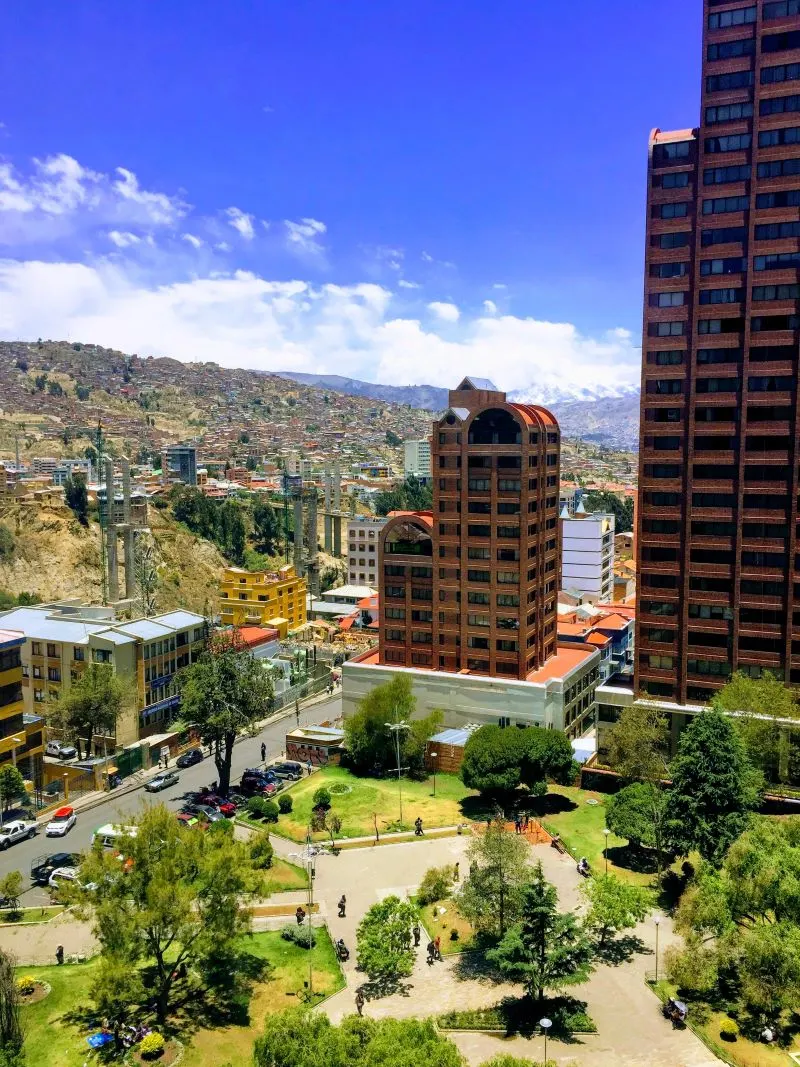
Exploring the vibrant street art scene in the neighborhoods of Sopocachi and San Pedro is an exciting and visually stimulating experience. Sopocachi and San Pedro are both located in La Paz, Bolivia, and have become renowned for their rich display of street art.
In Sopocachi, you’ll find a colorful and diverse array of murals, graffiti, and street installations that adorn the walls of buildings and alleyways.
The art in this neighborhood often reflects local culture, social issues, and political messages. Walking through the streets of Sopocachi, you’ll encounter vibrant imagery, intricate designs, and thought-provoking artwork that adds life and character to the urban landscape.
Similarly, San Pedro is another neighborhood in La Paz that boasts a thriving street art scene. Known for its bohemian atmosphere, San Pedro showcases a wide range of artistic styles and themes.
From large-scale murals depicting indigenous cultures to abstract and surreal creations, the street art in San Pedro is a visual feast for art enthusiasts.
10. Take a guided tour of the San Pedro Prison and learn about its unique community and social structure

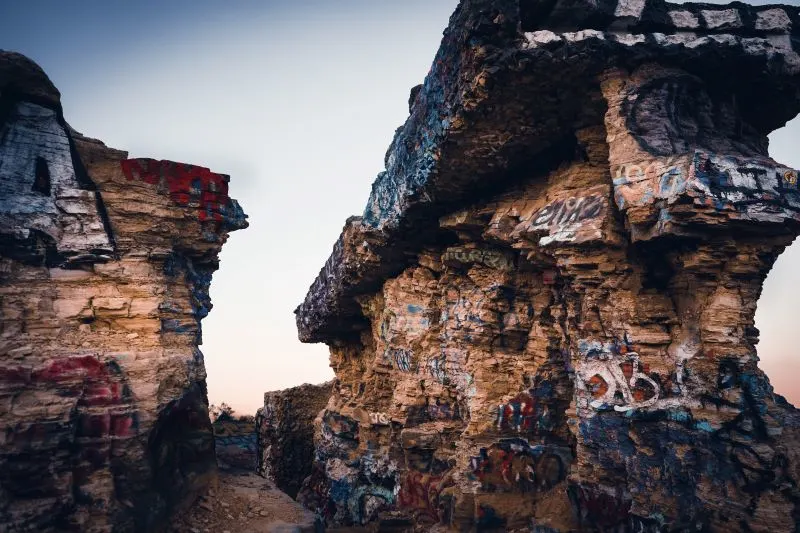
Taking a guided tour of the San Pedro Prison provides a fascinating insight into a unique community and social structure within La Paz, Bolivia. San Pedro Prison, located in the heart of the city, has gained international attention for its unconventional organization and way of life.
During the guided tour, you’ll learn about the prison’s distinctive characteristics. Unlike traditional correctional facilities, San Pedro operates as a self-contained society, where inmates have considerable autonomy and are responsible for managing their own affairs.
Within its walls, you’ll discover a range of businesses, markets, and even restaurants that are run by the prisoners themselves.
The tour will provide valuable information about the social structure within the prison, including the presence of various inmate communities organized based on shared interests or backgrounds.
You’ll gain insights into how the prisoners establish their own rules and governance systems, which often differ from those found in mainstream society.
Additionally, the tour may shed light on the daily lives of the inmates, their living conditions, and the challenges they face. It’s important to approach the experience with an open mind, understanding that the San Pedro Prison operates under a distinct set of circumstances.
11. Experience the thrill of mountain biking down the infamous Death Road (Camino de la Muerte)

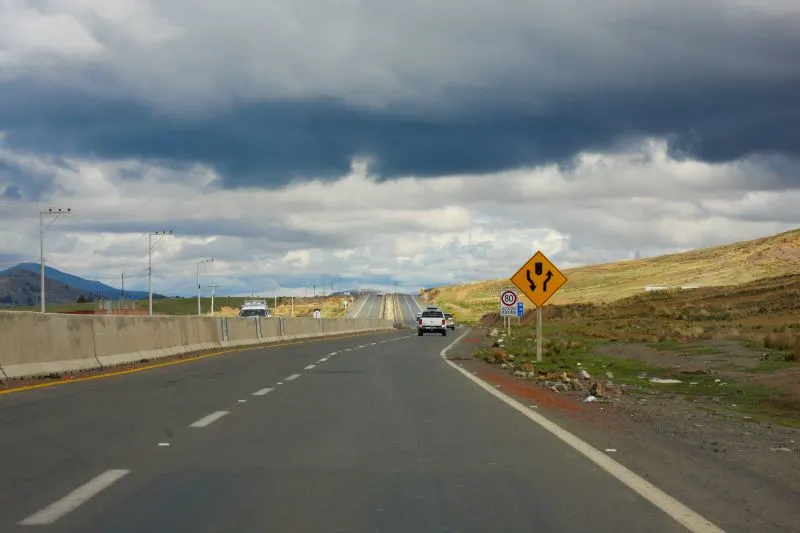
Experiencing the thrill of mountain biking down the infamous Death Road, also known as Camino de la Muerte, is an exhilarating adventure that combines breathtaking landscapes with an adrenaline-pumping descent.
This legendary road is located near La Paz, Bolivia, and has earned its notorious reputation as one of the world’s most dangerous roads.
The journey begins with a scenic drive from La Paz to the starting point at a high elevation in the Andes Mountains. From there, you’ll embark on an exciting descent down the narrow, winding trail that hugs the mountainside.
The trail is surrounded by stunning natural beauty, with breathtaking views of deep valleys, rugged cliffs, and lush rainforests.
As you navigate the challenging terrain on your mountain bike, you’ll feel the rush of adrenaline and the wind against your face.
The road, once a major transportation route, is now primarily used for adventure sports like mountain biking. It offers an exhilarating mix of steep drops, hairpin turns, and narrow paths that require skill, focus, and an adventurous spirit.
Throughout the ride, experienced guides will ensure your safety and provide valuable insights into the history and significance of the Death Road. They will also equip you with the necessary safety gear, including helmets and protective clothing.
While the name may be intimidating, safety precautions and improved infrastructure have made the Death Road significantly safer in recent years.
However, it’s important to approach the experience with respect for the challenging terrain and follow the instructions of your guides.
12. Visit the Coca Museum (Museo de la Coca) to learn about the cultural and historical significance of the coca leaf

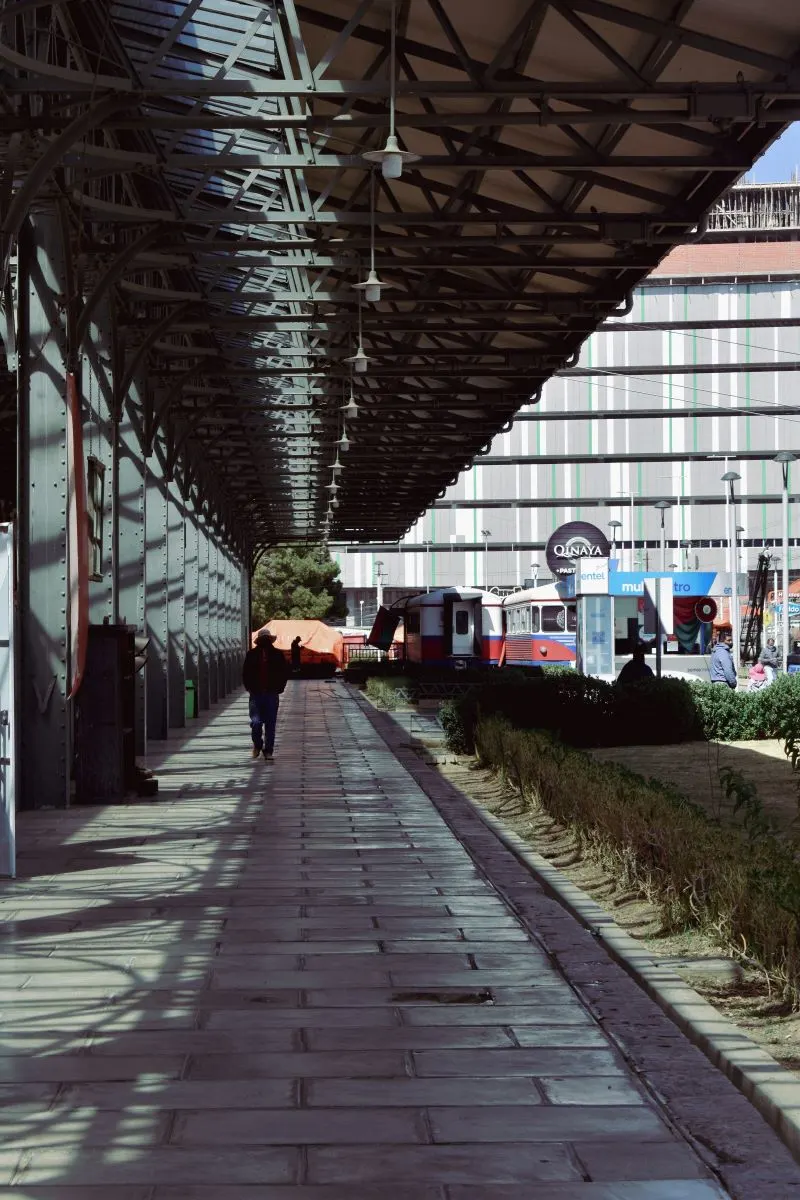
Visiting the Coca Museum, also known as the Museo de la Coca, is an enriching experience that allows you to delve into the cultural and historical significance of the coca leaf. Located in La Paz, Bolivia, the museum offers a comprehensive exploration of coca’s role in the Andean region.
As you enter the museum, you’ll find a wealth of exhibits and displays that showcase the various aspects of coca. The museum aims to educate visitors about the traditional and medicinal uses of the coca leaf, as well as its cultural importance in indigenous communities.
The exhibits provide insights into the history of coca cultivation, its significance in ancient civilizations, and its continued relevance in modern times.
You’ll learn about the spiritual and ceremonial practices associated with coca, its role in traditional medicine, and its economic impact on local communities.
Throughout the museum, you’ll encounter artifacts, photographs, and informative panels that shed light on the cultural, social, and economic aspects of coca.
You’ll also gain a deeper understanding of the controversy surrounding coca due to its connection to the production of cocaine.
13. Explore the Moon Valley (Valle de la Luna) and take a guided tour to learn about its geological features

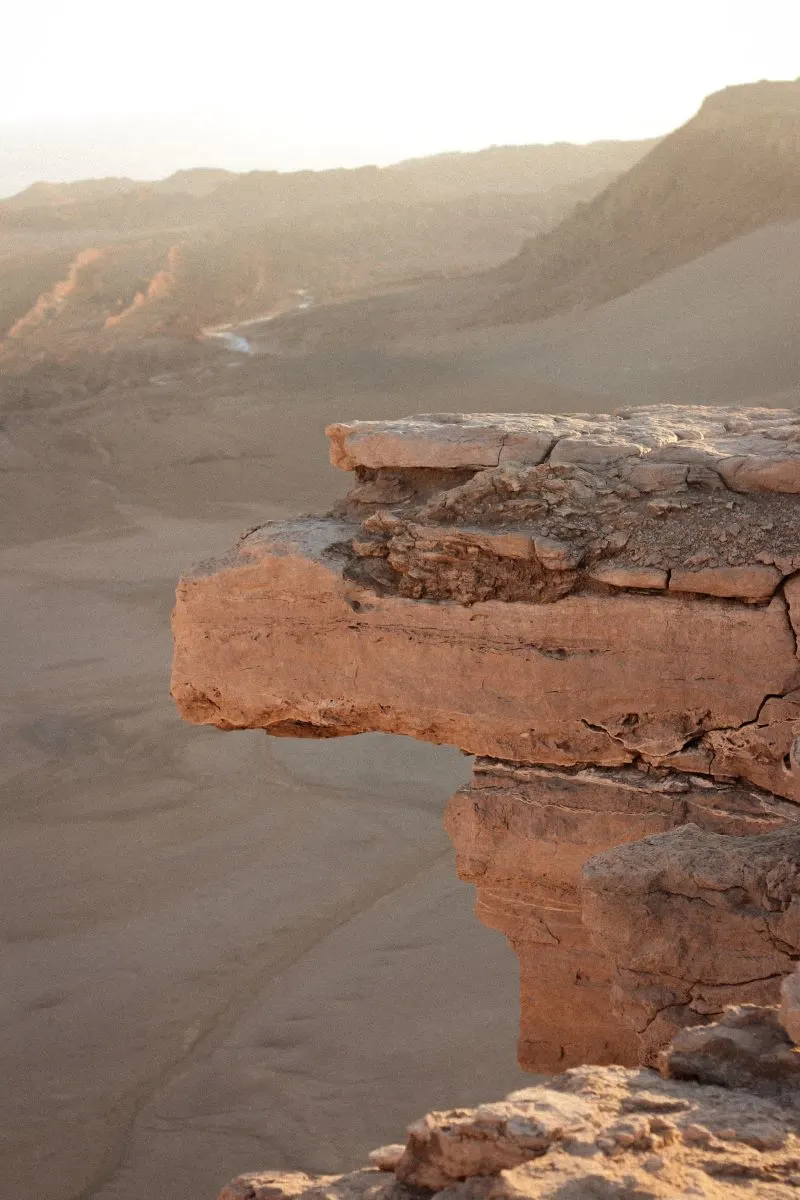
Exploring the Moon Valley, or Valle de la Luna, is a captivating journey that allows you to witness unique geological features and delve into the natural wonders of this otherworldly landscape. Located near La Paz, Bolivia, the Moon Valley earned its name due to its resemblance to the lunar surface.
As you venture into the Moon Valley, you’ll be greeted by a surreal environment characterized by towering rock formations, jagged canyons, and eroded hills.
The landscape, shaped by wind and water over millions of years, creates a mesmerizing spectacle of natural sculptures and formations.
Taking a guided tour enhances your experience by providing valuable insights into the geological processes that shaped the Moon Valley.
Knowledgeable guides will explain the fascinating features, such as the delicate clay formations known as “hoodoos,” which resemble stalagmites and add a sense of ethereal beauty to the landscape.
During the tour, you’ll learn about the unique composition of the rocks, minerals, and salts found in the area, and how they contribute to the distinctive colors and textures of the Moon Valley.
Guides may also share interesting anecdotes and stories related to the local folklore and legends associated with the site.
As you stroll through the Moon Valley, you’ll have the opportunity to witness the interplay of light and shadow, creating dramatic contrasts that enhance the visual impact of the surroundings.
The tour may also include vantage points that offer panoramic views, allowing you to appreciate the vastness and grandeur of the landscape.
14. Visit the Mirador Killi Killi for breathtaking panoramic views of La Paz

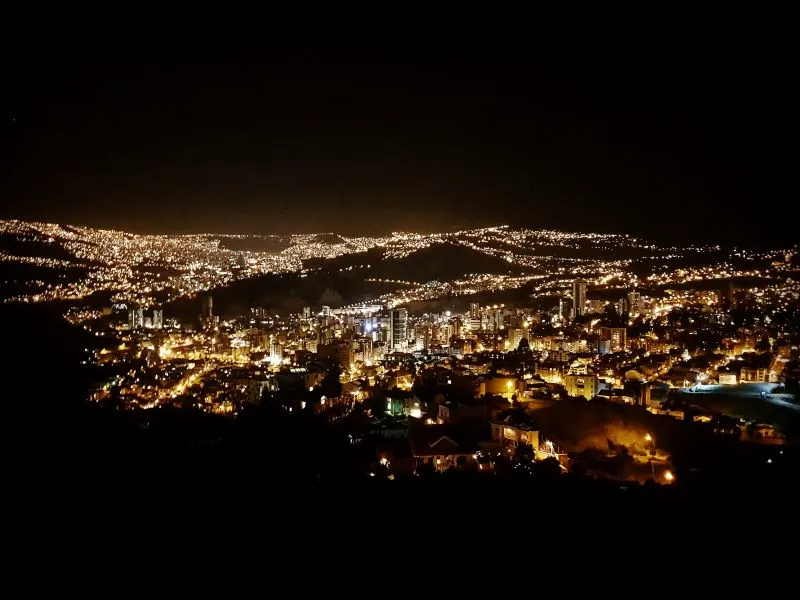
The Mirador Killi Killi is a must-visit attraction in La Paz, Bolivia, offering breathtaking panoramic views of the city and its stunning surroundings. Located on a hilltop, the Mirador provides visitors with an exceptional vantage point to admire the unique geography and architectural wonders of La Paz.
As you ascend to the Mirador, you’ll be captivated by the sweeping vistas that unfold before your eyes. The panoramic view encompasses the sprawling city nestled within a deep valley surrounded by towering mountains, creating a dramatic and awe-inspiring sight.
From this elevated viewpoint, you can appreciate the contrasting landscapes, including the colorful buildings, vibrant markets, and the bustling urban life that characterizes La Paz.
The Mirador Killi Killi is an ideal spot to witness the breathtaking sunsets that bathe the city in warm hues, painting the sky with a mesmerizing palette of colors.
The setting becomes particularly enchanting as the city lights begin to twinkle, transforming La Paz into a sparkling jewel against the darkened backdrop.
To reach the Mirador, you can choose to hike up the hill or take a short taxi ride. Once you arrive, there are various viewing platforms and benches where you can sit, relax, and soak in the incredible vistas.
The location is often accompanied by a tranquil ambiance, allowing you to reflect and appreciate the sheer beauty of La Paz from this unique perspective.
15. Take a day trip to Lake Titicaca, the highest navigable lake in the world, and visit the Isla del Sol (Island of the Sun)

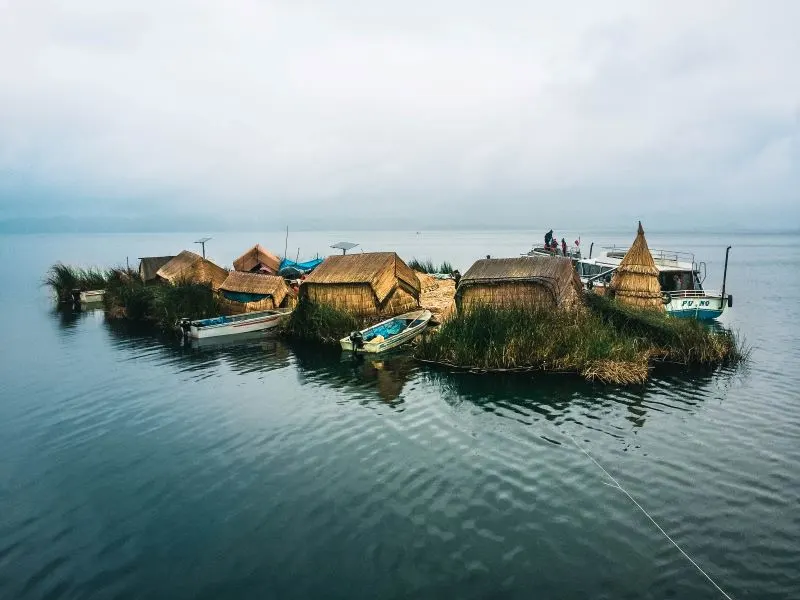
Lake Titicaca is a remarkable destination located on the border of Bolivia and Peru, renowned as the highest navigable lake in the world.
A day trip to Lake Titicaca offers an opportunity to explore its natural beauty and cultural heritage, with a visit to the Isla del Sol, or Island of the Sun, being a highlight of the experience.
The journey to Lake Titicaca begins with a scenic drive through the picturesque Andean landscapes, where you’ll be surrounded by towering mountains and quaint villages. Upon arriving at the lake, you’ll be greeted by its vast expanse of shimmering blue waters, stretching as far as the eye can see.
Isla del Sol, situated on the Bolivian side of the lake, holds great historical and mythological significance. According to Inca legend, it is believed to be the birthplace of the Sun God.
As you step foot on the island, you’ll be immersed in its mystical atmosphere, where ancient ruins, terraced hillsides, and traditional communities coexist.
Exploring Isla del Sol, you can embark on a hike along ancient stone pathways, passing by agricultural terraces and Inca ruins that offer glimpses into the island’s rich past.
Along the way, you’ll encounter local communities that have preserved their traditional way of life, providing insights into the indigenous culture and customs of the region.
From various viewpoints on the island, you can marvel at the awe-inspiring vistas of Lake Titicaca. The crystal-clear waters, surrounded by rugged mountains and distant horizons, create a breathtaking panorama that will leave you in awe.
During your visit, you may have the chance to interact with the friendly locals, learn about their daily lives, and perhaps even savor some traditional cuisine.
Whether it’s a boat ride on the lake, exploring the island’s ancient ruins, or simply taking in the serene beauty of the surroundings, a day trip to Lake Titicaca and the Isla del Sol promises an unforgettable experience of natural and cultural wonders.
16. Explore the Mercado Lanza, a bustling local market, and try traditional Bolivian street food

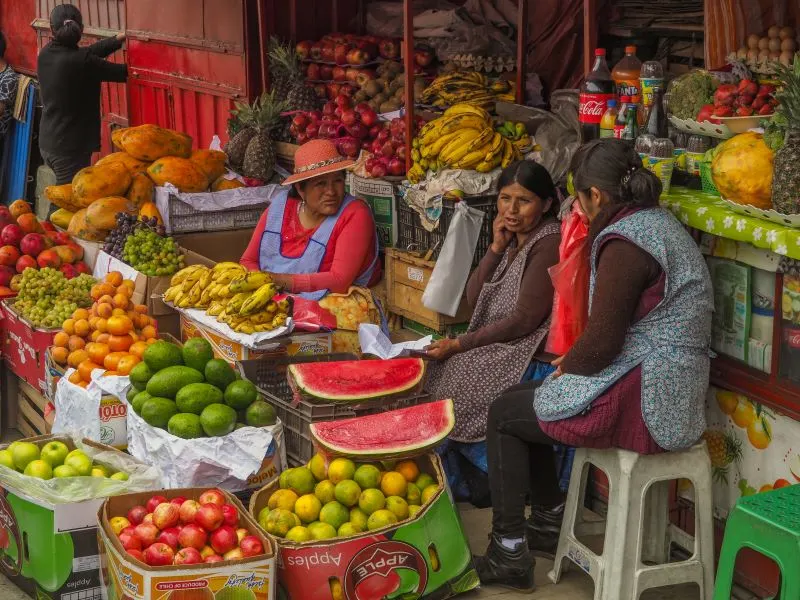
Explore the Mercado Lanza is an exciting and vibrant local market located in Bolivia. It is renowned for its bustling atmosphere and offers a fascinating glimpse into the country’s culture and culinary traditions.
The market is filled with numerous stalls and vendors selling a wide variety of goods, ranging from fresh produce and spices to textiles and crafts.
As you navigate through the market, you’ll be greeted by a kaleidoscope of colors, enticing aromas, and the energetic chatter of locals. The lively atmosphere and the warmth of the Bolivian people create a truly immersive experience.
One of the highlights of visiting Mercado Lanza is the opportunity to indulge in traditional Bolivian street food. The market is a haven for food enthusiasts, offering an array of mouthwatering delights.
You can sample an assortment of delicious Bolivian dishes, such as salteñas (meat-filled pastries), anticuchos (grilled skewers), llajwa (a spicy tomato and chili sauce), and empanadas.
Each street food stall has its own specialty, allowing you to savor the diverse flavors and culinary traditions of Bolivia. You can try regional delicacies, such as saice (a spicy beef stew) from Cochabamba or sopa de mani (peanut soup) from the Altiplano region.
17. Attend a traditional Andean music and dance performance at the Casa de la Cultura


Attending a traditional Andean music and dance performance at the Casa de la Cultura is an enchanting cultural experience that takes you deep into the heart of Andean traditions.
The Casa de la Cultura, which translates to “House of Culture,” is a venue dedicated to preserving and showcasing the rich artistic heritage of the Andean region.
As you step into the Casa de la Cultura, you’ll be immersed in a vibrant atmosphere adorned with colorful decorations and a palpable sense of excitement. The performance hall is typically adorned with traditional Andean motifs, creating a visually captivating setting for the show.
The performance itself is a mesmerizing display of Andean music and dance, which holds deep cultural significance for the indigenous communities of the region.
You’ll be treated to the rhythmic beats of traditional Andean musical instruments such as the pan flute, charango (a small stringed instrument), and the bombo (a large drum). The melodies and harmonies evoke a sense of connection with the natural beauty and spirituality of the Andean landscape.
Accompanying the captivating music is a dynamic display of traditional Andean dance. Dancers adorned in colorful costumes will gracefully move across the stage, showcasing intricate footwork, gestures, and storytelling through movement.
Each dance is deeply rooted in ancient traditions and often depicts historical events, agricultural practices, or spiritual rituals.
18. Visit the Museo de la Revolución to learn about Bolivia’s revolutionary history

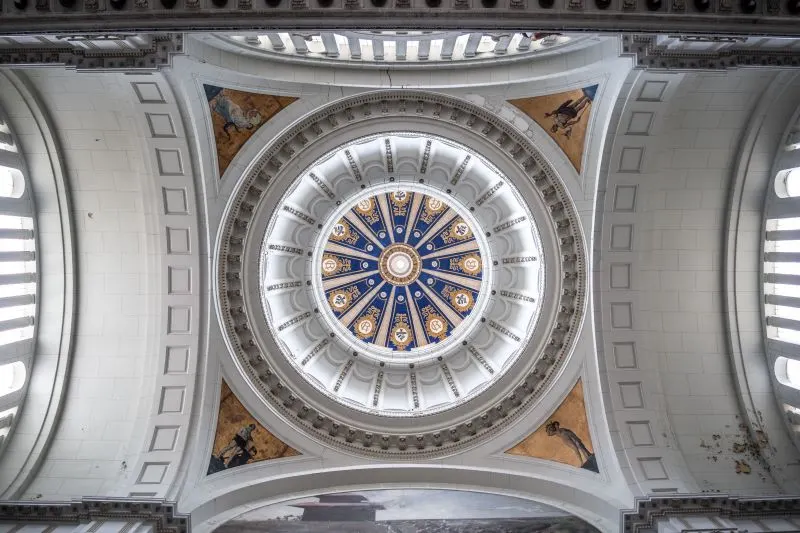
Visiting the Museo de la Revolución is a fascinating journey into Bolivia’s revolutionary history, offering a comprehensive and immersive experience for history enthusiasts and curious visitors alike.
The museum is dedicated to preserving and showcasing the significant events and figures that shaped Bolivia’s revolutionary movements.
Located in Bolivia, the Museo de la Revolución is housed in a building that holds historical significance, adding to the immersive atmosphere.
As you step inside, you’ll find yourself surrounded by exhibits and artifacts that provide insights into the country’s struggles, achievements, and transformative periods.
The museum’s exhibits offer a chronological narrative, taking visitors through key moments of Bolivia’s revolutionary history.
You’ll encounter displays documenting the struggles for independence, social justice movements, political upheavals, and important milestones that have shaped the nation’s identity.
Through photographs, documents, audiovisual presentations, and interactive exhibits, the museum brings the stories of Bolivia’s revolutionaries to life.
You’ll have the opportunity to learn about influential figures, such as Simón Bolívar, who played a pivotal role in Bolivia’s fight for independence, or Che Guevara, who left an indelible mark on the country’s revolutionary movements.
The Museo de la Revolución also delves into the social, economic, and cultural transformations that accompanied these historical events.
It explores themes like indigenous rights, land reform, labor movements, and the struggles for equality, providing a nuanced understanding of Bolivia’s complex revolutionary journey.
19. Take a cooking class and learn how to prepare traditional Bolivian dishes


Taking a cooking class to learn how to prepare traditional Bolivian dishes is an immersive and enjoyable experience that allows you to explore the rich culinary heritage of Bolivia. During the class, you will be introduced to the flavors, ingredients, and techniques used in Bolivian cuisine.
Instructors typically guide you through the step-by-step process of creating iconic Bolivian dishes, such as salteñas (savory pastries filled with meat, vegetables, and spices), anticuchos (grilled skewered meat), or the famous Bolivian soup called Sopa de Mani (peanut soup).
You will learn how to prepare the traditional dishes from scratch, from selecting and combining ingredients to cooking and presenting the final meal.
These classes often provide valuable insights into the cultural significance of Bolivian cuisine, highlighting regional variations and the historical influences that have shaped the dishes over time.
Additionally, you may have the opportunity to explore the local markets to gather fresh ingredients and learn about the importance of certain staple foods in Bolivian cooking.
Beyond the technical skills, taking a cooking class can be a social and interactive experience. You may get to work alongside other participants, exchanging tips and stories while immersing yourself in the vibrant atmosphere of the kitchen. This can be a great way to connect with fellow food enthusiasts and create lasting memories.
20. Explore the Cementerio General, one of the largest cemeteries in South America, known for its unique mausoleums

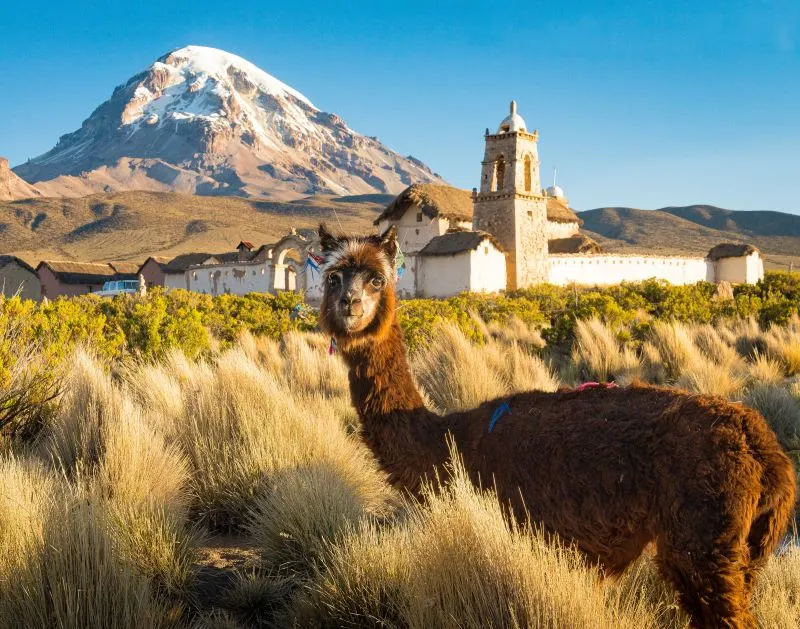
Exploring the Cementerio General, one of the largest cemeteries in South America, promises a fascinating and thought-provoking experience. Located in a sprawling area, this cemetery is renowned for its distinctive and impressive mausoleums, making it a unique destination for visitors.
As you enter the Cementerio General, you will be greeted by a serene yet awe-inspiring atmosphere. The cemetery’s vast size accommodates a multitude of mausoleums, each with its own distinct architecture, design, and symbolism.
These mausoleums serve as final resting places for prominent individuals, historical figures, and ordinary citizens alike, offering glimpses into Bolivian history and culture.
Strolling through the cemetery, you will encounter an eclectic blend of architectural styles, ranging from neoclassical and Gothic to modern and art deco.
The intricate details, elaborate sculptures, and ornate decorations adorning the mausoleums are a testament to the craftsmanship and reverence for the deceased.
Many of the mausoleums are adorned with flowers, photographs, and personal mementos, creating a vivid tapestry of remembrance.
Besides the visual allure, the Cementerio General also provides insights into Bolivian society, beliefs, and traditions surrounding death.
The mausoleums reflect the diversity of Bolivia’s cultural heritage, with different religious and cultural influences evident in the design and symbolism.
During your visit, you may encounter mausoleums dedicated to influential politicians, renowned artists, or revered historical figures.
Some mausoleums are even dedicated to specific professions or social groups, highlighting the unique stories and contributions of various communities.
21. Visit the Gold Museum (Museo del Oro) and see a collection of pre-Columbian gold artifacts


A visit to the Gold Museum, also known as Museo del Oro, offers a captivating opportunity to immerse yourself in the ancient world of pre-Columbian civilizations and marvel at a collection of exquisite gold artifacts.
Located in [insert location], this museum is renowned for its extensive display of precious objects that showcase the skill, artistry, and cultural significance of the civilizations that inhabited the region before the arrival of Europeans.
As you enter the museum, you will be greeted by a treasure trove of shimmering gold artifacts, each telling a unique story from the past. The collection includes a diverse range of objects, such as intricate jewelry, ceremonial ornaments, ritualistic objects, and decorative pieces.
The craftsmanship and attention to detail exhibited in these artifacts are truly remarkable. Delicate filigree work, intricate patterns, and intricate designs reflect the advanced metalworking techniques mastered by these ancient civilizations.
The gold pieces are often embellished with semiprecious stones, feathers, and other materials, further enhancing their beauty and symbolism.
While exploring the Gold Museum, you will have the opportunity to learn about the cultural, religious, and social significance of these artifacts.
The museum provides historical and contextual information, enabling you to gain a deeper understanding of the societies that created them.
You will discover how gold was seen as a symbol of power, wealth, and spirituality, and how it played a significant role in religious ceremonies, rituals, and social hierarchies.
In addition to the gold artifacts, the museum may also feature displays of other pre-Columbian objects, such as pottery, textiles, and sculptures, offering a comprehensive insight into the diverse artistic expressions of the ancient civilizations.
22. Take a day trip to the town of Tiwanaku and explore the ancient archaeological site

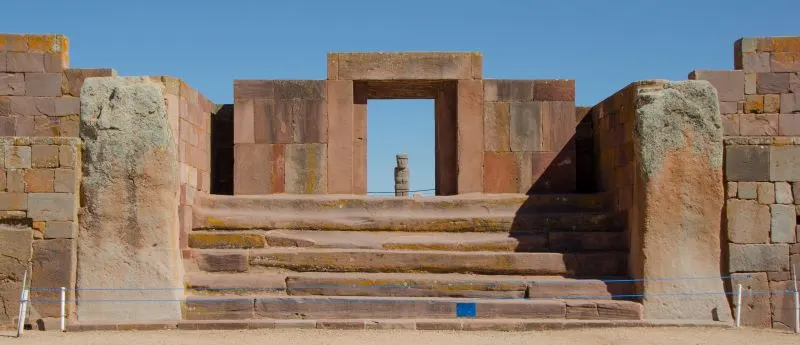
Embarking on a day trip to the town of Tiwanaku presents a captivating opportunity to delve into the mysteries of an ancient archaeological site that bears witness to the grandeur of an early Andean civilization. Located in western Bolivia, near Lake Titicaca, Tiwanaku is renowned for its historical and cultural significance.
As you arrive in Tiwanaku, you will find yourself surrounded by the remnants of an ancient city that thrived from around 1500 BCE to 1200 CE.
The site encompasses numerous structures, temples, and plazas that provide a glimpse into the architectural brilliance and advanced engineering of the Tiwanaku civilization.
Exploring the archaeological site, you will encounter impressive structures such as the Akapana Pyramid, a massive stepped platform that once served as a religious and ceremonial center.
The Kalasasaya Temple, with its iconic Gateway of the Sun, stands as a testament to the artistic mastery of the Tiwanaku people.
The Gateway of the Sun, adorned with intricate carvings depicting deities and celestial symbols, is a particularly mesmerizing and enigmatic feature.
As you wander through the site, you’ll also come across the semi-subterranean temple, known as the Temple of the Moon, which holds religious and astronomical significance. The Sunken Temple, adorned with stone carvings and monoliths, adds to the architectural marvels of Tiwanaku.
Throughout your exploration, you’ll have the opportunity to learn about the history, mythology, and cultural practices of the Tiwanaku civilization.
Knowledgeable guides or interpretive displays can provide insights into the rituals, beliefs, and societal organization of this ancient culture.
In addition to the archaeological site, the town of Tiwanaku itself offers a glimpse into contemporary Andean culture. You may have the chance to interact with local communities, visit museums that showcase archaeological finds, and even witness traditional cultural practices or festivals.
23. Explore the Mercado Rodríguez and try local fruits, vegetables, and traditional products

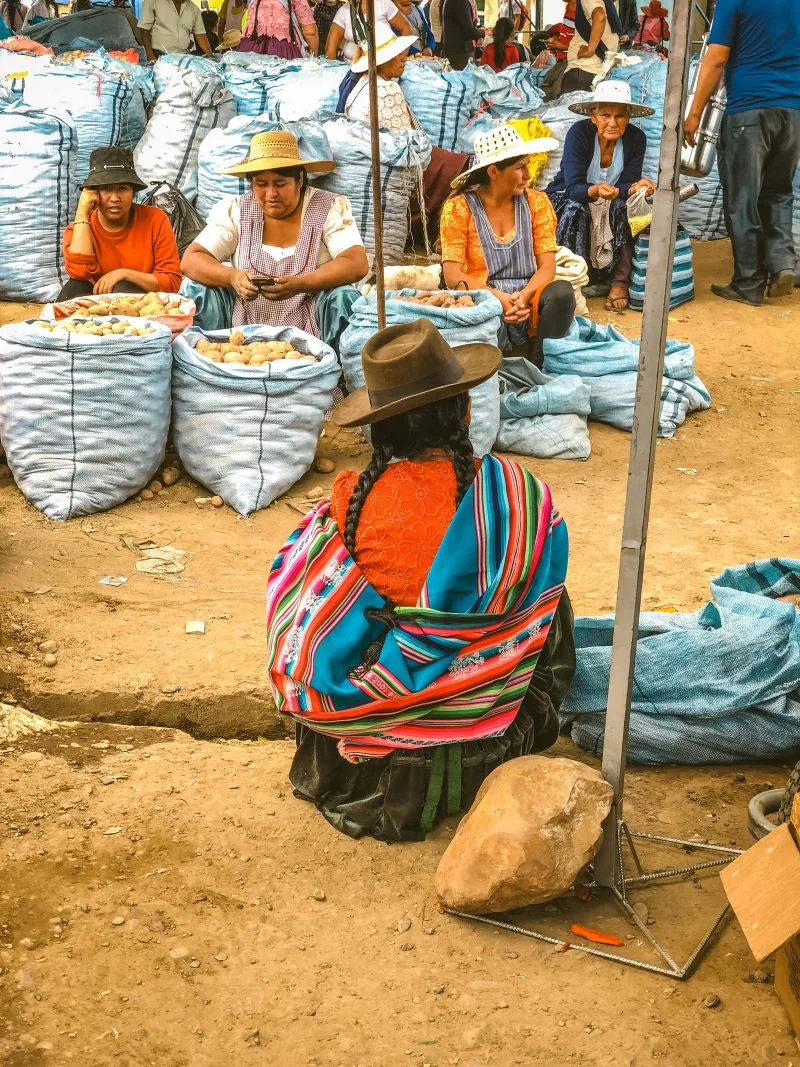
Mercado Rodríguez is a vibrant and bustling market located in a city or town. It is renowned for its wide variety of local fruits, vegetables, and traditional products.
When you visit the market, you’ll have the opportunity to immerse yourself in the rich culinary culture and sample an array of unique and flavorful foods.
As you stroll through the market, you’ll encounter colorful stalls and vendors offering an abundance of fresh fruits and vegetables.
You can expect to find an assortment of seasonal produce, including exotic fruits that may be unfamiliar to you. From juicy mangoes and tangy pineapples to succulent papayas and tropical guavas, the market is a treasure trove of flavors waiting to be discovered.
In addition to fruits and vegetables, the Mercado Rodríguez is known for its traditional products. These may include locally sourced spices, herbs, grains, and condiments that are essential ingredients in regional cuisine.
You’ll have the opportunity to learn about traditional cooking techniques and gather insights into the local flavors that define the area’s gastronomy.
Exploring the market offers not only a chance to savor the tastes of the region but also an opportunity to engage with the vendors and immerse yourself in the vibrant atmosphere.
You can interact with the friendly locals, ask about their produce, and even learn about the cultural significance of certain ingredients.
24. Visit the Plaza Alonso de Mendoza and enjoy its beautiful gardens and fountain

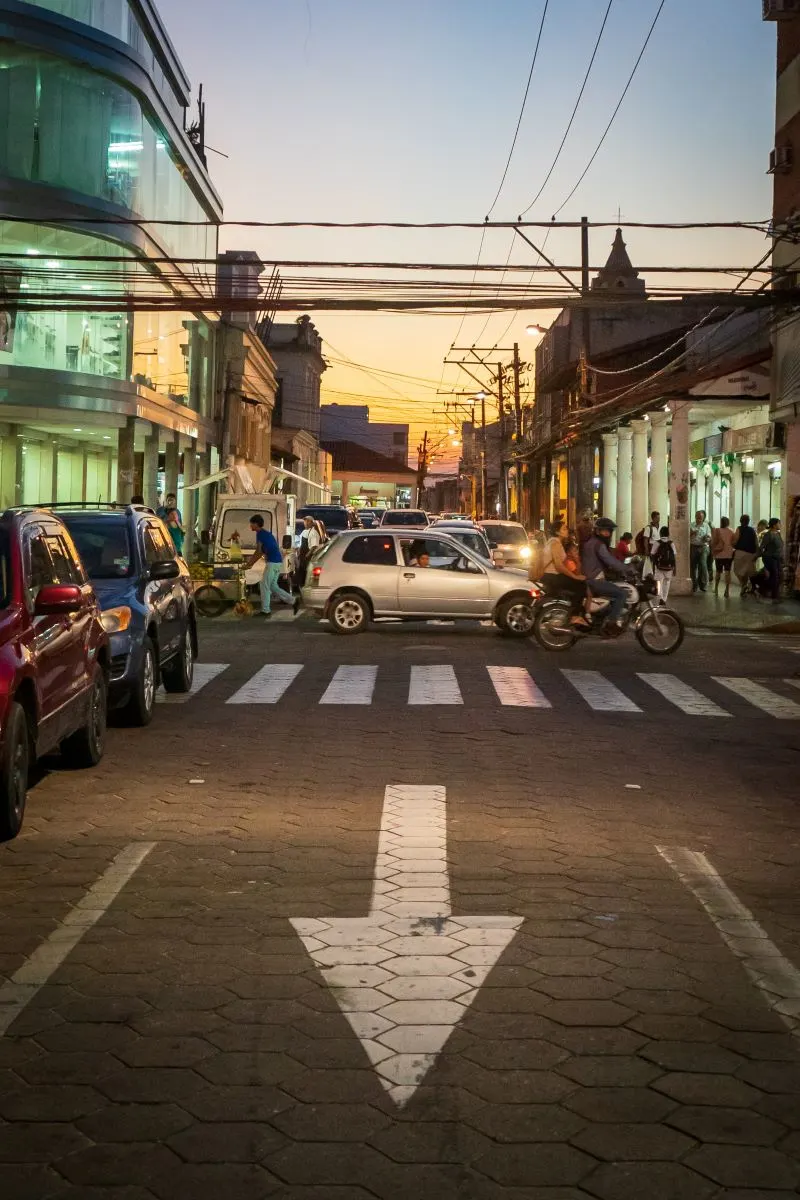
Plaza Alonso de Mendoza is a charming public square located in a city or town. It is known for its picturesque gardens and an enchanting fountain that serves as a focal point of the plaza. A visit to this delightful space offers a tranquil and serene experience amidst nature’s beauty.
As you enter the plaza, you’ll be greeted by a well-maintained garden filled with lush greenery, vibrant flowers, and carefully manicured hedges.
The gardens provide a serene and inviting atmosphere, creating a peaceful oasis in the heart of the city. You can take a leisurely stroll along the paths, enjoying the scent of blooming flowers and the soothing sound of birdsong.
At the center of the plaza, you’ll discover a captivating fountain that adds an element of elegance to the surroundings. The fountain may feature intricate designs, sculptures, or cascading water, all contributing to its aesthetic appeal.
It serves as a focal point of the plaza, drawing the attention of visitors and providing a tranquil backdrop for relaxation or contemplation.
The Plaza Alonso de Mendoza offers more than just visual beauty. It’s a place where locals and tourists alike can unwind, sit on a bench, or find a shaded spot to escape the heat.
You may see families enjoying a picnic, friends engaging in conversation, or individuals simply seeking a moment of respite from the bustling city life.
The plaza often acts as a hub for community gatherings and events, hosting cultural celebrations, live performances, or art exhibitions. These activities infuse the space with a lively energy, creating a vibrant atmosphere that showcases the local culture and traditions.
25. Take a guided tour of the Palacio del Telegrafó Nacional and learn about its historical significance

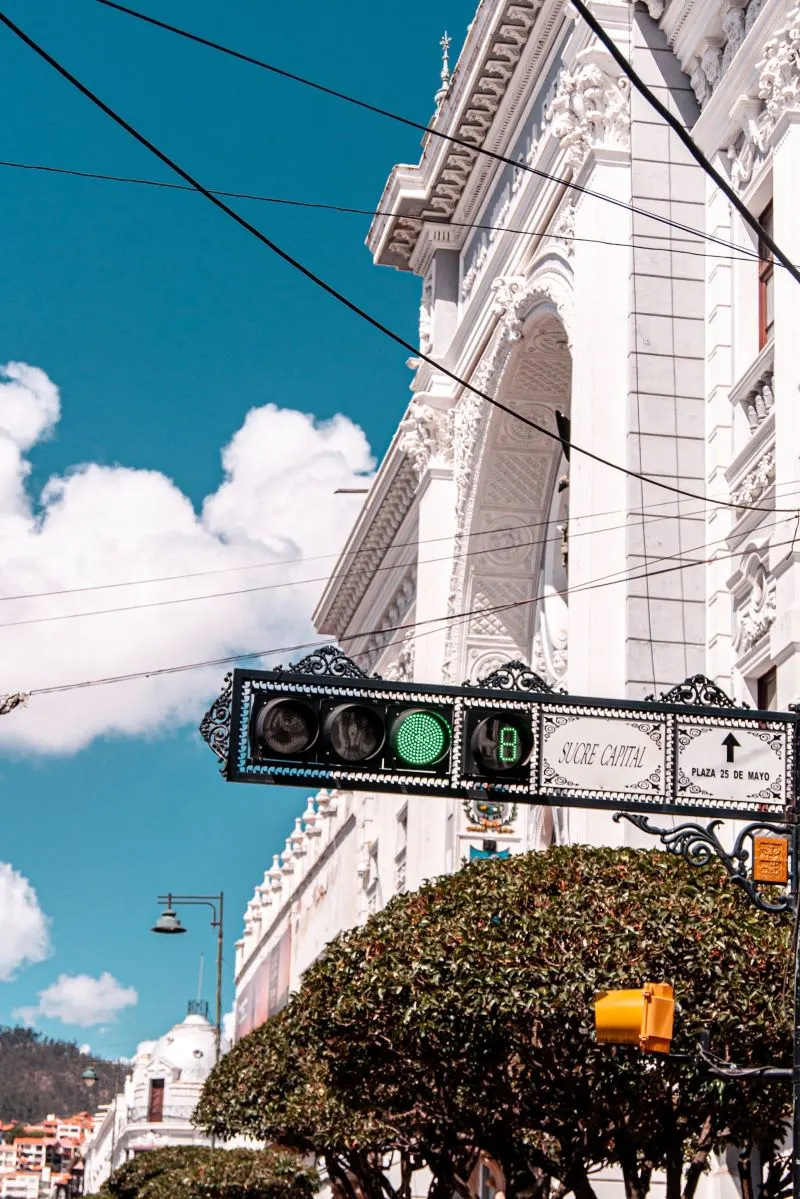
Palacio del Telegrafó Nacional, or National Telegraph Palace, is a historical landmark with significant cultural and historical importance. It is typically located in a city or town.
Taking a guided tour of this magnificent palace offers a unique opportunity to delve into its rich past and learn about its historical significance.
The palace itself is an architectural marvel, boasting impressive design elements that reflect the period in which it was built. It may feature ornate facades, intricate carvings, grand entrances, and elegant interior spaces.
The knowledgeable tour guides will provide insights into the architectural style and highlight the unique characteristics of the building.
During the tour, you’ll have the chance to explore the various rooms and halls of the Palacio del Telegrafó Nacional. The guides will share stories and anecdotes about the palace’s historical events, prominent figures who resided there, or significant moments that shaped its past.
They may discuss its original purpose, which could have been a telegraph office, a governmental institution, or a cultural center, depending on the specific history of the palace.
As you journey through the palace, you’ll encounter artifacts, exhibits, or displays that showcase the heritage and cultural importance of the location.
These may include photographs, documents, antique telegraph equipment, or other historical items that offer a glimpse into the past.
The guided tour will provide a comprehensive understanding of the palace’s role in the local history and the broader historical context of the region.
You’ll gain insights into the societal, political, or technological developments that took place during the palace’s heyday.
These activities offer a diverse range of cultural, historical, and natural experiences to make your visit to La Paz memorable.
Food In La Paz


La Paz, the breathtaking capital city of Bolivia, not only captivates visitors with its stunning natural landscapes and vibrant culture but also entices food enthusiasts with its rich and diverse culinary scene.
Nestled high in the Andes Mountains, La Paz offers a delightful fusion of traditional Bolivian cuisine and international flavors, making it a gastronomic paradise for adventurous eaters.
Join us on a culinary journey through the streets of La Paz as we explore the unique and tantalizing dishes that make this city a food lover’s dream.
- Bolivian Delicacies: La Paz is known for its authentic Bolivian delicacies that showcase the country’s indigenous traditions and flavors. Start your gastronomic adventure with a bowl of “Salteñas,” savory pastries filled with meat, vegetables, and a deliciously spiced broth. These hand-sized pockets of goodness are popular breakfast or mid-morning snacks among locals. Another must-try Bolivian dish is “Silpancho,” consisting of a breaded beef cutlet served with rice, potatoes, fried eggs, and salsa. It’s a hearty and satisfying meal that exemplifies the robust flavors of the region.
- Street Food Delights: La Paz’s vibrant street food scene is a feast for the senses. Wander through the bustling markets and alleys to discover an array of mouthwatering snacks and treats. “Anticucho,” grilled skewers of marinated beef heart or chicken, are a favorite among locals and visitors alike. For a lighter option, try “Api con Pastel,” a warm corn-based beverage served with sweet pastries. The vibrant Mercado Lanza is a food lover’s paradise, offering an assortment of street food stalls serving everything from fried plantains and empanadas to freshly squeezed fruit juices.
- International Flavors: La Paz also embraces international cuisine, with a wide range of restaurants offering flavors from around the world. From Italian trattorias to sushi bars and cozy cafes, you’ll find a diverse culinary landscape that caters to every palate. Indulge in a piping hot wood-fired pizza, savor a plate of creamy handmade pasta, or explore the flavors of Asia with a steaming bowl of ramen. Whether you’re in the mood for French pastries, Middle Eastern delights, or American-style burgers, La Paz has something to satisfy every craving.
- Elevated Dining: For those seeking a refined dining experience, La Paz offers several upscale restaurants that showcase the city’s culinary innovation and creativity. The city’s talented chefs combine traditional techniques with contemporary flair to create unique and unforgettable dishes. From innovative tasting menus that highlight indigenous ingredients to elegant presentations of classic Bolivian recipes, these establishments redefine fine dining in La Paz. Pair your meal with a Bolivian wine or a handcrafted cocktail, and let the flavors transport you to a world of gastronomic excellence.
- Sweet Treats: No culinary journey is complete without indulging in some delectable desserts. La Paz offers a range of sweet treats to satisfy your sugar cravings. Sample the “Buñuelos,” deep-fried dough balls dusted with powdered sugar, or try “Helado de Cancha,” a unique ice cream made from toasted corn. If you’re feeling adventurous, “Api Morado” is a must-try. This warm purple corn pudding is topped with cinnamon and traditionally enjoyed with a side of “Tawa Tawas,” a dense and sweet fried bread.
La Paz’s culinary scene is a true reflection of the city’s cultural diversity and rich traditions. From authentic Bolivian delicacies to international flavors and street food delights, La Paz offers a culinary adventure that will leave your taste buds craving for more.
Whether you’re exploring the bustling markets or savoring a gourmet meal in a fine dining establishment, the flavors of La Paz will undoubtedly captivate your senses and leave a lasting impression.
So, embark on this gastronomic journey and discover the hidden culinary treasures that await you in the heart of Bolivia.
Top 20 Best Restaurants In La Paz, Bolivia


- Gustu
- Ali Pacha
- Noma Restaurante
- La Comedie
- Llama Brothers
- Jardín de Asia
- La Casona del Sillar
- Casa Grande Hotel & Restaurant
- Restaurant Vienna
- Sociedad Anónima
- The Greenhouse
- 1810 Cocina Regional
- El Vagon del Sur
- UpperSide RestoBar
- La Taverne du Fondue
- Maphrao On
- Café del Mundo
- La Tranquera
- Chalet La Suisse
- La Cabrera
Transportation In La Paz
- Teleférico (Cable Car): One of the most iconic and efficient modes of transportation in La Paz is the Teleférico, a network of cable cars that connects different parts of the city. The cable car system provides stunning panoramic views of the city and allows commuters to bypass the heavy traffic on the streets below. It’s not only a practical means of transportation but also a popular tourist attraction.
- Minibus (Micro): Minibuses, locally known as “micros,” are the backbone of La Paz’s public transportation system. These small vans operate on set routes throughout the city and are often crowded. While they can be convenient for short trips and reaching specific destinations, they can also be chaotic and challenging for newcomers to navigate. Be prepared for a lively and sometimes cramped experience when using micros.
- Municipal Buses: La Paz has a network of municipal buses that serve different neighborhoods and connect the city with surrounding areas. These larger buses provide a more spacious and comfortable ride compared to minibuses, but they can still become crowded during peak hours. Municipal buses are a cost-effective option for traveling longer distances within the city.
- Taxis: Taxis are widely available in La Paz and provide a convenient and flexible mode of transportation. You can hail a taxi on the street or find them at designated taxi stands. It’s advisable to negotiate the fare or ensure that the meter is used before starting your journey. Consider using registered and reputable taxi companies for safety and reliability.
- Colectivos: Colectivos are shared taxis or vans that follow specific routes within and around La Paz. These vehicles operate similarly to minibuses but offer a more comfortable and direct service. Colectivos usually have fixed fares, and passengers share the ride with others heading in the same direction.
- Walking: La Paz’s compact city center and pedestrian-friendly streets make walking a popular option for exploring the city. Many of the main attractions, markets, and restaurants are within walking distance of each other. However, keep in mind that the city’s hilly terrain means you’ll encounter steep inclines and stairs in some areas.
- Car Rental: Renting a car in La Paz is possible, but it’s worth noting that the city’s traffic can be congested, and parking can be limited and challenging to find. Additionally, driving in La Paz requires familiarity with the local traffic rules and cautious navigation of the city’s narrow and winding streets.
It’s important to keep in mind that transportation options and availability can vary, so it’s advisable to check for any recent updates, consult local resources, and plan accordingly based on your specific needs and preferences when navigating La Paz.
La Paz, Bolivia, offers an abundance of unique experiences and attractions that leave visitors in awe of its cultural heritage, natural wonders, and vibrant atmosphere.
As we conclude our exploration of the 25 best things to do in La Paz, it becomes evident that this captivating city has something for everyone, whether you’re an adventure seeker, a history enthusiast, or a cultural explorer.
From the heights of Mount Illimani to the depths of the Valle de la Luna, La Paz’s natural landscapes provide a playground for outdoor enthusiasts.
Embark on an adrenaline-pumping mountain biking adventure along the Death Road, hike through the stunning landscapes of Chacaltaya, or marvel at the lunar-like formations of Moon Valley.
The majestic Lake Titicaca and the otherworldly Salar de Uyuni beckon travelers to discover the natural wonders that lie beyond the city.
Immerse yourself in the rich cultural tapestry of La Paz by exploring the historic city center, El Centro, with its colonial architecture, grand plazas, and ornate churches.
Dive into the city’s indigenous traditions at the Witches’ Market, where folklore and mysticism come alive, or witness the vibrant costumes and dances at a traditional folkloric show.
For those with an appetite for history and art, La Paz offers a range of fascinating museums and galleries. Delve into Bolivia’s ancient civilizations at the Tiwanaku archaeological site, admire the world-class art collections at the National Museum of Art, or learn about the nation’s complex history at the Museum of Ethnography and Folklore.
Indulge in the flavors of La Paz by sampling its diverse cuisine. Whether it’s savoring traditional Bolivian dishes like Salteñas and Silpancho, exploring the vibrant street food scene, or enjoying international flavors at upscale restaurants, La Paz’s culinary offerings are sure to tantalize your taste buds.
As you wander through the bustling streets of La Paz, take in the vibrant energy, immerse yourself in the colors, sounds, and aromas, and embrace the warm hospitality of its people.
Engage with local artisans at the Mercado de las Brujas, browse for unique handicrafts at the Sagarnaga Street markets, or simply find a cozy café and watch the world go by.
La Paz is a city that defies expectations and reveals its hidden treasures to those willing to explore beyond the surface.
Its stunning landscapes, rich culture, and warm-hearted locals ensure that every visitor leaves with unforgettable memories and a deep appreciation for this extraordinary destination.
As you bid farewell to La Paz, carry with you the vibrant spirit of the city, the echoes of ancient traditions, and the breathtaking beauty of its natural wonders.
La Paz will forever hold a special place in your heart, a destination that leaves an indelible mark and calls you back to continue unraveling its captivating secrets.
Leave a comment