

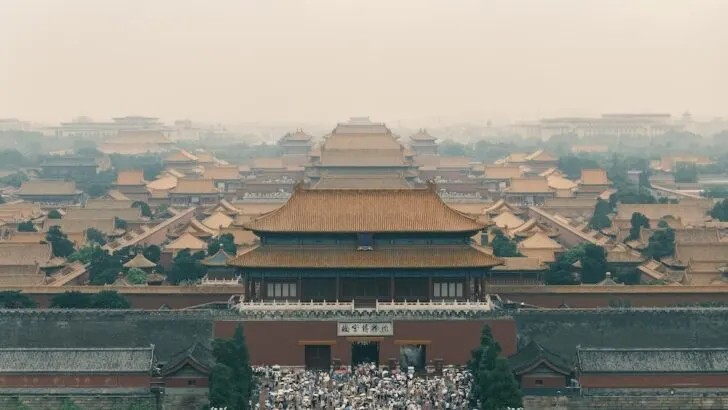
Beijing, the capital city of the People’s Republic of China, is a captivating metropolis that seamlessly blends ancient traditions with modernity.
With a history dating back over 3,000 years, Beijing stands as a testament to China’s rich cultural heritage and serves as the political, cultural, and educational center of the nation.
Renowned for its iconic landmarks, imperial architecture, and vibrant street life, Beijing offers a fascinating journey through time, combining centuries-old heritage with rapid urban development.
Historical Significance:
Beijing has been a seat of power for various dynasties and empires throughout China’s history. The city served as the capital during the Ming and Qing dynasties, leaving behind a legacy of grand palaces, imperial gardens, and awe-inspiring temples.
The Forbidden City, a UNESCO World Heritage Site, stands as a symbol of imperial majesty, with its meticulously designed architecture and sprawling courtyards.
Iconic Landmarks:
Beijing is home to an array of iconic landmarks that draw millions of visitors each year. The Great Wall of China, a UNESCO World Heritage Site, stretches across the city’s outskirts, showcasing the architectural marvels and engineering prowess of ancient China.
Tiananmen Square, one of the world’s largest public squares, represents a significant historical and political site, hosting numerous monumental structures like the Mao Zedong Memorial Hall and the National Museum of China.
Cultural and Artistic Hub:
The city’s cultural scene is vibrant and diverse, featuring world-class museums, art galleries, and theaters. Institutions like the National Museum of China, the Beijing Capital Museum, and the 798 Art District showcase an extensive collection of Chinese artifacts, contemporary art, and cultural exhibitions.
Beijing is also a hub for traditional performing arts, with venues such as the National Centre for the Performing Arts (known as “The Egg”) hosting opera, ballet, and classical music performances.
Cuisine and Culinary Delights:
Beijing’s culinary scene is renowned for its distinctive flavors and mouthwatering dishes. From the succulent Peking duck to traditional Beijing hot pot, the city offers a range of culinary experiences that reflect its rich culinary heritage.
Exploring the narrow alleyways of the hutongs (traditional neighborhoods) reveals hidden gems, where one can savor local street food and experience the city’s gastronomic culture.
Hosting the Olympics:
Beijing hosted the 2008 Summer Olympics, a momentous event that brought global attention to the city’s modern infrastructure, world-class stadiums, and commitment to hosting international sporting events. The legacy of the Olympics lives on through venues like the iconic Bird’s Nest Stadium and the Water Cube, which continue to attract visitors.
Beijing, with its blend of ancient wonders and modern marvels, offers a captivating experience for travelers seeking a glimpse into China’s rich history and vibrant culture.
Whether exploring imperial palaces, wandering through bustling markets, or indulging in the city’s culinary delights, Beijing invites visitors to immerse themselves in its timeless charm. With its iconic landmarks, cultural treasures, and the warm hospitality of its people, Beijing truly stands as a gateway to China’s past, present, and future.
1. Visit the Great Wall of China

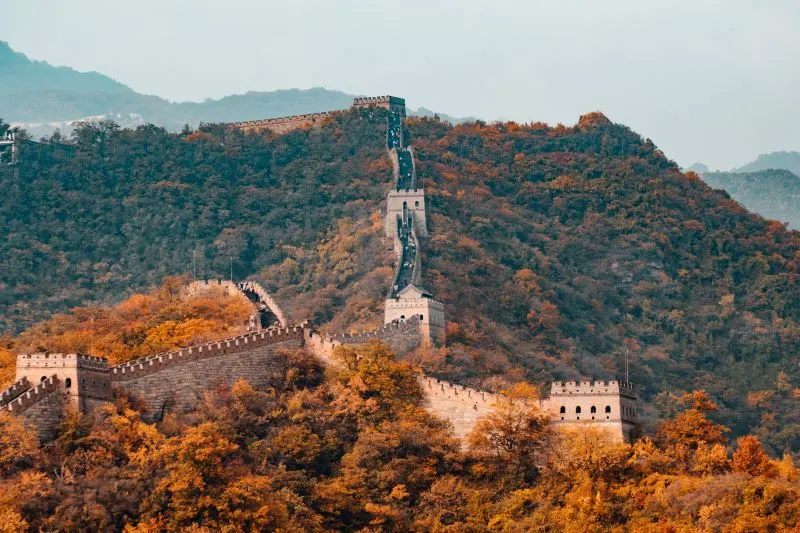
The Great Wall of China is an iconic ancient structure that stretches across the northern part of China. It is one of the most famous landmarks in the world and a UNESCO World Heritage site. The wall was originally built as a military defense system to protect China from invasions and dates back over 2,000 years.
Visiting the Great Wall of China provides an awe-inspiring experience as you witness the sheer magnitude of this architectural marvel. The wall winds its way across mountains, valleys, and vast landscapes, offering breathtaking views and photo opportunities.
Walking along the wall allows you to appreciate its grandeur and marvel at the engineering prowess of the ancient Chinese civilization.
There are several sections of the Great Wall that are accessible to visitors, each with its own unique characteristics. Some popular sections include Badaling, Mutianyu, Jinshanling, and Simatai. These sections vary in terms of accessibility, crowd levels, and restoration levels, allowing visitors to choose the experience that suits their preferences.
Exploring the Great Wall of China provides an opportunity to learn about Chinese history and immerse yourself in the cultural significance of this iconic landmark. It’s a must-visit destination for anyone traveling to Beijing or China as a whole.
2. Explore the Forbidden City

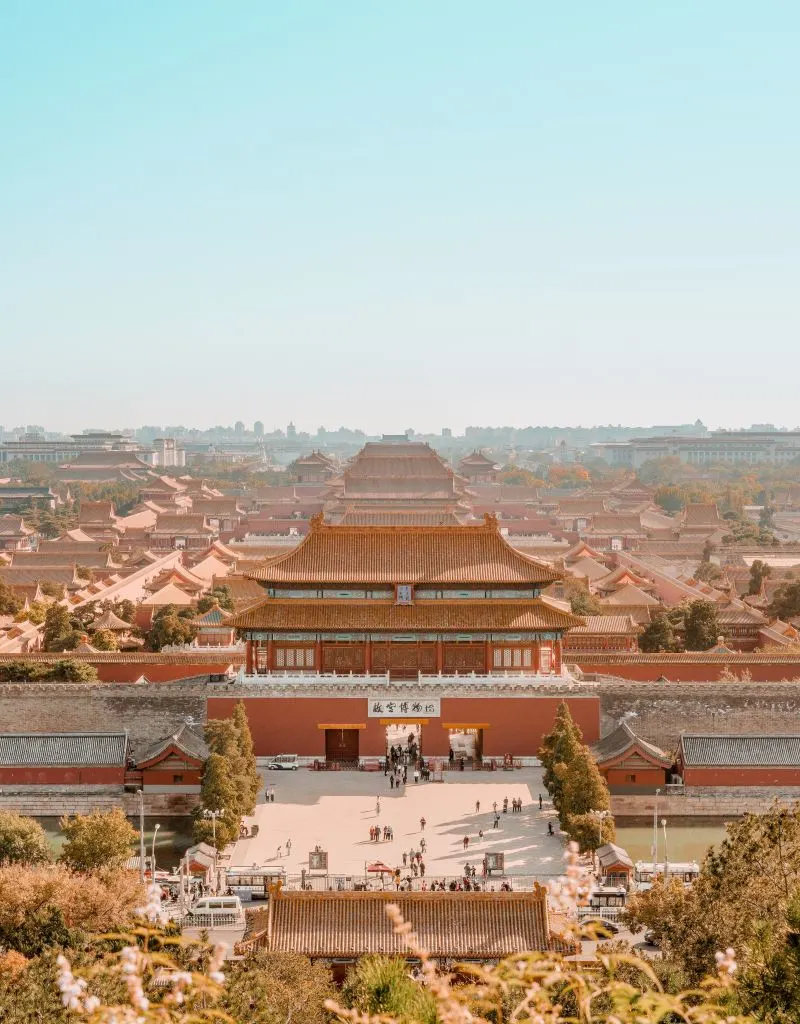
The Forbidden City, also known as the Palace Museum, is a magnificent imperial palace located in the heart of Beijing, China. It served as the political and ceremonial center of the Chinese emperors from the Ming dynasty to the end of the Qing dynasty, spanning over 500 years.
Exploring the Forbidden City is like stepping back in time and immersing yourself in the rich history and grandeur of ancient China.
The palace complex is immense, covering an area of 180 acres and consisting of 980 buildings with over 8,700 rooms. Its architectural beauty, intricate details, and exquisite craftsmanship make it one of the most remarkable palace complexes in the world.
As you enter through the iconic Meridian Gate, you’ll pass through a series of grand courtyards, magnificent halls, and beautiful gardens.
The Hall of Supreme Harmony, Hall of Central Harmony, and Hall of Preserving Harmony are some of the main ceremonial halls that stand as symbols of imperial power and majesty.
Throughout the complex, you’ll encounter stunning imperial architecture, ornate decorations, intricate paintings, and priceless artifacts that offer insights into the lives of Chinese emperors and the imperial court.
The Imperial Garden at the northern end provides a serene escape with its meticulously landscaped gardens, ancient trees, and decorative structures.
3. Wander through the Summer Palace

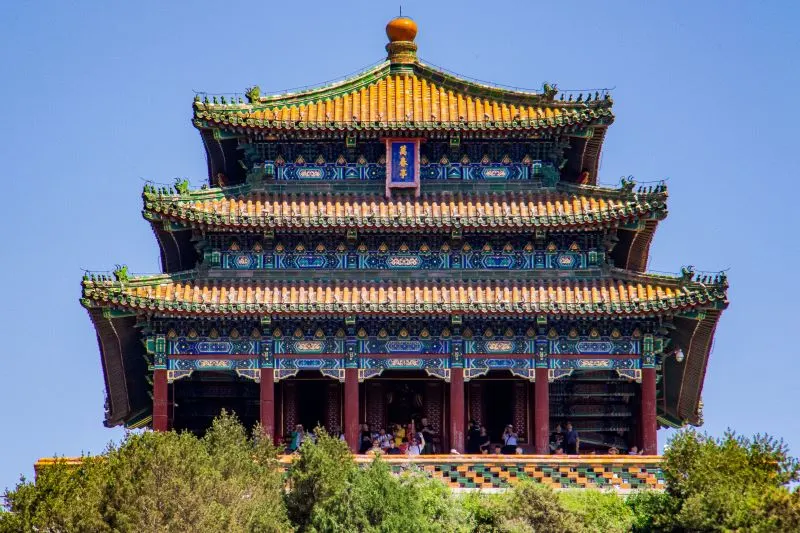
The Summer Palace is a vast imperial garden located in the Haidian District of Beijing, China. It is renowned for its beautiful landscapes, intricate architecture, and historical significance.
Originally built during the Qing dynasty, the Summer Palace served as a retreat for emperors to escape the summer heat and indulge in leisure activities.
Wandering through the Summer Palace offers a serene and picturesque experience. The palace complex covers a vast area of 290 hectares, consisting of a variety of structures, pavilions, temples, gardens, and a large man-made lake called Kunming Lake.
As you explore the palace, you’ll come across highlights such as the iconic Longevity Hill, adorned with temples, pavilions, and winding pathways.
Climb to the top of Longevity Hill to enjoy panoramic views of the surrounding landscapes, including the vast Kunming Lake.
One of the most famous features of the Summer Palace is the Long Corridor, a covered walkway stretching over 700 meters. The corridor is adorned with thousands of colorful paintings depicting historical events, legends, and landscapes. It’s a delightful stroll that offers both shelter from the elements and a visual feast for the eyes.
Kunming Lake is a central feature of the Summer Palace, offering opportunities for boating, scenic walks along the lakeside, and enjoying the beauty of traditional Chinese garden landscaping.
You can also visit the marble boat, a unique structure floating on the lake, which serves as a symbol of the extravagance and opulence of the imperial era.
4. Discover the Temple of Heaven

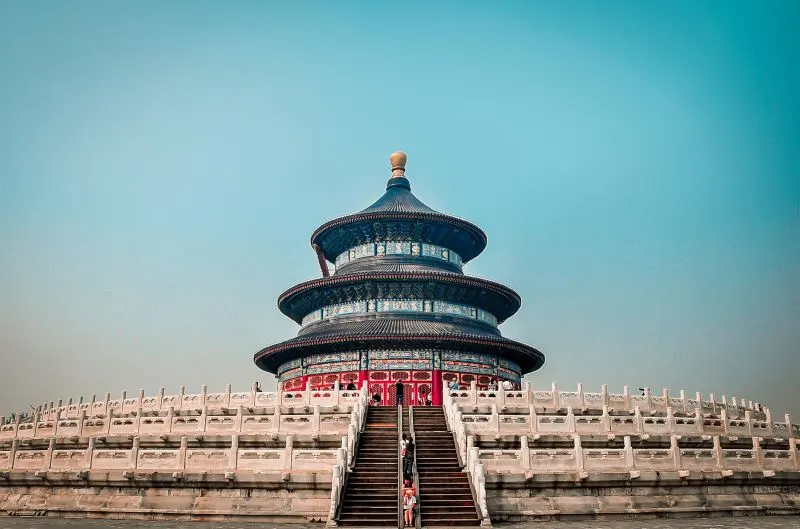
The Temple of Heaven, located in Beijing, China, is a magnificent religious complex and a UNESCO World Heritage site. Built during the Ming dynasty, it was used by emperors to perform solemn rituals and prayers for good harvests.
Discovering the Temple of Heaven provides a glimpse into the spiritual and cultural traditions of ancient China. The complex is known for its stunning architectural design and harmonious layout, reflecting the Chinese belief in the connection between heaven and earth.
The centerpiece of the Temple of Heaven is the Hall of Prayer for Good Harvests, an iconic circular building with a triple-tiered roof adorned with intricate carvings and vibrant colors.
It stands on a large stone platform and is surrounded by a serene park, offering a peaceful atmosphere for reflection and exploration.
Adjacent to the hall is the Imperial Vault of Heaven, a smaller structure that houses ceremonial tablets and other sacred items. The Echo Wall and the Circular Mound Altar are other notable features within the complex, each with its own unique significance in the religious ceremonies conducted by the emperors.
The Temple of Heaven Park, surrounding the main structures, is a popular gathering place for locals engaged in various activities such as tai chi, calligraphy, and traditional music.
It’s a vibrant and lively setting where you can observe the local culture and immerse yourself in the daily life of Beijing residents.
5. Visit the Beijing Ancient Architecture Museum


The Beijing World Park is a theme park located in Beijing, China. It offers visitors the opportunity to explore miniature replicas of famous landmarks from around the world.
The park is designed to showcase a wide range of international architectural styles and cultural elements in a condensed and accessible format.
Inside the Beijing World Park, you can expect to see scaled-down replicas of iconic landmarks such as the Eiffel Tower, the Taj Mahal, the Great Pyramid of Giza, the Statue of Liberty, the Sydney Opera House, and many more.
The park provides a chance for visitors to appreciate the diversity of global architecture and experience a taste of different cultures without having to travel to each respective country.
Visitors can stroll through the park, admire the intricate details of the miniature buildings, and capture memorable photos. Some sections of the park may feature cultural performances, exhibitions, or interactive displays related to specific countries or regions.
It’s worth noting that the park’s exhibits and features might have evolved or changed since my knowledge cutoff in September 2021. Therefore, it’s advisable to refer to up-to-date information from reliable sources or the official website of the Beijing World Park when planning a visit.
6. Stroll around the Hutongs (narrow old lanes)

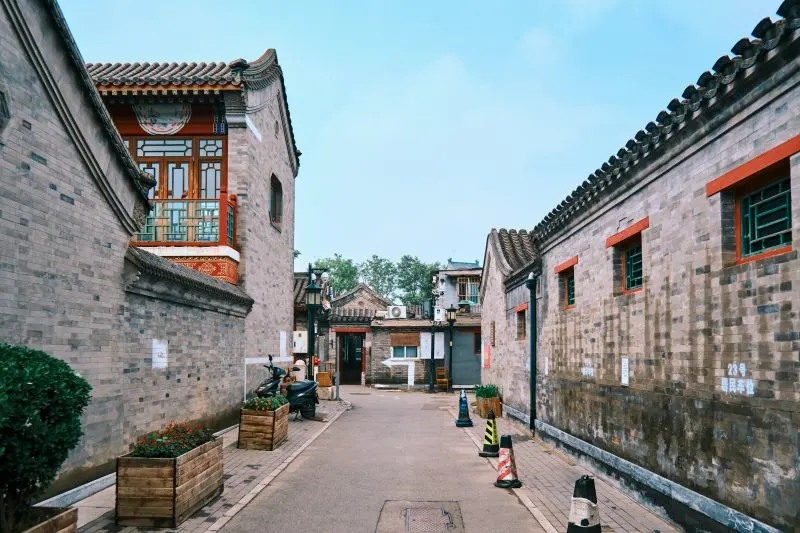
Strolling around the Hutongs refers to exploring the narrow, traditional lanes and alleyways found in old residential areas of Beijing and other Chinese cities. Hutongs are a significant part of Beijing’s cultural heritage, offering a glimpse into the city’s historical past.
When you stroll around the Hutongs, you will find yourself immersed in a charming and intimate atmosphere. The lanes are typically lined with traditional courtyard homes known as Siheyuans, which often feature beautiful architecture, ornate doorways, and intricate details. Many Hutongs have been around for centuries and offer a nostalgic and authentic experience of traditional Chinese urban life.
As you wander through the Hutongs, you may come across small shops, local businesses, tea houses, street vendors, and neighborhood gathering spots. These areas often provide an opportunity to interact with residents and learn about their daily lives, traditions, and customs.
You might discover hidden gems like local eateries, traditional crafts workshops, or quaint art galleries tucked away in these narrow lanes.
Exploring the Hutongs offers a contrast to the modernity of Beijing’s bustling city center, allowing you to appreciate the slower pace and historic charm. Some popular areas for Hutong exploration in Beijing include Nanluoguxiang, Gulou, and Shichahai.
7. Watch a traditional Beijing Opera performance


Watching a traditional Beijing Opera performance is a captivating experience that allows you to immerse yourself in the rich cultural heritage of China.
Beijing Opera, also known as Peking Opera, is a highly stylized form of Chinese theater that combines music, singing, dialogue, acrobatics, martial arts, and vibrant costumes.
During a Beijing Opera performance, you can expect to witness a blend of storytelling, symbolism, and traditional art forms. The performers skillfully portray characters from historical events, folklore, or literary works, often accompanied by a live orchestra playing traditional Chinese instruments.
The actors use stylized movements, intricate facial expressions, and symbolic gestures to convey emotions and depict the personalities of their characters.
The singing in Beijing Opera is characterized by a unique vocal technique that combines speech, singing, and chanting in a distinct rhythmic pattern.
The elaborate costumes worn by the performers are a visual feast, featuring vibrant colors, intricate embroidery, and ornate headdresses.
The makeup, known as “jing,” is also a significant aspect of Beijing Opera, with different colors and patterns representing specific character types such as heroes, villains, gods, or demons.
Attending a Beijing Opera performance provides an opportunity to appreciate the artistry, skill, and cultural traditions that have been passed down through generations.
The performances are usually accompanied by subtitles or narrative explanations in English or other languages to help the audience understand the story and appreciate the nuances of the performance.
Beijing Opera performances can be found in various theaters and venues in Beijing, ranging from traditional theaters to modern performance spaces. It’s advisable to check schedules and book tickets in advance to ensure availability.
8. Visit the Lama Temple (Yonghe Temple)

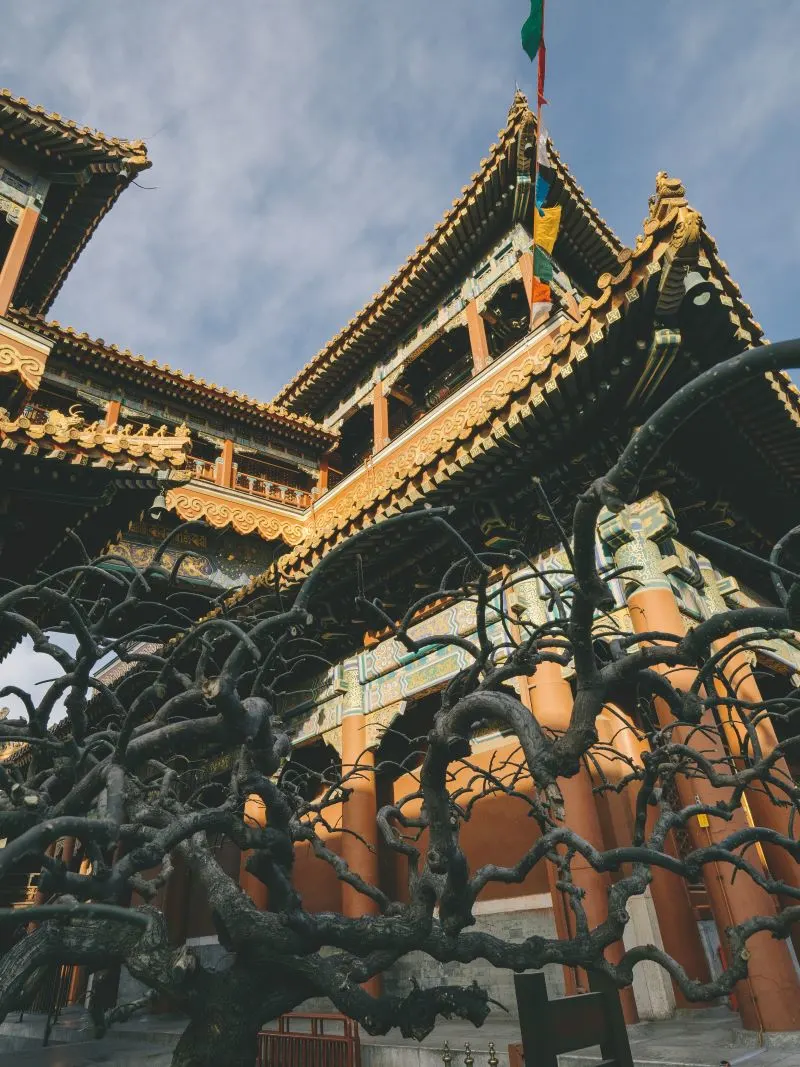
The Lama Temple, also known as Yonghe Temple, is a significant Buddhist temple located in Beijing, China. It is one of the largest and most renowned Tibetan Buddhist monasteries outside of Tibet.
The temple complex, spanning over 60,000 square meters, features a blend of Tibetan and Chinese architectural styles. It was originally built in 1694 as the residence of Emperor Yongzheng, but later converted into a lamasery, a place for Tibetan Buddhist monks to live and practice their faith.
Visitors to the Lama Temple can explore its various halls and courtyards, each showcasing intricate and ornate decorations.
The main highlights of the temple include the Hall of Heavenly Kings, the Hall of Harmony and Peace, the Hall of Everlasting Protection, and the Hall of the Wheel of the Law.
These halls house numerous statues, including the impressive 26-meter-high statue of Maitreya Buddha carved from a single piece of sandalwood.
One of the main attractions of the Lama Temple is the magnificent statue of the Maitreya Buddha, which draws visitors from all over the world. The temple also houses a large collection of Buddhist scriptures and other precious relics.
The atmosphere at the Lama Temple is serene and peaceful, making it a popular destination for both tourists and locals seeking spiritual solace. Visitors can observe monks and devotees engaged in prayer and rituals, adding to the overall experience of the temple.
9. Explore the 798 Art District


The 798 Art District is a vibrant artistic enclave located in Beijing, China. It is renowned as a hub for contemporary art, creativity, and cultural expression.
Formerly an industrial complex built in the 1950s, the area was transformed into an art district in the late 1990s, when artists and art organizations began occupying the abandoned factories and warehouses. Today, it stands as a thriving center for contemporary art, attracting artists, art lovers, and tourists alike.
The 798 Art District is characterized by its unique blend of industrial architecture and modern artistic installations. The buildings have been repurposed into galleries, studios, cafes, boutiques, and exhibition spaces.
As you explore the district, you’ll encounter a wide range of contemporary art forms, including paintings, sculptures, installations, photography, and multimedia art.
The district has a dynamic and ever-changing art scene, with numerous galleries showcasing both established and emerging artists from China and around the world.
You can immerse yourself in thought-provoking exhibitions, interact with artists, and gain insight into contemporary Chinese art and culture.
Apart from the galleries, the 798 Art District also offers a vibrant atmosphere with its trendy cafes, restaurants, and shops. You can relax, grab a cup of coffee, or enjoy a meal while taking in the creative ambiance that permeates the district.
The 798 Art District has become a must-visit destination for art enthusiasts and those seeking an alternative cultural experience in Beijing.
Its fusion of industrial history and contemporary art creates a unique and captivating environment that showcases the city’s artistic spirit.
10. See the National Museum of China

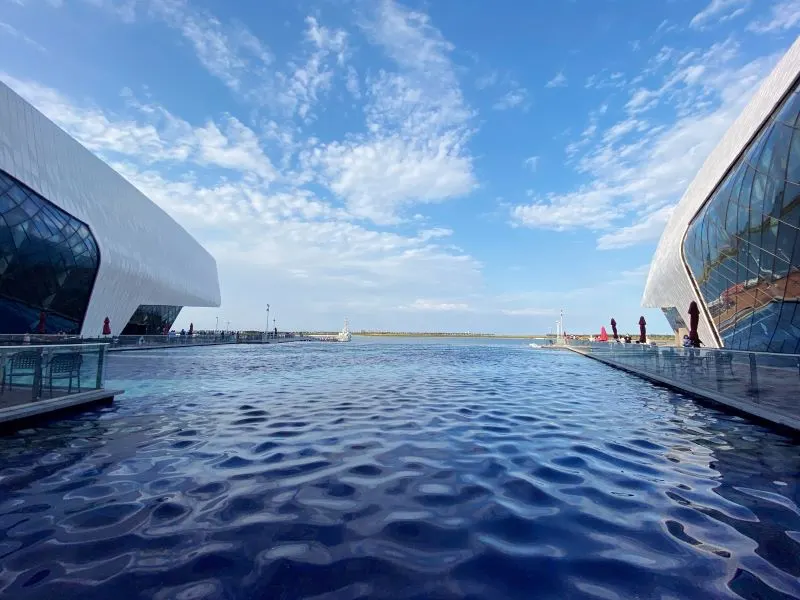
The National Museum of China is a prominent cultural institution located in Beijing, China. It is one of the largest museums in the world and offers a comprehensive overview of China’s rich history, art, and culture.
The museum is housed in a grand building located on Tiananmen Square, adjacent to the Forbidden City. Its architecture is an impressive blend of traditional Chinese elements and modern design, symbolizing the harmony between the past and the present.
Inside the National Museum, you’ll find an extensive collection spanning over 5,000 years of Chinese history. The exhibits are divided into various sections, including Ancient China, Chinese Calligraphy, Chinese Paintings, Bronze Ware, Ceramics, Minority Cultures, and more.
The museum houses an impressive array of artifacts, including ancient pottery, jade sculptures, bronze artifacts, traditional paintings, and intricate calligraphy. These treasures offer insights into China’s dynasties, cultural achievements, and artistic traditions.
One of the highlights of the National Museum is its collection of cultural relics from the Forbidden City. These artifacts provide a glimpse into the imperial history of China, showcasing exquisite items once owned by emperors and empresses.
The museum employs modern exhibition techniques, such as interactive displays, multimedia presentations, and educational programs, to enhance visitors’ understanding and engagement with the exhibits. Audio guides and guided tours are also available in multiple languages to further enrich the museum experience.
Whether you have a deep interest in Chinese history or simply want to explore the country’s cultural heritage, the National Museum of China offers a comprehensive and captivating journey through the nation’s past.
It provides a valuable opportunity to appreciate the artistry, innovation, and diverse traditions that have shaped Chinese civilization.
11. Enjoy the panoramic views from Jingshan Park

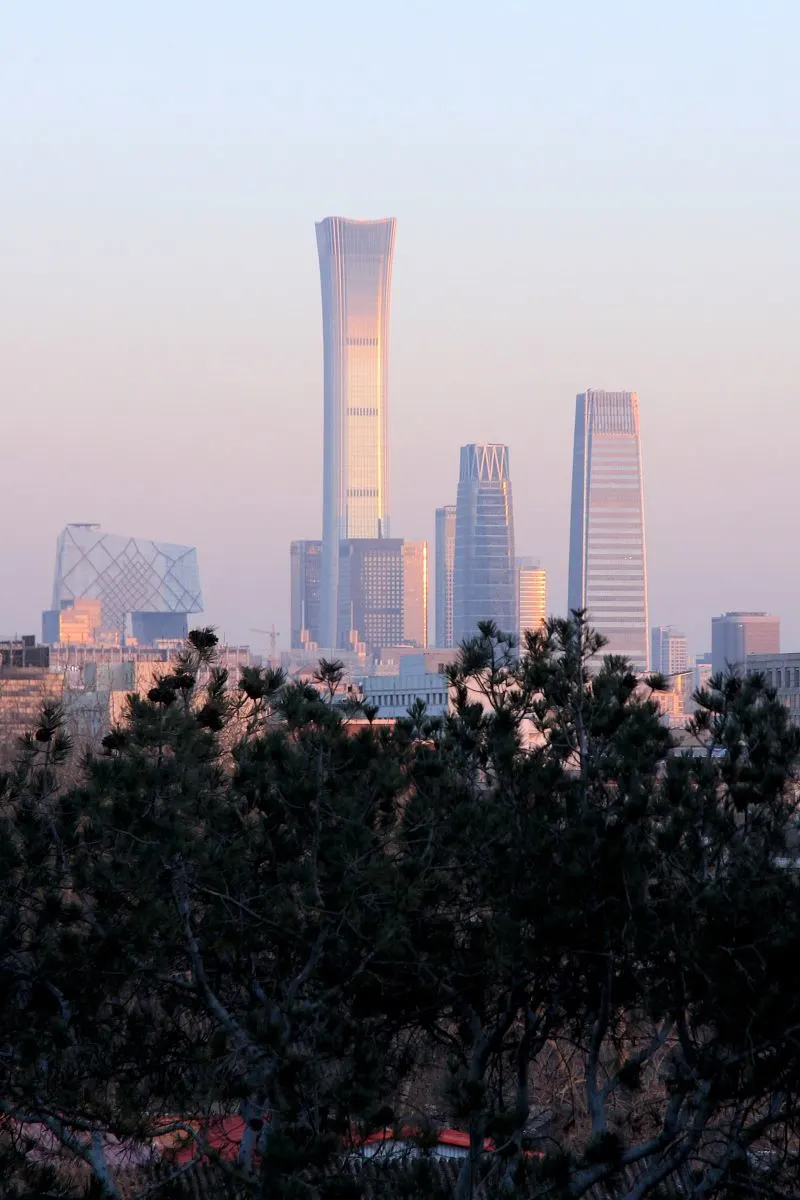
Jingshan Park, located in the heart of Beijing, China, offers visitors the opportunity to enjoy breathtaking panoramic views of the surrounding area. Situated just north of the Forbidden City, this historic park offers a unique vantage point to admire the city’s architectural splendor and natural beauty.
The park is crowned by Jingshan Hill, also known as Coal Hill, which was created during the Ming Dynasty using the earth excavated to build the Forbidden City’s moat.
At the top of the hill, visitors will find a pavilion called Wanchun Pavilion, offering a perfect spot to take in the picturesque vistas.
From this elevated position, one can appreciate a stunning 360-degree view of Beijing’s skyline. To the south, the grandeur of the Forbidden City unfolds, showcasing its ornate rooftops and ancient imperial buildings.
The view also extends over the vast expanse of the city, revealing modern skyscrapers, traditional hutongs (alleyways), and the meandering path of the iconic moat.
The park itself is a tranquil oasis, featuring beautiful gardens, serene pathways, and centuries-old trees that provide shade and serenity. Visitors can wander along the winding trails, exploring the various pavilions and ancient architecture scattered throughout.
Whether during the vibrant colors of spring, the lush greenery of summer, the vibrant hues of autumn, or even the peaceful winter scenery, Jingshan Park offers an ever-changing backdrop for those seeking a moment of respite and natural beauty in the bustling city.
12. Take a rickshaw ride in the Hutongs

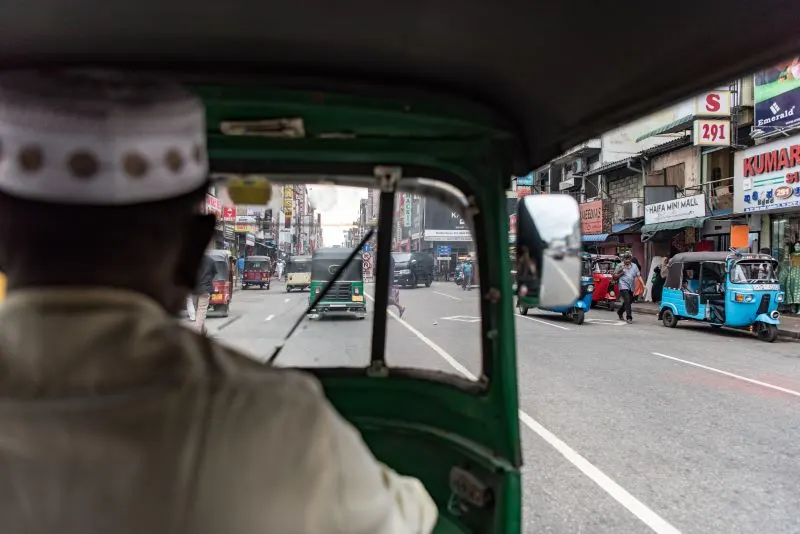
Taking a rickshaw ride through the Hutongs offers a delightful and immersive experience in the traditional alleyways of Beijing, China. The Hutongs are narrow, winding streets lined with traditional courtyard houses, which have been a hallmark of the city’s history and culture for centuries.
Embarking on a rickshaw ride allows you to explore these charming neighborhoods in a unique and authentic way. The rickshaw, a traditional mode of transportation in China, is a small, three-wheeled vehicle pulled by a skilled local driver.
As you hop on the rickshaw, you’ll find yourself transported back in time, experiencing the old-world charm and character of Beijing’s ancient Hutongs.
As you meander through the Hutongs, you’ll have the opportunity to witness the daily lives of local residents. The Hutongs are not only residential areas but also vibrant communities where people live, work, and socialize.
You’ll pass by bustling street markets, traditional shops, small family-owned businesses, and perhaps catch glimpses of locals engaging in various activities, such as playing mahjong or practicing Tai Chi in the courtyards.
The rickshaw ride allows you to absorb the architectural beauty of the Hutongs up close. These historic neighborhoods showcase traditional courtyard houses, known as Siheyuan, characterized by their elegant courtyards and intricate architectural details.
You’ll be able to admire the unique rooflines, ornate doorways, and decorative elements that reflect the rich cultural heritage of Beijing.
Additionally, your rickshaw driver can provide insights and anecdotes about the history and significance of the Hutongs, enriching your understanding of this culturally significant part of the city.
They can share stories about the dynasties that shaped Beijing, the traditions and customs of the Hutong residents, and the changes that have taken place over time.
13. Visit the Capital Museum

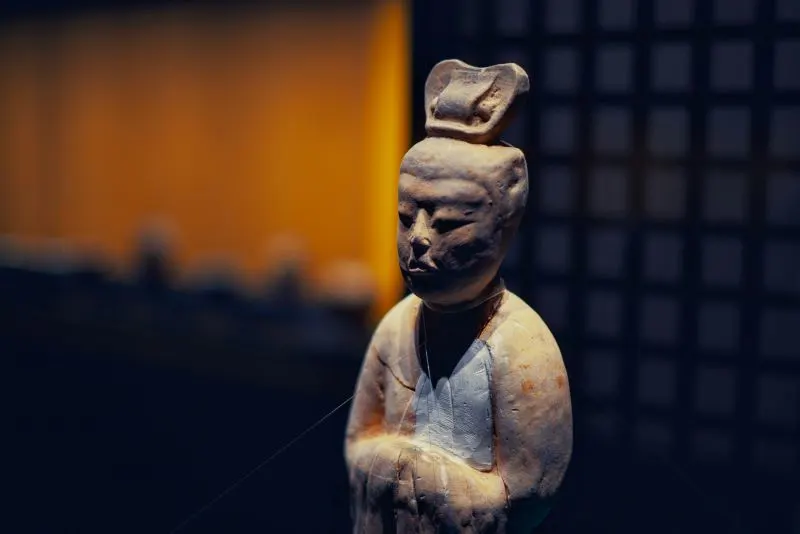
A visit to the Capital Museum in Beijing, China, offers a fascinating journey through the rich history, art, and culture of the nation’s capital. Located in the Xicheng District, this modern museum showcases a diverse range of exhibits that highlight the heritage and achievements of Beijing and China as a whole.
Upon entering the Capital Museum, visitors are greeted by a contemporary architectural design that blends traditional Chinese elements with modern aesthetics.
The museum houses a vast collection of artifacts, artworks, and historical relics spanning thousands of years, providing a comprehensive overview of the city’s and country’s cultural evolution.
The museum’s exhibits cover a wide range of topics, including ancient history, imperial treasures, traditional Chinese art, calligraphy, porcelain, and folk customs.
Visitors can explore meticulously curated displays that feature intricate sculptures, stunning paintings, delicate ceramics, and precious relics from different dynasties and periods in Chinese history.
One of the museum’s highlights is its collection of imperial artifacts, including royal robes, ceremonial objects, and precious jade carvings.
These exhibits offer a glimpse into the grandeur and opulence of China’s imperial past, showcasing the artistry and craftsmanship that flourished within the royal courts.
The Capital Museum also hosts temporary exhibitions that showcase contemporary art, cultural exchanges, and thematic displays, ensuring there is always something new and engaging for visitors to explore.
These exhibitions often reflect current social and cultural trends, providing insight into China’s dynamic and evolving society.
Apart from the exhibits, the museum also features interactive displays, multimedia presentations, and educational programs that cater to visitors of all ages. It offers a unique opportunity to learn about Chinese history and culture in an immersive and engaging manner.
The museum’s facilities include spacious exhibition halls, well-curated galleries, a bookstore, and a souvenir shop where visitors can find unique cultural mementos. There is also a tranquil outdoor garden where visitors can relax and reflect on their museum experience.
14. Explore the Prince Gong’s Mansion

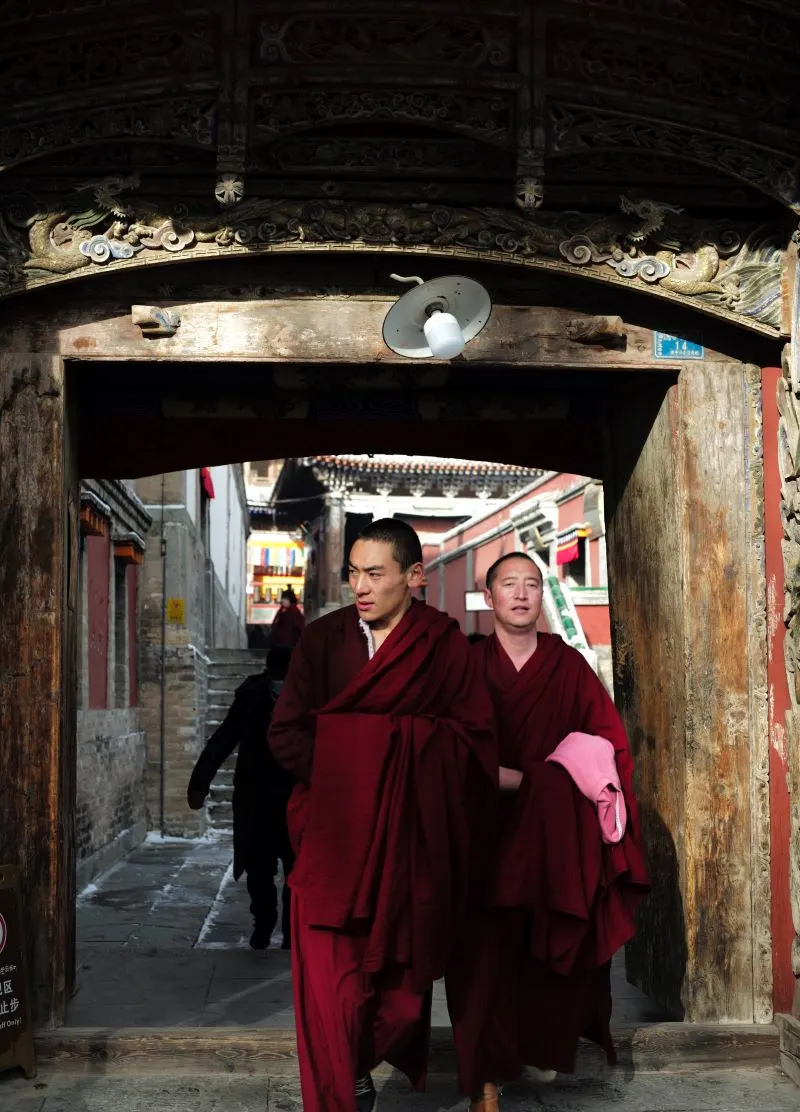
Prince Gong’s Mansion, also known as Gong Wang Fu, is a historic architectural masterpiece located in Beijing, China. Built during the Qing Dynasty, it was the residence of Prince Gong, one of the prominent princes of that era.
The mansion covers an expansive area of approximately 60,000 square meters, making it one of the largest and best-preserved princely mansions in Beijing.
The mansion consists of numerous halls, pavilions, gardens, and courtyards, showcasing a blend of traditional Chinese architectural styles with exquisite decorative elements.
The layout of the mansion follows the traditional Chinese philosophy of balancing yin and yang, with buildings arranged symmetrically on both sides of a central axis.
Exploring Prince Gong’s Mansion allows visitors to immerse themselves in the rich cultural heritage of the Qing Dynasty. Each hall and room exhibits intricate woodwork, delicate carvings, colorful murals, and ornate furniture, reflecting the opulence and grandeur of the era.
The mansion’s beautifully landscaped gardens, with serene lakes, winding pathways, and traditional rock formations, offer a peaceful retreat from the bustling city.
Visitors can stroll through the various sections of the mansion, including the Grand Theatre, where operas and traditional performances were once held, and the lavish residence of Prince Gong himself.
The mansion also houses a museum that displays historical artifacts, cultural relics, and provides further insights into the life and legacy of Prince Gong and the Qing Dynasty.
15. Take a boat ride in Shichahai Lake area

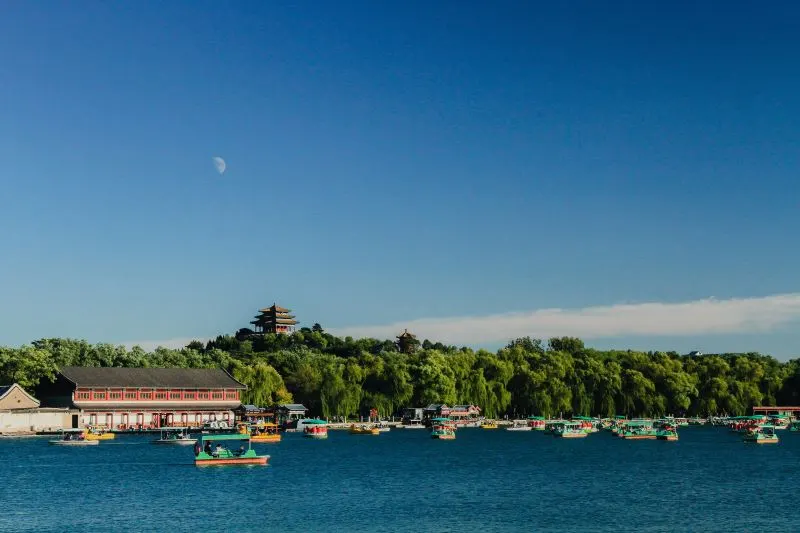
Taking a boat ride in the Shichahai Lake area offers a delightful experience in the heart of Beijing, China. Shichahai is a scenic and historic area consisting of three interconnected lakes—Qianhai, Houhai, and Xihai—surrounded by charming hutongs (traditional alleyways) and historic buildings.
Boarding a boat allows you to leisurely navigate the tranquil waters and explore the picturesque surroundings. The boats available range from traditional wooden rowboats to pedal-powered boats, giving you a choice depending on your preference.
As you glide along the shimmering lake, you can take in the scenic beauty of the area. The shores are lined with ancient willow trees, quaint waterfront houses, and traditional architecture, creating a serene and nostalgic ambiance. The reflections of the surrounding buildings and bridges on the water surface create a mesmerizing sight.
The boat ride also offers glimpses of historic landmarks. Along the way, you may pass by iconic structures such as the Prince Gong’s Mansion, the elegant White Pagoda, and the historic Drum and Bell Towers, which are all located in the vicinity of Shichahai.
These landmarks add a touch of historical significance to the boat ride, making it a captivating journey through Beijing’s past.
Moreover, the Shichahai Lake area comes alive with vibrant activity. The lakeside is dotted with bars, restaurants, and teahouses, where locals and visitors gather to relax and socialize.
The boat ride allows you to witness the lively atmosphere, with people enjoying their time by the water, sipping tea, or indulging in delicious local cuisine.
16. Visit the Confucius Temple

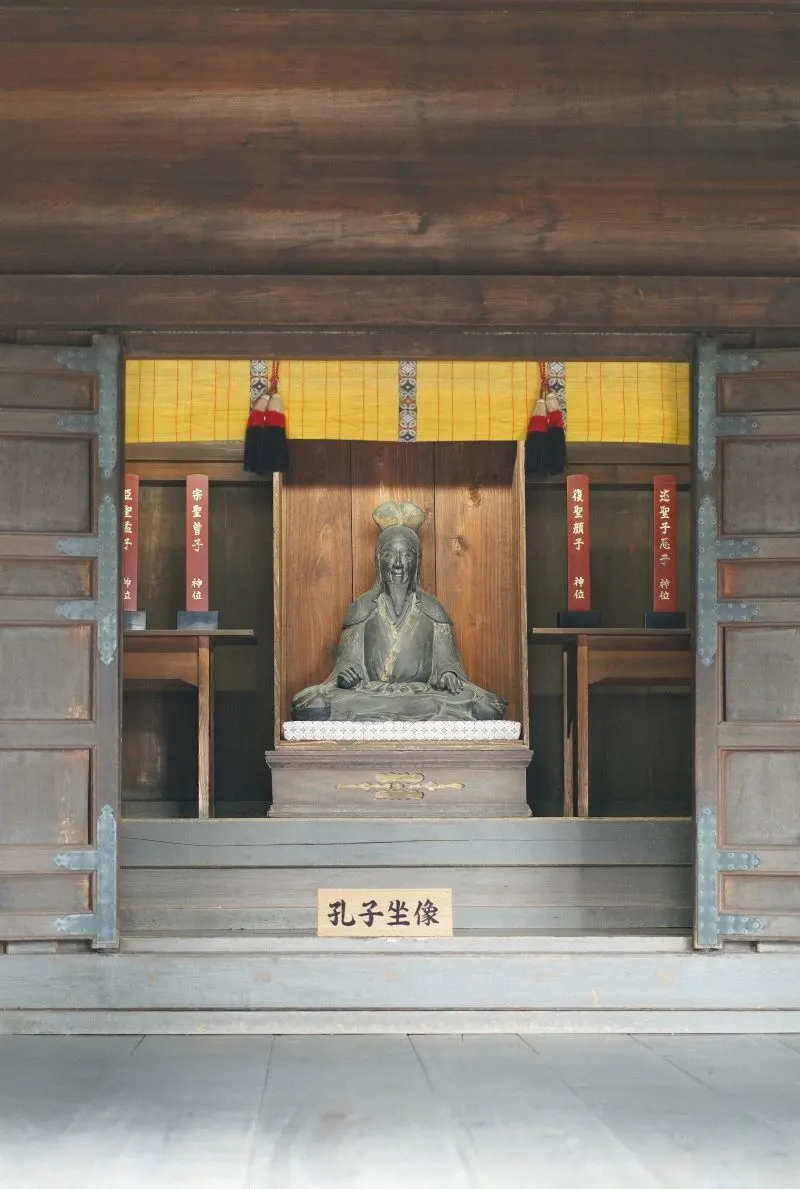
The Confucius Temple, also known as the Temple of Confucius or Kong Miao, is a significant cultural and historical site located in many cities across China and other countries influenced by Chinese culture.
The temple is dedicated to the worship of Confucius, the influential Chinese philosopher, teacher, and political figure who lived during the 5th century BCE.
Visiting a Confucius Temple offers an opportunity to explore and appreciate the profound impact of Confucianism on Chinese society and its enduring legacy.
The temple complex typically includes various buildings and structures that reflect traditional Chinese architectural styles. These structures often feature ornate decorations, vibrant colors, and intricate detailing, providing a visually captivating experience.
At the heart of the temple, visitors will find the main hall or shrine, where a statue or tablet of Confucius is enshrined. People often come here to pay respects to Confucius, make offerings, and seek blessings, particularly students who pray for academic success.
The serene and peaceful atmosphere within the temple provides a conducive environment for contemplation and reflection.
In addition to the main hall, Confucius Temples may also house auxiliary buildings, such as lecture halls, libraries, and exhibition halls, where visitors can learn more about Confucius, his teachings, and the history of Confucianism.
These spaces often display ancient texts, artifacts, calligraphy, and other cultural relics related to Confucian philosophy and its impact on Chinese society.
17. Explore the Beijing National Stadium (Bird’s Nest)

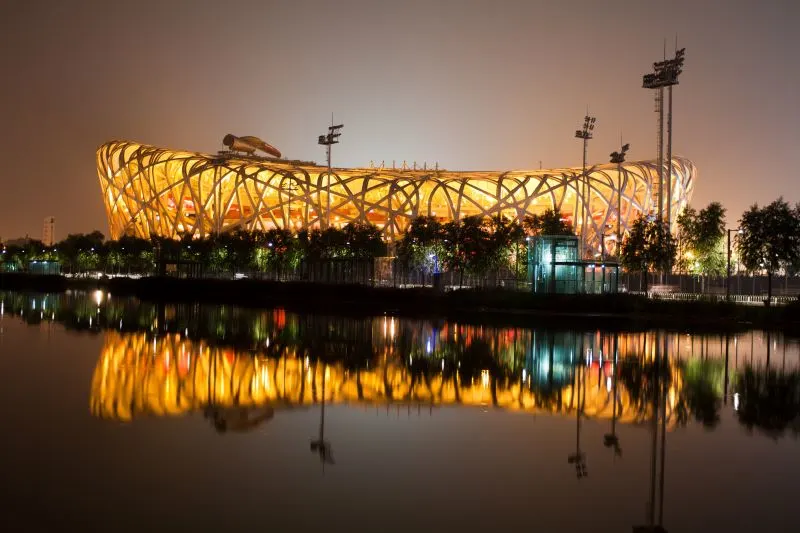
The Beijing National Stadium, commonly known as the Bird’s Nest, is an iconic architectural marvel located in Beijing, China. It was designed for the 2008 Summer Olympics and has since become a significant landmark and tourist attraction.
The Bird’s Nest is a massive stadium renowned for its distinctive and intricate steel lattice structure, which resembles a bird’s nest, hence its nickname.
It was designed by a collaboration between Swiss architects Jacques Herzog and Pierre de Meuron and Chinese artist Ai Weiwei.
The stadium’s design combines modern aesthetics with traditional Chinese influences. Its unique structure is not only visually striking but also serves practical purposes, providing a functional and flexible space for various sporting events, concerts, and cultural performances.
Exploring the Beijing National Stadium allows visitors to marvel at its grandeur and appreciate the impressive architectural feat it represents. The stadium has a seating capacity of around 80,000 spectators, and its interior offers a breathtaking view of the vast arena.
Inside, you can walk along the corridors and concourses, which are adorned with fascinating displays showcasing the history of the stadium and its significance during the Olympic Games.
There are also various facilities, such as restaurants, cafes, and souvenir shops, where visitors can relax, dine, and purchase memorabilia.
The Bird’s Nest is particularly captivating during the evening when it is illuminated, creating a stunning display of lights. This makes it an ideal spot for photography and capturing memorable moments.
Aside from being a sporting venue, the Beijing National Stadium has become an architectural symbol of Beijing and a representation of China’s commitment to hosting major international events.
Its significance extends beyond its physical structure, as it serves as a testament to China’s rapid development and its ability to blend modernity with cultural heritage.
18. Discover the China Railway Museum


Discover the China Railway Museum is a fascinating museum located in Beijing, China, dedicated to showcasing the rich history and development of the Chinese railway system.
It provides visitors with a comprehensive overview of China’s railway heritage, spanning from the early beginnings to the modern era.
The museum is housed in a vast complex and features an impressive collection of locomotives, train carriages, and related artifacts. It offers a unique opportunity to explore the evolution of train technology in China, highlighting the country’s significant contributions to the railway industry.
Visitors to the China Railway Museum can observe a diverse range of exhibits, including steam locomotives, electric locomotives, diesel locomotives, high-speed trains, and more. The displays not only illustrate the technological advancements but also offer insights into the historical and cultural aspects of China’s railway development.
In addition to the static exhibits, the museum offers interactive displays, multimedia presentations, and informative panels that provide detailed information about the trains and their significance.
Visitors can learn about the construction of major railway projects, the impact of railways on China’s economic growth, and the role of trains in connecting different regions of the country.
The museum also houses a research center, library, and various educational facilities, making it an important hub for railway enthusiasts, scholars, and students interested in exploring China’s railway history.
19. Take a walk in Beihai Park

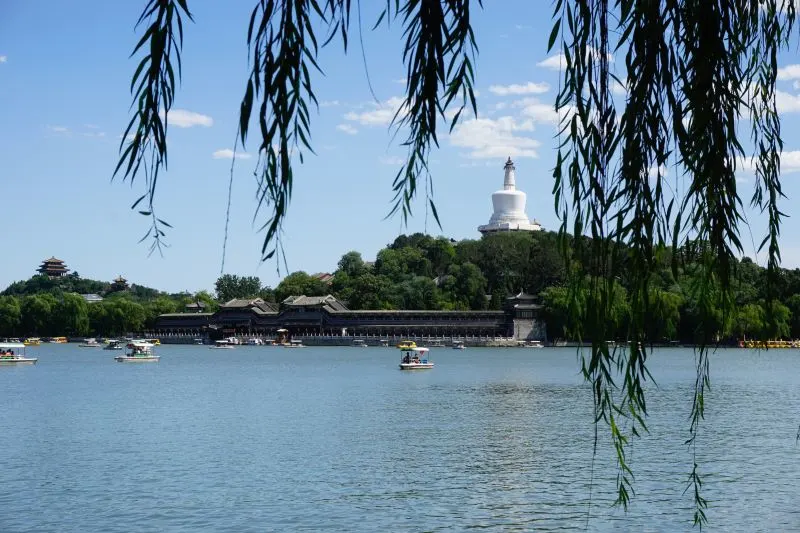
Take a walk in Beihai Park, located in the heart of Beijing, China, and experience a tranquil oasis steeped in history and natural beauty. This picturesque park is one of the oldest and most renowned imperial gardens in the country, offering visitors a serene escape from the bustling city.
As you enter Beihai Park, you’ll be greeted by a stunning lake that serves as its centerpiece. The lake is dotted with small islands, pavilions, and bridges, creating a harmonious and picturesque setting.
Strolling along the winding paths, you’ll encounter lush greenery, elegant temples, and traditional Chinese architecture that reflect the park’s rich cultural heritage.
One of the park’s notable landmarks is the White Pagoda, a striking Tibetan-style stupa perched atop an island. Climbing to the top of the pagoda rewards you with panoramic views of the park and the surrounding cityscape.
It’s a perfect spot for capturing memorable photos or simply taking in the serenity of the surroundings.
Beihai Park also boasts the iconic Nine-Dragon Screen, an exquisite glazed-tile wall featuring intricate carvings of nine mythical dragons. This remarkable structure is not only an artistic masterpiece but also holds symbolic significance in Chinese culture.
Throughout the park, you’ll find numerous pavilions, halls, and gardens that invite you to explore and appreciate the park’s beauty at a leisurely pace. The Circular City, a circular wall reminiscent of ancient city fortifications, is particularly popular among visitors.
In addition to its natural and architectural wonders, Beihai Park offers recreational activities such as boating on the lake, where you can rent paddleboats or take a scenic boat ride. During winter, if the lake freezes over, you may even witness locals engaging in traditional ice skating.
20. Explore the National Centre for the Performing Arts

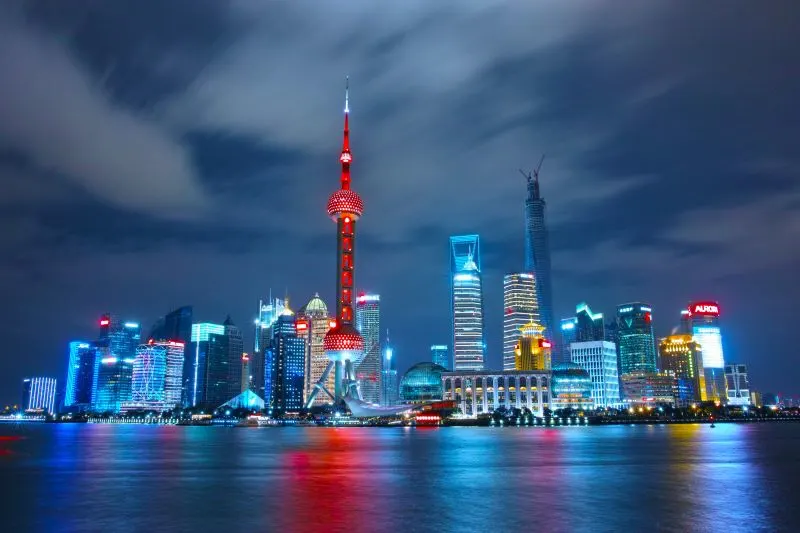
The National Centre for the Performing Arts (NCPA) is a prominent cultural institution located in Beijing, China. It is a state-of-the-art performing arts center that showcases a wide range of artistic disciplines, including theater, music, opera, and dance.
The NCPA is renowned for its iconic architecture, often referred to as the “Giant Egg” due to its unique elliptical shape. Designed by French architect Paul Andreu, the building stands out as a symbol of modernity and cultural significance.
Inside the NCPA, you’ll find multiple venues dedicated to different forms of performing arts. The centerpiece is the grand concert hall, which has exceptional acoustics and can accommodate large-scale orchestral performances, concerts, and recitals.
The opera house is another prominent venue known for hosting world-class opera productions and theatrical performances.
The NCPA is also home to a ballet theater and several smaller theaters and rehearsal spaces. These spaces often host contemporary dance performances, drama plays, and experimental theater productions.
The center regularly collaborates with renowned international artists and companies, making it a hub for both local and global cultural exchange.
Besides its performance spaces, the NCPA also features art galleries, exhibition halls, and educational facilities. These spaces are used to display visual arts, hold workshops, and facilitate cultural events.
The center actively promotes arts education and outreach programs, aiming to foster appreciation for the performing arts among the public, especially the younger generation.
21. Enjoy the vibrant Wangfujing Street

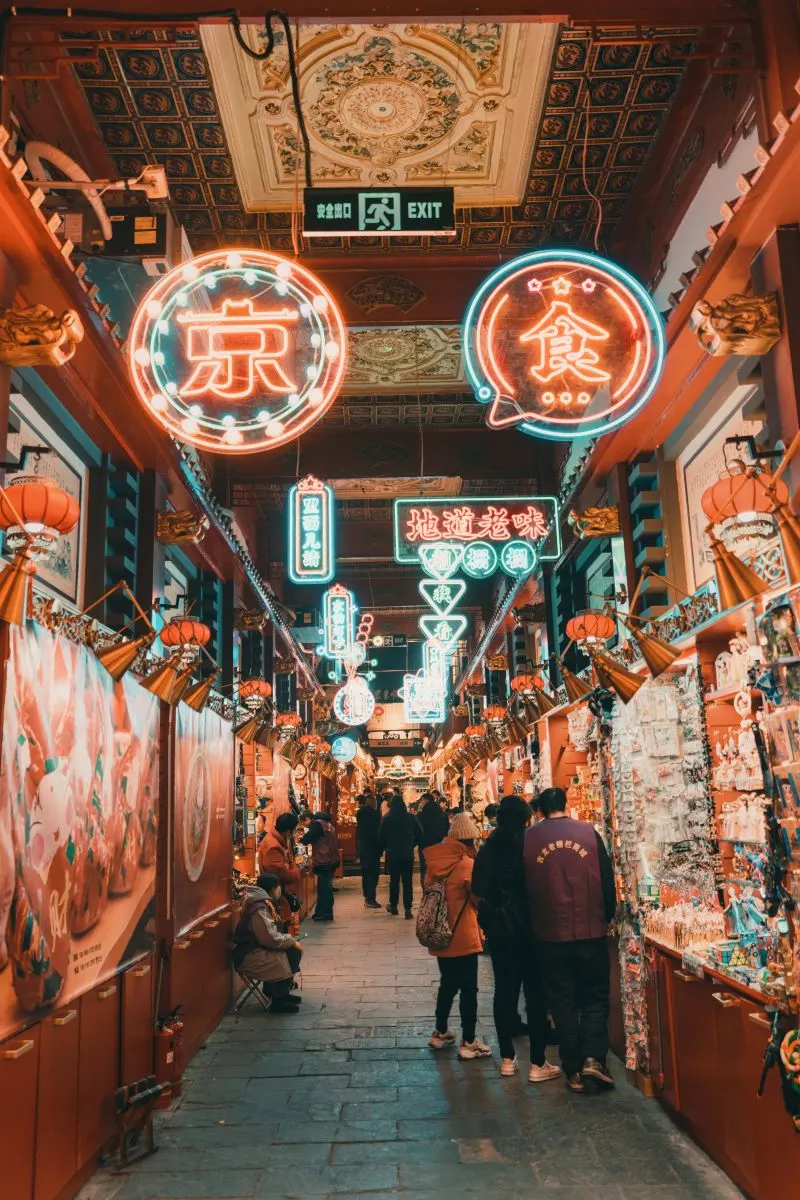
Wangfujing Street is a bustling and vibrant commercial street located in the heart of Beijing, China. It is one of the city’s most famous and popular shopping destinations, offering a unique blend of traditional and modern experiences.
Wangfujing Street is known for its lively atmosphere and a wide array of shops, boutiques, and department stores. Here, you can find both international luxury brands and local specialty stores, making it a haven for shoppers seeking fashion, accessories, electronics, and more.
The street is constantly abuzz with activity, particularly during weekends and holidays when it becomes a hub of retail therapy and excitement.
Apart from shopping, Wangfujing Street is also renowned for its diverse culinary scene. It is home to numerous restaurants, food stalls, and snack vendors serving up a variety of Chinese and international cuisine.
From classic street food like Beijing-style snacks and skewers to high-end dining establishments, there’s something to satisfy every palate.
As you stroll along Wangfujing Street, you’ll encounter traditional hutongs (narrow alleyways) that offer a glimpse into the historical charm of Beijing.
These alleys are lined with small shops selling souvenirs, antiques, and traditional Chinese crafts. Exploring the hutongs provides a contrast to the bustling main street and offers a glimpse into the city’s rich cultural heritage.
Wangfujing Street is also famous for its night market, which opens after sunset. The market comes alive with vibrant lights, enticing aromas, and a lively atmosphere.
Here, you can sample a variety of local street food, including Beijing-style snacks, exotic skewers, and regional specialties. It’s an excellent opportunity to immerse yourself in the local culinary culture and try some adventurous delicacies.
In addition to shopping and dining, Wangfujing Street is close to several notable landmarks, including the Forbidden City and Tiananmen Square. Its central location makes it easily accessible and a convenient starting point for exploring Beijing’s historical and cultural attractions.
22. Visit the Peking Man Site at Zhoukoudian

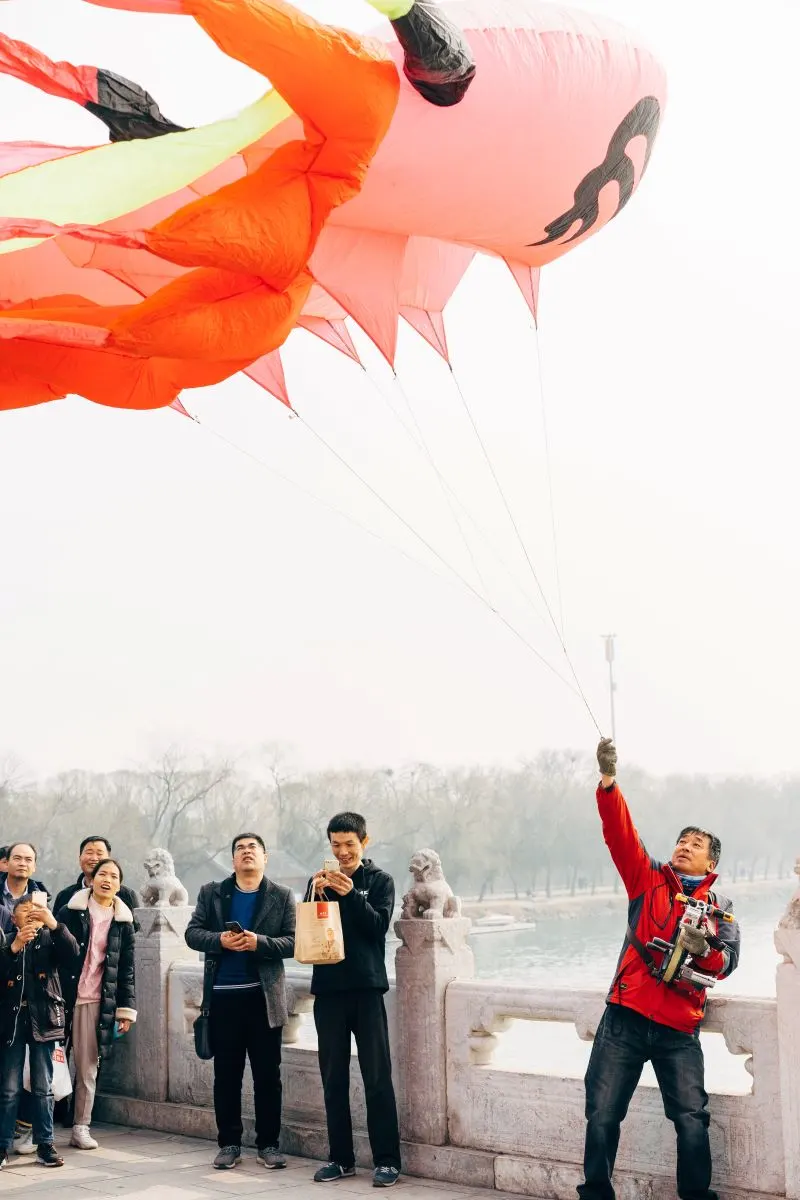
The Peking Man Site at Zhoukoudian is a significant archaeological site located in Zhoukoudian, a suburb of Beijing, China. It is recognized as one of the most important sites in the study of human evolution and is often referred to as the “Cradle of Chinese Paleolithic Archaeology.”
The site gained global recognition in the 1920s and 1930s when a series of fossil discoveries were made, revealing evidence of early human ancestors.
These fossils, known as Peking Man, belong to Homo erectus, an extinct species that lived approximately 700,000 to 200,000 years ago.
Visiting the Peking Man Site allows you to explore the excavated cave complex and gain insights into the early human history and cultural development in the region. The site consists of several caves, with the most famous being Cave No. 1, where the majority of the Peking Man fossils were found.
As you explore the site, you can see replicas and displays of the fossilized remains, stone tools, and artifacts recovered from the excavation.
These artifacts provide valuable information about the daily life, tools, and hunting techniques of our ancient human ancestors.
In addition to the cave complex, the Peking Man Site features a museum dedicated to the study and exhibition of the archaeological findings.
The museum showcases a comprehensive collection of fossils, skeletal reconstructions, and interactive exhibits that explain the significance of the discoveries made at Zhoukoudian.
The surrounding area of Zhoukoudian is also known for its natural beauty, with picturesque hills and scenic landscapes.
The site is located near the banks of the Liangshui River, offering visitors a chance to enjoy the tranquil surroundings while learning about the ancient history of human evolution.
23. Explore the Beijing Zoo and see the pandas

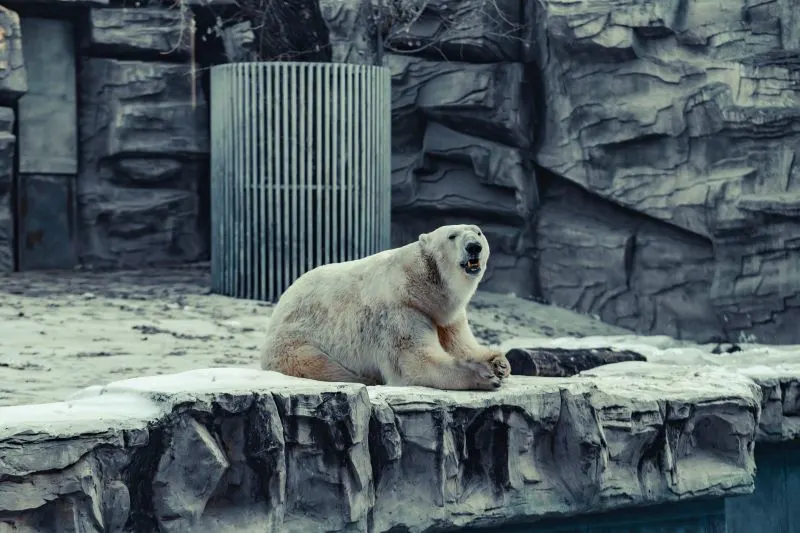
Exploring the Beijing Zoo and seeing the pandas is an exciting and popular activity for both locals and tourists. The Beijing Zoo, located in the heart of the city, is one of the oldest and largest zoos in China. It covers a vast area and is home to a wide variety of animal species from all around the world.
The highlight of a visit to the Beijing Zoo is undoubtedly the giant pandas. These adorable and endangered creatures are beloved by people worldwide.
The zoo houses a dedicated panda exhibit where visitors can observe these captivating animals up close. You can witness their playful antics, observe their unique behaviors, and marvel at their cute appearance. It’s a fantastic opportunity to learn about pandas and their conservation efforts.
Aside from pandas, the Beijing Zoo offers an array of other animal exhibits, including tigers, elephants, giraffes, lions, and many more.
You can explore different sections of the zoo to see various species from different continents. The zoo aims to provide a natural habitat for the animals, allowing visitors to observe them in a semi-wild environment.
As you stroll through the zoo, you’ll find beautifully landscaped gardens, tranquil lakes, and scenic pathways. There are also facilities like cafes, souvenir shops, and rest areas throughout the premises.
The Beijing Zoo offers an enjoyable and educational experience for all ages, making it an ideal destination for families, animal lovers, and those interested in wildlife conservation.
24. Experience a traditional tea ceremony

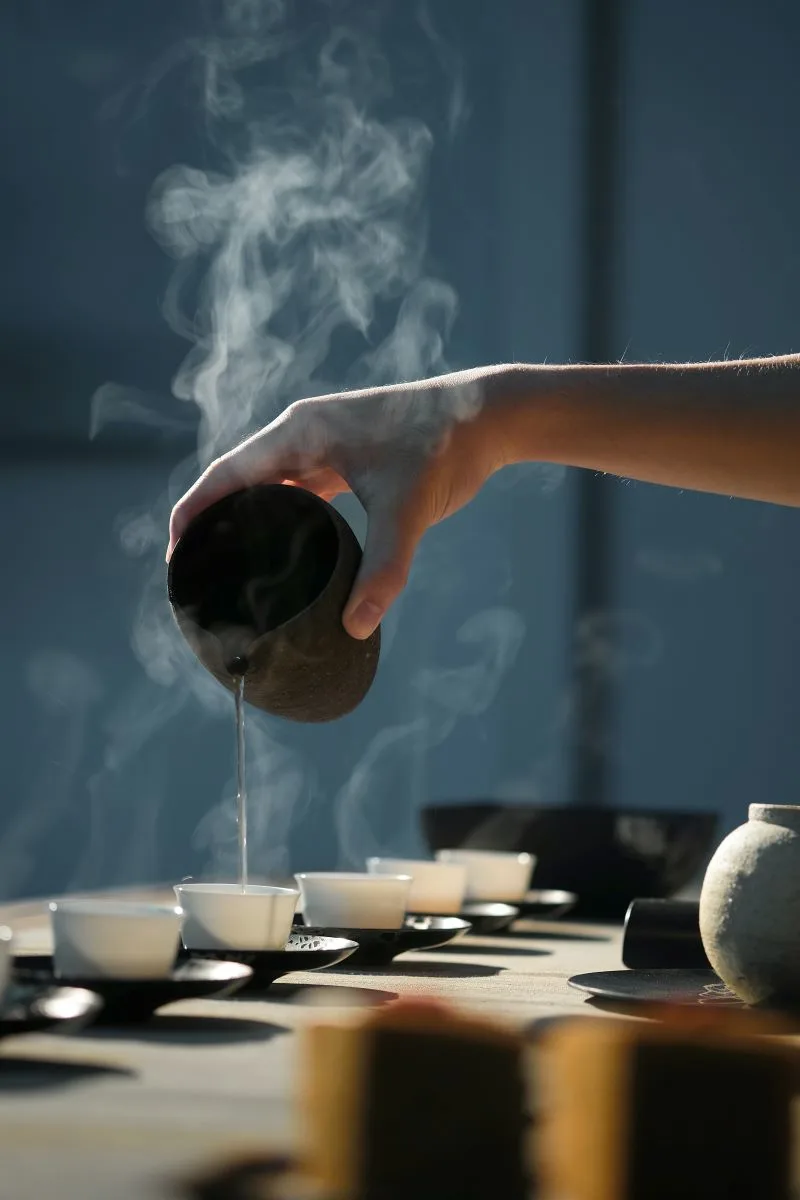
Experiencing a traditional tea ceremony is a serene and captivating activity that allows you to immerse yourself in the rich cultural heritage of tea. It is practiced in various cultures, such as China, Japan, Korea, and the Middle East, each with its own unique traditions and rituals.
During a traditional tea ceremony, you’ll be invited into a calm and harmonious setting, often a specially designed tea room or a tranquil garden.
The ceremony is usually conducted by a knowledgeable tea master or host who has mastered the art of tea preparation.
The ceremony begins with the host carefully selecting and preparing the tea leaves, paying meticulous attention to every detail, from the water temperature to the tea utensils used. The tea is brewed in a precise manner, with a focus on achieving the perfect infusion and flavor.
As the tea is served, the host may explain the significance and symbolism behind each step of the ceremony, including the utensils used, the gestures, and the spiritual aspects associated with tea.
You will have the opportunity to observe and appreciate the grace and precision of the host’s movements.
Once the tea is ready, you will be presented with a small cup or bowl of tea. It is customary to hold the cup with both hands as a sign of respect.
Take a moment to savor the aroma and taste of the tea, allowing it to awaken your senses and create a serene atmosphere.
Throughout the ceremony, there is often a focus on mindfulness, appreciating the present moment, and finding tranquility in the act of tea drinking. It’s an opportunity to slow down, reflect, and engage in a peaceful ritual that has been practiced for centuries.
25. Visit the China National Film Museum

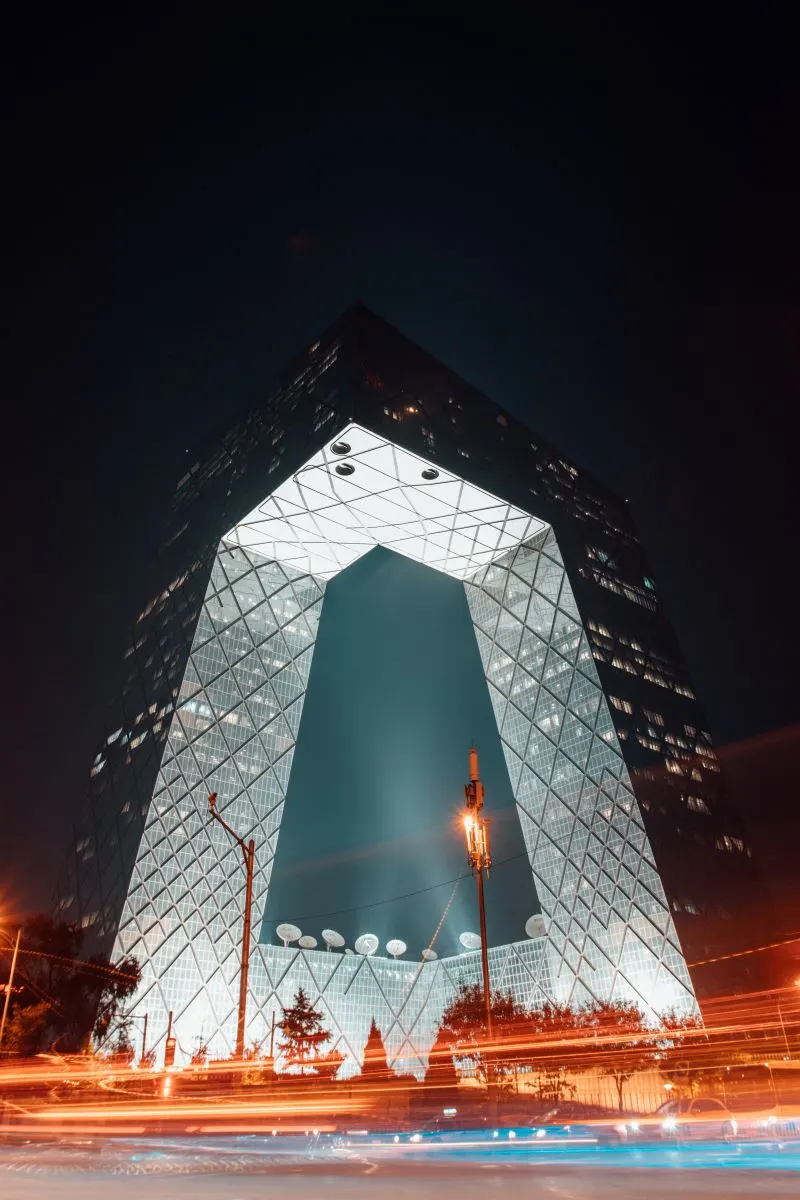
Visiting the China National Film Museum is an engaging and immersive experience that offers a fascinating journey through the history and development of Chinese cinema.
Located in Beijing, the museum is one of the largest film museums in the world, showcasing the rich heritage of Chinese film industry.
Upon entering the museum, you’ll find yourself surrounded by a captivating collection of exhibits, artifacts, and interactive displays.
The museum’s comprehensive collection covers a wide range of topics, including the origins of Chinese cinema, the evolution of film technology, iconic film memorabilia, and the contributions of renowned filmmakers.
As you explore the museum, you’ll have the opportunity to view vintage film cameras, costumes, props, and original film posters.
There are also multimedia presentations, video screenings, and interactive installations that provide deeper insights into the creative process of filmmaking.
One of the highlights of the China National Film Museum is its extensive film archive, which houses an impressive collection of Chinese films spanning different eras and genres.
You can delve into the history of Chinese cinema by watching classic films, rare footage, and documentaries, offering a unique opportunity to appreciate the artistic and cultural significance of Chinese film.
Additionally, the museum often hosts temporary exhibitions that focus on specific themes or highlight notable achievements in Chinese cinema.
These exhibitions provide a fresh and dynamic perspective on the industry and may feature special screenings, workshops, or discussions.
26. Explore the Old Summer Palace (Yuanmingyuan)

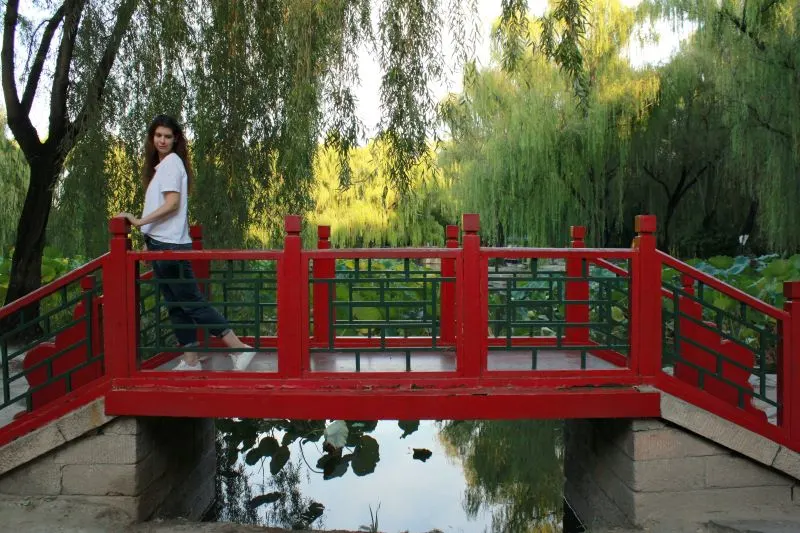
Exploring the Old Summer Palace, also known as Yuanmingyuan, is a captivating journey through the history and beauty of imperial China. Located in Beijing, the Old Summer Palace is a vast complex that once served as the imperial retreat for Chinese emperors.
The Old Summer Palace is renowned for its stunning gardens, intricate architecture, and rich cultural heritage. As you wander through the expansive grounds, you’ll encounter a harmonious blend of Chinese and Western architectural styles, reflecting the influence of different dynasties and cultural exchanges.
The palace complex is divided into various sections, each with its own distinctive features. The highlight of the Old Summer Palace is the beautiful gardens, which are meticulously landscaped with ponds, lakes, bridges, pavilions, and meandering pathways.
These meticulously designed gardens evoke a sense of tranquility and provide a serene backdrop for leisurely walks and contemplation.
As you explore further, you’ll come across numerous palaces, temples, and pavilions that once housed imperial residences, ceremonial halls, and art collections.
Although many of the structures were destroyed during the conflicts of the 19th century, the remnants that remain offer glimpses into the opulence and grandeur of the past.
The Old Summer Palace is also known for its scenic lakes, such as the famous Kunming Lake, which features a man-made island called the Bronze Ox. You can take boat rides on the lake, enjoying picturesque views of the surrounding landscape.
While strolling through the Old Summer Palace, you’ll also encounter statues, sculptures, and intricately carved stone bridges, showcasing the exquisite craftsmanship of the time.
These artistic elements add to the allure of the palace complex and provide opportunities for memorable photographs.
27. Enjoy the views from the CCTV Headquarters

 ,
,
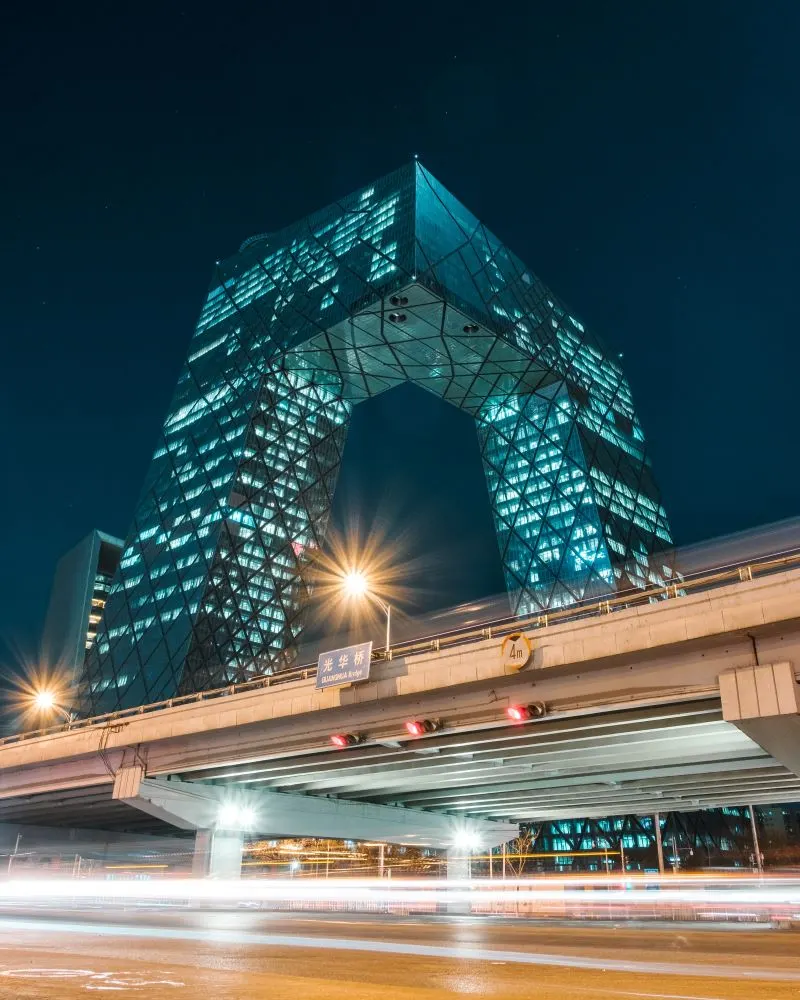
Enjoying the views from the CCTV Headquarters is a remarkable experience that offers a unique perspective of Beijing’s skyline. The CCTV Headquarters, also known as the CCTV Tower, is an iconic architectural landmark located in the central business district of the city.
This striking building, designed by the Dutch architect Rem Koolhaas, stands out with its unconventional shape and avant-garde design. It consists of two leaning towers connected by a stunning cantilevered section, creating a visually captivating structure.
Visitors to the CCTV Headquarters can ascend to the top of the building to enjoy panoramic views of Beijing from the observation deck.
From this elevated vantage point, you’ll be treated to breathtaking vistas of the cityscape, including famous landmarks such as the Beijing Central Business District, the China World Trade Center Tower, and the surrounding urban landscape.
The observation deck provides a 360-degree view, allowing you to appreciate the vastness and architectural diversity of Beijing. On a clear day, you can marvel at the city’s skyline, framed by mountains in the distance.
The juxtaposition of traditional and modern elements in the urban fabric becomes apparent from this height.
Additionally, the CCTV Headquarters offers a unique opportunity to observe the building itself from a different perspective.
You can admire the innovative design and structural complexity of the towers and the distinctive shape of the building’s interconnected sections.
For photography enthusiasts, the views from the CCTV Headquarters present a wealth of opportunities to capture stunning shots of Beijing’s cityscape.
The changing light throughout the day adds to the dynamic atmosphere and allows for diverse and captivating photographs.
28. Visit the Beijing Museum of Natural History

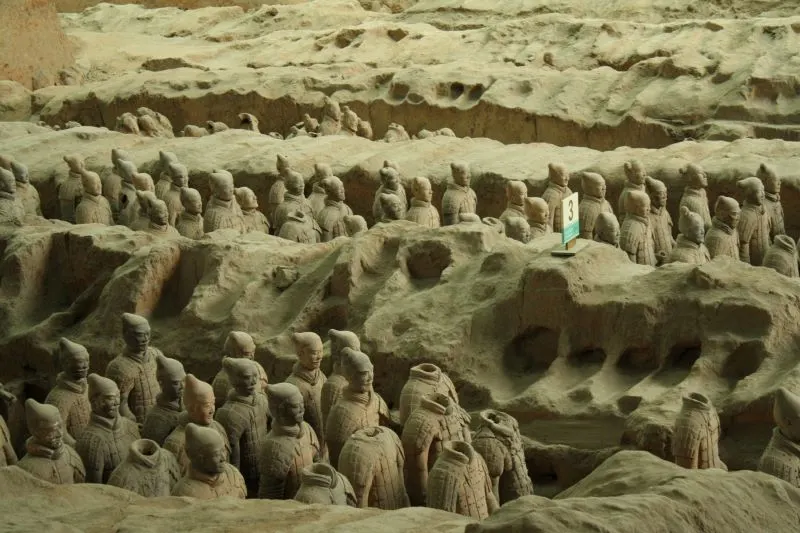
Visiting the Beijing Museum of Natural History is an educational and immersive journey into the natural world. Located in Beijing, this museum is one of the largest and most comprehensive natural history museums in China.
Upon entering the museum, you’ll be greeted by an impressive collection of exhibits that showcase the diversity and wonders of the natural world. The museum covers a wide range of topics, including paleontology, zoology, botany, geology, and anthropology.
The Beijing Museum of Natural History houses an extensive collection of fossils and dinosaur remains, providing a unique opportunity to learn about prehistoric life and the evolution of species.
You can marvel at the towering skeletons of dinosaurs, observe ancient fossils, and gain insights into the Earth’s history through interactive displays and informative exhibits.
In addition to the paleontology section, the museum boasts a vast array of exhibits dedicated to flora and fauna from different ecosystems around the world.
You can explore lifelike dioramas that recreate natural habitats, allowing you to observe animals in their native environments.
From the diverse species of China to exotic animals from across the globe, the museum offers a comprehensive overview of the planet’s biodiversity.
The Beijing Museum of Natural History also features exhibits on human evolution, cultural anthropology, and the geological processes that have shaped the Earth.
You can delve into the rich heritage of ancient civilizations, learn about the intricate connections between humans and the environment, and gain a deeper understanding of the natural forces that have shaped our planet.
The museum often hosts special exhibitions and temporary displays, showcasing rare specimens, scientific discoveries, and cutting-edge research in the field of natural history.
These exhibitions offer fresh perspectives and provide visitors with up-to-date knowledge about the latest findings in the scientific community.
29. Explore the Beijing Olympic Park

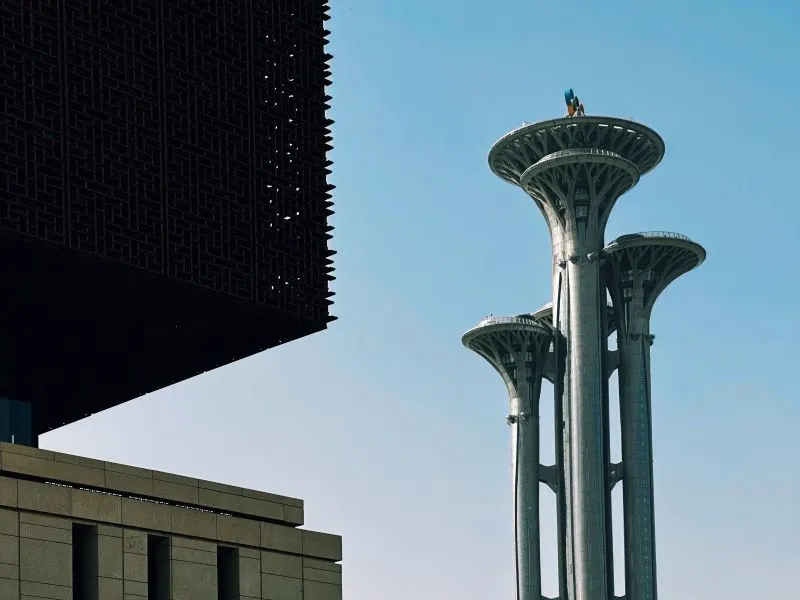
The Beijing Olympic Park is a vast complex located in Beijing, China, that served as the main venue for the 2008 Summer Olympics. Spanning an area of over 1,000 acres, it is a popular destination for tourists and locals alike. The park is home to several iconic structures and landmarks that reflect both ancient and modern Chinese architecture.
At the heart of the Olympic Park lies the National Stadium, also known as the “Bird’s Nest” due to its distinctive lattice-like exterior.
This magnificent stadium hosted the opening and closing ceremonies, as well as track and field events during the 2008 Olympics.
Today, it continues to be a major attraction, offering visitors the opportunity to explore its grand interior and learn about its significance in Chinese sports history.
Adjacent to the National Stadium is the National Aquatics Center, famously known as the “Water Cube.” With its unique blue, bubble-like façade, it was the venue for swimming, diving, and synchronized swimming events during the 2008 Olympics. The Water Cube now operates as a water park and recreational center, allowing visitors to enjoy swimming and various aquatic activities.
Aside from these iconic structures, the Beijing Olympic Park features vast green spaces, scenic landscapes, and tranquil lakes.
Visitors can take leisurely walks or rent bicycles to explore the park’s sprawling grounds. The park’s design incorporates traditional Chinese garden elements, showcasing a harmonious blend of nature and modern architecture.
Within the Olympic Park, you’ll find various Olympic-themed sculptures, monuments, and artworks that celebrate the spirit of the games.
These artistic installations pay homage to both Chinese culture and the Olympic movement, making the park an engaging and educational experience.
30. Discover the Beijing Botanical Garden

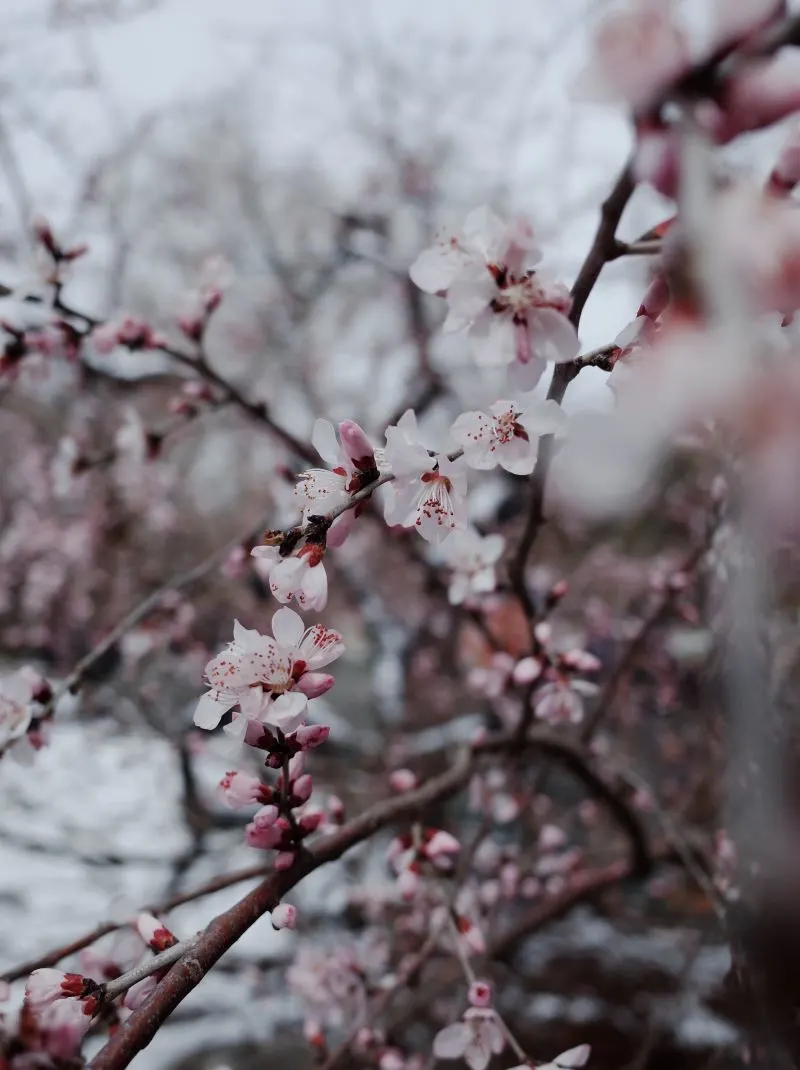
The Beijing Botanical Garden is a beautiful and expansive botanical oasis located in Beijing, China. It covers a vast area of over 200 hectares and is renowned for its diverse collection of plants, serene landscapes, and horticultural wonders.
The garden showcases a wide variety of flora, including over 6,000 species of plants from different regions of China and around the world.
From vibrant flowers and blooming trees to rare and exotic plants, visitors can immerse themselves in the beauty and fragrance of nature.
One of the highlights of the Beijing Botanical Garden is the Magnolia Garden, which boasts an impressive display of magnolia trees in various species and colors.
In spring, when these trees bloom, the garden becomes a mesmerizing spectacle of delicate blossoms and vibrant hues.
Another notable feature is the Rose Garden, home to a vast collection of roses in different varieties. During the blooming season, the garden transforms into a fragrant paradise, offering visitors the chance to admire the beauty and elegance of these beloved flowers.
The garden is not just a feast for the eyes but also a place of tranquility. It offers peaceful walking paths, shaded areas, and picturesque lakes where visitors can relax and enjoy the serene ambiance.
The Lotus Pond is particularly enchanting, showcasing stunning lotus flowers in full bloom during the summer months.
For those interested in Chinese traditional medicine, the Traditional Chinese Medicine Garden within the botanical garden provides insight into the country’s ancient healing practices. Visitors can learn about various medicinal herbs, their uses, and their significance in Chinese culture.
Additionally, the Beijing Botanical Garden hosts various themed exhibitions, workshops, and educational programs throughout the year.
These events provide opportunities to learn more about plants, gardening techniques, and environmental conservation.
31. Visit the Temple of Confucius and Imperial College

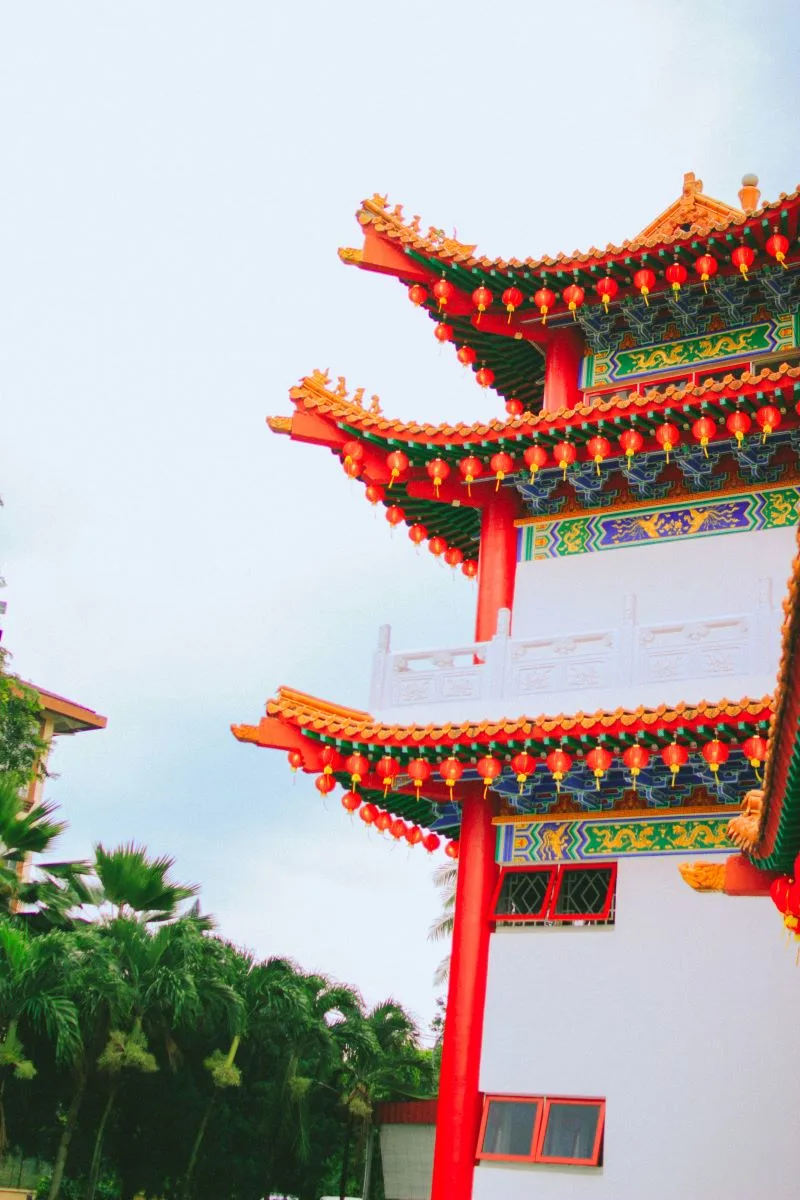
The Temple of Confucius and Imperial College, located in Beijing, China, is a historic complex that pays tribute to the renowned Chinese philosopher, Confucius.
The temple, known as the “Kong Miao” in Chinese, was initially built in 1302 and underwent subsequent expansions and renovations over the centuries.
The Temple of Confucius serves as a place of worship and veneration for Confucius, who is highly revered as the founder of Confucianism—a philosophical and ethical system that greatly influenced Chinese culture, education, and governance. It is considered one of the most significant Confucian temples in the country.
Within the temple complex, you’ll find various halls, pavilions, and courtyards, each with its own symbolic and historical importance.
The principal structures include the Dacheng Hall, the main hall where rituals and ceremonies honoring Confucius take place, and the Kuiwen Pavilion, which houses a collection of stone tablets engraved with Confucian classics.
Adjacent to the Temple of Confucius is the Imperial College, also known as the Guozijian. It was the highest educational institution in ancient China and served as the imperial academy during different dynasties.
The Imperial College played a crucial role in the selection and training of officials, who were required to study Confucian teachings and principles.
32. Experience the Ghost Street (Gui Jie) for food

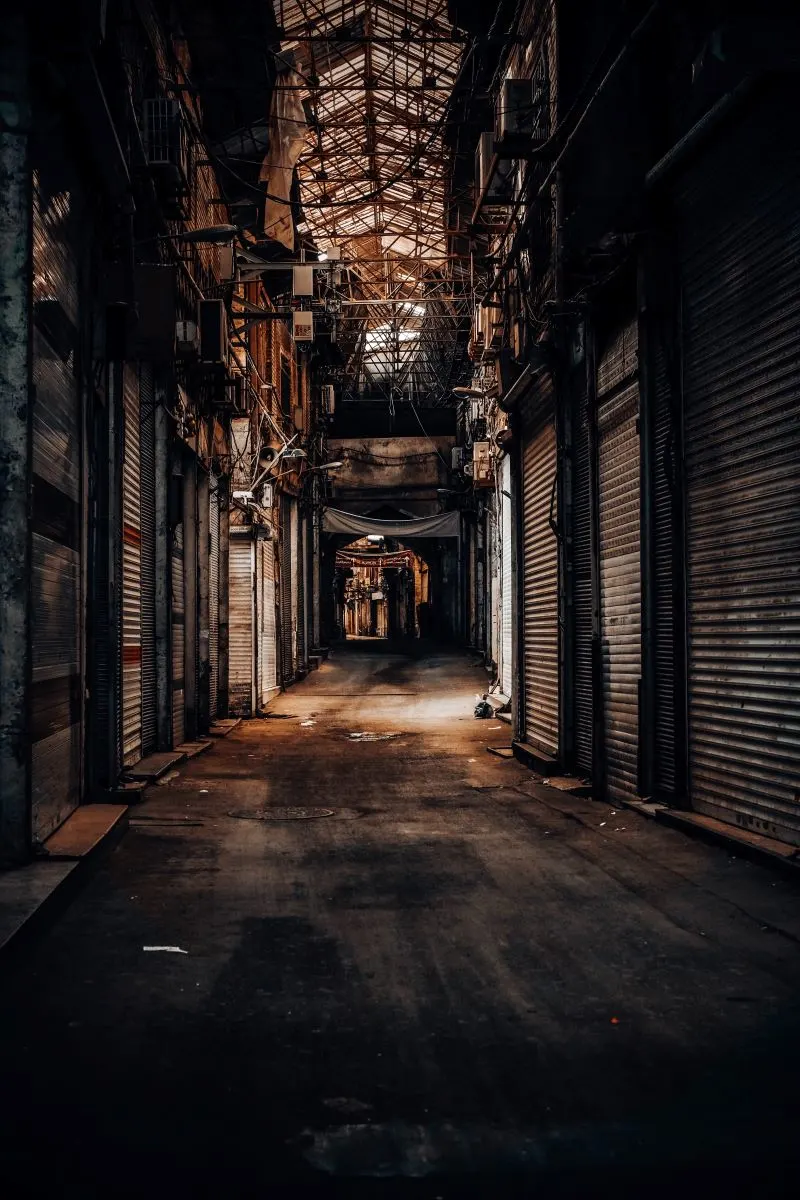
Ghost Street, also known as Gui Jie, is a popular and bustling food street located in Beijing, China. It is renowned for its vibrant nightlife and a wide array of delicious Chinese cuisine, making it a haven for food enthusiasts and visitors seeking a unique culinary experience.
Gui Jie earned its intriguing name due to the street’s late-night operating hours, where the dimly lit surroundings create an ambiance akin to wandering through a ghostly realm.
The street comes alive after sunset when numerous restaurants, eateries, and street food stalls set up shop, offering an extensive selection of local and regional Chinese dishes.
As you stroll along Ghost Street, you’ll be greeted by the enticing aromas wafting from the various food establishments.
The street is famous for its diverse cuisine, ranging from traditional Beijing specialties to flavors from other Chinese regions. You can find an assortment of dishes such as Beijing-style hot pot, Peking duck, spicy Sichuan cuisine, tangyuan (glutinous rice balls), grilled skewers, and many more.
The lively atmosphere of Ghost Street draws locals and tourists alike, creating a vibrant and bustling scene. The street is adorned with colorful lanterns and bustling with activity, with people enjoying their meals, chatting with friends, and immersing themselves in the vibrant nightlife.
33. Explore the Capital Library of China

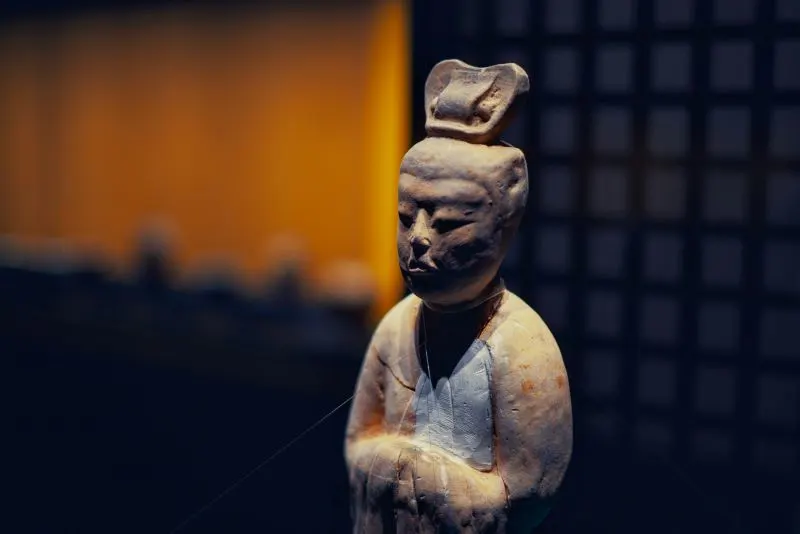
The Capital Library of China, located in Beijing, is a modern and expansive library that serves as a hub for knowledge, research, and cultural exploration.
It is one of the largest and most prestigious libraries in China, offering a wealth of resources and facilities for both academic and general audiences.
The library’s architectural design combines traditional Chinese elements with contemporary features, creating a visually striking and inviting space.
Its vast collection encompasses a wide range of subjects, including literature, science, history, philosophy, arts, and more.
The library houses millions of books, journals, magazines, manuscripts, and electronic resources, making it a valuable repository of information and a haven for avid readers and researchers.
Upon entering the Capital Library, you’ll find a serene and well-organized environment conducive to studying, reading, and exploring.
The library offers reading rooms, study areas, and specialized sections catering to different subjects and research needs. Whether you’re seeking academic references, literary works, or digital resources, the library provides comprehensive access to diverse materials.
In addition to its extensive collection, the Capital Library of China also hosts various exhibitions, lectures, and cultural events, fostering intellectual and artistic exchange.
These events often showcase the rich cultural heritage of China and highlight the works of renowned authors, artists, and scholars.
34. Visit the Old Beijing Railway Station

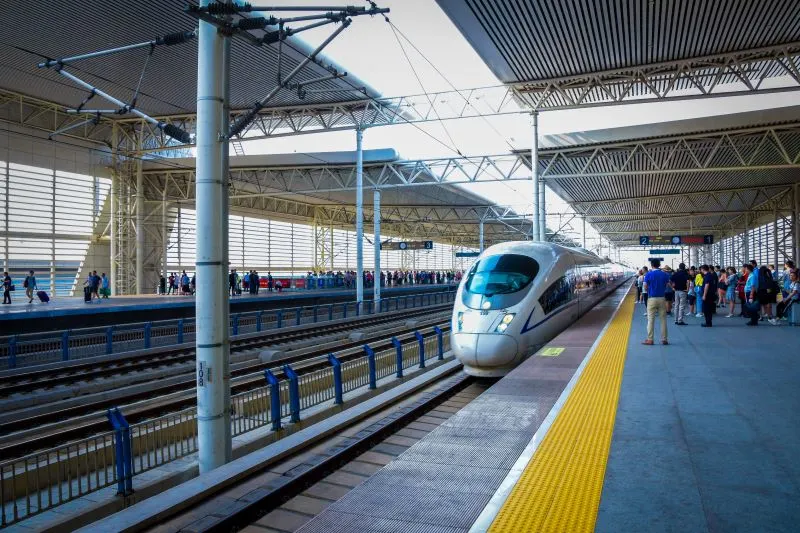
The Old Beijing Railway Station, also known as the Beijing Railway Museum, is a historic landmark situated in Beijing, China. It holds significant cultural and historical value as one of the city’s oldest railway stations, tracing its roots back to the early 20th century.
The station’s architecture reflects a blend of Chinese and Western influences, showcasing a distinctive fusion of traditional Chinese elements with modern industrial design.
The building’s red-brick facade, intricate detailing, and grand entrance evoke a sense of nostalgia and transport visitors back to a bygone era.
While the Old Beijing Railway Station is no longer an active transportation hub, it has been repurposed as a railway museum, offering a fascinating glimpse into the history and development of China’s railway system.
The museum showcases a variety of exhibits, displays, and artifacts that narrate the story of railways in China, highlighting their impact on transportation, trade, and societal progress.
Visitors to the Old Beijing Railway Station can explore various sections of the museum, which may include vintage locomotives, passenger carriages, historical photographs, railway equipment, and interactive displays.
The exhibits not only chronicle the evolution of railways but also shed light on the broader historical context in which they played a pivotal role.
Beyond the museum, the surrounding area offers a charming atmosphere with narrow alleys, traditional courtyard houses, and small shops selling antiques and souvenirs.
It provides an opportunity to experience the old-world charm of Beijing and immerse yourself in the city’s rich cultural heritage.
35. Explore the Yonghe Lama Temple Fair (held in spring)

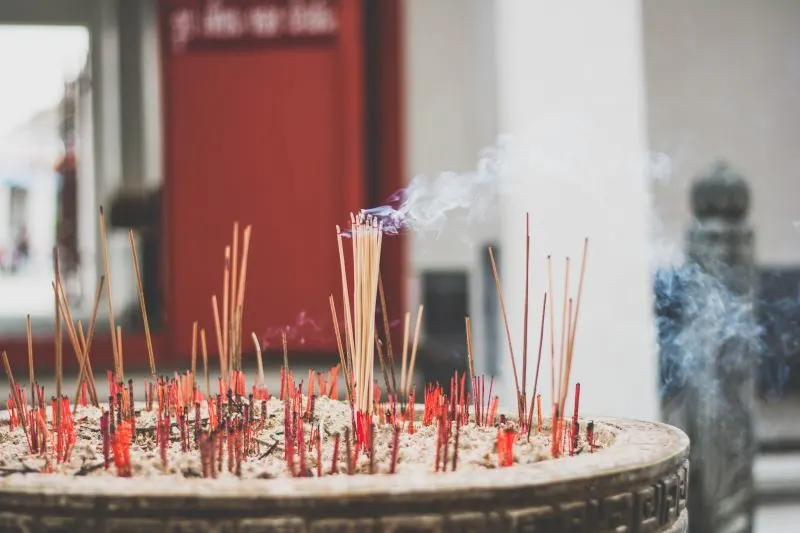
The Yonghe Lama Temple Fair is a vibrant and festive event held in spring at the Yonghe Lama Temple, also known as the Yonghegong Temple or Lama Temple.
Located in Beijing, China, this fair combines religious traditions, cultural activities, and local entertainment, attracting both locals and tourists.
The Yonghe Lama Temple is a significant Tibetan Buddhist temple and monastery known for its exquisite architecture, stunning artwork, and serene atmosphere. During the fair, the temple complex comes alive with a bustling atmosphere and a plethora of attractions.
One of the highlights of the Yonghe Lama Temple Fair is the religious ceremonies and rituals performed by the resident lamas and monks.
Visitors have the opportunity to witness and participate in these sacred rituals, which often include chanting, drumming, and the burning of incense.
The fair also features various cultural activities and performances that showcase Chinese traditions and folk customs.
Visitors can enjoy traditional music, dance performances, acrobatics, and martial arts demonstrations. Local artisans and vendors set up stalls selling handicrafts, artwork, souvenirs, and delicious local snacks, allowing visitors to immerse themselves in the local culture and indulge in traditional treats.
As you explore the fair, you may encounter traditional games, fortune-telling booths, calligraphy demonstrations, and other interactive activities. The atmosphere is lively and joyous, with people of all ages engaging in the festivities.
These are just a few of the many things you can do in Beijing. The city is rich in history, culture, and attractions, offering a wide range of experiences for visitors to enjoy.
Food In Beijing

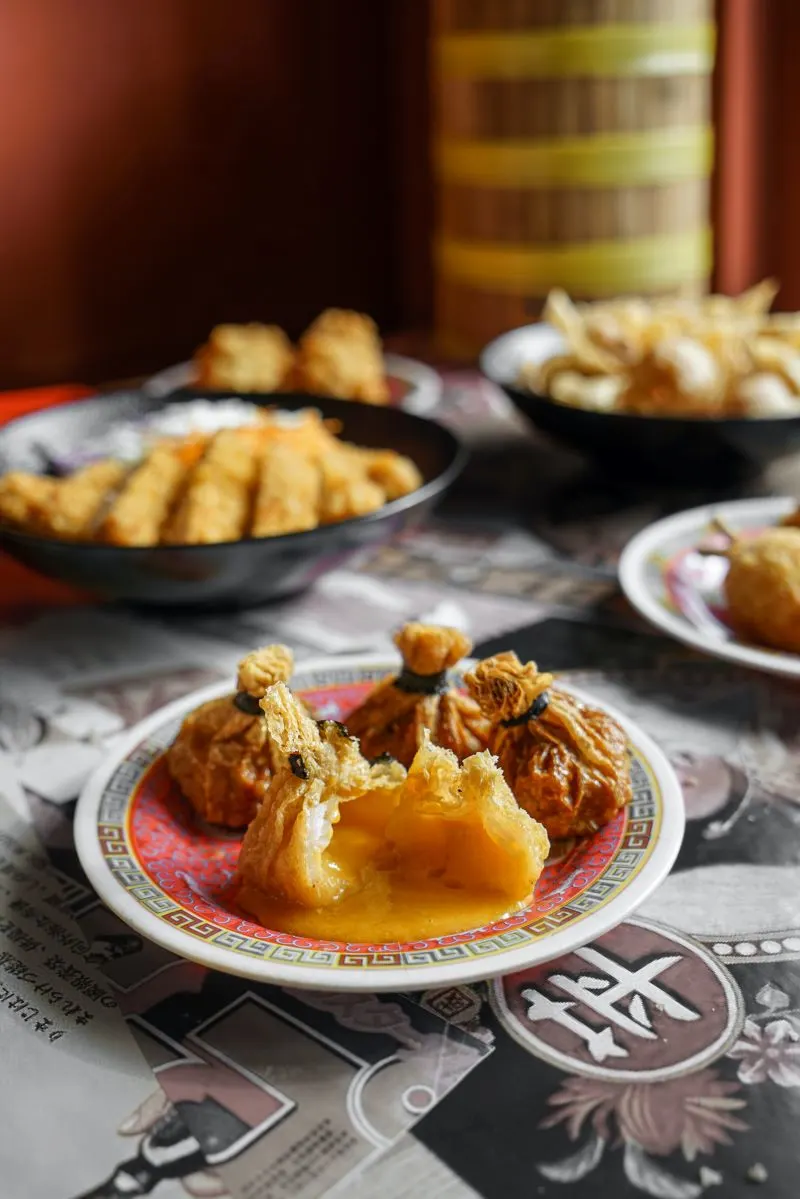
Beijing, the capital city of China, is a treasure trove of culinary delights. Renowned for its rich culinary heritage, Beijing offers a diverse and captivating food scene that blends traditional flavors with innovative twists.
From world-famous classics like Peking duck to humble street food stalls, the city caters to all taste buds, ensuring an unforgettable gastronomic experience.
Join us on a culinary journey through the bustling streets of Beijing as we delve into the remarkable flavors and culinary traditions that define this vibrant city.
Traditional Beijing Cuisine:
At the heart of Beijing’s culinary landscape lies its traditional cuisine, which embodies centuries of imperial culinary traditions and flavors. Perhaps the most iconic dish is Peking duck, a succulent and crispy roast duck served with thin pancakes, spring onions, and a delectable hoisin sauce.
The combination of tender meat, crispy skin, and flavorful condiments creates a harmonious symphony of taste.
Another beloved dish is the Beijing-style hot pot, a communal dining experience where diners cook a variety of thinly sliced meats, fresh vegetables, and handmade noodles in a bubbling broth at the center of the table. The hot pot not only satisfies cravings but also fosters a sense of togetherness and conviviality.
Street Food Delights:
For a taste of the local street food culture, exploring Beijing’s bustling hutongs (narrow alleys) is a must. These vibrant lanes are dotted with food stalls offering a plethora of enticing treats.
One such delicacy is jianbing, a savory crepe made from a mixture of batter, eggs, scallions, and a range of fillings such as crispy fried wonton skin or spicy chili sauce. Jianbing is a popular breakfast choice and showcases the simplicity and ingenuity of Beijing street food.
For a quick and satisfying snack, one can’t miss out on Beijing’s famous lamb skewers. These succulent chunks of marinated lamb are grilled to perfection over open flames, infusing them with smoky and aromatic flavors. With each juicy bite, you can savor the mingling of spices and the tender texture of the meat.
Modern Innovations:
As Beijing embraces modernity, its food scene has evolved to incorporate innovative culinary concepts while preserving its culinary roots. The city is now home to a multitude of contemporary eateries that push the boundaries of traditional cuisine.
Enter the world of modern Beijing cuisine, where chefs blend local ingredients with international influences, creating unique and fusion dishes.
From creative dumpling fillings like truffle and foie gras to avant-garde interpretations of traditional dishes, these restaurants provide an exciting dining experience that marries tradition with innovation.
Hidden Gems:
While iconic dishes and trendy restaurants dominate the food scene, Beijing is also brimming with hidden culinary gems. Exploring the lesser-known neighborhoods and local markets can reveal a treasure trove of authentic and lesser-explored flavors.
From hole-in-the-wall noodle shops to family-run dumpling houses, these humble establishments offer a glimpse into the everyday dining experiences of locals.
A culinary adventure through Beijing unveils a tapestry of flavors, traditions, and innovations. Whether indulging in traditional delicacies, exploring the vibrant street food culture, or venturing into contemporary culinary realms, Beijing captivates food enthusiasts with its diverse and enticing offerings.
From the first bite to the last, the culinary journey through Beijing will leave you with lasting memories and a deep appreciation for the city’s remarkable gastronomic heritage. So, grab your chopsticks and embark on a culinary exploration of Beijing’s culinary wonders. Bon appétit!
Top 20 Best Restaurants In Beijing, China

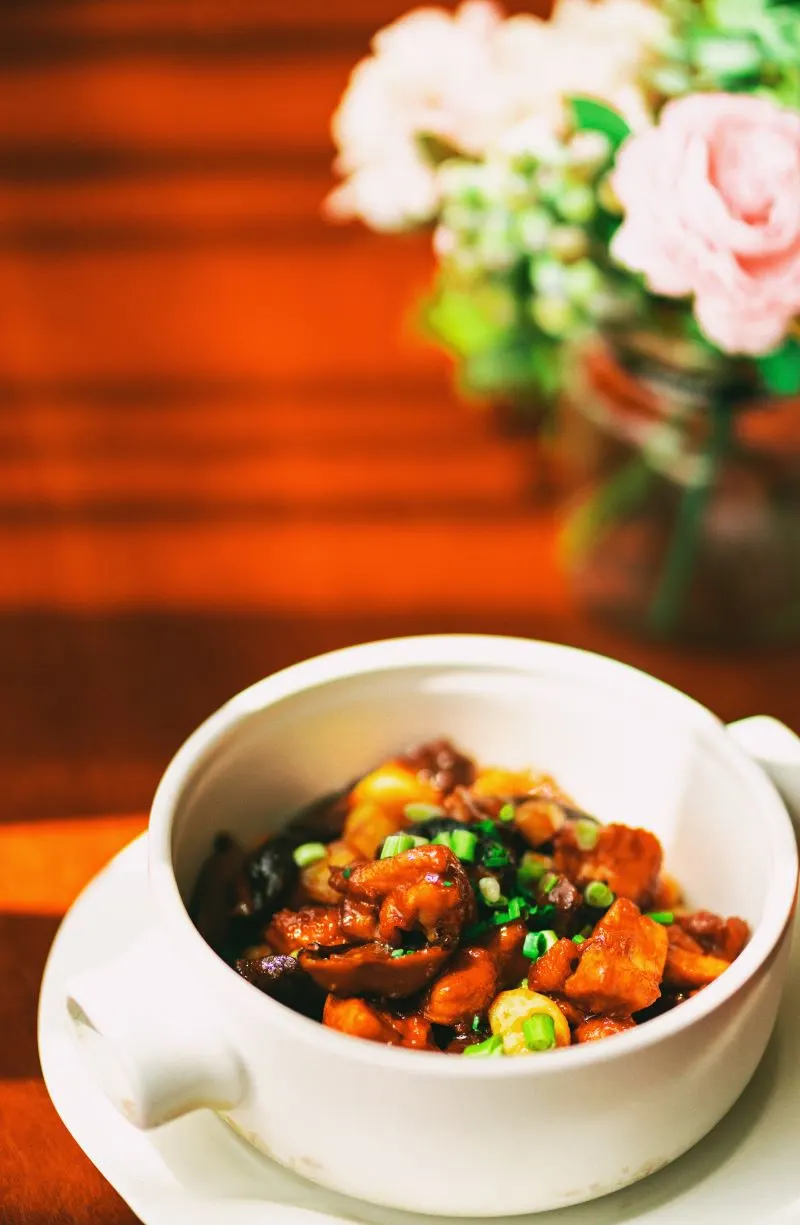
- TRB Hutong: Fine dining in a historic courtyard setting, offering a blend of French and European cuisine.
- Da Dong Roast Duck: Renowned for its Peking duck, prepared with meticulous attention to detail.
- Jing Yaa Tang: Serves contemporary interpretations of traditional Beijing cuisine, including delicious dim sum and roast meats.
- Duck de Chine: Specializes in Peking duck, served alongside a menu of modern Chinese dishes.
- Temple Restaurant Beijing: Located in a converted temple, this upscale restaurant offers a blend of European and Asian flavors.
- Din Tai Fung: World-famous for its delectable dumplings and Taiwanese cuisine.
- Lost Heaven: Showcasing the flavors of Yunnan province with its vibrant Southeast Asian-inspired menu.
- The Local: Celebrates Chinese heritage by combining local ingredients with innovative cooking techniques.
- Capital M: Features contemporary European cuisine with stunning views of Beijing’s iconic landmarks.
- Hai Di Lao: A popular hot pot chain known for its exceptional service and wide array of ingredients.
- Jin Ding Xuan: A bustling, 24-hour restaurant serving authentic Beijing-style dim sum and other local dishes.
- Haidilao: Another renowned hot pot chain offering a range of soup bases, fresh ingredients, and exceptional service.
- 1949 – The Hidden City: A modern fusion restaurant located in a historic courtyard, offering an innovative menu.
- Country Kitchen: Showcases the flavors of Northern China with hearty dishes like braised lamb and hand-pulled noodles.
- Made in China: Located within the Grand Hyatt hotel, this restaurant is famous for its Peking duck and Chinese delicacies.
- Black Sesame Kitchen: A small, intimate eatery serving home-style Chinese dishes with a focus on local ingredients.
- Maison Flo: A French brasserie offering classic French cuisine and an extensive wine selection.
- Capital M: Combines contemporary European cuisine with stylish decor and breathtaking views.
- The Orchid: A boutique hotel with a restaurant that specializes in organic, locally sourced ingredients.
- The Schoolhouse at Mutianyu: Situated near the Great Wall, this restaurant features a farm-to-table menu showcasing Chinese and international dishes.
Remember to check for reservations and verify operating hours before visiting these restaurants, as some information may change. Enjoy exploring the culinary delights of Beijing!
Transportation In Beijing
- Subway/Metro: The Beijing Subway is a highly efficient and widely used mode of transportation. It consists of several subway lines that cover the city’s major districts, landmarks, and transportation hubs. The subway network is known for its cleanliness, reliability, and affordability, making it a convenient choice for navigating Beijing.
- Bus: Beijing has an extensive bus network that covers almost every part of the city. Buses are a cost-effective mode of transportation and provide access to areas not covered by the subway. However, navigating the bus routes and understanding the signage may require some familiarity with the city or assistance from locals.
- Taxi: Taxis are readily available throughout Beijing and are a convenient way to travel, especially for short distances or when carrying heavy luggage. Taxis are metered, and it is essential to ensure that the meter is used and properly calibrated. It’s advisable to have your destination written in Chinese to communicate with the driver more effectively.
- Bike-Sharing: Beijing offers a robust bike-sharing system, with designated bike lanes and numerous bike stations scattered across the city. Renting a bike is a popular option for short trips and provides a more environmentally friendly and healthy means of transportation.
- Private Cars: Private cars are prevalent in Beijing, but traffic congestion can be a challenge during peak hours. Visitors should be aware of the city’s traffic regulations and parking restrictions if planning to drive in Beijing.
- Airport and Railway Transportation: Beijing has multiple airports, including Beijing Capital International Airport and Beijing Daxing International Airport. These airports are well-connected to the city center by airport shuttle buses, subway lines, and taxis. The city also has several railway stations, such as Beijing Railway Station and Beijing West Railway Station, which offer high-speed train connections to other cities in China.
- Ride-Hailing Apps: Popular ride-hailing services like Didi Chuxing are widely available in Beijing, providing convenient and reliable transportation options. Users can book a car using a smartphone app and choose from various ride options.
It’s important to note that Beijing’s transportation system can experience high demand and congestion during peak hours, especially in heavily populated areas.
Planning your travel accordingly and allowing extra time for potential delays can help ensure a smoother experience. Additionally, be mindful of any local regulations, traffic rules, and cultural practices while utilizing different modes of transportation in Beijing.
Beijing, China’s capital city, is a treasure trove of captivating experiences and cultural wonders that leave a lasting impression on visitors.
From its iconic landmarks and ancient sites to its vibrant street life and culinary delights, Beijing offers a diverse array of attractions that cater to every taste and interest. As we conclude our exploration of the 35 best things to do in Beijing, it becomes clear that this city encapsulates the essence of China’s rich history, cultural heritage, and modern development.
Whether you find yourself walking along the majestic Great Wall, marveling at the architectural grandeur of the Forbidden City, or wandering through the narrow alleyways of the hutongs, Beijing’s historical treasures invite you to delve into its past and uncover the stories of emperors, dynasties, and centuries-old traditions.
Beijing’s cultural scene is equally captivating, with world-class museums, art districts, and theaters offering a glimpse into China’s contemporary creativity.
From the awe-inspiring performances at the National Centre for the Performing Arts to the thought-provoking exhibitions in the 798 Art District, the city’s cultural offerings are a testament to its dynamic and evolving artistic landscape.
The culinary delights of Beijing are a highlight of any visit, with the city’s diverse gastronomic scene ranging from traditional Beijing cuisine to regional Chinese flavors and international fusion dishes.
Savoring the world-famous Peking duck, exploring local street food in the bustling markets, or indulging in high-end dining experiences allow you to embark on a tantalizing culinary journey through Beijing’s rich food culture.
As you navigate the bustling streets, vibrant markets, and modern developments, Beijing’s energy and dynamism captivate your senses.
The city’s role as a global leader is evident in its contemporary architecture, impressive infrastructure, and the legacy of hosting the 2008 Olympics, which showcases its commitment to excellence and international cooperation.
But beyond the tourist attractions and landmarks, it is the warmth and hospitality of the people that truly make Beijing a memorable destination.
Engaging with locals, embracing the customs and traditions, and immersing oneself in the city’s vibrant street life provide an authentic and enriching experience.
As you bid farewell to Beijing, you carry with you the memories of awe-inspiring moments, cultural revelations, and the profound sense of history that permeates the city.
Beijing, with its melding of ancient and modern, tradition and innovation, offers a unique and captivating journey that leaves a lasting imprint on the hearts of all who visit.
Leave a comment