

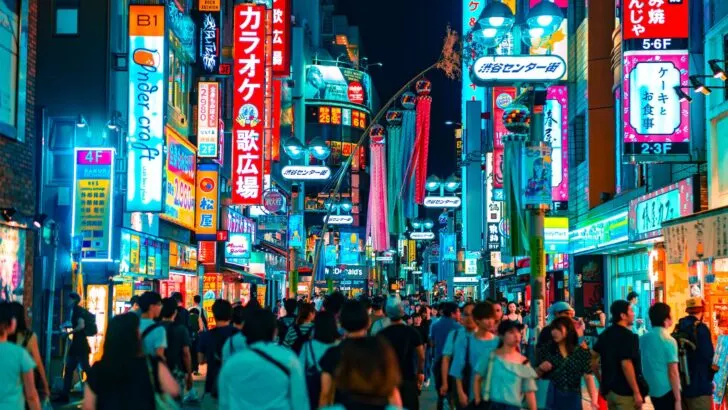
Tokyo, the capital city of Japan, is a vibrant metropolis that seamlessly blends traditional culture with modern innovation.
As one of the world’s most populous cities, Tokyo offers a captivating mix of bustling streets, towering skyscrapers, serene gardens, and historical landmarks. From its electrifying energy to its deep-rooted traditions, Tokyo is a city that never fails to captivate and inspire.
Geographically located on the eastern coast of Honshu, the largest island of Japan, Tokyo is both the political and economic center of the country.
It spans a vast area and consists of 23 special wards, each with its own unique character and attractions. From the neon-lit streets of Shibuya to the historical district of Asakusa, Tokyo presents a multitude of experiences for visitors to explore.
Historically, Tokyo was known as Edo and served as the seat of power for the Tokugawa shogunate during the Edo period (1603-1868).
With the shift of political power to Tokyo, the city underwent a transformation, modernizing rapidly in the late 19th and early 20th centuries. Today, Tokyo stands as a testament to Japan’s remarkable economic growth and technological advancements.
Tokyo is a city of contrasts, where ancient traditions coexist harmoniously with cutting-edge technology. Temples and shrines, such as the iconic Meiji Shrine and the Senso-ji Temple, stand as reminders of the city’s rich cultural heritage.
Meanwhile, the modern skyline dominated by landmarks like the Tokyo Skytree and the Tokyo Tower reflects the city’s forward-thinking spirit.
Beyond its architectural wonders, Tokyo is renowned for its culinary delights. The city boasts a diverse and world-class dining scene, ranging from humble street food stalls to Michelin-starred restaurants.
Whether it’s savoring sushi at Tsukiji Fish Market, indulging in a bowl of steaming ramen, or experiencing a traditional kaiseki meal, Tokyo offers an array of flavors to please every palate.
While Tokyo’s urban landscape is a sight to behold, the city also provides ample green spaces and serene retreats. Parks like Ueno Park and Shinjuku Gyoen National Garden offer an escape from the bustling streets, providing opportunities to relax, stroll, and appreciate the beauty of nature.
Tokyo’s cultural offerings are also abundant, with numerous museums, galleries, and theaters showcasing traditional and contemporary art, theater, and music.
From the Tokyo National Museum to the vibrant Kabuki performances in Ginza, there is no shortage of cultural experiences to immerse oneself in.
Transportation within Tokyo is seamless, thanks to its efficient subway and rail systems, which connect every corner of the city. Tokyo’s transportation network makes it easy to explore the diverse neighborhoods, each with its own distinct character and attractions.
In summary, Tokyo is a captivating city that seamlessly merges the old with the new, offering visitors a multifaceted experience.
From its world-class cuisine and architectural wonders to its rich cultural heritage and technological innovations, Tokyo is a destination that leaves a lasting impression on all who visit.
1. Visit the historic Senso-ji Temple in Asakusa


Senso-ji Temple is one of Tokyo’s most iconic and historic landmarks, located in the Asakusa neighborhood. It is the oldest and most significant Buddhist temple in Tokyo, with a history dating back over 1,300 years.
Upon entering the temple grounds, visitors are greeted by the imposing Kaminarimon Gate, which is adorned with a massive red lantern.
Passing through the gate, you’ll find yourself on Nakamise-dori, a vibrant shopping street filled with traditional food stalls and souvenir shops.
At the end of Nakamise-dori, you’ll reach the Hozomon Gate, which leads to the main hall of Senso-ji Temple. The main hall, called the Hondo, is a magnificent structure housing a statue of Kannon, the Buddhist goddess of mercy, to whom the temple is dedicated. The Hondo is beautifully decorated and offers a serene atmosphere for prayer and reflection.
Adjacent to the temple is the five-story pagoda, another iconic symbol of Senso-ji. You can climb the pagoda for panoramic views of the surrounding area, including the Asakusa neighborhood and Tokyo Skytree in the distance.
Visiting Senso-ji Temple provides a glimpse into traditional Japanese Buddhism and offers a chance to witness the rituals and practices of worshippers. The temple is also particularly popular during festivals, such as the Sanja Matsuri in May, when the streets come alive with parades and festivities.
2. Explore the beautiful gardens of the Imperial Palace

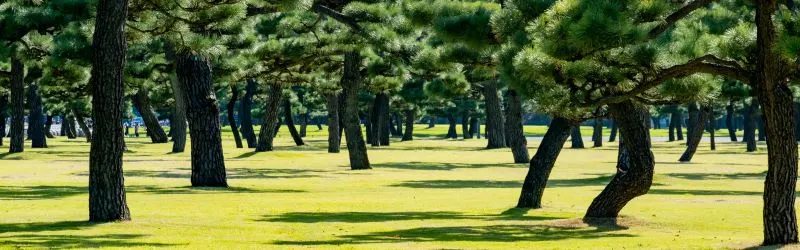
The Imperial Palace in Tokyo is a magnificent complex that serves as the primary residence of the Emperor of Japan. Within its vast grounds, you’ll find beautiful gardens that are open to the public and offer a serene escape from the bustling city.
The East Gardens of the Imperial Palace are the most accessible and popular area for visitors. These meticulously landscaped gardens feature a harmonious blend of traditional Japanese elements, including ponds, bridges, stone lanterns, and meticulously pruned trees.
As you explore the gardens, you’ll encounter peaceful pathways, wide lawns, and tranquil spots where you can relax and enjoy the natural beauty.
One of the highlights of the East Gardens is the Ninomaru Garden, a stunning Japanese-style garden that surrounds the ruins of the former Edo Castle’s secondary palace.
The garden is known for its carefully designed layout, incorporating water features, islands, and a variety of plants and flowers that create a picturesque setting.
The Imperial Palace gardens also offer great views of the surrounding historical structures, such as the impressive stone walls and moats that once fortified the Edo Castle.
You can take a leisurely stroll along the moat, providing a glimpse into the castle’s architectural grandeur and the history of Japan.
Throughout the year, the gardens showcase different seasonal blooms, such as cherry blossoms in spring and vibrant foliage in autumn, adding to their allure.
Whether you visit for a peaceful walk, to enjoy a picnic, or simply to admire the scenic landscapes, the gardens of the Imperial Palace provide a tranquil oasis in the heart of Tokyo.
3. Take a stroll through the lively streets of Shibuya Crossing

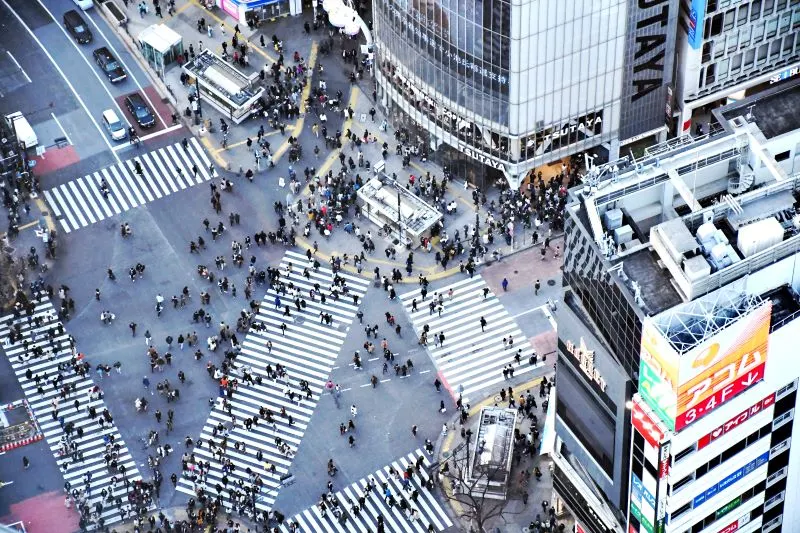
Shibuya Crossing is one of the most famous and bustling intersections in Tokyo, located in the vibrant neighborhood of Shibuya. Taking a stroll through Shibuya Crossing offers a unique and energetic experience that showcases the vibrant atmosphere of the city.
Shibuya Crossing is known for its massive pedestrian scramble, where people from all directions converge and cross the street when the traffic lights turn red.
As the lights change, the intersection becomes a mesmerizing spectacle of synchronized movement, with waves of people crossing in different directions. It’s a sight that truly embodies the energy and liveliness of Tokyo.
The best way to experience Shibuya Crossing is to immerse yourself in the crowd and become a part of the dynamic flow. As you navigate the crossing, you’ll find yourself surrounded by towering neon billboards, large video screens, and a plethora of shops, cafes, and restaurants that line the streets.
The area around Shibuya Crossing is also a hub of youth culture, fashion, and entertainment. It’s home to trendy boutiques, department stores, and music venues, attracting both locals and visitors seeking the latest fashion trends and entertainment experiences.
For a bird’s-eye view of Shibuya Crossing, you can head to one of the nearby buildings, such as the Starbucks located in the Tsutaya building, and enjoy a coffee while observing the bustling scene from above. This vantage point provides a unique perspective on the intersection and allows you to appreciate its sheer scale.
Beyond the crossing itself, exploring the surrounding streets of Shibuya offers a wealth of shopping, dining, and entertainment options. From quirky themed cafes to stylish boutiques, there is something for everyone in this dynamic neighborhood.
4. Experience the futuristic atmosphere of the Odaiba waterfront district

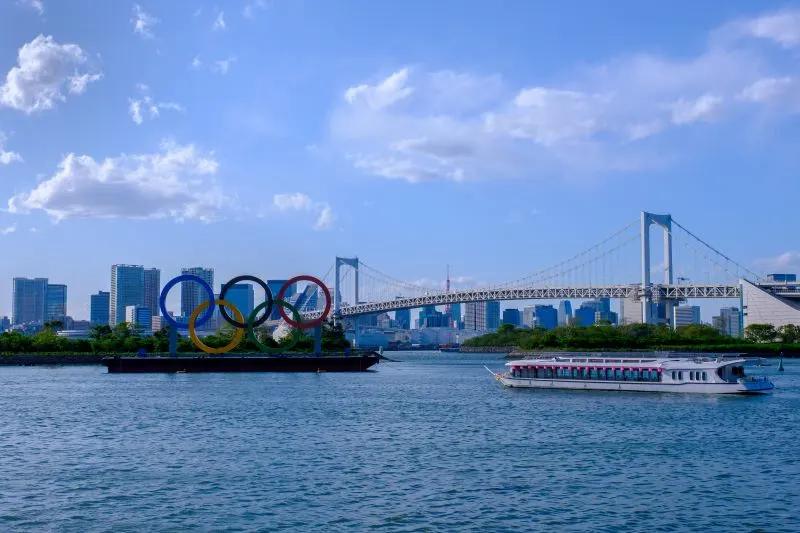
The Odaiba waterfront district is a vibrant and futuristic area located in Tokyo, Japan. It offers a unique blend of modern architecture, cutting-edge technology, and captivating entertainment options.
As you step into Odaiba, you’ll be greeted by a stunning skyline adorned with high-rise buildings and iconic landmarks. The district is known for its innovative urban design, featuring wide promenades, pedestrian-friendly spaces, and expansive waterfront views.
One of the main attractions in Odaiba is the Odaiba Seaside Park, a sprawling waterfront park where you can relax and take in the picturesque scenery. The park offers various recreational activities, including jogging paths, cycling routes, and open spaces for picnics.
Odaiba is also home to numerous futuristic shopping malls and entertainment complexes. You can explore the expansive VenusFort shopping mall, designed to resemble a medieval European town, or visit Palette Town, an entertainment complex featuring a giant Ferris wheel, car-themed attractions, and an indoor amusement park.
For technology enthusiasts, Odaiba is a haven of innovation. The area is dotted with state-of-the-art museums and exhibition spaces.
The National Museum of Emerging Science and Innovation, also known as Miraikan, showcases the latest advancements in science and technology through interactive exhibits and educational displays.
Moreover, Odaiba is famous for its stunning architectural marvels. The Rainbow Bridge, an illuminated suspension bridge, spans across Tokyo Bay and connects Odaiba to the rest of Tokyo. At night, the bridge comes alive with colorful lights, creating a breathtaking sight.
5. Enjoy panoramic views of the city from the Tokyo Skytree

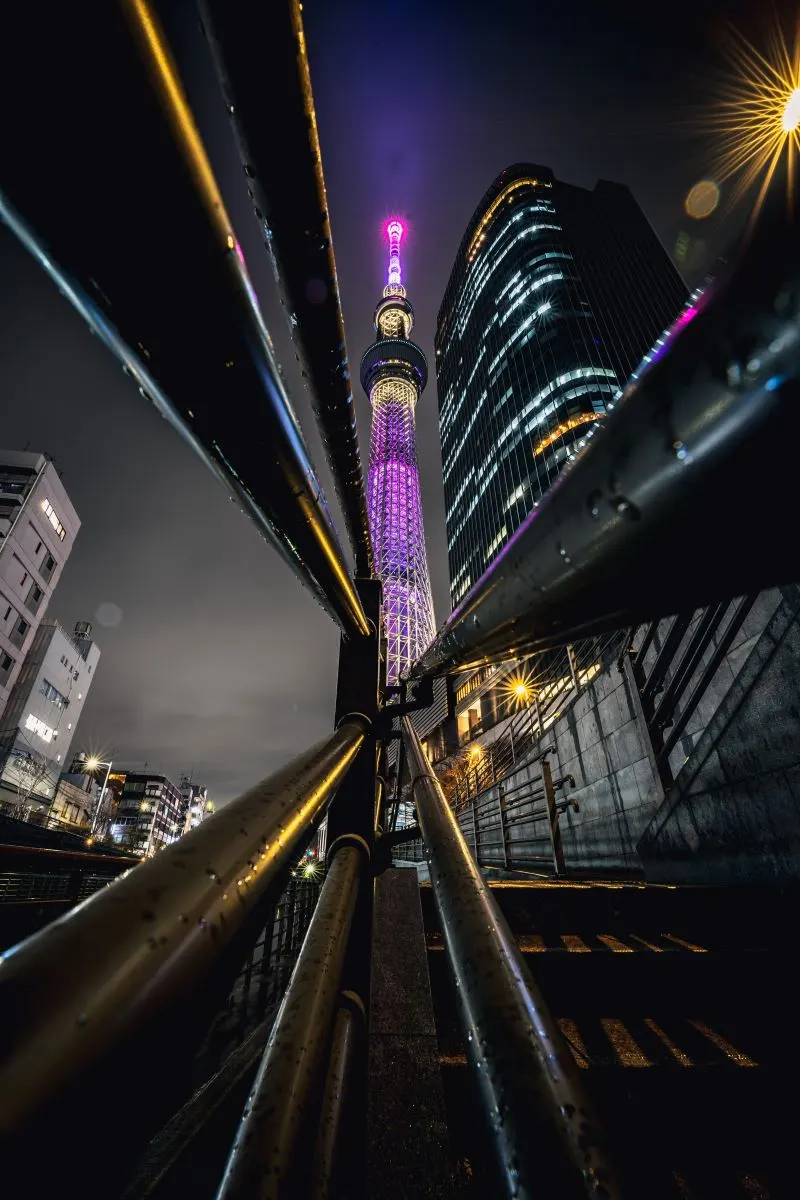
The Tokyo Skytree is an iconic landmark and one of the tallest towers in the world, located in Tokyo, Japan. It offers visitors the opportunity to enjoy breathtaking panoramic views of the city and its surroundings.
Standing at an impressive height of 634 meters (2,080 feet), the Tokyo Skytree provides an unparalleled vantage point to admire the sprawling metropolis of Tokyo.
From its observation decks, located at different heights, you can experience a bird’s-eye view of the cityscape, taking in the vast expanse of buildings, streets, and landmarks that stretch out in all directions.
The observation decks of the Tokyo Skytree offer floor-to-ceiling windows, allowing for unobstructed views of Tokyo and its vibrant neighborhoods.
On a clear day, you can see as far as Mount Fuji, the iconic volcano that graces the horizon. The evening hours offer a different charm, as the city lights up and transforms into a dazzling display of colorful illumination.
Additionally, the Tokyo Skytree boasts various amenities and attractions within its complex. You can explore the shopping mall, which houses a wide range of stores, restaurants, and souvenir shops. There is also an aquarium called Sumida Aquarium, where you can marvel at a diverse array of marine life.
For those seeking an even more exhilarating experience, the tower’s “Tembo Galleria” is a glass-walled skywalk that spirals up the tower, providing a thrilling view from an even higher point.
From here, you can enjoy an awe-inspiring 360-degree panorama, allowing you to appreciate the vastness and beauty of Tokyo from a truly unique perspective.
In summary, a visit to the Tokyo Skytree offers an unforgettable opportunity to admire panoramic views of Tokyo’s sprawling cityscape.
Whether it’s the daytime vista of the urban landscape or the mesmerizing nighttime lights, the Tokyo Skytree provides an exceptional experience and a true appreciation of the grandeur of Japan’s capital city.
6. Discover traditional Japanese arts and crafts at the Tokyo National Museum


Discover traditional Japanese arts and crafts at the Tokyo National Museum. The Tokyo National Museum is a renowned cultural institution located in Ueno Park, Tokyo, and it houses an extensive collection of artifacts that showcase Japan’s rich cultural heritage. The museum offers visitors a unique opportunity to explore and appreciate various traditional Japanese arts and crafts.
Within the museum, you can find a diverse range of exhibits that encompass different art forms such as painting, calligraphy, ceramics, textiles, sculpture, and more.
These exhibits feature masterpieces from different periods of Japanese history, allowing visitors to witness the evolution of artistic styles and techniques over time.
The collection includes iconic works like ancient Buddhist sculptures, exquisite samurai armor, delicate porcelain ceramics, intricately crafted woodblock prints, and beautiful kimonos. Each artifact provides insights into the aesthetics, craftsmanship, and cultural significance of traditional Japanese art.
Visitors can delve into the world of Japanese tea ceremony utensils, which are highly revered for their elegance and functionality.
Additionally, the museum often hosts special exhibitions that focus on specific themes or artists, providing a deeper understanding of particular art forms or periods.
The Tokyo National Museum not only displays these masterpieces but also offers educational resources such as audio guides and informative panels to enhance visitors’ understanding and appreciation of Japanese arts and crafts.
Whether you are a history enthusiast, an art lover, or simply curious about Japanese culture, the museum provides a captivating journey into the realm of traditional Japanese arts and crafts.
7. Wander through the trendy neighborhood of Harajuku and explore Takeshita Street

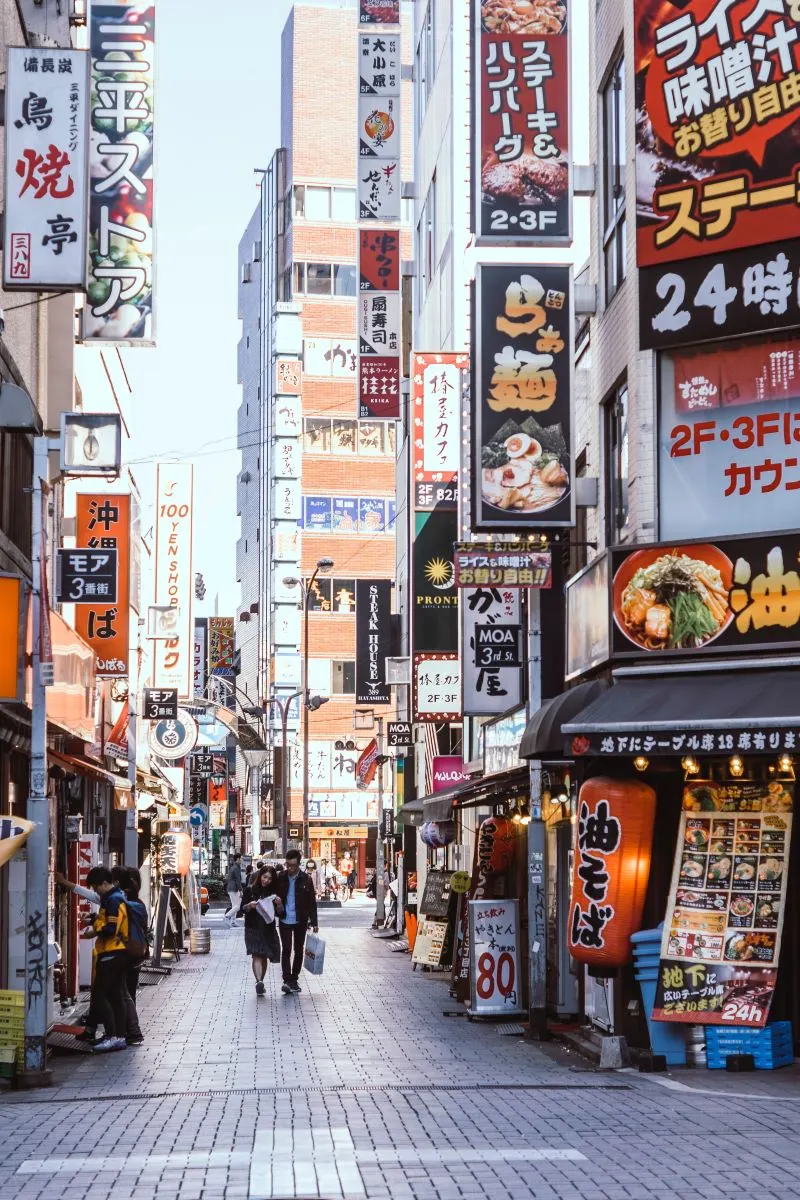
Wander through the trendy neighborhood of Harajuku and explore Takeshita Street, a vibrant and bustling hub of fashion, shopping, and youthful energy. Harajuku, located in Tokyo, Japan, has gained international recognition for its unique street fashion and vibrant subcultures.
Takeshita Street, the main thoroughfare of Harajuku, is a pedestrian-only street lined with an array of shops, boutiques, and cafes.
It is a haven for fashion enthusiasts, offering a mix of established brands, independent designers, and quirky stores selling everything from clothing and accessories to novelty items and street food.
As you stroll along Takeshita Street, you’ll encounter an explosion of colors, styles, and trends. The street is known for its eclectic fashion scene, where you can spot people sporting various alternative and avant-garde styles, such as Lolita, Gothic, Decora, and Cosplay.
Many stores cater specifically to these subcultures, offering unique clothing pieces, cosplay accessories, and eye-catching outfits.
In addition to fashion, Takeshita Street is famous for its cute and quirky merchandise. You’ll find shops filled with adorable character goods, kawaii accessories, and themed items inspired by popular Japanese pop culture. It’s a paradise for fans of anime, manga, and all things cute and playful.
The street is also home to numerous cafes and dessert shops, offering a delightful variety of sweet treats, including crepes, cotton candy, bubble tea, and colorful soft-serve ice cream.
It’s the perfect place to take a break, indulge in some delicious snacks, and people-watch as you soak in the vibrant atmosphere.
Takeshita Street is constantly evolving, with new trends and styles emerging regularly. It’s a dynamic and ever-changing destination that attracts locals, tourists, and fashion enthusiasts from around the world.
Exploring this energetic neighborhood and immersing yourself in the unique fashion and culture of Harajuku is an unforgettable experience that showcases Tokyo’s vibrant street scene.
8. Take a boat cruise along the Sumida River

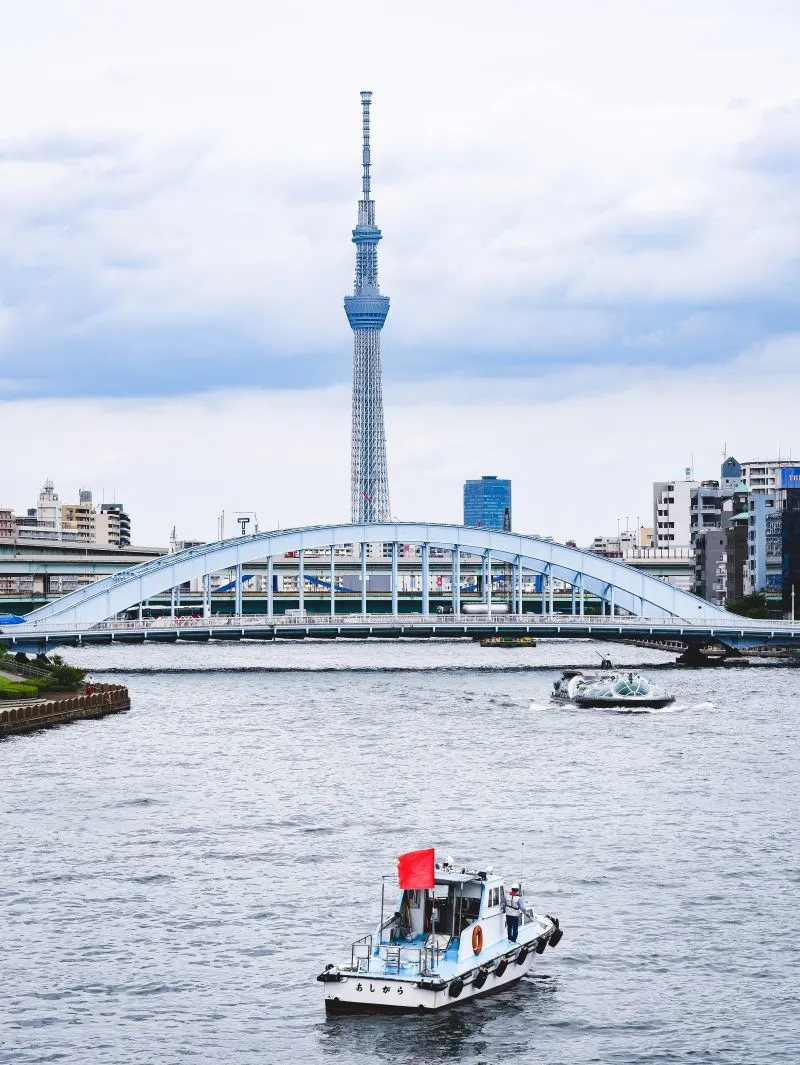
Take a boat cruise along the Sumida River for a picturesque and relaxing experience in Tokyo, Japan. The Sumida River is a major waterway that flows through the heart of Tokyo, offering a unique perspective of the city’s skyline and landmarks.
Boarding a boat cruise at one of the designated piers, you’ll embark on a leisurely journey along the Sumida River. As the boat glides through the calm waters, you’ll be treated to stunning views of both modern and traditional Tokyo.
One of the highlights of the Sumida River cruise is the chance to witness iconic landmarks along the riverbanks. The Tokyo Skytree, a towering structure that dominates the city’s skyline, stands majestically as you cruise beneath it. Its striking architecture and panoramic observation decks provide breathtaking views of the city.
Passing under various bridges, including the renowned Nihonbashi Bridge and Azuma Bridge, you’ll get a glimpse of Tokyo’s historical heritage blending with its contemporary urban landscape. The bridges are beautifully illuminated at night, creating a magical ambiance during evening cruises.
Along the riverbanks, you’ll also catch sight of traditional Japanese architecture, such as the Asakusa district with its famous Senso-ji Temple.
The temple’s towering pagoda and vibrant red entrance gate, known as Kaminarimon, are particularly captivating from the water.
Throughout the cruise, informative commentary or audio guides are often provided, sharing interesting facts about the landmarks and history of the Sumida River. It adds depth to your experience, allowing you to appreciate the significance of the sites you encounter.
Whether you choose a daytime or nighttime cruise, you’ll be treated to different perspectives of Tokyo’s ever-changing scenery. Daytime cruises offer clear views of the cityscape, while nighttime cruises showcase the illuminated skyline, creating a romantic and enchanting atmosphere.
A boat cruise along the Sumida River offers a tranquil respite from the bustling city streets, providing a serene and captivating way to explore Tokyo’s beauty.
It’s an opportunity to relax, soak in the scenic views, and create lasting memories of your time in the vibrant capital of Japan.
9. Explore the diverse marine life at the Tokyo Sea Life Park

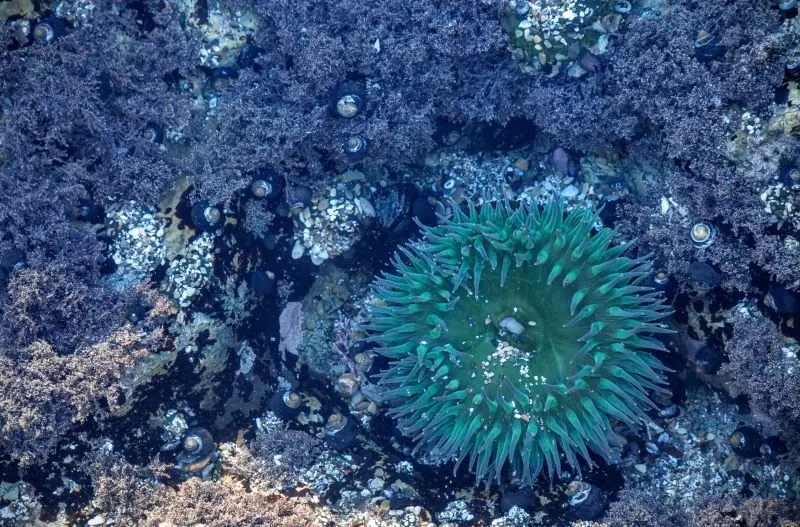
Tokyo Sea Life Park is a popular aquarium located in the city of Tokyo, Japan. It offers visitors a chance to explore and appreciate the diverse marine life found in the world’s oceans.
The park showcases a wide range of aquatic species, both from Japan and around the globe, providing an educational and immersive experience for visitors of all ages.
The park features various exhibits and habitats that replicate the natural environments of the marine creatures. Visitors can witness fascinating displays of marine biodiversity, from colorful tropical fish and mesmerizing coral reefs to majestic sea turtles, playful penguins, and graceful rays.
Tokyo Sea Life Park also houses large tanks that simulate the open ocean, allowing visitors to observe larger species like sharks and dolphins.
In addition to the diverse array of marine life, the park offers educational programs and interactive displays to promote understanding and conservation of the oceans.
Visitors can learn about marine ecosystems, the importance of sustainable practices, and the impact of human activities on aquatic environments.
10. Visit the Meiji Shrine and its serene surroundings in Shibuya

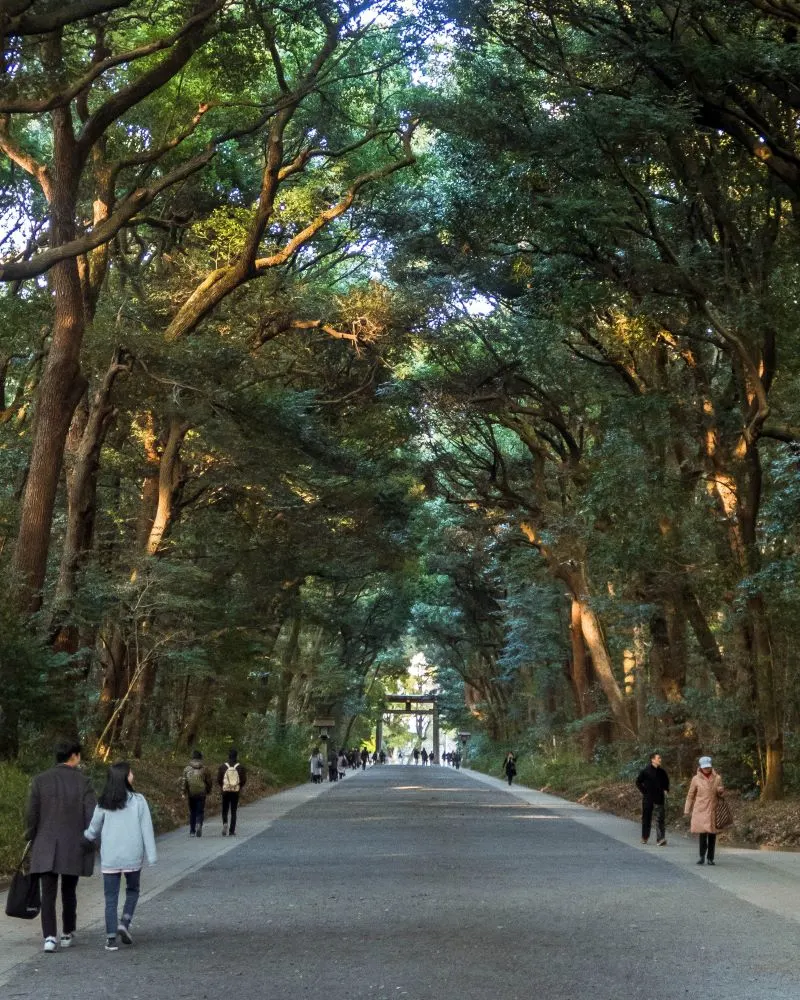
The Meiji Shrine is a tranquil and revered Shinto shrine located in the vibrant district of Shibuya in Tokyo, Japan. It is dedicated to the spirits of Emperor Meiji and Empress Shoken, who played significant roles in the modernization of Japan during the late 19th and early 20th centuries.
Visiting the Meiji Shrine offers a serene escape from the bustling city atmosphere. As you enter the shrine grounds, you’ll be greeted by a magnificent torii gate, marking the transition from the secular world to the sacred realm. The pathway leading to the shrine is lined with towering trees, creating a sense of tranquility and natural beauty.
The main shrine complex is characterized by its elegant and simplistic architecture, reflecting the traditional Japanese style.
Visitors can explore the spacious grounds, which include serene gardens, peaceful ponds, and carefully manicured lawns. The atmosphere is often filled with a peaceful ambiance, enhanced by the gentle rustling of leaves and chirping of birds.
Many visitors take part in traditional rituals and customs while at the shrine. They may offer prayers, cleanse themselves at the temizuya (a water pavilion), or write wishes on small wooden plaques called ema. On special occasions, you might even witness traditional Shinto wedding ceremonies taking place.
11. Experience a traditional tea ceremony in a Japanese teahouse

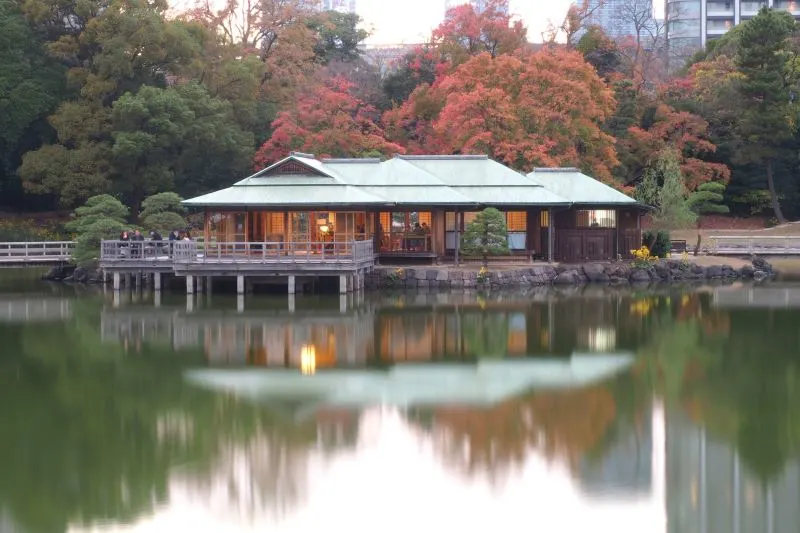
Experiencing a traditional tea ceremony in a Japanese teahouse is a captivating and cultural journey that immerses you in the beauty and tranquility of Japanese tea culture.
The ceremony, known as chanoyu or sadō, is a highly ritualized practice that has deep roots in Japanese history and aesthetics.
In a Japanese teahouse, you’ll typically find yourself in a serene and harmonious environment, designed to foster a sense of mindfulness and appreciation for the tea ceremony. The teahouse often features traditional architecture with tatami mat floors, sliding doors, and simple, elegant décor.
During the ceremony, a trained tea master, known as a chajin, will guide you through each step with grace and precision. The process involves the preparation, serving, and consumption of matcha, a powdered green tea renowned for its unique flavor and health benefits.
The tea master will carefully prepare the tea, using specialized utensils such as a bamboo whisk (chasen) and a tea scoop (chashaku). The entire process is performed with deliberate movements and gestures, symbolizing respect, mindfulness, and harmony.
As you partake in the tea ceremony, you’ll have the opportunity to savor the flavors of the matcha and appreciate its aroma. It is customary to enjoy the tea in a meditative manner, appreciating each sip and the peaceful atmosphere of the teahouse.
Beyond the tea itself, the ceremony often encompasses various aspects of Japanese culture, including calligraphy, flower arrangement (ikebana), and the art of pottery. These elements combine to create a holistic experience that celebrates aesthetics, mindfulness, and the beauty of simplicity.
12. Get a taste of Japanese cuisine at the Tsukiji Fish Market

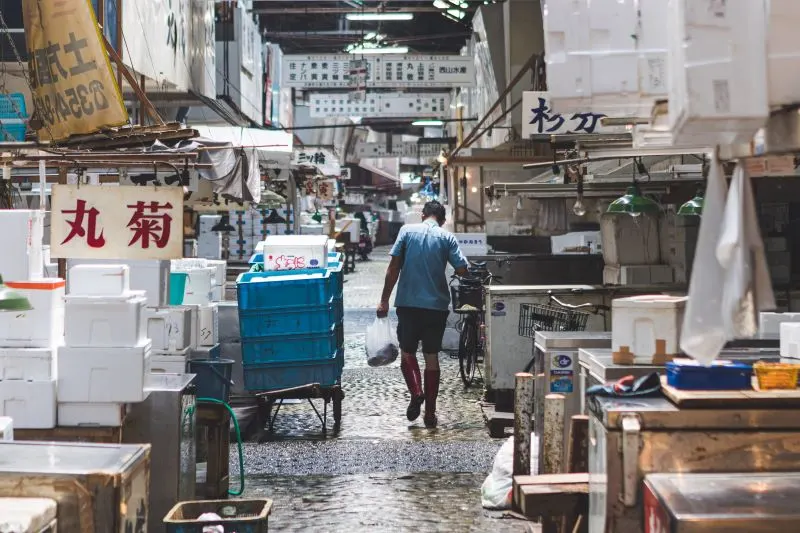
Tsukiji Fish Market, located in Tokyo, Japan, is one of the world’s largest seafood markets and a popular destination for both locals and tourists. It offers a unique opportunity to experience and indulge in the rich and diverse Japanese cuisine.
At Tsukiji Fish Market, you can find a wide variety of fresh seafood, including fish, shellfish, and other delicacies from both local and international sources. The market is renowned for its impressive selection and the high quality of its products.
One of the main attractions of Tsukiji Fish Market is its sushi bars and seafood restaurants. Here, you can enjoy an authentic sushi experience, where skilled chefs prepare and serve sushi and sashimi made from the freshest fish available. These restaurants often offer omakase, a chef’s choice menu, allowing you to sample a variety of expertly crafted dishes.
Apart from sushi, you can also explore other culinary delights at Tsukiji Fish Market, such as street food stalls selling grilled seafood skewers, tempura, and oysters.
These small food vendors provide a more casual and affordable dining experience, allowing you to taste a wide range of Japanese flavors.
Visiting Tsukiji Fish Market provides a unique cultural experience as well. You can witness the bustling atmosphere of the market, with vendors displaying their catches, auctioneers showcasing their skills, and visitors navigating through the lively crowds.
It’s worth noting that in October 2018, Tsukiji Fish Market relocated to Toyosu Market, a newer and more modern facility nearby. However, the name “Tsukiji Fish Market” is still widely used to refer to the overall seafood market experience in the area.
13. Discover modern art at the Mori Art Museum in Roppongi Hills


The Mori Art Museum, located in Roppongi Hills, Tokyo, is a prominent destination for art enthusiasts seeking to explore contemporary and modern art in Japan.
The Mori Art Museum is situated on the upper floors of the Mori Tower, providing visitors with breathtaking views of Tokyo’s skyline as they engage with the artwork. The museum’s mission is to showcase innovative and thought-provoking contemporary art from both local and international artists.
The museum hosts a diverse range of exhibitions, featuring various art forms such as painting, sculpture, photography, installation art, video art, and interactive multimedia displays.
The curated exhibitions often explore themes and ideas relevant to contemporary society, offering insights into cultural, social, and political issues.
As you navigate the museum’s spacious galleries, you’ll encounter a wide range of artistic expressions and styles, representing the cutting-edge trends and experiments of the art world. The artwork on display often challenges traditional notions of art and encourages visitors to reflect on their own perceptions and interpretations.
In addition to the exhibitions, the Mori Art Museum regularly organizes educational programs, lectures, and workshops to deepen the understanding and appreciation of contemporary art.
These initiatives provide opportunities for visitors of all ages to engage with the artworks on a more personal and interactive level.
Beyond the art itself, the Mori Art Museum boasts a stylish and contemporary atmosphere, with its sleek design and stunning architectural features.
The panoramic view of Tokyo from the observation deck on the museum’s top floor is an added bonus, allowing visitors to appreciate both the art and the cityscape simultaneously.
14. Explore the historic neighborhood of Yanaka and its old-world charm

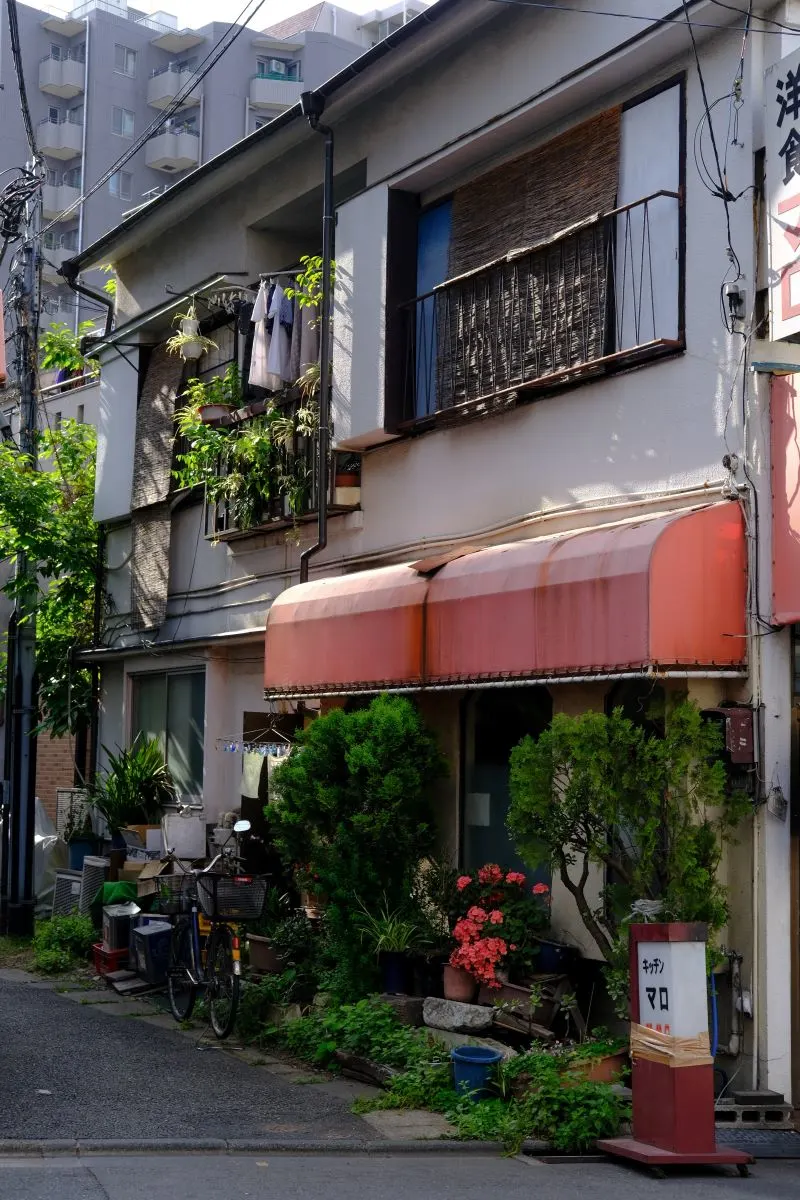
Yanaka is a historic neighborhood located in the eastern part of Tokyo, Japan. Known for its old-world charm and preserved traditional atmosphere, it offers visitors a unique glimpse into the city’s past.
One of the defining features of Yanaka is its narrow winding streets lined with traditional wooden houses, small shops, and cozy cafes. Unlike other parts of Tokyo, Yanaka managed to escape major damage during World War II, allowing its historic architecture and ambiance to remain largely intact.
As you explore Yanaka, you’ll come across numerous temples, shrines, and cemeteries that add to the neighborhood’s cultural and spiritual significance. Some notable sites include the Tennoji Temple, Nezu Shrine, and Yanaka Cemetery, where the graves of prominent historical figures can be found.
Yanaka is also famous for its abundance of traditional Japanese crafts and local artisans. You can browse through shops selling pottery, textiles, and traditional sweets, or even witness craftsmen at work, honing their skills and preserving age-old techniques.
Another highlight of Yanaka is its serene green spaces. The neighborhood is home to lush parks like Yanaka Ginza Shopping Street, which offers a vibrant mix of local shops, street food stalls, and a lively atmosphere. It’s an excellent place to sample local delicacies and soak in the everyday life of the residents.
15. Relax and unwind in the beautiful Ueno Park

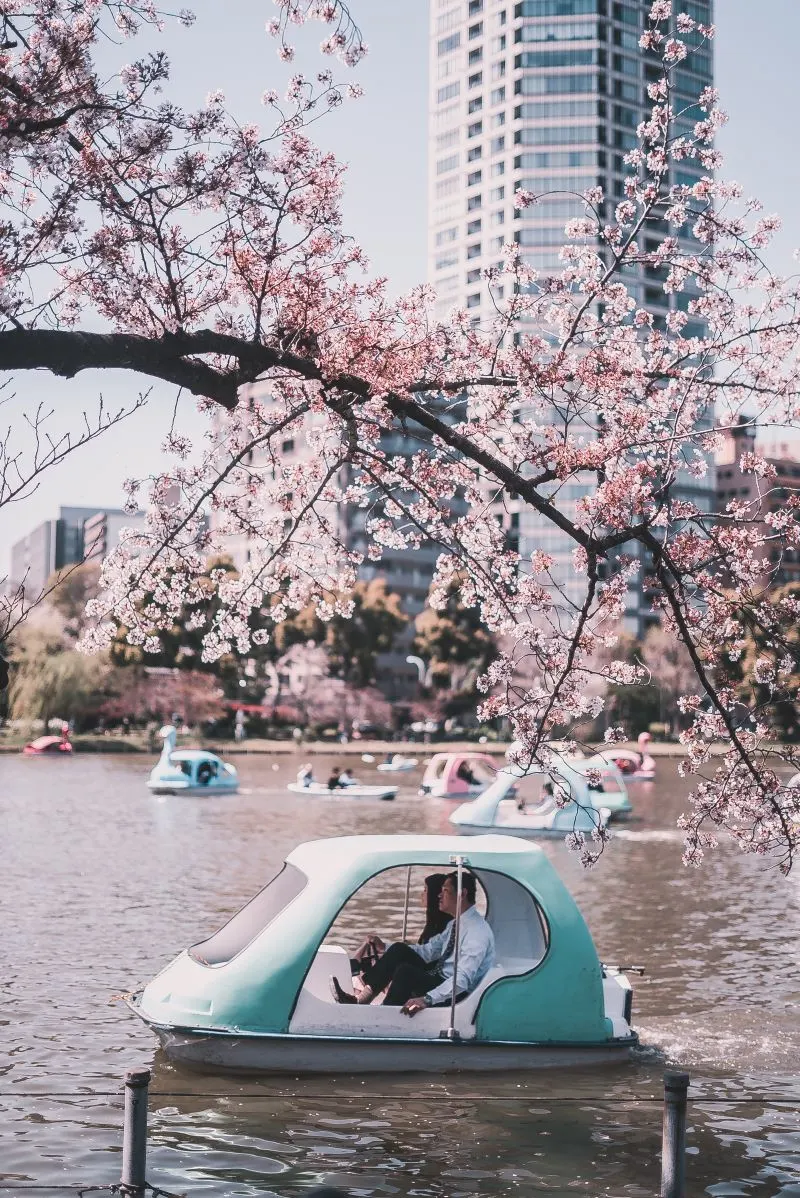
Ueno Park is a picturesque urban oasis located in the heart of Tokyo, Japan. It is a popular destination for locals and tourists alike, offering a serene and tranquil environment to relax and unwind.
Covering a vast area of over 100 acres, Ueno Park is known for its lush greenery, scenic ponds, and vibrant seasonal foliage.
The park is especially renowned for its cherry blossoms in spring, attracting visitors from far and wide to witness the breathtaking beauty of the blooming sakura trees.
Within Ueno Park, you’ll find a variety of attractions and amenities to enjoy. One of the park’s main highlights is the Ueno Zoo, which houses a diverse range of animal species, including giant pandas, elephants, and lions. The zoo provides an opportunity for both children and adults to connect with nature and learn about wildlife conservation.
Ueno Park is also home to several renowned museums and cultural institutions. The Tokyo National Museum, one of Japan’s largest museums, showcases a vast collection of traditional and contemporary art, historical artifacts, and cultural treasures.
The National Museum of Nature and Science and the Ueno Royal Museum are also worth exploring for their fascinating exhibits.
For those seeking tranquility, Ueno Park offers peaceful walking paths, shaded benches, and open spaces ideal for picnics or simply enjoying the serenity of nature.
You can take a leisurely stroll around Shinobazu Pond, visit the Bentendo Temple located on an island in the pond, or find a secluded spot to sit and read a book.
Additionally, Ueno Park hosts various seasonal events and festivals throughout the year, including outdoor concerts, art exhibitions, and traditional performances. These events add vibrancy to the park and provide a delightful cultural experience.
16. Take a day trip to the enchanting town of Nikko and its UNESCO World Heritage sites

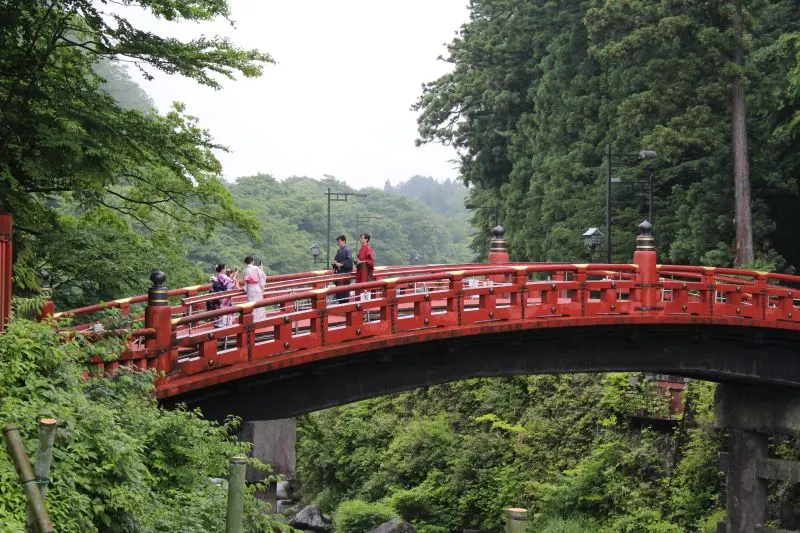
Nikko is a captivating town located in the Tochigi Prefecture of Japan, known for its remarkable UNESCO World Heritage sites. It is a popular day trip destination from Tokyo, offering a delightful escape into nature and rich cultural heritage.
Nikko is renowned for its grandeur and serene beauty, attracting visitors from around the world. One of the most iconic attractions is the Toshogu Shrine, a lavish and ornate complex dedicated to Tokugawa Ieyasu, the founder of the Tokugawa Shogunate.
The shrine is adorned with intricate carvings, vibrant colors, and intricate details that make it a masterpiece of Japanese architecture.
Another must-see site in Nikko is the Nikko National Park, a sprawling natural wonderland with lush forests, cascading waterfalls, and pristine lakes. The park is home to the stunning Lake Chuzenji, where you can enjoy a relaxing boat ride or soak in the breathtaking views of the surrounding mountains.
Kegon Falls is another spectacular natural attraction in Nikko. It is one of Japan’s most famous waterfalls, cascading from a height of approximately 97 meters (318 feet).
The sight of the waterfall is truly mesmerizing, especially during the autumn season when the surrounding foliage turns into vibrant shades of red and gold.
Additionally, the town of Nikko offers a glimpse into traditional Japanese culture. You can explore the charming streets, visit local shops, and savor delicious regional cuisine. Don’t forget to try yuba (tofu skin) and yuba dishes, which are specialties of Nikko.
17. Visit the Edo-Tokyo Museum to learn about the city’s history and culture

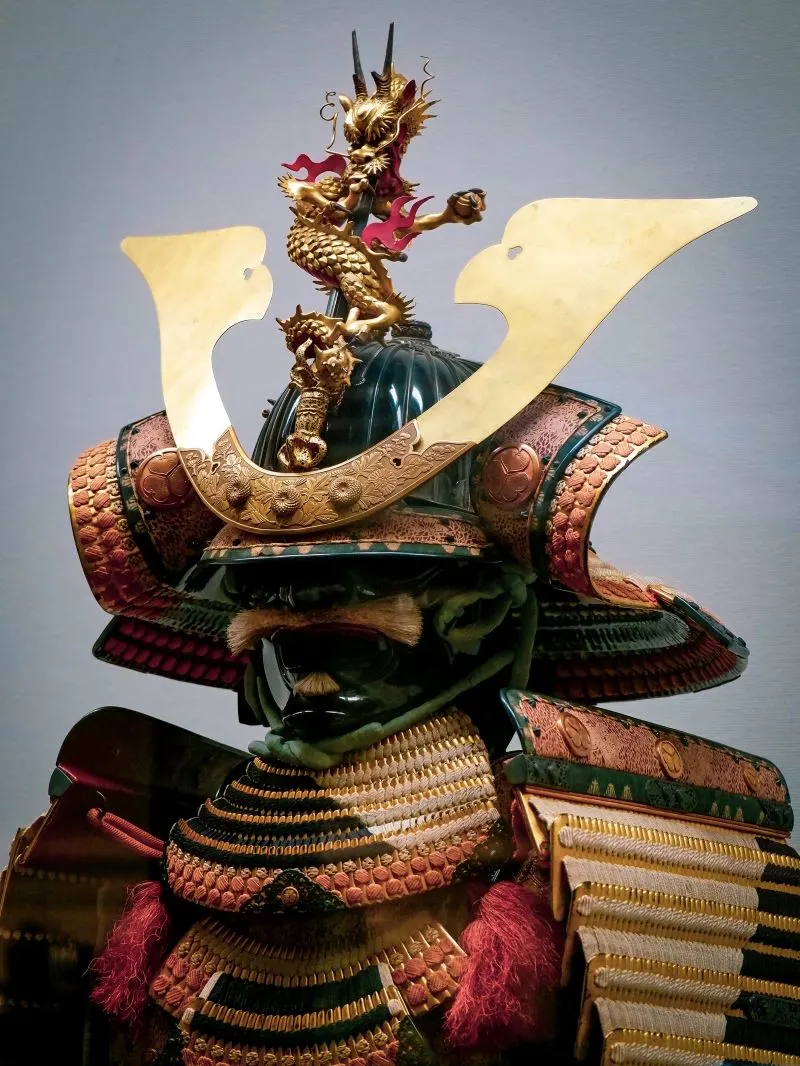
The Edo-Tokyo Museum is a fascinating institution located in Tokyo, Japan, that offers visitors a captivating journey through the history and culture of the city.
It provides a comprehensive look into the transformation of Tokyo from its humble beginnings as the small fishing village of Edo to the bustling metropolis it is today.
The museum’s exhibits are designed to immerse visitors in the rich tapestry of Tokyo’s past. The Edo Period (1603-1868), often considered the golden age of Japan, is vividly depicted through life-sized reconstructions of historical buildings, streets, and scenes. You can explore meticulously recreated samurai residences, merchant shops, and even the bustling atmosphere of the old Nihonbashi Bridge.
Moving through time, the museum also covers the Meiji, Taisho, and Showa periods, showcasing the city’s rapid modernization and its evolution into a global capital.
Exhibits include displays of artifacts, photographs, and interactive multimedia presentations, providing a deep understanding of Tokyo’s history, architecture, traditions, and everyday life during different eras.
One of the highlights of the museum is the expansive diorama of Edo-Tokyo, a sprawling model that offers a bird’s-eye view of the city during the Edo Period.
This detailed representation provides a unique perspective on the urban landscape and allows visitors to grasp the scale and intricacy of historical Tokyo.
The Edo-Tokyo Museum also hosts temporary exhibitions that delve into various aspects of Tokyo’s culture, art, and society, offering fresh perspectives and engaging experiences for returning visitors.
18. Explore the trendy shops and eateries in the hip neighborhood of Shimokitazawa

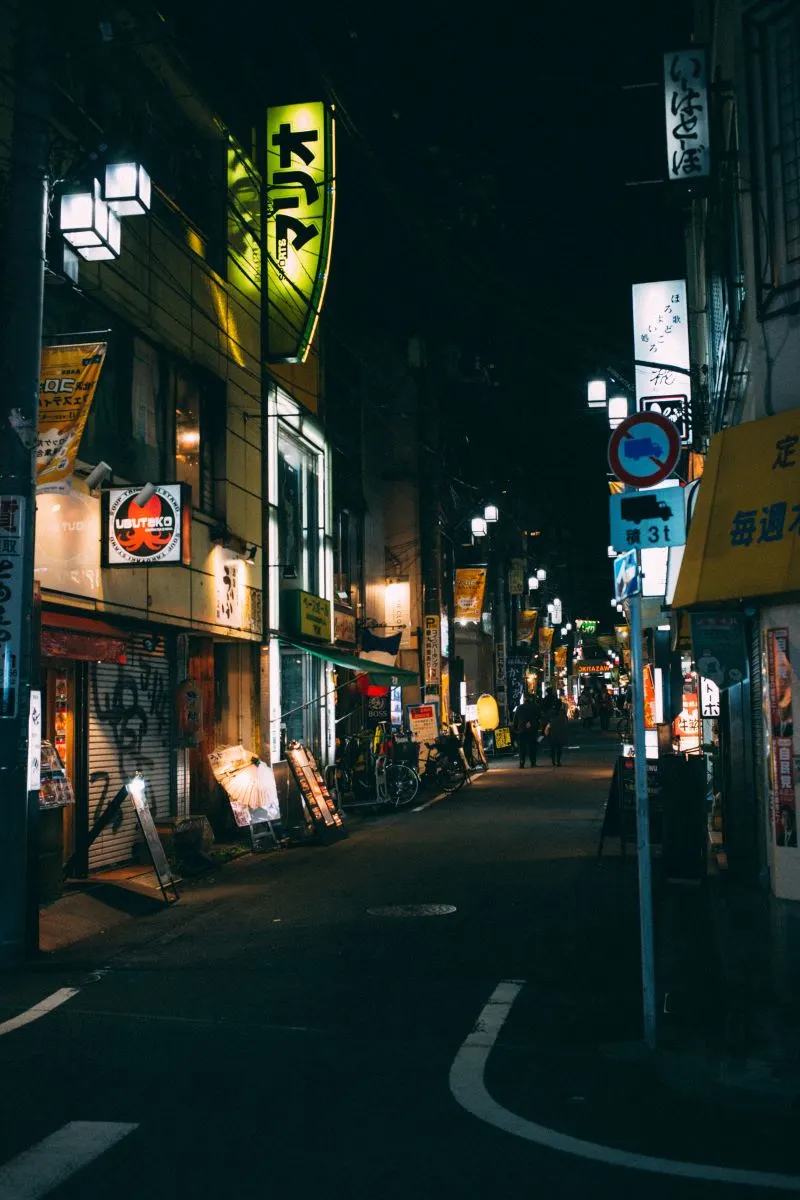
Shimokitazawa is a vibrant and trendy neighborhood located in Tokyo, Japan. Known for its unique atmosphere and alternative culture, Shimokitazawa has become a popular destination for locals and tourists alike.
The area is characterized by narrow streets lined with vintage clothing stores, record shops, independent boutiques, and cozy cafes.
When exploring Shimokitazawa’s shops, you’ll find an eclectic mix of fashion styles, ranging from retro and secondhand clothing to modern and avant-garde designs.
The neighborhood is particularly famous for its vintage stores, where you can discover unique and fashionable pieces from different eras. Whether you’re into classic fashion or seeking a more unconventional style, Shimokitazawa offers plenty of options to cater to your preferences.
In addition to the fashion scene, Shimokitazawa is also known for its thriving food and beverage industry. The neighborhood is home to a wide array of eateries, ranging from cozy coffee shops to trendy bars and international cuisine restaurants. You can enjoy a cup of artisanal coffee, indulge in delicious street food, or savor a variety of Japanese and international dishes.
Shimokitazawa’s charm lies in its bohemian and laid-back atmosphere. The area is often frequented by young artists, musicians, and creatives, contributing to its vibrant and artistic vibe.
It’s not uncommon to stumble upon live music performances, art exhibitions, or pop-up events while exploring the neighborhood.
19. Witness a traditional sumo wrestling match at Ryogoku Kokugikan

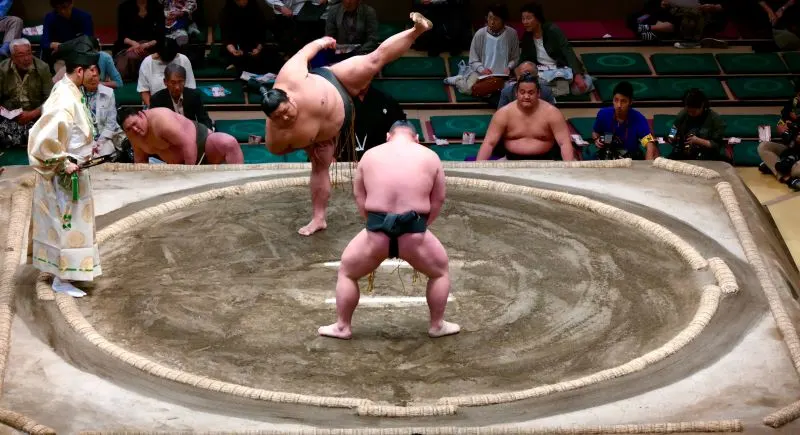
Ryogoku Kokugikan is an iconic venue located in Tokyo, Japan, and it is renowned as the home of sumo wrestling. If you want to witness a traditional sumo wrestling match, Ryogoku Kokugikan is the place to be.
Inside the Kokugikan, you’ll find a large and impressive stadium specifically designed for sumo competitions. The venue has a distinct traditional atmosphere, transporting visitors back to the centuries-old sport of sumo.
The matches take place on a raised clay ring called a “dohyo,” which is considered sacred and symbolizes the spiritual nature of the sport.
Attending a sumo match at Ryogoku Kokugikan provides a unique and captivating experience. The matches are intense, with skilled wrestlers clad in traditional loincloths engaging in powerful and strategic bouts.
The rules and rituals of sumo add to the spectacle, including the ceremonial stomping, salt-throwing, and the wrestlers’ elaborate pre-match rituals.
The atmosphere inside the stadium is electric, with enthusiastic crowds cheering on their favorite wrestlers and immersing themselves in the excitement of the sport.
The spectators’ chants and the sound of drums and traditional instruments create an energetic ambiance throughout the matches.
While watching sumo, you’ll also get a glimpse into the rich cultural heritage and traditions associated with the sport. Sumo has deep roots in Japanese history and has evolved into a national symbol of strength, discipline, and honor. It’s an art form that combines athleticism, strategy, and ritual, making it a fascinating experience for spectators.
20. Discover the vibrant nightlife in the neighborhoods of Shinjuku and Roppongi

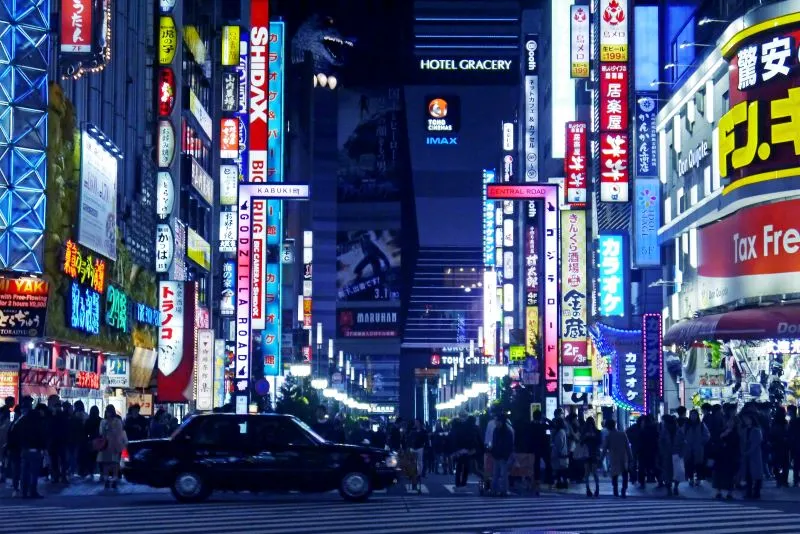
Shinjuku and Roppongi are two bustling neighborhoods in Tokyo that are famous for their vibrant nightlife scenes. Each neighborhood has its own distinct atmosphere and offerings, providing visitors with a diverse range of entertainment options.
Shinjuku is known for its neon-lit streets, towering buildings, and a plethora of entertainment establishments. The district offers a wide variety of nightlife experiences, catering to different tastes and preferences.
Kabukicho, Shinjuku’s renowned red-light district, is a hub of activity with countless bars, clubs, and karaoke venues. Here, you can immerse yourself in the energetic nightlife, enjoy live music performances, sing your heart out in private karaoke rooms, or explore themed bars that range from quirky to sophisticated.
Aside from Kabukicho, Shinjuku also has a vibrant bar scene beyond its famous red-light district. Golden Gai is a unique area known for its narrow alleys filled with tiny bars, each with its own distinct character.
Here, you can hop from bar to bar, mingling with locals and fellow travelers, and experiencing the intimate and cozy ambiance that Golden Gai offers.
Moving on to Roppongi, this neighborhood is renowned for its international and cosmopolitan vibe. It’s a popular destination for locals and expats alike, attracting a diverse crowd.
Roppongi offers a mix of upscale bars, trendy nightclubs, and stylish lounges. The area is known for its dynamic party scene, with various venues hosting international DJs, themed parties, and live performances.
Roppongi Hills and Tokyo Midtown are two modern complexes in the area that house rooftop bars and restaurants, providing panoramic views of the city skyline.
Roppongi is also known for its thriving art and cultural scene. The district hosts numerous art galleries, museums, and exhibition spaces, which often extend their opening hours during special events. You can explore contemporary art, attend gallery openings, and even participate in art-related workshops and events.
21. Shop for electronics and gadgets in the Akihabara district

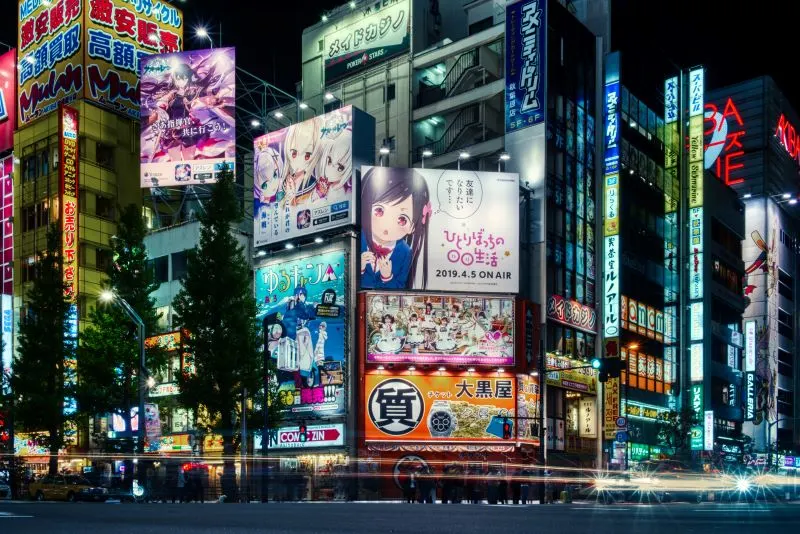
Akihabara, also known as “Akiba,” is a vibrant district in Tokyo, Japan, renowned as a haven for electronics and gadget enthusiasts. It is a bustling hub that offers a wide array of shops, specialty stores, and multi-story buildings dedicated to all things electronics.
In Akihabara, you can find a vast selection of electronic devices, gadgets, computer components, gaming consoles, anime merchandise, and much more.
The district is particularly famous for its extensive range of electronic goods, including the latest smartphones, laptops, cameras, audio equipment, and home appliances.
Walking through the streets of Akihabara, you’ll come across numerous electronics retailers, both large and small, showcasing their products with vibrant displays and enticing promotions.
Some of the notable shops in the area include Yodobashi Camera, Bic Camera, Sofmap, and Laox, among many others. These stores offer a comprehensive selection of electronics and gadgets, and you can often find competitive prices and special deals.
Additionally, Akihabara is also known for its “otaku” culture, focusing on anime, manga, and gaming. You’ll find countless stores specializing in anime merchandise, collectibles, manga books, video games, figurines, cosplay accessories, and related memorabilia. It’s a haven for fans of Japanese pop culture, providing a diverse range of options to explore and purchase.
22. Enjoy the cherry blossoms in full bloom at Shinjuku Gyoen National Garden

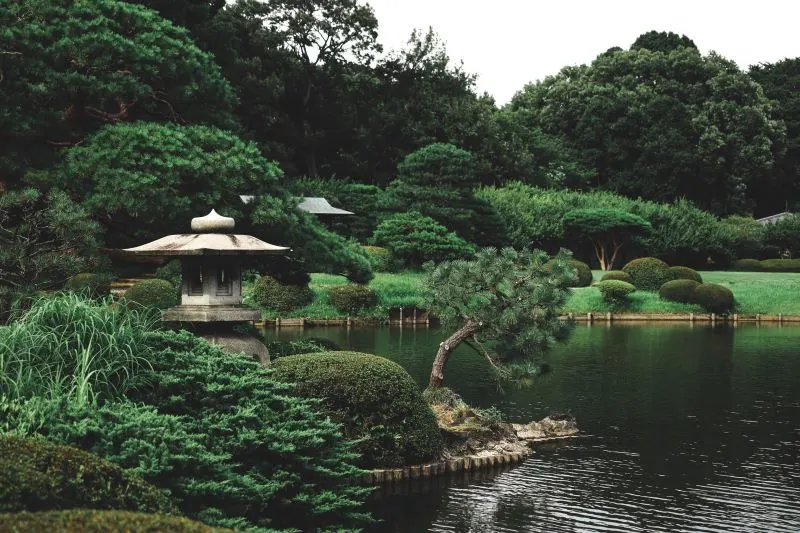
Shinjuku Gyoen National Garden is a picturesque and expansive park located in the heart of Tokyo, Japan. One of the highlights of visiting this park is experiencing the beauty of cherry blossoms in full bloom during the spring season.
When the cherry blossoms, known as sakura in Japanese, reach their peak, usually in late March or early April, Shinjuku Gyoen transforms into a captivating spectacle.
The park features a wide variety of cherry blossom trees, including different species and varieties, creating a stunning tapestry of delicate pink and white flowers.
Visitors to Shinjuku Gyoen during this time are treated to a serene and tranquil atmosphere as they stroll along the park’s pathways, under the canopy of blossoming trees. The sight of the cherry blossoms against the backdrop of lush greenery and the park’s beautiful landscapes is truly breathtaking.
Many people gather beneath the cherry blossom trees to enjoy “hanami,” the traditional custom of picnicking and appreciating the beauty of the flowers.
Families, friends, and even coworkers come together to spread out blankets, have a picnic, and soak in the festive ambiance. It’s a joyful and festive atmosphere with people sharing food, drinks, laughter, and creating lasting memories.
Shinjuku Gyoen offers various areas where you can enjoy the cherry blossoms, including open lawns, peaceful ponds, and charming traditional Japanese gardens. Each section provides a different perspective and a unique experience of the cherry blossoms.
23. Attend a traditional Kabuki theater performance at Kabukiza Theatre

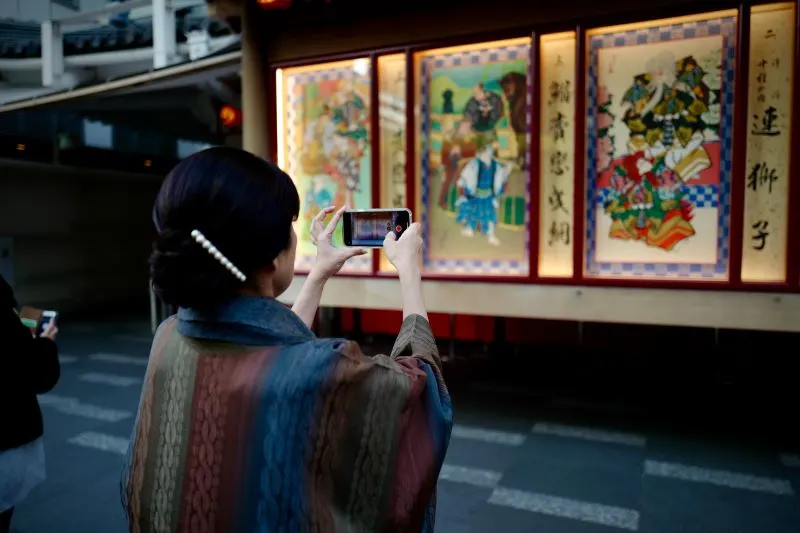
The Kabukiza Theatre is a renowned venue in Tokyo, Japan, where one can immerse themselves in the rich and captivating world of Kabuki theater.
Kabuki is a traditional form of Japanese theater that combines dance, drama, music, and elaborate costumes to create a mesmerizing experience.
Attending a traditional Kabuki performance at the Kabukiza Theatre offers a glimpse into the world of classical Japanese art and culture. The theater itself is a grand and majestic building, often adorned with ornate decorations and traditional architectural elements.
Inside the theater, you will find yourself transported to a different era as you witness the performance on a lavishly designed stage.
Kabuki plays are known for their elaborate sets, vibrant costumes, and stylized movements. The actors, who are predominantly male, skillfully portray a variety of characters, including heroic warriors, beautiful women, and mischievous spirits.
Kabuki performances typically consist of a series of acts or scenes, each showcasing different stories and themes. The plays often feature historical events, legendary tales, or popular folklore, and are accompanied by live music performed by traditional Japanese instruments such as shamisen, taiko drums, and flutes.
One of the unique aspects of Kabuki theater is the presence of onnagata, male actors who specialize in portraying female roles. These actors undergo extensive training to master the feminine gestures, speech patterns, and mannerisms, adding an additional layer of artistry to the performances.
24. Take a day trip to the magical world of Disneyland or DisneySea

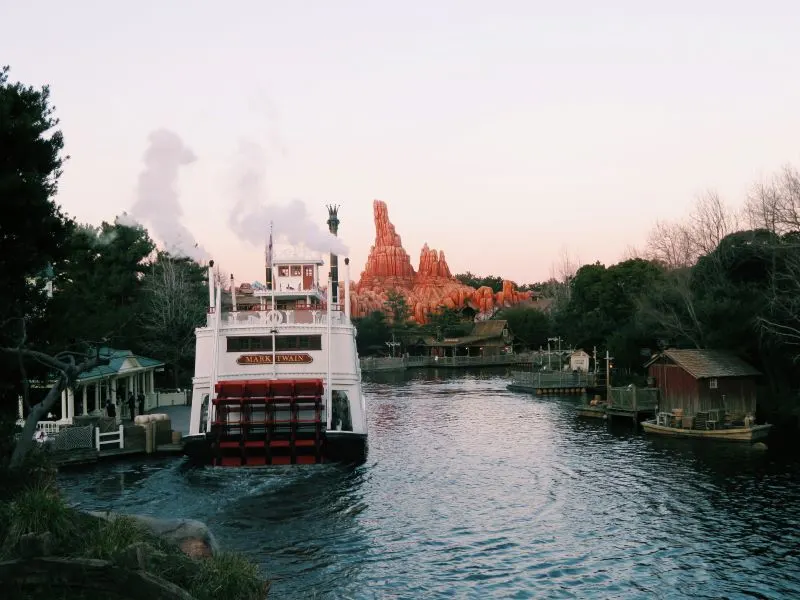
Taking a day trip to either Disneyland or DisneySea offers an enchanting and unforgettable experience in the magical world created by the Walt Disney Company. Both Disneyland and DisneySea are located in Tokyo, Japan, and provide unique and immersive theme park adventures.
Disneyland Tokyo, often referred to as Tokyo Disneyland, is a classic Disney park that captures the essence of the original Disneyland in California. It is a place where dreams come true, and fairy tales come to life.
The park is divided into various themed lands, such as Adventureland, Fantasyland, Tomorrowland, and more. Each land offers a distinct atmosphere and features iconic Disney characters, thrilling rides, charming attractions, and entertaining shows.
Visiting Tokyo Disneyland allows you to meet beloved Disney characters, go on exciting adventures like Space Mountain or Big Thunder Mountain, enjoy family-friendly attractions such as It’s a Small World or Pirates of the Caribbean, and immerse yourself in the magical atmosphere that Disney is known for.
On the other hand, Tokyo DisneySea presents a unique and immersive theme park experience inspired by maritime exploration and the myths and legends of the sea. It is the only DisneySea park in the world and offers a different array of attractions and themes compared to traditional Disneyland parks.
DisneySea consists of several themed areas, including Mediterranean Harbor, Mermaid Lagoon, Arabian Coast, and more. Each area features intricately designed attractions, shows, and restaurants that transport visitors to a world of fantasy and adventure.
At DisneySea, you can embark on thrilling rides like Journey to the Center of the Earth or Indiana Jones Adventure, witness captivating live performances, explore underwater kingdoms in the Mermaid Lagoon, and indulge in unique dining experiences.
25. Explore the traditional neighborhood of Kagurazaka and its charming alleys

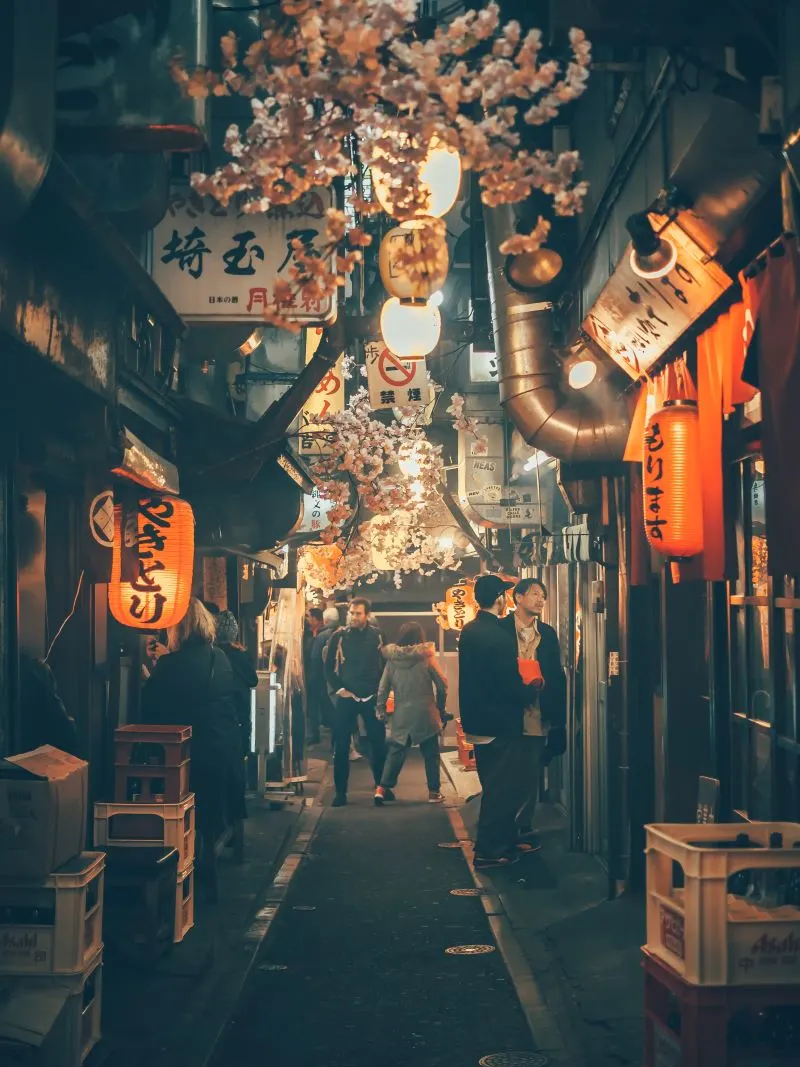
Kagurazaka is a traditional neighborhood located in Tokyo, Japan, known for its charming alleys and preserved atmosphere. This area blends the old and the new, offering visitors a glimpse into the city’s rich cultural heritage.
The narrow streets and alleys of Kagurazaka are lined with traditional wooden houses, historic buildings, and small shops.
The neighborhood has a distinct ambiance with its traditional lanterns, cobblestone pathways, and hidden gardens. Walking through these alleys feels like stepping back in time, away from the modern hustle and bustle of Tokyo.
Kagurazaka is renowned for its connection to Japanese arts and culture. It is home to numerous art galleries, theaters, and traditional Japanese restaurants. You can explore the galleries to admire traditional and contemporary artworks, catch a performance at one of the theaters, or indulge in authentic Japanese cuisine at the local eateries.
Additionally, Kagurazaka has strong ties to the geisha culture. The neighborhood was historically a prominent geisha district, and some geisha houses still operate here. You might have the opportunity to spot geishas dressed in their elegant kimonos, adding to the allure of the area.
Throughout the year, Kagurazaka hosts several cultural festivals and events that showcase traditional Japanese customs. One such event is the Kagurazaka Street Festival, which features street performances, food stalls, and a lively atmosphere. It’s a fantastic opportunity to immerse yourself in the local traditions and enjoy the festive spirit of the neighborhood.
26. Visit the teamLab Borderless digital art museum in Odaiba


The teamLab Borderless digital art museum in Odaiba, Tokyo is a mesmerizing and innovative attraction that showcases the intersection of art and technology. Unlike traditional museums, this unique space offers a fully immersive and interactive experience for visitors of all ages.
Upon entering teamLab Borderless, you’ll find yourself in a sprawling environment filled with captivating digital art installations.
These installations are designed to create a borderless world where boundaries between the artwork and the viewer dissolve. The museum utilizes cutting-edge technology such as projection mapping, sensors, and LED lights to bring the art to life.
Each exhibit within teamLab Borderless is a dynamic and interactive artwork that responds to human presence and movement. The artworks often transition seamlessly from one to another, creating a fluid and ever-changing environment.
Visitors can walk through mesmerizing light displays, explore digital forests, wade through virtual oceans, and even interact with the artwork through touch or body movement.
One of the most popular installations at teamLab Borderless is the Crystal World. This vast space features mirrored floors and walls, giving the illusion of an infinite expanse. Digital projections cover every surface, transforming the environment into a kaleidoscope of colors, shapes, and patterns.
Another highlight is the Forest of Resonating Lamps, where hundreds of colorful, LED-lit lamps hang from the ceiling. These lamps respond to human touch and emit gentle sounds, creating a mesmerizing symphony of light and sound as visitors navigate through the installation.
The teamLab Borderless museum encourages exploration and interaction, allowing visitors to become active participants in the art experience. It’s a place where imagination meets technology, offering a truly immersive and awe-inspiring journey through the digital realm of art.
27. Take a relaxing boat ride in the picturesque Hamarikyu Gardens

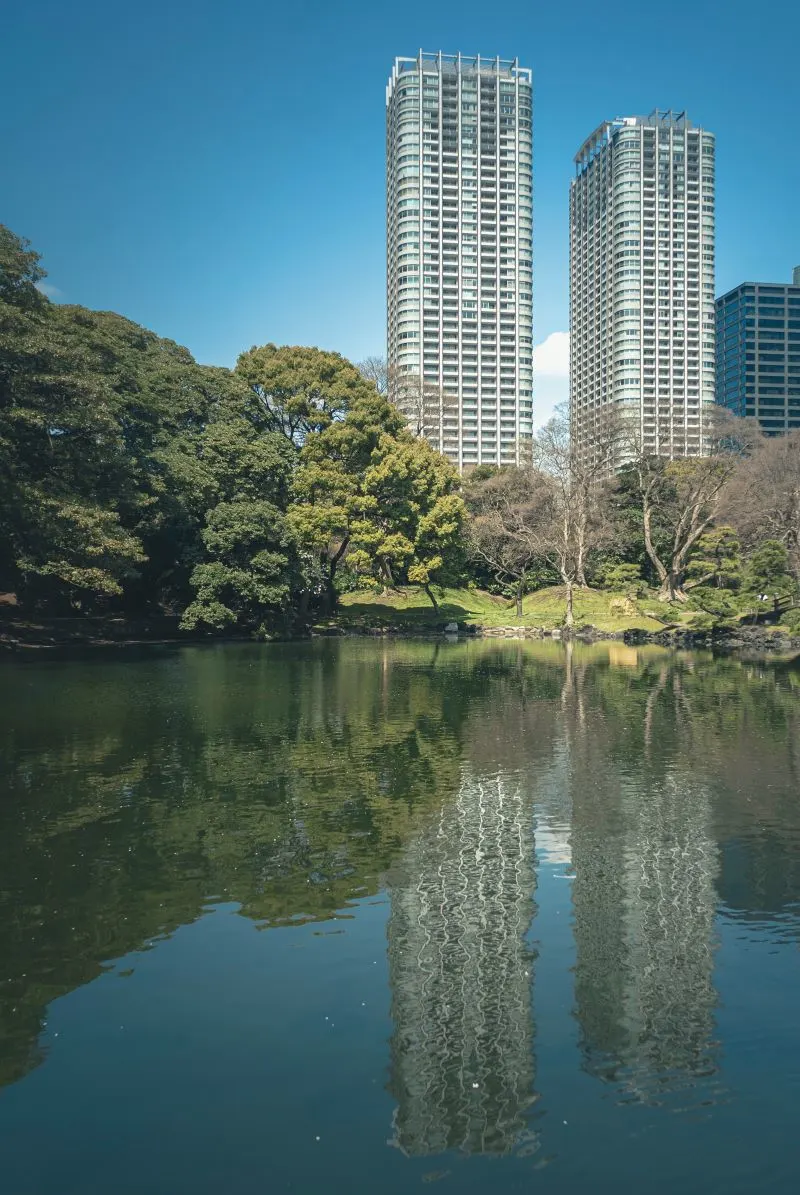
Hamarikyu Gardens, located in central Tokyo near Tokyo Bay, is a meticulously landscaped traditional Japanese garden that offers a serene escape from the bustling city.
The garden features a central pond surrounded by meticulously manicured lawns, vibrant flowers, and carefully placed trees.
One of the highlights of visiting Hamarikyu Gardens is the opportunity to take a boat ride on the garden’s tranquil pond. The boats, typically in the style of traditional Japanese wooden boats, gently glide through the serene waters, offering a peaceful and idyllic experience.
As you navigate the pond, you’ll be surrounded by the lush greenery and the picturesque scenery of the garden. The reflections of the trees and flowers in the calm waters create a stunning visual display, adding to the serene ambiance.
The boat ride allows you to appreciate the garden’s beauty from a different perspective, offering unique views and photo opportunities.
The boat ride in Hamarikyu Gardens is not only a chance to relax and enjoy the peaceful atmosphere but also an opportunity to learn about the garden’s history and significance.
The boat guides often provide informative commentary about the garden, pointing out notable features and sharing interesting anecdotes.
After the boat ride, you can continue exploring the rest of Hamarikyu Gardens on foot, strolling along the well-maintained paths, crossing ornate bridges, and discovering various tea houses and pavilions. The garden also offers stunning views of Tokyo’s skyline and the surrounding waterfront area.
28. Experience traditional Japanese entertainment at the Robot Restaurant in Shinjuku

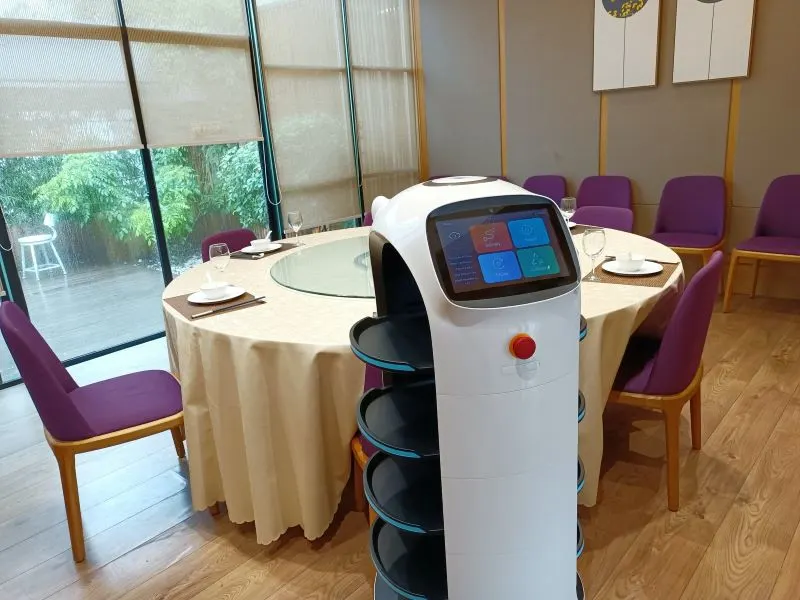
Located in the bustling district of Shinjuku, the Robot Restaurant is a dazzling show venue that immerses visitors in a futuristic and fantastical world.
As you enter the restaurant, you’ll find yourself in a vibrant and high-energy environment filled with neon lights, giant robots, and a lively atmosphere.
The main attraction of the Robot Restaurant is the exhilarating live show, which features a mix of robotics, dance, music, and storytelling. The performances are a fusion of traditional Japanese elements and modern pop culture, creating a unique and unforgettable experience.
Throughout the show, you’ll be entertained by a series of dazzling displays, including giant robot battles, dynamic choreography, vibrant costumes, and impressive audiovisual effects. The performances are accompanied by catchy music and soundtracks that add to the energetic atmosphere.
The Robot Restaurant is known for its over-the-top and eccentric aesthetic, with an abundance of neon lights, flashy decorations, and a sense of controlled chaos.
The combination of elaborate sets, colorful visuals, and high-energy performances creates a sensory overload that keeps you captivated from start to finish.
While the show at the Robot Restaurant is the main attraction, the venue also offers dining options. You can enjoy a meal or snacks during the performance, typically featuring Japanese cuisine with a modern twist.
29. Visit the Tokyo National Art Center and admire its impressive exhibitions

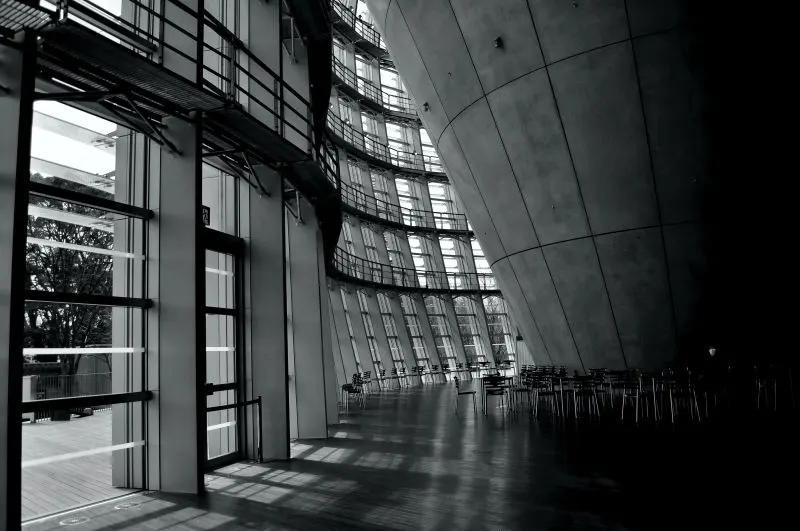
Situated in the Roppongi district of Tokyo, the Tokyo National Art Center is a prominent cultural institution known for its vast collection of artworks and its commitment to promoting various forms of artistic expression.
The museum’s architecture is a masterpiece in itself, with a sleek and modern design that seamlessly integrates with its surroundings. Upon entering, you’ll find spacious galleries that house a rotating selection of exhibitions, encompassing both traditional and contemporary art.
The Tokyo National Art Center hosts a wide range of exhibitions, featuring artworks from different periods, styles, and genres.
These exhibitions often highlight renowned Japanese artists, as well as international artists, allowing visitors to gain insights into both local and global artistic movements.
The museum’s collection includes paintings, sculptures, prints, ceramics, textiles, and other forms of visual art. From traditional Japanese masterpieces to contemporary installations, the exhibitions cater to a broad spectrum of artistic tastes and interests.
As you explore the museum, you’ll have the opportunity to admire works by celebrated artists, discover lesser-known talents, and learn about the historical and cultural contexts that shaped their creations.
The museum provides informative labels and audio guides to enhance your understanding and appreciation of the artworks on display.
The Tokyo National Art Center also hosts special exhibitions that focus on specific themes or artists, providing a deeper exploration of particular art movements or highlighting the works of influential figures.
These special exhibitions often attract significant attention and are a fantastic opportunity to engage with unique and thought-provoking artworks.
In addition to the exhibitions, the Tokyo National Art Center offers educational programs, workshops, and lectures that provide further insights into the world of art. The museum shop and cafe provide opportunities to relax, reflect, and even purchase art-related merchandise or enjoy refreshments.
30. Explore the trendy shops and boutiques in the fashionable district of Ginza

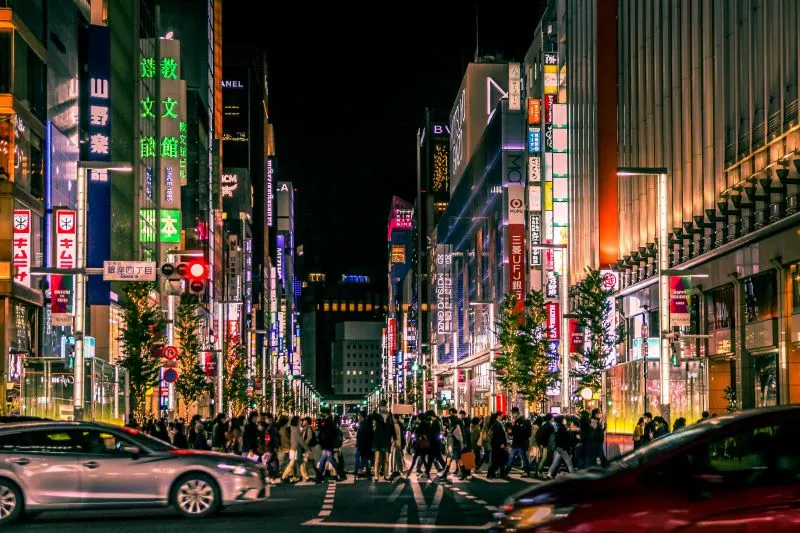
Ginza is home to a plethora of stylish shops and boutiques that showcase the latest fashion trends, designer labels, and unique finds. From world-famous luxury brands to local designers and niche boutiques, you’ll find a wide range of options to cater to different tastes and budgets.
The main thoroughfare of Ginza, Chuo-dori, is lined with flagship stores of iconic fashion brands, glitzy department stores, and upscale shopping complexes.
These establishments boast elegant architecture and impressive displays, creating a sophisticated and luxurious atmosphere.
In addition to international fashion brands, Ginza also features a variety of Japanese designer boutiques, showcasing cutting-edge fashion and innovative designs.
These boutiques often blend traditional Japanese aesthetics with modern influences, offering a unique and distinctive shopping experience.
One of the highlights of exploring Ginza is the chance to discover hidden gems in the side streets and smaller alleys. Here, you’ll find independent boutiques, concept stores, and up-and-coming designers showcasing their creations.
These offbeat and avant-garde shops often offer a more personalized and eclectic shopping experience, allowing you to uncover unique fashion pieces and accessories.
Beyond fashion, Ginza is also renowned for its selection of high-quality cosmetics, skincare products, and beauty brands. Many international and local beauty retailers have flagship stores in the district, offering a wide range of beauty products and exclusive collections.
Ginza isn’t just about shopping; it’s also a hub for art, culture, and gastronomy. The district houses numerous art galleries, exhibition spaces, and theaters, providing a blend of artistic and cultural experiences.
Additionally, Ginza boasts a wealth of upscale restaurants, cafes, and bars, where you can take a break from shopping and indulge in gourmet delights.
31. Take a dip in the relaxing hot springs of Odaiba Oedo Onsen Monogatari

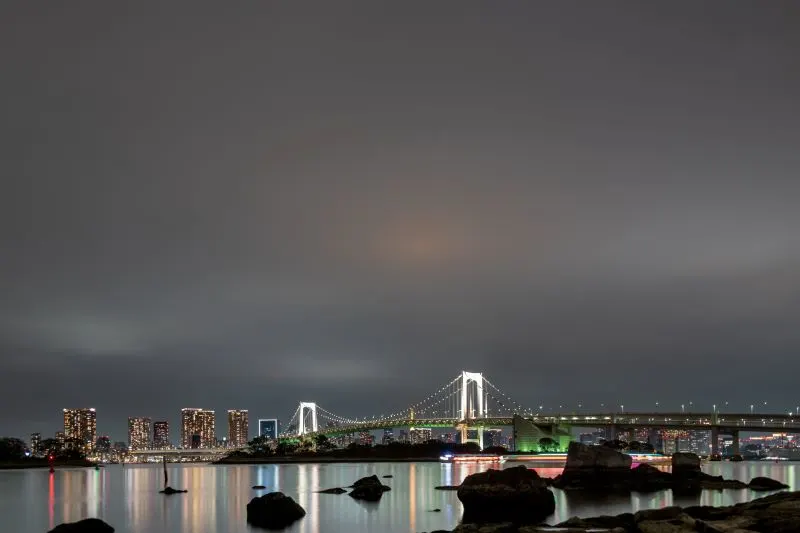
Located in the Odaiba district of Tokyo, Oedo Onsen Monogatari is a large hot spring theme park that recreates the atmosphere of an Edo-era town.
As you enter the facility, you’ll feel like you’ve stepped back in time, surrounded by traditional architecture, lantern-lit streets, and period-inspired decor.
The highlight of Oedo Onsen Monogatari is its variety of hot springs, known as “onsen” in Japanese. The hot springs here are supplied with natural hot water known for its therapeutic properties.
The onsen baths are gender-segregated and offer a range of different pools, including indoor and outdoor baths, as well as various types of mineral-rich waters. Soaking in these soothing hot springs is believed to promote relaxation, improve circulation, and provide a sense of tranquility.
Within the facility, you’ll find various additional amenities and activities to enhance your experience. You can explore the Edo-style town, complete with shops selling traditional crafts, games, and street food stalls offering local delicacies. You might even encounter staff members dressed in traditional Japanese attire, adding to the authentic atmosphere.
Oedo Onsen Monogatari also provides opportunities to enjoy cultural performances, such as traditional dances or live music, which further immerse you in the Edo period ambiance.
You can also participate in activities like wearing a yukata (a casual summer kimono), playing traditional games, or trying your hand at calligraphy.
After indulging in the hot springs and cultural activities, you can savor a delicious meal at one of the onsite restaurants, which serve a range of Japanese cuisine options, including regional specialties and seasonal dishes. The dining experience adds to the overall relaxation and enjoyment of your visit.
32. Discover the nightlife and entertainment district of Kabukicho in Shinjuku

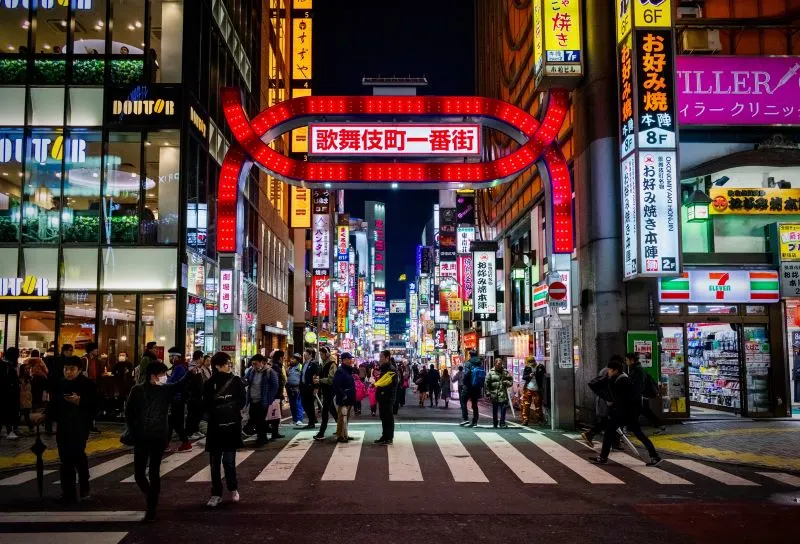
Located in the heart of Shinjuku, Kabukicho is known as one of Japan’s most famous entertainment districts. It’s a bustling area that comes alive once the sun sets, offering a wide range of entertainment options to suit various tastes and interests.
Kabukicho is renowned for its neon-lit streets, towering buildings, and a seemingly endless array of entertainment venues.
The district is home to countless bars, nightclubs, karaoke establishments, and themed restaurants, ensuring there’s something for everyone seeking an exciting evening out.
One of the main attractions of Kabukicho is its dynamic nightlife scene. The district boasts numerous bars and clubs catering to different music genres, ranging from hip-hop and EDM to jazz and rock.
Visitors can dance the night away to live music, catch DJ performances, or simply enjoy a few drinks with friends in a lively atmosphere.
For those looking for a uniquely Japanese experience, Kabukicho offers a variety of themed establishments. You can find robot-themed restaurants, maid cafes, izakayas (Japanese pubs), and even establishments dedicated to anime, manga, or video games. These themed venues provide immersive and entertaining experiences that reflect Japan’s pop culture and creativity.
Kabukicho is also home to various entertainment venues, including theaters and cinemas. The district hosts a wide range of shows, performances, and screenings, featuring everything from traditional kabuki theater to contemporary plays, comedy shows, and movie premieres. Attending a live performance or catching a film allows you to immerse yourself in Japan’s rich entertainment scene.
While Kabukicho is a vibrant and exciting district, it’s important to note that some areas may cater to adult-oriented entertainment. Visitors should exercise caution and choose venues that align with their preferences and comfort levels.
33. Attend a baseball game at the iconic Tokyo Dome

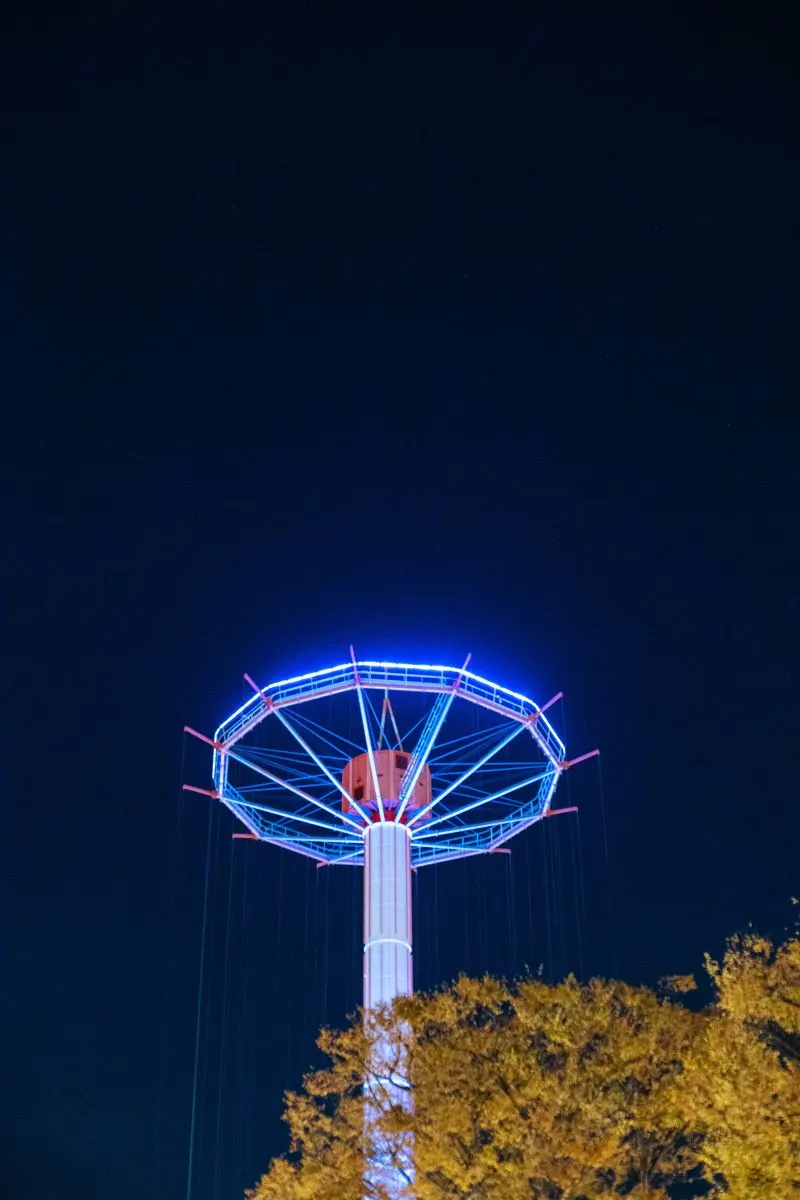
Located in the heart of Tokyo, the Tokyo Dome is a renowned multi-purpose stadium and home to the Yomiuri Giants, one of Japan’s most popular professional baseball teams.
The stadium’s iconic structure, with its distinctive dome-shaped roof, stands out in the city skyline and has become synonymous with Japanese baseball.
As you enter the Tokyo Dome, you’ll be greeted by a lively and energetic atmosphere. The stadium is known for its passionate fans who create an electric ambiance throughout the game, cheering, singing team chants, and waving colorful banners and flags. The energy in the air is contagious, adding to the excitement of the experience.
The Tokyo Dome offers excellent facilities, including comfortable seating, ample concessions selling a variety of food and beverages, and merchandise shops where you can purchase team merchandise to show your support. The stadium’s modern amenities ensure a comfortable and enjoyable time for spectators.
Watching a baseball game at the Tokyo Dome allows you to witness the high level of play and skill demonstrated by the teams. Japanese baseball is known for its fast-paced action, strategic plays, and enthusiastic fan engagement.
You’ll see impressive pitching, powerful hitting, and skillful fielding, creating thrilling moments throughout the game.
Between innings, the Tokyo Dome often features various forms of entertainment, including lively performances, cheerleading squads, and interactive games for spectators. These intermissions add to the festive atmosphere and provide additional excitement during breaks in the game.
34. Explore the historical district of Kanda and its traditional atmosphere

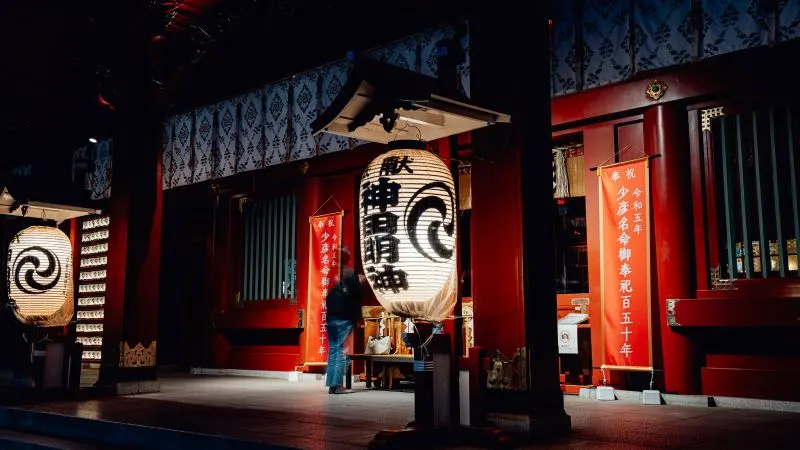
Located near the center of Tokyo, Kanda is a neighborhood that exudes a sense of old-world charm. It is known for its well-preserved historical buildings, narrow winding streets, and traditional shops that have been operating for generations.
As you explore Kanda, you’ll encounter traditional wooden houses, called “kominka,” which offer a glimpse into the architectural style of the past.
These buildings showcase the intricate craftsmanship and design elements that were prevalent during the Edo period and give Kanda its distinct nostalgic ambiance.
One of the notable landmarks in Kanda is Kanda Myojin, a Shinto shrine that dates back over 1,300 years. This revered shrine is known for its beautiful architecture, including its iconic red torii gate and impressive main hall.
It is a place of worship and cultural significance, attracting visitors who come to pay their respects and experience the tranquil atmosphere.
Kanda is also renowned for its numerous bookstores and shops specializing in used and rare books. The neighborhood has a long history as a center of learning and academia, and it continues to be a hub for book lovers and scholars.
Strolling through the old-fashioned bookstores, you can browse through shelves filled with antique books, manga, and other literary treasures.
In addition to bookstores, Kanda is home to traditional craft shops, where you can find handmade ceramics, textiles, and traditional Japanese crafts.
These shops offer a chance to appreciate the artistry and craftsmanship that has been passed down through generations, providing an opportunity to take home unique souvenirs or immerse yourself in traditional Japanese aesthetics.
Kanda is also known for its vibrant food scene, with numerous small restaurants, izakayas (Japanese pubs), and street food stalls.
You can savor traditional Japanese dishes, such as sushi, tempura, and udon, while enjoying the cozy and intimate atmosphere that characterizes the neighborhood.
35. Visit the teamLab Planets interactive digital art exhibition in Toyosu

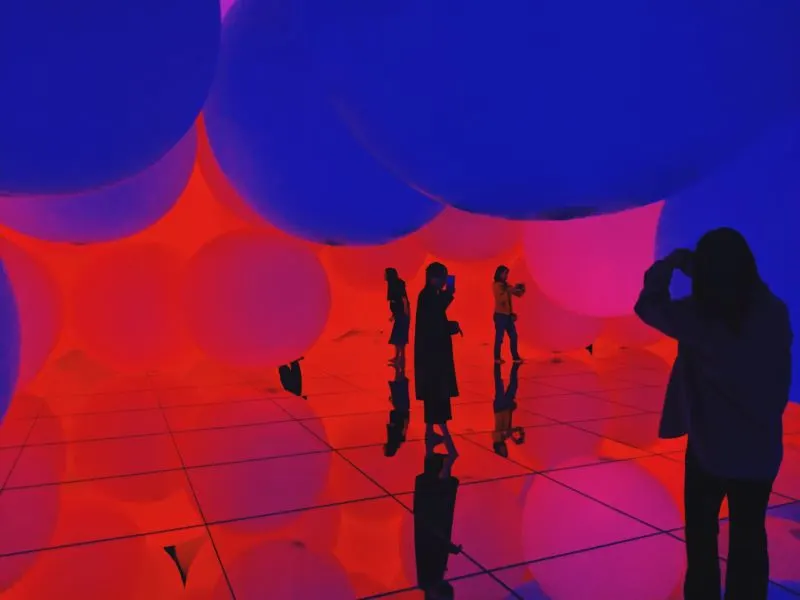
Located in Tokyo, teamLab Planets is an innovative digital art exhibition that takes visitors on a mesmerizing journey through various interactive installations.
The exhibition is designed to stimulate your senses and provide a unique perspective on the intersection of art and technology.
Upon entering teamLab Planets, you’ll find yourself surrounded by vast and dynamic digital artworks that extend across the floor, walls, and even ceiling. The installations utilize state-of-the-art projection mapping, sensors, and sound effects to create a truly immersive environment.
The exhibition is characterized by its interactive nature, allowing visitors to engage with the artworks and become an integral part of the experience.
You’ll have the opportunity to walk through illuminated landscapes, wade through shallow pools of water, and navigate through rooms filled with ever-changing visuals and sounds.
One of the highlights of teamLab Planets is the “Floating in the Falling Universe of Flowers” installation, where you can step into a room filled with vivid, floating flowers that react and change as you move through the space. This ethereal environment creates a sense of wonder and enchantment.
Another popular installation is the “Drawing on the Water Surface Created by the Dance of Koi and People – Infinity” where you can interact with virtual koi fish that swim beneath your feet.
As you step on the water surface, ripples and vibrant colors are generated, creating a captivating and dynamic visual experience.
Throughout the exhibition, teamLab Planets encourages visitors to explore, touch, and interact with the digital artworks, blurring the boundaries between art and audience.
This hands-on approach allows for a personalized and immersive encounter with the artworks, fostering a deep connection and engagement with the digital creations.
These are just a few of the many amazing things you can do in Tokyo. The city is full of attractions, cultural experiences, and culinary delights, ensuring a memorable visit.
Food In Tokyo

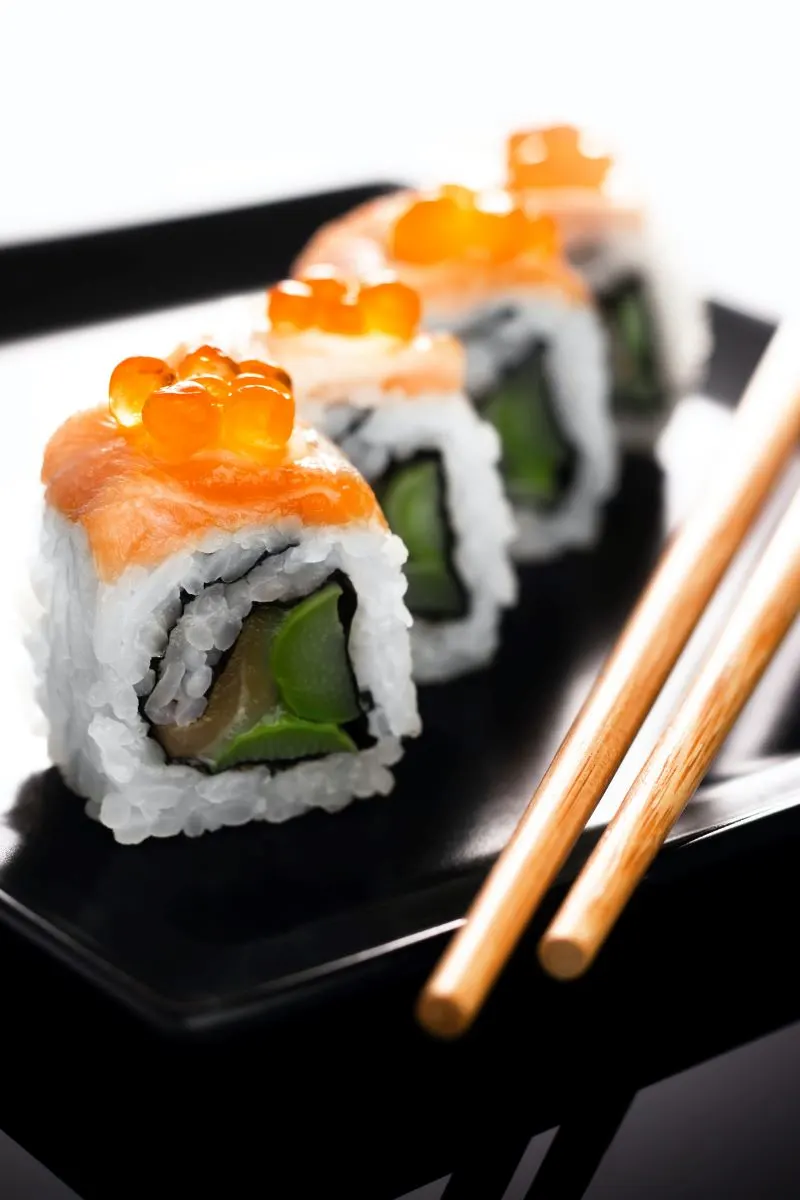
Tokyo, the bustling metropolis and culinary capital of Japan, is a haven for food lovers and adventurous eaters. With its endless array of dining options, from humble street food stalls to Michelin-starred restaurants, Tokyo offers a gastronomic experience like no other.
Let’s embark on a culinary journey through the diverse and mouthwatering food scene that awaits in the vibrant streets of Tokyo.
- Traditional Delights: Tokyo is steeped in culinary traditions, and exploring the city means delving into the world of traditional Japanese cuisine. From delicate sushi and sashimi to flavorful ramen and comforting bowls of udon, the city boasts countless establishments that excel in presenting the essence of traditional flavors. Sample fresh seafood at the famous Tsukiji Fish Market, indulge in a multi-course kaiseki meal, or savor the artistry of a beautifully crafted bento box.
- Street Food Paradise: For a more casual and immersive experience, Tokyo’s street food scene is an absolute must-try. Wander through bustling alleys and vibrant food markets like Ameya-Yokocho and Takeshita Street, where you’ll find an assortment of delectable treats. Sink your teeth into crispy tempura, savory yakitori skewers, fragrant takoyaki (octopus balls), and the ever-popular Japanese-style crepes. Don’t forget to sample Tokyo’s beloved street snack, yakisoba, a stir-fried noodle dish packed with flavor.
- Ramen Galore: Tokyo is renowned for its ramen culture, with countless ramen shops scattered throughout the city. Each shop offers its own unique take on this beloved noodle soup dish. Whether you prefer a rich and creamy tonkotsu broth, a soy-based shoyu ramen, or a spicy miso-infused bowl, you’ll find an array of options to satisfy your ramen cravings. From popular chains to hidden gems in narrow alleyways, Tokyo has a ramen joint for every discerning palate.
- Izakayas and Yakitori Bars: Experience Tokyo’s vibrant nightlife and socialize with locals by visiting an izakaya or yakitori bar. These lively establishments serve up a variety of small plates and skewered delights, paired perfectly with a refreshing glass of Japanese beer or sake. Sample grilled chicken skewers, crispy gyoza dumplings, savory kushiyaki, and an assortment of other mouthwatering izakaya specialties.
- Modern and Fusion Cuisine: Tokyo is at the forefront of culinary innovation, where traditional flavors meet contemporary techniques. The city boasts a multitude of modern and fusion restaurants that push the boundaries of Japanese cuisine. Indulge in innovative sushi creations, experience the artistry of kaiseki-inspired fusion dishes, or savor the bold flavors of Tokyo’s vibrant international dining scene. From trendy cafes serving Instagram-worthy dishes to cutting-edge fine dining establishments, Tokyo caters to even the most discerning food enthusiasts.
Tokyo’s food scene is a testament to the city’s rich culinary heritage and its unwavering dedication to pushing culinary boundaries.
Whether you’re a lover of traditional Japanese cuisine, a street food aficionado, or a fan of avant-garde culinary creations, Tokyo offers an unrivaled gastronomic adventure.
So, venture into the vibrant streets, embrace the enticing aromas, and embark on a culinary journey that will delight your taste buds and leave you with unforgettable dining experiences in the heart of this culinary wonderland.
Top 20 Best Restaurants In Tokyo, Japan

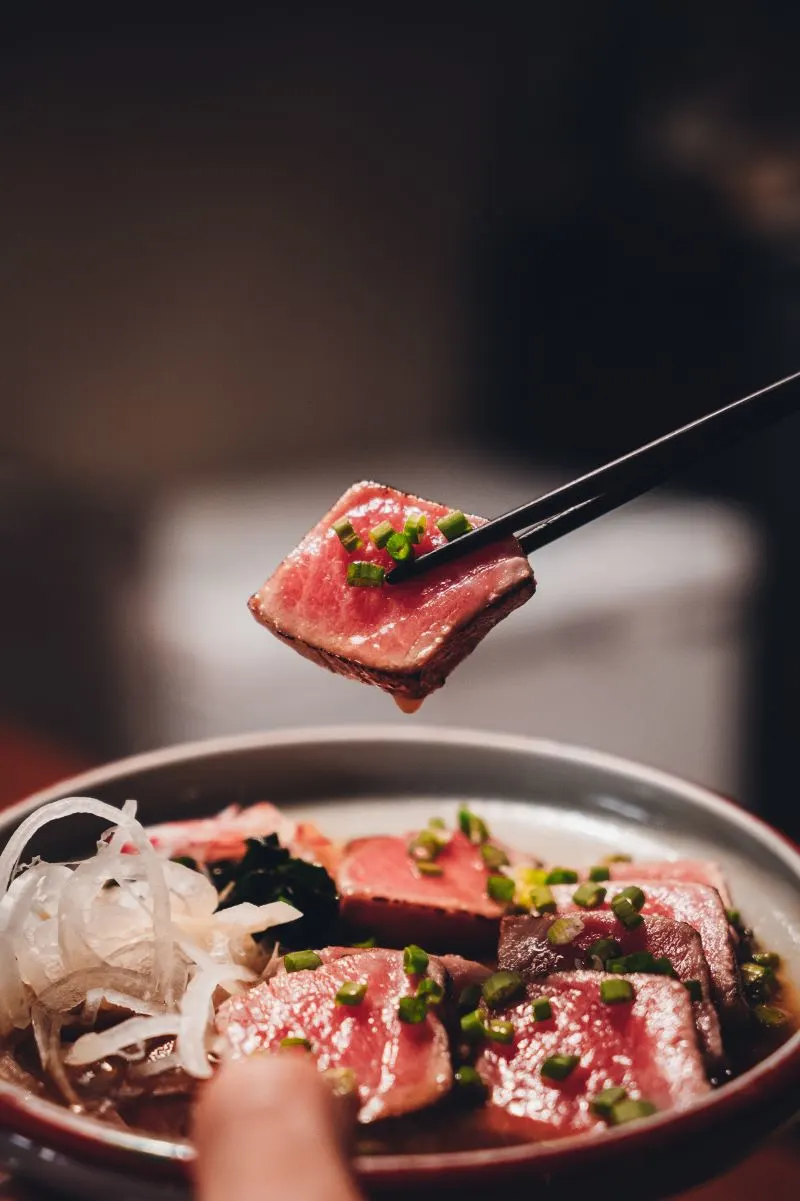
- Sukiyabashi Jiro: World-renowned sushi restaurant known for its masterful craftsmanship and dedication to the art of sushi-making.
- Ryugin: A Michelin three-star restaurant offering innovative kaiseki cuisine that combines traditional Japanese flavors with modern techniques.
- Sushi Saito: Highly regarded for its exquisite sushi creations, Sushi Saito is a small, intimate restaurant with a limited number of seats.
- Den: A celebrated restaurant that presents playful and imaginative takes on traditional Japanese dishes, focusing on the use of seasonal ingredients.
- Narisawa: Known for its innovative “Satoyama cuisine,” Chef Yoshihiro Narisawa creates dishes inspired by nature and sustainability.
- Quintessence: A French-inspired restaurant that features meticulously crafted dishes showcasing the finest ingredients, earning three Michelin stars.
- Nihonryori RyuGin: A modern kaiseki restaurant offering a culinary journey that highlights the essence of Japanese flavors with a contemporary twist.
- Ishikawa: An intimate dining experience specializing in kaiseki cuisine, serving meticulously prepared dishes that reflect the seasons.
- Sushi Mizutani: A highly regarded sushi establishment known for its exceptional quality and traditional sushi techniques.
- Jiro Roppongi Hills: An offshoot of Sukiyabashi Jiro, this restaurant offers the same dedication to sushi craftsmanship in a different location.
- Florilège: A French-inspired restaurant that combines Japanese ingredients with innovative cooking techniques, resulting in a unique and memorable dining experience.
- L’Effervescence: Led by Chef Shinobu Namae, this restaurant focuses on showcasing Japan’s diverse culinary culture through a creative and artful approach.
- Sugalabo: A hidden gem offering an intimate dining experience with a limited number of seats, serving a meticulously curated tasting menu.
- Tempura Kondo: A renowned tempura restaurant where each piece is prepared with precision, resulting in light and crispy perfection.
- Usukifugu Yamadaya: Specializing in fugu (blowfish) cuisine, this restaurant ensures the safe and expert preparation of this delicacy.
- Kagurazaka Ishikawa: A hidden gem specializing in traditional kaiseki cuisine with an emphasis on seasonal ingredients and meticulous preparation.
- Savoy: A popular pizza restaurant in Tokyo, known for its delectable Neapolitan-style pizzas with perfectly charred crusts.
- Sushi Yoshitake: A highly regarded sushi restaurant that offers an intimate dining experience with an omakase menu showcasing the freshest fish.
- Nogizaka Shin: This Michelin-starred restaurant serves elegant and refined French cuisine with a Japanese touch, using locally sourced ingredients.
- RyuGin: A flagship restaurant of the Tominokoji Yamagishi Group, RyuGin presents a modern interpretation of traditional kaiseki cuisine.
Transportation In Tokyo
- Subway and Rail: Tokyo’s subway and rail system is the backbone of the city’s transportation network. Operated by several companies, including Tokyo Metro and JR East, the subway and rail lines provide convenient access to popular destinations, neighborhoods, and tourist attractions. The system is well-maintained, punctual, and offers signage in English, making it easily accessible for both residents and visitors.
- Buses: Tokyo has an extensive bus network that complements the subway and rail system. Buses are a convenient mode of transportation for reaching destinations not easily accessible by train. They operate on a comprehensive network of routes and offer both regular and express services. While buses can be slower due to traffic conditions, they provide a chance to enjoy street-level views of the city.
- Taxis: Taxis are readily available throughout Tokyo, and they offer a convenient door-to-door transportation option. Tokyo taxis are known for their cleanliness, professionalism, and courteous drivers. Taxis can be hailed on the street, found at designated taxi stands, or booked through smartphone apps. While more expensive than other forms of transportation, taxis are particularly useful for traveling with heavy luggage or when traveling late at night.
- Trams: Tokyo’s tram system, known as the Toden Arakawa Line, is a charming and nostalgic mode of transportation. Although not as extensive as the subway or rail network, trams provide a unique way to explore certain neighborhoods and offer a scenic ride through traditional residential areas. Riding the tram is a delightful way to experience a touch of Tokyo’s old-world charm.
- Cycling: Tokyo has been increasingly promoting cycling as a means of transportation. The city has implemented bike lanes and rental services, making it easier for residents and tourists to explore the city on two wheels. Cycling can be an enjoyable and efficient way to navigate local neighborhoods, especially in areas with less traffic congestion.
- Walking: Tokyo is a highly walkable city, and many popular attractions and neighborhoods are within reasonable walking distance of each other. Walking allows you to soak in the vibrant atmosphere, discover hidden gems, and experience the unique character of each district. Additionally, Tokyo’s well-organized signage and pedestrian-friendly infrastructure make it easy and safe to explore on foot.
It’s worth noting that Tokyo’s transportation system operates on a smart card payment system, such as Suica or Pasmo, which allows for seamless transfers between different modes of transportation.
These smart cards can be topped up with funds and used to pay for fares on trains, buses, and even at some convenience stores.
Navigating Tokyo’s transportation system may initially seem overwhelming due to the vast network and crowded stations, but with a bit of planning and familiarity, it becomes a reliable and efficient way to explore this bustling metropolis.
With its rich cultural heritage, modern marvels, and dynamic energy, Tokyo is a city that never ceases to amaze. From the traditional temples and gardens to the futuristic skyscrapers and vibrant neighborhoods, the Japanese capital offers an endless array of experiences for visitors to indulge in.
As we conclude our journey through the 35 best things to do in Tokyo, let us reflect on the incredible diversity and allure this city has to offer.
Whether you’re seeking tranquility or excitement, Tokyo has something for everyone. Immerse yourself in the serenity of the Meiji Shrine or explore the bustling streets of Shibuya, where you can witness the famous scramble crossing.
Indulge in the culinary wonders of Tsukiji Fish Market or treat yourself to a traditional tea ceremony in a serene teahouse.
Dive into the thriving otaku culture in Akihabara or marvel at the technological marvels in the Odaiba district. From exploring the historical charm of Asakusa to embracing the vibrant nightlife of Shinjuku, Tokyo offers a kaleidoscope of experiences.
Art enthusiasts will find themselves captivated by the world-class exhibitions at the Tokyo National Art Center and teamLab Borderless digital art museum.
Nature lovers can escape the urban bustle by strolling through the picturesque Hamarikyu Gardens or taking a boat ride along the Sumida River.
The iconic Tokyo Dome is a must-visit for sports fans, while the traditional district of Kanda provides a glimpse into Tokyo’s historical atmosphere.
As you navigate Tokyo’s efficient transportation system, you’ll discover hidden gems in the trendy boutiques of Ginza, the lively entertainment district of Kabukicho, and the charming alleys of Kagurazaka.
Delight in the sensory overload of the Robot Restaurant or relax in the hot springs of Odaiba Oedo Onsen Monogatari. And of course, no visit to Tokyo is complete without catching a baseball game at the iconic Tokyo Dome, cheering alongside passionate fans.
Tokyo’s fusion of tradition and innovation, its culinary delights, cultural richness, and warm hospitality make it an unforgettable destination.
As you embark on your Tokyo adventure, may you find inspiration, wonder, and a deeper appreciation for the vibrant tapestry of this incredible city. Tokyo is ready to welcome you with open arms, inviting you to create memories that will last a lifetime.
Leave a comment