

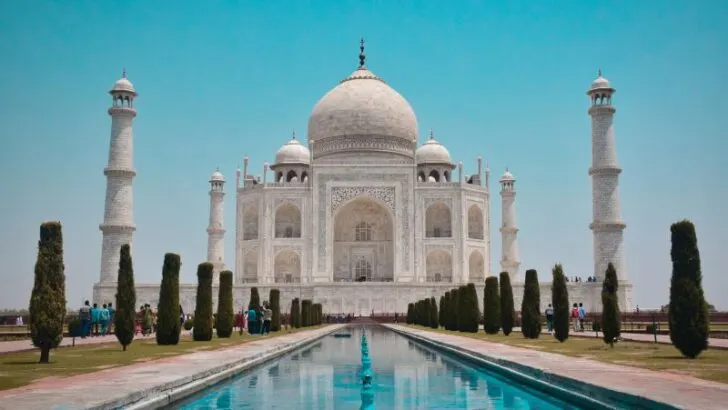
Agra, located in the northern state of Uttar Pradesh, is a city steeped in history and renowned for its architectural marvels.
It is best known as the home of the magnificent Taj Mahal, one of the Seven Wonders of the World and a UNESCO World Heritage Site. Agra has a rich cultural heritage that dates back to ancient times and was a significant center during the Mughal era.
The city’s prominence skyrocketed during the reign of the Mughals, particularly during the 16th and 17th centuries. Agra served as the capital of the Mughal Empire from 1526 to 1658, witnessing the golden age of Mughal architecture and art.
The Mughal emperors left an indelible mark on Agra, adorning it with splendid structures that still stand today, attracting millions of visitors from across the globe.
The Taj Mahal, undoubtedly Agra’s most iconic attraction, is a masterpiece of Mughal architecture. Built by Emperor Shah Jahan in the 17th century as a mausoleum for his beloved wife, Mumtaz Mahal, the Taj Mahal is renowned for its symmetrical design, white marble facade, intricate marble inlays, and ethereal beauty. Its unparalleled beauty and significance make it a must-visit destination for travelers from all corners of the world.
Apart from the Taj Mahal, Agra is home to other architectural gems, including the majestic Agra Fort. This UNESCO World Heritage Site served as the residence of the Mughal emperors and offers a glimpse into their opulent lifestyle.
The fort showcases a fusion of Persian, Islamic, and Hindu architectural styles and encompasses splendid palaces, mosques, and gardens within its red sandstone walls.
Fatehpur Sikri, a short distance from Agra, is another remarkable destination. This abandoned city was once the capital of the Mughal Empire and is known for its well-preserved palaces, courtyards, and mosques. The architectural grandeur of Fatehpur Sikri reflects the vision and artistic brilliance of Emperor Akbar.
Agra is not just about its historical treasures but also offers a vibrant culture and a diverse culinary scene. The city’s bustling streets are filled with markets, where visitors can shop for handicrafts, textiles, and traditional artifacts.
Agra is also famous for its delectable cuisine, with Mughlai dishes and street food delights like pani puri, chaat, and kachori being popular among locals and tourists alike.
A visit to Agra is a journey through time, allowing travelers to immerse themselves in the legacy of the Mughal Empire and witness the architectural wonders that have withstood the test of time.
It’s a city that captures the imagination and leaves an indelible mark on the hearts of those who experience its captivating beauty.
With its grandeur, history, and architectural splendor, Agra continues to be a testament to India’s rich cultural heritage and remains one of the most sought-after destinations for travelers exploring the wonders of the world.
1. Visit the Taj Mahal: Explore the iconic monument and marvel at its exquisite architecture

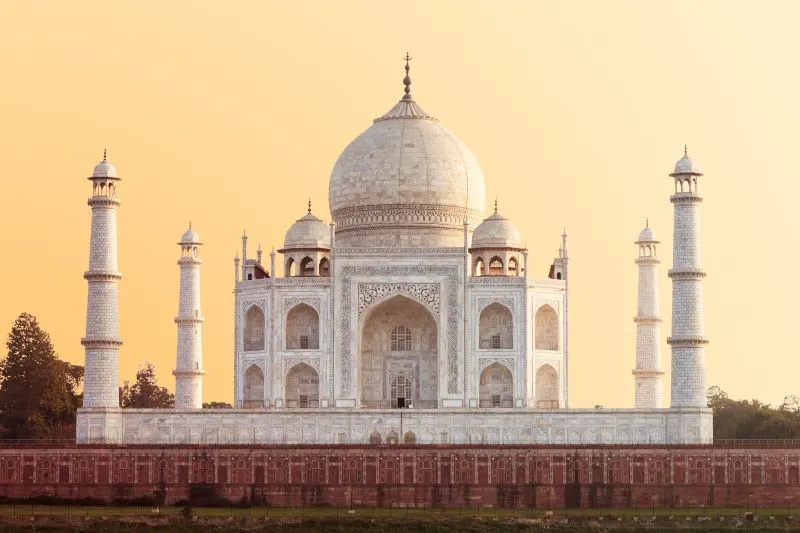
The Taj Mahal is an iconic monument located in Agra, India. It is widely considered one of the most beautiful architectural masterpieces in the world and is recognized as a UNESCO World Heritage Site.
Built between 1631 and 1653 by the Mughal Emperor Shah Jahan as a mausoleum for his beloved wife Mumtaz Mahal, the Taj Mahal is a symbol of eternal love.
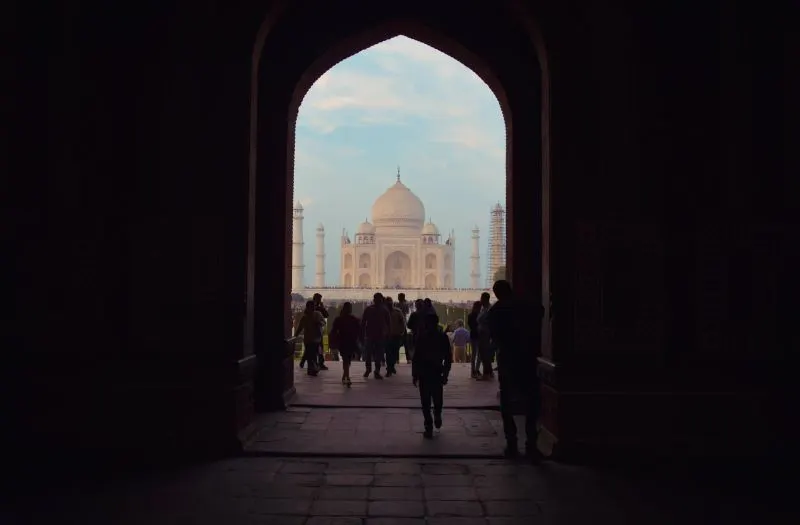
The structure is made entirely of white marble and showcases intricate detailing, including delicate carvings, inlaid precious stones, and exquisite calligraphy. The main dome, minarets, and the symmetrical gardens surrounding the Taj Mahal contribute to its breathtaking beauty.
Visiting the Taj Mahal allows you to witness the sheer grandeur of its architecture and appreciate the craftsmanship involved.
Whether you explore it during the day, at sunrise, or at sunset, the Taj Mahal’s ethereal beauty leaves a lasting impression. It’s a place of tranquility and awe, where visitors can marvel at the love and dedication that inspired its creation.
2. Explore Agra Fort: Discover the grandeur of this UNESCO World Heritage Site

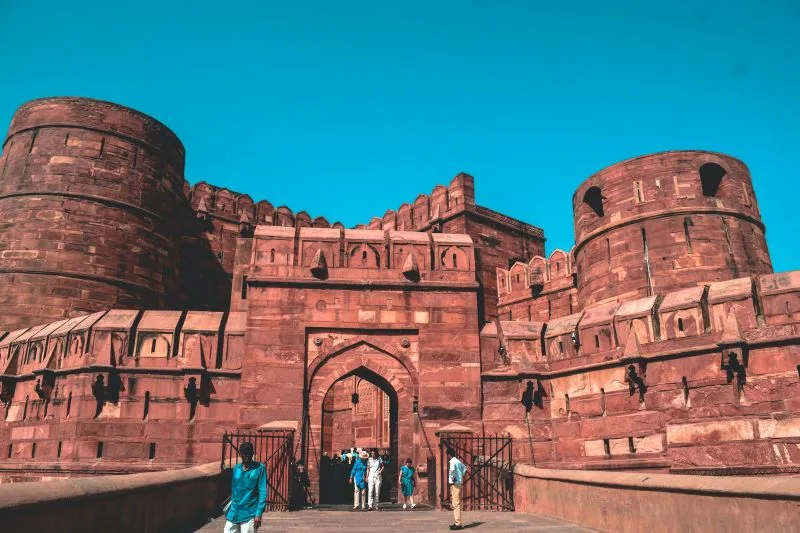
Agra Fort, also known as the Red Fort of Agra, is a historic fortress located in Agra, India. It is another UNESCO World Heritage Site in the city and is a testament to the grandeur and power of the Mughal Empire. Built primarily with red sandstone, the fort is a magnificent blend of Islamic and Hindu architectural styles.
Exploring Agra Fort allows you to step back in time and immerse yourself in the rich history of the Mughal era. The fort complex encompasses various structures, including palaces, mosques, gardens, and courtyards.
The most notable buildings within the fort include the Jahangiri Mahal, Khas Mahal, Sheesh Mahal (Mirror Palace), and the Diwan-i-Khas (Hall of Private Audience), among others.
As you wander through the fort’s expansive premises, you’ll encounter stunning architecture, intricate carvings, beautiful marble work, and captivating views of the surrounding city and the nearby Taj Mahal. The fort also provides insight into the lives and lifestyles of the Mughal emperors who once resided within its walls.
3. Admire the Itmad-ud-Daulah Tomb: Also known as the Baby Taj, it is a beautiful marble mausoleum

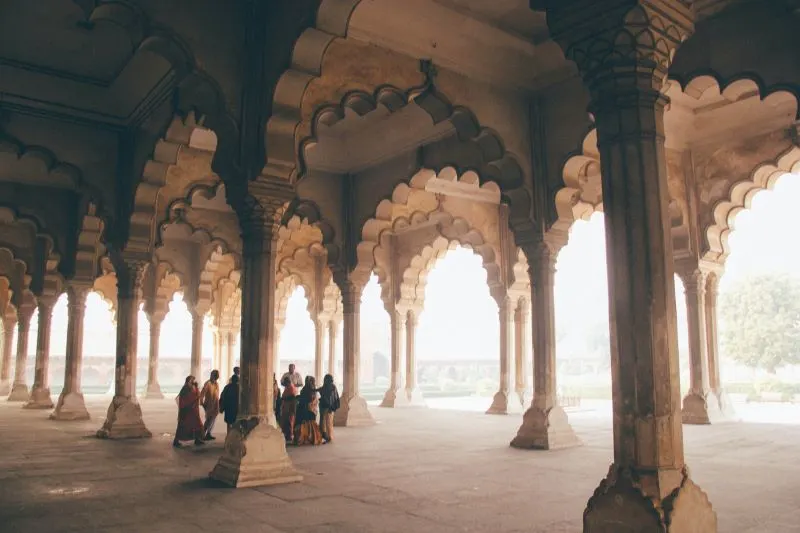
The Itmad-ud-Daulah Tomb, also known as the Baby Taj, is a beautiful mausoleum located in Agra, India. It holds immense historical and architectural significance as it served as an inspiration for the design of the Taj Mahal.
Built between 1622 and 1628, the tomb is dedicated to Mirza Ghiyas Beg, who was a prominent nobleman and the grandfather of Mumtaz Mahal, the wife of Emperor Shah Jahan.
The Itmad-ud-Daulah Tomb is renowned for its intricate craftsmanship and delicate marble work. The exterior of the tomb is adorned with detailed carvings, exquisite lattice screens, and inlaid semi-precious stones. The interior features intricate paintings and floral motifs, adding to its aesthetic appeal.
What makes the Itmad-ud-Daulah Tomb unique is its smaller size compared to the Taj Mahal, but it still exudes a sense of elegance and beauty. The tomb is surrounded by well-maintained gardens, providing a serene and picturesque ambiance.
Visiting the Itmad-ud-Daulah Tomb allows you to appreciate the architectural finesse of the Mughal era and witness a lesser-known gem in Agra.
It is a serene and peaceful place where you can admire the intricate craftsmanship and learn about the historical connections that influenced the design of the Taj Mahal.
4. Witness the Mehtab Bagh: Enjoy a serene view of the Taj Mahal from this picturesque garden

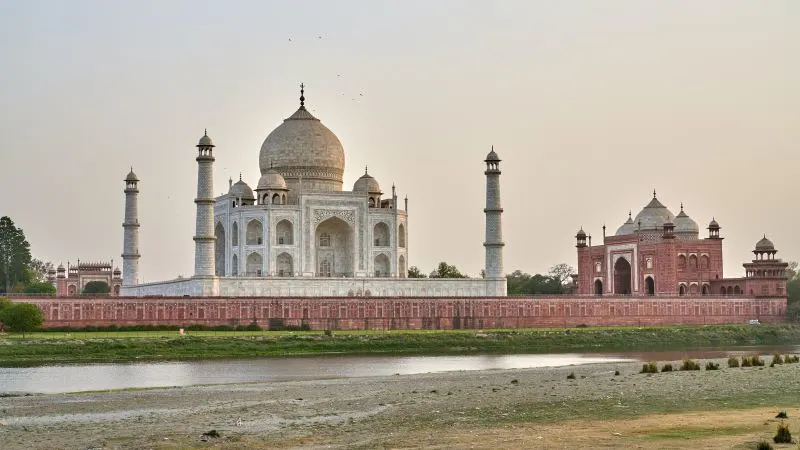
Mehtab Bagh, also known as the Moonlight Garden, is a beautiful garden complex located on the opposite bank of the Yamuna River from the Taj Mahal in Agra, India. The garden offers a serene and picturesque setting where visitors can enjoy a breathtaking view of the Taj Mahal.
Witnessing the Mehtab Bagh allows you to experience a unique perspective of the Taj Mahal. As you stroll through the garden, you’ll find well-manicured lawns, pathways, and symmetrical flowerbeds that add to its charm.
The garden was originally designed as a part of the Taj Mahal complex, offering a perfect symmetry with the mausoleum.
One of the highlights of visiting Mehtab Bagh is the opportunity to witness the Taj Mahal during different times of the day. The garden provides an ideal vantage point to enjoy stunning views of the Taj Mahal at sunrise, sunset, and under the moonlight, creating a magical and romantic ambiance.
Mehtab Bagh is known for its tranquil atmosphere, away from the hustle and bustle of the main tourist areas. It offers a peaceful retreat where you can relax, take in the beauty of the Taj Mahal from a distance, and capture memorable photographs.
5. Take a walk at the Jama Masjid: Visit the largest mosque in Agra and soak in its architectural splendor

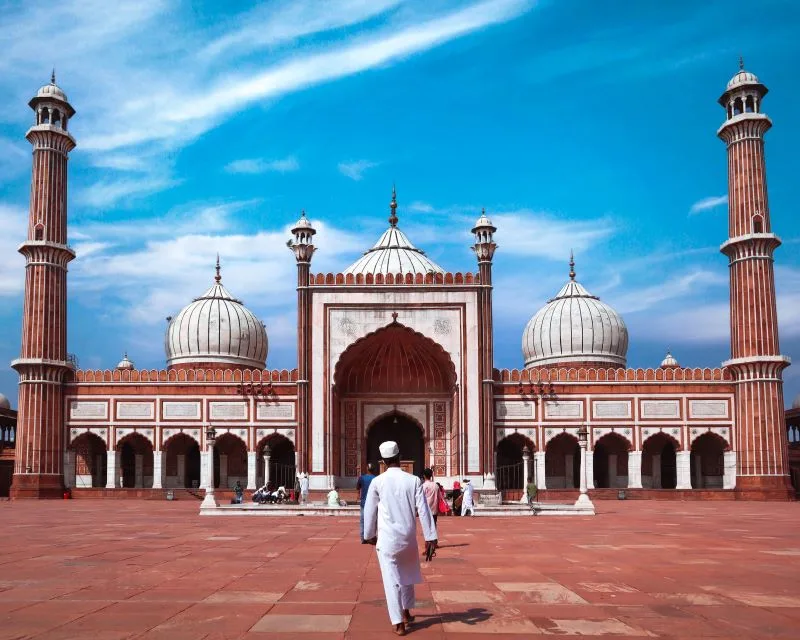
Jama Masjid is a significant mosque located in Agra, India. It is one of the largest mosques in the country and serves as a prominent religious and cultural landmark.
Taking a walk at the Jama Masjid offers a chance to immerse yourself in the architectural splendor and experience the vibrant atmosphere of this historical site.
As you approach the Jama Masjid, you’ll be greeted by its impressive facade featuring intricate sandstone carvings and exquisite craftsmanship. The mosque follows the typical Mughal architectural style with domes, minarets, and arched entrances. The interior is equally captivating, with spacious prayer halls adorned with beautiful marble work and delicate floral patterns.
Walking through the Jama Masjid allows you to soak in the serene and spiritual ambiance of the mosque. You’ll witness worshippers engaged in prayers and rituals, which adds to the cultural experience. The tranquil courtyard offers a peaceful space for contemplation and reflection.
Jama Masjid also serves as a hub of community activity, bustling with vendors selling traditional artifacts, religious items, and local delicacies. Exploring the surrounding lanes and bazaars provides an opportunity to indulge in the vibrant local culture and savor delicious street food.
6. Explore Fatehpur Sikri: Take a day trip to this deserted Mughal city and explore its magnificent structures

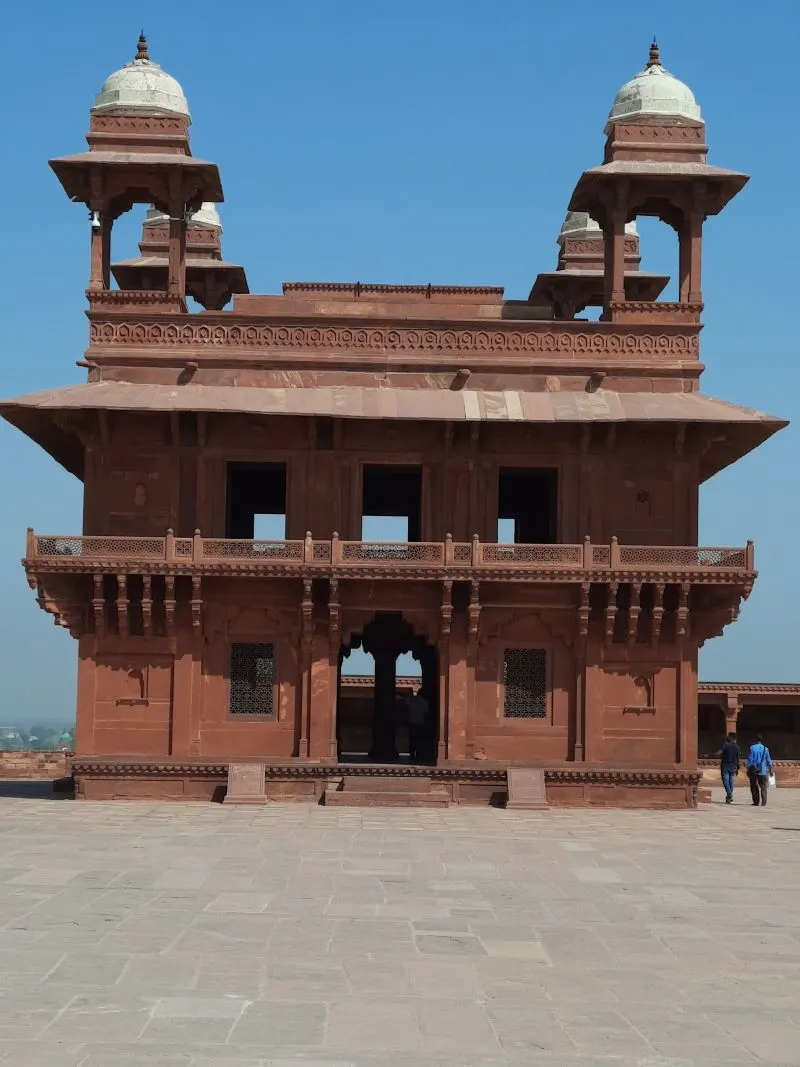
Fatehpur Sikri is a fascinating historical site located near Agra, India. It is an abandoned fortified city that was once the capital of the Mughal Empire during the reign of Emperor Akbar. Exploring Fatehpur Sikri offers a glimpse into the grandeur and architectural brilliance of the Mughal era.
The city of Fatehpur Sikri was constructed in the late 16th century and served as a flourishing center of art, culture, and governance. The architectural style of Fatehpur Sikri reflects a blend of Islamic, Hindu, and Persian influences, resulting in a unique fusion of architectural elements.
As you explore Fatehpur Sikri, you’ll come across various impressive structures, including the Buland Darwaza (Gate of Victory), which is one of the largest gateways in the world.
The Jama Masjid, Diwan-i-Khas (Hall of Private Audience), Panch Mahal, and Tomb of Salim Chishti are other notable attractions within the complex.
Each structure in Fatehpur Sikri showcases intricate carvings, beautiful marble work, and ornate designs. The red sandstone buildings stand as a testament to the architectural prowess and artistic finesse of the Mughal period.
7. Attend a cultural show at Kalakriti Cultural & Convention Center: Experience traditional music and dance performances


The Kalakriti Cultural & Convention Center in Agra, India, offers a vibrant and immersive cultural experience through its traditional music and dance performances. Attending a cultural show at Kalakriti allows you to witness the rich heritage and artistic traditions of the region.
The center hosts various performances showcasing classical Indian music, dance forms, and folk arts. Talented artists, musicians, and dancers bring these art forms to life, captivating the audience with their skill, grace, and expressive performances.
During a cultural show at Kalakriti, you can expect to experience traditional Indian dance forms such as Kathak, Bharatanatyam, Odissi, or folk dances like Bhangra or Garba.
These dances are accompanied by live classical music, featuring instruments such as sitar, tabla, sarod, flute, and others. The music and dance performances are intricately choreographed, showcasing the beauty, rhythm, and storytelling elements of Indian art forms.
Attending a cultural show at Kalakriti provides an opportunity to appreciate the aesthetics, costumes, music, and rhythm of Indian performing arts.
The colorful costumes, graceful movements, and melodic compositions create a mesmerizing atmosphere, immersing you in the cultural heritage of India.
Apart from traditional music and dance, Kalakriti Cultural & Convention Center may also feature other cultural activities, including storytelling, puppetry, and theater performances, depending on the scheduled events.
8. Explore the Tomb of Akbar the Great: Visit the mausoleum of the great Mughal emperor Akbar

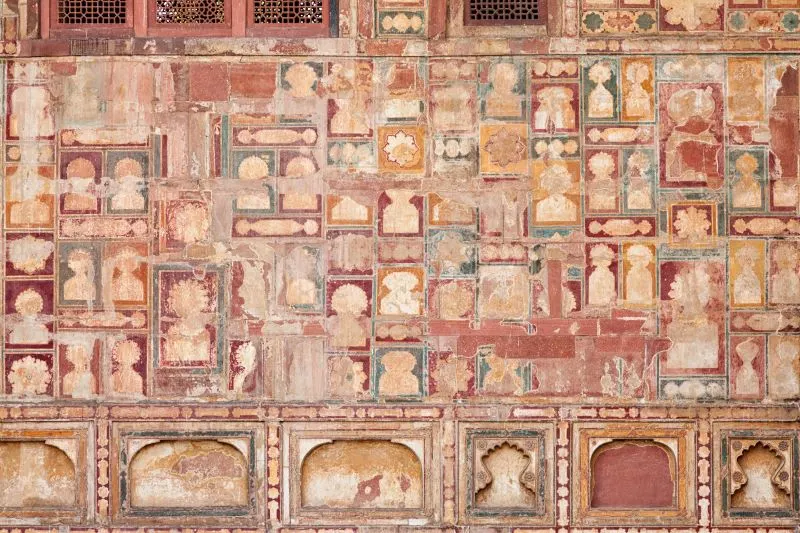
The Tomb of Akbar the Great is a magnificent mausoleum located in Sikandra, near Agra, India. It is the final resting place of Emperor Akbar, one of the greatest Mughal rulers.
Exploring the Tomb of Akbar the Great allows you to appreciate the architectural grandeur and pay homage to this iconic historical figure.
The tomb complex showcases a unique blend of architectural styles, combining elements of Islamic, Hindu, and Persian design. The red sandstone structure features four minarets at each corner and an impressive entrance gate adorned with intricate carvings.
As you enter the tomb complex, you’ll encounter beautifully landscaped gardens and pathways leading to the main mausoleum.
The mausoleum itself is a five-tiered structure, with each tier adorned with ornate decorations, calligraphy, and geometric patterns. The interior of the tomb houses the cenotaph of Emperor Akbar, while the lower levels contain the tombs of other members of the royal family.
The tomb complex also offers panoramic views of the surrounding landscape, allowing you to soak in the natural beauty of the area.
The combination of historical significance, architectural splendor, and picturesque surroundings makes the Tomb of Akbar the Great a must-visit destination for history enthusiasts and architecture lovers.
9. Visit the Ram Bagh: Enjoy a peaceful stroll in this Mughal-style garden

Ram Bagh, also known as the Aram Bagh or the Garden of Relaxation, is a historic garden located in Agra, India. It is one of the earliest Mughal gardens and holds immense significance in the city’s cultural heritage.
Visiting Ram Bagh offers a serene and picturesque escape from the bustling city, allowing you to appreciate its natural beauty and historical charm.
The garden was originally built by Emperor Babur, the founder of the Mughal dynasty, in the 16th century. It is believed to be the first Persian-style garden in India and served as a retreat for the Mughal emperors.
Ram Bagh is characterized by well-manicured lawns, symmetrical pathways, and beautiful flowerbeds. The garden is dotted with numerous species of trees, including fruit-bearing trees such as mango, guava, and pomegranate. The fragrance of blooming flowers and the soothing sounds of fountains create a tranquil ambiance.
One of the main attractions within Ram Bagh is the Charbagh pattern, a quadrilateral garden divided into four equal parts by pathways and water channels. The garden layout, with its geometrical precision, adds to the aesthetic appeal and creates a sense of harmony.
10. Explore the Chini Ka Rauza: Admire the intricate Persian-style architecture of this mausoleum


Chini Ka Rauza is a unique and lesser-known historical monument located in Agra, India. It is an exquisite mausoleum that stands as a testament to the architectural brilliance of the Mughal era. Exploring Chini Ka Rauza offers a glimpse into the artistic finesse and cultural heritage of the region.
The mausoleum is dedicated to Afzal Khan, who was a Persian poet and scholar, as well as the prime minister of the Mughal court during the reign of Emperor Shah Jahan.
Chini Ka Rauza is renowned for its intricate Persian-style glazed tile work, which is its defining feature. The vibrant blue ceramic tiles with floral and calligraphic patterns cover the façade of the structure, creating a visually stunning effect.
As you explore Chini Ka Rauza, you’ll discover a tranquil garden surrounding the mausoleum, adding to its charm and serenity. The garden features well-maintained pathways, green lawns, and shade-providing trees, providing a peaceful ambiance for a leisurely stroll.
Inside the mausoleum, you’ll find the tomb of Afzal Khan, adorned with beautiful carvings and inscriptions. The interiors also showcase intricate plasterwork and delicate ceiling designs, reflecting the artistic skills prevalent during the Mughal period.
What makes Chini Ka Rauza unique is its distinct architectural style and the extensive use of glazed tiles, which sets it apart from other monuments in Agra. The monument offers a quieter and more intimate experience compared to the more popular attractions in the city.
11. Take a boat ride on the Yamuna River: Enjoy the scenic beauty and a unique perspective of the city


Taking a boat ride on the Yamuna River in Agra, India, offers a delightful and scenic experience. The river, which flows alongside some of Agra’s iconic landmarks, provides a unique perspective and a refreshing way to explore the city.
As you embark on a boat ride, you’ll glide along the calm waters of the Yamuna River, taking in the picturesque views of the city’s riverside scenery.
The boat ride allows you to witness the architectural splendor of Agra from a different vantage point, providing stunning views of the Taj Mahal, Agra Fort, and other notable landmarks that line the riverbanks.
The boat ride on the Yamuna River also offers a serene and peaceful ambiance. Away from the hustle and bustle of the city, you can enjoy the gentle breeze, the soothing sounds of water, and the tranquil surroundings.
It provides a moment of relaxation and tranquility, allowing you to escape the busy tourist areas and immerse yourself in the natural beauty of the river.
During the boat ride, you might encounter local fishermen, river birds, and glimpses of daily life along the riverbanks. It provides a glimpse into the local culture and a deeper connection with the river that holds historical and cultural significance in the region.
The boat ride can be customized according to your preferences, whether you prefer a short ride to enjoy the views or a longer excursion to explore different stretches of the river.
There are various types of boats available, ranging from traditional wooden boats to modern motorized boats, providing options to suit your preferences.
12. Visit the Mariam’s Tomb: Explore the tomb of Akbar’s wife, Mariam-uz-Zamani

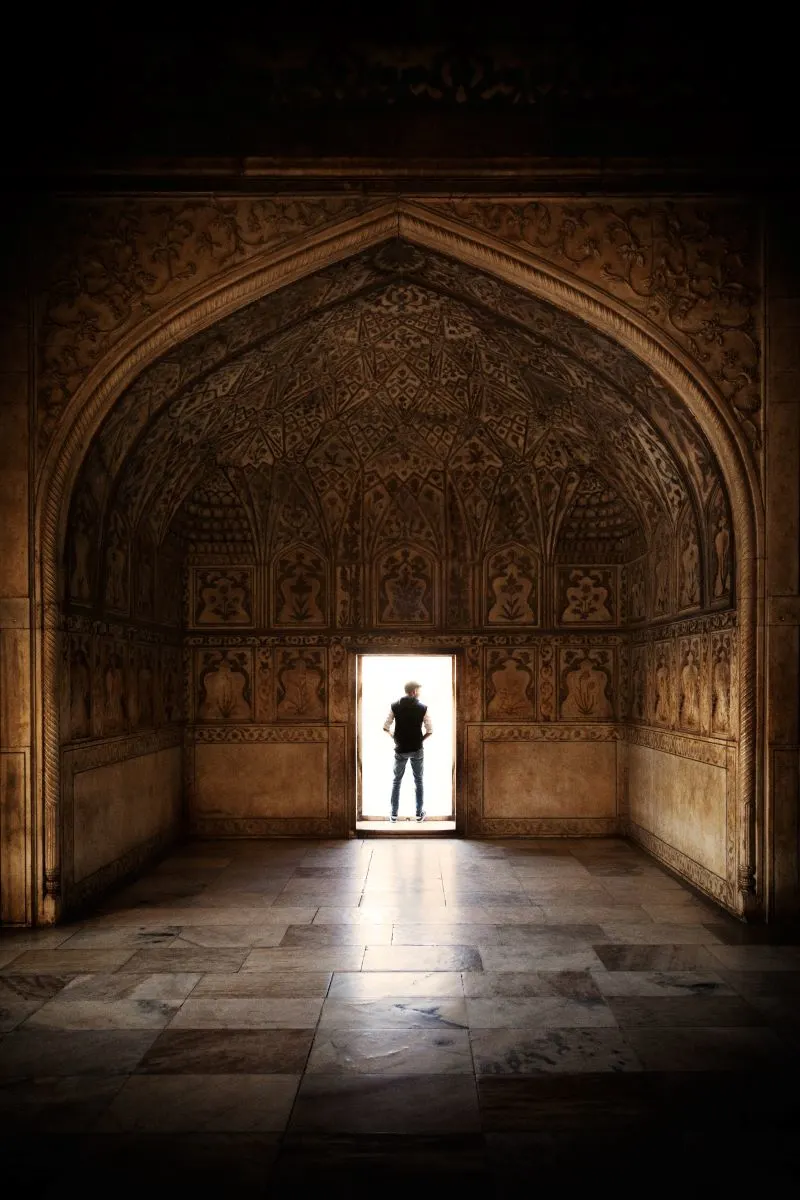
Mariam’s Tomb, also known as the Tomb of Mariam-uz-Zamani, is a significant historical site located in Agra, India. It is the mausoleum of Mariam-uz-Zamani, also known as Harka Bai or Jodha Bai, who was the wife of Emperor Akbar and the mother of Emperor Jahangir.
Visiting Mariam’s Tomb allows you to explore the architectural beauty and pay homage to an important figure in Mughal history.
The tomb is situated in a serene garden complex, surrounded by lush greenery and well-maintained lawns. It features a blend of Mughal and Hindu architectural elements, reflecting the marriage of Rajput and Mughal cultures during that time.
The structure of Mariam’s Tomb showcases red sandstone and marble, with intricate carvings, ornate jaali (lattice) work, and delicate floral patterns. The mausoleum’s design represents a fusion of Islamic and Rajput architectural styles, creating a visually captivating sight.
Inside the tomb, you’ll find the cenotaph of Mariam-uz-Zamani, adorned with beautiful embellishments and inscriptions. The interior also features elegant arches, domes, and intricate plasterwork that adds to the architectural grandeur.
The tomb complex is also known for its serene garden surroundings, offering a tranquil retreat away from the bustling city. The garden features well-manicured lawns, blooming flowers, and shade-providing trees, creating a serene and pleasant environment for visitors.
13. Experience the local bazaars: Explore the bustling streets and markets of Agra for shopping and local cuisine

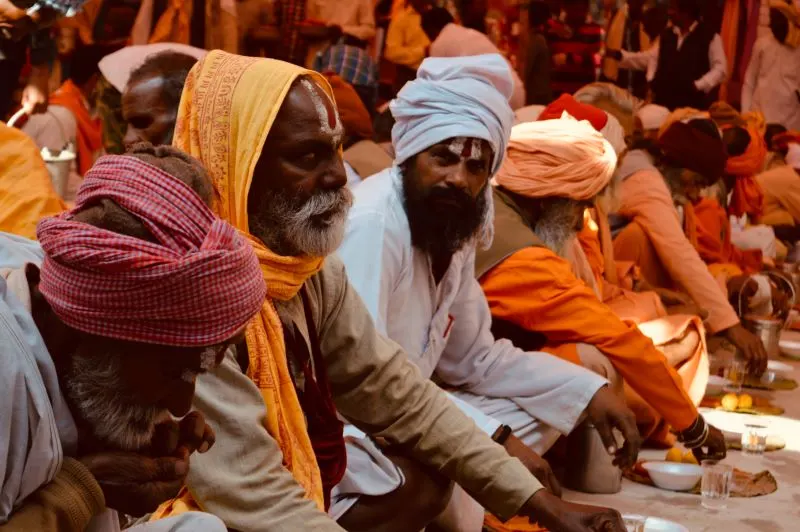
Experiencing the local bazaars in Agra is a vibrant and immersive way to soak in the city’s culture, indulge in shopping, and savor the local cuisine. Agra’s bustling streets and markets offer a diverse range of products, from handicrafts and textiles to jewelry and street food.
As you explore the local bazaars, you’ll find yourself amidst a lively atmosphere, with colorful stalls, bustling crowds, and enthusiastic vendors. The markets are known for their unique handicrafts, including marble inlay work, leather goods, brassware, and intricate embroidery.
One of the most famous markets in Agra is the Kinari Bazaar, which is a treasure trove of textiles, jewelry, and handicrafts. It’s a perfect place to browse for souvenirs, traditional clothing, and decorative items to take back home.
Another bustling market is Sadar Bazaar, which offers a mix of traditional and modern shopping options. Here, you can find everything from garments and footwear to spices and street food.
The market is also known for its sweet shops, where you can indulge in delectable local sweets like petha (a sweet made from pumpkin) and gajak (a sesame seed and jaggery sweet).
14. Discover the Mankameshwar Temple: Visit this ancient Hindu temple dedicated to Lord Shiva

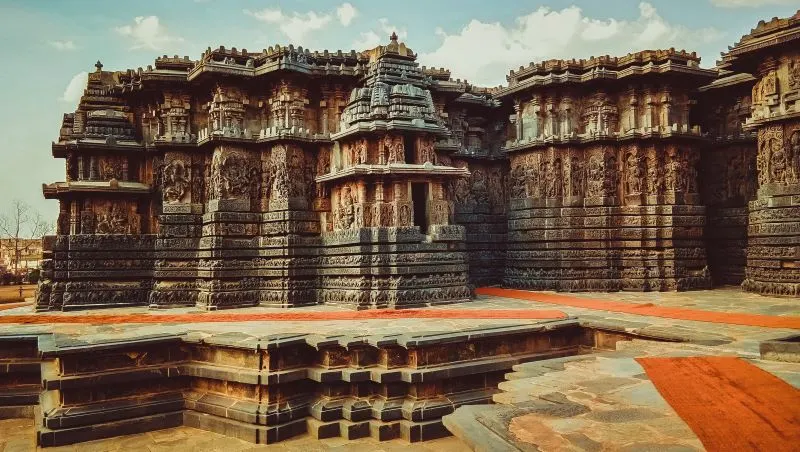
The Mankameshwar Temple is a significant Hindu temple located in the heart of Agra, India. It holds religious and cultural importance for the local community and offers visitors a chance to explore a place of devotion and spirituality.
Dedicated to Lord Shiva, the Mankameshwar Temple is believed to be one of the oldest temples in Agra, with a history dating back several centuries. The temple is known for its tranquil and serene ambiance, providing a peaceful escape from the bustling city.
The architecture of the temple showcases a blend of Hindu and Mughal styles, with intricate carvings, ornamental motifs, and vibrant colors adorning its walls and facade.
The temple complex consists of a main sanctum, where the deity of Lord Shiva is enshrined, as well as several other smaller shrines dedicated to various Hindu deities.
Devotees and visitors come to the Mankameshwar Temple to offer prayers, seek blessings, and participate in religious ceremonies. It is believed that the temple fulfills the wishes and desires of devotees, making it a popular place for spiritual seekers.
The temple comes to life during Hindu festivals, especially during the auspicious occasion of Mahashivaratri when devotees gather in large numbers to pay homage to Lord Shiva. The atmosphere is filled with devotional chants, the fragrance of incense, and the ringing of bells.
15. Enjoy a sunset view at the Taj Nature Walk: Witness a mesmerizing sunset over the Taj Mahal from this viewpoint

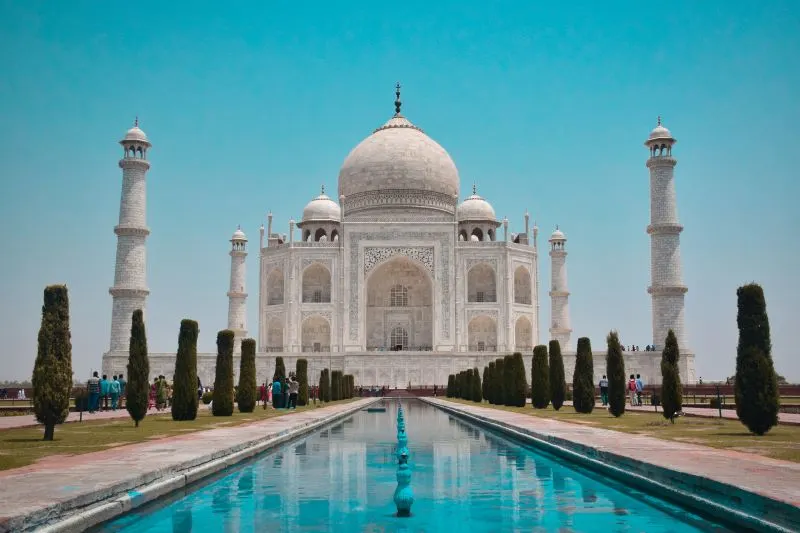
The Taj Nature Walk is a scenic and serene area located near the Taj Mahal in Agra, India. It offers a unique opportunity to enjoy a breathtaking sunset view of the Taj Mahal from a designated viewpoint.
As the sun begins to set, the Taj Nature Walk provides an ideal vantage point to witness the mesmerizing transformation of the iconic Taj Mahal against the backdrop of a colorful sky.
The setting sun casts a warm glow over the marble structure, creating a captivating sight that leaves visitors awe-inspired.
The nature walk itself is a well-maintained pathway that meanders through lush greenery and gardens, offering a peaceful ambiance for a leisurely stroll. The pathway is lined with trees and blooming flowers, adding to the natural beauty of the surroundings.
As you make your way along the nature walk, you’ll come across various viewpoints strategically positioned to provide stunning views of the Taj Mahal. These viewpoints allow you to take in the majesty and grandeur of the monument as the sun sets, casting vibrant hues across the sky.
The sunset view at the Taj Nature Walk is a popular experience for both locals and tourists alike. It offers a serene and tranquil atmosphere, away from the crowds, allowing you to appreciate the beauty of the Taj Mahal in a more intimate setting.
Photography enthusiasts particularly enjoy capturing the Taj Mahal at sunset, as the changing light creates a magical ambiance and brings out the intricate details of the monument.
16. Explore the Moti Masjid: Visit this beautiful pearl-white mosque located inside the Agra Fort

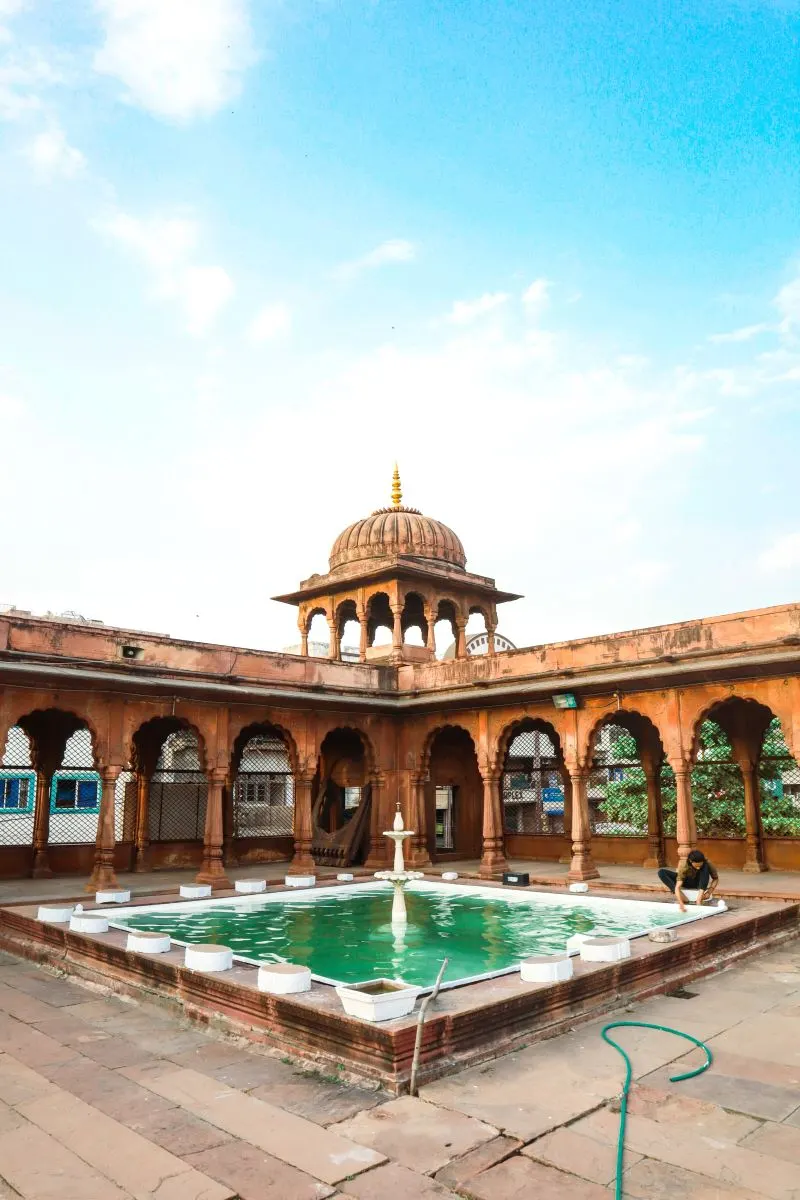
The Moti Masjid, also known as the Pearl Mosque, is a stunning mosque located within the premises of the Agra Fort in Agra, India. It is a significant historical and architectural gem that offers a glimpse into the religious and cultural heritage of the Mughal Empire.
Built during the reign of Emperor Shah Jahan in the mid-17th century, the Moti Masjid is renowned for its pristine white marble architecture, which gives it the name “Pearl Mosque.” The mosque features a symmetrical design with three elegant domes and intricately carved arches and pillars.
As you step inside the Moti Masjid, you’ll be greeted by a peaceful and serene atmosphere. The interiors of the mosque are equally captivating, with the white marble walls adorned with delicate inlay work and Quranic inscriptions. The simplicity and purity of the design create a sense of tranquility and reverence.
The Moti Masjid was primarily used by the Mughal emperors and their court members for private prayers and religious ceremonies. It was a place where they sought solace and offered their devotion.
The small prayer hall within the mosque can accommodate a limited number of worshippers, adding to the intimate and personal ambiance of the space.
17. Attend a traditional Agra Petha-making demonstration: Learn about the famous sweet delicacy of Agra


Attending a traditional Agra Petha-making demonstration is a delightful and immersive experience that allows you to witness the craftsmanship and culinary heritage associated with this famous sweet.
Agra Petha is a specialty sweet of Agra, known for its translucent, candy-like texture and unique flavors. It is made from ash gourd, also known as winter melon or petha, which is peeled, boiled, and cooked in a sugar syrup to create a delectable sweet treat.
During the demonstration, you’ll have the opportunity to observe skilled artisans as they showcase the art of making Agra Petha. They will demonstrate the various steps involved in the process, from preparing the ash gourd to cooking it in the sugar syrup and finally shaping and garnishing the sweet.
The artisans will share insights into the traditional techniques, secret recipes, and special ingredients used to create the authentic flavors of Agra Petha. They may also provide interesting anecdotes and stories associated with the sweet, adding to the cultural significance of the experience.
As you observe the demonstration, you’ll witness the careful craftsmanship and attention to detail required to create each piece of Agra Petha.
From shaping the gourd into different forms to decorating it with saffron strands or nuts, you’ll gain an appreciation for the skill and precision involved in the process.
18. Visit the Guru Ka Tal Gurudwara: Explore this historical Sikh place of worship and experience its peaceful ambiance

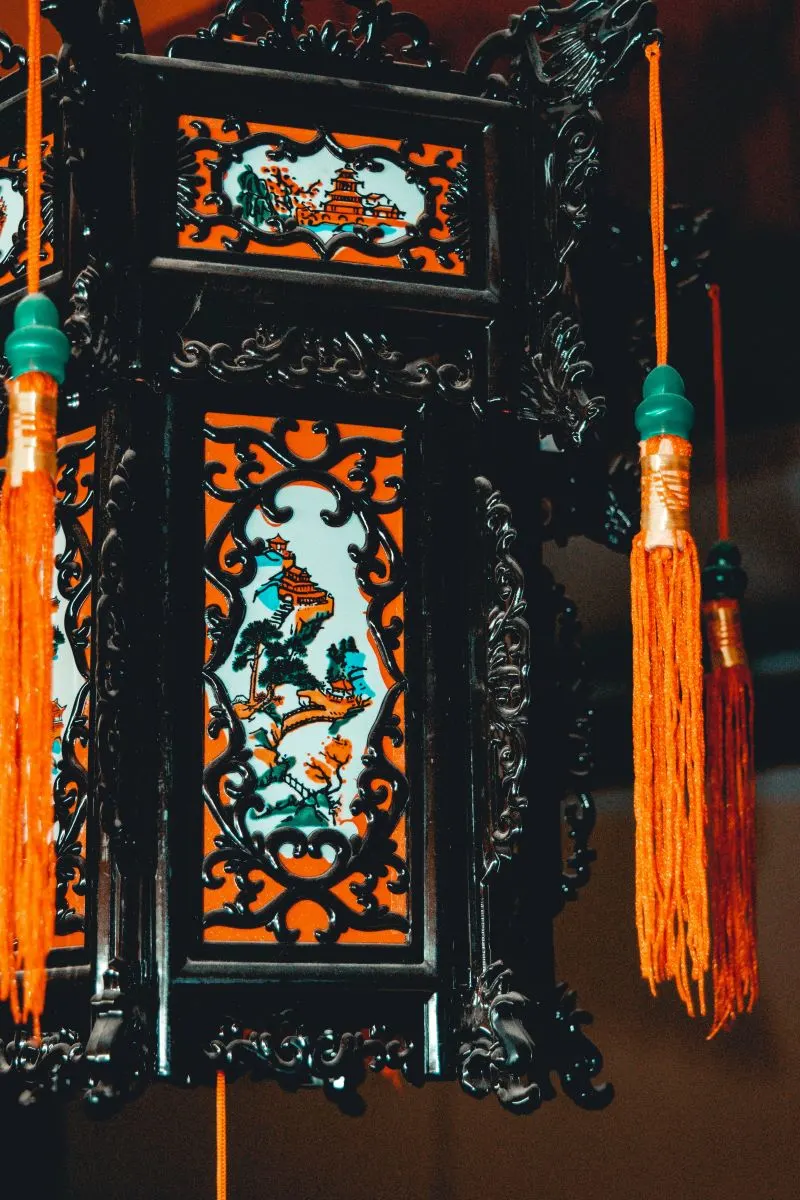
Guru Ka Tal Gurudwara is a revered Sikh place of worship located in Agra, India. It holds historical and religious significance as it is associated with Guru Tegh Bahadur, the ninth Guru of Sikhism.
The gurudwara is situated near the Sikandra area of Agra, and its name “Guru Ka Tal” translates to “the pool of the Guru.” The main feature of this gurudwara is a large sarovar (holy water tank) surrounded by a beautiful marble structure.
Visiting Guru Ka Tal Gurudwara offers a serene and spiritual experience. The tranquil atmosphere and the sound of devotional hymns create a sense of peace and reverence. Devotees and visitors can participate in prayer sessions, listen to religious discourses, and engage in community service.
The gurudwara complex also includes a langar hall, where free meals are served to visitors and devotees regardless of their caste, creed, or social status. This practice of langar promotes equality, selfless service, and the spirit of sharing among the Sikh community.
The architecture of Guru Ka Tal Gurudwara showcases a blend of Mughal and Sikh styles. The white marble structure is adorned with intricate carvings, domes, and minarets, reflecting the rich architectural heritage of the region.
Apart from its religious significance, the gurudwara is also known for its historical associations. It is believed that Guru Tegh Bahadur, the ninth Sikh Guru, stayed at this location during his visit to Agra. The gurudwara serves as a reminder of his teachings, sacrifices, and contributions to the Sikh faith.
19. Explore the Soor Sarovar Bird Sanctuary: Spot a variety of bird species in this tranquil sanctuary


The Soor Sarovar Bird Sanctuary, also known as Keetham Lake, is a picturesque sanctuary located in Agra, India. It is a haven for bird lovers and nature enthusiasts, offering a diverse range of avian species and a tranquil environment to explore.
Spread across a sprawling area, the Soor Sarovar Bird Sanctuary is home to a variety of migratory and resident birds. The sanctuary’s main attraction is the Keetham Lake, a large water body surrounded by lush greenery and marshy landscapes.
Exploring the sanctuary allows you to witness the rich biodiversity and observe a wide array of bird species in their natural habitat.
The sanctuary is particularly known for attracting migratory birds during the winter months, including species like Siberian cranes, pelicans, ducks, and several species of waders.
As you stroll along the trails and pathways of the sanctuary, you’ll have the opportunity to spot and identify different bird species. Binoculars and cameras are often handy to capture the beautiful sights and document the unique birdlife.
Apart from birdwatching, the Soor Sarovar Bird Sanctuary offers additional recreational activities. Visitors can enjoy boating on the Keetham Lake, immersing themselves in the tranquility of the surroundings while being surrounded by nature’s beauty.
The sanctuary also has a rescue and rehabilitation center for injured and orphaned animals, contributing to conservation efforts and raising awareness about wildlife protection.
20. Visit the Chausath Khamba: Admire the intricate architecture of this 64-pillared structure

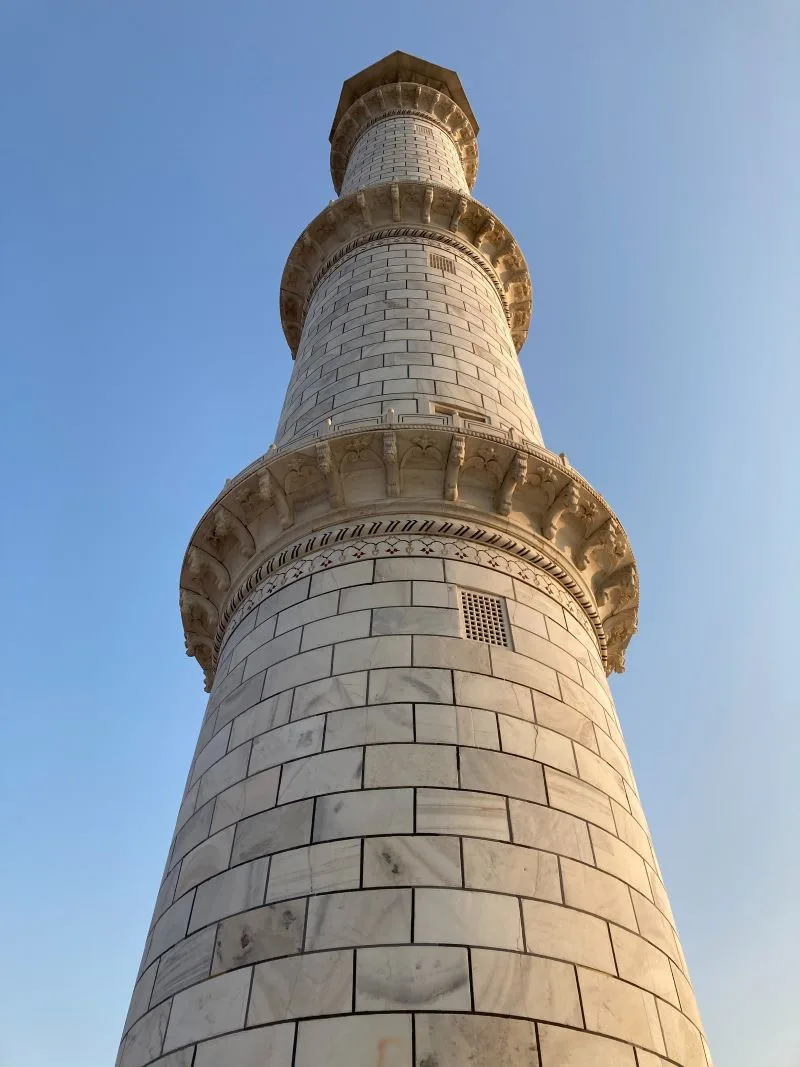
The Chausath Khamba, also known as the “64 Pillared Hall,” is a magnificent architectural structure located in Agra, India. It is a part of the larger Chausath Khamba Complex, which includes a tomb and a garden.
As the name suggests, the Chausath Khamba is famous for its striking hall supported by 64 pillars. The pillars are intricately carved and display exquisite craftsmanship, reflecting the architectural brilliance of the Mughal era. The structure is made of red sandstone and showcases a fusion of Islamic and Hindu architectural styles.
The Chausath Khamba is believed to be the tomb of a noblewoman named Shamsabad Begum, who was a prominent figure during the reign of Emperor Jahangir. The tomb is located adjacent to the hall and adds to the historical and cultural significance of the site.
The Chausath Khamba Complex also features a beautiful garden surrounding the structure. The well-maintained garden offers a tranquil retreat and provides a picturesque setting for a leisurely stroll or a peaceful moment amidst nature.
21. Take a heritage walk in the old city: Discover the narrow lanes, historical buildings, and local life

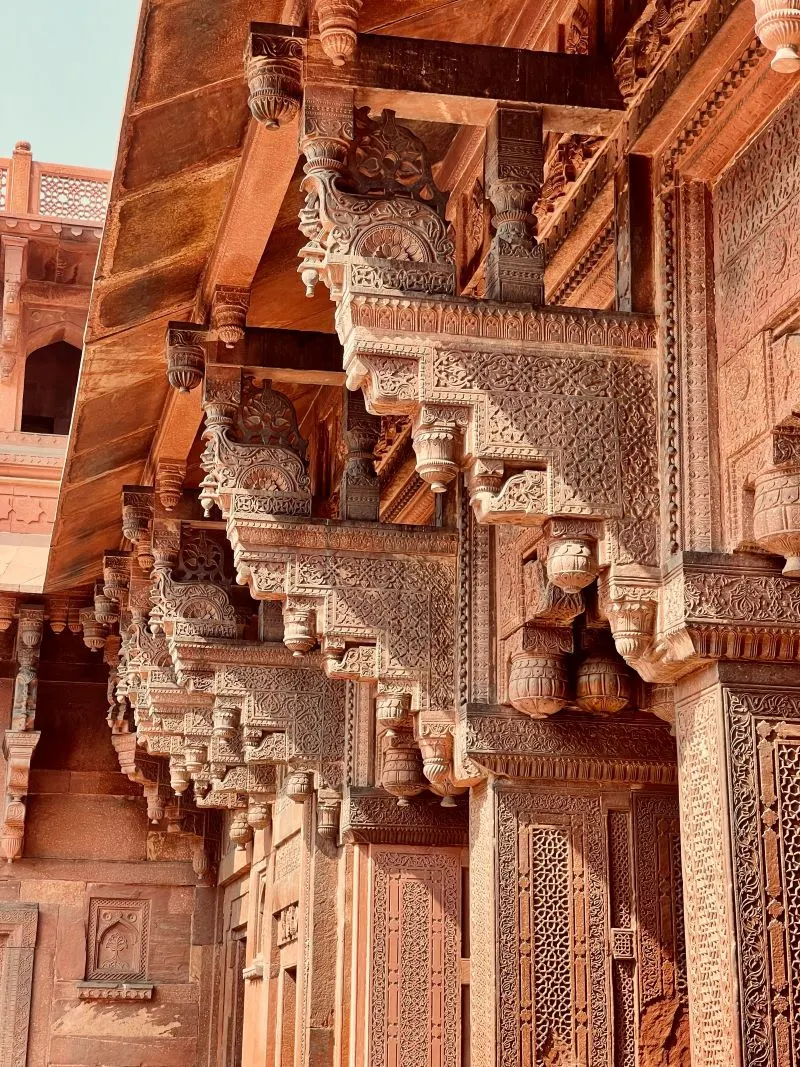
Taking a heritage walk in the old city of Agra is a captivating journey through time, allowing you to immerse yourself in the rich history, vibrant culture, and architectural splendors of the city.
As you stroll through the narrow lanes and bustling streets of the old city, you’ll encounter a treasure trove of architectural gems, ancient structures, and lively marketplaces.
The heritage walk provides an opportunity to witness the architectural legacy of different eras, from the Mughal period to the British colonial era.
Along the way, you’ll come across magnificent landmarks such as old havelis (traditional mansions), mosques, temples, and historical buildings.
These structures are adorned with intricate carvings, delicate filigree work, and vibrant facades that showcase the artistic excellence of their respective periods.
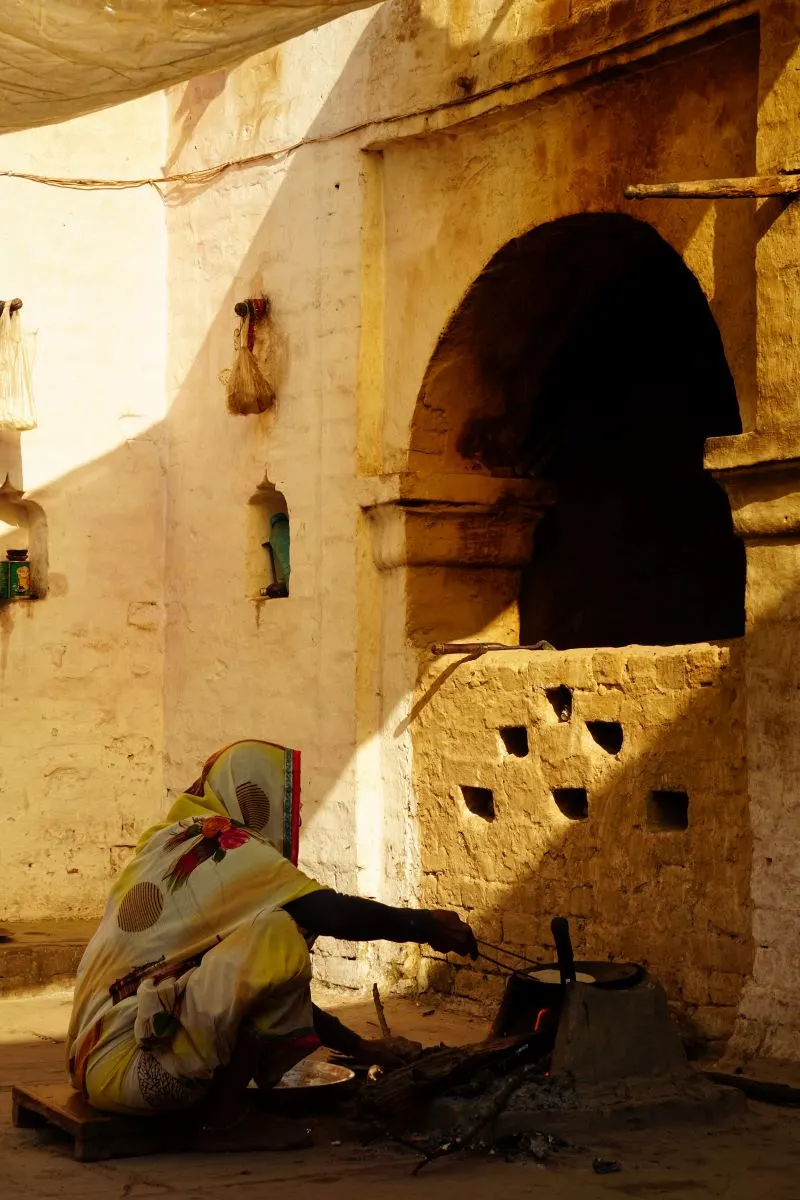
The old city is also known for its vibrant markets, where you can explore shops selling traditional crafts, textiles, jewelry, and delectable street food. The fragrant aromas, vivid colors, and bustling atmosphere of the markets provide a sensory delight.
During the heritage walk, you can engage with local guides who will share fascinating stories, legends, and historical anecdotes associated with the landmarks. They will provide insights into the cultural significance and architectural styles of the buildings, bringing the heritage of Agra to life.
22. Take a photography tour: Capture the beauty of Agra through the lens and learn photography techniques

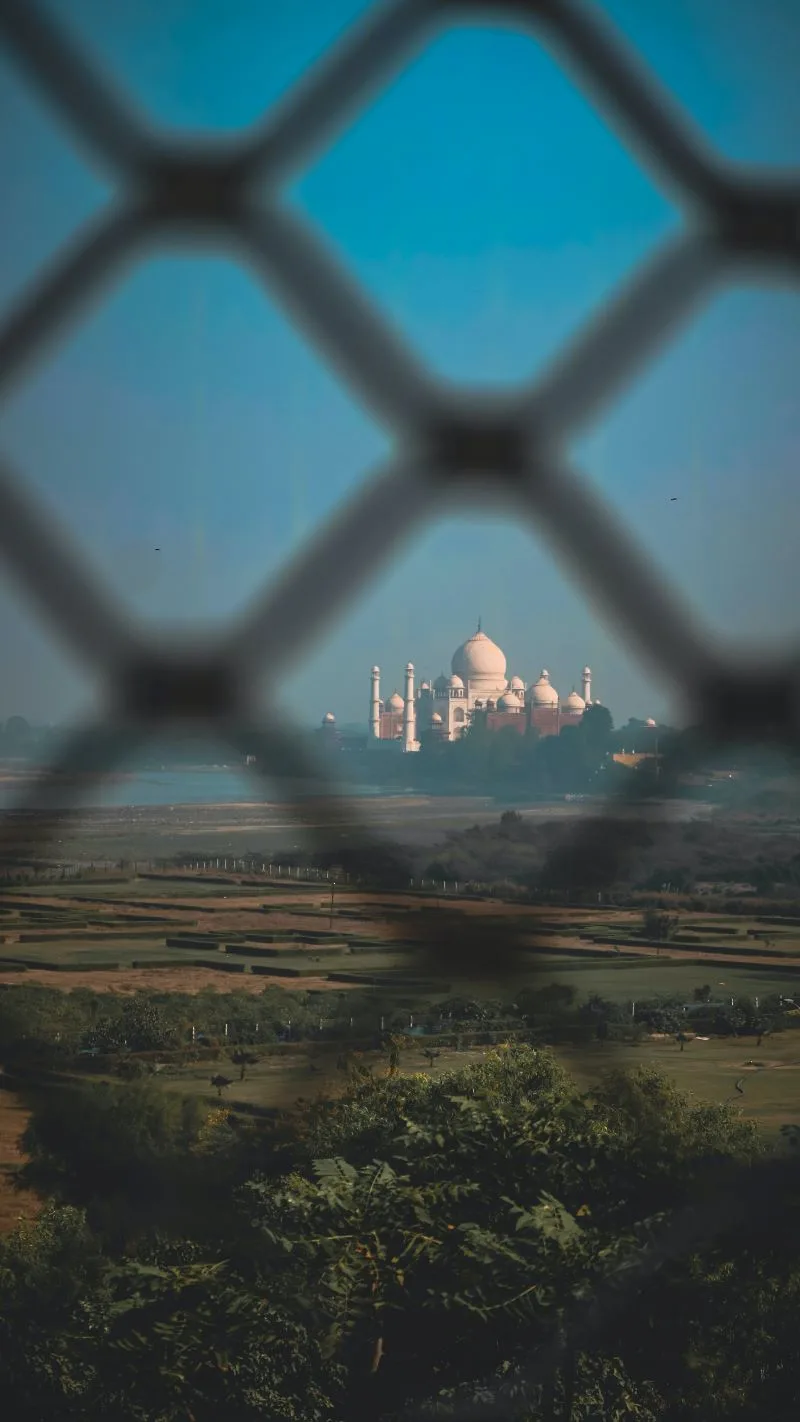
Taking a photography tour in Agra is a wonderful opportunity to capture the beauty of the city and refine your photography skills. Agra offers a plethora of iconic landmarks and enchanting scenes that make it a photographer’s paradise.
During the photography tour, you’ll have the chance to visit renowned landmarks like the Taj Mahal, Agra Fort, and other architectural gems that Agra has to offer.
These iconic structures provide stunning backdrops for capturing timeless photographs and honing your composition and framing techniques.
The photography tour is led by experienced guides who are knowledgeable about the best vantage points, lighting conditions, and angles for capturing the beauty of each location.
They will offer valuable tips and insights on photography techniques, including exposure, focus, and composition, to help you capture the perfect shot.
Apart from the famous landmarks, the photography tour may also take you off the beaten path to discover lesser-known but equally charming spots in Agra. These hidden gems can provide unique perspectives and opportunities for capturing the essence of the city through your lens.
During the tour, you’ll have the chance to experiment with different photography styles, such as architectural photography, portrait photography, street photography, and landscape photography. The diverse range of subjects and scenes in Agra will allow you to explore various genres and unleash your creativity.
The photography tour not only focuses on capturing beautiful images but also provides insights into the history, culture, and stories associated with the places you visit. It adds depth and context to your photographs, allowing you to create a visual narrative that goes beyond aesthetics.
23. Enjoy local street food: Indulge in Agra’s delectable street snacks like pani puri, chaat, and kachori


Indulging in Agra’s delectable street food is a gastronomic adventure that allows you to savor the vibrant flavors, aromas, and textures of the local cuisine. Agra’s streets are brimming with a wide variety of street snacks that are sure to tantalize your taste buds.
One of the most popular street food delights in Agra is pani puri, also known as golgappa or puchka in different parts of India.
Pani puri is a bite-sized crispy puri filled with a tangy and spicy mixture of mashed potatoes, chickpeas, tamarind chutney, and flavored water. It offers a burst of flavors with every bite and is a favorite among locals and visitors alike.
Another must-try street food in Agra is chaat. Agra’s chaat is known for its unique combination of flavors and textures. Whether it’s Aloo Tikki Chaat, Papdi Chaat, or Dahi Bhalla, you’ll experience a medley of savory, tangy, and sweet flavors topped with chutneys, yogurt, and crunchy sev (gram flour noodles).
Chaat stalls can be found throughout the city, and each vendor adds their own touch to create their signature variations.
Kachori is another popular street snack in Agra that you shouldn’t miss. It is a deep-fried pastry filled with a spiced mixture of lentils, onions, and aromatic spices. The crispy and flaky exterior paired with the flavorful filling makes it an irresistible treat.
24. Visit the Panch Mahal in Fatehpur Sikri: Explore the five-story palace and enjoy panoramic views

The Panch Mahal, located in Fatehpur Sikri near Agra, is a remarkable architectural structure that stands as a testament to the grandeur of the Mughal Empire. It is a five-story palace that served as a leisure retreat for the Mughal emperor Akbar.
The Panch Mahal is an impressive example of Mughal architecture, characterized by its elegant design and intricate detailing. Each of the five levels of the palace is smaller than the one below it, creating a pyramidal structure. The topmost level is an open pavilion supported by numerous columns.
The palace was designed to provide a cool and pleasant retreat during the hot summers. Its unique architecture allows for natural ventilation, with the breeze flowing through the open windows and the various levels of the structure.
Visiting the Panch Mahal offers a glimpse into the opulent lifestyle of the Mughal emperors. As you ascend the levels of the palace, you’ll be rewarded with panoramic views of the surrounding area, including the majestic Jama Masjid and the historical city of Fatehpur Sikri.
25. Attend the Taj Mahotsav: Experience a vibrant cultural festival celebrating the arts, crafts, and cuisine of the region (held annually in February)

The Taj Mahotsav is a vibrant cultural festival held annually in Agra during the month of February. It is a celebration of the rich arts, crafts, music, dance, and cuisine of the region, showcasing the cultural diversity and heritage of India.
During the Taj Mahotsav, the Shilpgram grounds near the Taj Mahal transform into a lively extravaganza, attracting artists, craftsmen, musicians, and performers from all over the country.
The festival provides a platform for talented artisans to showcase their traditional crafts and skills, offering visitors an opportunity to witness the artistic traditions of India up close.
The festival features a grand exhibition of handicrafts, where you can find a wide variety of beautifully handcrafted items such as textiles, pottery, jewelry, woodwork, metalwork, and more. It’s a paradise for art lovers and a perfect place to purchase unique souvenirs and mementos.
Throughout the Taj Mahotsav, the air is filled with enchanting melodies and rhythms as artists and musicians perform traditional folk music, classical dances, and cultural performances on various stages. It’s a mesmerizing showcase of India’s diverse performing arts heritage.
These activities offer a diverse range of experiences, allowing you to immerse yourself in the rich history, culture, and beauty of Agra, India.
Food In Agra


Agra, the city known for its iconic Taj Mahal, is not only a treasure trove of historical wonders but also a culinary paradise. The vibrant food scene in Agra offers a diverse range of flavors, aromatic spices, and mouthwatering delicacies that will delight even the most discerning food enthusiasts.
From Mughlai cuisine to street food delights, Agra has something to offer for every palate. Let’s embark on a culinary journey through the flavorsome streets of Agra.
Mughlai Delicacies: Agra’s cuisine is heavily influenced by the grandeur of the Mughal era, and Mughlai delicacies take center stage in the city’s culinary landscape. The royal flavors of Mughlai cuisine can be experienced in dishes like succulent kebabs, aromatic biryanis, and rich curries.
Indulge in the iconic Mughlai dishes such as the fragrant and tender Mughlai chicken, creamy and flavorsome butter chicken, and the melt-in-your-mouth galouti kebabs. These dishes are a testament to the rich culinary heritage of the region and will leave you craving for more.
Street Food Extravaganza: Agra’s bustling streets come alive with an array of street food stalls and carts, offering a sensory delight to all food lovers. Start your street food adventure with the iconic pani puri, a popular street snack where crispy hollow puris are filled with a tangy tamarind water, spicy chutneys, and a burst of flavors.
Move on to relish the tangy and spicy flavors of Agra’s chaat, where a combination of crispy papdis, tangy yogurt, sweet and sour chutneys, and a myriad of spices create an explosion of flavors in every bite.
For those with a penchant for spicy treats, the famous Bedai and Kachori are a must-try. These deep-fried delights are stuffed with spiced lentils and served with a side of tangy and spicy potato curry. And let’s not forget the ever-popular jalebi, a sweet and crispy dessert that is best enjoyed piping hot.
Sweet Temptations: Agra is also famous for its sweet treats, and no visit to the city is complete without trying the world-renowned Agra Petha.
These translucent, soft, and juicy candies made from ash gourd are available in various flavors like plain, saffron, and mango. The delicate and refreshing taste of Agra Petha is truly a delight.
If you have a sweet tooth, don’t miss the aromatic and creamy Shahi Tukda. This rich dessert features deep-fried bread soaked in a cardamom-infused saffron milk, garnished with nuts and silver leaf. It is a heavenly indulgence that will leave you craving for more.
Dining at Heritage Restaurants: Agra is home to several heritage restaurants that not only offer delectable cuisine but also provide a unique dining experience.
Enjoy the grandeur of a bygone era as you savor authentic Mughlai dishes in a regal setting adorned with exquisite décor and traditional music. These heritage restaurants bring alive the opulence of the Mughal era and offer a glimpse into the city’s rich history.
Agra’s culinary delights are as captivating as its architectural wonders. The city’s rich flavors, aromatic spices, and diverse range of delicacies make it a food lover’s paradise.
Whether you’re savoring the royal flavors of Mughlai cuisine, indulging in street food delights, or exploring the sweet treats unique to the region, Agra’s food scene promises to take your taste buds on an unforgettable journey. So, when you visit Agra, remember to immerse yourself in the city’s culinary delights and experience the true essence of its flavorsome heritage.
Top 20 Best Restaurants In Agra, India


- Pinch of Spice – Offers a diverse menu of Indian and international dishes with a contemporary twist.
- Dasaprakash – Known for its authentic South Indian vegetarian cuisine, including dosas, idlis, and thalis.
- Peshawri – A renowned restaurant in ITC Mughal that serves delicious North Indian and Mughlai cuisine.
- Joney’s Place – Famous for its mouthwatering street food and local delicacies.
- Shankara Vegis – A vegetarian restaurant offering a fusion of Indian, Chinese, and Continental dishes.
- The Charcoal Chimney – Specializes in grilled and tandoori delicacies with a wide range of vegetarian and non-vegetarian options.
- Bon Barbecue – A popular spot for barbecue lovers, offering an extensive buffet with live grills and a variety of meats.
- MoMo Café – Located in Courtyard by Marriott, it offers a global menu with a mix of Indian, Asian, and Western dishes.
- Chapter 1 Café – A cozy café known for its delicious breakfast options, sandwiches, and pastas.
- Pind Balluchi – Offers a rustic Punjabi dining experience with a range of vegetarian and non-vegetarian delicacies.
- Sheroes Hangout – A unique café run by acid attack survivors, serving delicious food and promoting social empowerment.
- Only Restaurant – Known for its rooftop dining and panoramic view of the Taj Mahal, serving Indian and Mughlai cuisine.
- Esphahan – A luxury dining experience at the Oberoi Amarvilas, offering exquisite Indian delicacies in a grand setting.
- Bob Marley Café – A popular spot with a laid-back ambiance, serving a variety of cuisines, including Italian, Mexican, and Indian.
- Spice of Life – Located in Hotel Clarks Shiraz, it offers a wide range of dishes, from Indian to Chinese and Continental.
- Pizzaria Roma – Serves authentic Italian pizzas and pasta dishes made with fresh ingredients.
- Aashiyaana – A rooftop restaurant with a view of the Taj Mahal, offering a mix of Indian and Continental cuisine.
- ITC Mughal – Taj Bano – An elegant restaurant serving a blend of Indian and international cuisine, including Mughlai specialties.
- Shankar Ji – A popular vegetarian restaurant serving delicious North Indian and Gujarati thalis.
- Jhankar – Known for its flavorful biryanis and North Indian dishes, with live music performances.
These restaurants in Agra provide a mix of culinary experiences, ranging from traditional Indian cuisine to international flavors, and some even offer breathtaking views of the Taj Mahal. Enjoy the diverse flavors and dining experiences that Agra has to offer!
Transportation In Agra
- Auto-rickshaws: Auto-rickshaws are a common and affordable mode of transportation in Agra. They are three-wheeled vehicles that can accommodate a few passengers and are ideal for short distances within the city. Auto-rickshaws are readily available and operate on fixed or negotiable fares.
- Cycle-rickshaws: Cycle-rickshaws are a traditional and eco-friendly mode of transportation in Agra. These manually operated rickshaws can be found in the narrow lanes and old city areas. They are a great way to explore the local markets and heritage sites at a leisurely pace.
- Taxis: Taxis are a convenient option for getting around Agra, especially for longer distances or when traveling with a group. Both government-operated and private taxi services are available. You can book a taxi for a few hours or for a full day to visit multiple attractions in Agra.
- Battery-operated vehicles: To promote eco-friendly transportation, battery-operated vehicles known as “e-rickshaws” or “tuk-tuks” are also available in Agra. These small electric vehicles can be found near popular tourist sites and offer a comfortable and pollution-free way to explore the city.
- Buses: Agra has a well-connected bus network that connects various parts of the city. The Uttar Pradesh State Road Transport Corporation (UPSRTC) operates both local and intercity buses. Local city buses are an affordable option for traveling within Agra, while intercity buses can be used for longer journeys to nearby cities and towns.
- Private Cars: If you prefer more privacy and flexibility, you can hire a private car with a driver for your transportation needs in Agra. Several car rental agencies offer various types of vehicles, including sedans and SUVs, which can be hired for a specific duration or for a full day.
- Train: Agra is well-connected by rail, and the Agra Cantonment Railway Station is the primary railway station in the city. It is served by several trains connecting Agra to major cities across India. Train travel can be a convenient option for both domestic and international travelers.
It’s worth noting that popular tourist attractions in Agra, such as the Taj Mahal, Agra Fort, and Fatehpur Sikri, are located in close proximity to each other, making it possible to explore them on foot or by hiring a local guide.
However, during the hot summer months, it’s advisable to consider alternative transportation options due to the scorching heat.
When using any mode of transportation in Agra, it’s recommended to negotiate fares or confirm prices in advance to avoid any misunderstandings. Additionally, if you’re traveling during peak tourist seasons, it’s advisable to plan your transportation in advance to ensure availability.
By considering these transportation options, you can navigate Agra comfortably and make the most of your visit to this captivating city.
In conclusion, Agra, India offers an incredible array of experiences that captivate the hearts and minds of visitors from around the world. With its architectural marvels, rich cultural heritage, and delectable cuisine, Agra leaves an indelible impression on all who have the privilege of exploring its treasures.
From the iconic Taj Mahal, a symbol of eternal love and architectural perfection, to the majestic Agra Fort, a testament to the grandeur of the Mughal Empire, the city’s historical attractions take you on a journey through time.
Exploring the enchanting Fatehpur Sikri, witnessing the intricate designs of Itmad-ud-Daulah Tomb, and experiencing the spiritual tranquility of Jama Masjid offer deeper insights into Agra’s illustrious past.
Beyond its architectural wonders, Agra’s vibrant culture beckons you to immerse yourself in its lively bazaars, where you can shop for traditional handicrafts and savor local street food delicacies.
The city’s bustling markets and culinary delights, from the bustling streets to the serene Mehtab Bagh, offer a sensory experience that is both captivating and memorable.
Engaging in cultural shows, attending festivals like the Taj Mahotsav, and taking part in activities such as photography tours and Petha-making demonstrations allow you to delve deeper into the city’s vibrant traditions and artistic expressions.
As you traverse the Yamuna River or explore the lush beauty of the Soor Sarovar Bird Sanctuary, you witness the natural splendor that complements Agra’s man-made wonders, providing a harmonious balance between history and nature.
Moreover, Agra’s warm hospitality and the genuine warmth of its people add to the charm of the city, making your visit even more memorable.
Whether you’re strolling through the old city on a heritage walk or enjoying a boat ride on the Yamuna River, every step in Agra is a chance to create lasting memories.
So, whether you’re an architecture enthusiast, a history buff, a nature lover, or a food aficionado, Agra offers something extraordinary for every traveler.
It is a city that encompasses the essence of India’s rich heritage and showcases the grandeur of its past. A visit to Agra is an enchanting journey filled with awe-inspiring moments and a profound appreciation for the beauty that lies within its walls.
Embark on this extraordinary adventure, and let Agra unravel its secrets, leaving you with cherished memories that will last a lifetime.
Leave a comment