

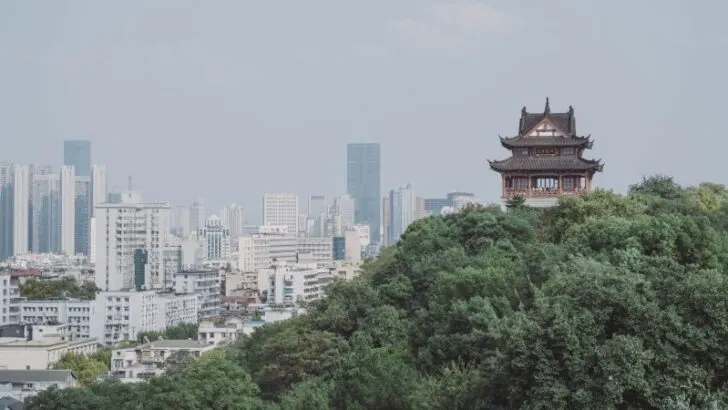


Wuhan is a vibrant and bustling city located in central China. As the capital of Hubei Province, it serves as a major economic, cultural, and transportation hub in the region.
With a rich history, diverse culture, and a population of over 11 million people, Wuhan offers a fascinating blend of traditional charm and modern development.
Geography and Location: Situated at the confluence of the Yangtze and Han rivers, Wuhan enjoys a strategic location in the heart of China.
The city spans an area of approximately 8,500 square kilometers, encompassing both urban and rural landscapes. Its central location has contributed to Wuhan’s reputation as the “thoroughfare of nine provinces,” as it serves as a gateway to various regions in China.
History and Cultural Significance: Wuhan has a history that dates back over 3,500 years, making it one of China’s oldest cities. It has played a significant role in shaping the country’s culture, politics, and economy throughout the centuries.
Known as a center of learning and scholarship, Wuhan is home to prestigious universities and has been a breeding ground for renowned intellectuals and revolutionaries.
One of Wuhan’s most notable historical events is the 1911 Revolution, which led to the end of imperial rule in China and the establishment of the Republic of China. The city’s historical sites, museums, and memorials bear witness to this pivotal period in Chinese history.
Attractions and Landmarks: Wuhan boasts a plethora of attractions and landmarks that captivate visitors. The Yellow Crane Tower, an iconic symbol of the city, offers stunning panoramic views of Wuhan’s skyline and the mighty Yangtze River.
The East Lake, the largest urban lake in China, provides a serene retreat with beautiful gardens, pavilions, and recreational activities.
Wuhan is also known for its vibrant food scene, with local delicacies like Hot Dry Noodles and Wontons in Chili Oil that tantalize the taste buds. The city’s bustling markets, such as Jianghan Road Night Market and Hubu Alley, offer a delightful array of street food and traditional snacks.
Cultural enthusiasts can explore Wuhan’s museums and cultural centers, including the Hubei Provincial Museum, which houses a vast collection of ancient artifacts, and the Wuhan Opera House, where one can experience traditional Chinese performing arts.
Economy and Innovation: As an economic powerhouse, Wuhan has undergone rapid development in recent decades. It has emerged as a center for industries such as manufacturing, automotive, steel, pharmaceuticals, and technology.
Wuhan is also home to the Optics Valley, a high-tech industrial zone that focuses on research, development, and innovation in optics and electronics.
Transportation: Wuhan’s strategic location and well-developed transportation infrastructure make it a crucial transportation hub in central China.
The city is served by an extensive metro system, a comprehensive bus network, and convenient railway connections, including high-speed trains. The Wuhan Tianhe International Airport provides domestic and international flights, ensuring easy access to and from the city.
Wuhan, with its rich history, cultural heritage, and modern developments, offers a captivating destination for travelers.
Whether you’re exploring its historical sites, indulging in its diverse cuisine, or experiencing its vibrant arts and culture, Wuhan promises a unique and enriching experience. Its central location and thriving economy make it a dynamic city that continues to contribute to China’s growth and development.
1. Visit the Yellow Crane Tower: Enjoy panoramic views of Wuhan from this iconic landmark


The Yellow Crane Tower is one of the most famous landmarks in Wuhan, China, and is often considered a symbol of the city. It is a historical and cultural treasure that has attracted visitors for centuries.
Located on Snake Hill by the Yangtze River, the Yellow Crane Tower stands tall and majestic, offering breathtaking panoramic views of Wuhan and its surroundings.
The tower has a long history, with the first structure believed to have been built over 1,800 years ago during the Three Kingdoms period.
The tower has undergone numerous renovations and additions over the years, with the current structure reflecting a mix of architectural styles from different dynasties.
The five-story tower is a magnificent sight, with its distinctive yellow exterior, red pillars, and traditional Chinese architectural elements.
As you ascend the tower, you’ll find various historical artifacts, calligraphy, and artwork that provide insights into the rich cultural heritage of Wuhan. The tower also houses a museum that showcases the history and legends associated with the Yellow Crane Tower.
Once you reach the top, you’ll be rewarded with breathtaking views of the Yangtze River, Wuhan’s skyline, and the surrounding natural scenery.
The observation decks offer a picturesque vantage point to capture memorable photographs or simply soak in the beauty of the city.
Aside from its historical and architectural significance, the Yellow Crane Tower has inspired numerous poems and literary works throughout Chinese history. It holds a special place in Chinese culture and is often associated with themes of beauty, grace, and transcendence.
Visiting the Yellow Crane Tower allows you to appreciate the historical, cultural, and natural aspects of Wuhan. Whether you’re interested in history, architecture, or simply enjoying panoramic views, a visit to the Yellow Crane Tower is a must-do when exploring Wuhan.
2. Explore East Lake: Relax in the largest urban lake in China, offering beautiful scenery and recreational activities


Exploring East Lake is one of the top things to do in Wuhan, China. It is the largest urban lake in China and offers a serene and picturesque setting for visitors to enjoy.
Located in the eastern part of Wuhan, East Lake covers a vast area of over 80 square kilometers. The lake is surrounded by lush greenery, scenic hills, and beautiful gardens, creating a peaceful oasis within the bustling city.
One of the main attractions of East Lake is its natural beauty. The crystal-clear waters of the lake reflect the surrounding landscape, creating a stunning visual spectacle.
The lake is dotted with numerous small islands, bridges, and pavilions, adding to its charm. Visitors can take leisurely walks along the lakeshore, rent bicycles, or even take a boat ride to explore its tranquil surroundings.
East Lake offers a range of recreational activities for visitors of all ages. You can rent paddle boats, canoes, or electric boats to venture out onto the lake and enjoy a relaxing ride while taking in the serene atmosphere. Fishing is also a popular activity for those seeking a more leisurely experience.
The lake is known for its diverse flora and fauna, and nature enthusiasts will find plenty to admire. The lake’s ecosystem supports a variety of bird species, making it a haven for birdwatchers. During the spring, cherry blossoms bloom along the lakeshore, creating a stunning display of pink hues.
There are several scenic spots within East Lake worth exploring. Moshan Scenic Area is known for its beautiful cherry blossoms and ancient temples. Luoyan Ancient Village offers a glimpse into traditional rural life with well-preserved ancient buildings and tranquil surroundings.
For those seeking a more active experience, there are hiking trails around the lake that lead to scenic viewpoints. The trails allow you to immerse yourself in nature and enjoy panoramic views of the lake and the surrounding hills.
Additionally, East Lake is home to various cultural attractions. Tanhualin, a traditional street near the lake, offers a vibrant mix of local food, shops, and cultural performances. The Hubei Museum of Art, located nearby, showcases a collection of contemporary Chinese artwork.
Whether you’re looking for a peaceful retreat in nature, an active outdoor adventure, or a cultural experience, exploring East Lake provides a wonderful opportunity to connect with Wuhan’s natural beauty and immerse yourself in its tranquil ambiance.
3. Stroll along the Yangtze River: Take a leisurely walk or rent a bike along the riverfront


Strolling along the Yangtze River in Wuhan is a popular activity that offers a unique and vibrant experience. As one of the longest rivers in the world, the Yangtze River holds significant cultural and historical importance for China, and walking along its banks allows you to immerse yourself in its grandeur.
The Yangtze River runs through the heart of Wuhan, dividing the city into three main districts: Hankou, Hanyang, and Wuchang. Each district has its own distinct character and attractions along the riverfront.
As you stroll along the Yangtze River, you’ll encounter a bustling atmosphere with a blend of modern cityscapes and traditional elements.
The riverfront is lined with beautifully landscaped parks, promenades, and scenic spots that provide stunning views of the river and the surrounding areas.
Hankou, the most developed and commercialized district, offers a lively riverfront experience. Here, you’ll find modern skyscrapers, luxury hotels, and bustling shopping streets. Jiangtan Park, located in Hankou, is a popular spot for a leisurely stroll or to simply relax and enjoy the riverside ambiance.
Hanyang, on the southern bank of the Yangtze River, has a more laid-back and residential feel. The riverfront here is adorned with green spaces, gardens, and recreational areas. Nanhu Park is a serene destination that offers panoramic views of the river, and it’s a great place to unwind and take in the scenery.
Wuchang, located on the northern bank, is known for its historical landmarks and cultural sites. The riverfront in Wuchang features a blend of traditional architecture and modern developments. Guiyuan Wharf is a popular starting point for Yangtze River cruises and offers a pleasant riverside promenade.
During your stroll, you can also appreciate the city’s bridges that span the Yangtze River. The Wuhan Yangtze River Bridge, for example, is an iconic symbol of the city and offers fantastic views both during the day and at night when it’s illuminated.
Throughout the year, the riverfront hosts various events, cultural festivals, and performances, adding to the vibrant atmosphere. You may come across street musicians, food vendors, and artists showcasing their talents along the promenade.
Whether you prefer a leisurely walk, a jog, or simply finding a spot to sit and take in the scenery, strolling along the Yangtze River in Wuhan provides a captivating experience that combines natural beauty, urban landscapes, and cultural charm.
4. Wander around Wuhan University: Admire the picturesque campus and visit the famous Cherry Blossom Avenue

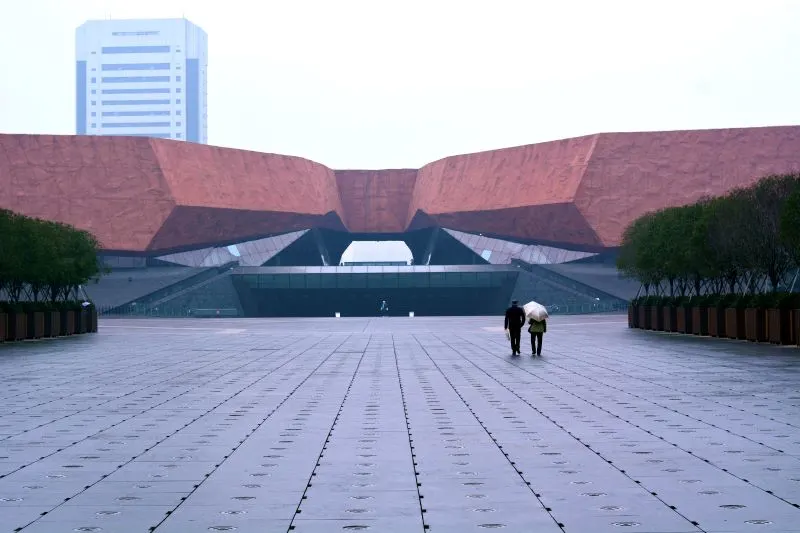
Wuhan University is a renowned institution and a picturesque campus that offers a serene and charming environment for visitors to explore. Nestled in the Wuchang district of Wuhan, the university’s campus is often considered one of the most beautiful in China.
As you wander around Wuhan University, you’ll be greeted by lush greenery, ancient buildings, tranquil lakes, and exquisite gardens. The campus covers a large area, providing ample space for both academic pursuits and leisurely activities.
One of the highlights of the university is the Cherry Blossom Avenue, which attracts visitors from far and wide during the spring season.
When the cherry blossoms are in full bloom, the avenue transforms into a stunning canopy of delicate pink and white flowers, creating a magical and romantic atmosphere.
The university’s architecture blends traditional Chinese styles with elements of Western influence. The main building, known as the “Gothic Building,” showcases an impressive combination of red-brick walls and intricate details. The grandeur of the building adds to the overall charm of the campus.
Within the campus, there are numerous gardens and parks that provide peaceful retreats for students and visitors alike.
The Lotus Garden and Luojia Hill are popular spots to relax, enjoy nature, and take in the scenic views of the campus. The Wuhan University Library, with its impressive collection of books and beautiful architecture, is also worth a visit.
As you explore, you’ll notice that the campus is not only a place of learning but also a vibrant hub of activity. You may encounter students playing musical instruments, engaging in sports activities, or participating in cultural events. The lively atmosphere adds to the unique experience of wandering around the university.
Additionally, Wuhan University hosts several cultural and art events throughout the year, including music concerts, theatrical performances, and exhibitions. Attending one of these events can offer a deeper insight into the vibrant student life and cultural scene of the university.
Wandering around Wuhan University allows you to appreciate the harmonious blend of nature, history, and academia.
Whether you’re interested in architecture, nature photography, or simply seeking a peaceful and scenic environment, a visit to Wuhan University offers a delightful escape from the bustling city and a chance to immerse yourself in its beauty and cultural ambiance.
5. Discover Hubei Provincial Museum: Explore the rich history and cultural heritage of Hubei province

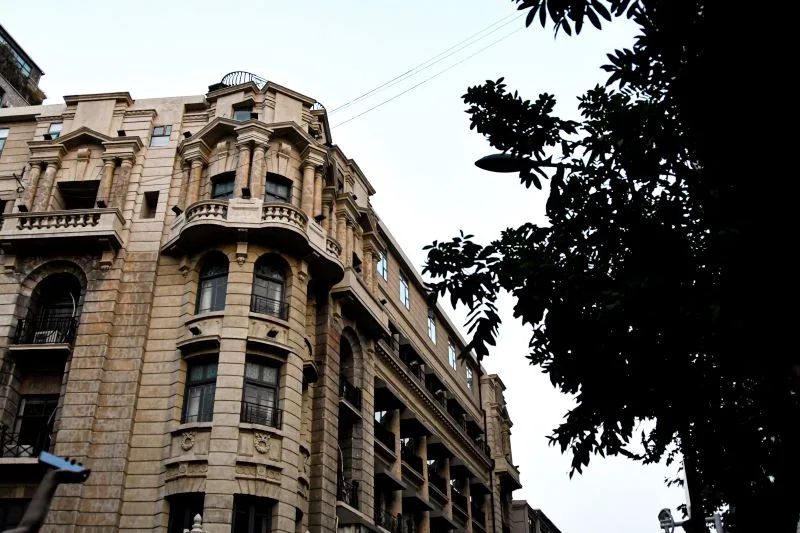
The Hubei Provincial Museum is a cultural treasure located in Wuhan, China. It is one of the largest museums in the country and is renowned for its extensive collection of artifacts that showcase the rich history and cultural heritage of Hubei province.
The museum is located near East Lake and covers an impressive area of over 50,000 square meters. Its architecture blends modern elements with traditional Chinese design, creating a visually striking and harmonious structure.
As you enter the museum, you’ll be greeted by grand exhibition halls that house a diverse range of artifacts dating back thousands of years. The museum’s collection spans various periods, including the Neolithic age, the Han dynasty, the Tang dynasty, and more.
One of the highlights of the Hubei Provincial Museum is its collection of ancient artifacts from the famous tomb of Marquis Yi of Zeng.
This tomb is known for its exquisite bronze artifacts, including a set of chime bells that are considered masterpieces of ancient Chinese music.
The museum also features a remarkable collection of pottery, jade, calligraphy, paintings, and other cultural relics. These artifacts provide insights into the daily life, art, and craftsmanship of ancient China, allowing visitors to appreciate the rich cultural heritage of the region.
The museum employs modern exhibition techniques, including multimedia presentations, interactive displays, and detailed descriptions in both Chinese and English.
This enhances the visitor experience by providing a deeper understanding of the artifacts and the historical context in which they were created.
In addition to the permanent collection, the museum hosts temporary exhibitions that showcase a wide range of topics, such as archaeology, art, and cultural exchange.
These exhibitions provide opportunities to explore specific themes and gain a deeper appreciation for various aspects of Chinese history and culture.
The Hubei Provincial Museum is not only a place of historical preservation but also a hub for academic research and cultural exchange. It regularly hosts academic conferences, lectures, and educational programs that cater to both scholars and the general public.
A visit to the Hubei Provincial Museum offers a fascinating journey through the ancient history and cultural heritage of Hubei province.
Whether you are a history enthusiast, an art lover, or simply curious about China’s rich past, this museum provides an immersive and enlightening experience that showcases the remarkable legacy of the region.
6. Enjoy the cherry blossoms at Wuhan University: During spring, the campus bursts with beautiful cherry blossoms

Enjoying the cherry blossoms at Wuhan University is a delightful experience that attracts visitors from far and wide. When the cherry blossoms are in full bloom, the campus transforms into a picturesque paradise, creating a magical and romantic ambiance.
During the spring season, usually around late March to early April, the cherry trees on the campus burst into a vibrant display of delicate pink and white blossoms. This phenomenon marks the arrival of spring and offers a visual spectacle that captivates the senses.
The Cherry Blossom Avenue is the main highlight at Wuhan University during this time. This iconic pathway stretches for about a kilometer and is lined with rows of cherry trees on both sides. As you walk along the avenue, you’ll be surrounded by a canopy of blossoms, creating a dreamlike atmosphere.
The beauty of the cherry blossoms is further enhanced by the backdrop of the university’s historic buildings and scenic surroundings. The juxtaposition of the delicate flowers against the traditional architecture adds to the charm and aesthetic appeal of the experience.
Visitors can take leisurely strolls along the Cherry Blossom Avenue, capturing stunning photographs and immersing themselves in the enchanting scenery. Many people also bring picnic blankets and snacks to enjoy a leisurely afternoon under the blossoms.
As the cherry blossoms draw large crowds, the atmosphere becomes lively and festive. Vendors set up stalls offering various snacks, souvenirs, and traditional handicrafts. Performers, such as musicians and dancers, may also entertain visitors, adding to the joyful atmosphere.
The cherry blossoms at Wuhan University are not only a visual delight but also hold cultural significance. They symbolize renewal, beauty, and the fleeting nature of life in Chinese culture. Many visitors come to reflect, appreciate nature’s beauty, and find tranquility amidst the blossoms.
It’s important to note that the cherry blossoms’ bloom period is relatively short, typically lasting for about one to two weeks. The exact timing can vary each year, depending on weather conditions.
To make the most of your visit, it’s advisable to check the local forecast and stay updated on the blossoms’ peak bloom time.
Experiencing the cherry blossoms at Wuhan University offers a memorable and enchanting encounter with nature’s ephemeral beauty.
It’s a wonderful opportunity to immerse yourself in the charm of the season and witness the captivating transformation of the campus into a mesmerizing floral wonderland.
7. Take a boat ride on the East Lake: Rent a boat and cruise around the lake, enjoying the serene surroundings


Taking a boat ride on the East Lake in Wuhan is a popular activity that allows you to appreciate the natural beauty of the lake and its surroundings from a unique perspective.
East Lake, the largest urban lake in China, covers a vast area of over 80 square kilometers. It is renowned for its picturesque landscapes, lush greenery, and serene atmosphere.
Exploring the lake by boat offers a tranquil and leisurely experience that allows you to immerse yourself in the scenic charm of the area.
There are different types of boats available for rent, depending on your preferences and group size. You can choose from paddle boats, canoes, or electric boats, each offering a different way to navigate the lake.
Paddle boats are a popular option for couples or small groups. They allow you to leisurely pedal along the calm waters of the lake, taking in the surrounding scenery at your own pace. It’s a romantic and serene way to enjoy the tranquility of East Lake.
Canoeing is another option for those seeking a more active and immersive experience. Canoes provide a sense of adventure as you paddle through the water, exploring hidden corners of the lake and enjoying a closer encounter with nature. It’s a great choice for nature enthusiasts and those who enjoy a bit of physical activity.
If you prefer a more relaxed experience, electric boats are an excellent choice. These boats are powered by electric motors and allow you to sit back, relax, and enjoy the ride. They offer a comfortable and effortless way to explore the lake while taking in the surrounding landscapes.
During your boat ride, you’ll have the opportunity to admire the natural beauty of East Lake. The lake is surrounded by rolling hills, picturesque islands, and lush vegetation, creating a serene and idyllic setting. You may also come across various bird species, adding to the charm of the experience.
Boat rides on East Lake provide stunning views of the lake’s clear waters, the surrounding greenery, and the distant skyline of Wuhan. The peaceful ambiance and gentle breeze make it an ideal escape from the city’s hustle and bustle.
Whether you choose to paddle, canoe, or opt for an electric boat, a boat ride on the East Lake offers a tranquil and scenic adventure that allows you to connect with nature and appreciate the beauty of Wuhan’s largest urban lake.
8. Visit the Wuhan Botanical Garden: Experience the diverse flora and fauna in this expansive botanical garden

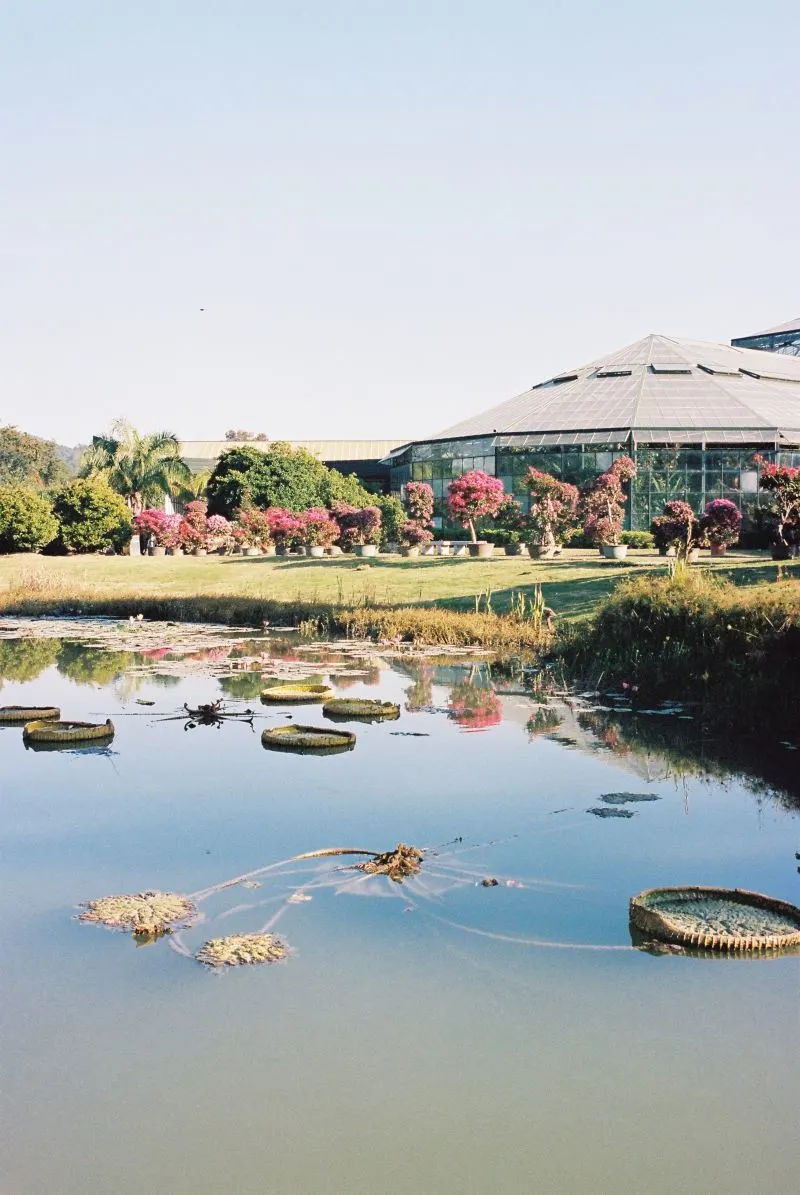
Visiting the Wuhan Botanical Garden is a delightful experience that offers a tranquil retreat amidst nature’s beauty. Located in Wuhan, China, the botanical garden covers a vast area and showcases a diverse collection of plant species from around the world.
The Wuhan Botanical Garden is known for its lush greenery, colorful flowers, and well-manicured landscapes. As you explore the garden, you’ll encounter a variety of themed sections and gardens that cater to different interests and botanical specialties.
One of the main highlights of the botanical garden is its extensive collection of plants and flowers. The garden boasts a wide range of flora, including rare and exotic species, native plants, and ornamental flowers.
You can wander through carefully curated gardens that showcase different plant families, such as roses, peonies, orchids, and lotus flowers.
The botanical garden also features numerous themed areas, each with its own unique charm. For example, the Tropical Rainforest Greenhouse allows visitors to experience the lush environment of a rainforest, complete with towering trees, hanging vines, and a diverse array of tropical plants.
The Chinese Herb Garden showcases traditional medicinal plants used in Chinese herbal medicine, offering insights into the country’s rich healing traditions.
As you explore the garden, you’ll find well-designed pathways, picturesque ponds, and charming bridges that add to the overall beauty of the surroundings. The garden’s layout provides a sense of serenity and allows for peaceful walks and relaxation.
Beyond the plant collections, the Wuhan Botanical Garden offers educational and recreational facilities. There are exhibition halls and educational centers where visitors can learn about plant conservation, botanical research, and environmental protection efforts.
The garden also hosts various cultural events, exhibitions, and workshops related to horticulture and nature appreciation.
For those seeking outdoor activities, the garden provides picnic areas, open spaces, and recreational facilities. You can bring a picnic basket and enjoy a leisurely meal surrounded by nature’s tranquility.
Additionally, the garden features walking and jogging trails that allow you to explore the vast expanse of the botanical garden while enjoying the fresh air and exercise.
Visiting the Wuhan Botanical Garden offers a wonderful opportunity to escape the city’s hustle and bustle and immerse yourself in the beauty of nature.
Whether you’re a plant enthusiast, a nature lover, or simply seeking a peaceful retreat, the garden’s serene ambiance, diverse plant life, and educational opportunities make it a must-visit destination in Wuhan.
9. Explore the Guiyuan Buddhist Temple: Discover this ancient Buddhist temple known for its beautiful architecture


Exploring the Guiyuan Buddhist Temple in Wuhan is a fascinating journey into the world of Buddhism and offers a serene and spiritual experience. Situated in the Wuchang district, this renowned temple is one of the largest and most influential Buddhist temples in Hubei province.
The Guiyuan Buddhist Temple dates back to the late Ming dynasty and is known for its beautiful architecture, tranquil atmosphere, and significant cultural relics.
As you step into the temple grounds, you’ll be greeted by ornate gateways and traditional Chinese architectural elements that reflect the rich heritage of Buddhism.
The temple complex is designed with intricate pavilions, halls, courtyards, and gardens, creating a peaceful and harmonious setting. You can meander through the various buildings and explore the different sections of the temple.
One of the highlights of the Guiyuan Buddhist Temple is the Grand Hall, which serves as the main place of worship. This hall houses the statue of Sakyamuni Buddha, the founder of Buddhism, along with other important figures and deities. The hall’s exquisite craftsmanship, vibrant colors, and intricate details create a sense of reverence and awe.
Within the temple, you’ll find smaller halls and chambers dedicated to different Buddhas, bodhisattvas, and eminent monks. These areas provide opportunities for meditation, prayer, and reflection.
Visitors can witness devotees offering incense, chanting sutras, and engaging in religious rituals, offering a glimpse into Buddhist practices and customs.
The Guiyuan Buddhist Temple is also renowned for its splendid gardens, which are designed in a traditional Chinese style.
The gardens feature scenic landscapes, serene ponds, lush greenery, and beautiful flowers. The layout of the gardens embodies Buddhist principles of harmony with nature, providing a tranquil and contemplative environment for visitors to explore.
As you explore the temple, you’ll come across numerous calligraphy and artwork displays, showcasing the artistic talents of Buddhist monks and scholars. These displays add to the cultural significance of the temple and provide insights into Buddhist philosophy and teachings.
Additionally, the Guiyuan Buddhist Temple serves as a center for Buddhist studies and religious education. The temple offers lectures, classes, and seminars on Buddhism, attracting scholars, students, and spiritual seekers.
Visiting the Guiyuan Buddhist Temple offers a chance to immerse yourself in the spiritual ambiance, learn about Buddhist philosophy, and appreciate the architectural and artistic beauty of the temple.
Whether you are a devout Buddhist, a history enthusiast, or simply seeking a serene and culturally enriching experience, exploring the Guiyuan Buddhist Temple provides a journey into the heart of Buddhism and Chinese religious heritage.
10. Discover the Hubei Provincial Museum: Learn about the ancient history and cultural artifacts of the region


Discovering the Hubei Provincial Museum is a captivating journey into the rich history and cultural heritage of Hubei province. Located in Wuhan, China, this renowned museum is one of the largest and most significant cultural institutions in the country.
The Hubei Provincial Museum is housed in a modern and impressive building that blends traditional Chinese architectural elements with contemporary design.
As you step inside, you’ll find yourself immersed in a world of ancient artifacts, archaeological treasures, and artistic masterpieces that span thousands of years.
The museum’s extensive collection covers various periods of Chinese history, including the prehistoric era, the Bronze Age, the Qin and Han dynasties, and the Tang and Song dynasties. It offers a comprehensive overview of the region’s cultural development and historical significance.
The museum’s exhibition halls are thoughtfully organized, allowing visitors to explore different themes and aspects of Hubei’s history and culture.
You’ll encounter artifacts such as pottery, bronze ware, jade carvings, calligraphy, paintings, and sculptures. Each artifact provides a glimpse into the artistry, craftsmanship, and societal values of ancient China.
One of the museum’s highlights is the collection of artifacts from the famous tomb of Marquis Yi of Zeng. This tomb, dating back to the Warring States period, contains an extraordinary array of bronze artifacts, including a set of ancient musical instruments known as the “Zenghouyi Bells.” These intricate bells are considered national treasures and exemplify the ancient musical achievements of China.
The Hubei Provincial Museum also features exhibitions dedicated to specific themes, such as ancient architecture, traditional costumes, and folk customs. These displays provide deeper insights into the region’s unique cultural traditions and historical context.
In addition to its permanent collection, the museum regularly hosts temporary exhibitions that showcase a wide range of topics, including contemporary art, international cultural exchanges, and archaeological discoveries. These exhibitions offer fresh perspectives and a chance to explore diverse aspects of art and culture.
The museum’s educational facilities include lecture halls, research centers, and interactive exhibits. Visitors can attend lectures, workshops, and cultural activities that enhance their understanding of the exhibits and promote a deeper appreciation of Chinese history and culture.
The Hubei Provincial Museum is not only a repository of historical artifacts but also a hub for academic research and cultural exchange. It plays a vital role in preserving and promoting the region’s cultural heritage, as well as fostering cross-cultural dialogue and understanding.
Visiting the Hubei Provincial Museum is a captivating and educational experience that takes you on a journey through the rich tapestry of Hubei’s history and culture.
Whether you are a history enthusiast, an art lover, or simply curious about China’s ancient past, this museum offers a remarkable opportunity to discover and appreciate the remarkable cultural legacy of the region.
11. Take a walk on Jianghan Pedestrian Street: Enjoy shopping, dining, and entertainment in the heart of Wuhan


Taking a walk on Jianghan Pedestrian Street in Wuhan is a vibrant and lively experience that immerses you in the city’s bustling atmosphere and offers a wide array of entertainment, shopping, and dining opportunities.
Jianghan Pedestrian Street, located in the heart of Wuhan, is one of the city’s most iconic and popular commercial streets.
It stretches for about one kilometer, running parallel to the Yangtze River, and is lined with an array of shops, boutiques, department stores, restaurants, cafes, and entertainment venues.
As you step onto Jianghan Pedestrian Street, you’ll find yourself surrounded by a lively and energetic ambiance. The street is known for its bustling crowds, colorful signage, and vibrant street performances, creating a dynamic and festive atmosphere.
The street offers a diverse range of shopping options to suit every taste and budget. You’ll find well-known international brands, local boutiques, department stores, and specialty shops.
Whether you’re looking for fashion, accessories, electronics, souvenirs, or traditional Chinese goods, Jianghan Pedestrian Street has something for everyone.
Aside from shopping, the street is a culinary haven with numerous restaurants, street food stalls, and snack vendors. You can indulge in a wide variety of local and international cuisines, ranging from traditional Hubei dishes to regional Chinese specialties and even international fare. The aroma of street food and the opportunity to sample local delicacies add to the street’s vibrant appeal.
Jianghan Pedestrian Street is also a cultural and entertainment hub. Throughout the day, you can encounter street performers, musicians, and artists showcasing their talents.
The lively performances contribute to the street’s festive atmosphere and provide a source of entertainment for visitors of all ages.
The street’s central location makes it a convenient starting point for exploring other attractions in Wuhan. It is within walking distance of landmarks such as the Yangtze River, Wuhan Customs House, and the famous Yellow Crane Tower.
You can easily combine a visit to Jianghan Pedestrian Street with other nearby attractions, making it a vibrant hub in your Wuhan itinerary.
The street truly comes alive at night when the neon lights illuminate the bustling scene. The colorful signs and the vibrant nightlife create a captivating and energetic atmosphere that is worth experiencing. You can enjoy a leisurely stroll, admire the cityscape, and soak in the lively ambiance of Wuhan’s nightlife.
Visiting Jianghan Pedestrian Street offers a dynamic and engaging experience that captures the essence of Wuhan’s urban lifestyle.
Whether you’re a shopaholic, a food enthusiast, or simply seeking a lively atmosphere, a walk along this vibrant street promises an unforgettable and immersive encounter with the city’s culture, entertainment, and gastronomy.
12. Visit the Wuhan Yangtze River Bridge: Admire the impressive structure and enjoy the scenic views


Visiting the Wuhan Yangtze River Bridge is a remarkable experience that allows you to appreciate both the engineering marvel and the breathtaking views of the Yangtze River.
The Wuhan Yangtze River Bridge, also known as the First Bridge, is a famous landmark and an iconic symbol of the city. It spans across the mighty Yangtze River, connecting the districts of Wuchang and Hanyang in Wuhan. As one of the longest bridges in the world, it holds significant historical and cultural importance.
Constructed in 1955, the bridge was a monumental engineering feat at the time and played a crucial role in connecting the northern and southern parts of China.
It served as a vital transportation link, facilitating trade and travel between different regions. The bridge not only contributed to the city’s development but also became a symbol of national pride and unity.
Visiting the Wuhan Yangtze River Bridge allows you to witness the impressive architecture and design of this monumental structure up close. The bridge features a combination of steel truss arches and suspension spans, creating a visually striking silhouette against the backdrop of the Yangtze River.
Walking or driving across the bridge offers breathtaking panoramic views of the Yangtze River and the surrounding landscapes. The wide expanse of the river, flanked by hills and city skylines, creates a picturesque scene that is truly awe-inspiring.
The bridge has become a popular spot for locals and tourists alike to capture stunning photographs and enjoy the scenic vistas. The sunset and evening views are particularly captivating, with the bridge’s lights illuminating the night sky, creating a dazzling display.
In recent years, a pedestrian walkway has been added to the bridge, allowing visitors to take a leisurely stroll and admire the beauty of the river and the cityscape. You can enjoy a peaceful walk, feel the gentle breeze, and take in the grandeur of the surroundings.
The Wuhan Yangtze River Bridge is not only an architectural masterpiece but also holds historical and cultural significance. It represents the resilience and determination of the Chinese people in overcoming challenges and connecting different regions of the country.
Visiting the Wuhan Yangtze River Bridge offers a unique opportunity to appreciate the combination of engineering excellence and natural beauty.
Whether you’re interested in the historical significance, architectural marvel, or simply seeking a stunning view of the Yangtze River, a visit to this iconic bridge promises an unforgettable experience in Wuhan.
13. Explore the Wuhan Science and Technology Museum: Engage in interactive exhibits and hands-on activities

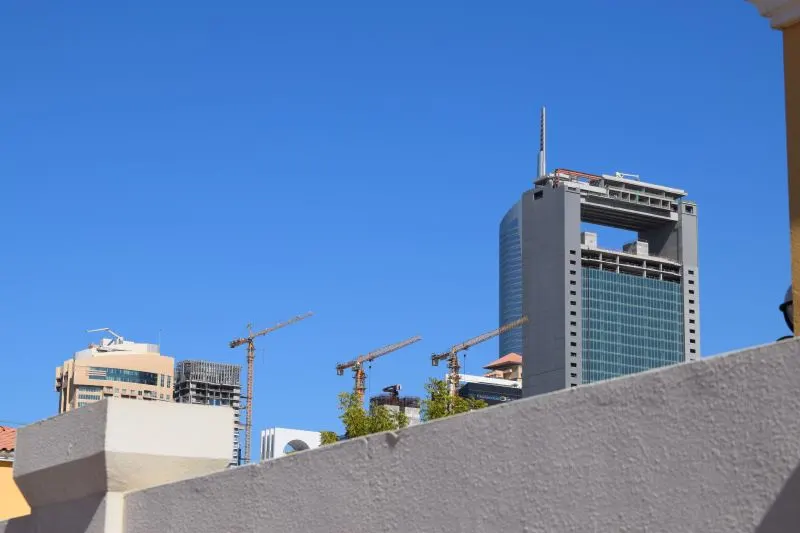
Exploring the Wuhan Science and Technology Museum is an exciting and educational experience that offers a wide range of interactive exhibits, immersive displays, and hands-on activities, making it a perfect destination for science enthusiasts of all ages.
Located in Wuhan, China, the Wuhan Science and Technology Museum is a modern and innovative institution dedicated to promoting scientific knowledge, exploration, and discovery.
The museum covers a vast area and houses a diverse range of exhibitions that showcase various scientific disciplines and technological advancements.
As you enter the museum, you’ll be greeted by a visually stunning and interactive environment. The exhibits are designed to engage visitors and provide a deeper understanding of scientific principles through fun and engaging experiences.
One of the highlights of the Wuhan Science and Technology Museum is its interactive displays. These exhibits allow visitors to actively participate and learn through hands-on activities.
You can explore topics such as physics, chemistry, biology, astronomy, robotics, and more. From conducting virtual experiments to exploring the wonders of the universe, the museum offers a wide range of interactive opportunities to satisfy your curiosity.
The museum also features immersive displays that utilize advanced technology to create a captivating and educational experience.
You may find yourself transported to prehistoric times, witnessing the formation of the Earth, or even exploring outer space through high-definition projections and virtual reality simulations.
In addition to its permanent exhibits, the museum hosts temporary exhibitions that cover a variety of scientific and technological themes.
These exhibitions often feature cutting-edge research, emerging technologies, and the latest scientific discoveries, providing visitors with insights into the ever-evolving world of science and technology.
The Wuhan Science and Technology Museum also offers educational programs, workshops, and demonstrations that cater to different age groups and interests.
These programs aim to inspire curiosity, foster critical thinking, and promote scientific literacy among visitors. Whether you’re a student, a science enthusiast, or simply curious about the world around you, there are engaging learning opportunities for everyone.
The museum’s facilities include auditoriums, theaters, and lecture halls, where you can attend science shows, documentaries, and presentations by experts in various fields. These events provide further avenues for learning and exploration.
Visiting the Wuhan Science and Technology Museum is not only an entertaining experience but also an opportunity to expand your knowledge and appreciation of science and technology.
Whether you’re interested in the wonders of the natural world, the mysteries of the universe, or the latest technological advancements, this museum offers a stimulating and immersive environment to satisfy your curiosity and ignite your passion for science.
14. Wander through Hubu Alley: Sample local snacks and immerse yourself in the lively street atmosphere


Wander through Hubu Alley in Wuhan, and you’ll find yourself immersed in a vibrant and bustling street known for its diverse culinary delights, local snacks, and lively atmosphere.
Hubu Alley, also known as Hubu Lane or Hubu Xiang, is a famous food street located near the historic Yellow Crane Tower in Wuhan. It is a popular destination for both locals and tourists seeking an authentic taste of Hubei cuisine and a glimpse into the city’s vibrant food culture.
As you step into Hubu Alley, you’ll be greeted by a plethora of food stalls, restaurants, and shops offering a wide variety of delicious local delicacies.
The street is known for its extensive selection of snacks and street food, ranging from steamed dumplings and stuffed buns to spicy noodles, hot pot, and grilled skewers. Each stall or shop specializes in its own unique specialty, showcasing the rich culinary heritage of the region.
The scents and aromas wafting through the air are simply irresistible, tempting you to sample a wide array of mouthwatering dishes.
Whether you’re a fan of savory or sweet flavors, you’ll find something to satisfy your taste buds. Don’t miss the chance to try local favorites such as hot dry noodles (reganmian), steamed soup dumplings (xiaolongbao), and Wuchang fish (Wuchang bream) prepared in various styles.
The lively atmosphere of Hubu Alley adds to its charm. The street is often bustling with locals and visitors, creating a lively and energetic ambiance.
You can witness the vibrant street life, watch food being prepared right in front of you, and interact with friendly vendors who are eager to share their culinary creations.
Aside from the delicious food, Hubu Alley also offers a glimpse into Wuhan’s history and culture. The street is lined with traditional buildings, narrow alleyways, and shops selling local handicrafts, souvenirs, and traditional goods.
You can take a leisurely stroll, explore the surrounding area, and soak in the nostalgic charm of Wuhan’s old streets.
Hubu Alley is not only a food lover’s paradise but also a cultural destination. Throughout the year, the street hosts various cultural events, food festivals, and performances that showcase the local traditions, music, and arts. These events provide an opportunity to immerse yourself in the vibrant cultural scene and experience the city’s lively spirit.
Visiting Hubu Alley is a sensory delight that allows you to indulge in the flavors, sights, and sounds of Wuhan’s culinary scene. It’s a place where you can savor authentic Hubei cuisine, interact with locals, and immerse yourself in the lively street culture.
Whether you’re a food enthusiast, a culture lover, or simply looking for a memorable experience, a wander through Hubu Alley promises a delightful and mouthwatering adventure.
15. Visit the Chu River and Han Street: Experience the charm of traditional Chinese architecture and cultural performances

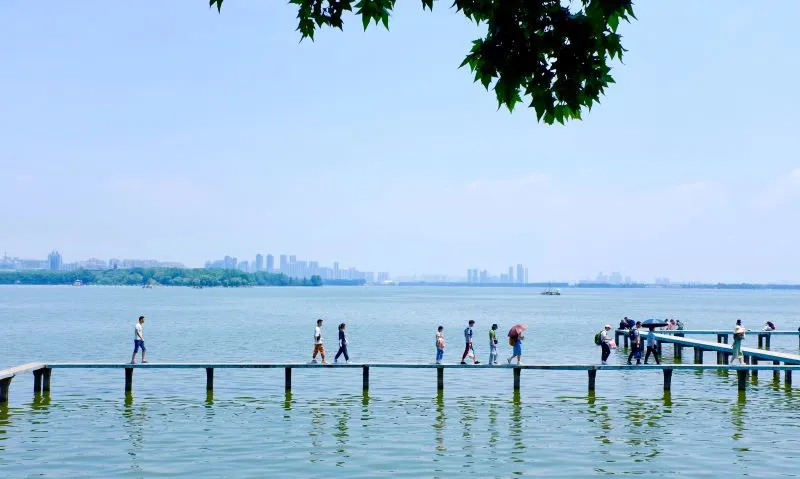
Visiting the Chu River and Han Street in Wuhan is a unique and immersive experience that combines history, culture, and modern entertainment. This vibrant pedestrian street offers a fusion of traditional Chinese architecture, themed attractions, shopping, dining, and entertainment options.
The Chu River and Han Street is a meticulously designed commercial and cultural district that draws inspiration from the ancient Chu and Han dynasties, which had a significant influence on the region.
The street showcases a blend of architectural styles, including traditional Chinese, Chu, and Han influences, creating a visually stunning and culturally rich environment.
As you explore the street, you’ll notice the intricately designed buildings, vibrant colors, and ornate details that transport you back in time.
The street is divided into distinct sections, each representing a different aspect of the Chu and Han dynasties, offering a glimpse into their historical and cultural significance.
Along the Chu River, you can enjoy a leisurely stroll or take a boat ride to admire the picturesque scenery and beautifully landscaped surroundings. The river is lined with charming pavilions, gardens, and bridges, providing a tranquil escape from the bustling city.
Han Street, on the other hand, offers a modern twist with its array of shops, boutiques, restaurants, and entertainment venues. Here, you can indulge in shopping for fashion, accessories, cosmetics, and souvenirs. The street showcases both international brands and local retailers, providing a diverse shopping experience for visitors.
In addition to shopping, the Chu River and Han Street is known for its diverse culinary offerings. You’ll find a wide range of restaurants, cafes, and street food stalls serving both local and international cuisines.
Whether you’re in the mood for traditional Hubei dishes, Sichuan hotpot, or global flavors, there’s something to satisfy every palate.
The street also hosts various cultural events, performances, and exhibitions, providing a platform to showcase traditional music, dance, and arts. These events add to the vibrant atmosphere and offer opportunities to engage with the local culture and heritage.
The Chu River and Han Street is especially enchanting at night when the buildings and streets are illuminated by colorful lights, creating a magical ambiance.
The street comes alive with street performances, live music, and a lively nightlife scene. You can enjoy a romantic evening stroll, dine at rooftop restaurants with panoramic views, or simply soak in the vibrant atmosphere.
Visiting the Chu River and Han Street offers a unique blend of history, culture, and modern entertainment. Whether you’re interested in immersing yourself in ancient Chinese traditions, indulging in shopping and dining experiences, or simply enjoying the vibrant street life, this cultural district provides a captivating and memorable experience in Wuhan.
16. Attend a performance at the Qintai Concert Hall: Enjoy classical music or other cultural performances

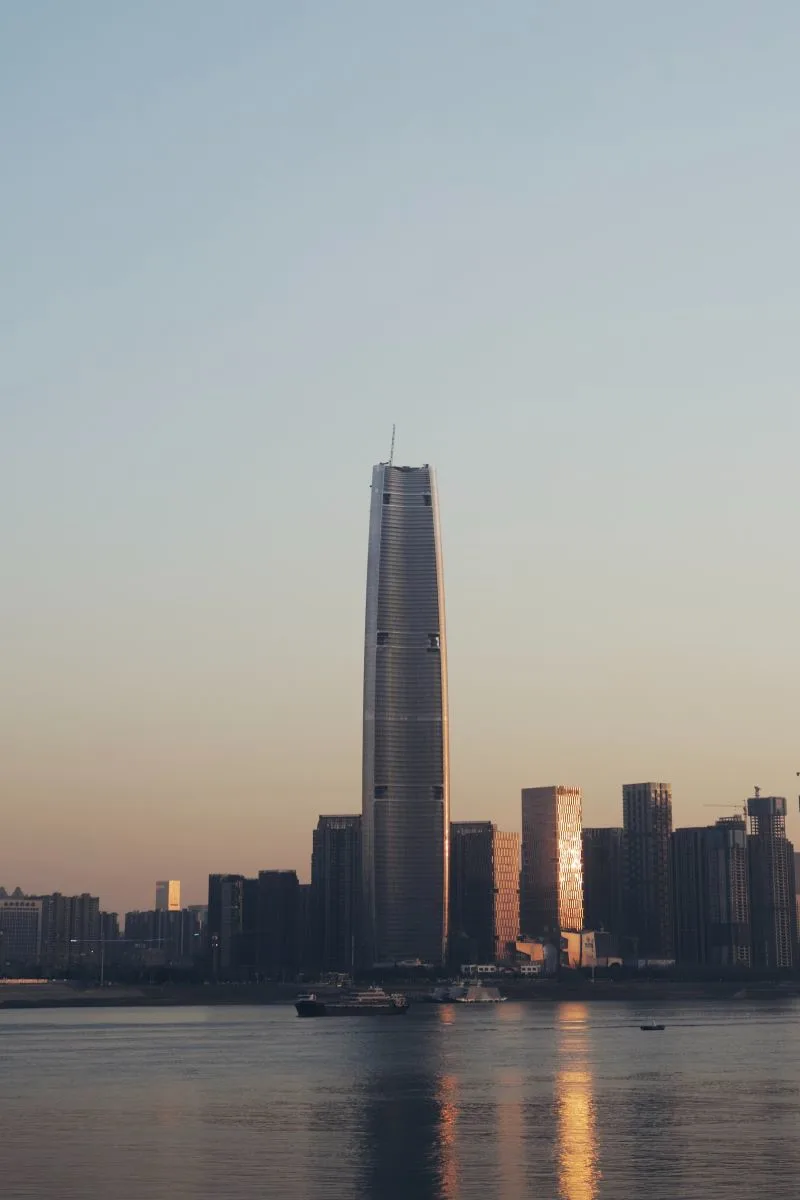
Attending a performance at the Qintai Concert Hall in Wuhan promises an exceptional cultural experience filled with music, artistry, and captivating performances.
Located in the Qintai Cultural and Creative Zone in Wuhan, the Qintai Concert Hall is a state-of-the-art venue known for its acoustics, architectural elegance, and world-class performances. It is a prestigious cultural landmark that attracts renowned artists and musicians from around the world.
The concert hall features a sophisticated design that seamlessly blends modernity with elements of traditional Chinese architecture. The grand entrance, adorned with intricate details and elegant motifs, sets the stage for an unforgettable experience.
Inside, the concert hall boasts impeccable acoustics and a seating arrangement that ensures every seat in the house provides an optimal listening experience.
The venue hosts a variety of performances, including classical concerts, orchestral performances, chamber music recitals, opera, ballet, and more. Whether you’re a fan of classical music or eager to explore other genres, the Qintai Concert Hall offers a diverse program that caters to different tastes and interests.
The performances at the Qintai Concert Hall showcase the talent and artistry of both local and international artists. From virtuosic instrumental solos to powerful vocal performances, the stage comes alive with breathtaking displays of skill, emotion, and creativity.
The combination of the venue’s exceptional acoustics and the artists’ dedication creates an immersive experience that transports the audience to new realms of musical expression.
Attending a performance at the Qintai Concert Hall is not only a treat for the ears but also a visual delight. The stage is often complemented by stunning lighting, set designs, and multimedia elements that enhance the overall aesthetic and create a multisensory experience.
The concert hall’s cultural significance extends beyond music performances. It also hosts art exhibitions, lectures, and educational programs that promote cultural exchange, artistic development, and appreciation of various art forms.
These events provide opportunities for visitors to engage with the arts, learn from experts, and deepen their understanding of different artistic disciplines.
The Qintai Concert Hall’s central location within the Qintai Cultural and Creative Zone also allows visitors to explore the surrounding area.
The cultural zone features traditional architecture, gardens, tea houses, art galleries, and shops selling local handicrafts. It provides a serene and culturally rich environment that complements the concert hall experience.
Attending a performance at the Qintai Concert Hall offers a memorable and enriching experience for music enthusiasts, cultural aficionados, and anyone seeking an immersive artistic encounter.
It is a venue where talent, craftsmanship, and passion converge, leaving a lasting impression and creating unforgettable moments of artistic expression.
17. Explore the Mo Hill: Hike to the top of Mo Hill and visit the ancient Taoist temple


Exploring the Mo Hill (also known as Mo Shan) in Wuhan offers a delightful escape into nature, breathtaking views, and a chance to immerse yourself in the rich history and cultural heritage of the region.
Mo Hill is a scenic area located in the eastern part of Wuhan, encompassing a range of hills, temples, gardens, and historic sites. The hill itself is part of the Wudang Mountains, a UNESCO World Heritage Site known for its natural beauty and profound Taoist significance.
As you ascend Mo Hill, you’ll be greeted by lush greenery, serene pathways, and well-manicured gardens. The hill is covered with dense forests, ancient trees, and colorful flowers, creating a tranquil and refreshing atmosphere. It’s a perfect place for nature lovers, hikers, and those seeking a break from the urban hustle and bustle.
Mo Hill is also home to several significant temples and historic sites. The most notable among them is the Guangxiu Temple, a renowned Buddhist temple that dates back over a thousand years. Its intricate architecture, ornate decorations, and peaceful ambiance make it a fascinating place to explore and reflect.
Another highlight of Mo Hill is the Huiyin Temple, a Taoist temple perched on the mountaintop. The temple offers panoramic views of the surrounding landscape and is known for its traditional Taoist rituals and ceremonies.
Visitors can witness the Taoist monks engaged in their daily practices and experience the spirituality and tranquility of this ancient tradition.
Apart from the temples, Mo Hill also boasts several pavilions, pagodas, and viewing platforms that offer breathtaking vistas of the surrounding scenery.
The panoramic views from the hilltops include rolling mountains, winding rivers, and the cityscape of Wuhan, creating a picturesque and awe-inspiring sight.
As you explore Mo Hill, you may also encounter hidden caves, stone inscriptions, and ancient relics that bear witness to the area’s rich history and cultural significance.
These historical remnants add an element of mystery and intrigue to your journey, allowing you to connect with the past and appreciate the depth of the region’s heritage.
For outdoor enthusiasts, Mo Hill offers various hiking trails and nature walks that cater to different fitness levels and preferences. Whether you prefer a leisurely stroll through the gardens or a more adventurous hike up the hill, there are paths to suit every visitor.
In addition to its natural and cultural attractions, Mo Hill also features amenities such as teahouses, restaurants, and souvenir shops where you can relax, enjoy local delicacies, and purchase mementos of your visit.
Exploring Mo Hill provides a unique opportunity to immerse yourself in the beauty of nature, delve into the region’s cultural heritage, and experience a sense of tranquility and serenity.
Whether you’re interested in history, spirituality, or simply seeking a peaceful retreat, Mo Hill offers a memorable and enriching experience in Wuhan.
18. Visit the Jianghan Road Night Market: Experience the bustling nightlife and indulge in street food

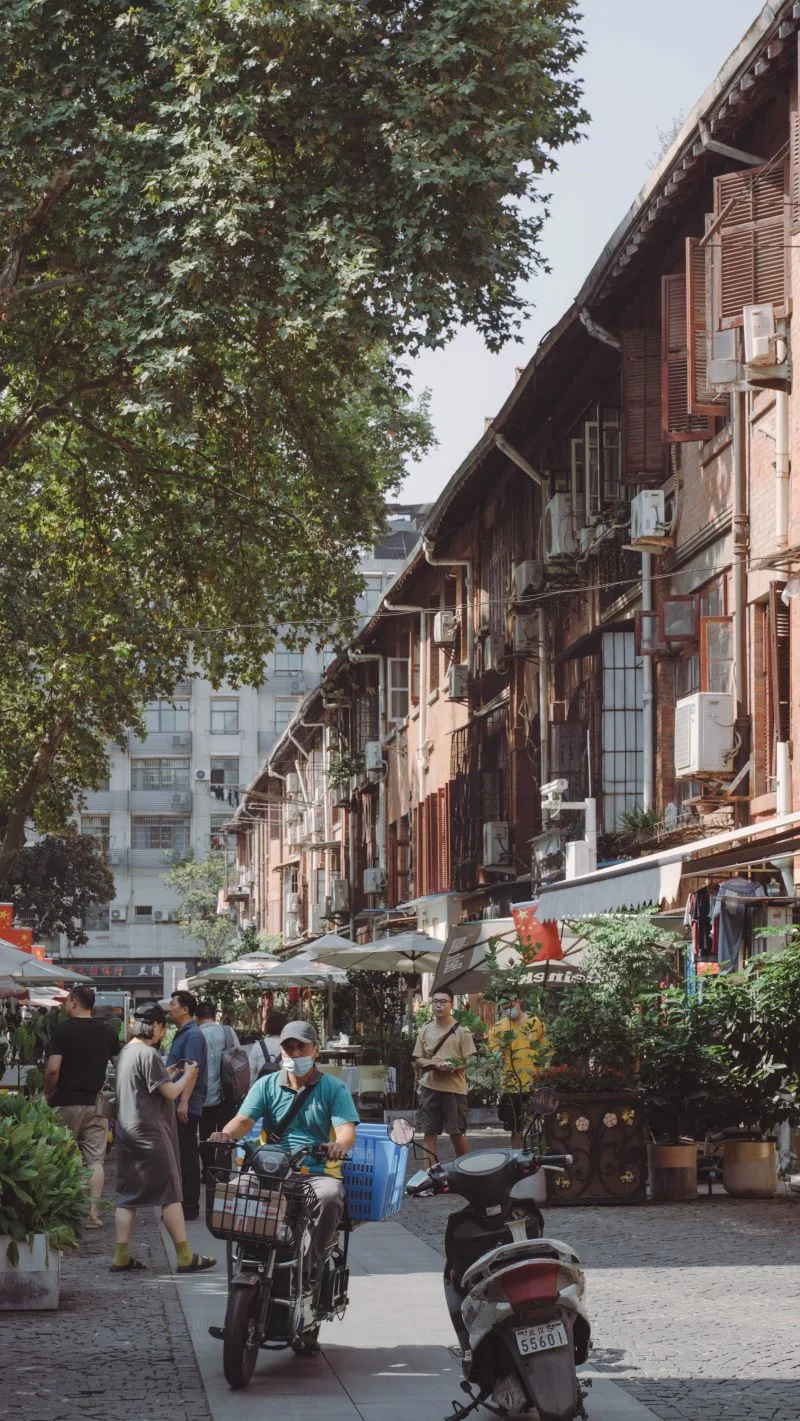
A visit to the Jianghan Road Night Market in Wuhan is an exhilarating and vibrant experience that takes you into a world of delicious street food, bustling crowds, and a lively atmosphere.
Jianghan Road Night Market is one of the most famous and popular night markets in Wuhan, located in the heart of the city.
As the sun sets, the street comes alive with a dazzling array of food stalls, shops, and entertainment options, creating a bustling and energetic ambiance.
The night market is renowned for its diverse culinary offerings, attracting food enthusiasts from near and far. You’ll find a wide range of street food delicacies, snacks, and local specialties that cater to all tastes and preferences. From savory dishes to sweet treats, the market offers a feast for your senses.
As you stroll along Jianghan Road, you’ll be enticed by the tantalizing aromas of sizzling skewers, steaming bowls of noodles, and fragrant spices.
You can indulge in popular street food such as barbecue skewers, spicy hot pot, grilled seafood, dumplings, baozi (steamed buns), and a variety of regional snacks. Don’t miss the opportunity to try the local specialties like Wuhan hot dry noodles, Re Gan Mian, and Doupi.
The night market is not only about food—it’s also a lively shopping destination. Alongside the food stalls, you’ll find vendors selling clothing, accessories, trinkets, and souvenirs.
It’s a great place to browse for unique items, bargain for deals, and soak in the vibrant atmosphere of Wuhan’s bustling street life.
In addition to the culinary and shopping delights, the Jianghan Road Night Market often features street performances, live music, and cultural shows.
You may come across talented musicians, dancers, and performers showcasing their skills and entertaining the crowds. These performances add to the lively atmosphere and create a festive ambiance throughout the night market.
The market is especially enchanting when illuminated by colorful lights, creating a lively and vibrant scene. The combination of the bustling crowd, vibrant street life, and mouthwatering aromas make for a truly memorable and immersive experience.
Whether you’re a food lover, a culture enthusiast, or simply looking for a unique and lively experience, visiting the Jianghan Road Night Market offers a delightful journey into Wuhan’s culinary and cultural scene. It’s a place where you can savor the flavors, immerse yourself in the local culture, and create lasting memories.
19. Discover the Guiyuan Temple: Explore the serene grounds and intricate Buddhist sculptures


Discovering the Guiyuan Temple in Wuhan allows you to immerse yourself in the tranquility of a traditional Buddhist temple, admire its intricate architecture, and explore the spiritual and cultural aspects of the region.
Guiyuan Temple, also known as Bao’en Temple, is a renowned Buddhist temple located in the Hanyang District of Wuhan. It is one of the largest and most important temples in the region, attracting both Buddhist devotees and visitors seeking a serene and reflective experience.
As you enter Guiyuan Temple, you’ll be greeted by a peaceful and harmonious atmosphere. The temple complex is characterized by its traditional Chinese architectural style, featuring beautifully carved wooden structures, ornate rooftops, and elaborate decorations. The meticulous craftsmanship and attention to detail create a visually stunning and spiritually uplifting environment.
Guiyuan Temple is known for its extensive collection of Buddhist relics, statues, and artwork. Inside the main hall, you’ll find statues of various Buddhas, bodhisattvas, and other revered figures, each representing different aspects of Buddhist teachings and virtues.
These sculptures are not only objects of reverence but also artistic masterpieces that reflect the skill and devotion of the craftsmen.
The temple grounds are adorned with peaceful gardens, tranquil courtyards, and serene ponds, offering a serene environment for contemplation and meditation.
The sound of chanting, the scent of incense, and the gentle rustling of leaves contribute to the meditative atmosphere, inviting visitors to find solace and inner peace.
Guiyuan Temple also serves as a center for Buddhist practice and education. Visitors have the opportunity to observe or participate in religious rituals, ceremonies, and meditation sessions.
The temple hosts lectures and teachings on Buddhist philosophy, providing insight into the profound teachings of Buddhism and offering spiritual guidance for those seeking it.
Throughout the year, Guiyuan Temple hosts various Buddhist festivals and celebrations. These events provide an opportunity to witness traditional rituals, colorful processions, and cultural performances, allowing visitors to experience the vibrant spirit of Buddhist culture.
As you explore the temple complex, you’ll come across smaller halls, pavilions, and pagodas that house additional statues, scriptures, and relics. The intricate architecture and peaceful surroundings create a sense of serenity and reverence.
Guiyuan Temple also features amenities such as vegetarian restaurants and teahouses where visitors can enjoy a nourishing meal or a cup of tea in a tranquil setting, further enhancing the overall temple experience.
Visiting Guiyuan Temple offers a chance to disconnect from the outside world, reconnect with inner peace, and gain insights into the profound teachings of Buddhism.
Whether you’re interested in spirituality, cultural exploration, or simply seeking a moment of tranquility, Guiyuan Temple provides a serene sanctuary and a glimpse into the rich religious and cultural heritage of Wuhan.
20. Experience the Han Show: Watch this spectacular water-themed stage performance


Experiencing the Han Show in Wuhan is an immersive and visually stunning performance that combines cutting-edge technology, artistic storytelling, and breathtaking acrobatics to create a mesmerizing theatrical experience.
The Han Show is a large-scale production created by renowned director Franco Dragone, known for his work with Cirque du Soleil. The show takes place in a state-of-the-art theater designed specifically for this production, located in the Wuchang district of Wuhan.
The show tells the captivating story of Han, a young girl who embarks on a magical journey through time and space, exploring the rich cultural heritage of China.
The narrative unfolds through a combination of acrobatics, dance, martial arts, aerial performances, and visual effects that transport the audience to a realm of fantasy and wonder.
The Han Show’s stage design is a spectacle in itself. The theater features a massive water stage that seamlessly transitions from solid ground to a pool of water, providing a dynamic backdrop for the performers.
The use of water elements adds an extra layer of beauty and fluidity to the show, enhancing the visual impact and creating a unique experience for the audience.
The acrobatic performances in the Han Show are truly breathtaking. Talented artists and performers execute gravity-defying stunts, aerial maneuvers, and intricate choreography with precision and grace. The combination of strength, flexibility, and skill displayed by the performers leaves the audience in awe and amazement.
In addition to the acrobatics, the Han Show incorporates elements of Chinese culture and tradition. Traditional music, costumes, and dance are seamlessly woven into the performance, providing a glimpse into the rich heritage and artistic traditions of China.
The show’s production values are exceptional, with innovative lighting, sound, and special effects that enhance the overall theatrical experience.
State-of-the-art technology, including 3D projections, holograms, and multimedia elements, create a multisensory spectacle that immerses the audience in a world of fantasy and imagination.
The Han Show has garnered international acclaim for its creativity, technical prowess, and artistic excellence. It offers a unique and unforgettable experience for theater enthusiasts, art lovers, and those seeking a captivating and immersive performance.
Attending the Han Show is not only a treat for the eyes but also an opportunity to appreciate the talent, creativity, and dedication of the performers and production team. It is a celebration of Chinese culture, artistry, and the limitless possibilities of theatrical expression.
Experiencing the Han Show is like stepping into a dream world where reality and fantasy intertwine. It is an artistic masterpiece that transcends language and cultural barriers, leaving a lasting impression and creating a truly memorable experience for all who witness it.
21. Enjoy a boat ride on the Yangtze River: Take a scenic cruise and admire the city skyline


Enjoying a boat ride on the Yangtze River offers a picturesque and relaxing experience, allowing you to soak in the natural beauty, explore historic landmarks, and witness the majestic grandeur of China’s longest river.
The Yangtze River, also known as the Chang Jiang, is a symbol of China’s rich history, cultural heritage, and natural wonders.
It spans thousands of kilometers and flows through diverse landscapes, from mountainous regions to fertile plains. A boat ride on the Yangtze River provides a unique perspective and allows you to appreciate the river’s significance in Chinese civilization.
As you embark on your boat journey, you’ll be greeted by breathtaking scenery at every turn. The river is flanked by rolling hills, lush greenery, and picturesque landscapes, creating a serene and captivating backdrop. The calm waters reflect the surrounding mountains and sky, adding to the tranquil ambiance.
Along the Yangtze River, you’ll encounter numerous points of interest and historic sites. One of the highlights is the Three Gorges, a renowned scenic area known for its steep cliffs, deep valleys, and dramatic landscapes.
As your boat navigates through the gorges, you’ll witness sheer rock faces, cascading waterfalls, and stunning rock formations that have inspired poets and artists throughout the centuries.
During the boat ride, you may also pass by or stop at important cultural and historical landmarks. For example, the ancient city of Fengjie, with its rich history and archaeological treasures, or the Shibaozhai Pagoda, a towering red pagoda built on a cliff, offering panoramic views of the river and surrounding countryside.
Cruises along the Yangtze River often provide opportunities for cultural immersion and entertainment. Onboard, you can enjoy traditional performances, learn about Chinese traditions and customs, and partake in activities such as calligraphy, tea ceremonies, and Chinese cooking classes. These experiences add an extra layer of enjoyment and allow you to engage with the local culture.
In addition to the natural and cultural attractions, a Yangtze River boat ride offers a chance to unwind and relax. You can bask in the gentle breeze, enjoy the soothing sound of the water, and simply appreciate the serenity of being surrounded by nature. It’s an ideal way to escape the bustling cities and find a moment of tranquility.
As you cruise along the Yangtze River, you’ll also have the opportunity to indulge in delicious Chinese cuisine. Many boat tours offer onboard dining experiences, featuring a variety of regional dishes that showcase the flavors of the local cuisine.
From fresh river fish to flavorful stir-fried specialties, you can savor the culinary delights while enjoying the scenic views.
Whether you choose a short boat trip or a multi-day cruise, a boat ride on the Yangtze River offers a captivating and enriching experience. It allows you to connect with nature, appreciate China’s rich history, and create lasting memories of one of the world’s most iconic rivers.
22. Visit the Baotong Temple: Explore the ancient Buddhist temple and enjoy the tranquil atmosphere

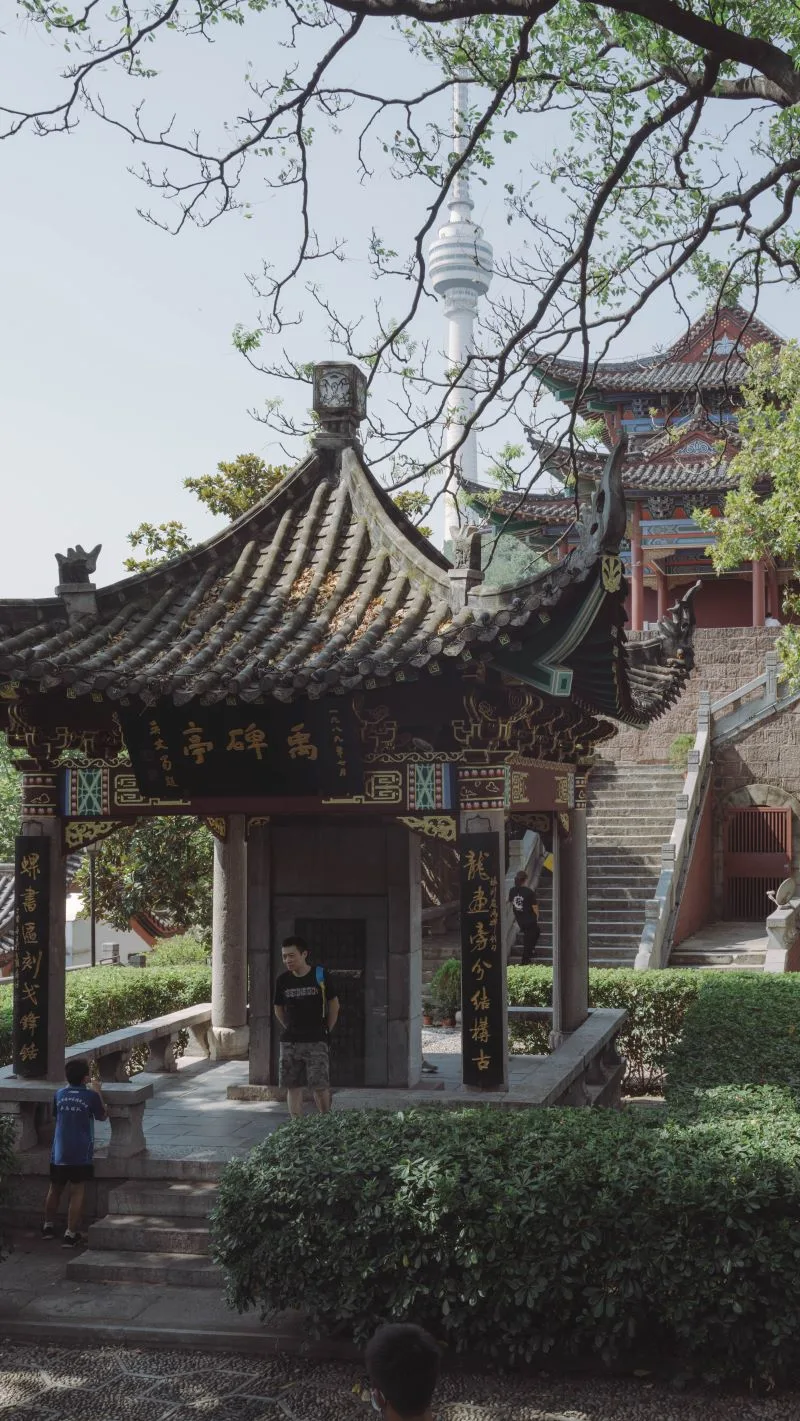
Visiting the Baotong Temple in Wuhan offers a serene and spiritual experience, allowing you to immerse yourself in the tranquil atmosphere of a traditional Chinese Buddhist temple and explore its rich cultural and religious significance.
Baotong Temple, also known as the Baotong Zen Temple, is located in the Caidian District of Wuhan. It is a prominent Buddhist temple with a history that dates back over a thousand years. The temple complex is nestled amidst beautiful natural surroundings, creating a peaceful and serene environment.
As you enter Baotong Temple, you’ll be greeted by the grand entrance gate adorned with intricate architectural details. The temple’s design follows the traditional Chinese style, featuring ornate roofs, colorful decorations, and finely crafted statues.
The combination of vibrant colors, exquisite craftsmanship, and peaceful surroundings creates a visually stunning and spiritually uplifting atmosphere.
Baotong Temple is renowned as a center for Zen Buddhism practice and study. It serves as a place of worship, meditation, and spiritual retreat.
Within the temple grounds, you’ll find various halls, pagodas, and meditation spaces where visitors and devotees can engage in contemplation and seek inner peace.
One of the highlights of Baotong Temple is the main Daxiong Hall, which houses a large statue of Sakyamuni Buddha.
The hall is adorned with intricate murals, elaborate carvings, and ornamental decorations, creating a sacred space for prayer and devotion. The serene presence of the Buddha statue invites visitors to reflect and find solace.
Throughout the temple complex, you’ll discover smaller halls dedicated to different Buddhist deities and bodhisattvas.
These halls often contain statues, relics, and scriptures, providing a glimpse into the rich symbolism and teachings of Buddhism. Visitors can pay their respects, offer incense, and learn about the different figures revered in the Buddhist tradition.
Baotong Temple also hosts regular Buddhist ceremonies, rituals, and lectures. These events provide an opportunity to witness traditional Buddhist practices, chantings, and rituals, allowing visitors to deepen their understanding of Buddhist philosophy and spirituality.
The temple’s serene gardens and peaceful courtyards offer a pleasant space for relaxation and contemplation. Strolling through the tranquil pathways, shaded by ancient trees and fragrant flowers, creates a sense of serenity and harmony with nature.
Additionally, Baotong Temple often organizes cultural events and activities, such as calligraphy exhibitions, tea ceremonies, and meditation retreats.
These offerings provide an opportunity to engage with the local community, experience traditional arts, and deepen your connection to Buddhist traditions.
Visiting Baotong Temple provides a serene escape from the bustling city, allowing you to find inner peace and spiritual solace.
It’s a place where you can immerse yourself in the teachings of Buddhism, appreciate the beauty of Chinese temple architecture, and experience the profound tranquility that comes from connecting with something greater than yourself.
23. Explore the Wuhan Museum: Learn about the local history, art, and culture

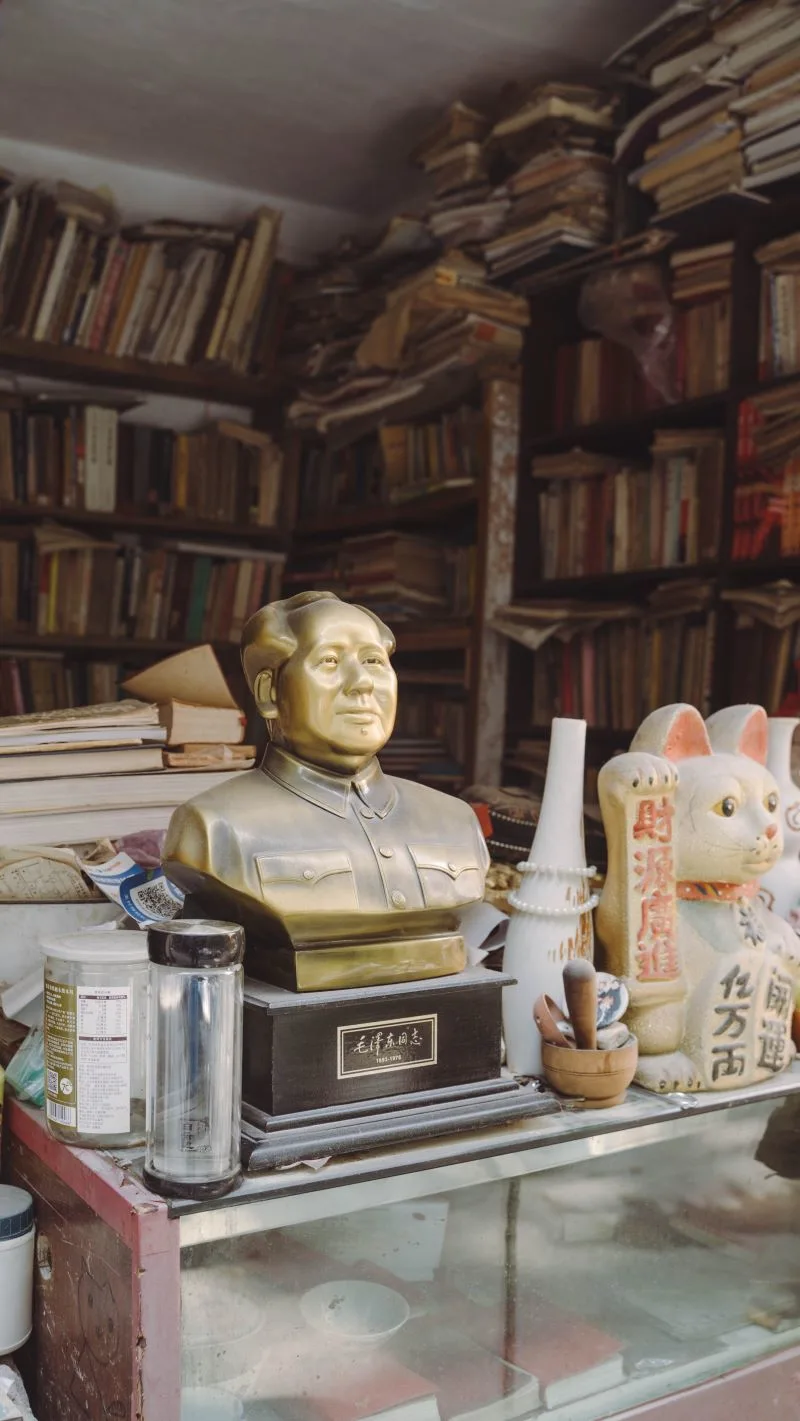
Exploring the Wuhan Museum offers a fascinating journey through the history, culture, and art of Wuhan and its surrounding regions. Located in the heart of Wuhan, the museum is a showcase of the area’s rich heritage and serves as a hub for cultural preservation, education, and exhibition.
The Wuhan Museum is housed in a modern and architecturally striking building that reflects the city’s dynamic spirit. Upon entering, you’ll be greeted by a wealth of artifacts, exhibits, and interactive displays that span thousands of years of history.
The museum’s permanent collection encompasses a wide range of artifacts, including ancient relics, archaeological discoveries, traditional crafts, artworks, and cultural artifacts.
These treasures provide insights into the development and evolution of Wuhan and its role in shaping the region’s history and culture.
One of the highlights of the museum is its collection of ancient artifacts from the Chu culture. The Chu civilization was a significant cultural and political force in ancient China, and Wuhan was a vital center of Chu culture.
The museum displays intricate bronze vessels, jade carvings, pottery, and other artifacts that offer a glimpse into the artistic and technological achievements of the Chu people.
The museum also houses exhibits dedicated to the history of Wuhan’s urban development. Through interactive displays, maps, photographs, and models, visitors can trace the city’s growth, explore its architectural heritage, and understand the urban planning that has shaped Wuhan into the vibrant metropolis it is today.
As you explore further, you’ll encounter galleries showcasing traditional crafts, folk customs, and cultural traditions of Wuhan and its surrounding areas.
These exhibits highlight the diversity and richness of local heritage, allowing visitors to appreciate the craftsmanship, symbolism, and artistic expressions embedded in traditional crafts, such as embroidery, lacquerware, ceramics, and paper-cutting.
In addition to its permanent exhibits, the Wuhan Museum also hosts temporary exhibitions that showcase a range of topics, including contemporary art, cultural exchange programs, and traveling exhibits from other renowned museums around the world.
These rotating exhibits offer fresh perspectives and ensure there’s always something new and exciting to discover at the museum.
The Wuhan Museum is not only a repository of artifacts and historical knowledge but also a center for cultural activities and educational programs. It regularly organizes workshops, lectures, and events that promote cultural understanding, artistic appreciation, and academic research.
Visitors can participate in hands-on activities, attend lectures by experts, or engage in discussions that delve deeper into various aspects of Wuhan’s cultural heritage.
To complement the museum experience, the Wuhan Museum also features a bookstore, gift shop, and a café where visitors can relax, browse through books on art and history, and savor a cup of tea or coffee.
Whether you’re a history enthusiast, an art lover, or simply curious about the cultural heritage of Wuhan, the Wuhan Museum offers a comprehensive and immersive experience.
It invites you to explore the region’s rich past, appreciate its artistic achievements, and gain a deeper understanding of the historical and cultural significance of Wuhan and its surrounding areas.
24. Visit the Hubei Art Museum: Admire the collection of Chinese paintings and calligraphy

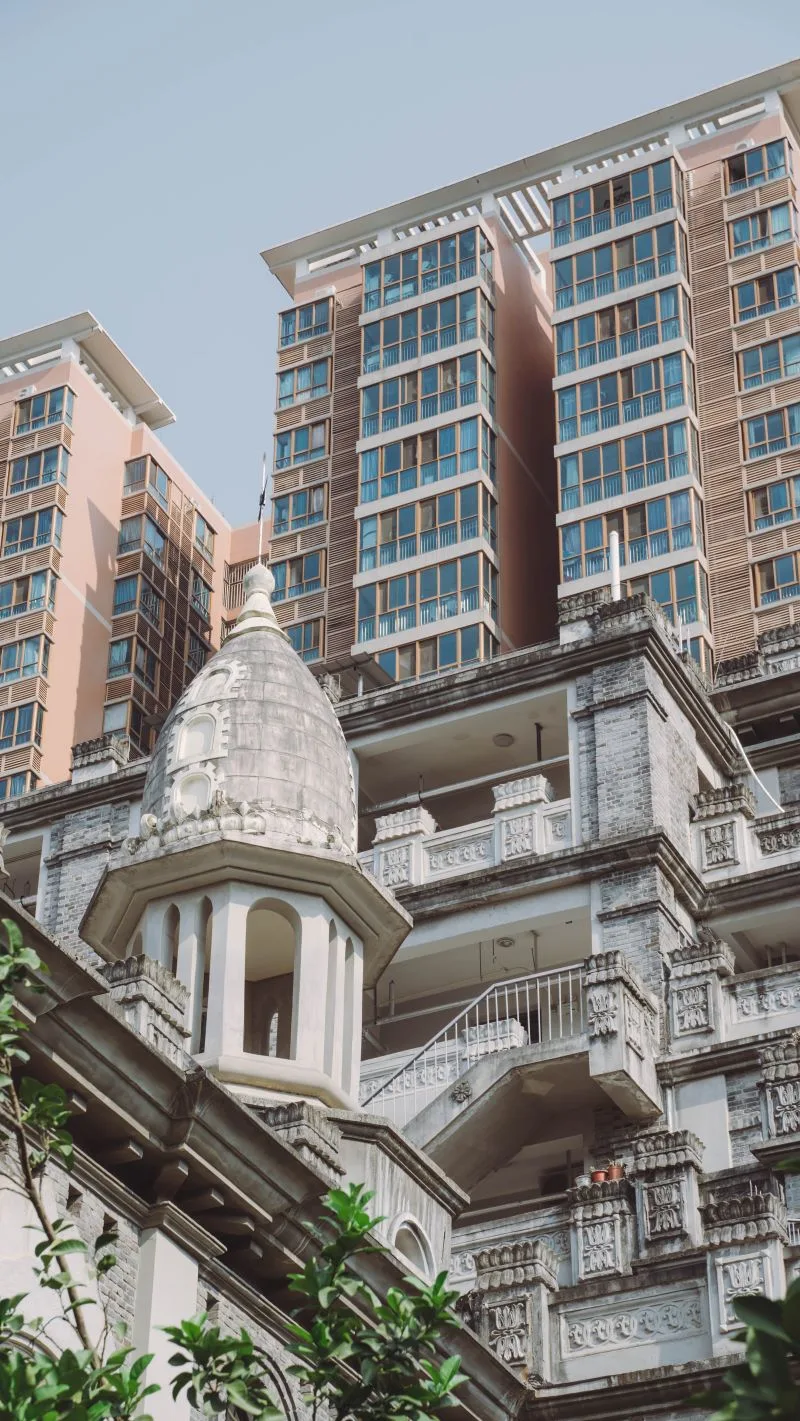
Visiting the Hubei Art Museum in Wuhan offers a captivating experience that celebrates the beauty, diversity, and artistic heritage of Hubei Province and beyond.
As one of the largest art museums in central China, it is renowned for its impressive collection of Chinese artwork, exhibitions, and cultural programs.
The Hubei Art Museum is housed in a modern and architecturally striking building, designed to harmonize with the surrounding landscape. Upon entering, you’ll find yourself immersed in a world of artistic expression and creativity.
The museum’s permanent collection showcases a wide range of artworks, spanning different periods, styles, and mediums.
You can explore ancient Chinese paintings, calligraphy, sculptures, ceramics, and contemporary art pieces. The collection represents not only local artists but also national and international artists, providing a comprehensive perspective on the evolution of Chinese art.
The museum’s Chinese painting and calligraphy collection is particularly noteworthy. It features masterpieces from renowned artists throughout history, including ink landscapes, figure paintings, and delicate brushwork.
These works offer insights into the aesthetics, techniques, and artistic traditions of Chinese painting and calligraphy.
The Hubei Art Museum also hosts temporary exhibitions that highlight various themes, genres, and artistic movements.
These exhibitions often feature artworks from different regions of China and even international artists, fostering cultural exchange and dialogue. Visitors can enjoy a dynamic and ever-changing display of contemporary art, photography, sculpture, and multimedia installations.
In addition to its exhibitions, the museum organizes educational programs, lectures, and workshops to engage visitors of all ages.
These activities provide opportunities to deepen your understanding of art, learn about art techniques, and participate in hands-on creative experiences.
The museum’s architecture and design further enhance the visitor’s experience. The spacious galleries, natural lighting, and carefully curated display settings create an inviting and immersive environment. As you wander through the museum, you’ll be able to appreciate the artworks from different angles and perspectives, allowing for a deeper connection with the artistic creations.
Adjacent to the exhibition spaces, the Hubei Art Museum often features a museum store where visitors can purchase art-related books, catalogs, prints, and unique gifts. It’s a perfect place to find mementos or explore further the artists and artworks showcased in the museum.
The museum’s location within Wuhan’s cultural district makes it easily accessible and provides opportunities to explore other nearby cultural attractions.
It’s often situated in close proximity to theaters, libraries, and other art venues, allowing for a comprehensive cultural experience.
Visiting the Hubei Art Museum offers a window into the artistic heritage of Hubei Province and a broader understanding of Chinese art.
Whether you’re a seasoned art enthusiast or simply curious about exploring different forms of artistic expression, the museum invites you to appreciate the beauty, diversity, and cultural significance of art in all its forms.
25. Attend a performance at the Wuhan Theater: Enjoy opera, drama, or dance performances

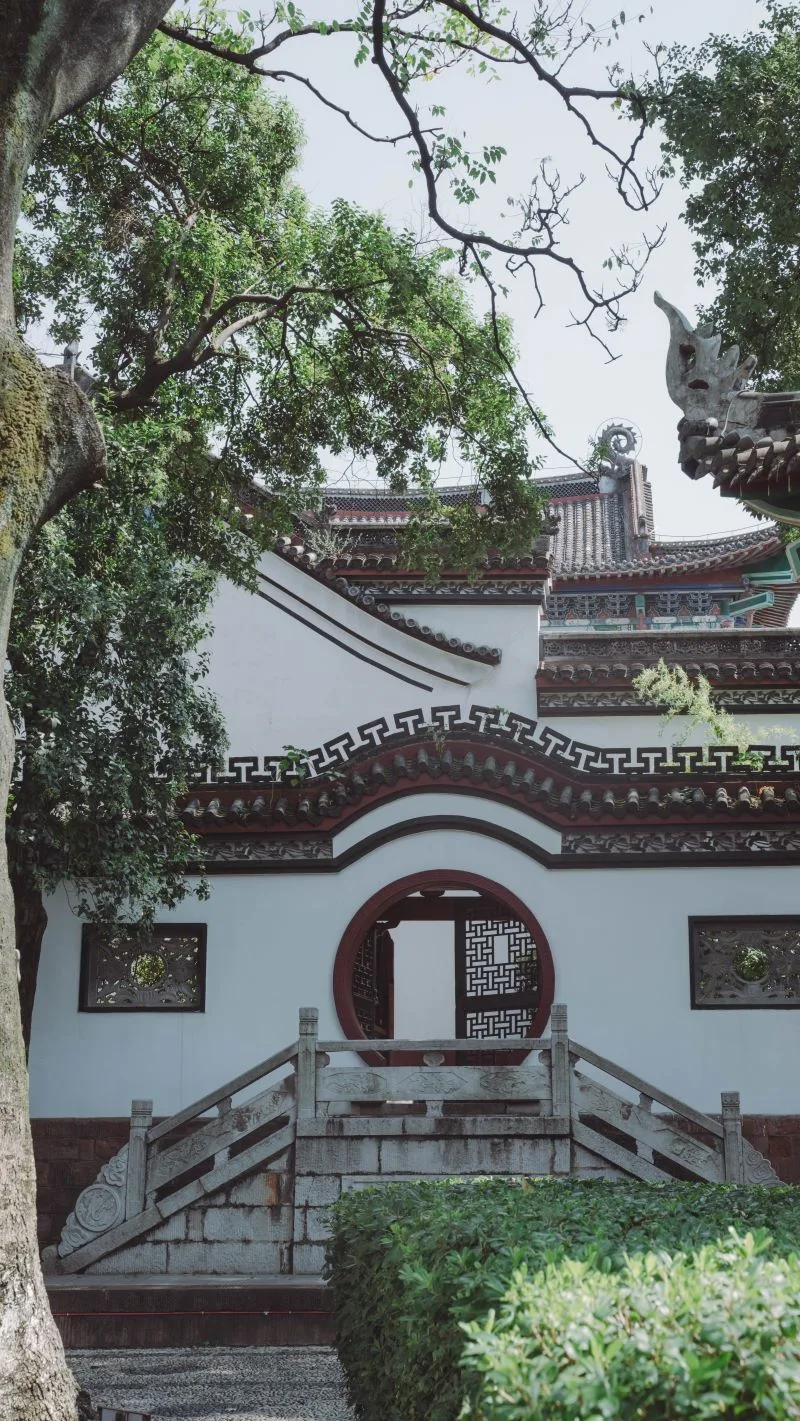
Attending a performance at the Wuhan Theater offers a vibrant and immersive cultural experience, showcasing the rich traditions of Chinese performing arts and providing a platform for both traditional and contemporary theatrical productions.
The Wuhan Theater is a renowned cultural venue located in the heart of Wuhan. It is a hub for performing arts, including traditional Chinese opera, dance performances, theater plays, music concerts, and more.
The theater’s architecture and interior design are often grand and aesthetically pleasing, creating a visually stunning setting for the performances.
When attending a performance at the Wuhan Theater, you’ll have the opportunity to witness the beauty and artistry of Chinese traditional opera. Whether it’s Peking Opera, Yue Opera, or other regional opera styles, these performances are characterized by elaborate costumes, stylized makeup, acrobatic movements, and powerful vocal performances.
The combination of music, acting, and storytelling creates a captivating spectacle that transports you to the world of ancient Chinese legends, historical events, and mythological tales.
In addition to traditional opera, the Wuhan Theater hosts a variety of other performances that showcase the diversity of Chinese performing arts.
You may have the chance to enjoy classical music concerts featuring traditional Chinese instruments such as the guzheng or erhu, contemporary dance performances that blend traditional and modern elements, or theater productions that explore social issues and contemporary narratives.
The theater often attracts renowned artists, troupes, and performers from both China and around the world. These talented individuals bring their expertise, creativity, and unique artistic expressions to the stage, ensuring a high-quality and memorable experience for the audience.
The Wuhan Theater’s spacious auditorium provides a comfortable and immersive setting for performances. The seating arrangement ensures good visibility from various angles, allowing you to fully appreciate the stage and the performers’ expressions and movements.
The state-of-the-art sound and lighting systems enhance the overall production quality, immersing you in the performance and amplifying its impact.
Attending a performance at the Wuhan Theater not only offers entertainment but also serves as a gateway to Chinese culture and heritage.
It provides an opportunity to gain insights into traditional arts, historical narratives, and the evolving landscape of contemporary performing arts in China. It’s a chance to appreciate the skills, dedication, and passion of the performers who bring these art forms to life.
To enhance your theater experience, the Wuhan Theater often provides pre-show or post-show activities such as meet-and-greet sessions with the artists, behind-the-scenes tours, or exhibitions that shed light on the history and development of performing arts in Wuhan and beyond.
Whether you are a fan of traditional Chinese opera, a lover of dance and music, or simply seeking a cultural experience that immerses you in the world of performing arts, attending a performance at the Wuhan Theater promises an enriching and memorable experience.
Remember to check the operating hours and availability of attractions before visiting. Enjoy your time in Wuhan!
Food In Wuhan


Wuhan, the capital city of Hubei Province in China, is not only known for its rich history and vibrant culture but also for its mouthwatering culinary scene. With a diverse array of flavors, unique dishes, and bustling food markets, Wuhan is a paradise for food lovers.
From savory street snacks to hearty regional specialties, let’s take a delightful journey through the delectable cuisine that defines this city.
- Hot Dry Noodles (Re Gan Mian): No exploration of Wuhan’s food would be complete without trying the city’s iconic dish, Hot Dry Noodles. This simple yet flavorful dish features chewy noodles tossed in sesame paste, soy sauce, chili oil, and various toppings like pickled vegetables, chopped peanuts, and green onions. The combination of textures and the rich umami flavors make Hot Dry Noodles an absolute must-try.
- Wontons in Chili Oil (Chuan Bei Chao Shou): For those craving a spicy kick, Wuhan’s Wontons in Chili Oil are a perfect choice. These delicate dumplings are filled with a mixture of minced pork and aromatic herbs, then served in a vibrant chili oil sauce. The contrasting flavors of the savory filling and the fiery sauce create a harmonious and addictive taste.
- Soup Dumplings (Xiao Long Bao): Indulge in the delightful Xiao Long Bao, also known as Soup Dumplings, which are a staple of Wuhan’s cuisine. These delicate dumplings are filled with a flavorful broth and tender meat, creating a burst of savory goodness with each bite. Enjoy the ritual of carefully nibbling the dumpling and savoring the hot, flavorful soup inside.
- Duck Neck (Ya Bozi): A popular street food snack in Wuhan, Duck Neck is a unique delicacy that you shouldn’t miss. The necks are marinated, grilled, and then seasoned with spices like cumin, chili, and Sichuan peppercorns. The result is a flavorful, slightly chewy treat that combines smoky, spicy, and savory flavors in a single bite.
- Mianyang Three Fresh (Mianyang San Xian): For a satisfying and hearty meal, indulge in Mianyang Three Fresh. This dish features stir-fried noodles tossed with three key ingredients: pork, potatoes, and green peppers. The combination of tender meat, earthy potatoes, and vibrant peppers creates a delightful medley of flavors and textures.
- Re Gan Mian Sliders (Bai Ji Re Gan Mian): Put a twist on the traditional Hot Dry Noodles with Bai Ji Re Gan Mian, also known as Re Gan Mian Sliders. These mini sandwiches feature the signature noodles, along with pickled vegetables, soy sauce, and other condiments, all sandwiched between two steamed buns. These bite-sized delights offer a unique and convenient way to enjoy the beloved flavors of Hot Dry Noodles.
Wuhan’s food scene is a treasure trove of flavors, offering a delectable journey through the city’s culinary heritage. From iconic dishes like Hot Dry Noodles and Wontons in Chili Oil to lesser-known gems like Duck Neck and Mianyang Three Fresh, every bite is an adventure for the taste buds.
So, whether you’re exploring the bustling street food markets or dining in local restaurants, Wuhan promises to satisfy your cravings and leave you with unforgettable gastronomic experiences. Embark on a culinary adventure in Wuhan and savor the diverse and delicious dishes that make this city a true food lover’s paradise.
Top 20 Best Restaurants In Wuhan, China

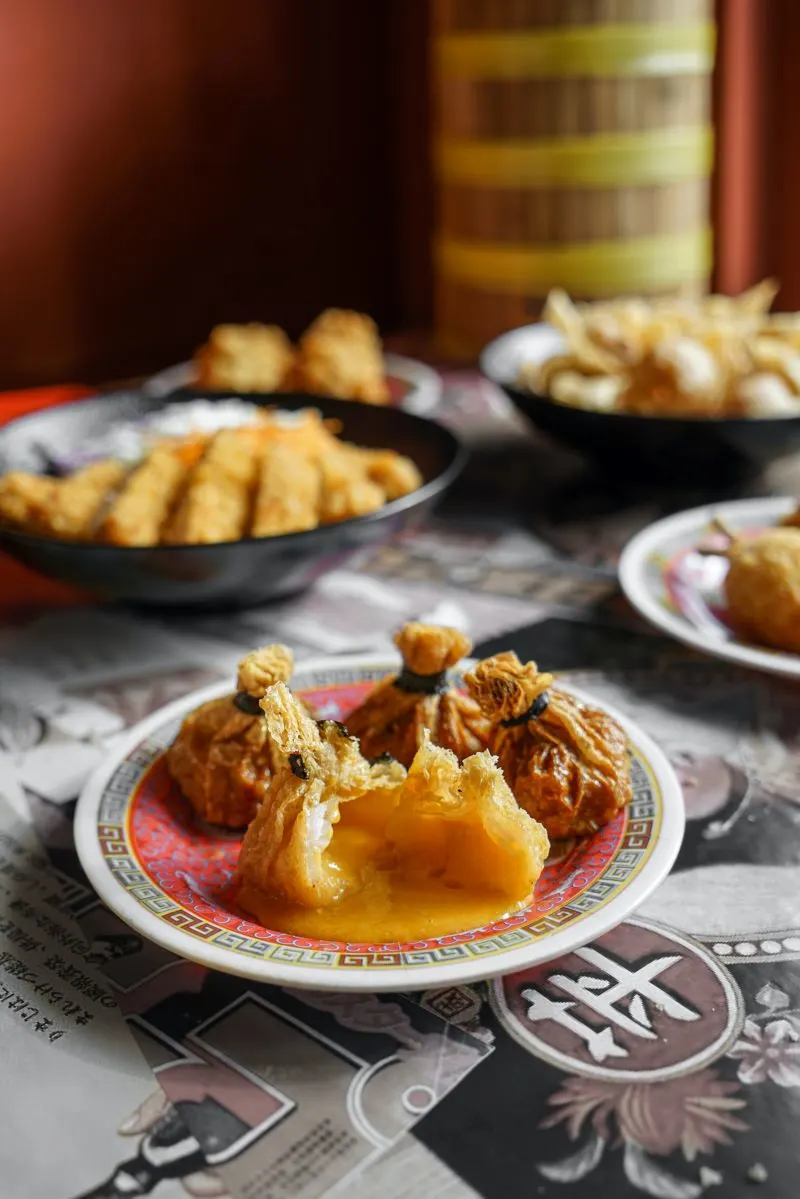
- Ba Li Xuan (巴黎轩) – Known for its authentic French cuisine and elegant ambiance.
- Wuhan Kitchen (武汉厨房) – Offers a wide range of local Wuhan dishes and traditional Hubei cuisine.
- Mr. Wonton (温哥先生) – Specializes in delectable wonton dishes, including classic flavors and creative variations.
- Nanshi Food Street (南市美食街) – A bustling food street where you can find a variety of local snacks and specialties.
- Du Fu Hao Dumplings (杜福号) – Famous for its savory dumplings and other regional delicacies.
- InMySide (旁边儿) – A trendy restaurant known for its fusion cuisine, combining Chinese and Western flavors.
- Little Fat Sheep Hot Pot (小肥羊) – Offers a popular hot pot experience with a wide selection of ingredients and flavorful broths.
- East Lake Fish Restaurant (东湖鱼菜馆) – Features fresh and delicious fish dishes sourced from the nearby East Lake.
- Jiujiu Barbecue (久久烧烤) – A lively barbecue restaurant where you can grill your own meats and enjoy a fun dining experience.
- Xian Shui Ren Jia (鲜水人家) – Known for its seafood dishes, including fresh fish, crabs, and shrimp.
- Yang Lu Shui Jiao (杨露水韭菜饺子) – A popular spot for jiaozi (dumplings) with various fillings and flavors.
- Fu Gui Ren Jia (富贵人家) – Offers traditional Hubei cuisine in a warm and welcoming setting.
- Greenery (绿茵花园餐厅) – A vegetarian restaurant serving a wide range of plant-based dishes.
- Jianghan Road Night Market (江汉路夜市) – A vibrant street food market where you can sample a variety of local snacks and delicacies.
- Xi Zhi Men (西直门餐厅) – Specializes in Sichuan cuisine, known for its bold and spicy flavors.
- The Tandoor (坦多尔印度餐厅) – Offers authentic Indian cuisine, including flavorful curries, naan bread, and tandoori dishes.
- Jin Shan (金山大酒店) – A popular restaurant known for its Cantonese and seafood dishes.
- Shan Zhai Xiang (山寨香) – Serves delicious street-style food and snacks with a modern twist.
- Yeshu Yule (野蔬悦) – A vegetarian and vegan restaurant that focuses on healthy and innovative plant-based cuisine.
- Tai He Lou (太和楼) – A classic restaurant serving traditional Chinese dishes, including dim sum, Peking duck, and more.
These restaurants offer a variety of cuisines and dining experiences, from local specialties to international flavors. Make sure to check their operating hours and availability before visiting, especially during peak times or holidays. Enjoy exploring the culinary delights of Wuhan!
Transportation In Wuhan
Wuhan, as a major transportation hub in central China, offers a well-developed transportation network that allows residents and visitors to navigate the city conveniently.
Whether you prefer public transportation or private options, there are various modes of transportation available to help you get around the city.
- Metro: The Wuhan Metro is a rapid transit system with multiple lines that cover the city and its outskirts. It’s a convenient and efficient way to travel within Wuhan, as the metro network connects major areas, tourist attractions, and transportation hubs. The trains are clean, reliable, and operate from early morning until late at night.
- Buses: Wuhan has an extensive bus network that covers almost every corner of the city. Buses are a cost-effective option for getting around and exploring different neighborhoods. There are different types of buses, including regular city buses and tourist buses that cater to specific routes or attractions. Be sure to check the bus routes and schedules in advance, as they can vary depending on the time of day.
- Taxis: Taxis are widely available in Wuhan and provide a convenient mode of transportation, particularly for shorter trips or when traveling with heavy luggage. You can easily flag down a taxi on the street or find them at designated taxi stands. It’s recommended to have your destination written in Chinese characters or use a navigation app to communicate with the driver.
- Bike-sharing: Wuhan has a popular bike-sharing system, where you can rent bicycles for short trips. These bicycles can be found at designated bike stations throughout the city. Using a mobile app, you can unlock a bike and pay for the duration of your ride. It’s a great way to explore Wuhan at a leisurely pace while enjoying the scenery.
- Ferries: As Wuhan is situated at the confluence of the Yangtze and Han rivers, there are ferry services available for crossing the rivers and enjoying scenic cruises. Ferries can take you to different parts of the city or to nearby attractions like the East Lake or the Yangtze River Bridge. They offer a unique perspective of Wuhan’s waterways and skyline.
- High-speed trains: Wuhan is a major railway hub in China, connecting various cities with high-speed train services. If you plan to travel to nearby destinations or explore other parts of China, taking a high-speed train from Wuhan can be a convenient option. The Wuhan Railway Station and the Wuhan East Railway Station are the main railway hubs in the city.
- Airports: Wuhan is served by the Wuhan Tianhe International Airport, which offers domestic and international flights. The airport is well-connected to the city center via expressways, taxis, and shuttle buses. It provides convenient access for those traveling to and from Wuhan by air.
It’s important to note that traffic congestion can occur in certain areas of Wuhan, especially during peak hours. Planning your journeys accordingly and allowing extra time for travel can help you navigate the city more smoothly.
Wuhan, China’s vibrant and historic city, offers a plethora of experiences that cater to a variety of interests. From exploring ancient landmarks to indulging in delicious cuisine, Wuhan has something for everyone.
Whether you’re a history buff, a nature lover, a food enthusiast, or an art aficionado, the city’s diverse attractions will captivate your senses.
Immerse yourself in Wuhan’s rich history by visiting iconic sites like the Yellow Crane Tower, the Guiyuan Buddhist Temple, and the Hubei Provincial Museum. These landmarks provide a glimpse into the city’s past and showcase its cultural significance.
Take a stroll along the Yangtze River or venture into the tranquil East Lake to appreciate the city’s natural beauty and find moments of serenity amidst the urban hustle.
Food lovers will be delighted by Wuhan’s culinary scene. Sample local specialties such as Hot Dry Noodles, Wontons in Chili Oil, and various street food offerings in bustling markets like Jianghan Road Night Market and Hubu Alley. Indulge in the flavors of Hubei cuisine, which combines bold and savory tastes that will leave you craving for more.
Art and culture enthusiasts will find Wuhan a haven for creativity. Explore the modern architecture and artistic exhibitions at the Wuhan Opera House and the Hubei Art Museum.
Attend a performance at the Qintai Concert Hall or immerse yourself in the captivating Han Show, a stunning showcase of music, dance, and acrobatics.
Wuhan also offers opportunities for relaxation and recreation. Take a boat ride on the East Lake or the Yangtze River to enjoy scenic views and a refreshing breeze.
Visit the Wuhan Botanical Garden and Wuhan University to revel in beautiful landscapes and vibrant cherry blossom displays during the spring season.
The city’s efficient transportation network, including the metro system and buses, allows for easy navigation and accessibility to its various attractions. The warmth and hospitality of Wuhan’s residents add an extra charm to your visit, making you feel welcome and at home.
In conclusion, Wuhan offers a blend of historical significance, natural beauty, delectable cuisine, and cultural richness that will leave you with unforgettable memories.
Whether you’re exploring ancient landmarks, savoring local delicacies, or immersing yourself in artistic and natural wonders, Wuhan’s charm and diversity make it a must-visit destination in China.
Leave a comment