


Verona, located in northern Italy’s Veneto region, is a city that beautifully blends history, culture, and romance. Known as the setting of Shakespeare’s famous play “Romeo and Juliet,” Verona captivates visitors with its rich heritage, stunning architecture, and vibrant atmosphere. Let me provide you with an introduction to this enchanting city.
Verona’s history stretches back over 2,000 years, and its well-preserved ancient ruins and architectural marvels are a testament to its illustrious past.
The historic center of Verona, a UNESCO World Heritage site, showcases a harmonious fusion of Roman, Medieval, Renaissance, and Venetian influences. Walking through its narrow cobblestone streets, you’ll encounter magnificent palaces, grand piazzas, and charming squares adorned with ornate facades and bustling cafes.
The city’s most iconic landmark is the Arena di Verona, a Roman amphitheater that dates back to the 1st century AD. This ancient marvel still hosts world-renowned opera performances and concerts, allowing visitors to witness the splendor of music against a backdrop of ancient Roman architecture.
The nearby Piazza Bra, Verona’s main square, is a bustling hub lined with elegant buildings, cafes, and restaurants, offering a perfect spot for people-watching and soaking up the lively atmosphere.
Verona is also famous for its associations with Shakespeare’s tragic love story of Romeo and Juliet. The Casa di Giulietta, or Juliet’s House, is a major attraction, drawing visitors to its charming courtyard and the iconic balcony said to have inspired Shakespeare’s tale. Love-struck visitors leave notes and letters on the walls, hoping to find a connection to the timeless story of romance.
Beyond the romantic allure, Verona offers a wealth of cultural treasures. The city is home to numerous churches and cathedrals, such as the magnificent Verona Cathedral and the Basilica of San Zeno Maggiore, known for its beautiful Romanesque architecture and stunning frescoes.
Verona also boasts impressive museums, including the Museo di Castelvecchio, housing an extensive collection of medieval and Renaissance art, and the Archeological Museum, showcasing artifacts from Verona’s ancient past.
Verona’s culinary scene is a gastronomic delight. From traditional trattorias serving homemade pasta and regional specialties to sophisticated Michelin-starred restaurants, Verona offers a range of dining experiences to satisfy every palate.
The city is particularly renowned for its wines, including the world-famous Valpolicella and Amarone wines, which can be enjoyed in charming wine bars and cellars.
With its charming streets, captivating history, and warm Italian hospitality, Verona is a city that captures the hearts of those who visit.
Whether you’re strolling along the Adige River, exploring ancient Roman ruins, or immersing yourself in the city’s vibrant cultural scene, Verona offers a captivating experience that seamlessly blends the old and the new. It’s a destination that transports you back in time while enchanting you with its timeless beauty and romantic allure.
1. Visit the Arena di Verona: Explore this well-preserved Roman amphitheater and catch an opera performance during the summer festival

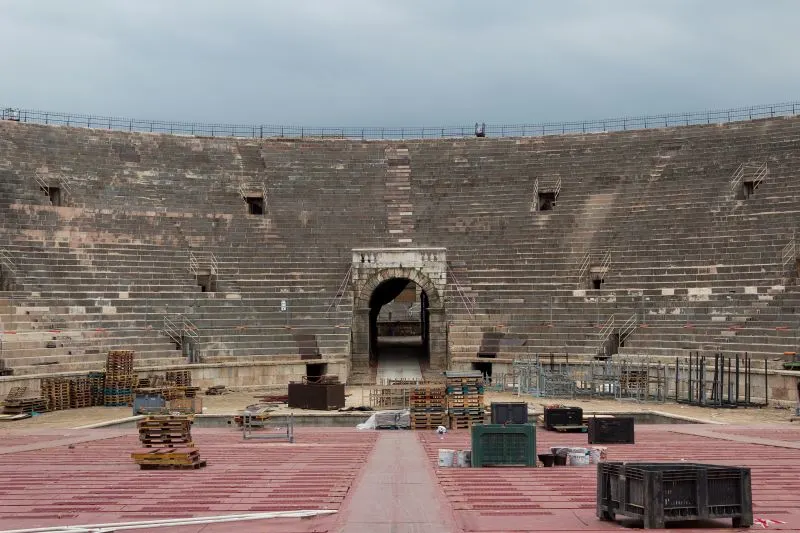
The Arena di Verona is a remarkable ancient Roman amphitheater located in the heart of Verona, Italy. Built in the 1st century AD, it is one of the best-preserved Roman amphitheaters in the world and stands as a magnificent testament to the city’s rich history.
The Arena di Verona is a massive structure, capable of accommodating up to 30,000 spectators in its circular seating area. Constructed using pink-tinged local marble, the amphitheater showcases exquisite Roman architecture and engineering.
Its exterior walls still bear witness to the grandeur of the past, with arches, columns, and intricate stone carvings that have withstood the test of time.
Today, the Arena di Verona serves as a world-famous venue for open-air opera performances, particularly during the annual Verona Opera Festival held in the summer months.
The vast stage, framed by the impressive backdrop of the amphitheater, provides a truly immersive experience for opera enthusiasts. The seating area, divided into different sections, offers a range of perspectives, from close-up views near the stage to panoramic vistas from higher tiers.
Stepping inside the Arena, visitors can imagine the bustling atmosphere of ancient Roman spectacles that once took place here, such as gladiator fights, animal hunts, and other grand entertainments.
The elliptical shape of the arena creates excellent acoustics, enhancing the experience for both performers and audience members alike.
Beyond the opera performances, visitors can explore the Arena’s interior corridors, arches, and galleries, which exhibit archaeological artifacts and provide insights into the site’s history.
Information panels and displays offer details about the amphitheater’s construction, its various uses over the centuries, and the restoration efforts undertaken to preserve this architectural gem.
The Arena di Verona is not only an iconic symbol of Verona but also a captivating venue that brings together art, history, and cultural events.
Whether you attend a performance or simply visit to admire its grandeur, the Arena di Verona is an absolute must-see attraction that immerses visitors in the captivating spirit of ancient Rome.
2. Explore Piazza delle Erbe: Wander through the vibrant market square, admire the medieval architecture, and enjoy the lively atmosphere

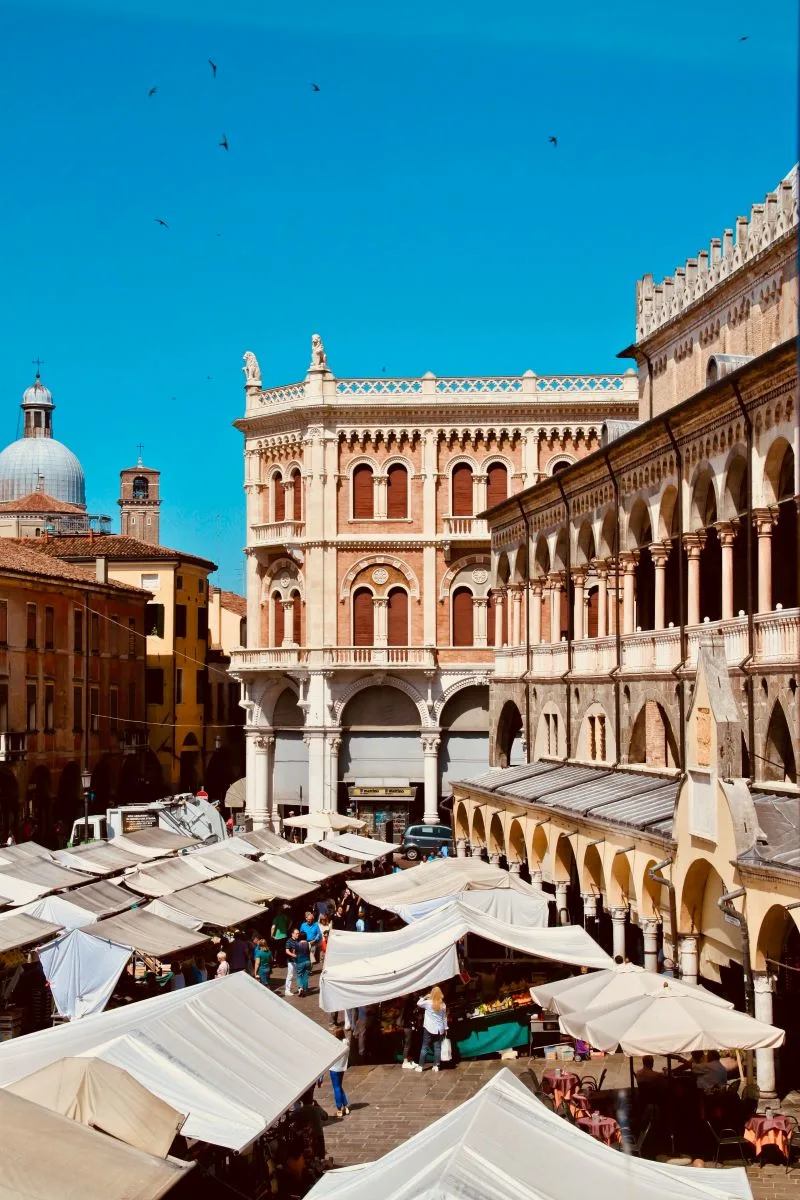
Piazza delle Erbe is a captivating square nestled in the historic center of Verona, Italy. It has been the bustling heart of the city for over 2,000 years and continues to be a vibrant hub of activity.
As you enter Piazza delle Erbe, you’ll find yourself immersed in a lively and colorful atmosphere. The square is adorned with beautiful historic buildings, each with its unique architectural style, reflecting the various periods of Verona’s rich history.
You’ll encounter stunning examples of medieval, Renaissance, and Gothic architecture, creating a picturesque backdrop for your exploration.
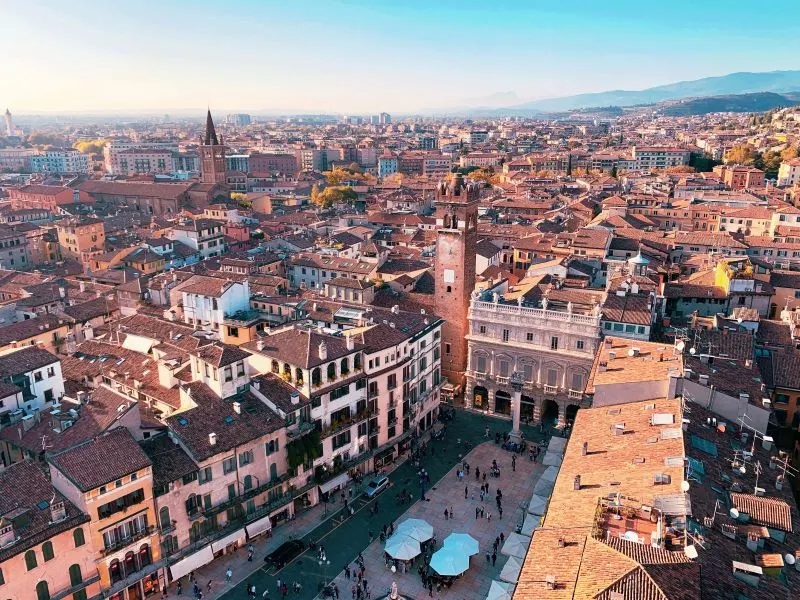
The focal point of the square is the Torre dei Lamberti, a tall tower that offers panoramic views of Verona. Its prominent presence adds a touch of grandeur to the surroundings.
The Torre dei Lamberti can be climbed for a small fee, rewarding visitors with breathtaking vistas of the cityscape and the square below.
Piazza delle Erbe is also known for its vibrant market, which has been held here since Roman times. Stroll among the bustling stalls, where vendors sell fresh produce, local delicacies, souvenirs, and crafts. The market is a sensory delight, filled with the aroma of spices, the vibrant colors of fruits and vegetables, and the lively chatter of locals and visitors alike.
In the center of the square, you’ll find the Fontana di Madonna Verona, a charming Renaissance fountain adorned with a statue of Madonna Verona.
This is a popular spot for tourists to gather and admire the intricate details of the fountain while taking a moment to rest and soak in the atmosphere.
Numerous cafes and restaurants surround the square, offering outdoor seating where you can relax, people-watch, and savor delicious Italian cuisine. This is an ideal place to enjoy a leisurely meal or a cup of coffee while immersing yourself in the vibrant energy of Verona.
Piazza delle Erbe is not only a bustling marketplace but also a historical and cultural hub. It has witnessed Verona’s transformation throughout the centuries and remains a lively gathering place for locals and visitors alike.
Whether you’re interested in history, shopping, dining, or simply soaking up the vibrant atmosphere, exploring Piazza delle Erbe is a must-do experience in Verona.
3. Admire Juliet’s House: Visit Casa di Giulietta and see the famous balcony associated with Shakespeare’s Romeo and Juliet

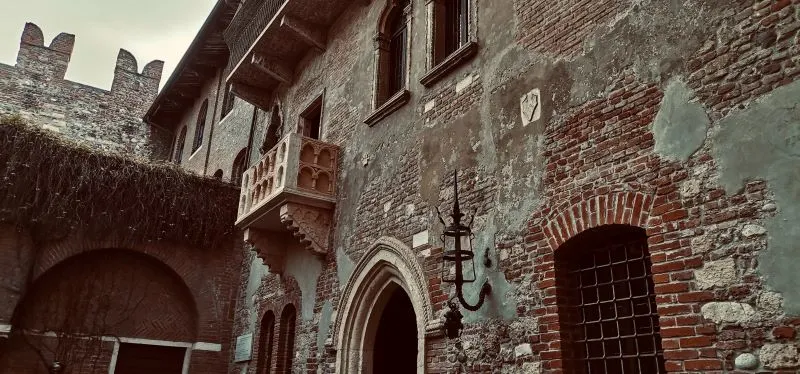
Juliet’s House, also known as Casa di Giulietta, is a famous attraction in Verona, Italy, associated with the timeless tale of Shakespeare’s Romeo and Juliet. It is a charming medieval house that has become a symbol of love and romance.
Located in the heart of Verona’s historic center, Juliet’s House is believed to have belonged to the Dal Cappello family, who may have inspired Shakespeare’s Capulet family. The house features a beautiful façade adorned with arches, and the interior courtyard is adorned with Renaissance elements.
One of the main highlights of Juliet’s House is the iconic balcony, which is said to be the inspiration for the famous balcony scene in Shakespeare’s play. Visitors can stand beneath the balcony, gaze up at the intricate stone arches, and imagine the romantic dialogue between Romeo and Juliet.
Inside the house, you’ll find a small museum dedicated to the tragic love story. The museum displays various artifacts, including Renaissance-era costumes, love letters, and artwork related to Romeo and Juliet. Visitors can also explore the rooms, which are furnished in a style reminiscent of the period.
A notable feature of Juliet’s House is the courtyard wall, covered with thousands of love notes, written by visitors from around the world.
It has become a tradition for lovers to leave their messages, letters, and declarations of love on the walls or attach love locks to the gates, creating a colorful and touching display of affection.
The courtyard also houses a bronze statue of Juliet, which has become a popular spot for visitors to touch for good luck or to leave offerings, such as flowers or love notes. Legend has it that touching the right breast of Juliet’s statue brings luck in matters of the heart.
Juliet’s House attracts a significant number of visitors, so it can get crowded, especially during peak tourist seasons. However, the allure of this iconic location and the romantic atmosphere make it a must-visit for fans of Shakespeare and lovers of romance.
Visiting Juliet’s House offers a unique opportunity to immerse yourself in the timeless tale of Romeo and Juliet and to be a part of a tradition that celebrates love and romance.
Whether you’re a literature enthusiast or simply drawn to the enchantment of the story, a visit to Juliet’s House in Verona is sure to leave you with a touch of magic.
4. Climb the Torre dei Lamberti: Ascend the tallest tower in Verona for panoramic views of the city and its surroundings

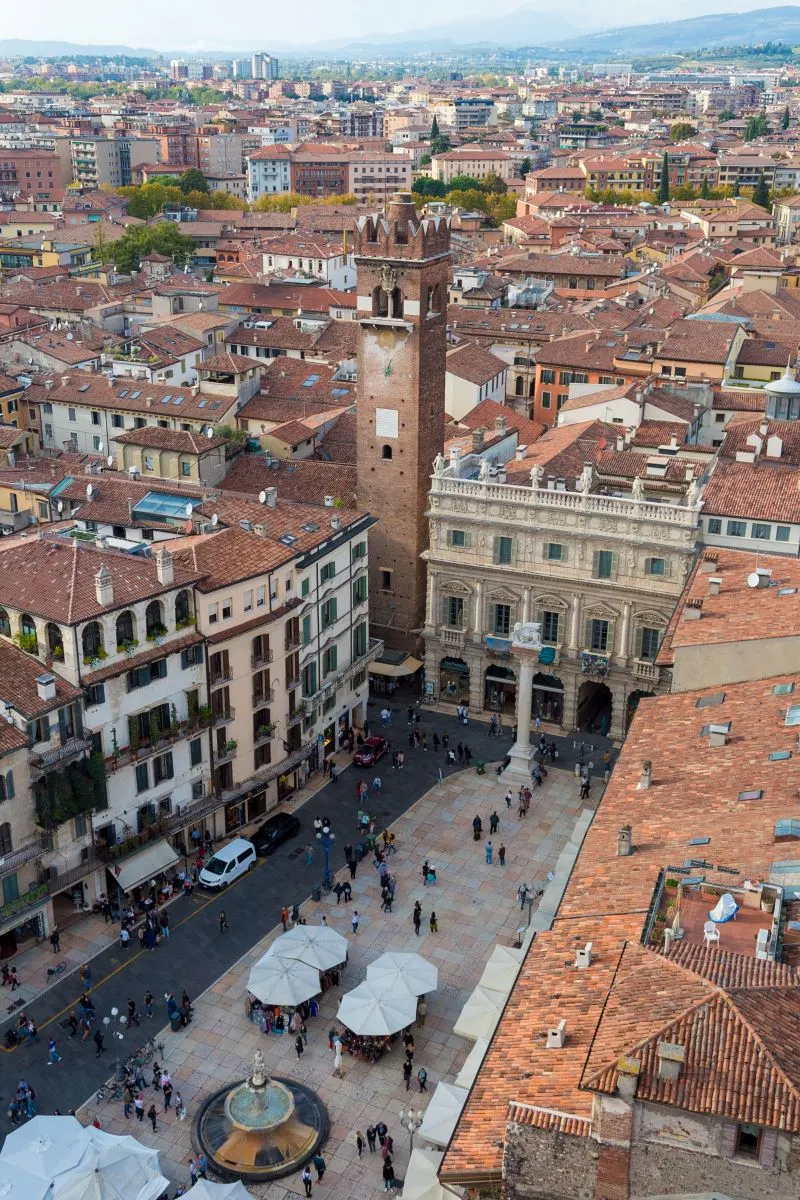
The Torre dei Lamberti, or Lamberti Tower, is a prominent landmark in Verona, Italy, and climbing it offers a memorable experience and breathtaking views of the city.
Standing tall at approximately 84 meters (275 feet), the Torre dei Lamberti is the tallest tower in Verona. Its construction began in the 12th century and continued over several centuries, resulting in a unique blend of architectural styles, including Romanesque and Gothic elements.
As you embark on the ascent of the tower, you’ll first encounter a series of steep stone steps leading to the base of the tower. From there, you’ll continue your climb using a combination of stairs and ramps, which were designed to allow horse-drawn carriages to reach the upper levels.
Throughout the ascent, you’ll notice small windows along the tower walls, offering glimpses of Verona’s picturesque streets, squares, and rooftops. These windows also provide an opportunity to catch your breath and appreciate the city’s beauty from different angles.
Once you reach the top of the Torre dei Lamberti, a panoramic reward awaits you. As you step onto the spacious viewing platform, you’ll be greeted by awe-inspiring views that extend over Verona and its surroundings. On a clear day, you can see the red-tiled rooftops, historic landmarks, and the surrounding countryside stretching out to the horizon.
From this elevated vantage point, you’ll be able to spot Verona’s most famous attractions, such as the Arena di Verona, the Basilica of San Zeno Maggiore, and the flowing Adige River.
The sweeping views offer a unique perspective on the city’s layout, allowing you to appreciate the juxtaposition of medieval and Renaissance architecture, the winding streets, and the vibrant life below.
In addition to the stunning vistas, the Torre dei Lamberti itself is a remarkable structure. You can admire its imposing height, sturdy stone construction, and intricate architectural details up close.
The tower’s bell chamber also houses the Rengo, a large bell that has been chiming for centuries, marking significant events and the passage of time in Verona.
Climbing the Torre dei Lamberti is a must-do activity for those seeking panoramic views and a deeper appreciation of Verona’s architectural heritage. It offers a sense of accomplishment as you ascend the tower and rewards you with a truly memorable experience of Verona from above.
5. Explore Castelvecchio: Discover the medieval castle and its art museum, which houses a collection of Renaissance masterpieces

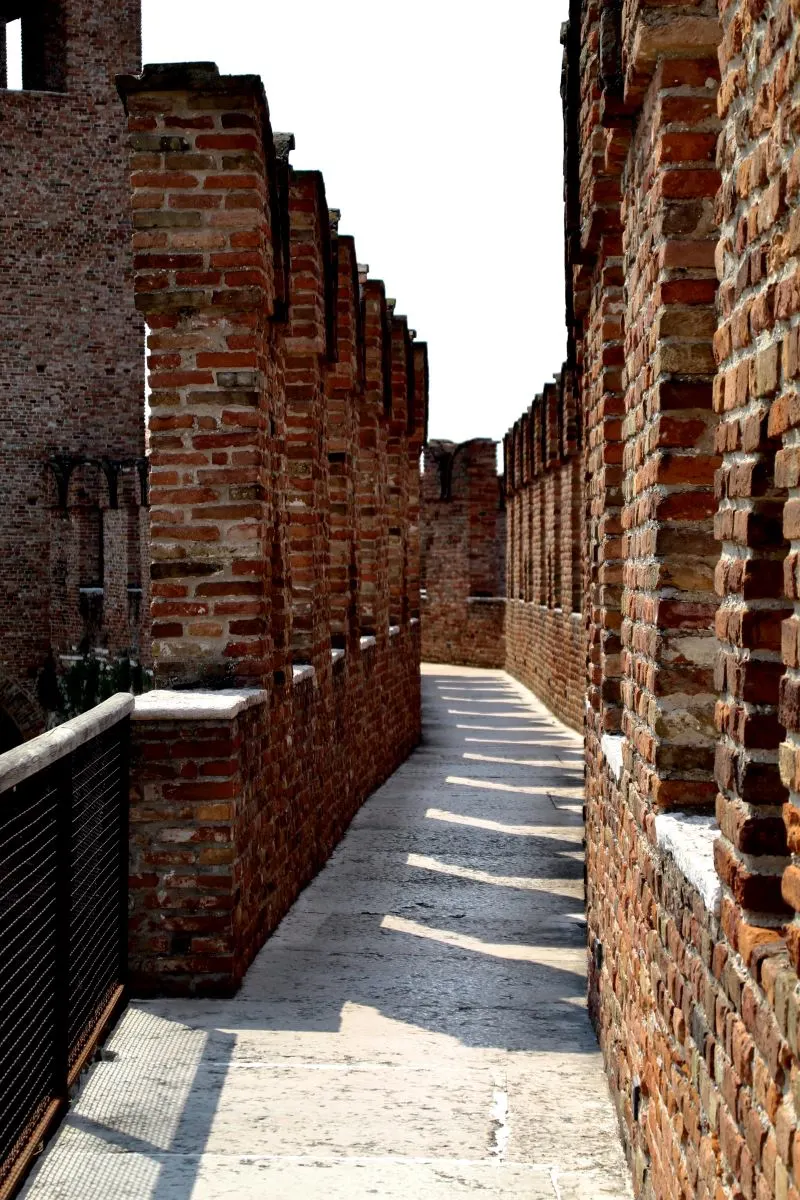
Castelvecchio is a magnificent medieval castle located in Verona, Italy, that offers a captivating experience for history and art enthusiasts.
Built in the 14th century by the powerful Scaligeri family, Castelvecchio is an imposing fortress that served as a strategic stronghold and residence for the ruling family.
Its name, which translates to “Old Castle,” reflects its historical significance and the sense of ancient grandeur that surrounds it.
As you approach Castelvecchio, you’ll be greeted by its massive walls, towers, and the iconic arched bridge that spans the Adige River. Crossing the bridge, you’ll enter the castle grounds, where you can begin your exploration of its architectural marvels and artistic treasures.
The castle complex now houses the Castelvecchio Museum, which is renowned for its collection of medieval and Renaissance art.
The museum showcases a wide range of artworks, including paintings, sculptures, ceramics, tapestries, and weapons, providing a comprehensive journey through the artistic history of the region.
Wandering through the castle’s corridors and courtyards, you’ll encounter beautifully preserved medieval architecture, characterized by robust stone walls, arched walkways, and fortified towers.
The attention to detail and craftsmanship of the castle’s construction are evident in the ornate balconies, decorative elements, and defensive features.
One of the highlights of Castelvecchio is the Scaliger Tombs, a series of elaborate funerary monuments dedicated to the Scaligeri family.
These Gothic-style tombs, adorned with intricate carvings and statues, pay homage to the influential rulers who once resided in the castle.
The castle’s interior offers a glimpse into the daily life of the Scaligeri family, with reconstructed rooms displaying medieval furniture, weaponry, and artifacts.
As you explore the various chambers, including the grand hall, chapel, and living quarters, you’ll gain a deeper understanding of the castle’s historical significance and the lifestyle of Verona’s noble families.
The castle’s rooftop terrace provides panoramic views of Verona, allowing you to appreciate the city’s skyline, with its mix of historic and modern structures.
From here, you can also admire the stunning architecture of the castle itself, with its crenelated walls, towers, and the charming backdrop of the Adige River.
Whether you are interested in history, art, or architecture, exploring Castelvecchio offers a captivating journey back in time.
The combination of its imposing fortress-like structure, remarkable artworks, and panoramic views make it a must-visit destination in Verona.
6. Visit Piazza Bra: Relax in Verona’s largest square, enjoy the beautiful surroundings, and people-watch at one of the outdoor cafes

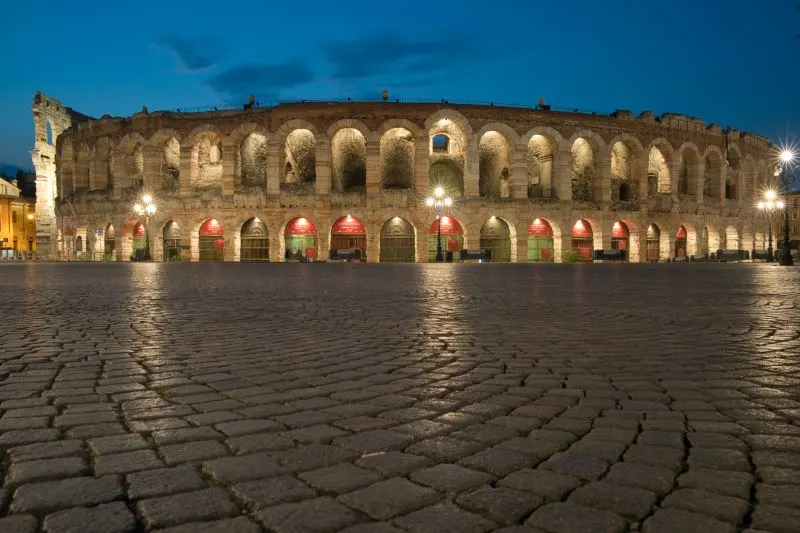
Piazza Bra is a magnificent square located in the heart of Verona, Italy, and is one of the largest and most iconic squares in the country. It offers a captivating blend of history, culture, and vibrant city life.
As you enter Piazza Bra, you’ll be immediately struck by its grandeur and expansive open space. The square is adorned with elegant buildings, beautiful architecture, and wide promenades, creating a welcoming and bustling atmosphere.
One of the main highlights of Piazza Bra is the Arena di Verona, an ancient Roman amphitheater that dominates one side of the square.
The Arena, with its pink-tinged marble exterior and well-preserved arches, serves as a magnificent backdrop and a testament to Verona’s rich history. The Arena is still used today for concerts, opera performances, and other cultural events, adding a touch of enchantment to the square.
Piazza Bra is lined with charming cafes, restaurants, and shops, offering an array of options for food, drinks, and shopping. It’s a popular spot for locals and visitors alike to relax, enjoy a coffee, indulge in gelato, or savor a meal while soaking up the vibrant atmosphere.
The square’s wide pedestrian area is perfect for leisurely strolls, allowing you to take in the sights and sounds of Verona. The Piazza is adorned with beautiful fountains, statues, and gardens, providing picturesque spots to pause and admire the surroundings.
Piazza Bra is also a hub for cultural and social events throughout the year. It hosts open-air concerts, art exhibitions, and seasonal festivals, creating a lively and festive atmosphere. During Christmas time, the square is transformed into a magical wonderland with a festive market and dazzling lights.
From Piazza Bra, you can easily access other notable attractions in Verona, such as Juliet’s House, the historic city center, and the shopping streets. Its central location makes it a convenient starting point for exploring the city and its many delights.
Visiting Piazza Bra offers a vibrant and immersive experience of Verona’s charm. Whether you’re interested in history, shopping, dining, or simply soaking up the lively ambiance, this iconic square is a must-visit destination that captures the essence of Verona’s beauty and culture.
7. Take a stroll along the Adige River: Walk along the riverbanks, cross the historic bridges, and enjoy the picturesque views


Taking a stroll along the Adige River in Verona, Italy, offers a delightful and scenic experience, allowing you to immerse yourself in the city’s natural beauty and historical charm.
The Adige River, the second longest river in Italy, gracefully flows through the heart of Verona, dividing the city into two parts.
As you walk along the riverbanks, you’ll be treated to stunning views of the water gently meandering through the city, reflecting the surrounding architecture and creating a serene and picturesque setting.
The riverbanks are lined with tree-lined promenades, offering a tranquil escape from the bustling city streets. Whether you choose to walk, jog, or simply sit and enjoy the view, the riverside paths provide a peaceful atmosphere to relax and unwind.
As you stroll along the Adige River, you’ll have the opportunity to admire Verona’s iconic bridges that span the water. The most notable among them is the Ponte Pietra, a Roman bridge dating back to the 1st century BC.
Despite its partial reconstruction, the bridge retains its ancient charm and provides a perfect vantage point to take in the river’s beauty.
Further along the river, you’ll come across the Ponte Scaligero, also known as Ponte della Vittoria, an impressive medieval bridge adorned with defensive towers. Its distinctive arches and stone structure make it a fascinating sight and a great spot for capturing memorable photographs.
The Adige River is not only a scenic backdrop but also plays a significant role in Verona’s history and culture. It has been a strategic waterway and a source of inspiration for poets and artists throughout the ages. Its tranquil presence adds a touch of enchantment to the city’s atmosphere.
The riverside walk offers glimpses of Verona’s architectural treasures, including historic buildings, churches, and palaces that line the riverbanks.
You’ll also have the opportunity to observe local life, as fishermen cast their lines, boats glide by, and cyclists and joggers pass by.
In the evening, the Adige River becomes even more enchanting as the city lights illuminate the bridges and reflect off the water, creating a romantic and magical ambiance. It’s a wonderful time to take a leisurely stroll and savor the beauty of Verona’s riverscape.
A stroll along the Adige River provides a peaceful and scenic escape from the city’s bustling streets, allowing you to connect with nature, appreciate the architectural splendors, and experience Verona’s unique charm. It’s a delightful way to immerse yourself in the beauty and tranquility of this enchanting Italian city.
8. Discover the Basilica of San Zeno Maggiore: Admire the stunning Romanesque architecture of this church and visit the crypt

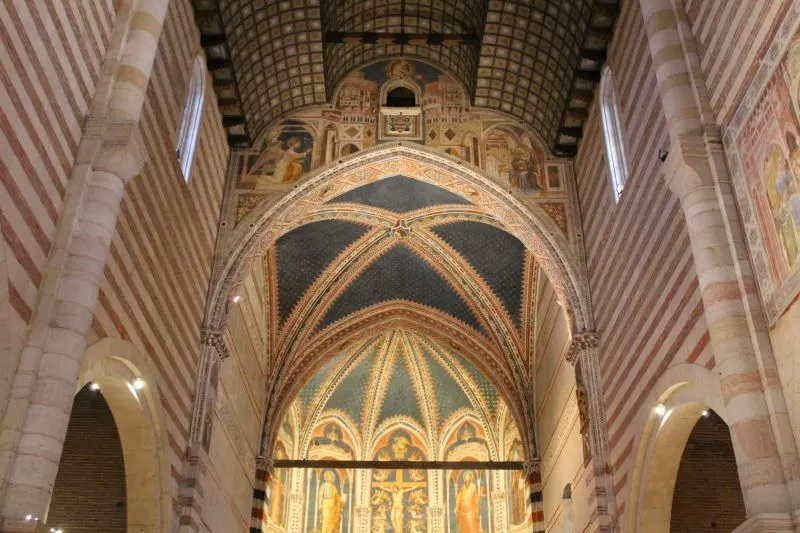
The Basilica of San Zeno Maggiore, located in Verona, Italy, is a remarkable and historic church that showcases exquisite Romanesque architecture and houses significant religious artworks.
The Basilica of San Zeno Maggiore is dedicated to Saint Zeno, the patron saint of Verona, and its origins can be traced back to the 4th century. The current structure dates back to the 11th century, with subsequent additions and renovations throughout the centuries.
As you approach the basilica, you’ll be immediately struck by its imposing façade, adorned with intricate sculptures and decorative elements.
The exterior showcases a harmonious combination of architectural styles, including Romanesque, Byzantine, and Lombard influences, creating a visually captivating sight.
Upon entering the basilica, you’ll be greeted by a vast and airy interior that exudes a sense of grandeur and tranquility. The nave is supported by a series of elegant columns, each adorned with unique capitals that showcase masterful craftsmanship and intricate detailing.
One of the most notable features of the basilica is the stunning rose window, located on the west facade. The rose window is a masterpiece of Gothic art, consisting of delicate tracery and intricate stone carvings that allow light to filter through and create a mesmerizing play of colors inside the church.
The Basilica of San Zeno Maggiore is also famous for its bronze doors, known as the Porta dei Mesi (Door of the Months). These magnificent doors depict various scenes from the Bible and are considered a masterpiece of Romanesque metalwork.
The church’s interior houses several significant religious artworks, including the striking marble high altar, the 12th-century marble ambo, and the elaborate 14th-century ciborium. The basilica also contains a crypt where the relics of Saint Zeno are preserved and can be venerated.
The serene atmosphere of the Basilica of San Zeno Maggiore offers a sense of tranquility and spiritual reflection. Visitors can take their time to appreciate the architectural beauty, admire the stunning artworks, and experience a moment of contemplation and reverence.
Surrounding the basilica, you’ll find a peaceful courtyard and a charming cloister, where you can enjoy a moment of respite and admire the architectural details of the surrounding buildings.
The Basilica of San Zeno Maggiore is not only a place of worship but also a cultural and historical treasure that showcases the rich heritage of Verona.
Exploring this magnificent church allows you to delve into the city’s past, marvel at its artistic achievements, and connect with the spiritual essence of Verona.
9. Explore the Giusti Gardens: Wander through these beautifully manicured Renaissance gardens and enjoy the serene atmosphere

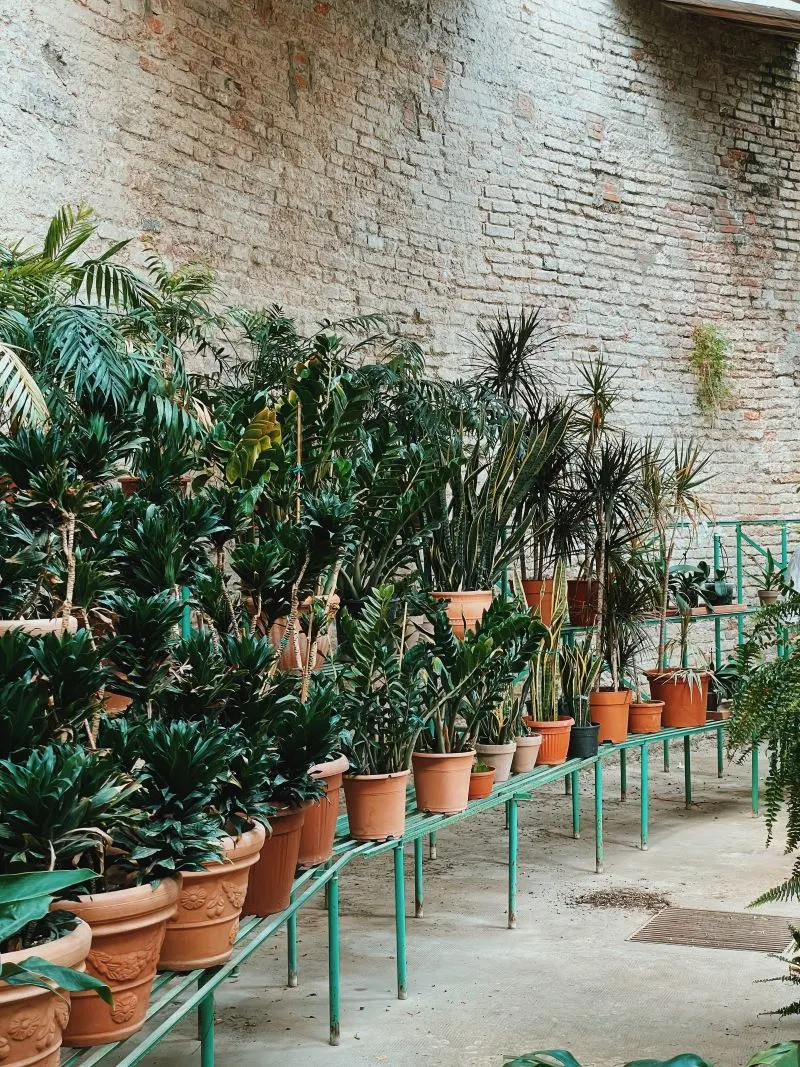
The Giusti Gardens, located in Verona, Italy, are a stunning oasis of tranquility and natural beauty that offer a delightful escape from the bustling city streets.
Dating back to the 16th century, the Giusti Gardens are one of the oldest and most well-preserved Renaissance gardens in Italy. As you enter the gardens, you’ll be transported to a world of elegance and serenity, surrounded by lush greenery, vibrant flowers, and meticulously manicured hedges.
The gardens are divided into multiple terraced levels, each offering its own unique charm and scenic views. As you ascend the terraces, you’ll discover hidden pathways, ornate fountains, and peaceful sitting areas that invite you to relax and soak up the tranquil atmosphere.
One of the highlights of the Giusti Gardens is the impressive Grotto, a cave-like structure adorned with intricate shell decorations, statues, and frescoes. The Grotto provides a cool retreat from the sun and adds an air of mystery and enchantment to the garden experience.
As you continue your exploration, you’ll come across beautifully landscaped flower beds, fragrant rose gardens, and a variety of plant species that create a tapestry of colors and scents.
The gardens are particularly enchanting during the spring and summer months when the flowers are in full bloom, creating a picturesque and vibrant display.
From the higher terraces of the Giusti Gardens, you’ll be rewarded with panoramic views of Verona’s rooftops, historic buildings, and the surrounding hills.
The elevated vantage point allows you to appreciate the city’s architecture and the natural beauty of the landscape, providing a peaceful retreat within the bustling city.
The Giusti Gardens also offer a glimpse into the past, with elements of Renaissance design and architecture still intact. From the symmetrically arranged hedges to the statues and decorative elements, the gardens reflect the meticulous attention to detail characteristic of the Renaissance period.
Whether you choose to explore the gardens at a leisurely pace, sit and read a book in a shaded alcove, or simply enjoy a peaceful stroll, the Giusti Gardens offer a serene and enchanting experience.
The combination of nature’s beauty, architectural elegance, and panoramic views make it a must-visit destination for nature lovers, garden enthusiasts, and those seeking a tranquil respite in Verona.
10. Visit the Scaliger Tombs: See the Gothic tombs of the Scaliger family, known for their intricate architecture and historical significance

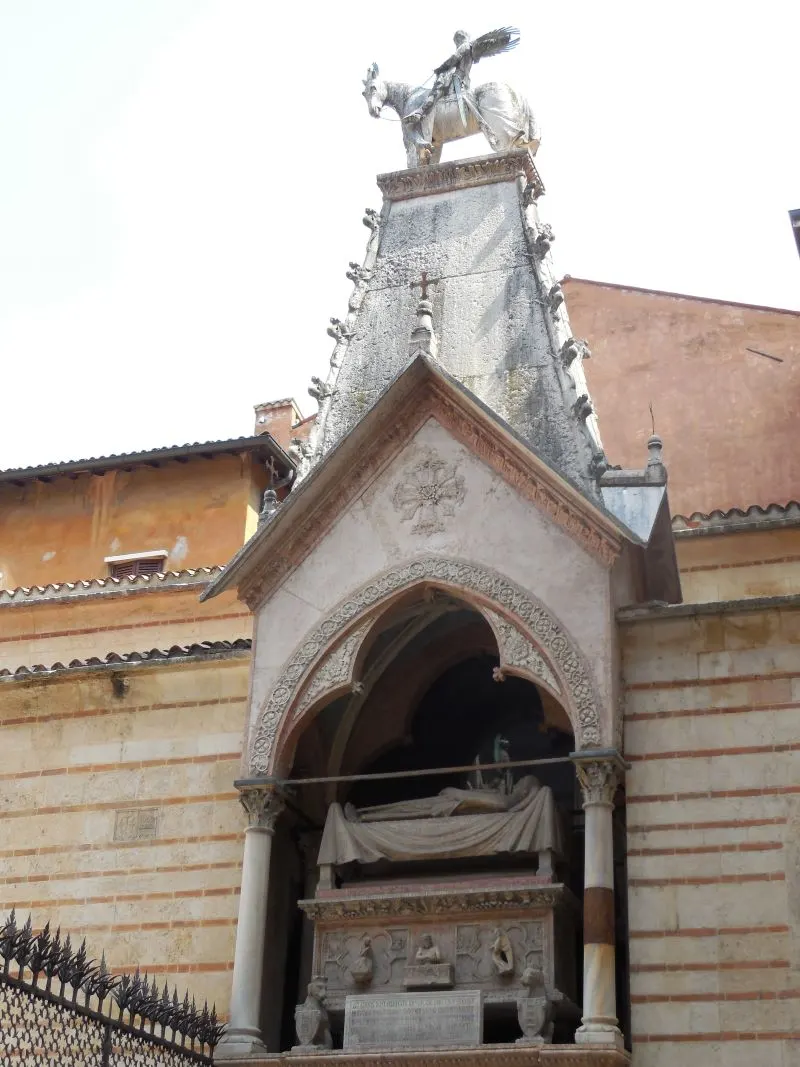
The Scaliger Tombs, also known as the Arche Scaligere, are a remarkable funerary complex located in Verona, Italy. These Gothic-style tombs are a testament to the power and influence of the Scaligeri family, who ruled over Verona during the medieval period.
As you approach the Scaliger Tombs, you’ll be immediately struck by their ornate and intricate design. The tombs are housed in a small courtyard surrounded by wrought-iron gates, creating an atmosphere of reverence and historical significance.
Each tomb is a unique architectural masterpiece, featuring elaborate carvings, delicate details, and Gothic-inspired motifs. The tombs are made of red Verona marble and are characterized by their tall, slender shape, reminiscent of miniature cathedrals or towers.
The most prominent tomb is the Arco dei Gavi, dedicated to Cangrande I della Scala, one of the most famous Scaligeri rulers. This tomb is adorned with intricate reliefs and statues, depicting scenes from Cangrande’s life and battles.
Another notable tomb is that of Mastino II della Scala, which features delicate sculptural details, including allegorical figures and intricate floral patterns. Each tomb tells a story and offers a glimpse into the lives and accomplishments of the Scaligeri family.
The Scaliger Tombs hold the remains of several members of the Scaligeri family, who were not only political rulers but also patrons of the arts and literature. Their tombs reflect their status and the flourishing cultural climate of Verona during their rule.
Visiting the Scaliger Tombs allows you to immerse yourself in the rich history and artistic heritage of Verona. The tombs are a unique blend of architectural splendor and historical significance, providing a glimpse into the medieval world of Verona’s noble families.
The Scaliger Tombs are not only a place of remembrance but also a visual feast for art and history enthusiasts. Their Gothic architecture, intricate details, and serene atmosphere create a captivating and memorable experience for visitors, offering a deeper understanding of Verona’s past and the legacy of the Scaligeri family.
11. Take a bike ride around Verona: Rent a bike and explore the city’s streets, parks, and hidden corners on two wheels


Taking a bike ride around Verona offers a fantastic way to explore the city, enjoy its sights, and immerse yourself in its charming atmosphere.
Verona is a bike-friendly city, with numerous cycling paths, designated bike lanes, and bike-sharing services available. Renting a bike or joining a guided bike tour allows you to cover more ground and discover the city’s hidden gems at your own pace.
As you pedal through Verona’s streets, you’ll have the opportunity to admire its beautiful architecture, historic landmarks, and vibrant neighborhoods. The city’s compact size makes it easy to navigate, and biking allows you to access areas that may be difficult to reach by car or on foot.
Cycling along Verona’s picturesque riverside paths, such as those along the Adige River, provides a scenic and relaxing experience. You can enjoy the tranquility of the water, admire the city’s bridges and landmarks from a different perspective, and take in the natural beauty that surrounds Verona.
One of the highlights of a bike ride in Verona is exploring the historic city center, a UNESCO World Heritage site. Biking through its narrow streets and charming squares, such as Piazza delle Erbe and Piazza dei Signori, allows you to soak up the vibrant atmosphere and get closer to Verona’s architectural treasures.
You can also pedal your way to Verona’s iconic landmarks, such as the Arena di Verona, Juliet’s House, and Castelvecchio. Biking gives you the flexibility to stop and explore these sites in detail, capturing memorable photographs and experiencing their unique ambiance.
Verona is surrounded by beautiful countryside and rolling hills, offering fantastic opportunities for scenic bike rides beyond the city limits. You can venture into the nearby Valpolicella wine region, where vineyards and olive groves create a picturesque backdrop for your cycling adventure.
Exploring the countryside by bike allows you to appreciate the natural beauty, breathe in the fresh air, and enjoy the slower pace of life outside the city.
Along your bike ride, you’ll also find plenty of cafes, gelaterias, and local eateries where you can stop for a refreshment or sample some of Verona’s delicious culinary delights.
Indulge in a traditional Italian espresso, treat yourself to gelato, or savor a leisurely lunch at a trattoria to refuel and recharge.
Biking in Verona offers a unique and enjoyable way to experience the city’s charm, history, and natural surroundings. It provides a sense of freedom, allowing you to explore at your own pace while staying active and enjoying the enchanting atmosphere that Verona has to offer.
12. Explore the Museo di Castelvecchio: Visit the museum housed in the Castelvecchio complex and see a wide range of art and artifacts

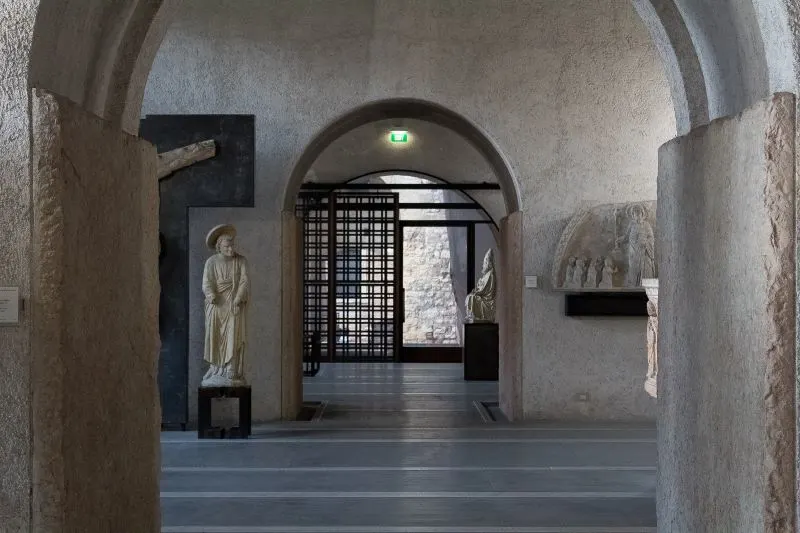
The Museo di Castelvecchio, located in Verona, Italy, is a fascinating museum housed within the ancient walls of the Castelvecchio fortress. It offers a captivating journey through art, history, and architecture, providing visitors with a deep understanding of Verona’s rich cultural heritage.
The museum is housed in a medieval castle complex built in the 14th century by the ruling Scaligeri family. The castle’s imposing brick walls and defensive towers create a sense of grandeur and history as you approach it.
The combination of the castle’s architectural splendor and the museum’s curated exhibits makes for a unique and immersive experience.
Upon entering the Museo di Castelvecchio, you’ll find yourself in a vast and atmospheric space that seamlessly blends medieval architecture with modern museum design.
The museum underwent extensive renovations, and its interior was masterfully reimagined by the renowned architect Carlo Scarpa in the 20th century.
The museum’s collection showcases a wide range of art and artifacts, spanning various periods and styles. You’ll have the opportunity to admire exquisite paintings, sculptures, ceramics, medieval weaponry, and decorative arts.
The collection features works by renowned artists such as Pisanello, Mantegna, Bellini, and Tintoretto, among others.
As you explore the museum’s galleries, you’ll encounter meticulously displayed artworks, thoughtfully arranged to highlight their historical and artistic significance.
The combination of natural light, strategically placed architectural elements, and Scarpa’s innovative design creates a visually striking and immersive environment for appreciating the artworks.
In addition to the artworks, the Museo di Castelvecchio provides insights into the castle’s history and architecture. You can wander through the castle’s halls, climb its fortified towers, and explore its courtyards, all while learning about the castle’s defensive features and its role in Verona’s past.
The museum’s layout and interpretive displays provide a comprehensive understanding of Verona’s history, from the medieval period to the Renaissance and beyond.
Through the collection and the museum’s interactive exhibits, you’ll gain insights into the city’s political, cultural, and artistic evolution.
The Museo di Castelvecchio also offers panoramic views of the Adige River and the cityscape, providing a unique perspective of Verona from its strategic location. You can admire the surrounding landscape and gain a deeper appreciation for Verona’s architectural beauty.
Whether you are an art enthusiast, a history buff, or simply curious about Verona’s past, the Museo di Castelvecchio offers a captivating journey through time.
It combines the charm of a medieval castle with the sophistication of a modern museum, making it a must-visit destination for those seeking a deeper understanding of Verona’s cultural heritage.
13. Enjoy a wine tasting in Valpolicella: Take a short trip from Verona to the nearby wine region and savor some of Italy’s finest wines

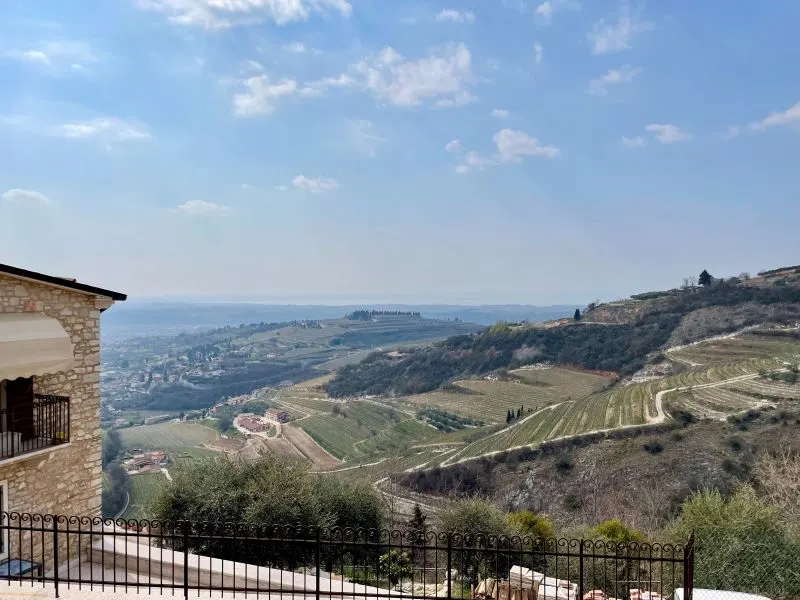
Valpolicella, located near Verona in the Veneto region of Italy, is renowned for its wine production, particularly the famous Amarone and Valpolicella wines.
Enjoying a wine tasting in Valpolicella offers a delightful opportunity to immerse yourself in the region’s rich winemaking traditions and savor its exquisite flavors.
Valpolicella’s picturesque vineyards and rolling hills provide a scenic backdrop for wine tasting experiences. Many wineries in the region open their doors to visitors, offering guided tours of their vineyards and cellars, as well as the chance to sample their wines.
As you arrive at a winery, you’ll be greeted by the vineyard’s beauty, with rows of grapevines stretching out before you. The air is filled with the earthy aromas of the vineyard, creating a sense of anticipation for the flavors to come.
The winery staff or sommelier will guide you through the wine tasting experience, providing insights into the winemaking process, the different grape varieties used, and the characteristics of each wine.
They will explain the unique qualities of Amarone and Valpolicella wines, their production methods, and the distinct flavors and aromas that make them so special.
You’ll have the opportunity to sample a variety of wines, from light and fruity Valpolicella Classico to the robust and complex Amarone.
Each wine will be carefully poured and presented, allowing you to appreciate its color, aroma, and taste. The sommelier will guide you through the tasting, explaining the nuances of each wine and offering suggestions on food pairings and serving temperatures.
The wines of Valpolicella are known for their depth, complexity, and the unique winemaking techniques used in their production. Amarone, in particular, is made from dried grapes, resulting in rich flavors of ripe fruit, chocolate, and spices. Valpolicella wines often exhibit cherry and berry flavors, with hints of herbs and a smooth, velvety texture.
As you sip the wines, you can take your time to savor the flavors, allowing them to unfold on your palate and appreciating the craftsmanship that goes into each bottle.
The winery setting, often overlooking the vineyards or nestled in the countryside, creates a relaxed and intimate atmosphere for enjoying the wines and engaging in conversation with fellow wine enthusiasts.
Many wineries in Valpolicella also offer the opportunity to purchase the wines you’ve tasted, allowing you to bring a piece of Valpolicella’s winemaking excellence home with you.
Whether you’re a wine connoisseur or a casual enthusiast, a wine tasting in Valpolicella is an unforgettable experience that combines the pleasures of wine, nature, and the rich cultural heritage of the region.
14. Visit the Roman Theater: Explore the ruins of an ancient Roman theater and enjoy the views of the city from the hilltop location

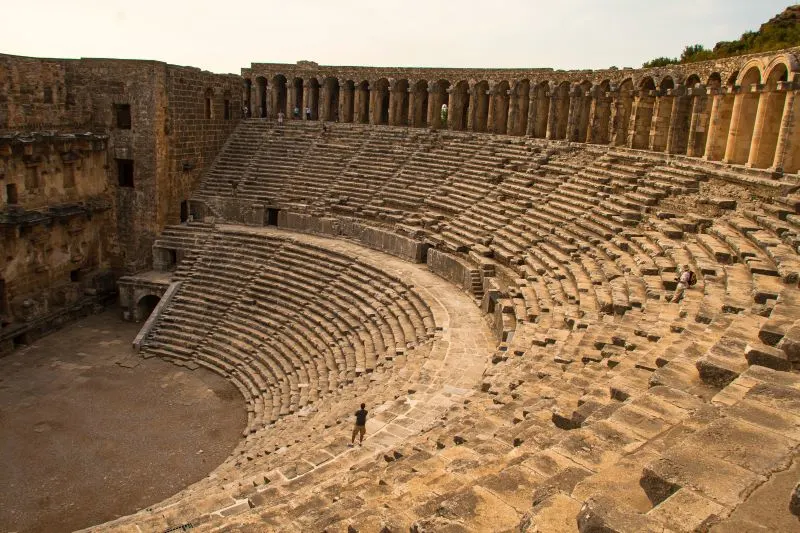
Visiting the Roman Theater in Verona is like stepping back in time to witness the grandeur and architectural marvels of ancient Rome.
Located on the picturesque bank of the Adige River, the Roman Theater, also known as Teatro Romano, is a remarkable archaeological site that offers a glimpse into Verona’s rich history.
Built in the 1st century BC, the Roman Theater was once a magnificent venue for theatrical performances and entertainment. It could accommodate an audience of up to 15,000 people, showcasing the importance of theater and culture in ancient Roman society.
As you approach the Roman Theater, you’ll be struck by the sheer scale and impressive remains of the ancient structure. The theater’s semicircular seating area, partly carved into the hillside, offers a stunning view of the stage and the surrounding landscape.
Although the theater is no longer fully intact, the ruins still exude an aura of grandeur and provide valuable insights into Roman architectural techniques.
The surviving sections of the theater, including the stage wall and the semicircular seating area, give a sense of the theater’s original form and help visitors visualize how it would have looked in its prime.
Exploring the Roman Theater allows you to walk in the footsteps of ancient Romans and experience the atmosphere of a bygone era.
As you stroll through the rows of stone seats, you can imagine the excitement and anticipation that once filled the air as spectators eagerly awaited the start of a performance.
The theater’s location is also a highlight, with its backdrop of lush greenery and the flowing Adige River. From certain vantage points within the theater, you can enjoy panoramic views of Verona’s historic center, including landmarks such as the Ponte Pietra bridge and the Castel San Pietro.
The Roman Theater complex also houses a small museum that displays artifacts and archaeological finds discovered during excavations. The museum provides further context and information about the theater’s history, Roman life, and the significance of theater in ancient society.
Visiting the Roman Theater offers a unique opportunity to connect with Verona’s past and appreciate the enduring legacy of Roman civilization.
The combination of its historical significance, architectural splendor, and scenic location makes it a must-see attraction for history enthusiasts, architecture lovers, and anyone seeking to delve into the rich heritage of Verona.
15. Discover the Arche Scaligere: Admire the elaborate Gothic funerary monuments dedicated to the Scaliger family

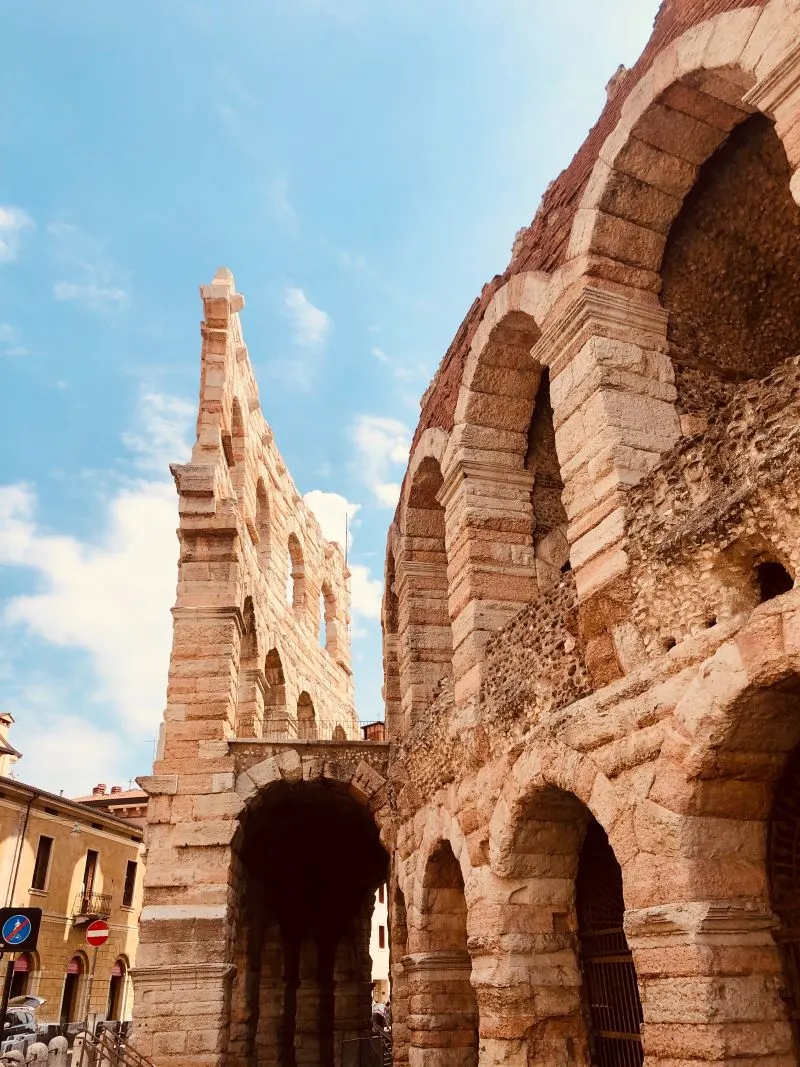
The Arche Scaligere, also known as the Scaliger Tombs, are a collection of Gothic-style funerary monuments located in Verona, Italy. These elaborate tombs are a testament to the power and influence of the Scaligeri family, who ruled over Verona during the Middle Ages.
The Arche Scaligere is situated in a small courtyard surrounded by wrought-iron gates, creating an atmosphere of reverence and historical significance. Each tomb is a unique architectural masterpiece, featuring intricate carvings, delicate details, and Gothic-inspired motifs.
The most prominent tomb among the Arche Scaligere is the Arco dei Gavi, dedicated to Cangrande I della Scala, one of the most famous members of the Scaligeri family. The tomb is adorned with elaborate reliefs and statues, depicting scenes from Cangrande’s life and military exploits.
Other notable tombs within the complex include those of Mastino II della Scala and Cansignorio della Scala, both characterized by their remarkable craftsmanship and decorative elements. These tombs serve as a testament to the artistic and cultural flourishing that took place during the Scaligeri rule.
Visiting the Arche Scaligere allows you to immerse yourself in the rich history and artistic heritage of Verona. The tombs are not only a place of remembrance but also a visual feast for art and history enthusiasts. They offer a glimpse into the medieval world of Verona’s noble families and provide insights into the city’s past.
The Arche Scaligere stand as a remarkable example of Gothic funerary architecture, showcasing the craftsmanship and artistic skills of the time. The intricate details, sculptural elements, and unique design of each tomb make them a captivating sight to behold.
Exploring the Arche Scaligere gives you the opportunity to reflect on the legacies of the Scaligeri family and appreciate the cultural and historical significance of Verona. The tombs serve as a reminder of the city’s noble heritage and the enduring impact of its medieval rulers.
Whether you’re interested in history, architecture, or simply seeking a serene and contemplative atmosphere, a visit to the Arche Scaligere is a must. The tombs offer a glimpse into Verona’s past and allow you to connect with the rich tapestry of its cultural heritage.
16. Visit the Church of Santa Anastasia: Marvel at the impressive Gothic architecture and beautiful artwork inside this church

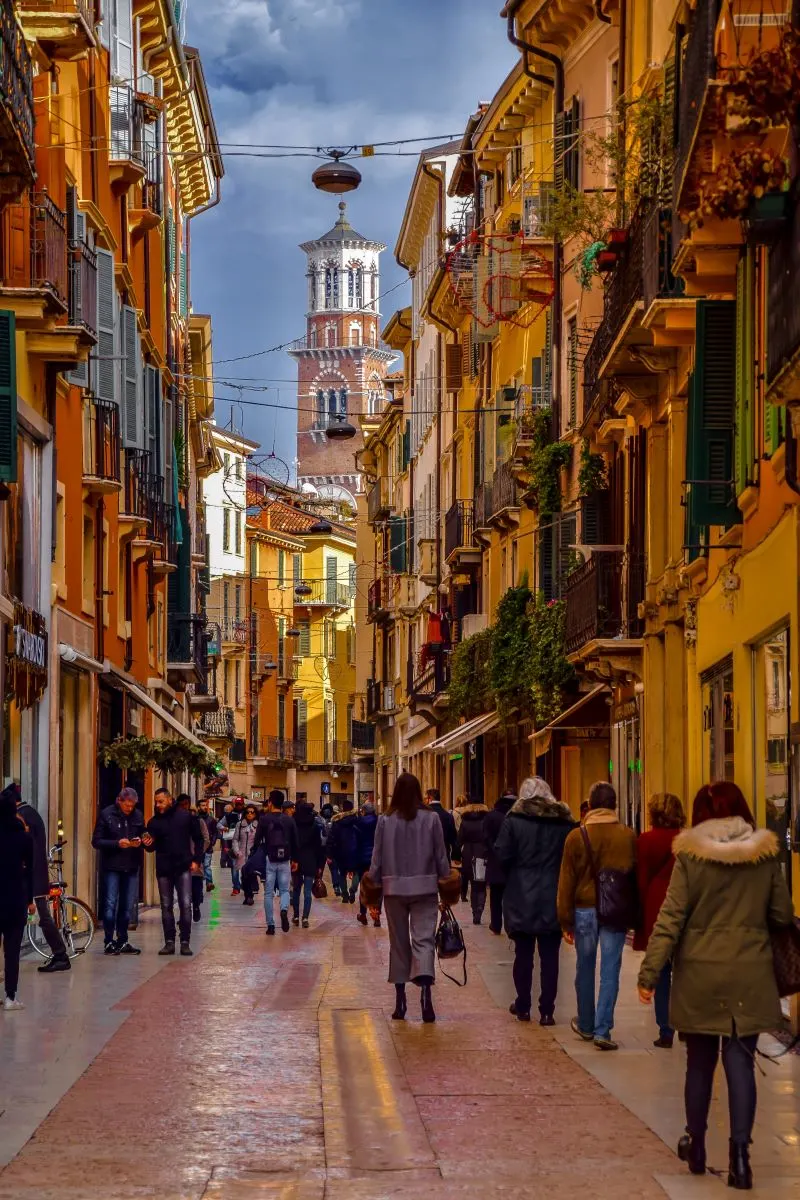
The Church of Santa Anastasia, located in Verona, Italy, is a magnificent religious edifice that stands as a testament to the city’s rich history and architectural heritage. This grand church is renowned for its exquisite Gothic design, stunning artwork, and spiritual significance.
As you approach the Church of Santa Anastasia, you’ll be captivated by its impressive facade, adorned with intricate details and towering spires.
The facade showcases a harmonious blend of architectural styles, including Romanesque, Gothic, and Renaissance elements, reflecting the church’s long history of construction and renovation.
Stepping inside the church, you’ll be greeted by a sense of awe and tranquility. The spacious interior features a soaring nave with lofty arches and elegant columns that lead your gaze towards the ornately decorated altar. The dimly lit ambience, filtered through stained glass windows, creates a serene atmosphere that invites contemplation and reflection.
The church is dedicated to Saint Anastasia, a Christian martyr from the early centuries of Christianity. Her relics are housed in a splendid reliquary, offering a spiritual focal point for worshippers and visitors alike.
The interior of the Church of Santa Anastasia is adorned with a wealth of artistic treasures. Intricate frescoes, vivid paintings, and intricate sculptures grace the walls and chapels, showcasing the talent of renowned artists from different periods. Notable highlights include the works of Pisanello, Cavallini, and Montagna, among others.
One of the most impressive features of the church is its magnificent wooden choir stalls, meticulously carved with intricate details and scenes from the Bible. These stalls are a true testament to the craftsmanship and skill of the artisans who created them.
The Church of Santa Anastasia also offers a stunning panoramic view of Verona from its bell tower. Climbing the tower allows you to admire the city’s rooftops, landmarks, and the surrounding landscape, providing a unique perspective on Verona’s beauty.
Whether you’re a history enthusiast, an art lover, or a spiritual seeker, a visit to the Church of Santa Anastasia is a truly enriching experience.
It allows you to immerse yourself in Verona’s rich cultural heritage, appreciate the architectural magnificence of the church, and connect with the spiritual traditions that have shaped the city for centuries.
17. Explore the Porta Borsari: Pass through the well-preserved Roman gate and learn about Verona’s ancient history

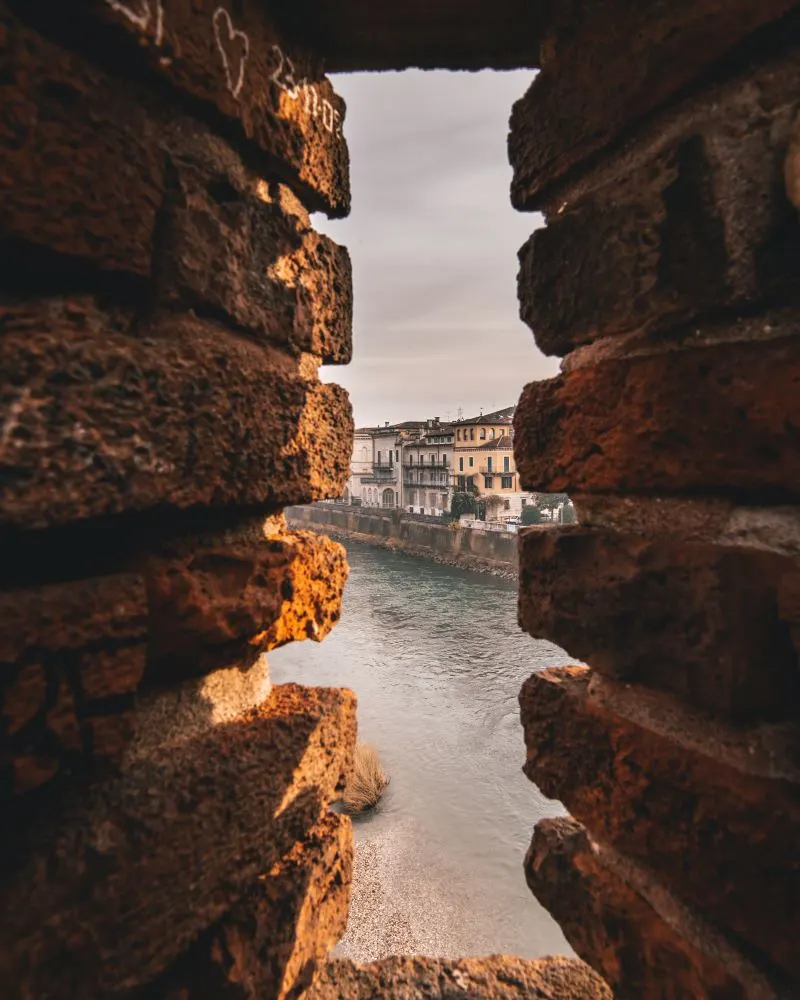
Exploring the Porta Borsari in Verona, Italy, is like stepping back in time and witnessing the city’s rich Roman history. Porta Borsari is an ancient Roman gate that once served as a main entrance to the city and stands as a remarkable architectural relic from the past.
As you approach Porta Borsari, you’ll be struck by its imposing presence and the sense of historical significance it exudes. The gate is a well-preserved example of Roman architecture, featuring impressive stone arches, intricate carvings, and a sense of grandeur that reflects the importance of Verona during the Roman era.
Passing through the gate, you’ll find yourself in an atmospheric area of the city, surrounded by narrow streets, charming buildings, and a tangible connection to the past.
The gate’s strategic location near Verona’s historic center makes it an excellent starting point for further exploration of the city’s landmarks and attractions.
Porta Borsari was originally built in the 1st century AD and served as an entrance to the Roman city of Verona. It was part of the city walls that encircled Verona during the Roman era.
Over the centuries, the gate has undergone various restorations, but its Roman origins are still evident in the architectural details and the overall structure.
The gate consists of two large arches with a central keystone, supported by sturdy columns on either side. Above the arches, you’ll notice decorative friezes and inscriptions that commemorate the city’s history. These intricate details offer insights into the craftsmanship and artistry of the Roman period.
Exploring Porta Borsari allows you to immerse yourself in Verona’s ancient past and imagine the bustling life that once passed through its gates. As you walk beneath the arches, you can’t help but feel a sense of connection to the city’s rich historical heritage.
The surrounding area of Porta Borsari is also vibrant, with nearby shops, cafes, and restaurants offering a lively atmosphere for visitors to enjoy. It’s an excellent place to relax, people-watch, or simply soak up the ambiance of Verona.
Visiting Porta Borsari provides a unique opportunity to witness the enduring legacy of Verona’s Roman past. The gate stands as a symbol of the city’s historical significance, offering a glimpse into the remarkable architecture and urban planning of the Roman era.
Whether you’re a history enthusiast, an architecture lover, or simply curious about Verona’s past, exploring Porta Borsari is a must. It allows you to connect with the ancient roots of the city and appreciate the cultural heritage that has shaped Verona into the vibrant and enchanting destination it is today.
18. Take a boat tour on Lake Garda: Enjoy a relaxing boat ride on Italy’s largest lake, located just a short distance from Verona

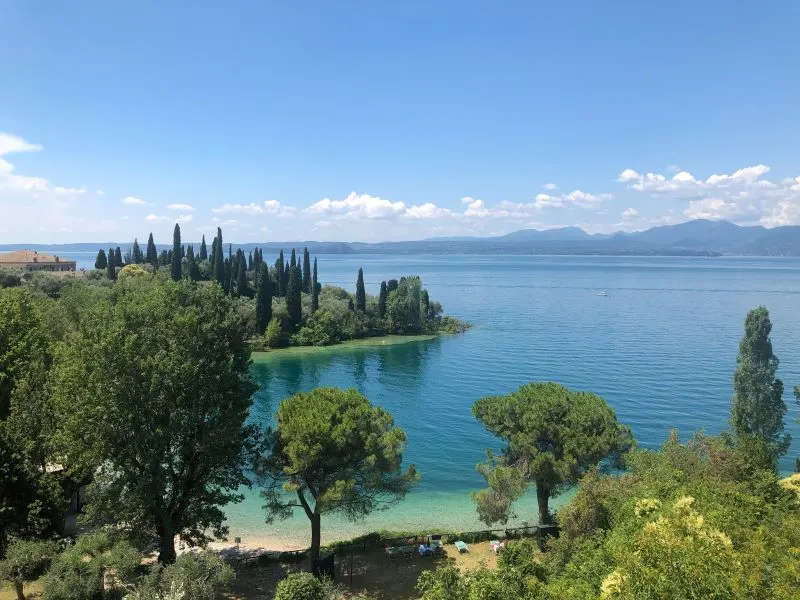
Taking a boat tour on Lake Garda is a wonderful way to explore the breathtaking beauty of Italy’s largest lake and immerse yourself in its tranquil and scenic surroundings.
Lake Garda, nestled between the dramatic Alps and the rolling hills of northern Italy, offers a stunning backdrop for a memorable boat excursion.
As you embark on a boat tour, you’ll be greeted by the crystal-clear waters of Lake Garda and the refreshing breeze that gently sweeps across the surface.
The expansive lake stretches over 50 kilometers in length, and its azure waters are framed by picturesque towns, charming villages, and lush green landscapes.
The boat tour allows you to leisurely cruise along the lake, taking in the panoramic views of the surrounding mountains and the captivating shoreline.
You’ll have the opportunity to relax on the deck, basking in the warm sunshine and feeling the gentle sway of the boat as it glides through the water.
As you navigate the lake, you’ll pass by charming lakeside towns such as Sirmione, Malcesine, and Garda, each with its unique character and charm. These towns boast colorful facades, quaint harbors, and waterfront promenades that add to the enchanting atmosphere of the lake.
You can choose from different types of boat tours, ranging from short trips to longer excursions, depending on your preferences and available time.
Some boat tours may include stops at various points of interest, allowing you to disembark and explore attractions such as historic castles, charming islands, or lakeside gardens.
One of the highlights of a boat tour on Lake Garda is the opportunity to witness the breathtaking scenery and natural wonders up close.
You can admire the towering cliffs of Mount Baldo, the picturesque Scaliger Castle in Sirmione, or the stunningly beautiful Isola del Garda, with its lush gardens and majestic villa.
During the boat tour, you can also learn about the rich history, culture, and local legends associated with Lake Garda. Knowledgeable guides or audio commentary provide fascinating insights into the area’s heritage, geology, and notable landmarks, enriching your experience as you navigate the lake.
Whether you choose a serene sunset cruise or a daytime exploration, a boat tour on Lake Garda offers a peaceful and immersive way to appreciate the natural beauty and idyllic atmosphere of this stunning destination.
It allows you to connect with the lake’s tranquil ambiance, capture memorable photographs, and create lasting memories of your visit to Lake Garda.
19. Visit the Romanesque Cathedral of Verona: Enter the Duomo to see its stunning interior and climb the bell tower for panoramic views

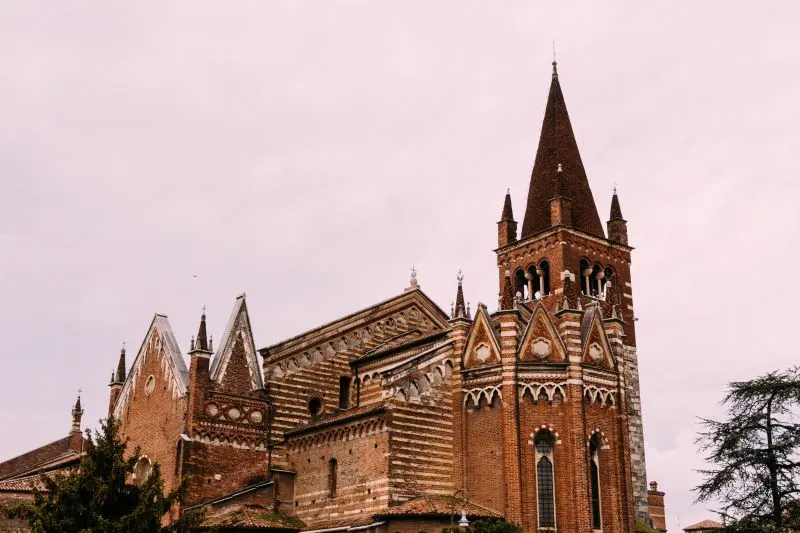
Visiting the Romanesque Cathedral of Verona, also known as the Verona Cathedral or the Duomo, is a journey into the heart of Verona’s religious and architectural history.
This magnificent cathedral, dedicated to the Assumption of the Virgin Mary, stands as one of the city’s most important religious landmarks.
Located in the historic center of Verona, the Cathedral greets visitors with its impressive facade and ornate details. The exterior showcases a blend of architectural styles, with elements of Romanesque, Gothic, and Renaissance influences. The central portal, adorned with intricate sculptures and bas-reliefs, invites you to step inside and explore the treasures within.
Upon entering the Cathedral, you’ll be greeted by a spacious and awe-inspiring interior. The soaring nave is supported by sturdy columns, while the high vaulted ceilings create a sense of grandeur and majesty. The subdued lighting, filtered through stained glass windows, adds a serene and spiritual ambiance to the space.
The highlight of the Cathedral is its stunning Cappella San Giovanni, a chapel dedicated to St. John the Baptist. This chapel houses one of Verona’s most celebrated treasures, the famous “Assumption” altarpiece by Titian, a masterpiece of Renaissance art. The altarpiece depicts the Virgin Mary ascending to heaven, surrounded by a host of angelic figures.
As you explore the Cathedral, you’ll discover numerous chapels, each adorned with beautiful artwork, sculptures, and religious artifacts.
These chapels provide a glimpse into the rich artistic and cultural history of Verona, with works by renowned artists such as Girolamo dai Libri and Giuseppe Antonio Petrini.
Ascending the Cathedral’s bell tower offers a unique perspective of Verona’s skyline and panoramic views of the city. From the top, you can admire the surrounding historic buildings, the winding streets, and even catch a glimpse of the distant countryside.
The Cathedral also houses the Museo del Tesoro, a treasure museum that showcases a collection of precious religious artifacts, including liturgical vestments, sacred vessels, and intricately crafted jewelry. The museum offers further insight into the religious traditions and cultural heritage of Verona.
Visiting the Romanesque Cathedral of Verona provides an opportunity to appreciate the city’s architectural splendor, artistic treasures, and the spiritual significance that has shaped Verona for centuries.
Whether you have a deep appreciation for religious art and history or simply seek a moment of tranquility and reflection, the Cathedral offers a captivating and rewarding experience for all who visit.
20. Explore the Archeological Museum: Learn about Verona’s ancient past and see archaeological artifacts from the region

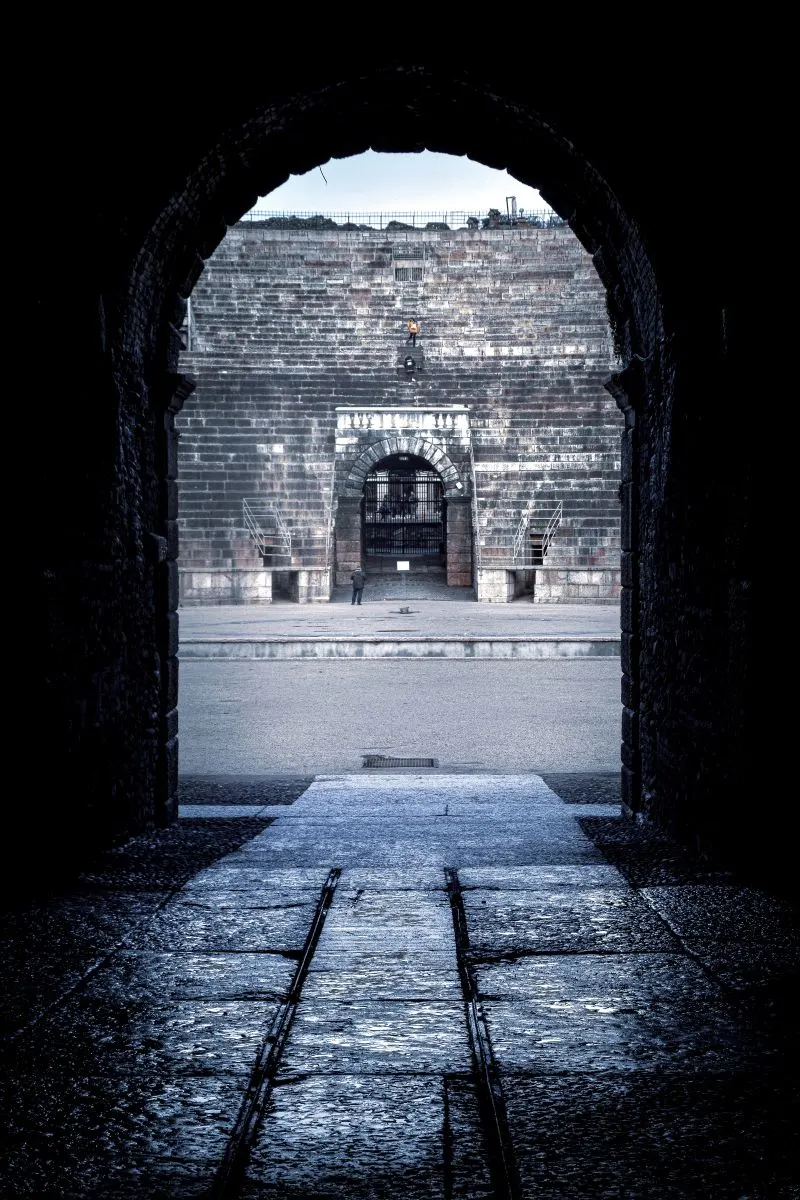
Exploring the Archaeological Museum in Verona offers a fascinating journey through the ancient history and rich cultural heritage of the city and its surrounding region. Housed within a historic building, the museum is a treasure trove of archaeological artifacts, exhibits, and educational displays.
Upon entering the Archaeological Museum, you’ll find yourself immersed in a world of ancient artifacts and archaeological discoveries.
The museum showcases a wide range of objects, spanning different periods of Verona’s history, from prehistoric times to the Roman era and beyond.
The exhibits are thoughtfully curated and provide valuable insights into the daily lives, customs, and beliefs of the people who inhabited the region throughout history.
You can explore displays of ancient pottery, tools, weapons, jewelry, and artwork, all of which offer glimpses into the past and shed light on the fascinating civilizations that once thrived in the area.
One of the highlights of the Archaeological Museum is its collection of Roman artifacts. Verona was a prominent Roman settlement, and the museum showcases an impressive array of sculptures, architectural fragments, and intricate mosaics that once adorned grand villas and public buildings.
As you move through the museum, you’ll have the opportunity to learn about the archaeological methods and techniques used to uncover these ancient treasures.
The museum often features informative panels, interactive exhibits, and multimedia presentations that provide further context and enhance your understanding of the archaeological process.
The museum also hosts temporary exhibitions that delve deeper into specific aspects of Verona’s history or showcase traveling collections from other renowned museums.
These exhibitions offer a chance to explore niche topics, broaden your knowledge, and see unique artifacts that are not part of the museum’s permanent collection.
The Archaeological Museum of Verona is not just a place to observe artifacts from a distance; it also aims to engage visitors through educational programs, workshops, and guided tours.
These activities provide opportunities to delve deeper into the historical and cultural significance of the exhibits and foster a greater appreciation for the region’s archaeological heritage.
Whether you’re a history enthusiast, an archaeology buff, or simply curious about Verona’s past, the Archaeological Museum offers a captivating and educational experience.
It allows you to connect with the ancient civilizations that once thrived in the area and gain a deeper understanding of Verona’s rich cultural tapestry.
A visit to the Archaeological Museum is like stepping back in time, where you can unravel the stories of the past and appreciate the remarkable archaeological discoveries that have shaped Verona’s identity.
21. Take a cooking class: Learn to prepare authentic Italian dishes with a cooking class in Verona


Taking a cooking class in Verona offers a unique and immersive experience that allows you to delve into the rich culinary traditions of Italy. Verona, renowned for its delicious regional cuisine, provides the perfect backdrop for exploring the art of Italian cooking.
When you sign up for a cooking class, you’ll have the opportunity to learn from experienced local chefs who are passionate about sharing their culinary expertise.
The classes are typically held in well-equipped kitchens or cooking schools, providing a comfortable and interactive learning environment.
During the cooking class, you’ll discover the secrets behind preparing authentic Italian dishes, using fresh, locally sourced ingredients.
From handmade pasta and risotto to flavorful sauces and delectable desserts, you’ll have the chance to master the techniques and recipes that have been passed down through generations.
The classes often begin with a visit to a local market or food market, where you can learn about the ingredients used in traditional Veronese cuisine. The chef will guide you through selecting the best produce, sharing insights on their quality and seasonal availability.
Back in the kitchen, you’ll roll up your sleeves and get hands-on experience as you learn to create classic Italian dishes from scratch.
The chef will demonstrate each step, explaining the techniques, tips, and tricks that make the flavors truly shine. You’ll have the opportunity to participate actively, preparing and cooking the dishes under the guidance of the chef.
As the enticing aromas fill the kitchen, you’ll savor the anticipation of tasting the fruits of your labor. Once the dishes are complete, it’s time to sit down and enjoy a well-deserved meal, savoring the flavors you helped create. It’s a convivial moment where you can share stories, laughter, and culinary experiences with your fellow classmates.
Beyond the practical cooking skills, a cooking class offers a deeper understanding of the culture and traditions that surround Italian cuisine.
You’ll gain insights into the importance of seasonal ingredients, regional variations, and the role of food in Italian society. The chefs often share anecdotes, stories, and personal experiences that enrich the overall experience.
Taking a cooking class in Verona allows you to bring a taste of Italy back home with you. Armed with newfound skills and recipes, you’ll be able to recreate the flavors of Verona in your own kitchen, impressing family and friends with your culinary prowess.
Whether you’re a seasoned cook looking to refine your skills or a passionate food lover eager to explore Italian cuisine, a cooking class in Verona provides an enjoyable and educational experience.
It’s an opportunity to connect with the local culture, create lasting memories, and develop a lifelong love for the art of Italian cooking.
22. Attend a music concert: Enjoy a classical music performance or a live concert at one of Verona’s many venues

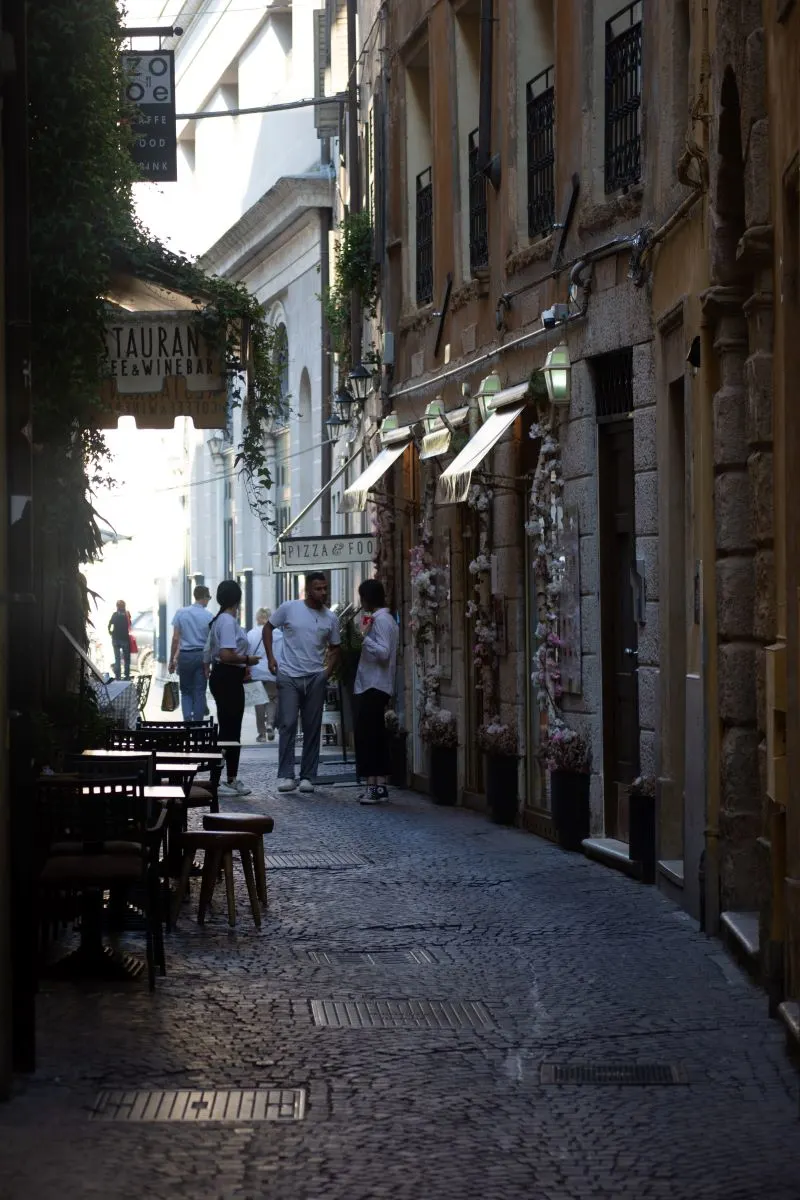
Attending a music concert in Verona is a memorable and enchanting experience that allows you to immerse yourself in the vibrant music scene of the city. Verona, renowned for its cultural heritage, offers a variety of venues where you can enjoy live performances ranging from classical music to contemporary genres.
One of the most iconic concert venues in Verona is the Arena di Verona, a magnificent Roman amphitheater that serves as a breathtaking backdrop for open-air concerts.
This ancient venue, with its impressive acoustics and grandeur, creates a truly magical atmosphere that transports you back in time while enjoying the modern sounds of music.
The Arena di Verona hosts a diverse range of concerts throughout the year, featuring world-class musicians, orchestras, opera singers, and popular artists. From classical symphonies to opera performances and contemporary music concerts, there’s something for every musical taste.
Attending a concert at the Arena di Verona is an extraordinary experience. The vast seating area and open-air setting provide a unique sense of connection between the performers and the audience.
As the music fills the air, you’ll be surrounded by the historic walls of the arena, creating an unforgettable ambiance that amplifies the emotional impact of the performance.
In addition to the Arena di Verona, Verona is home to several other concert halls and venues that host musical events throughout the year.
These venues range from intimate theaters to historic churches and modern auditoriums. Depending on your preferences, you can choose from a variety of genres, including classical, jazz, rock, pop, and more.
Attending a music concert in Verona is not only about the music itself but also about the overall experience. The city’s rich cultural heritage, stunning architecture, and warm hospitality create a unique atmosphere that enhances your enjoyment of the performance.
You’ll have the opportunity to mingle with fellow music enthusiasts, share in the collective energy of the audience, and appreciate the talent and artistry of the musicians.
Whether you’re a devoted fan of classical music, an opera aficionado, or simply enjoy live performances, attending a music concert in Verona is a memorable experience that combines the beauty of the city with the power of music.
It’s a chance to indulge your senses, create lasting memories, and be transported by the captivating melodies that fill the air.
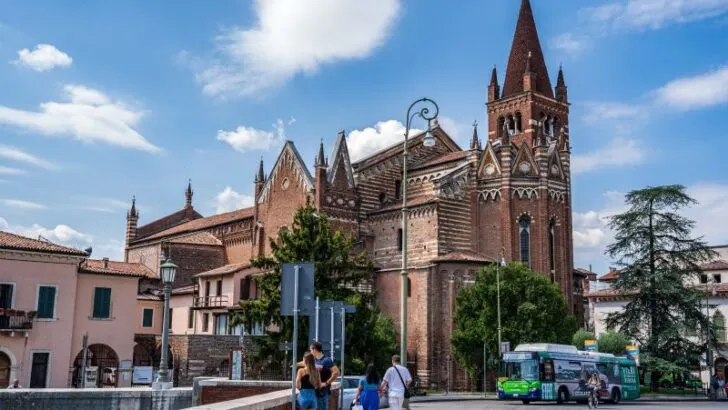
23. Visit the Church of San Fermo: Explore this medieval church with its unique mix of Romanesque and Gothic architectural styles

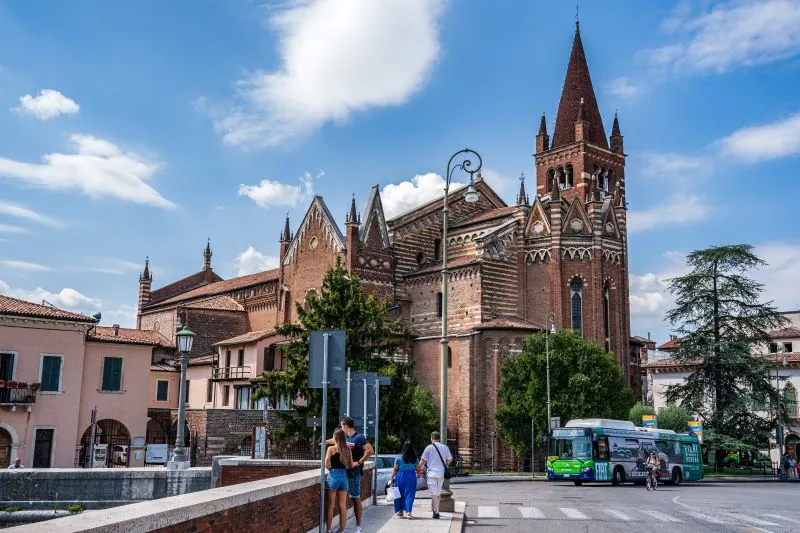
Visiting the Church of San Fermo in Verona offers a captivating journey through the city’s religious and architectural history. This historic church, dedicated to Saint Fermo, showcases a unique blend of architectural styles and is renowned for its stunning interior and fascinating historical significance.
The Church of San Fermo is located in the heart of Verona’s historic center, near the Piazza Bra. It consists of two interconnected churches, the lower church (Chiesa Inferiore) and the upper church (Chiesa Superiore), each with its distinctive character and charm.
The lower church, dating back to the 8th century, is a captivating example of Romanesque architecture. As you step inside, you’ll be greeted by a serene and dimly lit space, adorned with beautiful frescoes and ancient stone columns. The simplicity of the design and the ancient atmosphere create a sense of tranquility and spirituality.
The upper church, added in the 12th century, presents a striking contrast with its Gothic architectural style. The transition from the lower church to the upper church is marked by a dramatic staircase that leads to a grand entrance.
The upper church features elaborate vaulted ceilings, ornate stained glass windows, and intricate details that showcase the craftsmanship of the period.
Inside the upper church, you’ll discover a wealth of artistic treasures. The vibrant frescoes adorning the walls and ceilings depict biblical scenes, saints, and other religious motifs. The delicate interplay of light and shadow adds depth and enhances the overall beauty of the artwork.
One of the highlights of the Church of San Fermo is the opportunity to climb the bell tower. The tower offers panoramic views of Verona’s skyline, allowing you to admire the city’s architectural splendor and picturesque landscapes from above.
The Church of San Fermo also holds historical significance. Legend has it that Saint Fermo, the church’s namesake, was martyred in Verona, and his relics are enshrined within the church.
This adds to the spiritual and cultural importance of the site, attracting pilgrims and visitors interested in Verona’s religious heritage.
Visiting the Church of San Fermo provides a unique opportunity to appreciate the architectural diversity and historical depth of Verona. Whether you’re an architecture enthusiast, an art lover, or seeking a moment of reflection, this captivating church offers a serene and enriching experience.
It’s a chance to explore the layers of history and immerse yourself in the spiritual ambiance that has shaped Verona for centuries.
24. Discover the Roman Ponte Pietra: Cross the ancient Roman bridge spanning the Adige River and take in the scenic views

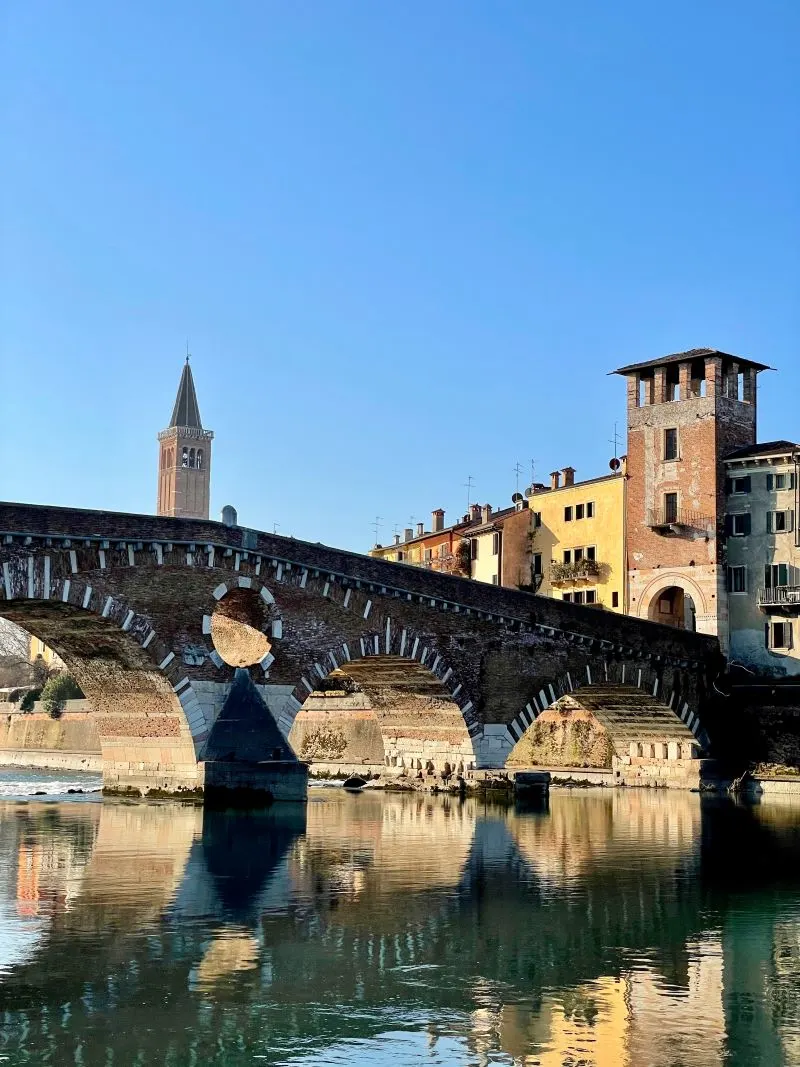
Discovering the Roman Ponte Pietra in Verona is like stepping back in time to witness the ancient engineering marvels of the Roman Empire. This historic bridge, spanning the Adige River, showcases the architectural prowess of the Romans and serves as a testament to Verona’s rich past.
The Ponte Pietra, also known as the Stone Bridge, is one of Verona’s most iconic landmarks. It dates back to the 1st century BC and was originally constructed using large stone blocks, a common Roman construction technique. Over the centuries, the bridge has undergone numerous restorations and modifications, but it still retains its Roman essence.
As you approach the Ponte Pietra, you’ll be captivated by its majestic presence. The bridge features a series of arches that gracefully stretch across the Adige River, connecting the two banks of Verona. The combination of stone materials and graceful arches creates a harmonious blend of strength and elegance.
Walking across the Ponte Pietra, you’ll be rewarded with breathtaking views of the river, the surrounding cityscape, and the picturesque hills beyond.
The bridge provides a vantage point to admire the beauty of Verona from a unique perspective and offers a tranquil escape from the bustling streets.
The Ponte Pietra has endured significant challenges throughout history. It has been damaged and rebuilt multiple times due to floods, wars, and natural disasters. The scars of these events are visible on the bridge, serving as reminders of Verona’s turbulent past.
The bridge also holds historical significance. It was an integral part of the ancient Roman road system and served as a crucial connection between the north and south of Italy.
It played a strategic role in trade and transportation, facilitating the movement of goods, armies, and travelers across the region.
While exploring the Ponte Pietra, you’ll have the opportunity to appreciate the craftsmanship and engineering ingenuity of the Romans. The precision and durability of their construction methods are evident in the enduring structure of the bridge.
The Ponte Pietra is not just a remarkable architectural feat; it’s also a symbol of Verona’s resilience and cultural heritage. It stands as a tangible link to the city’s past, inviting visitors to reflect on the history and legacy of this ancient crossing.
Visiting the Roman Ponte Pietra allows you to immerse yourself in Verona’s rich history, appreciate the remarkable achievements of the Romans, and enjoy the scenic beauty of the Adige River.
It’s an experience that connects you with the ancient world and invites contemplation about the passage of time and the enduring nature of human creations.
25. Visit the Teatro Romano Museum: Learn about Verona’s Roman history and see the archaeological remains of the ancient theater

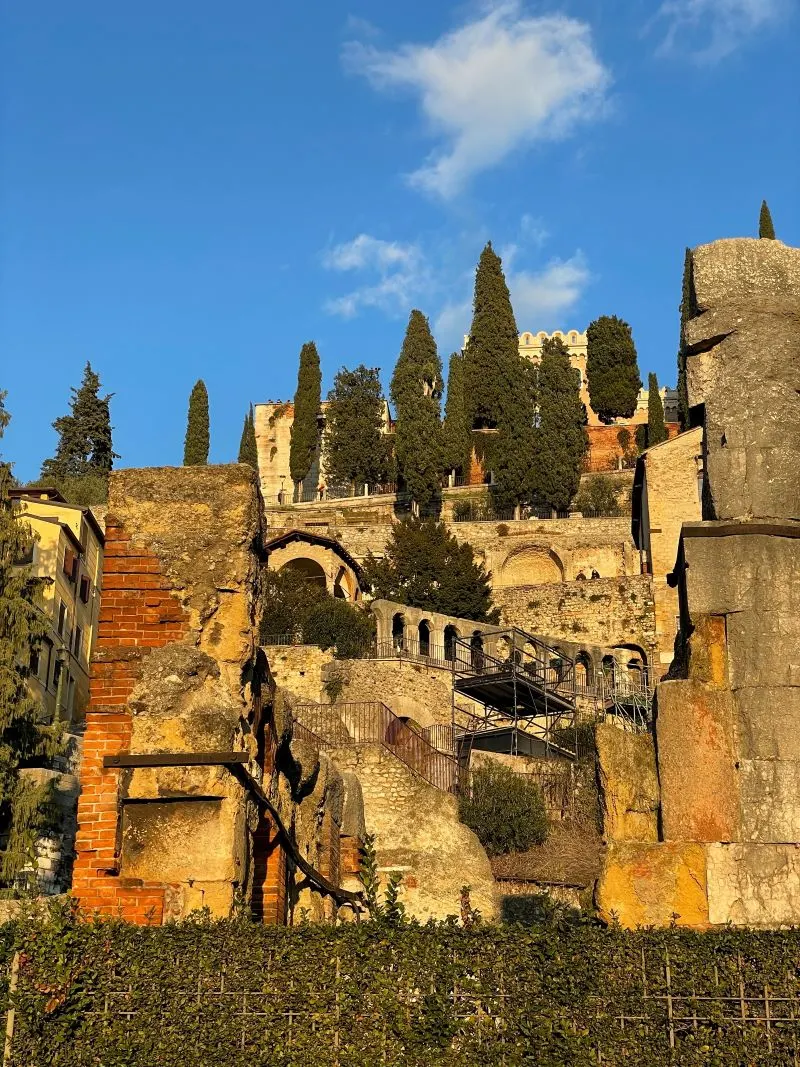
Visiting the Teatro Romano Museum in Verona provides a captivating journey into the ancient world of Roman theater and offers a unique glimpse into the city’s rich cultural and archaeological heritage.
The Teatro Romano Museum is located adjacent to the Roman Theater, a magnificent ancient amphitheater nestled on the hillside overlooking the Adige River.
The museum itself is housed within a modern building that blends seamlessly with the surrounding archaeological site, creating a harmonious fusion of ancient and contemporary architecture.
Upon entering the museum, you’ll embark on a fascinating exploration of Verona’s Roman past. The exhibits showcase a wealth of archaeological artifacts, models, and multimedia displays that bring to life the grandeur and spectacle of Roman theater.
The museum provides valuable insights into the construction and architectural features of the Teatro Romano (Roman Theater). You’ll have the opportunity to learn about the theater’s history, its role in ancient Roman society, and the performances that took place within its walls.
The exhibits highlight the meticulous craftsmanship and engineering prowess of the Romans, revealing the intricacies of the theater’s design and the techniques used to create its magnificent stage and seating areas.
As you wander through the museum, you’ll encounter a rich collection of artifacts that have been unearthed during archaeological excavations.
These include fragments of sculptures, decorative elements, inscriptions, and theatrical masks, all of which offer a tangible connection to the ancient past and provide a glimpse into the vibrant cultural life of Roman Verona.
The museum also showcases a series of informative panels and interactive displays that delve deeper into the historical and cultural context of the theater.
These exhibits provide valuable context on Roman theater practices, the types of performances that took place, and the significance of theater in ancient Roman society.
Beyond the exhibits, the Teatro Romano Museum often hosts temporary exhibitions and cultural events that further enhance the visitor experience. These exhibitions may focus on specific aspects of Roman theater, showcase related archaeological finds, or feature contemporary artworks inspired by the ancient world.
They offer a dynamic and ever-changing dimension to the museum, ensuring that each visit provides a fresh and enriching experience.
Visiting the Teatro Romano Museum is a chance to immerse yourself in Verona’s ancient past, to appreciate the artistic and architectural achievements of the Romans, and to gain a deeper understanding of the historical and cultural significance of Roman theater.
It’s an opportunity to connect with the city’s heritage, explore the remnants of its ancient grandeur, and witness the enduring power of artistic expression across the centuries.
Remember, Verona has much more to offer beyond this list, including charming streets, hidden gems, and delightful local cuisine. Enjoy your time exploring this enchanting city!
Food In Verona

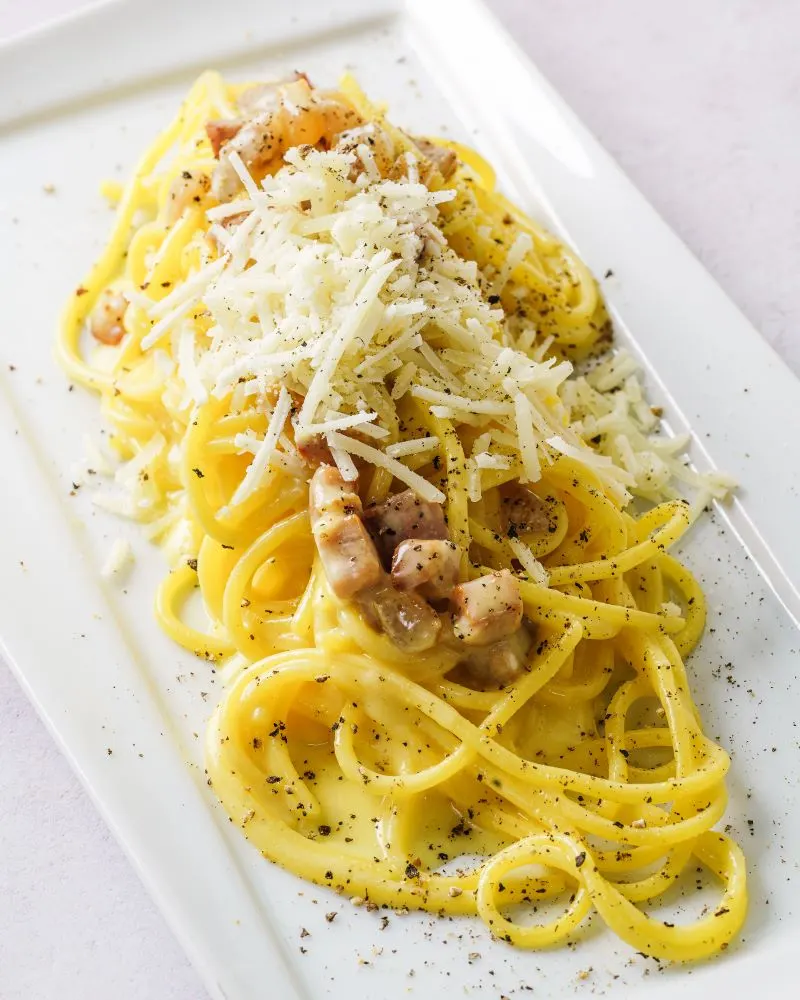
Verona, a city steeped in history and romance, is not only renowned for its stunning architecture and Shakespearean connections but also for its mouthwatering cuisine. Nestled in the heart of the Veneto region, Verona offers a gastronomic journey that tantalizes the taste buds and celebrates the rich culinary traditions of Italy.
From delectable pastas to succulent meats, and from velvety wines to heavenly desserts, Verona’s food scene promises a delightful adventure for food enthusiasts from around the world.
A Symphony of Flavors: Veronese cuisine is a symphony of flavors, influenced by the region’s geographical location and historical roots. The city’s proximity to Lake Garda and the surrounding fertile lands ensures a bountiful selection of fresh ingredients that form the foundation of its culinary creations.
Olive oil, locally produced cheeses, fresh seafood, and seasonal vegetables take center stage in Veronese dishes, delivering a vibrant and authentic dining experience.
Pasta Perfection: No culinary exploration of Verona would be complete without indulging in the city’s exquisite pasta dishes. From the classic “tortellini di Valeggio” to the comforting “bigoli con l’arna,” Verona offers a variety of pasta delicacies that will leave you craving more.
These handcrafted pasta dishes are often prepared with locally sourced ingredients and traditional recipes, ensuring an authentic taste that transports you straight to the heart of Verona’s culinary heritage.
Carnivorous Delights: Verona is a paradise for meat lovers, with dishes that showcase the city’s passion for high-quality cuts and traditional cooking techniques.
Sink your teeth into the succulent “pastissada de caval,” a slow-cooked horse meat stew steeped in rich flavors and aromatic spices. For something more rustic, try the hearty “cotechino con lenticchie,” a combination of tender sausage and lentils that warms the soul on a chilly day. Verona’s commitment to preserving culinary traditions ensures that each bite is an experience to remember.
Wine and Dine: Verona’s culinary journey is incomplete without the perfect wine pairing. The region is renowned for its wine production, particularly the bold and robust reds of Valpolicella. Sip on a glass of Amarone, Ripasso, or Valpolicella Classico, and allow the velvety flavors and fruity aromas to complement your meal.
Verona’s vineyards offer wine tastings and tours, providing an opportunity to learn about the winemaking process and appreciate the intricate artistry behind each bottle.
Dolce Vita: The grand finale of any Veronese feast is the sweet indulgence. Verona boasts a tempting array of desserts that will satisfy your sweet tooth. Sink your fork into a slice of “torta di riso,” a rice-based cake infused with aromatic notes of vanilla and lemon.
Delight in the pillowy softness of “pandoro,” a traditional Christmas cake that melts in your mouth. And of course, no visit to Verona is complete without a taste of “tiramisu,” the iconic Italian dessert that combines layers of creamy mascarpone, espresso-soaked ladyfingers, and a dusting of cocoa.
Conclusion: Verona’s culinary tapestry weaves together tradition, passion, and a deep-rooted appreciation for quality ingredients. Exploring the city’s food scene is an invitation to savor the rich flavors and indulge in the gastronomic delights that have shaped Veronese culture for centuries.
So, embark on a culinary adventure, immerse yourself in the vibrant markets, cozy trattorias, and family-owned osterias that grace the streets of Verona. Allow your taste buds to dance to the symphony of flavors, from the first bite of handmade pasta to the last spoonful of luscious dessert.
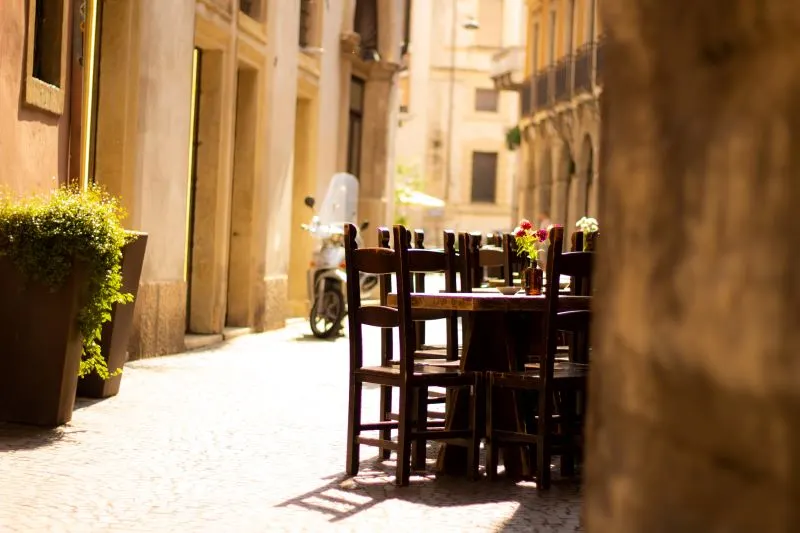
Top 20 Best Restaurants In Verona, Italy

- Osteria Sottoriva
- Trattoria al Pompiere
- Ristorante Maffei
- Bottega del Vino
- Osteria Il Bertoldo
- Locanda 4 Cuochi
- Ristorante Greppia
- Ristorante Ponte Pietra
- Antica Bottega del Vino
- Trattoria Muramare
- Osteria la Fontanina
- Osteria del Bugiardo
- Ristorante 12 Apostoli
- Trattoria al Bersagliere
- Ristorante Antico Caffè Dante
- Trattoria Caprini
- Locanda Ippopotamo
- Ristorante Il Desco
- Osteria Verona Antica
- Ristorante Al Pompiere
Remember to check their availability, opening hours, and make reservations when necessary. Enjoy your dining experiences in Verona!
Transportation In Verona
- Bus: Verona has an extensive public bus network operated by ATV (Azienda Trasporti Verona). Buses are a convenient and affordable way to travel within the city and reach different neighborhoods, attractions, and suburban areas. The bus routes cover the city center as well as the outskirts, making it easy to explore Verona’s various landmarks and points of interest.
- Trains: Verona is well-connected by train, allowing for easy travel to and from other cities in Italy and beyond. Verona Porta Nuova is the main train station and serves as a major hub for regional and national rail connections. From here, you can catch trains to cities like Venice, Milan, Florence, and Rome, among others. The train network offers a comfortable and efficient mode of transportation for both short and long distances.
- Taxis: Taxis are readily available in Verona, particularly at transportation hubs like the train station and major squares. You can easily hail a taxi on the street or find them at designated taxi stands. Taxis provide a convenient option for door-to-door transportation, especially if you prefer a more direct and private way to reach your destination. It’s important to note that fares may vary, and it’s advisable to check the taxi rates beforehand.
- Bicycles: Verona is a bicycle-friendly city, and cycling is a popular mode of transportation for locals and tourists alike. The city offers bike rental services, allowing you to explore Verona at your own pace. Additionally, Verona has dedicated bike lanes and paths, making it safe and enjoyable to cycle around the city. Bicycles provide a fantastic way to discover Verona’s charming streets, reach attractions, and soak in the city’s atmosphere.
- Walking: Verona’s city center is relatively compact and easily navigable on foot. Many of the main attractions, such as Juliet’s House, Piazza delle Erbe, and the Arena di Verona, are within walking distance of each other. Exploring Verona by foot allows you to soak up the city’s beauty, stumble upon hidden gems, and experience the charming atmosphere firsthand.
It’s important to note that some areas of the city center are pedestrian-only zones, which adds to the pedestrian-friendly environment and makes walking a convenient and enjoyable mode of transportation.
Verona’s transportation options offer flexibility and convenience, allowing you to choose the mode of transport that best suits your needs and preferences.
Whether you prefer the efficiency of buses and trains, the convenience of taxis, the freedom of cycling, or the charm of exploring on foot, Verona has options to cater to every traveler’s transportation preferences.
Verona, Italy, is a city that enchants visitors with its timeless beauty, rich history, and vibrant atmosphere. With a multitude of attractions and activities, there’s something for everyone to enjoy in this captivating city. Let’s conclude our exploration of the 25 best things to do in Verona:
From the grandeur of the Arena di Verona to the charming streets of the historic center, Verona’s architectural wonders take you on a journey through time.
Exploring the Piazza delle Erbe, climbing the Torre dei Lamberti, and visiting Juliet’s House immerse you in the city’s captivating history and romantic legends.
Verona’s cultural scene is a treasure trove of artistic and musical delights. Attending an opera performance at the Arena di Verona or experiencing a concert in one of the city’s churches offers an unforgettable cultural immersion.
The city’s museums, including the Museo di Castelvecchio and the Archeological Museum, showcase fascinating artifacts and art that reflect Verona’s rich heritage.
Food enthusiasts will delight in Verona’s culinary offerings. From savoring traditional Veronese dishes in local osterias to indulging in wine tastings in the nearby Valpolicella region, the city’s gastronomy is a treat for the senses.
Verona’s natural beauty also beckons exploration. Taking a bike ride along the Adige River or embarking on a boat tour of Lake Garda provides opportunities to immerse oneself in the region’s scenic landscapes.
Throughout your visit, the warmth and hospitality of the Veronese people will leave a lasting impression. Their genuine love for their city and willingness to share its treasures create a welcoming and vibrant atmosphere that enhances every experience.
As you conclude your journey through Verona, you’ll carry with you memories of ancient Roman ruins, romantic tales, delectable flavors, and the rich cultural tapestry that defines this enchanting city. Verona’s allure lies not only in its iconic landmarks and attractions but also in its ability to capture the hearts of those who explore its streets and embrace its timeless charm.
So, whether you’re admiring the ancient amphitheater, strolling through picturesque squares, or simply savoring a gelato while basking in the city’s ambiance, Verona invites you to embrace its beauty and create your own unforgettable moments in this Italian gem.
Verona is a city that lingers in your heart long after you bid it farewell, leaving you with a yearning to return and experience its magic once again.
Leave a comment