




Lisbon, the capital city of Portugal, is a vibrant and captivating destination that seamlessly blends rich history, breathtaking architecture, vibrant culture, and a laid-back coastal atmosphere.
Located on the western coast of Portugal, Lisbon is a city of seven hills, offering stunning panoramic views of the Tagus River and the Atlantic Ocean.
Lisbon’s history stretches back centuries, and its past is palpable as you wander through its winding streets and historic neighborhoods. The city boasts a fascinating blend of architectural styles, from Moorish influences to Gothic, Renaissance, and Baroque designs.
The iconic São Jorge Castle, perched atop one of the city’s hills, serves as a reminder of Lisbon’s medieval past, while the historic district of Belém showcases grand monuments such as the Belém Tower and the Jerónimos Monastery, both UNESCO World Heritage sites.
The city’s neighborhoods each have their own unique charm. Alfama, with its narrow streets and colorful houses, is the oldest district and a symbol of Lisbon’s authenticity.
Bairro Alto is known for its vibrant nightlife and bohemian atmosphere, while Chiado offers a mix of trendy boutiques, historic cafés, and cultural landmarks. Graça and Mouraria are historic neighborhoods with stunning viewpoints that provide panoramic vistas of the city.
Lisbon is a city of arts and culture, with numerous museums, galleries, and theaters. The Calouste Gulbenkian Museum houses an impressive collection of art, spanning various periods and cultures.
The LX Factory, a creative hub located in a former industrial complex, showcases a mix of art, design, shops, and dining establishments. The MAAT (Museum of Art, Architecture, and Technology) is a contemporary cultural center that hosts exhibitions and events focusing on art, architecture, and technology.
Portuguese cuisine is a highlight of any visit to Lisbon. The city is known for its fresh seafood, delectable pastries, and robust wines.
Don’t miss the opportunity to try the famous pastel de nata, a traditional Portuguese custard tart, and enjoy a meal at a local restaurant to savor traditional dishes like bacalhau (salted cod) and grilled sardines.
Lisbon’s climate is mild and pleasant, with warm summers and mild winters, making it a year-round destination. The city’s coastal location also provides opportunities for relaxation and leisure.
The nearby beaches of Cascais and Estoril offer sandy shores and excellent water sports, while the riverside area of Cais do Sodré provides a lively atmosphere with bars, restaurants, and a promenade perfect for a leisurely stroll.
Lisbon’s warm and welcoming spirit, coupled with its rich history and cultural heritage, creates an enchanting destination that captivates visitors.
Whether you’re exploring its historic landmarks, indulging in its culinary delights, or simply enjoying the laid-back atmosphere, Lisbon offers an unforgettable experience that blends old-world charm with a modern twist.
1. Explore the historic district of Alfama


The historic district of Alfama is one of the oldest and most charming neighborhoods in Lisbon. It is known for its narrow winding streets, steep hills, and traditional architecture, which gives visitors a glimpse into the city’s rich history.
Exploring Alfama is like stepping back in time. As you wander through its labyrinthine streets, you’ll encounter picturesque alleys adorned with colorful tiles, small squares filled with cozy cafes and restaurants, and hidden corners that seem frozen in time. The neighborhood’s rustic charm and preserved medieval atmosphere create a unique and enchanting ambiance.
Alfama is also home to some of Lisbon’s iconic landmarks, such as the São Jorge Castle, perched on a hilltop and offering breathtaking views of the city and the Tagus River.
The castle itself is a historical treasure, with its imposing walls, towers, and archaeological sites that tell stories of the city’s past.
One of the highlights of exploring Alfama is encountering the traditional Fado music, which reverberates through its narrow streets. Fado, a soulful and melancholic music genre, is deeply intertwined with Portuguese culture, and you can find numerous Fado houses where you can experience live performances.
In addition to its historical and cultural significance, Alfama is also a neighborhood where locals live and carry out their daily routines. You’ll come across charming little shops, local markets, and authentic taverns where you can try traditional Portuguese cuisine and sip on a glass of wine.
2. Visit the iconic Belém Tower and Jerónimos Monastery


Visiting the iconic Belém Tower and Jerónimos Monastery is a must when exploring Lisbon. These two historical landmarks are located in the picturesque neighborhood of Belém, situated along the banks of the Tagus River.
Belém Tower, also known as the Tower of St. Vincent, is a UNESCO World Heritage site and a symbol of the Age of Discoveries. Built in the 16th century, the tower served as a fortress and played a crucial role in Portugal’s maritime history.
Its unique Manueline architectural style, characterized by intricate stone carvings and maritime motifs, makes it a remarkable sight to behold. Visitors can climb to the top of the tower and enjoy panoramic views of the river and the surrounding area.
Next to the tower lies the magnificent Jerónimos Monastery, another UNESCO World Heritage site. This stunning architectural masterpiece was built in the 16th century and showcases the exuberance of Manueline style. The monastery is a tribute to Portugal’s maritime achievements and the Age of Discoveries.
Its grand façade is adorned with elaborate stone carvings depicting intricate maritime motifs, religious figures, and scenes from Portuguese history.
Inside the monastery, you’ll find the breathtaking Church of Santa Maria, with its impressive vaulted ceilings and beautiful stained glass windows. The church is the final resting place of famous Portuguese explorers, including Vasco da Gama.
Exploring the Jerónimos Monastery and Belém Tower allows you to immerse yourself in the rich history of Portugal’s maritime past. The intricate details, stunning architecture, and historical significance of these landmarks offer a glimpse into the country’s Golden Age of Exploration.
Moreover, the neighborhood of Belém itself is worth exploring. It offers a serene and scenic atmosphere with wide, open spaces perfect for a leisurely stroll. You can also visit the nearby Discoveries Monument, which pays homage to Portugal’s explorers, or indulge in the famous Pastéis de Belém, a delectable Portuguese custard tart, at the renowned Pastéis de Belém bakery.
3. Wander through the streets of the colorful neighborhood of Bairro Alto


Wander through the streets of the colorful neighborhood of Bairro Alto is an experience that encapsulates the vibrant and lively atmosphere of Lisbon. Situated in the heart of the city, Bairro Alto is known for its narrow streets, colorful buildings, and bustling nightlife.
As you explore Bairro Alto, you’ll find yourself immersed in a maze of charming streets adorned with colorful facades, traditional tiled buildings, and decorative balconies.
The neighborhood has a distinct bohemian feel, with an eclectic mix of traditional and contemporary elements that create a unique and vibrant ambiance.
During the day, Bairro Alto exudes a relaxed and laid-back vibe. You can leisurely wander through its streets, stopping by quaint shops, traditional taverns, and local boutiques. The neighborhood is a treasure trove for art enthusiasts, as you’ll find numerous art galleries showcasing the works of local artists and artisans.
However, it’s in the evenings that Bairro Alto truly comes alive. The neighborhood is renowned for its lively nightlife scene, attracting both locals and visitors alike. The streets become animated as the bars, clubs, and restaurants open their doors, filling the air with music and laughter.
You can explore the countless bars and taverns, each with its own unique charm, and enjoy live music, traditional Fado performances, or simply mingle with the friendly locals.
Bairro Alto is also known for its viewpoints, offering panoramic views of the city and the Tagus River. One such viewpoint is the Miradouro de São Pedro de Alcântara, where you can relax on a bench, enjoy the breathtaking views, and soak in the lively atmosphere of the neighborhood.
Whether you’re exploring during the day or indulging in the vibrant nightlife, wandering through the streets of Bairro Alto offers an exciting and captivating experience.
Its colorful charm, lively ambiance, and diverse array of shops, bars, and restaurants make it a must-visit neighborhood for those seeking to immerse themselves in the energy and spirit of Lisbon.
4. Take a tram ride on Tram 28, which winds through the city’s historic quarters


Taking a tram ride on Tram 28 is a quintessential Lisbon experience that allows you to explore the city’s historic quarters while enjoying a charming and nostalgic mode of transportation. Tram 28 is one of the most iconic tram lines in Lisbon, renowned for its scenic route and historic significance.
Boarding Tram 28 is like stepping into a time capsule. The vintage yellow tram, with its polished wood interiors and rattling wheels, takes you on a journey through narrow streets, steep hills, and picturesque neighborhoods.
The tram winds its way through the historic districts of Graça, Alfama, Baixa, and Estrela, offering a unique perspective of the city’s architectural gems and vibrant atmosphere.
As the tram ascends the hills and navigates tight corners, you’ll have the opportunity to admire the traditional tiled facades, colorful buildings, and charming squares that line the route.
Tram 28 passes by several notable landmarks, including Sé Cathedral, São Jorge Castle, and the viewpoints of Miradouro da Graça and Miradouro das Portas do Sol, where you can pause and soak in panoramic views of the city.
One of the highlights of the Tram 28 journey is passing through the narrow streets of Alfama, Lisbon’s oldest neighborhood.
Here, you’ll witness the authentic essence of the city, with its traditional houses, Fado music wafting from the taverns, and locals going about their daily lives. It’s an opportunity to experience the charm and character that has defined Lisbon for centuries.
The tram ride itself is an experience to cherish. As you sit on the vintage wooden seats, listening to the familiar clatter of the tracks and feeling the gentle sway of the tram, you’ll be transported back in time.
The ride offers a glimpse into the rich history and soul of Lisbon, as you traverse the same paths that locals and visitors have taken for generations.
It’s important to note that Tram 28 is a popular tourist attraction, so it can get quite crowded, especially during peak hours. It’s advisable to plan your ride accordingly to avoid long queues. Additionally, be cautious of pickpockets, as crowded trams can be a target for petty theft.
5. Discover the beautiful São Jorge Castle and enjoy panoramic views of the city


Discovering the beautiful São Jorge Castle is a must-do activity when visiting Lisbon. Perched high on a hill in the historic Alfama district, São Jorge Castle offers panoramic views of the city and provides a fascinating glimpse into Lisbon’s rich history.
The castle itself is a magnificent medieval fortress that dates back to the 11th century. As you approach the castle, you’ll be greeted by its imposing walls, towers, and battlements, which evoke a sense of grandeur and strength. The castle’s strategic location atop the hill offers commanding views of the Tagus River, the city’s rooftops, and the surrounding landscape.
Once inside the castle, you’ll have the opportunity to explore its vast grounds and uncover the layers of history that have shaped Lisbon. Walking along the ramparts, you can imagine the castle’s former role as a defensive stronghold, providing protection for the city against invasions and sieges.
As you wander through the castle complex, you’ll come across several interesting features and points of interest. The archaeological site showcases remnants of past civilizations, including Roman and Moorish influences. The castle’s gardens offer tranquil spaces to relax and enjoy the scenic views.
You’ll also find the Camera Obscura, a unique attraction that uses optical devices to project live, panoramic views of the city onto a concave screen.
In addition to the castle itself, São Jorge Castle is home to the Lisbon Story Centre, an interactive museum that delves into the city’s history and heritage.
Through multimedia exhibits, you can learn about Lisbon’s evolution from its early days to the present, gaining insights into its cultural, social, and architectural transformations.
One of the highlights of a visit to São Jorge Castle is undoubtedly the breathtaking views it offers. From various vantage points along the castle walls, you can admire sweeping panoramas of the city, including iconic landmarks like the Ponte 25 de Abril bridge and the Cristo Rei statue.
Whether you’re a history enthusiast, a lover of panoramic views, or simply seeking a tranquil escape from the bustling city below, a visit to São Jorge Castle is an enriching and memorable experience. It allows you to step back in time, appreciate architectural marvels, and gain a deeper understanding of Lisbon’s fascinating past.
6. Stroll along the lively waterfront area of Cais do Sodré


Strolling along the lively waterfront area of Cais do Sodré is a vibrant and enjoyable experience in Lisbon. Located along the Tagus River, Cais do Sodré has undergone a transformation in recent years, evolving into a trendy and bustling district with a vibrant mix of attractions, entertainment, and cultural hotspots.
As you stroll along the waterfront, you’ll be captivated by the lively atmosphere and the energy that permeates the area. The district offers a seamless blend of the old and the new, with its historic buildings and contemporary establishments coexisting harmoniously.
Cais do Sodré is known for its bustling market, Mercado da Ribeira, which showcases a fusion of traditional market stalls and gourmet food vendors. Inside the market, you’ll find an array of culinary delights, ranging from fresh produce and seafood to gourmet dishes and artisanal treats. It’s a great place to indulge in traditional Portuguese cuisine or try out innovative gastronomic creations.
The neighborhood is also famous for its vibrant nightlife scene. As the sun sets, Cais do Sodré comes alive with its numerous bars, clubs, and music venues. It has become a popular destination for those seeking a lively evening out, with its array of options catering to different tastes and preferences.
Beyond its culinary and nightlife offerings, Cais do Sodré boasts picturesque views of the Tagus River. The waterfront promenade provides a pleasant place to take a leisurely stroll, enjoy the fresh air, and appreciate the river’s tranquil beauty.
You can watch the boats sail by, observe the iconic Ponte 25 de Abril bridge in the distance, or simply find a spot to relax and take in the lively ambiance.
In recent years, Cais do Sodré has also witnessed the emergence of innovative cultural spaces and art venues. From art galleries and exhibition spaces to live music venues and theaters, there’s a wealth of artistic and cultural experiences to explore in the district.
7. Visit the Lisbon Oceanarium, one of the largest aquariums in Europe


Visiting the Lisbon Oceanarium is a captivating experience that allows you to explore the wonders of the marine world right in the heart of Lisbon. Located in the Parque das Nações district, the oceanarium is one of the largest and most impressive aquariums in Europe.
Upon entering the oceanarium, you’ll find yourself immersed in an aquatic paradise. The building itself is a modern architectural marvel, designed to resemble an enormous floating structure.
As you step inside, you’ll be greeted by a vast central tank, which acts as the main exhibit, and several smaller tanks showcasing different marine habitats.
The main tank, called the “Ocean Tank,” is home to a diverse array of marine species, including sharks, rays, and various types of fish. The tank is so large that it gives the impression of an underwater world stretching out endlessly. You can observe the graceful movements of the inhabitants as they swim by, creating a mesmerizing and immersive experience.
Throughout the oceanarium, you’ll encounter different themed exhibits, each representing a specific ocean habitat. From the tropical Indian Ocean to the chilly Antarctic, these exhibits offer a glimpse into the rich biodiversity and ecosystems of various regions. You’ll have the opportunity to see fascinating marine creatures like seahorses, jellyfish, penguins, sea otters, and even playful sea turtles.
In addition to the diverse marine life, the Lisbon Oceanarium is dedicated to raising awareness about conservation and the importance of protecting our oceans. Educational displays and interactive exhibits provide insights into marine conservation efforts and the challenges faced by the world’s oceans.
The oceanarium also offers unique experiences such as scheduled feedings and presentations by knowledgeable staff members, providing you with interesting facts and stories about the different species residing in the aquarium.
With its innovative design, captivating exhibits, and commitment to marine conservation, the Lisbon Oceanarium offers an immersive and educational experience for visitors of all ages.
It’s a place where you can marvel at the beauty of the underwater world, learn about marine ecosystems, and develop a deeper appreciation for the importance of ocean conservation efforts.
8. Explore the picturesque neighborhood of Chiado, known for its elegant shops and cafes

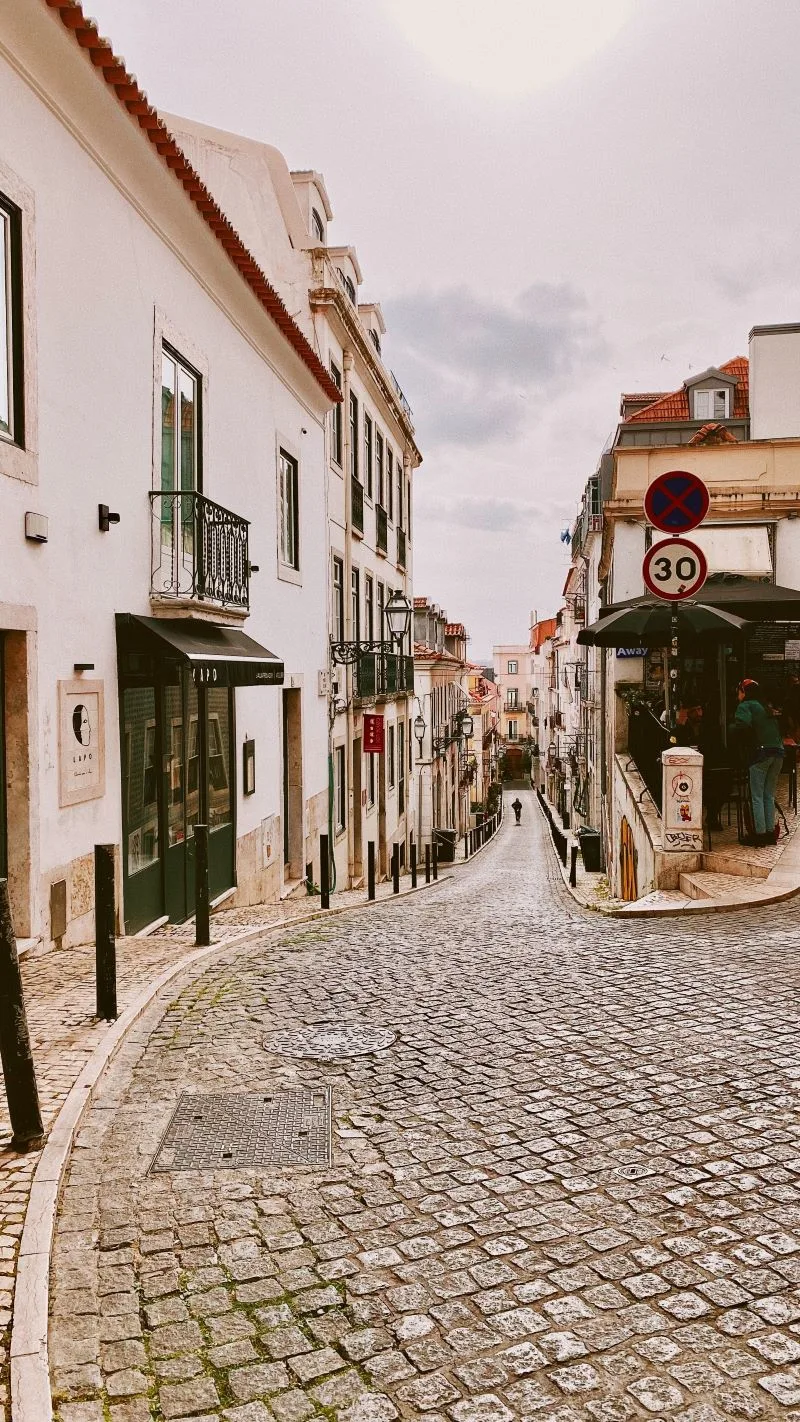
Exploring the picturesque neighborhood of Chiado is a delightful experience that encapsulates the essence of Lisbon’s charm, culture, and history. Located in the heart of the city, Chiado is a vibrant district known for its elegant streets, fashionable boutiques, historic cafes, and artistic ambiance.
As you venture into Chiado, you’ll find yourself surrounded by beautifully designed buildings, adorned with ornate facades and decorative tiles.
The neighborhood has a refined and sophisticated atmosphere, offering a mix of classic and contemporary elements that create a unique and captivating ambiance.
Chiado is a hub of cultural activity, with a rich artistic heritage. The area has been a gathering place for writers, poets, and artists throughout history. It’s home to several historical landmarks, including the iconic National Theater of São Carlos, a neoclassical opera house that hosts world-class performances, and the Carmo Convent, a partially ruined convent that now serves as an archaeological museum.
The streets of Chiado are lined with an eclectic mix of shops, from upscale boutiques to trendy concept stores and traditional bookshops. It’s a paradise for fashion enthusiasts and those seeking unique souvenirs or local artisanal products.
The neighborhood also houses the famous Bertrand Bookstore, considered one of the oldest bookstores in the world, where you can browse through a vast collection of literary works.
In addition to its cultural and shopping offerings, Chiado is renowned for its thriving café scene. The district is dotted with historic cafes that have long been gathering places for intellectuals and artists.
These establishments, such as A Brasileira and Café Nicola, exude a nostalgic charm and offer the perfect setting for a leisurely coffee or a delicious pastry, while soaking in the vibrant atmosphere.
Chiado is also home to the Santa Justa Lift, an iconic iron elevator that connects the lower streets of Baixa with the elevated neighborhood. Taking a ride on this elegant elevator provides stunning views of the city and is a popular attraction for visitors.
9. Take a boat trip along the Tagus River and enjoy the views of the city


Taking a boat trip along the Tagus River is a wonderful way to experience Lisbon’s beauty from a different perspective and enjoy the scenic charm of the city’s waterfront.
The Tagus River, also known as the Tejo River, flows through the heart of Lisbon, offering breathtaking views and a unique vantage point to admire the city’s landmarks.
As you embark on a boat trip, you’ll have the opportunity to witness Lisbon’s iconic skyline, with its mix of historic and contemporary architecture.
The river cruise allows you to appreciate the city’s grandeur as you glide along the water, passing by notable landmarks such as Belém Tower, the 25 de Abril Bridge, and the Cristo Rei statue.
The boat trip offers a tranquil and relaxing experience, allowing you to soak in the serene atmosphere of the river. You can enjoy the gentle breeze, take in the panoramic views, and capture memorable photos of Lisbon’s waterfront and its impressive landmarks.
One of the highlights of the boat trip is the chance to admire the stunning sunset over the Tagus River. As the golden hour approaches, the sky transforms into a colorful palette, casting a warm glow over the city. Watching the sunset from the river creates a magical ambiance and offers a picturesque backdrop for your journey.
In addition to the stunning views, some boat trips along the Tagus River may offer onboard amenities and entertainment. You might find informative commentary about the history and significance of the landmarks you pass, live music performances, or even dinner cruises where you can indulge in delicious cuisine while enjoying the river views.
Whether you choose a short sightseeing tour or a more extended cruise, taking a boat trip along the Tagus River provides a unique perspective on Lisbon’s beauty.
It’s an opportunity to appreciate the city’s architectural marvels, enjoy the tranquility of the water, and create lasting memories of your time in Lisbon.
10. Visit the National Tile Museum and admire the exquisite Portuguese tilework


Visiting the National Tile Museum, also known as the Museu Nacional do Azulejo, is a captivating experience that showcases the rich history and artistry of Portuguese tiles, known as azulejos. Housed in the 16th-century Madre de Deus Convent, the museum offers a comprehensive collection of decorative tiles that span centuries of craftsmanship.
Upon entering the National Tile Museum, you’ll be greeted by an impressive display of azulejos that adorn the museum’s interior walls.
These intricately designed tiles feature a wide range of themes, from religious and historical narratives to scenes depicting daily life, landscapes, and geometric patterns. The tiles are renowned for their vibrant colors, detailed craftsmanship, and their ability to transform ordinary spaces into stunning works of art.
The museum’s collection allows you to trace the evolution of tile production in Portugal, from the early influences of Moorish and Spanish tile traditions to the intricate blue and white tiles that became iconic during the 17th and 18th centuries. You can explore various styles, techniques, and themes that reflect the country’s cultural heritage and its historical context.
The museum showcases not only individual tiles but also larger tile panels that once adorned churches, palaces, and private residences.
These grand panels provide a sense of the scale and impact of tile installations, as well as the stories they convey. One of the highlights of the museum is the stunning 18th-century “Panorama of Lisbon” panel, a masterpiece that offers a panoramic view of the city as it appeared before the devastating 1755 earthquake.
As you navigate through the museum’s halls and galleries, you’ll also have the opportunity to learn about the tile-making process, the techniques employed, and the cultural significance of azulejos in Portuguese society.
The museum provides insights into the craftsmanship involved in creating these intricate tiles, from the delicate hand-painted tiles to the more recent innovations in tile production.
The National Tile Museum is not only a treasure trove for tile enthusiasts but also a cultural institution that celebrates the unique art form that has become an integral part of Portugal’s identity.
It offers a fascinating journey through the history, beauty, and significance of azulejos, providing a deeper understanding of the country’s artistic heritage.
11. Explore the historic neighborhood of Mouraria, known for its traditional Fado music


Exploring the historic neighborhood of Mouraria is a fascinating journey through Lisbon’s multicultural past and a vibrant present. Located in the heart of the city, Mouraria is one of Lisbon’s oldest neighborhoods, known for its narrow streets, colorful facades, and rich cultural heritage.
Mouraria is historically significant as the birthplace of Fado, Portugal’s soulful and melancholic music genre. As you wander through its streets, you’ll feel the echoes of Fado’s origins, with small Fado houses and taverns hidden in the corners, where you can experience authentic performances of this heartfelt musical tradition.
The neighborhood’s history is intertwined with its multicultural character. Mouraria was once home to Moorish settlers, Jewish communities, and later welcomed immigrants from different parts of the world. This diverse heritage has left its mark on the neighborhood’s architecture, traditions, and culinary offerings.
Exploring Mouraria allows you to immerse yourself in its narrow and winding streets, where you can admire the charming buildings adorned with traditional tiles and decorative ironwork.
The neighborhood’s authenticity and cultural richness can be felt in the local shops, markets, and traditional cafes that have been serving the community for generations.
Mouraria is also known for its vibrant street art scene, with numerous colorful murals and graffiti adorning the walls. These artistic expressions add a contemporary touch to the neighborhood’s historic charm, creating a dynamic blend of old and new.
As you explore Mouraria, you’ll come across small squares and hidden corners that offer tranquil spots to rest and soak in the atmosphere.
Largo da Achada and Largo do Intendente are two notable squares that have undergone revitalization in recent years, becoming lively gathering places where locals and visitors come together.
Culinary enthusiasts will find delight in Mouraria’s diverse food scene. The neighborhood is home to various restaurants and eateries that serve traditional Portuguese dishes alongside international flavors. From cozy tasquinhas (taverns) to innovative gastronomic experiences, there’s a range of options to satisfy your taste buds.
Mouraria is a neighborhood that embraces its cultural heritage while embracing the dynamics of modern Lisbon. Its historic charm, multicultural influences, and vibrant atmosphere make it an enchanting place to explore.
Whether you’re seeking a taste of Fado, an immersion in local traditions, or simply a stroll through quaint streets, Mouraria offers a unique and authentic experience that captures the spirit of Lisbon.
12. Take a day trip to the nearby town of Sintra and visit its enchanting palaces

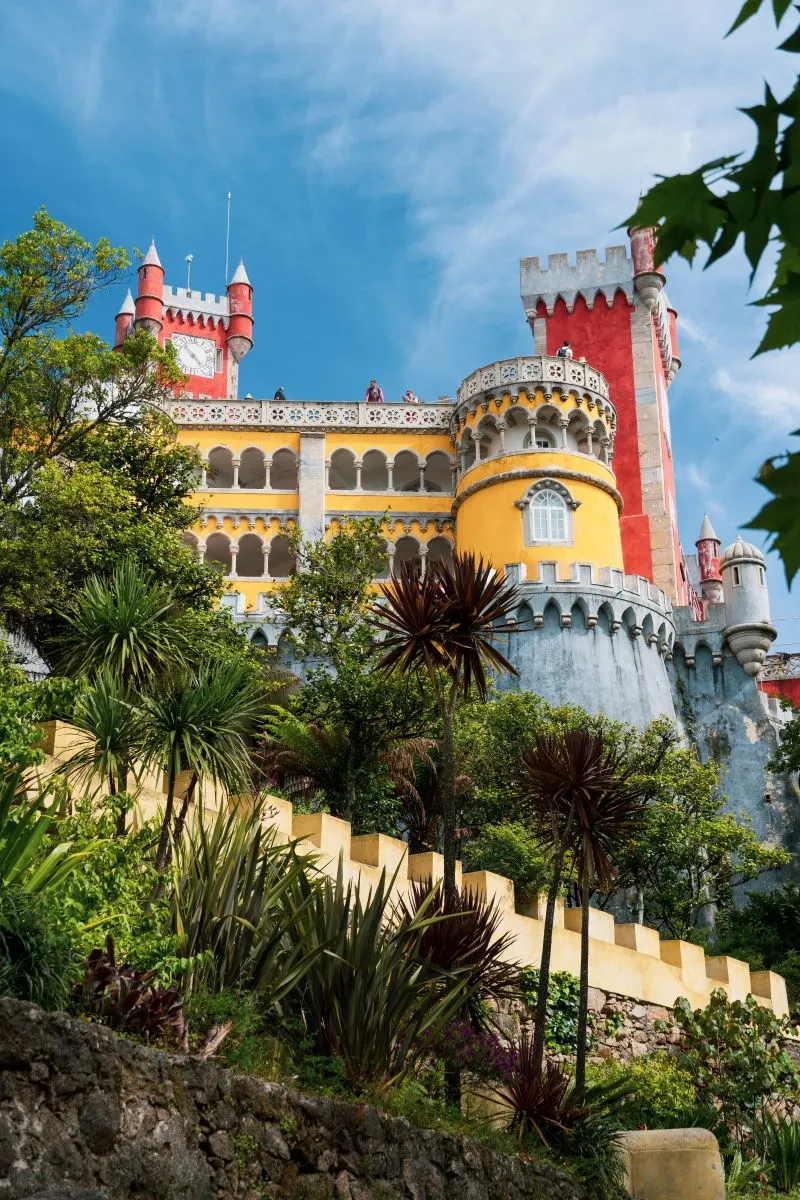
Taking a day trip to the nearby town of Sintra is like stepping into a fairytale. Located just a short distance from Lisbon, Sintra is a UNESCO World Heritage site renowned for its enchanting landscapes, stunning palaces, and romantic atmosphere.
As you arrive in Sintra, you’ll be greeted by a picturesque town nestled among lush green hills. The town’s charm lies in its unique blend of natural beauty and architectural wonders. Sintra’s historic center is filled with cobblestone streets, traditional houses, and charming shops, creating a delightful atmosphere for exploration.
One of the main highlights of a visit to Sintra is its collection of fairytale-like palaces and castles. Pena Palace, perched on top of a hill, is a colorful and eclectic masterpiece that combines Gothic, Renaissance, and Moorish architectural styles. Its vibrant hues, intricate details, and panoramic views of the surrounding landscape make it a must-visit attraction.
Another prominent landmark is the Quinta da Regaleira, an enchanting palace surrounded by mystical gardens, underground tunnels, and hidden symbolism.
Exploring the Quinta da Regaleira feels like embarking on a magical journey, discovering secret passages, grottoes, and the famous initiation well.
Sintra is also home to the Moorish Castle, an ancient fortress with panoramic views over the town and surrounding countryside. The castle’s imposing walls, towers, and battlements transport visitors back in time, offering a glimpse into Portugal’s rich history.
Beyond the palaces and castles, Sintra boasts breathtaking natural landscapes. The Sintra-Cascais Natural Park surrounds the town, offering stunning vistas, dense forests, and hiking trails. The Park is home to the iconic Cabo da Roca, the westernmost point of continental Europe, where you can marvel at dramatic cliffs and endless ocean views.
To complete your day trip, don’t miss the opportunity to savor Sintra’s traditional pastries. The town is famous for its “travesseiros” and “queijadas,” delicious sweet treats made with almonds, eggs, and cinnamon. You can indulge in these delicacies in local pastry shops and cafés, adding a culinary delight to your Sintra experience.
Sintra’s charm, with its combination of architectural wonders, natural beauty, and a touch of magic, makes it a popular destination for day-trippers from Lisbon.
Exploring this fairytale town allows you to immerse yourself in a world of enchantment, history, and natural splendor, leaving you with lasting memories of a truly unforgettable day.
13. Visit the Calouste Gulbenkian Museum, home to an impressive art collection

A visit to the Calouste Gulbenkian Museum is a journey through art, culture, and history. Located in Lisbon, Portugal, the museum is named after Calouste Gulbenkian, an Armenian art collector and philanthropist who assembled an impressive collection of artworks from around the world.
The museum showcases a diverse range of art spanning different time periods and cultures. As you enter the museum, you’ll be greeted by a stunning collection of Egyptian artifacts, including sculptures, jewelry, and funerary objects. These ancient treasures provide a glimpse into the rich history and mythology of ancient Egypt.
Moving through the museum, you’ll encounter European art from various periods, including works from the Renaissance, Baroque, and modern eras.
The collection features paintings, sculptures, and decorative arts, offering an overview of European artistic developments throughout the centuries. You can admire masterpieces by renowned artists such as Rembrandt, Rubens, Monet, Renoir, and Degas, among others.
One of the highlights of the Calouste Gulbenkian Museum is its collection of Oriental art. It houses an extensive selection of Islamic art, including ceramics, carpets, and textiles.
The intricate designs and delicate craftsmanship of these artworks provide insight into the rich cultural heritage of the Islamic world.
The museum also features an impressive collection of Lalique jewelry, showcasing the exquisite creations of renowned French glassmaker René Lalique. These intricate and beautifully crafted pieces demonstrate the fusion of art and craftsmanship.
Aside from its permanent collection, the Calouste Gulbenkian Museum also hosts temporary exhibitions that explore different themes and artistic movements, offering fresh perspectives and new discoveries for visitors.
The museum is set within a serene and lush garden, providing a tranquil oasis in the heart of the city. The garden is meticulously landscaped and features ponds, sculptures, and winding paths, creating a peaceful ambiance that invites contemplation and relaxation.
The Calouste Gulbenkian Museum offers not only an impressive collection of art but also a rich cultural experience. The museum’s design, with its spacious galleries and thoughtful presentation, allows visitors to appreciate the artworks in a contemplative and engaging manner.
14. Enjoy a traditional Portuguese meal at a local restaurant


Enjoying a traditional Portuguese meal at a local restaurant is a delightful culinary experience that allows you to savor the flavors, ingredients, and rich gastronomic heritage of Portugal.
Portuguese cuisine is known for its simplicity, freshness, and the use of high-quality ingredients, resulting in delicious and hearty dishes.
When you step into a local restaurant in Portugal, you’ll often be welcomed by a warm and friendly atmosphere. The ambiance is typically relaxed, inviting you to sit back, unwind, and enjoy a leisurely meal.
To start your traditional Portuguese meal, you might begin with appetizers known as “petiscos” or “entradas.” These can include a variety of dishes, such as olives, cheeses, cured meats, and traditional codfish cakes called “bolinhos de bacalhau.”
Accompanying your meal, you can also enjoy a refreshing glass of Portuguese wine or perhaps a traditional local beverage such as “vinho verde” or “sangria.”
Moving on to the main course, you’ll find a range of mouthwatering options that showcase the country’s culinary diversity.
Seafood plays a prominent role in Portuguese cuisine, thanks to the country’s extensive coastline. Grilled sardines, seafood rice, or a traditional dish like “bacalhau à Brás” (salted cod with scrambled eggs and potatoes) are popular choices.
Meat lovers will delight in the hearty and flavorful Portuguese meat dishes. The “cozido à portuguesa” is a classic dish consisting of a variety of boiled meats, sausages, and vegetables. Another beloved specialty is the “frango piri-piri,” or grilled chicken marinated in a spicy sauce.
Accompanying your main course, you can expect an assortment of side dishes such as Portuguese-style rice, sautéed vegetables, or the famous “batatas fritas” (fried potatoes). These sides complement the flavors of the main dish and add to the overall dining experience.
To complete your traditional Portuguese meal, indulge in a delectable dessert. Portugal is renowned for its sweet treats, such as the creamy and caramelized “pastéis de nata” (custard tarts), the rich and velvety “mousse de chocolate,” or the refreshing “serradura” (sawdust pudding) made with layers of cream and crushed cookies.
Throughout your dining experience, you’ll likely encounter friendly and attentive service, allowing you to relax and savor each moment.
Local restaurants often pride themselves on providing a genuine taste of Portuguese hospitality, creating a welcoming environment that adds to the overall enjoyment of your meal.
Enjoying a traditional Portuguese meal at a local restaurant is not just about the food itself but also about embracing the culture, traditions, and flavors that define Portuguese gastronomy. It’s an opportunity to immerse yourself in the culinary heritage of the country and create lasting memories of your visit to Portugal.
15. Take a ride on the Santa Justa Elevator for panoramic views of the city


Taking a ride on the Santa Justa Elevator is a unique and memorable experience that offers panoramic views of Lisbon’s historic center. This iconic wrought-iron elevator, located in the heart of the city, is an architectural gem and a testament to the industrial and engineering prowess of the late 19th century.
The Santa Justa Elevator, also known as Elevador de Santa Justa, was designed by the Portuguese engineer Raoul Mesnier du Ponsard, an apprentice of Gustave Eiffel. Its elegant structure, adorned with intricate Neo-Gothic details, stands tall and provides a fascinating glimpse into the city’s past.
As you approach the elevator, you’ll be captivated by its impressive height, rising up to connect the lower Baixa district with the elevated Carmo Square. The elevator is a striking visual landmark, with its ornate ironwork and decorative arches that create an air of grandeur.
Once inside the elevator, you’ll ascend smoothly to the top, reaching the viewing platform that offers breathtaking views of Lisbon’s historic center.
From this vantage point, you can admire the charming red rooftops, the winding streets, and the picturesque squares that make up the cityscape. The views stretch out to the Tagus River, providing a glimpse of the water shimmering in the distance.
The Santa Justa Elevator not only offers panoramic views but also serves as a bridge between different levels of the city. At the top, you’ll find the Carmo Square, a historic square with remnants of the Carmo Convent, which was largely destroyed during the 1755 earthquake. The square is a peaceful oasis, providing a contrast to the bustling streets below.
Beyond its practical function, the Santa Justa Elevator has become an emblematic symbol of Lisbon, drawing visitors from around the world. Its elegant design, intricate ironwork, and panoramic views make it a favorite spot for photography enthusiasts and a must-visit attraction for tourists.
Taking a ride on the Santa Justa Elevator allows you to appreciate the blend of architectural beauty, historical significance, and stunning vistas that Lisbon has to offer.
It’s an opportunity to ascend above the city streets, gaining a new perspective and capturing the essence of Lisbon’s charm in a single, memorable experience.
16. Visit the LX Factory, a trendy creative hub with shops, cafes, and art galleries

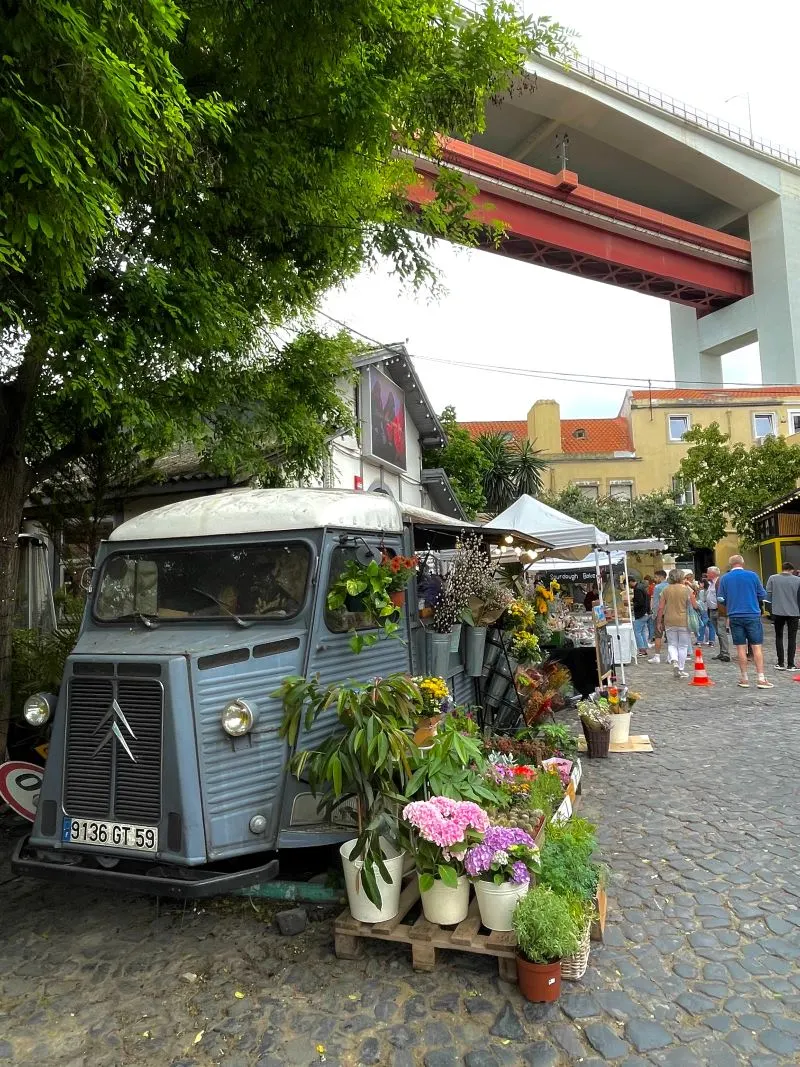
Visiting the LX Factory is a unique and vibrant experience that takes you to one of Lisbon’s most creative and innovative spaces. Located in the Alcântara neighborhood, LX Factory is a former industrial complex that has been transformed into a dynamic hub for art, culture, dining, and entertainment.
As you step into LX Factory, you’ll immediately notice the industrial charm that permeates the space. The complex retains its original brick buildings, factory structures, and industrial machinery, creating a distinct atmosphere that blends the old with the new.
LX Factory is home to a diverse array of shops, galleries, studios, and creative spaces. The complex is a haven for artists, designers, and entrepreneurs, providing them with a platform to showcase their work and ideas. You can explore the numerous boutiques, vintage stores, and concept shops that offer a wide range of products, from fashion and design to books and unique handmade items.
Art lovers will appreciate the abundance of galleries and art installations within LX Factory. The complex hosts regular exhibitions featuring the works of local and international artists, showcasing various artistic disciplines, including painting, sculpture, photography, and street art. The creative energy of the space is palpable, inviting you to immerse yourself in the world of contemporary art.
LX Factory is also a culinary destination, with an enticing selection of cafes, restaurants, and bars. You can indulge in delicious Portuguese cuisine, international flavors, and fusion dishes prepared with a creative twist.
From cozy cafes serving specialty coffees to trendy eateries offering gourmet meals, there’s something to satisfy every palate.
The lively and vibrant atmosphere of LX Factory extends beyond the shops and galleries. The complex hosts regular events, live performances, and cultural activities, creating a buzzing social scene.
You might stumble upon concerts, theater performances, flea markets, or outdoor film screenings, providing entertainment and a chance to engage with the local community.
Beyond the creative and cultural offerings, LX Factory also offers picturesque outdoor spaces. You can wander through the courtyards, relax in the sun, or enjoy views of the nearby Tagus River. The mix of greenery, art installations, and industrial architecture creates a visually captivating setting.
Visiting LX Factory provides a glimpse into Lisbon’s thriving creative scene and offers a unique blend of art, culture, shopping, and gastronomy.
It’s a place where you can discover emerging talent, enjoy a lively atmosphere, and immerse yourself in a dynamic and ever-evolving cultural landscape.
17. Explore the lively Mercado da Ribeira, a food market with a variety of culinary delights


Exploring the lively Mercado da Ribeira, also known as Time Out Market Lisboa, is an exciting culinary and cultural experience that showcases the best of Lisbon’s food scene under one roof.
Located near the Cais do Sodré neighborhood, Mercado da Ribeira is a vibrant food market that seamlessly blends traditional market stalls with modern gastronomic offerings.
As you enter Mercado da Ribeira, you’ll be greeted by a bustling and lively atmosphere. The market is housed in a historic building that dates back to the 19th century, adding to its charm and character. The spacious interior is filled with a variety of food stalls, each offering a unique culinary experience.
The market brings together some of the most renowned chefs, restaurants, and food vendors in Lisbon. You’ll find a diverse range of cuisines, from traditional Portuguese dishes to international flavors and fusion creations.
Whether you’re craving fresh seafood, juicy burgers, gourmet sandwiches, artisanal pizzas, or decadent desserts, there’s something to satisfy every taste and preference.
The Mercado da Ribeira is not just about the food—it’s also a vibrant gathering place where locals and visitors come together to dine, socialize, and enjoy the lively ambiance.
The communal seating area in the center of the market allows you to mingle with fellow food enthusiasts, creating a convivial and inclusive atmosphere.
In addition to the food stalls, the market also features a variety of specialty shops and kiosks. You can browse through gourmet food products, artisanal crafts, local wines, and other unique offerings. It’s a great place to pick up edible souvenirs, ingredients for cooking, or gifts to take home.
Mercado da Ribeira is not limited to its gastronomic delights—it also hosts live performances, cultural events, and workshops, adding an extra layer of entertainment and engagement.
From live music and cooking demonstrations to art exhibitions and themed events, there’s always something happening at the market that adds to the vibrant ambiance.
Exploring Mercado da Ribeira allows you to immerse yourself in Lisbon’s culinary scene, sample a wide range of flavors, and experience the city’s vibrant and social atmosphere.
It’s a place where you can indulge your taste buds, discover new culinary creations, and get a glimpse of the city’s vibrant food culture. Whether you’re a food lover or simply seeking a lively and memorable experience, Mercado da Ribeira is a must-visit destination in Lisbon.
18. Relax in the beautiful gardens of the Estrela Basilica


Relaxing in the beautiful gardens of the Estrela Basilica is a serene and rejuvenating experience that allows you to escape the bustling city and immerse yourself in tranquil surroundings.
Located in Lisbon’s Estrela neighborhood, the gardens surrounding the Estrela Basilica offer a peaceful oasis amidst the urban landscape.
As you enter the gardens, you’ll be greeted by a sense of serenity and natural beauty. The well-maintained green spaces are adorned with lush trees, colorful flowers, and manicured lawns, creating a picturesque setting for relaxation and contemplation. The gardens’ design combines elements of both formal and informal landscaping, with winding paths, small ponds, and decorative sculptures adding to their charm.
The Estrela Basilica, also known as the Basilica da Estrela, stands as an architectural masterpiece at the heart of the gardens. The basilica’s imposing presence, with its intricate detailing and domed roof, adds to the overall ambiance of tranquility and spirituality.
Within the gardens, you’ll find plenty of benches and shaded areas, inviting you to sit back, unwind, and soak in the peaceful atmosphere.
It’s an ideal spot to read a book, have a picnic, or simply enjoy a moment of solitude surrounded by nature. The gentle sounds of birds chirping and the rustling of leaves create a soothing soundtrack, further enhancing the relaxing experience.
The gardens of the Estrela Basilica also offer lovely viewpoints that provide panoramic vistas of the surrounding area. From certain vantage points, you can catch glimpses of the Tagus River, the city’s rooftops, and iconic landmarks in the distance. These scenic viewpoints offer a sense of tranquility and a chance to appreciate the beauty of Lisbon from a different perspective.
If you visit the gardens on a sunny day, you’ll also have the opportunity to bask in the warmth of the Portuguese sun. The open spaces and well-placed benches provide ample space to soak up the rays and enjoy the pleasant weather.
The gardens of the Estrela Basilica are not only a place for relaxation but also for family outings. The spacious lawns and pathways offer opportunities for children to play, run, and explore, making it an ideal destination for families seeking a tranquil yet family-friendly environment.
19. Visit the Lisbon Cathedral, the city’s oldest church


Visiting the Lisbon Cathedral, also known as Sé de Lisboa or Santa Maria Maior de Lisboa, is a captivating experience that allows you to delve into the rich history and architectural grandeur of Lisbon’s oldest church.
Located in the Alfama district, the Lisbon Cathedral is a magnificent example of Romanesque architecture with Gothic and Baroque influences. As you approach the cathedral, you’ll be struck by its imposing façade, adorned with intricate details and a rose window that adds a touch of elegance.
Stepping inside, you’ll be greeted by a sense of awe as you take in the cathedral’s majestic interior. The spacious nave, supported by stout columns, leads your gaze to the ornate altar, where the grandeur of religious artistry is on display.
The blend of architectural styles reflects the cathedral’s long history, as it has been modified and expanded over the centuries.
The Lisbon Cathedral also houses a treasury, where you can marvel at a collection of religious artifacts, including precious gold and silver items, liturgical vestments, and religious artworks. These treasures offer a glimpse into the cathedral’s rich cultural heritage and the historical significance it holds for the city.
One of the notable features of the cathedral is its cloister, a peaceful and serene courtyard surrounded by arches and adorned with decorative tiles.
The cloister provides a tranquil space for reflection, away from the bustle of the city. As you wander through its corridors, you can admire the intricately carved stone arches and the beautiful gardens that add to the overall charm.
From the rooftop terrace of the cathedral, you can enjoy panoramic views of Lisbon’s historic Alfama district, with its labyrinthine streets, tiled rooftops, and the Tagus River stretching out into the distance. The vista offers a unique perspective on the city’s landscape, allowing you to appreciate its beauty from a different angle.
The Lisbon Cathedral is not just a place of worship and architectural splendor—it also holds historical significance. It survived the 1755 earthquake that devastated much of Lisbon, making it a symbol of resilience and endurance. Its walls have witnessed centuries of history, and stepping inside allows you to connect with the past and feel a sense of reverence.
Whether you’re an architecture enthusiast, a history buff, or simply seeking a spiritual experience, visiting the Lisbon Cathedral offers a fascinating journey through time.
It’s an opportunity to appreciate the craftsmanship of its design, soak in the serene atmosphere, and connect with the rich cultural heritage of Lisbon.
20. Explore the historic neighborhood of Graça and visit the viewpoints for stunning vistas


Exploring the historic neighborhood of Graça in Lisbon is a delightful experience that takes you back in time while offering breathtaking views of the city from its scenic viewpoints.
Situated on one of Lisbon’s highest hills, Graça is known for its charming narrow streets, traditional architecture, and vibrant local atmosphere.
As you wander through the streets of Graça, you’ll encounter quaint squares, picturesque alleys, and traditional Portuguese houses adorned with colorful tiles and wrought-iron balconies. The neighborhood has managed to retain its authentic charm, making it a favorite among locals and visitors alike.
Graça is home to several iconic viewpoints, or “miradouros,” that offer stunning vistas of Lisbon’s skyline and beyond. One of the most famous viewpoints is Miradouro da Graça, also known as Sophia de Mello Breyner Andresen Viewpoint.
From here, you can enjoy panoramic views that encompass the historic city center, the Tagus River, and landmarks such as the São Jorge Castle and the Ponte 25 de Abril suspension bridge. The vista is particularly enchanting during sunset when the golden light bathes the city in a warm glow.
Another popular viewpoint in Graça is Miradouro da Senhora do Monte, which is located at the highest point in the neighborhood. From here, you can enjoy a 360-degree view that stretches from the castle to the river, showcasing the beauty of Lisbon in all directions. The viewpoint is surrounded by a peaceful garden, providing a serene atmosphere to relax and take in the scenery.
Graça is not only about viewpoints; it’s also a neighborhood where you can immerse yourself in the local culture and way of life. The area is dotted with charming cafes, traditional pastry shops, and family-run restaurants where you can savor authentic Portuguese cuisine. You can mingle with the locals, explore the neighborhood’s traditional shops, and soak up the lively atmosphere.
In addition to its viewpoints and local charm, Graça is also home to significant historical sites. The neighborhood houses the Graça Church, an impressive Baroque-style church with ornate interior decorations, and the National Pantheon, which is the final resting place of important Portuguese figures.
Exploring the historic neighborhood of Graça allows you to step back in time, admire traditional architecture, and witness sweeping views of Lisbon’s beauty from its iconic viewpoints.
It’s a chance to connect with the city’s past, embrace the local culture, and create lasting memories of your visit to this charming corner of Lisbon.
21. Take a tour of the beautiful Queluz National Palace


Taking a tour of the beautiful Queluz National Palace is a captivating experience that allows you to immerse yourself in the grandeur and elegance of Portuguese royal history.
Located in the town of Queluz, just a short distance from Lisbon, the palace is often referred to as the “Portuguese Versailles” due to its architectural resemblance to the famous French palace.
As you approach the Queluz National Palace, you’ll be struck by its stunning façade, adorned with intricate detailing and beautiful gardens that surround the palace. The palace was originally built as a summer residence for the Portuguese royal family in the 18th century, and it exemplifies the ornate Rococo style of architecture.
Stepping inside, you’ll find yourself in a world of opulence and luxury. The palace’s interior features exquisite frescoes, elaborately decorated ceilings, gilded furniture, and intricate tapestries that showcase the craftsmanship of the era. The rooms are impeccably preserved, allowing you to envision the lavish lifestyle of the Portuguese monarchy.
The highlight of the Queluz National Palace is undoubtedly the magnificent Throne Room. With its grand chandeliers, gold accents, and elaborately carved wooden furniture, the room exudes regal splendor. It was the setting for important royal ceremonies and events, and its grandeur is sure to leave a lasting impression.
The palace is also known for its stunning gardens, which cover an expansive area and offer a delightful stroll amidst manicured lawns, charming fountains, and vibrant flower beds.
The gardens are adorned with sculptures, ornamental lakes, and shaded walkways, providing a tranquil and picturesque setting for a leisurely exploration.
During your tour, you can also visit the Queen’s Private Apartments, where you can admire the beautifully decorated rooms and imagine the daily life of the Portuguese royal family. The Music Room, in particular, stands out with its remarkable acoustics and lavish décor.
Throughout the year, the Queluz National Palace hosts various cultural events, including concerts and exhibitions, further enhancing the visitor experience.
These events provide an opportunity to appreciate the palace in a different light, with live music and performances adding to its allure.
Visiting the Queluz National Palace is like stepping into a bygone era of royalty and extravagance. It’s a chance to marvel at the architectural beauty, immerse yourself in the rich history of Portugal, and be transported to a world of elegance and refinement.
Whether you’re an architecture enthusiast, a history buff, or simply seeking a memorable cultural experience, a tour of the Queluz National Palace is a must when exploring the Lisbon area.
22. Visit the MAAT (Museum of Art, Architecture and Technology) for contemporary art exhibitions


Visiting the MAAT (Museum of Art, Architecture and Technology) is a captivating experience that allows you to immerse yourself in contemporary art, architecture, and technology in a stunning waterfront setting.
Situated on the banks of the Tagus River in Lisbon, the MAAT is a modern cultural institution that showcases a diverse range of exhibitions, installations, and performances.
As you approach the MAAT, you’ll be struck by its distinctive architecture. The museum consists of two main buildings: a renovated power station that houses the permanent collection and a striking modern extension designed by renowned architect Amanda Levete. The combination of the old and the new creates an intriguing contrast and adds to the museum’s visual appeal.
Inside the museum, you’ll find a dynamic and ever-changing exhibition program that showcases contemporary art from both Portuguese and international artists.
The exhibitions explore a wide range of artistic disciplines, including painting, sculpture, photography, video art, installations, and interactive digital works. The curated displays challenge conventions, provoke thought, and offer fresh perspectives on pressing social and cultural issues.
In addition to the art exhibitions, the MAAT often hosts thought-provoking architecture and design exhibitions, focusing on innovative approaches, sustainable practices, and the intersection of technology and the built environment. These exhibitions provide insight into the evolving landscape of architecture and the impact it has on our daily lives.
The museum’s waterfront location offers an added dimension to the visitor experience. The outdoor spaces surrounding the museum provide panoramic views of the river, the city skyline, and the iconic 25 de Abril Bridge. These vistas offer a unique backdrop to appreciate both the art within the museum and the beauty of the natural surroundings.
The MAAT also features a range of facilities and amenities to enhance your visit. These include a café and a restaurant with panoramic views, where you can relax and reflect on your museum experience while enjoying a meal or a cup of coffee. The museum shop offers a selection of art books, design objects, and unique souvenirs to take home as a memento of your visit.
Beyond the exhibitions, the MAAT often hosts events, such as artist talks, workshops, film screenings, and live performances, which offer opportunities for further engagement and interaction with contemporary art and culture.
Visiting the MAAT provides a unique opportunity to engage with the vibrant world of contemporary art, architecture, and technology.
It’s a chance to explore thought-provoking exhibitions, encounter innovative artistic expressions, and appreciate the transformative power of creativity. Whether you’re an art enthusiast, a design aficionado, or simply seeking a cultural experience, the MAAT offers a dynamic and inspiring destination for exploration and discovery.
23. Enjoy a sunset cruise along the Tagus River


Enjoying a sunset cruise along the Tagus River is a magical experience that allows you to witness the beauty of Lisbon’s skyline and the river’s shimmering waters as the sun sets on the horizon. It’s a memorable way to unwind, relax, and soak in the breathtaking views of the city.
As you embark on your cruise, you’ll step onto a comfortable boat that glides smoothly along the Tagus River. The boat’s open-air or partially covered deck provides an ideal vantage point to fully appreciate the changing colors of the sky as the sun begins its descent. The gentle breeze and the tranquil ambiance create a sense of serenity, setting the stage for a truly enchanting experience.
As you sail along the river, you’ll be treated to panoramic views of Lisbon’s iconic landmarks, including the Belém Tower, the Christ the King statue, the 25 de Abril Bridge, and the city’s historic neighborhoods. These landmarks take on a whole new allure as the golden light of the setting sun casts a warm glow upon them.
The ever-changing hues of the sky, ranging from vibrant oranges and pinks to soft purples and blues, create a mesmerizing backdrop for your cruise.
You can witness the sun gradually descending, casting its warm rays across the water and illuminating the cityscape, creating a captivating interplay of light and shadow.
As the sun dips below the horizon, you’ll have a front-row seat to one of nature’s most stunning spectacles: the sunset. The sky transforms into a canvas of vibrant colors, painting a breathtaking tableau that reflects off the tranquil waters of the Tagus River. It’s a moment of tranquility and beauty that is sure to leave a lasting impression.
Throughout your cruise, you can savor the soothing sounds of the water, enjoy the company of fellow passengers, and perhaps even indulge in some light refreshments or a glass of wine to enhance the experience.
The relaxed atmosphere and the breathtaking scenery create the perfect setting for conversation, reflection, or simply embracing the beauty of the moment.
A sunset cruise along the Tagus River offers a unique perspective on Lisbon, allowing you to see the city in a different light and appreciate its captivating beauty from the water.
It’s an opportunity to disconnect from the hustle and bustle of the city and immerse yourself in a tranquil and romantic ambiance. Whether you’re with a loved one, friends, or simply enjoying your own company, a sunset cruise is a truly memorable way to experience the splendor of Lisbon’s skyline as the day gracefully transitions into night.
24. Explore the LX Factory’s street art and graffiti scene


Exploring the LX Factory’s street art and graffiti scene is a vibrant and immersive experience that allows you to discover an open-air gallery filled with colorful and thought-provoking artworks.
Located in the Alcântara district of Lisbon, the LX Factory is a former industrial complex that has been transformed into a creative hub, and its walls serve as a canvas for local and international street artists.
As you wander through the LX Factory’s streets, you’ll be surrounded by an explosion of artistic expression. The walls, buildings, and even the ground become a playground for talented artists, who use various techniques and styles to create captivating murals and graffiti pieces. The artworks range from large-scale murals that cover entire building facades to intricate stencil art and vibrant graffiti tags.
Each piece of street art in the LX Factory tells a unique story and carries its own message. You’ll encounter a diverse range of themes, including social commentary, political statements, cultural references, and whimsical characters.
The art reflects the creativity, diversity, and individuality of the artists, making each discovery a delightful surprise.
One of the fascinating aspects of the LX Factory’s street art scene is its ever-changing nature. New artworks constantly appear, while others may be modified or replaced, ensuring that every visit offers a fresh experience.
This dynamic environment keeps the area alive with artistic energy, and there’s always something new to discover around every corner.
The LX Factory’s street art scene is not limited to the exterior walls. As you explore further, you’ll find hidden gems and smaller pieces tucked away in unexpected places, such as staircases, doorways, and even inside some of the shops and studios within the complex. This element of surprise adds an element of adventure to your exploration, as you never know what artistic treasure awaits you.
Beyond the street art, the LX Factory is also home to a thriving creative community. The complex houses a variety of shops, art galleries, design studios, bookstores, cafés, and restaurants. It’s a vibrant hub where artists, designers, and entrepreneurs come together, creating a lively and inspiring atmosphere.
Exploring the LX Factory’s street art and graffiti scene offers a unique perspective on Lisbon’s creative spirit and urban culture. It’s a chance to immerse yourself in a world of artistic expression, discover hidden gems, and witness the power of street art to transform and breathe life into urban spaces.
Whether you’re an art enthusiast, a photography lover, or simply seeking an offbeat and colorful experience, the LX Factory is a must-visit destination that showcases the dynamic and captivating world of street art.
25. Visit the beautiful botanical gardens of the Ajuda National Palace


Visiting the beautiful botanical gardens of the Ajuda National Palace is a serene and captivating experience that allows you to immerse yourself in a lush oasis of natural beauty and tranquility.
Located in Lisbon, the gardens are nestled within the grounds of the Ajuda National Palace, a stunning neoclassical palace that served as the royal residence in the 19th century.
As you enter the botanical gardens, you’ll be greeted by a serene and peaceful atmosphere. The gardens cover a vast area, featuring meticulously landscaped grounds, vibrant flowerbeds, and a diverse collection of plant species from around the world. It’s a haven of greenery, offering a respite from the bustling city.
As you wander along the garden’s paths, you’ll encounter a variety of themed sections and garden spaces. Each area is carefully designed to showcase different types of vegetation and create a harmonious and captivating environment. You may come across elegant lawns, charming fountains, intricate hedges, and towering trees, all contributing to the garden’s enchanting ambiance.
The botanical gardens of the Ajuda National Palace are known for their extensive collection of plants and flowers. You’ll have the opportunity to admire a wide array of species, including exotic palms, fragrant roses, colorful azaleas, delicate orchids, and many more.
The gardens are not only a feast for the eyes but also a sensory experience, as you can breathe in the scents of blooming flowers and listen to the gentle rustling of leaves in the breeze.
Throughout the gardens, you’ll find hidden corners and peaceful spots where you can sit, relax, and take in the beauty of your surroundings. These tranquil nooks provide a perfect setting for contemplation, reading a book, or simply enjoying a moment of solitude amidst nature’s embrace.
In addition to the plant life, the botanical gardens offer stunning views of the Ajuda National Palace itself. As you explore the gardens, you’ll catch glimpses of the palace’s elegant architecture, ornate facades, and charming balconies, creating a seamless blend of natural and man-made beauty.
The Ajuda National Palace’s botanical gardens also serve as a venue for cultural events, such as concerts, exhibitions, and outdoor performances. These events add an extra layer of enchantment to your visit, allowing you to experience the gardens in a different light and enjoy the synergy of nature and art.
Visiting the botanical gardens of the Ajuda National Palace is a delightful journey into the heart of nature’s splendor. It’s an opportunity to escape the city and immerse yourself in a serene and picturesque setting.
Whether you’re a nature lover, a gardening enthusiast, or simply seeking a peaceful retreat, the botanical gardens of the Ajuda National Palace offer a captivating experience that will rejuvenate your senses and leave you with lasting memories.
26. Attend a live Fado music performance in one of Lisbon’s traditional Fado houses


Attending a live Fado music performance in one of Lisbon’s traditional Fado houses is an authentic and captivating experience that allows you to immerse yourself in the soul-stirring sounds of Portugal’s most iconic music genre. Fado is a deeply emotional and expressive form of music that originated in the streets and taverns of Lisbon.
As you step into a traditional Fado house, you’ll be transported to a world of intimate and cozy ambiance. These venues are typically small, creating an intimate setting that enhances the emotional connection between the performers and the audience. The dim lighting, rustic decor, and warm atmosphere create the perfect backdrop for a truly immersive experience.
Fado music is characterized by its heartfelt lyrics, melancholic melodies, and the raw emotions conveyed by the singers, known as Fadistas. The songs often tell stories of love, loss, longing, and the struggles of everyday life.
The Fadista’s soulful voice, accompanied by a Portuguese guitar and sometimes a classical guitar or bass guitar, creates a haunting and deeply moving performance.
During the live Fado performance, you’ll have the opportunity to listen to a repertoire of traditional Fado songs, as well as more contemporary interpretations of the genre. The Fadistas pour their heart and soul into their performances, delivering powerful and heartfelt renditions that resonate with the audience’s emotions.
As you listen to the Fado music, you’ll feel a range of emotions wash over you. The haunting melodies and poignant lyrics have a way of connecting with the listener on a profound level, evoking feelings of nostalgia, longing, and a deep appreciation for the beauty of the human experience.
In between songs, the Fadistas often share personal stories and anecdotes, providing insight into the history and cultural significance of Fado. This adds a personal touch to the performance and creates a sense of connection between the artists and the audience.
Attending a live Fado performance is not only about the music—it’s a cultural experience that immerses you in the rich traditions of Portugal. It’s a chance to witness the passion, resilience, and poetic expression that Fado embodies. The music and the atmosphere combine to create an unforgettable evening filled with emotion and a deep appreciation for the art form.
Lisbon’s traditional Fado houses are renowned for their commitment to preserving the authenticity and integrity of Fado music. These venues attract both locals and visitors, all seeking to be touched by the beauty of this unique musical tradition.
Whether you’re a music enthusiast, a culture lover, or simply seeking an immersive and emotional experience, attending a live Fado music performance in one of Lisbon’s traditional Fado houses is a must.
It’s an opportunity to connect with the soul of Portugal, immerse yourself in its rich musical heritage, and create lasting memories of a truly unforgettable evening.
27. Discover the trendy neighborhood of Príncipe Real, known for its boutique shops


Discovering the trendy neighborhood of Príncipe Real is an exciting and vibrant experience that allows you to explore one of Lisbon’s most fashionable and eclectic areas. Located just north of the bustling Baixa district, Príncipe Real has gained a reputation as a trendy and hip neighborhood, attracting locals and visitors alike with its unique charm and lively atmosphere.
As you stroll through the streets of Príncipe Real, you’ll find yourself surrounded by a blend of historic buildings, trendy boutiques, chic cafés, and stylish restaurants. The neighborhood seamlessly combines traditional Lisbon charm with contemporary flair, creating a captivating fusion of old and new.
Príncipe Real is known for its vibrant cultural and artistic scene. The neighborhood is dotted with art galleries, design shops, and concept stores, offering a platform for local artists and designers to showcase their creations. It’s a paradise for art lovers and fashion enthusiasts, with each shop and gallery exuding its own distinctive style.
One of the highlights of Príncipe Real is its beautiful garden, Jardim do Príncipe Real. This lush and tranquil green space serves as the neighborhood’s centerpiece, offering a serene escape from the bustling streets.
The garden is adorned with century-old trees, colorful flowerbeds, and a charming lake, providing a perfect setting for a leisurely stroll or a moment of relaxation.
Príncipe Real is also renowned for its vibrant food and drink scene. The neighborhood is home to a wide array of trendy restaurants, cafés, and bars that cater to various tastes and preferences. From traditional Portuguese cuisine to international fusion dishes, there’s something to satisfy every palate.
You can enjoy a leisurely meal at a trendy eatery, sip a refreshing drink at a rooftop bar with panoramic views, or simply indulge in a cup of coffee at a cozy café while soaking up the neighborhood’s vibrant atmosphere.
The neighborhood comes alive particularly in the evenings, as the sun sets and the streets become a hub of activity. Príncipe Real is known for its lively nightlife, with a variety of bars and clubs offering entertainment late into the night. It’s a great place to mingle with locals, enjoy live music, and experience the vibrant energy of Lisbon’s social scene.
In addition to its cultural and culinary offerings, Príncipe Real is also a hub for community events and markets. You may stumble upon artisanal markets, flea markets, or street fairs, where you can browse unique crafts, vintage finds, and locally produced goods. These events add an extra layer of excitement and a chance to connect with the local community.
Exploring the trendy neighborhood of Príncipe Real is an adventure that combines history, art, fashion, and gastronomy. It’s a place where traditional meets contemporary, creating a dynamic and captivating atmosphere.
Whether you’re a fashionista, an art lover, or simply seeking a vibrant and trendy neighborhood to explore, Príncipe Real offers a unique and enriching experience that will leave you with lasting memories of Lisbon’s eclectic charm.
28. Take a day trip to the charming fishing village of Cascais

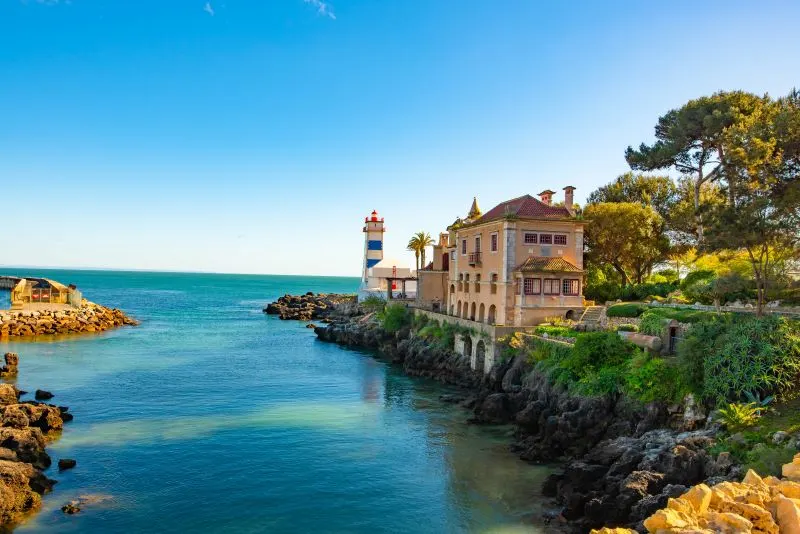
Taking a day trip to the charming fishing village of Cascais is a delightful escape from the bustling city of Lisbon. Located just a short distance from the capital, Cascais offers a perfect blend of natural beauty, historic charm, and coastal allure.
As you arrive in Cascais, you’ll be greeted by a picturesque coastal setting. The village is nestled between the rugged cliffs of the Atlantic Ocean and the tranquil waters of the Cascais Bay. The pristine beaches, golden sand, and crystal-clear waters create a captivating backdrop that invites relaxation and enjoyment.
Cascais was once a humble fishing village, and it still retains its quaint and authentic atmosphere. The narrow cobblestone streets, colorful houses, and traditional fishing boats give the village a distinct character and charm. As you wander through the village, you’ll discover charming squares, charming cafés, and local shops selling handmade crafts and artisanal products.
One of the highlights of Cascais is its beautiful marina. Here, you can admire luxurious yachts and sailboats bobbing in the harbor while enjoying panoramic views of the sea.
The marina area is bustling with activity, with a variety of waterfront restaurants, bars, and cafes where you can indulge in fresh seafood and traditional Portuguese cuisine while savoring the coastal ambiance.
Cascais also offers a rich cultural heritage. You can visit the Cascais Citadel, a historic fortress that now houses a cultural center and art exhibitions. The Museu Condes de Castro Guimarães, a stunning mansion-turned-museum, is home to a fascinating collection of art and artifacts.
And don’t miss the opportunity to explore the charming Old Town, where you can admire beautiful architecture, including the grand Cascais Town Hall and the Church of Nossa Senhora da Assunção.
Nature lovers will appreciate the natural beauty that surrounds Cascais. From the village, you can embark on scenic coastal walks along the cliffs or visit nearby parks and gardens. The Parque Marechal Carmona offers a peaceful retreat with lush greenery, tranquil lakes, and charming picnic spots.
If you’re seeking some sun and sand, Cascais boasts several stunning beaches. The Praia da Ribeira and Praia da Rainha are popular choices, with their golden sands and inviting waters.
For a more secluded and serene experience, you can head to the Guincho Beach, known for its breathtaking scenery and excellent conditions for surfing and windsurfing.
Cascais is also an excellent starting point for exploring the nearby attractions. From here, you can visit the majestic Boca do Inferno, a dramatic cliff formation where the waves crash against the rocks.
The stunning Cabo da Roca, the westernmost point of continental Europe, is also within reach and offers breathtaking views of the Atlantic Ocean.
Taking a day trip to Cascais allows you to experience the charm and beauty of a traditional fishing village while enjoying the allure of the coastline.
It’s a chance to unwind, soak up the coastal ambiance, and immerse yourself in the rich heritage and natural splendor of this delightful seaside destination.
29. Visit the impressive Church of São Roque, known for its lavish interior

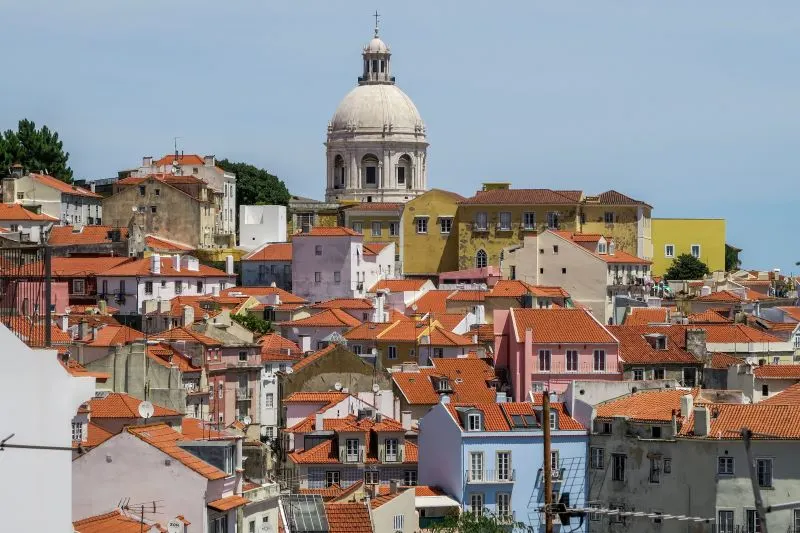
Visiting the impressive Church of São Roque is a remarkable experience that allows you to marvel at one of Lisbon’s most significant religious and architectural treasures. The Church of São Roque, also known as the Church of Saint Roch, is located in the heart of the city and holds a special place in Lisbon’s history.
As you approach the Church of São Roque, you’ll be struck by its grandeur and beauty. The facade of the church showcases a combination of architectural styles, featuring intricate stonework, ornate carvings, and decorative details that reflect the rich artistic heritage of the time.
Stepping inside, you’ll be greeted by a stunning interior adorned with elaborate decorations, golden altarpieces, and intricate woodwork. The church’s ceiling is a masterpiece in itself, with its intricate paintings and gilded designs. The grandeur and opulence of the interior create a sense of awe and reverence.
One of the highlights of the Church of São Roque is the Chapel of St. John the Baptist, often referred to as the “Chapel of the Bones.”
This chapel is a fascinating and somewhat macabre sight, adorned with the bones of Franciscan monks arranged in decorative patterns. It serves as a powerful reminder of the transient nature of life and the importance of spiritual reflection.
Another notable feature of the church is the beautiful Chapel of St. Anthony. This chapel is dedicated to Lisbon’s beloved patron saint, St. Anthony, and is decorated with exquisite tile panels depicting scenes from the life of the saint. The chapel’s serene atmosphere and beautiful artwork create a tranquil space for contemplation and prayer.
The Church of São Roque is also known for its association with the Society of Jesus, as it was the first Jesuit church in Portugal. It played a significant role in the spread of Catholicism and the Jesuit Order’s influence in the country.
The church’s historical importance adds an extra layer of significance to your visit, allowing you to connect with Portugal’s religious and cultural heritage.
In addition to its architectural and historical significance, the Church of São Roque hosts various religious and cultural events throughout the year.
These events include religious processions, concerts, and exhibitions, providing a chance to experience the church in a different context and witness the vibrant cultural scene of Lisbon.
Visiting the Church of São Roque is not only an opportunity to admire its architectural beauty but also a chance to immerse yourself in the spiritual and cultural history of Lisbon.
It’s a place of tranquility and reflection, where you can appreciate the craftsmanship of the past and witness the enduring legacy of faith. Whether you’re an architecture enthusiast, a history buff, or a traveler seeking a moment of serenity, the Church of São Roque offers a profound and memorable experience.
30. Explore the historic neighborhood of Belem and try the famous Pastéis de Belém

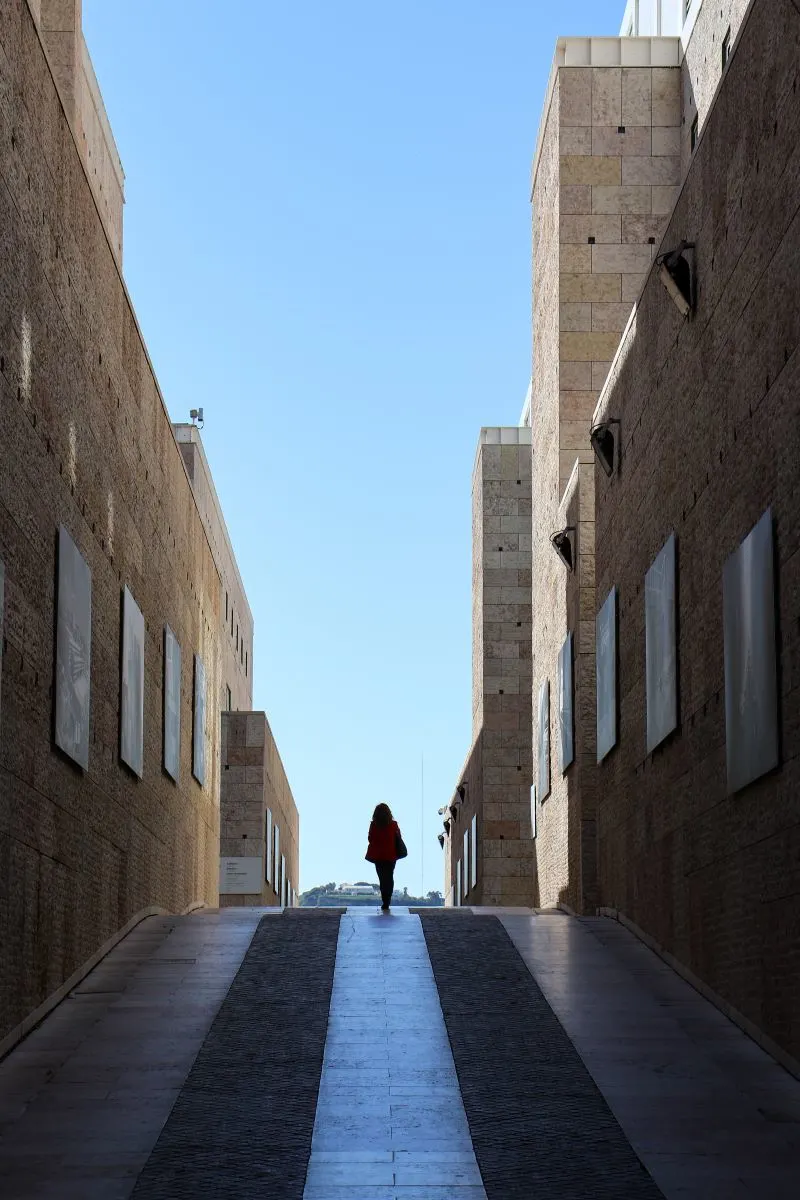
Exploring the historic neighborhood of Belém and trying the famous Pastéis de Belém is a delightful and quintessentially Lisbon experience. Located west of the city center, Belém is a charming district known for its rich history, iconic landmarks, and mouthwatering pastries.
As you explore Belém, you’ll be immersed in a world of historic charm and architectural beauty. The neighborhood is home to several iconic landmarks, including the Belém Tower and the Jerónimos Monastery, both of which are UNESCO World Heritage sites.
These magnificent structures showcase the grandeur of Manueline architecture, with intricate details and ornate carvings that transport you back to Portugal’s Golden Age of exploration.
The Belém Tower, also known as the Tower of St. Vincent, stands proudly along the banks of the Tagus River. This fortress-like tower served as a defense system and a symbol of Portugal’s maritime power during the Age of Discovery. You can explore the tower’s various levels, climb to the top for panoramic views, and admire its distinctive blend of architectural styles.
The Jerónimos Monastery, with its breathtaking façade and magnificent cloisters, is an architectural masterpiece that reflects the wealth and influence of the Portuguese empire. Inside, you can marvel at the intricate stonework, beautiful stained glass windows, and the tomb of the famous explorer Vasco da Gama.
The monastery also houses the Church of Santa Maria, where you can witness the stunning Manueline architectural style up close.
After immersing yourself in the history and beauty of Belém, it’s time to indulge in one of Lisbon’s most beloved culinary delights—the Pastéis de Belém. These delectable custard tarts are a true Portuguese specialty, and the original recipe has been closely guarded by the Pastéis de Belém bakery for over a century.
The bakery, located near the Jerónimos Monastery, is a beloved institution and a must-visit for any visitor to Lisbon.
The Pastéis de Belém are baked fresh daily using a secret recipe that combines a delicate, flaky pastry shell with a rich and creamy egg custard filling.
Each tart is sprinkled with cinnamon and powdered sugar, resulting in a perfect balance of flavors. The pastries are best enjoyed warm, straight from the oven, accompanied by a cup of freshly brewed Portuguese coffee.
The Pastéis de Belém bakery is a bustling establishment, with a charming old-world ambiance and a vibrant atmosphere. You can watch as the skilled bakers work their magic in the open kitchen, creating these delectable treats with precision and care. After savoring your Pastéis de Belém, you can even purchase a box to take home as a delicious souvenir or as a gift for loved ones.
Exploring the historic neighborhood of Belém and indulging in the famous Pastéis de Belém is an experience that combines history, culture, and gastronomy.
It’s a chance to immerse yourself in the rich heritage of Lisbon, admire magnificent architecture, and savor the iconic flavors of Portugal. Whether you’re a history enthusiast, a food lover, or simply seeking a memorable culinary experience, Belém offers a delightful journey that will leave you with a taste of Portugal’s past and present.
These are just a few of the many wonderful things to do in Lisbon. The city has a rich history, vibrant culture, and stunning architecture, making it a fantastic destination for travelers.
Food In Lisbon


Lisbon, the vibrant capital city of Portugal, is not only known for its rich history, stunning architecture, and breathtaking vistas but also for its exceptional culinary scene.
With a combination of traditional Portuguese dishes, fresh seafood, delectable pastries, and a growing trend of innovative cuisine, Lisbon offers a diverse and mouthwatering food experience. Embark on a gastronomic journey as we explore the flavors and delights that make Lisbon a true food lover’s paradise.
Traditional Portuguese Cuisine: Lisbon is a treasure trove of traditional Portuguese cuisine, where locals take immense pride in their culinary heritage.
One cannot miss indulging in iconic dishes such as Bacalhau à Brás, a salted codfish dish cooked with scrambled eggs, onions, and potatoes. The heavenly aroma and rich flavors will leave you craving for more.
Feijoada, a hearty bean stew with various meats, including pork, beef, and sausages, is another staple of Portuguese cuisine. Served with rice, this dish is a comforting and satisfying option that perfectly embodies the country’s love for hearty meals.
Seafood Extravaganza: Situated along the Atlantic coast, Lisbon boasts an abundant supply of fresh seafood. From succulent grilled sardines to tender octopus, seafood lovers will be in culinary heaven.
Enjoy a plate of buttery garlic prawns or revel in a seafood cataplana, a fragrant and flavorful stew cooked with a variety of shellfish and fish.
Bacalhau, or salted codfish, holds a special place in Portuguese cuisine. Lisbon is the perfect place to savor the numerous Bacalhau preparations, from Bacalhau com Natas (creamy codfish casserole) to Bacalhau à Gomes de Sá (codfish cooked with potatoes, onions, and olives). Each dish showcases the versatility of this beloved ingredient.
Pastel de Nata: No visit to Lisbon is complete without trying the world-famous Pastel de Nata, a custard tart with a flaky pastry shell.
The creamy custard filling, delicately flavored with vanilla and cinnamon, is a symphony of textures and tastes. Be sure to visit the iconic Pastéis de Belém bakery in the neighborhood of Belém, where the original recipe has been preserved for generations.
Petiscos and Wine: Embrace the Portuguese tradition of petiscos, small plates akin to tapas, and pair them with local wines. Enjoy a plate of Pica-Pau, marinated beef bites with pickles, or sample some Queijo da Serra, a deliciously creamy sheep’s milk cheese.
Accompany these delightful bites with a glass of Vinho Verde, a refreshing and slightly effervescent wine, or a full-bodied red from the Douro Valley.
Sweet Delights: Lisbon’s sweet offerings extend beyond the famous Pastel de Nata. Indulge in other traditional treats like Bolo de Arroz, a fluffy rice cake, or Queijadas de Sintra, a sweet pastry made with cheese and cinnamon.
Alfama, Lisbon’s historic neighborhood, is the perfect place to wander through narrow streets while savoring these delectable treats.
Innovation and Fusion Cuisine: Lisbon’s culinary scene is also evolving with innovative and fusion cuisine. Talented chefs are blending traditional flavors with contemporary techniques, creating unique and exciting dishes. From Michelin-starred restaurants to trendy eateries, Lisbon offers a range of options for those seeking a modern twist on Portuguese cuisine.
Lisbon’s food culture is a true reflection of its rich history, diverse landscapes, and passionate people. Exploring the city’s culinary delights is a journey that takes you through the heart and soul of Portugal’s gastronomy.
From traditional dishes that have stood the test of time to modern interpretations that push culinary boundaries, Lisbon offers a culinary experience that satisfies both the traditionalist and the adventurous foodie.
Top 20 Best Restaurants In Lisbon, Portugal


- Belcanto – Chef José Avillez’s Michelin-starred restaurant known for its innovative Portuguese cuisine.
- Alma – A Michelin-starred restaurant with a focus on contemporary Portuguese flavors and artistic presentations.
- Eleven – Located atop Edward VII Park, this elegant restaurant offers panoramic views and refined Portuguese cuisine.
- Feitoria – A Michelin-starred restaurant known for its creative fusion of traditional Portuguese and global flavors.
- A Travessa – Housed in a former convent, this restaurant offers an intimate setting and gourmet Portuguese cuisine.
- Midori – A top-notch Japanese restaurant located in the Penha Longa Resort, known for its sushi and sashimi.
- Varanda Restaurant – Situated in the Four Seasons Hotel Ritz Lisbon, it offers fine dining with a focus on local ingredients.
- Loco – Chef Alexandre Silva’s restaurant known for its inventive dishes and commitment to sustainability.
- Tágide – Set in a historic building, this restaurant serves modern Portuguese cuisine with a touch of international influence.
- Casa de Pasto – A trendy spot that celebrates traditional Portuguese cuisine with a contemporary twist.
- Cervejaria Ramiro – A renowned seafood restaurant famous for its fresh seafood and lively atmosphere.
- Solar dos Presuntos – A long-established Lisbon institution known for its classic Portuguese dishes and warm ambiance.
- O Nobre – A family-owned restaurant that offers traditional Portuguese cuisine with a modern touch.
- Bairro do Avillez – Chef José Avillez’s casual eatery offering a variety of dining experiences under one roof.
- Mini Bar – A creative tapas bar by Chef José Avillez, featuring playful and innovative dishes.
- 100 Maneiras – A trendy restaurant known for its bold flavors, stylish decor, and lively atmosphere.
- Café de São Bento – Famous for its perfectly cooked steaks, this traditional restaurant has been serving patrons since 1982.
- Cantinho do Avillez – Another venture by Chef José Avillez, this cozy restaurant serves contemporary Portuguese cuisine.
- A Cevicheria – Specializing in Peruvian-inspired ceviche, this stylish restaurant offers a refreshing culinary experience.
- Arola – Located in the Altis Belém Hotel & Spa, this restaurant combines Portuguese and Mediterranean flavors with a modern twist.
Please note that restaurant rankings and popularity may change over time, so it’s recommended to check recent reviews and make reservations in advance. Enjoy your dining experiences in Lisbon!
Transportation In Lisbon
Lisbon offers a range of transportation options to help you navigate the city conveniently and efficiently.
- Metro: Lisbon’s metro system is a popular mode of transportation for both locals and tourists. It is efficient, clean, and covers a significant portion of the city. The metro lines connect various neighborhoods, tourist attractions, and major transportation hubs, making it easy to move around quickly. The trains run from 6:30 am to 1:00 am, with more frequent service during peak hours.
- Trams: Lisbon is famous for its vintage yellow trams that add charm to the city’s streets. Tram 28, in particular, is a popular choice for tourists as it traverses through many historic neighborhoods and popular attractions. It offers a scenic journey through narrow streets, allowing you to soak in the city’s atmosphere. Be prepared for crowded trams during peak hours, as it’s a popular tourist activity.
- Buses: Lisbon’s bus network covers a wide area and provides an extensive reach across the city. Buses are a convenient option for traveling to areas not served by the metro or tram lines. The Carris company operates most of the bus services, and there are also additional private bus operators. Bus schedules can vary, so it’s advisable to check timetables and plan your journey accordingly.
- Electric Scooters: In recent years, electric scooters have become a popular means of transportation in Lisbon. Various companies offer rental scooters that you can access through smartphone apps. They provide a flexible and fun way to explore the city, particularly for shorter distances. Just be mindful of traffic regulations and prioritize safety when riding these scooters.
- Taxis and Ride-Sharing Services: Taxis are widely available in Lisbon, and they offer a convenient way to get around, especially if you prefer door-to-door service. Additionally, ride-sharing services like Uber and Bolt are also operational in Lisbon, providing an alternative option for transportation with upfront pricing and ease of use.
- Funiculars and Elevators: Lisbon has a few funiculars and elevators that help navigate the city’s hilly terrain. The most famous is the Santa Justa Elevator, a historical wrought-iron elevator that connects the lower Baixa district to the higher Carmo Square. These unique transportation options not only serve a practical purpose but also offer great views of the city.
- Walking: Lisbon is a walkable city, and many attractions and neighborhoods are easily accessible on foot. Exploring the narrow streets and charming districts by walking allows you to fully immerse yourself in the city’s atmosphere and discover hidden gems along the way.
It’s worth noting that Lisbon’s public transportation system uses the Viva Viagem card, which can be used across various modes of transport, including the metro, trams, buses, and some train lines. This rechargeable card offers discounted fares compared to purchasing individual tickets.
Lisbon, Portugal, offers a wealth of experiences that cater to a variety of interests, making it an enticing destination for travelers.
From exploring historic neighborhoods and iconic landmarks to indulging in delicious cuisine and vibrant cultural experiences, the city has something to offer everyone. Here’s a conclusion to the 30 best things to do in Lisbon:
In Lisbon, you can delve into the historic district of Alfama, with its charming streets and Fado music, and visit the iconic Belém Tower and Jerónimos Monastery, showcasing exquisite Manueline architecture.
Wander through the colorful neighborhood of Bairro Alto and take in its lively atmosphere, or embark on a tram ride on Tram 28 for a scenic journey through the city’s historic quarters.
Discover the São Jorge Castle for stunning panoramic views of Lisbon, and explore the lively waterfront area of Cais do Sodré for a taste of the city’s modern energy.
Visit the Lisbon Oceanarium, one of the largest in Europe, to marvel at diverse marine life, and explore the picturesque neighborhood of Chiado for its elegant shops, cafés, and theaters.
Take a boat trip along the Tagus River to enjoy the city’s skyline from a different perspective, and visit the National Tile Museum to appreciate the beauty of Portuguese tiles.
Explore the historic neighborhood of Mouraria for its multicultural atmosphere, and take a day trip to the nearby town of Sintra to discover fairytale-like palaces and enchanting landscapes.
Visit the Calouste Gulbenkian Museum to admire its impressive art collection, and savor a traditional Portuguese meal at a local restaurant to experience the city’s culinary delights. Take a ride on the Santa Justa Elevator for panoramic views, and explore the artistic scene at LX Factory, filled with street art and creative spaces.
Immerse yourself in the vibrant atmosphere of Mercado da Ribeira, taste local delicacies, and relax in the beautiful gardens of the Estrela Basilica.
Visit the Lisbon Cathedral, a symbol of the city’s religious heritage, and explore the historic neighborhood of Graça, which offers stunning viewpoints for breathtaking vistas.
Take a tour of the beautiful Queluz National Palace, known for its ornate interiors and stunning gardens, and visit the MAAT for contemporary art and architectural exhibitions.
Enjoy a sunset cruise along the Tagus River to witness the city bathed in golden hues, and explore the street art and graffiti scene in the LX Factory.
Discover the beautiful botanical gardens of the Ajuda National Palace, and immerse yourself in the soulful sounds of Fado music at one of Lisbon’s traditional Fado houses.
Explore the trendy neighborhood of Príncipe Real, with its boutique shops and charming atmosphere, and take a day trip to the charming fishing village of Cascais for a relaxing coastal experience.
Lastly, visit the impressive Church of São Roque, known for its stunning Baroque interior, and explore the historic neighborhood of Belém, where you can try the famous Pastéis de Belém.
Lisbon captivates visitors with its unique blend of history, culture, cuisine, and breathtaking landscapes. It’s a city that invites exploration, relaxation, and discovery, promising unforgettable experiences at every turn.
Whether you’re a history enthusiast, a food lover, an art aficionado, or simply seeking a memorable getaway, Lisbon offers a remarkable journey that will leave you with lasting memories.
Leave a comment