




Rio de Janeiro, often referred to as simply Rio, is a vibrant and captivating city located on the southeastern coast of Brazil.
It is one of the most iconic and visited cities in South America, renowned for its stunning natural landscapes, lively culture, and warm hospitality. With its golden beaches, towering mountains, and rich cultural heritage, Rio de Janeiro offers a unique blend of natural beauty and urban excitement.
The city is famous for its breathtaking landmarks, the most iconic of which is the colossal statue of Christ the Redeemer, standing atop Corcovado Mountain, offering panoramic views of the city below.
It is a melting pot of cultures, reflecting influences from indigenous peoples, African slaves, Portuguese colonizers, and various immigrant communities. This diverse heritage is evident in the city’s music, dance, art, and, of course, its rich culinary traditions.
Carnival, the world-famous festival, is a major highlight of Rio de Janeiro. Every year, in the weeks leading up to Lent, the city comes alive with vibrant parades, samba music, elaborate costumes, and infectious energy. It is a celebration of life, rhythm, and cultural expression that attracts visitors from all over the world.
The city’s neighborhoods each have their own distinct character, from the bohemian streets of Santa Teresa to the upscale districts of Leblon and Barra da Tijuca, offering a diverse range of dining, shopping, and entertainment options.
1. Christ the Redeemer: Visit the iconic statue atop Corcovado Mountain for stunning panoramic views of the city


Christ the Redeemer is an iconic statue located atop the Corcovado Mountain in Rio de Janeiro, Brazil. It is one of the most recognized and visited landmarks in the world. The statue depicts Jesus Christ with open arms, symbolizing peace and welcoming visitors to the city.
Standing at a height of 98 feet (30 meters) and with an arm span of 92 feet (28 meters), the statue is an impressive feat of engineering and artistry.
It is made of reinforced concrete and covered in soapstone, giving it a distinctive and striking appearance. The statue’s design is the work of French sculptor Paul Landowski, with Brazilian engineer Heitor da Silva Costa responsible for the structural design.
Christ the Redeemer was officially inaugurated in 1931 and has since become a symbol of Rio de Janeiro and Brazil as a whole. It offers breathtaking panoramic views of the city, including landmarks like Copacabana Beach, Sugarloaf Mountain, and Guanabara Bay.
Many visitors take a scenic train or van ride through Tijuca National Park to reach the statue’s base, from where they can ascend a series of steps or use an escalator and elevator to reach the viewing platform.
The statue’s significance extends beyond its religious representation. It is a testament to the city’s cultural and artistic heritage, representing the warm and welcoming spirit of the people of Rio de Janeiro.
Christ the Redeemer has become a global icon and a must-visit attraction for tourists, attracting millions of visitors each year who come to admire its grandeur, take in the awe-inspiring views, and capture memorable photos of this majestic monument against the backdrop of the vibrant city below.
2. Sugarloaf Mountain: Take a cable car ride to the top of this granite peak for breathtaking views of Rio


Sugarloaf Mountain, known as “Pão de Açúcar” in Portuguese, is an iconic peak situated at the mouth of Guanabara Bay in Rio de Janeiro, Brazil. It is one of the most visited and recognized landmarks in the city, offering breathtaking views of the surrounding landscapes.
The mountain derives its name from its distinct shape, resembling a loaf of refined sugar. Rising 1,299 feet (396 meters) above the sea level, Sugarloaf Mountain is composed of granite rock and is divided into two main peaks: Urca Hill and Sugarloaf itself.
To reach the summit, visitors embark on a thrilling cable car ride. The journey involves two stages. First, the cable car takes you to the top of Urca Hill, where you can enjoy panoramic views of the city, the ocean, and the nearby beaches. From there, a second cable car takes you to the summit of Sugarloaf Mountain.
Once at the top, visitors are treated to a breathtaking 360-degree view of Rio de Janeiro. The vistas include landmarks such as Christ the Redeemer, the sprawling cityscape, Guanabara Bay, the Atlantic Ocean, and the surrounding lush green mountains.
In addition to the stunning vistas, Sugarloaf Mountain offers other attractions and activities. You can explore various hiking trails around the mountain, immersing yourself in the natural beauty of the area.
There are also dining options and souvenir shops at the base and summit, allowing visitors to enjoy refreshments while taking in the views.
Sunset is a particularly magical time to visit Sugarloaf Mountain, as the changing colors of the sky and the twinkling lights of the city create a mesmerizing atmosphere.
3. Copacabana Beach: Relax on one of the most famous beaches in the world


Copacabana Beach, located in the southern part of Rio de Janeiro, Brazil, is one of the most famous and vibrant beaches in the world. Stretching for approximately 2.5 miles (4 kilometers) along the Atlantic Ocean, it is renowned for its stunning natural beauty, lively atmosphere, and iconic status.
The beach is characterized by its wide sandy shoreline, bordered by a promenade known as Avenida Atlântica. The soft, golden sand invites visitors to relax, sunbathe, and enjoy the coastal scenery.
The sparkling blue waters of the ocean provide a refreshing escape from the city heat, attracting swimmers, surfers, and water sports enthusiasts.
Copacabana Beach offers a range of amenities and activities. Along the promenade, you’ll find numerous kiosks, restaurants, bars, and shops selling beachwear, snacks, and refreshments.
The beach is dotted with colorful umbrellas and beach chairs, creating a festive and inviting atmosphere. It is a popular spot for beach volleyball, soccer, and other beachside sports.
One of the highlights of Copacabana Beach is the vibrant cultural scene. Locals and tourists alike gather here to socialize, enjoy live music, and engage in lively conversations. Street vendors sell coconut water, caipirinhas (Brazil’s national cocktail), and traditional snacks, adding to the energetic ambiance.
Copacabana Beach is also famous for its annual New Year’s Eve celebration, known as “Réveillon.” Millions of people flock to the beach dressed in white to celebrate the arrival of the new year.
The festivities include spectacular fireworks, live music performances, and a festive atmosphere that lasts until the early hours of the morning.
The beach is flanked by numerous hotels, restaurants, and nightclubs, making it a hub of entertainment and nightlife. The surrounding neighborhood of Copacabana offers a lively and diverse range of dining options, shopping opportunities, and cultural attractions.
4. Ipanema Beach: Enjoy the beautiful sandy shores and trendy neighborhood of Ipanema


Ipanema Beach, situated in the upscale neighborhood of Ipanema in Rio de Janeiro, Brazil, is a world-renowned stretch of coastline known for its natural beauty, vibrant atmosphere, and fashionable ambiance. It is often considered one of the most glamorous and trendy beaches in the world.
Ipanema Beach spans approximately 1.2 miles (2 kilometers) and is renowned for its pristine white sand, clear turquoise waters, and breathtaking backdrop of mountains.
The beach is divided into segments, known as “postos,” each with its distinct atmosphere and crowd. Posto 9, in particular, is famous for attracting a diverse and bohemian crowd, including artists, musicians, and free spirits.
It’s a place where people come to see and be seen, showcasing the latest beachwear trends and soaking up the vibrant atmosphere.
The beach is also popular for various water sports, including surfing, stand-up paddleboarding, and beach volleyball. Lifeguards are present along the beach, ensuring safety for swimmers and water enthusiasts.
At the western end of Ipanema Beach, you’ll find the iconic Two Brothers Mountains, also known as Dois Irmãos. They serve as a picturesque backdrop to the beach, offering a stunning natural landscape.
Adjacent to the beach, the neighborhood of Ipanema is vibrant and stylish. It is home to high-end boutiques, trendy restaurants, and chic bars. The area is known for its sophisticated nightlife and cultural offerings.
Ipanema Beach has been immortalized in popular culture through the famous bossa nova song “The Girl from Ipanema.” The song captures the essence of the beach’s allure and its role as a source of inspiration and beauty.
5. Tijuca National Park: Explore the largest urban rainforest, featuring waterfalls, hiking trails, and diverse wildlife

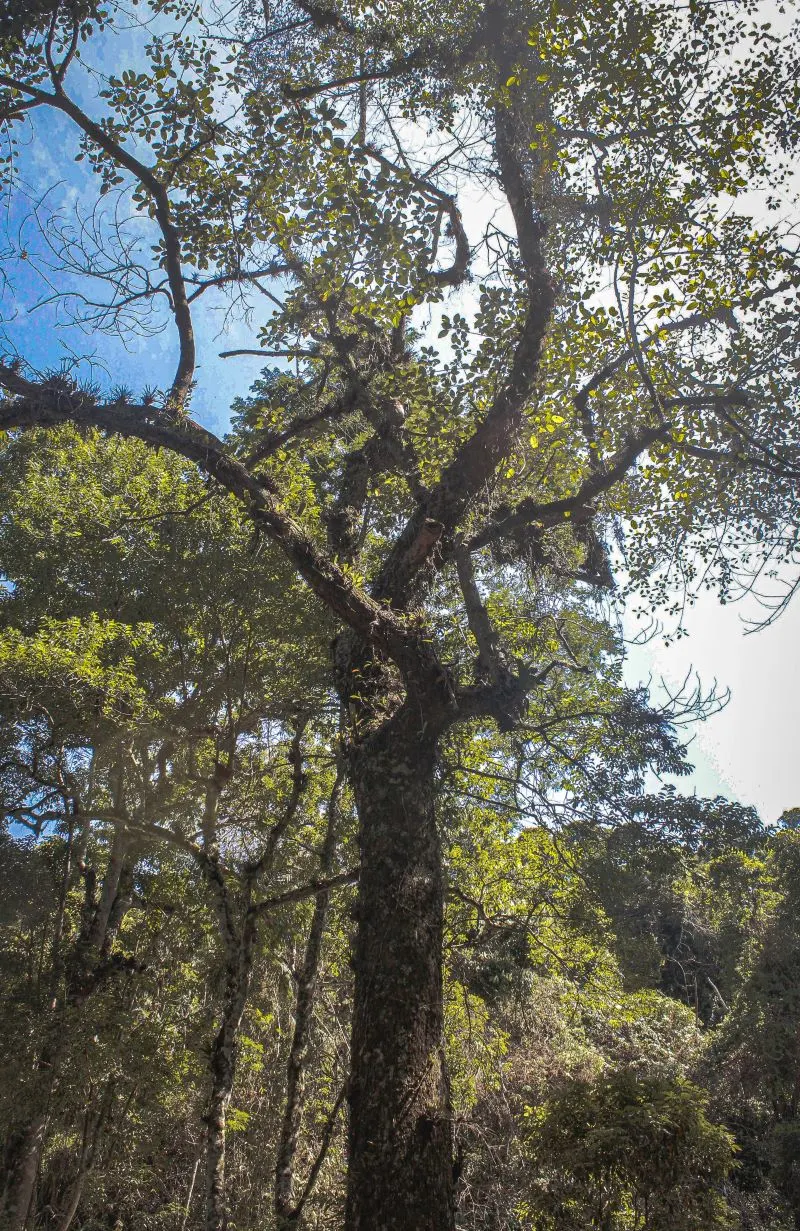
Tijuca National Park, located in Rio de Janeiro, Brazil, is a vast and magnificent urban rainforest, known as the largest urban forest in the world. Spanning over 32 square kilometers, it is a lush green oasis nestled within the city, offering a haven of natural beauty, diverse wildlife, and outdoor recreational opportunities.
The park is characterized by its dense tropical vegetation, towering trees, and cascading waterfalls. It is home to a remarkable variety of plant and animal species, including monkeys, toucans, parrots, and numerous other birds and mammals. Tijuca National Park is an important conservation area, playing a crucial role in preserving the region’s biodiversity.
Visitors to Tijuca National Park can explore a network of well-maintained trails that meander through the forest, providing opportunities for hiking, nature walks, and birdwatching.
The park offers a range of trails suitable for different fitness levels, allowing visitors to immerse themselves in the serene and tranquil surroundings.
One of the park’s highlights is the hike to the summit of Pedra da Gávea, a massive rock formation that offers panoramic views of Rio de Janeiro. The challenging hike rewards adventurers with breathtaking vistas of the city, the coastline, and the surrounding mountains.
Another popular attraction within Tijuca National Park is the Cascatinha Waterfall, also known as Taunay Waterfall. It is a picturesque cascade surrounded by lush greenery, offering a refreshing spot for relaxation and contemplation.
In addition to its natural beauty, Tijuca National Park is steeped in history and cultural significance. The park was reforested in the 19th century as a response to deforestation caused by coffee plantations, and it is considered an impressive example of ecological restoration.
6. Escadaria Selarón: Admire the colorful steps of this famous staircase, decorated with tiles from all over the world


Escadaria Selarón, also known as the Selarón Steps, is a vibrant and iconic staircase located in the Lapa neighborhood of Rio de Janeiro, Brazil. It is a stunning work of art created by Chilean-born artist Jorge Selarón, who dedicated over two decades of his life to transforming the steps into a colorful and captivating masterpiece.
The staircase consists of 215 steps that connect the neighborhoods of Lapa and Santa Teresa. What makes the Selarón Steps truly unique is the intricate mosaic work that covers the entire surface of the steps.
Selarón began the project in 1990 as a personal tribute to the Brazilian people and culture. Over the years, he collected and used thousands of tiles, ceramics, and mirrors from around the world, incorporating them into the mosaic design.
The mosaic tiles on the steps feature a myriad of colors, patterns, and designs, creating a visual feast for the eyes. The tiles depict various themes, from simple geometric patterns to portraits, national flags, and cultural symbols from different countries. It is an ever-evolving work of art, as Selarón would continually add new tiles to the steps, ensuring that no two sections were the same.
Escadaria Selarón quickly gained international recognition and became a popular attraction for visitors from around the world. Its vibrant colors and unique artistic expression have been featured in numerous films, music videos, and documentaries.
The Selarón Steps have become an important cultural landmark in Rio de Janeiro. Visitors flock to admire the vibrant mosaic, take photographs, and soak in the artistic atmosphere. The staircase has become a meeting point for locals and tourists alike, offering a lively and energetic ambiance.
Sadly, Jorge Selarón passed away in 2013, but his legacy lives on through the stunning creation that bears his name.
7. Rio de Janeiro Botanical Garden: Wander through lush gardens, see rare plants, and visit the iconic Victoria water lilies

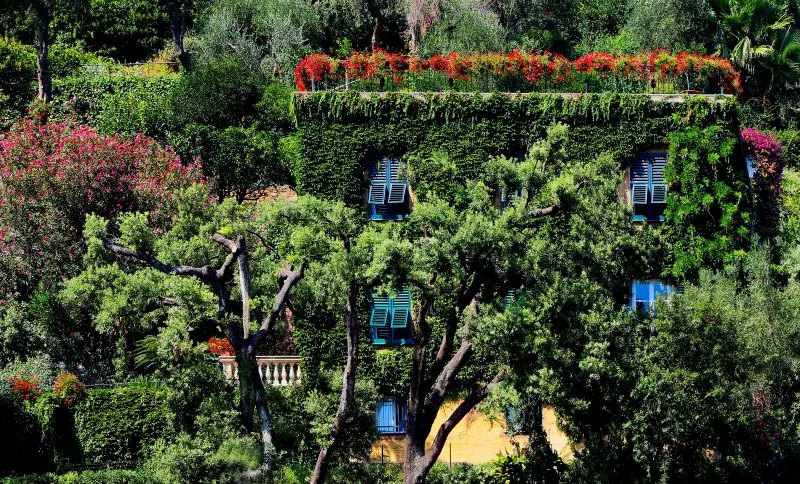
The Rio de Janeiro Botanical Garden, locally known as Jardim Botânico do Rio de Janeiro, is a magnificent and expansive botanical garden located in the southern zone of Rio de Janeiro, Brazil. Spanning over 340 acres (138 hectares), the garden is a haven of natural beauty, tranquility, and biodiversity.
Established in 1808, the Rio de Janeiro Botanical Garden is one of the oldest botanical gardens in Brazil and has since become a significant cultural and scientific institution.
The garden showcases a diverse collection of plants from various regions of Brazil and around the world, serving as a living laboratory for research, education, and conservation.
The main highlight of the garden is the incredible variety of plant species it houses. Visitors can explore winding paths that lead through lush tropical forests, palm groves, and manicured gardens.
The garden is home to over 6,500 species of plants, including exotic orchids, bromeliads, giant water lilies, and towering imperial palms. The crown jewel of the garden is a majestic avenue lined with over 100 towering royal palm trees, creating an awe-inspiring sight.
One of the most famous attractions within the botanical garden is the Victoria Amazonica Water Lily Pond. These enormous lilies, known for their floating pads that can grow up to 8 feet (2.5 meters) in diameter, create a captivating display.
The garden also features several themed gardens, such as the Japanese Garden and the Sensorial Garden, which offer unique and immersive experiences.
The garden’s historic structures add to its charm. The centerpiece is the Neo-Classical-style glasshouse, built in the 19th century, which houses a wide variety of tropical plants. Other notable structures include the Research Institute, the Herbarium, and the Museum of Environmental Education.
8. Santa Teresa: Explore this bohemian neighborhood known for its narrow streets, art studios, and charming colonial architecture

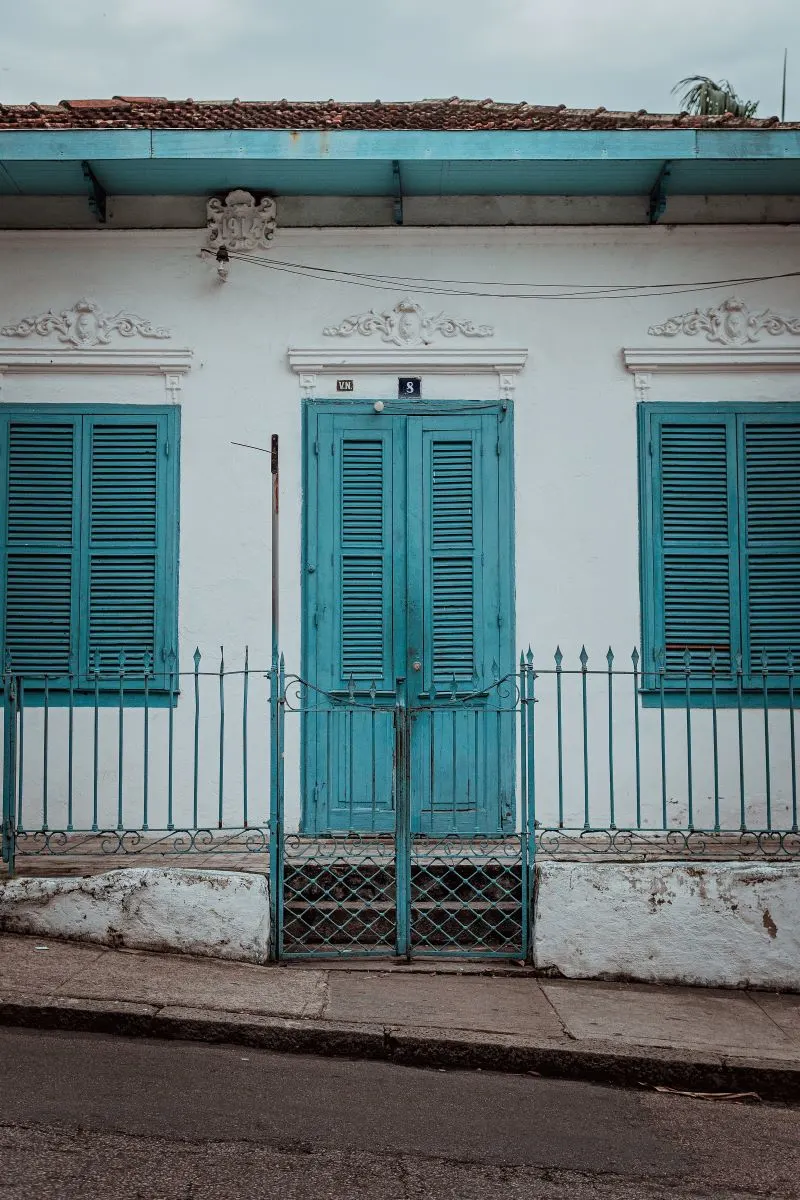
Santa Teresa is a charming and bohemian neighborhood located on a hillside in the city of Rio de Janeiro, Brazil. Known for its colonial architecture, narrow winding streets, and artistic ambiance, Santa Teresa offers a unique and enchanting experience for visitors.
The neighborhood exudes a nostalgic charm, with its colorful colonial-era buildings, adorned with intricate wrought-iron balconies and vibrant street art. The cobblestone streets of Santa Teresa wind their way up the hill, creating a picturesque and romantic atmosphere reminiscent of old-world charm.
One of the highlights of Santa Teresa is the historic Santa Teresa Tram, known as the “bonde.” This yellow tram takes visitors on a delightful journey through the neighborhood, offering panoramic views of Rio de Janeiro along the way. The tram ride is a nostalgic experience that transports you back in time, capturing the essence of Santa Teresa’s rich history.
The neighborhood is also home to several cultural and historical attractions. The Parque das Ruínas (Ruins Park) is a popular destination, featuring the remains of a mansion that was once the residence of Laurinda Santos Lobo, a renowned patron of the arts. The park offers stunning views of the city and hosts art exhibitions, concerts, and cultural events.
Santa Teresa is known for its vibrant nightlife, with numerous bars and restaurants offering a mix of local and international cuisine. The neighborhood’s lively music scene comes alive at night, with live samba, bossa nova, and jazz performances in various venues.
9. Lapa Arches: Visit the impressive Carioca Aqueduct, a symbol of Rio de Janeiro, located in the vibrant Lapa district

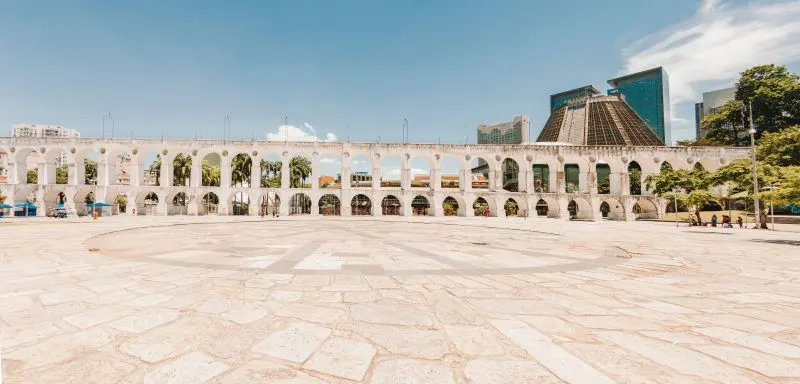
The Lapa Arches, locally known as Arcos da Lapa, are an iconic architectural landmark located in the Lapa neighborhood of Rio de Janeiro, Brazil. These massive stone arches, also known as the Carioca Aqueduct, stand as a testament to the city’s rich history and engineering prowess.
The Lapa Arches were constructed in the 18th century to serve as an aqueduct, bringing fresh water from the Carioca River to the city. The aqueduct spans a length of 270 meters and reaches a height of 64 meters, making it an impressive engineering feat of its time.
Today, the Lapa Arches have become an emblematic symbol of Rio de Janeiro. They serve as a gateway to the vibrant Lapa neighborhood, which is renowned for its lively nightlife, music, and cultural scene. The arches are an integral part of the neighborhood’s identity and a popular meeting point for locals and tourists alike.
The arches themselves are constructed using thick granite blocks, forming an imposing structure that is hard to miss. They stand as a reminder of Rio’s colonial past, showcasing the architectural style of the era.
Underneath the Lapa Arches, you’ll find the famous Lapa Steps, another artistic masterpiece created by Jorge Selarón. The steps are covered in a mosaic of colorful tiles, adding to the vibrant and artistic atmosphere of the area.
The Lapa Arches are particularly stunning at night when they are illuminated, casting a warm glow over the surroundings.
The area beneath the arches comes alive with street performers, live music, and bustling bars and clubs. Lapa is famous for its samba clubs, where visitors can dance the night away and immerse themselves in the infectious rhythms of Brazil.
10. Maracanã Stadium: Experience the passion of Brazilian football by attending a match or taking a guided tour of this legendary stadium


Maracanã Stadium, officially known as Estádio Jornalista Mário Filho, is an iconic sports venue located in Rio de Janeiro, Brazil. It is one of the most famous and historic football stadiums in the world, renowned for its grandeur, rich history, and passionate atmosphere.
Opened in 1950, Maracanã Stadium has a capacity of over 78,000 spectators, making it one of the largest stadiums in South America.
It has played host to numerous significant football matches, including the final of the 1950 FIFA World Cup and the 2014 FIFA World Cup final. The stadium has witnessed historic moments and unforgettable matches that have shaped the sport’s history.
The architecture of Maracanã Stadium is impressive, characterized by its vast oval shape and distinct roof structure. The original design underwent renovations and modernization in preparation for the 2014 World Cup, ensuring that the stadium maintained its iconic status while meeting modern standards.
Maracanã Stadium has an electrifying atmosphere during football matches, with passionate fans filling the stands, chanting, and waving flags in support of their teams. The energy and noise generated by the crowd are awe-inspiring, creating an unforgettable experience for spectators.
Beyond football, Maracanã Stadium has also hosted a range of other events, including concerts, religious gatherings, and cultural festivals. It has welcomed renowned artists such as Madonna, The Rolling Stones, and Paul McCartney, who have performed on its hallowed grounds.
11. Jardim Botânico: Discover the beautiful botanical garden, which houses over 6,500 species of plants

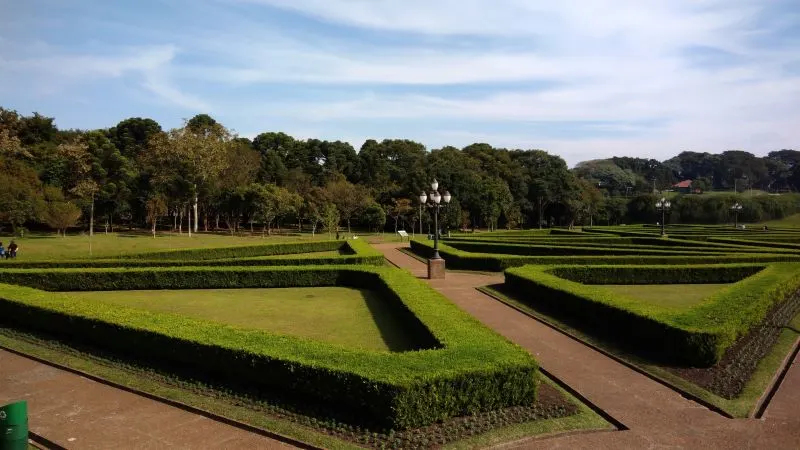
Jardim Botânico, also known as the Botanical Garden of Rio de Janeiro, is a stunning and expansive green oasis located in the south zone of Rio de Janeiro, Brazil. It is a renowned botanical garden and scientific institution, offering visitors a peaceful retreat amidst the bustling city.
Established in 1808, Jardim Botânico spans over 140 hectares (350 acres) and showcases an impressive collection of plant species from Brazil and around the world. It serves as a hub for botanical research, conservation efforts, and education.
The garden is characterized by its lush greenery, meandering pathways, and tranquil ponds. It features a diverse range of flora, including towering palm trees, exotic orchids, rare bromeliads, and vibrant tropical flowers. The garden’s centerpiece is the imposing avenue of royal palm trees, which creates a majestic and awe-inspiring sight.
As you explore the garden, you’ll encounter various themed sections and gardens. The Orchidarium houses an extensive collection of stunning orchids, showcasing their beauty and diversity.
The Japanese Garden offers a tranquil escape with its serene ponds, traditional pagodas, and meticulously maintained bonsai trees.
12. Pedra Bonita: Hike to the summit of Pedra Bonita for panoramic views of the city and the Tijuca Forest

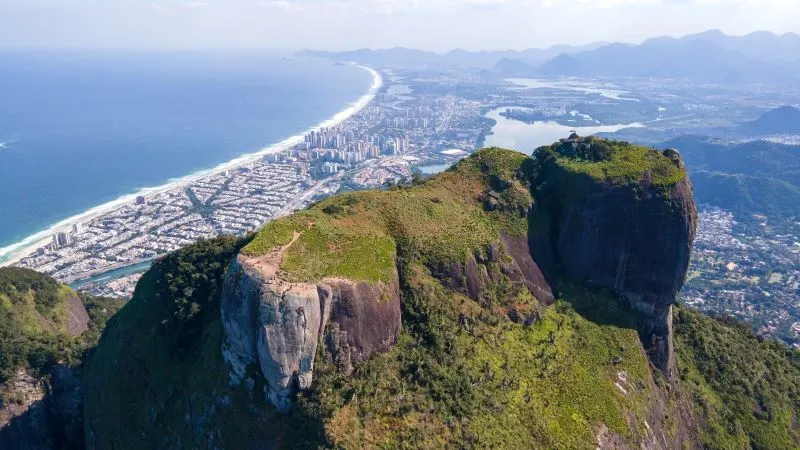
Pedra Bonita is a breathtaking mountain peak located in the Tijuca National Park in Rio de Janeiro, Brazil. It is a popular destination for outdoor enthusiasts and adventure seekers, offering stunning panoramic views and thrilling activities.
Rising approximately 696 meters (2,283 feet) above sea level, Pedra Bonita is known for its impressive rock formations and lush surrounding forests. It offers a relatively easy hiking trail that takes visitors through the Tijuca Forest, a pristine tropical rainforest within the national park.
The hike to Pedra Bonita is a delightful experience, allowing you to immerse yourself in the natural beauty of the surroundings. As you ascend, you’ll encounter a variety of plant and animal species, including colorful birds, monkeys, and butterflies.
Upon reaching the summit of Pedra Bonita, you’ll be rewarded with breathtaking panoramic views of Rio de Janeiro. From this vantage point, you can marvel at the iconic landmarks of the city, such as the Christ the Redeemer statue, Sugarloaf Mountain, and the coastline stretching along Copacabana and Ipanema beaches.
Pedra Bonita is also renowned for its paragliding and hang gliding activities. The mountain’s favorable wind conditions and open space make it an ideal launch point for these thrilling aerial sports.
If you’re an adrenaline junkie, you can experience the exhilaration of flying over the city and enjoying a bird’s-eye view of the stunning landscape.
13. Rio Scenarium: Enjoy live music and dance the night away at this renowned samba club in Lapa


Rio Scenarium is a renowned nightclub and cultural hotspot located in the Lapa neighborhood of Rio de Janeiro, Brazil. It is widely regarded as one of the best places in the city to experience traditional Brazilian music, dance, and vibrant nightlife.
Housed in a beautifully restored colonial mansion, Rio Scenarium combines history, culture, and entertainment to create a unique and immersive experience. The venue is known for its eclectic decor, featuring vintage antiques, intricate woodwork, and an atmosphere that transports visitors back in time.
As you step into Rio Scenarium, you’ll be greeted by an energetic and lively ambiance. The three-story venue is filled with various rooms and spaces, each offering a different musical experience.
The main dance floor is the heart of the club, where live bands and performers take the stage to showcase the rich musical heritage of Brazil.
Rio Scenarium predominantly features traditional Brazilian music genres such as samba, choro, and forró, but also incorporates other genres like jazz and MPB (Brazilian popular music). The talented musicians and dancers create an electrifying atmosphere, captivating the audience with their skill and passion.
The club’s vibrant dance floor quickly fills up with locals and tourists alike, moving to the infectious rhythms and engaging in spirited dance performances. Even if you’re not a seasoned dancer, you can’t help but be swept away by the energy and joy that fills the air.
14. Museum of Tomorrow: Explore this futuristic museum that combines science, art, and technology to address environmental and social issues

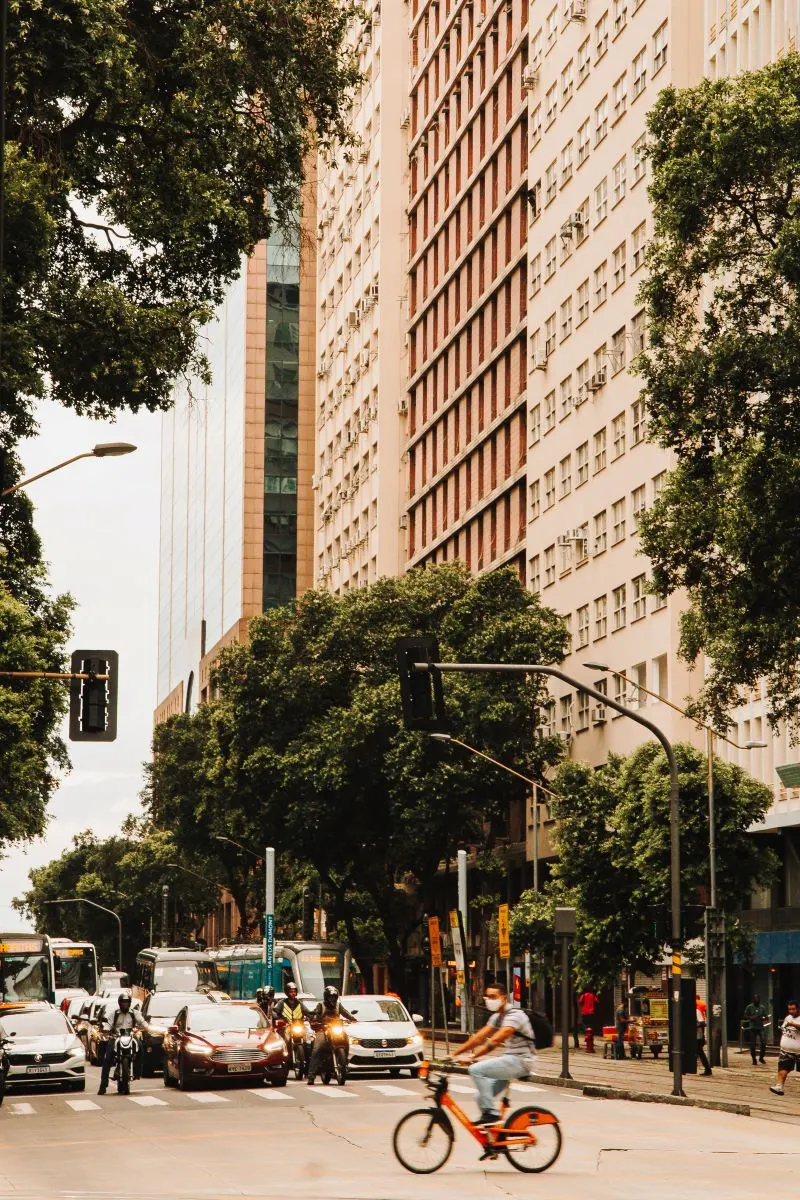
The Museum of Tomorrow, known as Museu do Amanhã in Portuguese, is a striking and innovative museum located in the city of Rio de Janeiro, Brazil.
It stands as a symbol of modernity and sustainable architecture, offering visitors a thought-provoking exploration of science, technology, and the future of humanity.
Designed by renowned Spanish architect Santiago Calatrava, the museum’s architecture is a true masterpiece. Its unique structure resembles a large ship or a futuristic creature, with a sleek white exterior and an intricate web-like design.
The building’s design incorporates sustainable elements, such as solar panels and a water collection system, reflecting its commitment to environmental stewardship.
The Museum of Tomorrow aims to provoke reflection and inspire visitors to contemplate the future of our planet and the challenges that lie ahead.
It presents an interactive and immersive experience, blending science, art, and technology to explore topics such as climate change, sustainability, and the impact of human activity on the planet.
Inside the museum, visitors embark on a journey through various exhibits and installations that engage the senses and stimulate the mind.
Cutting-edge technology, multimedia displays, and interactive elements combine to create a captivating experience. The museum addresses questions about where we come from, who we are, and what our future may hold.
The exhibits at the Museum of Tomorrow delve into scientific concepts, offering insights into fields such as cosmology, biology, anthropology, and sociology.
Visitors can explore themes like the origins of the universe, the interconnectedness of life on Earth, and the potential scenarios for the future of our planet.
The museum encourages visitors to think critically and consider their role in shaping the world of tomorrow. It prompts reflection on the choices we make and the impact they have on the environment, society, and future generations.
15. Parque Lage: Wander through the park’s lush gardens and visit the beautiful mansion that houses the School of Visual Arts


Parque Lage is a picturesque public park located in the Jardim Botânico neighborhood of Rio de Janeiro, Brazil. Nestled at the foot of the Corcovado mountain, it offers a peaceful and enchanting escape from the city’s hustle and bustle.
The park is known for its lush greenery, serene atmosphere, and stunning architectural features. It is centered around the majestic Lage Mansion, a historic building that now houses the School of Visual Arts. The mansion’s grandeur and charm add a touch of elegance to the park’s landscape.
The gardens of Parque Lage are meticulously landscaped, featuring manicured lawns, winding pathways, and a diverse range of tropical flora. Towering palm trees, colorful flowers, and exotic plants create a vibrant and visually captivating environment.
As you explore the park, you’ll come across various elements of interest. The central courtyard of the Lage Mansion is a popular gathering spot, with its tranquil pond and beautiful mosaic fountain. It offers a serene setting for relaxation and contemplation.
One of the highlights of Parque Lage is the Visual Arts School Café, located inside the mansion. It provides a charming setting for enjoying a cup of coffee or a light meal amidst the elegant surroundings.
The café’s outdoor seating area offers a picturesque view of the gardens, making it a popular spot for visitors to unwind and soak in the atmosphere.
Parque Lage is also a gateway to the Tijuca Forest, one of the largest urban forests in the world. You can embark on hiking trails that lead to the Corcovado mountain, providing opportunities to immerse yourself in nature and enjoy breathtaking views of the city and its iconic landmarks.
16. Hang gliding or paragliding: Experience the thrill of flying over Rio de Janeiro’s stunning landscapes


Hang gliding and paragliding in Rio de Janeiro offer the incredible opportunity to soar through the sky and witness the city’s stunning landscapes from a unique perspective.
These exhilarating aerial sports allow you to experience the thrill of flying while taking in breathtaking views of Rio’s iconic landmarks and natural beauty.
As you embark on a hang gliding or paragliding adventure, you’ll be greeted with a sense of freedom as you launch into the air. The wind beneath your wings or canopy lifts you higher, and you’ll find yourself gliding effortlessly through the air like a bird.
The panoramic vistas that unfold beneath you are truly awe-inspiring. From above, you’ll have a bird’s-eye view of Rio de Janeiro’s captivating landscapes, including its golden beaches, emerald-green forests, rugged mountains, and sparkling coastline.
You’ll witness the sprawling urban landscape, with its iconic landmarks such as Christ the Redeemer, Sugarloaf Mountain, and the stunning coastline of Copacabana and Ipanema beaches.
The sensation of flying over Rio de Janeiro is an unforgettable experience. You’ll feel the rush of adrenaline as you soar through the air, the wind rushing past you, and the city’s vibrant energy enveloping you.
The vastness of the landscape unfolds beneath you, providing a sense of awe and wonder as you appreciate the city’s natural and man-made beauty from a whole new perspective.
17. Museu Nacional de Belas Artes: Admire an extensive collection of Brazilian and international art in this renowned museum

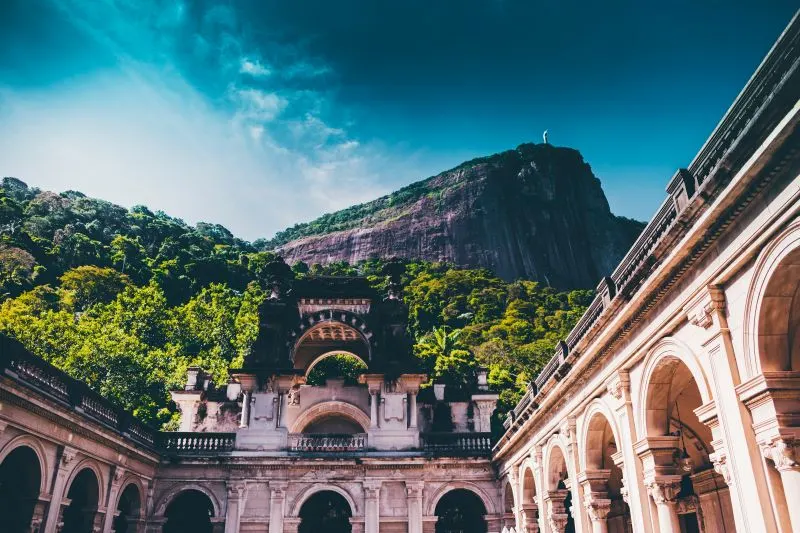
The Museu Nacional de Belas Artes (National Museum of Fine Arts) is a prestigious art museum located in the city of Rio de Janeiro, Brazil. It is one of the most important cultural institutions in the country and houses an extensive collection of Brazilian and international art spanning various periods and styles.
The museum is housed in a magnificent neoclassical building, originally designed as the School of Fine Arts in the late 19th century. Its impressive architecture alone is a sight to behold, with grand columns, ornate facades, and a majestic entrance that welcomes visitors into a world of artistic treasures.
Inside the Museu Nacional de Belas Artes, visitors can explore a vast array of art collections that encompass paintings, sculptures, drawings, prints, and decorative arts.
The museum’s collection spans from ancient to contemporary art, showcasing works from renowned Brazilian artists as well as European masters.
The Brazilian art collection at the museum provides a comprehensive overview of the country’s artistic development. It features works by prominent Brazilian artists such as Candido Portinari, Victor Meirelles, Tarsila do Amaral, and Anita Malfatti, offering insights into Brazil’s cultural heritage and artistic expression.
The international art collection at the Museu Nacional de Belas Artes includes works by renowned artists from around the world. Visitors can admire paintings by European masters such as Rembrandt, Monet, Renoir, and Van Gogh, as well as sculptures by Rodin and other prominent artists.
The museum also hosts temporary exhibitions that showcase diverse themes and artistic movements, providing visitors with the opportunity to discover new perspectives and artistic expressions.
Beyond its art collections, the Museu Nacional de Belas Artes features educational programs, lectures, and workshops that aim to promote art appreciation and cultural enrichment. It serves as a hub for artistic and intellectual engagement, fostering a deeper understanding of art’s role in society.
The museum’s location in downtown Rio de Janeiro offers convenient access and the opportunity to explore the vibrant cultural scene of the city.
18. Rodrigo de Freitas Lagoon: Take a leisurely stroll, rent a bike, or go for a paddleboat ride around this picturesque lagoon


Rodrigo de Freitas Lagoon, also known as Lagoa Rodrigo de Freitas, is a stunning natural lagoon situated in the heart of Rio de Janeiro, Brazil. It is one of the city’s most iconic and picturesque locations, offering a scenic and recreational haven for both locals and tourists.
The lagoon is surrounded by lush green hills and vibrant neighborhoods, providing a breathtaking backdrop for outdoor activities and leisurely strolls. Its calm waters stretch over an area of approximately 2.4 square kilometers, creating a serene and peaceful atmosphere.
Rodrigo de Freitas Lagoon is a popular destination for various recreational pursuits. The surrounding path, known as the Ciclovia da Lagoa, is a favorite spot for walking, jogging, and cycling. It offers a scenic route that encircles the lagoon, allowing visitors to enjoy panoramic views and soak in the beauty of the surroundings.
Water sports enthusiasts flock to the lagoon to engage in activities such as paddleboarding, kayaking, and canoeing. The calm waters provide an ideal setting for these pursuits, allowing visitors to explore the lagoon at their own pace and admire the natural scenery.
The lagoon’s shores are dotted with kiosks, cafés, and restaurants, offering a variety of food and refreshments. These establishments provide a perfect spot to relax, enjoy a meal, and appreciate the tranquil ambiance of the lagoon.
19. Museu de Arte do Rio: Explore contemporary art exhibitions and learn about the city’s cultural history

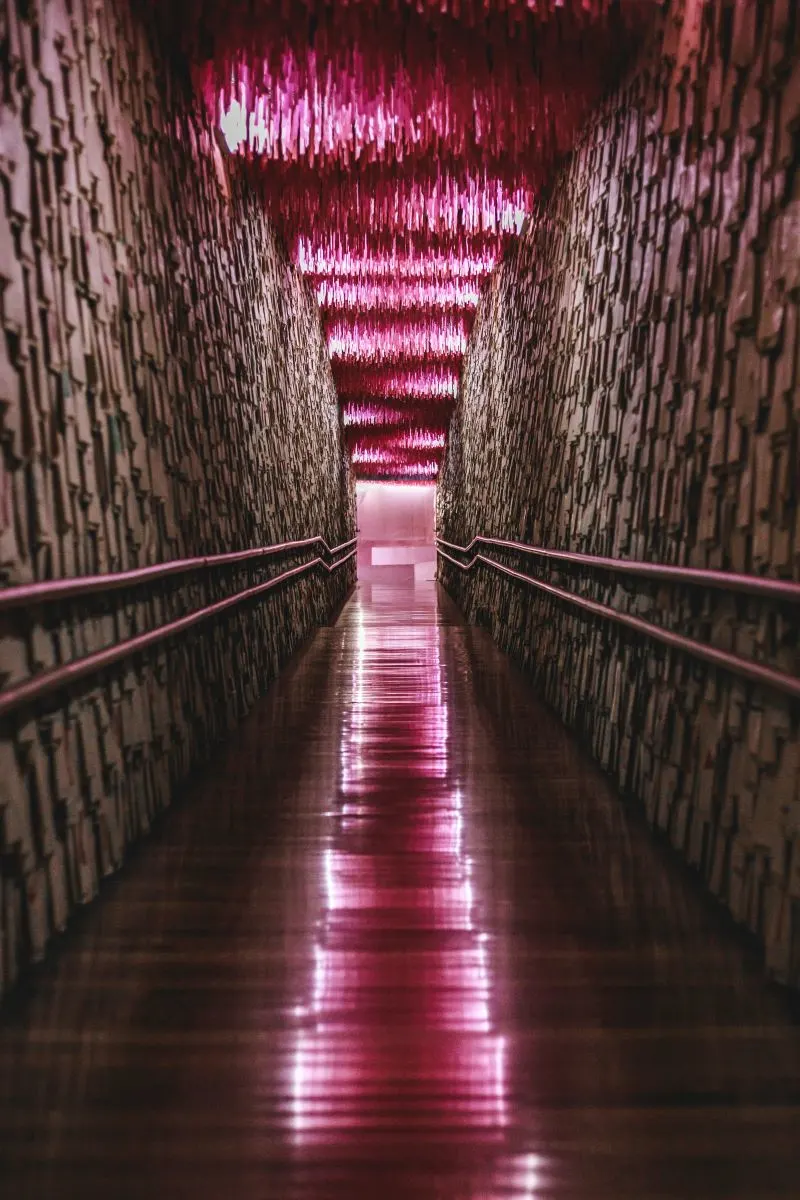
The Museu de Arte do Rio (Museum of Art of Rio), also known as MAR, is a vibrant cultural institution located in the heart of Rio de Janeiro, Brazil. It is dedicated to showcasing and celebrating the art, history, and culture of the city and its people.
Housed in two interconnected buildings, MAR seamlessly blends the historic and the contemporary. The museum’s main building is a beautifully restored 19th-century palace, known as Palacete Dom João VI, which provides a stunning backdrop for its exhibitions and activities. The second building, a modern structure, complements the palace and offers additional exhibition spaces.
The museum’s permanent collection focuses on Brazilian art from the 19th century to the present day. It features a diverse range of artworks, including paintings, sculptures, photographs, installations, and multimedia presentations.
The collection reflects the cultural diversity and artistic expressions of Rio de Janeiro and Brazil, offering visitors insights into the city’s history, identity, and social issues.
MAR is renowned for its dynamic and engaging temporary exhibitions, which explore various themes and artistic movements. These exhibitions often include collaborations with national and international artists, curators, and cultural institutions, creating a platform for dialogue and exchange.
In addition to its exhibition spaces, MAR offers a range of educational programs and activities for visitors of all ages. These include workshops, lectures, guided tours, and interactive installations, designed to enhance the visitor’s understanding and appreciation of art and culture.
The museum’s location is strategic, situated near the revitalized Port Zone of Rio de Janeiro. This area, once neglected, has undergone significant urban renewal and now serves as a cultural hub with art galleries, theaters, and restaurants. MAR’s presence has contributed to the revitalization of the Port Zone and has become a symbol of cultural transformation in the city.
20. Feira de São Cristóvão: Immerse yourself in the vibrant Northeastern culture at this large market with music, food, and crafts


Feira de São Cristóvão, also known as Feira Nordestina, is a vibrant and bustling marketplace located in the neighborhood of São Cristóvão in Rio de Janeiro, Brazil. It is a cultural and gastronomic hub that celebrates the rich traditions, flavors, and music of Northeastern Brazil.
The Feira de São Cristóvão is a lively and colorful open-air market that recreates the atmosphere of the northeastern region of Brazil.
As you step into the market, you’ll be immersed in a vibrant and festive ambiance filled with the sounds of forró music, laughter, and the aroma of delicious northeastern cuisine.
The market is a sprawling complex that houses numerous stalls, shops, and restaurants. The vendors proudly display a wide array of products and crafts representing the northeastern culture. You’ll find traditional clothing, handicrafts, leather goods, jewelry, musical instruments, and much more.
One of the highlights of the Feira de São Cristóvão is the variety of northeastern cuisine available. The market is renowned for its food stalls and restaurants that offer authentic dishes from the region.
You can savor mouthwatering delicacies such as acarajé (deep-fried black-eyed pea fritters filled with shrimp and condiments), tapioca, carne de sol (sun-dried beef), baião de dois (rice and beans dish), and other flavorful specialties. Don’t forget to try some refreshing coconut water or indulge in a delicious caipirinha, a popular Brazilian cocktail.
Feira de São Cristóvão is not only a place to shop and eat but also a vibrant cultural center. It hosts live performances of forró music, a genre that originated in Northeastern Brazil, with bands and musicians entertaining visitors throughout the day and into the night. You can join in the traditional dance or simply enjoy the infectious rhythms and joyful atmosphere.
21. Theatro Municipal: Attend a ballet, opera, or orchestral performance at this majestic theater

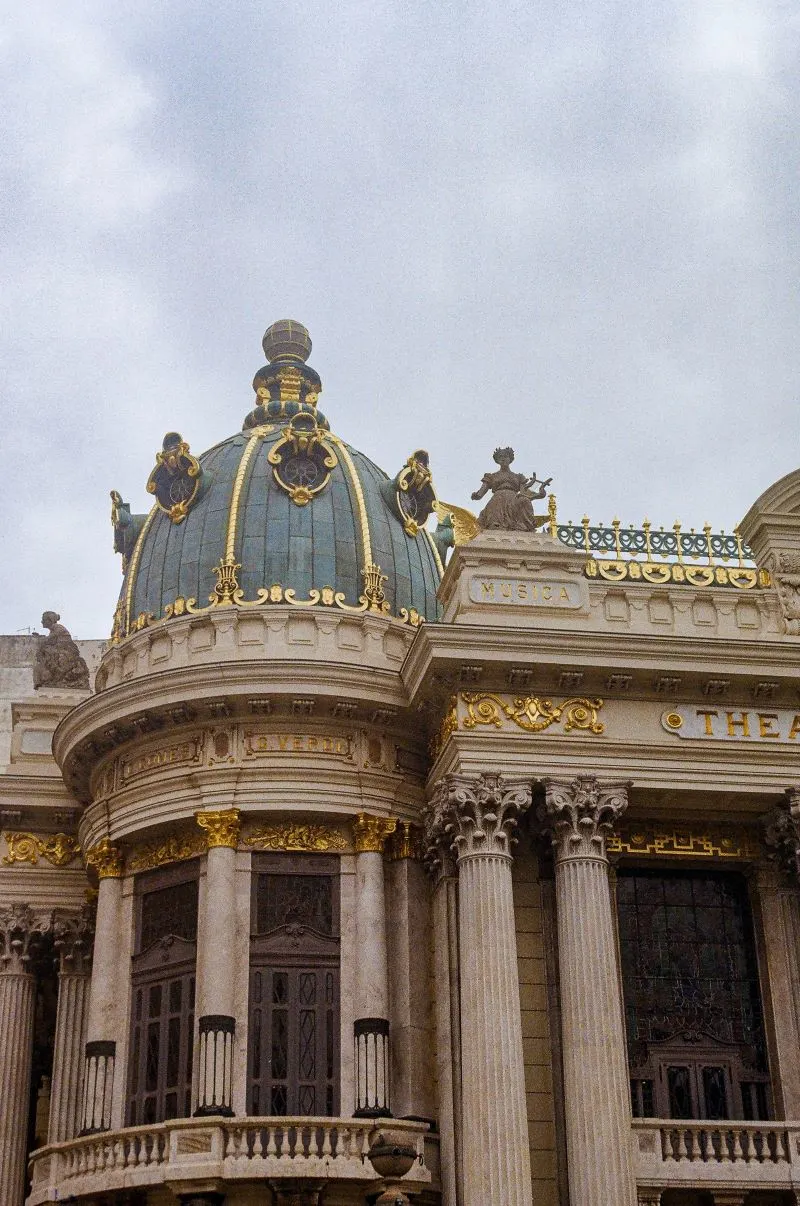
Theatro Municipal, also known as Municipal Theater, is an iconic cultural landmark located in the heart of Rio de Janeiro, Brazil. This majestic theater is renowned for its grandeur, architectural beauty, and rich history, making it a symbol of the city’s cultural legacy.
The theater’s construction was inspired by the opulence of European theaters, particularly the Paris Opera House, and it was inaugurated in 1909.
Designed by Francisco de Oliveira Passos, the Municipal Theater showcases a blend of architectural styles, predominantly influenced by French Beaux-Arts and Italian Renaissance designs.
As you approach the Theatro Municipal, you’ll be captivated by its imposing facade adorned with intricate sculptures, ornate balconies, and a grand entrance staircase. The exterior is a testament to the theater’s elegance and grandeur, hinting at the artistic treasures that lie within.
Step inside, and you’ll find yourself in a world of beauty and sophistication. The interior of Theatro Municipal features lavish decorations, intricate plasterwork, majestic chandeliers, and stunning murals. The main auditorium, adorned with gold accents and red velvet seating, exudes a sense of grandeur and opulence.
The theater is not only visually captivating but also acoustically impressive. The main hall, with its exceptional sound design and architecture, offers an ideal setting for operas, ballets, symphonies, and other live performances.
Its excellent acoustics ensure that the music and performances resonate with exceptional clarity and richness, providing an immersive experience for the audience.
The Theatro Municipal is not limited to traditional theatrical performances. It also hosts a wide range of cultural events, including concerts, dance performances, theater productions, and art exhibitions.
It serves as a platform for both Brazilian and international artists, offering a diverse program that appeals to a broad audience.
Beyond its artistic significance, the theater holds historical and cultural importance for Rio de Janeiro. It has witnessed countless milestone events, from hosting prestigious performances by world-renowned artists to being a stage for important moments in Brazilian history.
22. São Conrado Beach: Enjoy a quieter beach experience with a stunning backdrop of mountains


São Conrado Beach is a picturesque coastal area located in the southern part of Rio de Janeiro, Brazil. Nestled between the neighborhoods of São Conrado and Barra da Tijuca, this beach offers a serene and laid-back atmosphere, away from the bustling crowds of other popular beaches in the city.
The beach is known for its natural beauty, with a wide stretch of golden sand framed by lush green hills and mountains. Its scenic backdrop includes the iconic Pedra da Gávea, a massive granite rock formation that towers over the beach and adds to its charm.
São Conrado Beach is favored by locals and visitors alike for its tranquil ambiance and relatively quieter setting. Compared to some of the more famous beaches in Rio, it tends to be less crowded, providing a peaceful retreat for those seeking relaxation or a break from the bustling city.
The beach is ideal for sunbathing, leisurely walks along the shoreline, and taking in the scenic beauty that surrounds it. The Atlantic Ocean’s turquoise waters are inviting, making it a pleasant spot for a refreshing swim or a dip to cool off on a hot day.
The beach is also a popular destination for water sports enthusiasts. São Conrado’s favorable wind conditions make it a favorite spot for hang gliding and paragliding. The sight of colorful gliders soaring overhead against the backdrop of the mountains is a common spectacle at São Conrado Beach.
23. Niterói Contemporary Art Museum: Cross the Rio-Niterói Bridge and visit this unique museum designed by renowned architect Oscar Niemeyer

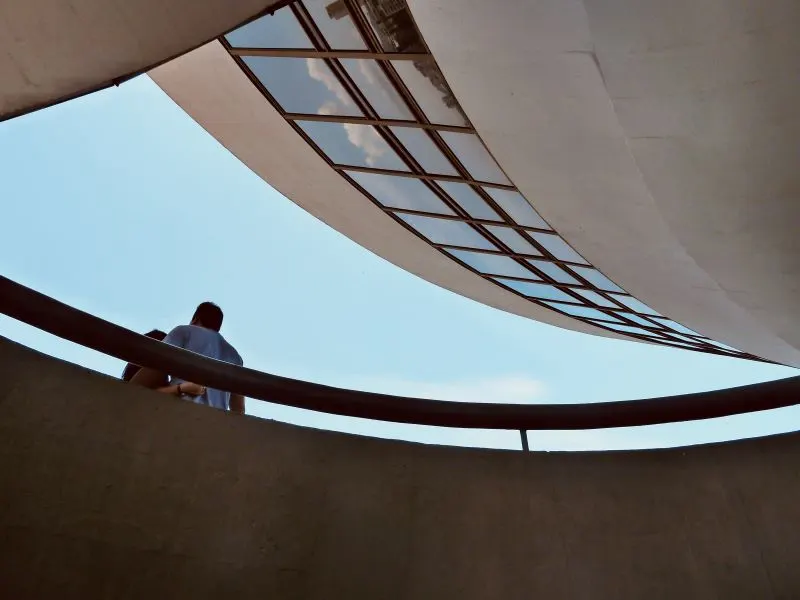
The Niterói Contemporary Art Museum, also known as MAC Niterói, is an architectural marvel and a prominent cultural institution located in Niterói, a city across the Guanabara Bay from Rio de Janeiro, Brazil.
Designed by renowned architect Oscar Niemeyer, this iconic museum is known for its striking and futuristic design, as well as its collection of contemporary artworks.
Perched on a cliff overlooking the bay, the Niterói Contemporary Art Museum is a striking structure that resembles a flying saucer or a giant white wave.
Its unique architecture attracts visitors from far and wide, not only for its artistic significance but also for the breathtaking panoramic views it offers.
Approaching the museum, visitors are greeted by a sweeping ramp that leads them up to the main entrance. As they step inside, they are enveloped by a spacious and light-filled interior.
The circular exhibition space showcases a variety of contemporary artworks, including paintings, sculptures, installations, and multimedia presentations.
The museum’s collection focuses primarily on Brazilian art from the 20th and 21st centuries, featuring works by renowned artists and emerging talents. It explores various artistic movements and themes, offering visitors a glimpse into the vibrant and dynamic art scene of Brazil.
Aside from the artworks, the museum itself is an attraction worth experiencing. Its curvaceous design, with floor-to-ceiling windows, allows for abundant natural light to filter through, creating a unique play of light and shadows within the exhibition spaces.
The views from the museum’s windows are nothing short of spectacular, with the Guanabara Bay, Rio de Janeiro’s skyline, and the iconic Sugarloaf Mountain serving as a breathtaking backdrop.
MAC Niterói is not only a space for displaying art but also a cultural hub that hosts a range of events, including temporary exhibitions, film screenings, lectures, and performances. Its auditorium and outdoor plaza often serve as venues for concerts, theatrical productions, and other artistic performances.
24. Pão de Açúcar Trail: For outdoor enthusiasts, hike up the less crowded path to Sugarloaf Mountain


The Pão de Açúcar Trail, also known as the Sugarloaf Mountain Trail, is an exhilarating hiking route that takes you to the summit of one of Rio de Janeiro’s most iconic landmarks, Pão de Açúcar (Sugarloaf Mountain). This trail offers adventure seekers an opportunity to immerse themselves in nature, enjoy breathtaking views, and experience the thrill of conquering a mountain peak.
The trail begins at the base of the mountain and winds its way up through lush tropical vegetation, rocky terrain, and steep inclines.
As you ascend, you’ll encounter a variety of flora and fauna, including vibrant orchids, exotic birds, and the occasional monkey. The trail is well-marked, ensuring that hikers can navigate the path with relative ease.
The hike to the summit of Pão de Açúcar is divided into two main parts. The first part involves ascending the Morro da Urca, a smaller peak that serves as an intermediate stop on the way to the main summit.
Along the way, there are lookout points where you can catch your breath and marvel at the panoramic vistas of Rio de Janeiro, including its famous beaches, cityscape, and the vast expanse of the Atlantic Ocean.
After reaching Morro da Urca, hikers can take a cable car to the summit of Pão de Açúcar, which provides a convenient and thrilling option for completing the journey.
Alternatively, the more adventurous can opt to continue on foot, following a trail that includes rock scrambling and a short via ferrata section. This final stretch offers an adrenaline-pumping experience and rewards you with unparalleled views of Rio de Janeiro and its surrounding landscapes.
Reaching the summit of Pão de Açúcar is a truly awe-inspiring experience. From the top, you can marvel at the breathtaking 360-degree views of the city, its golden beaches, the lush Tijuca Forest, and the vast ocean stretching out into the horizon.
25. Rio Street Art Tour: Discover the city’s vibrant street art scene through guided tours in neighborhoods like Lapa and Santa Teresa

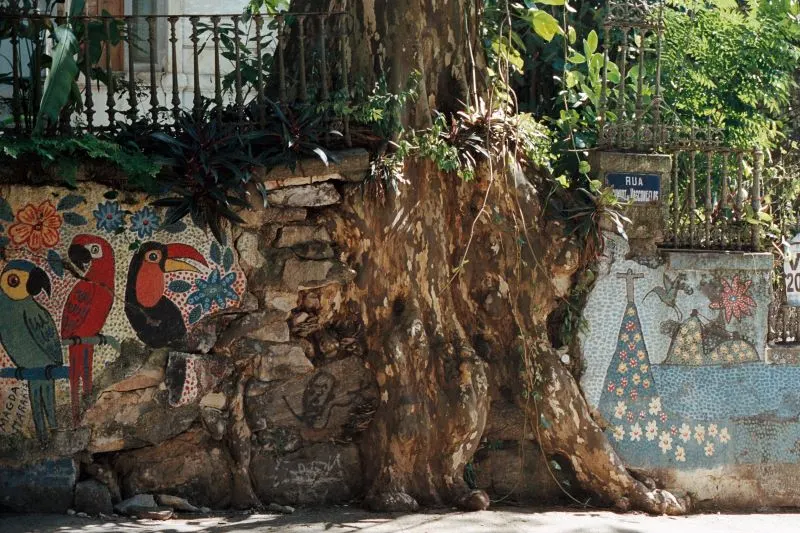
The Rio Street Art Tour is a vibrant and immersive experience that takes you through the colorful world of street art in Rio de Janeiro, Brazil.
Led by knowledgeable guides who are passionate about urban art, this tour offers a unique opportunity to explore the city’s dynamic street art scene, discover hidden gems, and gain insights into the stories and meanings behind the artworks.
The tour typically starts in neighborhoods such as Santa Teresa or Lapa, where street art flourishes and becomes an integral part of the local culture.
From there, you’ll embark on a walking journey through the streets, alleys, and hidden corners, where you’ll encounter an array of stunning murals, graffiti pieces, stencils, and installations.
Rio de Janeiro’s street art scene is diverse and eclectic, featuring a range of artistic styles, themes, and techniques. The artworks often reflect the city’s social, political, and cultural landscape, expressing the artists’ perspectives and engaging with current issues. You’ll have the opportunity to discover pieces by both local and international artists, each with their unique artistic voice.
During the tour, the guides will share their knowledge about the artists, their inspirations, and the stories behind the artworks.
They will help you decode the symbolism and messages conveyed in the art, giving you a deeper understanding of the context in which it was created. You’ll learn about the techniques used, the evolution of street art in Rio de Janeiro, and its significance within the broader art world.
In addition to exploring the vibrant street art, the tour also provides insights into the neighborhoods themselves. You’ll get a glimpse of the local culture, witness the daily life of residents, and learn about the historical and social aspects that shape these communities.
26. Sambadrome: Experience the energy and spectacle of Carnival by visiting the venue where the samba parades take place


The Sambadrome, officially known as the Sambódromo Marquês de Sapucaí, is an iconic stadium in Rio de Janeiro, Brazil, renowned for hosting the spectacular Carnival parades.
Designed by the famous Brazilian architect Oscar Niemeyer, it is considered the heart of the city’s Carnival celebrations and an emblematic symbol of Brazilian culture.
The Sambadrome is a long and narrow structure with grandstands on either side, providing a massive venue for the samba schools to showcase their elaborate floats, vibrant costumes, and energetic dance performances during Carnival.
The stadium stretches for 700 meters, with a central parade area known as the “avenue,” where the samba schools make their procession.
During Carnival, the Sambadrome comes alive with an explosion of colors, music, and energy. Each samba school, representing a specific neighborhood or community, prepares meticulously for months to create their dazzling parade.
They compete against one another, aiming to impress the judges and captivate the audience with their creativity, choreography, and thematic presentations.
The parades at the Sambadrome are a feast for the senses. The floats, often towering and intricately designed, carry performers who showcase their talents through dance, acrobatics, and theatrical displays.
The costumes are ornate and extravagant, adorned with feathers, sequins, and glitter, reflecting the unique theme chosen by each samba school.
The sound of samba drums fills the air, creating an infectious rhythm that permeates the entire stadium. The crowd, dressed in vibrant Carnival attire, cheers and sings along, immersing themselves in the joyful atmosphere of the event.
It’s a celebration of Brazilian culture, where people from all walks of life come together to experience the magic and passion of Carnival.
27. Fortaleza de Santa Cruz: Explore this historical fortress and enjoy panoramic views of Guanabara Bay

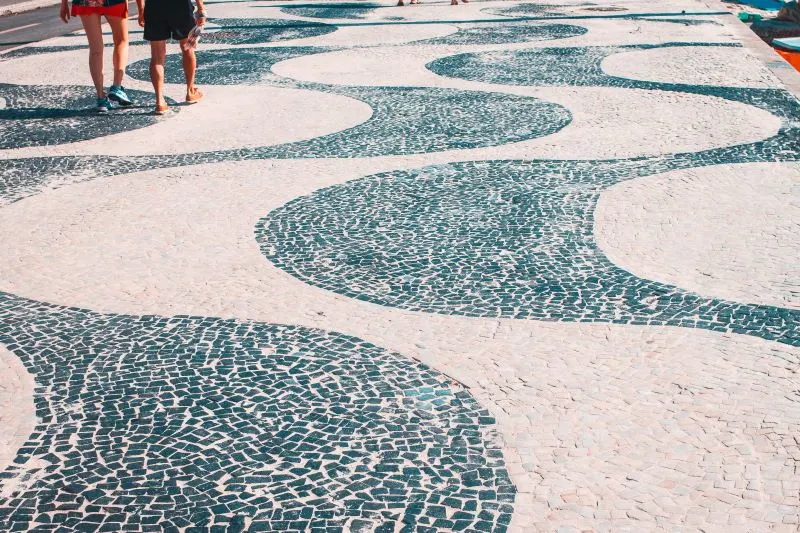
Fortaleza de Santa Cruz is a historic fortress located in the city of Niterói, across the Guanabara Bay from Rio de Janeiro, Brazil.
Perched on a hilltop overlooking the bay, this impressive fortification has played a significant role in the defense of the region throughout history and stands as a testament to Brazil’s colonial past.
Built in the 16th century, Fortaleza de Santa Cruz was strategically positioned to protect the entrance to the Guanabara Bay and defend against potential invasions.
Over the centuries, the fortress has been expanded and modified, reflecting different architectural styles and military techniques of the time.
The fort’s design incorporates a combination of European and Brazilian influences, featuring a mix of stone and brick structures, imposing walls, and a system of bastions and ramparts. Its strategic location provides commanding views of the bay, allowing defenders to monitor and control incoming maritime traffic.
Visiting Fortaleza de Santa Cruz offers a glimpse into Brazil’s military history and provides an opportunity to explore the fort’s well-preserved interior. As you enter, you’ll discover a network of corridors, chambers, and courtyards, each with its own historical significance.
The site includes barracks, storage areas, gunpowder rooms, and even a chapel, providing a glimpse into the daily life of soldiers stationed at the fort.
One of the highlights of the fort is its collection of antique cannons, strategically positioned along the ramparts. These cannons were once instrumental in defending the bay, and their presence adds an air of authenticity to the fortress.
Exploring the ramparts offers breathtaking views of the Guanabara Bay, Rio de Janeiro’s skyline, and the surrounding natural beauty.
Fortaleza de Santa Cruz also houses a small museum that showcases artifacts, documents, and displays related to the fort’s history. Visitors can learn about the fort’s role in various conflicts, its architectural evolution, and the military strategies employed to protect the region.
28. Joatinga Beach: Visit this secluded and picturesque beach known for its natural beauty and great surfing conditions

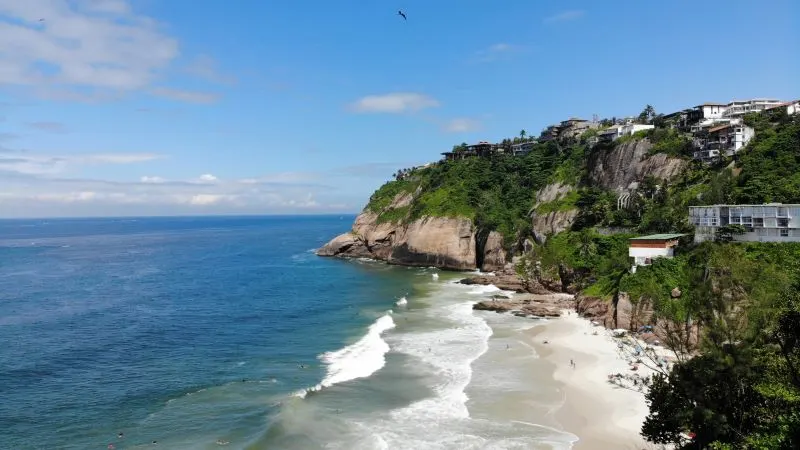
Joatinga Beach, located in the neighborhood of Joá in Rio de Janeiro, Brazil, is a hidden gem known for its pristine beauty, secluded atmosphere, and breathtaking natural surroundings.
Tucked away between lush hills and the sparkling Atlantic Ocean, Joatinga Beach offers a unique and tranquil coastal experience away from the bustling crowds.
What sets Joatinga Beach apart is its exclusivity and privacy. The beach is not as widely known or easily accessible as some of Rio de Janeiro’s more popular beaches, making it a haven for those seeking a quieter and more secluded retreat. Its limited access helps preserve its unspoiled charm and natural allure.
The beach itself is relatively small, with soft golden sand and clear turquoise waters. Surrounded by rocky cliffs and verdant vegetation, it exudes a sense of serenity and tranquility.
The absence of large crowds allows visitors to enjoy a more intimate and peaceful beach experience, perfect for relaxation and unwinding.
Joatinga Beach is also renowned for its excellent surf conditions. The waves here are often powerful and consistent, attracting experienced surfers looking for a thrilling ride.
However, the beach’s unique topography and strong currents make it less suitable for swimming, especially for inexperienced swimmers. It’s important to exercise caution and respect the ocean when enjoying the waters of Joatinga Beach.
While the beach itself is the main attraction, the surrounding natural beauty adds to its allure. The backdrop of lush hills covered in dense vegetation provides a stunning setting for beachgoers.
Visitors can take leisurely walks along the shore, explore the rocky outcrops, or simply relax and soak up the sun while immersing themselves in the breathtaking coastal scenery.
It’s worth noting that Joatinga Beach does not have extensive facilities like beach bars or restaurants. As a result, it’s advisable to bring your own refreshments and snacks for a day at the beach.
Additionally, there are no lifeguards on duty, so swimmers should be mindful of the ocean conditions and take necessary precautions.
29. Candelária Church: Admire the stunning architecture of this neoclassical church, located in the city center

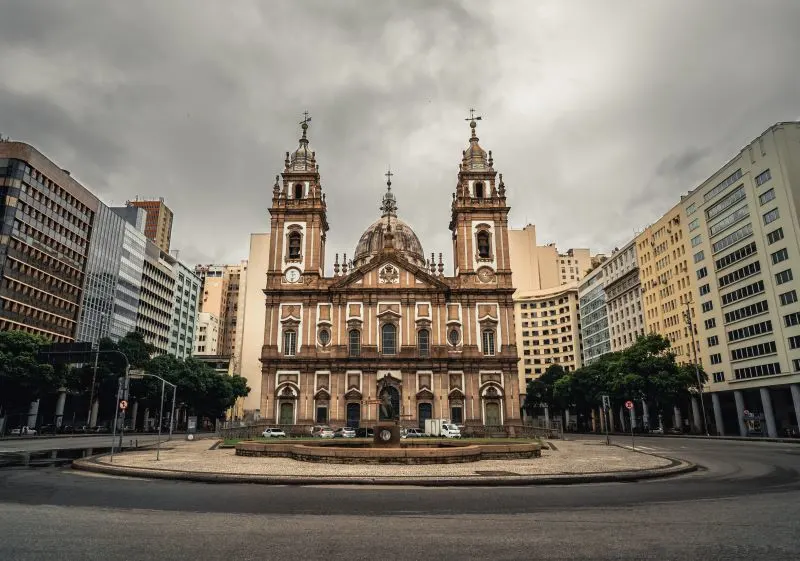
Candelária Church, officially known as the Igreja de Nossa Senhora da Candelária (Church of Our Lady of Candelária), is a magnificent Catholic church located in the city center of Rio de Janeiro, Brazil.
With its grand architecture and historical significance, it stands as one of the most prominent religious landmarks in the city.
The construction of Candelária Church began in the late 18th century and continued over several decades, resulting in a blend of architectural styles that reflect the various periods of its construction.
The church combines elements of neoclassical, Baroque, and Renaissance architecture, creating a visually striking and captivating structure.
The exterior of Candelária Church is characterized by its imposing façade, adorned with intricate details and decorative elements.
The central portion features a grand entrance flanked by towering columns, while statues and reliefs embellish the facade, depicting religious figures and scenes. The dome crowning the church adds a sense of grandeur and elegance to the overall design.
Stepping inside Candelária Church, visitors are greeted by a vast interior space that exudes a sense of awe and reverence. The high ceilings, ornate decorations, and beautiful stained glass windows create a serene and sacred atmosphere. The altar, adorned with religious sculptures and artwork, serves as the focal point of the church and invites contemplation and prayer.
The church is also known for its exquisite collection of religious art. Paintings, sculptures, and religious artifacts dating back centuries can be found throughout the interior, showcasing the rich artistic heritage and cultural significance of the church.
Beyond its architectural and artistic appeal, Candelária Church has historical and cultural significance for the city of Rio de Janeiro. It has witnessed important events and played a role in shaping the city’s history. In 1993, the church was the site of a tragic event when a massacre occurred during a protest, leaving a lasting mark on the collective memory of the city.
Candelária Church is not only a place of worship but also a cultural and historical landmark that welcomes visitors from around the world.
30. AquaRio: Dive into the depths of the ocean at South America’s largest aquarium, home to a wide variety of marine species


AquaRio, also known as the AquaRio Marine Aquarium, is a popular tourist attraction located in Rio de Janeiro, Brazil. It is the largest marine aquarium in South America and offers visitors a unique opportunity to explore the fascinating world of aquatic life.
The aquarium is situated in a modern building near the Porto Maravilha area, overlooking the picturesque Guanabara Bay. It spans an impressive area of 26,000 square meters and houses more than 8,000 animals from over 350 different species, representing diverse marine ecosystems from around the world.
Upon entering AquaRio, visitors are greeted by a captivating underwater tunnel that allows them to walk through a mesmerizing underwater world.
The tunnel provides a 360-degree view of sharks, rays, and a variety of colorful fish swimming above and around you, creating an immersive and unforgettable experience.
The aquarium is divided into several thematic sections, each showcasing different marine environments and their respective inhabitants. Visitors can explore exhibits dedicated to the Amazon Rainforest, the Atlantic Ocean, the Indo-Pacific, and the Great Barrier Reef, among others.
Each section offers a glimpse into the unique marine ecosystems and their biodiversity, featuring a wide range of species, including vibrant tropical fish, graceful seahorses, playful otters, and majestic sea turtles.
AquaRio also features educational and interactive displays that provide insights into marine conservation and the importance of preserving our oceans. Visitors can learn about the threats facing marine life and the efforts being made to protect and conserve these fragile ecosystems.
Additionally, the aquarium offers various activities and experiences to enhance visitors’ understanding and appreciation of marine life. These may include guided tours, educational talks, interactive touch pools, and even the opportunity to dive with sharks under the guidance of certified instructors.
The facility is well-maintained and designed to provide a comfortable and engaging experience for visitors of all ages. It offers amenities such as cafés, gift shops, and seating areas where visitors can relax and enjoy the surroundings.
Food In Rio de Janeiro


Rio de Janeiro, the vibrant and culturally rich city nestled on the coast of Brazil, is not only renowned for its breathtaking landscapes and lively atmosphere but also for its tantalizing culinary offerings.
With a fusion of indigenous, African, Portuguese, and immigrant influences, Rio’s food scene is a reflection of its diverse cultural heritage. From traditional street food to sophisticated fine dining, the city offers a gastronomic journey filled with flavors that will leave you craving for more.
- Feijoada: A Celebration of Brazilian Cuisine No exploration of Rio de Janeiro’s food is complete without indulging in feijoada, the iconic Brazilian dish. A hearty and flavorful black bean stew, feijoada typically includes an assortment of pork cuts, such as sausage, bacon, and ribs. Served with rice, collard greens, farofa (toasted manioc flour), and orange slices, this rich and savory dish is a celebration of Brazilian culinary traditions.
- Street Food Delights: Pastel and Coxinha The streets of Rio de Janeiro come alive with enticing aromas and flavors of its famous street food. Pastel, a deep-fried pastry filled with a variety of savory fillings like cheese, meat, or shrimp, is a favorite among locals and visitors alike. Another street food gem is coxinha, a teardrop-shaped fried dough stuffed with shredded chicken and cream cheese. These handheld delights are perfect for satisfying your cravings on the go.
- Churrasco: A Meat Lover’s Paradise For those seeking a carnivorous adventure, Rio de Janeiro offers a feast for meat lovers with its churrascarias. These Brazilian-style barbecues serve an array of succulent grilled meats, such as juicy steaks, tender lamb, and flavorful sausages. The traditional rodízio style of service allows diners to enjoy an endless parade of skewered meats brought directly to their table. Don’t forget to pair your meal with a caipirinha, Brazil’s signature cocktail.
- Seafood Delicacies: Fresh Catches from Guanabara Bay With its coastal location, Rio de Janeiro boasts an abundance of fresh seafood. Head to the neighborhood of Copacabana or Ipanema, where you’ll find restaurants serving delectable dishes like moqueca, a fragrant fish stew cooked in coconut milk, tomatoes, and spices. Sample succulent grilled shrimp, fried fish, or ceviche prepared with the catch of the day, and savor the flavors of the ocean in every bite.
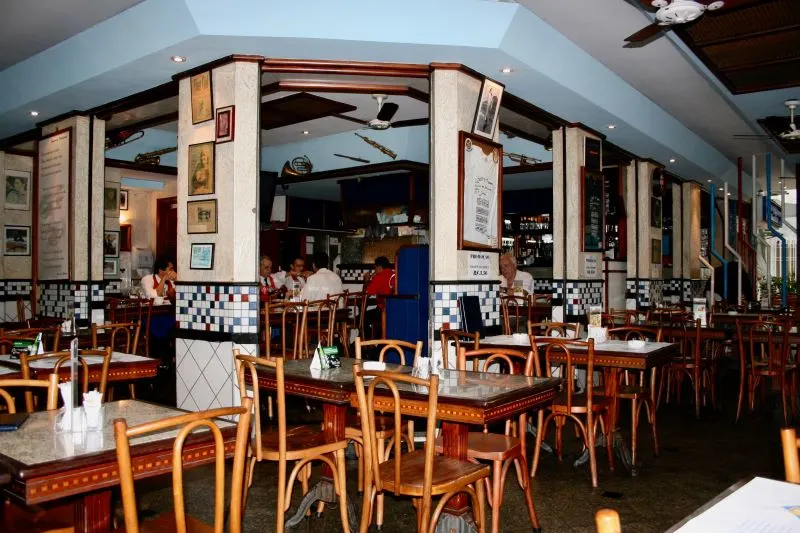
- Boteco Culture: A Blend of Food, Drinks, and Socializing Rio’s culinary scene is also deeply intertwined with its vibrant boteco culture. Botecos are traditional bars where locals gather to enjoy drinks, snacks, and lively conversations. These casual establishments offer an array of petiscos (appetizers) like bolinhos de bacalhau (codfish fritters) and empadas (savory pastries) that pair perfectly with cold beers or refreshing caipirinhas. Experience the lively ambiance and the camaraderie of Rio’s botecos, where food and socializing go hand in hand.
Rio de Janeiro is a culinary paradise where flavors from different cultures blend harmoniously to create a vibrant food scene. From the robust feijoada to the tantalizing street food, the city offers a gastronomic adventure that will ignite your taste buds and leave you with unforgettable memories.
So, embark on a culinary journey through Rio’s diverse neighborhoods, savoring each bite as you immerse yourself in the city’s culinary delights. Whether you’re exploring traditional dishes, indulging in street food, or discovering the flavors of fresh seafood, Rio de Janeiro’s food scene promises a memorable experience.
Top 20 Best Restaurants In Rio de Janeiro, Brazil

- Olympe
- Lasai
- Mee
- Aprazível
- Oro
- CT Boucherie
- Puro
- Roberta Sudbrack
- Oteque
- Zuka
- Irajá Gastrô
- Miam Miam
- Oui Oui
- Giuseppe Grill
- Pipo
- Mee Pok
- Espírito Santa
- Zazá Bistrô Tropical
- Laguiole
- Brasserie Rosário
Please note that the restaurant scene is constantly evolving, and new establishments may have emerged since my knowledge cutoff in September 2021. It’s always a good idea to check recent reviews and recommendations to ensure the most up-to-date information on the best restaurants in Rio de Janeiro.
Transportation In Porto
Transportation in Rio de Janeiro offers a range of options to navigate the city and explore its various attractions. Here’s a description of the transportation options available:
- Metro: The Rio de Janeiro Metro system is an efficient and reliable way to travel around the city. It serves many popular areas, including the city center, Copacabana, Ipanema, and Barra da Tijuca. The metro operates from early morning until late at night, with trains running at regular intervals.
- Buses: Rio de Janeiro has an extensive bus network that covers the entire city. Buses are a common mode of transportation, and they can take you to different neighborhoods, tourist sites, and even to nearby cities. However, it’s important to note that traffic congestion can impact travel times, especially during peak hours.
- Taxis: Taxis are readily available in Rio de Janeiro and offer a convenient way to get around the city. You can find taxis at designated taxi stands or hail one on the street. It’s advisable to use licensed taxis and ensure they have functioning meters or agree on a fare before starting your journey.
- Ride-Hailing Apps: Popular ride-hailing apps such as Uber and 99 are widely used in Rio de Janeiro. They provide a convenient and often more affordable alternative to traditional taxis. Simply download the app, request a ride, and a driver will pick you up at your location.
- Bike Sharing: Rio de Janeiro offers a bike-sharing program called Bike Rio, which allows residents and visitors to rent bicycles for short-term use. There are numerous bike stations throughout the city, and it’s a great way to explore areas like the beaches or take a leisurely ride along the waterfront.
- Tram: The Santa Teresa Tram, also known as the “bonde,” is a historic tram that takes you through the charming neighborhood of Santa Teresa. It’s a nostalgic mode of transportation and offers a unique perspective on the city’s architecture and scenery.
- Ferries: If you want to explore areas beyond the city center, such as Niterói or the islands in Guanabara Bay, ferries provide a scenic and enjoyable option. Ferries operate from various ports, and the frequency of service depends on the destination.
- Walking: Rio de Janeiro is a city that can be explored on foot, especially in areas like Copacabana, Ipanema, and Santa Teresa. Walking allows you to soak in the vibrant atmosphere, discover hidden gems, and enjoy the stunning views the city has to offer.
It’s important to note that while transportation options are generally available, it’s advisable to exercise caution, especially when using public transport at night or in less crowded areas. Also, be mindful of your belongings and take necessary precautions to ensure your safety while traveling in Rio de Janeiro.
In conclusion, Rio de Janeiro, Brazil, offers a multitude of incredible experiences for travelers seeking adventure, culture, and natural beauty.
From iconic landmarks like Christ the Redeemer and Sugarloaf Mountain to world-renowned beaches like Copacabana and Ipanema, the city captivates visitors with its stunning landscapes and vibrant atmosphere.
Immersing yourself in the local culture is a must, whether it’s savoring delicious Brazilian cuisine, exploring the lively neighborhoods of Santa Teresa and Lapa, or experiencing the exhilarating energy of the Rio Carnival.
The city’s museums, such as the Museum of Tomorrow and the Rio de Janeiro Botanical Garden, provide insight into the country’s history, art, and scientific discoveries.
For nature lovers, Tijuca National Park and Pedra Bonita offer breathtaking views and opportunities for outdoor activities like hiking, hang gliding, and paragliding. The city’s vibrant street art, as seen in Escadaria Selarón and the Rio Street Art Tour, adds a colorful and creative dimension to the urban landscape.
To truly appreciate the city’s vibrant spirit, make sure to immerse yourself in the local music scene, whether it’s catching a samba performance at Rio Scenarium or enjoying live music in the lively bars and clubs of Lapa.
And don’t forget to take part in the lively festivities at Sambadrome during Carnival, an unforgettable celebration of Brazilian culture and music.
Whether you’re exploring the city’s iconic landmarks, indulging in its culinary delights, or embracing its natural wonders, Rio de Janeiro promises an unforgettable journey filled with adventure, beauty, and cultural richness. So pack your bags, immerse yourself in the rhythm of the city, and embark on an incredible adventure in Rio de Janeiro, Brazil.
Leave a comment