

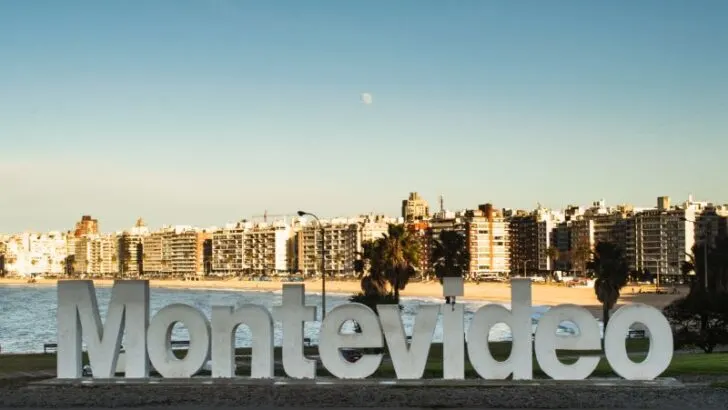
Montevideo, the capital and largest city of Uruguay, is a vibrant and captivating destination that blends rich history, cultural heritage, and a relaxed coastal lifestyle.
Located on the banks of the Río de la Plata, Montevideo is a city of contrasts, offering a mix of old-world charm and modern urban development. With its welcoming atmosphere, beautiful architecture, and a thriving arts and culinary scene, Montevideo is a destination that captures the hearts of visitors from around the world.
History and Culture:
Montevideo has a fascinating history that dates back to its founding in the early 18th century. The city’s strategic location on the southern coast of South America made it a crucial port for trade, attracting settlers from Spain, Portugal, and other European nations. This diverse heritage is reflected in Montevideo’s architecture, cuisine, and cultural traditions.
The city’s historic heart lies in the Ciudad Vieja (Old Town), where cobblestone streets, colonial buildings, and picturesque squares transport visitors back in time. Here, you can explore landmarks such as the iconic Palacio Salvo, the historic Teatro Solís, and the Montevideo Metropolitan Cathedral.
Montevideo is also known for its thriving arts and cultural scene. The city is home to numerous museums, galleries, and theaters that showcase both local and international talent.
From the Museo Nacional de Artes Visuales (National Museum of Visual Arts) to the Museo Torres García and the Teatro Solís, cultural enthusiasts will find a wealth of artistic expressions to explore and enjoy.
Coastal Beauty:
Montevideo’s coastal setting adds to its allure, with beautiful beaches and a picturesque waterfront promenade known as La Rambla. Playa Pocitos, one of the city’s most popular beaches, offers golden sands and a lively atmosphere, perfect for sunbathing, swimming, and enjoying beachside cafes.
Along La Rambla, locals and visitors alike gather to walk, jog, or simply relax while taking in panoramic views of the Río de la Plata.
Cuisine and Gastronomy:
Uruguayan cuisine is renowned for its meat-centric dishes and traditional barbecues, known as asados. Montevideo’s culinary scene offers a delectable array of flavors, from mouthwatering steaks to fresh seafood.
The city is dotted with parrillas (steakhouses) and cozy restaurants where you can indulge in the finest cuts of meat and sample traditional Uruguayan delicacies. Don’t miss the chance to pair your meal with a glass of Tannat, Uruguay’s signature red wine.
Warm Hospitality:
What truly sets Montevideo apart is its warm and welcoming atmosphere. The locals, known as Montevideanos, are known for their friendly demeanor and willingness to share their city with visitors.
Whether you’re exploring the bustling markets, enjoying a tango performance, or simply strolling through the streets, you’ll encounter a sense of hospitality and genuine warmth that makes Montevideo a memorable and inviting destination.
Montevideo, with its blend of history, culture, coastal beauty, and culinary delights, offers a unique and enchanting experience for travelers.
From its charming old town to its lively beaches and thriving arts scene, the city has something to captivate every visitor. Whether you’re exploring its historic landmarks, indulging in its gastronomic offerings, or simply immersing yourself in the vibrant local culture, Montevideo is a destination that leaves a lasting impression.
1. Visit the Ciudad Vieja (Old Town) and explore its historic streets and architecture

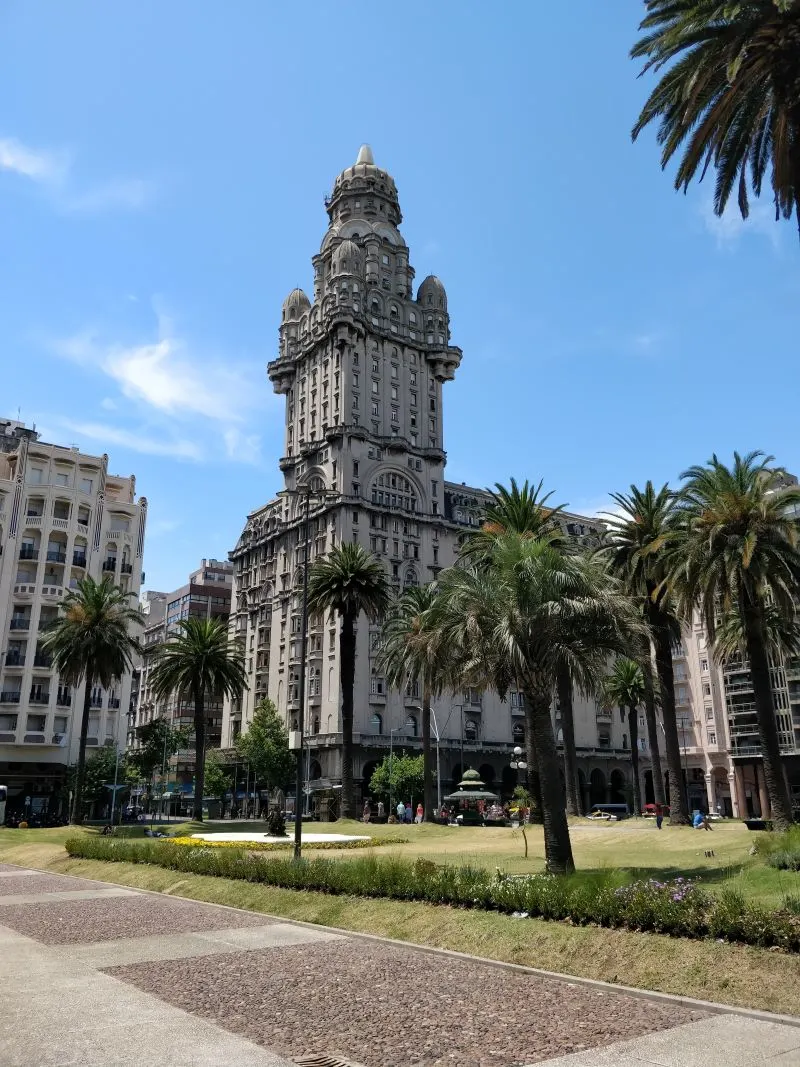
The Ciudad Vieja, also known as the Old Town, is the historic heart of Montevideo, Uruguay’s capital city. It is a neighborhood filled with charm, character, and a rich history that dates back to the colonial era. Here’s a description of visiting the Ciudad Vieja:
As you step into the Ciudad Vieja, you’ll feel like you’ve been transported back in time. The narrow cobblestone streets, colonial architecture, and well-preserved buildings create an enchanting atmosphere. The neighborhood’s layout follows a grid pattern, reminiscent of Spanish colonial planning.
One of the main attractions in the Ciudad Vieja is the Plaza Matriz, a central square where you’ll find the Montevideo Metropolitan Cathedral.
This beautiful neoclassical church is a prominent landmark and a must-visit. You can explore the cathedral’s interior, admire its stunning architecture, and soak in the peaceful ambiance.
As you wander through the streets, you’ll encounter numerous architectural gems. Buildings like the Cabildo (the old city hall), the Solís Theatre, and the Palacio Taranco showcase different architectural styles and reflect the city’s history. The Palacio Taranco, in particular, is a stunning French Renaissance-style mansion that now houses the Museo de Artes Decorativas (Museum of Decorative Arts).
The Ciudad Vieja is also home to several museums and art galleries. The Museo Torres García is a notable stop, dedicated to the renowned Uruguayan artist Joaquín Torres García. Here, you can explore his artworks and gain insight into his artistic vision.
In addition to its historical and cultural landmarks, the Ciudad Vieja is a vibrant and lively neighborhood. The streets are lined with cafes, restaurants, and bars where you can enjoy a delicious meal, sip on a traditional mate (a popular South American drink), or simply relax and people-watch.
While exploring the Ciudad Vieja, you may stumble upon the Mercado del Puerto, a lively market known for its barbecue restaurants and local cuisine. This is a great place to indulge in Uruguayan specialties like asado (barbecue) and chivito (a traditional sandwich).
2. Take a stroll along La Rambla, a picturesque waterfront promenade

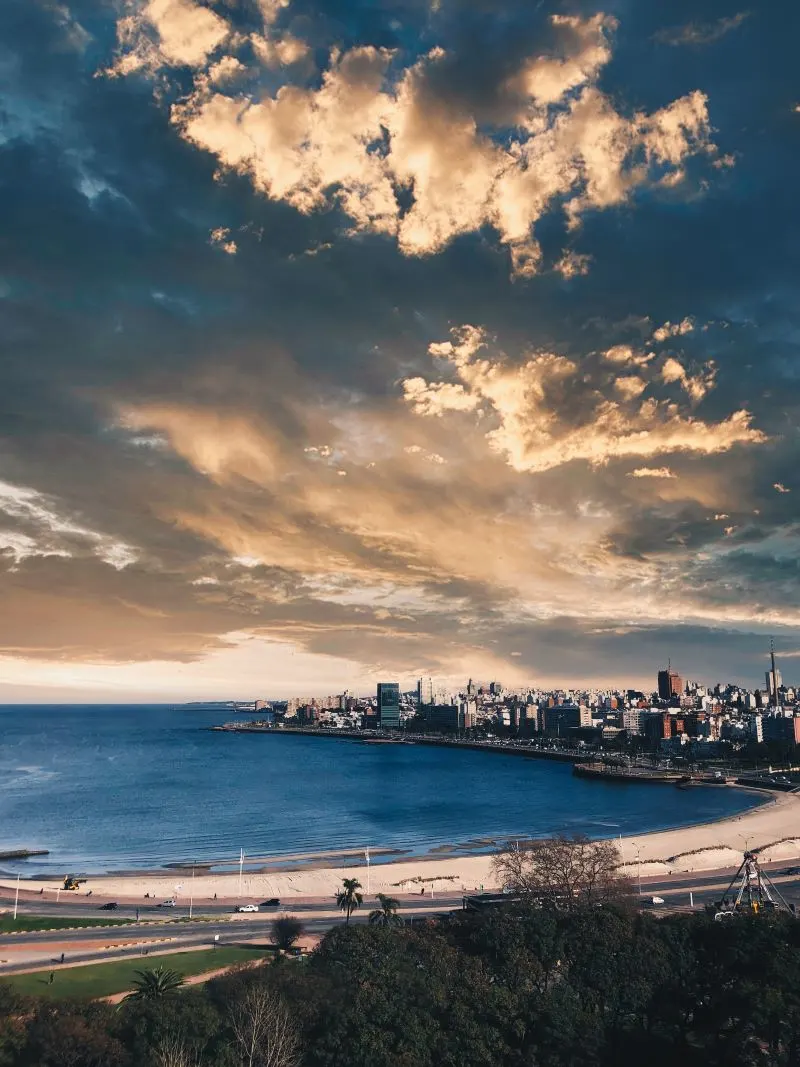
Taking a stroll along La Rambla is a delightful experience in Montevideo, Uruguay. La Rambla is a picturesque waterfront promenade that stretches along the city’s coastline, offering stunning views of the Rio de la Plata.
As you embark on your stroll, you’ll be greeted by the refreshing sea breeze and the sound of crashing waves. The promenade is lined with palm trees, parks, and green spaces, providing a tranquil and scenic environment for leisurely walks.
The wide walkway of La Rambla invites pedestrians, joggers, and cyclists to enjoy the outdoors. It’s a popular gathering place for locals and visitors alike, creating a vibrant atmosphere as people engage in various activities.
Along your walk, you’ll come across several landmarks and attractions. The iconic Montevideo sign, located near the entrance of La Rambla, is a popular spot for photos, and it offers a fantastic view of the coastline.
As you continue along the promenade, you’ll encounter numerous sculptures and monuments that add to the charm and cultural significance of the area. One notable sculpture is the iconic La Carreta, a representation of the Uruguayan gaucho culture.
The views from La Rambla are breathtaking. On one side, you’ll see the expansive Rio de la Plata, which gives the illusion of an endless horizon merging with the sky. On the other side, you can appreciate the cityscape of Montevideo, with its mix of modern high-rises and historic buildings.
There are several small beaches and recreational areas dotted along La Rambla where you can relax, soak up the sun, or simply enjoy the serenity of the waterfront. Playa Pocitos, one of Montevideo’s most popular beaches, is located along La Rambla and offers a perfect spot for beach lovers.
Whether you choose to walk, jog, cycle, or simply sit on one of the benches and take in the views, a stroll along La Rambla is a rejuvenating experience. It allows you to connect with the natural beauty of the coastline while immersing yourself in the laid-back atmosphere of Montevideo.
In the evening, the promenade comes alive with vibrant colors as the sun sets over the water, creating a magical ambiance. It’s a perfect time to take a leisurely stroll and enjoy the picturesque views.
3. Visit the iconic Palacio Salvo, a historic landmark in the city

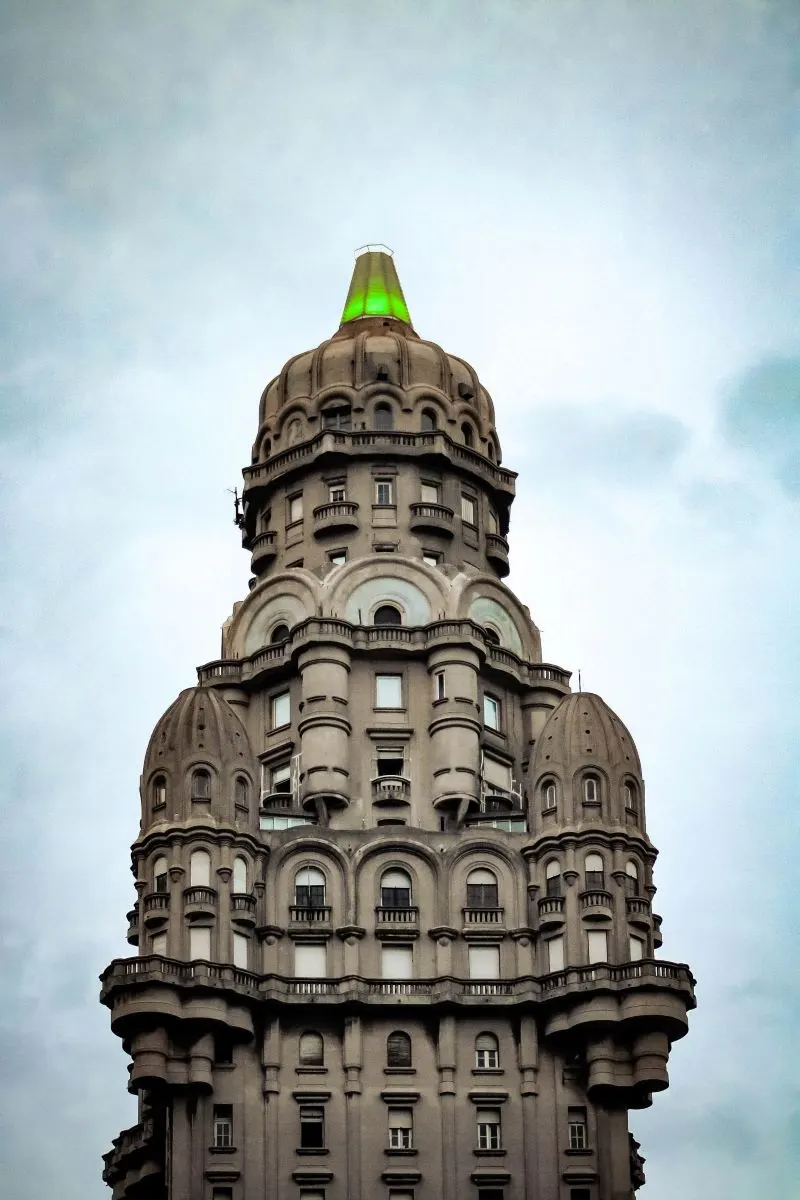
Visiting the iconic Palacio Salvo is a must-do when in Montevideo, Uruguay. The Palacio Salvo is a historic landmark and one of the most recognizable buildings in the city. Here’s a description of what you can expect when visiting the Palacio Salvo:
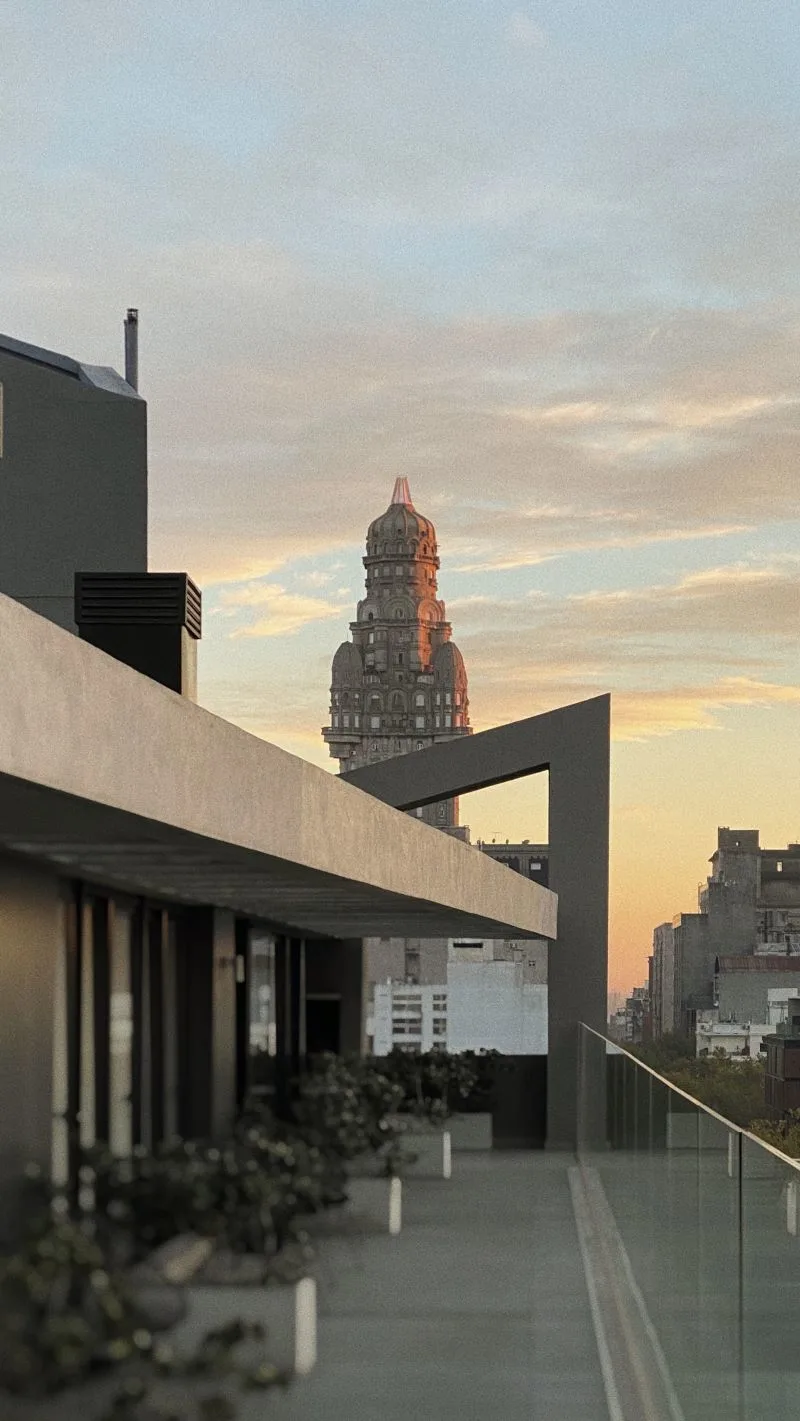
The Palacio Salvo stands tall and proud at the intersection of Plaza Independencia, the main square of Montevideo. It is an architectural masterpiece that was once considered the tallest building in South America.
As you approach the Palacio Salvo, you’ll immediately be captivated by its grandeur and unique design. The building features a mix of architectural styles, including Gothic, Art Nouveau, and eclectic elements.
Its striking façade, adorned with intricate details and ornamental sculptures, is a testament to the artistic vision of the architect, Mario Palanti.
Upon entering the building, you’ll be transported back in time. The interior retains much of its original charm and elegance, with marble floors, decorative accents, and historical touches that evoke a sense of nostalgia.
One of the highlights of a visit to the Palacio Salvo is ascending to its rooftop terrace. From there, you’ll be rewarded with panoramic views of Montevideo, including the bustling streets below, the picturesque coastline, and the surrounding cityscape. It’s an excellent vantage point for capturing stunning photographs or simply admiring the beauty of the city from above.
The Palacio Salvo also holds historical significance. It was originally built to house offices, commercial spaces, and apartments, but it became a symbol of ambition and dreams for its visionary architect.
Today, it continues to be a significant cultural and architectural landmark, representing the city’s rich history and heritage.
To truly appreciate the Palacio Salvo, it’s recommended to take a guided tour. Knowledgeable guides can provide insights into the building’s history, architecture, and cultural significance, allowing you to gain a deeper understanding of its importance in Montevideo.
The Palacio Salvo is also home to various businesses, including offices, shops, and a café. You can explore the ground floor, browse through the shops, or enjoy a cup of coffee while immersing yourself in the unique atmosphere of this historic building.
4. Explore the Mercado del Puerto, a lively market famous for its barbecue restaurants

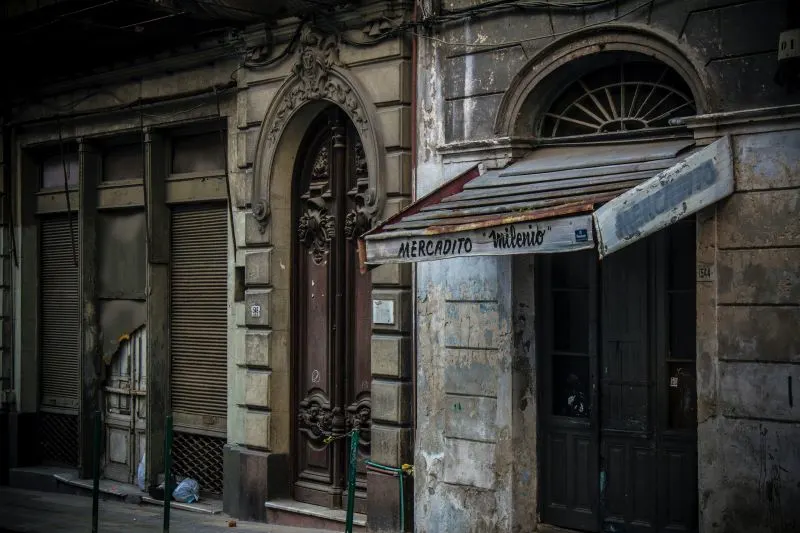
Exploring the Mercado del Puerto is an exciting and flavorful experience in Montevideo, Uruguay. The Mercado del Puerto is a vibrant market located in the Ciudad Vieja (Old Town) neighborhood, and it is renowned for its traditional Uruguayan barbecue and lively atmosphere. Here’s a description of what you can expect when exploring the Mercado del Puerto:
As you approach the Mercado del Puerto, you’ll be greeted by the enticing aromas of grilled meats and the sounds of lively conversations and music. The market is housed in a historic wrought-iron building, adding to its unique charm and character.
Inside the market, you’ll find a bustling atmosphere filled with activity. The main draw of the Mercado del Puerto is its numerous barbecue restaurants, known as parrillas. These restaurants showcase the art of Uruguayan grilling, and you’ll witness skilled chefs tending to sizzling cuts of meat on open flames.
The parrillas at the Mercado del Puerto offer a mouthwatering selection of meats, including beef, pork, lamb, and sausages. The meat is typically cooked on large grills, and you’ll have the opportunity to see the cooking process up close as you wander through the market.
The market also features communal dining areas, both indoors and outdoors, where you can sit and enjoy your meal. The atmosphere is lively, with locals and tourists gathering to savor the delicious barbecue and engage in animated conversations.
In addition to the parrillas, the Mercado del Puerto is home to other food stalls and shops. You’ll find vendors selling various culinary delights, such as empanadas, choripán (a popular sausage sandwich), traditional sweets, and locally produced wines and craft beers. It’s a great place to indulge in Uruguayan cuisine and sample a variety of flavors.
As you explore the market, you’ll also encounter artisans and craftsmen showcasing their work. From leather goods to handmade souvenirs, you can find unique items to take home as a memento of your visit.
The Mercado del Puerto is not just a culinary destination; it’s also a hub of cultural activity. From impromptu street performances to live music, you’ll often be serenaded by the sounds of local musicians, adding to the vibrant ambiance of the market.
5. Spend time at the Plaza Independencia, the main square of Montevideo

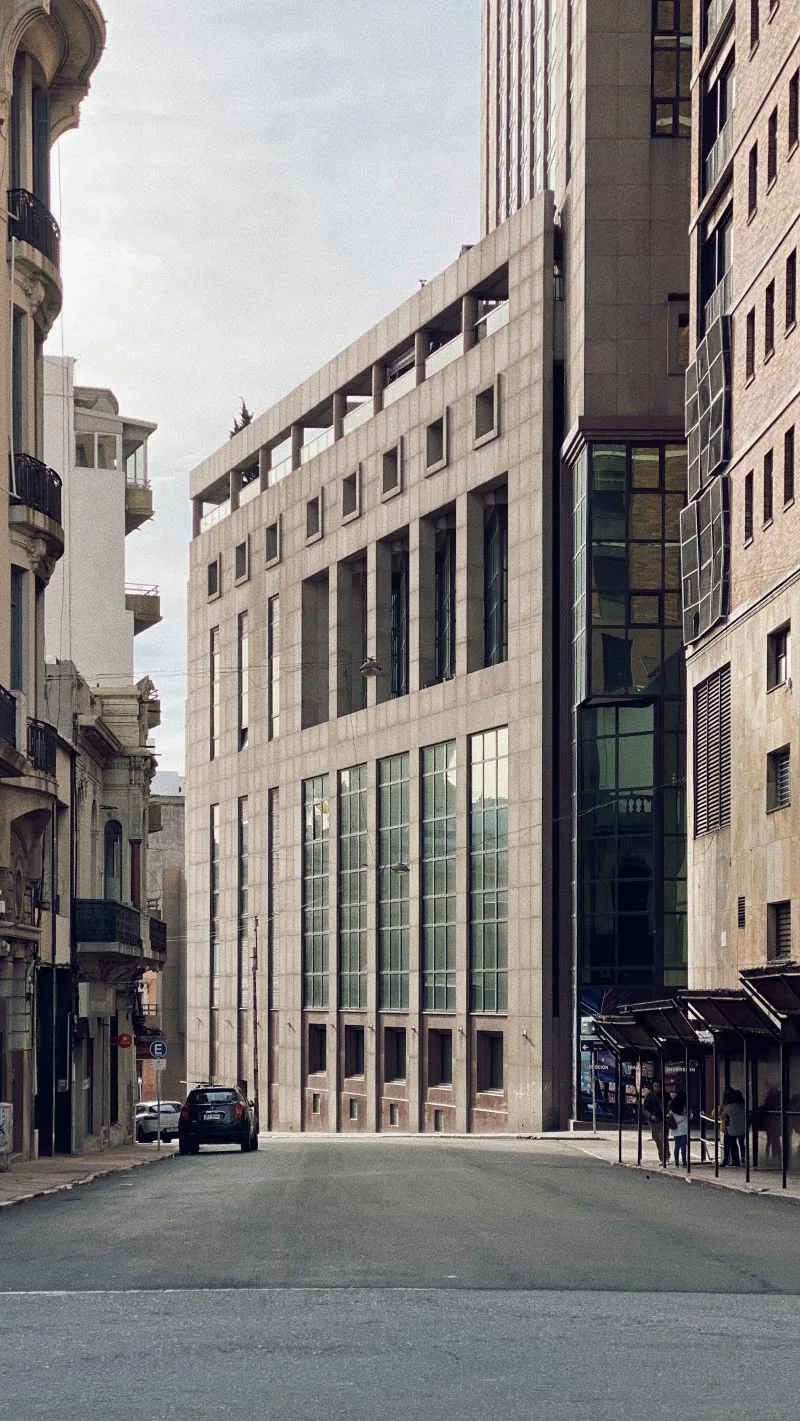
Spending time at the Plaza Independencia is a memorable experience in Montevideo, Uruguay. Plaza Independencia is the main square of the city and a central gathering place that holds historical, cultural, and symbolic significance. Here’s a description of what you can expect when spending time at Plaza Independencia:
Plaza Independencia is a grand and spacious square located in the heart of Montevideo. It serves as a vibrant hub of activity, with locals and tourists alike flocking to the square to relax, socialize, and take in the sights.
As you enter Plaza Independencia, you’ll be greeted by the iconic landmark, the Palacio Salvo, which stands tall at one end of the square. The palatial building is an architectural masterpiece and a symbol of the city’s history. Its impressive presence adds a touch of grandeur to the plaza.
The square itself is beautifully landscaped, featuring manicured lawns, trees, and flowerbeds. Benches are scattered throughout, providing comfortable seating for visitors to enjoy the surroundings and people-watch.
At the center of Plaza Independencia, you’ll find the imposing statue of Uruguay’s national hero, General José Gervasio Artigas. The equestrian statue pays homage to the leader of Uruguay’s struggle for independence and serves as a reminder of the country’s rich history.
Plaza Independencia also houses the Mausoleum of Artigas, an underground structure where the remains of General Artigas are interred.
The mausoleum is an important national monument and a site of reverence for Uruguayans. It’s a significant place to visit to gain a deeper understanding of the country’s historical heritage.
The plaza is surrounded by important buildings and landmarks. On one side, you’ll find the Solís Theatre, Uruguay’s oldest theater, known for its stunning architecture and cultural performances. On another side, you’ll see the Torre Ejecutiva, the seat of the country’s government.
As you explore the square, you’ll notice the energetic atmosphere. Street performers, artists, and vendors often gather here, adding a lively and festive touch. It’s not uncommon to encounter musicians playing traditional tunes or artisans showcasing their craft.
Plaza Independencia is also a gateway to the Ciudad Vieja (Old Town), with its historic streets and landmarks just a short walk away. It serves as a starting point for further exploration of Montevideo’s rich cultural and architectural heritage.
Whether you choose to sit on a bench and soak in the ambiance, explore the surrounding landmarks, or learn about Uruguay’s history at the mausoleum, spending time at Plaza Independencia offers a blend of cultural significance and a vibrant atmosphere. It’s a gathering place that showcases the spirit and pride of Montevideo and provides a memorable experience for visitors.
6. Visit the Solis Theatre, a beautiful opera house and cultural center

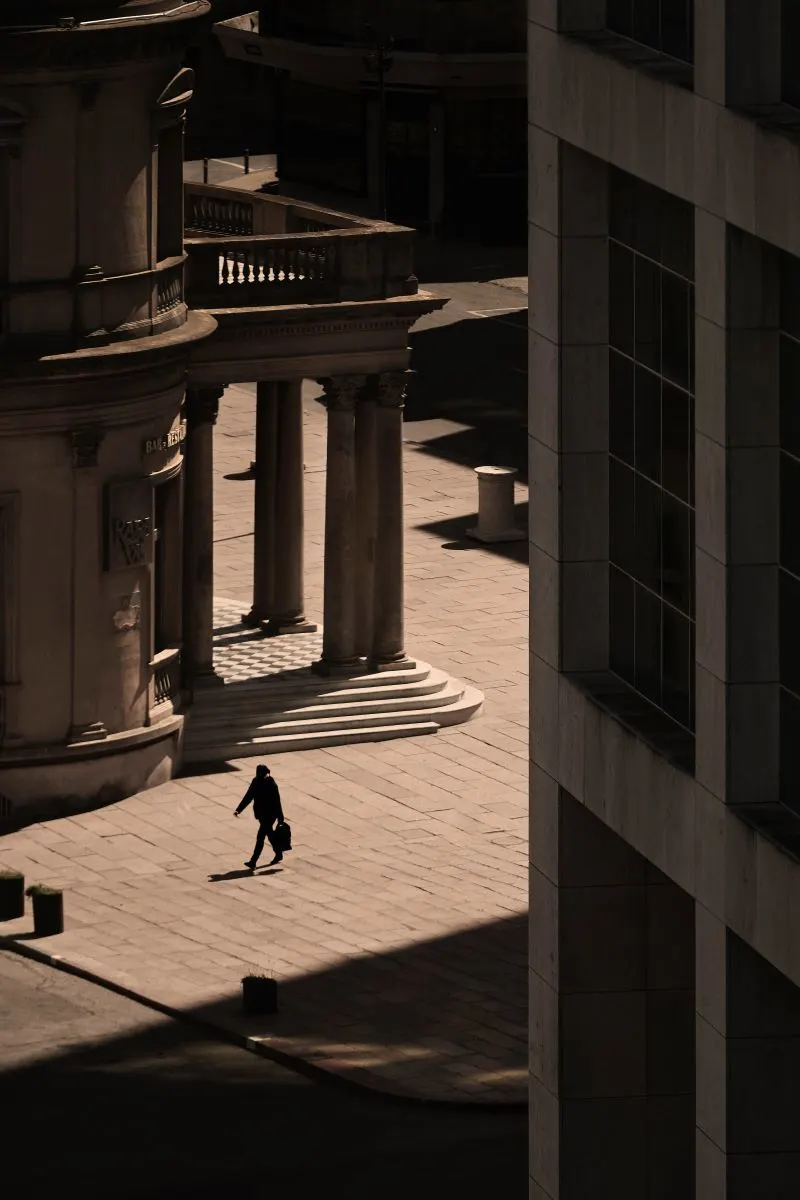
Visiting the Solis Theatre is a captivating experience in Montevideo, Uruguay. The Solis Theatre, or Teatro Solis, is Uruguay’s oldest theater and a cultural landmark that showcases stunning architecture and a rich artistic heritage. Here’s a description of what you can expect when visiting the Solis Theatre:
The Solis Theatre is located in the Ciudad Vieja (Old Town) neighborhood of Montevideo. As you approach the theater, you’ll be greeted by its magnificent neoclassical façade, adorned with columns, intricate details, and a grand entrance. The building stands as a testament to the city’s cultural and architectural heritage.
Upon entering the theater, you’ll step into a world of elegance and grandeur. The interior of the Solis Theatre is equally impressive, with its ornate decorations, chandeliers, and a sense of opulence. The foyer exudes a timeless charm, and it sets the stage for the artistic experiences that await.
The Solis Theatre offers a diverse program of performances, including ballet, opera, theater, and concerts. It has hosted world-renowned artists and performers, and its stage has witnessed countless memorable productions over the years.
Attending a performance at the Solis Theatre allows you to immerse yourself in the magic of live theater and experience the talent and artistry of local and international artists.
The acoustics are excellent, ensuring an unforgettable auditory experience, and the sightlines from the seating areas provide optimal views of the stage.
If you’re not able to catch a performance, guided tours of the Solis Theatre are available. These tours offer a fascinating insight into the theater’s history, architecture, and backstage areas. You can explore the different rooms, such as the main auditorium, the balconies, and the beautiful hallways adorned with artwork and historical photographs.
The Solis Theatre also houses a museum that showcases artifacts, costumes, and memorabilia from past productions. It’s an opportunity to delve into the theater’s past and gain a deeper appreciation for its cultural significance.
Beyond the artistic offerings, the Solis Theatre is a social and cultural gathering place. It has a café and a restaurant where you can enjoy a pre-show meal or a post-performance drink while soaking in the ambiance of the theater.
Visiting the Solis Theatre is not only an opportunity to enjoy world-class performances but also a chance to appreciate the architectural beauty, cultural heritage, and artistic legacy of Montevideo. It’s a destination that allows you to immerse yourself in the arts and experience the magic of theater in a truly captivating setting.
7. Explore the Museo Nacional de Artes Visuales (National Museum of Visual Arts)

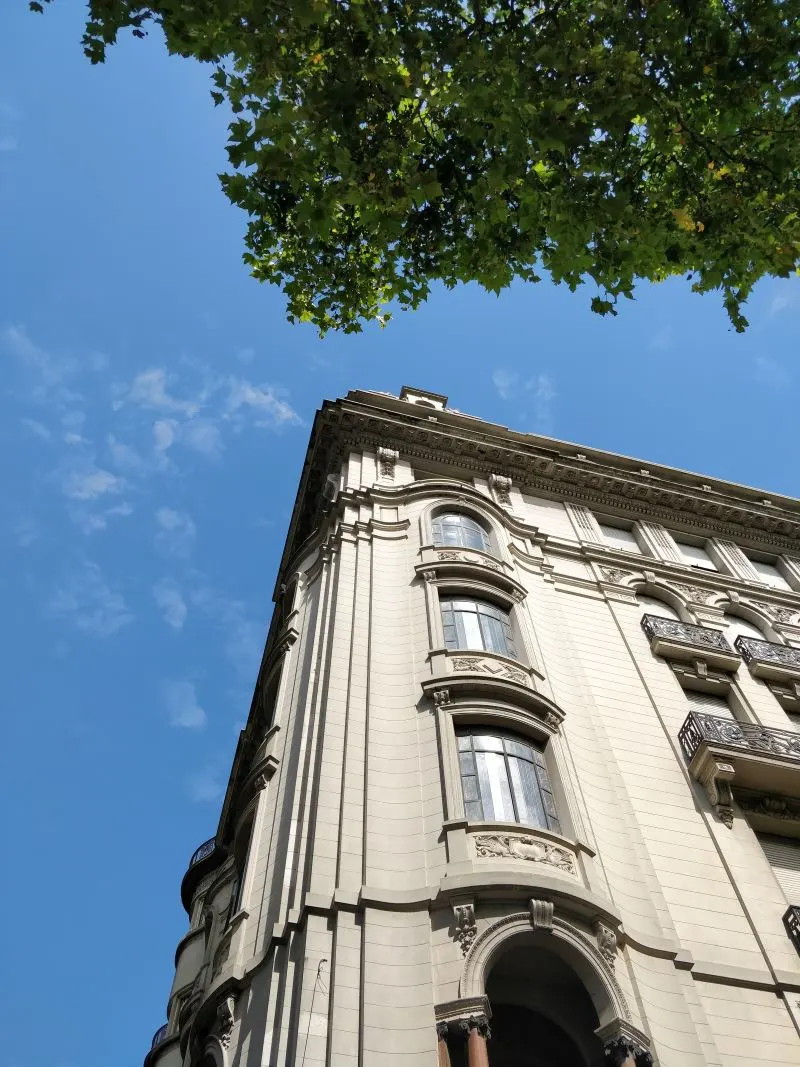
Exploring the Museo Nacional de Artes Visuales (National Museum of Visual Arts) is a fascinating journey into the world of visual arts in Montevideo, Uruguay.
The museum is a prominent cultural institution that showcases a diverse collection of artworks, spanning different periods and artistic styles. Here’s a description of what you can expect when exploring the Museo Nacional de Artes Visuales:
The Museo Nacional de Artes Visuales is located in the Parque Rodó neighborhood of Montevideo. The museum building itself is an architectural gem, with its elegant design and spacious galleries that provide an ideal setting for appreciating art.
As you enter the museum, you’ll be greeted by a vast collection of visual artworks. The museum’s permanent collection encompasses a wide range of artistic expressions, including paintings, sculptures, prints, and photographs. The artworks on display represent different periods of Uruguayan and international art history.
The museum is dedicated to showcasing both traditional and contemporary art, offering visitors a comprehensive view of the evolution of visual arts. You’ll have the opportunity to admire works by renowned Uruguayan artists, as well as international masters and emerging talents.
The galleries are thoughtfully curated, allowing you to explore various artistic movements and themes. From classic landscapes and portraits to abstract and conceptual pieces, there’s a diverse range of styles and genres represented in the museum’s collection.
In addition to the permanent collection, the Museo Nacional de Artes Visuales hosts temporary exhibitions that highlight specific artists, art movements, or thematic concepts. These rotating exhibitions provide fresh perspectives and introduce visitors to new artistic voices and trends.
As you wander through the museum, you’ll encounter spaces designed to enhance the viewing experience, with carefully selected lighting and display arrangements. Informational panels and labels accompany the artworks, providing insights into their historical and artistic context.
The Museo Nacional de Artes Visuales also offers educational programs, workshops, and guided tours that allow visitors to deepen their understanding of the artworks and engage with the artistic process. These programs cater to visitors of all ages and backgrounds, making art accessible and engaging for everyone.
The museum building often features architectural elements that blend harmoniously with the artworks on display, creating an immersive and visually appealing experience.
8. Wander through the Parque Rodó, a popular park with a lake and outdoor activities


Wandering through Parque Rodó is a delightful experience in Montevideo, Uruguay. Parque Rodó is a picturesque park located in the neighborhood of the same name, and it offers a peaceful retreat from the bustling city. Here’s a description of what you can expect when wandering through Parque Rodó:
Parque Rodó is a green oasis nestled between the city and the coastline. As you enter the park, you’ll be greeted by lush green spaces, towering trees, and beautifully manicured gardens. The park covers a large area, providing ample space for leisurely strolls and relaxation.
One of the highlights of Parque Rodó is its serene lake, known as the Lago del Parque. The lake is surrounded by walking paths, benches, and charming bridges, creating a tranquil setting where you can sit and enjoy the peaceful atmosphere. You’ll often see ducks and swans gracefully gliding across the water, adding to the park’s natural beauty.
The park offers a variety of activities for visitors of all ages. You can rent bicycles or rollerblades to explore the park’s pathways or take a leisurely walk along the tree-lined promenades. There are also designated areas for picnics, where you can spread out a blanket and enjoy a meal surrounded by nature.
Parque Rodó is home to several sculptures and art installations, adding an artistic touch to the park. As you wander through the park, you’ll encounter these artworks, each contributing to the park’s unique ambiance and offering a blend of nature and creativity.
For those seeking entertainment, the park is also home to the Parque Rodó Municipal Funfair. This amusement park features rides, games, and attractions that are especially popular with families and children. The vibrant colors and sounds of the funfair create a lively atmosphere within the park.
Within Parque Rodó, you’ll also find cultural attractions such as the Museo Nacional de Artes Visuales (National Museum of Visual Arts), which showcases a diverse collection of artworks, and the Teatro de Verano Ramón Collazo, an open-air theater that hosts concerts and performances during the summer months.
The park is well-maintained and offers a safe and peaceful environment for visitors. It’s a popular spot for locals and tourists alike to unwind, enjoy nature, and escape the hustle and bustle of the city.
9. Visit the Museo Torres García, dedicated to the famous Uruguayan artist

Visiting the Museo Torres García is a captivating experience in Montevideo, Uruguay. The museum is dedicated to the life and work of Joaquín Torres García, one of Uruguay’s most influential artists and a key figure in Latin American constructivism. Here’s a description of what you can expect when visiting the Museo Torres García:
The Museo Torres García is located in the Ciudad Vieja (Old Town) neighborhood of Montevideo. The museum building itself is a historic structure that beautifully showcases the artworks and exhibits.
As you enter the museum, you’ll be immersed in the world of Joaquín Torres García and his artistic vision. The museum’s collection focuses on his work, featuring a diverse range of paintings, drawings, sculptures, and assemblages. Torres García’s art is characterized by his unique style, which combines elements of geometric abstraction, symbolism, and a deep connection to Latin American culture.
The museum offers a chronological journey through Torres García’s artistic development, allowing visitors to trace the evolution of his style and ideas.
You’ll encounter works from different periods of his career, ranging from his early figurative paintings to his later iconic compositions known as “constructive universalism.”
Torres García’s art is deeply rooted in his exploration of universal symbols and his quest for a universal language of art. His compositions often feature grids, geometric shapes, and hieroglyphic symbols, reflecting his belief in the interconnectedness of cultures and the search for universal truths.
In addition to the permanent collection, the Museo Torres García hosts temporary exhibitions that explore various aspects of Torres García’s work, as well as related artists and themes.
These exhibitions offer a deeper understanding of his artistic legacy and provide a broader context for his contributions to the art world.
The museum also provides educational programs and guided tours that enhance the visitor’s experience. Through these programs, you can gain insights into Torres García’s artistic process, his philosophy, and the cultural and historical influences that shaped his work.
Beyond the artworks, the Museo Torres García houses a library and archive that holds valuable resources for art researchers, scholars, and enthusiasts. The museum actively promotes research and scholarship on Torres García’s art and provides a platform for dialogue and exploration of his artistic legacy.
Visiting the Museo Torres García is an opportunity to immerse yourself in the world of a visionary artist and gain a deeper appreciation for his contributions to Latin American and international art. It’s a destination that celebrates creativity, cultural heritage, and the power of art to transcend boundaries.
Whether you’re an art lover or someone curious about the richness of Uruguay’s artistic history, the museum offers a compelling and enlightening experience in the heart of Montevideo.
10. Enjoy a beach day at Playa Pocitos, one of Montevideo’s most popular beaches

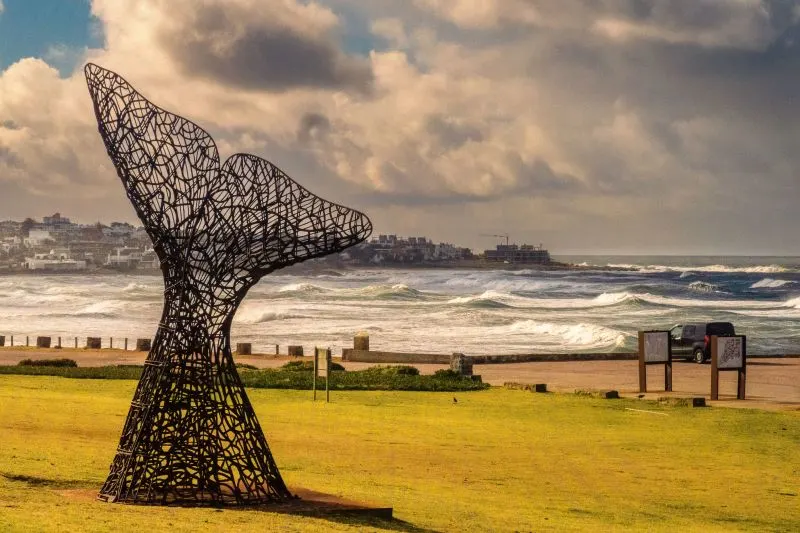
Enjoying a beach day at Playa Pocitos is a popular and relaxing experience in Montevideo, Uruguay. Playa Pocitos is a beautiful urban beach located in the Pocitos neighborhood, offering a perfect combination of sun, sand, and sea. Here’s a description of what you can expect when spending a day at Playa Pocitos:
Playa Pocitos is known for its long stretch of golden sand, clear waters, and a vibrant atmosphere. As you arrive at the beach, you’ll be greeted by a picturesque coastline with palm trees swaying in the breeze and a panoramic view of the South Atlantic Ocean.
The beach is well-maintained and offers excellent amenities to ensure a comfortable and enjoyable beach experience. There are ample areas for sunbathing, and you can rent chairs, umbrellas, and beach loungers if you prefer a more relaxed setup. The soft sand invites you to take off your shoes and feel the warmth beneath your feet.
The waters of Playa Pocitos are generally calm and suitable for swimming, making it an ideal spot for a refreshing dip in the sea. Lifeguards are stationed along the beach to ensure safety, allowing you to enjoy the water with peace of mind.
Playa Pocitos is a favorite gathering place for locals and visitors alike. You’ll find a lively and friendly atmosphere, with families, groups of friends, and beachgoers engaging in various activities.
You can witness people playing beach volleyball, practicing yoga or paddleboarding, or simply enjoying a leisurely stroll along the shore.
The beach is bordered by a picturesque promenade, known as the Rambla de Montevideo. The promenade offers stunning views of the ocean and is perfect for a relaxing walk or a jog.
Along the Rambla, you’ll find cafes, restaurants, and ice cream shops where you can grab a snack or enjoy a refreshing drink while taking in the beach ambiance.
Playa Pocitos is also conveniently located near a range of amenities. The surrounding neighborhood has numerous shops, supermarkets, and convenience stores, allowing you to easily access any essentials or beach supplies you may need.
As the day progresses and the sun starts to set, Playa Pocitos offers a captivating view of the sunset over the ocean. Many visitors stay to witness the mesmerizing colors of the sky as the day comes to a close, creating a serene and romantic atmosphere.
Whether you’re looking to relax on the sand, take a swim in the sea, participate in beach activities, or simply enjoy the vibrant beach culture, Playa Pocitos provides an idyllic setting for a beach day. It’s a place where you can unwind, soak up the sun, and create cherished memories of your time in Montevideo.
11. Discover the Museo Nacional de Historia Natural (National Museum of Natural History)

Discovering the Museo Nacional de Historia Natural (National Museum of Natural History) is a fascinating experience in Montevideo, Uruguay.
The museum is dedicated to showcasing the country’s natural heritage and provides valuable insights into its biodiversity, geology, and paleontology. Here’s a description of what you can expect when visiting the Museo Nacional de Historia Natural:
The Museo Nacional de Historia Natural is located in the Parque Rodó neighborhood of Montevideo. The museum building itself is an architectural gem, designed to harmoniously blend with its surroundings and provide a welcoming space for visitors.
As you enter the museum, you’ll embark on a journey through Uruguay’s natural history. The museum’s exhibits cover a wide range of topics, including geology, paleontology, botany, zoology, and anthropology. Each section offers a wealth of information and interactive displays that engage visitors of all ages.
The geological exhibits introduce you to the fascinating geological formations that have shaped Uruguay’s landscape over millions of years. You’ll encounter displays of rocks, minerals, and fossils that showcase the country’s geological diversity and highlight significant geological events.
The paleontology section takes you back in time, allowing you to discover the ancient creatures that once roamed the region. You’ll encounter impressive dinosaur skeletons, fossils, and reconstructions that bring Uruguay’s prehistoric past to life. The museum also features exhibits on the evolution of mammals, showcasing the diversity and adaptations of these fascinating creatures.
In the botany section, you’ll explore the rich plant life of Uruguay, from native species to exotic flora. The exhibits provide insights into the country’s ecosystems, highlighting the importance of conservation and sustainable practices.
The zoology displays showcase the incredible diversity of Uruguay’s animal kingdom. You’ll encounter taxidermy specimens, dioramas, and interactive exhibits that introduce you to the country’s mammals, birds, reptiles, amphibians, and insects. The museum also emphasizes the conservation efforts being undertaken to protect these species and their habitats.
The Museo Nacional de Historia Natural also features anthropological exhibits that delve into the cultural heritage of Uruguay’s indigenous populations. These displays offer a glimpse into the traditions, customs, and artifacts of the country’s native communities, highlighting their rich history and contributions.
Throughout the museum, you’ll find informative panels, videos, and hands-on activities that engage and educate visitors. The museum strives to provide an immersive and interactive experience, allowing you to deepen your understanding of Uruguay’s natural history in an engaging way.
The Museo Nacional de Historia Natural also offers educational programs, workshops, and guided tours that further enhance the visitor’s experience. These programs cater to visitors of all ages, providing opportunities for learning, discovery, and exploration.
12. Visit the Estadio Centenario, a historic football stadium and World Cup venue

Visiting the Estadio Centenario is an iconic experience in Montevideo, Uruguay. The Estadio Centenario is a historic and revered football stadium that holds great significance in the country’s sporting culture. Here’s a description of what you can expect when visiting the Estadio Centenario:
The Estadio Centenario is located in the Prado neighborhood of Montevideo. It was built in 1930 to host the first-ever FIFA World Cup, which was won by Uruguay, solidifying the country’s reputation as a football powerhouse.
The stadium’s historical importance and architectural beauty make it a must-visit for football enthusiasts and sports fans alike.
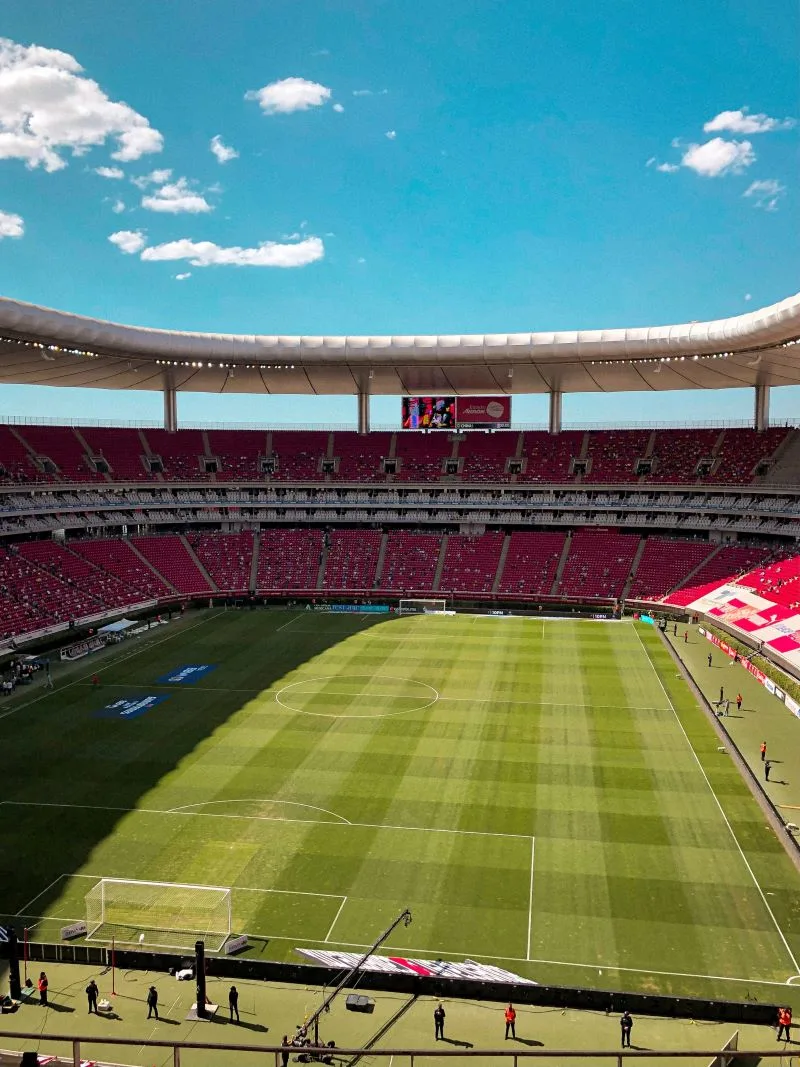
As you approach the Estadio Centenario, you’ll be greeted by its grand facade and impressive size. The stadium is an imposing structure that can hold over 60,000 spectators. Its classic design reflects the architectural style of the early 20th century and adds to its timeless appeal.
Stepping inside the stadium, you’ll be immersed in the atmosphere that has witnessed countless memorable football moments.
The Estadio Centenario has hosted numerous international matches, Copa America tournaments, and significant club fixtures. It has also been the stage for historic games involving the Uruguayan national team, including their victories in the 1950 FIFA World Cup.
During your visit, you can take a guided tour that allows you to explore the stadium’s facilities and learn about its rich history. The tour typically takes you to the stands, where you can admire the impressive view of the pitch.
You’ll have the opportunity to walk on the same field where football legends have played and feel the energy of the stadium.
The tour may also take you to the changing rooms, where you can see where players prepare before matches, and the museum located within the stadium.
The museum showcases memorabilia, photographs, and artifacts that highlight the history of Uruguayan football, paying homage to the country’s footballing achievements.
The Estadio Centenario is more than just a football venue—it has become a symbol of national pride and unity. It represents the passion and dedication of Uruguayan football fans and their unwavering support for their teams.
If you have the opportunity to attend a match or event at the Estadio Centenario, you’ll experience the electric atmosphere that fills the stadium. The cheers, chants, and vibrant energy of the crowd create an unforgettable experience for both dedicated fans and casual spectators.
Visiting the Estadio Centenario offers a chance to connect with Uruguay’s footballing heritage and immerse yourself in the country’s sporting culture.
It’s a place where history, passion, and the love for the beautiful game come together. Whether you’re a football enthusiast or simply curious about Uruguay’s sporting legacy, a visit to the Estadio Centenario is a must when in Montevideo.
13. Explore the Mercado Agrícola de Montevideo, a vibrant farmers market

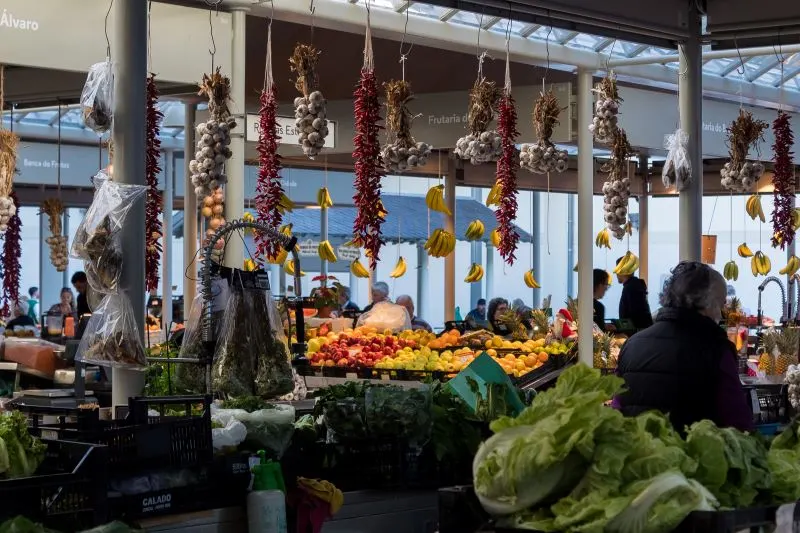
Exploring the Mercado Agrícola de Montevideo (Montevideo Agricultural Market) is a delightful experience in Montevideo, Uruguay.
The Mercado Agrícola is a vibrant and bustling marketplace that offers a diverse array of local products, culinary delights, and a lively atmosphere. Here’s a description of what you can expect when exploring the Mercado Agrícola de Montevideo:
The Mercado Agrícola de Montevideo is located in the Cordón neighborhood of Montevideo. Housed in a beautifully restored historic building, the market seamlessly blends traditional charm with modern amenities.
As you enter the market, you’ll be greeted by a vibrant and lively scene. The Mercado Agrícola is a hub of activity, with vendors bustling about, colorful displays of fresh produce, and the enticing aromas of food wafting through the air.
The market is a treasure trove of local and regional products. You’ll find a wide variety of fresh fruits, vegetables, herbs, and spices, all sourced from local farms and growers. It’s a great place to immerse yourself in Uruguay’s agricultural heritage and discover the country’s rich culinary offerings.
Beyond fresh produce, the market offers an array of specialty food items. You’ll find artisanal cheeses, cured meats, homemade bread, pastries, and a range of gourmet products. It’s an excellent opportunity to sample and purchase local delicacies that highlight the flavors and traditions of Uruguay.
The Mercado Agrícola is not only a place to shop for food but also a culinary destination in itself. The market houses several food stalls and eateries where you can indulge in a variety of delicious dishes.
From traditional Uruguayan cuisine to international flavors, there’s something to suit every palate. You can enjoy freshly prepared meals, snacks, and beverages while soaking in the vibrant atmosphere of the market.
Aside from the culinary offerings, the market also hosts various events, workshops, and cultural activities. These may include cooking demonstrations, wine tastings, live music performances, and art exhibitions.
The Mercado Agrícola serves as a gathering place for the community, promoting local talent and fostering a sense of connection.
The ambiance of the market is enhanced by its architecture and design. The building itself is an architectural gem, featuring a mix of classic and contemporary elements. The interior is spacious, with high ceilings, natural light, and a layout that allows for easy navigation and exploration.
The Mercado Agrícola provides a unique shopping experience where you can engage directly with local producers, artisans, and food enthusiasts. It’s a place to savor the flavors of Uruguay, learn about the country’s agricultural heritage, and support local businesses.
Visiting the Mercado Agrícola de Montevideo offers a glimpse into the vibrant culinary scene and cultural fabric of the city. It’s an opportunity to discover new flavors, immerse yourself in the local community, and experience the lively ambiance of a thriving marketplace.
Whether you’re a food lover, a cultural explorer, or simply seeking an authentic and vibrant shopping experience, the Mercado Agrícola is a must-visit destination in Montevideo.
14. Discover the Montevideo Metropolitan Cathedral, a beautiful neoclassical church


Discovering the Montevideo Metropolitan Cathedral is a fascinating experience in Montevideo, Uruguay. The cathedral, also known as the Catedral Metropolitana de Montevideo, is a prominent religious and architectural landmark in the city. Here’s a description of what you can expect when visiting the Montevideo Metropolitan Cathedral:
The Montevideo Metropolitan Cathedral is located in the Ciudad Vieja (Old Town) district of Montevideo. It stands as a symbol of faith and spirituality and holds great historical and cultural significance for the city and its residents.
As you approach the cathedral, you’ll be captivated by its impressive facade. The architectural style of the cathedral is predominantly neoclassical, with elegant columns, intricate details, and a grand entrance. The exterior exudes a sense of grandeur and invites you to step inside and explore its sacred interior.
Upon entering the cathedral, you’ll be greeted by a serene and peaceful atmosphere. The interior is spacious, with high ceilings, beautiful stained glass windows, and ornate decorations. The subdued lighting adds to the ambiance, creating a contemplative and reverent setting.
The Montevideo Metropolitan Cathedral is home to stunning religious artworks and sculptures. Admire the craftsmanship and intricacy of the altars, statues, and religious paintings that adorn the cathedral. These artistic elements reflect the rich cultural and religious heritage of Uruguay.
One of the highlights of the cathedral is the mausoleum of General José Gervasio Artigas, a national hero and the father of Uruguayan independence. The mausoleum is a place of deep reverence for many Uruguayans, and it serves as a reminder of the nation’s history and struggle for independence.
The cathedral also houses several chapels, each with its unique charm and significance. These chapels offer spaces for private prayer and reflection, as well as religious ceremonies and events.
Visiting the Montevideo Metropolitan Cathedral provides an opportunity for spiritual contemplation and a deeper understanding of Uruguay’s religious traditions. It’s a place where you can find solace, admire the architectural beauty, and appreciate the cultural heritage of the city.
Beyond its religious significance, the cathedral is also an important cultural and historical landmark. It has witnessed significant events in Uruguay’s history, including national celebrations, religious ceremonies, and even visits from important figures.
Attending a religious service at the Montevideo Metropolitan Cathedral is an excellent way to immerse yourself in the local faith community and witness the devotion and rituals of the Catholic Church in Uruguay.
Whether you’re interested in religious architecture, cultural heritage, or seeking a moment of tranquility and reflection, the Montevideo Metropolitan Cathedral offers a serene and enlightening experience in the heart of Montevideo.
15. Take a guided tour of the Palacio Legislativo (Legislative Palace)

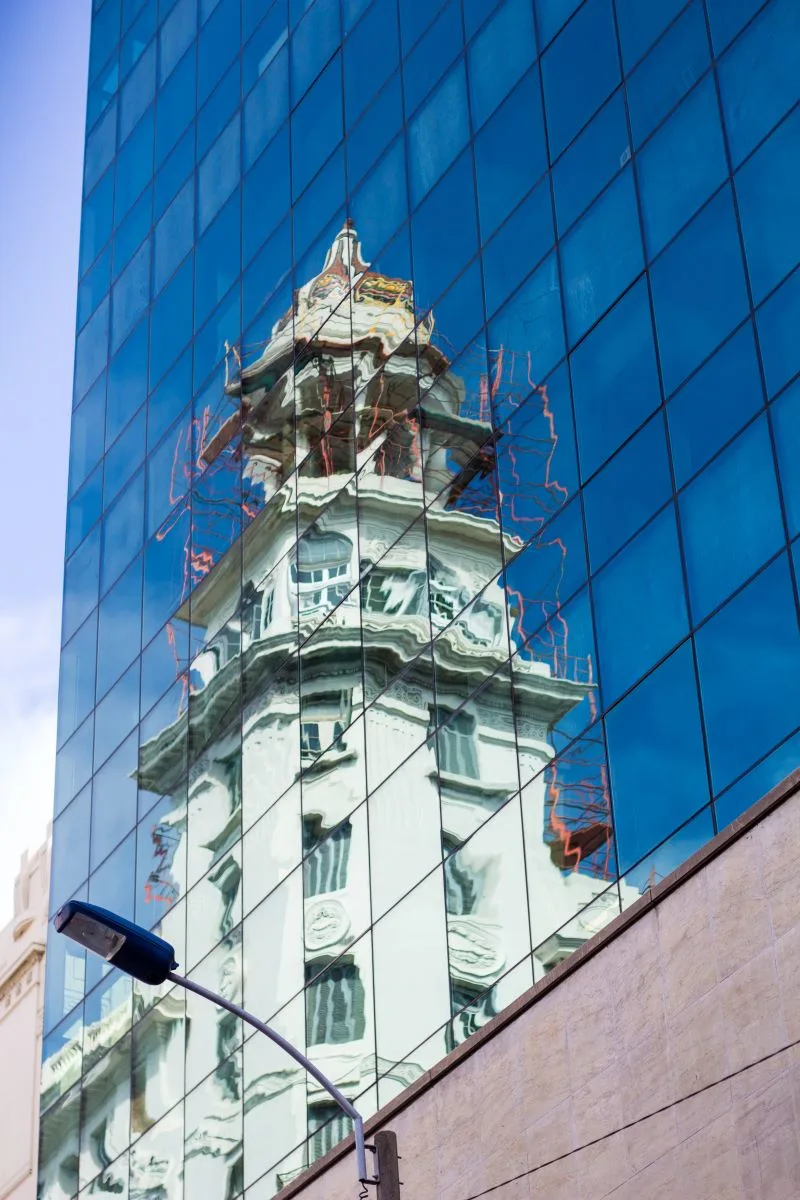
Taking a guided tour of the Palacio Legislativo (Legislative Palace) is a fascinating and informative experience in Montevideo, Uruguay.
The Palacio Legislativo is a magnificent building that serves as the seat of the Uruguayan government and houses the country’s legislative bodies. Here’s a description of what you can expect when taking a guided tour of the Palacio Legislativo:
The Palacio Legislativo is located in the Aguada neighborhood of Montevideo. It is an architectural masterpiece that showcases the grandeur and elegance of neoclassical design.
As you approach the palace, you’ll be in awe of its imposing facade, characterized by grand columns, intricate details, and a sense of architectural splendor.
Upon entering the Palacio Legislativo, you’ll be greeted by the grand foyer, which sets the tone for the rest of the tour. The interior of the palace is equally impressive, featuring stunning marble staircases, ornate decorations, and beautiful murals that depict important moments in Uruguayan history.
During the guided tour, knowledgeable guides will provide you with historical and political insights into the functioning of the Uruguayan government and the legislative processes.
You’ll learn about the country’s democratic system, the roles of different branches of government, and the significance of the Palacio Legislativo as a symbol of Uruguayan democracy.
The tour will take you through various chambers and halls, allowing you to explore the inner workings of the legislative bodies. You’ll have the opportunity to see the Chamber of Deputies and the Senate, where lawmakers debate and make decisions that shape the country’s policies and laws.
As you move through the palace, you’ll encounter stunning architectural features, including intricate woodwork, stained glass windows, and impressive domes. The guides will share stories and anecdotes about the construction of the building and its historical significance.
One of the highlights of the tour is the Salón de los Pasos Perdidos (Hall of the Lost Steps), a grand hall that connects the two legislative chambers.
This hall is adorned with beautiful marble, intricate mosaics, and statues representing different aspects of Uruguayan history and culture. It’s a space that exudes a sense of grandeur and importance.
The guided tour of the Palacio Legislativo offers a unique opportunity to witness the democratic processes of Uruguay and gain a deeper understanding of its political system. It’s an educational and engaging experience that allows you to appreciate the architectural beauty of the palace while learning about the country’s governance.
Visiting the Palacio Legislativo is not only an architectural and historical journey but also a chance to reflect on the values of democracy and the importance of civic engagement.
The palace stands as a symbol of Uruguay’s commitment to democratic principles and serves as a reminder of the country’s political heritage.
Whether you’re interested in politics, history, or simply curious about the inner workings of a government institution, a guided tour of the Palacio Legislativo provides a captivating and enlightening experience in Montevideo.
16. Visit the Museo Nacional de Historia del Arte (National Museum of Art History)

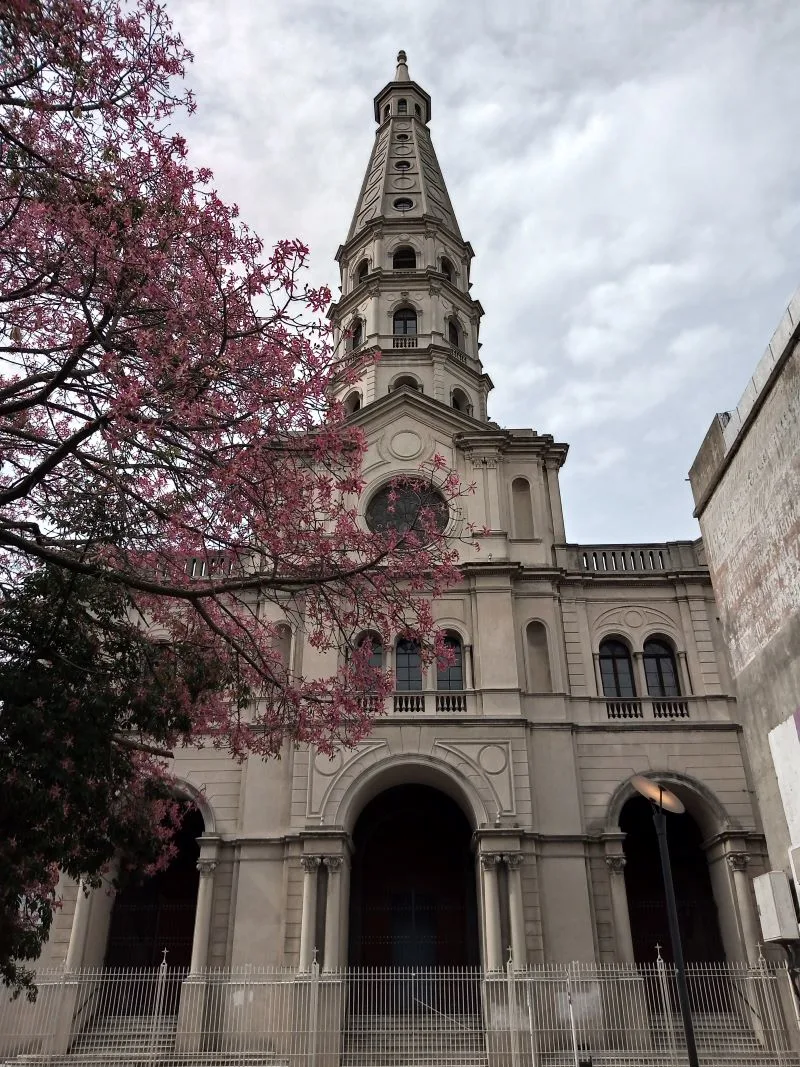
Visiting the Museo Nacional de Historia del Arte (National Museum of Art History) in Montevideo, Uruguay is a captivating experience for art enthusiasts and cultural explorers.
The museum showcases a rich collection of artworks spanning different periods and styles, offering a glimpse into Uruguay’s artistic heritage. Here’s a description of what you can expect when visiting the Museo Nacional de Historia del Arte:
The Museo Nacional de Historia del Arte is located in the Parque Rodó neighborhood of Montevideo. Housed in a beautiful historic building, the museum itself is a work of art. As you approach the museum, you’ll be struck by its grand architecture and the sense of history it exudes.
Upon entering the museum, you’ll be greeted by a curated collection of artworks that represent various periods, styles, and artists. The museum’s exhibits encompass both national and international artworks, providing a comprehensive view of art history.
The collection includes paintings, sculptures, drawings, prints, and decorative arts. You’ll have the opportunity to admire masterpieces by renowned Uruguayan artists, as well as works by international artists that have influenced and shaped the artistic landscape.
The museum’s galleries are thoughtfully organized, allowing you to explore different artistic movements and themes. You can journey through time, experiencing the evolution of artistic expression and the cultural influences that have shaped Uruguay’s art scene.
Throughout your visit, you’ll encounter artworks that reflect the country’s cultural identity, history, and social context. From landscapes depicting the beauty of the Uruguayan countryside to thought-provoking contemporary installations, the collection offers a diverse range of artistic perspectives.
The Museo Nacional de Historia del Arte also hosts temporary exhibitions that highlight specific artists, periods, or themes. These exhibitions provide fresh perspectives and introduce visitors to new artistic voices, expanding the understanding and appreciation of art.
In addition to the exhibitions, the museum often organizes educational programs, workshops, and lectures that engage visitors of all ages. These activities provide opportunities for deeper insights into the artworks and encourage a dialogue about art and its role in society.
The museum’s ambiance is one of tranquility and reflection, creating a conducive environment for appreciating the artworks. The natural light filtering through the windows, the well-designed exhibition spaces, and the knowledgeable staff contribute to an enriching and immersive experience.
Visiting the Museo Nacional de Historia del Arte offers a chance to connect with Uruguay’s artistic heritage, gain a deeper understanding of its cultural identity, and appreciate the power of visual expression.
Whether you’re an art enthusiast, a history buff, or simply curious about Uruguay’s artistic legacy, the museum provides a captivating journey through the country’s art history.
Overall, the Museo Nacional de Historia del Arte in Montevideo is a cultural gem that showcases the richness and diversity of Uruguay’s artistic traditions. It’s a place where art comes to life, inviting visitors to explore, reflect, and be inspired by the creative expressions of the past and present.
17. Explore the Japanese Garden, a serene oasis in the city

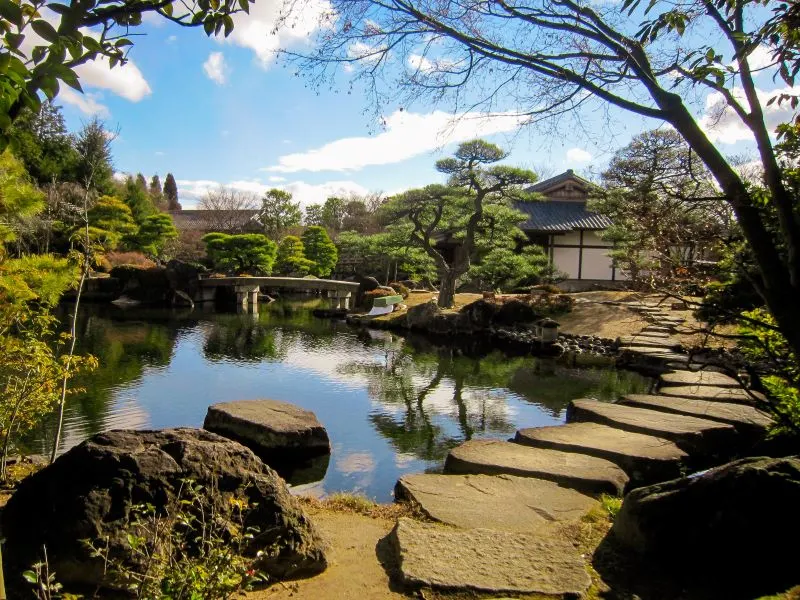
Exploring the Japanese Garden in Montevideo, Uruguay is a serene and enchanting experience. Nestled within a lush and tranquil setting, the Japanese Garden offers a peaceful escape from the hustle and bustle of the city. Here’s a description of what you can expect when exploring the Japanese Garden:
The Japanese Garden in Montevideo is a meticulously designed and beautifully landscaped garden that reflects the aesthetics and principles of Japanese gardening. Located in the Prado neighborhood, the garden provides a serene oasis where you can immerse yourself in nature and experience the tranquility of Japanese culture.
As you enter the Japanese Garden, you’ll be greeted by a sense of serenity and harmony. The garden is meticulously maintained and features traditional Japanese elements, including carefully placed rocks, winding paths, lush vegetation, and water features such as ponds and streams.
The garden is designed to evoke a sense of balance and tranquility. The carefully arranged plants, the soothing sound of flowing water, and the well-thought-out placement of stones and sculptures create a harmonious and peaceful ambiance.
Wandering through the garden, you’ll discover various symbolic elements that are integral to Japanese garden design. These may include bridges, lanterns, pagodas, and tea houses. Each element has its own significance and adds to the overall aesthetic and cultural experience.
The Japanese Garden offers an opportunity to appreciate the beauty of nature in all seasons. Whether it’s the delicate cherry blossoms in spring, the vibrant foliage in autumn, or the serene snow-covered landscape in winter, each season brings its unique charm to the garden.
The garden is a place for contemplation and reflection. You can find quiet spots to sit and meditate, or simply enjoy the peaceful surroundings. It’s a place to escape the fast pace of everyday life and reconnect with nature and yourself.
The Japanese Garden also serves as a venue for cultural events and activities. Throughout the year, you may find traditional Japanese performances, tea ceremonies, bonsai exhibitions, and other cultural celebrations taking place in the garden. These events offer an opportunity to deepen your understanding of Japanese traditions and customs.
Whether you’re a nature lover, a photography enthusiast, or simply seeking a peaceful retreat, exploring the Japanese Garden in Montevideo is a delightful experience. It’s a place to find tranquility, appreciate the beauty of nature, and gain insights into the aesthetics and principles of Japanese gardening.
18. Visit the Museo de la Memoria (Museum of Memory) to learn about Uruguay’s dictatorship era

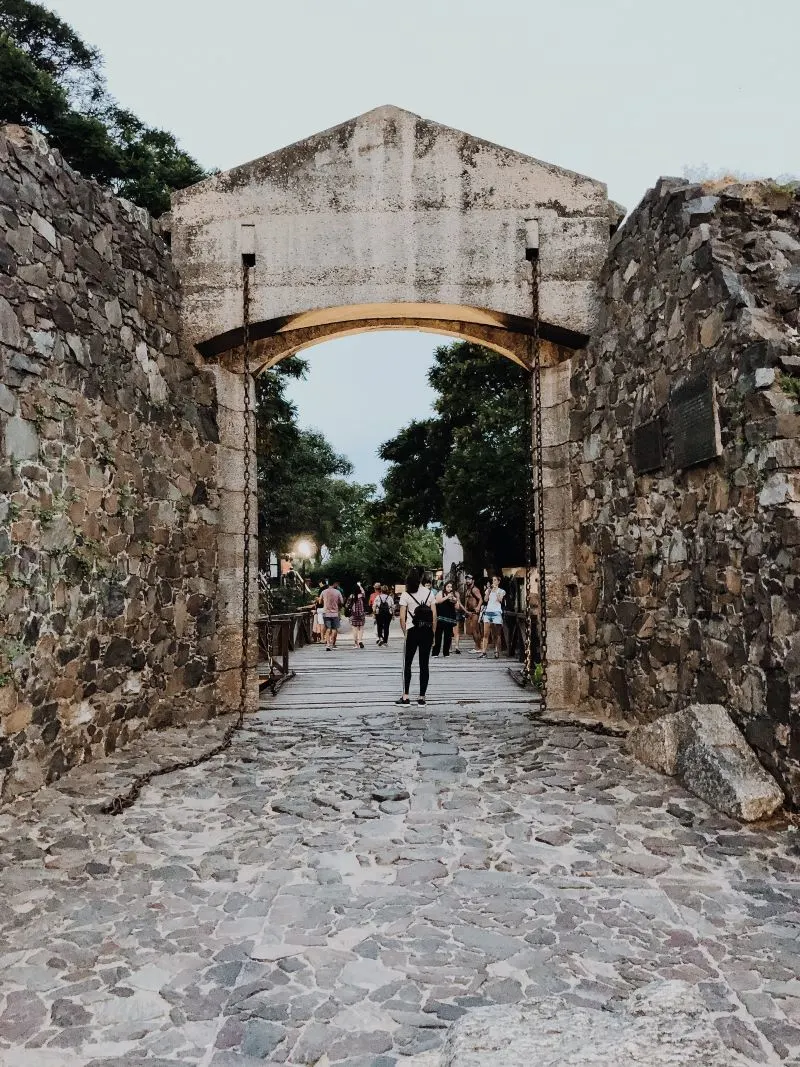
Visiting the Museo de la Memoria (Museum of Memory) in Montevideo, Uruguay is a powerful and thought-provoking experience.
The museum is dedicated to preserving the memory of the human rights violations that occurred during Uruguay’s military dictatorship (1973-1985) and serves as a space for reflection, remembrance, and education. Here’s a description of what you can expect when visiting the Museo de la Memoria:
The Museo de la Memoria is located in the Ciudad Vieja (Old Town) district of Montevideo. As you enter the museum, you’ll step into a space that carries a profound sense of history and importance.
The museum’s architecture and design are carefully crafted to create an atmosphere that encourages contemplation and empathy.
The museum’s exhibits provide a comprehensive and detailed account of the human rights abuses that took place during the military dictatorship.
Through photographs, videos, personal testimonies, and artifacts, the museum sheds light on the experiences of those who were victims of state violence, including political prisoners, torture survivors, and families affected by forced disappearances.
The exhibits at the Museo de la Memoria aim to foster an understanding of the historical context, the impact of dictatorship on individuals and society, and the ongoing struggles for justice and accountability.
They also emphasize the importance of human rights, democracy, and the collective responsibility to prevent such atrocities from happening again.
Throughout your visit, you’ll have the opportunity to learn about the stories of individuals and communities affected by the dictatorship.
The museum’s displays offer a deeply human perspective, allowing you to connect with the personal experiences and emotions of those who lived through this dark period in Uruguay’s history.
In addition to the permanent exhibits, the Museo de la Memoria often hosts temporary exhibitions, educational programs, and events that further explore themes related to memory, human rights, and social justice. These activities provide a platform for dialogue, reflection, and engagement with contemporary issues.
Visiting the Museo de la Memoria is not only a historical journey but also an invitation to reflect on the importance of memory, truth, and justice in the process of healing and reconciliation. It serves as a reminder of the resilience and strength of those who fought for democracy and human rights.
The museum’s role extends beyond preserving the past. It actively engages with present-day challenges, such as promoting human rights education, advocating for justice, and raising awareness about the importance of memory in building a more just and inclusive society.
19. Discover the Museo del Carnaval, dedicated to Uruguay’s rich carnival traditions


Discovering the Museo del Carnaval (Carnival Museum) in Montevideo, Uruguay is a vibrant and immersive experience that celebrates the country’s rich carnival traditions.
Located in the Ciudad Vieja (Old Town) district, the museum offers a captivating journey into the world of Uruguay’s most cherished cultural festival. Here’s a description of what you can expect when visiting the Museo del Carnaval:
As you enter the Museo del Carnaval, you’ll be greeted by the lively and festive atmosphere that embodies the spirit of Uruguay’s carnival. The museum’s vibrant colors, energetic music, and intricate costumes immediately transport you into the world of this dynamic celebration.
The museum showcases the history, traditions, and cultural significance of carnival in Uruguay. Through a variety of exhibits, you’ll gain insights into the origins of carnival, its evolution over time, and its role in shaping the national identity.
The collection includes an impressive array of carnival costumes, masks, floats, photographs, and audiovisual displays. These artifacts provide a visual feast, allowing you to appreciate the craftsmanship and creativity that goes into the elaborate costumes and floats.
As you explore the museum, you’ll have the opportunity to learn about the different carnival traditions and characters that are central to Uruguay’s celebrations. From the vibrant murgas (carnival musical groups) to the dazzling parades of the comparsas (dance troupes), you’ll discover the diverse elements that make up this lively festival.
Interactive exhibits and multimedia presentations further enhance your understanding and engagement with the carnival experience. You may have the chance to listen to carnival music, try on costumes, or even learn a few dance steps.
The Museo del Carnaval also showcases the work of renowned carnival artists and highlights the contributions of individuals who have dedicated their lives to preserving and promoting this cultural heritage.
Through their stories and artistic expressions, you’ll gain a deeper appreciation for the passion and dedication behind Uruguay’s carnival traditions.
In addition to the permanent exhibits, the museum often hosts temporary exhibitions, workshops, and cultural events related to carnival. These activities provide opportunities to delve deeper into specific aspects of the festival, engage with artists and performers, and even participate in carnival-related activities.
Visiting the Museo del Carnaval offers a chance to immerse yourself in the vibrant spirit of Uruguay’s carnival, to witness the creativity and artistry that bring the festival to life, and to understand its cultural and social significance. It’s a celebration of joy, music, dance, and community that showcases the unique cultural heritage of Uruguay.
20. Visit the Museo Andes 1972, showcasing the story of a plane crash survival


Visiting the Museo Andes 1972 in Montevideo, Uruguay is a deeply moving and thought-provoking experience. The museum is dedicated to preserving the memory of the tragic Andes Flight Disaster that occurred in 1972, where a plane carrying a rugby team and their supporters crashed in the Andes Mountains. Here’s a description of what you can expect when visiting the Museo Andes 1972:
Located in the Pocitos neighborhood of Montevideo, the Museo Andes 1972 serves as a memorial to the survivors and victims of the Andes Flight Disaster.
As you enter the museum, you’ll step into a space that pays tribute to the resilience, courage, and human spirit that emerged from this tragedy.
The museum tells the harrowing story of the rugby team’s journey and the subsequent struggle for survival in the mountains.
Through personal testimonies, photographs, artifacts, and audiovisual displays, you’ll gain a profound understanding of the challenges faced by the survivors and the heartbreaking losses they endured.
The exhibits provide a detailed account of the crash, the harsh conditions faced by the survivors, and their remarkable acts of resilience, ingenuity, and solidarity.
You’ll learn about their efforts to survive in an inhospitable environment, including their decision to resort to extreme measures to sustain themselves.
One of the most poignant aspects of the museum is the focus on the human element. The personal stories of the survivors and their families are presented with sensitivity and respect, allowing visitors to connect with the individuals involved and empathize with their struggles.
The Museo Andes 1972 also explores the impact of the tragedy on society and its enduring legacy. It delves into the aftermath of the disaster, including the search and rescue efforts, the media coverage, and the profound effect it had on the survivors’ lives. The museum raises important questions about survival, human nature, and the ethics of extreme situations.
Beyond the historical narrative, the museum offers a space for reflection and contemplation. It invites visitors to ponder themes of resilience, hope, and the fragility of life. It also encourages dialogue about the ethical dilemmas faced by the survivors and the lessons that can be drawn from their experience.
While the Museo Andes 1972 recounts a tragic event, it ultimately celebrates the strength of the human spirit and the power of solidarity.
It honors the memory of those who lost their lives, pays tribute to the survivors’ courage, and inspires visitors to reflect on the value of life and the importance of human connection.
21. Explore the Parque Batlle, a large park with a soccer stadium and botanical garden

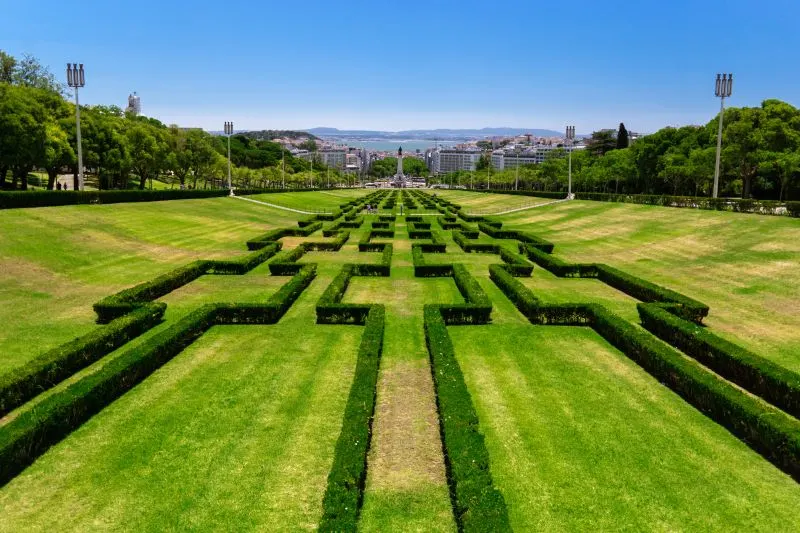
Exploring Parque Batlle in Montevideo, Uruguay is a delightful experience that combines natural beauty, recreational activities, and historical significance. Here’s a description of what you can expect when visiting Parque Batlle:
Parque Batlle is a sprawling urban park located in the heart of Montevideo. It covers a vast area that encompasses diverse landscapes, including lush green spaces, gardens, sports facilities, and architectural landmarks.
As you enter Parque Batlle, you’ll be greeted by expansive lawns, shaded walkways, and a sense of tranquility. The park offers a welcome escape from the bustling city, providing a serene environment for relaxation, leisurely walks, and outdoor activities.
One of the highlights of Parque Batlle is its beautiful gardens. You can stroll through well-maintained flower beds, enjoy the vibrant colors of seasonal blooms, and breathe in the refreshing scent of nature. The park’s landscaping is thoughtfully designed, creating a harmonious blend of natural beauty and urban surroundings.
Parque Batlle is also known for its impressive sports facilities. The park is home to the iconic Estadio Centenario, Uruguay’s national football stadium and a symbol of the country’s passion for the sport.
You can marvel at the stadium’s grand architecture and soak in the atmosphere of this historic venue. Nearby, you’ll find other sports facilities such as tennis courts, basketball courts, and running tracks, providing ample opportunities for active recreation.
Within Parque Batlle, you’ll come across notable monuments and landmarks that add to its historical significance. One prominent landmark is the Monumento a La Carreta, a monument depicting an ox-drawn cart and symbolizing Uruguay’s rural heritage.
The park is also home to the Obelisco a los Constituyentes, a monument commemorating the constitutional assembly of 1830, which established Uruguay as an independent nation.
For families and children, Parque Batlle offers playgrounds, picnic areas, and open spaces for recreational activities. It’s a popular spot for locals and visitors to gather, have a picnic, fly a kite, or simply enjoy quality time in a natural setting.
Parque Batlle is not only a place for leisure but also hosts cultural events, festivals, and concerts throughout the year. These events add vibrancy and entertainment to the park, attracting people from all walks of life.
22. Visit the Museo de Arte Precolombino e Indígena (Museum of Pre-Columbian and Indigenous Art)

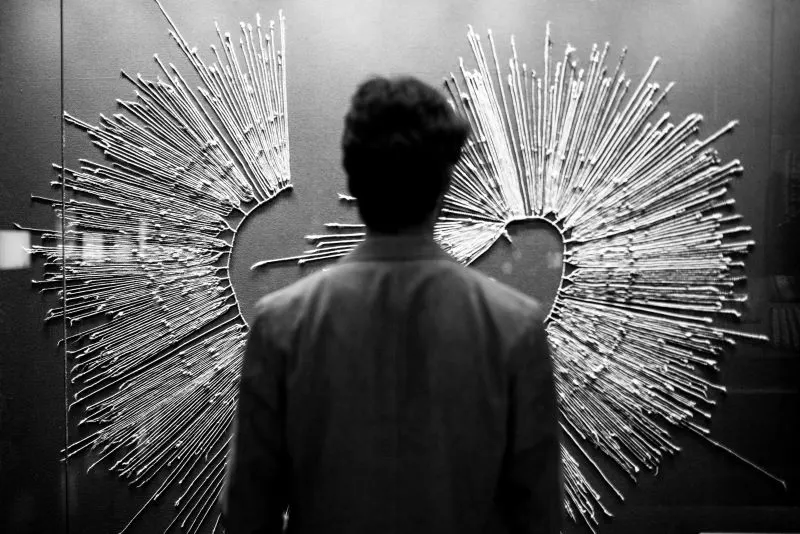
Visiting the Museo de Arte Precolombino e Indígena (Museum of Pre-Columbian and Indigenous Art) in Montevideo, Uruguay is a fascinating journey into the rich and diverse cultural heritage of the pre-Columbian and indigenous peoples of the region. Here’s a description of what you can expect when visiting the museum:
Located in the Ciudad Vieja (Old Town) district of Montevideo, the Museo de Arte Precolombino e Indígena showcases an extensive collection of art and artifacts that highlight the artistic, cultural, and historical significance of the indigenous cultures that thrived in the Americas before the arrival of Europeans.
As you enter the museum, you’ll be greeted by a curated display of pre-Columbian and indigenous artworks, including ceramics, textiles, sculptures, jewelry, and tools.
The collection spans a wide range of civilizations, from the Inca, Maya, Aztec, and Muisca, to the indigenous peoples of Uruguay and neighboring regions.
The exhibits at the Museo de Arte Precolombino e Indígena provide valuable insights into the daily life, religious beliefs, artistic expressions, and technological advancements of these ancient cultures. Through the interpretation of the artifacts, you’ll gain a deeper understanding of their social structures, cosmologies, and connections to the natural world.
The museum’s displays are thoughtfully arranged to offer a chronological and thematic exploration of the different civilizations. You’ll have the opportunity to see the evolution of artistic styles, the diversity of materials and techniques used, and the symbolism behind the artworks.
One of the strengths of the Museo de Arte Precolombino e Indígena is its commitment to providing cultural context and educational information. The exhibits are accompanied by informative labels, interactive elements, and multimedia presentations that enhance your understanding and appreciation of the artifacts.
Throughout your visit, you may also encounter temporary exhibitions that delve deeper into specific aspects of pre-Columbian and indigenous art and culture. These special exhibits offer a fresh perspective and allow for a more focused exploration of particular themes or regions.
The Museo de Arte Precolombino e Indígena serves as a platform for cultural exchange, fostering appreciation for the artistic achievements of the indigenous peoples of the Americas.
It contributes to the preservation and promotion of their heritage and helps to bridge the gap between ancient traditions and contemporary society.
Whether you are an art enthusiast, a history buff, or simply curious about the diverse cultures that flourished before European colonization, a visit to the Museo de Arte Precolombino e Indígena provides a unique opportunity to immerse yourself in the ancient world and gain a deeper appreciation for the cultural richness of the Americas.
23. Enjoy a performance at the Teatro Solís, Uruguay’s oldest theater


Enjoying a performance at the Teatro Solís in Montevideo, Uruguay is a captivating and immersive experience that showcases the rich cultural heritage and artistic excellence of the city. Here’s a description of what you can expect when visiting the Teatro Solís:
The Teatro Solís is an iconic and historic theater located in the heart of Montevideo. It stands as a testament to the city’s cultural legacy and has been a prominent venue for performing arts since its inauguration in 1856.
As you approach the Teatro Solís, you’ll be immediately struck by its magnificent architecture and grandeur. The neoclassical facade, adorned with intricate details and sculptures, creates a sense of anticipation and sets the stage for the artistic wonders that await inside.
Upon entering the theater, you’ll step into a world of elegance and charm. The interior is adorned with ornate decorations, rich fabrics, and exquisite craftsmanship, creating a visually stunning environment that transports you to a bygone era of opulence.
The theater offers a diverse program of performances, including opera, ballet, classical music concerts, theater plays, and contemporary performances. The caliber of artists and productions that grace the stage of the Teatro Solís is of the highest quality, attracting both local and international talent.
Attending a performance at the Teatro Solís is a feast for the senses. The acoustics of the theater are superb, ensuring a rich and immersive audio experience.
The stage design, lighting, and costumes further enhance the visual spectacle, creating a mesmerizing atmosphere that captivates the audience.
The theater’s seating arrangement provides excellent views from every angle, allowing you to fully immerse yourself in the performance. Whether you choose to sit in the plush velvet seats of the orchestra or the elegant balconies, you’ll be able to appreciate the artistry unfolding on stage with utmost clarity.
Beyond the performances themselves, the Teatro Solís also offers guided tours that provide insight into its fascinating history and architectural features.
These tours allow you to explore the backstage areas, visit the costume and set workshops, and gain a deeper appreciation for the inner workings of this cultural institution.
The Teatro Solís also hosts educational programs, workshops, and exhibitions, providing opportunities for cultural enrichment and engagement with the arts. It serves as a hub for artistic development and community involvement, nurturing the next generation of performers and fostering a vibrant cultural scene in Montevideo.
Attending a performance at the Teatro Solís is not just an opportunity to enjoy world-class entertainment; it’s a chance to become part of a long-standing cultural tradition and to celebrate the power of the performing arts. It’s a place where passion, talent, and creativity converge, leaving a lasting impression on all who experience its magic.
24. Discover the Museo Nacional de Antropología (National Museum of Anthropology)

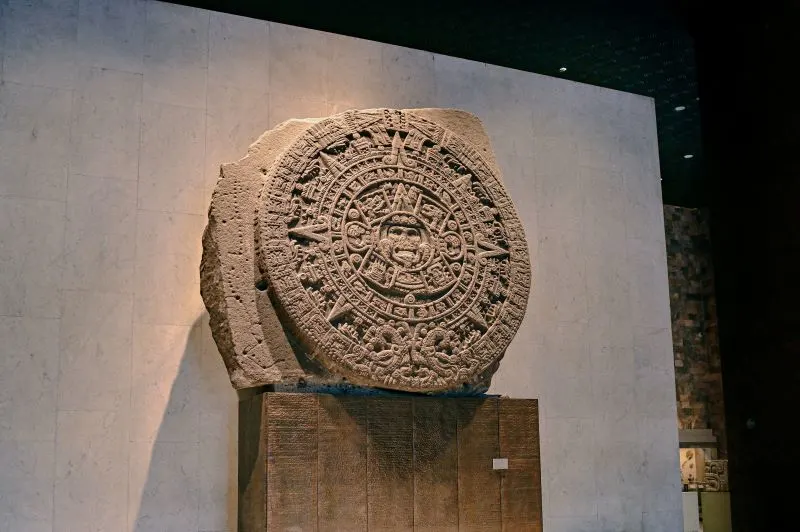
Discovering the Museo Nacional de Antropología (National Museum of Anthropology) in Montevideo, Uruguay is a captivating journey into the rich cultural heritage and anthropological diversity of the country and the broader region. Here’s a description of what you can expect when visiting the museum:
The Museo Nacional de Antropología is located in a historic building in Montevideo and serves as a repository of Uruguay’s anthropological heritage.
It houses a vast collection of artifacts, exhibits, and educational displays that showcase the cultural, historical, and social aspects of the country’s indigenous peoples and other ethnic groups.
As you enter the museum, you’ll be greeted by well-curated exhibits that span different periods of Uruguayan history and explore the traditions, customs, and beliefs of various cultural groups. The museum’s layout and design create an immersive experience, guiding visitors through a chronological and thematic journey of Uruguay’s anthropological heritage.
The exhibits at the Museo Nacional de Antropología offer a comprehensive overview of the diverse indigenous cultures that have inhabited Uruguay, including the Charrúa, Guaraní, and Chaná peoples, among others.
You’ll have the opportunity to learn about their daily lives, spiritual practices, social structures, and artistic expressions through a range of artifacts such as pottery, tools, textiles, and ceremonial objects.
The museum also sheds light on the impact of European colonization, immigration, and other historical events on the country’s cultural landscape. You’ll gain insights into the processes of cultural adaptation, assimilation, and preservation that have shaped Uruguay’s multicultural identity.
Throughout your visit, you’ll encounter informative displays, multimedia presentations, and interactive exhibits that enhance your understanding and engagement with the material.
The museum’s commitment to education and research is evident, providing visitors with a deeper appreciation for the anthropological richness and diversity of Uruguay.
Beyond the exhibits, the Museo Nacional de Antropología offers workshops, lectures, and cultural events that further explore and celebrate the country’s anthropological heritage.
These activities provide opportunities for visitors to actively engage with the material, participate in hands-on experiences, and deepen their understanding of the cultural significance of the artifacts.
The museum also actively collaborates with indigenous communities and cultural organizations, ensuring that their perspectives and voices are represented and respected.
This commitment to inclusivity and dialogue fosters a more comprehensive understanding of Uruguay’s anthropological heritage and promotes cultural appreciation and exchange.
Visiting the Museo Nacional de Antropología provides a unique opportunity to delve into the cultural fabric of Uruguay and explore the diverse traditions and histories of its indigenous and ethnic communities.
It’s a place where you can broaden your knowledge, gain a deeper understanding of the cultural mosaic of Uruguay, and appreciate the resilience and creativity of its peoples.
25. Explore the Mercado Modelo, a bustling market selling a variety of goods

Exploring the Mercado Modelo in Montevideo, Uruguay is a vibrant and immersive experience that takes you on a sensory journey through a bustling marketplace. Here’s a description of what you can expect when visiting the Mercado Modelo:
The Mercado Modelo, also known as the Model Market, is a historic and lively market located in the heart of Montevideo. It is one of the city’s iconic landmarks and a hub of commercial activity, offering a diverse array of goods and a glimpse into the local culture.
As you enter the Mercado Modelo, you’ll be greeted by a lively atmosphere and a myriad of sights, sounds, and aromas. The market is housed in a large building with a distinctive architectural style, reflecting its rich history and heritage.
Inside the market, you’ll find a wide variety of vendors and stalls offering an abundance of products. The Mercado Modelo is especially renowned for its fresh produce, including fruits, vegetables, meat, and fish.
You can wander through the aisles, marvel at the colorful displays, and interact with the friendly vendors who are passionate about their offerings.
Beyond the fresh produce, the market is also home to numerous specialty shops. You’ll find artisanal food products, local cheeses, cured meats, spices, and an array of traditional Uruguayan products. It’s a great place to discover unique ingredients for cooking, try local delicacies, and immerse yourself in the flavors of Uruguay.
The Mercado Modelo is not only a place to shop for groceries but also a cultural hub where you can explore local crafts and artwork.
Many artisans and craftsmen have set up shop within the market, showcasing their skills and offering handmade products such as leather goods, textiles, pottery, and souvenirs. It’s a fantastic opportunity to support local artisans and bring home one-of-a-kind mementos of your visit to Montevideo.
In addition to the shopping experience, the Mercado Modelo is a social gathering place for locals and visitors alike. You’ll find small cafes, eateries, and food stalls where you can sample traditional Uruguayan dishes and enjoy a cup of mate, Uruguay’s beloved herbal tea. It’s a chance to indulge in the local cuisine and savor the flavors of Uruguay in a casual and vibrant setting.
Beyond the stalls and shops, the Mercado Modelo also hosts cultural events, live music performances, and art exhibitions, adding an extra layer of entertainment and cultural immersion to your visit.
These events showcase the dynamic and creative spirit of Montevideo, creating a lively and festive atmosphere within the market.
Exploring the Mercado Modelo offers an authentic and lively experience that immerses you in the heart of Montevideo’s local culture and culinary scene. It’s a place where you can discover the flavors, crafts, and traditions of Uruguay, interact with friendly vendors, and enjoy the vibrant atmosphere of a bustling marketplace.
These are just a few highlights of the many things you can do in Montevideo. The city offers a rich blend of history, culture, and natural beauty, making it a fascinating destination to explore.
Food In Montevideo


Montevideo, the vibrant capital city of Uruguay, is not only known for its rich history, stunning architecture, and cultural heritage but also for its mouthwatering cuisine.
The food scene in Montevideo is a delightful tapestry of flavors, influenced by a blend of indigenous traditions, European immigrants, and contemporary culinary trends. Join us on a gastronomic journey as we explore the diverse and delicious culinary offerings that make Montevideo a food lover’s paradise.
- Traditional Uruguayan Delicacies: No exploration of Montevideo’s food scene is complete without savoring traditional Uruguayan delicacies. Start your culinary adventure with a plate of mouthwatering chivito, a hearty sandwich filled with tender beef, ham, cheese, lettuce, tomato, and mayonnaise. Pair it with a side of crispy papas fritas (French fries) for the ultimate comfort food experience. Don’t miss the opportunity to indulge in a traditional asado, a barbecue feast of succulent grilled meats, enjoyed with a glass of Tannat, Uruguay’s signature red wine.
- Seafood Extravaganza: As a coastal city, Montevideo boasts an abundance of fresh seafood. Head to the Mercado del Puerto, a bustling market known for its seafood stalls, and sample delights like grilled or fried calamari, shrimp skewers, and mouthwatering fish dishes. The simplicity and freshness of the seafood highlight the coastal flavors of Montevideo and provide a memorable dining experience.
- Empanadas: A Pocket of Flavor: Empanadas, savory stuffed pastries, are a beloved snack in Montevideo. These delightful parcels are filled with a variety of ingredients such as beef, cheese, ham, and vegetables. Be sure to try empanadas con carne, filled with flavorful minced meat, onions, and spices, for a satisfying and portable treat.
- Parrilla: A Meat Lover’s Paradise: Uruguayans take their meat seriously, and Montevideo is home to numerous parrillas (steakhouses) that will leave carnivores in awe. Sink your teeth into juicy and tender cuts of beef, such as entraña (skirt steak), bife de chorizo (sirloin steak), or asado de tira (short ribs), expertly grilled to perfection. Accompanied by a chimichurri sauce and a side of ensalada mixta (mixed salad), a parrilla experience in Montevideo is a carnivorous delight.
- Fusion Cuisine: Montevideo’s food scene also embraces culinary fusion, blending traditional flavors with international influences. You’ll find innovative restaurants that combine local ingredients with global techniques, creating a harmonious fusion of flavors. From Asian-inspired sushi with a Uruguayan twist to Mediterranean-inspired tapas infused with local herbs and spices, the fusion cuisine in Montevideo offers a delightful surprise at every turn.
- Sweet Indulgences: Save room for dessert because Montevideo has a delectable array of sweet treats to satisfy your cravings. Indulge in a slice of decadent chaja, a traditional Uruguayan cake made with layers of sponge cake, dulce de leche, peaches, cream, and meringue. For a lighter option, try alfajores, delicate cookies filled with dulce de leche, dusted with powdered sugar, and perfect with a cup of freshly brewed coffee.
Montevideo’s culinary scene is a melting pot of flavors, where traditional Uruguayan dishes, fresh seafood, and innovative fusion creations come together to create a truly unique and delicious experience.
Whether you’re a meat lover craving a sizzling parrilla, a seafood enthusiast eager to sample the freshest catches of the day, or an adventurous eater seeking the perfect fusion of flavors, Montevideo has something to satisfy every palate.
Beyond the incredible flavors, Montevideo’s food scene is also about the warm hospitality and passion for culinary traditions.
The city is dotted with charming cafes, lively markets, and cozy restaurants where locals and visitors gather to share meals, stories, and laughter. The friendly atmosphere and welcoming nature of the people enhance the overall dining experience, making it a true feast for the senses.
To fully immerse yourself in Montevideo’s culinary delights, consider taking a food tour or cooking class. These experiences offer a deeper understanding of the ingredients, techniques, and cultural significance behind the dishes.
You’ll have the opportunity to visit local markets, interact with passionate chefs, and even try your hand at preparing traditional recipes. It’s an excellent way to engage with the local community, learn about the culinary traditions, and create lasting memories.
In conclusion, Montevideo’s food scene is a vibrant tapestry of flavors, textures, and cultural influences. From traditional favorites to innovative fusion creations, the city offers a gastronomic adventure that will leave you craving more.
So, whether you’re exploring the bustling markets, indulging in a mouthwatering asado, or savoring sweet delicacies, be prepared to embark on a culinary journey that showcases the heart and soul of Montevideo’s vibrant food culture.
Top 20 Best Restaurants In Montevideo, Uruguay
- La Huella – Known for its fresh seafood and beachside location, this restaurant offers a memorable dining experience.
- Estrecho – A contemporary restaurant specializing in modern Uruguayan cuisine, featuring innovative dishes and a stylish ambiance.
- Jacinto – Combining local ingredients with international influences, Jacinto offers a creative menu and a cozy atmosphere.
- Francis – A top-notch steakhouse known for its high-quality meat, expertly prepared and served with finesse.
- La Perdiz – Specializing in traditional Uruguayan cuisine, this restaurant serves classic dishes with a focus on homemade flavors.
- Foc – A charming eatery offering wood-fired pizzas and delectable Mediterranean-inspired dishes.
- La Pulperia – Celebrating the rich heritage of Uruguayan cuisine, La Pulperia serves traditional dishes in a rustic setting.
- Bodega Bouza – A winery and restaurant offering exquisite wines and gourmet cuisine, set amidst beautiful vineyards.
- La Cocina de Pedro – A family-run restaurant serving authentic Uruguayan dishes, showcasing local flavors and hospitality.
- Rara Avis – This intimate restaurant offers a unique dining experience with its tasting menus and creative approach to food.
- Sin Pretensiones – A hidden gem specializing in homemade dishes, featuring a cozy atmosphere and attentive service.
- Plantado Restaurant – With a focus on sustainable and organic ingredients, this restaurant offers a farm-to-table dining experience.
- Al Forno – A cozy Italian restaurant known for its delicious pasta dishes and wood-fired pizzas.
- Francis Mallmann Restaurant – Chef Francis Mallmann’s restaurant showcases his passion for open-fire cooking and rustic flavors.
- El Palenque – A traditional parrilla (steakhouse) serving high-quality meats and classic Uruguayan dishes.
- Tandory – A fusion restaurant blending Indian and Uruguayan flavors, offering a unique and memorable dining experience.
- Café Misterio – A trendy café offering specialty coffee, artisanal pastries, and light meals in a stylish setting.
- El Mingus – A vibrant and welcoming restaurant known for its delicious grilled meats and warm atmosphere.
- La Otra – This restaurant offers a diverse menu with international and fusion dishes, accompanied by an extensive wine list.
- Sin Pretensiones Gastrobar – A cozy and laid-back gastrobar serving creative and flavorful dishes, with a focus on local ingredients.
These restaurants represent a range of culinary styles and atmospheres, ensuring that there is something to suit every taste and occasion in Montevideo.
Transportation In Montevideo
- Public Buses: Montevideo has an extensive public bus network that serves as the primary mode of transportation for locals and visitors alike. The buses are operated by the public transportation company, called “Montevideo Transporte”, and cover the entire city. Bus routes are well-defined, and each bus is labeled with its destination. The fare can be paid with a rechargeable prepaid card called “STM” or with exact change in coins. Buses are generally reliable and offer an affordable way to get around the city.
- Taxis: Taxis are readily available in Montevideo and provide a convenient and efficient mode of transportation. Taxis can be hailed on the street, found at taxi stands, or booked through a taxi app. They are identified by their yellow and black color. Taxis in Montevideo are metered, and it’s always a good idea to confirm the fare with the driver before starting the trip. Taxis offer a comfortable and door-to-door service, making them a popular choice, especially for shorter distances or when traveling with luggage.
- Ride-Sharing Apps: Uber and other ride-sharing apps are also available in Montevideo, providing an additional transportation option. These apps allow you to request a private car with a professional driver and offer upfront pricing and convenient payment options. Ride-sharing apps can be a convenient and reliable way to travel around the city, particularly during peak hours or when you prefer a more personalized experience.
- Bicycle Rental: Montevideo is a bike-friendly city with dedicated bike lanes and a public bike-sharing system called “Movete”. Movete offers bicycles for rent at various stations throughout the city. Users can register and unlock bicycles using a membership card or a mobile app. Exploring Montevideo by bike is a great way to enjoy the city’s sights and waterfront areas while promoting a more sustainable mode of transportation.
- Walking: Montevideo is a relatively compact city, and many of its main attractions are within walking distance of each other. Walking is a pleasant way to explore the city, especially in neighborhoods like Ciudad Vieja (Old Town) and Pocitos, where you can stroll along the streets, soak in the local atmosphere, and discover hidden gems. Montevideo’s pedestrian-friendly streets, parks, and waterfront promenades make it an enjoyable city to explore on foot.
- Car Rental: If you prefer the flexibility of having your own vehicle, car rental services are available in Montevideo. Rental agencies can be found at the airport and throughout the city. It’s important to note that traffic and parking can be challenging in some areas, particularly during peak hours or in busy neighborhoods. However, having a car allows you to venture outside the city and explore the surrounding areas and coastal regions at your own pace.
In conclusion, Montevideo, Uruguay, offers a rich tapestry of experiences and attractions that make it a captivating destination for travelers.
From its historic landmarks to its stunning coastal beauty, the city has something to offer everyone. Whether you’re exploring the charming streets of the Ciudad Vieja, taking a stroll along La Rambla, or immersing yourself in the vibrant arts and culinary scene, there’s no shortage of things to see and do in Montevideo.
The city’s cultural heritage shines through its museums, theaters, and galleries, providing opportunities to delve into Uruguay’s artistic and historical treasures. From the iconic Palacio Salvo to the majestic Solis Theatre, Montevideo’s architectural gems are a testament to its rich history and architectural prowess.
For those seeking relaxation and enjoyment of nature, the city’s beaches, parks, and gardens offer serene retreats. Whether it’s a beach day at Playa Pocitos, a peaceful wander through Parque Rodó, or a visit to the picturesque Japanese Garden, Montevideo provides ample opportunities to unwind and connect with nature.
Food lovers will delight in the diverse culinary offerings of Montevideo. From traditional Uruguayan asados to innovative fusion creations, the city’s restaurants, markets, and cafes offer a gastronomic adventure that showcases the region’s flavors and culinary heritage.
Above all, the warmth and hospitality of the Montevideanos enhance the overall experience. The friendly locals, known for their warm smiles and welcoming nature, make visitors feel at home and create lasting memories.
Whether you’re exploring the city’s historic landmarks, immersing yourself in its cultural treasures, or simply savoring the vibrant atmosphere, Montevideo is a destination that captivates the senses and leaves a lasting impression. Its blend of history, culture, natural beauty, and warm hospitality makes it a truly remarkable place to visit.
Leave a comment