

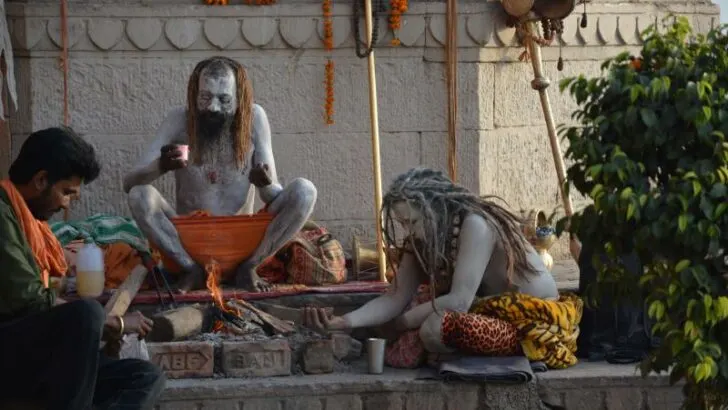


Varanasi, also known as Banaras or Kashi, is one of the oldest continuously inhabited cities in the world and is considered one of India’s holiest cities. Located on the banks of the sacred Ganges River in the northern state of Uttar Pradesh, Varanasi holds great religious and cultural significance for Hindus.
It is a place where spirituality, tradition, and history converge, making it a destination of immense importance and fascination.
Varanasi is known for its rich tapestry of temples, ghats (steps leading to the riverbanks), and bustling narrow streets that exude an ancient charm. The city is believed to have been established over 3,000 years ago and has served as a center for spiritual learning, trade, and cultural exchange for centuries.
One of the key aspects that defines Varanasi is its association with the River Ganges. The Ganges holds immense religious significance in Hinduism, and Varanasi is considered one of the seven sacred cities where attaining salvation is believed to be more attainable.
Pilgrims from all over India and the world come to Varanasi to perform rituals, take holy dips in the Ganges, and seek spiritual solace.
Varanasi is home to numerous temples, the most famous being the Kashi Vishwanath Temple dedicated to Lord Shiva. The city also boasts other significant temples like Sankat Mochan Hanuman Temple, Durga Temple, and Tulsi Manas Temple, which attract devotees and visitors alike.
The city’s ghats, particularly Dashashwamedh Ghat, Assi Ghat, and Manikarnika Ghat, are an integral part of the Varanasi experience.
These ghats serve as important places for religious ceremonies, rituals, and cremations, providing a unique insight into the cycle of life and death. Witnessing the mesmerizing Ganga Aarti ceremony, where lamps are offered to the Ganges, is a captivating spiritual experience.
Varanasi is also renowned for its traditional arts, crafts, and music. The city has been a hub for classical music, dance, and learning for centuries. Many prominent musicians, poets, and scholars have emerged from Varanasi, contributing to the city’s rich cultural heritage.
The vibrant markets of Varanasi offer a glimpse into the local lifestyle, where one can explore silk sarees, traditional handicrafts, jewelry, and delectable street food. Varanasi’s culinary scene is diverse and flavorsome, with local specialties like kachori, chaat, and sweets like lassi and malai toast.
In summary, Varanasi is a city that seamlessly blends spirituality, history, and culture. Its ancient traditions, architectural marvels, and sacred rituals make it a unique and captivating destination for travelers seeking a deeper understanding of India’s cultural heritage and spiritual essence. Varanasi truly embodies the essence of India and leaves an indelible impression on the hearts and minds of all who visit.
1. Take a boat ride on the Ganges River during sunrise or sunset

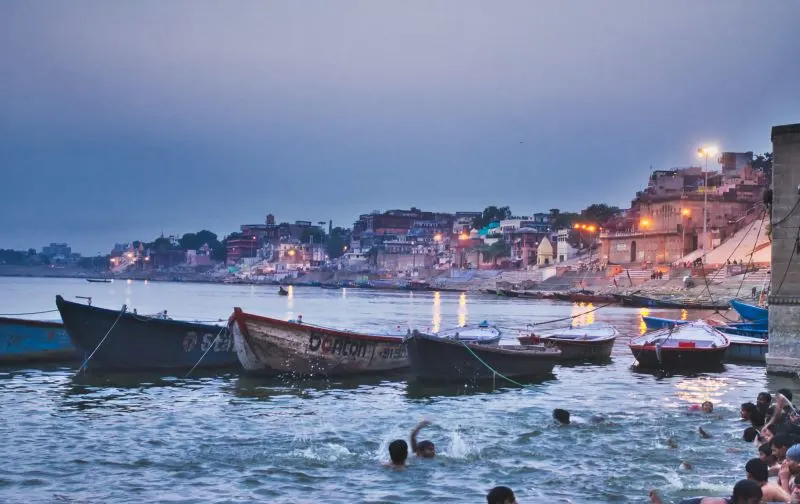
Taking a boat ride on the Ganges River during sunrise or sunset is a truly enchanting experience that captures the essence of Varanasi’s spiritual and cultural significance. As the first rays of the sun gently touch the water or the evening sky transforms into a vivid tapestry of colors, the river comes alive with a magical aura.
Embarking on a boat, you’ll witness the serene beauty of the Ganges as you glide along its sacred waters. The boatmen skillfully navigate through the currents, offering you a front-row seat to the unfolding spectacle. The atmosphere is imbued with a sense of tranquility and reverence, creating a profound connection between the devotees, the river, and the divine.
During sunrise, as the sun ascends above the horizon, the soft golden hues bathe the entire landscape, creating a serene ambiance. The early morning light reflects off the water, casting a mesmerizing glow and bringing out the vibrant colors of the city’s architecture and ghats.
Devotees flock to the riverbank to perform their morning rituals, offering prayers, meditating, or performing yoga on the ghats. The air is filled with the rhythmic chants and the fragrance of incense, creating a sacred and meditative atmosphere.
At sunset, the boat ride offers an opportunity to witness the rituals and activities of the evening Ganga Aarti ceremony. As the sun descends, the riverfront becomes alive with devotees, priests, and musicians preparing for the grand spectacle. The rhythmic chants, the sounds of bells, and the fragrance of flowers fill the air.
The Ganga Aarti ceremony is a captivating display of devotion, as priests perform intricate rituals, accompanied by the mesmerizing sound of hymns and the flickering flames of the aarti lamps. The entire scene is a visual feast, evoking a sense of spirituality and devotion.
Whether at sunrise or sunset, a boat ride on the Ganges River offers a unique perspective on the cultural and spiritual fabric of Varanasi. It allows you to witness the city’s vibrant traditions, the interplay of light and shadow, and the seamless blend of faith and devotion.
It’s a moment to reflect, to connect with the sacred energy of the river, and to immerse yourself in the timeless beauty of Varanasi.
2. Witness the mesmerizing Ganga Aarti ceremony at Dashashwamedh Ghat

Witnessing the mesmerizing Ganga Aarti ceremony at Dashashwamedh Ghat is an awe-inspiring and deeply spiritual experience that encapsulates the essence of Varanasi’s cultural and religious traditions.
Located on the banks of the sacred Ganges River, Dashashwamedh Ghat serves as the epicenter of the city’s vibrant rituals and ceremonies.
As evening descends and the sun sets, the atmosphere at Dashashwamedh Ghat transforms into a spectacle of devotion and reverence.
Pilgrims, locals, and tourists gather along the riverbank, eagerly awaiting the commencement of the Ganga Aarti ceremony. The ghat is adorned with decorative lights, flowers, and incense, creating a festive ambiance.
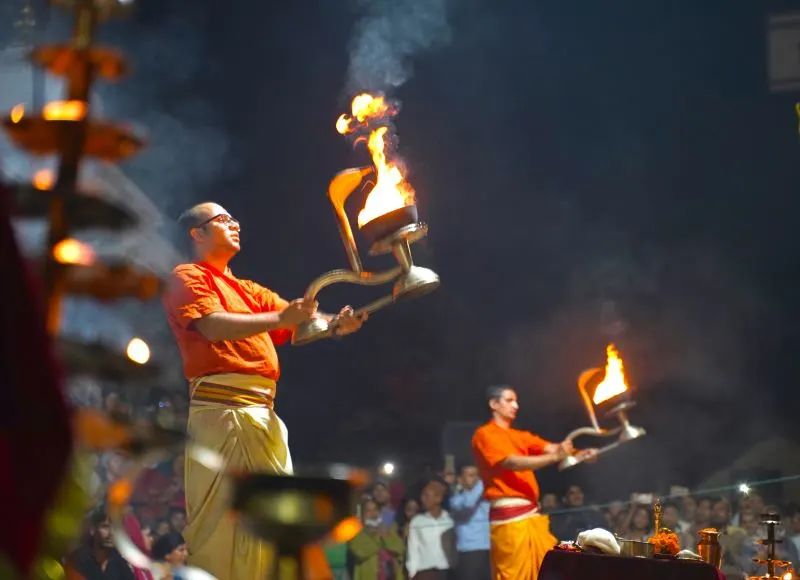
The ceremony begins as a group of young priests, dressed in vibrant saffron-colored robes, takes their positions on a raised platform facing the river. Holding brass lamps and large incense sticks, the priests begin to chant ancient hymns and mantras, invoking the blessings of the holy river and the divine deities.
With precise and synchronized movements, the priests perform intricate rituals, waving the lamps in circular motions and creating mesmerizing patterns against the backdrop of the darkening sky. The rhythmic sounds of bells, conch shells, and cymbals fill the air, adding to the enchanting aura of the ceremony.
As the Ganga Aarti unfolds, the lamps are offered to the sacred river, accompanied by the collective prayers and devotion of the devotees.
The flickering flames, reflecting on the rippling water, create a surreal and ethereal ambiance, captivating all who witness it. The air is infused with a fragrance of incense and the sounds of devotional songs, further enhancing the spiritual experience.
The Ganga Aarti ceremony is not only a visual spectacle but also a deeply symbolic act of worship. It represents the gratitude and reverence towards the Ganges River, considered sacred and purifying in Hindu mythology. The ceremony is a celebration of life, light, and the eternal connection between humans and the divine.
Witnessing the Ganga Aarti ceremony at Dashashwamedh Ghat allows you to immerse yourself in the spiritual fervor of Varanasi, experiencing the deep-rooted traditions and the collective faith of the devotees.
It is a moment of introspection, a reminder of the timeless rituals that have been performed for centuries and a profound opportunity to connect with the divine energy that flows through the sacred Ganges River.
3. Explore the narrow alleys of the Old City (Varanasi’s old quarter)

Exploring the narrow alleys of the Old City in Varanasi is like stepping into a vibrant labyrinth that holds within it the secrets, traditions, and soul of the city. Varanasi’s old quarter is a maze of winding lanes, bustling markets, and ancient buildings that have witnessed the passage of time.
As you venture into these narrow alleys, you’ll find yourself immersed in a sensory overload. The bustling sounds of vendors haggling, the rhythmic clatter of horse-drawn carriages, and the aroma of street food fill the air. The narrow lanes are lined with vibrant shops, temples, and residential houses, each with its own unique character.
The architecture of the old buildings showcases a blend of styles, with ornate facades, intricately carved wooden balconies, and colorful doorways. The walls bear witness to the patina of age and the stories of generations that have passed through these streets.
While navigating through the alleys, you’ll encounter a plethora of sights and experiences. Traditional artisans practice their crafts in tiny workshops, where you can witness skilled hands creating beautiful textiles, intricate jewelry, or hand-carved wooden artifacts.
You’ll come across hidden temples, some dating back centuries, where the faithful offer prayers and perform rituals. The scent of incense wafts through the air, adding to the spiritual ambiance.
The Old City is also famous for its bustling markets, where you can immerse yourself in the vibrant tapestry of colors and textures. Vendors display their wares, ranging from silk sarees and handcrafted souvenirs to aromatic spices and local street food delicacies. Exploring the markets offers a chance to interact with locals, witness the rhythm of daily life, and uncover unique treasures.
As you navigate the narrow alleys, you’ll encounter surprises at every turn. Sometimes, the lanes open up to picturesque ghats, offering glimpses of the sacred Ganges River and the rituals taking place on its banks. Other times, you’ll stumble upon hidden squares or charming courtyards, providing a momentary respite from the bustling crowds.
Exploring the narrow alleys of the Old City is an adventure that invites you to embrace the rich heritage and vibrant spirit of Varanasi. It allows you to delve into the heart of the city, interact with its residents, and witness the convergence of ancient traditions and contemporary life.
These alleys carry the stories of Varanasi’s past, and by wandering through them, you become a part of the ongoing narrative, discovering the magic that lies within every nook and cranny.
4. Visit the Kashi Vishwanath Temple, one of the holiest Hindu temples

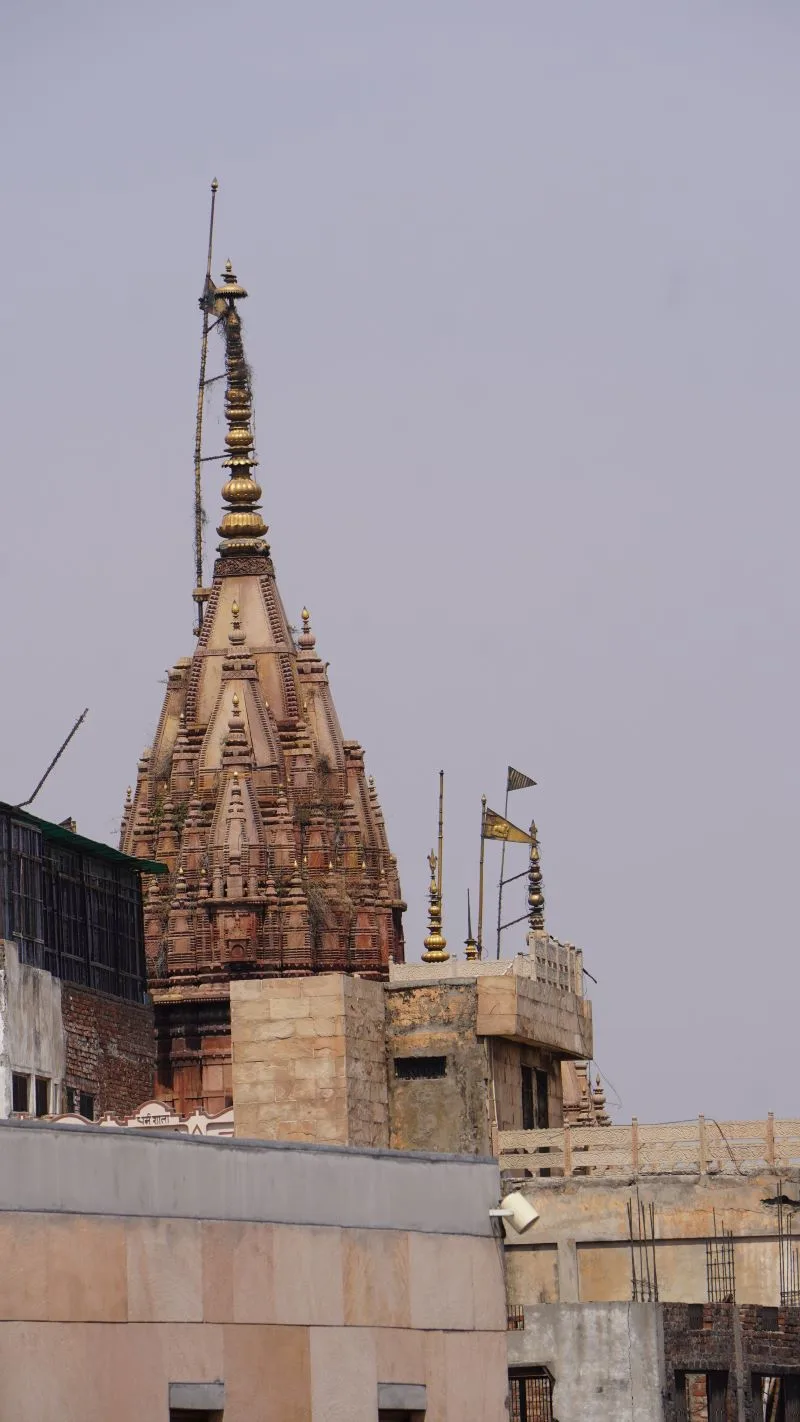
Visiting the Kashi Vishwanath Temple is a profound and spiritually enriching experience that holds immense significance for devotees and visitors alike. Situated in the heart of Varanasi, this ancient and revered Hindu temple is dedicated to Lord Shiva, one of the principal deities in Hindu mythology.
Approaching the temple, you’ll be greeted by the ornate and towering entrance gate, known as the Vishwanath Gali. As you step inside, you’ll find yourself enveloped in an atmosphere of devotion, faith, and reverence.
The temple complex is a captivating blend of intricate architecture, religious rituals, and the echoes of thousands of years of worship.
The main sanctum, or garbhagriha, houses the sacred Jyotirlinga, which is believed to be a manifestation of Lord Shiva. The sanctum exudes an aura of sanctity, adorned with flowers, garlands, and fragrant incense. The divinely lit oil lamps cast a warm glow, creating an ethereal ambiance.
As you proceed through the temple, you’ll encounter various other shrines dedicated to different deities of the Hindu pantheon. The intricate carvings on the walls and pillars depict mythological stories, celestial beings, and intricate patterns, adding to the visual splendor of the temple.
The air is filled with the continuous chanting of mantras, the sounds of bells, and the fervent prayers of devotees. The priests perform rituals and offer prayers with utmost devotion, creating an atmosphere of devotion and spiritual energy.
Witnessing the faith and devotion of the devotees can be a humbling experience, allowing you to connect with the deeper essence of Hindu spirituality.
The Kashi Vishwanath Temple is not only a place of worship but also an important cultural and historical landmark. It has witnessed the rise and fall of empires, and its history dates back several centuries. Despite facing destruction and reconstruction over the years, the temple remains a testament to the enduring faith and resilience of the people.
Visiting the Kashi Vishwanath Temple offers a glimpse into the rich heritage and religious fervor of Varanasi. It provides an opportunity for introspection, contemplation, and spiritual rejuvenation.
Whether you are a devotee seeking blessings or a visitor interested in exploring the cultural fabric of the city, the Kashi Vishwanath Temple stands as a symbol of divine grace and eternal devotion.
5. Take a dip in the sacred waters of the Ganges River


Taking a dip in the sacred waters of the Ganges River is a deeply spiritual and purifying experience that holds immense significance in Hindu culture and mythology.
The Ganges, known as Ganga in India, is considered a holy river, believed to have the power to cleanse sins and bestow blessings on those who immerse themselves in its waters.
Approaching the riverbanks, you’ll witness a scene of devotion and reverence. Pilgrims and devotees, clad in traditional attire, gather at the ghats, the steps leading to the river. The atmosphere is filled with a sense of anticipation and spiritual energy.
Before entering the water, it is customary to perform a ritual bath called “Snan” where you cleanse yourself with the river water, symbolically washing away impurities and sins. Many people also offer prayers and recite mantras while standing waist-deep in the water, seeking blessings and spiritual purification.
As you step into the river, the coolness of the water envelops you, providing a refreshing sensation. The flowing currents gently caress your skin, as if embracing you in a divine embrace. The sacred waters are believed to carry the essence of purity and spiritual energy, creating a transformative experience for those who partake.
Amidst the devotees, you’ll witness a sense of devotion and surrender to the divine. The sound of hymns, mantras, and prayers fills the air as individuals and families immerse themselves in the water, seeking spiritual solace and connection. It is a moment of surrendering to the power of the river, acknowledging its significance in the journey of faith.
Taking a dip in the Ganges River is not only a personal act of purification but also a communal experience. You become part of a collective energy, sharing the river with fellow devotees who have traveled from far and wide to seek solace and spiritual renewal. It is a reminder of the interconnectedness of humanity and the shared pursuit of transcendence.
Beyond the spiritual aspect, the Ganges River holds great cultural and historical importance. It has been a witness to centuries of rituals, traditions, and cultural exchanges.
The ghats along the riverbanks serve as meeting points for people from all walks of life, fostering a sense of community and diversity.
Taking a dip in the sacred waters of the Ganges River is an immersive and transformative experience. It allows you to connect with the spiritual heritage of Varanasi and experience the profound reverence that devotees hold for the Ganges. It is an opportunity for reflection, purification, and embracing the divine grace that flows through the sacred river.
6. Experience a morning boat ride to witness the rituals of the ghats

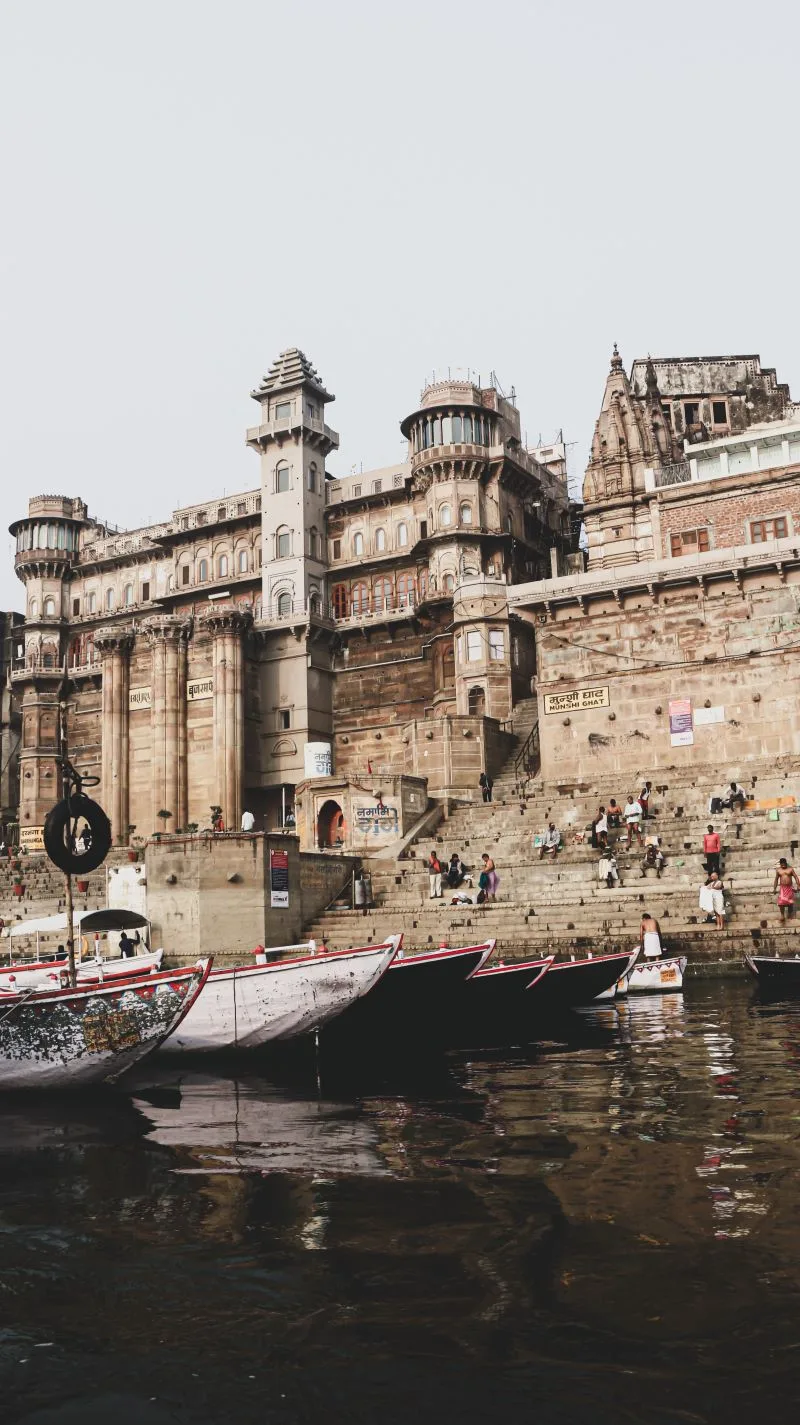
Experiencing a morning boat ride to witness the rituals of the ghats in Varanasi is a captivating and soul-stirring journey that offers a unique perspective on the city’s cultural and spiritual fabric. As the soft rays of the rising sun paint the sky with hues of gold, you embark on a serene voyage along the sacred Ganges River.
Boarding a traditional wooden boat, you gently glide across the tranquil waters, guided by skilled boatmen who navigate the currents with ease. The morning air carries a sense of stillness and anticipation as you make your way through the misty riverbanks, passing by the ancient ghats that line the water’s edge.
As the boat meanders along the river, you become a witness to the vibrant tapestry of rituals unfolding on the ghats. Devotees clad in vibrant attire gather along the steps, immersing themselves in the sacred waters, performing ablutions, and offering prayers.
The air is filled with the fragrance of incense and the resonating sounds of devotional chants, creating an ethereal ambiance that lingers in your senses.
Each ghat has its own unique character and significance, serving as a focal point for different rituals and ceremonies. The boat ride offers you an opportunity to observe the rituals from a vantage point, as if you are a silent observer of the spiritual narratives that play out on the riverbanks.
You witness the rituals of the morning aarti, where priests adorned in traditional attire perform worship and offer prayers to the river. The flickering flames of the aarti lamps, the rhythmic sounds of bells, and the melodic chants create a captivating spectacle of devotion and reverence.
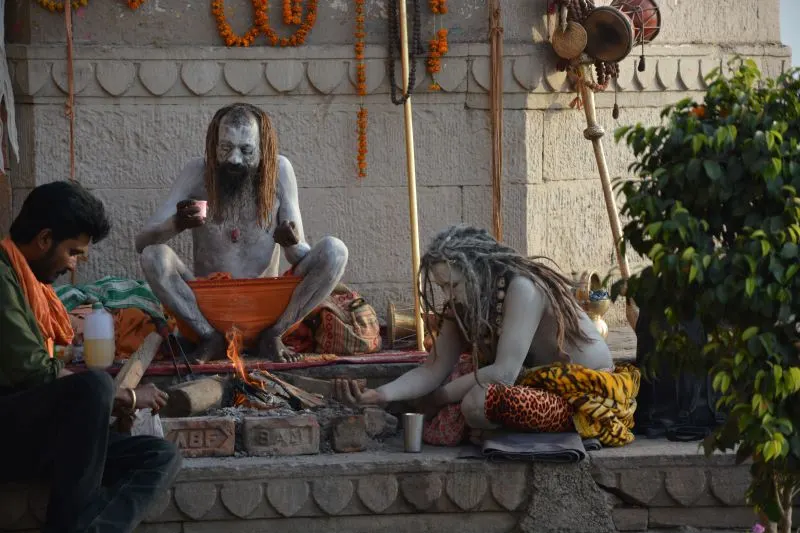
Along the boat ride, you may also encounter groups of sadhus, or holy men, engaged in their meditative practices and offering blessings to the devotees. These ascetics, with their unique appearances and austere lifestyles, add an aura of mysticism and spiritual wisdom to the experience.
As the morning boat ride unfolds, you absorb the sights, sounds, and vibrations of the ancient city waking up to its rituals and traditions. The gentle ripples of the river, the soft glow of the rising sun, and the spiritual energy exuded by the devotees create a profound connection between the earthly and the divine.
This immersive experience allows you to witness the interplay of faith, devotion, and the timeless rituals that have been practiced for centuries in Varanasi. It offers a glimpse into the spiritual pulse of the city and a deeper understanding of the significance of the Ganges River in the lives of its inhabitants.
As you conclude your morning boat ride, you carry with you a sense of tranquility, awe, and a newfound appreciation for the ancient rituals and traditions that continue to shape the spiritual landscape of Varanasi.
7. Visit the Sarnath Archaeological Site, where Buddha delivered his first sermon

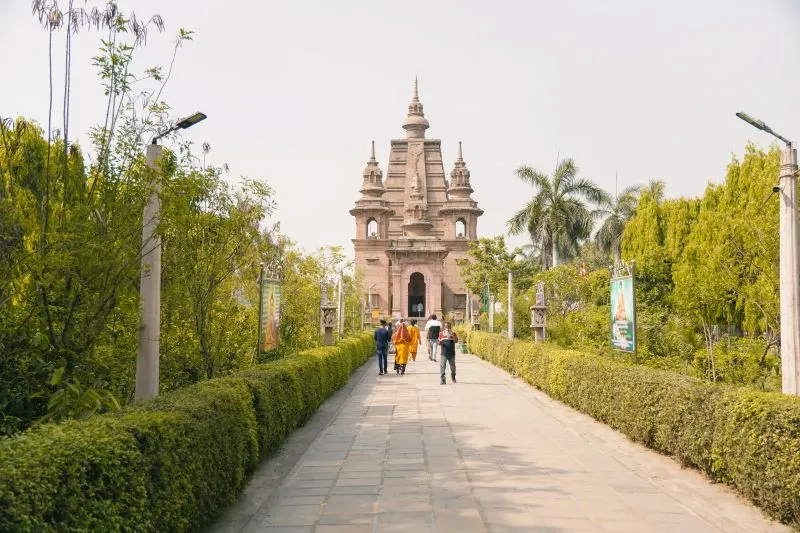
Visiting the Sarnath Archaeological Site is a journey back in time to a place of immense historical and religious significance. Located just a few kilometers from Varanasi, Sarnath is a sacred pilgrimage site for Buddhists, as it is where Lord Buddha delivered his first sermon after attaining enlightenment.
As you enter the archaeological site, you are transported to an era that witnessed the birth of Buddhism and the spread of its teachings. The site is dotted with ancient ruins, monuments, and structures that bear testimony to the rich cultural and architectural heritage of the region.
One of the most prominent structures at Sarnath is the Dhamek Stupa, a massive cylindrical tower adorned with intricate carvings.
This stupa stands as a symbol of Buddha’s teachings and attracts devotees and tourists from around the world. It is a revered spot for Buddhists, who often perform circumambulation around the stupa, offering prayers and seeking blessings.
Exploring the site, you’ll come across the ruins of ancient monasteries, where Buddhist monks once resided and studied. The remnants of these monastic complexes provide a glimpse into the scholarly and contemplative atmosphere that characterized Sarnath during its heyday.
The Mulagandhakuti Vihara is another noteworthy structure within the site. It is a modern-day monastery built in traditional Buddhist architectural style, housing exquisite murals and sculptures depicting the life of Lord Buddha.
The Archaeological Museum at Sarnath is a treasure trove of artifacts and relics unearthed from the site. It houses an impressive collection of ancient sculptures, including the famous Lion Capital of Ashoka, which is now the national emblem of India. The museum offers insights into the artistic brilliance and historical importance of the region.
Apart from its historical and religious significance, Sarnath also exudes a serene and peaceful atmosphere. The well-manicured gardens and lush greenery create a tranquil setting for contemplation and introspection. Visitors often find solace in the quietude of the site, allowing them to connect with the teachings of Buddha and experience a sense of spiritual renewal.
A visit to the Sarnath Archaeological Site offers an opportunity to delve into the roots of Buddhism, explore ancient ruins, and immerse yourself in the spiritual energy of the place.
It is a pilgrimage to a site that played a pivotal role in the propagation of one of the world’s major religions, and a chance to reflect on the timeless teachings of compassion, mindfulness, and enlightenment.
8. Explore the Ramnagar Fort, an 18th-century fort situated on the banks of the Ganges

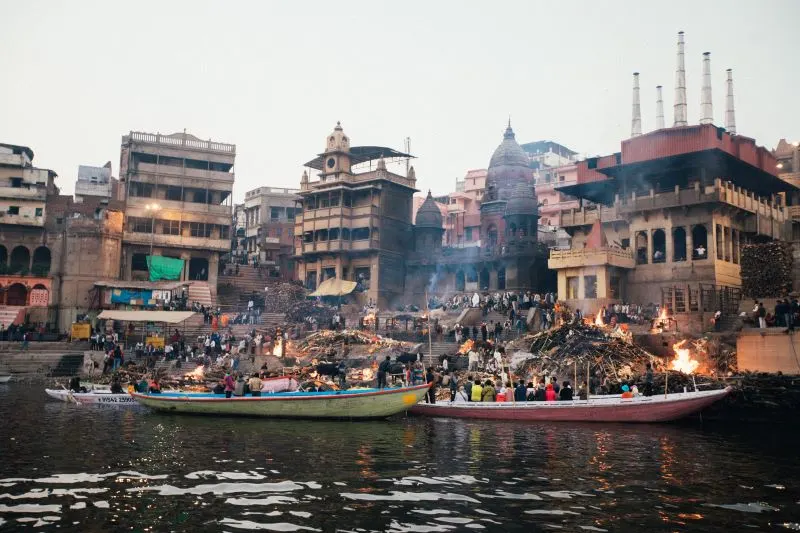
Exploring the Ramnagar Fort is like stepping into a bygone era, where history, culture, and architectural grandeur intertwine.
Located on the eastern bank of the Ganges River, opposite Varanasi, this magnificent fort stands as a testament to the royal legacy of the erstwhile Kashi Naresh, the hereditary rulers of Varanasi.
As you approach the fort, its imposing facade and majestic ramparts come into view, exuding a sense of grandeur and regality. Built in the 18th century, the fort showcases a blend of Mughal and Indian architectural styles, with ornate balconies, intricately carved domes, and towering walls that reflect the opulence and artistic finesse of that era.
Crossing the fortified gate, you enter a world frozen in time. The fort complex encompasses a sprawling courtyard, palaces, temples, and a museum, offering a glimpse into the lives of the royal family and the cultural heritage of the region.
One of the main attractions within the fort is the Durbar Hall, a lavishly decorated chamber adorned with crystal chandeliers, elaborate carpets, and intricately carved arches. This hall served as the venue for royal assemblies and grand celebrations, immersing you in the pomp and splendor of the bygone era.
Adjacent to the Durbar Hall, you’ll find a museum that houses a remarkable collection of artifacts, including vintage cars, royal costumes, weapons, and an assortment of rare manuscripts and paintings. These exhibits offer insights into the rich history, lifestyle, and traditions of the Kashi Naresh dynasty.
As you wander through the fort, you’ll discover hidden courtyards, serene temples, and beautifully landscaped gardens. The architecture and design elements reflect a fusion of Hindu, Islamic, and European influences, showcasing the cultural amalgamation that shaped Varanasi’s heritage.
From the fort’s vantage points, you can enjoy panoramic views of the Ganges River, the cityscape of Varanasi, and the iconic Ramnagar Bridge that spans the river. The tranquil ambiance and scenic vistas create a picturesque backdrop for exploration and contemplation.
Exploring the Ramnagar Fort allows you to immerse yourself in the regal splendor of a bygone era. It unveils the stories of the royal dynasty that ruled Varanasi for centuries, offering a glimpse into their opulent lifestyles, patronage of the arts, and their contributions to the cultural tapestry of the region.
A visit to the Ramnagar Fort is not just an architectural exploration but also an opportunity to connect with the history and heritage of Varanasi.
It invites you to wander through the corridors of time, evoking a sense of wonder and appreciation for the artistic brilliance and historical significance encapsulated within its walls.
9. Attend a classical music or dance performance in Varanasi


Attending a classical music or dance performance in Varanasi is a mesmerizing journey into the realm of art, culture, and spiritual expression. Known as the cultural capital of India, Varanasi has long been a nurturing ground for classical music and dance forms, attracting artists, connoisseurs, and enthusiasts from around the world.
The city offers a rich tapestry of performances, ranging from classical Indian music to traditional dance forms like Kathak, Bharatanatyam, and Odissi.
These performances are often held in intimate settings, allowing you to immerse yourself in the enchanting melodies, graceful movements, and profound expressions that unfold on stage.
Attending a classical music concert, you’ll be captivated by the soulful renditions of ragas, the melodic frameworks of Indian classical music. Accompanied by instruments like the sitar, tabla, sarod, flute, or veena, the musicians create intricate melodies, exploring the depths of emotion and improvisation.
The performances are characterized by their meditative quality, gradually building up in intensity and leaving the audience spellbound.
If you opt for a classical dance performance, you’ll witness the dancers’ graceful movements, elaborate footwork, and expressive gestures that bring ancient stories and mythological narratives to life.
The performers, adorned in vibrant costumes, embody the essence of the dance form, portraying a range of emotions and themes through their rhythmic and lyrical movements.
Whether you attend a music concert or a dance performance, the ambiance is filled with an aura of devotion, skill, and artistic finesse. The artists’ dedication and passion for their craft shine through as they transport you to a realm of aesthetic beauty and spiritual transcendence.
The performances are often held in venues that exude a cultural charm, such as heritage havelis, traditional auditoriums, or temple courtyards. These settings add to the overall experience, enhancing the sense of cultural immersion and creating a unique ambiance for the audience.
Attending a classical music or dance performance in Varanasi is not just an opportunity to witness the mastery of seasoned artists but also a chance to connect with the artistic legacy and traditions that have been passed down through generations.
It allows you to appreciate the rich heritage of Indian classical arts, the interplay of rhythm and melody, and the profound spiritual undercurrents that permeate the performances.
For art enthusiasts, attending these performances in Varanasi is a pilgrimage of sorts, a way to engage with the essence of Indian culture and experience the transformative power of music and dance. It is an invitation to delve into the depths of human expression and be transported to a realm where art becomes a medium for connecting with the divine.
10. Explore the Banaras Hindu University (BHU) campus, known for its beautiful architecture

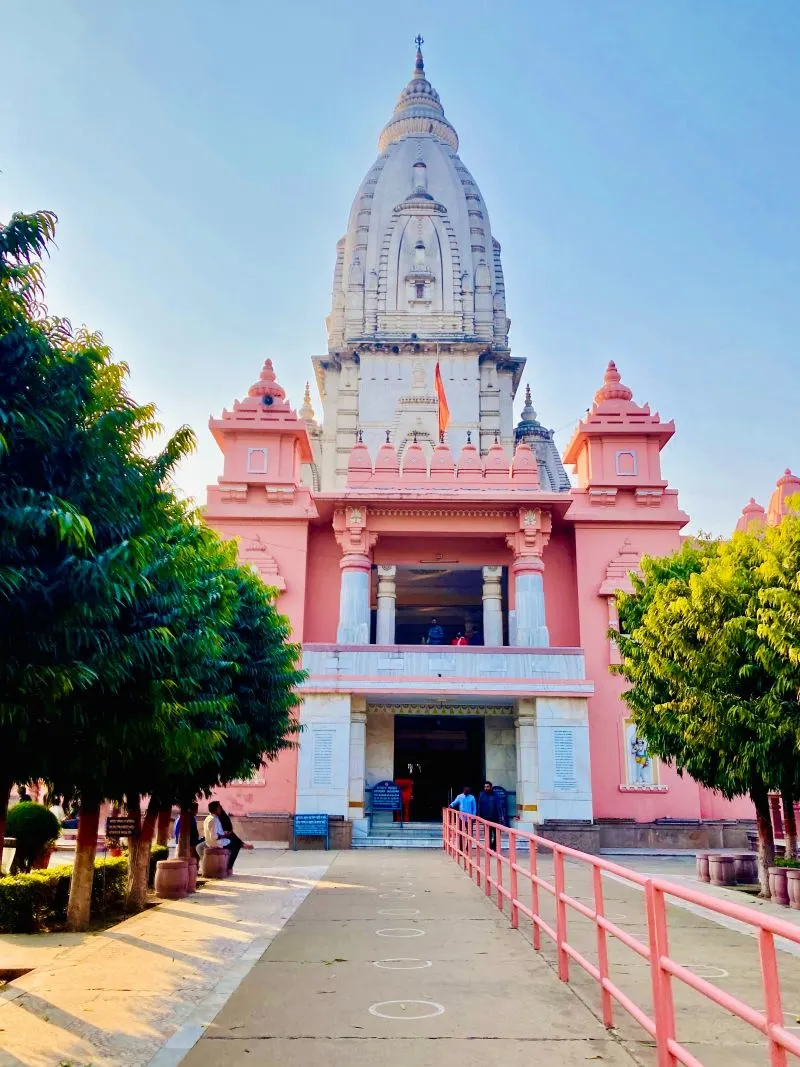
Exploring the Banaras Hindu University (BHU) campus is like stepping into a vibrant world of knowledge, culture, and intellectual pursuits. Spread across a sprawling area in Varanasi, BHU is not only a renowned educational institution but also a center for art, culture, and holistic development.
As you enter the campus, you are greeted by lush greenery, tree-lined pathways, and architectural marvels that reflect a blend of Indian and European styles. The campus exudes a tranquil and serene atmosphere, providing an ideal setting for academic pursuits and personal growth.
One of the notable landmarks within BHU is the Vishwanath Temple, a magnificent structure dedicated to Lord Shiva. This temple, with its intricate carvings and spiritual significance, serves as a focal point for devotees and students seeking solace and blessings.
As you explore further, you’ll come across the iconic Bharat Kala Bhavan, an art museum known for its impressive collection of sculptures, paintings, and artifacts from various periods of Indian history. The museum offers a journey through the rich artistic heritage of the region and provides insights into the cultural tapestry of India.
The BHU campus is also home to several academic faculties and departments, encompassing a wide range of disciplines such as science, arts, commerce, engineering, medicine, and more. The academic buildings, libraries, and laboratories stand as testimony to the institution’s commitment to excellence in education and research.
Strolling through the campus, you’ll encounter vibrant student life. The energetic atmosphere is palpable, with students engaged in various activities, discussions, and cultural events.
The campus hosts a multitude of festivals, including cultural programs, debates, and exhibitions, providing a platform for students to showcase their talents and celebrate the diversity of Indian culture.
The extensive grounds of BHU also offer recreational spaces, including gardens and sports facilities. These spaces provide a sanctuary for relaxation and physical activities, fostering a holistic approach to education and well-being.
Apart from its academic and cultural significance, the BHU campus is a living testament to the vision of its founder, Pandit Madan Mohan Malaviya, who envisioned an institution that would combine traditional Indian knowledge with modern education. The campus stands as a symbol of his vision and the enduring legacy of his contributions to education in India.
Exploring the BHU campus is not just a visual delight but also an opportunity to experience the intellectual vibrancy, cultural diversity, and holistic environment that characterize this esteemed institution. It allows you to witness the confluence of tradition and modernity, fostering an appreciation for the pursuit of knowledge and the transformative power of education.
Whether you are a student, a scholar, or a visitor, a visit to the BHU campus provides an enriching experience that encompasses academia, culture, spirituality, and personal growth. It offers a glimpse into the multifaceted nature of this esteemed institution and the profound impact it has on the lives of its students and the society at large.
11. Visit the Bharat Kala Bhavan Museum, which houses a vast collection of art and artifacts

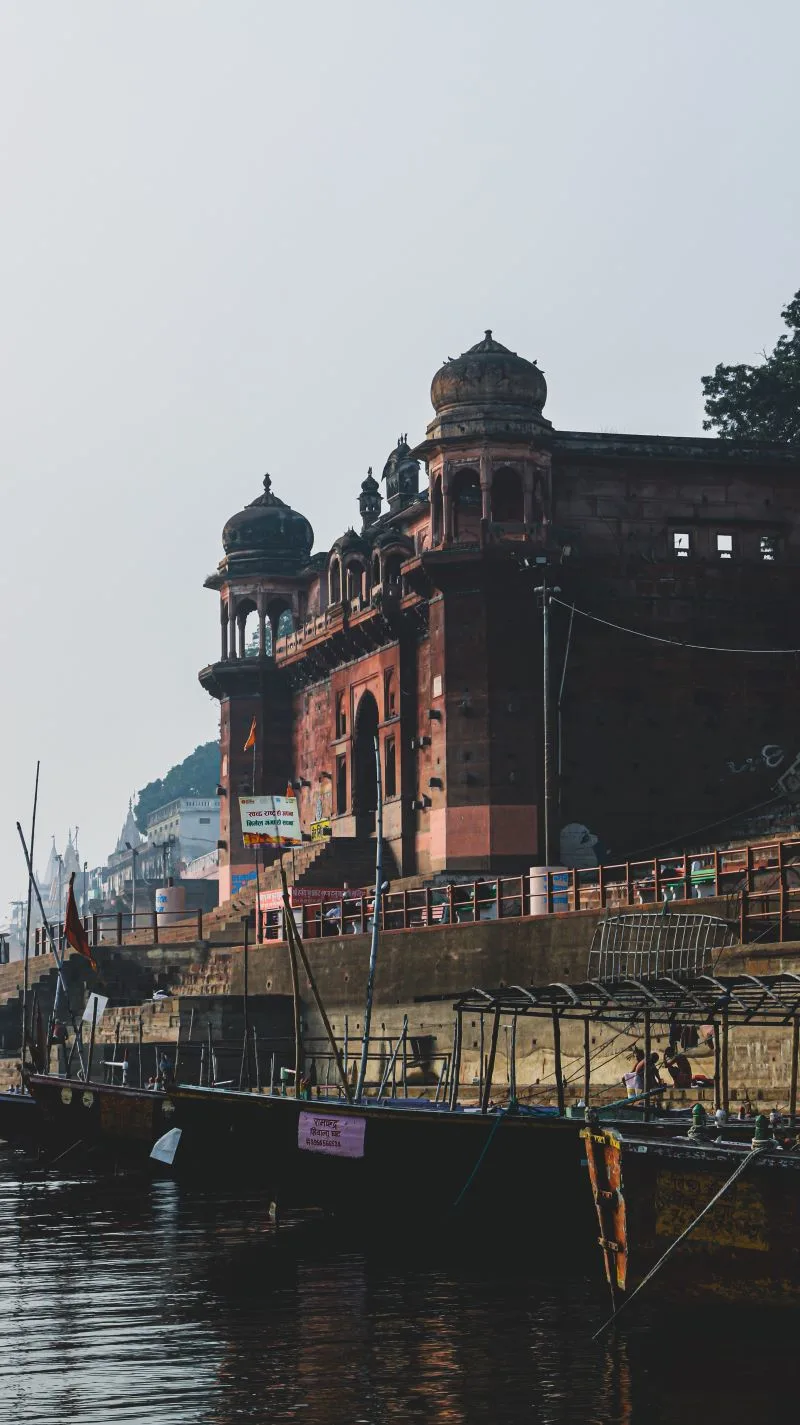
Visiting the Bharat Kala Bhavan Museum is a captivating journey through the rich artistic and cultural heritage of India. Located within the Banaras Hindu University (BHU) campus in Varanasi, this renowned museum houses a vast collection of sculptures, paintings, textiles, and artifacts that span centuries of Indian history and art.
As you enter the museum, you are welcomed into a world of artistic expression and historical significance. The museum’s architecture itself is noteworthy, with its blend of traditional and modern design elements creating a harmonious space for the exhibits.
The museum showcases a diverse range of artifacts from various periods, regions, and art forms across India. You’ll find ancient sculptures that date back thousands of years, depicting deities, mythological figures, and scenes from religious texts.
The exquisite craftsmanship, intricate details, and artistic mastery of these sculptures are a testament to the skill and creativity of the artisans of bygone eras.
The painting collection at Bharat Kala Bhavan is equally remarkable. From miniature paintings to larger canvases, you’ll encounter works that depict historical events, royal portraits, religious narratives, and folk art traditions.
The paintings display a vibrant palette, meticulous brushwork, and a depth of storytelling that reflects the cultural diversity and artistic brilliance of India.
Textiles and fabrics also find a prominent place in the museum. The collection includes rare and finely woven textiles, delicate embroideries, and intricately designed costumes that showcase the rich textile traditions of different regions of India. These textiles offer insights into the sartorial traditions, craftsmanship, and cultural symbolism associated with Indian textiles.
Apart from sculptures, paintings, and textiles, the museum houses a variety of other artifacts, including ancient coins, pottery, metalwork, and ritual objects. Each artifact carries a historical narrative and provides a window into the social, cultural, and religious aspects of the past.
The Bharat Kala Bhavan Museum not only displays static exhibits but also hosts temporary exhibitions, lectures, and interactive programs that delve deeper into specific themes and aspects of Indian art and culture.
These activities enhance the overall experience, allowing visitors to engage with the exhibits on a more personal and educational level.
As you explore the museum, you’ll be accompanied by knowledgeable curators and guides who can provide insights and context to the exhibits, enriching your understanding and appreciation of Indian art and culture.
A visit to the Bharat Kala Bhavan Museum is an opportunity to immerse yourself in the artistic legacy of India, to witness the evolution of artistic styles, and to gain a deeper understanding of the cultural tapestry of the country.
It offers a visual feast for art enthusiasts, history buffs, and anyone with an appreciation for the beauty and diversity of Indian heritage.
Whether you are an art connoisseur, a scholar, or a curious traveler, a visit to this museum is a journey that celebrates the richness of Indian art, nurtures a sense of cultural pride, and provides a deeper connection to the historical and artistic roots of India.
12. Take a heritage walk through the old bazaars of Varanasi

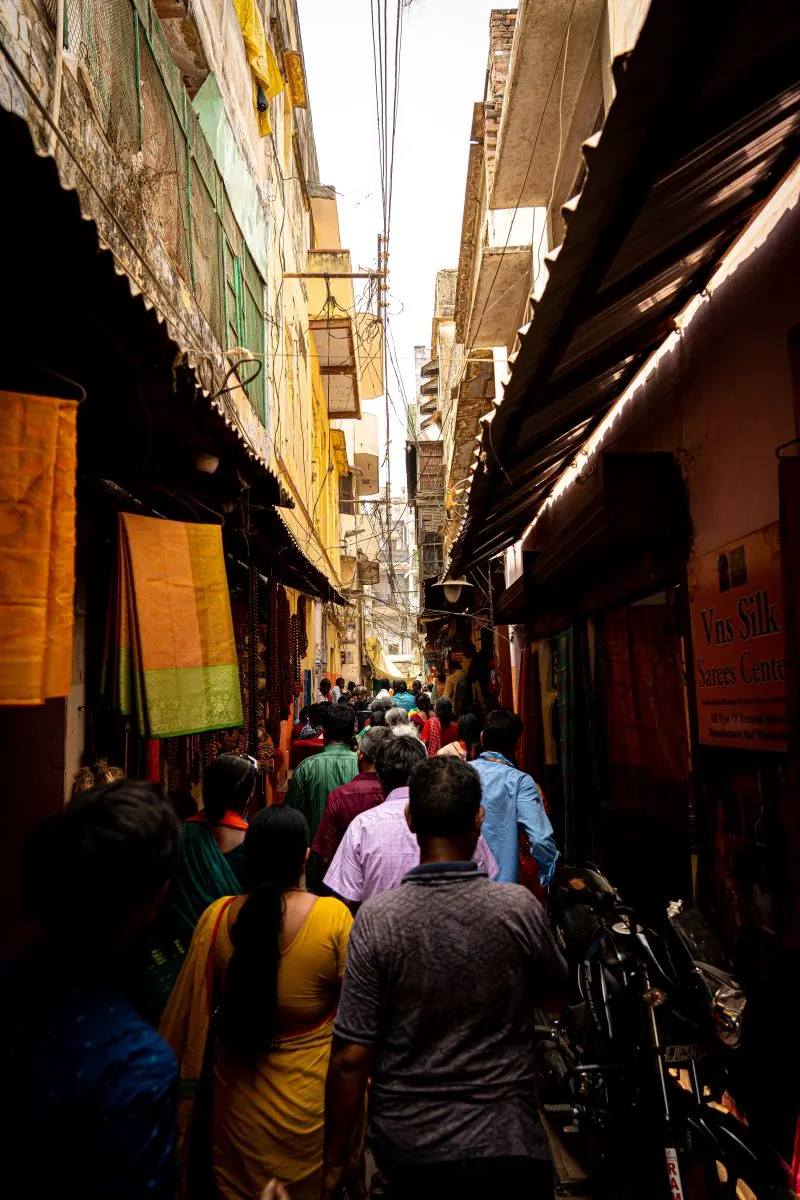
Taking a heritage walk through the old bazaars of Varanasi is like stepping into a time capsule, where the sights, sounds, and aromas transport you to a bygone era. Varanasi’s old bazaars, with their narrow winding lanes and bustling markets, are a treasure trove of history, culture, and traditional craftsmanship.
As you embark on your heritage walk, you’ll find yourself immersed in the vibrant energy of the bazaars. The streets are alive with the hustle and bustle of vendors, shoppers, and locals going about their daily lives.
The air is filled with the aroma of spices, incense, and freshly cooked street food, creating a sensory experience that is both captivating and immersive.
The old bazaars of Varanasi are known for their unique and specialized markets, each dedicated to a particular craft or trade. From silk sarees to exquisite jewelry, from handcrafted wooden toys to traditional musical instruments, you’ll find a plethora of traditional and artisanal products that reflect the rich cultural heritage of the region.
Walking through the narrow alleys, you’ll come across centuries-old shops and establishments that have been passed down through generations. These family-run businesses have preserved age-old techniques and traditions, ensuring that the craftsmanship and quality of their products remain unparalleled.
One of the iconic bazaars you’ll encounter is the Vishwanath Gali, located near the famous Kashi Vishwanath Temple. This bustling street is known for its shops selling religious artifacts, puja items, and traditional musical instruments. You’ll also find shops dedicated to Banarasi silk sarees, where artisans weave intricate patterns and designs that have been cherished for centuries.
Another must-visit bazaar is the Thatheri Bazaar, renowned for its brassware and metalwork. Here, you’ll witness skilled artisans hammering brass sheets and creating exquisite utensils, lamps, and decorative items.
The bazaar is a visual delight, with shops adorned with gleaming brass artifacts that catch the sunlight and reflect the artistry of the craftsmen.
Other bazaars worth exploring include the Chowk and Godowlia markets, where you can find a wide array of items ranging from textiles, jewelry, spices, and handicrafts. Each corner of these bazaars has its own unique charm and surprises waiting to be discovered.
Apart from the shopping experience, the heritage walk also offers glimpses of architectural gems and historical landmarks tucked away amidst the bustling markets. Ornate havelis, ancient temples, and intricately carved facades provide glimpses into the architectural grandeur of the past.
During your walk, you might also encounter street performers, storytellers, and local artisans showcasing their skills. Engaging with these artists and craftsmen adds an element of interactive cultural exchange to your heritage walk, giving you a deeper appreciation for the traditions and artistic heritage of Varanasi.
A heritage walk through the old bazaars of Varanasi is not just a shopping excursion; it’s an opportunity to connect with the essence of the city, to witness the interplay of tradition and modernity, and to experience the living heritage that continues to thrive in these historic markets.
It’s a journey that immerses you in the cultural tapestry of Varanasi and leaves you with lasting memories of the city’s vibrant traditions and timeless charm.
13. Explore the various ghats along the Ganges River, such as Manikarnika Ghat and Harishchandra Ghat

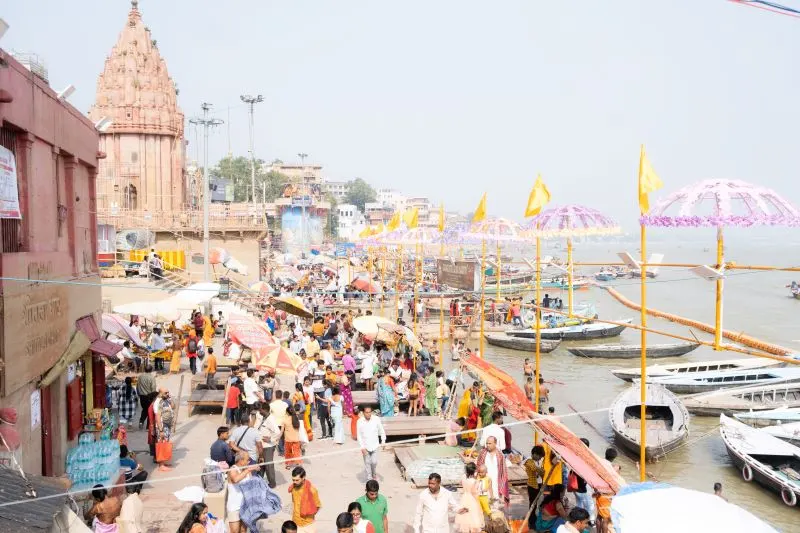
Exploring the various ghats along the Ganges River in Varanasi is a quintessential experience that takes you on a spiritual and cultural journey like no other. The ghats, which are a series of steps leading down to the riverbank, are an integral part of Varanasi’s identity and hold immense religious significance for Hindus.
As you make your way along the ghats, you’ll encounter a captivating blend of devotion, rituals, and everyday life. Each ghat has its own distinct character, purpose, and historical importance, offering a unique experience and a different perspective on the river and its rituals.
One of the most famous and bustling ghats is the Dashashwamedh Ghat, known for its vibrant atmosphere and the mesmerizing Ganga Aarti ceremony that takes place every evening.
The Aarti is a spectacle of lights, fire, and devotional songs, where priests perform rituals to pay homage to the river. Witnessing the Aarti from the ghat or from a boat on the river is a truly awe-inspiring experience.
Another significant ghat is the Manikarnika Ghat, considered the most sacred cremation ground in Varanasi. It is believed that cremation at this ghat ensures liberation from the cycle of birth and death. While it may seem intense, the ghat offers a profound insight into the circle of life and the Hindu beliefs surrounding death and the afterlife.
The Assi Ghat, located at the confluence of the Ganges and the Assi River, is a popular destination for spiritual seekers and those seeking tranquility.
The ghat is associated with Lord Shiva and is believed to be the place where he temporarily resided. It offers a serene ambiance, with pilgrims taking holy dips in the river and meditating on the banks.
Other notable ghats include the Harishchandra Ghat, known as the “cremation ghat of the untouchables,” and the Panchganga Ghat, where five rivers are believed to converge.
Each ghat has its own unique history, legends, and rituals that contribute to the diverse tapestry of spiritual practices and cultural customs along the river.
Exploring the ghats also provides opportunities for boat rides on the Ganges, allowing you to witness the city from a different perspective.
From the boat, you can take in panoramic views of the ghats, the grand architecture of the city, and the activities unfolding on the riverbanks. It’s a chance to see the ghats come alive with devotees performing ablutions, priests conducting ceremonies, and locals engaging in their daily routines.
While some ghats are more bustling and crowded, others offer a serene and tranquil atmosphere, providing spaces for introspection, contemplation, and meditation. The ghats serve as gathering places for spiritual seekers, sadhus, pilgrims, and locals, fostering a sense of community and connection with the sacred river.
Exploring the ghats along the Ganges River in Varanasi is an immersive experience that offers a glimpse into the spiritual heart of the city.
It allows you to witness ancient traditions, engage in rituals, and embrace the profound significance that the river holds for the people of Varanasi. It’s a journey that brings together spirituality, culture, and the timeless flow of the sacred Ganges River.
14. Visit the Durga Temple, dedicated to the Hindu goddess Durga

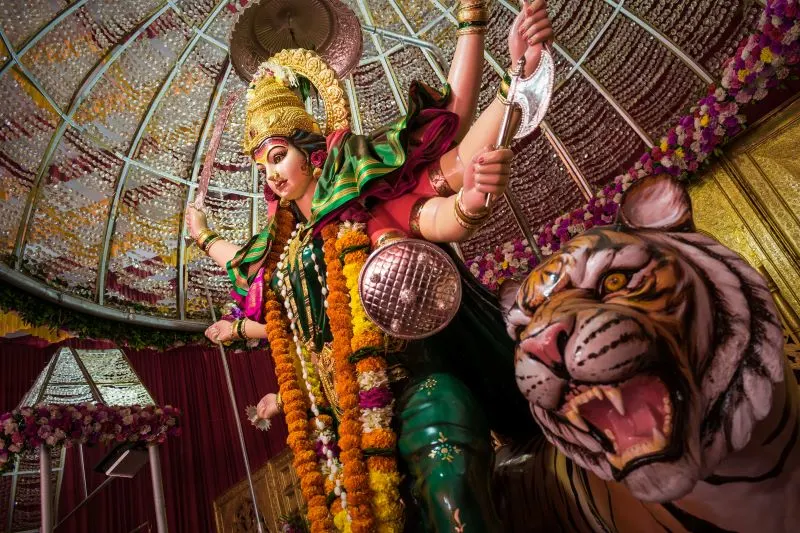
Visiting the Durga Temple in Varanasi is an opportunity to immerse yourself in devotion, architectural splendor, and the vibrant spiritual atmosphere of the city. Dedicated to the Hindu goddess Durga, this temple holds immense religious significance and is a popular destination for pilgrims and tourists alike.
Located in the heart of the city, the Durga Temple is known for its striking red color and intricate design. As you approach the temple, you’ll be captivated by the ornate spires, beautifully carved pillars, and the elaborate artwork that adorns its walls. The temple’s architecture combines elements of North Indian and South Indian styles, creating a unique visual appeal.
Upon entering the temple, you’ll be greeted by an ambiance of sacredness and devotion. The air is filled with the fragrance of incense, and the sound of devotional hymns and chants reverberate through the halls.
The inner sanctum houses the idol of Goddess Durga, adorned with flowers, garlands, and offerings from devotees. The serene presence of the deity creates an atmosphere of reverence and spirituality.
One of the notable features of the Durga Temple is the “monkey temple” or “monkey courtyard” located within its premises. This courtyard is inhabited by a large population of monkeys, considered sacred and associated with Lord Hanuman, a revered deity in Hindu mythology.
Observing these playful creatures adds a unique charm to the temple visit, although it’s advisable to be cautious and respectful of their space.
The temple complex also includes other shrines dedicated to various deities, allowing visitors to engage in multiple forms of worship and seek blessings from different aspects of the divine. Devotees can be seen offering prayers, lighting lamps, and performing rituals to express their faith and seek the blessings of the goddess.
Throughout the year, the Durga Temple hosts various religious festivals and celebrations, attracting a large number of devotees.
During the festival of Navaratri, the temple comes alive with vibrant decorations, devotional music, and a festive spirit. The nine-day celebration honors the goddess Durga and involves special prayers, processions, and cultural performances.
Visiting the Durga Temple is not just about religious significance; it’s also an opportunity to witness the religious and cultural fabric of Varanasi.
The temple serves as a focal point for the community, bringing together people from all walks of life to engage in acts of devotion, seek solace, and celebrate the divine feminine energy.
A visit to the Durga Temple allows you to experience the essence of devotion, immerse yourself in the rich mythology and symbolism of Hinduism, and witness the beauty of architectural craftsmanship. It’s a place where spirituality and culture merge, leaving you with a profound sense of awe and a deeper connection to the spiritual heritage of Varanasi.
15. Explore the Chunar Fort, located about 45 kilometers from Varanasi

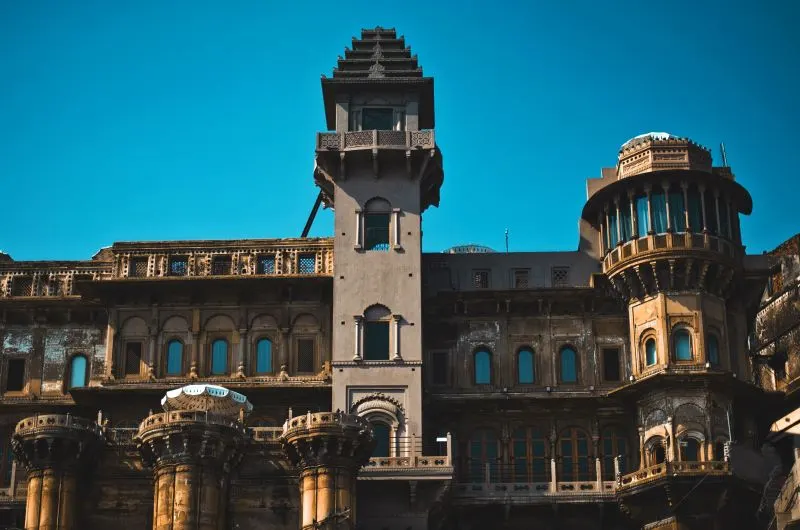
Exploring the Chunar Fort is a journey through history, where ancient walls, towering bastions, and majestic gates stand as silent witnesses to the glorious past of Chunar. Located in the Mirzapur district of Uttar Pradesh, India, this fortress has stood strong for centuries, commanding a strategic position on the banks of the Ganges River.
As you approach the Chunar Fort, its impressive architecture and imposing presence will leave you in awe. The fort stands atop a hill, providing panoramic views of the surrounding landscape. Its sturdy walls, constructed with stone and brick, reflect the military prowess and architectural brilliance of the bygone era.
Entering through the massive gates, you’ll step into a world steeped in history. The fort’s interior houses several structures, including palaces, temples, barracks, and wells, each bearing witness to the passage of time and the diverse influences that shaped its history.
One of the notable attractions within the fort is the Amar Singh Gate, named after the famous Rajput warrior Amar Singh, who valiantly defended the fort against Mughal invaders. The gate is adorned with intricate carvings, showcasing a blend of Hindu and Islamic architectural styles.
As you explore further, you’ll come across the Raja Vijaigarh Palace, which served as the residence of the local rulers. Its well-preserved architecture and beautiful stone carvings offer a glimpse into the regal lifestyle of the past. Nearby, the Shahi Mosque stands as a testament to the Mughal influence on the region, with its elegant domes and minarets.
The fort also contains underground chambers and tunnels that are believed to have been used for strategic purposes and as escape routes during times of siege. These hidden passageways add an air of mystery and intrigue to the exploration of the fort.
Apart from its historical significance, the Chunar Fort is also associated with legends and folklore. It is believed to be the place where the mythological figure Babhnan Bhairav resided, adding a touch of mythology and spirituality to its aura.
From the vantage points within the fort, you can admire breathtaking views of the Ganges River flowing below and the surrounding landscape.
The tranquility of the river, the lush greenery, and the distant hills create a serene backdrop, allowing you to immerse yourself in the natural beauty of the region.
Visiting the Chunar Fort is not just a journey through history; it’s an opportunity to connect with the past, to witness the architectural grandeur of a bygone era, and to experience the stories and legends that have shaped the region.
The fort stands as a testament to the resilience and strength of those who defended it and offers visitors a glimpse into the rich cultural heritage of Chunar and its surrounding region.
16. Visit the Tulsi Manas Temple, built on the spot where the epic Ramayana was written

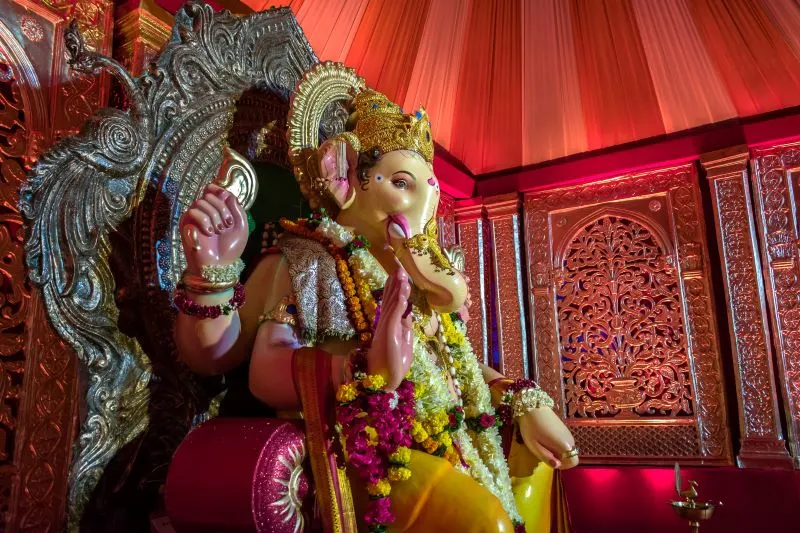
Visiting the Tulsi Manas Temple in Varanasi is an enriching experience that combines spirituality, history, and devotion. Built in the 1960s, this modern temple holds great significance in Hindu mythology and is dedicated to Lord Rama.
The Tulsi Manas Temple is located in the Sankat Mochan area of Varanasi and is known for its unique architecture and serene ambiance.
The temple is constructed using white marble and features beautiful carvings that depict scenes from the epic Hindu scripture, the Ramayana. The walls of the temple are adorned with verses and teachings from the Ramcharitmanas, a holy text composed by the saint-poet Tulsidas, hence the name “Tulsi Manas Temple.”
As you enter the temple premises, you’ll find a peaceful courtyard adorned with lush greenery and flowers. The main shrine of the temple houses a black stone idol of Lord Rama, accompanied by his consort Sita, his brother Lakshmana, and the devotee Hanuman. The idol is beautifully decorated with garlands and adorned with traditional clothing.
Inside the temple, the walls are adorned with intricately carved marble panels that depict scenes from the Ramayana, narrating the epic story of Lord Rama’s journey, his triumphs, and his teachings.
Devotees and visitors can read and recite these verses, immersing themselves in the divine atmosphere and connecting with the spiritual essence of the Ramayana.
The Tulsi Manas Temple is not just a place of worship; it also serves as a cultural and educational center. The temple complex houses a library that contains various religious texts, scriptures, and works of literature related to Lord Rama and the Ramayana. Scholars and devotees often visit the temple to study and gain a deeper understanding of the teachings and philosophy of Lord Rama.
The temple premises also feature a beautiful garden, where visitors can stroll amidst the serene surroundings and enjoy moments of tranquility. The garden is adorned with statues depicting characters from the Ramayana, adding a touch of artistic beauty and enhancing the overall experience.
Throughout the year, the Tulsi Manas Temple hosts religious festivals and celebrations, with special events and performances dedicated to Lord Rama and the Ramayana.
The temple attracts devotees and tourists alike, offering them an opportunity to participate in devotional rituals, listen to religious discourses, and witness cultural performances that celebrate the glory and teachings of Lord Rama.
Visiting the Tulsi Manas Temple is not just about seeking blessings; it’s a chance to connect with the rich mythology and spiritual legacy of Lord Rama, to immerse oneself in the teachings of the Ramayana, and to find solace and inspiration in the divine presence. It’s a place that evokes a sense of peace, devotion, and reverence, leaving visitors with a profound appreciation for the epic tale of Lord Rama and the ideals he represents.
17. Attend a yoga or meditation session at one of the ashrams in Varanasi

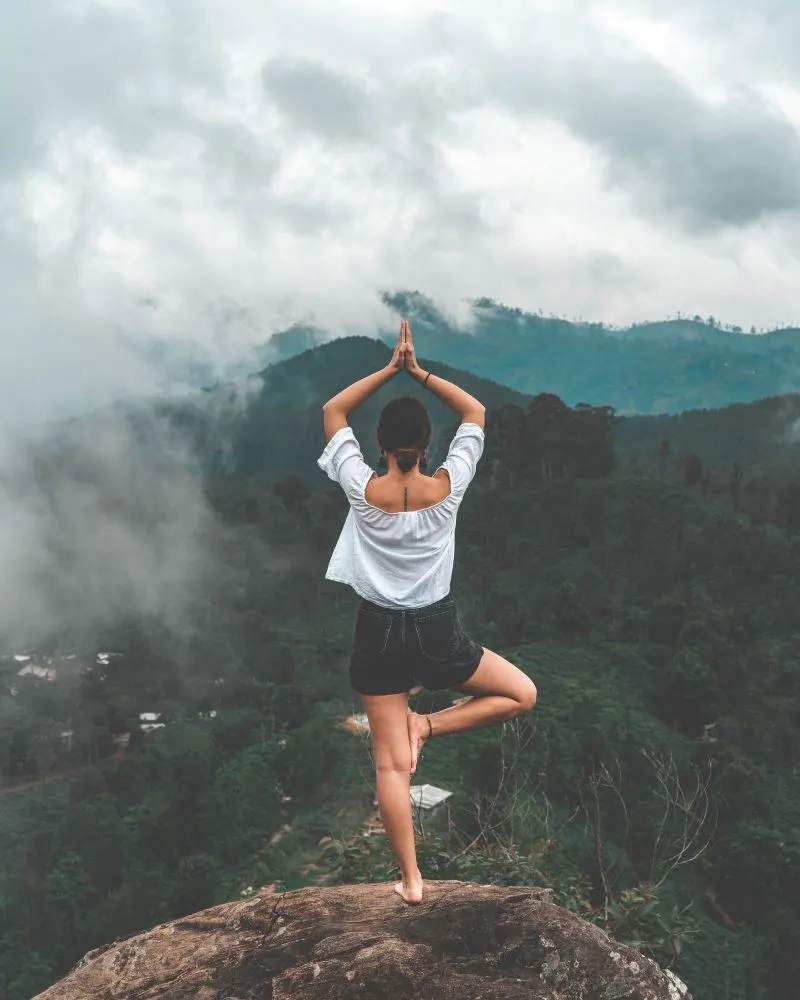
Attending a yoga or meditation session at one of the ashrams in Varanasi offers a transformative experience, allowing you to delve deeper into the ancient practices of self-reflection, inner peace, and spiritual growth. Varanasi, known as the spiritual capital of India, is home to numerous ashrams that provide a serene and conducive environment for yoga and meditation.
As you step into an ashram, you’ll be greeted by an atmosphere of tranquility and serenity. The ashrams are usually nestled amidst nature, away from the hustle and bustle of the city, providing a peaceful retreat for seekers of inner balance and harmony.
The yoga and meditation sessions in the ashrams are led by experienced instructors who guide participants through various postures, breathing techniques, and mindfulness practices.
The sessions are tailored to suit all levels, from beginners to advanced practitioners, ensuring that everyone can participate and benefit from the practice.
Yoga sessions typically involve gentle stretches, asanas (physical postures), pranayama (breathing exercises), and relaxation techniques. The focus is on aligning the body, mind, and breath, promoting physical health, mental clarity, and a sense of overall well-being. The serene environment of the ashram enhances the experience, allowing you to connect with yourself and cultivate inner peace.
Meditation sessions in the ashrams provide an opportunity to quiet the mind, cultivate mindfulness, and explore the depths of your inner being. Guided by experienced meditation instructors, you’ll learn different meditation techniques such as breath awareness, mantra repetition, and visualization. The sessions are designed to help you develop focus, clarity, and a sense of inner stillness.
In addition to yoga and meditation, many ashrams in Varanasi offer classes and workshops on philosophy, spiritual discourses, and the principles of ancient wisdom.
These teachings provide insights into the yogic and spiritual traditions of India, allowing you to gain a deeper understanding of the practices and their significance.
Attending a yoga or meditation session at an ashram is not just about physical exercise or relaxation; it’s a holistic experience that touches the mind, body, and soul.
It offers a space for self-reflection, self-discovery, and personal growth. It allows you to let go of stress, connect with your inner self, and cultivate a deeper awareness of the present moment.
Beyond the practice itself, participating in an ashram session allows you to be part of a community of like-minded individuals who share a common pursuit of spiritual awakening and self-transformation.
It provides an opportunity to connect with fellow seekers, learn from their experiences, and exchange insights on the path of personal development and inner exploration.
Attending a yoga or meditation session at one of the ashrams in Varanasi is a chance to immerse yourself in the ancient practices of yoga and meditation, rejuvenate your mind and body, and embark on a journey of self-discovery and spiritual awakening.
It’s an invitation to experience the timeless wisdom and profound teachings that have been passed down through generations, and to find a deeper sense of balance, peace, and harmony within yourself.
18. Take a stroll along the beautiful Assi Ghat

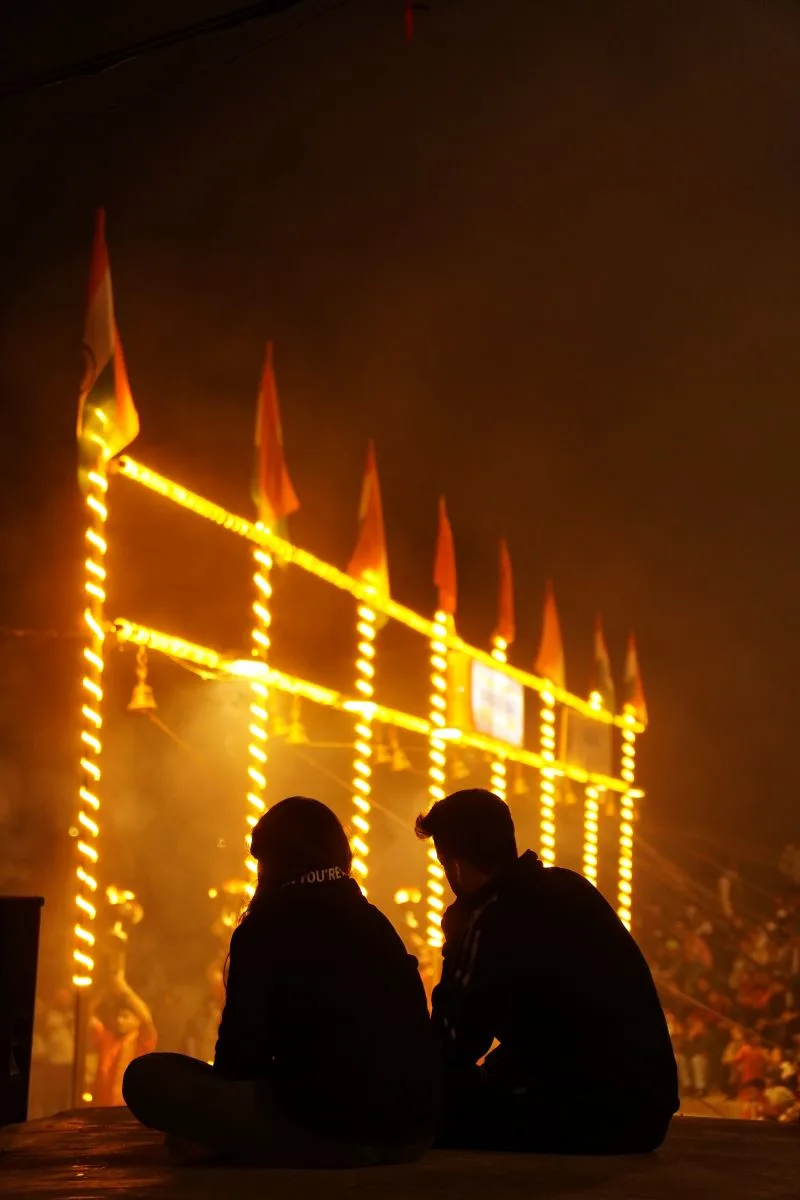
Taking a stroll along the beautiful Assi Ghat in Varanasi is a delightful experience that immerses you in the vibrant culture, spiritual essence, and picturesque beauty of this ancient city. Located at the confluence of the Ganges River and the Assi River, Assi Ghat is one of the most popular and bustling ghats in Varanasi.
As you approach Assi Ghat, you’ll be greeted by a lively and colorful atmosphere. The ghat is lined with a series of steps leading down to the river, where locals and visitors gather for various activities, rituals, and ceremonies. The steps are often adorned with vibrant floral decorations, adding a festive touch to the surroundings.
The early morning hours are particularly enchanting at Assi Ghat. As the first rays of the sun illuminate the river, you can witness devotees and pilgrims performing their morning rituals and taking holy dips in the sacred waters of the Ganges. The serene ambiance, the sound of prayers and chants, and the aroma of incense create a mystical atmosphere that fills the air.
As you stroll along the ghat, you’ll come across numerous small temples and shrines dedicated to various Hindu deities. These sanctuaries are adorned with intricate carvings and colorful paintings, adding to the spiritual aura of the place. Devotees can be seen offering prayers, lighting oil lamps, and making floral offerings, creating a sense of devotion and reverence.
Assi Ghat is also known for its vibrant cultural activities. You may encounter musicians playing traditional instruments, local artists showcasing their talents, and yogis demonstrating various yoga postures and practices.
The ghat is a hub of creativity, where art, music, and spirituality come together, offering a glimpse into the rich cultural heritage of Varanasi.
The nearby streets and alleys leading away from Assi Ghat are lined with shops selling a variety of items, including religious artifacts, handicrafts, textiles, and traditional Banarasi silk sarees.
Exploring these bustling markets is a treat for the senses, as you get to witness the vibrant colors, hear the sounds of bargaining, and experience the local flavors and aromas.
The view from Assi Ghat is breathtaking, especially during sunrise and sunset. From the riverbank, you can witness the mesmerizing sight of the shimmering Ganges, the ancient cityscape of Varanasi, and the distant hills.
The scene is particularly captivating during the evening, when the ghats are illuminated by the flickering flames of aarti ceremonies and the whole area exudes a magical aura.
Taking a stroll along Assi Ghat is not just a visual delight; it’s an opportunity to connect with the spiritual heritage of Varanasi, witness age-old traditions, and experience the lively energy of the city. It’s a chance to soak in the beauty of the Ganges River, engage with the local community, and create lasting memories of this ancient and sacred place.
19. Visit the Alamgir Mosque, an architectural marvel located near Panchganga Ghat


Visiting the Alamgir Mosque in Varanasi is a captivating experience that combines the architectural splendor of the Mughal era with the spiritual essence of the city.
Also known as the Beni Madhav Ka Darera or the Beni Madhav Ka Mosque, this magnificent structure stands as a testament to the rich cultural and historical heritage of Varanasi.
The Alamgir Mosque is situated on the banks of the Ganges River, near the Panchganga Ghat. It was built in the 17th century by Mughal Emperor Aurangzeb, atop the remains of the original Beni Madhav Temple.
The mosque showcases a unique fusion of Mughal and Hindu architectural styles, reflecting the diversity and influences that shaped Varanasi over the centuries.
Approaching the mosque, you’ll be captivated by its grand facade. The main entrance is adorned with intricate stone carvings and calligraphy, showcasing the mastery of Mughal craftsmanship.
The red sandstone walls and marble domes add to the mosque’s majestic appearance, creating a visual spectacle against the backdrop of the Ganges River.
Stepping inside the mosque, you’ll be greeted by a spacious courtyard adorned with beautiful marble flooring. The courtyard provides ample space for devotees to gather and offers a serene atmosphere for prayers and reflection. The mosque’s central prayer hall is adorned with delicate decorations and features a mihrab (prayer niche) that indicates the direction of Mecca.
One of the highlights of the Alamgir Mosque is its towering minarets. These minarets offer panoramic views of the surrounding area, including the river, ghats, and the cityscape of Varanasi.
Climbing up the minarets provides a unique perspective on the architectural beauty of the mosque and a breathtaking view of the sacred Ganges River.
The Alamgir Mosque also holds historical significance. It is believed to have been constructed on the site where Mughal Emperor Aurangzeb camped during his military campaign to conquer the city.
The mosque’s history intertwines with the religious and cultural transformations that Varanasi has undergone over the centuries, making it a site of historical importance.
Visiting the Alamgir Mosque offers not only an architectural and historical experience but also a glimpse into the religious harmony that characterizes Varanasi. The mosque stands in close proximity to several Hindu temples, creating a unique spiritual landscape where different faiths coexist.
As you explore the mosque and its surroundings, you’ll have the opportunity to witness the interplay of cultures, traditions, and beliefs that make Varanasi a melting pot of spirituality.
The mosque’s location along the sacred Ganges River adds to its aura, infusing the atmosphere with a sense of sanctity and serenity.
Visiting the Alamgir Mosque in Varanasi is an invitation to appreciate the architectural brilliance of the Mughal era, to delve into the city’s rich historical tapestry, and to experience the harmonious coexistence of diverse religious traditions.
It is a chance to immerse yourself in the spiritual heritage of Varanasi and to witness the deep-rooted cultural connections that have shaped this enchanting city over the centuries.
20. Explore the Nepali Temple, known for its unique Nepalese architecture

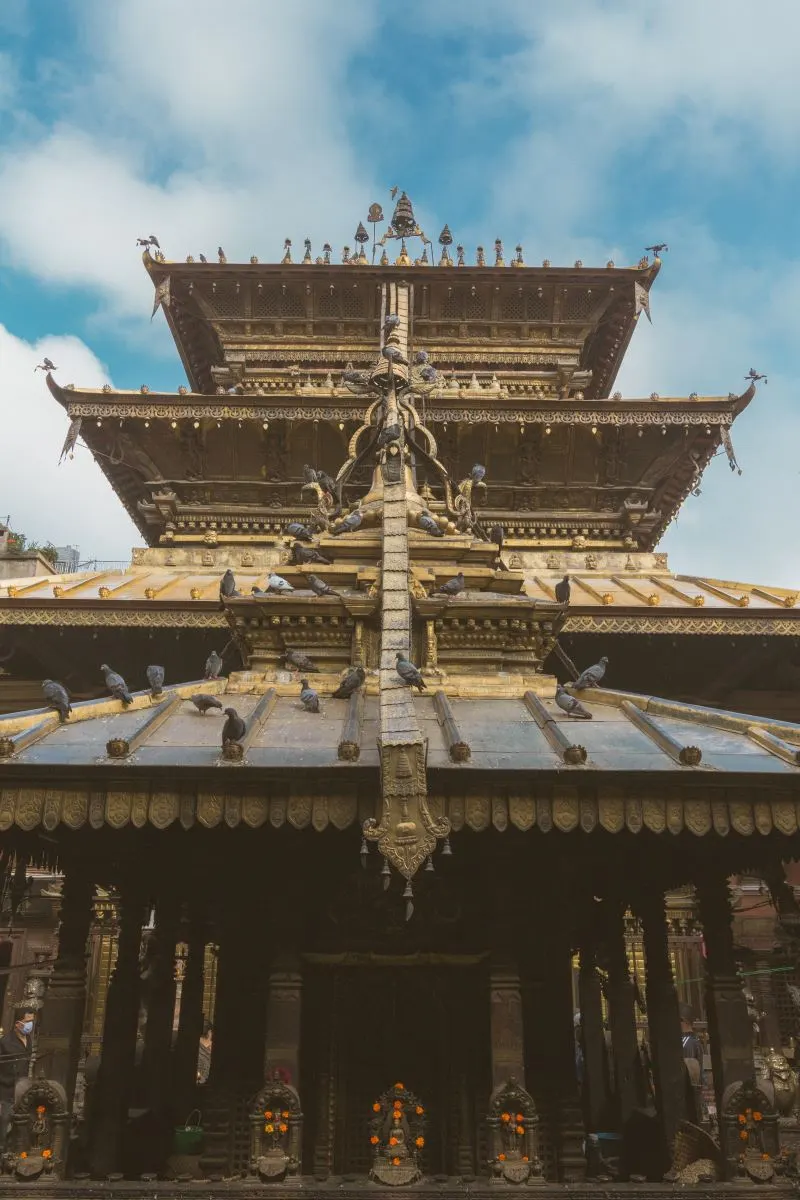
Exploring the Nepali Temple in Varanasi is a fascinating journey into the realm of exquisite art and cultural heritage. Also known as the Kathwala Temple or the Vishwanath Temple, the Nepali Temple is a hidden gem nestled within the narrow lanes of the Varanasi cityscape.
The Nepali Temple was constructed in the 19th century by the King of Nepal as an offering to Lord Shiva. It stands as a remarkable testament to the architectural and artistic traditions of Nepal, showcasing a unique blend of Nepalese and Indian architectural styles. The temple’s intricate woodwork, ornate carvings, and pagoda-style roof make it a visual delight.
As you approach the temple, you’ll be greeted by an impressive wooden entrance gate adorned with intricate carvings depicting various deities and mythological figures. The gate serves as an introduction to the grandeur that awaits within.
Stepping into the temple complex, you’ll find yourself surrounded by serene gardens and courtyards. The main temple structure stands tall, showcasing a multi-tiered pagoda-style roof adorned with elaborately carved wooden beams and panels. The temple’s facade is resplendent with beautiful carvings depicting scenes from Hindu mythology and Nepalese folklore.
Inside the temple, you’ll discover a sanctum dedicated to Lord Shiva, the presiding deity. The sanctum is adorned with intricate wooden carvings, decorative motifs, and delicate paintings that depict various aspects of Lord Shiva’s divine form. Devotees and visitors offer prayers and seek blessings, creating a tranquil and spiritually charged ambiance.
The Nepali Temple is not just a place of worship; it is also a repository of art and culture. The temple complex houses a museum that showcases a remarkable collection of Nepalese artifacts, sculptures, and artwork.
This museum provides insights into the rich cultural heritage of Nepal and serves as a platform for appreciating the artistic traditions of the region.
As you explore the temple complex, you’ll notice the meticulous attention to detail in every aspect of the architecture and design.
The wooden pillars, doors, and ceilings are adorned with intricate carvings depicting celestial beings, mythical creatures, and scenes from Hindu epics. The craftsmanship and artistry on display are a testament to the skill and dedication of the artisans who created this masterpiece.
The Nepali Temple also serves as a hub for cultural and religious activities. Special ceremonies and festivals are celebrated with great enthusiasm, allowing visitors to witness the vibrant traditions and rituals that are an integral part of Nepalese culture.
Exploring the Nepali Temple in Varanasi is an opportunity to immerse yourself in the beauty of Nepalese art, to witness the seamless fusion of architectural styles, and to gain a deeper understanding of the cultural ties that bind Nepal and India.
It is a chance to experience the devotion and spirituality that permeates the temple’s atmosphere and to appreciate the craftsmanship and creativity that went into its construction.
Visiting the Nepali Temple is not just a visual feast; it is a spiritual and cultural journey that connects you with the divine, evokes a sense of wonder and admiration, and leaves you with a deeper appreciation for the rich artistic traditions that have enriched Varanasi and the wider region for centuries.
21. Experience the vibrant and chaotic atmosphere of the Varanasi street markets

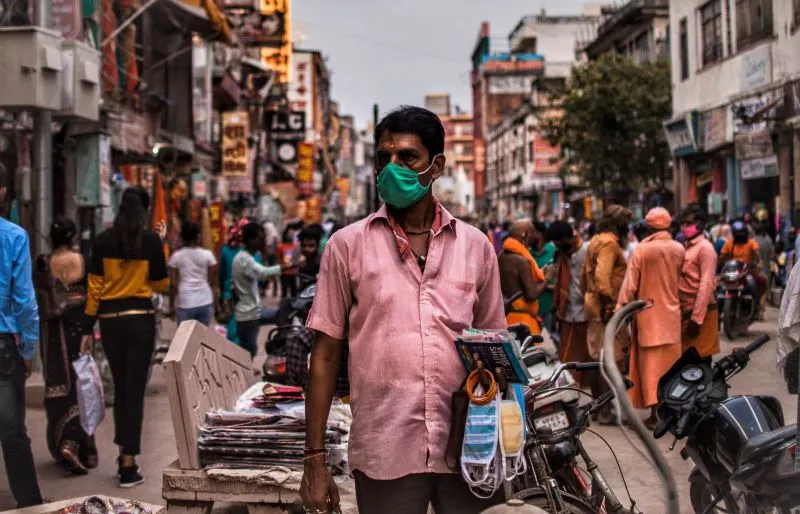
Experiencing the vibrant and chaotic atmosphere of the Varanasi street markets is a sensory adventure that immerses you in the heart and soul of this ancient city. The are bustling with activity, colors, sounds, and an array of goods that cater to both locals and visitors alike.
As you step into the street markets, you’ll be greeted by a kaleidoscope of sights and sounds. The narrow lanes are lined with a plethora of shops, stalls, and vendors selling a wide range of items, including textiles, handicrafts, jewelry, spices, sweets, and religious artifacts. The vibrant displays of merchandise spill out onto the streets, creating a lively and vibrant atmosphere.
The markets of Varanasi are known for their textiles, particularly the famous Banarasi silk sarees. You’ll find shops showcasing an impressive selection of intricately woven silk sarees, each a masterpiece of craftsmanship.
The colors, designs, and patterns on display are a feast for the eyes, reflecting the rich heritage and artistry of Varanasi’s textile industry.
As you navigate through the markets, you’ll encounter the aromatic fragrance of spices that fills the air. Spice shops offer an enticing array of aromatic spices, herbs, and condiments, inviting you to sample and purchase the flavors of India. The vibrant colors and enticing aromas create a sensory experience that captures the essence of Indian cuisine.
The street markets are not just a shopping destination; they are a microcosm of everyday life in Varanasi. The narrow lanes are abuzz with activity as locals and tourists intermingle, bargaining for goods, engaging in animated conversations, and immersing themselves in the energy of the market. The constant hustle and bustle, the honking of rickshaws, and the calls of vendors create a chaotic yet captivating ambiance.
One of the unique aspects of the Varanasi street markets is the presence of small, specialized lanes dedicated to specific trades or crafts. For example, there are dedicated lanes for bangles, where shops display an array of colorful glass and metal bangles, enticing you with their beauty.
There are also lanes dedicated to silverware, where you can find intricately designed silver jewelry and utensils. Exploring these specialized lanes allows you to witness the specialized skills and craftsmanship that have been passed down through generations.
Beyond the shopping experience, the street markets offer glimpses of everyday life in Varanasi. You’ll encounter street food vendors selling delicious snacks like chaat, samosas, and jalebis, tempting you with their mouthwatering aromas. Small chai stalls provide a refreshing cup of masala tea, offering a moment of respite amidst the bustling crowds.
Navigating the Varanasi street markets requires a sense of adventure and a willingness to get lost in the chaos. It is a chance to interact with locals, to witness the diverse array of goods on offer, and to experience the vibrant tapestry of everyday life in this ancient city.
Visiting the street markets of Varanasi is not just about shopping; it’s an opportunity to immerse yourself in the vibrant culture, to embrace the sensory overload, and to witness the dynamic energy that defines this captivating city.
It’s a chance to take home unique souvenirs, taste the flavors of India, and create lasting memories of the sights, sounds, and colors that make Varanasi’s street markets an unforgettable experience.
22. Take a day trip to the nearby village of Chunar and explore its pottery industry

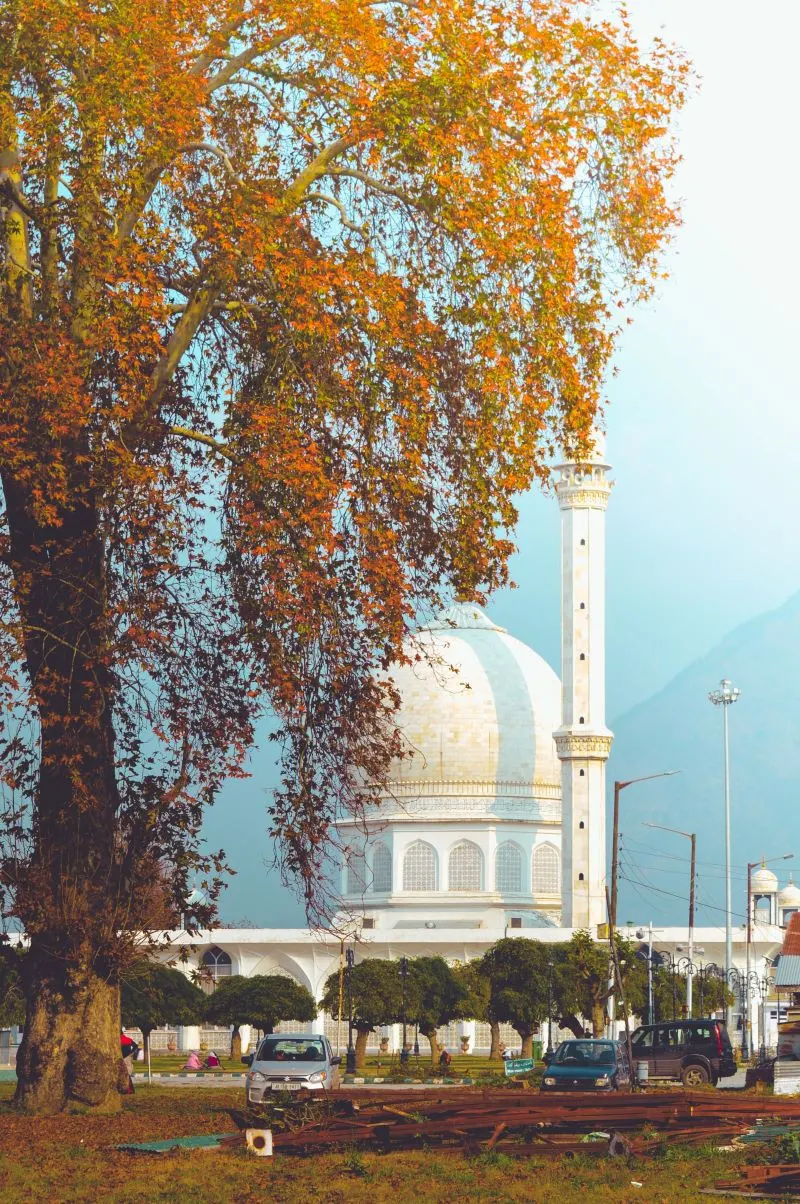
Taking a day trip to the nearby village of Chunar and exploring its pottery industry is a fascinating journey into the world of traditional craftsmanship and the rich cultural heritage of the region. Chunar, located approximately 40 kilometers from Varanasi, is renowned for its pottery, which has been a thriving industry for centuries.
As you arrive in Chunar, you’ll be greeted by the rustic charm of a traditional Indian village. The village is surrounded by lush green fields and the tranquil landscape of the Gangetic plains. It is a refreshing change of pace from the bustling city life of Varanasi.
Chunar is particularly famous for its terracotta pottery, known for its distinctive red color and intricate designs. As you explore the village, you’ll come across numerous workshops and studios where skilled artisans shape clay into exquisite pottery pieces.
These artisans have inherited their craft from generations before them, preserving the ancient techniques and artistry that have made Chunar pottery renowned.
Visiting the pottery workshops allows you to witness the entire process of pottery-making, from the shaping of the clay to the firing and glazing stages.
The artisans will demonstrate their skills and techniques, molding the clay with precision and dexterity. You can observe the delicate hand-painting of intricate designs on the pottery, showcasing the unique artistic flair of Chunar’s potters.
Engaging with the artisans provides an opportunity to learn about the history, significance, and cultural context of Chunar pottery.
They will share their stories, techniques, and the cultural importance of this craft, which has been passed down through generations. You can also try your hand at shaping clay or painting designs under the guidance of these skilled artists.
Aside from the pottery workshops, Chunar also offers other attractions worth exploring. The village is home to the historic Chunar Fort, which dates back to ancient times and has witnessed the rise and fall of various dynasties. Exploring the fort allows you to delve into the rich history and architectural grandeur of the region.
Chunar is situated on the banks of the Ganges River, and a stroll along the riverbank provides a serene and picturesque setting. You can witness the daily lives of local fishermen and boatmen, experience the tranquility of the river, and admire the beautiful natural surroundings.
In addition to pottery, Chunar is also known for its stone carving industry. The village has a long-standing tradition of intricate stone carving, and you can observe the artisans at work, chiseling away at blocks of stone to create intricate sculptures and architectural elements.
A day trip to Chunar and its pottery industry offers an escape from the city’s hustle and bustle and provides a unique opportunity to witness the traditional craftsmanship and artistic traditions that have thrived in this rural setting.
It allows you to engage with skilled artisans, appreciate their mastery, and gain a deeper understanding of the cultural heritage and significance of pottery in Chunar.
Taking a step into the world of Chunar’s pottery industry is not just a chance to bring home beautiful souvenirs; it is a cultural immersion that connects you with the rich traditions and artistic heritage of the region.
It is an opportunity to appreciate the skill and dedication of the artisans, learn about their craft, and support the preservation of these time-honored traditions.
23. Attend a workshop on silk weaving, a craft for which Varanasi is famous


Attending a workshop on silk weaving in Varanasi offers a unique opportunity to delve into the intricate artistry and craftsmanship behind the world-famous Banarasi silk sarees. Varanasi, also known as Banaras, has been a center for silk weaving for centuries, and the workshops here provide insights into the traditional techniques and skills involved in creating these exquisite textiles.
Upon entering the workshop, you’ll be greeted by the rhythmic sound of looms and the sight of weavers engaged in their craft. The air is filled with an atmosphere of creativity and dedication as the weavers work meticulously to transform threads into stunning silk fabrics.
The workshop begins with an introduction to the history and significance of silk weaving in Varanasi. The knowledgeable artisans will share stories and insights into the rich heritage of this ancient craft, tracing its roots back to the Mughal era and its influence on the local culture and economy.
You’ll have the opportunity to witness the entire silk weaving process, from preparing the loom and selecting the finest silk threads to the intricate weaving techniques. The weavers will guide you through each step, explaining the intricacies of pattern-making, color selection, and the use of specialized tools.
The highlight of the workshop is the chance to try your hand at silk weaving. Under the guidance of skilled weavers, you’ll be able to sit at a loom and experience the art of creating patterns and motifs using the silk threads.
It’s a hands-on experience that allows you to appreciate the level of skill and precision required to produce each intricate design.
During the workshop, you’ll also learn about the different types of silk used in Banarasi sarees, including the luxurious pure silk and the popular silk blends. The artisans will demonstrate the art of dyeing and coloring the silk threads, showcasing the vibrant hues and shades that adorn the final fabrics.
As you explore the workshop, you’ll gain insights into the various weaving techniques, such as brocade, jacquard, and zari work. These techniques involve the use of gold and silver threads to create elaborate patterns and motifs that are characteristic of Banarasi sarees. You’ll witness the skillful hands of the weavers as they manipulate the threads and create intricate designs, bringing the fabric to life.
Attending a silk weaving workshop is not only an educational experience but also a chance to support and appreciate the efforts of the skilled artisans who have dedicated their lives to this craft. It allows you to understand the amount of time, effort, and attention to detail that goes into creating each piece of silk fabric.
At the end of the workshop, you’ll have a deeper appreciation for the art of silk weaving and a newfound understanding of the craftsmanship that makes Banarasi silk sarees so highly prized. You may even have the opportunity to purchase or order your own unique piece of silk fabric or saree as a memento of your experience.
Attending a workshop on silk weaving in Varanasi is a cultural immersion that connects you with the rich traditions and artistic legacy of the region. It is a chance to witness firsthand the beauty and intricacy of silk weaving and to support the preservation of this ancient craft for future generations.
24. Visit the Man Mandir Observatory, an ancient astronomical observatory

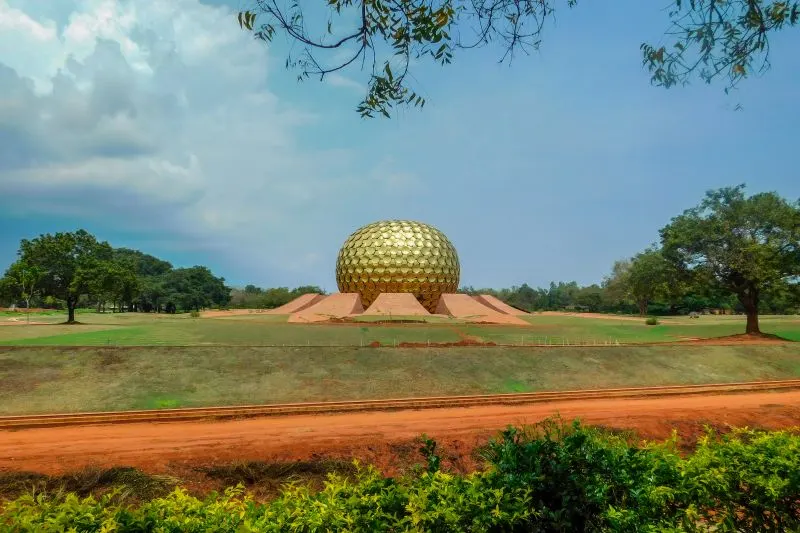
Visiting the Man Mandir Observatory in Varanasi offers a glimpse into the scientific and astronomical advancements of ancient India. Built in the 18th century by the Maharaja of Jaipur, Sawai Jai Singh II, the observatory is a testament to the astronomical prowess of the time.
As you step into the Man Mandir Observatory, you’ll be greeted by a blend of architectural beauty and scientific precision. The observatory is adorned with intricately carved stone structures, each serving a specific astronomical purpose.
The impressive instruments, built with precision and accuracy, were designed to observe celestial bodies, measure time, and study astronomical phenomena.
The observatory features several key structures, including the Samrat Yantra, which is the largest equinoctial sundial in the world. Its massive gnomon casts a shadow that can be used to measure time with remarkable accuracy.
The Samrat Yantra is a testament to the advanced knowledge of celestial movements possessed by the astronomers of that era.
Another notable structure is the Digambara Yantra, which consists of two large circular rings with crossbars. The position of celestial bodies could be observed and measured using this instrument. It showcases the intricate calculations and mathematical precision involved in ancient Indian astronomy.
The observatory also houses smaller instruments like the Narivalaya Yantra, a cylindrical structure with several small holes. This instrument allowed astronomers to observe the position of celestial bodies with great precision, particularly during eclipses.
As you explore the Man Mandir Observatory, you’ll have the opportunity to learn about the various astronomical concepts and the significance of the instruments.
You can engage with knowledgeable guides who will share insights into the ancient Indian astronomical practices, the celestial observations made at the observatory, and the cultural and scientific relevance of these studies.
Beyond the scientific aspects, the Man Mandir Observatory also offers panoramic views of the surrounding area. As you climb to the top of the observatory, you’ll be rewarded with breathtaking vistas of the Ganges River, the city of Varanasi, and its iconic ghats.
The elevated position of the observatory provides a unique perspective on the city’s architecture and the vast expanse of the surrounding landscape.
Visiting the Man Mandir Observatory is not just an opportunity to explore a historical site; it is a chance to connect with the scientific heritage of ancient India. It allows you to appreciate the intellectual achievements of astronomers and scholars who made significant contributions to the understanding of celestial bodies and the measurement of time.
Whether you have a deep interest in astronomy or simply want to explore the architectural wonders of Varanasi, a visit to the Man Mandir Observatory offers a captivating journey into the scientific advancements of the past. It is a unique combination of art, science, and history that provides a deeper understanding of the cultural and intellectual legacy of ancient India.
25. Explore the ruins of the ancient city of Rajghat

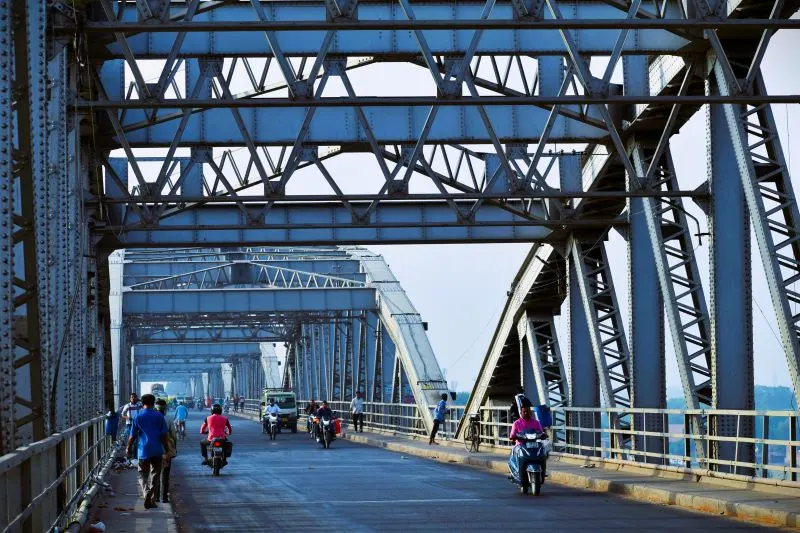
Exploring the ruins of the ancient city of Rajghat in Varanasi is like stepping back in time and uncovering the remnants of a glorious past. Located on the banks of the Ganges River, Rajghat is an archaeological site that bears witness to the rich history and cultural heritage of the region.
As you wander through the ruins, you’ll be surrounded by the echoes of a bygone era. The site was once a thriving city and an important center of trade and commerce.
The remains of ancient structures, including temples, palaces, and residential quarters, stand as a testament to the grandeur that once defined Rajghat.
Among the prominent structures is the Rajghat Fort, a formidable fortress that served as a seat of power for various dynasties. The fort, although in ruins, offers glimpses of its former splendor through its architecture and design. Exploring its corridors and courtyards evokes a sense of awe and wonder at the historical significance of the site.
Adjacent to the fort, you’ll discover the ruins of numerous temples that once adorned Rajghat. These temples, with their intricate carvings and architectural details, provide insights into the religious practices and beliefs of the people who inhabited the ancient city. The remains of stone pillars, ornate doorways, and statues evoke a sense of the artistic mastery that flourished in Rajghat.
As you meander through the ruins, you’ll come across the remnants of residential areas, giving you a glimpse into the daily lives of the people who called Rajghat their home.
The layout of the streets, the remnants of houses, and the remnants of ancient water systems paint a vivid picture of the urban planning and infrastructure of the time.
Apart from the architectural wonders, Rajghat is also known for its historical and cultural significance. The site is associated with several legends and myths, adding an air of mystique to the exploration.
As you walk through the ruins, you may encounter local guides or historians who can share tales of the city’s past and the stories that have been passed down through generations.
Visiting the ruins of Rajghat allows you to connect with the ancient history and heritage of the region. It offers a serene and contemplative atmosphere, where you can reflect on the passage of time and the enduring legacy of human civilization.
The picturesque setting along the banks of the Ganges River adds to the allure of the site, providing a tranquil backdrop for your exploration.
While the ruins may not be fully restored or maintained, their authenticity and historical value make them a fascinating destination for history enthusiasts, archaeology buffs, and those seeking a deeper understanding of the cultural tapestry of Varanasi.
Exploring the ruins of the ancient city of Rajghat is a journey into the past, where you can witness the remnants of a once-thriving city and appreciate the architectural marvels and cultural heritage that have withstood the test of time. It is an opportunity to immerse yourself in history, unravel the stories hidden within the stones, and gain a deeper appreciation for the rich tapestry of human civilization.
26. Enjoy a traditional Banarasi meal at a local restaurant

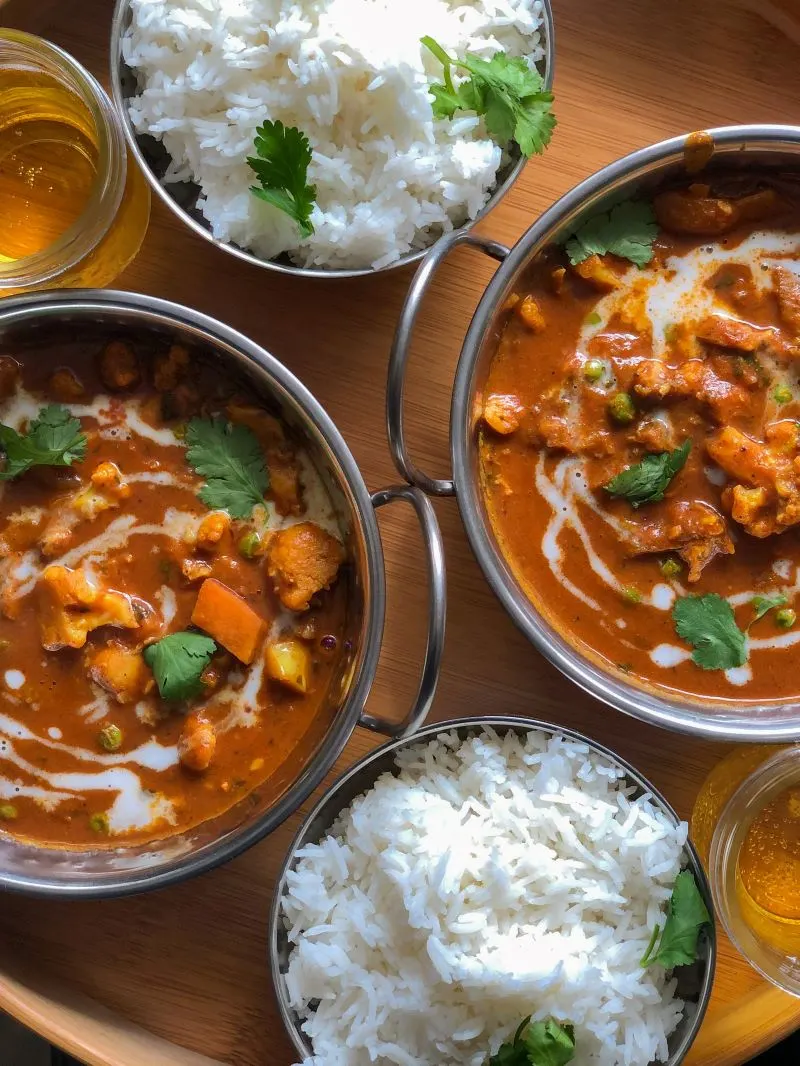
Enjoying a traditional Banarasi meal at a local restaurant is an immersive culinary experience that allows you to savor the flavors and aromas of the region’s distinctive cuisine.
Varanasi, also known as Banaras, is renowned for its rich culinary heritage, and a traditional meal offers a delightful journey through the local flavors and culinary traditions.
As you enter a local restaurant, you’ll be greeted by a warm and welcoming atmosphere, often adorned with traditional decor that reflects the cultural essence of Varanasi.
The menu will feature a range of authentic Banarasi dishes, showcasing the region’s unique blend of flavors, spices, and cooking techniques.
One of the highlights of a traditional Banarasi meal is the variety of vegetarian dishes on offer. From aromatic curries to mouthwatering street snacks, the vegetarian cuisine of Banaras is diverse and flavorful.
Staple dishes like chole bhature (spiced chickpeas with deep-fried bread), kachori sabzi (deep-fried pastry with a spicy potato curry), and tamatar chaat (spicy tomato-based snack) are must-tries that provide a burst of flavors and textures.
The menu may also feature specialties like baati chokha, a rustic dish consisting of roasted wheat balls served with mashed potatoes, roasted eggplant, and tangy chutneys. Another beloved dish is malaiyyo, a sweet delicacy made from frothy milk, saffron, and dry fruits, known for its light and fluffy texture.
Banarasi cuisine is also known for its wide variety of sweets and desserts. From the world-famous Banarasi paan (betel leaf stuffed with various fillings) to the rich and creamy rabri (reduced milk dessert), the desserts in Varanasi are a treat for the taste buds.
Other sweet delights include gulab jamun (deep-fried milk dumplings soaked in sugar syrup), jalebi (crispy sweet spirals), and malai peda (soft milk-based fudge).
While relishing the flavors of a Banarasi meal, you’ll also appreciate the use of traditional spices and herbs that enhance the taste and aroma of the dishes. Local favorites like cumin, coriander, cardamom, and fennel seeds are often used to create the distinctive flavors that define Banarasi cuisine.
Beyond the culinary delights, the experience of dining in a local restaurant provides a chance to interact with the friendly locals and immerse yourself in the vibrant atmosphere of Varanasi.
The staff may share stories and anecdotes about the dishes and their cultural significance, adding to the overall dining experience.
To enhance the authenticity of the meal, some restaurants may also offer traditional seating arrangements on low tables or floor cushions, allowing you to dine in the traditional Indian style. This immersive setting adds to the cultural experience and provides a deeper connection to the local traditions.
Whether you opt for a lavish thali (platter) with a variety of dishes or choose à la carte options, a traditional Banarasi meal at a local restaurant is a feast for the senses.
It offers an opportunity to explore the unique culinary heritage of Varanasi, delight in the flavors of authentic Banarasi cuisine, and create lasting memories of your visit to this gastronomic haven.
So, sit back, savor the flavors, and enjoy the wholesome experience of a traditional Banarasi meal that encapsulates the essence of Varanasi’s rich culinary traditions.
27. Take a walk along the scenic Rajendra Prasad Ghat

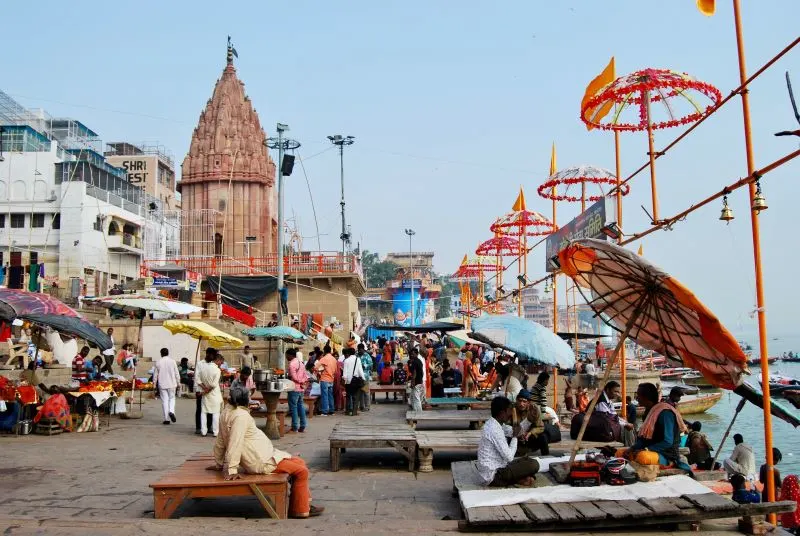
Taking a walk along the scenic Rajendra Prasad Ghat in Varanasi is a serene and picturesque experience that allows you to immerse yourself in the natural beauty and tranquility of the Ganges River.
Named after India’s first President, Dr. Rajendra Prasad, this ghat offers a peaceful respite from the bustling city and a chance to soak in the breathtaking views.
As you stroll along the Rajendra Prasad Ghat, you’ll be captivated by the panoramic vistas of the river, the gentle flow of the sacred Ganges, and the surrounding landscape. The ghat is beautifully adorned with ornate steps that lead you down to the river’s edge, where you can witness the ebb and flow of the holy waters.
The ambience at Rajendra Prasad Ghat is serene and reflective, making it a favored spot for meditation and contemplation.
You can find a quiet spot to sit and watch the river, observe the devotees engaged in spiritual rituals, or simply enjoy the solitude as you listen to the soothing sounds of the flowing water.
During early morning or late afternoon, the ghat becomes even more enchanting as the soft light of the rising or setting sun casts a golden glow over the river. The play of light and shadows creates a mesmerizing atmosphere, adding a touch of magic to your walk along the ghat.
As you walk, you may encounter Sadhus (Hindu ascetics) and pilgrims engaged in their daily prayers and rituals. Their presence adds to the spiritual aura of the ghat and provides a glimpse into the religious practices and traditions of Varanasi.
Along the Rajendra Prasad Ghat, you’ll also come across small shops and stalls selling religious artifacts, souvenirs, and refreshments. It’s an opportunity to explore the local handicrafts and pick up mementos to commemorate your visit.
While exploring the ghat, don’t forget to look out for the intricate architectural details that adorn the nearby buildings and temples. The traditional architecture, with its ornate carvings and vibrant colors, adds to the visual appeal of the surroundings.
Taking a walk along Rajendra Prasad Ghat is not just about the physical experience; it’s also a chance to connect with the spiritual essence of Varanasi. The ghat is an integral part of the city’s religious and cultural fabric, and its peaceful ambiance offers a moment of respite and introspection.
Whether you seek solace, wish to witness the sacred rituals, or simply want to bask in the beauty of the Ganges River, a leisurely walk along Rajendra Prasad Ghat is a serene and rejuvenating experience. It allows you to appreciate the natural splendor, immerse yourself in the spiritual aura, and create cherished memories of your time in Varanasi.
28. Explore the Raja Ghat, a beautiful ghat known for its tranquil atmosphere

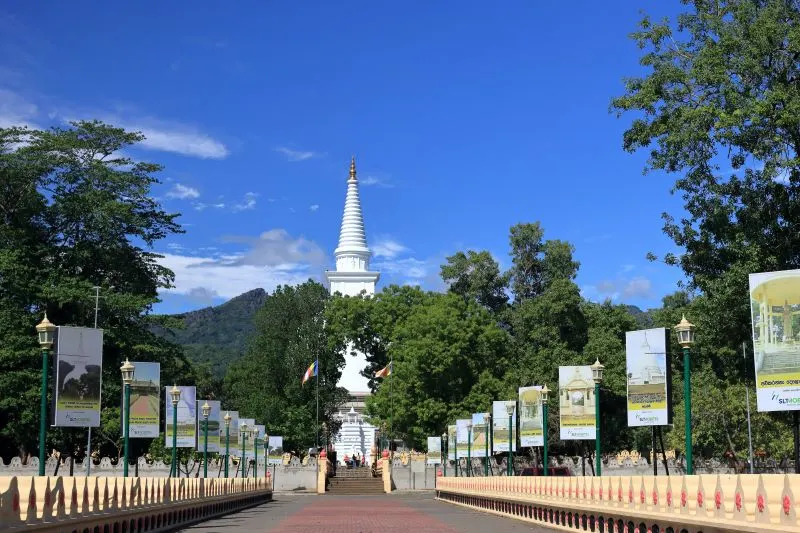
Exploring the Raja Ghat in Varanasi offers a unique glimpse into the historical and cultural significance of this ancient city. Located along the banks of the sacred Ganges River, Raja Ghat holds a special place in the hearts of the locals and attracts visitors seeking to connect with the rich heritage of Varanasi.
Raja Ghat is a traditional ghat with a distinctive charm and a serene ambiance. As you approach the ghat, you’ll notice the wide, stone steps leading down to the river, inviting you to explore its surroundings and experience the vibrant atmosphere.
The ghat is adorned with intricate architectural details and embellishments, reflecting the artistic mastery of the bygone era. From the ornate carvings to the vibrant colors, the design elements add to the visual appeal of the ghat and create a captivating backdrop for your exploration.
One of the highlights of Raja Ghat is its association with the legendary Maharaja of Banaras, Raja Balwant Singh. It is believed that the ghat was constructed under his patronage, and hence it bears his name. This historical connection adds a layer of significance and intrigue to the site.
As you wander along Raja Ghat, you’ll witness the daily activities and rituals that take place on the riverbank. Devotees can be seen offering prayers, taking ritual baths in the holy waters, and performing religious ceremonies.
The ghat provides a sacred space where people can connect with their spirituality and seek solace in the peaceful surroundings.
The panoramic views of the Ganges River from Raja Ghat are truly captivating. You can witness the ever-changing colors of the river, the boats sailing by, and the distant silhouette of the cityscape. The beauty of the surroundings is particularly enchanting during sunrise and sunset when the golden hues of the sun reflect on the tranquil waters.
Raja Ghat also serves as a hub for boat rides along the Ganges. You can embark on a boat excursion and explore the river, getting a unique perspective of the ghat and the city from the water.
It’s an opportunity to witness the iconic ghats of Varanasi, observe the activities unfolding along the riverbank, and experience the spiritual essence of the city.
Nearby, you’ll find small shops and stalls selling religious items, souvenirs, and refreshments. It’s a chance to indulge in some shopping, interact with the local vendors, and immerse yourself in the vibrant atmosphere of the ghat.
Exploring Raja Ghat is not just about the physical surroundings; it’s a journey into the heart and soul of Varanasi. The ghat represents the age-old traditions, the spiritual fervor, and the deep-rooted cultural heritage that define this sacred city.
It offers an opportunity to connect with the local community, witness the rituals and customs, and gain a deeper understanding of the significance of the Ganges in Hindu mythology and beliefs.
A visit to Raja Ghat provides a tranquil escape from the bustling city and allows you to soak in the timeless beauty and spirituality of Varanasi. It’s a chance to create lasting memories, capture breathtaking photographs, and embrace the profound serenity that permeates this sacred space.
29. Attend a workshop on traditional Indian music or dance

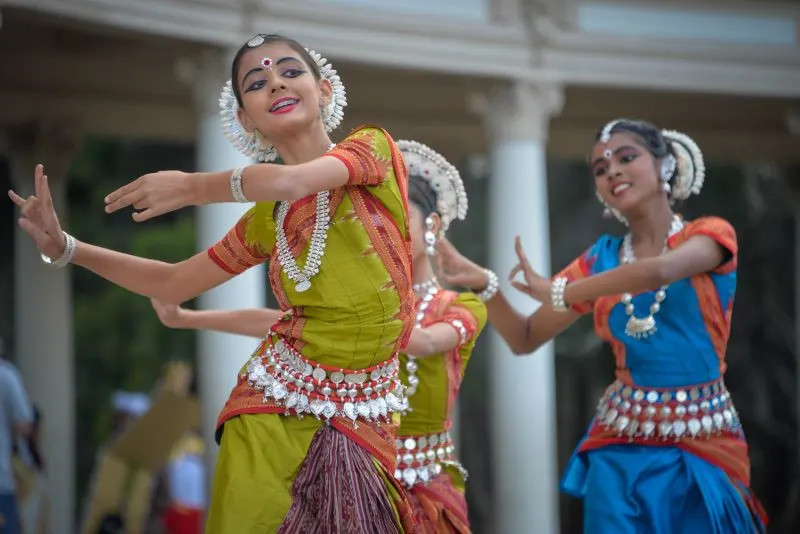
Attending a workshop on traditional Indian music or dance in Varanasi is a captivating and enriching experience that allows you to immerse yourself in the rich cultural heritage of this ancient city.
Varanasi has a long-standing tradition of music and dance, and participating in a workshop provides a unique opportunity to learn from skilled artists and gain insights into the intricacies of these art forms.
Whether you choose a workshop on classical Indian music or traditional dance forms like Kathak, Bharatanatyam, or Odissi, you’ll be introduced to the essence of Indian performing arts and their deep-rooted connection to Indian mythology, spirituality, and culture.
During the workshop, you’ll have the chance to learn from experienced instructors who are masters in their respective fields. They will guide you through the fundamental techniques, gestures, expressions, and rhythms that form the backbone of Indian music or dance.
They will also share the historical context, stories, and intricacies associated with the art form, providing a holistic understanding of its significance.
The workshops are designed to cater to different skill levels, ranging from beginners to advanced learners. Whether you are a novice with no prior experience or an experienced practitioner looking to refine your skills, the instructors will tailor the sessions to meet your specific needs and abilities.
The learning environment in these workshops is often interactive and collaborative, fostering a sense of camaraderie and shared passion among the participants.
You’ll have the opportunity to connect with fellow learners from around the world, exchange ideas, and build lasting friendships centered around a common love for Indian music or dance.
In addition to the practical aspect, the workshops may also include theoretical sessions where you can delve deeper into the historical, cultural, and philosophical aspects of the art form. You’ll gain insights into the traditional compositions, the rhythmic patterns, and the emotional nuances that define Indian music or dance.
Beyond the learning experience, attending a workshop on traditional Indian music or dance in Varanasi allows you to connect with the vibrant artistic community of the city.
Varanasi has been a hub of creativity and artistic expression for centuries, and participating in these workshops provides an opportunity to interact with local artists, gain inspiration from their talent and dedication, and appreciate the cultural legacy they carry forward.
Varanasi itself serves as a backdrop steeped in artistic and spiritual heritage, providing an immersive environment for your workshop experience. The city’s atmospheric ghats, temples, and narrow alleys create an enchanting ambiance that adds an extra dimension to your artistic journey.
By the end of the workshop, you’ll have gained a deeper appreciation for the intricate nuances of traditional Indian music or dance. You’ll have learned new skills, refined your technique, and gained insights into the artistic traditions that have shaped Indian culture for centuries.
Attending a workshop on traditional Indian music or dance in Varanasi is not just a learning experience; it’s an opportunity for personal growth, cultural exchange, and self-expression.
It allows you to develop a deeper connection with the artistic heritage of India, expand your horizons, and create memories that will stay with you long after the workshop concludes.
30. Visit the Jantar Mantar, an observatory with impressive astronomical instruments

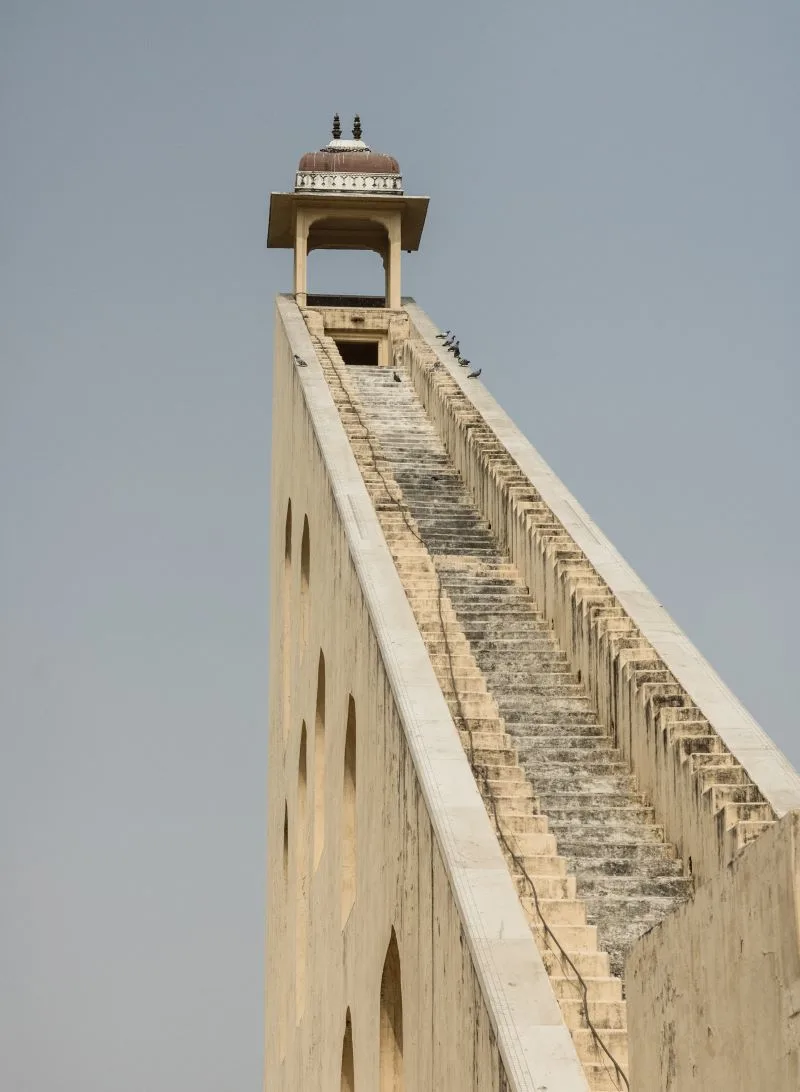
Visiting the Jantar Mantar in Varanasi is a fascinating journey into the realm of astronomy, mathematics, and ancient scientific wisdom. Jantar Mantar is an observatory complex that showcases the architectural brilliance and scientific prowess of the bygone era.
As you step into the Jantar Mantar, you’ll be greeted by a collection of massive astronomical instruments that were designed and built in the 18th century by Maharaja Jai Singh II of Jaipur, a renowned astronomer and ruler.
These instruments were created to observe celestial phenomena, track planetary positions, and calculate time and astronomical events with astonishing precision.
The Jantar Mantar in Varanasi consists of several distinctive instruments, each serving a specific purpose. One of the notable instruments is the Samrat Yantra, a giant sundial that stands tall and casts a shadow indicating the time of the day. It’s an impressive structure, and witnessing the precision with which it measures time is awe-inspiring.
Another prominent instrument is the Digamsha Yantra, a cylindrical structure with an opening at the top that aligns with the celestial pole. It was used to measure the altitude and azimuth of celestial bodies.
The Jai Prakash Yantra is a remarkable instrument that consists of two hemispherical structures with markings and openings. By observing celestial bodies through these openings, astronomers could calculate the position and movement of stars and planets.
The Misra Yantra is an intriguing instrument that combines multiple astronomical functions. It has various geometric devices for measuring time, tracking planetary positions, and even predicting eclipses.
Exploring the Jantar Mantar is not just about admiring the architectural grandeur and precision of these instruments; it’s an opportunity to delve into the scientific knowledge and intellectual achievements of the past. The complex represents the scientific advancements and intellectual curiosity that flourished during the time of Maharaja Jai Singh II.
The guides and experts at the Jantar Mantar provide insightful explanations of the instruments, their functions, and the principles behind them.
They share stories and historical anecdotes that bring the observatory to life, allowing visitors to appreciate the depth of knowledge and ingenuity that went into its creation.
Apart from its scientific significance, the Jantar Mantar offers a serene and contemplative atmosphere. The spacious courtyard and well-maintained gardens provide a peaceful setting where you can reflect on the mysteries of the universe and connect with the profound wisdom of ancient astronomers.
Visiting the Jantar Mantar is a journey that transcends time and space, taking you back to an era when scientific exploration and astronomical observations were at the forefront of human understanding.
It’s an opportunity to witness the convergence of art, science, and spirituality and gain a deeper appreciation for the intricacies of the cosmos.
Whether you have a keen interest in astronomy, mathematics, or simply appreciate the marvels of human ingenuity, a visit to the Jantar Mantar in Varanasi is a thought-provoking and enlightening experience. It allows you to explore the interplay between science and culture, broaden your horizons, and marvel at the intellectual achievements of our ancestors.
These activities should give you a wonderful experience and a deeper understanding of the rich culture and spirituality of Varanasi.
Food In Varanasi

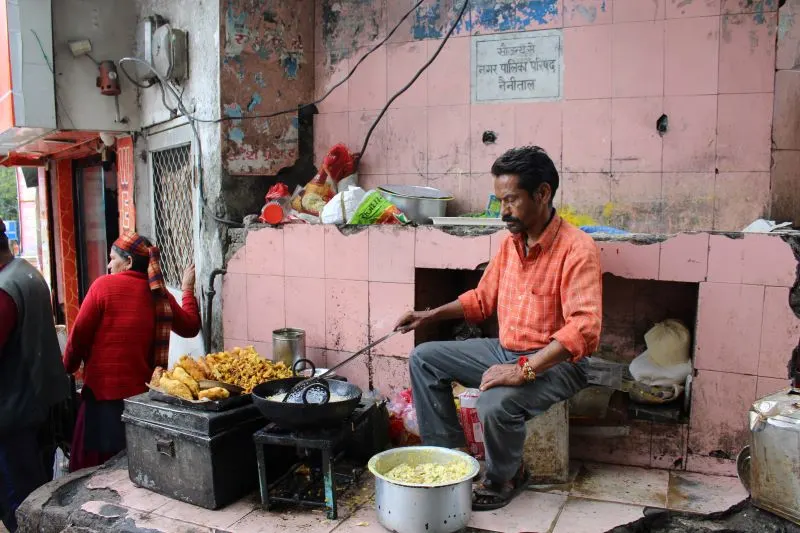
Varanasi, also known as Kashi, is not only a spiritual and cultural hub but also a paradise for food enthusiasts. Nestled along the sacred Ganges River, this ancient city offers a vibrant culinary scene that tantalizes the taste buds with its rich flavors, aromatic spices, and mouthwatering delicacies. Let’s embark on a gastronomic journey through Varanasi and discover the delightful treasures of its cuisine.
Banarasi Cuisine: A Fusion of Tradition and Heritage Varanasi’s culinary heritage is deeply rooted in its cultural and religious traditions
. The cuisine of Banaras, as it is affectionately called, is predominantly vegetarian and celebrates the diversity of Indian flavors. The use of fresh local produce, aromatic spices, and age-old cooking techniques create a unique blend of tastes that define Banarasi cuisine.
Must-Try Delicacies:
- Banarasi Paan: No visit to Varanasi is complete without savoring the famous Banarasi Paan. This iconic mouth-freshener is a combination of betel leaves, areca nuts, an assortment of flavored pastes, spices, and sweeteners. The paan-wallahs expertly craft these delectable paans, offering a burst of flavors and a refreshing end to a meal.
- Kachori Sabzi: Start your culinary exploration with the quintessential Banarasi breakfast of Kachori Sabzi. This popular dish features deep-fried, crisp pastries filled with a spicy lentil or potato mixture, served with a side of flavorful potato curry. The combination of textures and flavors makes it a delightful choice to kick-start your day.
- Malaiyyo: Indulge in the ethereal delight of Malaiyyo, a luscious and creamy dessert unique to Varanasi. This velvety treat is made by whisking milk and saffron until it forms a light and airy foam. Topped with pistachios and a sprinkle of cardamom, Malaiyyo is a heavenly dessert that will transport your taste buds to a realm of pure bliss.
- Thandai: Varanasi’s scorching summers call for a refreshing glass of Thandai. This chilled beverage is a blend of milk, aromatic spices like cardamom and saffron, a mixture of nuts, and a touch of rose essence. Sip on Thandai to beat the heat and experience a burst of flavors that leave a lasting impression.
- Tamatar Chaat: Immerse yourself in the vibrant street food culture of Varanasi by relishing Tamatar Chaat. This tangy and spicy snack features juicy tomatoes tossed with a blend of spices, chutneys, and crunchy toppings. The explosion of flavors and the playfulness of textures make Tamatar Chaat a must-try street food delight.
Hidden Gems and Local Delights:
- Blue Lassi: Venture into the bustling lanes near the Vishwanath Temple and discover Blue Lassi, a legendary lassi shop that has been serving delectable yogurt-based drinks for generations. Choose from an array of flavors, including traditional options like mango, rose, and saffron, or go for the adventurous blueberry or chocolate variations. The thick and creamy texture combined with the sweet and tangy flavors will leave you craving for more.
- Ram Bhandar: Experience the true essence of Varanasi’s street food culture at Ram Bhandar. This humble eatery is renowned for its delectable offerings, including the iconic Banarasi Poori Sabzi, a combination of deep-fried bread and a flavorful potato curry.
- Baati Chokha: For a taste of rustic and authentic flavors, head to Baati Chokha joints in Varanasi. Baati Chokha is a traditional dish from Bihar that has become a local favorite in Varanasi as well. It consists of baked wheat dough balls (baati) served with a side of smoky roasted eggplant (chokha), accompanied by spicy tomato chutney, pickles, and ghee. The combination of the crispy baati, flavorful chokha, and tangy accompaniments creates a delightful and satisfying meal.
- Malai Toast: Indulge your sweet tooth with the delightful Malai Toast. This unique treat features slices of bread generously topped with thick, creamy malai (clotted cream) and sprinkled with sugar syrup. The bread is then toasted until golden and crispy, creating a delectable blend of textures and flavors. It’s the perfect dessert or evening snack to satisfy your cravings.
- Lassi at Blue Lassi and Ksheer Sagar: Quench your thirst and cool down with a refreshing glass of lassi, a traditional Indian yogurt-based drink. Visit iconic establishments like Blue Lassi and Ksheer Sagar to enjoy a variety of lassi flavors, including classics like mango, rose, and saffron, as well as innovative combinations like chocolate, banana, and almond. The rich and creamy texture, combined with the sweet and tangy flavors, will leave you feeling refreshed and satisfied.
Exploring Varanasi’s Culinary Landscape: Varanasi offers a plethora of dining options, ranging from street-side stalls and hidden eateries to upscale restaurants and cafes. The bustling streets of Godowlia, Vishwanath Gali, and Dashashwamedh Road are dotted with food vendors and small establishments where you can savor local street food and regional specialties.
Additionally, upscale restaurants and hotels in Varanasi offer a fine dining experience with a modern twist on traditional Banarasi cuisine. These establishments combine authentic flavors with contemporary presentations, offering a unique fusion of old and new.
Food festivals and culinary events are also popular in Varanasi, providing opportunities to explore a wide range of regional cuisines from across India.
These events showcase the diversity of Indian flavors and offer a platform for renowned chefs and food enthusiasts to come together and celebrate the art of food.
Varanasi’s culinary scene is a delightful reflection of its rich cultural heritage and the deep-rooted traditions of the city. From street food to fine dining, the flavors of Varanasi will take you on a gastronomic journey through the heart and soul of this ancient city.
Whether you’re indulging in the famous Banarasi paan, savoring the diverse street food offerings, or relishing the traditional delicacies, the food of Varanasi promises to leave a lasting impression on your taste buds and create cherished culinary memories. So, embrace the flavors, immerse yourself in the vibrant food culture, and let Varanasi’s culinary treasures enchant you.
Top 20 Best Restaurants In Varanasi, India


- Kashi Chat Bhandar
- Brown Bread Bakery
- Pizzeria Vaatika Cafe
- The Great Kebab Factory
- Bati Chokha
- Lotus Lounge
- Spice Kitchen
- Tandoor Villa
- The Dining Room
- Ganges Grand Restaurant
- Baati Chokha Premium
- Bona Manzil Rooftop Restaurant
- Biryani Mahal
- Shri Restaurant and Bakery
- El Parador
- Gharana – Radisson Hotel Varanasi
- The Yellow Chilli
- Canton Royale
- Deena Chat Bhandar
- Tadka – Hotel Madin
Please note that restaurant rankings and popularity can vary, so it’s always a good idea to check reviews, availability, and opening hours before visiting. Enjoy exploring the culinary delights of Varanasi!
Transportation In Varanasi
Transportation in Varanasi offers a variety of options to navigate the city and its surroundings. Here is a description of the transportation options available in Varanasi:
- Auto-rickshaws: Auto-rickshaws are a popular mode of transport in Varanasi. These three-wheeled vehicles can accommodate up to three passengers and are a convenient way to travel within the city. Auto-rickshaws operate on a metered system, so it is advisable to negotiate the fare or ensure that the driver uses the meter before starting the journey.
- Cycle-rickshaws: Cycle-rickshaws are a unique and eco-friendly mode of transportation in Varanasi. These manually-pulled rickshaws can navigate through the narrow lanes of the city, making them ideal for short distances. Negotiate the fare in advance or agree on a price before boarding.
- Taxis: Taxis are readily available in Varanasi, and they offer a more comfortable and private mode of transportation. Both regular taxis and app-based taxi services operate in the city. App-based services like Ola and Uber are convenient options for booking taxis with transparent pricing.
- Public Buses: Varanasi has a well-connected bus network that serves both the city and its outskirts. Uttar Pradesh State Road Transport Corporation (UPSRTC) operates public buses with different routes and fare structures. Buses are an economical mode of transport, but they can be crowded, especially during peak hours.
- Boats: Given the city’s location along the Ganges River, boats play a significant role in transportation and tourism in Varanasi. Motorized boats and rowing boats are available for hire, allowing visitors to explore the ghats (steps leading to the riverbanks) and witness the scenic beauty of the Ganges. Boat rides are particularly popular during sunrise and sunset.
- Trains: Varanasi Junction, also known as Varanasi Cantt, is a major railway station that connects the city to various parts of the country. It serves as a gateway to northern and eastern India, with trains running to destinations like Delhi, Kolkata, Mumbai, and Chennai. Varanasi Junction is well-connected and has several facilities for passengers.
- Flights: Lal Bahadur Shastri International Airport, located in Babatpur near Varanasi, is the primary airport serving the city. It offers domestic and international flights, connecting Varanasi to major cities in India and some international destinations. The airport is well-equipped with facilities and transportation options to reach the city center.
- Self-Drive and Rental Services: Self-driving or renting a vehicle is an option for those who prefer more independence and flexibility. Several car rental agencies operate in Varanasi, providing a range of vehicles for self-drive or chauffeur-driven services. However, be aware that traffic conditions in the city can be congested, and parking may be limited in some areas.
It’s worth noting that Varanasi’s streets are often narrow and crowded, especially in the older parts of the city. Walking is also a common mode of transportation, allowing visitors to explore the intricate lanes and alleys at their own pace.
When choosing a mode of transportation in Varanasi, consider factors such as distance, comfort, cost, and convenience. It is advisable to plan your transportation ahead of time and factor in the traffic conditions, especially during religious festivals or peak tourist seasons.
In conclusion, Varanasi, India, offers a mesmerizing array of experiences that blend spirituality, history, culture, and the vibrant colors of everyday life. Whether you seek spiritual enlightenment, cultural immersion, or simply wish to explore the ancient traditions of this holy city, Varanasi has something to offer everyone.
From witnessing the awe-inspiring Ganga Aarti ceremony at Dashashwamedh Ghat to taking a serene boat ride along the sacred Ganges River during sunrise or sunset, the city offers moments of tranquility and reflection.
Exploring the narrow alleys of the Old City allows you to delve into the heart of Varanasi’s rich heritage, while a visit to the Kashi Vishwanath Temple offers a glimpse into the deep-rooted religious fervor that permeates the city. Taking a dip in the holy waters of the Ganges River is a sacred ritual that connects you to centuries of spiritual seekers.
Varanasi’s cultural treasures extend beyond the spiritual realm, with opportunities to witness classical music and dance performances, visit museums, and explore the illustrious Banaras Hindu University campus.
The city’s diverse culinary scene, from street food to traditional Banarasi meals, will tantalize your taste buds and leave you craving for more.
Venturing beyond Varanasi, a visit to the Sarnath Archaeological Site reveals the historical importance of the region, while the Chunar Fort and Ramnagar Fort transport you to an era of grandeur and valor.
The nearby village of Chunar offers a glimpse into the pottery industry, showcasing the traditional craftsmanship of the region.
Immersing yourself in the cultural fabric of Varanasi means participating in yoga and meditation sessions at ashrams, attending workshops on silk weaving or traditional Indian music and dance, and experiencing the vibrant chaos of the city’s street markets.
Exploring the ghats along the Ganges River reveals the essence of Varanasi’s spiritual and communal life, while visits to temples like Durga Temple and Nepali Temple unveil the architectural beauty and devotion of the region.
Throughout your journey in Varanasi, the city’s warmth, spirituality, and timelessness will envelop you, leaving an indelible impression on your soul.
Varanasi is a place where ancient traditions coexist with modern influences, creating a dynamic and captivating atmosphere that continues to attract pilgrims, travelers, and seekers of enlightenment from around the world.
As you explore the 30 best things to do in Varanasi, you embark on a transformative journey that takes you beyond the physical realm and immerses you in the soul-stirring energy of this sacred city.
Varanasi beckons you to embrace its traditions, soak in its spirituality, and discover the timeless wisdom that flows through its streets and along the banks of the holy Ganges River.
Leave a comment