

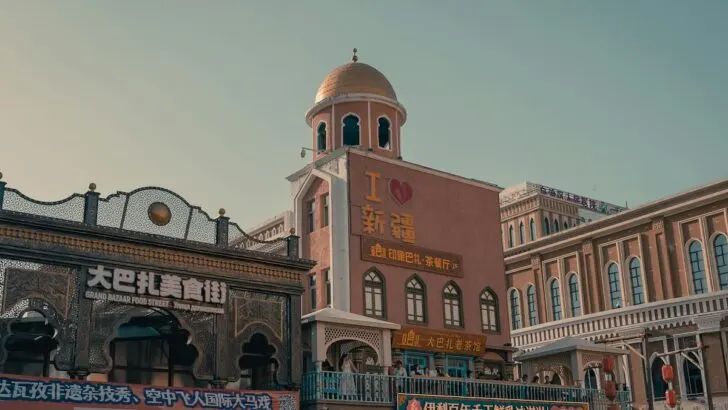

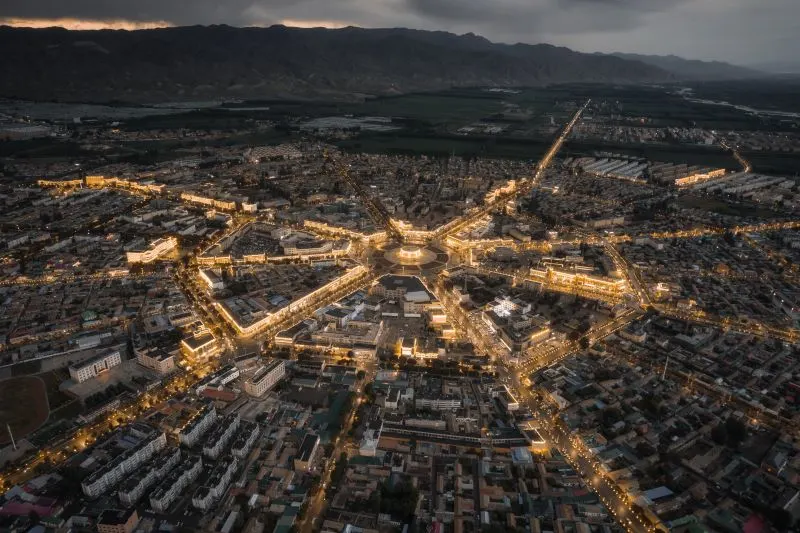
Urumqi is the capital city of the Xinjiang Uyghur Autonomous Region in northwestern China. As the largest city in the region, Urumqi serves as an important political, economic, cultural, and transportation hub. It is located in a valley surrounded by the Tianshan Mountains, offering a stunning natural backdrop.
The city is known for its unique blend of cultures, with a significant population of Uyghur, Han Chinese, Kazakh, and other ethnic groups. This diversity is reflected in Urumqi’s vibrant culinary scene, traditional arts and crafts, religious customs, and festivals.
Urumqi has a rich history that dates back thousands of years. It was a key stop on the historic Silk Road, serving as a major trading post and cultural exchange center between China, Central Asia, and the West. Today, remnants of this history can still be seen in the city’s architecture, museums, and cultural sites.
In Urumqi, you’ll find a mix of modern infrastructure and traditional elements. The city boasts modern skyscrapers, shopping malls, and a developed transportation system, including an expanding metro network. At the same time, Urumqi maintains its cultural heritage through historic neighborhoods, bazaars, mosques, and traditional Uyghur architecture.
Tourists visiting Urumqi can explore a wide range of attractions and activities. From visiting the Xinjiang Regional Museum to immersing themselves in the bustling bazaars, such as the Grand Bazaar and the Xinjiang International Grand Bazaar, there is much to discover.
The Heavenly Lake (Tianchi) and the Tianshan Mountains offer opportunities for outdoor adventures and scenic beauty. Additionally, Urumqi is a gateway to explore the vast and diverse landscapes of the Xinjiang region, including the Taklamakan Desert, Turpan’s ancient cities, and the unique Uyghur culture in Kashgar.
Urumqi experiences a continental climate with hot summers and cold winters. It is advisable to plan your visit accordingly, taking into account the seasonal weather variations.
With its cultural diversity, historical significance, and natural beauty, Urumqi offers a fascinating destination for travelers seeking a blend of tradition and modernity in the heart of Xinjiang.
1. Explore the Xinjiang Regional Museum: Discover the history, culture, and artifacts of Xinjiang


The Xinjiang Regional Museum is a must-visit attraction in Urumqi, China. It offers a fascinating glimpse into the rich history, diverse cultures, and remarkable artifacts of Xinjiang, an autonomous region in northwest China. The museum is located in a modern and spacious building, which itself is an architectural masterpiece.
Upon entering the museum, visitors are greeted with a vast collection of exhibits that span over 12,000 years of history. The museum showcases artifacts from various periods, including prehistoric times, ancient civilizations, the Silk Road era, and the modern era. It offers a comprehensive overview of the region’s cultural, archaeological, and ethnographic heritage.
One of the highlights of the museum is the ancient mummies of Xinjiang. These well-preserved mummies, dating back thousands of years, offer a unique insight into the diverse ethnic groups that have inhabited the region throughout history. You can observe their intricate clothing, jewelry, and even facial features, which provide valuable information about the people and their way of life.
As you explore the museum further, you’ll come across numerous galleries dedicated to different themes. These include sections on Xinjiang’s minorities, traditional arts and crafts, religious artifacts, and historical documents.
The displays are accompanied by detailed descriptions, multimedia presentations, and interactive exhibits, providing a captivating and educational experience for visitors of all ages.
The Xinjiang Regional Museum also houses an impressive collection of paintings, calligraphy, pottery, textiles, and musical instruments, showcasing the artistic achievements of the region. The museum’s layout is well-organized, with each section seamlessly transitioning into the next, allowing visitors to easily navigate and appreciate the vast array of exhibits.
Throughout your visit, you’ll gain a deeper understanding of Xinjiang’s rich cultural tapestry, its significance as a hub along the ancient Silk Road, and the remarkable contributions of its various ethnic groups to the region’s heritage.
Whether you’re a history enthusiast, an art lover, or simply curious about the unique culture of Xinjiang, a visit to the Xinjiang Regional Museum is sure to be an enlightening and enriching experience.
2. Visit the Heavenly Lake (Tianchi): Enjoy the stunning alpine lake surrounded by snow-capped mountains

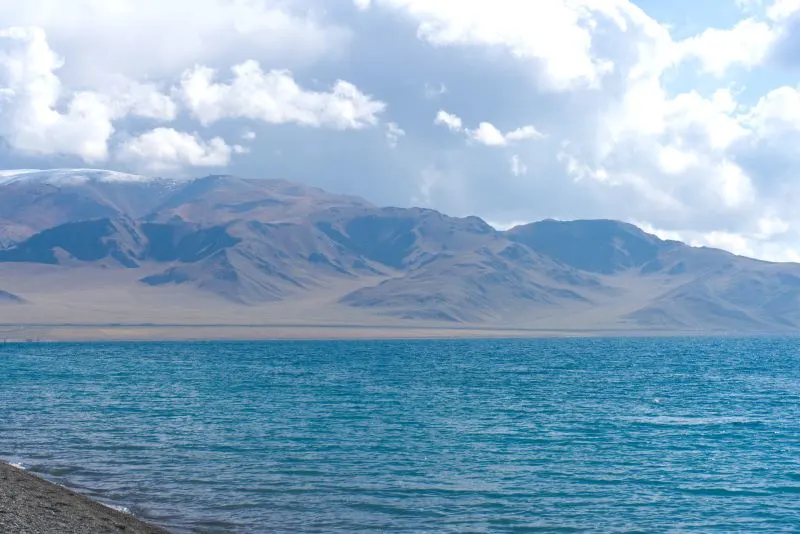
The Heavenly Lake, also known as Tianchi, is a breathtaking alpine lake located in the Tianshan Mountains, about 115 kilometers northeast of Urumqi in Xinjiang, China. This natural wonder is considered one of the most beautiful destinations in the region and offers visitors a serene and picturesque setting.
The lake sits at an elevation of approximately 1,910 meters (6,270 feet) and is surrounded by snow-capped peaks, lush forests, and verdant meadows. Its crystal-clear waters reflect the stunning scenery, creating a mesmerizing sight that captivates visitors.
To reach the Heavenly Lake, you can take a scenic drive through the winding mountain roads, which themselves offer spectacular views. As you ascend to higher altitudes, the air becomes fresher, and the temperature drops, providing a refreshing escape from the summer heat.
Upon arrival, you’ll have the opportunity to explore the lake’s surroundings. There are several walking paths and hiking trails that allow you to fully immerse yourself in the natural beauty of the area.
You can take a leisurely stroll along the lakeshore, breathing in the crisp mountain air and marveling at the awe-inspiring landscapes.
For those seeking a more active adventure, you can embark on a hike up the surrounding peaks to gain panoramic views of the lake and its surroundings.
The trekking trails vary in difficulty, catering to both experienced hikers and casual explorers. Regardless of your chosen route, you’ll be rewarded with breathtaking vistas of the surrounding mountains and the tranquil azure waters of the lake below.
Boat rides are available on the Heavenly Lake, allowing you to experience its beauty from a different perspective. Drifting on the calm waters, you can soak in the serenity and enjoy the reflections of the surrounding mountains mirrored in the lake’s surface.
The Heavenly Lake area is also known for its abundant flora and fauna. During the summer months, vibrant wildflowers carpet the meadows, adding a splash of color to the landscape. Keep an eye out for various bird species and other wildlife that call this region home.
To make the most of your visit, it’s advisable to allocate ample time to fully appreciate the beauty and tranquility of the Heavenly Lake. The area is a popular tourist destination, so it’s best to visit during weekdays or in the shoulder seasons to avoid large crowds.
3. Explore the Grand Bazaar: Experience the bustling atmosphere and shop for local handicrafts, spices, and souvenirs
The Grand Bazaar, located in Urumqi, China, is a vibrant and bustling marketplace that offers an immersive cultural experience and a wide array of products. As one of the largest bazaars in Central Asia, it is a must-visit destination for both locals and tourists.
Upon entering the Grand Bazaar, you’ll be greeted by a lively and energetic atmosphere. The market spans a vast area, with numerous lanes and alleyways filled with shops, stalls, and vendors. The vibrant colors, bustling crowds, and the aromatic scents of spices and local delicacies create a sensory feast for visitors.
The bazaar is renowned for its diverse range of products, making it an ideal place for shopping and exploring. You’ll find a vast selection of traditional Uyghur handicrafts, including intricate carpets, silk fabrics, embroidered textiles, copperware, and woodwork. These authentic creations showcase the region’s rich artistic heritage and make for unique souvenirs or decorative pieces.
As you wander through the maze-like streets of the Grand Bazaar, you’ll encounter a multitude of shops selling a wide variety of goods. From colorful spices, dried fruits, and nuts to aromatic teas, you’ll have the opportunity to immerse yourself in the flavors of Xinjiang. Don’t miss the chance to sample local specialties like Xinjiang-style kebabs, naan bread, and sweet treats like raisin-filled pastries.
The Grand Bazaar is not just a place for shopping; it’s also a cultural hub where you can witness the vibrant traditions of the Uyghur people. Traditional music and dance performances often take place, adding to the lively ambiance and providing an opportunity to experience the local culture firsthand.
Exploring the Grand Bazaar is an adventure in itself. Get lost in the labyrinth of narrow alleys, browse through the endless array of products, and engage in friendly bargaining with the shopkeepers. It’s a place where you can interact with locals, learn about their way of life, and gain insights into the unique blend of cultures that converge in Xinjiang.
Keep in mind that the Grand Bazaar can get crowded, especially during peak hours and tourist seasons. It’s best to visit during weekdays and arrive early in the day to avoid the crowds and make the most of your experience.
4. Visit the Xinjiang International Grand Bazaar: Explore the largest bazaar in Central Asia, known for its diverse products and vibrant atmosphere
The Xinjiang International Grand Bazaar, located in Urumqi, China, is an expansive and bustling marketplace that offers an immersive and vibrant shopping experience. As one of the largest bazaars in Central Asia, it is a popular destination for both locals and tourists.
The Xinjiang International Grand Bazaar is known for its grandeur and scale. The market occupies a vast area, with a modern and well-designed complex housing a multitude of shops, restaurants, and entertainment venues.
The architecture of the bazaar reflects a fusion of traditional Islamic and modern styles, creating a visually impressive setting.
Upon entering the bazaar, you’ll be greeted by a lively and energetic atmosphere. The market is divided into different sections, each dedicated to a specific type of merchandise.
You’ll find an extensive range of products available, including traditional Uyghur handicrafts, textiles, carpets, jewelry, clothing, electronics, and much more. The bazaar showcases the rich cultural heritage of Xinjiang and provides a unique shopping experience.
As you explore the market, you’ll encounter a myriad of stalls and shops, each offering a variety of goods. The vendors are friendly and enthusiastic, making the shopping experience interactive and enjoyable. Bargaining is a common practice in the bazaar, so don’t hesitate to negotiate prices and engage in friendly banter with the shopkeepers.
In addition to shopping, the Xinjiang International Grand Bazaar offers a diverse culinary experience. The food court area is a paradise for food lovers, featuring a wide selection of traditional Uyghur and international cuisines.
You can savor delicious kebabs, hand-pulled noodles, steaming bowls of lamb soup, and various other local specialties. It’s a great place to indulge in the flavors of Xinjiang and try authentic Uyghur delicacies.
The bazaar also hosts cultural performances and entertainment shows, providing visitors with a glimpse into the vibrant traditions of the region. Traditional music, dance, and other cultural displays are frequently showcased, adding to the lively atmosphere and creating an immersive cultural experience.
With its spacious layout and modern facilities, the Xinjiang International Grand Bazaar offers a comfortable and convenient shopping environment. It’s a place where you can spend hours exploring, haggling for unique treasures, sampling delectable food, and immersing yourself in the vibrant ambiance of Xinjiang.
Keep in mind that the bazaar can get crowded, particularly during weekends and holidays. It’s advisable to visit during weekdays or less busy hours to enjoy a more relaxed shopping experience.
5. Explore the Red Hill Park (Hongshan Park): Climb to the top for panoramic views of the city

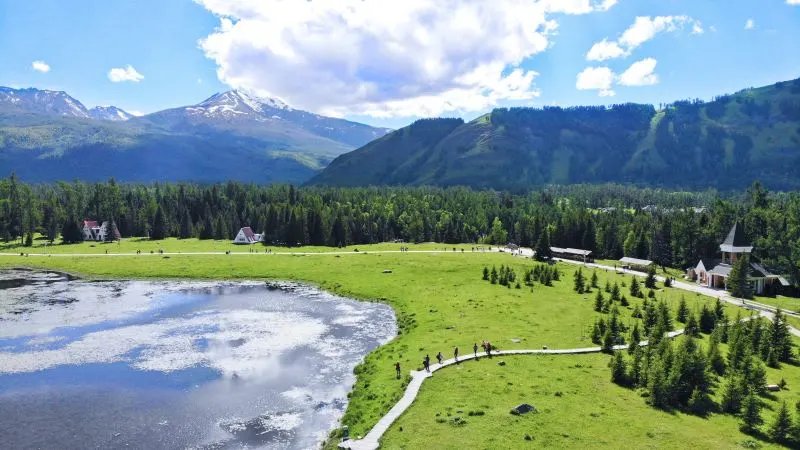
Red Hill Park, also known as Hongshan Park, is a scenic and historic park located in Urumqi, China. It is a popular destination for both locals and tourists, offering a serene retreat from the bustling city and stunning views of the surrounding landscape.
Red Hill Park gets its name from the distinctive red color of the hill, which is formed by a unique combination of granite and red sandstone. The park covers a large area and features a blend of natural beauty and cultural attractions.
One of the highlights of the park is the Red Mountain Pagoda, a striking structure that stands atop the hill. The pagoda is a symbol of Urumqi and offers panoramic views of the cityscape, with the Tianshan Mountains serving as a picturesque backdrop. Climbing to the top of the pagoda provides a breathtaking vantage point from which to admire the beauty of Urumqi.
As you explore Red Hill Park, you’ll encounter winding paths, lush greenery, and serene gardens. The park is adorned with colorful flowers, making it a delightful place for a leisurely stroll or a peaceful picnic. Along the way, you may also come across various sculptures, statues, and historical landmarks that add to the park’s charm.
One of the notable attractions within Red Hill Park is the Xinjiang Museum of Revolution, located at the foot of the hill. The museum showcases the revolutionary history of Xinjiang, featuring exhibits, artifacts, and photographs that offer insights into the region’s past struggles and accomplishments.
Red Hill Park also provides opportunities for outdoor activities. There are well-maintained trails for hiking and jogging, allowing visitors to immerse themselves in nature and enjoy the fresh air.
The park’s tranquil ambiance makes it an ideal spot for tai chi practice, meditation, or simply finding a peaceful moment away from the city’s hustle and bustle.
During the summer months, Red Hill Park hosts cultural events and festivals, where you can witness traditional performances, dances, and music. It’s a great opportunity to experience the local culture and festivities while surrounded by the park’s natural beauty.
Whether you’re seeking a scenic escape, historical insights, or a tranquil setting to relax, Red Hill Park offers a serene and captivating experience. It’s a place where you can enjoy the beauty of nature, immerse yourself in history, and appreciate the panoramic views of Urumqi and its surroundings.
6. Discover the Xinjiang Silk Road Museum: Learn about the Silk Road history and its impact on the region

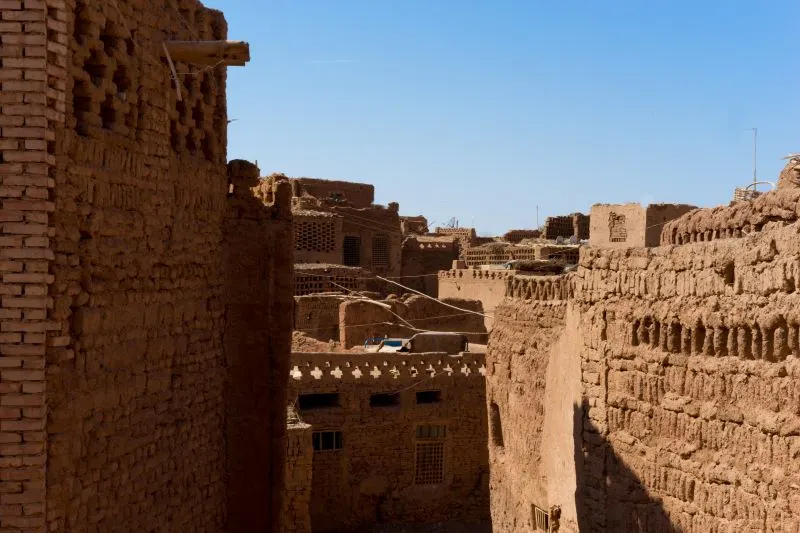
The Xinjiang Silk Road Museum is a captivating destination in Urumqi, China, that offers visitors a chance to delve into the rich history and cultural significance of the Silk Road. The museum showcases artifacts, exhibits, and informative displays that shed light on the region’s role as a pivotal hub along this ancient trade route.
Located in a modern and architecturally impressive building, the Xinjiang Silk Road Museum offers a comprehensive and immersive experience.
As you enter, you’ll be greeted by a vast collection of artifacts that span centuries of history. These artifacts provide insights into the trade, cultural exchange, and historical significance of Xinjiang along the Silk Road.
The museum features a variety of exhibits that highlight different aspects of the Silk Road. You’ll have the opportunity to explore displays showcasing ancient artifacts, such as ceramics, coins, textiles, and sculptures, which offer a glimpse into the diverse cultures and civilizations that flourished along the Silk Road.
One of the focal points of the museum is the Silk Road Gallery, where you can learn about the origins and development of the Silk Road and its impact on the region.
The gallery features intricate models, interactive displays, and multimedia presentations that bring the history to life, allowing visitors to understand the complex network of trade routes, cultural exchange, and technological advancements that occurred during this period.
The Xinjiang Silk Road Museum also offers insights into the various ethnic groups that have inhabited the region throughout history.
Through exhibits dedicated to the Uyghur, Kazakh, Kyrgyz, and other indigenous peoples, you can gain a deeper understanding of their customs, traditions, and contributions to the Silk Road’s cultural tapestry.
The museum’s layout is well-organized and informative, with clear explanations, multilingual signage, and engaging visuals. Whether you’re a history enthusiast, an archaeology buff, or simply curious about the Silk Road’s impact on Xinjiang, the museum provides a wealth of knowledge and an opportunity to appreciate the region’s historical significance.
The Xinjiang Silk Road Museum also hosts temporary exhibitions and cultural events, offering visitors a chance to further explore the diverse aspects of the Silk Road and its modern-day relevance.
7. Explore the Urumqi Botanical Garden: Enjoy the beautiful gardens, diverse flora, and peaceful surroundings

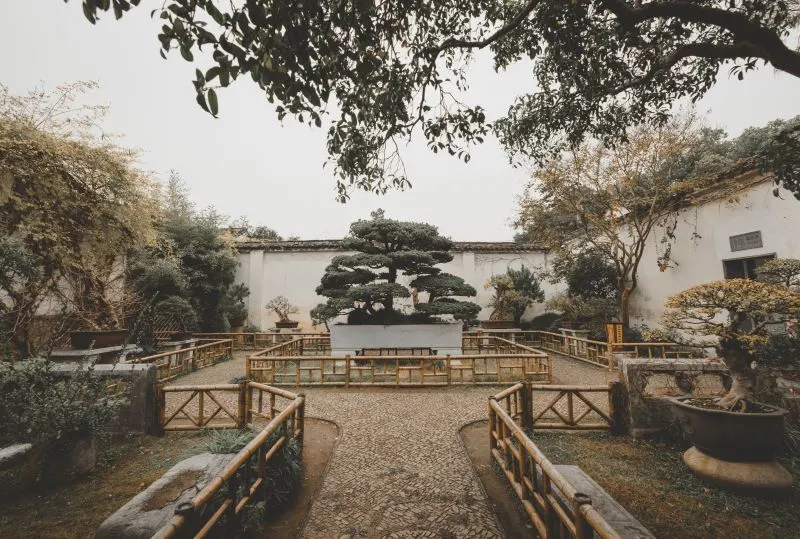
The Urumqi Botanical Garden is a delightful oasis nestled in the city of Urumqi, China. It offers visitors a serene and picturesque setting to explore diverse plant life, relax in nature, and learn about the region’s unique flora.
Spread across a vast area, the botanical garden is a haven of greenery, featuring a wide variety of trees, flowers, and plants. As you enter the garden, you’ll be greeted by well-maintained paths that meander through lush landscapes and tranquil ponds. The peaceful ambiance and refreshing air make it an ideal escape from the bustling city.
The Urumqi Botanical Garden is divided into several sections, each showcasing different plant species and ecosystems. You’ll find thematic gardens representing various regions, including alpine flora, desert plants, and traditional Chinese gardens. Each area offers a distinct ambiance and allows you to appreciate the diversity of plant life in Xinjiang.
The garden is home to a vast collection of flowers, ranging from vibrant roses and tulips to delicate orchids and peonies. During the blooming season, the garden bursts with a riot of colors, creating a breathtaking spectacle. It’s a paradise for flower enthusiasts and photographers, offering ample opportunities to capture the beauty of nature.
Aside from the flowers, the botanical garden also houses a diverse range of trees and shrubs. You can explore tranquil groves of towering trees, stroll through aromatic herb gardens, and marvel at the intricate shapes and textures of bonsai trees. The garden provides a peaceful atmosphere to connect with nature and appreciate the wonders of plant life.
The Urumqi Botanical Garden is not only a place for relaxation and exploration but also serves as an educational center. It hosts educational programs, workshops, and exhibitions, offering visitors a chance to learn about botanical conservation, horticulture, and environmental awareness.
Throughout the garden, you’ll find seating areas, pavilions, and tea houses where you can take a break, enjoy a cup of tea, or simply soak in the serene surroundings. The garden is a popular spot for locals and tourists alike to unwind, have a picnic, or practice tai chi.
Whether you’re a nature lover, a botany enthusiast, or simply seeking a tranquil escape, the Urumqi Botanical Garden provides a rejuvenating and educational experience. It’s a place where you can immerse yourself in the beauty of plants, discover the unique flora of Xinjiang, and find solace in the peaceful ambiance of nature.
8. Visit the Xinjiang Uyghur Autonomous Region Museum: Learn about the local Uyghur culture and history

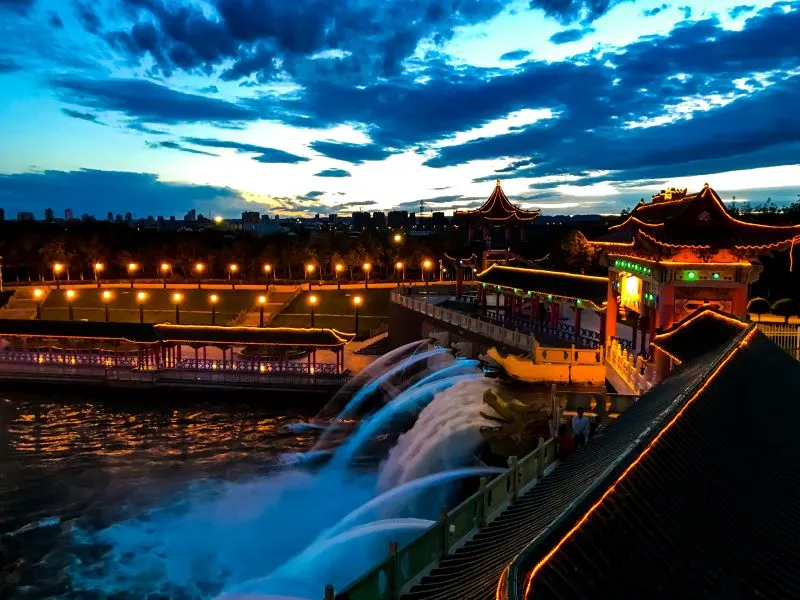
The Xinjiang Uyghur Autonomous Region Museum, located in Urumqi, China, is a fascinating institution that offers visitors a comprehensive insight into the history, culture, and ethnic diversity of Xinjiang. The museum houses a vast collection of artifacts, exhibits, and informative displays that showcase the region’s rich heritage.
The museum’s architecture is impressive, with a modern design that reflects the cultural fusion found in Xinjiang. Upon entering, you’ll find yourself immersed in a world of historical artifacts and cultural treasures. The museum is divided into different sections, each dedicated to a specific aspect of Xinjiang’s history and culture.
One of the highlights of the museum is its collection of archaeological discoveries. Ancient artifacts, including pottery, sculptures, and tools, provide a glimpse into the region’s prehistoric civilizations and their development over time. These artifacts shed light on the early settlements, trade routes, and cultural exchanges that shaped Xinjiang’s history.
The Xinjiang Uyghur Autonomous Region Museum also features exhibits that showcase the rich traditions and customs of the indigenous Uyghur people. You can explore displays of traditional costumes, musical instruments, artwork, and religious artifacts, gaining insights into the Uyghur way of life and their contributions to the region’s cultural tapestry.
The museum also emphasizes the ethnic diversity of Xinjiang, featuring exhibits dedicated to other ethnic groups such as the Kazakhs, Kyrgyz, Tajiks, and Hui Muslims.
These exhibits provide an opportunity to learn about their distinct customs, traditions, and cultural heritage, contributing to a deeper understanding of the region’s multiculturalism.
In addition to its historical and cultural displays, the museum offers multimedia presentations, interactive exhibits, and informative panels that provide context and enhance the visitor’s experience.
It’s a place where you can delve into the region’s complex history, explore its cultural traditions, and appreciate the diverse identities that coexist within Xinjiang.
The museum’s layout is well-organized and visitor-friendly, with clear signage and multilingual descriptions. Guided tours and audio guides are also available for those who want a more in-depth exploration.
Visiting the Xinjiang Uyghur Autonomous Region Museum is an enriching experience that allows you to delve into the depths of Xinjiang’s history, culture, and ethnic diversity.
It’s a place where you can gain a deeper appreciation for the region’s heritage, learn about its unique traditions, and develop a greater understanding of the communities that call Xinjiang home.
9. Explore the Xinjiang Geological Mineral Museum: Discover a wide collection of rare minerals and gemstones

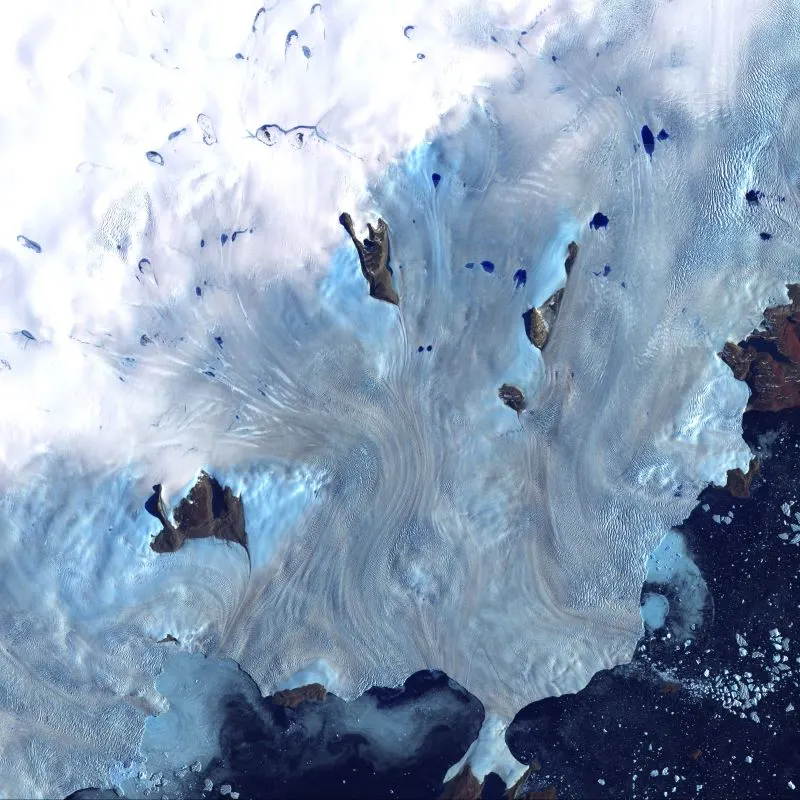
The Xinjiang Geological Mineral Museum, located in Urumqi, China, is a fascinating destination for geology enthusiasts and those interested in the region’s geological heritage.
The museum showcases a diverse collection of minerals, fossils, and geological exhibits that offer insights into Xinjiang’s unique geological formations and natural resources.
As you enter the museum, you’ll be greeted by a vast array of geological specimens from Xinjiang and beyond. The collection includes minerals of various colors, shapes, and sizes, ranging from sparkling crystals to intricate rock formations. The museum’s exhibits are carefully curated to showcase the diversity and beauty of minerals found in the region.
One of the highlights of the museum is its extensive fossil collection. Xinjiang is known for its rich fossil deposits, and the museum features a wide range of fossils that provide glimpses into ancient ecosystems and extinct species. Visitors can marvel at well-preserved dinosaur fossils, ancient plants, marine creatures, and other fascinating remnants of prehistoric life.
The museum also offers informative displays that highlight the geological history of Xinjiang. Exhibits showcase the region’s unique rock formations, landforms, and geological processes that have shaped the landscape over millions of years. Visitors can learn about plate tectonics, volcanic activity, and the formation of minerals, gaining a deeper understanding of the Earth’s geological forces.
The Xinjiang Geological Mineral Museum provides a comprehensive educational experience. It offers explanations of geological concepts, interactive displays, and informative panels that cater to visitors of all ages and levels of knowledge. It’s a place where you can expand your understanding of geology, explore the wonders of the natural world, and appreciate the geological significance of Xinjiang.
The museum’s layout is well-organized, with clear signage and descriptions that provide context and enhance the visitor’s experience. It also offers multimedia presentations, videos, and virtual displays that further engage and educate visitors about Xinjiang’s geology.
Whether you’re a geology enthusiast, a student, or simply curious about the Earth’s natural history, the Xinjiang Geological Mineral Museum offers a fascinating exploration of the region’s geological heritage.
It’s a place where you can marvel at beautiful minerals, discover ancient fossils, and gain a deeper appreciation for the geological wonders that lie beneath the surface of Xinjiang.
10. Enjoy the Erdaoqiao International Bazaar: Experience the vibrant market atmosphere and shop for local products

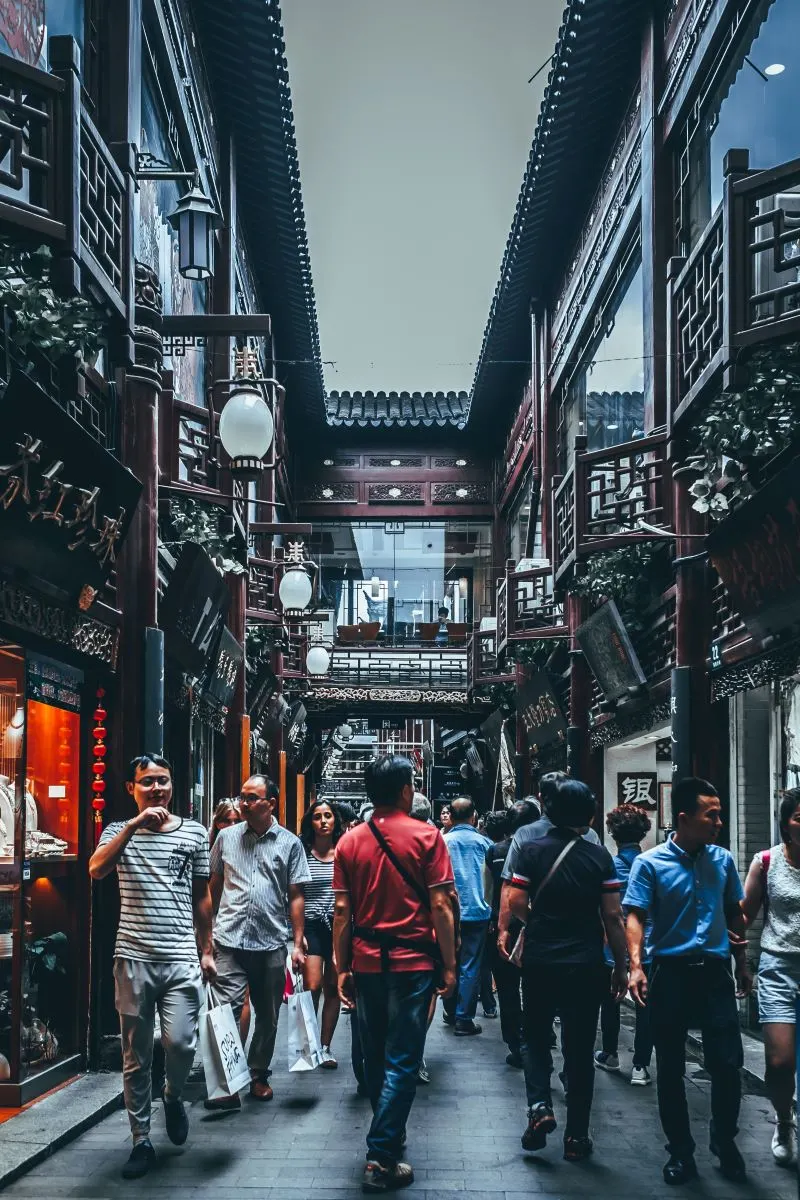
The Erdaoqiao International Bazaar is a vibrant and bustling market located in Urumqi, China. It is a popular destination for both locals and tourists, offering a lively atmosphere, diverse shopping options, and a glimpse into the cultural tapestry of Xinjiang.
The bazaar is known for its vibrant ambiance and colorful displays. As you enter, you’ll find yourself immersed in a bustling marketplace filled with a wide array of shops, stalls, and vendors. The market is a sensory delight, with the aroma of spices, the vibrant colors of textiles, and the lively chatter of traders and visitors.
The Erdaoqiao International Bazaar is renowned for its selection of traditional Xinjiang crafts and products. Here, you’ll find a wide variety of items such as vibrant textiles, intricate carpets, handcrafted jewelry, traditional hats, and exquisite embroidery. It’s a great place to shop for unique souvenirs, gifts, or items that showcase the region’s rich cultural heritage.
One of the highlights of the bazaar is its food section. The market is a gastronomic paradise, offering a diverse range of delicious local delicacies and international flavors.
You can sample traditional Uyghur dishes, such as lamb kebabs, hand-pulled noodles, steamed dumplings, and fragrant pilaf. The bazaar also offers a fusion of flavors from various cuisines, including Central Asian, Middle Eastern, and Chinese.
In addition to shopping and dining, the Erdaoqiao International Bazaar provides opportunities for cultural exploration and entertainment. Traditional Uyghur music performances, dance shows, and cultural demonstrations are frequently held in the market, providing visitors with a chance to experience the vibrant traditions and artistic expressions of Xinjiang.
The bazaar is also a place to interact with locals and experience the warmth and hospitality of the Uyghur people. You can engage in friendly bargaining, chat with vendors, and learn about their crafts and traditions. It’s a melting pot of cultures, languages, and traditions, offering a unique and immersive experience.
The Erdaoqiao International Bazaar is open year-round, but it particularly comes alive during festivals and holidays when the market is adorned with decorations and hosts special events. It’s a lively and dynamic destination that showcases the vibrant spirit of Urumqi and the cultural diversity of Xinjiang.
Whether you’re a shopping enthusiast, a food lover, or simply looking for an authentic cultural experience, the Erdaoqiao International Bazaar is a must-visit destination in Urumqi.
It’s a place where you can immerse yourself in the vibrant atmosphere, discover unique treasures, savor delicious flavors, and embrace the cultural richness of Xinjiang.
11. Visit the Xinjiang Water Park: Cool off and have fun at this large water park
The Xinjiang Water Park, located in Urumqi, China, is a popular recreational destination that offers visitors a fun-filled and refreshing escape from the summer heat. The water park features a variety of water attractions, slides, pools, and entertainment options that cater to visitors of all ages.
As you enter the water park, you’ll be greeted by a vibrant and tropical setting. The park is beautifully landscaped, with lush greenery, palm trees, and colorful flowers that create a lively and tropical ambiance. The well-maintained pathways lead you to a range of water-based activities and attractions.
One of the main highlights of the Xinjiang Water Park is its extensive selection of water slides. Whether you’re seeking thrilling adrenaline rushes or gentle fun, the park offers slides of various sizes, twists, and turns to cater to different preferences. From high-speed slides that provide an exhilarating experience to family-friendly slides that allow for shared enjoyment, there’s something for everyone.
The water park also features a variety of pools to suit different interests. You can relax and soak in the calm waters of the leisure pools, take a dip in the wave pool, or splash around in the interactive play areas designed for children.
The park’s pools provide a refreshing escape from the summer heat, allowing visitors to cool off and enjoy water-based activities.
For those seeking a more adventurous experience, the Xinjiang Water Park offers attractions such as lazy rivers, water cannons, and waterfalls. You can float along the lazy river, enjoy water fights with friends and family, or simply bask in the cascading waterfalls. These attractions add an element of excitement and entertainment to your visit.
In addition to the water-based attractions, the park also provides amenities such as changing rooms, showers, and lounging areas where you can relax and take a break. Food and beverage options are available within the park, offering a range of refreshments and snacks to keep you energized throughout the day.
The Xinjiang Water Park is a popular destination for families, friends, and individuals looking for a fun and refreshing outing. It offers a combination of thrilling water activities, relaxation options, and a tropical atmosphere that creates a vibrant and enjoyable experience.
Please note that specific details about the Xinjiang Water Park, such as operating hours, ticket prices, and availability of attractions, may vary, so it’s advisable to check the latest information before planning your visit.
12. Explore the Xinjiang Fine Arts Museum: Admire the collection of contemporary and traditional artwork

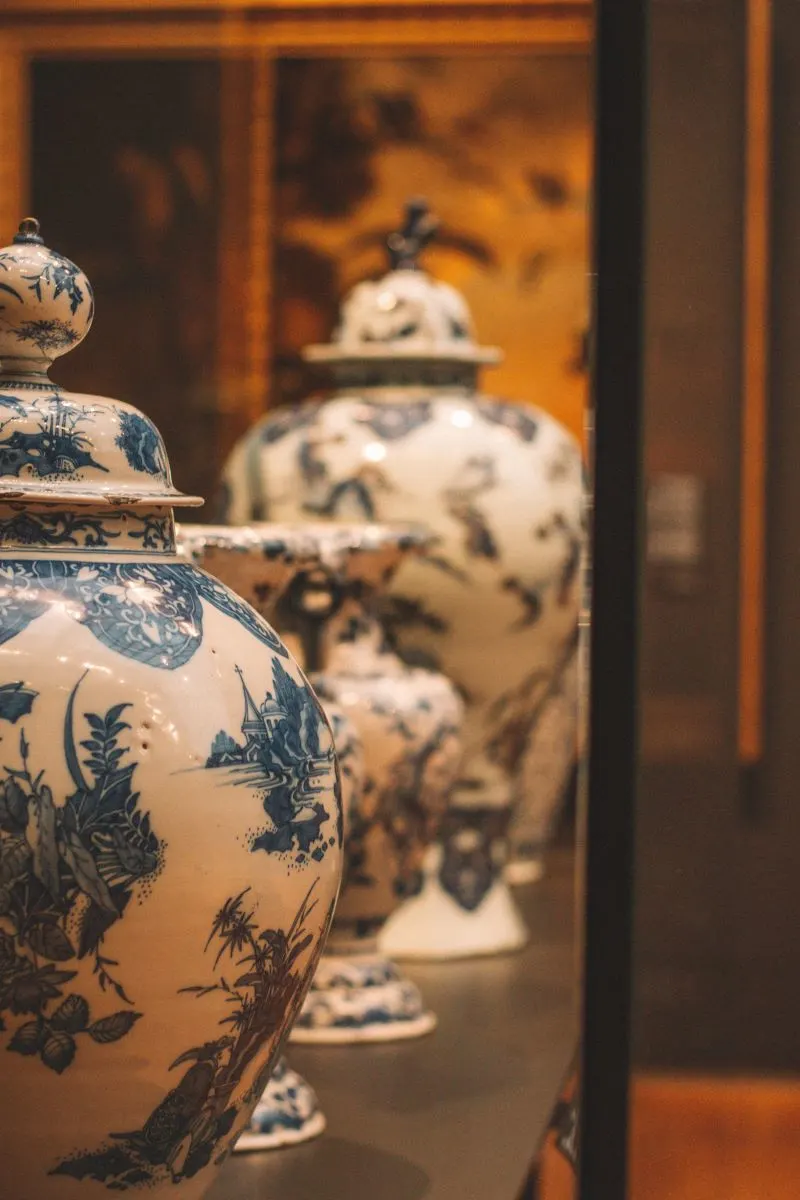
The Xinjiang Fine Arts Museum, located in Urumqi, China, is a captivating institution dedicated to showcasing and promoting the rich and diverse world of fine arts in Xinjiang.
The museum houses an extensive collection of artworks, including paintings, sculptures, calligraphy, and other visual art forms, representing various artistic styles and periods.
As you enter the Xinjiang Fine Arts Museum, you’ll be greeted by a serene and welcoming atmosphere. The museum’s architecture combines traditional elements with modern design, providing a visually pleasing backdrop for the artworks on display. The exhibition halls are spacious and well-lit, allowing visitors to fully appreciate the artistic details and expressions.
The museum’s collection encompasses a wide range of artistic mediums and styles. You’ll encounter paintings that reflect the region’s natural landscapes, cultural traditions, and historical events.
From traditional Chinese ink paintings to modern abstract works, the museum offers a diverse selection that showcases the talent and creativity of local artists.
Sculptures and three-dimensional artworks also grace the museum’s galleries, providing a tactile and immersive experience. You can marvel at the skillful craftsmanship, intricate details, and expressive forms of sculptures that depict human figures, animals, and abstract concepts.
The Xinjiang Fine Arts Museum not only focuses on showcasing established artists but also supports emerging talents and promotes artistic development in the region.
The museum often hosts temporary exhibitions and art events that feature contemporary works and explore new artistic trends. This commitment to fostering creativity and innovation adds dynamism to the museum’s offerings.
In addition to its permanent and temporary exhibitions, the museum also organizes educational programs, workshops, and lectures to engage visitors and deepen their understanding of art.
It provides a platform for art enthusiasts, students, and the general public to learn about art history, techniques, and the cultural significance of visual arts.
The museum’s layout is thoughtfully organized, with clear signage and descriptions that enhance the visitor’s experience. It offers a tranquil and contemplative environment where you can immerse yourself in the world of art, reflect on the artists’ visions, and gain a deeper appreciation for the power of visual expression.
Visiting the Xinjiang Fine Arts Museum is a rewarding experience for art lovers, cultural enthusiasts, and anyone seeking inspiration.
It allows you to explore the diverse artistic heritage of Xinjiang, discover the talent of local artists, and engage with the power of visual arts. It’s a place where creativity flourishes, artistic expressions come to life, and visitors can find inspiration and beauty in the world of fine arts.
13. Visit the Urumqi South Mosque: Explore one of the largest mosques in China


The Urumqi South Mosque, also known as the Great Mosque of Urumqi, is a significant religious and cultural landmark located in Urumqi, China. It is one of the largest and most important mosques in the Xinjiang Uyghur Autonomous Region.
The Urumqi South Mosque is renowned for its architectural beauty and historical significance. The mosque complex encompasses a vast area and features a blend of traditional Islamic and Chinese architectural elements. Its elegant minarets, domed prayer halls, and intricate decorative motifs showcase the craftsmanship and cultural fusion that define the region.
As you approach the mosque, you’ll be struck by its grandeur and serenity. The peaceful courtyard, shaded by trees and adorned with beautiful gardens, creates a tranquil atmosphere. The mosque’s exteriors are adorned with ornate patterns, intricate tile work, and calligraphy, reflecting the rich Islamic artistic traditions.
Upon entering the mosque, you’ll find yourself in a spacious prayer hall that can accommodate a large number of worshipers.
The hall is adorned with beautiful carpets, chandeliers, and Islamic calligraphy, creating an atmosphere of reverence and devotion. It’s a place where Muslims gather for congregational prayers, engage in religious rituals, and seek spiritual solace.
The Urumqi South Mosque also serves as a center for Islamic education and community activities. It houses classrooms and facilities for religious studies, offering a space for learning and religious discourse.
The mosque plays a vital role in preserving and promoting Islamic teachings, cultural traditions, and fostering a sense of community among the local Muslim population.
Visitors to the Urumqi South Mosque are welcome to explore its premises, learn about Islamic traditions, and appreciate the architectural and artistic beauty of the mosque.
However, it’s important to respect the mosque’s religious significance and observe appropriate behavior and dress code while visiting.
The Urumqi South Mosque stands as a testament to the rich Islamic heritage and cultural diversity of Xinjiang. It’s not only a place of worship but also a symbol of harmony and coexistence in a region known for its multiculturalism.
A visit to the Urumqi South Mosque offers a glimpse into the spiritual life of the local Muslim community and provides an opportunity for cultural understanding and appreciation.
Please note that it’s advisable to check the mosque’s visiting hours and any specific guidelines or restrictions before planning your visit, as practices may vary and the mosque may be subject to certain limitations or regulations.
14. Enjoy the Xinjiang Acrobatic Troupe Performance: Witness impressive acrobatics and traditional dances

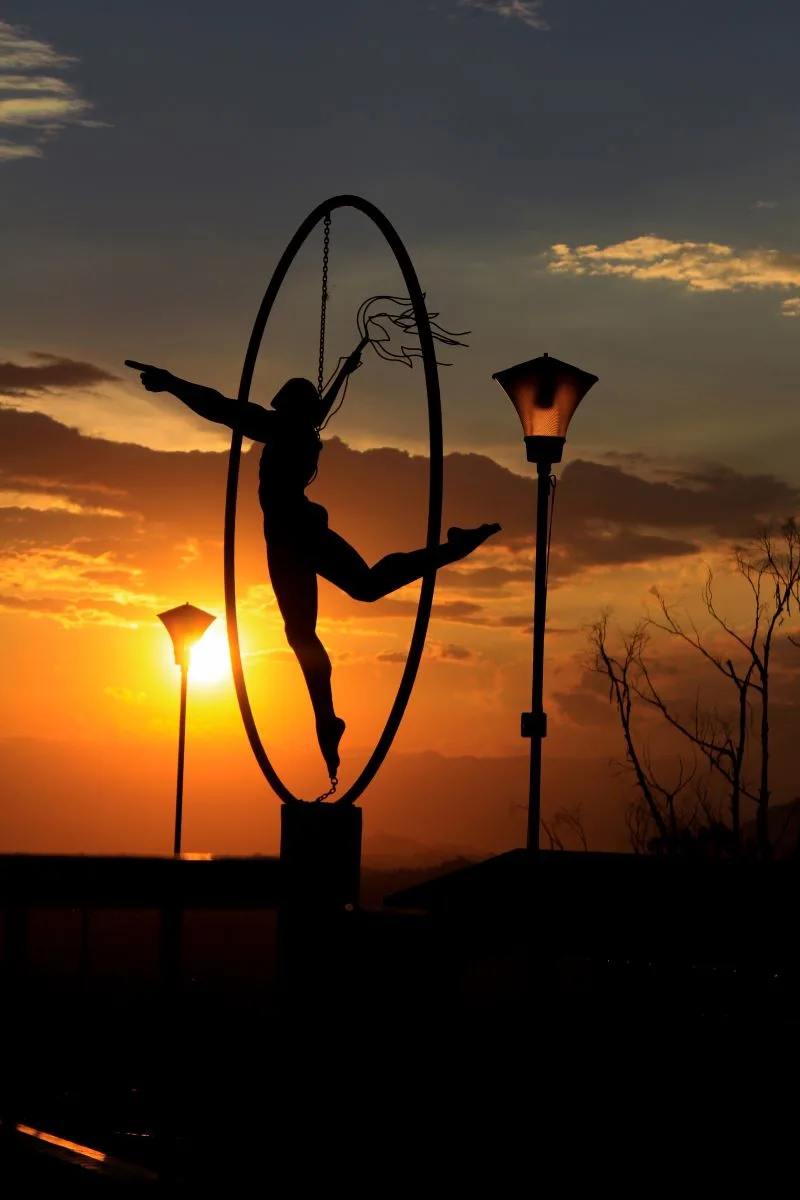
The Xinjiang Acrobatic Troupe Performance is a captivating and thrilling showcase of acrobatic skills, agility, and artistic performances that will leave you amazed and entertained.
The troupe consists of highly skilled acrobats who demonstrate incredible feats of strength, balance, and coordination through a series of breathtaking acts.
The performance takes place in a well-equipped theater or venue, providing a comfortable and immersive setting for the audience. As the show begins, you’ll be transported into a world of wonder and excitement, where the acrobats dazzle with their agility, flexibility, and precision.
The Xinjiang Acrobatic Troupe Performance offers a diverse range of acts that showcase the versatility and talent of the performers.
You can expect to witness awe-inspiring stunts such as daring aerial maneuvers, mesmerizing contortions, gravity-defying balancing acts, and thrilling acrobatic routines that require exceptional strength and coordination.
The troupe’s performances often incorporate elements of Chinese culture and Xinjiang’s rich heritage. Traditional music, colorful costumes, and thematic settings are often woven into the acts, adding a cultural touch and enhancing the overall experience.
You may witness performances inspired by traditional folk tales, historical events, or cultural customs, bringing a sense of storytelling and narrative to the stage.
The Xinjiang Acrobatic Troupe Performance is not just about the acrobatic feats themselves. It’s a complete spectacle that combines choreography, music, lighting, and stage design to create a visually stunning and engaging show.
The performances are choreographed with precision and flair, accompanied by captivating music that adds to the atmosphere and enhances the emotional impact of each act.
Audience participation is often encouraged during the performance, with moments that invite applause, laughter, and amazement. The energetic and enthusiastic atmosphere created by the acrobats and the audience adds to the overall enjoyment of the show.
Attending the Xinjiang Acrobatic Troupe Performance is a memorable experience that offers a blend of athleticism, artistry, and cultural immersion. It’s a chance to witness the incredible capabilities of the human body, appreciate the dedication and skill of the performers, and be swept away by the sheer spectacle of the show.
Please note that specific details, such as the performance schedule and venue, may vary, so it’s advisable to check the latest information and make reservations in advance.
The performance duration may also vary, typically lasting around one to two hours, depending on the program and the number of acts included.
15. Visit the Xinjiang Uyghur Autonomous Region Library: Explore the extensive collection of books and resources

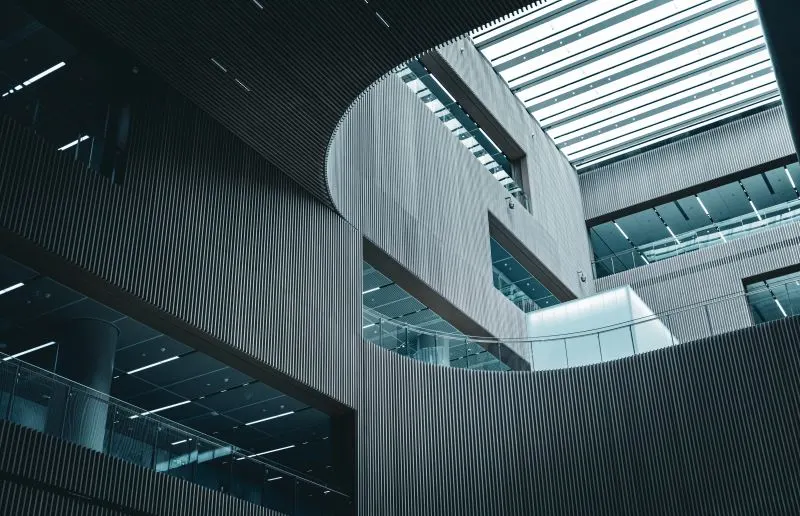
The Xinjiang Uyghur Autonomous Region Library, located in Urumqi, China, is a prestigious institution that serves as a hub of knowledge, culture, and education. It is one of the largest and most important libraries in the region, housing a vast collection of books, periodicals, and digital resources.
The library’s architecture reflects a blend of traditional and modern elements, creating an inviting and scholarly atmosphere.
As you enter the Xinjiang Uyghur Autonomous Region Library, you’ll be greeted by a spacious and well-designed interior. The library’s layout is organized for easy navigation, with different sections dedicated to various subjects and disciplines.
The collection at the Xinjiang Uyghur Autonomous Region Library is extensive and diverse. It encompasses a wide range of topics, including literature, history, science, philosophy, art, and more.
The library is particularly known for its collection of books and resources related to Xinjiang’s cultural heritage, Uyghur studies, and Central Asian studies.
Visitors to the library can access a wealth of knowledge through its extensive catalog of books, academic journals, and multimedia materials. Whether you’re a student, researcher, or an avid reader, the library offers a treasure trove of information and resources to explore and deepen your understanding of various subjects.
In addition to its vast collection, the Xinjiang Uyghur Autonomous Region Library provides state-of-the-art facilities and services to enhance the visitor experience.
The library offers comfortable reading areas, study rooms, and computer terminals equipped with internet access. Visitors can utilize these facilities to conduct research, study, or simply indulge in their love for reading.
The library also plays an active role in promoting cultural and educational events. It frequently hosts lectures, seminars, and exhibitions that showcase the region’s cultural heritage, literature, and intellectual contributions. These events provide opportunities for intellectual exchange, cultural enrichment, and community engagement.
The Xinjiang Uyghur Autonomous Region Library is not only a place for gathering knowledge but also a cultural institution that fosters a love for learning and promotes intellectual curiosity. It serves as a hub for scholars, students, and the general public to explore, engage, and discover new ideas.
Visiting the Xinjiang Uyghur Autonomous Region Library offers a unique opportunity to immerse yourself in the intellectual and cultural richness of the region.
It’s a place where you can broaden your horizons, deepen your understanding of various subjects, and appreciate the value of knowledge and learning.
Please note that specific details regarding operating hours, access to certain sections, and services provided may vary, so it’s advisable to check the library’s official website or contact them directly for the latest information before planning your visit.
16. Discover the Xinjiang Museum of Nature and Ecology: Learn about the unique flora and fauna of the region

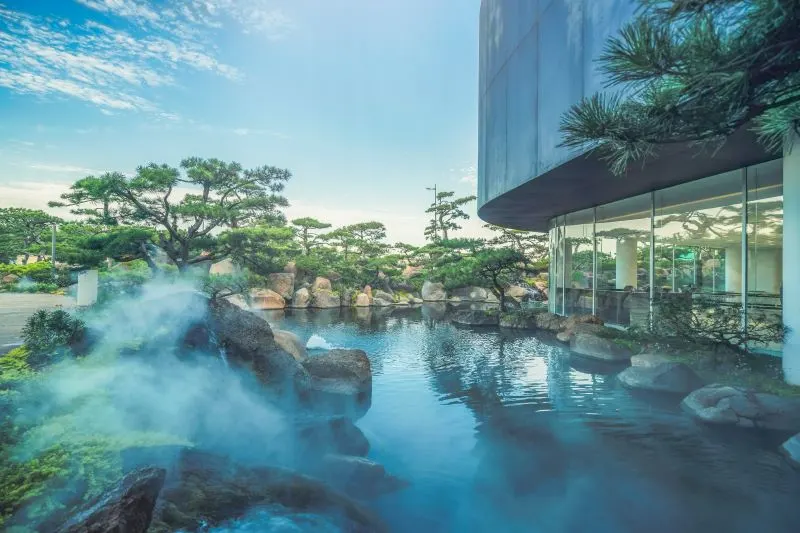
The Xinjiang Museum of Nature and Ecology, located in Urumqi, China, is a fascinating institution dedicated to showcasing the natural wonders and ecological diversity of the Xinjiang region.
The museum offers a captivating and educational experience for visitors of all ages, allowing them to explore the region’s unique ecosystems, geological formations, and diverse flora and fauna.
Upon entering the Xinjiang Museum of Nature and Ecology, you’ll be greeted by a well-curated exhibition space that combines informative displays, interactive exhibits, and immersive multimedia presentations.
The museum’s exhibits cover a wide range of topics related to the region’s natural environment, including geology, botany, zoology, and environmental conservation.
The museum’s geological section presents a wealth of information about Xinjiang’s geological history, showcasing various rock formations, fossils, and minerals that have shaped the region’s landscapes over millions of years. You can learn about the forces of nature, tectonic movements, and the geological processes that have influenced the formation of Xinjiang’s unique landforms.
As you explore further, you’ll encounter exhibits that highlight the region’s diverse flora and fauna. From the arid desert landscapes to the lush mountains and alpine regions, the museum showcases the different ecosystems found in Xinjiang.
You can discover the native plant species, understand their adaptations to the harsh environments, and learn about the delicate balance of ecological systems.
The Xinjiang Museum of Nature and Ecology also features exhibits that focus on wildlife conservation and environmental awareness. These displays raise awareness about the importance of preserving natural habitats and protecting endangered species.
Visitors can gain insights into ongoing conservation efforts in the region and learn about sustainable practices that promote the harmony between humans and the environment.
Interactive elements are integrated throughout the museum, providing engaging experiences for visitors. You may have the opportunity to participate in hands-on activities, virtual simulations, or multimedia presentations that enhance understanding and create a memorable learning experience.
The museum also offers educational programs, workshops, and guided tours that cater to different age groups and interests. These activities provide opportunities for deeper exploration and a chance to interact with knowledgeable staff who can provide further insights into the natural heritage of Xinjiang.
Visiting the Xinjiang Museum of Nature and Ecology allows you to appreciate the beauty and complexity of Xinjiang’s natural environment. It’s a place where you can gain a deeper understanding of the region’s geological history, ecological diversity, and the importance of environmental conservation.
Please note that specific details about operating hours, ticket prices, and temporary exhibitions may vary, so it’s advisable to check the museum’s official website or contact them directly for the latest information before planning your visit.
17. Take a day trip to Turpan: Explore the ancient city, visit the Flaming Mountains, and see the Karez Irrigation System

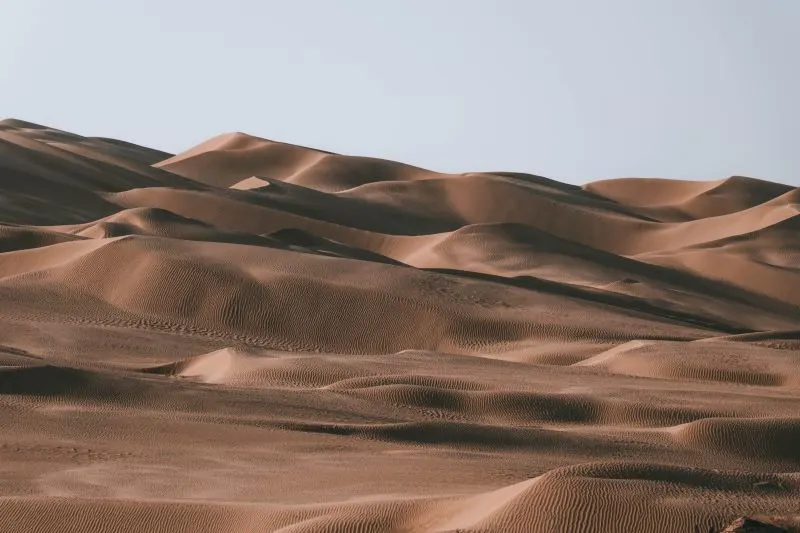
Taking a day trip to Turpan from Urumqi offers an opportunity to explore one of the most fascinating destinations in the Xinjiang region of China. Turpan is a historical and cultural oasis city known for its unique landscapes, ancient ruins, and vibrant local culture. Here’s what you can expect on a day trip to Turpan:
- Ancient Ruins and Historical Sites: Turpan is home to a wealth of ancient ruins and historical sites that offer insights into the region’s rich history. You can visit the Jiaohe Ruins, an impressive archaeological site that dates back over 2,000 years. Explore the well-preserved remains of this ancient city, including temples, houses, and streets, while marveling at the desert backdrop.
- Grape Valley: Turpan is famous for its lush vineyards and sweet grapes, thanks to the region’s unique climate and irrigation systems. A visit to Grape Valley allows you to stroll through the picturesque vineyards, sample local grape products, and learn about the traditional Uyghur winemaking techniques. The scenic beauty of the valley adds to the charm of the experience.
- Flaming Mountains: The Flaming Mountains, featured prominently in the classic Chinese novel “Journey to the West,” are a stunning natural wonder near Turpan. These imposing, red sandstone mountains create a dramatic and otherworldly landscape. Enjoy panoramic views, take memorable photos, and appreciate the geological wonders of the region.
- Turpan Museum: A visit to the Turpan Museum provides an opportunity to learn more about the history, culture, and archaeology of the region. The museum houses an extensive collection of artifacts, including ancient pottery, textiles, tools, and historical documents. It offers valuable insights into the Silk Road era and the diverse cultures that thrived in Turpan.
- Emin Minaret: The Emin Minaret, also known as the Sugong Minaret, is a magnificent Islamic architectural landmark in Turpan. Built in the 18th century, this towering structure features intricate brickwork and exquisite decorative details. Climb to the top for panoramic views of the city and admire the minaret’s unique blend of Uyghur and Islamic architectural styles.
- Local Cuisine: Turpan is renowned for its unique Uyghur cuisine, which incorporates local flavors, spices, and ingredients. During your day trip, don’t miss the opportunity to savor delicious Uyghur dishes, such as hand-pulled noodles, kebabs, and various types of dumplings. Indulging in the local cuisine is a delightful way to immerse yourself in the region’s culinary traditions.
Turpan offers a fascinating blend of history, culture, and natural beauty, making it an ideal destination for a day trip from Urumqi. Whether you’re interested in ancient ruins, stunning landscapes, or experiencing the local culture and cuisine, Turpan has something to offer every traveler.
It’s worth noting that Turpan is approximately 200 kilometers southeast of Urumqi, so planning your day trip in advance and considering transportation options, such as a private car or organized tour, is advisable to make the most of your time.
18. Explore the Xinjiang Ethnic Minorities Village: Experience the traditions and cultures of various ethnic groups in Xinjiang

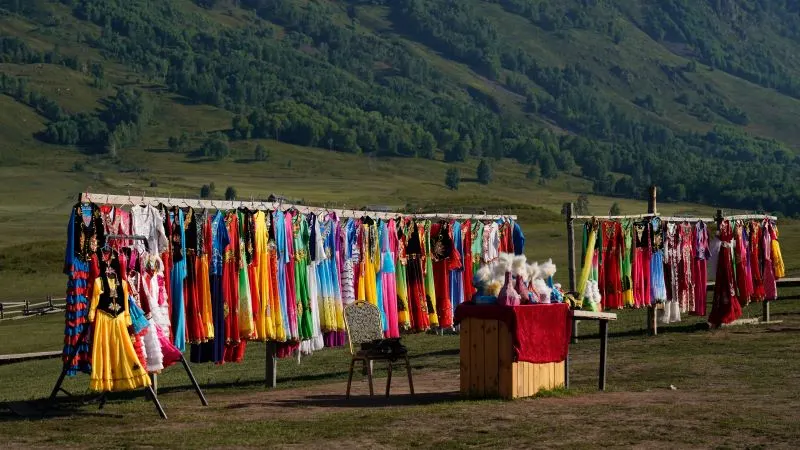
Exploring the Xinjiang Ethnic Minorities Village provides a unique opportunity to immerse yourself in the diverse cultures and traditions of the various ethnic groups that call Xinjiang home.
Located in Urumqi, China, the village is a cultural showcase that celebrates the rich heritage of the region’s ethnic minorities. Here’s what you can expect when exploring the Xinjiang Ethnic Minorities Village:
- Cultural Diversity: Xinjiang is home to a vibrant mosaic of ethnic groups, including Uyghurs, Kazakhs, Tajiks, Kyrgyz, and many others. The Ethnic Minorities Village offers a glimpse into the traditions, customs, and lifestyles of these diverse communities. Each ethnic group has its own distinct architecture, clothing styles, music, dance, and culinary traditions, creating a tapestry of cultural diversity to explore.
- Traditional Architecture: The village features traditional architectural styles representing the different ethnic groups. You can witness the unique designs, materials, and decorative elements that reflect the cultural heritage of each community. From the intricate woodwork of Uyghur homes to the yurts of the Kazakhs and the adobe houses of the Tajiks, the architecture showcases the traditional building techniques and craftsmanship of the region.
- Cultural Performances: One of the highlights of exploring the Xinjiang Ethnic Minorities Village is the opportunity to witness cultural performances. Traditional music, dance, and singing are showcased in vibrant displays that captivate audiences. You can enjoy energetic Uyghur dance performances, soulful Kazakh music, and the colorful costumes and rituals of other ethnic groups. These performances offer a glimpse into the artistic expressions and celebrations of the local communities.
- Handicrafts and Artwork: The village provides a platform for local artisans to showcase their craftsmanship and traditional artwork. You’ll find a variety of handmade crafts, textiles, pottery, carpets, and intricate jewelry, all representative of the cultural heritage and skills of the ethnic groups. It’s a great place to appreciate the artistry and creativity of the local communities and perhaps even purchase unique souvenirs.
- Culinary Delights: Exploring the Xinjiang Ethnic Minorities Village is a chance to indulge in the flavors and aromas of the region’s diverse cuisine. Each ethnic group has its own distinct culinary traditions, offering a wide range of delicious dishes to savor. From Uyghur pilaf and kebabs to Kazakh dumplings and Tajik tea, the village allows you to sample a variety of authentic local cuisines.
- Cultural Exchange and Interaction: Interacting with the locals and learning about their cultures firsthand is a significant aspect of exploring the village. Visitors can engage in conversations, participate in traditional activities, and even learn basic skills or techniques from the ethnic communities. This cultural exchange fosters understanding, appreciation, and a deeper connection to the local traditions and way of life.
Exploring the Xinjiang Ethnic Minorities Village is a journey of cultural discovery, allowing you to appreciate the rich heritage, customs, and diversity of Xinjiang’s ethnic groups. It’s an opportunity to witness firsthand the beauty of their traditions, explore unique architecture, enjoy captivating performances, and indulge in the flavors of their cuisines.
Please note that specific details, such as operating hours, availability of cultural performances, and accessibility of certain activities, may vary, so it’s advisable to check the village’s official website or contact them directly for the latest information before planning your visit.
19. Visit the Urumqi Zoo: See a variety of animals, including pandas, tigers, and elephants


The Urumqi Zoo, located in Urumqi, China, is a popular destination for animal lovers and families seeking an enjoyable day out. The zoo provides an opportunity to observe a diverse range of animal species and learn about their habitats and behaviors. Here’s what you can expect when visiting the Urumqi Zoo:
- Animal Exhibits: The Urumqi Zoo is home to a wide variety of animals from around the world. You can expect to see both native species and exotic animals, including mammals, birds, reptiles, and amphibians. From majestic lions and tigers to playful monkeys and colorful birds, the zoo offers a chance to observe these creatures up close.
- Educational Experience: The Urumqi Zoo aims to educate visitors about wildlife conservation and the importance of protecting endangered species. The exhibits often include informative signage that provides details about the animals’ natural habitats, diets, and conservation efforts. You can learn interesting facts about the animals and gain a deeper understanding of their conservation needs.
- Naturalistic Environments: The zoo strives to create naturalistic environments for the animals, aiming to provide them with habitats that closely resemble their natural homes. This approach allows visitors to see animals in settings that promote their well-being and natural behaviors. It also provides an immersive experience, allowing you to appreciate the beauty and diversity of different ecosystems.
- Animal Welfare: The Urumqi Zoo places a strong emphasis on animal welfare and the provision of appropriate care for its inhabitants. The zoo is committed to providing a comfortable and healthy environment for the animals, with dedicated staff members who ensure their well-being and monitor their health.
- Recreational Facilities: In addition to the animal exhibits, the Urumqi Zoo often includes recreational facilities to enhance the visitor experience. These may include playgrounds, picnic areas, and walking paths where visitors can relax, enjoy a meal, or take a leisurely stroll while exploring the zoo.
- Conservation Efforts: The Urumqi Zoo actively participates in conservation initiatives and collaborates with other organizations to protect endangered species and promote wildlife conservation. Through educational programs and awareness campaigns, the zoo aims to engage visitors in the conservation efforts and inspire them to contribute to the well-being of animals and their habitats.
A visit to the Urumqi Zoo offers an enjoyable and educational experience for individuals of all ages. It’s a chance to appreciate the beauty and diversity of animal life, learn about conservation efforts, and gain a greater appreciation for the natural world.
Please note that specific details regarding operating hours, ticket prices, and availability of certain exhibits or activities may vary, so it’s advisable to check the Urumqi Zoo’s official website or contact them directly for the latest information before planning your visit.
20. Enjoy the Xinjiang Song and Dance Troupe Performance: Witness traditional music, dance, and costumes


Enjoying a Xinjiang Song and Dance Troupe performance is a wonderful opportunity to immerse yourself in the vibrant cultural heritage of the region.
The troupe showcases traditional Xinjiang music, dance, and costumes, offering a captivating and entertaining experience for audiences. Here’s what you can expect when attending a Xinjiang Song and Dance Troupe performance:
- Cultural Diversity: Xinjiang is known for its diverse ethnic groups, each with its unique traditions and artistic expressions. The Xinjiang Song and Dance Troupe celebrates this cultural diversity by presenting performances that highlight the music, dance, and costumes of various ethnic communities, such as the Uyghur, Kazakh, Tajik, and Kyrgyz. You’ll witness the distinct characteristics and rhythms that define each group’s cultural identity.
- Colorful Costumes: The performers in the troupe wear stunning and elaborate costumes that are a feast for the eyes. The costumes reflect the rich textile traditions of the region, often featuring vibrant colors, intricate embroidery, and detailed patterns. The costumes add to the visual spectacle of the performance and provide a glimpse into the region’s diverse clothing traditions.
- Traditional Music: Xinjiang is known for its mesmerizing music, which combines elements of Central Asian, Middle Eastern, and Chinese influences. During the performance, you’ll be treated to live music played on traditional instruments such as the dap (frame drum), dutar (two-stringed lute), ghijek (bowed instrument), and the iconic satar (long-necked lute). The melodies, rhythms, and harmonies of Xinjiang’s traditional music create an enchanting ambiance.
- Dynamic Dance Performances: The Xinjiang Song and Dance Troupe’s repertoire includes a variety of dynamic dance performances. From graceful and elegant movements to energetic and lively routines, the dances showcase the unique styles and traditions of different ethnic groups. You’ll witness traditional dance forms, such as the Uyghur “Sama” dance or the Kazakh “Kara Jorgo,” which often involve intricate footwork, spinning, and expressive gestures.
- Cultural Narratives: The performances often incorporate storytelling elements, allowing the audience to learn about the cultural narratives and legends of Xinjiang’s ethnic communities. Through music and dance, the troupe portrays traditional stories, historical events, or daily life experiences, providing deeper insights into the region’s cultural heritage.
- Audience Participation: Depending on the performance, there may be opportunities for audience participation. You might be invited to join in a group dance or encouraged to clap and sing along during certain segments of the performance. Audience participation adds to the lively atmosphere and creates a sense of connection and shared celebration.
Attending a Xinjiang Song and Dance Troupe performance offers an immersive cultural experience, where you can appreciate the rich traditions, captivating music, and vibrant dance of Xinjiang’s ethnic communities. It’s a chance to celebrate the region’s cultural heritage and gain a deeper understanding of its diverse artistic expressions.
Please note that specific details about performance schedules, venues, and ticket availability may vary, so it’s advisable to check for upcoming performances and make reservations in advance to secure your seat.
21. Explore the Tianshan Mountains: Go hiking, enjoy the scenic beauty, and visit Tianchi Lake


Exploring the Tianshan Mountains offers a breathtaking and memorable experience in the Xinjiang region of China. Spanning over 2,500 kilometers, the Tianshan Mountains are a majestic range known for their stunning landscapes, diverse ecosystems, and outdoor recreational opportunities. Here’s what you can expect when exploring the Tianshan Mountains:
- Scenic Beauty: The Tianshan Mountains are renowned for their scenic beauty, featuring snow-capped peaks, deep valleys, glacial lakes, and alpine meadows. The mountains offer spectacular vistas and picturesque landscapes at every turn. Whether you’re driving along the winding mountain roads or embarking on a hike, you’ll be treated to awe-inspiring views of nature’s grandeur.
- Outdoor Activities: The Tianshan Mountains provide a wide range of outdoor activities for adventure enthusiasts. Hiking is a popular choice, with numerous trails catering to different difficulty levels and offering the chance to explore the diverse flora and fauna of the region. Additionally, the mountains provide opportunities for mountain biking, rock climbing, horseback riding, and even skiing during the winter months.
- Heavenly Lake (Tianchi): Located within the Tianshan Mountains, the Heavenly Lake (Tianchi) is a must-visit destination. This pristine alpine lake boasts crystal-clear waters surrounded by snow-capped peaks, creating a postcard-worthy setting. You can take a boat ride on the lake, hike along its shores, or simply soak in the serene atmosphere while enjoying the breathtaking scenery.
- Biodiversity: The Tianshan Mountains are home to a rich biodiversity, with a wide variety of plant and animal species. As you explore the mountains, you may come across rare and endemic plants, such as wildflowers and medicinal herbs. The mountains also provide habitats for wildlife, including ibex, argali sheep, lynx, and various bird species. Nature enthusiasts will appreciate the opportunity to observe and appreciate this diverse ecosystem.
- Cultural Significance: The Tianshan Mountains hold cultural significance for the local communities, particularly the Uyghur people. The mountains have been an integral part of their history, folklore, and way of life for centuries. Exploring the Tianshan Mountains allows you to learn about the cultural traditions, music, and stories associated with the region.
- Tranquility and Serenity: The Tianshan Mountains offer a retreat from the bustling cities, providing a serene and peaceful environment. Whether you’re seeking solitude or a break from the urban chaos, the mountains offer a tranquil setting where you can connect with nature, unwind, and rejuvenate your mind and spirit.
Exploring the Tianshan Mountains allows you to immerse yourself in the beauty of nature, experience thrilling outdoor adventures, and appreciate the cultural and ecological significance of the region. Whether you choose to visit Heavenly Lake, embark on a challenging hike, or simply enjoy the scenic drives, the Tianshan Mountains promise an unforgettable journey into the heart of Xinjiang’s natural wonders.
22. Visit the Xinjiang Normal University: Take a stroll through the campus and appreciate the architecture


Visiting Xinjiang Normal University offers an opportunity to explore a renowned educational institution in the Xinjiang region of China. Here’s what you can expect when visiting Xinjiang Normal University:
- Campus Setting: Xinjiang Normal University is located in Urumqi, the capital city of Xinjiang. The university campus provides a peaceful and picturesque environment, with well-maintained grounds, green spaces, and modern buildings. It offers a pleasant atmosphere for strolling, relaxing, or engaging in academic pursuits.
- Academic Excellence: Xinjiang Normal University is known for its academic excellence and is recognized as a key institution of higher education in the region. The university offers a wide range of disciplines, including arts, sciences, social sciences, education, and more. It provides quality education, conducts research, and contributes to the intellectual development of its students.
- Cultural and Intellectual Events: Xinjiang Normal University often hosts a variety of cultural and intellectual events, such as seminars, conferences, art exhibitions, and performances. These events showcase the talents and achievements of the university’s students, faculty, and invited guests. Attending these events provides a chance to engage with the academic and cultural community and gain insights into the intellectual pursuits of the university.
- Campus Facilities: The university campus is equipped with various facilities to support the academic and extracurricular activities of students. These may include libraries, laboratories, sports facilities, auditoriums, and student centers. Visitors may have the opportunity to access certain facilities, such as libraries, where they can explore a wealth of academic resources and materials.
- Cultural Exchange: Xinjiang Normal University is a melting pot of diverse cultures and perspectives. It attracts students from different parts of China and around the world. As a visitor, you may have the chance to interact with students and faculty members, engaging in cultural exchange and gaining insights into different traditions, languages, and perspectives.
- Surrounding Area: Xinjiang Normal University is located in Urumqi, a vibrant city with its own attractions and amenities. After visiting the university, you can explore the surrounding area, which may include local markets, parks, museums, or nearby landmarks. It’s an opportunity to experience the local culture, try regional cuisine, and discover more about Urumqi’s unique character.
Please note that specific details regarding visiting hours, access to certain facilities, and events at Xinjiang Normal University may vary. It’s advisable to check the university’s official website or contact them directly for the latest information before planning your visit.
23. Explore the Nanshan Pasture: Experience the pastoral scenery, ride horses, and taste local dairy products

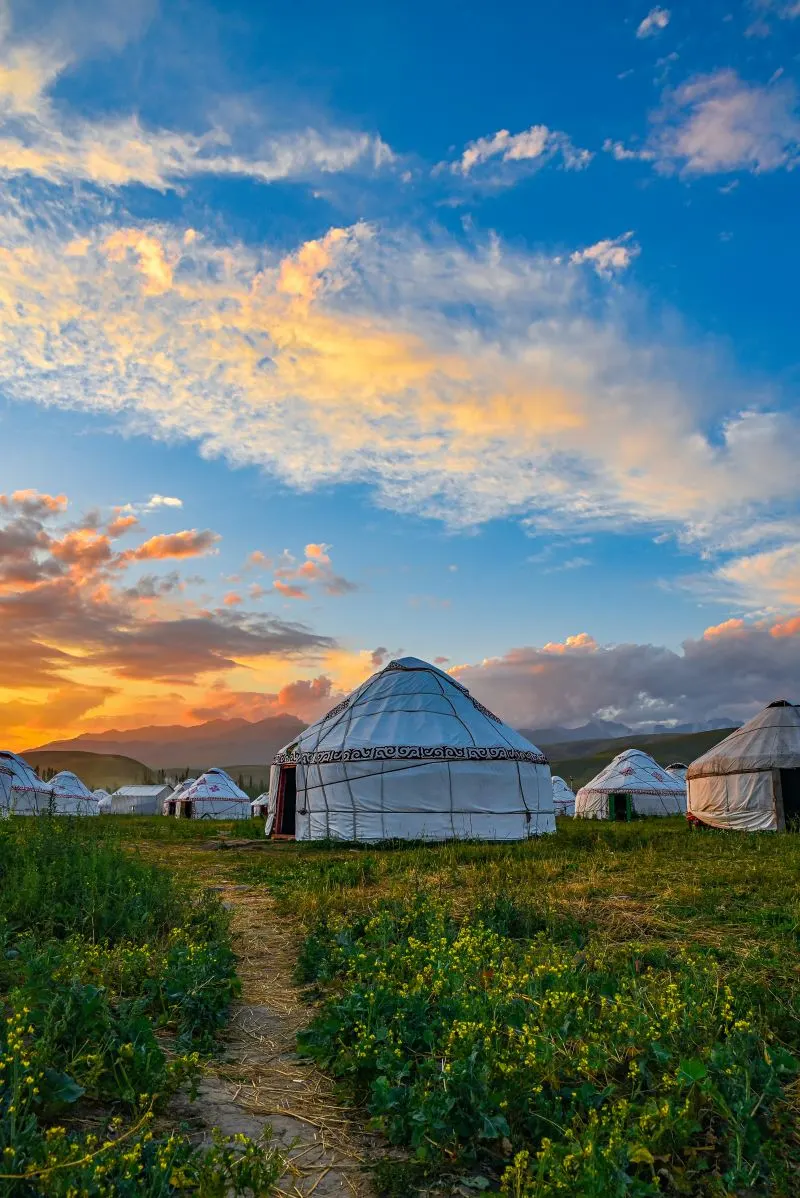
Exploring the Nanshan Pasture provides a unique and immersive experience in the Xinjiang region of China. Nanshan Pasture, located in the southern part of Xinjiang, is a vast and picturesque grassland area that offers a glimpse into the nomadic lifestyle and natural beauty of the region. Here’s what you can expect when exploring the Nanshan Pasture:
- Expansive Grassland: Nanshan Pasture is characterized by its expansive grassy plains, rolling hills, and open landscapes. It stretches as far as the eye can see, providing a sense of freedom and tranquility. The vastness of the grassland allows visitors to appreciate the untouched beauty of nature and offers plenty of space for leisurely walks, picnics, or horseback riding.
- Nomadic Culture: The Nanshan Pasture is home to the Kazakh and Kyrgyz nomadic communities, who have traditionally relied on herding livestock for their livelihoods. During your exploration, you may have the opportunity to interact with local nomadic families, learn about their way of life, and experience their warm hospitality. You can witness traditional practices such as milking yaks or horses, making dairy products, or setting up traditional yurts (known as “gers”) used as temporary dwellings.
- Horseback Riding: Horseback riding is a popular activity in the Nanshan Pasture. You can rent a horse or join a guided tour to explore the vast grasslands on horseback, immersing yourself in the nomadic culture and enjoying the freedom and tranquility of the surroundings. Riding across the open plains with the wind in your hair is an exhilarating experience that allows you to connect with the natural environment.
- Birdwatching: The Nanshan Pasture is also a haven for birdwatching enthusiasts. The grasslands and surrounding areas attract a variety of bird species, including raptors, waterfowl, and migratory birds. With binoculars in hand, you can observe and appreciate the diverse avian life, capturing sightings of unique and beautiful bird species in their natural habitat.
- Natural Landmarks: Within the Nanshan Pasture, there are natural landmarks that add to the scenic beauty of the area. These may include sparkling lakes, meandering rivers, and snow-capped mountains in the distance. These natural features provide stunning backdrops for photography or simply a serene setting to relax and take in the surroundings.
- Cultural Festivals: Depending on the time of your visit, you may have the opportunity to witness or participate in cultural festivals and celebrations held in the Nanshan Pasture. These events showcase traditional music, dance, sports, and other cultural activities. It’s a chance to witness the vibrancy of the local culture and celebrate with the nomadic communities.
Exploring the Nanshan Pasture offers a chance to escape the bustling city life, immerse yourself in the beauty of nature, and gain insights into the traditional nomadic way of life.
Whether you’re seeking tranquility, outdoor adventures, or cultural experiences, the Nanshan Pasture provides an enriching and memorable journey into the heart of Xinjiang’s grasslands.
Please note that specific details regarding access, guided tours, or cultural events in the Nanshan Pasture may vary. It’s advisable to check with local tour operators or travel agencies for the latest information and to make necessary arrangements before visiting.
24. Visit the Xinjiang Sports Center: Attend a sporting event or enjoy the facilities, including swimming pools and fitness centers

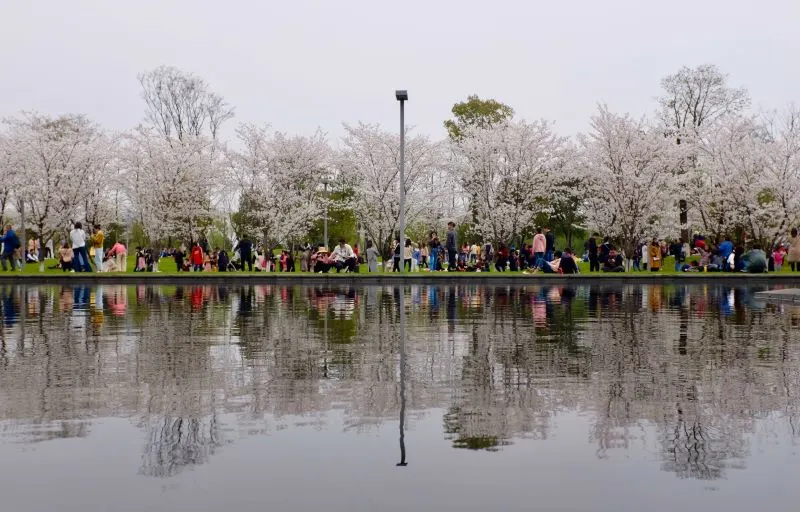
Visiting the Xinjiang Sports Center offers a glimpse into the sporting culture and facilities in the Xinjiang region of China. Here’s what you can expect when visiting the Xinjiang Sports Center:
- Modern Facilities: The Xinjiang Sports Center is a state-of-the-art sports complex equipped with modern facilities to cater to a wide range of sporting activities. The center is designed to accommodate various sports, including athletics, football (soccer), basketball, tennis, swimming, and more. It provides well-maintained fields, tracks, courts, pools, and arenas for athletes, sports enthusiasts, and spectators alike.
- Sporting Events: The Xinjiang Sports Center often hosts a variety of sporting events, including local, national, and international competitions. Depending on the timing of your visit, you may have the opportunity to witness exciting matches, tournaments, or athletic performances. The center’s arenas and stadiums create a vibrant atmosphere, where spectators can cheer for their favorite teams or athletes.
- Sports Training: The Xinjiang Sports Center serves as a hub for sports training and development in the region. It offers training facilities, coaching programs, and resources for aspiring athletes of all ages and skill levels. If you’re interested in sports or wish to engage in training activities, the center may provide opportunities for participation or access to training programs.
- Fitness and Recreation: The Xinjiang Sports Center is not only for professional athletes but also caters to fitness enthusiasts and those seeking recreational activities. The center may have fitness centers, gyms, and exercise facilities where visitors can engage in workouts, fitness classes, or recreational sports. It’s an opportunity to stay active, maintain a healthy lifestyle, and enjoy sports in a well-equipped environment.
- Architecture and Design: The Xinjiang Sports Center features modern architecture and design, creating an impressive visual spectacle. The buildings are designed to be functional, aesthetically pleasing, and blend harmoniously with the surrounding landscape. The center’s design often reflects the region’s cultural influences and may incorporate elements of local architecture or artistic motifs.
- Surrounding Amenities: The Xinjiang Sports Center is typically located in an area that offers additional amenities and attractions. You may find nearby restaurants, cafes, or food stalls where you can grab a meal or refreshments. Shopping centers, parks, or cultural sites may also be within proximity, allowing you to explore the surrounding area and make the most of your visit.
Visiting the Xinjiang Sports Center provides an opportunity to experience the region’s sporting culture, witness exciting events, engage in fitness activities, or simply admire the modern sports facilities.
Whether you’re a sports enthusiast, a fitness buff, or curious about the local sporting scene, the Xinjiang Sports Center offers a dynamic and engaging environment for both athletes and spectators.
Please note that specific details regarding access, events, or facilities at the Xinjiang Sports Center may vary. It’s advisable to check the center’s official website or contact them directly for the latest information and to plan your visit accordingly.
25. Explore the Urumqi International Ice and Snow Festival: Enjoy ice sculptures, snow sports, and cultural performances


Exploring the Urumqi International Ice and Snow Festival offers a delightful and immersive experience in the Xinjiang region of China. The festival celebrates the beauty and wonder of ice and snow, transforming Urumqi into a winter wonderland. Here’s what you can expect when visiting the Urumqi International Ice and Snow Festival:
- Spectacular Ice Sculptures: The festival showcases a stunning display of intricate ice sculptures created by talented artists. These sculptures are often large in scale and feature intricate details, incorporating elements of local culture, nature, and mythological figures. The sculptures are beautifully lit, creating a magical ambiance during the evening hours.
- Ice Slides and Activities: The festival offers a range of fun activities for visitors of all ages. You can enjoy thrilling rides down ice slides, try your hand at ice skating, or engage in friendly snowball fights. The festival may also feature ice and snow sports competitions, such as ice hockey or snowboarding, allowing spectators to witness the skills and athleticism of athletes.
- Ice and Snow Performances: Throughout the festival, you can enjoy a variety of captivating performances on ice and snow stages. These performances may include figure skating, ice dancing, acrobatics, live music, and cultural shows. The talented performers mesmerize the audience with their skill, grace, and creativity, adding an extra layer of entertainment to the festival.
- Snow Sculpture Competitions: The Urumqi International Ice and Snow Festival often hosts snow sculpture competitions, inviting teams of artists to create intricate and imaginative sculptures using snow as their medium. You can witness the artists in action as they sculpt fascinating designs, showcasing their talent and creativity. It’s a great opportunity to appreciate the artistry and craftsmanship involved in creating these temporary masterpieces.
- Nighttime Illuminations: One of the highlights of the festival is the dazzling nighttime illuminations. The ice sculptures and festival grounds are beautifully lit with colorful lights, creating a mesmerizing spectacle after dark. The combination of sparkling ice and vibrant colors lends a dreamlike atmosphere to the festival, providing ample opportunities for stunning photography and memorable moments.
- Local Cuisine and Festive Atmosphere: The Urumqi International Ice and Snow Festival is not only about ice and snow; it also celebrates the local culture and culinary delights. You can savor a variety of traditional Xinjiang dishes and snacks, offering a chance to indulge in the region’s unique flavors. The festival atmosphere is joyful and festive, with music, lively crowds, and a sense of camaraderie as people come together to enjoy the winter festivities.
Visiting the Urumqi International Ice and Snow Festival allows you to immerse yourself in a magical winter wonderland, admire incredible ice sculptures, partake in exciting activities, and witness captivating performances.
Whether you’re a fan of winter sports, an art enthusiast, or simply looking for a fun and festive experience, the Urumqi International Ice and Snow Festival promises a memorable and enchanting adventure.
Please note that the specific dates, locations, and activities of the Urumqi International Ice and Snow Festival may vary from year to year. It’s advisable to check the festival’s official website or local tourism authorities for the most up-to-date information and to plan your visit accordingly.
Remember to check the opening hours and any travel advisories before visiting these attractions. Enjoy your time in Urumqi!
Food In Urumqi

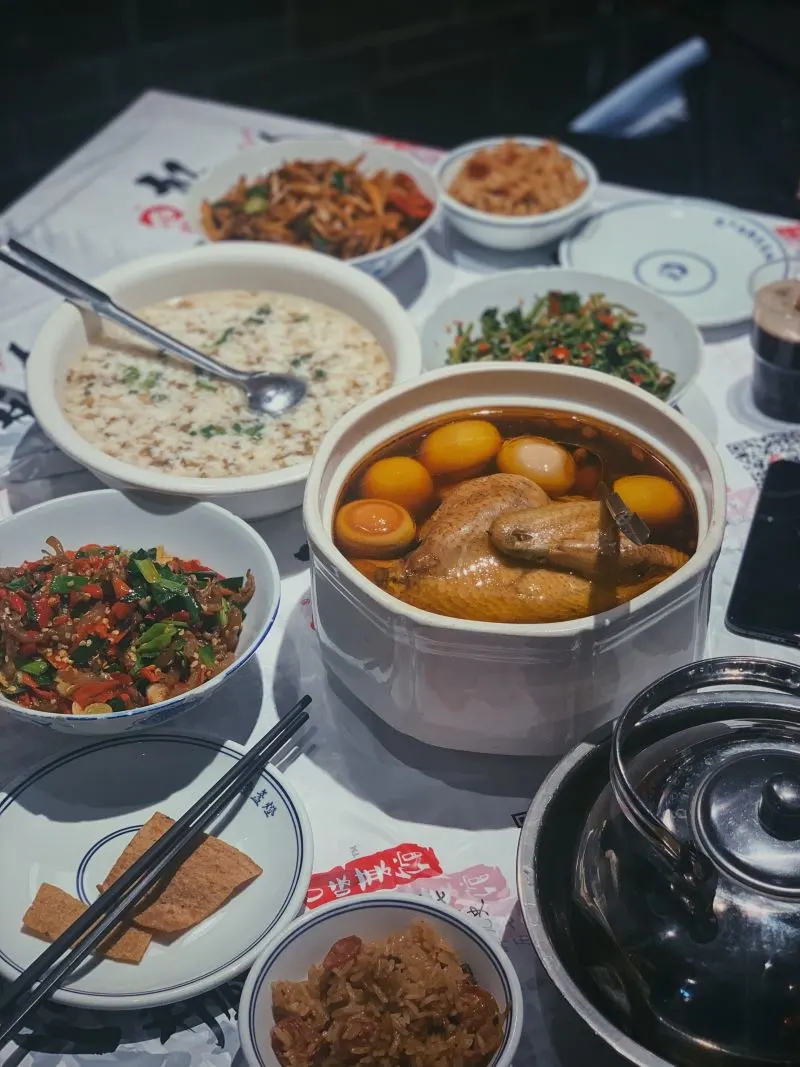
Urumqi, the vibrant capital of the Xinjiang Uyghur Autonomous Region in China, is not only known for its stunning landscapes and rich cultural heritage but also for its diverse and mouthwatering cuisine.
Situated along the ancient Silk Road, Urumqi has been a melting pot of different cultures and culinary traditions, resulting in a unique and flavorsome food scene. From hearty lamb dishes to aromatic spices and freshly baked bread, Urumqi offers a culinary adventure that will tantalize your taste buds and leave you craving for more.
- Xinjiang Lamb Skewers: One cannot talk about Urumqi’s food without mentioning the famous Xinjiang lamb skewers. These succulent and flavorful skewers are made from tender chunks of marinated lamb, seasoned with a blend of spices such as cumin, chili powder, and salt. Grilled over charcoal, the skewers develop a smoky char that enhances the taste. Served piping hot, they are a popular street food in Urumqi and a must-try for meat lovers.
- Uyghur Cuisine: Uyghur cuisine, a prominent culinary tradition in Xinjiang, is a fusion of Middle Eastern, Central Asian, and Chinese influences. Known for its bold flavors and aromatic spices, Uyghur dishes reflect the region’s cultural diversity. One iconic Uyghur dish is the polo, a flavorful rice dish cooked with lamb, carrots, raisins, and a blend of spices. Other specialties include hand-pulled noodles, mutton kebabs, samsa (savory pastries filled with meat or vegetables), and laghman (stir-fried noodles).
- Nan Bread and Dumplings: Urumqi is famous for its freshly baked bread, particularly the Nan bread. These large, round breads are baked in traditional ovens and come in various flavors like sesame, onion, or plain. They are often enjoyed with a side of savory dips or used to wrap kebabs and other fillings. Another beloved staple is the manti, a type of steamed dumpling filled with spiced meat or vegetables. These dumplings are often served with yogurt or sour cream and make for a satisfying and comforting meal.
- Dairy Products: Xinjiang’s vast grasslands contribute to its rich dairy culture. Visitors to Urumqi can savor a variety of dairy products such as yogurt, butter, and cheese. One popular dairy treat is qurut, a dried yogurt cheese that is often used as a snack or added to soups and stews for a tangy flavor. Kumiss, a fermented mare’s milk, is also a traditional drink that is enjoyed for its unique taste and health benefits.
- Silk Road Spices: As a city along the historic Silk Road, Urumqi has been a hub for the trade of spices and aromatic ingredients. The local cuisine reflects this influence, with dishes bursting with flavors from various spices like cumin, chili, Sichuan peppercorns, and black pepper. These spices add a tantalizing kick to the dishes, creating a harmonious blend of flavors that will leave your taste buds dancing.
Conclusion: A visit to Urumqi is not only an opportunity to explore the breathtaking landscapes and cultural heritage of the region but also to embark on a gastronomic journey. From the sizzling lamb skewers to the aromatic spices and unique Uyghur specialties, Urumqi’s food scene offers a delightful fusion of flavors that will leave you craving for more.
So, immerse yourself in the culinary delights of Urumqi and indulge in the diverse range of dishes that this city has to offer. Whether you’re strolling through bustling night markets, dining in traditional Uyghur restaurants, or sampling street food delicacies, Urumqi’s food scene is sure to captivate your senses.
Top 20 Best Restaurants In Urumqi, China

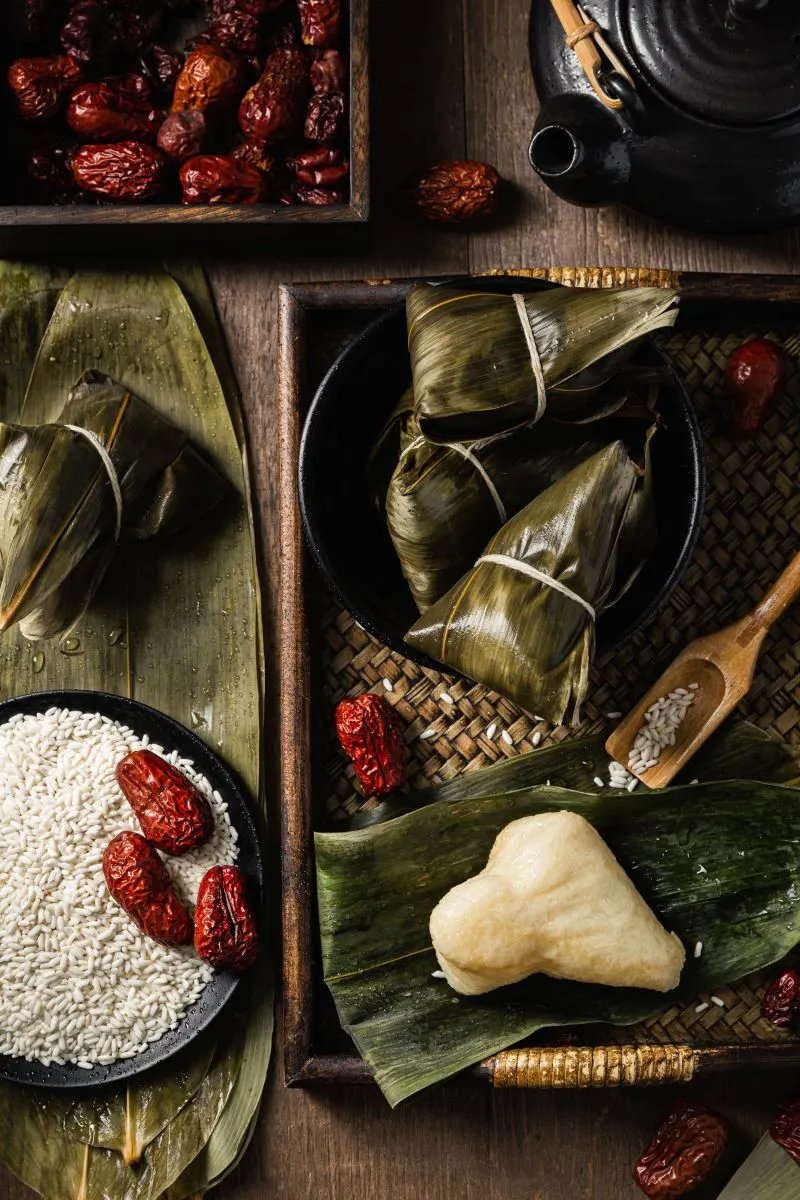
- Huiquan Restaurant
- Red Rose Restaurant
- Wangfujing Restaurant
- Laodongmen Restaurant
- Xinjiang Islamic Hotel Restaurant
- Silk Road Impression Restaurant
- Yihe Restaurant
- Wuyue Huoguo Restaurant
- Xiangjiang Restaurant
- Xinjiang Red Pear Restaurant
- Tianxiang Restaurant
- Ruyi Roast Fish Restaurant
- Yipinxiang Restaurant
- Shengyuan Restaurant
- Donglaishun Hotpot Restaurant
- Haiya Restaurant
- Shuijingfang Restaurant
- Haidilao Hotpot Restaurant
- Baba Restaurant
- Fengze Restaurant
Please note that this is not an exhaustive list and the popularity and availability of these restaurants may vary. It’s always a good idea to check recent reviews and recommendations before making your dining choices.
Transportation In Urumqi
- Public Buses: Urumqi has an extensive public bus network that covers the city and its surrounding areas. Buses are a popular and affordable mode of transportation, with routes reaching various neighborhoods, tourist attractions, and transportation hubs. The bus system provides a convenient way to navigate Urumqi, although it’s important to note that some bus signage and announcements may be in Chinese.
- Metro: Urumqi has a developing metro system, known as the Urumqi Rail Transit. The metro offers a faster and more efficient way to travel, especially during peak hours. It’s worth checking for updates on additional metro lines that may have been added since then.
- Taxis: Taxis are readily available in Urumqi and offer a convenient way to get around the city. You can find taxis at designated taxi stands, hotels, and major transportation hubs. It’s advisable to ensure the meter is running and to have your destination written in Chinese or a map to communicate with the driver more effectively.
- Ride-Hailing Apps: Popular ride-hailing services like Didi and Shouqi are available in Urumqi. By using a smartphone app, you can book a car service and have a driver pick you up at your location. This option provides convenience, especially if you prefer to avoid language barriers or if you need to travel to specific destinations.
- Cycling: Urumqi has been promoting cycling as a means of transportation and has established dedicated bike lanes in certain areas. Some bike-sharing services, like Mobike and Ofo, operate in the city, allowing you to rent a bicycle for short trips. Cycling can be a pleasant way to explore Urumqi, particularly in areas with less traffic congestion.
- Private Vehicles: If you have access to a private vehicle or plan to rent one, driving in Urumqi is an option. However, be aware that traffic conditions can be congested, especially during peak hours. It’s important to familiarize yourself with local traffic regulations and have a valid driver’s license, as well as obtain the necessary permits for driving in China if you are a foreign visitor.
- Walking: Urumqi is a walkable city, and exploring on foot can be a great way to discover its neighborhoods, markets, and attractions. Many popular sights are located within reasonable walking distances from each other, particularly in the city center. Just be prepared for varying weather conditions, especially during the colder months or during hot summers.
When planning your transportation in Urumqi, it’s advisable to consider factors such as distance, time of day, and your specific destination. Public transportation and taxis are generally convenient for getting around the city, while ride-hailing apps provide additional flexibility.
Ultimately, the mode of transportation you choose will depend on your preferences, budget, and the convenience of your specific travel itinerary.
Urumqi, with its rich cultural heritage, stunning natural landscapes, and vibrant atmosphere, offers a plethora of experiences for travelers. From exploring museums that showcase the region’s history to immersing yourself in the bustling markets, Urumqi provides a glimpse into the diverse cultures of Xinjiang.
Nature lovers will be captivated by the beauty of the Heavenly Lake (Tianchi) and the Tianshan Mountains, where opportunities for outdoor activities and breathtaking scenery abound.
The city’s bazaars, such as the Grand Bazaar and the Xinjiang International Grand Bazaar, offer a vibrant shopping experience where you can discover traditional crafts, sample local delicacies, and engage with the local community.
Urumqi’s unique location and historical significance make it an excellent starting point for exploring the wider Xinjiang region. From venturing into the vast Taklamakan Desert to discovering the ancient cities of Turpan, there are countless adventures waiting to be had.
Whether you’re interested in history, culture, nature, or gastronomy, Urumqi has something to offer every traveler. The city’s blend of modernity and tradition creates a dynamic and captivating atmosphere that leaves a lasting impression on visitors.
As you embark on your journey through Urumqi, be prepared to immerse yourself in the diverse cultures, taste the flavors of the local cuisine, and be awed by the natural wonders that surround the city.
Urumqi promises an unforgettable experience that will leave you with cherished memories and a deeper appreciation for the beauty and diversity of China’s Xinjiang region.
Leave a comment