

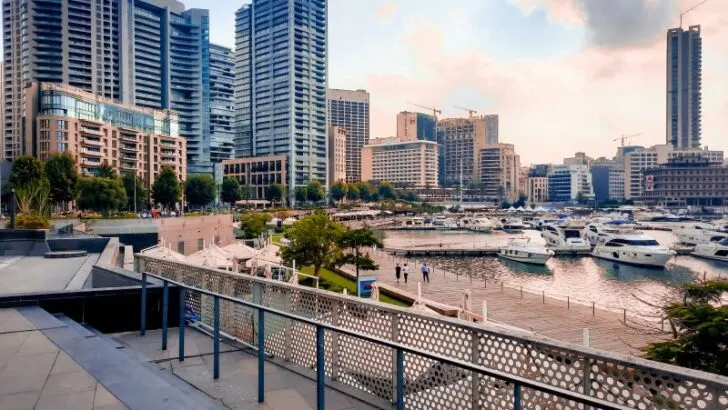


Beirut is the capital and largest city of Lebanon, located on the eastern Mediterranean coast. It is a city rich in history, culture, and diversity, often referred to as the “Paris of the Middle East” for its vibrant and cosmopolitan atmosphere.
Beirut has a fascinating past, dating back thousands of years. It has been influenced by various civilizations, including the Phoenicians, Romans, Ottomans, and French, resulting in a unique blend of architectural styles and cultural traditions.
The city offers a fascinating mix of old and new. On one hand, you’ll find ancient landmarks such as the Roman Baths, Mohammad Al-Amin Mosque, and the ruins of the Roman Cardo Maximus.
On the other hand, Beirut boasts a modern and dynamic cityscape, with gleaming skyscrapers, trendy neighborhoods, and a bustling urban lifestyle.
Beirut is renowned for its lively arts and cultural scene. It is home to numerous art galleries, museums, theaters, and music venues that showcase both local and international talent.
The city also hosts various cultural festivals throughout the year, including the Beirut International Film Festival and the Beirut Art Fair.
Lebanese cuisine is another highlight of Beirut. The city is a food lover’s paradise, offering a wide range of restaurants, street food stalls, and cafes where you can indulge in traditional Lebanese dishes and international cuisine. From savory mezze platters to mouthwatering shawarma and baklava, Beirut’s culinary scene is a treat for the taste buds.
Beirut is also known for its vibrant nightlife. The city comes alive after dark, with numerous bars, clubs, and rooftop lounges where you can dance the night away or enjoy a relaxed evening with friends.
Despite the challenges and conflicts the city has faced in the past, Beirut has a resilient spirit. It has managed to rebuild and reinvent itself, emerging as a thriving metropolis that attracts visitors from around the world.
With its rich history, captivating culture, vibrant arts scene, and delicious cuisine, Beirut offers a truly memorable experience for travelers seeking a blend of tradition and modernity in a dynamic Middle Eastern city.
1. Visit the National Museum of Beirut to explore Lebanon’s rich history

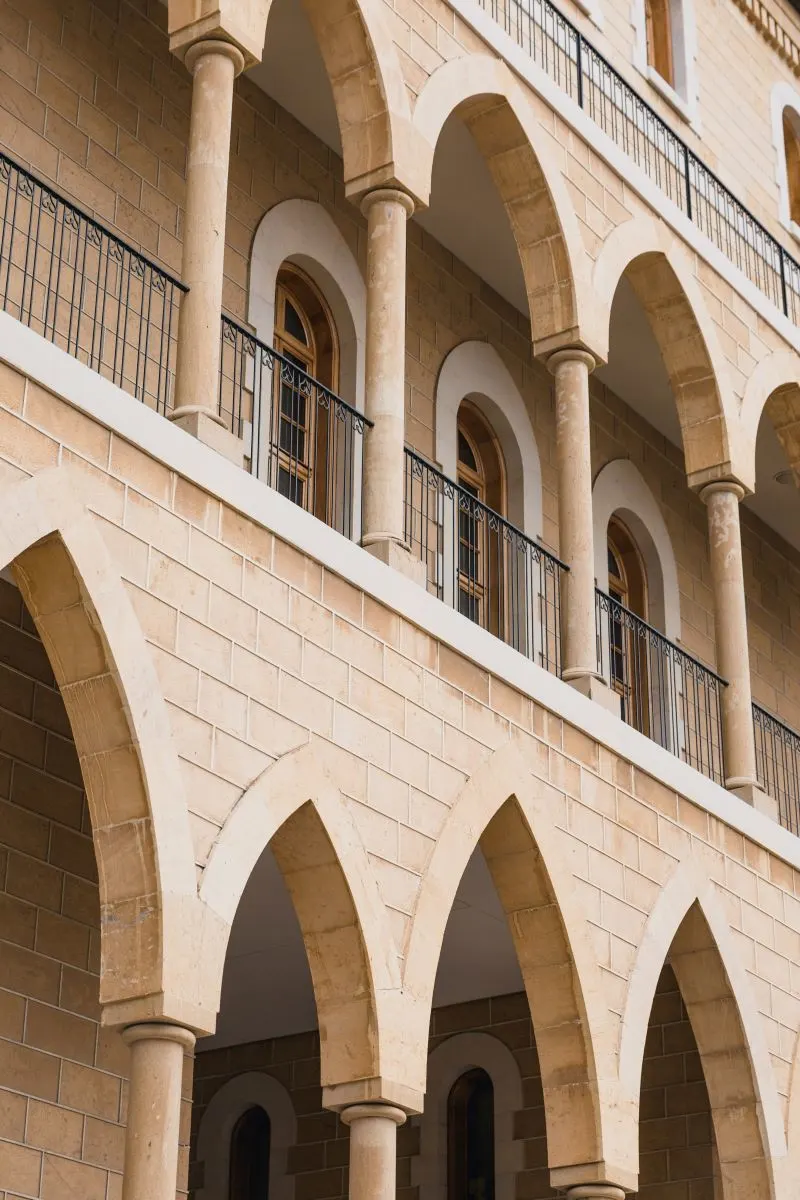
The National Museum of Beirut, located in the heart of the Lebanese capital, is a prestigious institution that showcases the history and archaeology of Lebanon and the surrounding region.
The museum is housed in a modernist building and offers a captivating journey through time, taking visitors on a comprehensive tour of Lebanon’s fascinating past.
Upon entering the museum, visitors are greeted with an impressive collection of artifacts that span thousands of years, from prehistoric times to the Ottoman period. The museum’s exhibits are thoughtfully organized and provide a comprehensive overview of Lebanon’s historical and cultural development.
The museum’s collection includes a vast array of archaeological treasures, including statues, mosaics, pottery, jewelry, and ancient artifacts. Notable highlights include the iconic Phoenician gilded bronze statues, the Sarcophagus of Ahiram, and the impressive Roman and Byzantine mosaics.
The exhibits also cover the ancient civilizations that once thrived in Lebanon, such as the Phoenicians, Romans, Greeks, and Ottomans.
Throughout the museum, informative signage, multimedia displays, and audio guides provide in-depth explanations, offering visitors a deeper understanding of the significance and context of each artifact. The museum’s layout is well-designed, allowing for a smooth and engaging visit as you navigate through different eras and themes.
The National Museum of Beirut not only presents Lebanon’s ancient history but also sheds light on its recent past. A section of the museum is dedicated to the Lebanese Civil War, showcasing the impact of this significant period on the country and its people.
In addition to its permanent exhibits, the museum often hosts temporary exhibitions that highlight specific aspects of Lebanon’s heritage, providing visitors with fresh perspectives and unique insights into the country’s cultural richness.
The museum’s serene surroundings and beautifully landscaped gardens offer a tranquil atmosphere, allowing visitors to take a leisurely stroll and reflect on the historical significance of the artifacts they have encountered.
There is also a gift shop where visitors can purchase books, replicas, and souvenirs related to Lebanese history and culture.
2. Stroll along the Corniche Beirut, a waterfront promenade offering beautiful views of the Mediterranean Sea

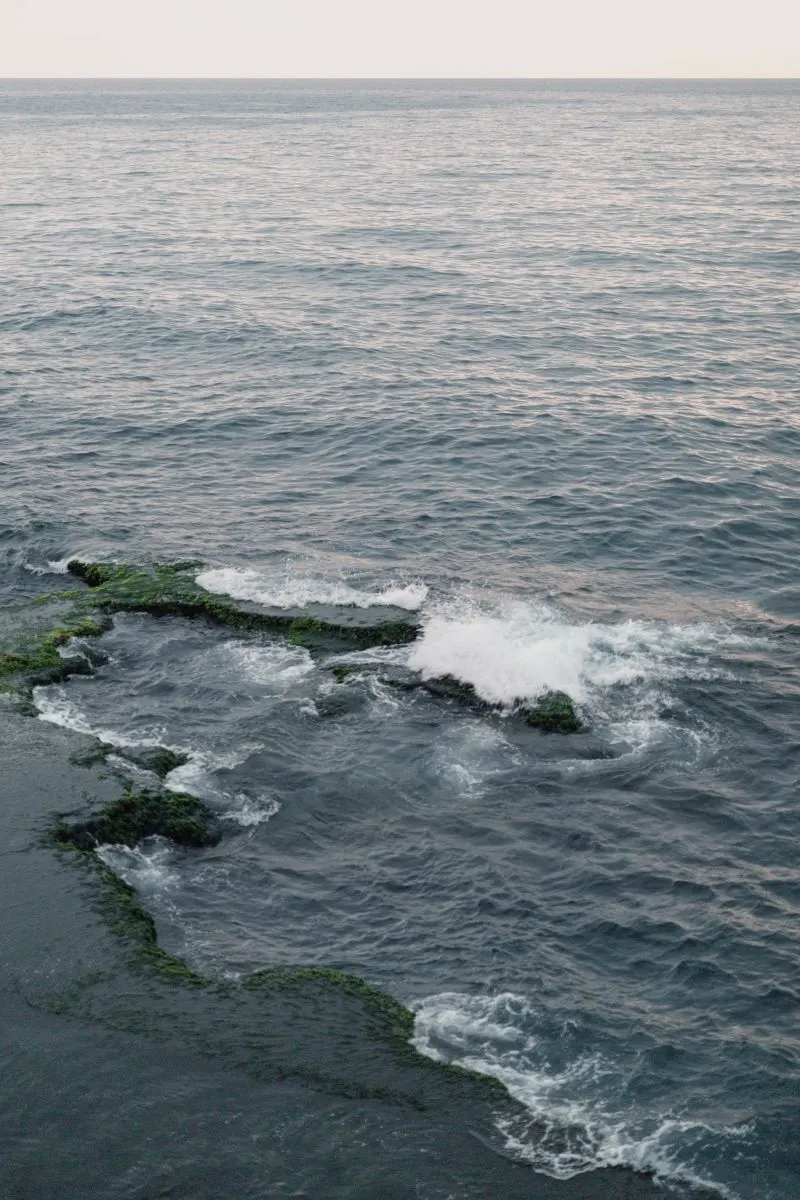
The Corniche Beirut is a picturesque waterfront promenade that stretches along the western edge of Beirut, tracing the coastline of the Mediterranean Sea. This iconic thoroughfare is a beloved gathering place and a symbol of the city’s charm and beauty.
As you embark on a leisurely stroll along the Corniche, you’ll be greeted by stunning panoramic views of the azure sea, with the horizon stretching out before you.
The refreshing sea breeze and the rhythmic sound of waves crashing against the shore create a soothing ambiance that provides a respite from the bustling city.
Lined with palm trees and dotted with green spaces, the Corniche offers plenty of spots to relax, sit, and enjoy the scenery.
There are benches and grassy areas where you can take a break, have a picnic, or simply soak in the atmosphere. The wide promenade is perfect for walking, jogging, or cycling, and you’ll often see locals engaging in outdoor activities along the way.
As you stroll, you’ll pass by a variety of landmarks and attractions. The Pigeon Rocks, two towering rock formations rising from the sea, are a prominent sight along the Corniche. They serve as a natural symbol of Beirut and provide an excellent backdrop for photos.
The Corniche also offers access to several public beaches, where you can enjoy a swim, sunbathe, or simply relax on the sandy shores. During the summer months, the beaches come alive with beach clubs, cafes, and water sports activities, creating a vibrant and lively atmosphere.
Along the promenade, you’ll find a range of restaurants, cafes, and ice cream stands offering delectable treats and refreshments. It’s an ideal opportunity to sample local cuisine, enjoy a cup of coffee, or indulge in some traditional Lebanese snacks as you take in the scenic views.
The Corniche Beirut is also a hub for social activities and events. Throughout the year, it hosts cultural festivals, live performances, and art installations, adding an extra layer of vibrancy to the already bustling promenade.
Whether you visit the Corniche Beirut during the day or in the evening, the views are equally mesmerizing. At sunset, the promenade transforms into a romantic setting, as the sky is painted with hues of orange and pink, casting a warm glow over the sea.
3. Explore the vibrant neighborhood of Gemmayzeh, known for its trendy bars, cafes, and art galleries


Gemmayzeh is a trendy and eclectic neighborhood located in the heart of Beirut, Lebanon. Known for its vibrant atmosphere and bohemian charm, Gemmayzeh has become a popular destination for locals and tourists alike.
As you step into Gemmayzeh, you’ll be captivated by its narrow, winding streets adorned with colorful buildings that showcase a mix of architectural styles.
The neighborhood exudes an artsy and hip vibe, with street art, murals, and graffiti adorning the walls, creating a visually captivating environment.
Gemmayzeh is renowned for its lively nightlife scene, with a plethora of bars, pubs, and clubs that cater to various tastes. The area comes alive at night, buzzing with energy as locals and visitors gather to socialize, enjoy live music, and dance the night away.
During the day, Gemmayzeh offers a delightful ambiance for exploration. The neighborhood is filled with charming boutique shops, trendy cafes, and unique art galleries.
You’ll find a diverse range of boutiques selling local designs, vintage clothing, handmade crafts, and contemporary artworks.
Gemmayzeh is also a culinary haven, boasting a wide array of restaurants, bistros, and eateries. From cozy cafes serving aromatic coffee and freshly baked pastries to gourmet restaurants offering a fusion of Lebanese and international cuisine, there’s something to suit every palate.
One of the highlights of Gemmayzeh is its vibrant street life. Sidewalks are bustling with locals and visitors, creating a lively and convivial atmosphere. You can sit at an outdoor cafe, sip a cup of coffee, and watch the world go by as people pass by on foot.
Gemmayzeh is also a neighborhood steeped in history. It is home to many well-preserved traditional Lebanese houses that have been converted into cultural centers, galleries, and boutique hotels.
Walking through the streets, you’ll catch glimpses of the neighborhood’s past, with architectural details that reflect the heritage of the area.
Throughout the year, Gemmayzeh hosts various cultural events, including art exhibitions, live music performances, and street festivals. These events add an extra layer of excitement and entertainment, showcasing the neighborhood’s creative spirit and fostering a sense of community.
Whether you’re interested in art, food, nightlife, or simply immersing yourself in the vibrant atmosphere, exploring the neighborhood of Gemmayzeh is a must-do when in Beirut.
It offers a unique blend of historical charm, contemporary creativity, and a dynamic social scene that will leave you with lasting memories of this eclectic neighborhood.
4. Wander through the narrow streets of the historic neighborhood of Achrafieh

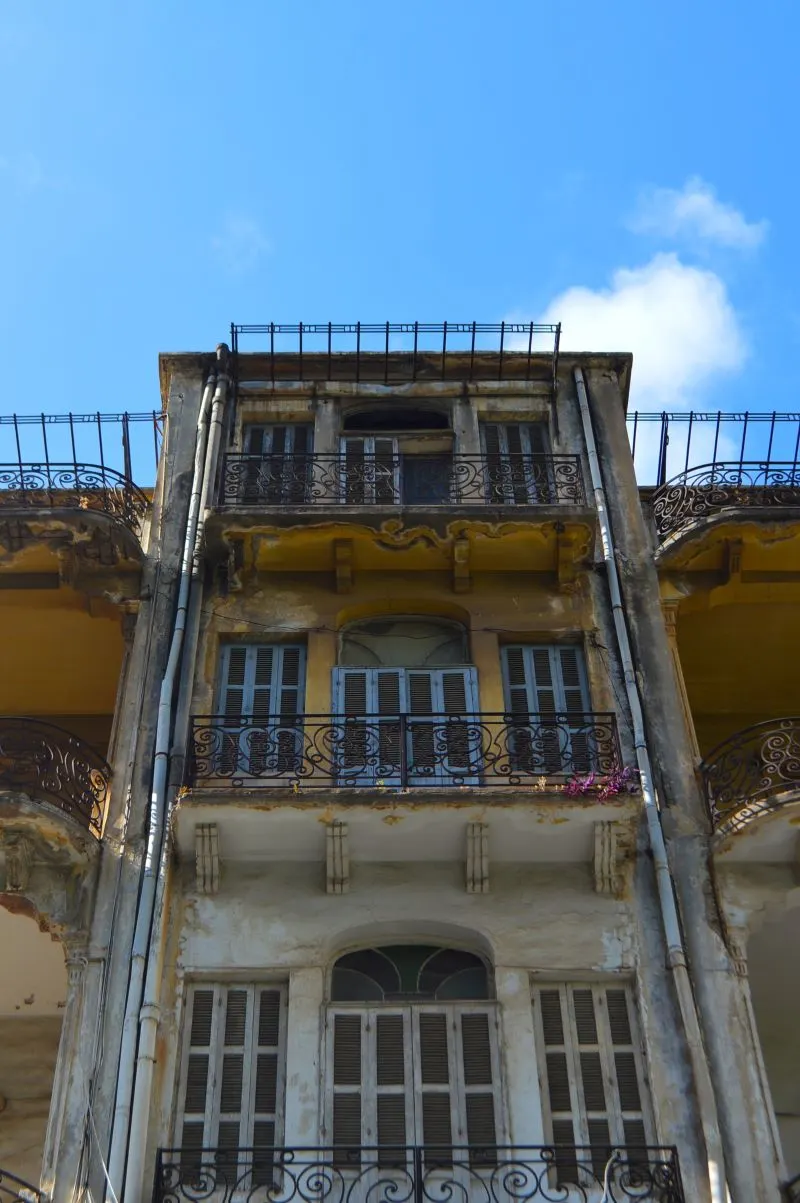
Located in the eastern part of Beirut, Achrafieh is a historic neighborhood that showcases a mix of old-world charm and modern sophistication. Known for its narrow streets, beautiful architecture, and vibrant atmosphere, it is a must-visit destination for those seeking a unique cultural experience.
As you wander through the narrow streets of Achrafieh, you’ll be greeted by picturesque scenes at every turn. The neighborhood is characterized by well-preserved traditional Lebanese houses, many of which date back to the Ottoman era. These buildings feature intricate architectural details, such as colorful facades, ornate balconies, and graceful arches, adding to the neighborhood’s allure.
Achrafieh is divided into different districts, each with its own distinct character. From the bustling Sassine Square, where you’ll find shops, cafes, and a vibrant market, to the quiet and charming Sursock district, home to the Sursock Museum and a collection of beautifully restored heritage buildings, each corner of Achrafieh has its own unique ambiance and stories to tell.
The neighborhood is also known for its tree-lined streets, offering a pleasant respite from the city’s hustle and bustle. Walking along these streets, you’ll come across hidden gems, such as small art galleries, quaint cafes, and local boutiques that showcase the work of emerging Lebanese designers.
Achrafieh is not only rich in architectural beauty but also offers a diverse culinary scene. From traditional Lebanese restaurants serving mouthwatering mezze and grilled specialties to trendy eateries offering international cuisine, there’s something to satisfy every palate. You can enjoy a leisurely meal at a charming sidewalk cafe or explore the neighborhood’s vibrant street food scene.
Throughout Achrafieh, you’ll find pockets of green spaces, including public gardens and parks. These provide tranquil oases amidst the urban environment, offering a place to relax, read a book, or simply enjoy the serenity of nature.
One of the highlights of Achrafieh is the sense of community that permeates the neighborhood. Locals often gather in the neighborhood’s squares, sharing conversations, and creating a warm and friendly ambiance.
You may stumble upon a local market, showcasing fresh produce, artisanal crafts, and handmade goods, giving you the opportunity to interact with the residents and get a taste of their daily life.
Exploring the historic neighborhood of Achrafieh is like stepping back in time while experiencing the vibrant pulse of modern Beirut. Its narrow streets, beautiful architecture, and cultural offerings create a unique and immersive experience that will leave you with a deeper appreciation for the city’s heritage and charm.
5. Visit the iconic Mohammad Al-Amin Mosque, a symbol of Beirut’s cultural diversity

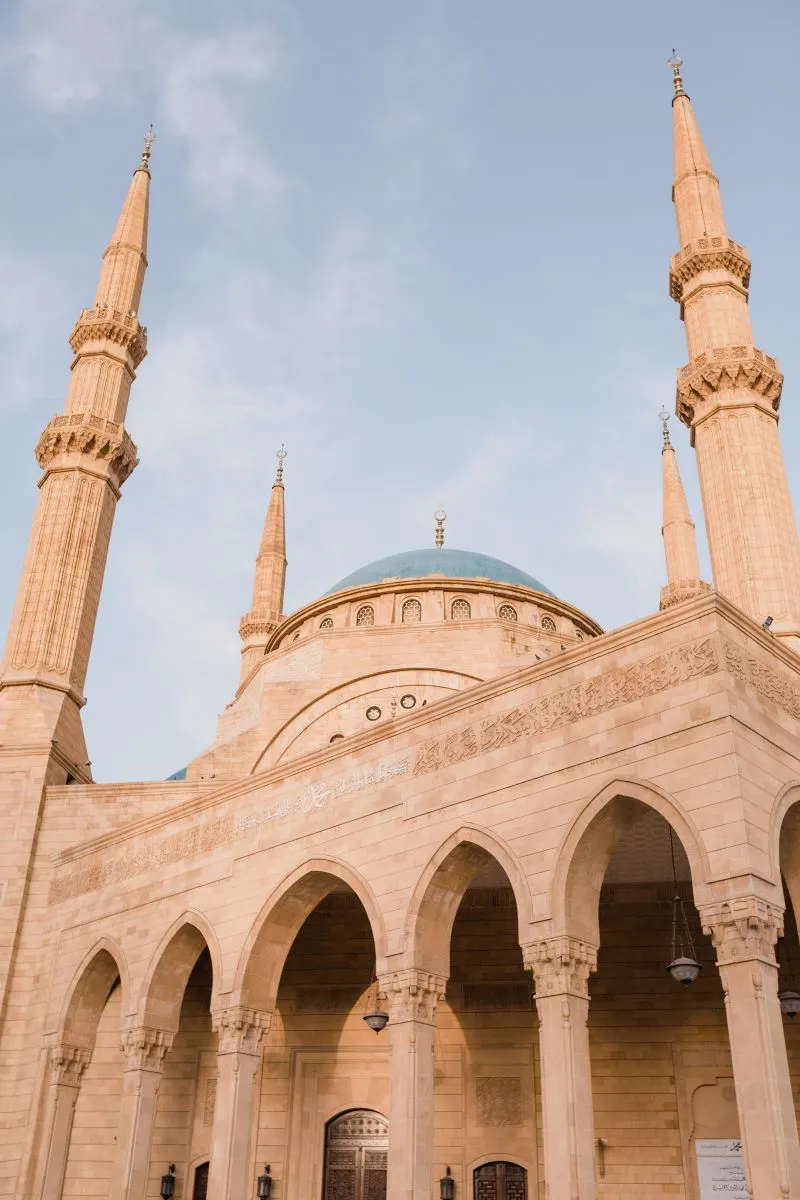
The Mohammad Al-Amin Mosque, also known as the Blue Mosque, is a grand and majestic Islamic place of worship located in downtown Beirut. Its stunning architecture and prominent dome make it one of the most recognizable landmarks in the city.
As you approach the mosque, you’ll be immediately struck by its impressive exterior. The mosque’s design combines Ottoman and Islamic architectural elements, creating a harmonious blend of traditional and contemporary styles.
The exterior is adorned with intricate geometric patterns, decorative motifs, and calligraphy, showcasing the exquisite craftsmanship that went into its construction.
The focal point of the mosque is its large central dome, which stands proudly above the main prayer hall. The dome is covered in vibrant blue tiles, giving the mosque its nickname, the Blue Mosque. Its striking color, along with the ornate detailing, creates a visually captivating sight against the backdrop of the cityscape.
Upon entering the mosque, you’ll be welcomed by a spacious and serene interior. The main prayer hall is adorned with elaborate chandeliers, delicate stained glass windows, and beautiful floral motifs.
The soft lighting creates a tranquil atmosphere, allowing visitors to reflect and appreciate the spiritual ambiance of the space.
The mosque is designed to accommodate a large number of worshippers, and it serves as a central hub for the Muslim community in Beirut. You may witness locals engaged in prayer, demonstrating the mosque’s role as a place of spiritual devotion and communal gathering.
Visitors to the mosque are encouraged to dress modestly and respectfully, covering their shoulders and legs. Women may be provided with appropriate attire if needed.
Beyond its religious significance, the Mohammad Al-Amin Mosque holds cultural importance for the city of Beirut. It stands as a symbol of unity and resilience, having survived through periods of conflict and turmoil. Its iconic presence in the city’s skyline serves as a reminder of the enduring spirit of the Lebanese people.
Adjacent to the mosque, you’ll find the Martyrs’ Square, a historic and symbolic location that has played a significant role in Lebanon’s history and politics.
The square offers a space for reflection and contemplation, providing a deeper understanding of the cultural and historical context surrounding the mosque.
A visit to the Mohammad Al-Amin Mosque provides a glimpse into the Islamic heritage and architectural excellence of Beirut. Whether you’re interested in its religious significance, its architectural marvels, or simply seeking a serene place for reflection, this iconic mosque offers a memorable and enriching experience.
6. Discover the ruins of the Roman Baths in Downtown Beirut

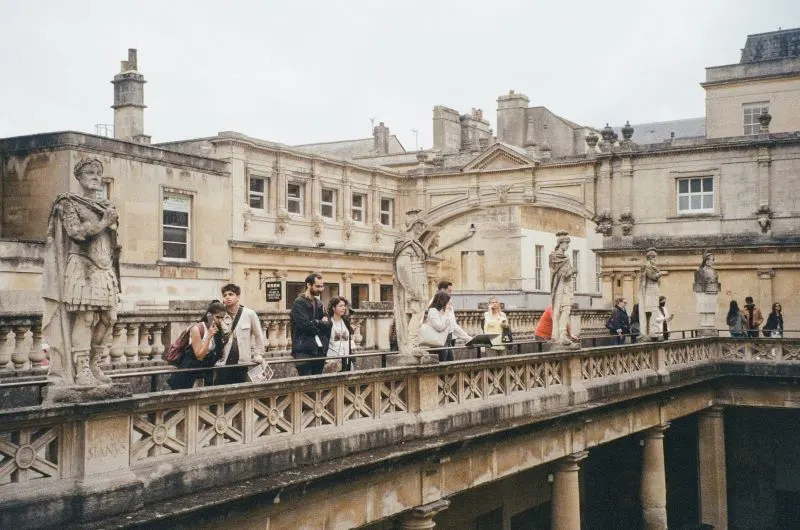
Located in the heart of Downtown Beirut, the Roman Baths are a captivating archaeological site that showcases the remnants of a once-grand bathing complex from the Roman period. These ruins provide a tangible connection to Beirut’s rich history and the ancient civilizations that once thrived in the region.
As you explore the site, you’ll discover the intricate layout and architectural elements of the Roman Baths. The complex was a place of social gathering, relaxation, and hygiene during the Roman era, reflecting the importance of bathing in Roman culture.
The ruins reveal various chambers, halls, and pools that formed part of the Roman Baths. The impressive scale of the complex showcases the architectural prowess of the time, with remnants of columns, arches, and decorative details that speak to the grandeur of the original structure.
You can walk along the ancient pathways and observe the intricate mosaic floors that have survived the passage of time. These intricate mosaics, adorned with colorful patterns and geometric designs, provide a glimpse into the artistic skill and craftsmanship of the ancient Romans.
While exploring the Roman Baths, you’ll come across remnants of heating systems, such as hypocausts, which were used to warm the baths and maintain a comfortable temperature. These engineering marvels illustrate the advanced techniques employed by the Romans in creating their bathing complexes.
The site is accompanied by informative signage and displays that provide historical context and explanations of the various elements found within the ruins.
You can learn about the significance of the Roman Baths in ancient society and gain insights into the daily lives and rituals of the Roman inhabitants of Beirut.
The location of the Roman Baths in Downtown Beirut adds to the allure of the site. Surrounded by modern buildings and the vibrant atmosphere of the city, the juxtaposition of ancient ruins against the backdrop of a bustling urban environment creates a unique and memorable experience.
Visiting the Roman Baths offers a tangible connection to Beirut’s past and provides an opportunity to appreciate the city’s rich cultural heritage. It is a testament to the endurance of ancient civilizations and serves as a reminder of the diverse historical layers that have shaped the identity of modern-day Beirut.
7. Explore the Beirut Souks, a modern shopping district with a mix of international and local brands

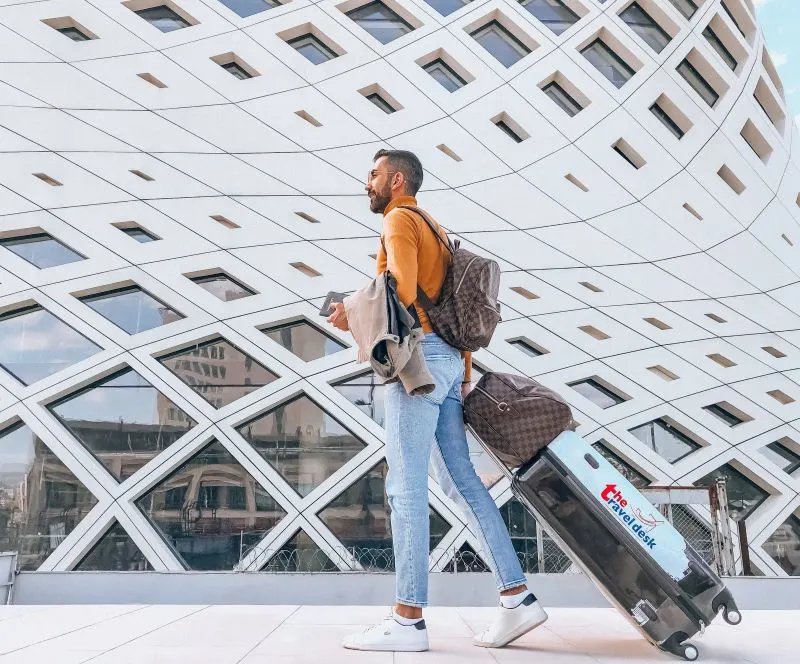
The Beirut Souks, located in the heart of Downtown Beirut, are a bustling and vibrant hub of commerce and cultural activity. This contemporary shopping district beautifully blends traditional Middle Eastern market charm with modern architecture and a cosmopolitan atmosphere.
As you enter the Beirut Souks, you’ll find yourself immersed in a maze of narrow streets and alleys lined with a diverse array of shops, boutiques, and retail outlets. From high-end international brands to local designers and artisanal crafts, there is something to cater to every taste and preference.
The architecture of the Beirut Souks is a striking blend of modern design and traditional elements. Modern buildings with sleek facades stand alongside restored heritage structures, creating a unique fusion of old and new. The architectural layout is well-organized and pedestrian-friendly, allowing for a leisurely exploration of the area.
The Souks are not just about shopping; they also offer a variety of dining options. From cozy cafes serving traditional Lebanese cuisine to trendy restaurants offering international flavors, you can savor a wide range of culinary delights as you take a break from your shopping spree.
In addition to shopping and dining, the Beirut Souks host a range of cultural events and activities throughout the year. These may include art exhibitions, live performances, fashion shows, and seasonal celebrations, adding an extra layer of excitement and entertainment to your visit.
One of the highlights of the Beirut Souks is the Gold Souk, an area dedicated to jewelry and precious metals. Here, you can find an exquisite selection of gold, silver, diamonds, and gemstones, crafted into intricate designs that reflect the region’s rich heritage of jewelry making.
The Beirut Souks also provide a welcoming environment for leisure and relaxation. The open spaces, landscaped gardens, and comfortable seating areas offer a place to unwind, enjoy a coffee, or simply people-watch amidst the vibrant atmosphere.
Throughout your exploration of the Beirut Souks, you’ll encounter friendly and welcoming shopkeepers who are happy to assist and engage in conversation. They can offer insights into local products, recommend hidden gems, or share stories about the history and development of the souks.
The Beirut Souks are not just a shopping destination but also a vibrant cultural hub that reflects the dynamism and diversity of the city. Whether you’re seeking fashion, jewelry, unique souvenirs, or simply a lively atmosphere, the Beirut Souks offer an unforgettable experience that combines shopping, dining, and cultural immersion.
8. Spend a relaxing day at Pigeon Rocks in Raouche, a natural landmark jutting out into the sea


Pigeon Rocks, also known as the Raouche Rocks, are iconic limestone formations located off the coast of Beirut in the neighborhood of Raouche. These majestic rock formations, standing tall amidst the sea, are a popular landmark and a must-visit destination for locals and tourists alike.
As you approach Pigeon Rocks, you’ll be captivated by their dramatic beauty and sheer size. These towering rock formations rise out of the azure waters, creating a striking contrast against the backdrop of the sky.
The rocks have been naturally sculpted over thousands of years, shaped by the relentless force of the waves and the elements.
One of the best ways to appreciate Pigeon Rocks is by taking a leisurely stroll along the corniche or finding a comfortable spot on the rocky shoreline.
From here, you can marvel at the grandeur of the rocks and observe the waves crashing against them, creating a mesmerizing spectacle. It’s a perfect place to unwind, soak up the sun, and enjoy the soothing sound of the waves.
Pigeon Rocks are also home to a diverse array of marine life, making it a popular spot for snorkeling and diving enthusiasts. Underwater explorers can witness a vibrant underwater world, with colorful fish, coral reefs, and even the occasional sea turtle or dolphin. If you’re interested in exploring the depths, there are diving centers nearby that offer guided tours and equipment rental.
The area surrounding Pigeon Rocks is dotted with cafes, restaurants, and ice cream parlors, providing a variety of dining options with stunning views of the rocks and the sea. You can enjoy a refreshing drink or indulge in delicious Lebanese cuisine while taking in the breathtaking scenery.
A popular activity at Pigeon Rocks is taking a boat ride around the area. You can hop on a boat tour to get a closer look at the rocks, marvel at their intricate details, and even pass through the natural archway that connects them. The boat rides offer a unique perspective and the opportunity to capture memorable photographs.
Pigeon Rocks are also known for their association with an abundant population of pigeons that inhabit the cliffs. These birds add an extra touch of charm to the scenery and have become an iconic symbol of the area.
Whether you’re looking for a tranquil escape, a scenic backdrop for photography, or an adventurous underwater experience, spending a relaxing day at Pigeon Rocks in Raouche is an unforgettable experience.
The natural beauty, the soothing ambiance, and the awe-inspiring landscape create a sense of serenity and allow you to connect with the raw power and beauty of nature.
9. Visit the Sursock Museum, a contemporary art museum housed in a beautiful 19th-century mansion

The Sursock Museum, located in the charming neighborhood of Achrafieh in Beirut, is a renowned institution dedicated to showcasing modern and contemporary art in Lebanon and the wider region. Housed in a beautifully restored 19th-century mansion, the museum seamlessly blends history, art, and architecture to create a unique and immersive experience.
As you approach the Sursock Museum, you’ll be greeted by the grandeur of the mansion’s façade. The building itself is a work of art, characterized by a harmonious combination of Ottoman, Venetian, and Levantine architectural influences. Its elegant architectural features, such as arched windows, ornate balconies, and intricate stonework, reflect the rich heritage of the region.
Upon entering the museum, you’ll find yourself in a world of artistic expression. The Sursock Museum features a diverse collection of contemporary and modern art, including paintings, sculptures, installations, and multimedia works.
The exhibitions showcase the works of Lebanese and international artists, providing a platform for dialogue and cultural exchange.
The museum’s interior spaces are thoughtfully designed to enhance the art viewing experience. The galleries are well-curated, allowing for a seamless flow between different artworks and creating a dialogue between the pieces. The natural light that filters through the windows illuminates the artworks, adding to the ambiance and creating an intimate connection between the viewer and the art.
The Sursock Museum is not limited to visual arts. It also hosts various cultural events, such as film screenings, lectures, workshops, and live performances. These events provide an opportunity for visitors to engage with different art forms and participate in the vibrant cultural scene of Beirut.
The museum’s café and bookstore offer a space to relax and reflect on the art encountered. You can enjoy a cup of coffee or explore a selection of art books, catalogs, and unique souvenirs related to the exhibitions and the museum’s collection.
Beyond the artistic offerings, the Sursock Museum is surrounded by beautiful gardens, adding to the overall charm of the experience. These lush green spaces provide a serene oasis in the heart of the city, inviting visitors to take a leisurely stroll or find a quiet spot for contemplation.
A visit to the Sursock Museum offers not only a glimpse into the vibrant art scene of Lebanon but also a deeper understanding of the country’s cultural heritage. The museum’s commitment to preserving and promoting art and culture is evident throughout, making it a vital cultural institution in Beirut.
Whether you’re an art enthusiast, a cultural explorer, or simply seeking inspiration, the Sursock Museum promises an enriching and visually stimulating experience that celebrates the power of art to transcend boundaries and connect people from different backgrounds.
10. Experience the vibrant nightlife of Mar Mikhael, famous for its bars, clubs, and live music venues

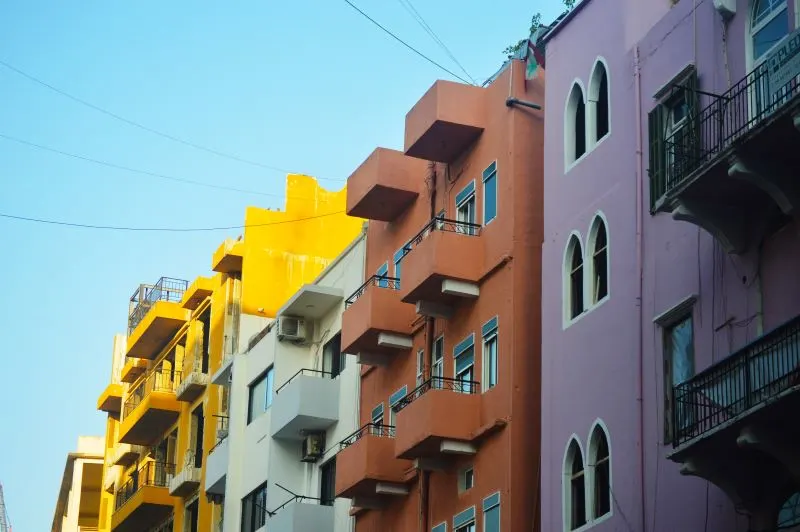
Mar Mikhael, located in the hip neighborhood of Achrafieh in Beirut, is renowned for its lively and eclectic nightlife. As the sun sets, the streets of Mar Mikhael come alive with energy, offering a diverse range of bars, pubs, clubs, and live music venues.
The atmosphere in Mar Mikhael is vibrant and electric, with a palpable sense of excitement and a fusion of cultures. The neighborhood attracts a mix of locals, expatriates, and visitors who come together to enjoy a night filled with entertainment, music, and socializing.
One of the highlights of Mar Mikhael’s nightlife is the abundance of trendy and stylish bars. From rooftop lounges with panoramic views of the city to cozy hidden gems tucked away in alleyways, there’s a bar to suit every taste and mood. Whether you’re in the mood for craft cocktails, fine wines, or locally brewed beers, you’ll find a diverse range of options to satisfy your palate.
Live music is another integral part of the Mar Mikhael nightlife experience. Many venues host local bands, international artists, and DJs who deliver captivating performances across various genres, including jazz, rock, electronic, and world music. The music scene in Mar Mikhael is diverse and vibrant, catering to different tastes and ensuring there’s something for everyone.
Mar Mikhael is also known for its art galleries, which often stay open late during the evenings. These galleries showcase the works of local and international artists, providing an opportunity to immerse yourself in the vibrant art scene of Beirut.
The streets of Mar Mikhael are lined with colorful murals, graffiti, and street art, creating a visually stimulating environment as you wander from one venue to another. The neighborhood’s unique character and artistic ambiance contribute to its allure as a nightlife destination.
As you explore the vibrant nightlife of Mar Mikhael, you’ll encounter a diverse crowd of people from all walks of life. The neighborhood fosters a sense of inclusivity and celebration of diversity, allowing you to interact with locals and fellow travelers in a lively and convivial atmosphere.
Mar Mikhael’s nightlife doesn’t just revolve around bars and clubs; it also offers a wide array of dining options. From street food stalls serving Lebanese delicacies to trendy restaurants offering international cuisine, you can indulge in a culinary journey before or after your night out.
The vibrancy of Mar Mikhael’s nightlife extends late into the night, with many venues staying open until the early hours of the morning.
The energy, music, and lively atmosphere create a memorable and immersive experience that showcases the dynamic spirit of Beirut’s nightlife scene.
Whether you’re a music enthusiast, an art lover, or simply seeking a vibrant and social evening, experiencing the nightlife of Mar Mikhael promises an unforgettable adventure filled with excitement, cultural immersion, and a taste of the city’s thriving entertainment scene.
11. Explore the hipster neighborhood of Mar Mikhael, filled with street art, boutiques, and trendy cafes

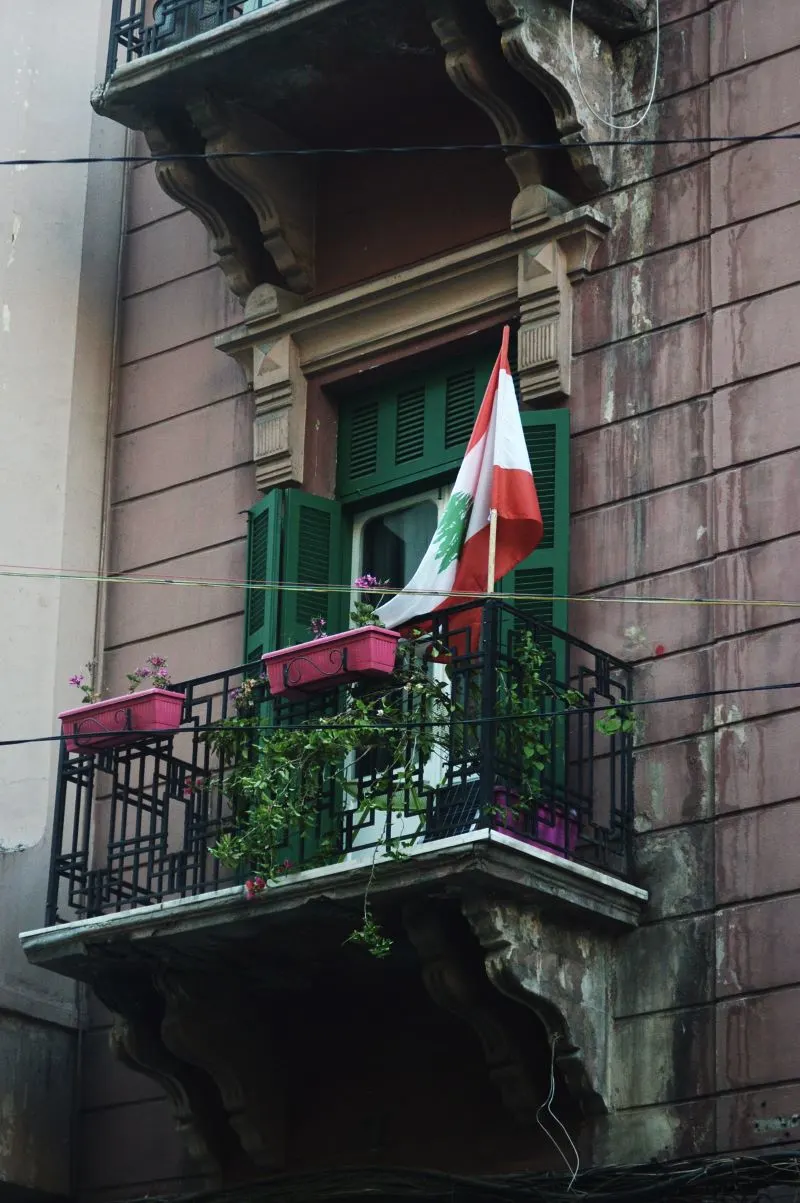
Mar Mikhael, located in the heart of Beirut’s Achrafieh district, is a neighborhood known for its bohemian charm, artistic flair, and alternative vibe. It has become a popular destination for locals and visitors seeking a unique and offbeat experience.
The streets of Mar Mikhael are lined with colorful buildings, street art, and graffiti, creating a visually stimulating environment that reflects the neighborhood’s creative spirit. As you stroll through the area, you’ll discover a vibrant mix of art galleries, independent boutiques, concept stores, and trendy cafes.
Art and creativity are at the heart of Mar Mikhael’s identity. The neighborhood is home to numerous art galleries and exhibition spaces, showcasing the works of emerging and established local artists.
You can explore contemporary art, photography, sculptures, and mixed media installations, experiencing the pulse of Beirut’s vibrant art scene.
Mar Mikhael is also known for its unique fashion boutiques and concept stores. Here, you’ll find a mix of local designers, vintage shops, and trendy fashion brands that cater to a hip and fashion-forward crowd. From clothing and accessories to quirky home decor and one-of-a-kind treasures, you can find an array of eclectic and stylish items to add to your collection.
The neighborhood’s culinary scene is equally diverse and exciting. Mar Mikhael boasts a wide range of cafes, bistros, and restaurants that cater to various tastes and dietary preferences.
From cozy coffee shops serving specialty brews to trendy eateries offering fusion cuisine, the neighborhood has something to satisfy every palate.
Mar Mikhael comes alive at night with its vibrant nightlife. The neighborhood is home to numerous bars, pubs, and live music venues where you can enjoy a night of socializing, music, and entertainment. The atmosphere is relaxed and eclectic, attracting a diverse crowd that includes locals, artists, expatriates, and travelers.
The sense of community in Mar Mikhael is palpable, with residents and business owners fostering a welcoming and inclusive environment. You’ll find locals and expats mingling in cafes, engaging in conversations, and enjoying the vibrant ambiance of the neighborhood.
Mar Mikhael’s hipster appeal extends beyond its commercial establishments. The neighborhood is known for its various cultural events, including art festivals, live performances, film screenings, and pop-up markets.
These events provide a platform for local artists, designers, and creatives to showcase their talent and contribute to the neighborhood’s dynamic atmosphere.
Exploring the hipster neighborhood of Mar Mikhael offers a unique and alternative perspective of Beirut. It allows you to immerse yourself in a creative and unconventional ambiance, discover hidden gems, and connect with the city’s artistic and cultural scene.
Whether you’re a creative soul, a fashion enthusiast, or simply seeking a different and edgy experience, exploring the hipster neighborhood of Mar Mikhael promises an adventure filled with artistic discovery, cultural immersion, and a taste of the neighborhood’s unique charm.
12. Discover the bustling food scene at Souk el Tayeb, Lebanon’s first farmers market

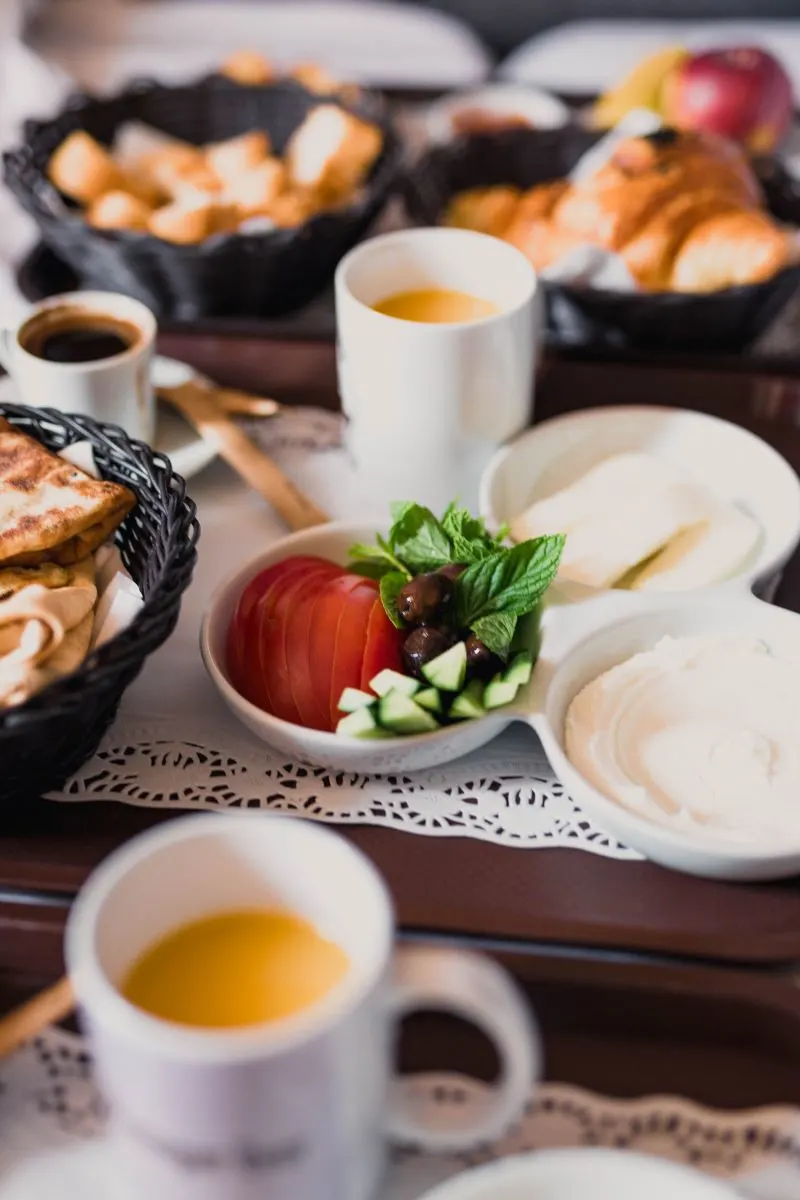
Souk el Tayeb, which translates to “the good market,” is a vibrant and renowned farmers’ market located in Beirut. It is a celebration of Lebanon’s rich culinary heritage, local produce, and traditional food practices. The market showcases the best of Lebanese gastronomy and offers a unique experience for food enthusiasts and visitors alike.
As you enter Souk el Tayeb, you’ll be greeted by a lively atmosphere filled with the aromas of freshly baked bread, aromatic spices, and an array of mouthwatering dishes.
The market is a meeting point for local farmers, food producers, and artisans who come together to showcase their products and share their passion for food.
At Souk el Tayeb, you’ll find a wide range of stalls and vendors offering an abundance of fresh fruits, vegetables, herbs, cheeses, olives, honey, and other locally sourced ingredients. These products are carefully curated and reflect the seasonal flavors of Lebanon, emphasizing the importance of sustainable farming practices and supporting local producers.
One of the highlights of Souk el Tayeb is the diverse selection of prepared food stalls and stands. Here, you can savor traditional Lebanese dishes made with love and care.
From mezze spreads featuring hummus, tabbouleh, and falafel to hearty shawarma wraps, aromatic grilled meats, and freshly squeezed juices, the market offers a culinary feast for all the senses.
The food at Souk el Tayeb represents the rich tapestry of Lebanese cuisine, incorporating flavors from various regions and reflecting the country’s cultural diversity.
You can indulge in traditional recipes passed down through generations, taste unique regional specialties, and explore innovative interpretations of classic dishes.
Beyond the food, Souk el Tayeb is a gathering place where locals and visitors come together to celebrate food, culture, and community. The market often hosts live music performances, cooking demonstrations, and cultural activities that showcase Lebanon’s traditions and heritage.
Souk el Tayeb also promotes the concept of “food with a story.” By connecting consumers with the producers and artisans behind the products, the market creates a deeper understanding and appreciation for the journey of food from farm to table. It fosters a sense of connection and sustainability, encouraging visitors to make conscious and informed choices about the food they consume.
The experience at Souk el Tayeb is more than just a shopping trip or a meal; it’s a sensory and cultural immersion. It allows you to taste the flavors of Lebanon, learn about its culinary traditions, and interact with the passionate individuals who bring the food to life.
Visiting Souk el Tayeb provides a unique opportunity to explore the bustling food scene of Beirut, engage with local producers and artisans, and embark on a culinary adventure that celebrates the richness and diversity of Lebanese cuisine.
Whether you’re a passionate foodie, an advocate for sustainable practices, or simply curious to explore the flavors of Lebanon, discovering the bustling food scene at Souk el Tayeb promises an unforgettable experience filled with delicious discoveries, cultural connections, and a deeper appreciation for the art of Lebanese cooking.
13. Explore the vibrant neighborhood of Dbayeh, filled with shops, restaurants, and entertainment options

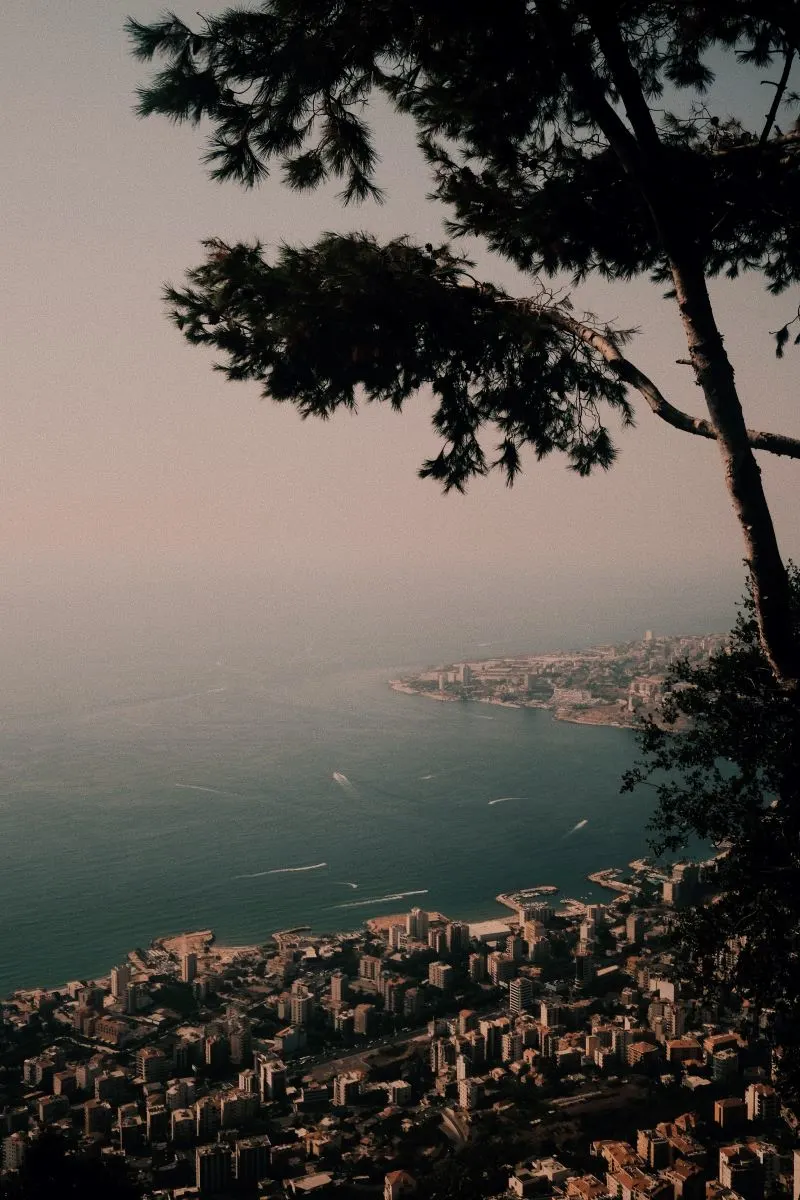
Dbayeh is a bustling neighborhood located approximately 10 kilometers north of Beirut’s city center. It has emerged as a vibrant and dynamic district that offers a blend of residential, commercial, and entertainment attractions.
One of the highlights of Dbayeh is its modern and upscale shopping centers. The area is known for housing some of Lebanon’s largest malls, offering a wide range of international and local brands, boutiques, and department stores.
Whether you’re looking for fashion, electronics, home decor, or specialty shops, Dbayeh provides a diverse shopping experience to cater to different tastes and preferences.
Beyond the shopping centers, Dbayeh boasts a vibrant culinary scene. The neighborhood is home to numerous restaurants, cafes, and eateries that serve a variety of cuisines, from traditional Lebanese dishes to international flavors. Whether you’re in the mood for fine dining, casual dining, or street food, Dbayeh offers a range of options to satisfy your cravings.
Dbayeh also offers opportunities for outdoor activities and leisure. The neighborhood is surrounded by natural beauty, with lush greenery, parks, and walking trails.
You can take a relaxing stroll along the waterfront promenade, enjoy a picnic in one of the parks, or engage in recreational activities such as cycling or jogging.
For those seeking entertainment and nightlife, Dbayeh provides a vibrant social scene. The area features trendy bars, pubs, and lounges where you can unwind, socialize, and enjoy live music or DJ performances. Whether you’re looking for a laid-back evening or a lively night out, Dbayeh offers a range of options to suit your preferences.
Dbayeh’s central location makes it a convenient base for exploring other attractions in Lebanon. It is situated along the coastal highway, providing easy access to nearby towns, beaches, and tourist destinations.
From Dbayeh, you can embark on day trips to explore the natural wonders, historical sites, and cultural landmarks that Lebanon has to offer.
The neighborhood of Dbayeh is characterized by its modern infrastructure, vibrant atmosphere, and a mix of residential and commercial spaces. It combines the convenience of a modern urban area with glimpses of natural beauty and outdoor leisure activities.
Whether you’re a shopaholic, a food enthusiast, an outdoor lover, or simply looking for a lively and diverse neighborhood to explore, Dbayeh offers a vibrant experience with its shopping centers, culinary scene, outdoor attractions, and proximity to other key destinations in Lebanon.
14. Visit the Jeita Grotto, a stunning cave system with underground rivers and majestic stalactites


The Jeita Grotto is a remarkable geological site located approximately 18 kilometers north of Beirut, Lebanon. It is one of the country’s most renowned tourist attractions and is considered one of the world’s most beautiful limestone caves.
The journey through the Jeita Grotto begins with a scenic cable car ride that takes you up the hillside, providing panoramic views of the surrounding landscape. Upon reaching the entrance, you’ll step into a world of natural marvels.
The grotto is divided into two main sections: the upper gallery and the lower gallery. The upper gallery is accessible by foot and features a walkway that winds through a series of magnificent chambers adorned with stunning stalactites and stalagmites.
The formations take on various shapes, sizes, and colors, creating a mesmerizing visual spectacle. The natural lighting and the play of shadows add to the enchanting ambiance of the grotto.
As you explore deeper into the lower gallery, you’ll board a small boat that glides along an underground river. The boat ride takes you through a magical underground lake, surrounded by towering limestone walls that seem to reach up to the sky. The calm and serene atmosphere, combined with the crystal-clear turquoise waters, creates a surreal and captivating experience.
Throughout the visit, you’ll be accompanied by knowledgeable guides who provide fascinating insights into the geological formation of the grotto and its rich history.
They will share interesting facts, legends, and stories that add depth to your understanding and appreciation of this natural wonder.
The Jeita Grotto is not only a geological masterpiece but also a site of ecological importance. It has been recognized as a Nature Reserve due to its unique ecosystem and diverse fauna, including bats and other cave-dwelling creatures. The conservation efforts in place ensure the preservation of this fragile and remarkable natural treasure.
To complement the visit, the Jeita Grotto also features visitor facilities, including a restaurant, souvenir shops, and a museum where you can learn more about the cave’s formation and its significance.
Visiting the Jeita Grotto offers a truly immersive and captivating experience, allowing you to marvel at the wonders of nature and witness the incredible beauty hidden beneath the earth’s surface.
It’s a journey that showcases the remarkable geological formations and the harmonious blend of light, water, and rock, leaving visitors in awe of the sheer magnificence of this natural wonder.
Whether you’re a nature enthusiast, an avid photographer, or simply seeking a unique and unforgettable experience, a visit to the Jeita Grotto promises a breathtaking adventure that reveals the astounding beauty of Lebanon’s underground treasures.
15. Take a leisurely walk through the Beirut Central District, admiring the blend of modern and historical architecture

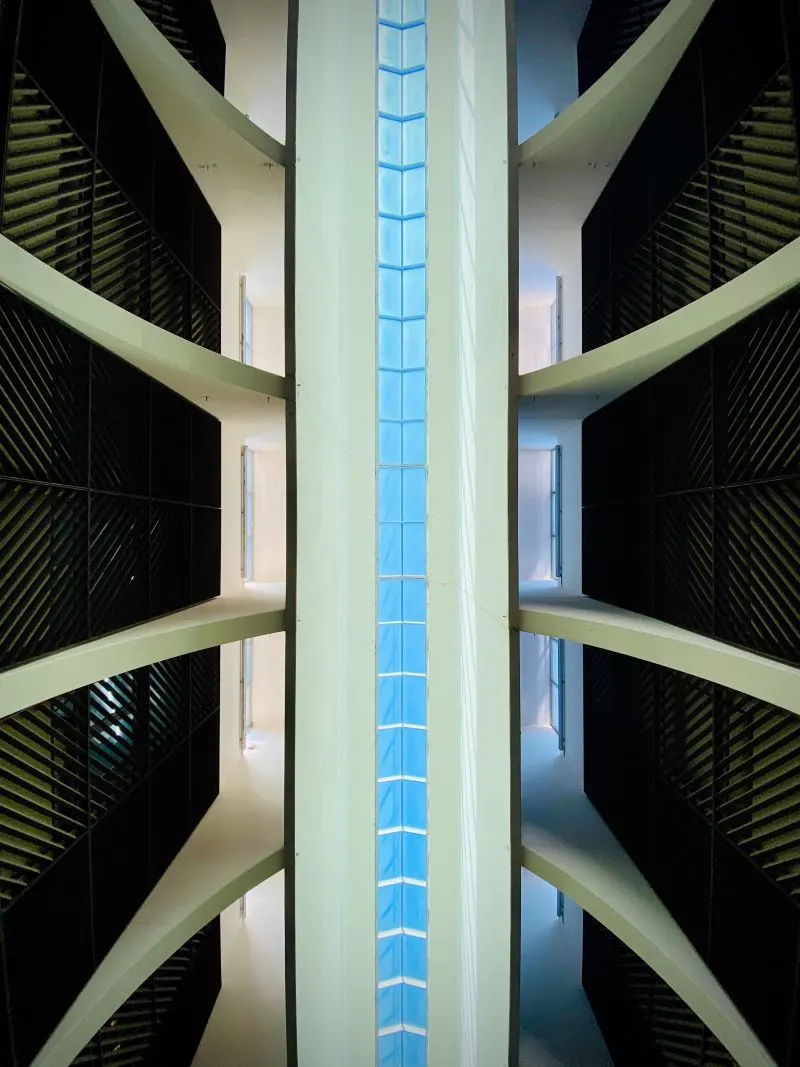
The Beirut Central District, often referred to as “Downtown Beirut,” is a vibrant and dynamic area that serves as the commercial, cultural, and historical center of the city. It is a captivating mix of modern architecture, ancient ruins, bustling streets, and lively public spaces.
As you embark on your walk, you’ll be greeted by wide boulevards lined with modern skyscrapers, luxury boutiques, and upscale restaurants. The district showcases contemporary architectural marvels, reflecting Beirut’s status as a cosmopolitan city and a hub of innovation.
Amidst the modernity, you’ll also discover remnants of Beirut’s rich history. The district is home to archaeological sites and ancient ruins that have been meticulously preserved and integrated into the urban landscape. These include Roman baths, Byzantine mosaics, and remnants of the ancient Phoenician city.
One of the highlights of the Beirut Central District is the Martyrs’ Square, a historic and symbolic gathering place. This iconic square serves as a testament to Lebanon’s struggle for independence and has witnessed significant historical events throughout the years. It’s a great spot to pause, observe the surroundings, and absorb the energy of the city.
As you continue your walk, you’ll come across charming pedestrian streets, lively cafes, and boutique shops. The district is known for its vibrant street life, with people from all walks of life mingling, shopping, and enjoying the atmosphere.
You can take a break at one of the sidewalk cafes, sipping a cup of Lebanese coffee or enjoying a delicious pastry while watching the city go by.
The Beirut Central District also offers a variety of cultural experiences. Art galleries, museums, and theaters dot the area, showcasing the vibrant arts scene and providing opportunities to explore Lebanon’s rich cultural heritage. You may stumble upon contemporary art exhibitions, theatrical performances, or cultural festivals that add an extra dimension to your walk.
Throughout your stroll, you’ll notice the harmonious blend of old and new, as historic buildings are restored and repurposed into modern spaces.
The district’s revival is a testament to the resilience and spirit of the Lebanese people, who have transformed the area into a symbol of urban revitalization.
As the sun sets, the Beirut Central District comes alive with a vibrant nightlife. The district is renowned for its trendy bars, rooftop lounges, and chic restaurants, where you can enjoy a diverse culinary scene and savor the flavors of Lebanese and international cuisine.
Taking a leisurely walk through the Beirut Central District is a sensory experience that immerses you in the city’s past, present, and future. It allows you to witness the contrasts, discover hidden gems, and experience the vibrant energy of Beirut.
Whether you’re a history buff, a culture enthusiast, or simply seeking a charming and dynamic urban setting, a walk through the Beirut Central District promises a captivating journey filled with surprises and memorable moments.
16. Spend a day at the Beirut Waterfront, a vibrant area with restaurants, shops, and entertainment venues

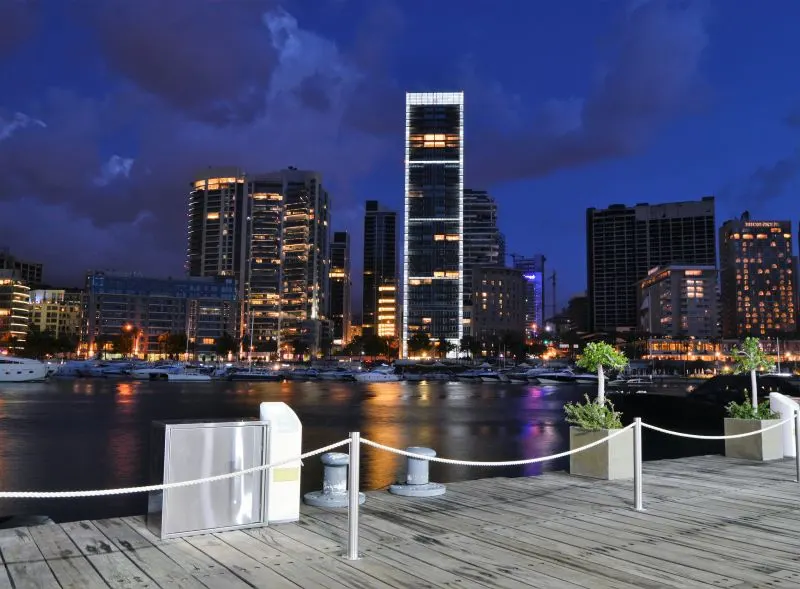
The Beirut Waterfront is a vibrant and rejuvenated area located along the coast of the Mediterranean Sea. It stretches for several kilometers, providing a scenic and picturesque setting for a day of leisure and recreation.
As you arrive at the Beirut Waterfront, you’ll be greeted by a wide promenade that invites you to take a leisurely stroll along the coastline. Lined with palm trees, cafes, and restaurants, the promenade offers a refreshing sea breeze and panoramic views of the sparkling blue waters.
The Beirut Waterfront is an ideal spot for sun-seekers and beach lovers. Along the promenade, you’ll find several public and private beaches where you can soak up the sun, swim in the sea, or simply relax on a beach chair. Some of the beaches offer amenities such as beachside cafes, water sports activities, and vibrant beach clubs that provide a lively atmosphere.
If you’re interested in maritime history, you can explore the Beirut Marina, which is part of the waterfront. The marina hosts a variety of boats and yachts, offering a glimpse into the city’s nautical heritage. You can admire the beautiful vessels, enjoy a waterfront meal, or even charter a boat for a sailing excursion along the coast.
The Beirut Waterfront also caters to the recreational needs of visitors. The area features landscaped parks, jogging tracks, and cycling paths, providing opportunities for outdoor activities and fitness enthusiasts. You can take a jog, rent a bike, or simply find a quiet spot in one of the parks to relax and enjoy the serene ambiance.
For those seeking entertainment and shopping, the Beirut Souks are located adjacent to the waterfront. This modern shopping district offers a mix of international brands, local boutiques, and dining options, allowing you to indulge in some retail therapy or enjoy a delicious meal with a view.
As the day turns into evening, the Beirut Waterfront transforms into a lively hub of activity. The area comes alive with a vibrant nightlife, offering a range of bars, clubs, and lounges where you can enjoy live music, sip on cocktails, and socialize with friends or fellow travelers.
Throughout your day at the Beirut Waterfront, you’ll have the chance to savor the flavors of Lebanese cuisine. From traditional seafood restaurants to trendy cafes, the area offers a variety of dining options to suit different tastes and preferences.
You can savor fresh seafood dishes, enjoy mezze (small shared plates), or try local specialties while gazing out at the mesmerizing sunset over the sea.
Spending a day at the Beirut Waterfront allows you to unwind, bask in the beauty of the Mediterranean, and immerse yourself in the vibrant atmosphere of this coastal gem.
Whether you’re seeking relaxation, outdoor activities, culinary delights, or a lively nightlife experience, the Beirut Waterfront offers a perfect blend of leisure, entertainment, and coastal charm.
17. Explore the neighborhood of Hamra, known for its lively atmosphere and diverse dining options

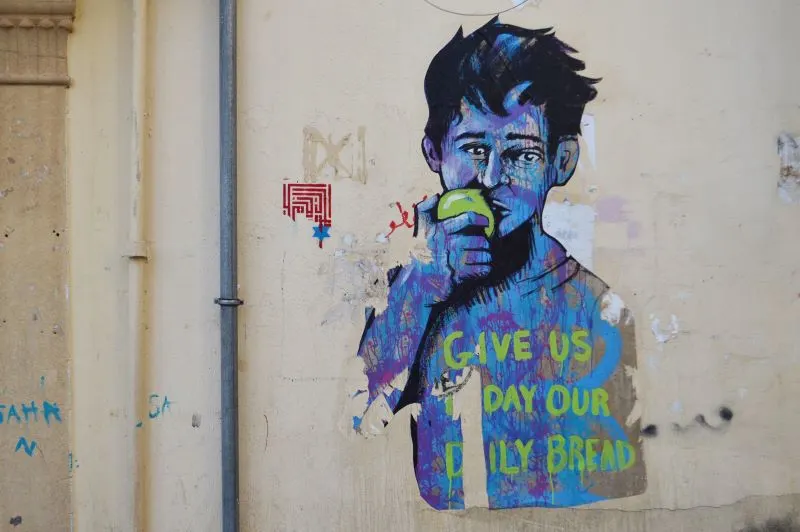
The neighborhood of Hamra is located in the western part of Beirut, known for its lively streets, cultural landmarks, and bustling atmosphere. It has long been considered a cultural and intellectual hub, drawing locals and tourists alike with its diverse offerings.
As you step into Hamra, you’ll find yourself immersed in a dynamic and energetic neighborhood. The streets are lined with a mix of modern buildings, historical architecture, and a plethora of shops, cafes, and restaurants. It’s a bustling area that never seems to sleep, with people strolling, socializing, and going about their daily activities.
Hamra is renowned for its vibrant shopping scene. The neighborhood is filled with boutique stores, local shops, and international brands, offering a wide array of fashion, accessories, and unique finds. From trendy clothing boutiques to bookshops and antique stores, there’s something to cater to every taste and style.
Beyond the shopping, Hamra boasts a rich cultural heritage. The area is home to several theaters, galleries, and cultural institutions that showcase the city’s artistic side. You can catch a play or a film screening, explore art exhibitions, or attend live music performances that celebrate Lebanon’s thriving arts scene.
The culinary scene in Hamra is equally enticing. The neighborhood is dotted with a variety of cafes, restaurants, and street food vendors. Whether you’re in the mood for traditional Lebanese cuisine, international flavors, or fusion dishes, you’ll find a wide range of dining options to tantalize your taste buds.
From cozy cafes perfect for people-watching to trendy eateries offering innovative culinary experiences, Hamra satisfies every palate.
Hamra also has a strong connection to Beirut’s academic community. The neighborhood is home to several universities and educational institutions, creating a vibrant student culture.
This brings a youthful energy to the area, with students gathering in cafes, engaging in intellectual discussions, and adding to the vibrant atmosphere.
The streets of Hamra are alive with history and charm. The neighborhood has witnessed significant moments in Lebanon’s history, and remnants of the past can be seen in its architecture and landmarks. You may come across historical buildings, cultural icons, and landmarks that serve as a testament to the neighborhood’s heritage.
Exploring Hamra is not just about the physical surroundings; it’s about the spirit and essence of the neighborhood. It’s about immersing yourself in the lively atmosphere, engaging with the local community, and embracing the diverse and multicultural vibes that make Hamra unique.
Whether you’re a fashion enthusiast, an art lover, a foodie, or someone seeking a vibrant and lively experience, exploring the neighborhood of Hamra promises a delightful adventure filled with discoveries, cultural encounters, and the vibrant pulse of Beirut’s beating heart.
18. Visit the Saint George Maronite Cathedral, a beautiful religious site with stunning architecture

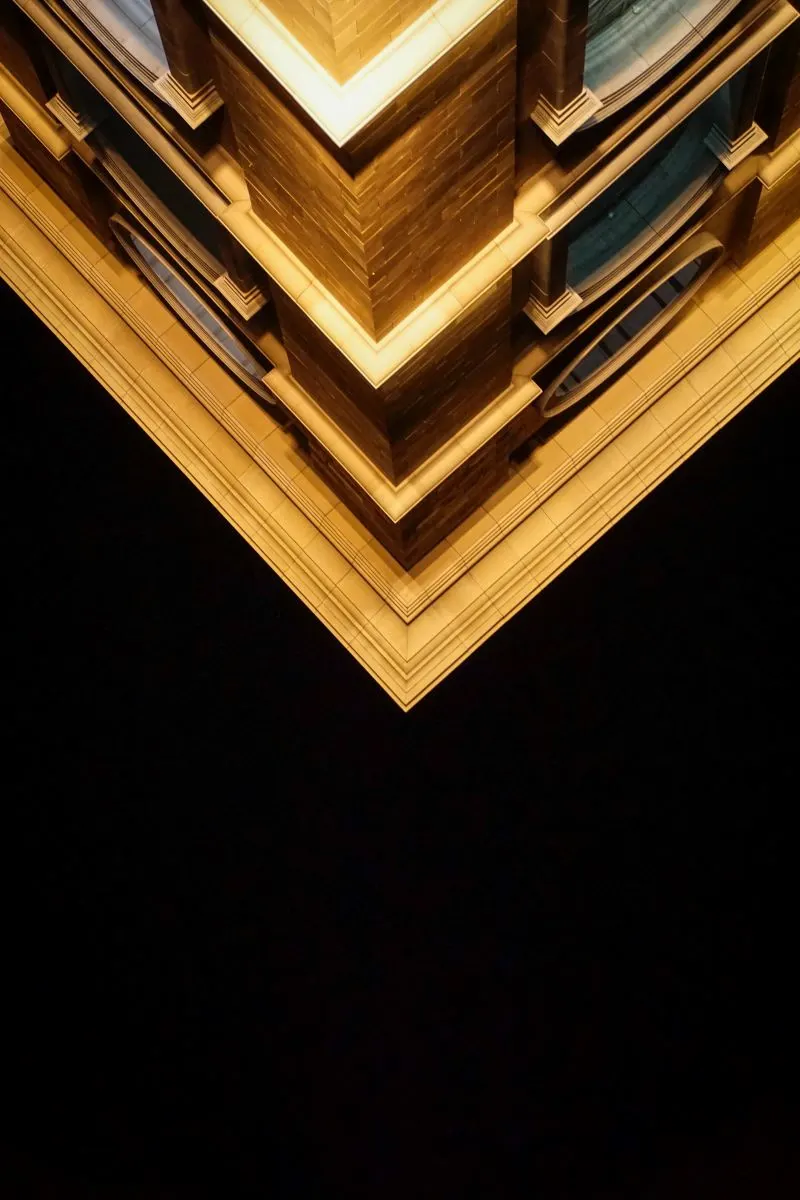
The Saint George Maronite Cathedral, also known as the Église Saint-Georges des Maronites, is a prominent landmark and a significant religious site located in the heart of Beirut, Lebanon. It is the principal cathedral of the Maronite Catholic Church, a prominent Christian denomination in Lebanon.
As you approach the Saint George Maronite Cathedral, you’ll be captivated by its grandeur and architectural beauty. The cathedral’s facade showcases a mix of architectural styles, combining elements of neo-Gothic and Byzantine influences. The intricate detailing, ornate carvings, and soaring arches create a visually stunning sight.
Upon entering the cathedral, you’ll be greeted by a serene and peaceful ambiance. The interior is adorned with exquisite artwork, including colorful stained glass windows, intricate mosaics, and ornamental designs. The high vaulted ceilings add to the sense of grandeur, creating an awe-inspiring space for worship and contemplation.
The cathedral houses a variety of religious artifacts and relics, which provide a deeper connection to the Maronite Catholic tradition. You may have the opportunity to admire religious paintings, sculptures, and intricate woodwork, all of which reflect the cultural and religious heritage of the Maronite community.
One of the highlights of the Saint George Maronite Cathedral is the stunning altar, which serves as the focal point of the sanctuary. The altar is beautifully adorned with intricate carvings, decorative elements, and religious symbols, creating a sacred space for prayer and reflection.
Throughout your visit, you may have the chance to witness or participate in a religious service, allowing you to experience the spiritual ambiance and observe the rich traditions of the Maronite Catholic Church. The hymns, prayers, and rituals add to the immersive and reverent atmosphere of the cathedral.
Beyond its religious significance, the Saint George Maronite Cathedral holds historical importance. It has witnessed significant events in Lebanon’s history and has served as a symbol of resilience and faith during challenging times.
The cathedral stands as a testament to the enduring spirit of the Maronite community and its contributions to Lebanon’s cultural and religious heritage.
Visiting the Saint George Maronite Cathedral offers a unique opportunity to appreciate the intersection of spirituality, art, and history.
Whether you’re a believer seeking solace, an admirer of architectural beauty, or someone interested in Lebanon’s cultural tapestry, the cathedral invites you to immerse yourself in a sacred space that honors tradition, inspires contemplation, and celebrates the enduring legacy of faith.
19. Discover the vibrant art scene at Station Beirut, a cultural center hosting exhibitions, performances, and workshops

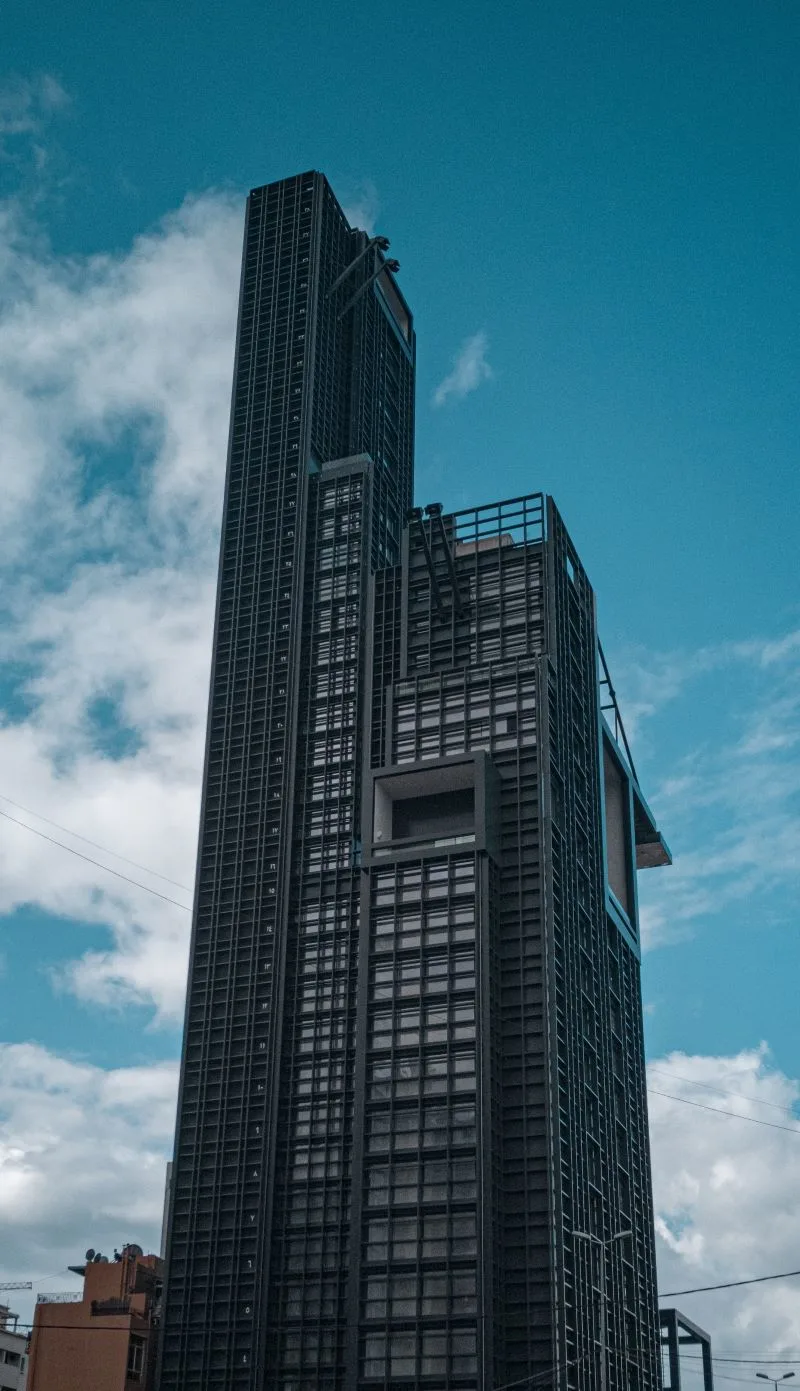
Station Beirut is a dynamic and influential cultural center located in the heart of the city. It serves as a hub for contemporary art, design, and cultural events, providing a platform for local and international artists to showcase their work.
As you enter Station Beirut, you’ll be greeted by a space that exudes creativity and artistic energy. The center is housed in a repurposed industrial building, giving it a unique and raw aesthetic.
The open and flexible layout of the venue allows for various artistic installations, exhibitions, performances, and workshops to take place.
The art scene at Station Beirut is diverse and eclectic, catering to a wide range of artistic disciplines. The center hosts rotating exhibitions featuring works by emerging and established artists, providing a space for artistic expression and dialogue.
You’ll have the opportunity to explore thought-provoking installations, contemporary paintings, multimedia exhibits, and avant-garde performances.
Station Beirut also embraces other forms of creative expression beyond visual art. The center hosts film screenings, live music concerts, theater performances, and literary events, fostering a multidisciplinary approach to cultural engagement. This dynamic programming ensures that visitors are exposed to a variety of artistic mediums and can engage with different aspects of the creative world.
Beyond the exhibitions and events, Station Beirut serves as a gathering place for artists, art enthusiasts, and cultural professionals.
It often hosts panel discussions, artist talks, and workshops that facilitate conversations and exchanges of ideas. It’s a space where like-minded individuals can come together, share their perspectives, and engage in meaningful dialogue about art, culture, and society.
The atmosphere at Station Beirut is vibrant and inclusive, inviting visitors to immerse themselves in the artistic experience. The center’s commitment to fostering a sense of community and creative collaboration is evident in its welcoming environment and the diverse range of artists it supports.
Station Beirut also contributes to the broader cultural landscape of the city. It actively participates in local and international art festivals, collaborations, and partnerships, further amplifying the reach and impact of its programming. This connection to the larger art world ensures that Station Beirut remains at the forefront of contemporary art and cultural discourse.
Visiting Station Beirut offers a glimpse into Beirut’s thriving art scene and provides an opportunity to engage with the city’s cultural fabric.
Whether you’re an art enthusiast, a creative practitioner, or someone seeking inspiration, Station Beirut invites you to discover new perspectives, explore innovative artistic expressions, and connect with the vibrant artistic community that shapes Beirut’s cultural identity.
20. Take a boat trip along the coast of Beirut to enjoy the scenic views of the city from the sea

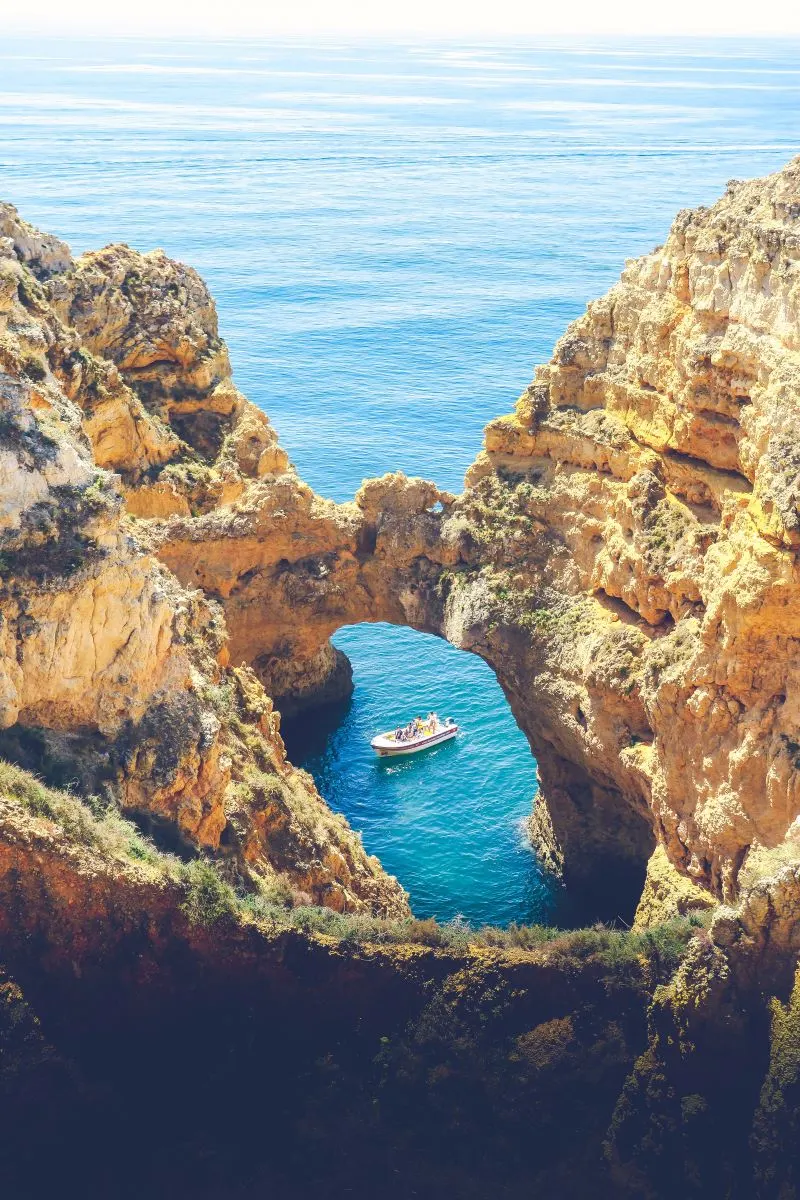
As you embark on your boat trip, you’ll be greeted by the sparkling blue waters of the Mediterranean Sea. The coastline of Beirut is known for its pristine beaches, rugged cliffs, and captivating vistas
. From the moment you set sail, you’ll be treated to panoramic views of the city’s skyline, the azure waters stretching as far as the eye can see, and the picturesque landscapes that line the coast.
As you cruise along the coastline, you’ll have a unique vantage point to admire Beirut’s iconic landmarks. The boat trip offers an unobstructed view of the city’s architectural wonders, such as the vibrant Corniche Beirut, the Beirut Central District with its modern skyscrapers, and the distinctive Pigeon Rocks in Raouche.
The boat trip also allows you to appreciate the natural beauty of the coastal landscape. You’ll have the opportunity to witness the striking contrast between the bustling city and the serene sea. The rugged cliffs, lush greenery, and hidden coves along the coast create a picturesque backdrop for your journey.
During the boat trip, you can immerse yourself in the tranquility of the Mediterranean Sea. Feel the gentle breeze against your face, listen to the soothing sound of the waves, and bask in the warmth of the sun. You may even have the chance to spot marine life, such as dolphins or sea turtles, as they playfully navigate the azure waters.
Depending on the duration of your boat trip, you can enjoy various activities along the way. Some boat trips offer opportunities for swimming or snorkeling, allowing you to dive into the crystal-clear waters and explore the underwater world teeming with marine biodiversity.
You can also relax on the deck, savor a refreshing drink, or simply soak up the peaceful ambiance as the boat glides along the coast.
Throughout the journey, you’ll have the chance to capture unforgettable moments with your camera. The boat trip presents numerous photo opportunities, including capturing the stunning skyline, capturing the beauty of the sea, or snapping pictures of your loved ones against the backdrop of Beirut’s scenic coastal landscape.
As the boat trip comes to an end, you’ll return to the shore with a sense of tranquility, a collection of cherished memories, and a newfound appreciation for Beirut’s coastal charm.
Whether you’re seeking relaxation, a unique perspective of the city, or simply a peaceful escape, a boat trip along the coast of Beirut offers an unforgettable experience that showcases the city’s natural beauty and the timeless allure of the Mediterranean Sea.
21. Indulge in Lebanese cuisine at traditional restaurants like Tawlet and Le Chef

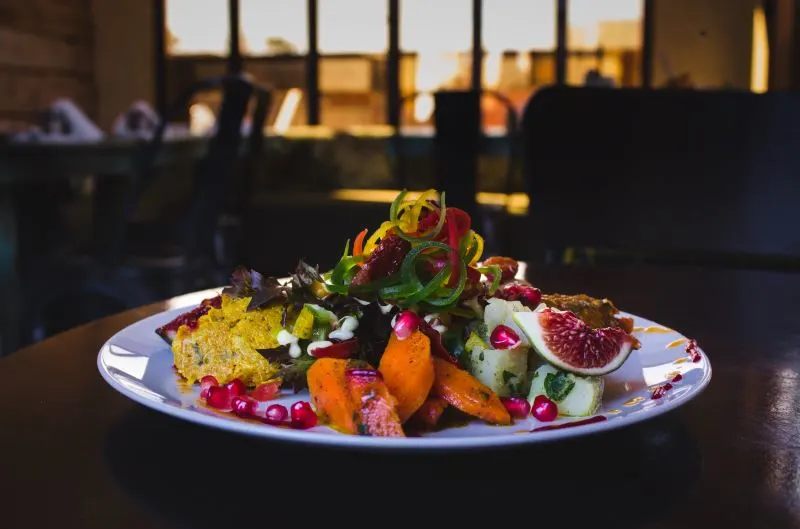
Tawlet: Tawlet is a celebrated restaurant that embraces the concept of “souk” or marketplace dining, where the focus is on showcasing the diverse regional cuisines of Lebanon.
As you step into Tawlet, you’ll be greeted by a warm and welcoming atmosphere that reflects the hospitality for which Lebanon is renowned.
The restaurant features a buffet-style setup, where a wide array of authentic Lebanese dishes awaits. Tawlet sources its ingredients from local farmers and producers, ensuring that you get a taste of the freshest and most flavorsome seasonal produce. Each day, the menu at Tawlet changes, allowing you to experience the culinary specialties from different regions of Lebanon.
You can expect a feast for the senses at Tawlet. The buffet offers a tempting selection of mezzes (small dishes), including hummus, tabbouleh, baba ganoush, and falafel, to name just a few.
These vibrant and flavorful starters set the stage for the main course, where you can enjoy a variety of traditional Lebanese dishes, such as grilled meats, stews, hearty rice and lentil dishes, and aromatic kebabs.
Le Chef: Le Chef is a legendary restaurant located in the heart of Beirut, known for its nostalgic charm and delectable Lebanese fare. Stepping into Le Chef feels like entering a time capsule, as the restaurant has retained its classic ambiance and vintage decor since its opening in 1967.
The menu at Le Chef features a range of traditional Lebanese dishes, prepared with love and expertise. The restaurant takes pride in its commitment to preserving the authenticity of Lebanese cuisine, using time-honored recipes and high-quality ingredients.
From the moment you sit down, you’ll be greeted by friendly staff and an inviting atmosphere that exudes warmth and familiarity.
Le Chef offers a selection of Lebanese favorites that cater to various tastes and preferences. You can savor succulent grilled meats, aromatic rice dishes, flavorful stews, and an array of mezzes bursting with Mediterranean flavors.
Don’t miss the opportunity to try iconic Lebanese dishes like kibbeh, shawarma, or makanek (Lebanese sausages), all cooked to perfection and served with generous portions of Lebanese hospitality.
The dining experience at Tawlet and Le Chef extends beyond the food itself. It’s a chance to immerse yourself in the cultural heritage of Lebanon, surrounded by the warm and convivial atmosphere that characterizes Lebanese dining.
You’ll often find live music performances or traditional entertainment that adds to the overall ambiance, creating a memorable and enjoyable dining experience.
Indulging in Lebanese cuisine at traditional restaurants like Tawlet and Le Chef is a culinary journey that allows you to savor the authentic flavors of Lebanon, experience the warmth of Lebanese hospitality, and create lasting memories of the rich culinary traditions that have shaped the country’s identity.
22. Visit the American University of Beirut (AUB) and explore its beautiful campus

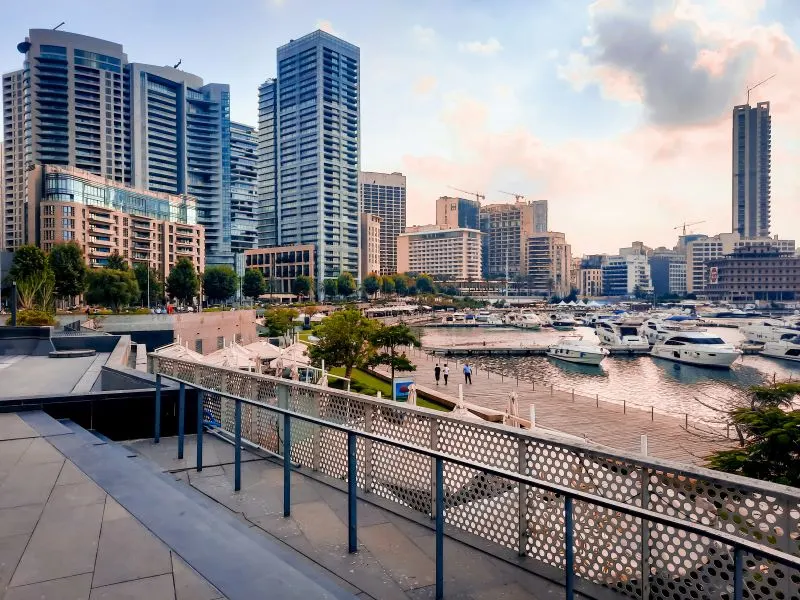
The American University of Beirut is located in the neighborhood of Ras Beirut, overlooking the Mediterranean Sea. As you step onto the campus, you’ll immediately notice the blend of stunning architecture, lush green spaces, and a vibrant atmosphere that characterizes AUB.
The campus of AUB is a harmonious fusion of traditional and modern elements. It boasts a collection of magnificent buildings that reflect different architectural styles, ranging from Neo-Gothic to Mediterranean Revival.
The iconic Main Gate, adorned with intricate detailing, welcomes visitors into the university grounds, setting the tone for an exploration of academic excellence and cultural richness.
As you stroll through the campus, you’ll be captivated by the tranquil beauty of its surroundings. The expansive green spaces, tree-lined pathways, and well-maintained gardens create a serene and picturesque environment.
The campus offers a sense of retreat from the bustling city, providing a conducive atmosphere for learning, contemplation, and leisure.
One of the highlights of the AUB campus is the iconic College Hall, a grand building that stands as a symbol of the university’s history and academic prestige. Its impressive architecture and imposing facade make it a focal point of the campus.
Inside College Hall, you’ll find a treasure trove of historical artifacts, including photographs and memorabilia that tell the story of AUB’s evolution over the years.
AUB is also home to several museums and cultural centers that showcase the university’s commitment to education, research, and the arts. The AUB Archaeological Museum houses a remarkable collection of artifacts, showcasing Lebanon’s rich archaeological heritage.
The Charles W. Hostler Student Center offers a space for cultural events, exhibitions, and performances, fostering a vibrant and inclusive campus community.
While exploring the campus, you’ll encounter students engaged in academic pursuits, exchanging ideas, and embracing the spirit of intellectual curiosity.
The diverse student body, comprised of individuals from Lebanon and around the world, adds to the multicultural and inclusive atmosphere of AUB.
Visiting the AUB campus is not only an opportunity to admire its architectural beauty and natural surroundings but also to appreciate the university’s legacy as a center for learning and innovation. It represents a harmonious blend of academic excellence, cultural heritage, and a commitment to societal progress.
Whether you’re a prospective student, an academic enthusiast, or simply a visitor seeking to appreciate the educational and cultural significance of AUB, a visit to its beautiful campus allows you to immerse yourself in the rich history, intellectual vibrancy, and natural splendor that define this prestigious institution.
23. Learn about Lebanon’s civil war history at the Beirut War Memorial in Martyrs’ Square

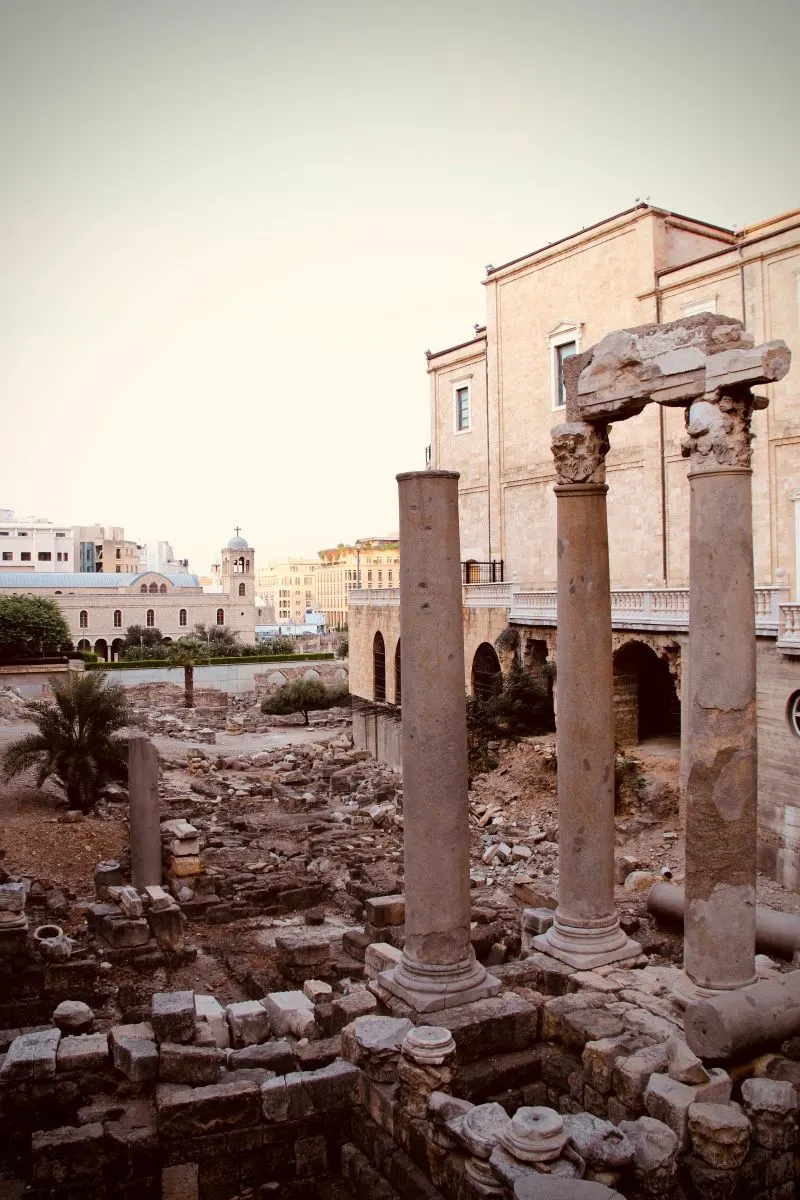
The Beirut War Memorial, located in Martyrs’ Square, stands as a poignant tribute to the victims of Lebanon’s civil war, which lasted from 1975 to 1990.
The memorial serves as a reminder of the tragic events that unfolded during this period and honors the memory of those who lost their lives in the conflict.
As you approach the Beirut War Memorial, you’ll be struck by its solemn presence and the gravity of the history it represents. The memorial is designed to convey a sense of reflection, remembrance, and reconciliation. It consists of various elements, each carrying symbolic meaning and contributing to the narrative of the civil war.
The centerpiece of the Beirut War Memorial is a large sculpture that depicts a clenched fist emerging from the ground. This powerful symbol represents resistance, resilience, and the determination to overcome adversity. The clenched fist serves as a reminder of the strength and unity of the Lebanese people during the difficult times of the civil war.
Surrounding the sculpture, you’ll find walls engraved with the names of the individuals who lost their lives during the conflict.
These names serve as a haunting reminder of the human toll and the immense suffering endured by the Lebanese people. Reading the names etched in stone evokes a sense of individual stories and collective loss, paying homage to those who perished.
The Beirut War Memorial also incorporates remnants of the war into its design. Bullet-ridden walls, shattered glass, and fragments of destroyed buildings are integrated into the memorial, providing a visceral connection to the physical scars left by the conflict. These remnants serve as a testament to the destruction and devastation that Lebanon endured.
Visiting the Beirut War Memorial is not only an opportunity to learn about Lebanon’s civil war history but also to reflect on the consequences of violence, the importance of peacebuilding, and the resilience of the Lebanese people. The memorial encourages contemplation and dialogue, serving as a catalyst for understanding and reconciliation.
Martyrs’ Square, where the Beirut War Memorial is located, holds its own historical significance. It has been a site of numerous demonstrations and pivotal moments in Lebanon’s history, making it a symbolic and meaningful location for a memorial dedicated to the civil war.
While the Beirut War Memorial represents a somber aspect of Lebanon’s past, it also embodies the hope for a peaceful future. It stands as a reminder of the importance of fostering dialogue, embracing diversity, and working towards a more inclusive and harmonious society.
Visiting the Beirut War Memorial provides a space for reflection, remembrance, and understanding, allowing visitors to gain insights into Lebanon’s civil war history and pay tribute to the lives lost. It is a place of solemnity, where the past is acknowledged, and the commitment to peace and reconciliation is reaffirmed.
24. Explore the Beirut Art Center, a contemporary art space showcasing local and international artists


The Beirut Art Center is a dynamic cultural institution dedicated to contemporary art and culture. Located in the vibrant neighborhood of Jisr El Wati, it serves as a platform for artists, curators, and cultural practitioners to showcase their work, engage in critical dialogue, and foster creative expression.
As you enter the Beirut Art Center, you’ll be greeted by a welcoming and inclusive atmosphere. The center is designed to provide a space for artistic exploration and experimentation, showcasing a wide range of art forms, including visual art, photography, video installations, performances, and multimedia exhibitions.
The gallery spaces at the Beirut Art Center are thoughtfully curated, offering a diverse program of exhibitions that push boundaries, challenge conventions, and reflect the socio-political realities and cultural nuances of Lebanon and the wider region. Each exhibition presents a unique perspective, inviting viewers to contemplate and engage with the artworks on display.
In addition to exhibitions, the Beirut Art Center hosts a variety of events, such as artist talks, panel discussions, film screenings, and performances. These events provide opportunities to connect with artists, curators, and fellow art enthusiasts, fostering a sense of community and intellectual exchange.
The Beirut Art Center also serves as a hub for artistic research and education. It offers workshops, seminars, and artist residency programs that promote artistic development, encourage experimentation, and nurture emerging talent.
These initiatives contribute to the growth of Lebanon’s art scene and provide a nurturing environment for artists to explore new ideas and expand their practice.
The architecture of the Beirut Art Center itself is noteworthy. The building is characterized by its modern design, with spacious and flexible exhibition spaces that can adapt to different artistic concepts and installations. The layout of the center encourages visitors to engage with the artworks, offering a comfortable and immersive experience.
Exploring the Beirut Art Center allows you to encounter the diversity and creativity of Lebanon’s contemporary art scene. It provides a platform for local and international artists to express their perspectives, challenge conventions, and contribute to the ongoing dialogue surrounding art and culture.
Whether you’re an art enthusiast, a curious visitor, or someone seeking to gain a deeper understanding of Lebanon’s artistic landscape, a visit to the Beirut Art Center offers a stimulating and thought-provoking experience. It allows you to engage with contemporary art, explore new ideas, and connect with the vibrant cultural fabric of Beirut.
25. Enjoy a picnic or a leisurely walk in the Horsh Beirut, the city’s largest public park

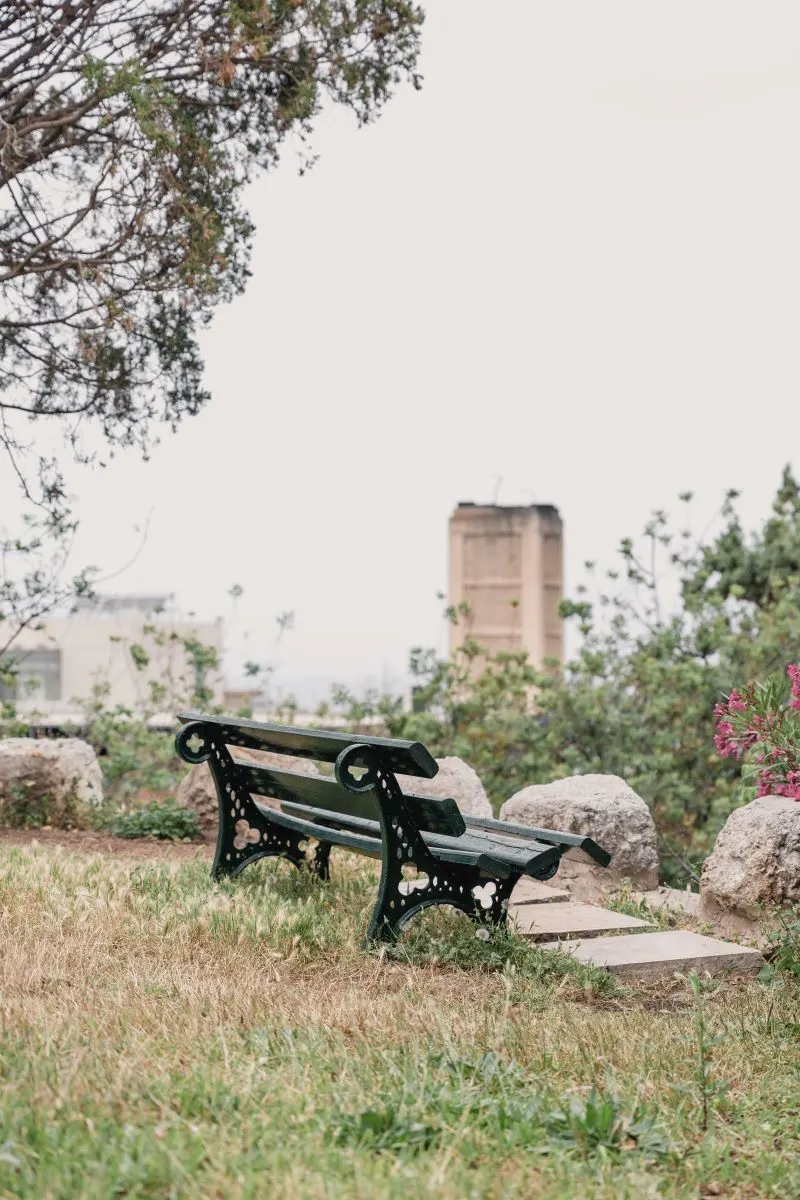
Horsh Beirut, also known as the Beirut Pine Forest, is a sprawling green oasis nestled in the heart of the city. It serves as a tranquil escape from the urban hustle and bustle, offering a serene environment for relaxation, recreation, and connection with nature.
As you enter Horsh Beirut, you’ll be greeted by a refreshing ambiance characterized by the scent of pine trees, the gentle rustling of leaves, and the vibrant greenery that envelops the surroundings. The forest covers a vast area, providing ample space for leisurely walks, picnics, and outdoor activities.
Horsh Beirut boasts a well-maintained network of walking trails that meander through the forest, inviting visitors to explore its natural splendor. The trails are shaded by towering pine trees, creating a cool and soothing atmosphere even during the warmest days. As you stroll along the paths, you’ll have the opportunity to immerse yourself in the tranquility of nature, away from the noise and commotion of the city.
The forest offers numerous spots where you can enjoy a delightful picnic. Shaded areas with benches and tables are scattered throughout Horsh Beirut, providing ideal settings for outdoor meals, gatherings with friends and family, or moments of quiet contemplation. You can spread out a blanket, unpack a delicious spread of food, and savor the peaceful surroundings while enjoying a leisurely picnic.
Horsh Beirut is also home to a diverse range of flora and fauna. In addition to the majestic pine trees, you’ll find a variety of plant species, including shrubs, flowers, and other native vegetation.
The forest provides habitat for birds and small animals, adding to the natural biodiversity and creating opportunities for birdwatching and wildlife observation.
The beauty of Horsh Beirut extends beyond its green landscapes. The forest offers stunning panoramic views of the surrounding cityscape, including glimpses of Beirut’s iconic landmarks and the sparkling Mediterranean Sea in the distance. These vistas provide a unique blend of natural and urban beauty, offering a sense of harmony between the two.
Whether you choose to take a leisurely walk, have a picnic, or simply find a peaceful spot to relax and unwind, Horsh Beirut offers a tranquil sanctuary amidst the urban environment. It is a place where you can connect with nature, recharge your energy, and find solace in the serenity of the surroundings.
Visiting Horsh Beirut provides a much-needed escape from the fast-paced city life, allowing you to immerse yourself in the beauty of nature, enjoy quality time with loved ones, and experience a sense of rejuvenation in the heart of Beirut.
26. Visit the National Beirut Library, a modern architectural gem with a vast collection of books


The National Beirut Library, also known as the Bibliotheca Alexandrina Beirut, is a magnificent institution dedicated to preserving and promoting knowledge, literature, and culture.
Located in the heart of the city, the library stands as a symbol of intellectual curiosity and serves as a hub for learning, research, and community engagement.
As you approach the National Beirut Library, you’ll be captivated by its striking architecture. The building showcases a modern design that harmoniously blends with the surrounding urban landscape. Its sleek lines, spacious interiors, and expansive windows create an inviting and inspiring atmosphere.
Upon entering the library, you’ll be greeted by a tranquil and welcoming environment. The library is designed to accommodate a diverse range of visitors, from avid readers and researchers to students and families seeking educational resources. The spaces are thoughtfully organized, providing comfortable reading areas, study rooms, and exhibition spaces.
The National Beirut Library houses an extensive collection of books, manuscripts, periodicals, and digital resources, covering a wide range of subjects and disciplines.
Whether you’re interested in literature, history, science, or art, the library offers a wealth of knowledge and information at your fingertips. You can browse the shelves, explore the digital archives, or engage with librarians who are knowledgeable and eager to assist.
In addition to its impressive collection, the National Beirut Library hosts a variety of cultural and educational events. These may include author talks, book signings, panel discussions, art exhibitions, film screenings, and workshops. These events provide opportunities to engage with local and international artists, scholars, and intellectuals, fostering a dynamic and vibrant cultural scene.
The library’s commitment to fostering a love for reading and learning is evident through its dedicated spaces for children and young adults. These areas feature age-appropriate books, interactive displays, and engaging activities designed to encourage curiosity, imagination, and a lifelong passion for literature.
Beyond its role as a repository of knowledge, the National Beirut Library serves as a community center. It offers spaces for meetings, seminars, and public lectures, fostering an environment where ideas are exchanged, and intellectual discourse thrives. The library is a place where people from different backgrounds can come together, connect, and share their love for literature and learning.
The National Beirut Library also places an emphasis on technology and digital resources. It provides access to online databases, e-books, and multimedia content, ensuring that visitors can explore a vast array of resources and stay connected to the evolving world of information and knowledge.
Visiting the National Beirut Library allows you to immerse yourself in a world of ideas, literature, and culture. It offers a sanctuary for intellectual exploration, a place where you can expand your horizons, connect with like-minded individuals, and be inspired by the power of books and ideas.
Whether you’re a book lover, a researcher, a student, or simply someone seeking a serene and intellectually stimulating environment, the National Beirut Library is a must-visit destination in Beirut.
It embodies the essence of knowledge, curiosity, and community, inviting you to embark on a journey of discovery and intellectual growth.
27. Explore the neighborhood of Badaro, known for its bohemian vibe and charming cafes


Located in the heart of Beirut, Badaro is a charming and trendy neighborhood known for its tree-lined streets, eclectic architecture, and lively atmosphere.
It has gained popularity in recent years as a go-to destination for locals and visitors seeking a mix of cultural attractions, trendy cafes, and a vibrant nightlife.
As you stroll through the streets of Badaro, you’ll be greeted by a vibrant ambiance and a sense of community. The neighborhood is characterized by its beautiful old houses, many of which have been restored and transformed into trendy cafes, restaurants, art galleries, and boutique shops. The mix of architectural styles, from French colonial to modernist influences, adds to the neighborhood’s unique charm.
Badaro is also known for its green spaces and outdoor activities. The neighborhood is home to Horsh Beirut, a sprawling park that offers a serene escape from the urban bustle.
Here, you can take a leisurely walk, have a picnic, or simply relax under the shade of the trees. The park is a popular spot for families, joggers, and nature enthusiasts.
One of the highlights of exploring Badaro is its vibrant culinary scene. The neighborhood is teeming with cafes, restaurants, and bistros offering a diverse range of cuisines, from traditional Lebanese fare to international flavors. You can indulge in delicious meals, savor aromatic coffee, or sample local delicacies while enjoying the relaxed and welcoming ambiance.
Badaro also has a thriving cultural scene. The neighborhood is home to several art galleries and cultural centers that showcase the works of local and international artists.
You can immerse yourself in contemporary art exhibitions, attend cultural events, and engage with the creative community that thrives in this dynamic neighborhood.
In the evening, Badaro truly comes alive with its bustling nightlife. The neighborhood is known for its trendy bars, pubs, and music venues, where you can enjoy live performances, sip on craft cocktails, and dance the night away.
The energetic atmosphere and diverse entertainment options make Badaro a popular destination for those seeking a memorable night out.
Beyond its cultural and entertainment offerings, Badaro is a neighborhood rich in history. It played a significant role during Lebanon’s civil war and has since undergone a revitalization, transforming into a vibrant and cosmopolitan district.
You can explore the historical landmarks, visit the local museums, or simply soak in the atmosphere of a neighborhood that has witnessed both adversity and resilience.
Whether you’re seeking cultural immersion, culinary delights, or a vibrant nightlife experience, Badaro offers a little something for everyone. It is a neighborhood that seamlessly blends old-world charm with contemporary energy, creating a unique and inviting atmosphere.
Exploring Badaro allows you to connect with the local culture, engage with the artistic community, and experience the dynamic spirit of Beirut.
28. Discover the traditional Lebanese architecture and cultural heritage at the Beit Beirut Museum


Located in the Sodeco neighborhood of Beirut, the Beit Beirut Museum is housed in a striking building that holds significant historical and architectural value. Formerly known as the Barakat Building, it served as a residential structure before being transformed into a museum that commemorates the city’s troubled past and pays homage to its cultural heritage.
As you approach the Beit Beirut Museum, you’ll be immediately struck by its unique architecture. The building is a testament to Lebanon’s rich architectural heritage, featuring a blend of Ottoman, French Mandate, and modernist influences.
The structure stands as a witness to the country’s turbulent history, bearing the scars of war and serving as a poignant reminder of Beirut’s resilience.
Upon entering the museum, you’ll embark on a journey through time. The exhibition spaces are carefully curated to highlight Beirut’s cultural and socio-political history.
Through a combination of artifacts, photographs, multimedia installations, and personal stories, the museum tells the story of the city’s past, from its cosmopolitan glory days to the devastating civil war and subsequent periods of reconstruction.
One of the key aspects of the Beit Beirut Museum is its focus on showcasing the architectural significance of the building itself. The museum incorporates elements of the original structure, preserving its authenticity and highlighting the craftsmanship of traditional Lebanese architecture.
You’ll have the opportunity to explore the intricately designed interiors, with their high ceilings, ornate detailing, and beautiful archways, which reflect the architectural style of the past.
The museum also provides a platform for dialogue and reflection on Lebanon’s collective memory and the impact of the civil war. It hosts temporary exhibitions, cultural events, and educational programs that engage visitors in thought-provoking discussions about the country’s history, identity, and ongoing challenges.
Beyond its historical and cultural significance, the Beit Beirut Museum serves as a space for reconciliation and healing. It promotes understanding, empathy, and dialogue, encouraging visitors to reflect on the shared experiences and resilience of the Lebanese people.
The museum’s commitment to preserving and promoting cultural heritage extends beyond the building itself, encompassing a broader narrative of collective memory and national identity.
Visiting the Beit Beirut Museum allows you to delve deep into the rich tapestry of Beirut’s history and cultural heritage. It offers a thought-provoking and immersive experience, inviting you to connect with the city’s past, appreciate its architectural beauty, and gain a deeper understanding of the complex dynamics that have shaped Lebanon’s history.
Whether you’re a history enthusiast, an architecture lover, or someone seeking a profound exploration of Beirut’s cultural identity, the Beit Beirut Museum offers a compelling and meaningful journey through time. It is a place where the past converges with the present, where stories are shared, and where the spirit of resilience and hope shines through.
29. Attend a performance at the iconic Al Madina Theatre, a renowned cultural venue


Located in the heart of Hamra, one of Beirut’s most dynamic neighborhoods, the Al Madina Theatre stands as a cultural landmark and a hub for performing arts. Established in 1994, the theatre has become synonymous with creativity, innovation, and artistic expression in Lebanon.
As you approach the Al Madina Theatre, you’ll be captivated by its unique architectural charm. The building boasts a distinct blend of traditional Lebanese and modern design elements, creating an inviting and visually captivating facade. The theatre’s prominent signage and bustling atmosphere announce its role as a vibrant cultural space.
Upon entering the theatre, you’ll be greeted by a warm and welcoming ambiance. The interior is designed to provide an intimate setting, allowing the audience to connect closely with the performers.
The seating arrangement ensures that every seat offers excellent views and acoustics, ensuring an immersive and engaging experience.
The Al Madina Theatre hosts a diverse range of performances, including plays, musicals, dance recitals, concerts, and stand-up comedy shows. The programming encompasses a mix of local and international productions, showcasing the talent and creativity of both established and emerging artists.
The performances at Al Madina Theatre are known for their artistic excellence and thought-provoking content. Whether it’s a powerful drama, a soul-stirring musical performance, or an innovative contemporary dance piece, each production offers a unique perspective and a chance to delve into the rich tapestry of Lebanese and global arts.
One of the highlights of attending a performance at Al Madina Theatre is the opportunity to witness the talent and passion of Lebanon’s creative community. The theatre has served as a launchpad for many renowned artists, playwrights, musicians, and performers, contributing to the growth and development of Lebanon’s arts scene.
In addition to its cultural significance, the Al Madina Theatre also serves as a space for social engagement and dialogue. It hosts discussions, workshops, and post-show talks, providing opportunities for audiences to interact with artists, share their perspectives, and deepen their understanding of the creative process.
The Al Madina Theatre is not just a venue for artistic performances; it’s a cultural institution that fosters a sense of community and appreciation for the arts.
It has played a pivotal role in preserving and promoting Lebanon’s cultural heritage and identity, while also embracing innovation and experimentation.
Attending a performance at the Al Madina Theatre is an enriching experience that allows you to immerse yourself in the power of live performances, connect with the vibrant arts scene in Beirut, and witness the transformative impact of creativity.
It is an invitation to be inspired, moved, and entertained by the collective energy and artistic brilliance that thrives within the walls of this iconic theatre.
30. Visit the historic and lively neighborhood of Bourj Hammoud, known for its Armenian community

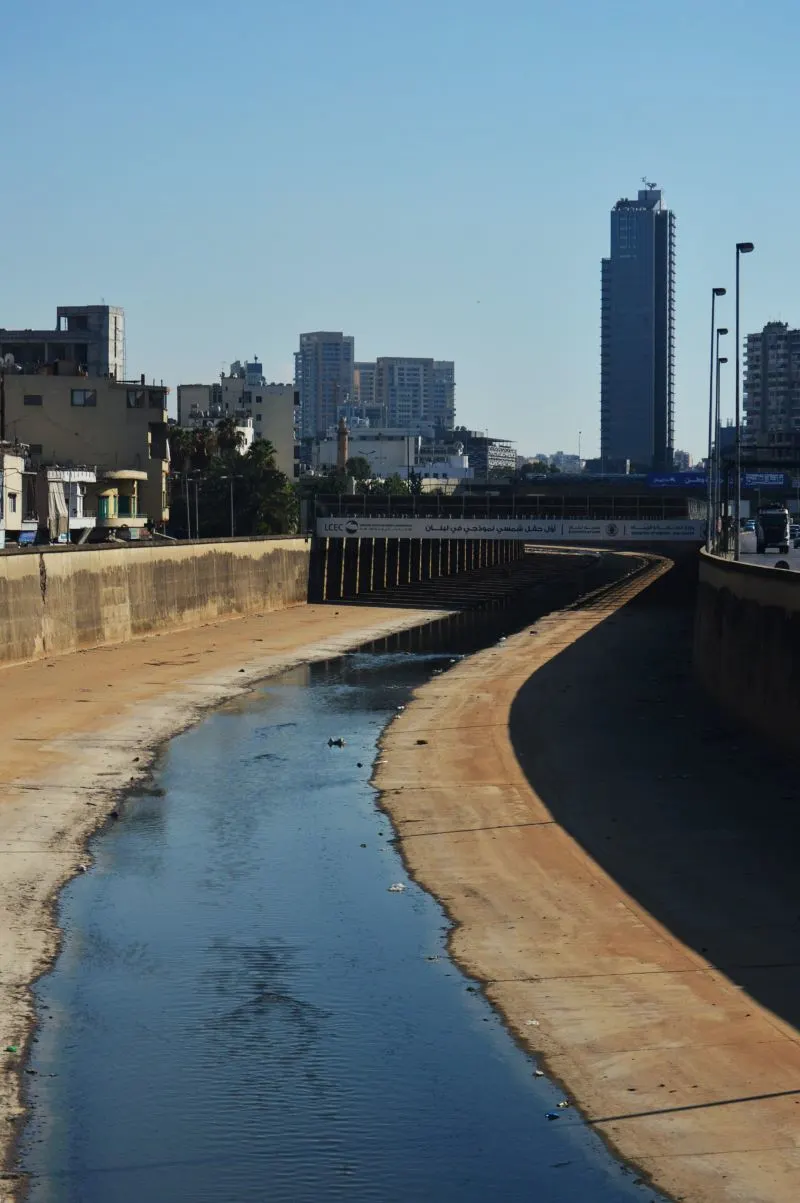
Nestled on the eastern outskirts of Beirut, Bourj Hammoud is a neighborhood with a distinct identity and a fascinating history. Established in the early 20th century, the area has evolved into a vibrant melting pot of cultures, known for its diverse population and bustling commercial activity.
As you enter Bourj Hammoud, you’ll be immediately struck by its lively and bustling ambiance. The streets are lined with an array of shops, street vendors, and small businesses, each contributing to the neighborhood’s vibrant and dynamic atmosphere. The energy is infectious, and the streets are often abuzz with activity.
One of the defining characteristics of Bourj Hammoud is its multiculturalism. The neighborhood has historically been home to a large Armenian population, and their influence is evident in the vibrant Armenian community that thrives here. You’ll find Armenian bakeries, restaurants, churches, and cultural centers, all of which contribute to the rich tapestry of Bourj Hammoud.
Exploring Bourj Hammoud allows you to immerse yourself in its unique cultural heritage. The neighborhood is renowned for its Armenian craftsmanship, particularly in jewelry-making and metalwork. You can visit local workshops and artisanal stores to witness the intricate artistry and craftsmanship firsthand.
The neighborhood is also home to the Armenian Genocide Memorial and Museum, a solemn and important site that commemorates the history and legacy of the Armenian people.
Beyond its Armenian heritage, Bourj Hammoud is also known for its diverse culinary scene. You’ll find an array of restaurants and eateries offering a wide range of cuisines, from traditional Armenian dishes to Lebanese specialties and international flavors.
Indulging in the local food is a must-do, as it provides a unique opportunity to savor the neighborhood’s cultural diversity and culinary delights.
Bourj Hammoud is also a haven for shoppers and bargain hunters. The neighborhood is famous for its bustling street markets, where you can find a variety of goods, including textiles, clothing, household items, and fresh produce. Exploring the markets is a sensory experience, with colorful displays, aromatic spices, and the bustling sounds of haggling and conversation.
As you navigate the streets of Bourj Hammoud, you’ll also encounter architectural gems that tell stories of the neighborhood’s past. You’ll find a mix of old buildings, traditional houses, and modern developments, creating an eclectic visual landscape that reflects the area’s historical and cultural evolution.
Visiting Bourj Hammoud offers a unique opportunity to witness the coexistence of different cultures, traditions, and histories in one vibrant neighborhood.
It allows you to appreciate the resilience and spirit of its residents and gain a deeper understanding of the multicultural fabric that makes Beirut such a captivating city.
Exploring Bourj Hammoud immerses you in a world where old meets new, tradition blends with innovation, and diverse communities come together to create a vibrant tapestry of life.
It is an invitation to embrace the multiculturalism and dynamic energy that define this unique neighborhood and experience the rich cultural heritage that makes Bourj Hammoud a captivating destination in Beirut.
Food In Beirut

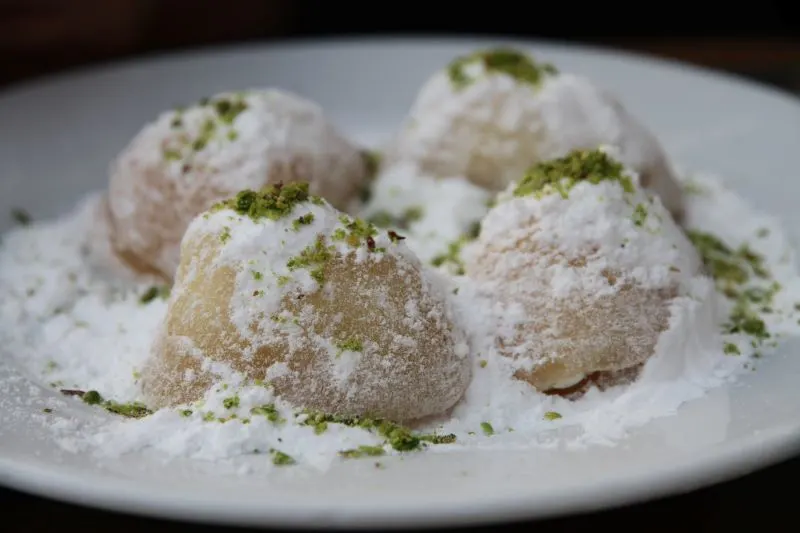
Beirut, the capital city of Lebanon, is a haven for food enthusiasts seeking to indulge in the flavors of Middle Eastern cuisine. Renowned for its vibrant culinary scene, Beirut offers a delightful array of traditional Lebanese dishes that reflect the country’s rich cultural heritage and diverse culinary traditions.
From fragrant spices to fresh ingredients and mouthwatering flavors, Lebanese food in Beirut is a culinary adventure that should not be missed.
A Gastronomic Journey: Embarking on a culinary journey in Beirut means immersing yourself in the delectable flavors and aromas that define Lebanese cuisine. Start your gastronomic adventure by sampling iconic mezze, a variety of small dishes that offer a burst of flavors.
Indulge in creamy hummus, smoky baba ganoush, tangy tabbouleh, and flavorful falafel. These mezze dishes are often served with freshly baked pita bread, adding a delightful texture to every bite.
As you explore Beirut, be sure to savor the traditional Lebanese grilled dishes. One cannot miss the mouthwatering shawarma, tender marinated meat that is roasted on a vertical spit and served in warm bread with garlic sauce and pickles.
For a carnivorous delight, seek out a traditional Lebanese barbecue restaurant and enjoy succulent kebabs, juicy kafta, and marinated chicken grilled to perfection.
Seafood lovers will find their palates satisfied with the fresh and flavorful coastal offerings of Beirut. Head to one of the seafood restaurants along the Beirut Corniche or the lively neighborhood of Raouche to enjoy grilled fish, crispy calamari, and succulent shrimp.
These dishes highlight the bounty of the Mediterranean Sea, perfectly complemented by a squeeze of fresh lemon and a drizzle of extra virgin olive oil.
No exploration of Lebanese cuisine is complete without indulging in the hearty and aromatic stews. Taste the iconic national dish, Lebanese kibbeh, a mixture of ground meat and bulgur wheat, filled with a flavorful stuffing of spiced meat, onions, and pine nuts. Another must-try dish is the rich and comforting Lebanese moussaka, a layered casserole of eggplant, tomatoes, minced meat, and a luscious béchamel sauce.
For those with a sweet tooth, Beirut offers a delightful array of Lebanese desserts that are sure to satisfy any craving. Sample the famous baklava, delicate layers of phyllo pastry filled with nuts and sweet syrup. Indulge in knafeh, a heavenly dessert made with shredded phyllo dough, melted cheese, and rosewater syrup. Pair these treats with a cup of strong Lebanese coffee or a refreshing glass of traditional Lebanese lemonade.
Exploring the Neighborhoods: Beirut’s neighborhoods are a treasure trove of culinary delights. Wander through the bustling streets of Hamra, Gemmayzeh, and Mar Mikhael, where you’ll find a plethora of charming restaurants, street food vendors, and cozy cafes. These vibrant neighborhoods offer a fusion of traditional Lebanese flavors with modern culinary innovations, creating a dynamic dining experience.
Visiting the Beirut Souks, a modern shopping district, presents an opportunity to savor Lebanese cuisine while enjoying a vibrant atmosphere.
Take a break from shopping and indulge in a delicious meal at one of the many restaurants offering a wide range of Lebanese specialties. The Beirut Souks provide a modern and stylish backdrop to enjoy the traditional flavors of Lebanon.
Beirut is a culinary paradise for those seeking an immersive experience in Lebanese cuisine. From the traditional mezze and grilled dishes to the fresh seafood and delightful desserts, the flavors of Beirut will leave you craving more.
The city’s vibrant neighborhoods and culinary hotspots offer a diverse range of dining options that cater to every palate and budget. Whether you choose to dine in upscale restaurants, street-side eateries, or hidden gems, you’ll find that Lebanese food in Beirut is a true reflection of the country’s culinary heritage.
Top 20 Best Restaurants In Beirut, Lebanon

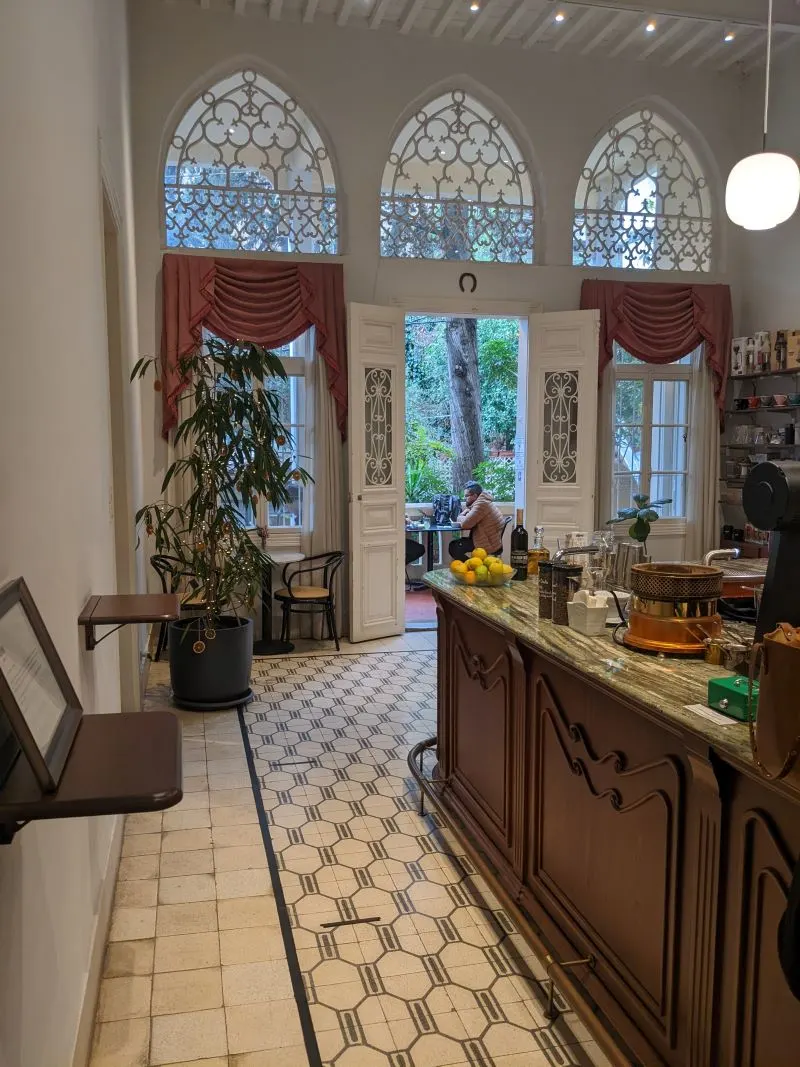
- Tawlet – Offering a farm-to-table experience, Tawlet celebrates the flavors of Lebanese home-cooking in a welcoming and rustic setting.
- Le Chef – A legendary restaurant in Gemmayzeh, Le Chef serves classic Lebanese dishes in a charming and nostalgic atmosphere.
- Em Sherif – Known for its lavish Lebanese dining experience, Em Sherif offers a set menu of traditional dishes served in an elegant setting.
- Al Halabi – Specializing in Syrian and Lebanese cuisine, Al Halabi serves delicious mezze and grilled dishes in a refined setting.
- Mandaloun Sur Mer – Located in Dbayeh, Mandaloun Sur Mer offers breathtaking views of the Mediterranean along with delectable seafood and international cuisine.
- Mhanna – Situated in Raouche, Mhanna is renowned for its authentic Lebanese dishes, including fresh seafood and grilled meats.
- Le Sushi Bar – A popular sushi destination, Le Sushi Bar serves high-quality sushi and Japanese dishes with a modern twist.
- Babel – With multiple locations in Beirut, Babel is known for its elegant setting and elevated Lebanese cuisine with a contemporary touch.
- Liza Beirut – Combining Lebanese heritage with modern aesthetics, Liza Beirut serves refined Lebanese dishes in a beautifully designed space.
- Karamna – Located in the heart of Hamra, Karamna offers a wide range of Lebanese dishes, highlighting the country’s culinary traditions.
- Couqley – A French bistro in Gemmayzeh, Couqley is beloved for its classic French cuisine, including delicious steaks and desserts.
- Sultan Ibrahim – Situated in Ain El Mreisseh, Sultan Ibrahim specializes in fresh seafood dishes, showcasing the best of Lebanese coastal cuisine.
- Al Sultan Brahim – An iconic Lebanese seafood restaurant, Al Sultan Brahim offers a diverse menu of seafood delicacies in a stylish setting.
- Enab – Known for its charming atmosphere and Lebanese cuisine, Enab offers a selection of mezze, grilled meats, and vegetarian dishes.
- Mayrig – Serving Armenian-Lebanese cuisine, Mayrig delights diners with its flavorsome dishes and warm hospitality.
- Abdel Wahab – A well-established Lebanese restaurant, Abdel Wahab offers a variety of traditional dishes in a relaxed and inviting setting.
- Karam Beirut – Located in Gemmayzeh, Karam Beirut is known for its vibrant ambiance and a menu featuring Lebanese favorites with a twist.
- Loris – Situated in Ashrafieh, Loris is a cozy restaurant that serves delectable Lebanese and Armenian dishes in a charming atmosphere.
- Café Em Nazih – A popular spot in Gemmayzeh, Café Em Nazih offers a casual and lively atmosphere along with delicious Lebanese fare.
- Al Falamanki – Inspired by old Beirut cafés, Al Falamanki serves Lebanese comfort food and drinks, creating a nostalgic and cozy atmosphere.
These restaurants represent just a fraction of Beirut’s vibrant culinary scene, and each offers its own unique charm and flavors. Whether you’re looking for traditional Lebanese cuisine, international flavors, or fusion dishes, Beirut’s dining scene has something to satisfy every taste.
Transportation In Beirut
- Taxis: Taxis are a common mode of transportation in Beirut and can be easily hailed from the street or found at designated taxi stands. There are two types of taxis: service taxis and regular taxis. Service taxis operate on specific routes and pick up multiple passengers along the way, while regular taxis provide private transportation. It is advisable to negotiate the fare before starting the journey or ensure that the meter is used.
- Ride-hailing Apps: Ride-hailing apps such as Uber and Careem are popular and convenient in Beirut. These apps allow users to book a private car with a driver at their convenience, providing a reliable and often more comfortable transportation option.
- Public Buses: The public bus system in Beirut is operated by the state-owned company, OCFTC (Office des Chemins de Fer et des Transports en Commun). Public buses are an affordable mode of transportation, but the routes and schedules can be confusing for visitors due to limited information available in English. It is advisable to check the schedules and routes in advance or ask locals for guidance.
- Shared Vans: Known as “service” or “van” taxis, shared vans operate on specific routes and pick up passengers along the way. They are a cost-effective option for short distances within the city and suburban areas. These vans are usually green in color and have a designated route displayed on their windshield.
- Walking: Beirut is a relatively compact city, and many attractions and neighborhoods are within walking distance of each other. Walking is a great way to explore the city, especially in areas with heavy traffic congestion or narrow streets.
- Bicycles and Scooters: Beirut has seen the emergence of bike-sharing and scooter-sharing services, offering an eco-friendly and efficient way to navigate the city. These services allow users to rent bicycles or electric scooters for short distances, providing a flexible and convenient transportation option.
- Private Cars: If you have access to a private car or decide to rent one, it offers flexibility and convenience for getting around Beirut. However, traffic congestion can be a challenge, especially during peak hours, and finding parking may be difficult in certain areas of the city.
It’s important to note that Beirut’s transportation infrastructure may have its limitations, and traffic congestion is a common occurrence, particularly during rush hours. Additionally, road conditions may vary, so caution should be exercised while driving or using other modes of transportation.
In conclusion, Beirut, Lebanon offers a wealth of experiences and attractions that cater to a variety of interests. From its rich historical sites and vibrant neighborhoods to its thriving arts scene and delectable cuisine, the city has something to offer every visitor.
Whether you’re exploring the archaeological treasures at the National Museum, taking a leisurely stroll along the Corniche, or immersing yourself in the lively atmosphere of Gemmayzeh, Beirut promises a memorable journey.
The city’s cultural heritage is evident in its diverse neighborhoods, each with its own distinct charm and character. From the narrow streets of Achrafieh to the bustling food scene at Souk el Tayeb and the vibrant nightlife of Mar Mikhael, there is always something exciting to discover.
And let’s not forget the natural beauty of Beirut, from the iconic Pigeon Rocks in Raouche to the serene Raouche Rock Pools and the breathtaking views from the top of the Beirut Hippodrome.
Beirut is a city that embraces both its past and its present, seamlessly blending ancient traditions with modern innovations. It’s a place where you can delve into the history of the Roman Baths and the Mohammad Al-Amin Mosque, while also experiencing the cutting-edge contemporary art at the Beirut Art Center and Station Beirut.
The city’s culinary scene is a feast for the senses, with traditional Lebanese dishes at restaurants like Tawlet and Le Chef, as well as international flavors and trendy fusion cuisine.
In Beirut, you’ll find a city that has weathered storms and conflicts but has emerged with resilience and a vibrant spirit. Its people are known for their warm hospitality, making visitors feel welcomed and embraced.
Whether you’re exploring its bustling streets, engaging with its cultural institutions, or simply savoring its mouthwatering cuisine, Beirut promises a journey of discovery, adventure, and unforgettable experiences.
So, pack your bags and immerse yourself in the wonders of Beirut, where history, culture, art, and cuisine come together in a captivating blend that will leave you with cherished memories and a deep appreciation for this remarkable city.
Leave a comment