


Seville is a city of contrasts, where centuries-old traditions and modernity blend seamlessly to create a vibrant and captivating atmosphere. From the stunning Alcázar to the lively streets of Santa Cruz, Seville is a city that enchants its visitors with its charm, beauty, and rich history.
In this guide, we have compiled the top 25 best things to do in Seville, Spain, to help you explore and experience this amazing city to the fullest.
Whether you want to explore the city’s historical landmarks, taste the local cuisine, or immerse yourself in the culture, Seville has something for everyone. So grab your map and let’s explore the best of Seville together!
1. Visit the Alcázar of Seville

The Alcázar of Seville, also known as the Royal Alcázar of Seville, is a stunning complex of palaces, courtyards, and gardens that dates back to the 10th century.
Originally built as a fort for the city’s Moorish rulers, it has since been expanded and renovated by various Spanish monarchs, resulting in an intricate blend of Islamic and Christian architectural styles.
Visitors to the Alcázar can explore the numerous rooms and courtyards of the palace, including the magnificent Salón de Embajadores (Hall of Ambassadors) with its intricate stucco and tilework, the sumptuous Cuarto del Príncipe (Prince’s Chamber), and the tranquil Patio de las Doncellas (Patio of the Maidens) with its ornate arches and reflecting pool.
The gardens of the Alcázar are also a highlight, with a variety of beautifully manicured spaces that include fountains, pavilions, and even a maze. The gardens are particularly stunning in the spring, when the orange trees and other flowers are in full bloom.
2. Explore the Seville Cathedral

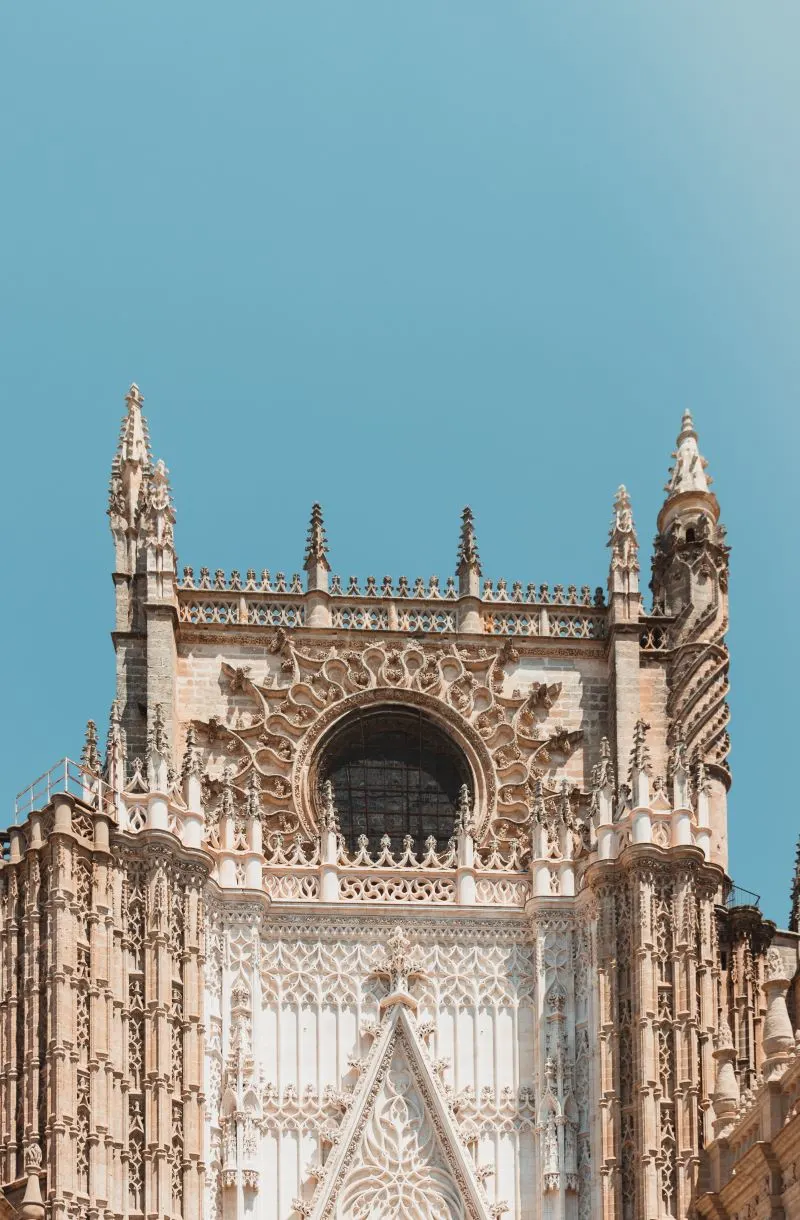
The Seville Cathedral, also known as the Cathedral of Saint Mary of the See, is a massive Gothic cathedral located in the heart of Seville, Spain. It is the largest Gothic cathedral in the world, and a UNESCO World Heritage Site.
The cathedral was built on the site of a former mosque, and construction began in the early 15th century. It was built to demonstrate Seville’s wealth and power after the city was captured by Ferdinand III of Castile in 1248.
Visitors to the cathedral can explore its vast interior, which features 80 chapels, intricate Gothic architecture, and some of the finest works of art from Seville’s Golden Age.
Highlights include the tomb of Christopher Columbus, the stunning 15th-century choir stalls, and the ornate altarpiece of the high altar.
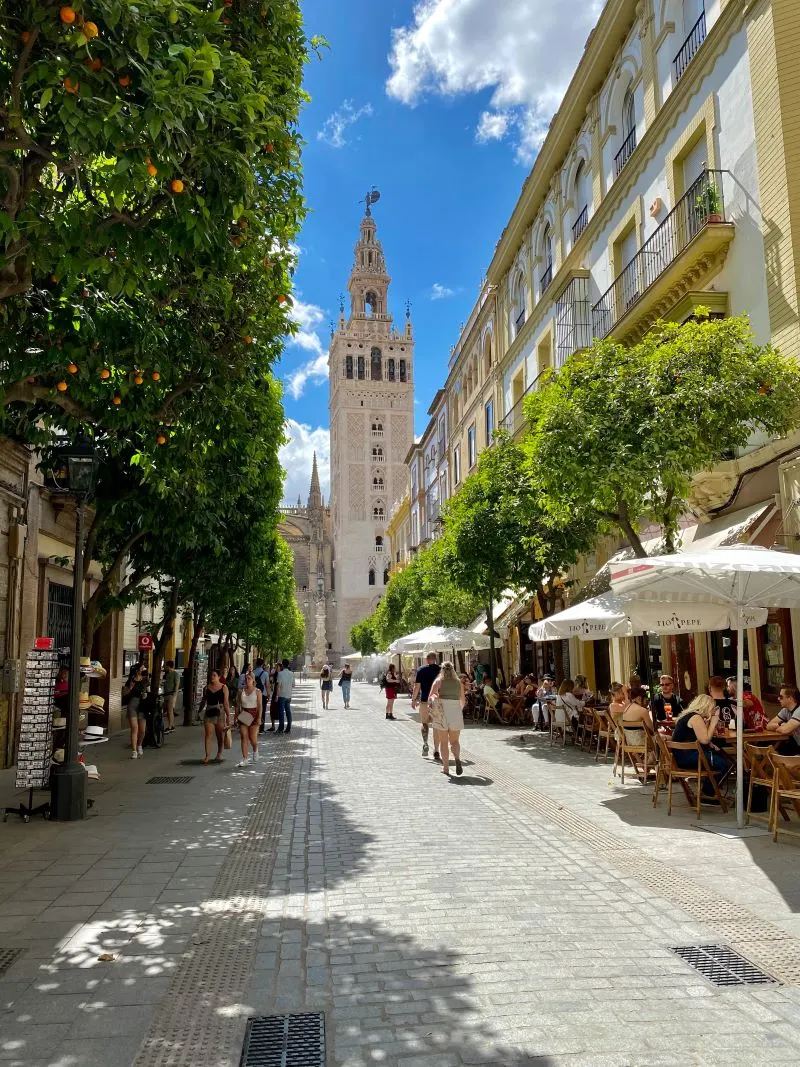
One of the most impressive features of the Seville Cathedral is its soaring Giralda Tower, which was originally built as a minaret during the Moorish era. Visitors can climb the tower to enjoy breathtaking views of the city from the top.
3. Climb the Giralda Tower


The Giralda Tower is a massive bell tower located next to the Seville Cathedral in Seville, Spain. Originally built as a minaret during the Moorish period, it was later converted to a bell tower after the Christian reconquest of the city in the 13th century.
Visitors to Seville can climb the Giralda Tower to enjoy breathtaking views of the city from the top. The tower is accessed through a series of ramps instead of stairs, which were designed to allow the muezzin (caller to prayer) to ride up to the top on horseback during the Muslim period.
The climb to the top of the Giralda Tower is not particularly difficult, as the ramps are gently sloped and there are several resting points along the way.
Visitors are rewarded with stunning views of the Seville Cathedral, the city skyline, and the surrounding neighborhoods. On a clear day, you can see as far as the Guadalquivir River and the surrounding countryside.
4. Wander through the Santa Cruz neighborhood

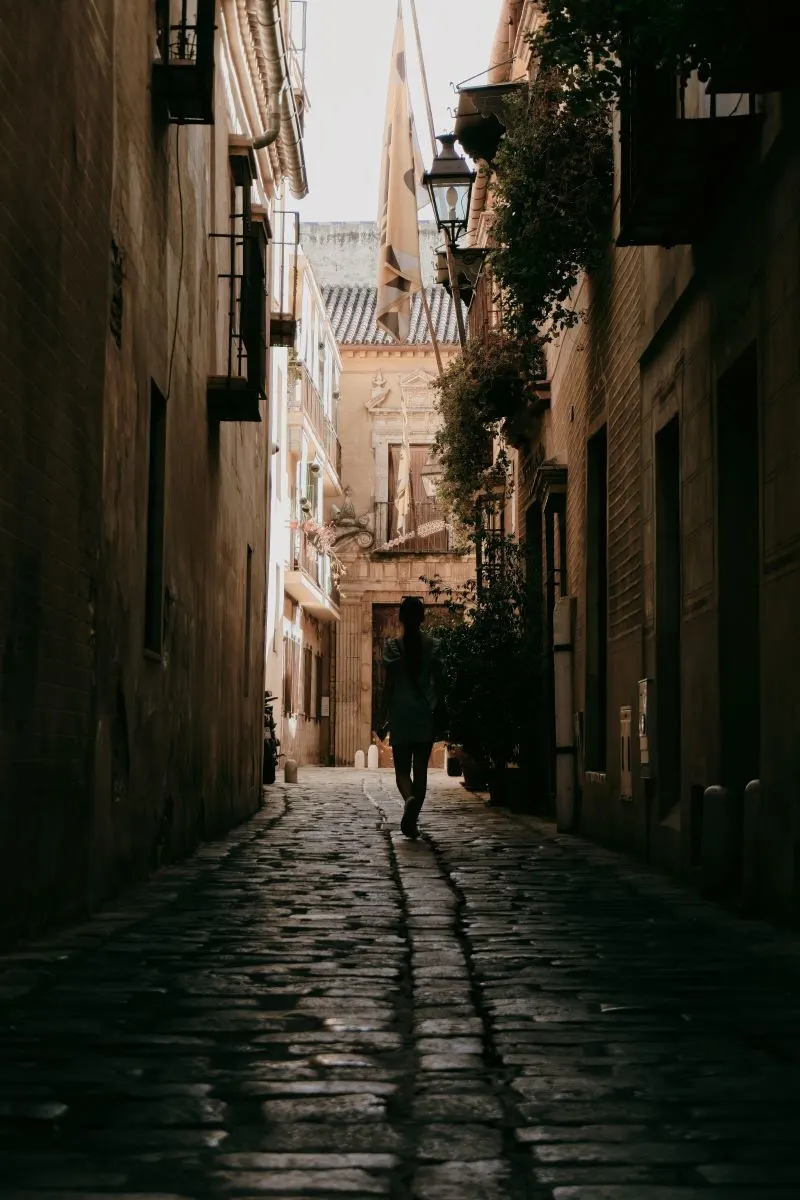
The Santa Cruz neighborhood is a historic district in the heart of Seville, Spain. It is known for its narrow, winding streets, whitewashed buildings, and beautiful plazas filled with orange trees and outdoor cafes.
It was once the Jewish quarter of Seville, and its rich history is still evident in the architecture and atmosphere of the neighborhood.
Visitors to Santa Cruz can wander through the neighborhood’s labyrinthine streets and alleyways, taking in the charming architecture and picturesque courtyards. There are numerous small shops, cafes, and restaurants tucked away in the narrow streets, making it a great place to stop and take a break.
One of the highlights of Santa Cruz is the Plaza de Santa Cruz, a beautiful square with a fountain, orange trees, and a 17th-century cross. The square is a popular spot for locals and tourists alike to relax and enjoy the sunshine.
Another must-see attraction in Santa Cruz is the Hospital de los Venerables, a 17th-century hospital that has been converted into a museum. It features a stunning baroque chapel, beautiful gardens, and an impressive collection of paintings by Spanish artists such as Velázquez and Murillo.
5. Visit the Plaza de España

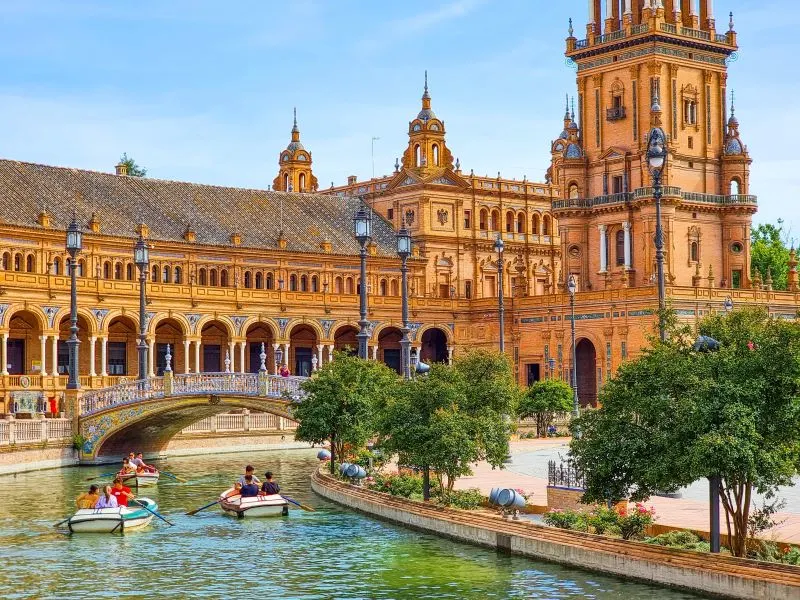
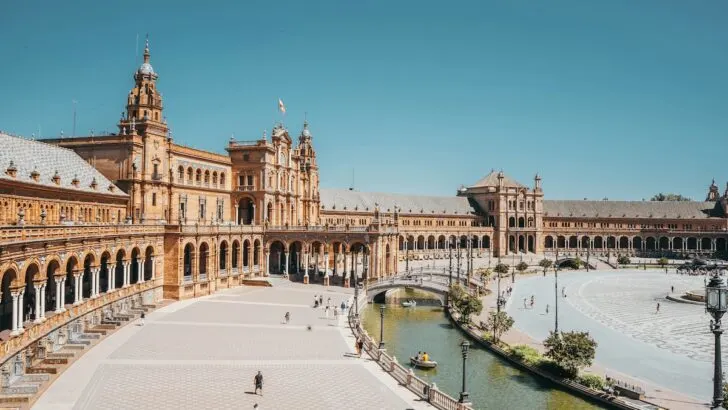
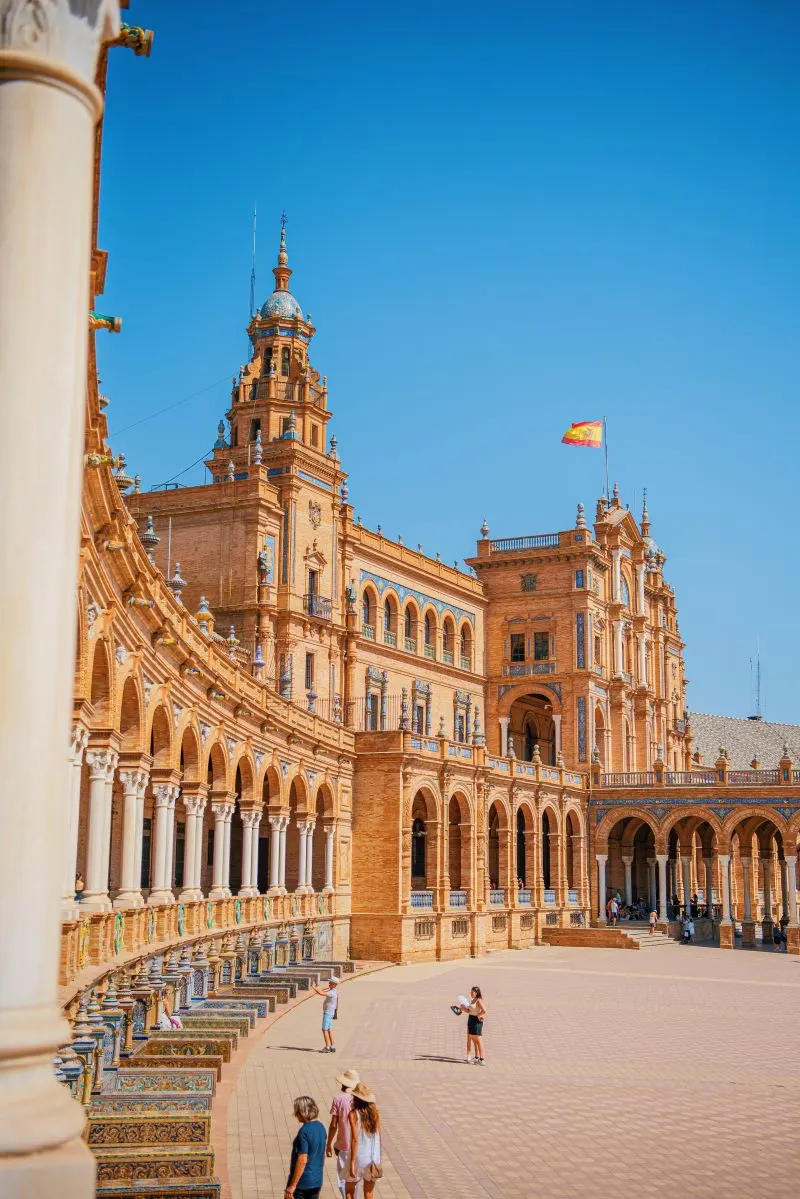
The Plaza de España is a stunning public square located in the Parque de María Luisa in Seville, Spain. It was built for the Ibero-American Exposition of 1929, and is one of Seville’s most popular tourist attractions.
The Plaza de España features a large, semicircular brick building with a tower at each end, as well as a beautiful fountain in the center.
The building is decorated with colorful ceramic tiles and features numerous alcoves, each representing a different province of Spain. Visitors can take a leisurely stroll around the plaza, admiring the stunning architecture and taking in the views of the surrounding park.
One of the most popular activities in the Plaza de España is taking a boat ride around the moat that surrounds the square. Visitors can rent a small boat and paddle around the water, taking in the beautiful architecture and scenery from a unique perspective.
The Plaza de España is also a popular spot for cultural events, such as concerts, festivals, and exhibitions. It’s a great place to experience the lively atmosphere and rich cultural heritage of Seville.
6. Take a stroll through the Maria Luisa Park

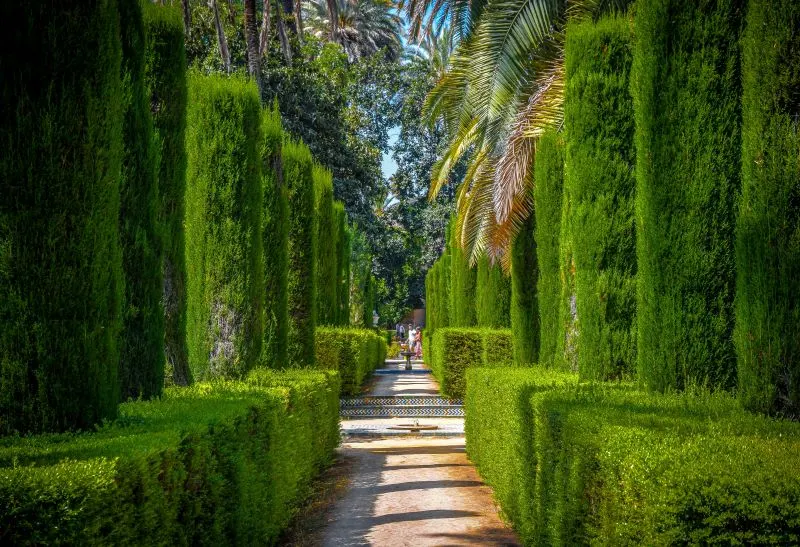
The María Luisa Park is a large public park in Seville, Spain, located just south of the city center. It was once the private garden of the Palace of San Telmo, but was donated to the city by the Infanta María Luisa Fernanda in the late 19th century.
The park is filled with lush greenery, beautiful gardens, fountains, and monuments, making it a wonderful place to take a leisurely stroll and enjoy the natural beauty of Seville.
One of the most popular attractions in the park is the Plaza de España, which is a stunning public square built for the Ibero-American Exposition of 1929.
Visitors to the María Luisa Park can take a relaxing walk through the gardens, taking in the beautiful sights and sounds of the park. There are numerous benches and picnic areas scattered throughout the park, making it a great place to sit and enjoy a snack or a picnic lunch.
The park is also home to several museums and cultural attractions, including the Archaeological Museum of Seville and the Museum of Popular Arts and Traditions. These museums offer a fascinating glimpse into the history and culture of Seville and Andalusia.
7. Learn about bullfighting at the Plaza de Toros de la Maestranza

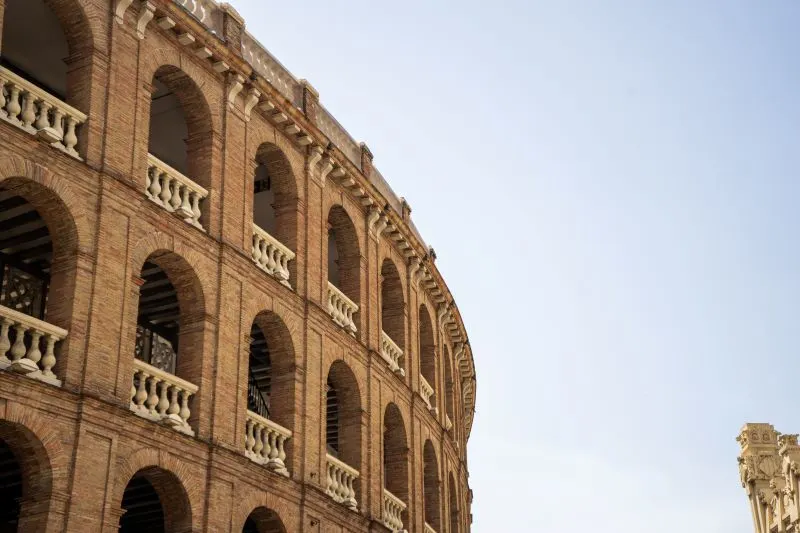
The Plaza de Toros de la Maestranza is a historic bullring located in the heart of Seville, Spain. It is one of the oldest and most famous bullrings in Spain, and is considered a symbol of the city’s rich cultural heritage.
Visitors to the Plaza de Toros de la Maestranza can learn about the history and traditions of bullfighting in Spain, as well as the role it has played in Spanish culture throughout the centuries.
The bullring offers guided tours that provide a fascinating glimpse into the world of bullfighting, including the history of the sport, the rules and regulations, and the equipment used by the matadors.
The highlight of any visit to the Plaza de Toros de la Maestranza is attending an actual bullfight. These events take place during the bullfighting season, which typically runs from April to October.
While bullfighting can be a controversial sport, it is deeply ingrained in Spanish culture and is considered by many to be an important part of the country’s heritage.
In addition to bullfighting, the Plaza de Toros de la Maestranza also hosts a variety of cultural events, including concerts, exhibitions, and festivals.
It is a great place to experience the lively and vibrant atmosphere of Seville, and to gain a deeper appreciation for the city’s rich cultural traditions.
8. Visit the Palacio de las Dueñas

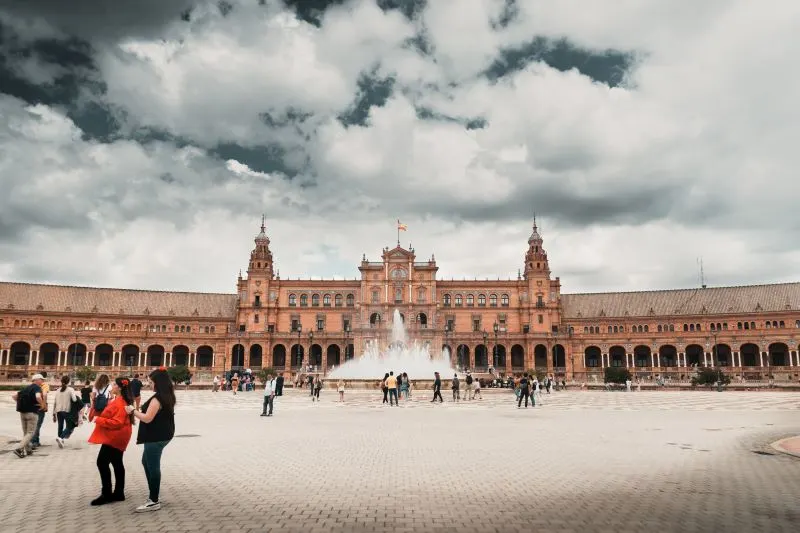
The Palacio de las Dueñas is a stunning palace located in the heart of Seville, Spain. It was built in the 15th century and is considered one of the most important and beautiful examples of Andalusian architecture in the city.
The palace is known for its stunning gardens, which feature beautiful fountains, orange trees, and colorful flowers. Visitors can take a leisurely stroll through the gardens, enjoying the peaceful atmosphere and admiring the beautiful architecture of the palace.
Inside the palace, visitors can explore the various rooms and galleries, which are filled with historic artwork, furniture, and decorative objects.
The palace has been home to several prominent Spanish families over the centuries, and each generation has left its mark on the building and its interior design.
One of the highlights of any visit to the Palacio de las Dueñas is the chance to see the bedroom of the famous Spanish poet Antonio Machado, who lived in the palace for several years.
The bedroom has been preserved exactly as it was during Machado’s time, and provides a fascinating glimpse into the life and work of one of Spain’s most beloved poets.
9. Explore the Metropol Parasol

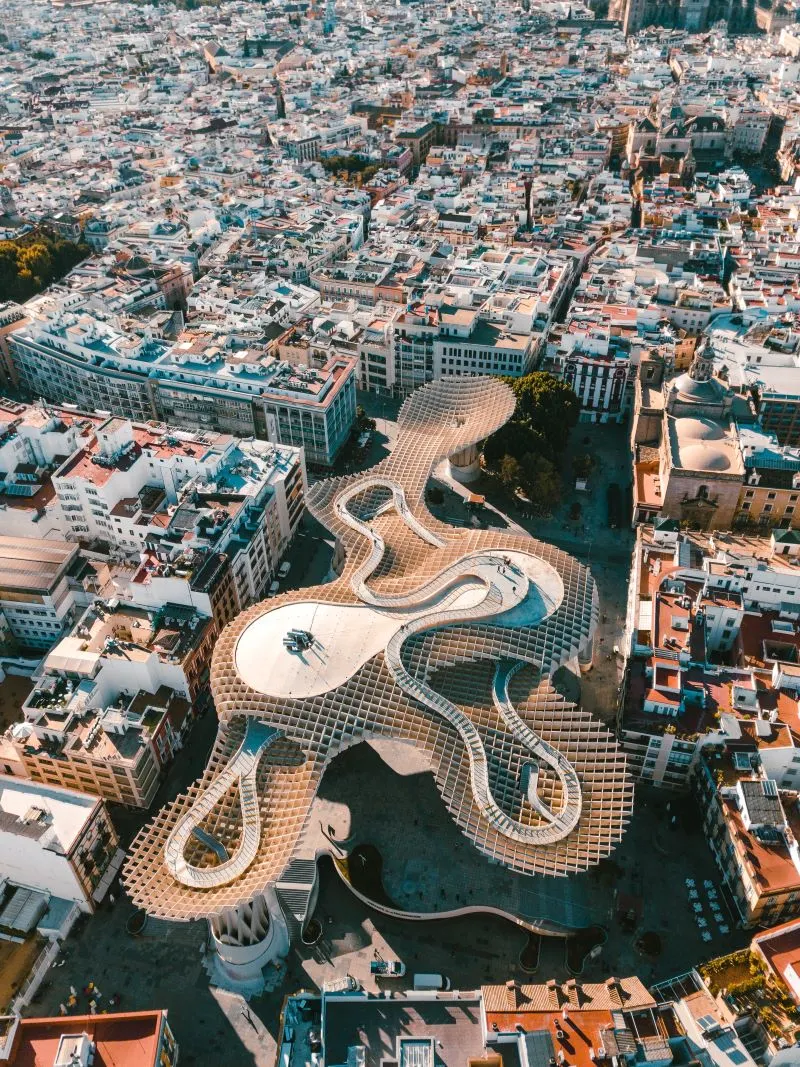
The Metropol Parasol, also known as the “Mushrooms of the Incarnation” or “Las Setas” in Spanish, is a unique modern structure located in the heart of Seville, Spain. It is the world’s largest wooden structure, and it was completed in 2011 as part of a citywide urban renewal project.
The Metropol Parasol consists of six large, mushroom-shaped structures that soar over 85 feet into the air. Visitors can take an elevator to the top of the structure, where they will be treated to stunning panoramic views of Seville and the surrounding countryside.
But the Metropol Parasol isn’t just a viewing platform. The structure also houses a market, a restaurant, and an archaeological museum, all of which are located beneath the mushrooms.
The market is a great place to try some of the local delicacies, such as cured ham, olives, and Spanish cheeses. And the restaurant offers a range of delicious dishes that are sure to delight your taste buds.
The archaeological museum is located on the lower level of the Metropol Parasol, and it features a variety of artifacts that were unearthed during the construction of the structure. Visitors can learn about the history of Seville and the ancient civilizations that once inhabited the area.
10. Visit the Museum of Fine Arts


The Museum of Fine Arts of Seville is a must-visit attraction for anyone interested in art and culture. The museum is located in a beautiful 17th-century building that was originally a convent, and it houses one of the most important art collections in Spain.
The museum features a vast array of artwork, including paintings, sculptures, and decorative arts, spanning from the medieval period to the 20th century.
Visitors can see works by some of Spain’s most celebrated artists, including Bartolomé Esteban Murillo, Francisco de Zurbarán, and Diego Velázquez, as well as many international artists.
One of the highlights of the museum is its collection of Spanish Baroque paintings, which is one of the most extensive in the world. Visitors can admire the intricate details and vibrant colors of the Baroque masterpieces, which depict religious and mythological scenes, as well as everyday life.
In addition to the permanent collection, the museum also hosts temporary exhibitions throughout the year, showcasing works by contemporary artists and exploring different themes and periods in art history.
11. Check out the Casa de Pilatos

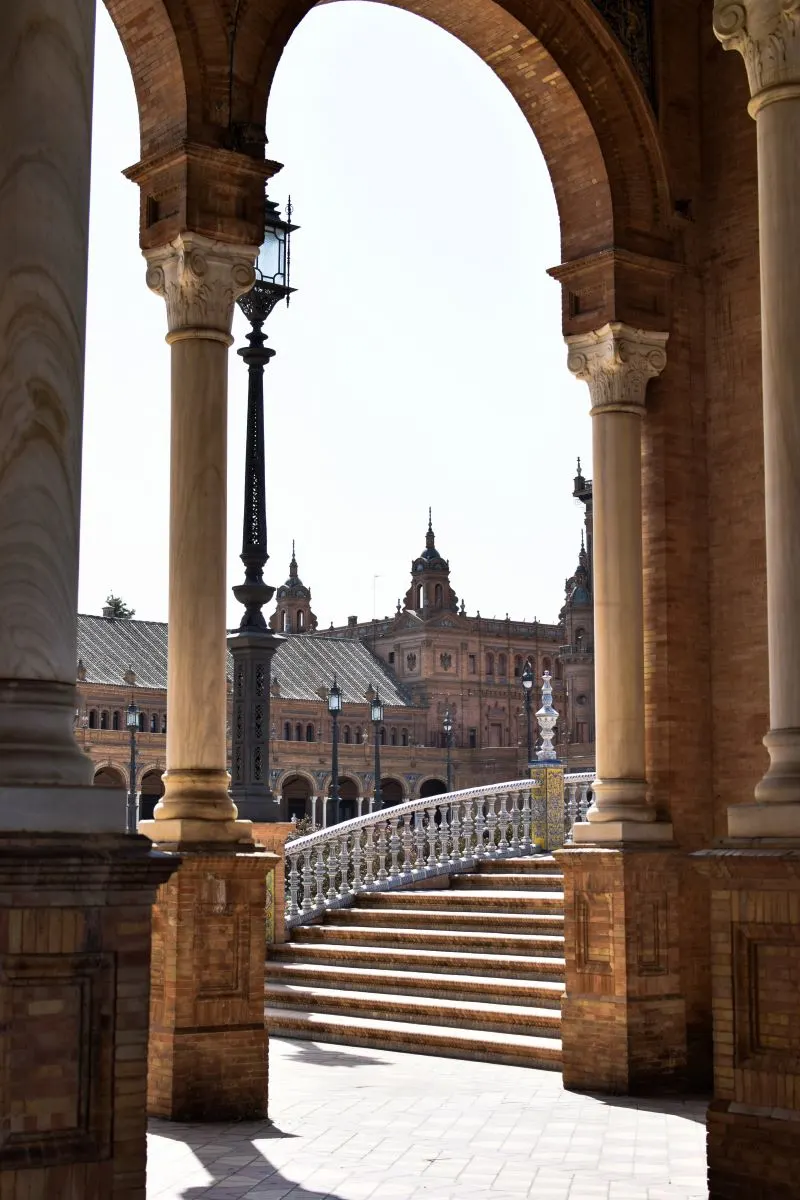
The Casa de Pilatos is a magnificent palace located in the historic center of Seville, Spain. The palace was built in the 16th century by the noble Ponce de León family, and it is a stunning example of Andalusian architecture.
The Casa de Pilatos is a mixture of different architectural styles, with elements of Renaissance, Gothic, and Mudéjar design. The palace features a central courtyard, which is surrounded by beautiful gardens and decorated with ornate fountains and sculptures.
Visitors can explore the palace’s many rooms and admire the intricate details of the architecture and decoration. The palace is filled with beautiful artwork, including paintings, sculptures, and tapestries, and visitors can see many examples of Spanish and European art from the 16th to the 19th century.
One of the highlights of the Casa de Pilatos is its stunning tilework, which is found throughout the palace. The tiles are decorated with intricate designs and bright colors, and they give the palace a unique and vibrant character.
Visitors can also stroll through the palace’s beautiful gardens, which feature a variety of plants and flowers, as well as a large pond and a pavilion. The gardens are a peaceful oasis in the heart of the city, and they offer a great place to relax and unwind.
12. Explore the Barrio de Triana

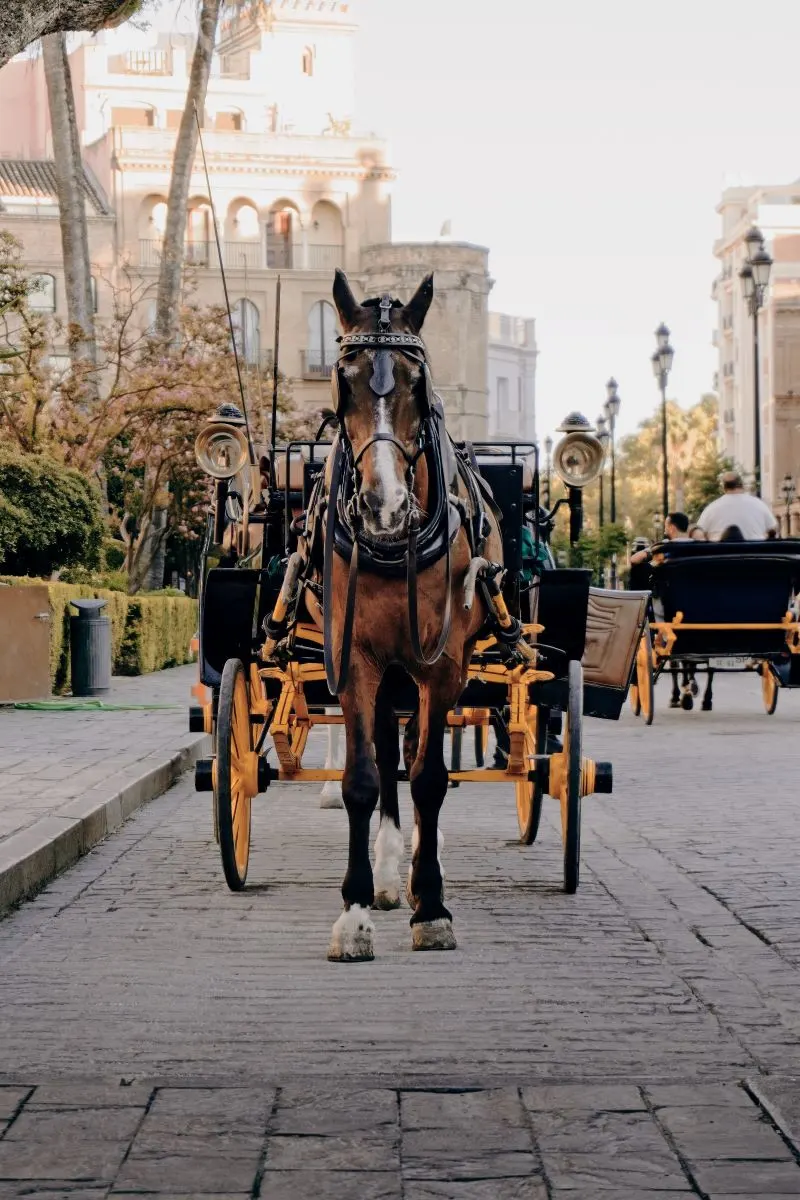
The Barrio de Triana is a vibrant neighborhood located on the west bank of the Guadalquivir River in Seville, Spain. The neighborhood has a rich history and a distinct character, and it is a must-visit destination for anyone exploring Seville.
Triana is known for its lively atmosphere, and visitors can explore the neighborhood’s narrow streets and alleys, which are filled with colorful buildings, charming cafes, and shops selling traditional crafts and pottery.
One of the highlights of Triana is its bustling market, which is located in the Plaza del Altozano. The market is a great place to sample local food and drinks, as well as to buy fresh produce and other goods.
Triana is also famous for its flamenco culture, and visitors can catch a performance at one of the many bars and clubs in the neighborhood. Flamenco is a passionate and expressive form of dance and music, and it is an essential part of Andalusian culture.
Visitors to Triana can also explore the neighborhood’s many historic landmarks, including the Castillo de San Jorge, a medieval castle that now houses a museum, and the Capilla de los Marineros, a beautiful chapel that is dedicated to Seville’s sailors.
13. Take a Flamenco show

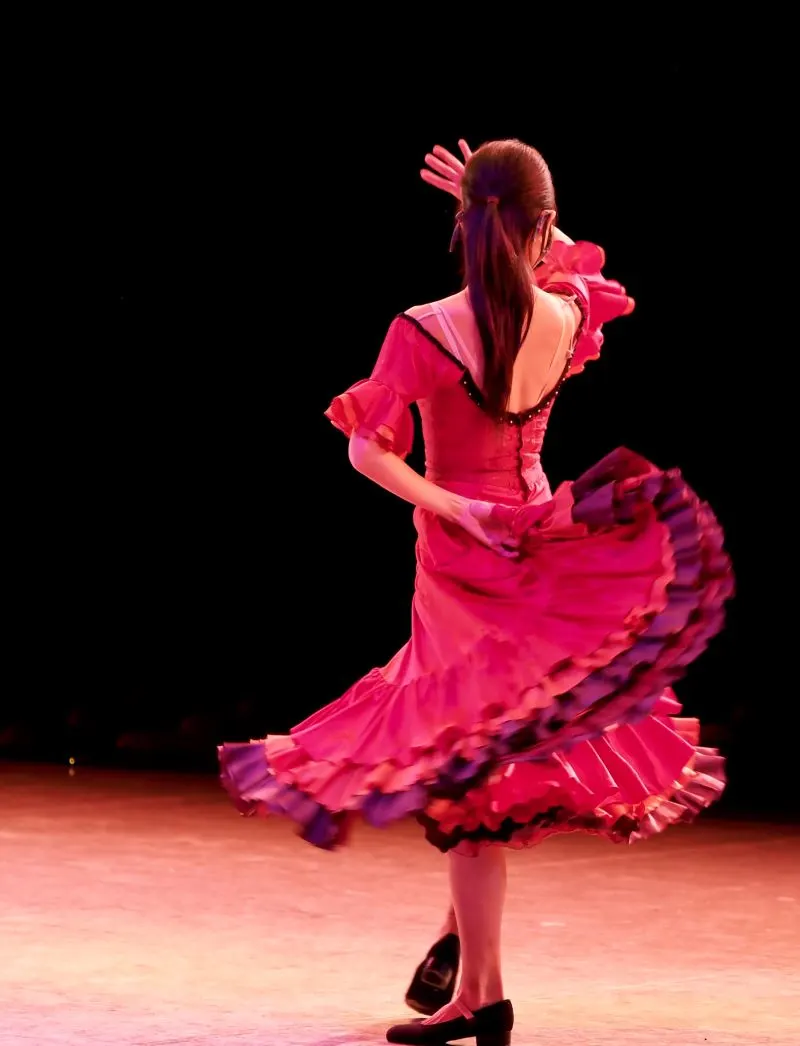
A Flamenco show is a must-see experience when visiting Seville, Spain. Flamenco is a traditional form of music and dance that originated in the Andalusia region of Spain, and it is known for its passionate and fiery performances.
Flamenco shows typically take place in intimate venues, such as small theaters or restaurants, and they feature dancers, musicians, and singers performing together to create a captivating and unforgettable performance.
The dancers wear traditional flamenco costumes, which are often adorned with frills and ruffles, and they use their bodies to express the emotion and passion of the music.
The musicians typically play the guitar, as well as other instruments like the cajón and castanets, and the singers use their powerful voices to bring the music to life.
Flamenco shows are a great way to experience the rich cultural heritage of Seville and Andalusia. They offer a unique glimpse into the traditions and history of the region, and they are a great way to spend an evening out in the city.
Whether you are a music lover or a dance enthusiast, a Flamenco show is an experience that should not be missed when visiting Seville. The performances are full of energy, passion, and artistry, and they are sure to leave you with a lasting impression of the vibrant culture of Andalusia.
14. Visit the Archaeological Museum

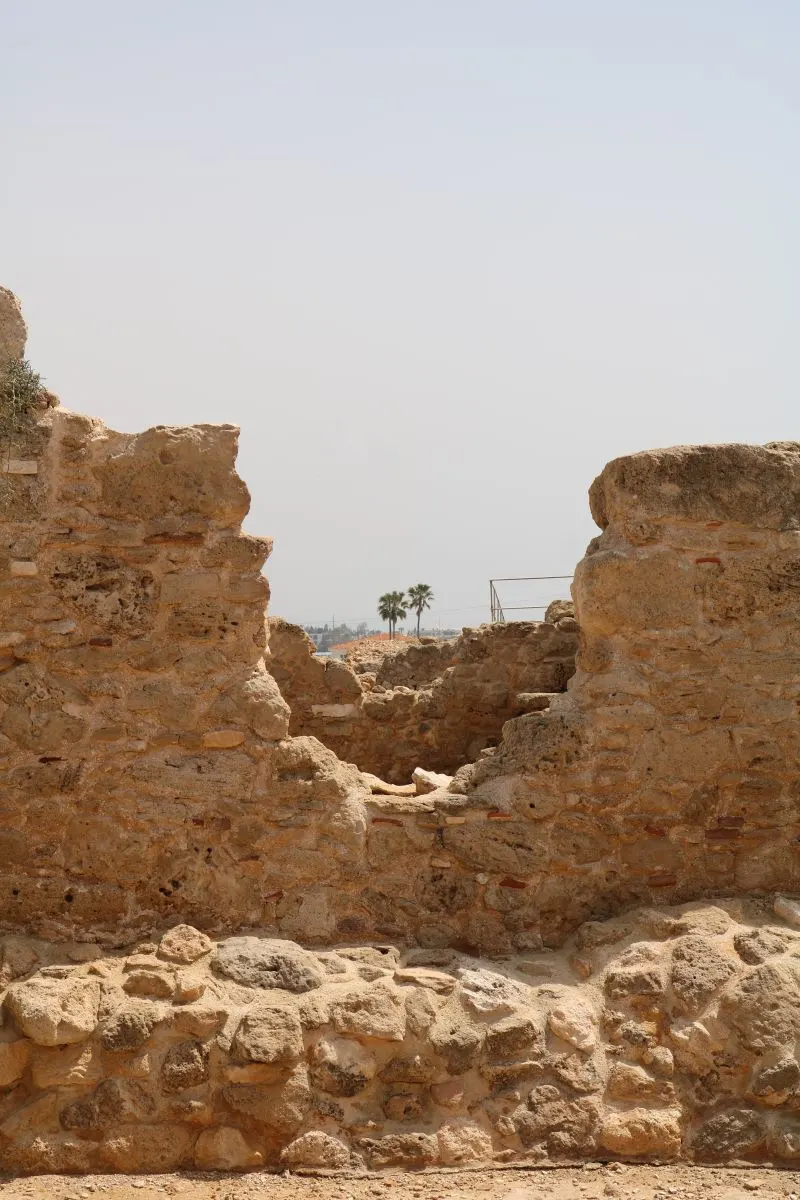
The Archaeological Museum of Seville is a fascinating destination for anyone interested in history and archaeology. The museum is located in the Maria Luisa Park, and it houses a vast collection of artifacts and exhibits that cover the rich history of Seville and the surrounding region.
The museum’s collection includes artifacts from prehistoric times all the way up to the modern era, with a particular emphasis on the Roman and Moorish periods.
Visitors can explore the museum’s many galleries, which are filled with ancient coins, ceramics, mosaics, sculptures, and other artifacts that offer a glimpse into the daily life and culture of the people who lived in the area throughout history.
One of the highlights of the museum is the collection of Roman mosaics, which are some of the finest examples of Roman art and architecture in Spain.
The mosaics depict scenes from mythology and daily life, and they are a testament to the skill and artistry of the ancient Roman craftsmen.
The Archaeological Museum also features a number of interactive exhibits and multimedia displays, which make it a great destination for families with children.
Visitors can learn about the history and culture of Seville in a fun and engaging way, and they can leave the museum with a deeper understanding of the rich heritage of this fascinating region.
15. Walk along the Guadalquivir River

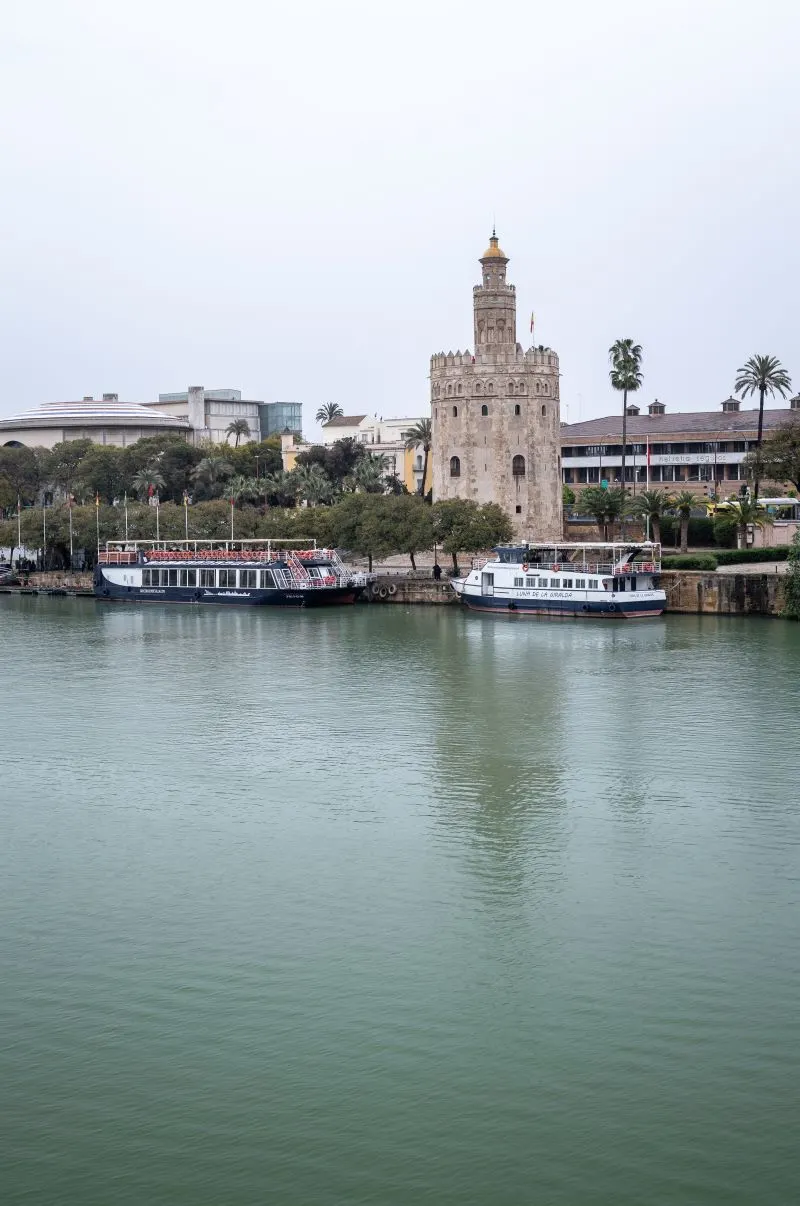
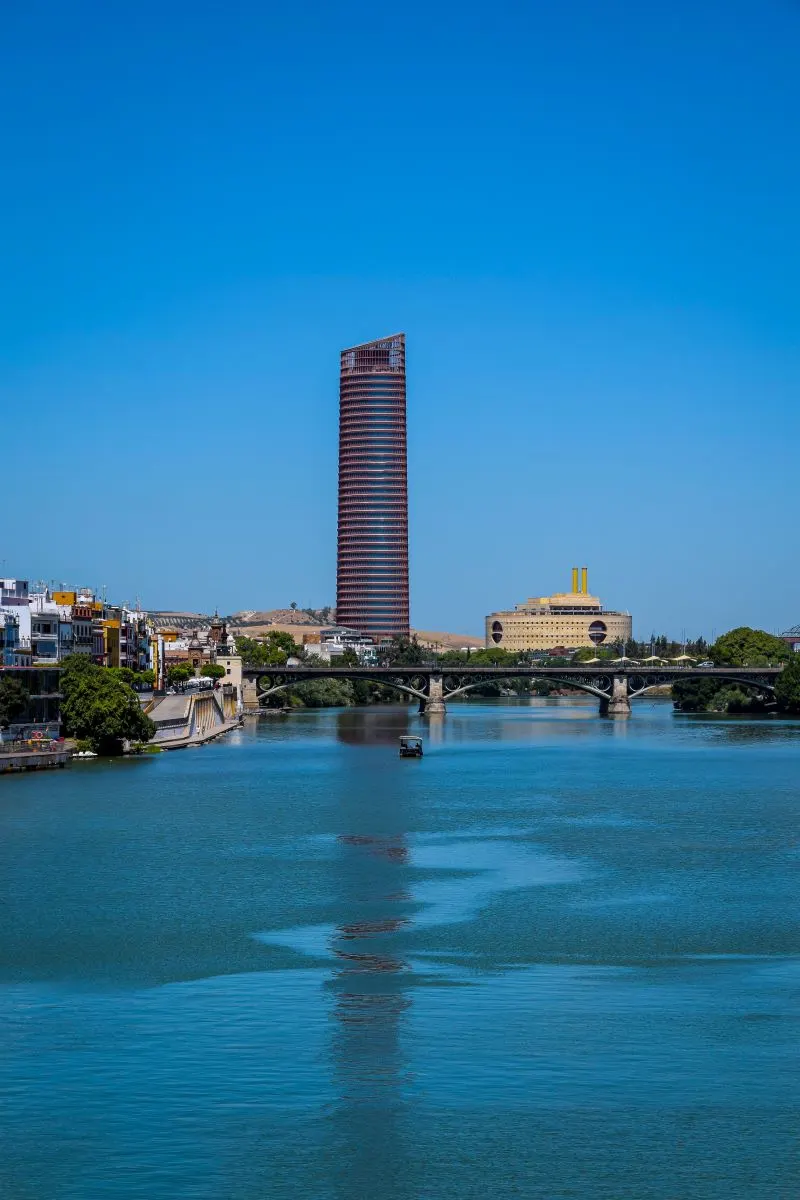
Walking along the Guadalquivir River is a great way to explore Seville and take in the city’s stunning architecture and beautiful scenery. The river is the second longest in Spain, and it has played an important role in the city’s history and culture.
The walkway along the river is lined with palm trees and offers breathtaking views of the city’s many bridges and historic buildings.
Visitors can stroll along the riverbank, stopping at one of the many cafes and restaurants along the way to take in the scenery and enjoy a refreshing drink or a bite to eat.
One of the most iconic sights along the river is the Torre del Oro, a 13th-century watchtower that served as a defensive structure during the city’s time under Muslim rule. Today, the tower houses a small naval museum, which is open to the public.
The walk along the Guadalquivir River is also a great way to access some of Seville’s most popular attractions, such as the Plaza de España and the Maria Luisa Park. Visitors can explore these attractions and then continue their walk along the river, taking in the stunning views and enjoying the city’s vibrant atmosphere.
16. Check out the Mercado de Triana

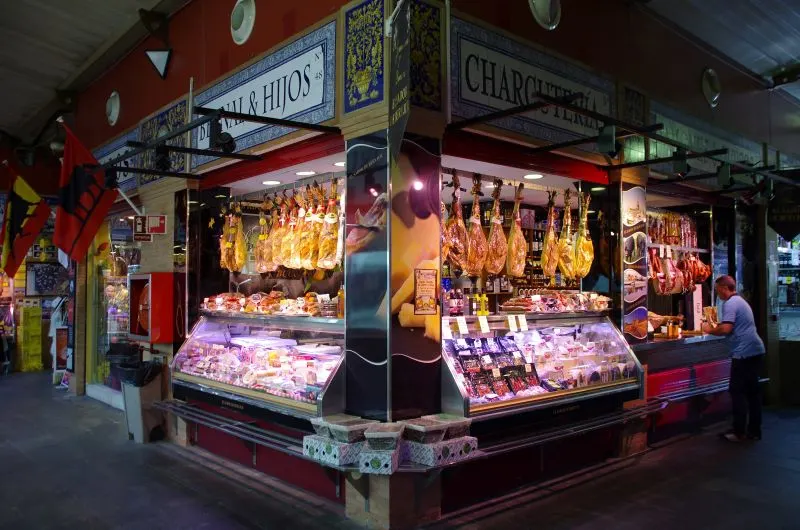
The Mercado de Triana is a popular food market located in the lively Triana neighborhood of Seville. The market is housed in a beautiful historic building and is home to dozens of vendors selling a wide variety of fresh produce, meat, fish, cheese, and other local specialties.
Visitors to the Mercado de Triana can browse the stalls and sample some of the delicious local cuisine, including fresh seafood, cured meats, and traditional Andalusian dishes like gazpacho and salmorejo. The market is also a great place to pick up ingredients for a picnic or a home-cooked meal.
In addition to the food vendors, the market also has a number of craft and souvenir stalls, where visitors can purchase handmade ceramics, textiles, and other local products.
One of the highlights of the Mercado de Triana is the vibrant atmosphere and friendly, bustling energy. The market is a popular spot for locals and tourists alike, and it’s a great place to immerse yourself in the culture and flavors of Seville.
17. Explore the Macarena neighborhood

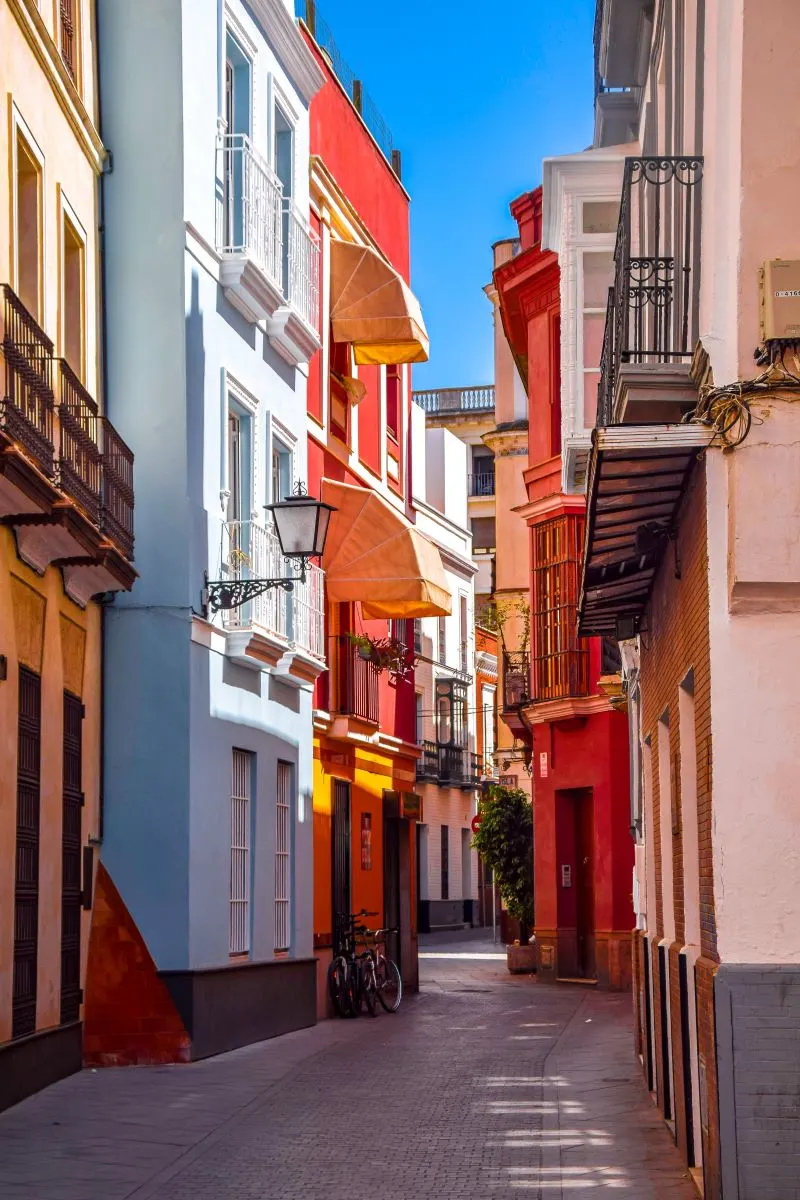
The Macarena neighborhood is located just north of the historic center of Seville and is known for its vibrant atmosphere, colorful streets, and rich history.
One of the main attractions of the Macarena neighborhood is the Basilica de la Macarena, a stunning 14th-century church that is home to one of the city’s most beloved religious icons, the Virgen de la Esperanza Macarena. Visitors can explore the church and marvel at its beautiful architecture and religious art.
The Macarena neighborhood is also home to a number of charming squares, such as the Plaza de la Alameda de Hércules, which is known for its lively bars and restaurants, as well as its beautiful gardens and fountains.
The Plaza del Pumarejo is another popular square, known for its bohemian vibe and eclectic mix of shops, cafes, and art galleries.
In addition to its historic landmarks and lively squares, the Macarena neighborhood is also a great place to experience the local culture of Seville. The area is known for its flamenco music and dance, and visitors can catch a live performance at one of the many bars and clubs in the neighborhood.
18. Visit the Basilica de la Macarena

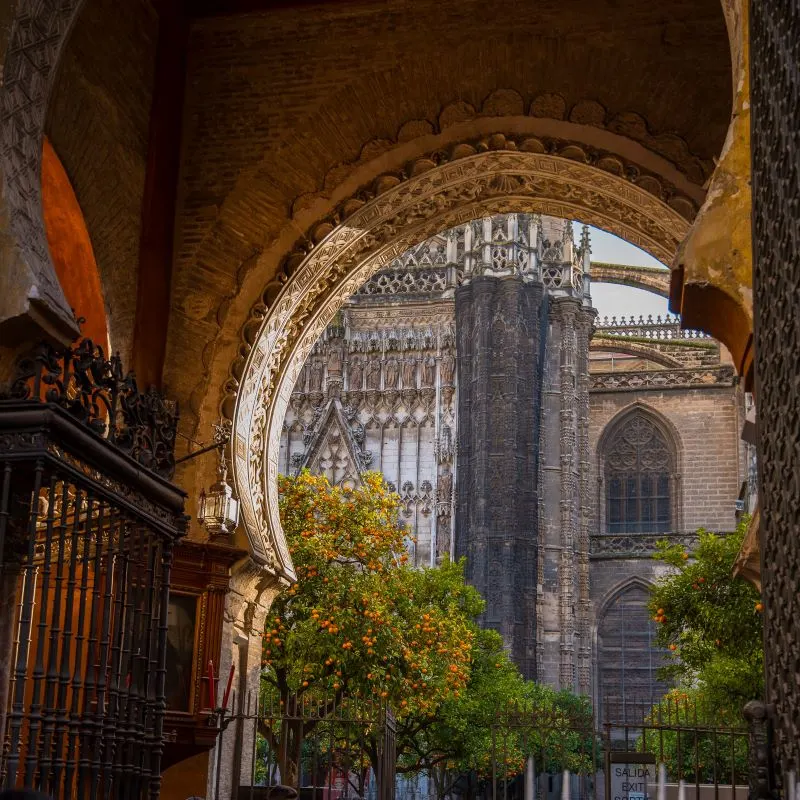
The Basilica de la Macarena is a stunning 14th-century church located in the Macarena neighborhood of Seville. The church is one of the most popular attractions in the area, and is known for its beautiful architecture and religious art.
The Basilica is home to one of Seville’s most beloved religious icons, the Virgen de la Esperanza Macarena, which is a statue of the Virgin Mary that is said to have miraculous powers. The statue is displayed in a beautiful altar, and visitors can view it up close and learn about its history and significance.
In addition to the Virgen de la Esperanza Macarena, the Basilica is also home to a number of other stunning works of art, including sculptures, paintings, and intricate gold and silver reliquaries.
Visitors can explore the church and admire its beautiful architecture, including its soaring ceilings, intricate carvings, and ornate chapels.
One of the highlights of a visit to the Basilica de la Macarena is the opportunity to witness one of the many religious processions that take place in Seville throughout the year.
These processions, which feature the Virgen de la Esperanza Macarena and other religious figures, are a deeply ingrained part of the city’s culture and history, and are a must-see for anyone interested in the traditions and customs of Seville.
19. Take a boat tour of the Guadalquivir River


Taking a boat tour of the Guadalquivir River is a great way to see Seville from a unique perspective and learn about the city’s history and landmarks.
There are several companies that offer boat tours, which typically last between 1-2 hours. The boats are usually equipped with comfortable seating and some even have refreshments on board.
As you cruise along the river, you’ll be able to take in views of some of Seville’s most famous sights, such as the Torre del Oro, the Triana Bridge, and the Plaza de España.
During the tour, you’ll also have the opportunity to learn about the history of the Guadalquivir River and its importance to the city of Seville. The river has played a crucial role in the city’s development over the centuries, and has been a major source of trade and commerce since ancient times.
Along the way, you’ll also hear interesting stories and facts about the landmarks you pass by, such as the history of the Torre del Oro, which was once a defensive tower used to protect the city’s harbor, and the Triana Bridge, which has been an important transportation link between Seville’s two main neighborhoods for centuries.
20. Visit the Museum of Flamenco Dance


The Museum of Flamenco Dance, also known as the Museo del Baile Flamenco, is a fascinating museum dedicated to the history and culture of Flamenco dance in Seville, Spain. The museum is located in the historic Santa Cruz neighborhood, just a short walk from the city’s famous cathedral and Alcázar.
The museum features a variety of exhibits and interactive displays that showcase the rich history and tradition of Flamenco dance, including its origins in Andalusia and its influence on Spanish and Latin American culture.
You’ll be able to see authentic Flamenco costumes and musical instruments, as well as videos and recordings of famous Flamenco performances.
In addition to the exhibits, the museum also offers daily Flamenco dance performances by some of Seville’s most talented dancers. These performances are a great way to experience the passion and energy of Flamenco dance up close and personal, and to gain a deeper understanding of the art form’s cultural significance.
If you’re interested in learning more about Flamenco dance, the museum also offers workshops and classes for visitors of all ages and skill levels.
These classes are taught by experienced Flamenco dancers and instructors, and provide a hands-on opportunity to learn the techniques and rhythms of this dynamic dance style.
21. Explore the Andalusian Center for Contemporary Art

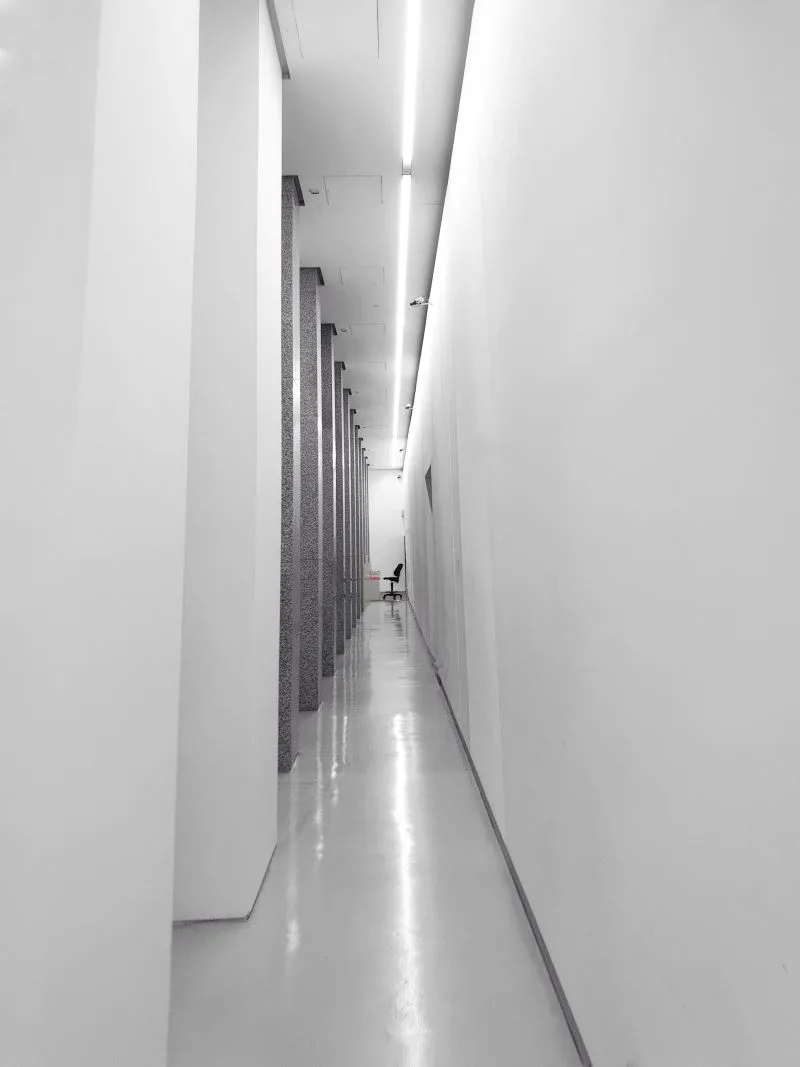
The Andalusian Center for Contemporary Art, also known as the Centro Andaluz de Arte Contemporáneo (CAAC), is a modern art museum located in the historic Monastery of Santa Maria de las Cuevas in Seville, Spain.
The museum showcases a wide variety of contemporary art from both Spanish and international artists, including painting, sculpture, photography, and video installations.
The museum’s collection includes works by some of the most important contemporary artists of the 20th and 21st centuries, such as Pablo Picasso, Joan Miró, and Louise Bourgeois.
The collection is spread across several galleries within the monastery’s beautiful and atmospheric courtyard, and includes both permanent and temporary exhibitions.
Aside from the galleries, the museum also features a sculpture garden, which is filled with works by some of the most renowned contemporary sculptors from around the world.
The garden provides a tranquil oasis where visitors can take a break from the bustle of the city and enjoy the peaceful surroundings.
In addition to the museum’s permanent and temporary exhibitions, the CAAC also hosts a variety of cultural events throughout the year, including concerts, lectures, and film screenings. There is also a café and gift shop on site, making it a great place to spend an entire afternoon.
22. Check out the Convento de Santa Paula

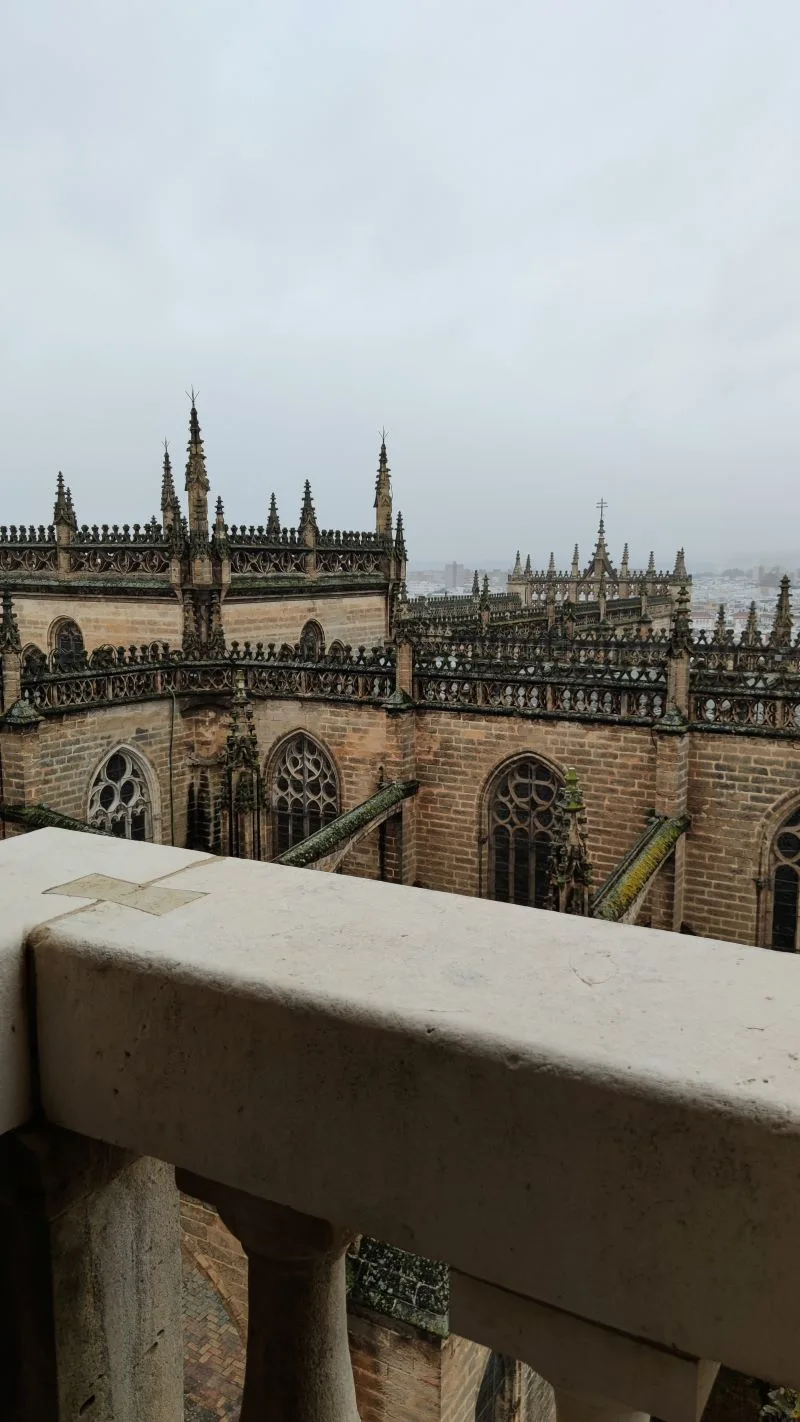
The Convento de Santa Paula is a beautiful 16th-century convent located in the heart of Seville’s old town. The convent was founded in 1492 by Santa Paula Frassinetti, an Italian nun who established a religious order dedicated to the education of young women.
Today, the convent is open to the public and visitors can explore its stunning architecture and beautiful interior. The convent’s church, which was built in the Gothic-Mudejar style, features intricate plasterwork and stunning stained glass windows. The cloisters are also a highlight, with their ornate arches and peaceful atmosphere.
One of the most unique aspects of the Convento de Santa Paula is its pastry shop, which is located inside the convent and is run by the nuns themselves. The shop offers a variety of delicious treats, including traditional Sevillian pastries such as the “yemas de Santa Teresa” (egg yolk sweets).
In addition to the pastry shop, the convent also houses a museum that displays a collection of religious art, including paintings, sculptures, and tapestries from the 16th to the 18th centuries. The museum provides visitors with a fascinating glimpse into the history and culture of Seville during this period.
23. Visit the Hospital de los Venerables

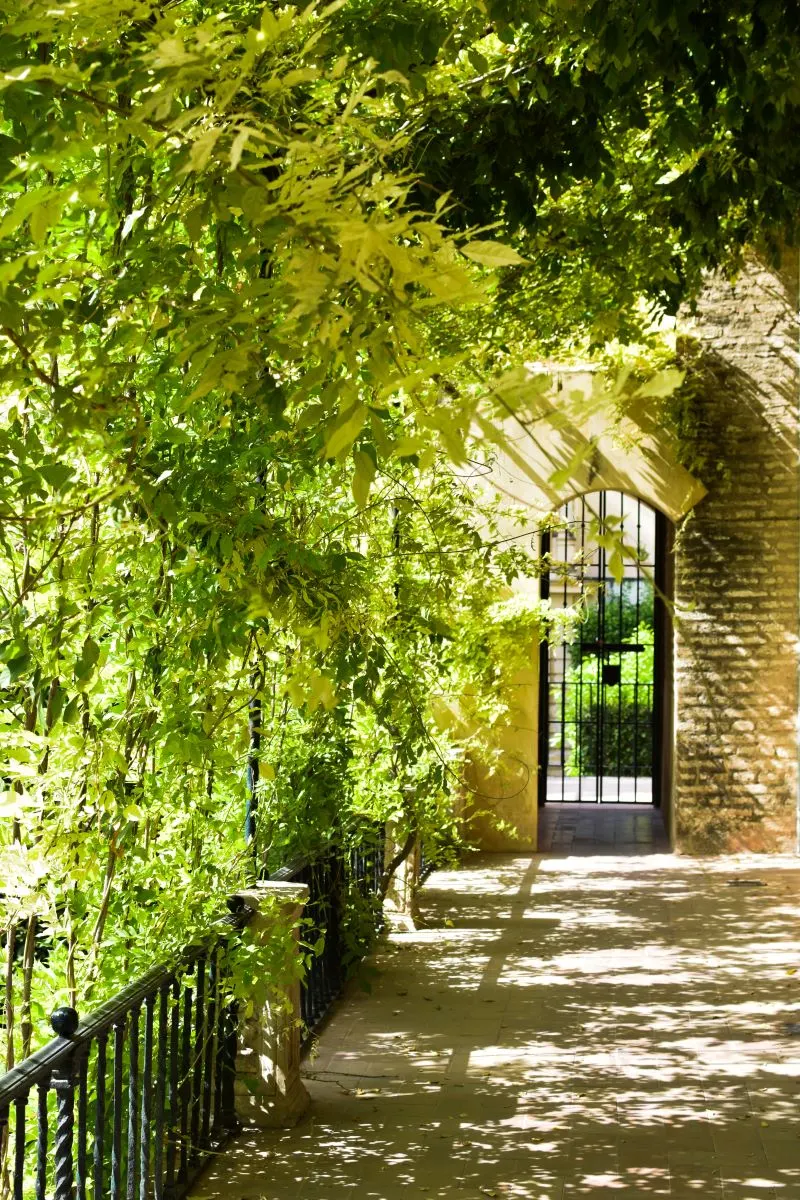
The Hospital de los Venerables is a 17th-century Baroque building located in the heart of Seville’s historic center. It was originally founded as a retirement home for aged and infirm priests, but today it serves as a cultural center and museum.
The building itself is a stunning example of Baroque architecture, with an ornate facade featuring intricate carvings and sculptures. Inside, visitors can explore the various rooms and galleries that make up the museum, including the chapel, the courtyard, and the former living quarters of the priests.
One of the highlights of the Hospital de los Venerables is the Diego Velázquez Centre, which is dedicated to the life and work of the famous Spanish painter who lived and worked in Seville during the 17th century.
The centre contains a collection of Velázquez’s paintings, as well as works by other Spanish artists from the same period.
In addition to the art galleries, the Hospital de los Venerables also features a library and archive that contains a wealth of historical documents and manuscripts. The archive is particularly important for scholars and researchers interested in the history of Seville and Andalusia.
24. Take a day trip to the Roman ruins of Italica

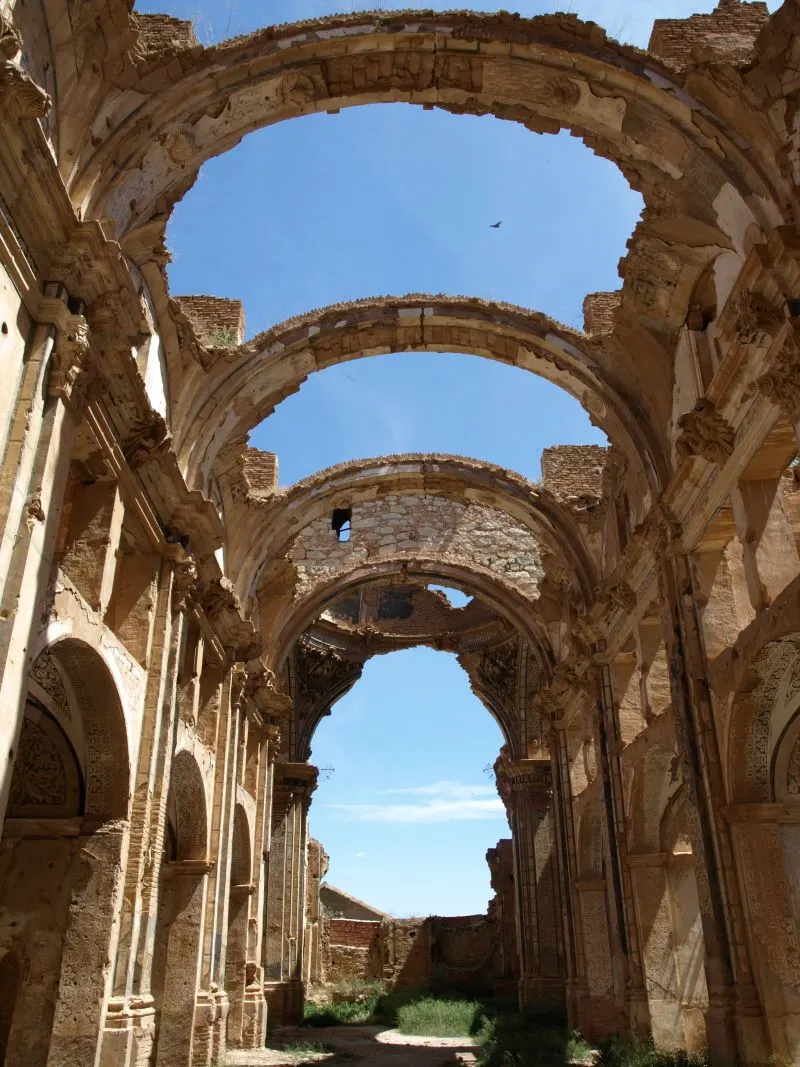
A day trip to the Roman ruins of Italica is a fantastic way to explore the fascinating history of ancient Rome in Spain. Italica is located just 5 kilometers north of Seville and can be easily reached by public transport or car.
Italica was founded in 206 BC and was one of the earliest Roman settlements in Spain. It played an important role in the history of the Roman Empire and was the birthplace of two famous emperors: Trajan and Hadrian.
Today, the ruins of Italica offer a glimpse into the daily life of ancient Rome. Visitors can explore the ruins of the amphitheater, which was one of the largest in the Roman Empire and could seat up to 25,000 spectators. The amphitheater was used for gladiator fights and other public spectacles.
Another highlight of Italica is the remains of the Roman houses, which feature well-preserved mosaics, frescoes, and other decorative elements. Visitors can also explore the public baths, which were an important part of Roman life.
One of the most impressive features of Italica is the Trajanic Fountain, which was built in the 2nd century AD and is one of the best-preserved Roman fountains in the world. The fountain features a large pool surrounded by statues and columns, and is a testament to the skill and artistry of the Roman engineers and architects.
25. Explore the gardens of the Real Alcázar

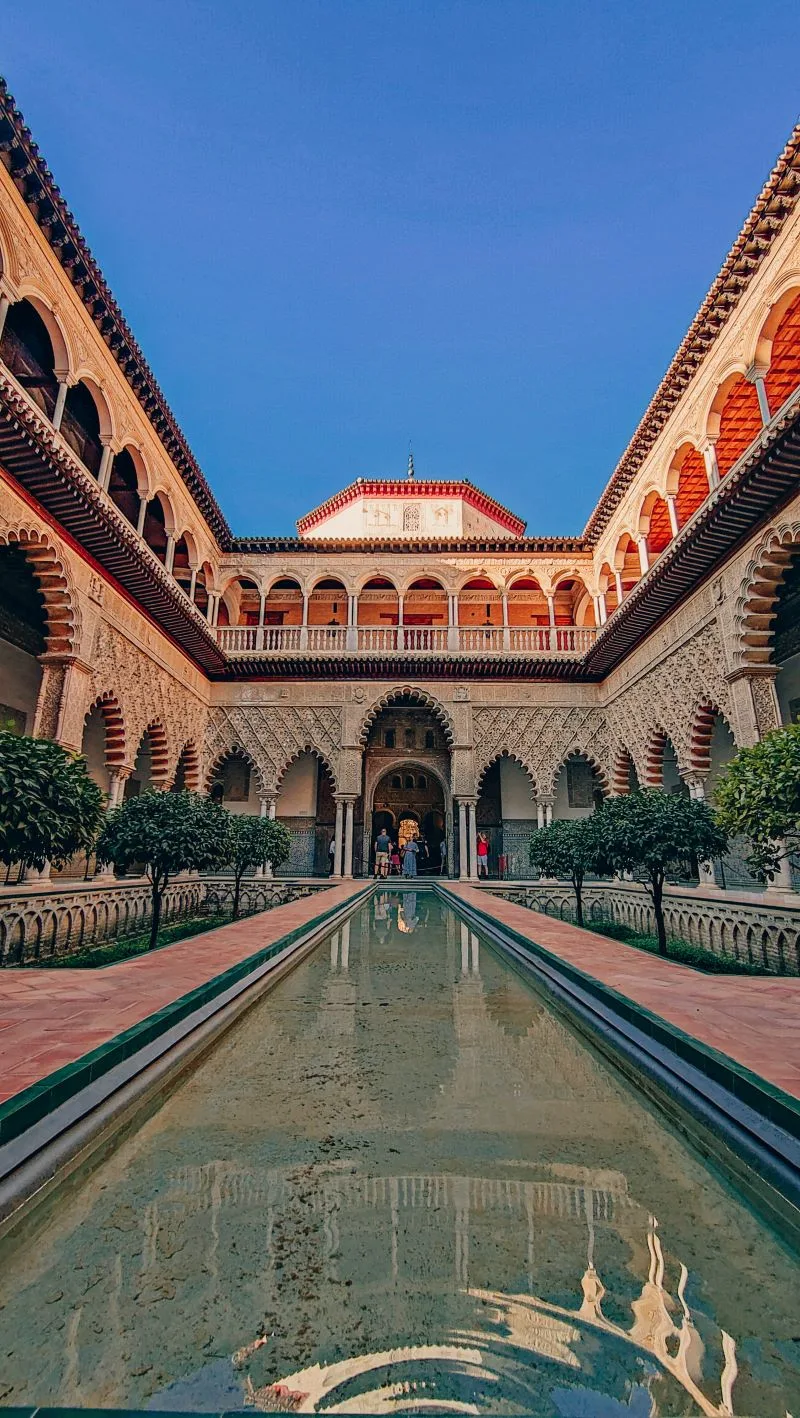
The gardens of the Real Alcázar in Seville are a breathtakingly beautiful oasis in the heart of the city. The Real Alcázar is a royal palace complex that dates back to the 14th century, and the gardens are a testament to the skill and artistry of the Moorish and Christian cultures that have shaped the palace over the centuries.
The gardens are a sprawling network of pathways, fountains, pools, and terraces, all surrounded by lush greenery and fragrant flowers. Visitors can explore the various gardens and courtyards, each with its own unique style and character.
One of the most impressive features of the gardens is the intricate tile work, which adorns many of the walls and fountains. The tile work is a hallmark of Andalusian architecture and is a beautiful example of the fusion of Moorish and Christian design elements.
Visitors can also admire the many fountains and water features in the gardens, which were an important part of the Moorish design philosophy. The sound of flowing water is a soothing and refreshing accompaniment to a leisurely stroll through the gardens.
The gardens are also home to a wide variety of plant species, including orange trees, palm trees, and exotic flowers. The scents and colors of the flowers and plants create a sensory feast for the eyes and nose, and the cool shade of the trees provides a welcome respite from the heat of the Spanish sun.
These are just a few of the many great things to do in Seville, Spain. Enjoy your trip!
Spanish food in Seville

Spanish cuisine is world-renowned for its bold flavors, fresh ingredients, and hearty portions, and Seville is no exception. The city is home to a wide variety of traditional and modern Spanish restaurants, bars, and cafes, all offering their own unique take on the culinary delights of Andalusia. In this article, we will explore some of the most popular dishes and drinks to try while dining in Seville.
Tapas
No discussion of Spanish cuisine would be complete without mentioning tapas, the quintessential small plates that are a staple of Spanish dining. Tapas are a great way to sample a variety of dishes in one meal, and there are countless options to choose from in Seville. Some popular tapas dishes in Seville include:
- Patatas bravas: crispy potatoes served with a spicy tomato sauce
- Croquetas: creamy croquettes filled with ham, chicken, or cheese
- Gambas al ajillo: sautéed garlic shrimp
- Salmorejo: a cold tomato soup similar to gazpacho
- Montaditos: small sandwiches filled with a variety of ingredients, such as ham, cheese, or tuna
Paella
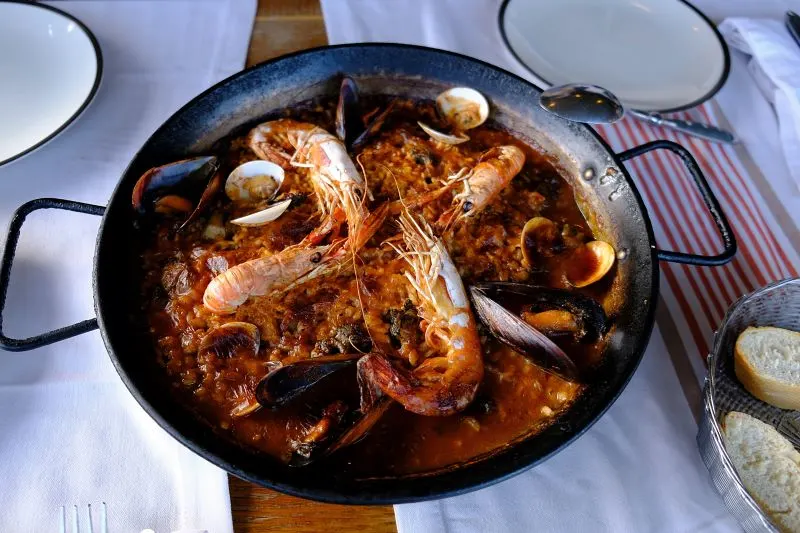
Paella is another iconic Spanish dish that is a must-try while in Seville. This rice-based dish is traditionally made with saffron, chicken, and seafood, although there are many variations to choose from. Some restaurants in Seville even offer vegetarian or vegan paella options. Paella is typically served in large portions, making it a great dish to share with a group.
Gazpacho
Gazpacho is a refreshing cold soup that is perfect for hot summer days in Seville. Made with ripe tomatoes, peppers, cucumbers, and onions, gazpacho is blended to a smooth consistency and served chilled. It is often topped with croutons and drizzled with olive oil.
Iberian Ham
Iberian ham is a prized Spanish delicacy that is made from the meat of free-range pigs that are fed a diet of acorns. The ham is cured for several years and sliced thinly before serving. Iberian ham is typically served as a tapa or as a main course with bread and tomatoes.
Drinks
Seville is home to a vibrant bar scene, with many bars offering traditional Spanish drinks such as sherry, vermouth, and sangria. Some popular drinks to try in Seville include:
- Tinto de verano: a refreshing summer drink made with red wine and lemon soda
- Rebujito: a mix of sherry and lemon-lime soda, often served at the annual Feria de Abril festival in Seville
- Cruzcampo beer: a local beer that is a popular choice among Sevillanos
In conclusion, Seville offers a wide variety of delicious and authentic Spanish cuisine, from tapas to paella to Iberian ham. Visitors to the city are sure to find something to suit their tastes and enjoy the rich culinary heritage of Andalusia. Whether you’re dining in a traditional tapas bar or trying modern twists on classic dishes, Seville is a food lover’s paradise.
20 Best Restaurants In Seville, Spain

- Eslava – This award-winning restaurant serves traditional Andalusian cuisine with a modern twist, using fresh local ingredients.
- Abantal – A Michelin-starred restaurant known for its creative cuisine and sophisticated atmosphere.
- Az-Zait – This cozy restaurant serves delicious Moroccan and Mediterranean-inspired dishes, with an emphasis on fresh, healthy ingredients.
- La Brunilda Tapas – A popular spot for traditional Spanish tapas, with a modern twist.
- Becerrita – Known for its traditional Andalusian dishes and upscale atmosphere, this restaurant has been a favorite among locals and visitors alike for over 40 years.
- El Pintón – This stylish restaurant serves innovative cuisine using fresh, locally-sourced ingredients, and features an extensive wine list.
- La Azotea – With several locations in Seville, this popular restaurant serves creative tapas and modern Mediterranean cuisine.
- Restaurante Oriza – Set in a beautiful historic building, this restaurant serves classic Andalusian cuisine with a modern twist, using the freshest local ingredients.
- Casa Manolo León – A traditional Andalusian restaurant with a cozy atmosphere and delicious, home-style dishes.
- Al Aljibe – This family-run restaurant serves authentic Andalusian cuisine, with an emphasis on fresh, locally-sourced ingredients.
- La Pepona – A popular tapas bar known for its creative dishes and lively atmosphere.
- Dos de Mayo – With a focus on fresh, seasonal ingredients, this restaurant offers a modern twist on classic Andalusian cuisine.
- Abades Triana – Set in a beautiful riverside location, this restaurant offers stunning views and delicious contemporary Spanish cuisine.
- El Rinconcillo – One of Seville’s oldest taverns, this historic spot serves traditional Andalusian tapas and hearty dishes.
- Vineria San Telmo – A popular wine bar and restaurant known for its creative tapas and extensive wine list.
- Restaurante Egaña Oriza – A Michelin-starred restaurant known for its innovative cuisine and elegant atmosphere.
- Bar Estrella – A traditional Andalusian tavern serving classic tapas and dishes, with a focus on fresh, local ingredients.
- Casa Robles – This family-run restaurant offers classic Andalusian cuisine with a modern twist, using fresh, seasonal ingredients.
- El Contenedor – A popular spot for creative tapas and innovative dishes, using fresh, locally-sourced ingredients.
- La Bartola – This cozy restaurant serves traditional Andalusian dishes, with an emphasis on fresh, local ingredients and a warm, welcoming atmosphere.
Transportation In Seville
Seville has a variety of transportation options for getting around the city. Here are some of the most popular:
- Metro: The Seville Metro is a modern and efficient system that covers several key areas of the city, including the historic center and the southern part of the city. It operates from 6:30 a.m. to 11:00 p.m. and offers frequent service.
- Bus: The bus system in Seville is extensive and affordable, with a wide range of routes that cover the entire city. There are also night buses available on certain routes. Tickets can be purchased on the bus or at designated kiosks throughout the city.
- Tram: The Seville tram is a sleek and modern system that connects the city center with several suburbs to the west. It operates from 6:00 a.m. to 11:00 p.m. and offers comfortable and efficient service.
- Taxi: Taxis are widely available in Seville and are a convenient option for getting around the city. They can be hailed on the street or reserved in advance by phone or through an app. Fares are regulated by the city and are based on distance traveled.
- Bicycle: Seville has an extensive network of bike lanes and rental bikes, making it easy to explore the city on two wheels. Bike rental companies are located throughout the city, and there are several bike share programs available as well.
- Walking: Seville is a very walkable city, with many of the main attractions located within a relatively small area. Walking is a great way to see the city up close and to explore its many hidden corners and charming neighborhoods.
Seville is a city that captivates its visitors with its rich history, stunning architecture, and vibrant culture. From the grand Alcázar to the colorful streets of Triana, Seville offers a wealth of experiences for travelers looking to immerse themselves in Spanish culture.
Whether you’re strolling through the picturesque Maria Luisa Park, enjoying a flamenco show, or sampling the delicious local cuisine, there’s no shortage of things to do and see in Seville.
With its warm climate, friendly locals, and stunning attractions, it’s easy to see why Seville is one of Spain’s most popular destinations. So come and explore this charming city for yourself and discover all that it has to offer!
Leave a comment